
Affiliate disclosure: this page contains affiliate links. Purchases made through them may earn us a commission at no extra cost to you. See our affiliate disclosure.
In plain English
The West Highland Way is a long walk that links one village to the next. There are no mountain huts along it. Instead you sleep in ordinary places, such as small hotels, guesthouses and hostels, or in a tent. That sounds relaxed, but it means each night needs a bed in a particular village, and every village has only so many.
Think of a train line with small stations. If you want to stop at a station, you need a ticket for that stop, and the small stops sell out. That is why the official site tells walkers to book early, even outside summer, and why some people plan their whole walk around whichever beds they can find.
If you would rather camp, Scotland lets you pitch a small tent in many places for a couple of nights. The catch is that one national park along the loch has extra rules in spring and summer. Camping also means you carry more, so your pack ends up bigger and heavier than the pack of someone who sleeps indoors every night.
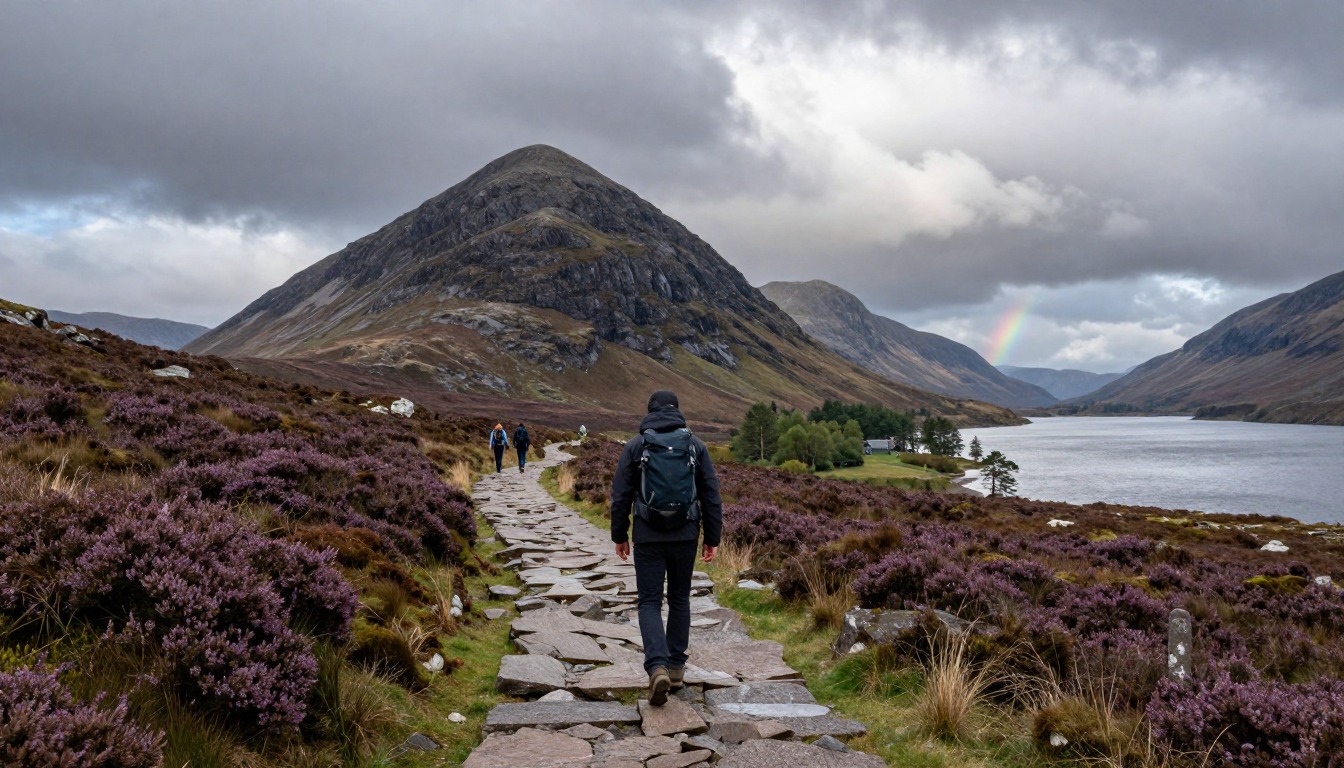
The West Highland Way is a 96-mile point-to-point walk from Milngavie, just outside Glasgow, to Fort William, tracing the shore of Loch Lomond before crossing the wild expanse of Rannoch Moor beneath Ben Nevis. Most people walk it between April and October. Because it runs town to town rather than hut to hut, where you sleep each night is a string of small decisions — B&Bs, inns, hostels, and bunkhouses in villages along the route — best made and booked before you start walking.
Why hike here
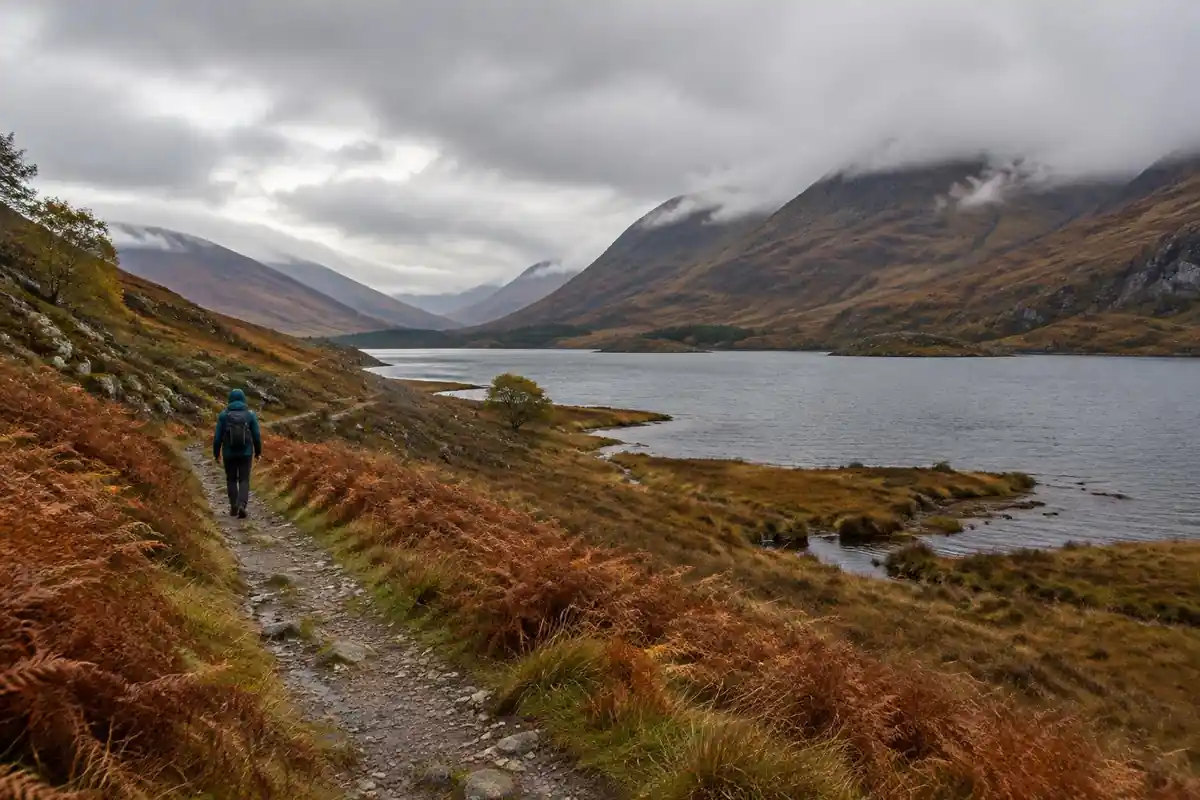
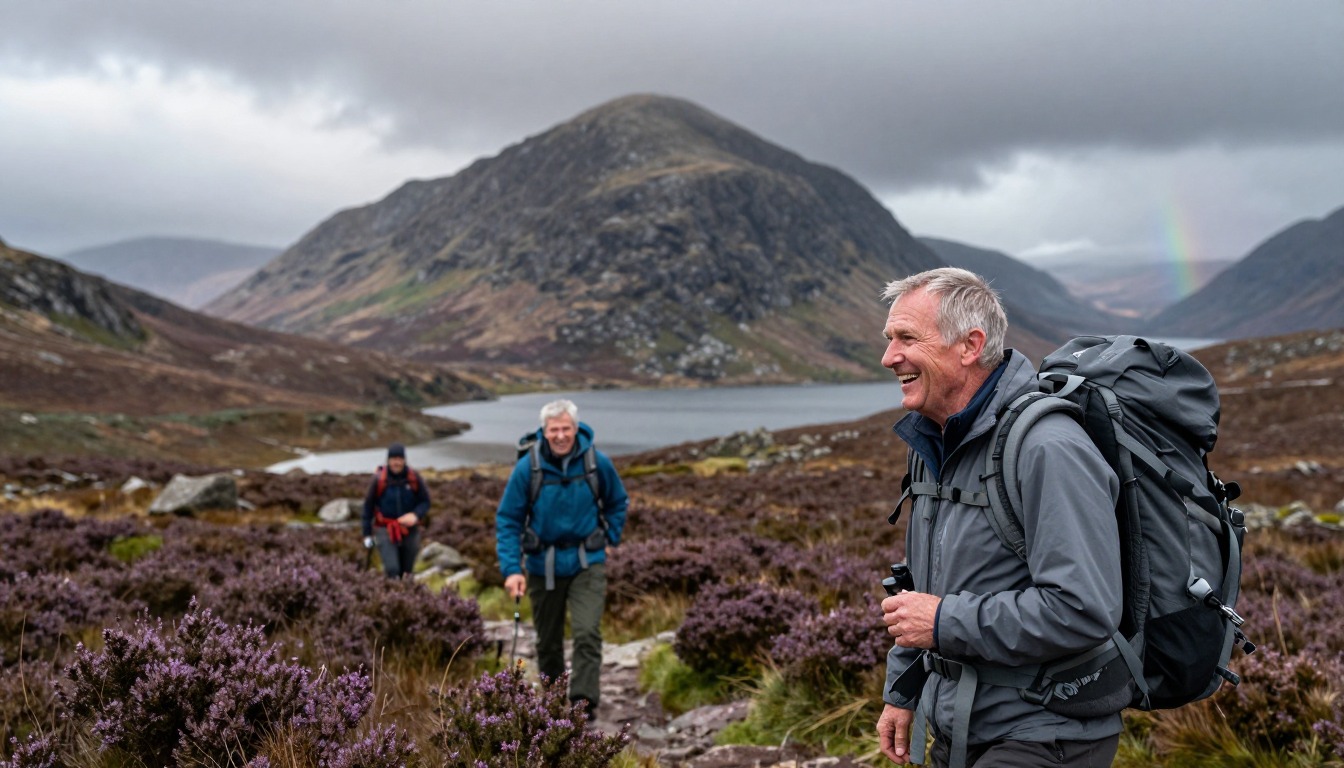
Few long-distance walks change character as often as this one. Leaving Milngavie, near Glasgow, you spend the early days walking the length of Loch Lomond, the path hugging its eastern shore through woods and past small villages. Beyond the loch the landscape opens up entirely: Rannoch Moor is a wide, empty stretch of bog and heather with almost no shelter, a genuine change of pace after the loch. From there Ben Nevis, Britain's highest mountain, starts to dominate the skyline as the route drops toward Kinlochleven and climbs on to Fort William. The walk moves from lochside path to open wilderness to mountain town, with villages like Drymen, Rowardennan, and Tyndrum marking the days in between.
Getting there
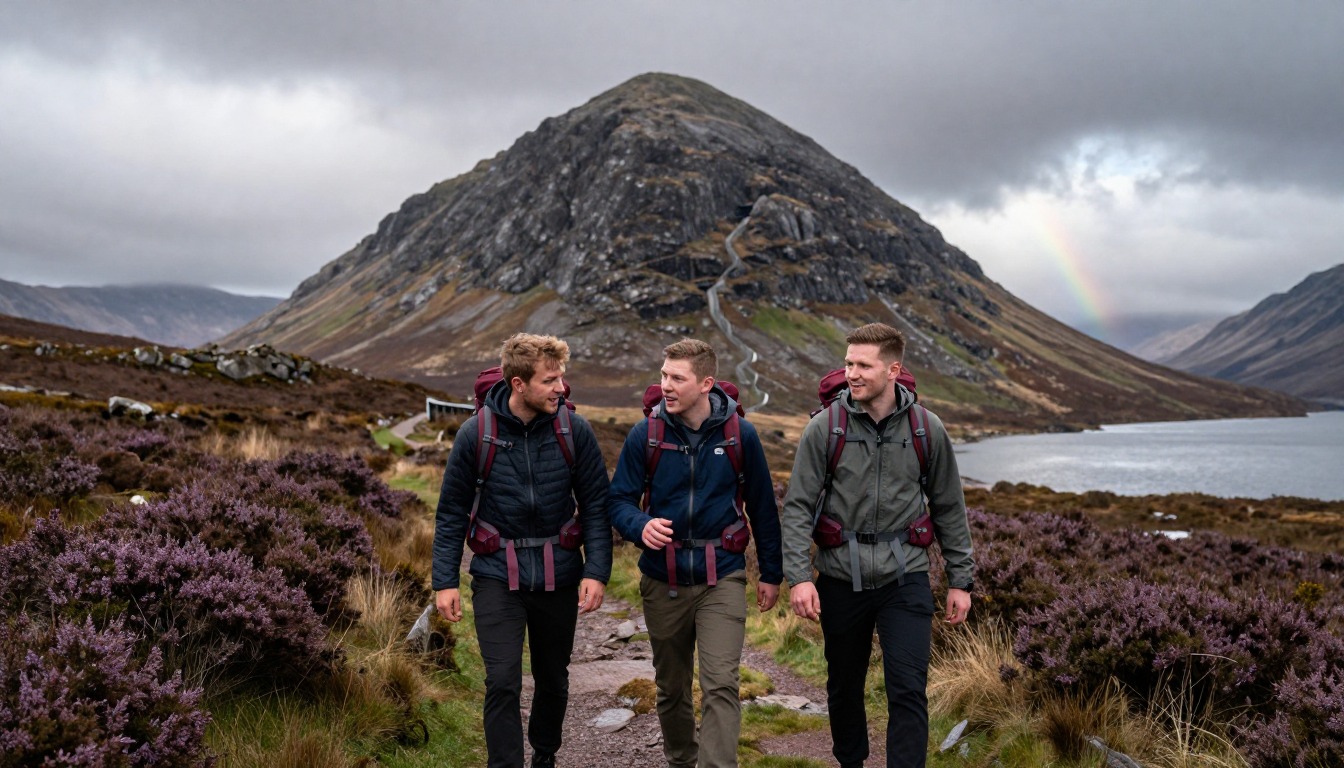
Glasgow is the gateway to the West Highland Way, with an international airport serving flights from across the UK and Europe and connections beyond. From the city center, a short train ride brings you to Milngavie, the official start of the trail, so no additional transfer is really needed once you've reached Glasgow itself. At the other end, Fort William has its own rail and bus links back to Glasgow, making it straightforward to return to the airport once you finish, or to arrange a one-way trip if someone starts the walk from the Fort William side instead.
Where to stay
The realistic options, closest-to-the-trail first. Book through the official links — we don't list prices or availability because they change all the time.
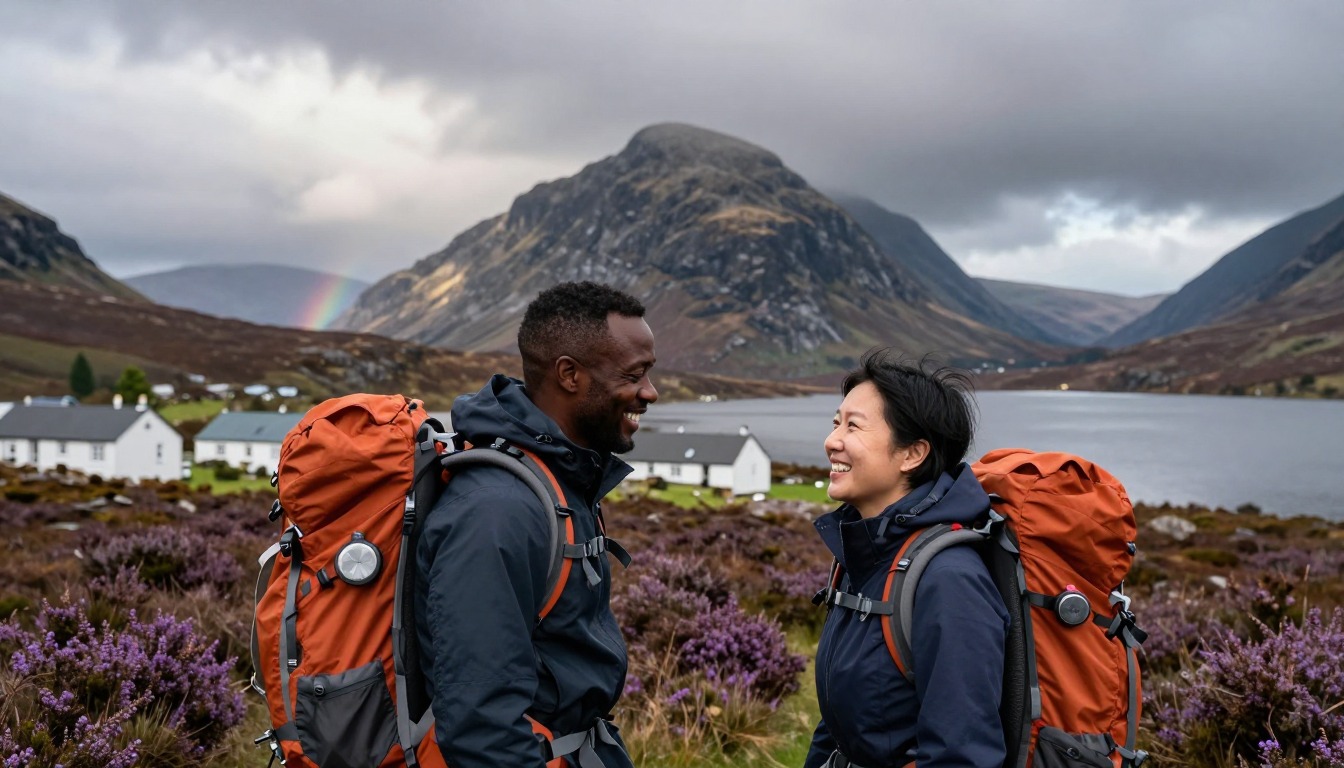
For example: B&Bs, inns, hostels and bunkhouses in Drymen, Rowardennan, Tyndrum, Kinlochleven and more
Most walkers — the Way is a comfortable, town-to-town long-distance path.
Popular stages book up in summer; reserve rooms in advance.
Book each night’s lodging aheadFor example: Established campsites plus wild camping under Scottish access rights (with Loch Lomond byelaw limits)
Budget walkers and campers carrying a tent.
Follow the Scottish Outdoor Access Code and Loch Lomond camping byelaws.
Campsites & Scottish outdoor access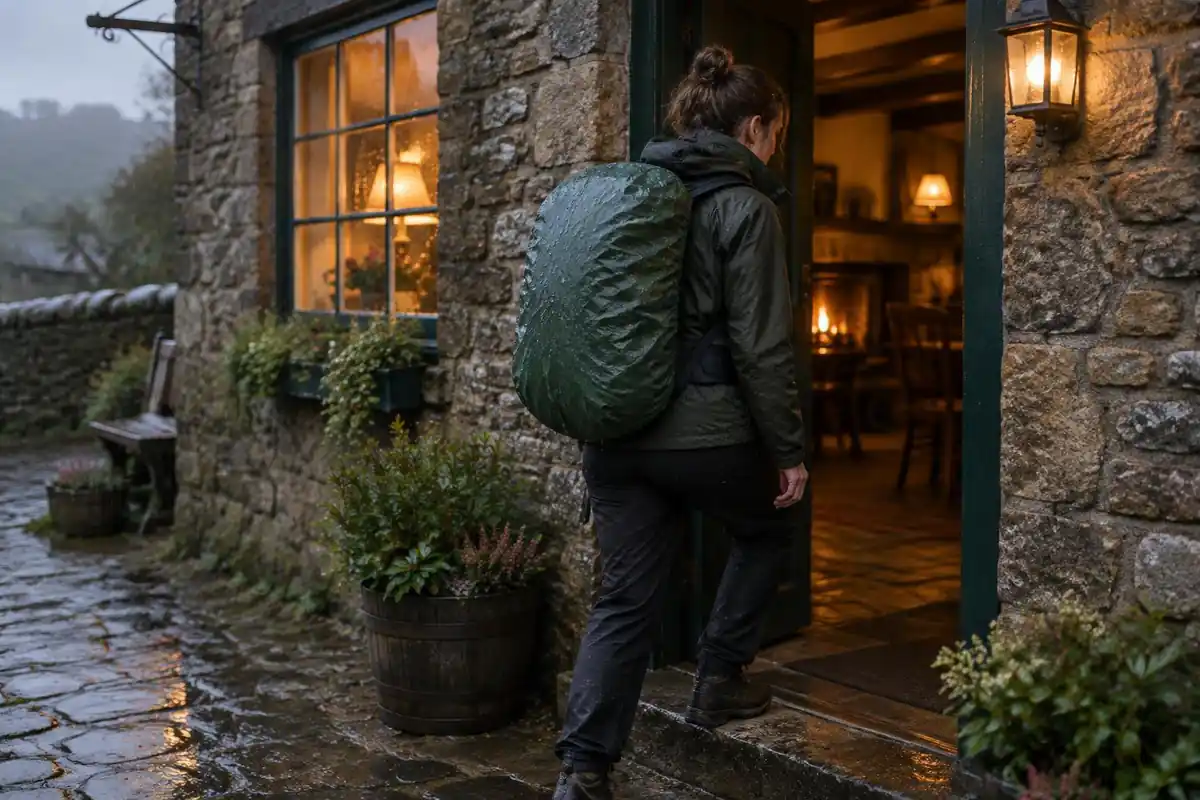
Permits & rules
No permit is required to walk. Wild camping is generally allowed under Scottish access rights, but seasonal byelaws restrict it along parts of Loch Lomond — use managed campsites there.
Gear you'll want for this trip
Matched to the terrain and conditions here. Real products — check current price on Amazon.


Stages, beds and the booking puzzle
The official itineraries range from five to seven days. The five-day version has days of 15 to 21 miles, while the seven-day versions keep most days between 9 and 19 miles.2 The official FAQ says the average walker takes six to seven days.1 Because everyone stops in the same handful of villages, the same nights are contested, and the itinerary page notes that some areas have limited availability and that people organize a whole walk around it.2
Its practical tips are worth copying: start mid-week if you can, and if a bed is hard to find in one village, take transport back to the previous night's lodging.2 It also warns that the stretch at the northern end of Loch Lomond, from Inversnaid to Inverarnan, is much harder and slower than many people expect, so do not set day length from mileage alone.2 Mountaineering Scotland gives a slower variant of Naismith's rule, 4 km/h plus one minute per 10 m of ascent, and stresses that speed depends on pack weight, ground and weather, which is a reminder that a camper carrying a tent should budget more time than a walker with a day pack.4
Camping rules and what they do to your pack
The official FAQ says wild camping is permitted under the Scottish Outdoor Access Code when it is lightweight, in small numbers and for only two or three nights in one place, and not in enclosed fields of crops or animals.1 Inside the national park, camping byelaws operate between March and September, and the East Loch Lomond byelaws also cover firelighting, where irresponsible fires could lead to a fine.1 The site prefers a stove to an open fire.1 It gives no fixed distance from water; the US National Park Service's 200 feet is a useful benchmark for choosing a pitch, not a Scottish rule.5 Confirm current byelaw areas with the national park authority before you go.
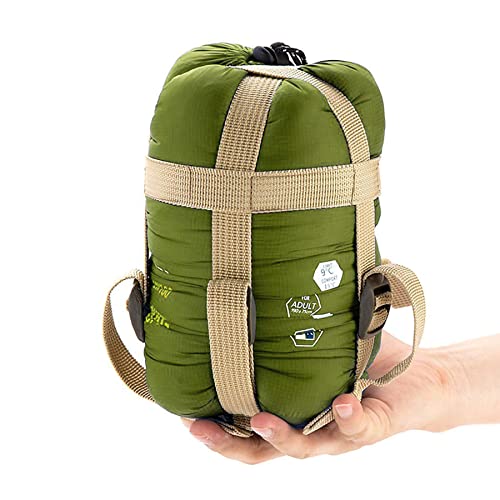
Sleeping in a tent changes the pack you need. Washington Trails Association suggests 45 to 50 liters for one or two nights and 50 to 70 liters for three to seven nights, so a six- or seven-day camper sits at the top of that range.6 A walker sleeping indoors every night can manage with a pack sized for a full day, which the same source puts at 25 to 30 liters.6 Stove fuel is the awkward item. The US Transportation Security Administration prohibits flammable liquid fuels, including cooking fuel, in carry-on and checked bags.3 The official FAQ points fliers to outdoor stores in Glasgow, with more limited options in Milngavie, and tells you to check availability and opening hours.1 Canister fuel is not stocked everywhere, another reason not to leave the purchase to chance.7
Midges and ticks: the summer trade-off
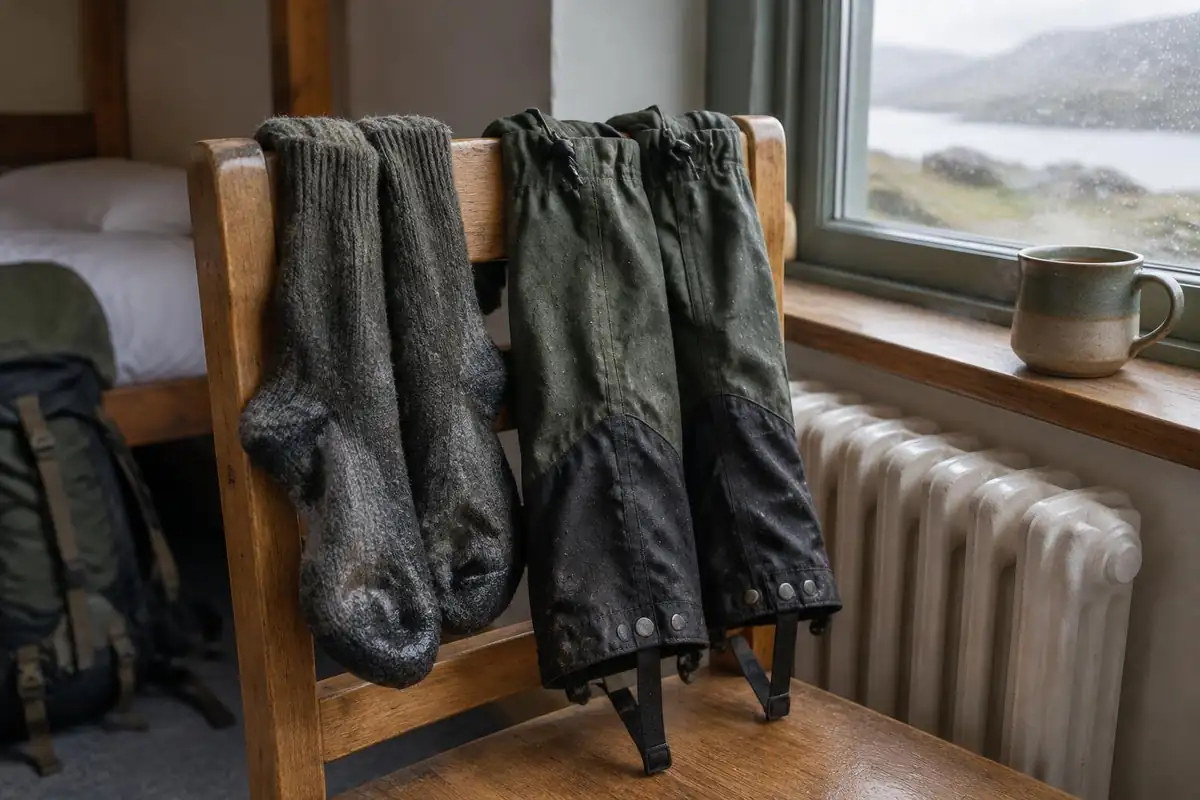
The official FAQ is itself inconsistent about midge season, saying they are usually a problem from June to August in one answer and that the season runs May to September in another.1 Either way it overlaps May, the most popular walking month. It adds that midges are more active at dusk and dawn, favor damp ground and still, warm evenings, and dislike a breeze.1 Those are exactly the hours a camper spends outside a tent, while a walker in a B&B mostly avoids them, so the lodging choice quietly changes how much repellent, head net and covering clothing you need.
Ticks matter on both kinds of trip. The official FAQ says some can carry Lyme disease and advises long sleeves, long trousers, repellent and a thorough check at the end of the day.1 The US Centers for Disease Control and Prevention adds that showering within two hours of coming indoors has been shown to reduce Lyme risk and that clothing can be treated with 0.5% permethrin.8 A hostel or B&B with a shower makes that habit easy; a wild pitch makes it harder.
Common questions
Do I need to book accommodation in advance on the West Highland Way?
Yes, especially in summer. Because the route runs through small villages like Drymen, Rowardennan, Tyndrum, and Kinlochleven rather than backcountry huts, the number of beds in B&Bs, inns, hostels, and bunkhouses is limited, and popular nights fill up well ahead of the season. Booking each night's stay before you set out, rather than as you go, is the standard approach.
Can I camp along the West Highland Way instead of staying in B&Bs?
Yes. Scotland's access rights allow wild camping along much of the route, and there are also established campsites in the villages you pass through. The exception is parts of Loch Lomond, where camping byelaws operate between March and September, so it's worth planning to use a managed campsite for that stretch rather than assuming you can pitch anywhere along the shore.
Do I need to carry my full pack every day?
Not necessarily. Some hikers use a baggage-transfer service to move their main bag between overnight stops and carry only a day pack. Check the official West Highland Way site for current providers, and arrange it ahead of time alongside your accommodation, since it needs to line up with where you're actually sleeping each night.
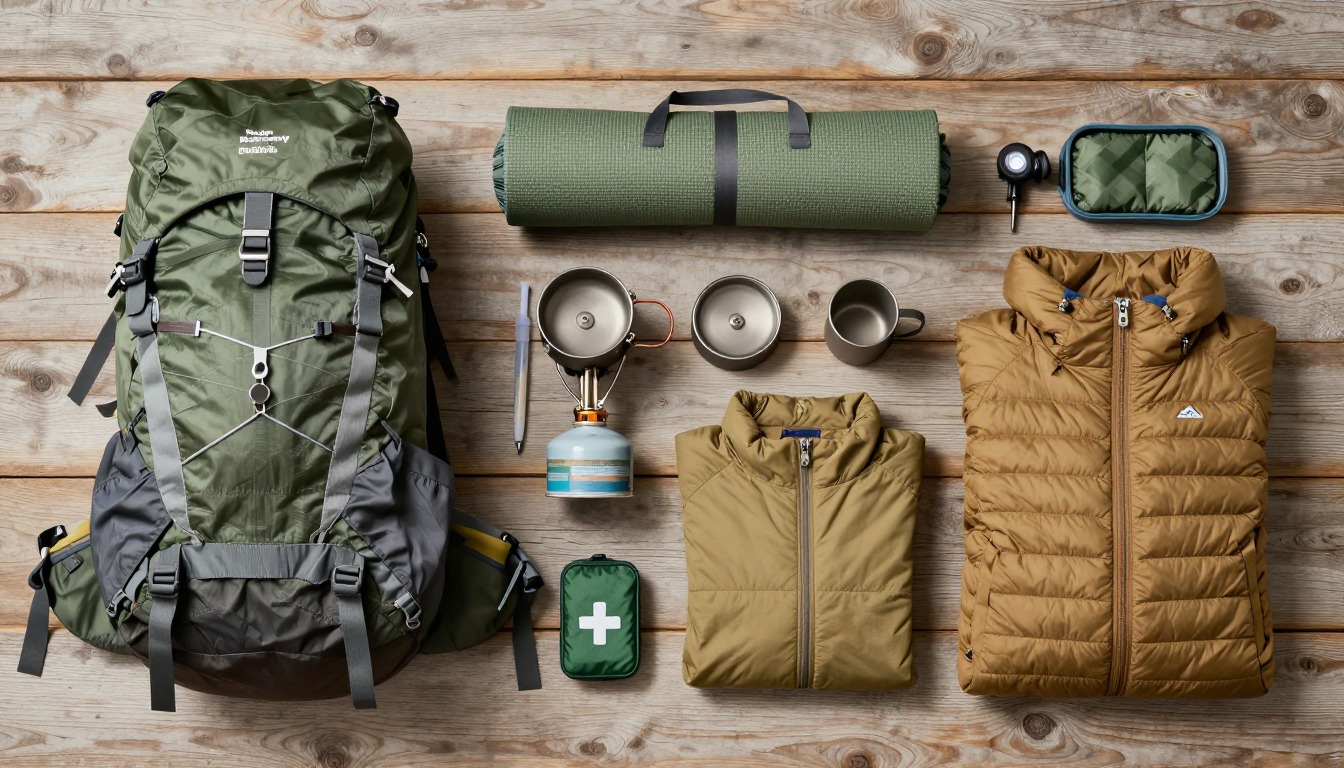
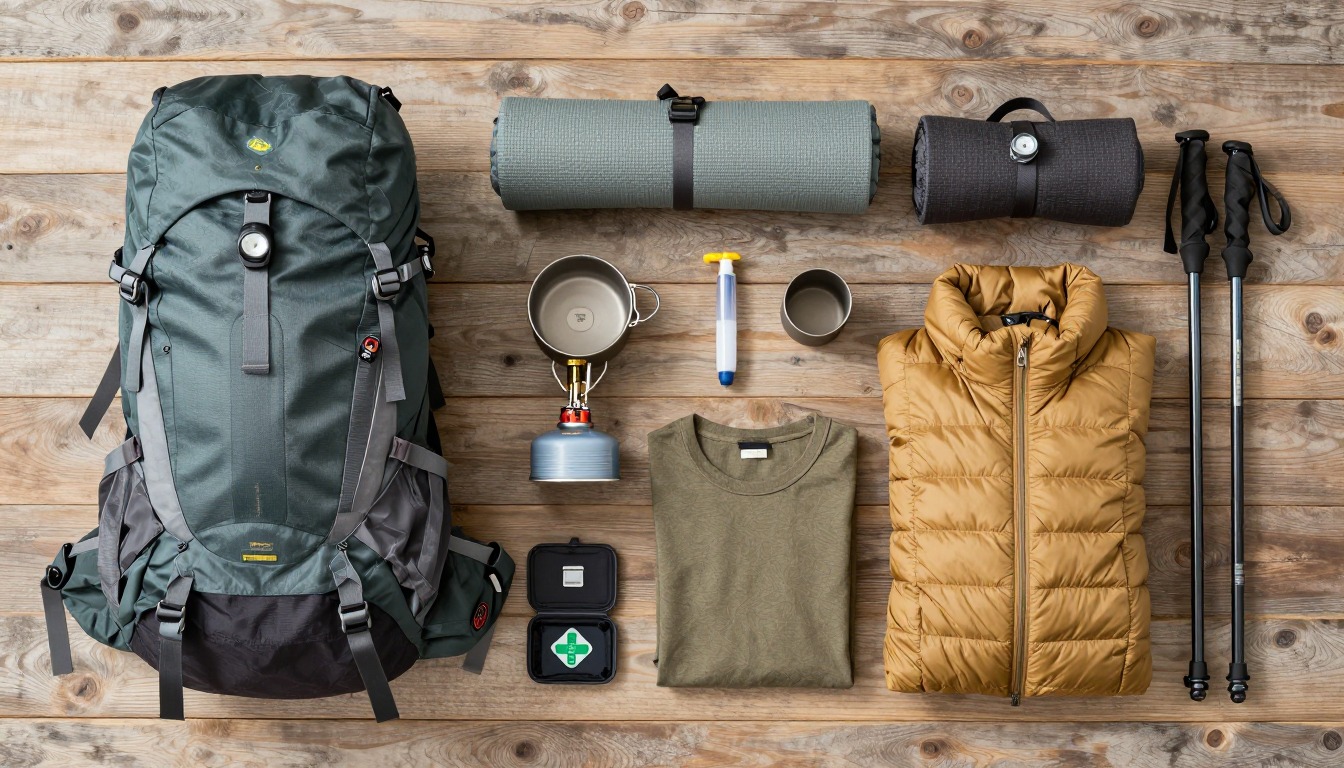
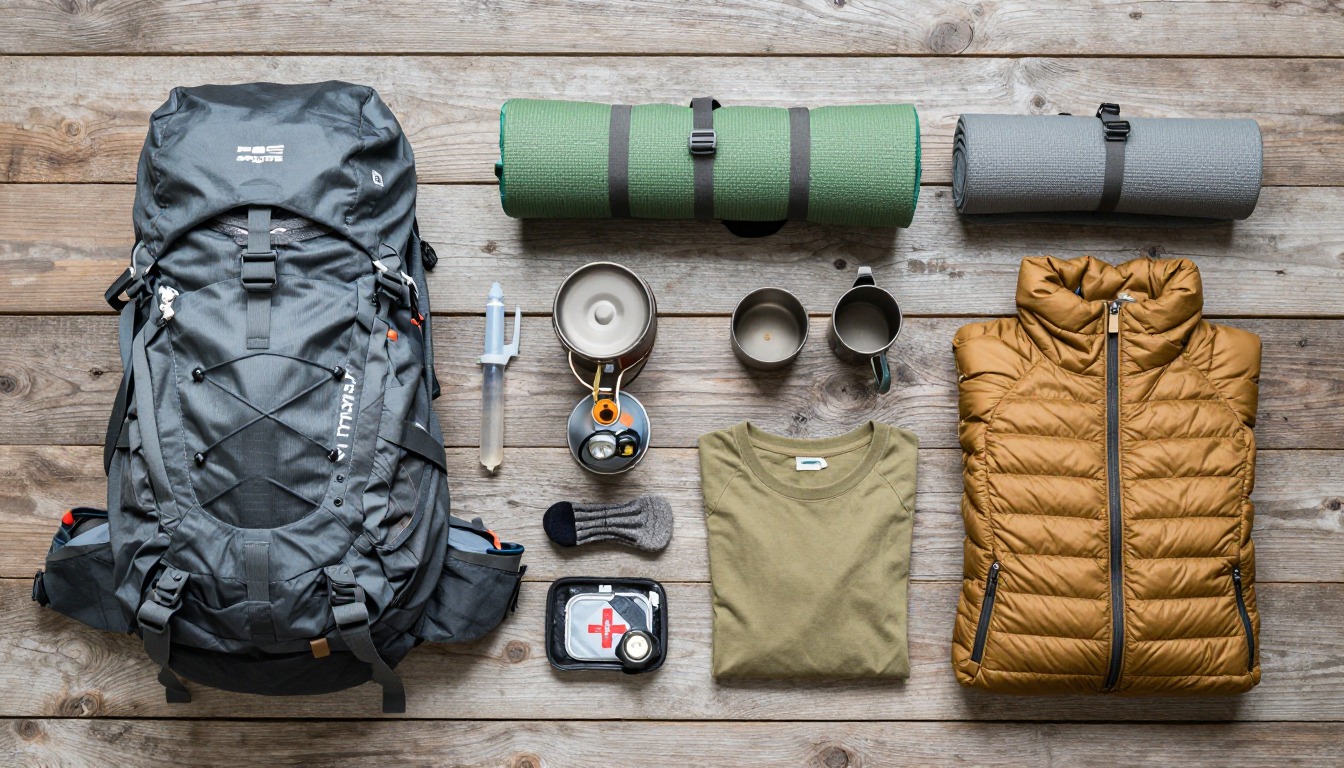
Complete gearsets for this trip
Full curated kits built for exactly this kind of hike — what to bring, why, and links to similar gear.
Lodging details are compiled from official parks, refuge associations and reservation systems and can change without notice. We publish no prices, availability or ratings — always confirm current information on the official site before booking or setting out. Product links and the accommodation map are affiliate links: we may earn a commission at no extra cost to you; product prices and availability are shown on Amazon, and accommodation prices on the booking site. See our affiliate disclosure.