
Affiliate disclosure: this page contains affiliate links. Purchases made through them may earn us a commission at no extra cost to you. See our affiliate disclosure.
In plain English
Trolltunga is a long, hard walk. Many people split it by sleeping the night before in a nearby town, and some sleep out on the high ground so they can reach the rock ledge early. The page lists hotels and cabins in the towns, and marked tent areas up on the plateau for those who camp.
The two choices are like two ways to run a marathon weekend. You can sleep in a proper bed the night before and take a light bag on race day. Or you can carry your bed on your back and sleep at the halfway point. The second way gets you to the finish before the crowd, but you carry much more.
That is why the sleeping place changes your gear. A tent, sleeping bag, mat, stove and food weigh a lot. A person who sleeps in a bed needs only a small day pack with layers, food and water. Neither option is right for everyone, and both depend on weather you cannot control.
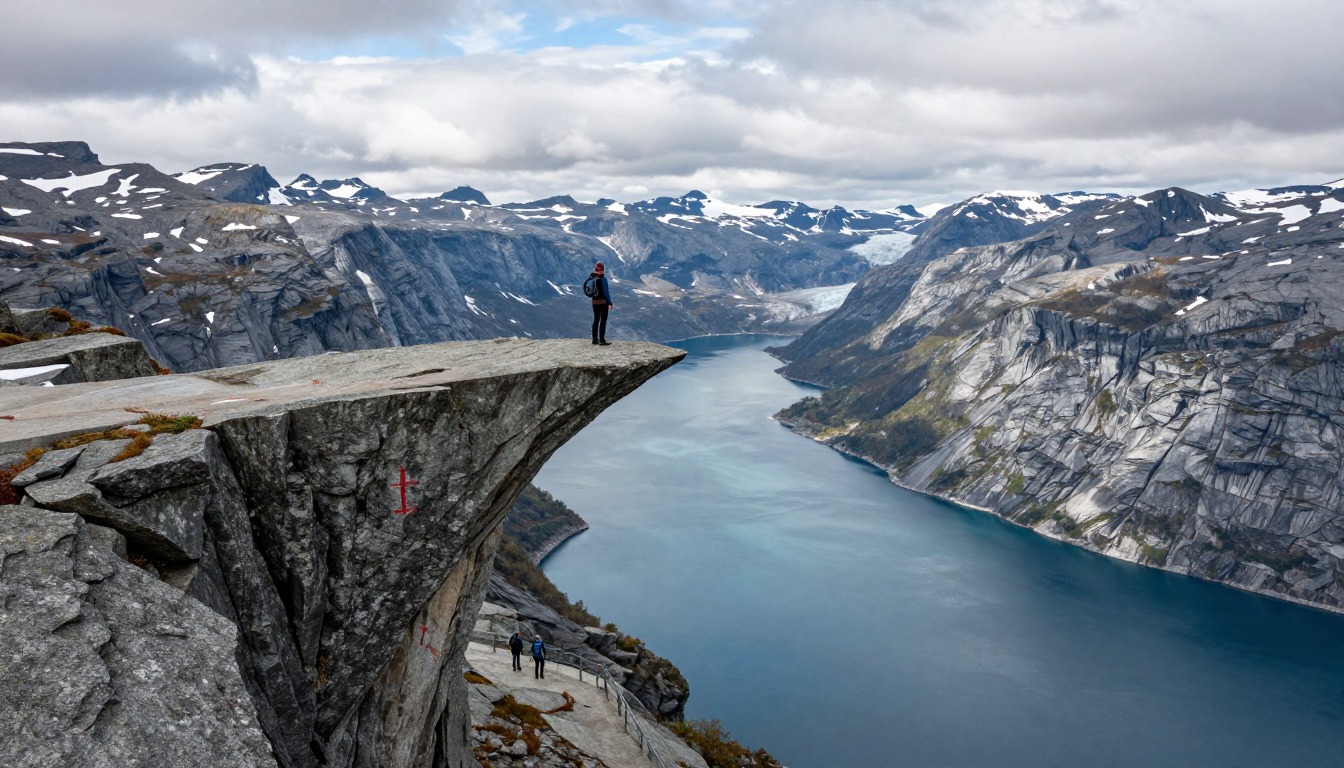
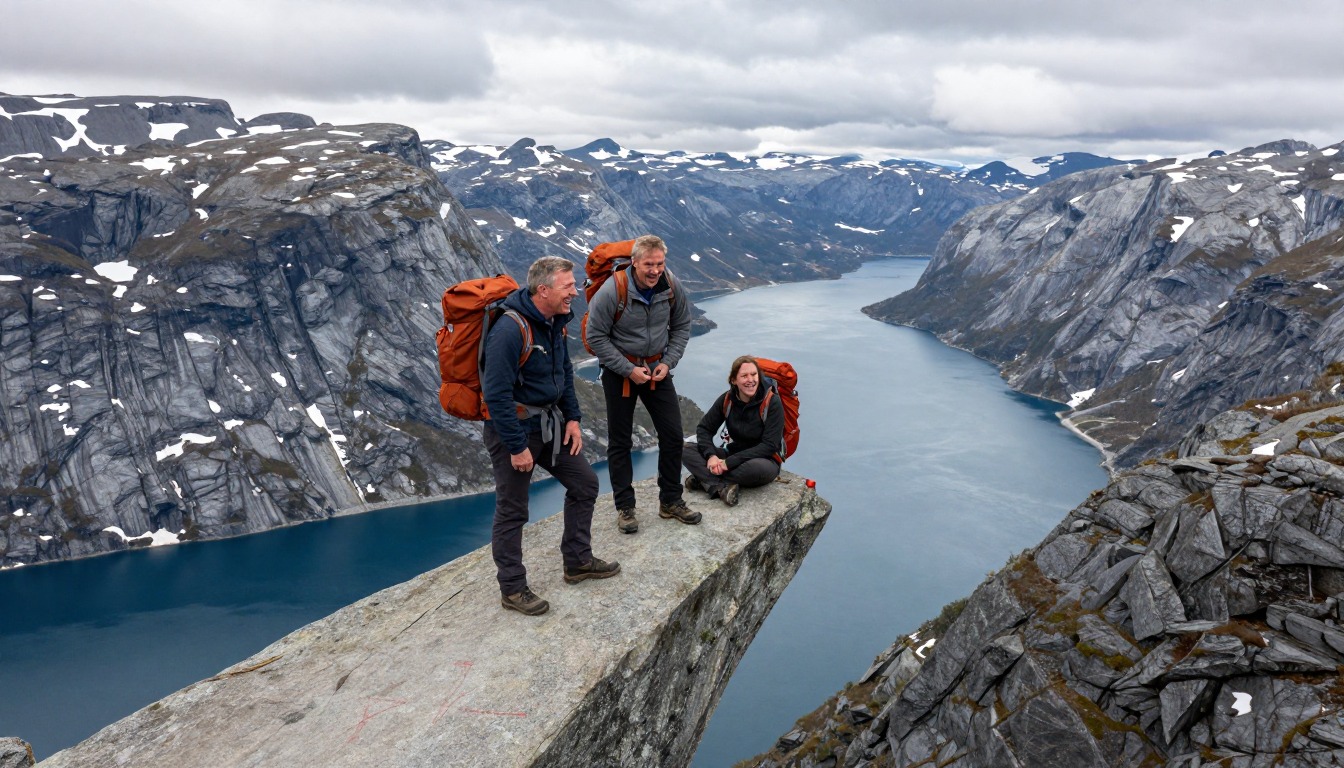
Trolltunga is a thin slab of rock that juts out high above Lake Ringedalsvatnet in Norway's Hardanger region, near the town of Odda — and the hike out to it is a long, strenuous day on foot, not a stroll to a viewpoint. Many hikers split the distance with an overnight stay rather than attempt it in one push, which puts lodging front and center in planning: hotels, cabins, and campsites cluster in Odda, Tyssedal, and near the trailheads at Skjeggedal and Mågelitopp.
Why hike here
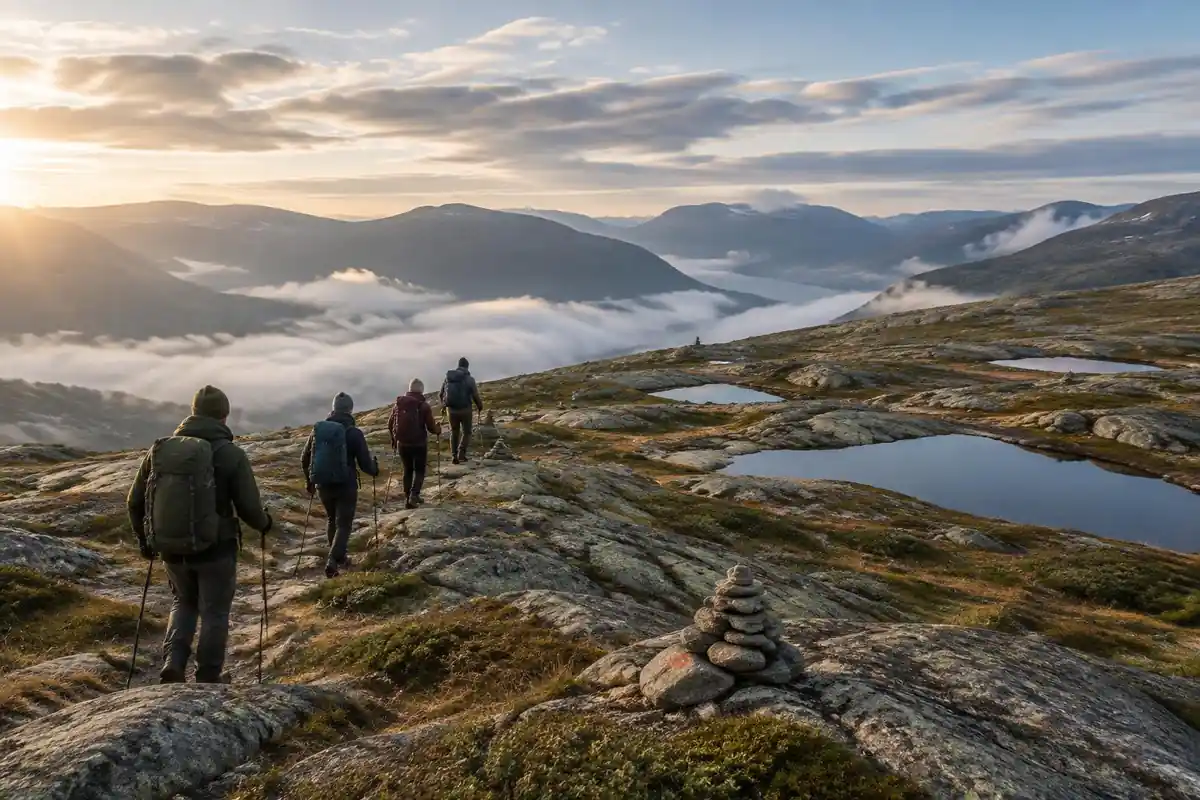
The appeal of Trolltunga is simple and dramatic: a narrow ledge with open air and a lake far below on one side, framed by the bare granite and snow patches of the Hardanger plateau. The hike itself builds toward that moment — a long climb out of the valley, then miles of exposed, rolling rock before the ledge comes into view. Because it's a strenuous full-day route with real weather exposure, reaching it feels earned rather than handed to you, and the plateau's austere, wide-open scenery is worth the effort on its own, ledge or no ledge. Hikers who start early and camp along the way get the added reward of a quiet plateau before the day-trippers arrive.
Getting there
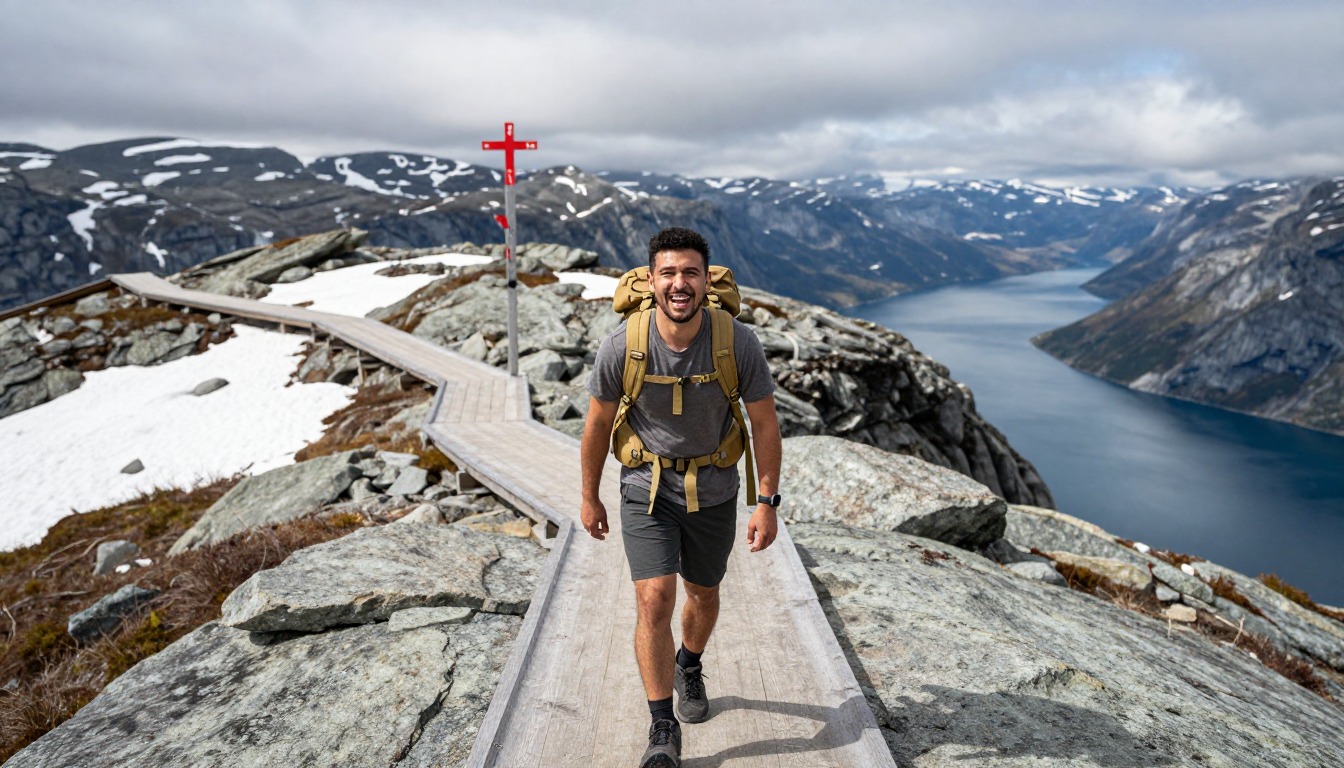
The usual route in is to fly into Bergen, then drive to Odda, the gateway town on the Hardanger fjord. From Odda, hikers continue by road toward the trailheads near Skjeggedal and Mågelitopp, where the hike to Trolltunga actually begins. Because the trail itself is long and mountainous, most people treat the drive from Bergen as a separate leg entirely, arriving in Odda or nearby Tyssedal the night before rather than trying to drive in and hike the same day.
Where to stay
The realistic options, closest-to-the-trail first. Book through the official links — we don't list prices or availability because they change all the time.
For example: Hotels, cabins and campsites in Odda, Tyssedal and near the trailheads
Most hikers — a base for the long day out and back.
Base here; shuttle or drive to the Skjeggedal/Mågelitopp trailheads.
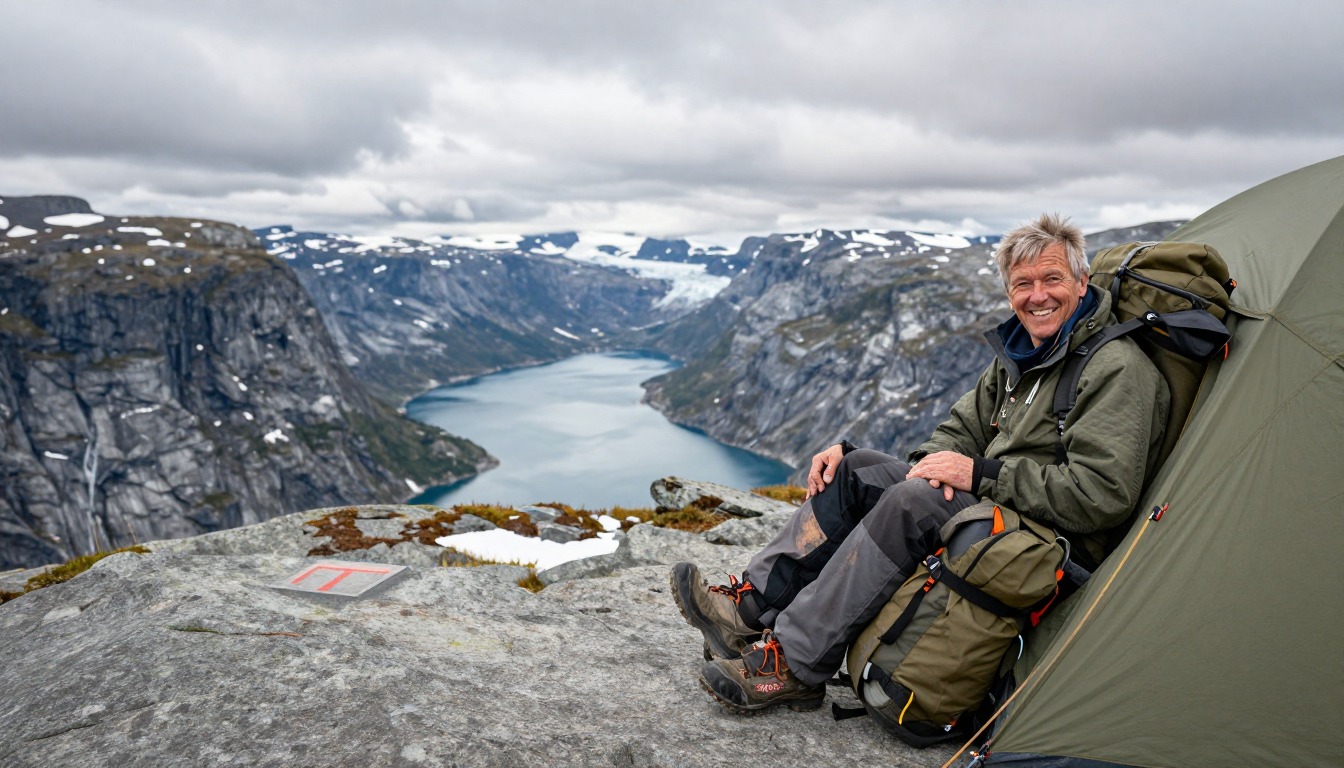
Nearby-town lodgingFor example: Marked camping areas along the plateau for those splitting the trip
Backpackers who want sunrise at the ledge without the crowds.
Camp only where allowed and be self-sufficient in fast-changing weather.
Trail camping (official info)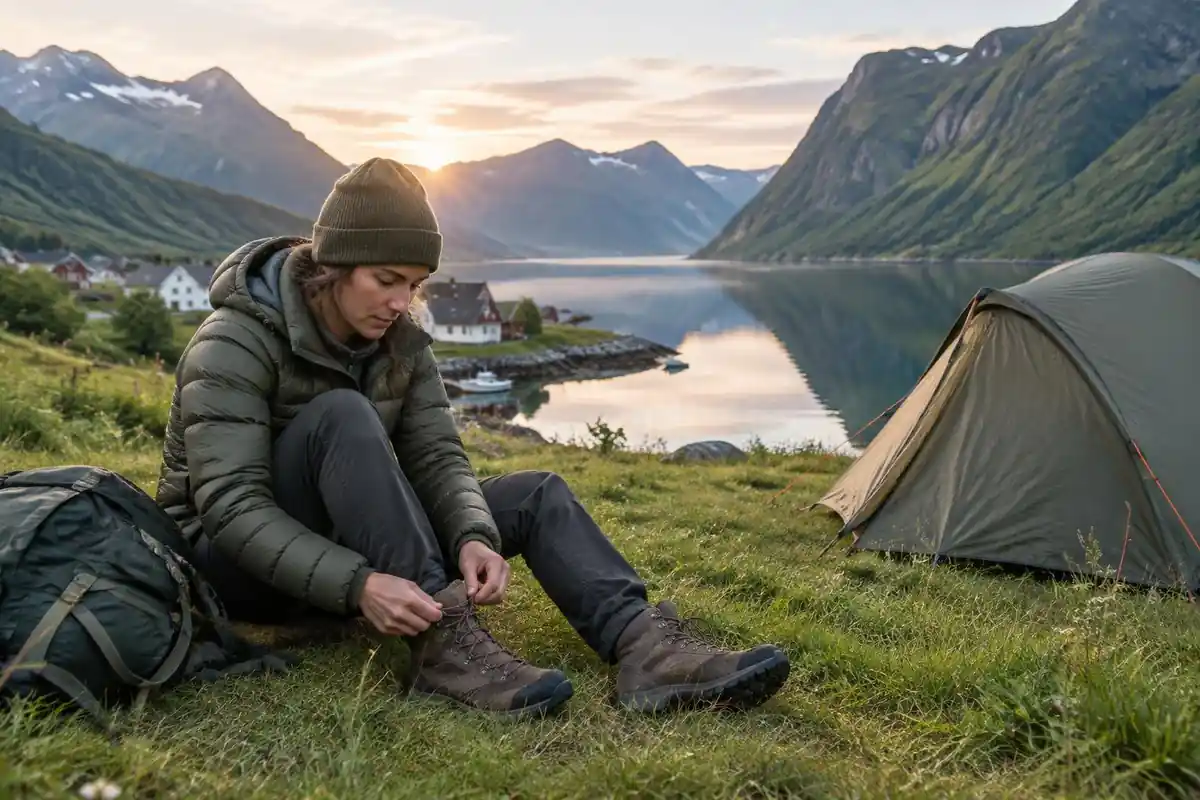
Permits & rules
No permit is needed, but this is a very long, exposed mountain day — start early, carry full layers and food, and turn back if weather closes in. Outside mid-summer conditions are much harder and a guide is often advised.
Gear you'll want for this trip
Matched to the terrain and conditions here. Real products — check current price on Amazon.
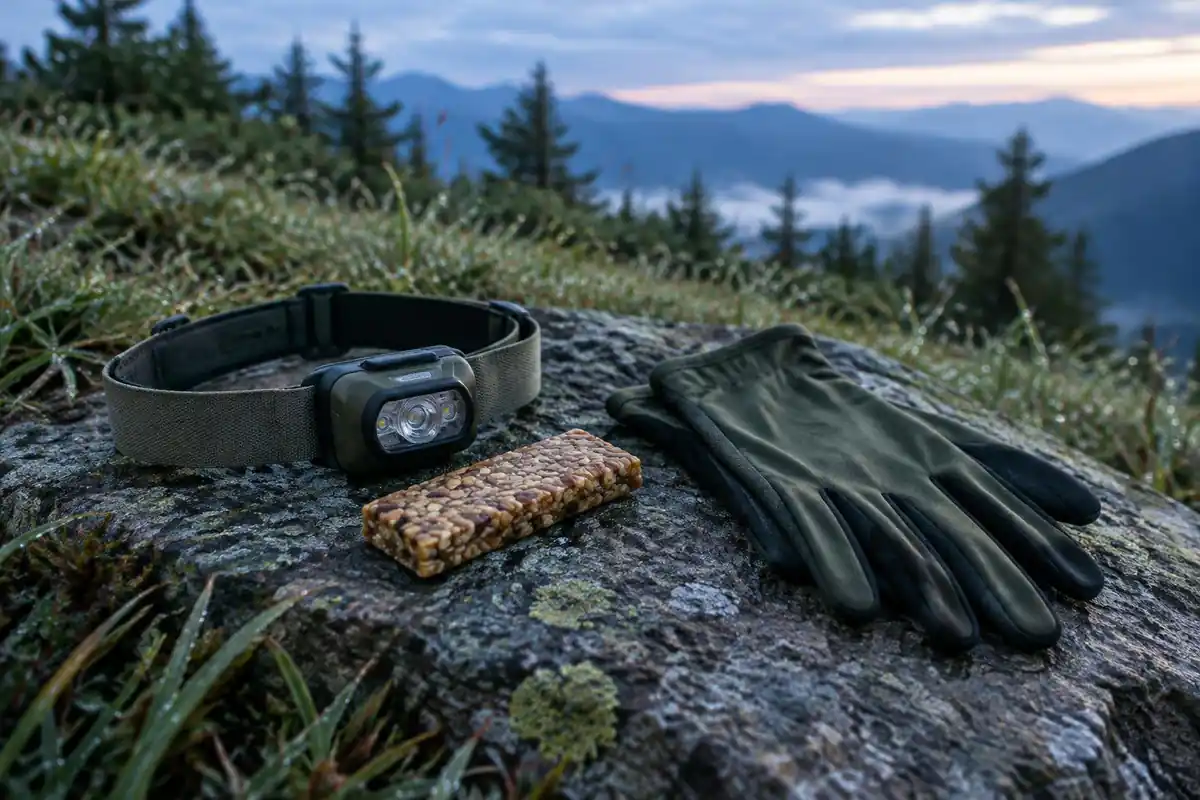


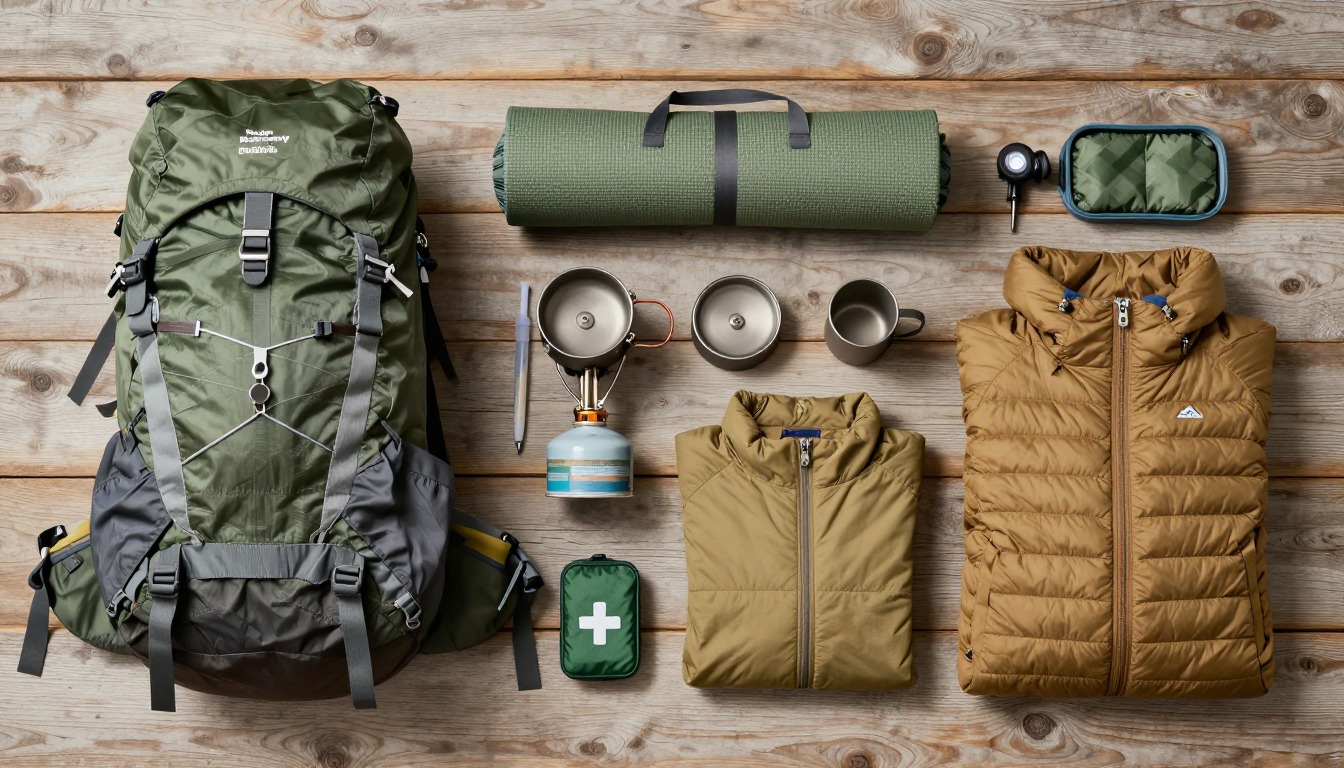
Two bases, two packs
The page describes hotels, cabins and campsites in Odda and Tyssedal, near the Skjeggedal and Mågelitopp trailheads, plus marked tent areas on the plateau. Rules on where you may camp can differ between protected and open land, so confirm where camping is allowed, and on what conditions, with the land manager or the municipality before you plan a night out.
The gear consequences do not depend on that. Washington Trails Association suggests a 25 to 30 liter pack for a full-day hike and 45 to 50 liters for a standard one- or two-night trip.1 The Appalachian Mountain Club suggests placing dense, heavy items such as food, cook gear and water about two-thirds of the way up, centered and against your back, and filling the bottom with sleeping gear and warm clothing.4 Sleeping in a bed and carrying a day pack means you skip all of that weight.
If you camp: bag, pad and the limit rating
Sleeping bag ratings confuse many first-time campers. NEMO explains that the comfort rating is the air temperature at which an average woman sleeps comfortably, not curled up, the limit rating is where an average man keeps thermal equilibrium while curled up, and the extreme rating marks serious risk of death from hypothermia within hours and is not a target.2 Treat the comfort number as the coldest night you plan for, not the limit.
Ground contact matters as much as the bag. Therm-a-Rest says sleeping directly on the ground chills you through conductive heat loss, which is why an insulated pad matters, and that a higher R-value means the pad resists heat flow better.5 On a plateau where the page says weather changes quickly, a marginal pad or bag is the most common way an overnight becomes uncomfortable or dangerous.
A long day needs a plan, not just a bed
Some guides say outside mid-summer the hike is recommended only with a guide. Treat that as cautious guidance: the sources behind this page support general caution about snow, ice and short days but no specific season cutoff, so ask local operators about current conditions and whether a guide is sensible. What can be said generally is that the National Park Service advises setting a turnaround time and sticking to it, planning for uphill sections to take at least double the downhill time, and leaving a trip plan with someone who is not on the trip.3
The University of Utah reports Naismith's rule as one hour per three horizontal miles plus one hour per 2,000 feet of ascent, a useful sanity check when a hike is described only by distance.6 Start early, carry a headlamp in case you finish late, and remember the Centers for Disease Control and Prevention warning that hypothermia can develop above 40°F when you are chilled by rain or sweat.7 Confirm current rules and trail conditions with the local land manager before you go.
Common questions
Do I need to stay overnight to hike Trolltunga?
Not strictly, but many hikers split the round trip with an overnight rather than attempt it all in one day, since it's a long, strenuous route. Options range from hotels and cabins in Odda and Tyssedal to marked trailside camping areas on the plateau itself, which let early starters reach the ledge before the queue builds.
When's the best time of year to go?
Mid-June through September is the usual window, when trail conditions are most manageable. Outside that stretch, snow and ice make the plateau considerably more hazardous, so ask local operators about current conditions and whether a guide is sensible. Even in season, weather on the exposed plateau can shift fast, so check conditions before you set out.
Where should I base myself before the hike?
Odda and Tyssedal are the main gateway towns, with hotels, cabins, and campsites, and both sit within reach of the trailheads at Skjeggedal and Mågelitopp. Staying there the night before means you can start the hike early, which matters given how long and exposed the route is.
Complete gearsets for this trip
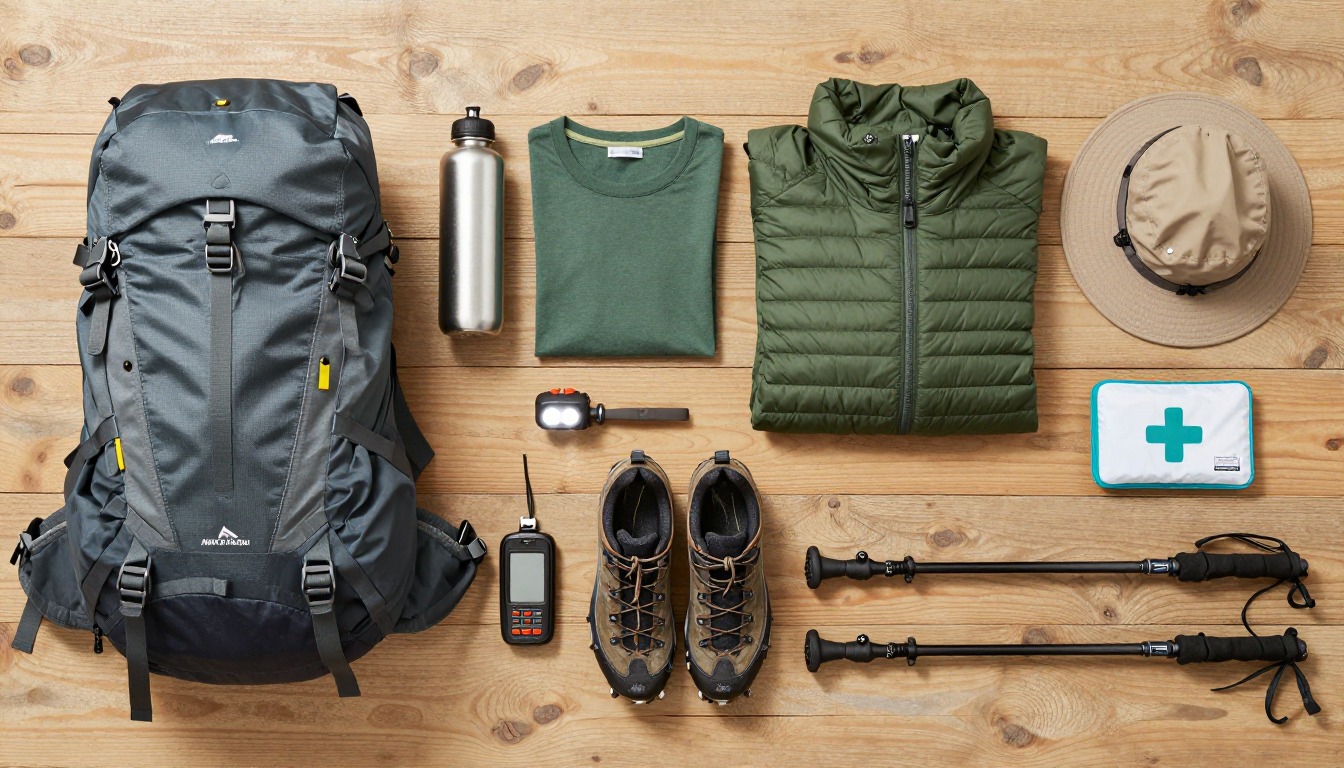
Full curated kits built for exactly this kind of hike — what to bring, why, and links to similar gear.
Lodging details are compiled from official parks, refuge associations and reservation systems and can change without notice. We publish no prices, availability or ratings — always confirm current information on the official site before booking or setting out. Product links and the accommodation map are affiliate links: we may earn a commission at no extra cost to you; product prices and availability are shown on Amazon, and accommodation prices on the booking site. See our affiliate disclosure.