
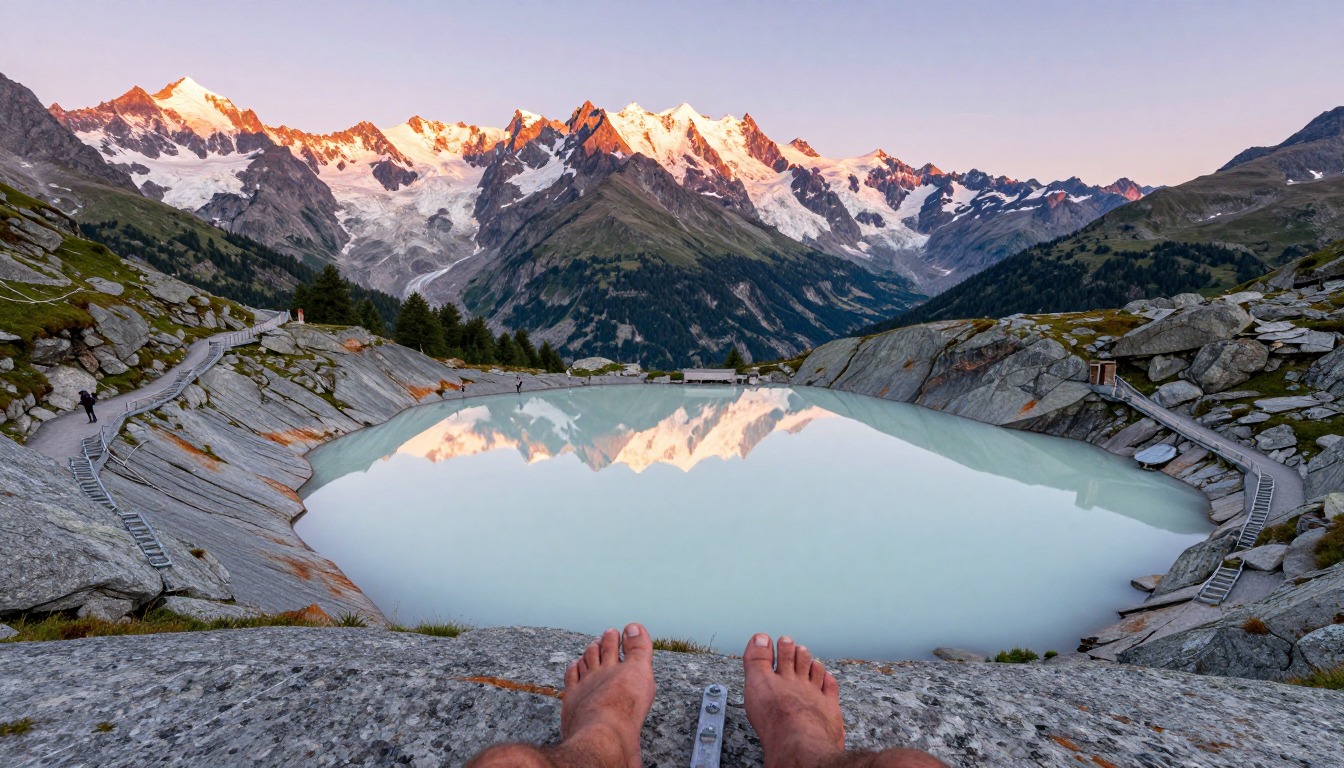
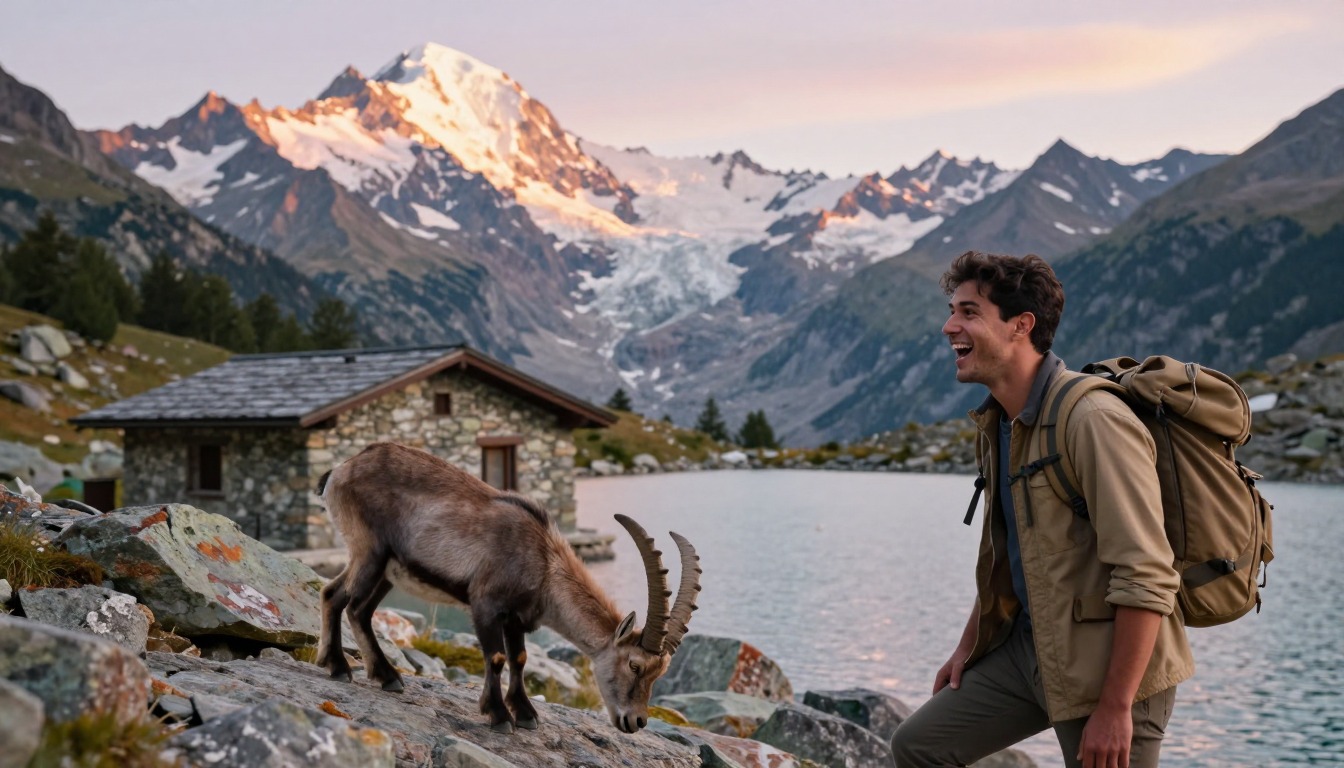
Illustrative artwork — an impression of Tour du Mont Blanc — Chamonix, not a literal photograph.
The Tour du Mont Blanc is a roughly 170-kilometer hut-to-hut circuit through France, Italy, and Switzerland, crossing high alpine passes as it loops the Mont Blanc massif. Most nights are spent in mountain refuges on half-board — dinner, a bunk, and breakfast — rather than in a hotel room you can book on a whim. That makes reserving your string of refuges well ahead of time the single most important piece of planning for this trail.
Why hike here
What makes the TMB different from a single-country trek is the way the character of the trail shifts as it crosses borders — the trail style, food, and language change even as the same white, glacier-hung summit of Mont Blanc keeps reappearing from new angles above you. You climb out of one valley on a rocky switchback path, cross a col with the wind picking up, and drop into another valley where the architecture, the cooking, and even the cowbells sound different. Because the route is hut-based, evenings have a rhythm: boots off, a shared table, a hot meal, and a room full of hikers comparing notes on tomorrow's pass before an early night ahead of another long day of climbing.
Getting there
Geneva is the nearest major international airport, with a straightforward road transfer from there to Chamonix, the town most hikers use as their start and finish point for the TMB. Regular shuttle and bus services run this route, so a rental car isn't necessary. Because the trail is a loop, some hikers start instead from Les Houches, just down the valley from Chamonix, or arrange onward transport to rejoin the circuit partway through in Italy near Courmayeur — but Chamonix remains the simplest hub for arriving, resupplying, and leaving.
Where to stay
The realistic options, closest-to-the-trail first. Book through the official links — we don't list prices or availability because they change all the time.
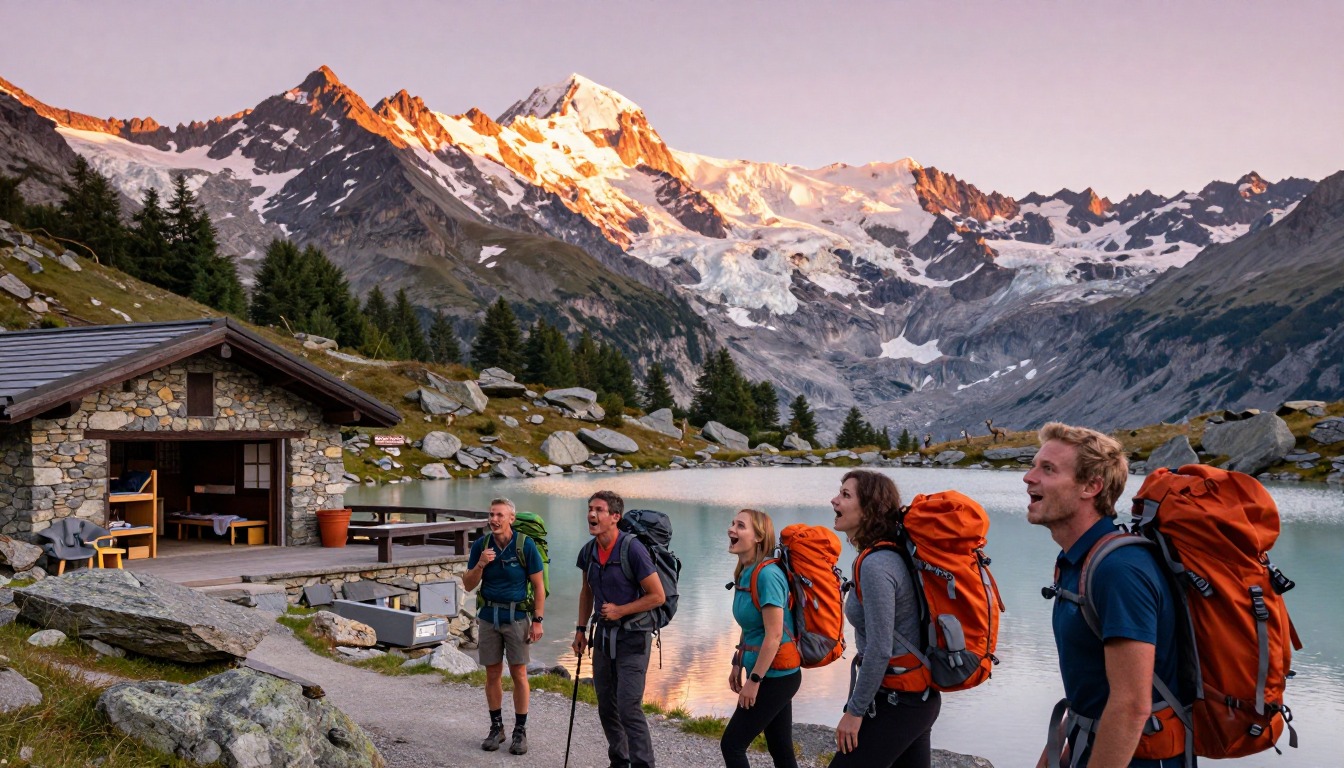 Illustrative — evokes the setting, not a specific property.
 For example: Refuge du Lac Blanc, Rifugio Bonatti, Refuge des Mottets, Rifugio Elisabetta and many more
Almost everyone — half-board (dinner, bed, breakfast) is the standard.
Popular refuges fill months ahead for July-August.
Book each refuge direct or via the official reservation platformFor example: Hotels, gîtes d’étape and apartments in the valley towns on the route
Hikers starting/finishing, taking a rest day, or breaking the loop into stages.
The widest choice of rooms is in the valley towns.
Search lodging in the valley townsFor example: Established campgrounds in Les Houches, Courmayeur and other valley floors
Budget hikers carrying a tent; wild camping is restricted in the parks.
Free-standing wild camping is limited and regulated — use official sites.
Book direct with each campsitePermits & rules
No trekking permit is required, but refuge reservations are effectively mandatory in summer. Bivouac/wild-camping rules differ by country and protected area.
Gear you'll want for this trip
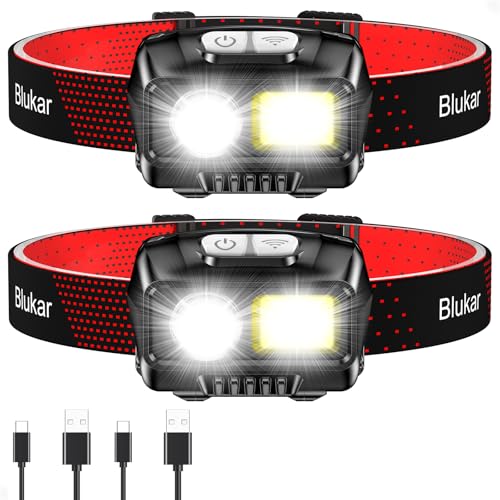
Matched to the terrain and conditions here. Real products — check current price on Amazon.


Common questions
Do I need to book huts in advance for the Tour du Mont Blanc?
Yes — this is the most important planning step for the TMB. Refuges along the route operate on half-board (dinner, a bunk, and breakfast), and they get busy across the mid-June-to-mid-September season when the high passes are clear of snow. Reserving your string of huts before you start, rather than deciding night to night, is standard practice on this trail.
Can I camp instead of staying in refuges?
Wild camping is restricted along the Tour du Mont Blanc, so it isn't a reliable way to avoid booking huts. Some valley towns have established campgrounds, which can work for hikers doing shorter sections near a road, but for the classic hut-to-hut circuit, refuges and valley gîtes or hotels are the realistic lodging options for most nights.
What's the best base town before or after the hike?
Chamonix is the usual choice — most hikers start and finish the TMB there, and its hotels and gîtes make it an easy place to arrive early, rest, and organize gear. Courmayeur, on the Italian side of the massif, works well as a stopover partway through the circuit. Fly into Geneva, then transfer by road to Chamonix.
Complete gearsets for this trip
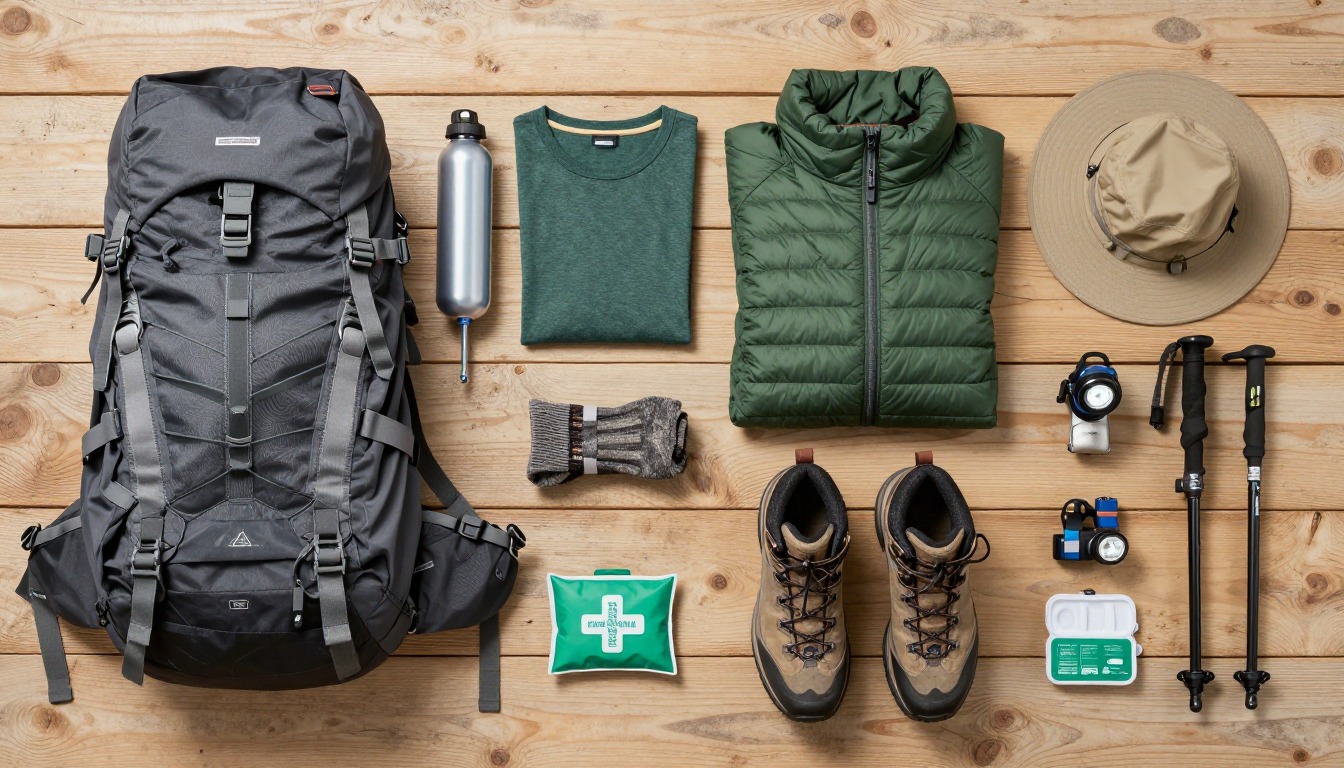
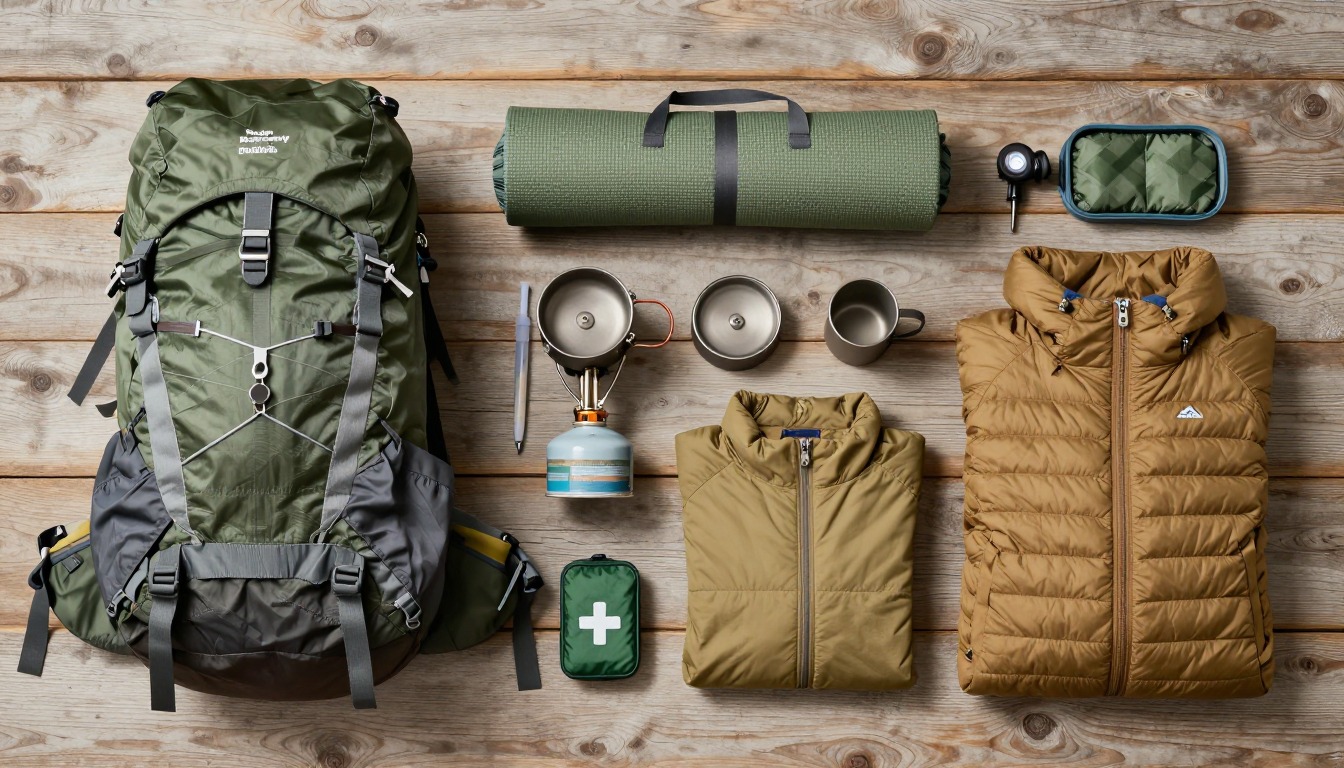
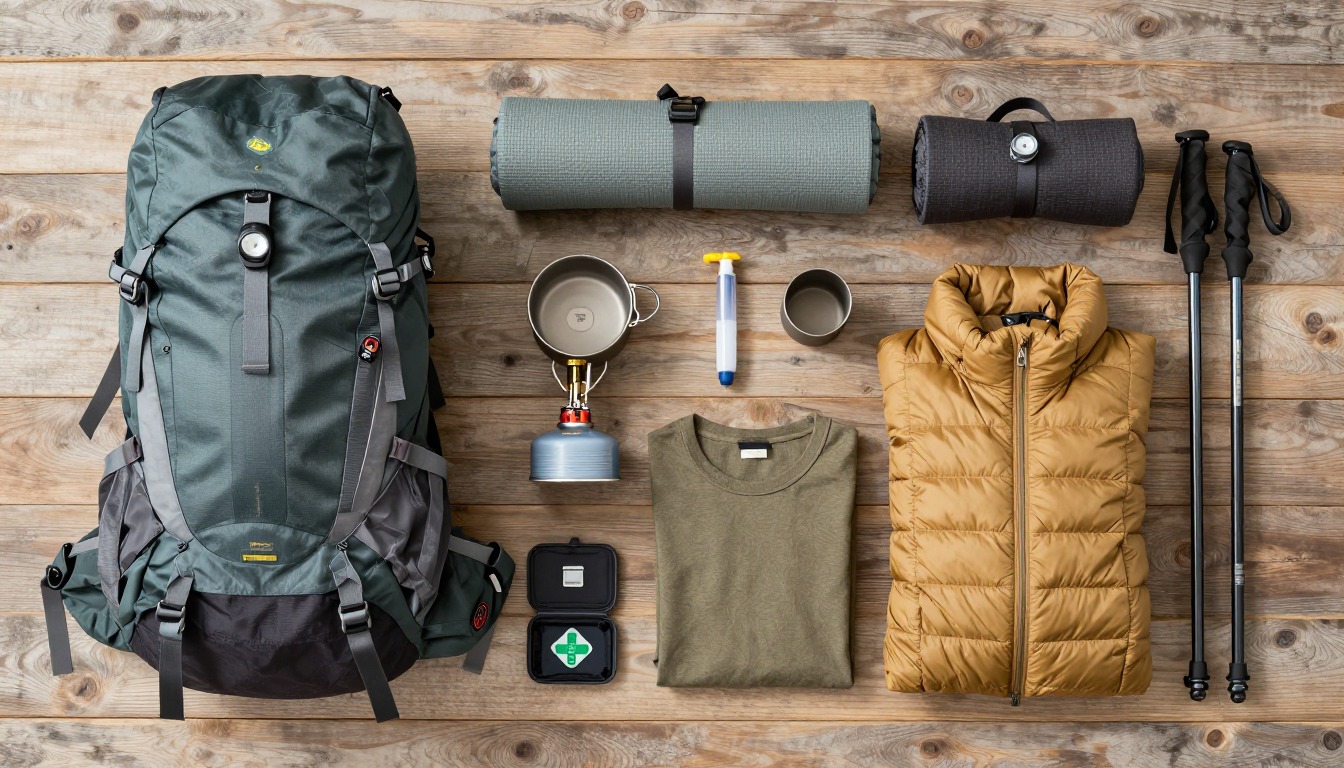
Full curated kits built for exactly this kind of hike — what to bring, why, and links to similar gear.
Lodging details are compiled from official parks, refuge associations and reservation systems and can change without notice. We publish no prices, availability or ratings — always confirm current information on the official site before booking or setting out. Product links are affiliate links: we may earn a commission at no extra cost to you; prices and availability are shown on Amazon. See our affiliate disclosure.