
Affiliate disclosure: this page contains affiliate links. Purchases made through them may earn us a commission at no extra cost to you. See our affiliate disclosure.
In plain English
Tiger Leaping Gorge is different from most trails in this collection because you sleep indoors. The High Trail runs between small villages, and families along the way run guesthouses where you get a bed and a meal. You walk in the daytime and sleep under a roof at night.
That means you can leave the camping gear at home. No tent, no sleeping pad, no stove and no big pack. What you carry is closer to a long day hike bag with a change of clothes, a light jacket, water, snacks and a headlamp. A lighter bag makes narrow and steep sections easier, because you are not being pulled off balance by extra weight.
The catch is that lodging is not guaranteed the way a booked hut is. The page says you walk village to village and sleep at the guesthouse you reach before dark, and it advises booking guesthouses direct. So plan each day's distance with daylight in mind, and treat the sections beside the drop with extra care.
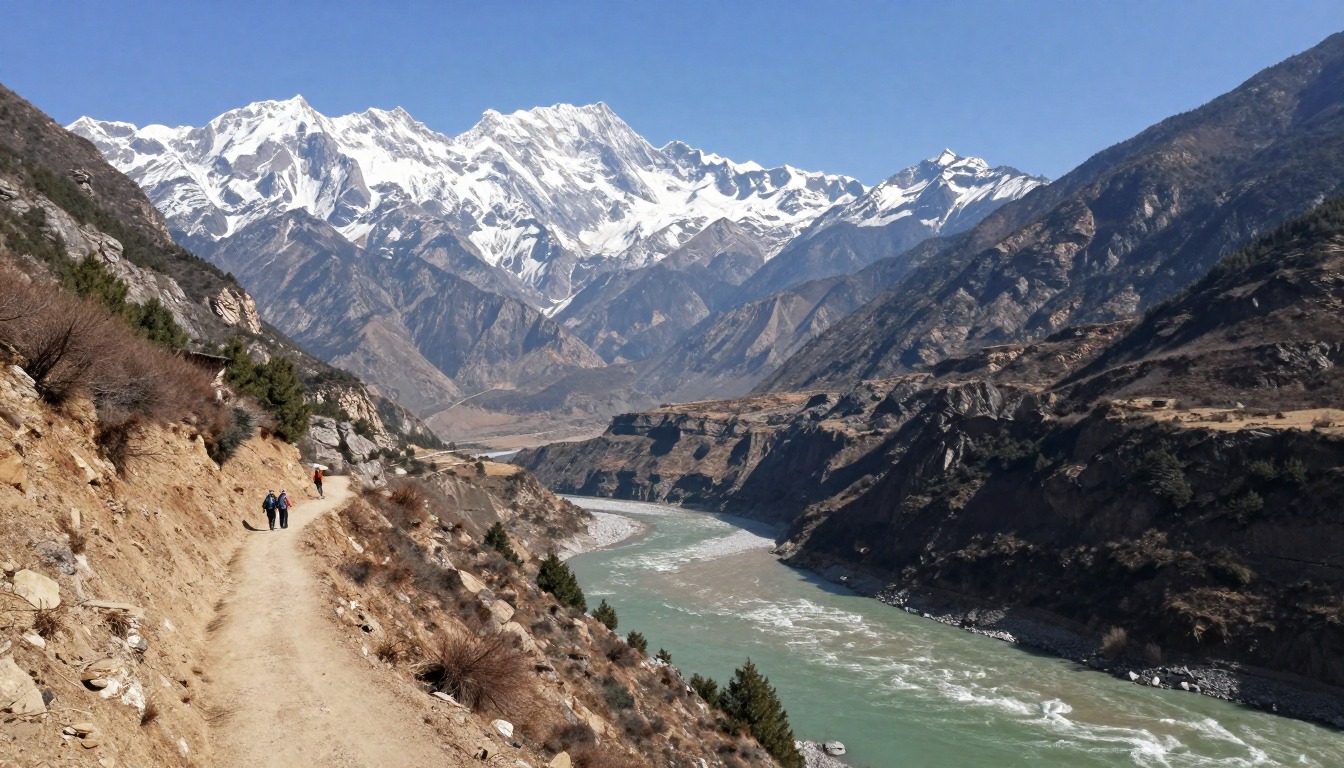
Tiger Leaping Gorge cuts through Yunnan Province in southwest China, one of the deepest river gorges anywhere, with a trail that runs along the mountainside between snow peaks on either side of the Yangtze far below. The classic way to see it is the High Trail, a two-day, guesthouse-to-guesthouse walk between villages rather than a wilderness camping trip. Expect a scenic-area entrance ticket, and where you sleep each night comes down to which family-run guesthouse you reach before dark.
Why hike here
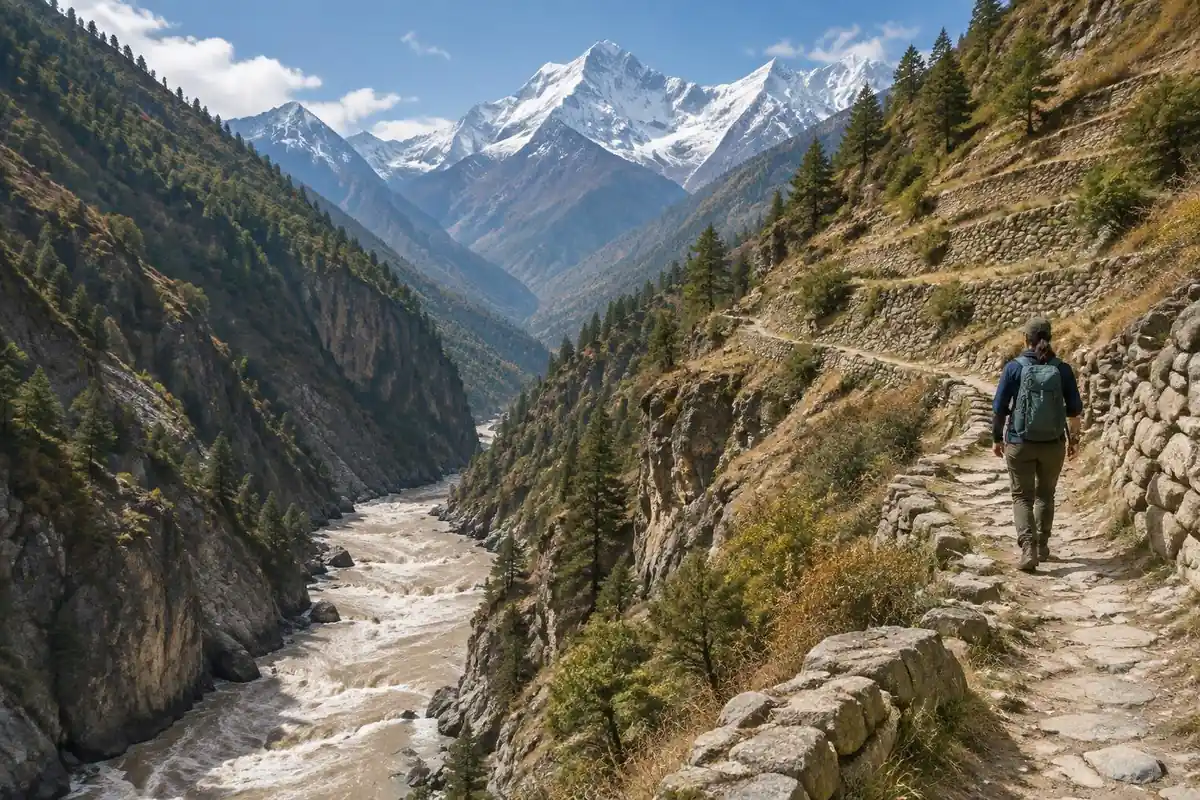
What makes Tiger Leaping Gorge worth the walk is the contrast built into every day on it: one side of the High Trail is a wall of rock climbing toward snow peaks, the other drops away toward the river far below, and for two days you're suspended between the two on a path cut into the mountainside. The trail threads between small farming villages, with the gorge opening wide in places and pinching narrow again as the route rounds each spur of the mountain. Some stretches are exposed and narrow enough that you slow down and watch your footing instead of the scenery. Then the trail eases, a guesthouse comes into view at the end of a long day, and the reward is somewhere warm to sit down with a hot meal while the river keeps moving somewhere below.
Getting there
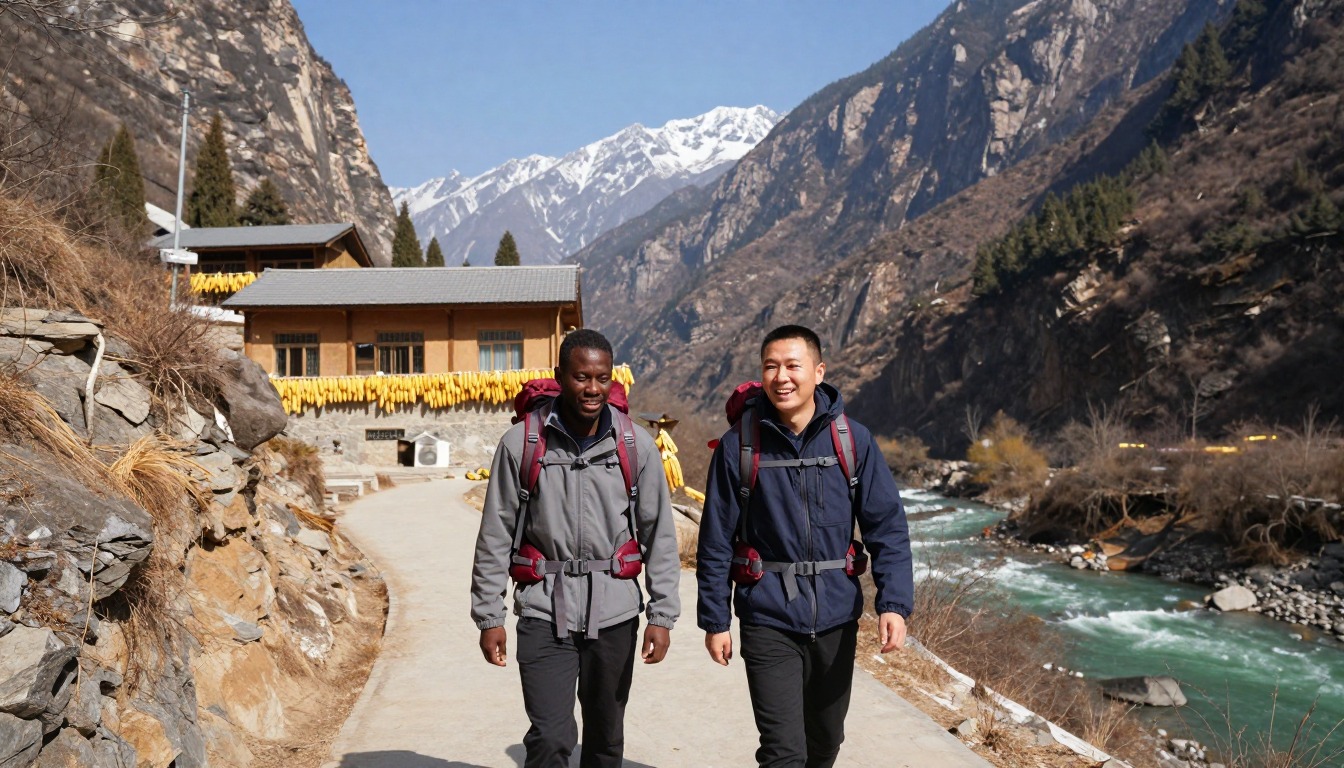
Most hikers base themselves in Lijiang, a city with an airport and rail connections, and use it as the jumping-off point for the gorge. From Lijiang, the standard approach is a road transfer to Qiaotou, the small town at the start of the High Trail, where you sort out the scenic-area entrance ticket before setting out. Some travelers base in Shangri-La instead and approach from that direction. Either way, expect a fly-into-the-nearest-airport-then-overland routine rather than a direct trailhead connection, and plan for a hotel or hostel stay in Lijiang or Qiaotou on both ends of the trek.
Where to stay
The realistic options, closest-to-the-trail first. Book through the official links — we don't list prices or availability because they change all the time.
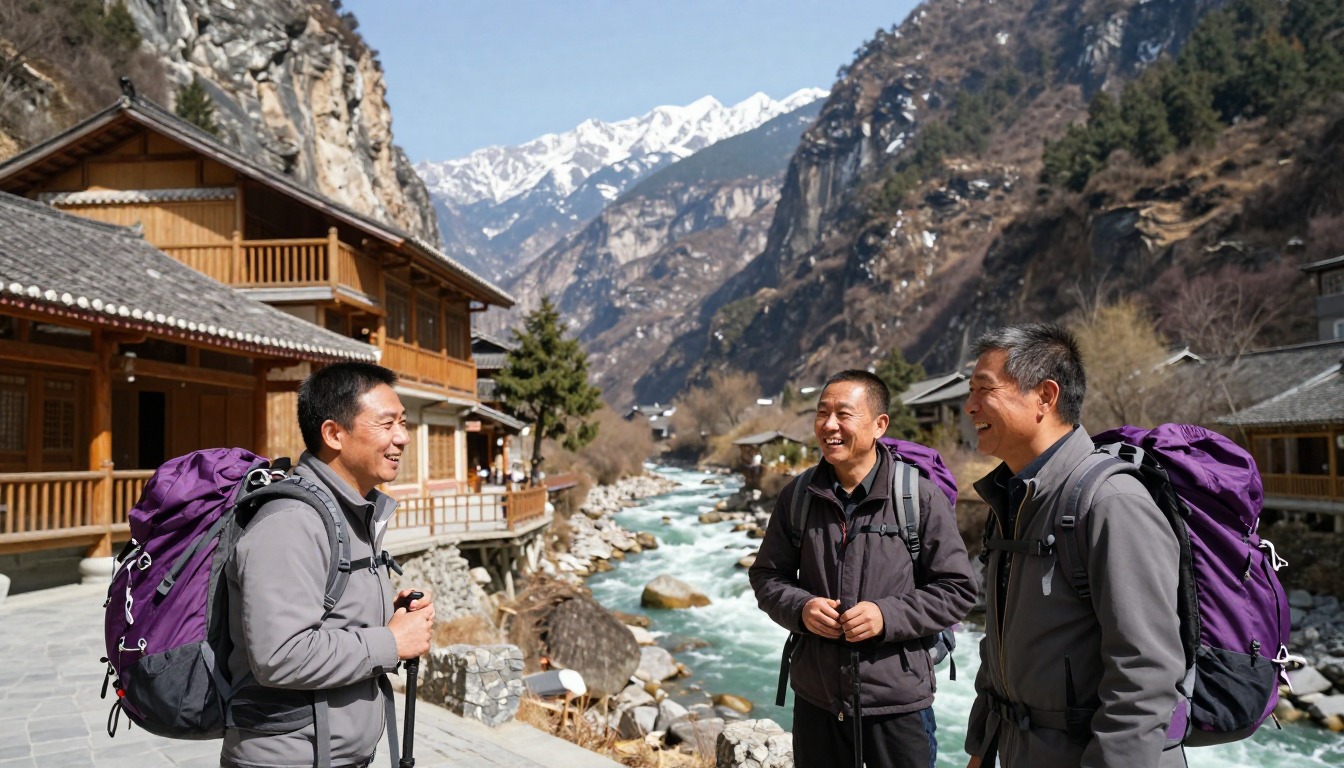
For example: Family-run guesthouses strung along the High Trail above the gorge
Every trekker — you walk village-to-village and sleep in guesthouses (no need for a tent).
The classic 2-day trek links guesthouses with meals and beds along the High Trail.
Book guesthouses directFor example: Hotels and hostels in Lijiang and near the Qiaotou trailhead
Trekkers before and after the gorge.
Most start near Qiaotou and base in Lijiang or Shangri-La.
Nearby-town lodging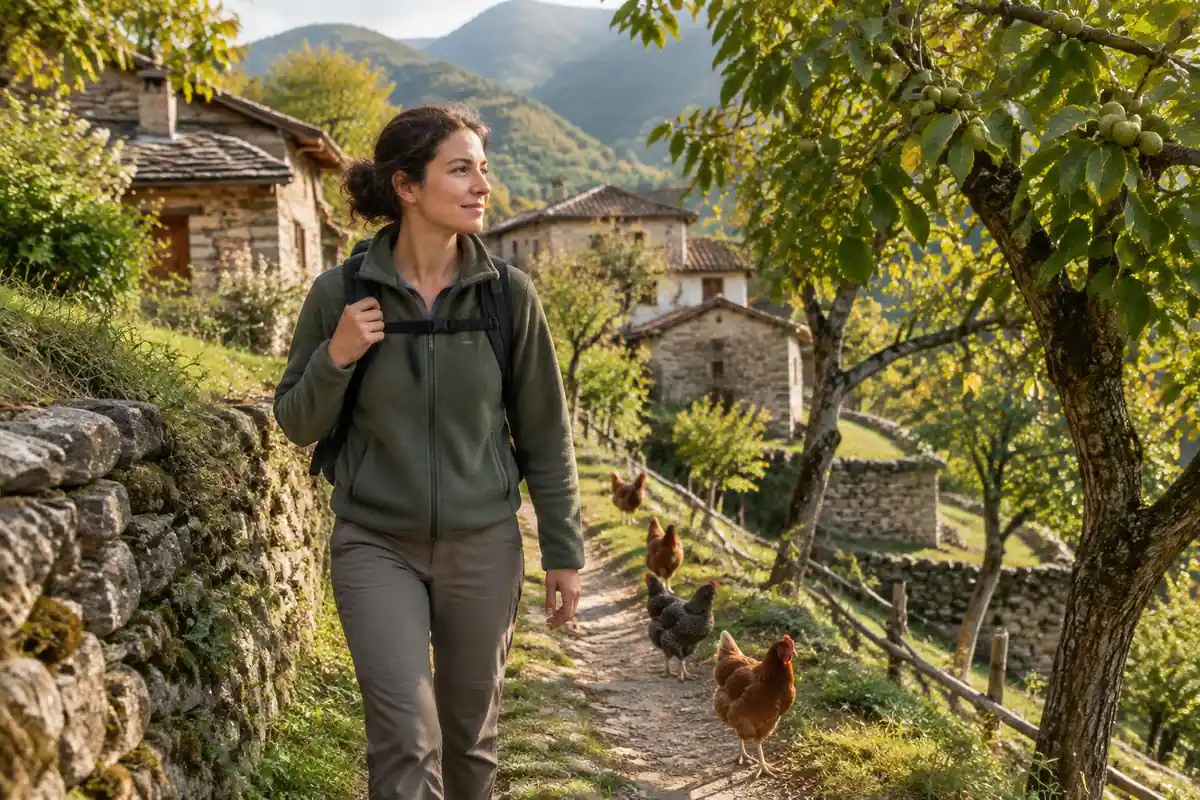
Permits & rules
An entrance fee has generally applied, so check current arrangements locally; the walk itself is a comfortable guesthouse-to-guesthouse trek. The upper Yangtze roars far below; the High Trail has some exposed, narrow sections, and summer rain can bring rockfall — check conditions.
Gear you'll want for this trip
Matched to the terrain and conditions here. Real products — check current price on Amazon.


What guesthouse lodging does to your pack
Because beds and meals are provided along the way, this is a day-hike load with a small overnight kit. Washington Trails Association lists a 25 to 30 liter pack as good for a full-day hike and a 45 to 50 liter pack as fitting a standard one- or two-night trip.1 Most guesthouse trips fit the smaller size, because you are not carrying a shelter or cooking gear. The energy case is clear: one laboratory study found walking energy use rose roughly linearly with backpack load, by about 7.6 watts per extra kilogram.2 Fewer items, fewer kilograms, less fatigue on the climbs.
Even so, the page's statements about the scenic-area ticket, the guesthouse arrangement and transfers are not confirmed here by an official source. Check current entry rules, ticket checkpoints and guesthouse availability locally or with the scenic area's own information before you go. Confirm bookings, rules and closures with the scenic-area management or your guesthouse.
Exposed trail, foot care and daylight
The page notes narrow, exposed sections, and rain that can bring rockfall. The National Park Service advises planning uphill sections to take at least double the downhill time and setting a turnaround time you stick to.3 Apply that to guesthouse days: decide in the morning which village you will sleep in and what time you will stop if you are behind. Footwear matters when you are on narrow ground for two days. The American Academy of Dermatology says shoes should fit properly, neither too tight nor too loose, and that nylon or moisture-wicking socks help prevent blisters, while cotton soaks up sweat and can cause friction.4
KEEN notes that with a fully loaded backpack a boot's extra stability and support can be welcome, while lighter hiking shoes are designed to be lightweight and breathable.5 With a light guesthouse pack, either approach can work, so choose what fits well and that you have already worn on steep terrain.
Altitude, sun and weather
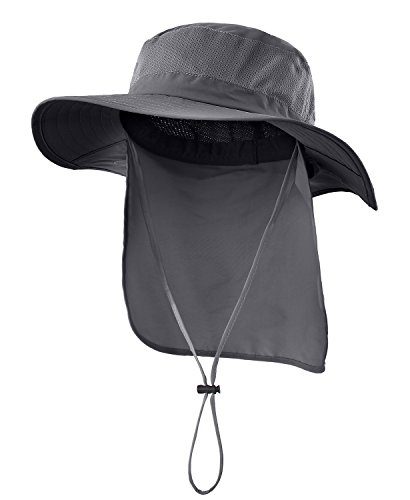
The gorge trail climbs between snow peaks, so treat sun and cold as real factors. The CDC's Yellow Book says UVB is most intense from 10 a.m. to 4 p.m. and at higher elevations, and the EPA says UV intensity rises about 6% per kilometer of elevation, with overcast skies still transmitting about 31%.6,7 Wear sun protection even when clouds are present. The CDC also notes that hypothermia can develop above 40 degrees Fahrenheit if a person is chilled by rain, sweat or cold water, so keep a dry layer for the evening at the guesthouse.8
The National Weather Service adds that in the mountains thunderstorms often build in the early afternoon, so hike early and be off exposed terrain by noon where possible.9 That US guidance applies to any high mountain trail. Because the page warns of summer rain and rockfall, ask your guesthouse about conditions before each day's walk and adjust your start time.
Common questions
Do I need to camp along Tiger Leaping Gorge?
No. The High Trail is a guesthouse-to-guesthouse trek — you walk between villages during the day and sleep in family-run guesthouses that provide a bed and meals each night. Most hikers cover the route over two days, so a tent, sleeping pad, and cooking gear aren't part of the packing list the way they would be on a camping-based trek.
When's the best time to hike Tiger Leaping Gorge?
Spring and fall are the best windows, with more settled weather for the exposed sections of the High Trail. Summer brings heavier rain to the gorge, which raises the risk of rockfall on the trail, so it's worth checking conditions and local advice before committing to a summer date.
Do I need a permit or ticket to hike Tiger Leaping Gorge?
Tiger Leaping Gorge is a scenic area, and entrance-ticket rules and where tickets are sold can change, so confirm current arrangements locally before you start walking. Keep any ticket accessible, and budget a little extra time at the start of your first day for this step.
Complete gearsets for this trip
Full curated kits built for exactly this kind of hike — what to bring, why, and links to similar gear.
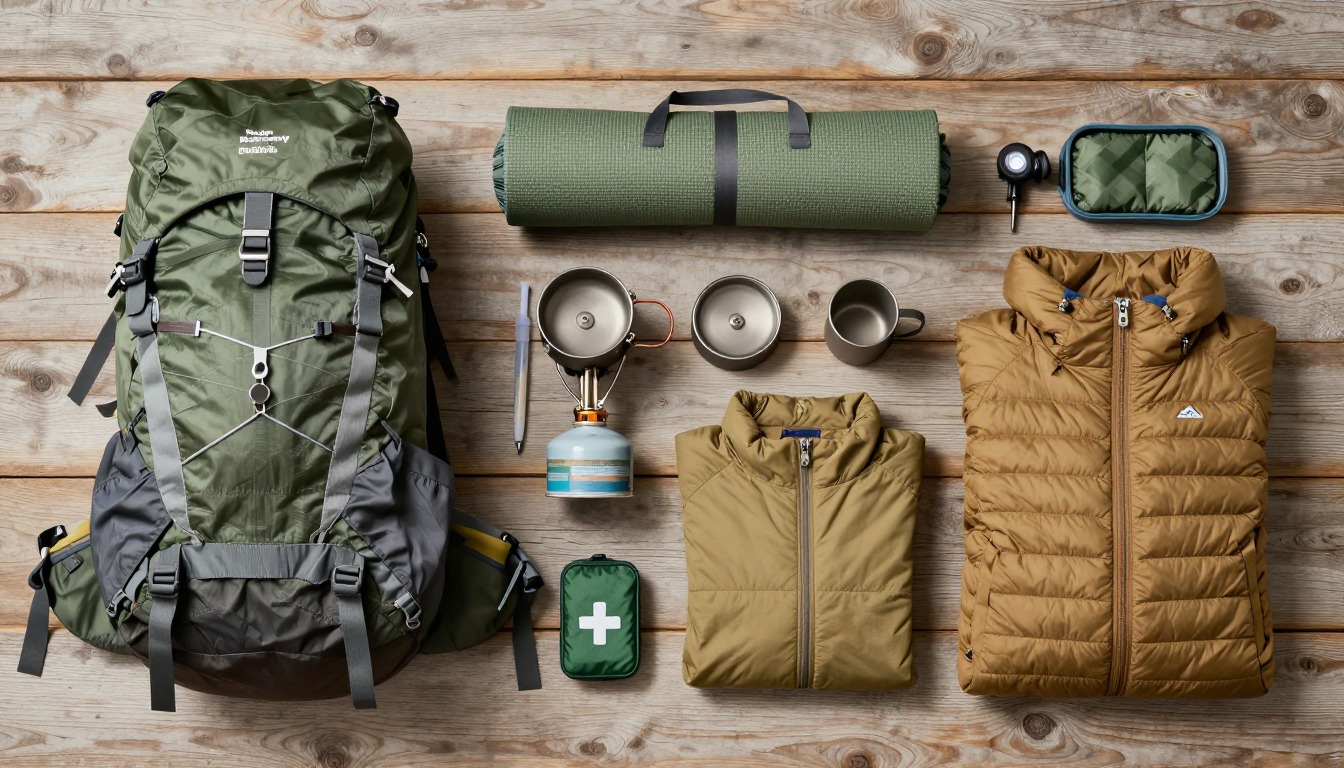
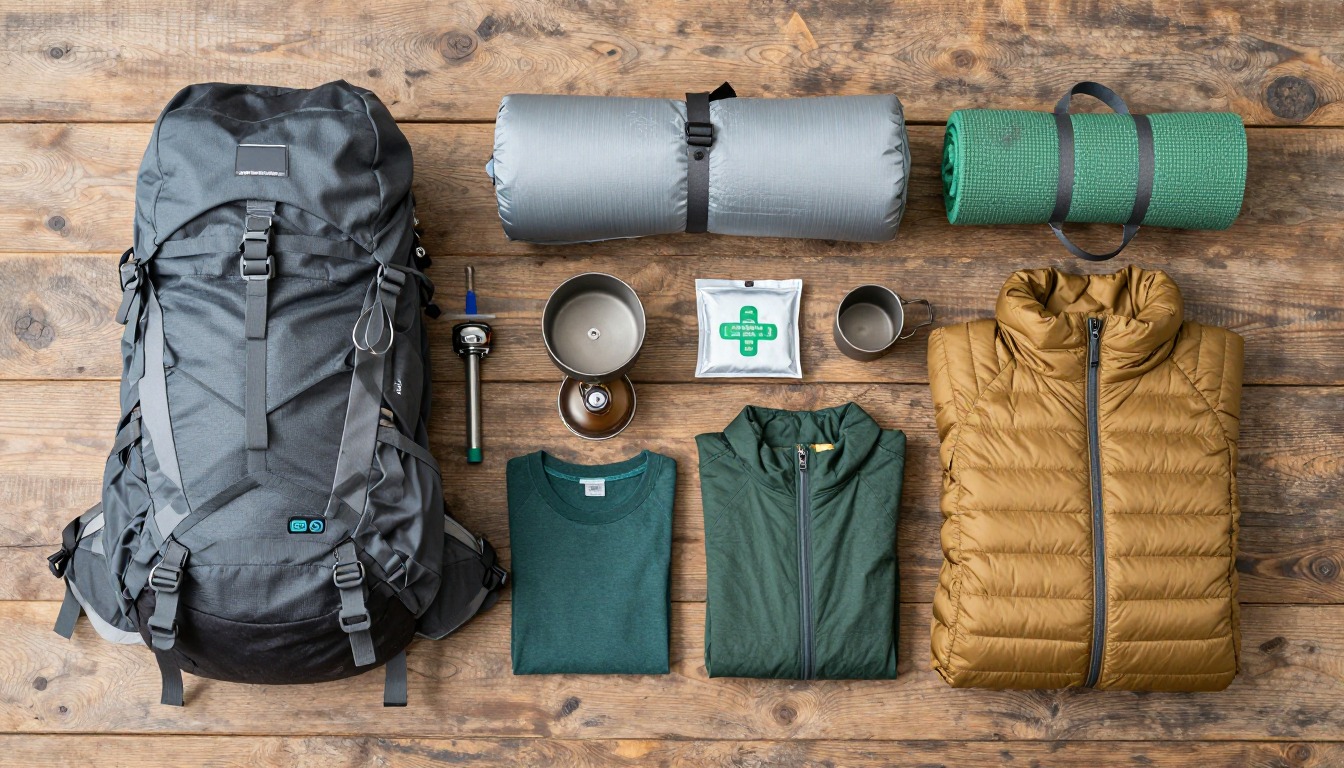
Lodging details are compiled from official parks, refuge associations and reservation systems and can change without notice. We publish no prices, availability or ratings — always confirm current information on the official site before booking or setting out. Product links and the accommodation map are affiliate links: we may earn a commission at no extra cost to you; product prices and availability are shown on Amazon, and accommodation prices on the booking site. See our affiliate disclosure.