
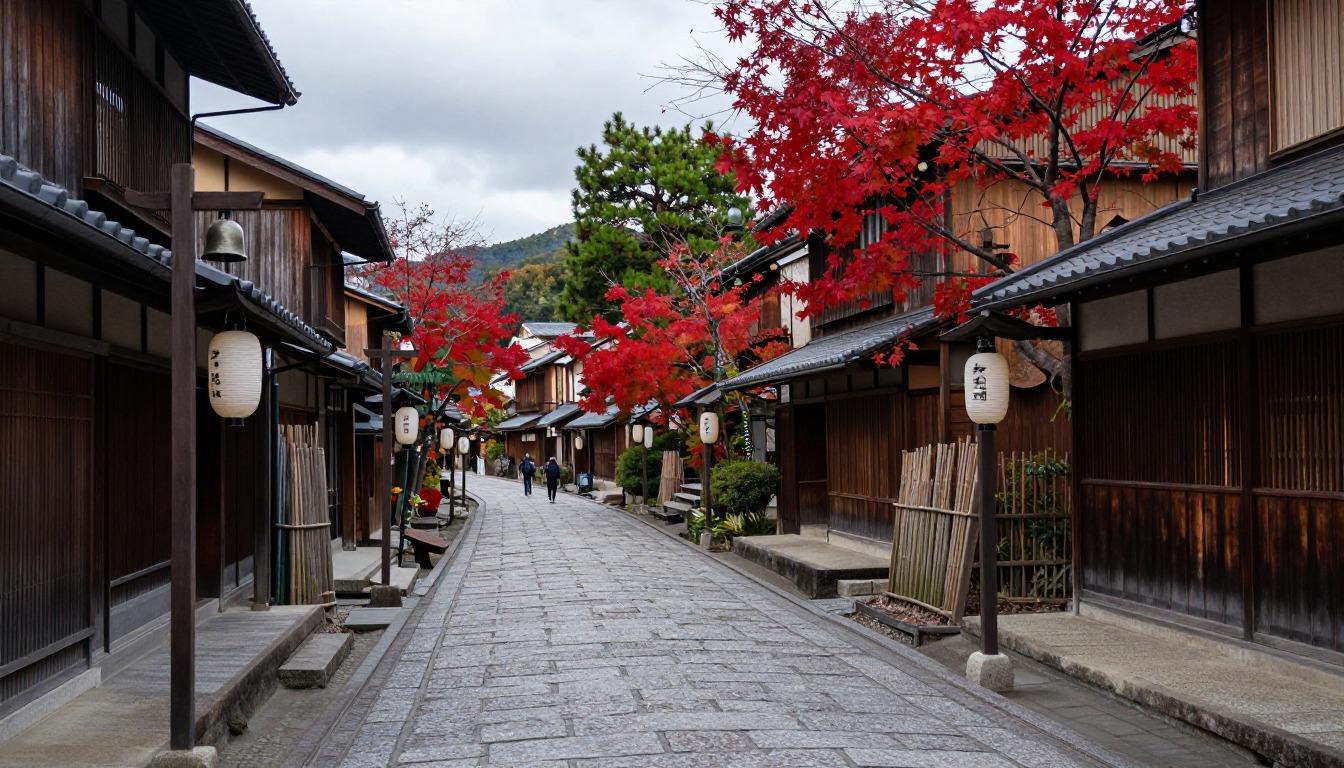
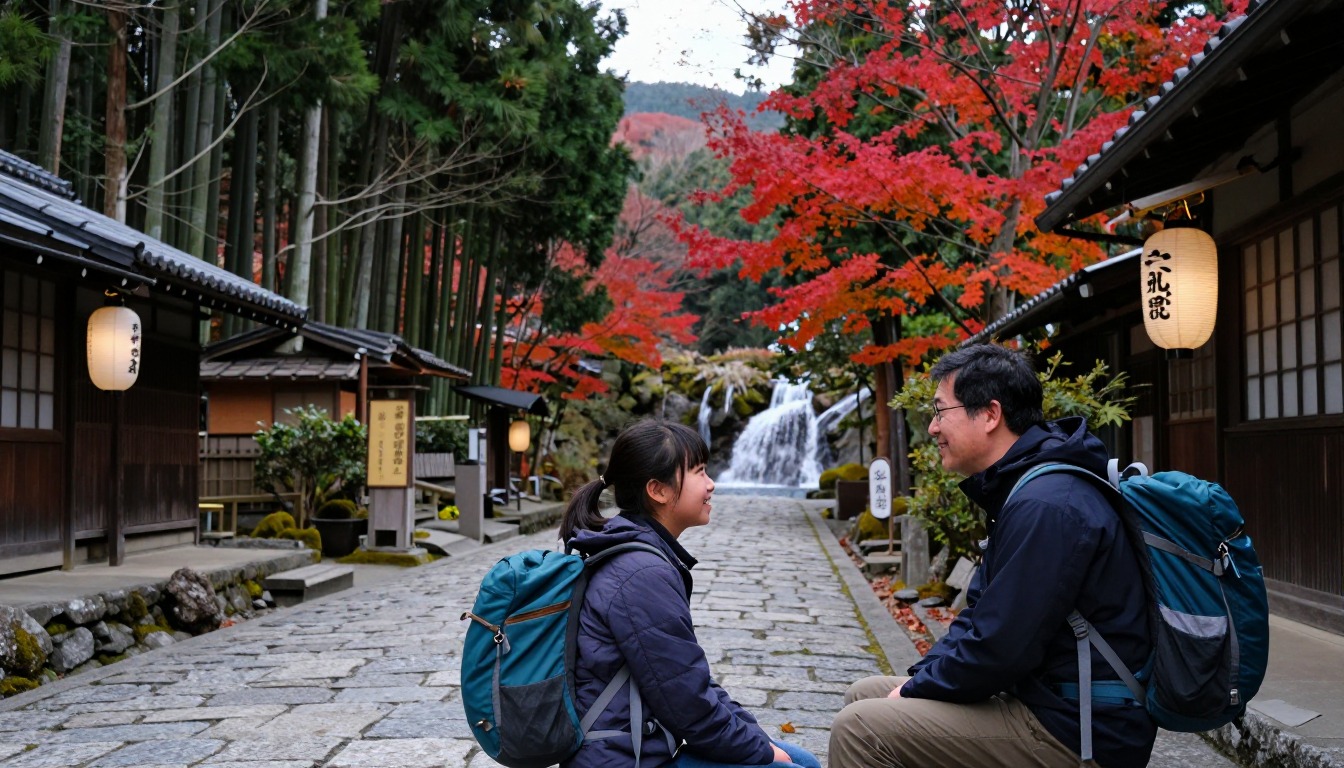
Illustrative artwork — an impression of Nakasendo — Magome to Tsumago, not a literal photograph.
The Nakasendo's Magome-to-Tsumago stretch is a gentle, well-signed walk through the Kiso Valley in central Japan, following a preserved section of the old Edo-era highway between two beautifully restored post towns. It's an easy few hours on foot, mostly downhill, through forest and past waterfalls — but the real decision is where you sleep, since staying overnight in Magome or Tsumago's traditional inns is what turns a pleasant afternoon walk into something memorable.
Why hike here
What makes this walk special isn't distance or difficulty — it's stepping into two post towns built for travelers long before you arrived. Magome climbs a hillside in tiers of wooden buildings and stone-paved lanes, while Tsumago feels even more intact, with cars kept off its main street so the view down the road looks much as it must have to Edo-era travelers. Between the two, the trail dips through quiet forest, past waterfalls, and along stretches of the original stone paving. Walking with just a day pack, thanks to the luggage-forwarding service between the towns, keeps your attention on the valley instead of your shoulders. Spend the night in one of the post towns rather than rushing back to a city, and you get them at dusk and dawn, without the day-trip crowds.
Getting there
Most hikers reach the Kiso Valley through Nagoya, central Japan's major transport hub with international airport connections, then continue by rail toward Nakatsugawa, a valley town on the line that also has its own hotels and inns if you'd rather base yourself outside Magome or Tsumago. From Nakatsugawa, local buses run up to the Magome trailhead. Since most people walk the route downhill from Magome to Tsumago, it's worth arranging transport up to Magome first and letting the return leg from Tsumago be the easier half of the day.
Where to stay
The realistic options, closest-to-the-trail first. Book through the official links — we don't list prices or availability because they change all the time.
 Illustrative — evokes the setting, not a specific property.
 For example: Traditional family inns in the beautifully preserved post towns
Travelers who want to sleep in an atmospheric old post town.
Rooms in the historic towns are limited and characterful; reserve early.
Post-town inns (book ahead)For example: Hotels and inns in the nearby valley towns on the rail line
Walkers wanting more choice near the trains.
Trains and buses link the post towns and valley; a luggage service runs between Magome and Tsumago.
Nearby-town lodgingPermits & rules
No permit is needed — this is a gentle, well-signed few-hours walk on an old highway between two exquisitely preserved post towns. Staying overnight in Magome or Tsumago, rather than day-tripping, is what makes it special.
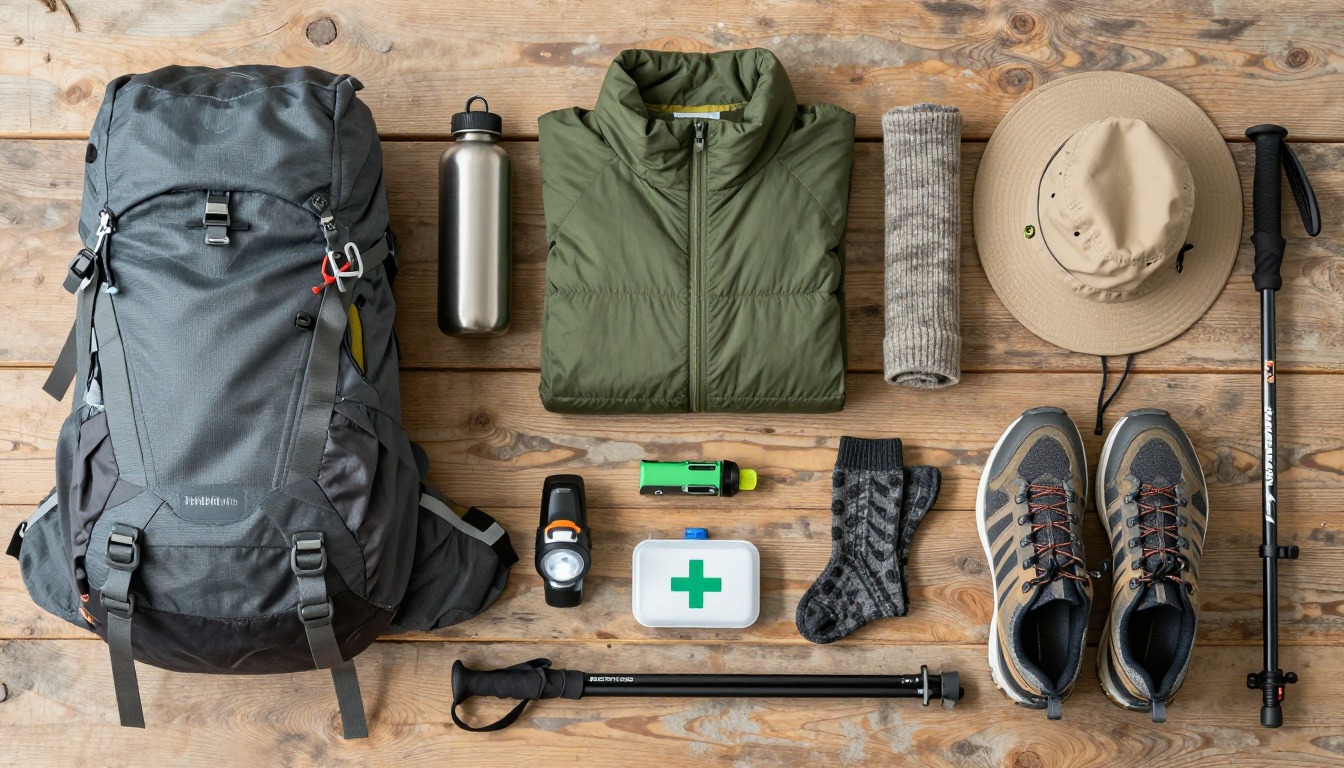
Gear you'll want for this trip
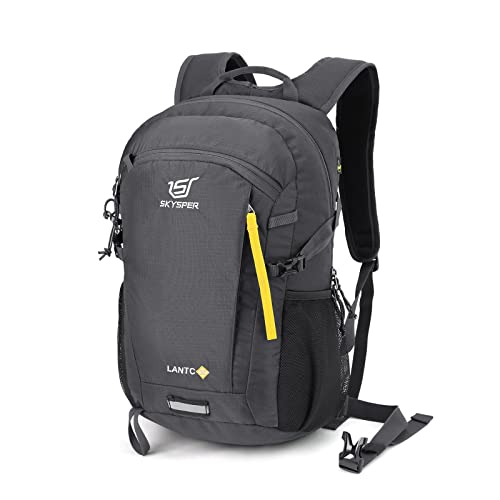
Matched to the terrain and conditions here. Real products — check current price on Amazon.


Common questions
Do I need a permit to hike the Magome-to-Tsumago trail?
No — this section of the Nakasendo has no permit system. It's a well-signed public trail through the Kiso Valley that you can walk at your own pace. The only booking that really matters is accommodation, since the ryokan and minshuku in Magome and Tsumago have limited rooms and fill up, so reserve well ahead, especially in busier seasons.
Should I stay in Magome, Tsumago, or a nearby town?
Staying overnight in one of Magome or Tsumago's traditional family inns is what makes the trip memorable — you experience the post towns without the day-trip crowds. Rooms are limited, so book ahead. If both are full, nearby valley towns such as Nakatsugawa have their own hotels and inns and still make a workable base for the walk.
When is the best time to walk between Magome and Tsumago?
Spring through autumn is best, when the trail is clear and the forest sections are at their most pleasant. Winter brings snow to the Kiso Valley, making the walk considerably harder and less predictable. Whatever the season, check conditions before you go and dress for a forest walk that runs cooler and shadier than the post towns themselves.
Complete gearsets for this trip
Full curated kits built for exactly this kind of hike — what to bring, why, and links to similar gear.

Lodging details are compiled from official parks, refuge associations and reservation systems and can change without notice. We publish no prices, availability or ratings — always confirm current information on the official site before booking or setting out. Product links are affiliate links: we may earn a commission at no extra cost to you; prices and availability are shown on Amazon. See our affiliate disclosure.