
Affiliate disclosure: this page contains affiliate links. Purchases made through them may earn us a commission at no extra cost to you. See our affiliate disclosure.
In plain English
The Lycian Way runs along a hot, dry, rocky stretch of coast, and most walkers treat it as a series of village stops. In many villages there are family-run pensions, which are simple guesthouses with a bed and often a meal. That means you can walk light, carry a modest bag, and sleep indoors most nights.
Some stretches are far from any village. For those you either plan a longer day to reach the next bed, or you carry a tent, food and water and sleep out. Carrying a tent changes everything about your pack: it needs to be bigger and heavier, and you need a way to cook or eat cold.
The biggest enemy here is heat, not distance. Long sections are open with little shade. Start early, rest in the shade in the middle of the day, and treat water like the most important thing in your bag.
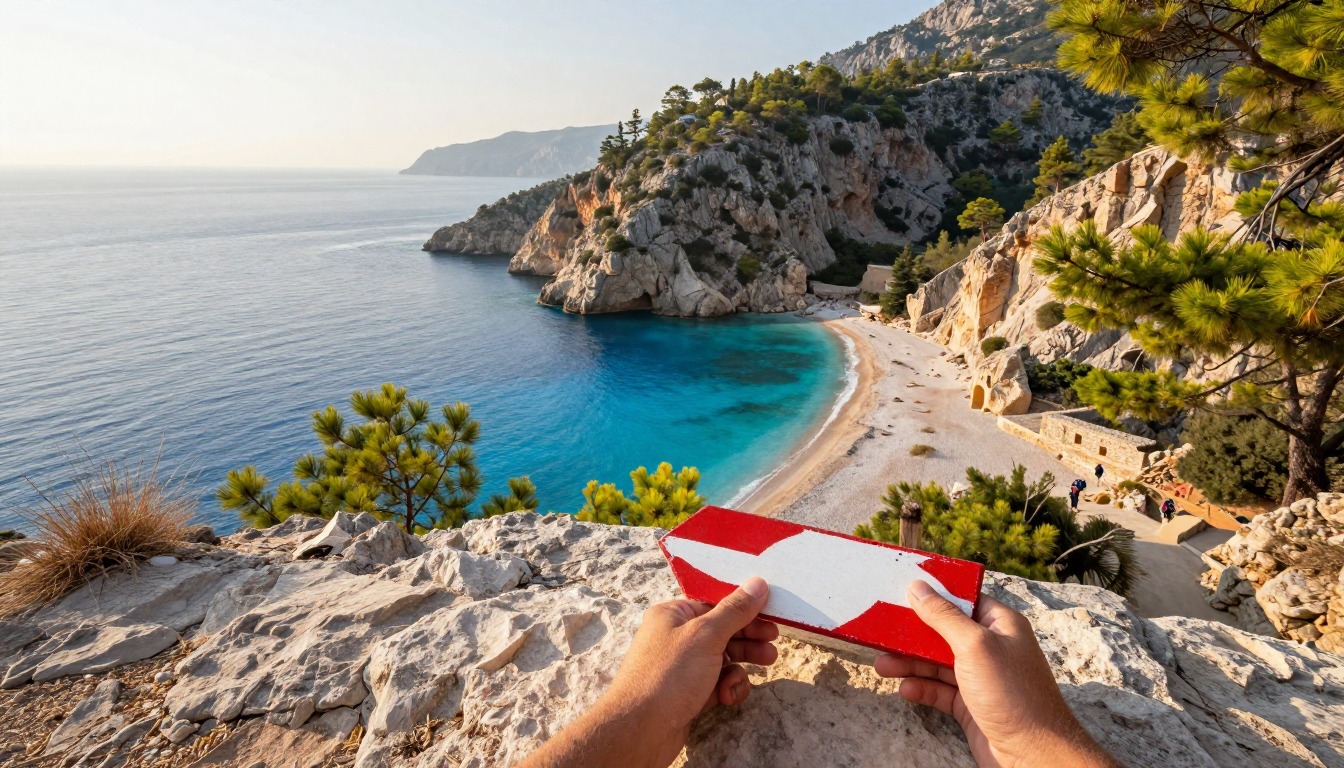
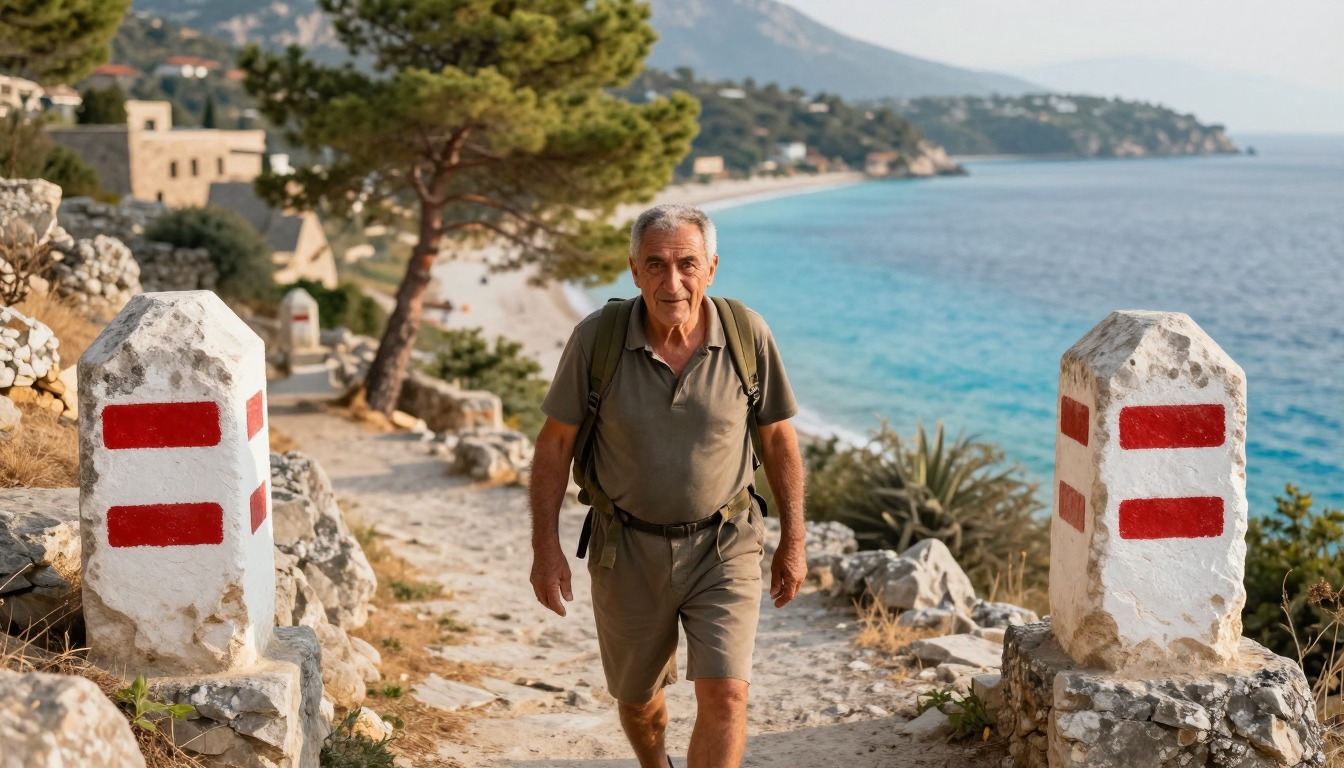
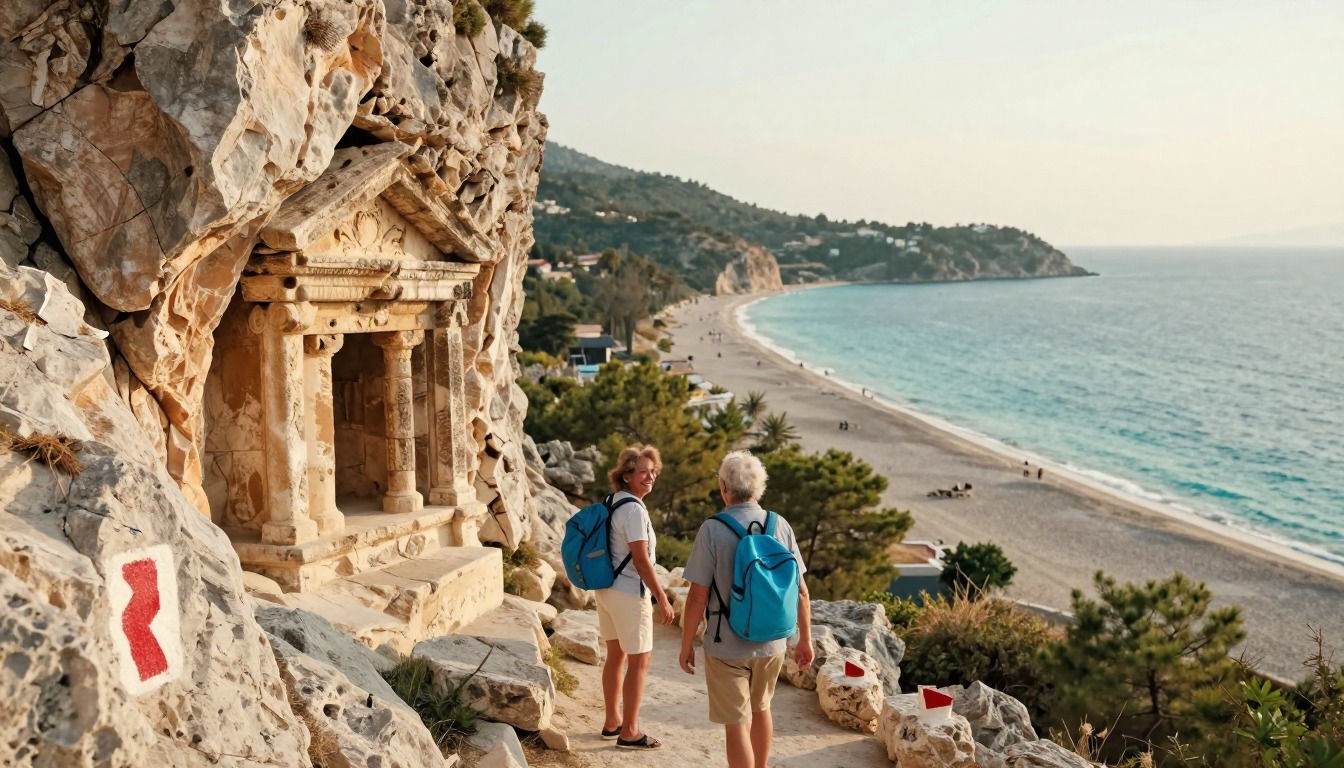
The Lycian Way (Likya Yolu) is a long-distance, well-waymarked trail along Turkey's Turquoise Coast, following the Mediterranean past ancient Lycian ruins, mountain villages, and beach towns. Maintained by the Culture Routes Society and marked in the same red-and-white style as France's GR trails, it's easy to follow underfoot. Because the route runs from village to village, most nights end in a family-run pension or small guesthouse rather than a tent, though camping is possible too.
Why hike here
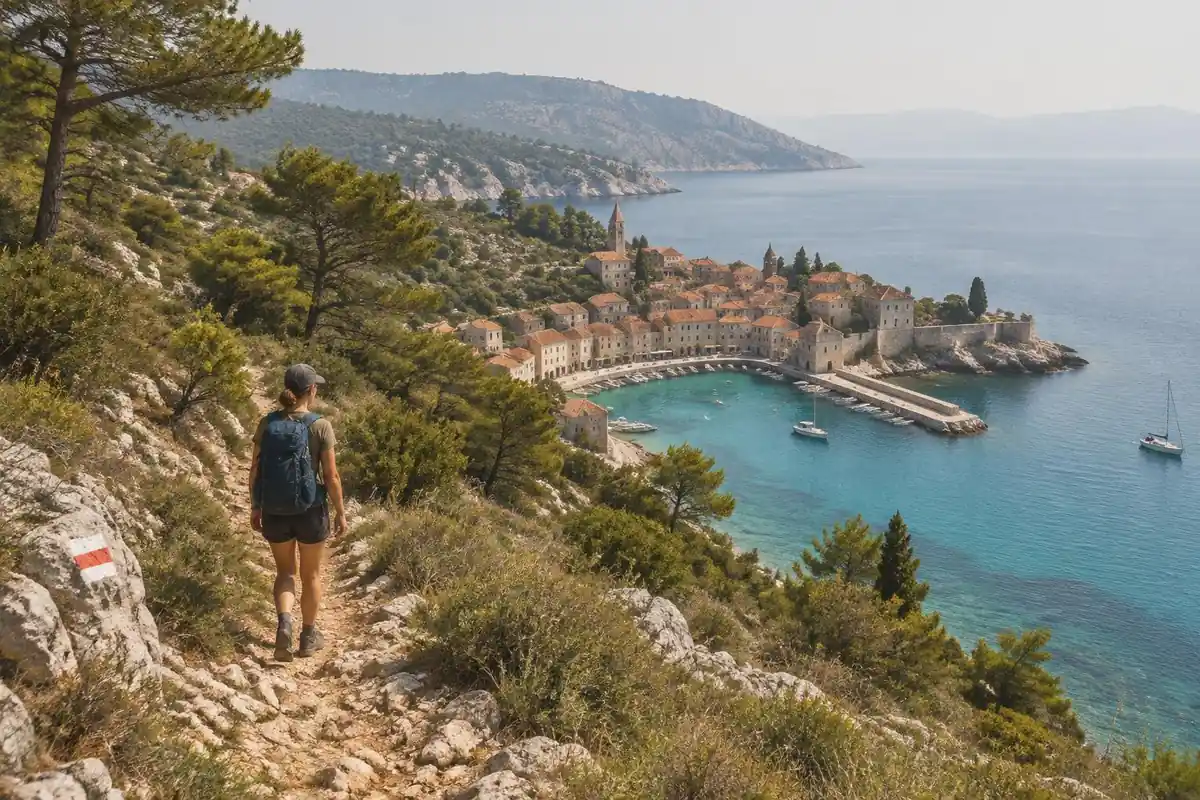
What makes the Lycian Way special is how much history it walks you through without ever feeling like a museum — ancient Lycian tombs, theaters, and city walls turn up right along the trail, half swallowed by scrub, with no fence or ticket booth between you and them. The days alternate: a stretch above the Mediterranean, then a hot climb through pine and scrub, then a mountain village where life slows to café conversations and drying laundry. Coming down into a beach town like Kaş or Ölüdeniz after a long, exposed day on the trail makes the sea feel earned. Spring and fall bring wildflowers and cooler air; summer turns the same landscape starker and much more demanding.
Getting there
Most hikers reach the Lycian Way by flying into Dalaman or Antalya, Turkey's two coastal gateway airports, then covering the last leg by road. Fethiye is the most common starting point for the trail and sits closer to Dalaman, with regional buses and taxis covering the short transfer from the airport into town. If you're starting or finishing near Antalya instead, that airport connects directly to towns further along the route. Either way, plan on a short ground transfer after you land rather than a trailhead right outside arrivals.
Where to stay
The realistic options, closest-to-the-trail first. Book through the official links — we don't list prices or availability because they change all the time.
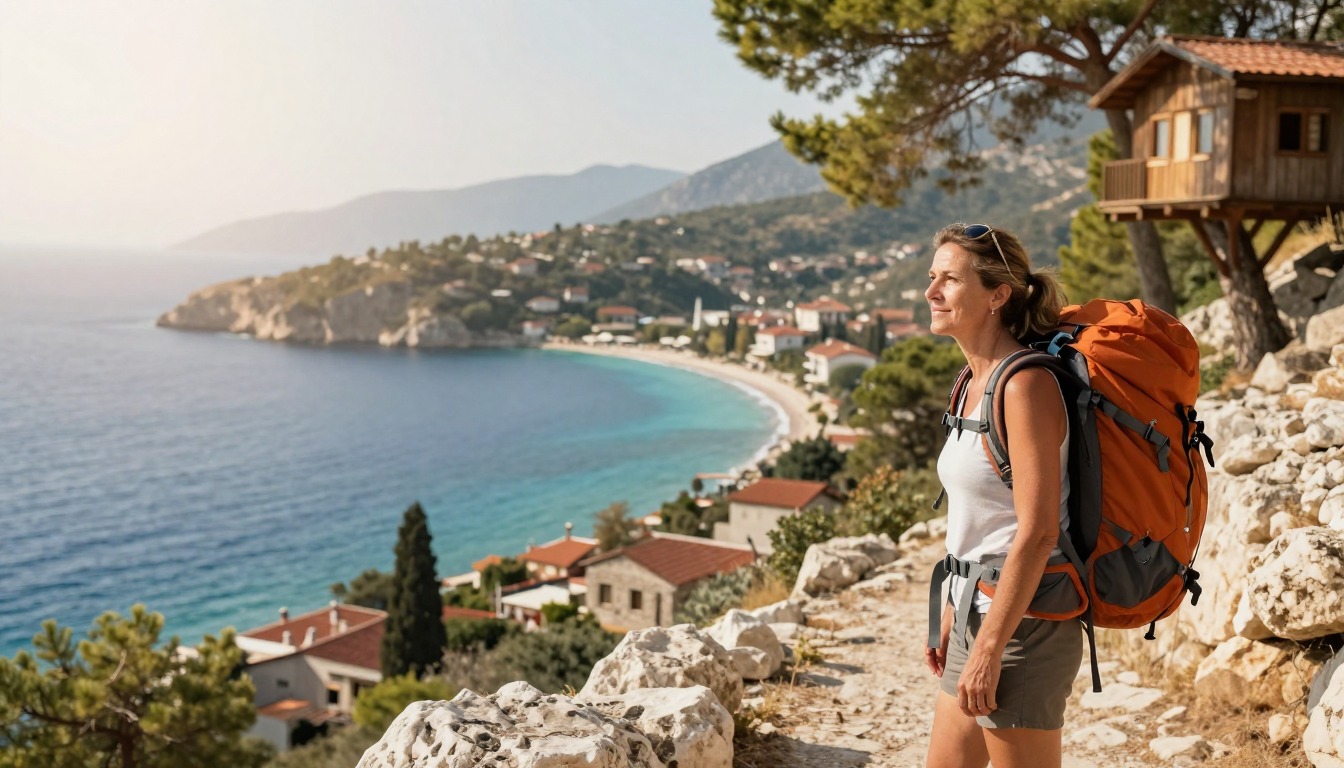
For example: Family-run pensions, guesthouses and small hotels in the villages and towns along the route
Most walkers — you can hike village-to-village and sleep in a bed most nights.
Resort towns like Ölüdeniz and Kaş, plus small villages, line the trail.
Village lodgingFor example: Established campsites and some wild camping for those carrying a tent
Budget walkers linking sections without pensions.
Carry water — long stretches are hot, dry and exposed.
Campsites (local info)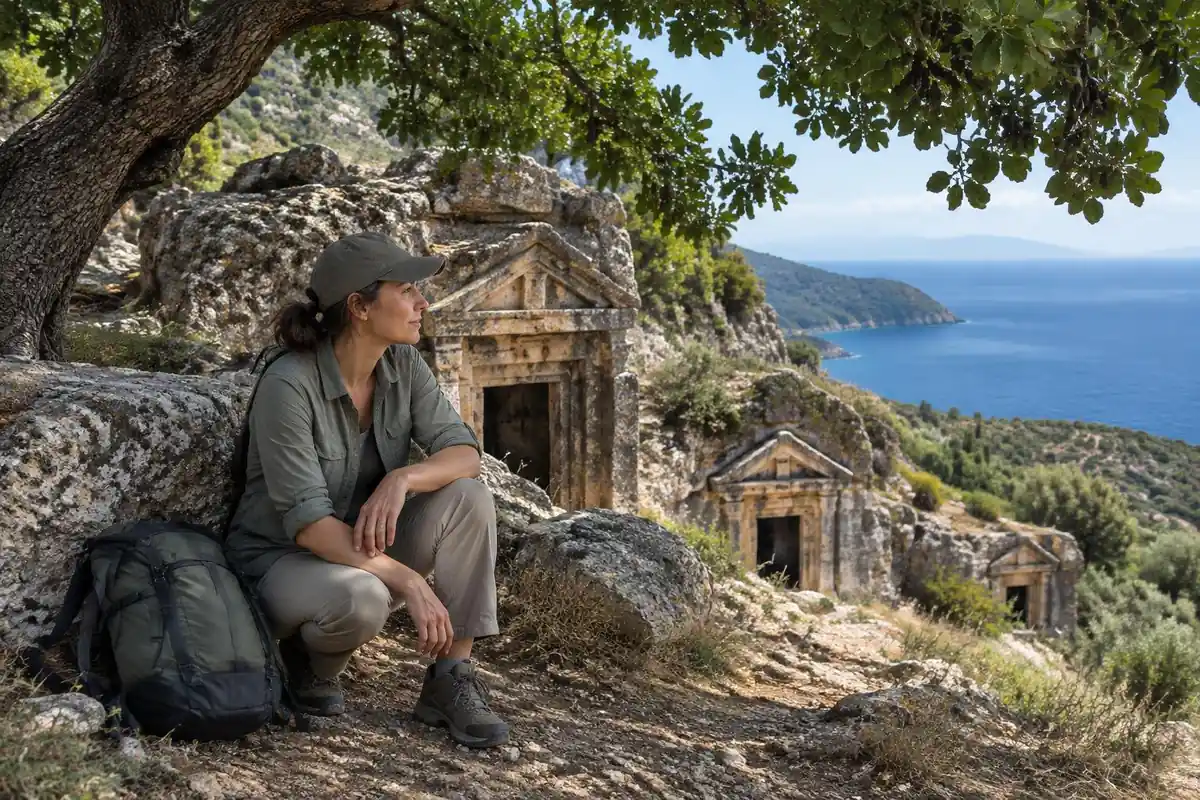
Permits & rules
No permit is needed to walk. It’s a rugged, well-waymarked coastal trail (waymarked in the French GR style), mixing beach towns, mountain villages and ancient Lycian ruins. Summer heat is the real hazard — walk in spring or fall, start early, and carry plenty of water.
Gear you'll want for this trip
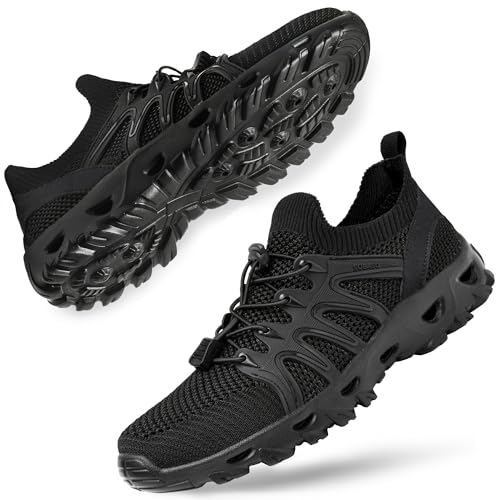
Matched to the terrain and conditions here. Real products — check current price on Amazon.


Pension nights versus tent nights
The existing page describes family-run pensions and small hotels in the villages and resort towns along the route, plus established campsites and some wild camping for walkers carrying a tent. It suggests booking a night or two ahead rather than the whole trip. The gap between the two styles is mostly weight. The Washington Trails Association describes a 45 to 50 liter pack as sized for a standard one- or two-night trip and 50 to 70 liters for three to seven nights, while 25 to 30 liters suits a full-day hike.3
A pension-based walker can often carry a pack nearer the smaller end, because a bed, and often a meal, is provided; confirm what each pension includes. A camping walker carries shelter, sleeping bag and cooking gear, which the Appalachian Trail Conservancy counts among the heaviest items, with the pack, shelter and sleeping bag as the big three.4 Mixing the two, as the page suggests, means you will still carry the camping kit on the nights you use pensions.
Stoves, fuel and flying
If you cook, fuel is a lodging-adjacent decision, because a pension night usually removes the need to cook at all. MSR notes that canister fuel is not available everywhere, that liquid fuel is safer for remote international travel, and that canister stoves are almost always lighter and more compact.1 On a coastal route with towns every day or two, canisters are often easy to find in outdoor shops, but confirm before you rely on it.
Flying with a stove has its own rules. The US Transportation Security Administration says a camp stove can go in carry-on or checked bags only if completely emptied of fuel and cleaned so that no vapors or residue remain, and that officers make the final decision at the checkpoint.5 That is a US screening rule, so check your airline and the airports you use for their own rules, and plan to buy fuel on arrival.
Heat, water and where you can pitch a tent
The page says summer heat is the real hazard. The National Park Service's hiking guidance says hikers in heat can lose one to two liters of water per hour, that salty snacks help balance intake, and that most heat-illness rescues involve people hiking between 10 a.m. and 4 p.m.2 The CDC says water from a clear mountain stream can still contain germs and is generally not safe to drink untreated, and that most portable filters remove parasites but not viruses or bacteria.6 In a dry region, plan water by asking each pension or shop what is available for the next stretch.
Camping rules deserve their own check. The existing page says wild camping is an option away from villages. Rules on where you may pitch a tent depend on the landowner and local authorities, so ask locally rather than assuming. Where camping is allowed, the National Park Service's Leave No Trace guidance is to camp at least 200 feet from lakes and streams and to pack out toilet paper and hygiene products.7
Common questions
Do I need to book lodging in advance on the Lycian Way?
It's a good idea, especially in the busier villages and resort towns during spring and fall. Family-run pensions and guesthouses along the route can fill with other hikers and travelers in peak weeks, and options thin out in smaller villages. Booking a night or two ahead, rather than the whole trip, gives you flexibility while still avoiding a late arrival with nowhere to stay.
Can I camp instead of staying in pensions?
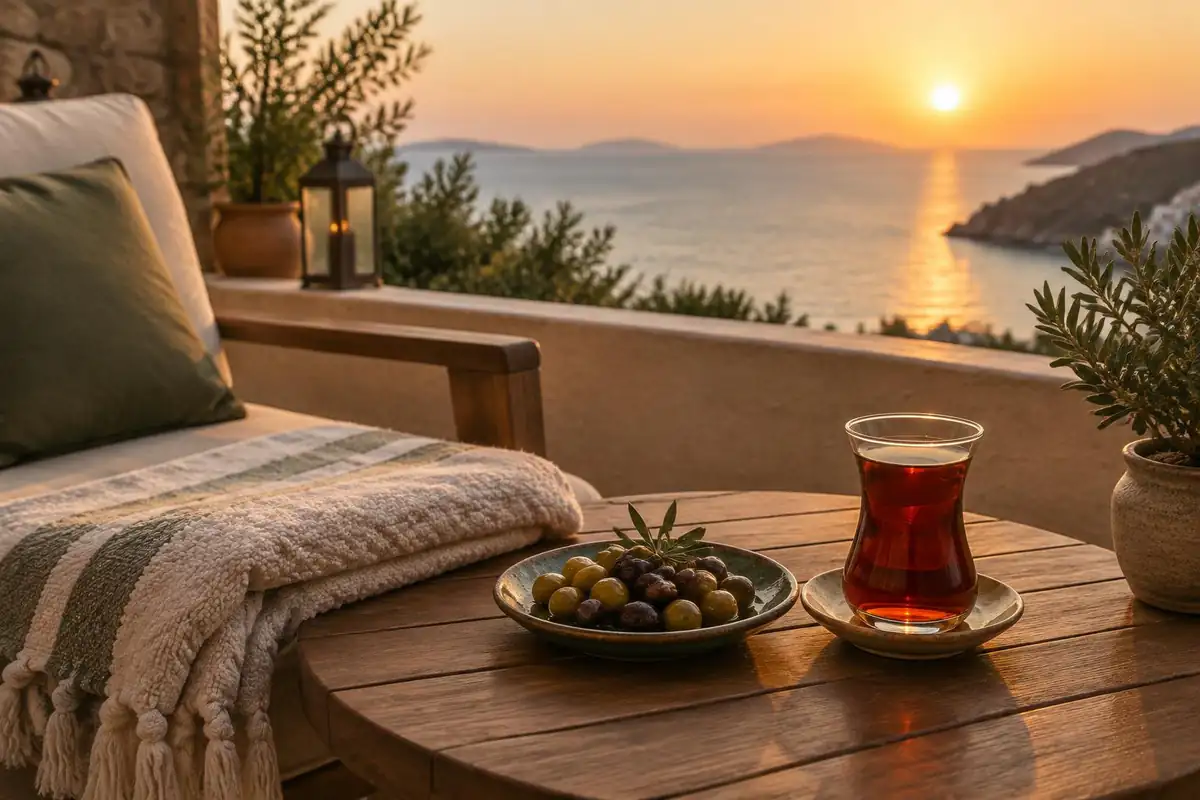
Yes. The Lycian Way has some established campsites, and wild camping is an option in stretches away from villages for hikers carrying their own tent. Many people mix the two approaches, using pensions and guesthouses in villages and resort towns for a real bed and a shower, then camping on quieter sections of trail in between.
When's the best time to hike the Lycian Way?
Spring and fall are the best windows — the heat is manageable and the trail is at its most comfortable. Summer gets very hot, with long stretches of the route exposed, dry, and short on shade, so carrying plenty of water becomes essential rather than optional if you're walking during the hottest months.
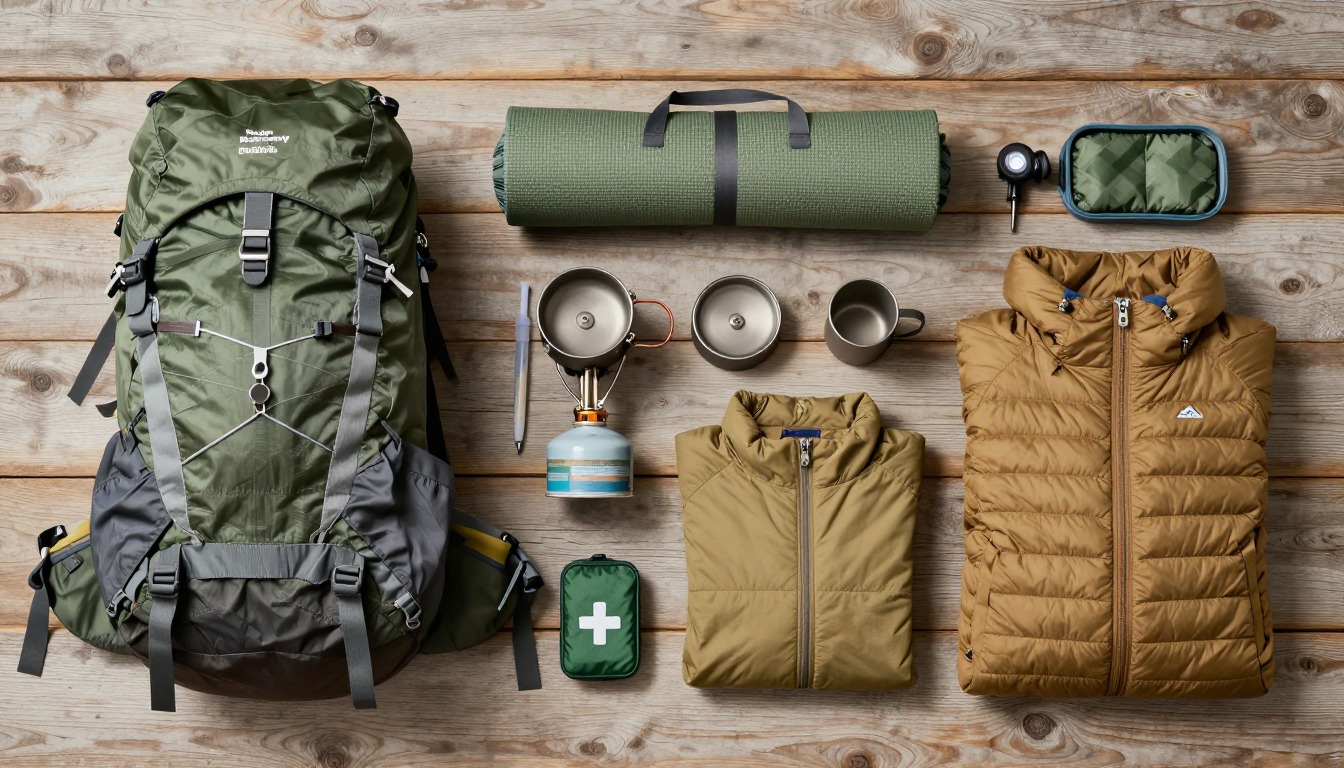
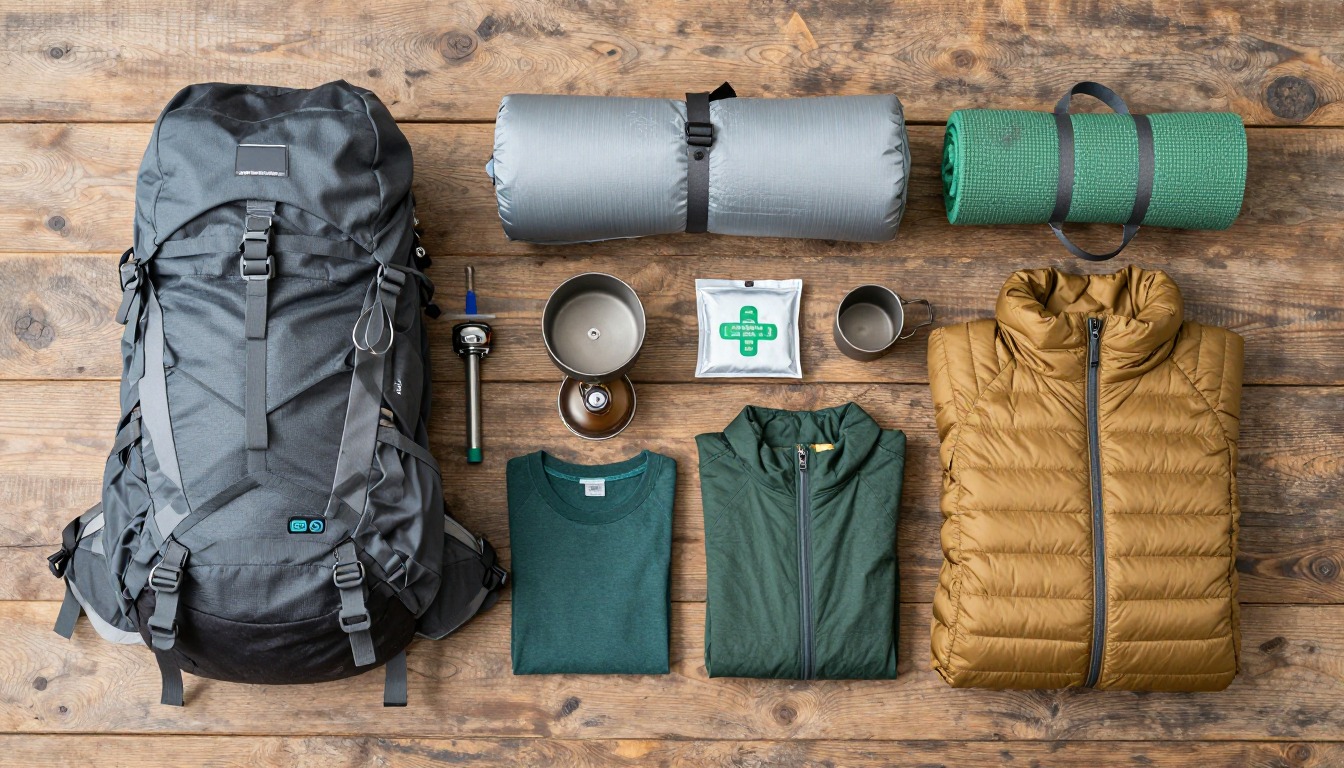
Complete gearsets for this trip
Full curated kits built for exactly this kind of hike — what to bring, why, and links to similar gear.
Lodging details are compiled from official parks, refuge associations and reservation systems and can change without notice. We publish no prices, availability or ratings — always confirm current information on the official site before booking or setting out. Product links and the accommodation map are affiliate links: we may earn a commission at no extra cost to you; product prices and availability are shown on Amazon, and accommodation prices on the booking site. See our affiliate disclosure.