
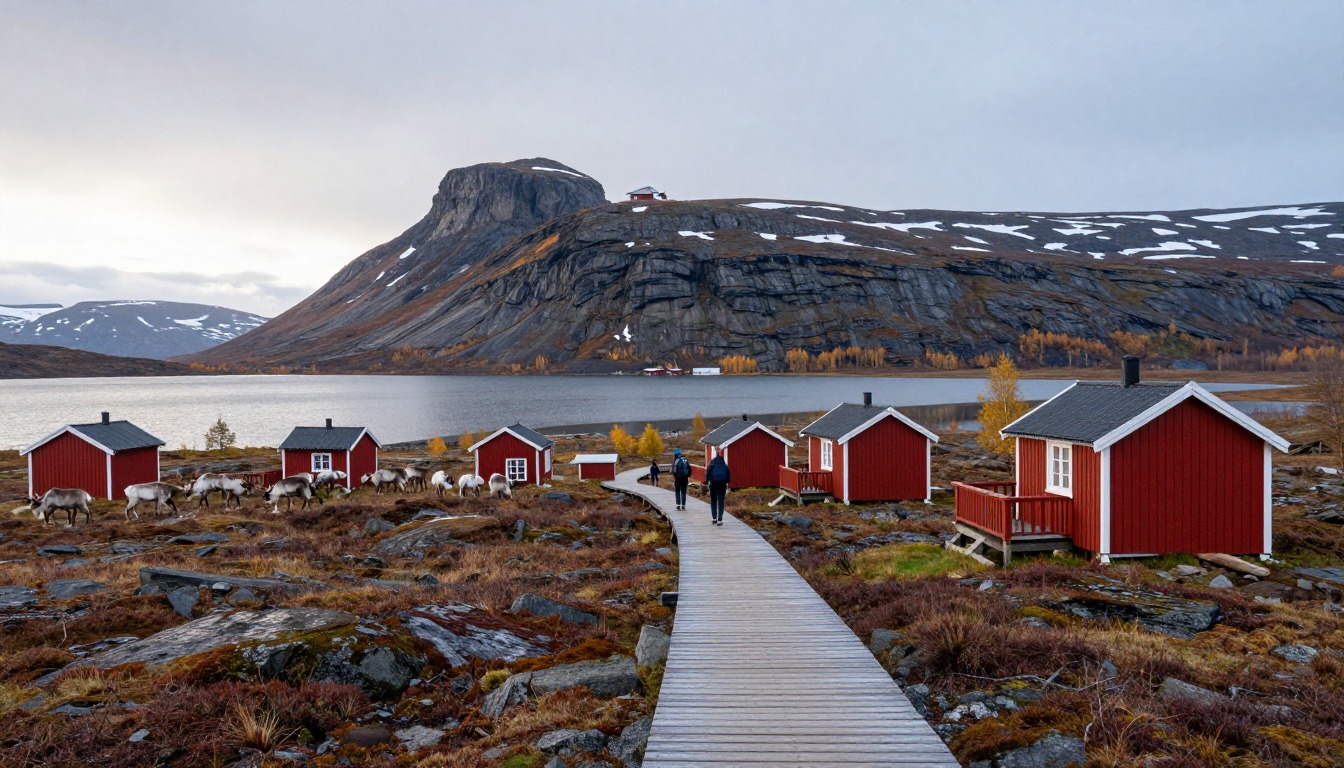
Illustrative artwork — an impression of Kungsleden — Abisko to Kebnekaise, not a literal photograph.
The Kungsleden, or King's Trail, runs the length of Swedish Lapland, and its northern stretch — from Abisko south past Kebnekaise, Sweden's highest peak — is the classic multi-day introduction to Arctic Sweden. The route falls under a county board and is threaded with mountain huts run by the Swedish Tourist Association (STF), so lodging is less about picking a hotel than about pacing your days between huts, with wild camping always available as a backup.
Why hike here
North of Abisko, the Kungsleden climbs out of birch forest onto open, treeless plateau, with Kebnekaise's glaciated summit visible for long stretches of the walk. In midsummer the sun barely sets this far north, so days stretch out and the light turns low and gold for hours at a time. The route works its way across rivers and braided glacial streams, and the huts along the way double as gathering points — a sauna to thaw out in, a small shop for the basics, other hikers swapping notes on the day's weather. Past Abisko's valley there are almost no trees left, just rock, lichen, and reindeer trails crossing your own, and it's the scale of that open ground that stays with most people long after the boots come off.
Getting there
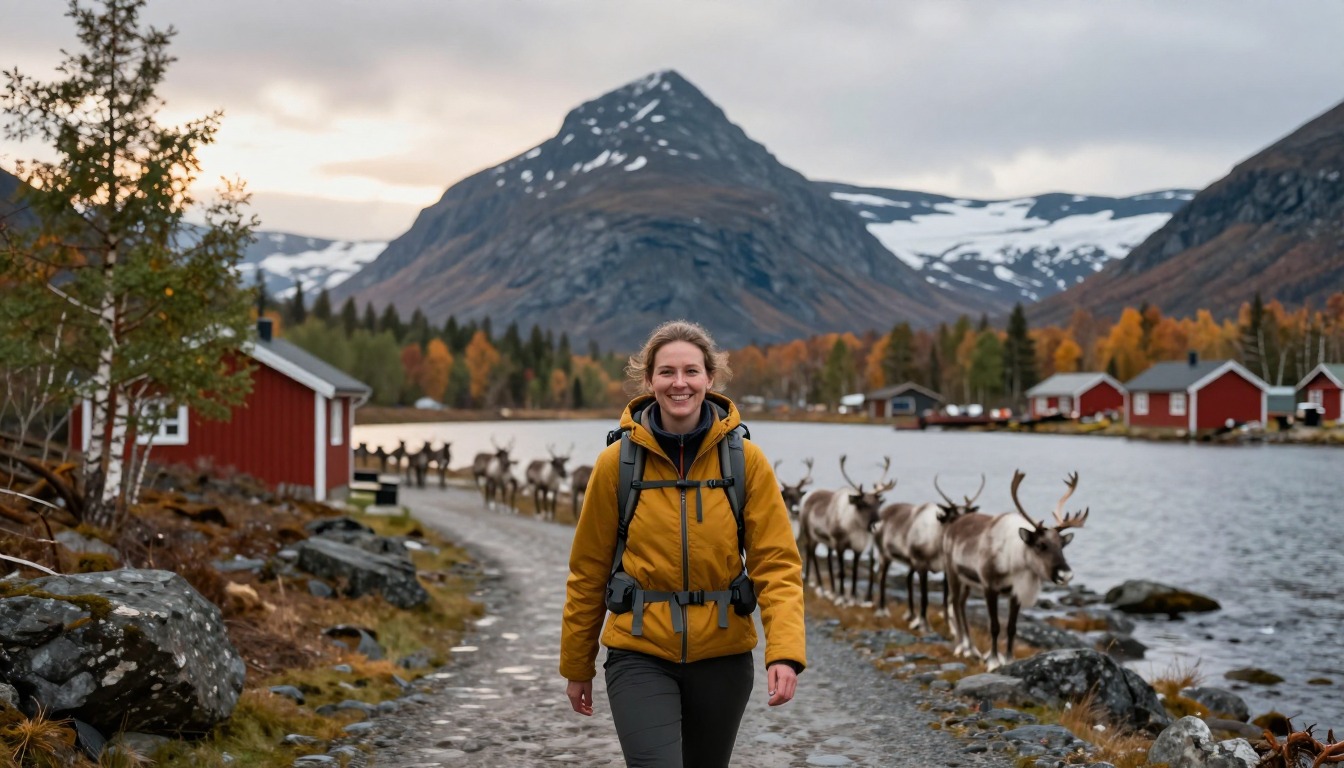
The gateway for this stretch of the Kungsleden is Abisko, reached by train via Kiruna, which has its own airport with connections from further south in Sweden. Kiruna is the last major town before the trailhead, so it's the practical place to pick up any last supplies before heading into the mountains. From Kiruna, the train continues on to Abisko, where the northern Kungsleden begins right around the village and the STF mountain station there. Because this is a genuinely remote, sparsely served part of the Arctic, it's worth building slack into travel days rather than cutting connections close.
Where to stay
The realistic options, closest-to-the-trail first. Book through the official links — we don't list prices or availability because they change all the time.
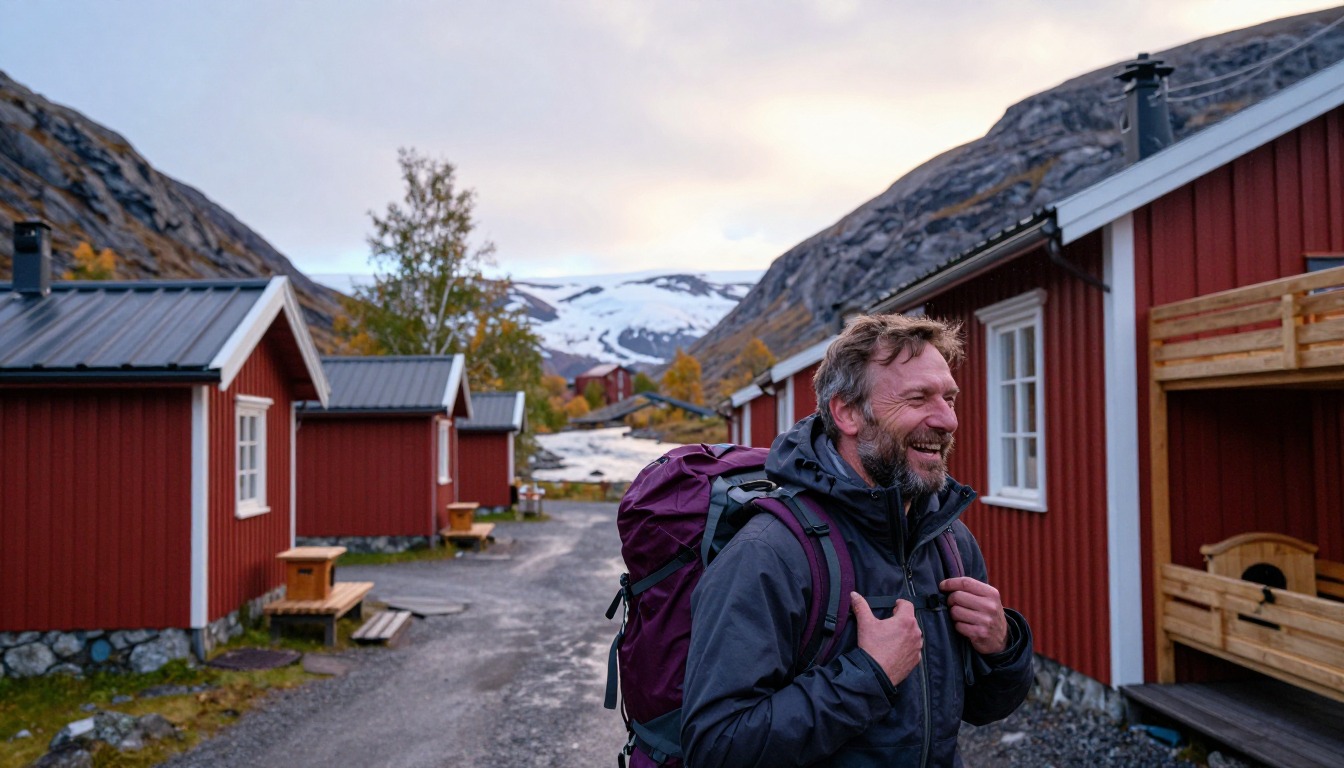 Illustrative — evokes the setting, not a specific property.
 For example: Swedish Tourist Association (STF) huts and larger mountain stations (Abisko, Kebnekaise and others) spaced along the trail
Trekkers who want bunks, saunas and a small shop each stage.
Huts and stations are spaced a day apart; book beds ahead in the short season.
Swedish Tourist Association (STF)For example: Free camping along the trail under Sweden’s right of public access
Backpackers carrying a tent through the Arctic fells.
Camp responsibly; be self-sufficient and ready for cold, wet weather.
Right of public access (allemansrätten)Permits & rules
No permit is needed, and Sweden’s right of public access allows responsible wild camping. This is a remote Arctic route with river crossings and fast weather — carry proper gear and check hut opening dates.
Gear you'll want for this trip
Matched to the terrain and conditions here. Real products — check current price on Amazon.


Common questions
Do I need to book huts in advance?
Yes, especially in peak summer weeks. The STF-run huts along this stretch have a fixed number of bunks, and the hiking season here is short, so beds fill up well ahead of time. Book as early as you can, especially around Kebnekaise's mountain station, and always have a backup plan — wild camping is legal here, so you're never entirely stuck.
Can I camp instead of staying in a hut?
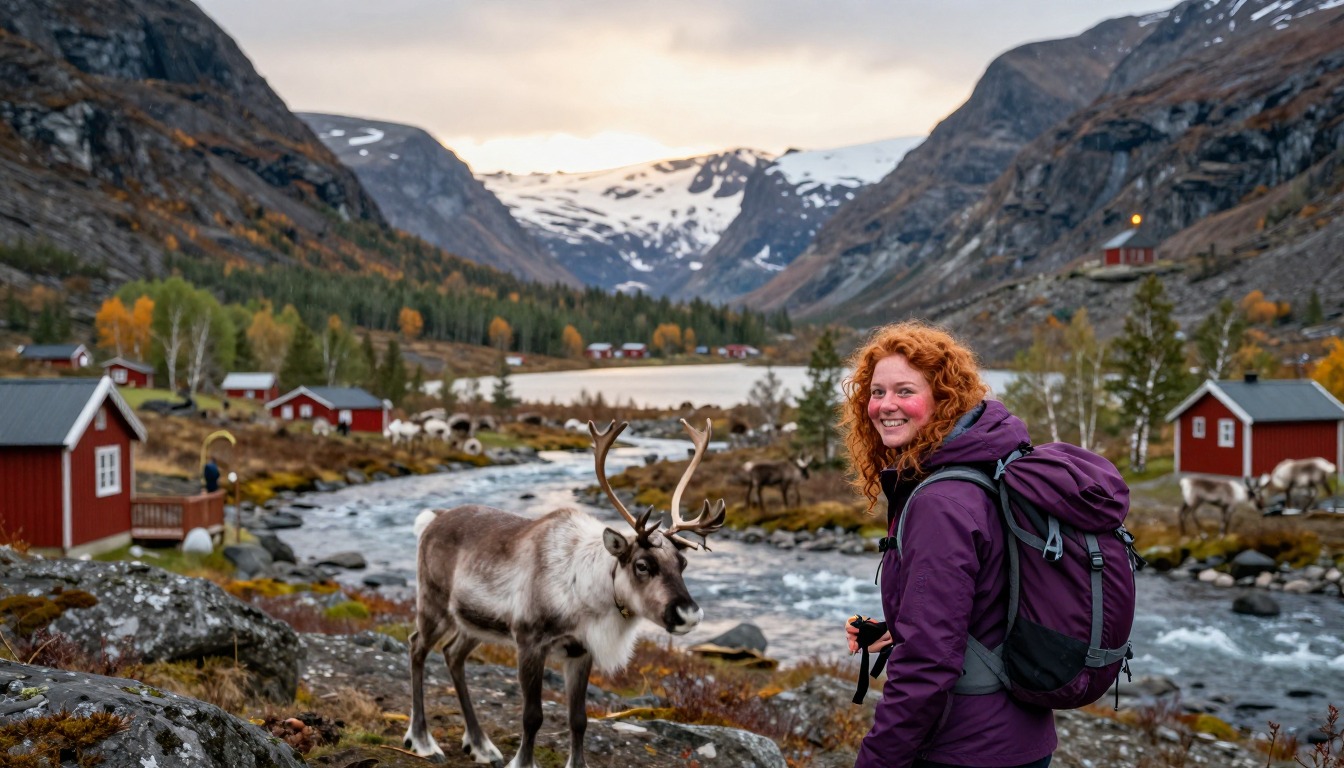
Yes. Sweden's right of public access, allemansrätten, allows free wild camping along most of the route, so hut beds aren't your only option. Many hikers mix the two, camping some nights and using a hut's sauna and shop on others. Just come prepared for genuinely cold, changeable Arctic weather if you're relying on a tent rather than four walls.
When is the best time to hike this section of the Kungsleden?
Late June through mid-September is the window when huts are staffed, rivers are more manageable, and the trail is clear of snow. Midsummer brings nearly round-the-clock daylight this far north, which is worth planning around. Outside that season the route effectively becomes a ski touring trail instead, and conditions turn far more serious for hikers on foot.
Complete gearsets for this trip
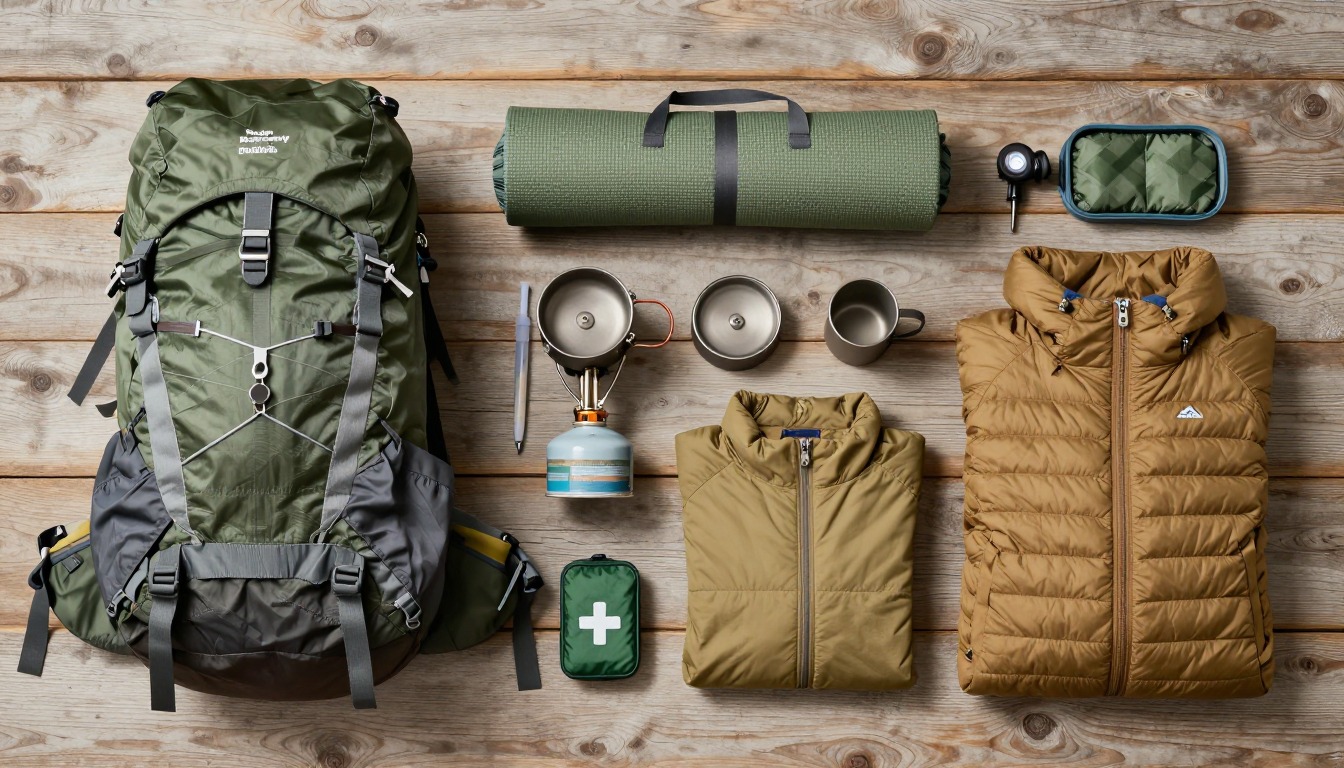
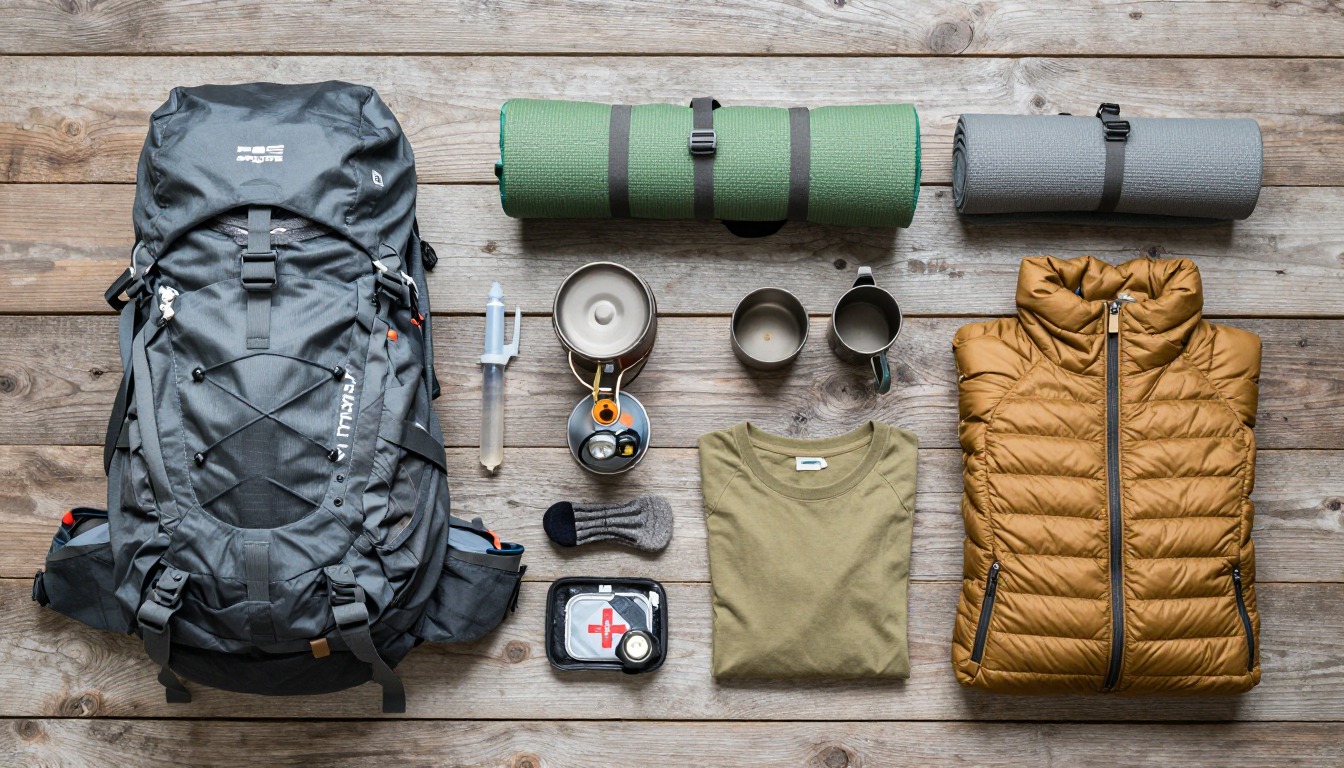
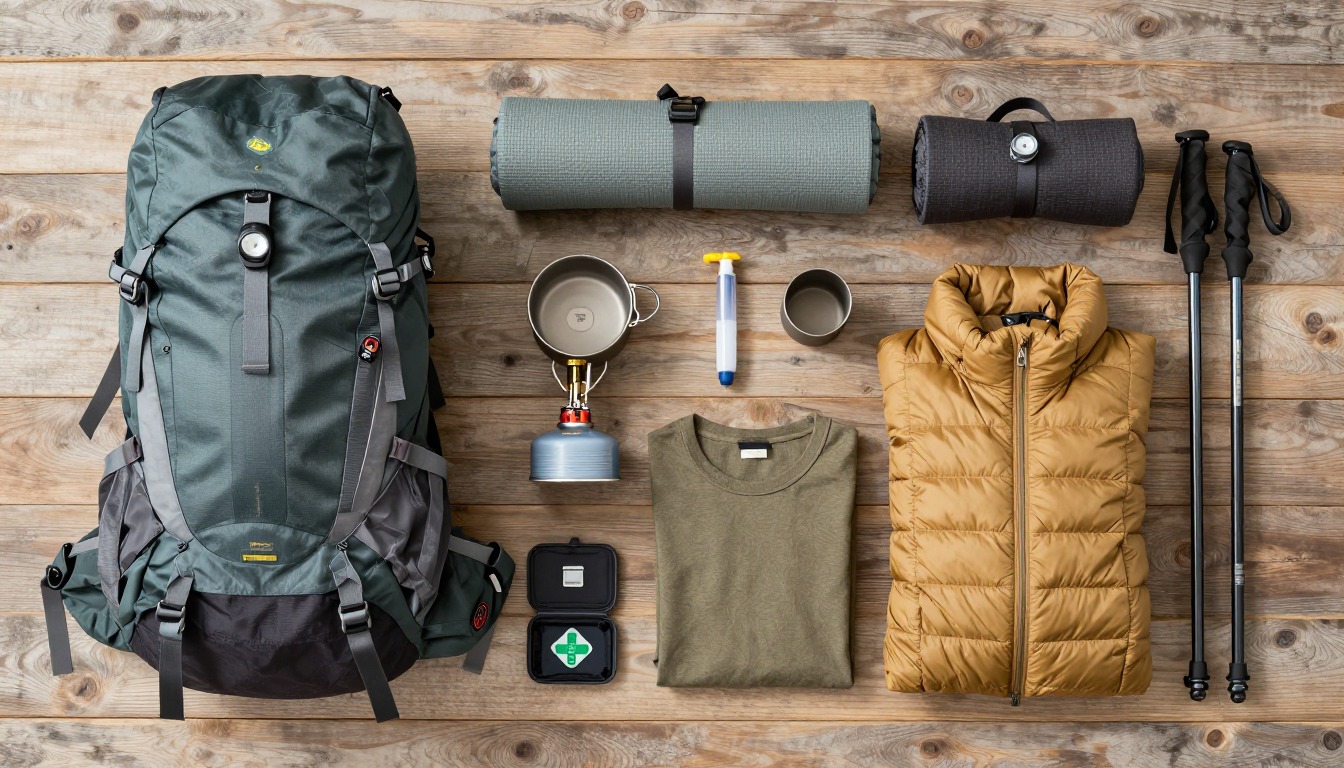
Full curated kits built for exactly this kind of hike — what to bring, why, and links to similar gear.
Lodging details are compiled from official parks, refuge associations and reservation systems and can change without notice. We publish no prices, availability or ratings — always confirm current information on the official site before booking or setting out. Product links are affiliate links: we may earn a commission at no extra cost to you; prices and availability are shown on Amazon. See our affiliate disclosure.