
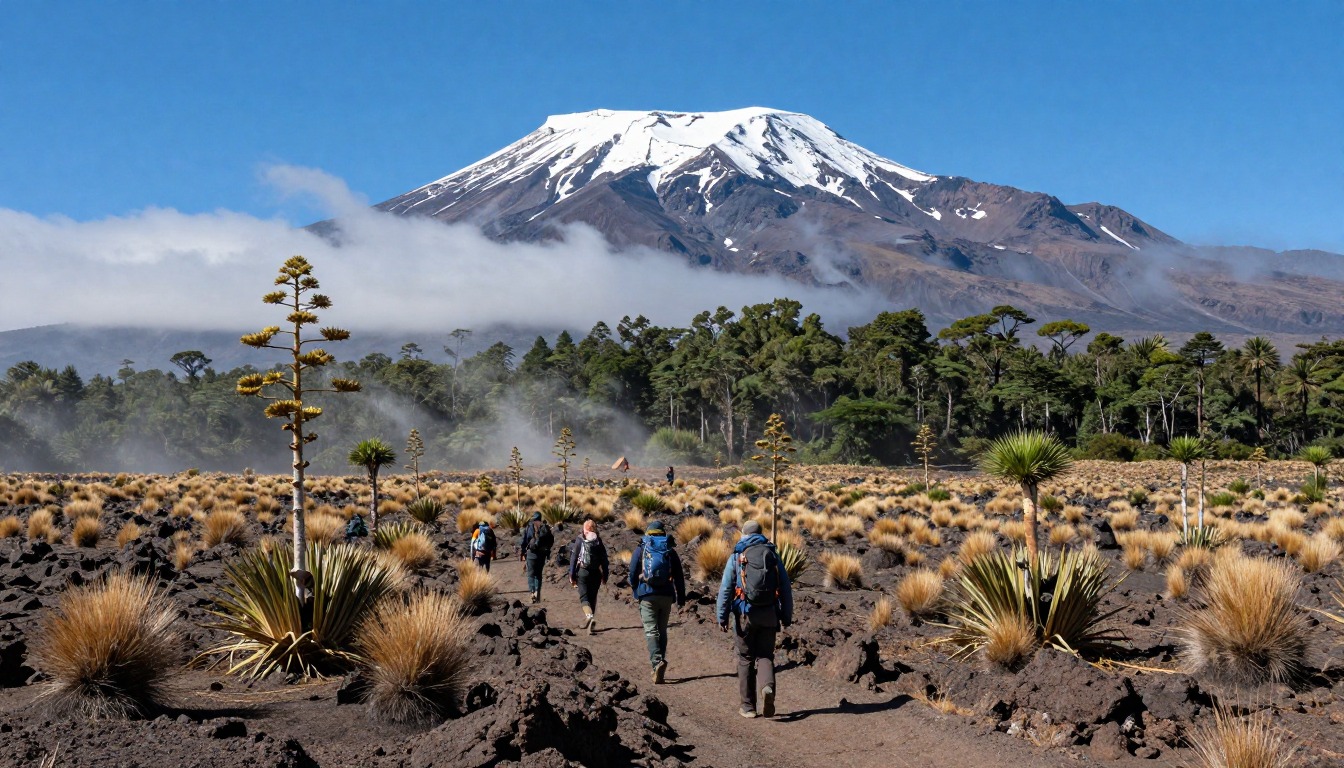
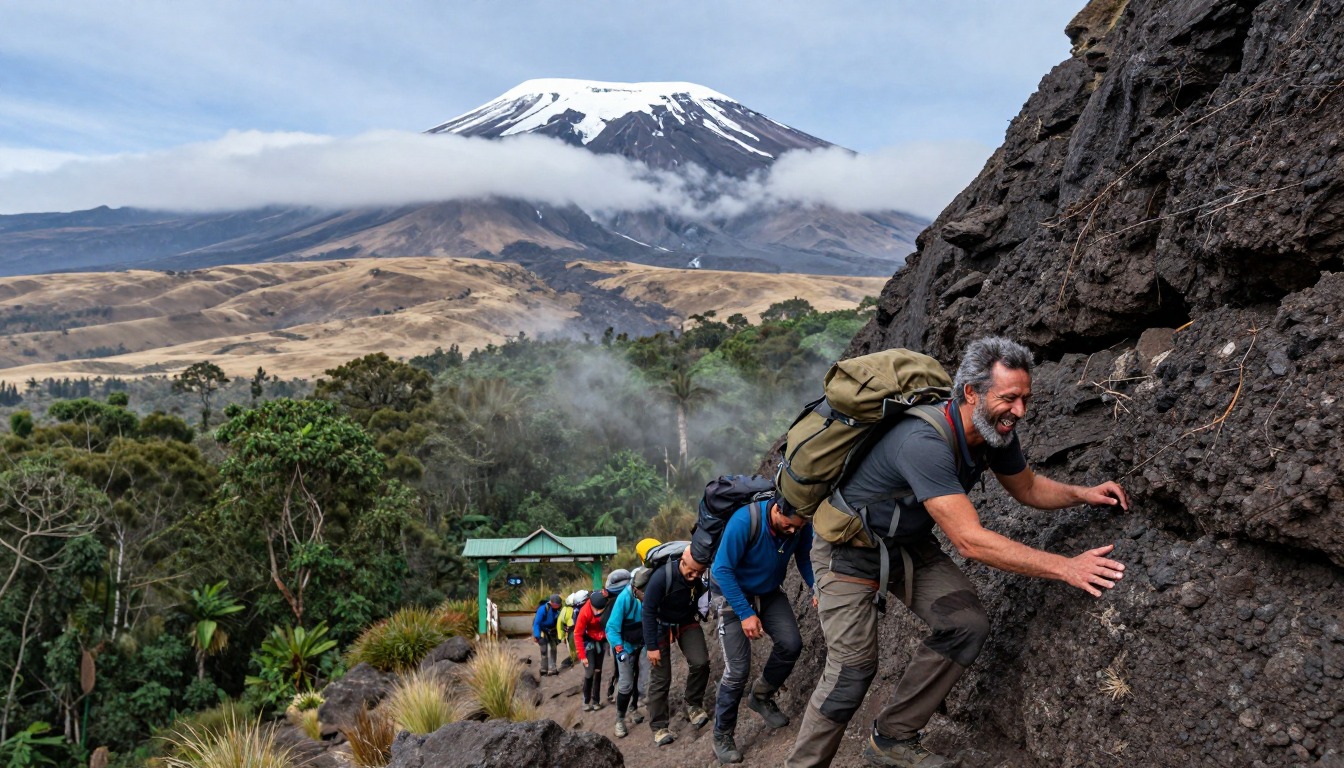
Illustrative artwork — an impression of Kilimanjaro — Machame Route, not a literal photograph.
The Machame route climbs Kilimanjaro — Africa's highest peak at 5,895 meters — through Tanzania's Kilimanjaro National Park, and its lower stages carry you from dense rainforest up into open moorland before the route continues toward the summit. Every night on the mountain is guided camping: your crew sets up tented camps at designated sites like Machame, Shira, and Barranco, so where you sleep is arranged by your operator, not chosen on the spot.
Why hike here
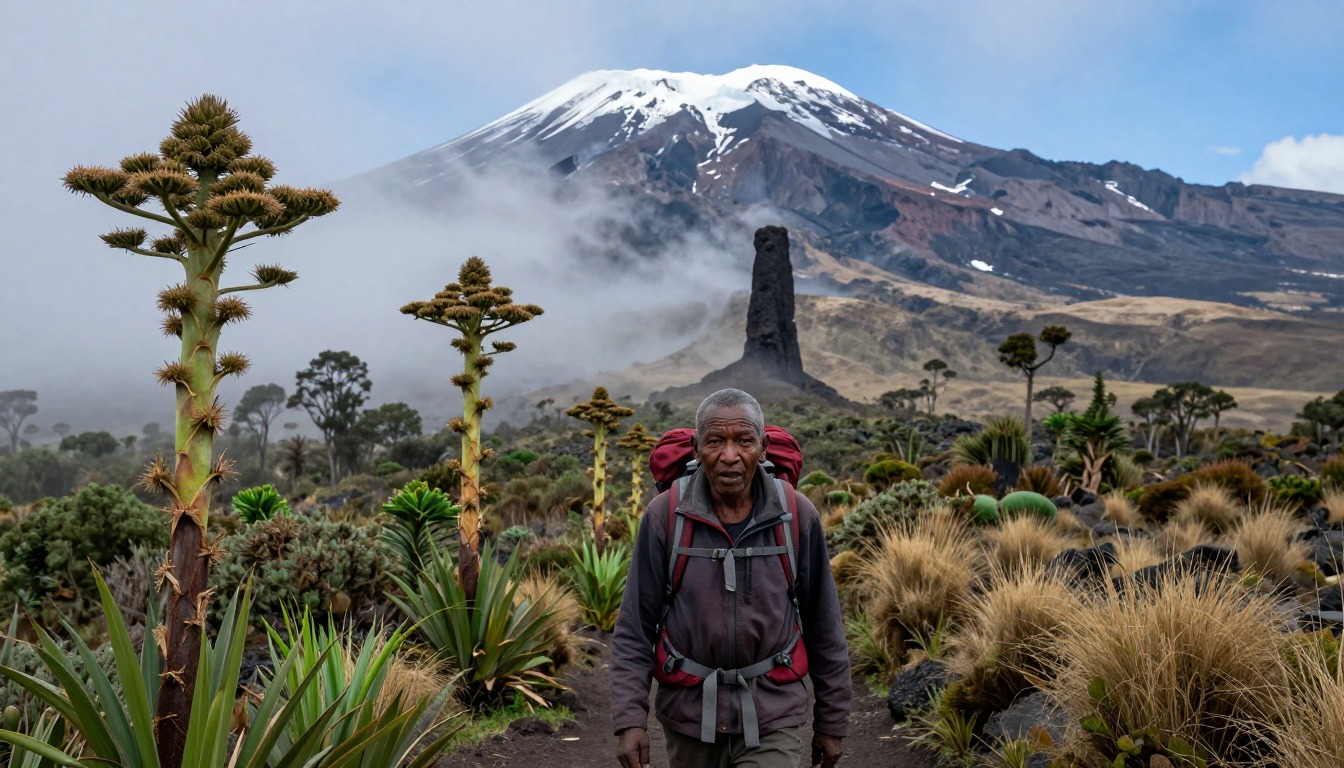
The appeal of these lower stages is watching the mountain change under your boots. You start in warm, dripping montane rainforest — thick canopy, tangled vines, the kind of green that only exists where it rains most days — and within a few hours of walking you're above the treeline in open moorland, heather and grass stretching toward a horizon that keeps getting bigger. Kilimanjaro's summit dome hangs in and out of cloud above you the whole way, appearing and disappearing as the weather moves through. It's guided, communal travel — your crew is setting camp, cooking, and moving supplies while you walk — so there's a rhythm to the days that feels earned rather than rushed, exactly what slow acclimatization asks of you.
Getting there
Most climbers fly into Kilimanjaro International Airport, which sits between the towns of Moshi and Arusha and exists mainly to serve travelers headed to the mountain. From there it's a road transfer to a hotel in Moshi or Arusha, where operators typically run a gear check and briefing before the climb. The next morning, a shorter drive takes you to the Machame gate, where park rangers register your group and your crew takes over the loads before the first stretch of rainforest walking begins. Because park rules require a licensed operator and guide, this whole handoff is arranged for you rather than something you sort out yourself.
Where to stay
The realistic options, closest-to-the-trail first. Book through the official links — we don't list prices or availability because they change all the time.
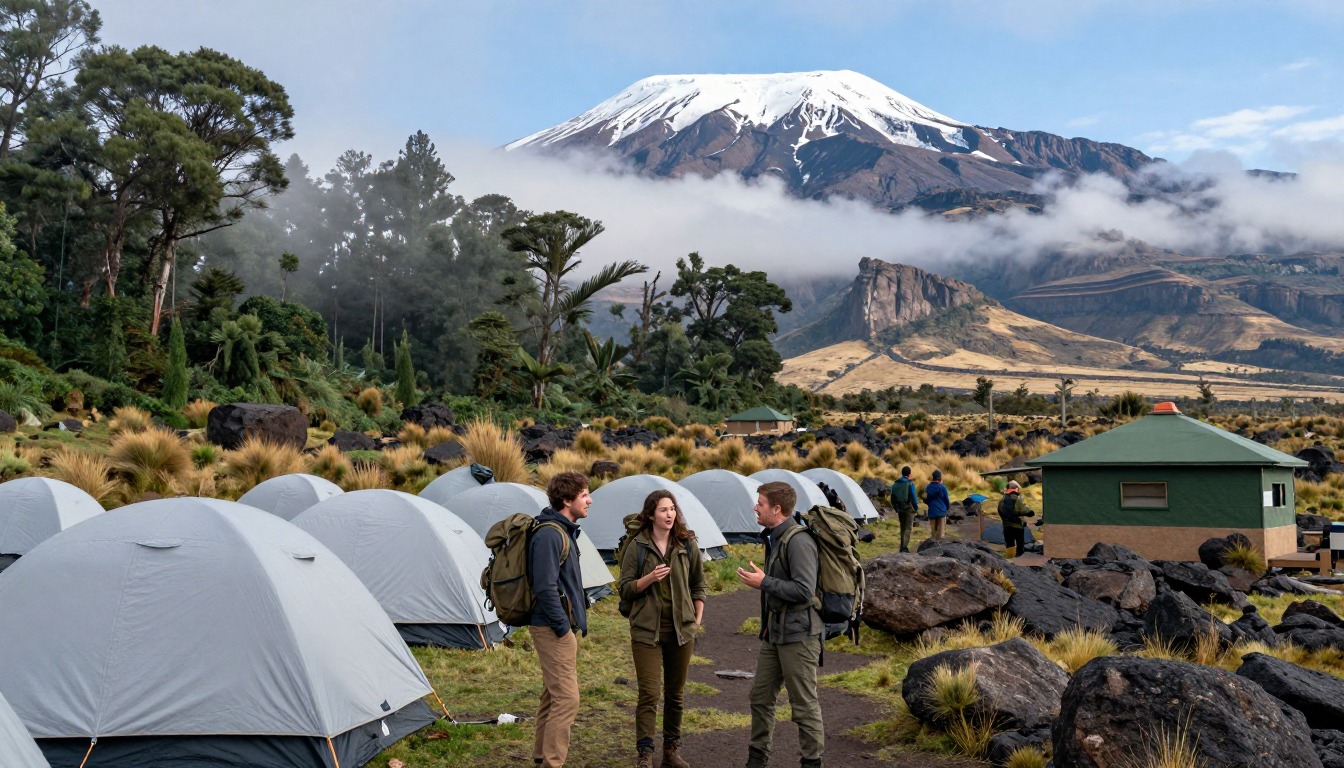 Illustrative — evokes the setting, not a specific property.
 For example: Tented camps set up by your crew at designated campsites (Machame, Shira, Barranco and beyond)
Every climber — Kilimanjaro is climbed with a licensed operator and camping crew.
Park rules require a licensed guide and crew; the crew carries and pitches camp.
Booked through a licensed operatorFor example: Hotels and lodges in Moshi and Arusha before and after the climb
Everyone — the towns are the staging bases for the mountain.
Rest and final gear checks happen here before the park gate.
Nearby-town lodgingPermits & rules
All Kilimanjaro climbs must be booked through a licensed operator with a guide and crew, and park fees are built into the trip. The Machame route’s lower stages cross rainforest and moorland — expect rain low down and cold higher up.
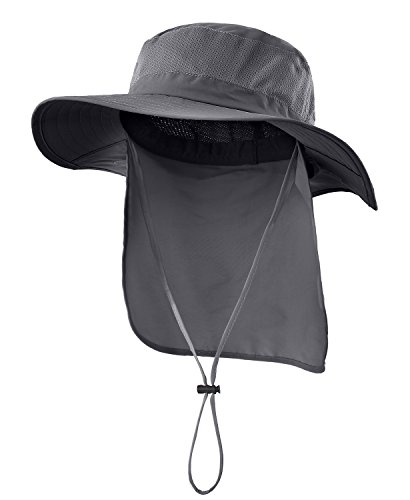
Gear you'll want for this trip
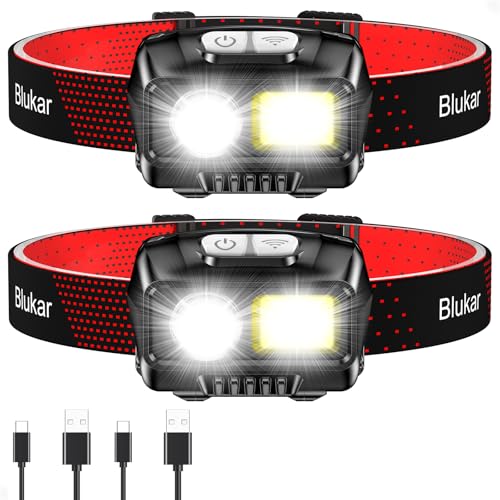
Matched to the terrain and conditions here. Real products — check current price on Amazon.

Common questions
Do I need to bring my own tent for Kilimanjaro?
No — climbs on the Machame route are fully guided and camping-based, with your crew carrying and setting up tents at each designated campsite along the way, including Machame, Shira, and Barranco. Bring your own sleeping bag and mat; your operator handles the shelter, cooking, and moving gear — so it's worth choosing one known for treating its crew and porters fairly.
Can I stay in a hotel instead of camping on the mountain?
Not once you're on the route — Kilimanjaro climbs are entirely tent-based above the gate, with no lodges or huts along the trail itself. Hotels and lodges exist only in the gateway towns of Moshi and Arusha, where most climbers stay the night before and after the trek to rest, shower, and sort gear.
When's the best time to climb, and does it change how the camping works?
The most reliable windows are January through March and June through October, when trails are drier and camps are more comfortable, especially through the rainforest section. Outside those months, expect more rain lower down. The camping setup itself doesn't change with season — your crew still pitches tents at the same designated sites — but choosing a well-run operator matters more when conditions are wetter.
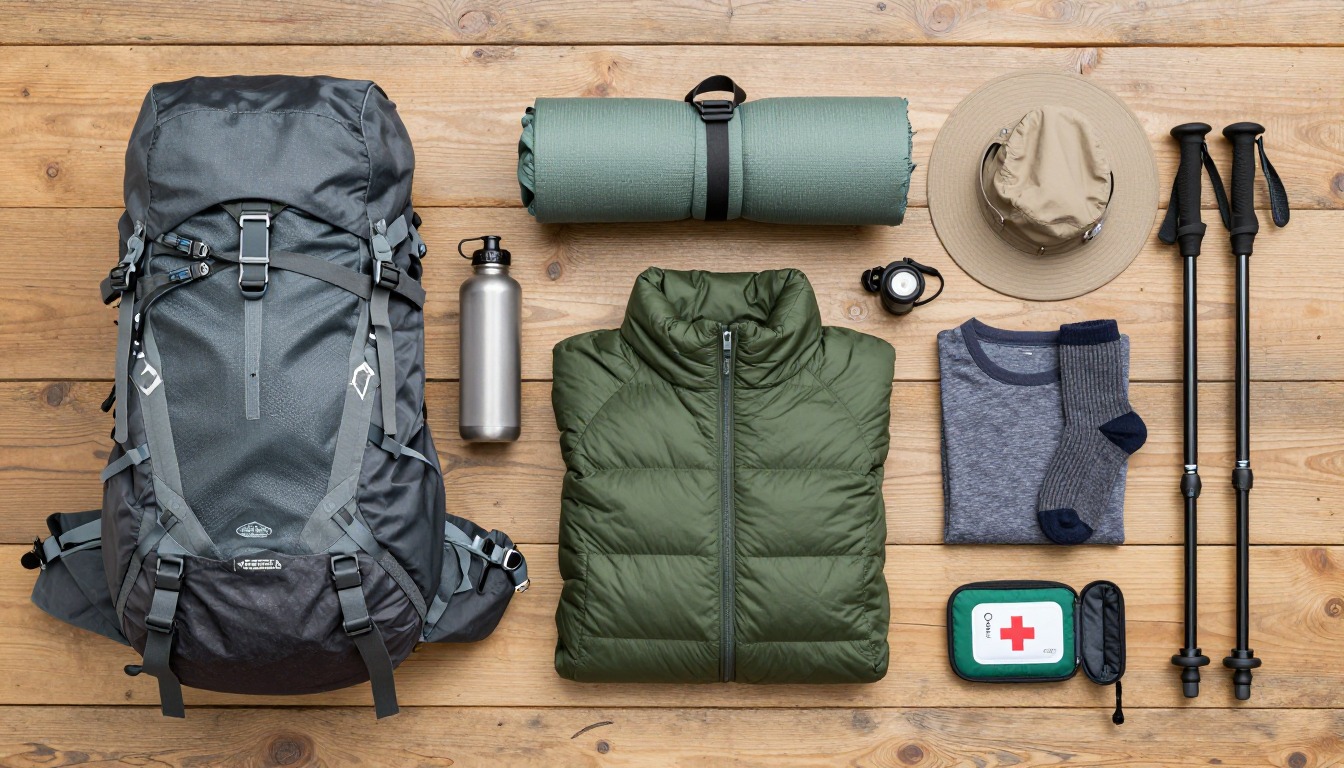
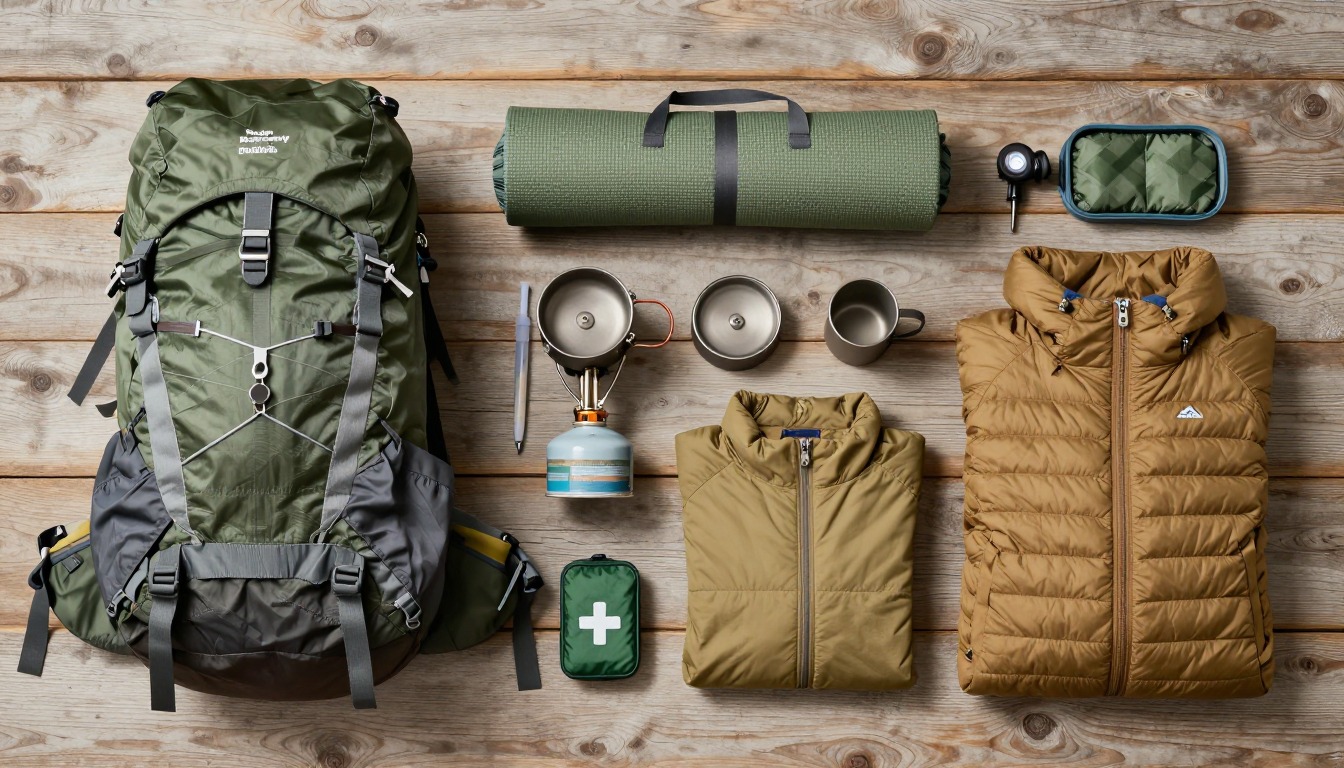
Complete gearsets for this trip
Full curated kits built for exactly this kind of hike — what to bring, why, and links to similar gear.
Lodging details are compiled from official parks, refuge associations and reservation systems and can change without notice. We publish no prices, availability or ratings — always confirm current information on the official site before booking or setting out. Product links are affiliate links: we may earn a commission at no extra cost to you; prices and availability are shown on Amazon. See our affiliate disclosure.