
Affiliate disclosure: this page contains affiliate links. Purchases made through them may earn us a commission at no extra cost to you. See our affiliate disclosure.
In plain English
Kamikochi is a high valley in the Japanese Alps where private cars are not allowed, so everyone arrives the same way. You park your car at a lot outside the valley, then take a shuttle bus or a taxi in. That last leg of travel is part of your lodging plan, because you have to get your bags there too.
Where you sleep depends on what you want to do. Easy walks along the river and across Kappa Bridge suit a stay in the valley, in a hotel, a lodge or one of the campsites. Climbers heading for peaks such as Yari or Hotaka use the same valley as a base, then move up to mountain huts higher up the slope.
The valley is treated as a protected place. The official Kamikochi website, which is run by the valley's association of inns, lists simple rules: do not pick plants, do not feed animals, take all rubbish home, do not bring pets, and stay on the paths. Lodges and huts set their own opening dates, so confirm seasons and bookings with the place you plan to stay.
Kamikochi is a high, car-free valley in the Northern Japan Alps, inside Chubu-Sangaku National Park — a place where day hikers wander gentle paths along the Azusa River and across Kappa Bridge while climbers use the same valley as their launch point for the Hotaka and Yari peaks above. Because there's no road in for private cars, everyone arrives the same way, and where you sleep splits cleanly by ambition: valley-floor comfort or a hut higher up the mountain.
Why hike here
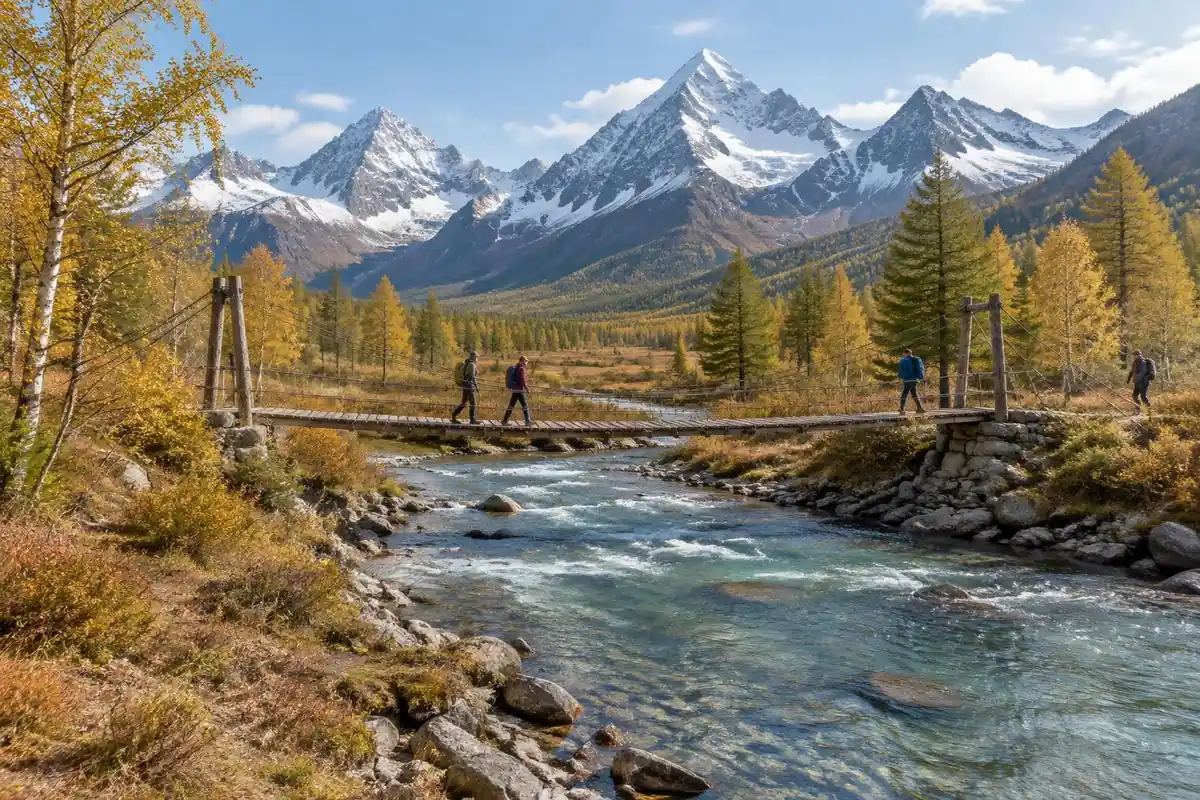
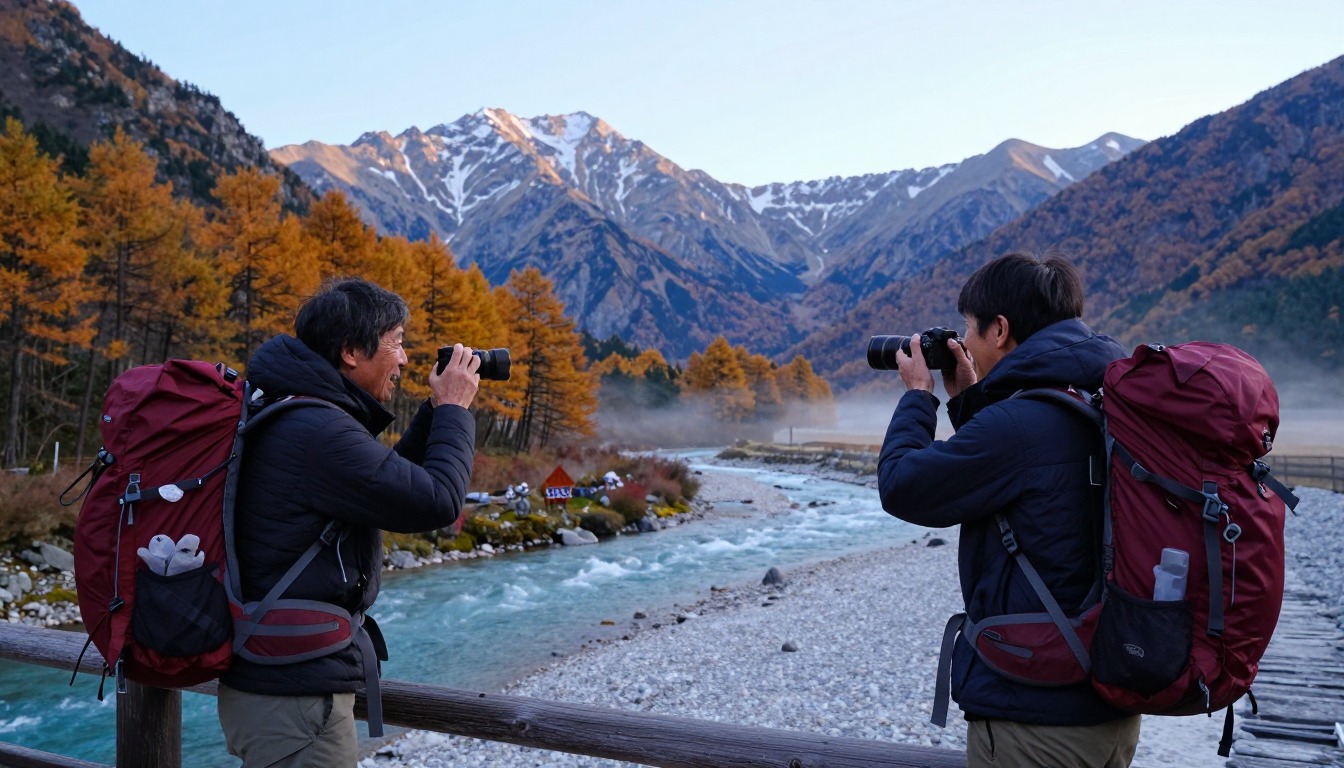
The pull here is the valley floor itself: a flat gravel path beside the milky turquoise Azusa River, framed by the jagged wall of the Hotaka peaks rising almost straight up from the water. Kappa Bridge is the classic vantage point — cross it in early morning light and the range looks close enough to touch, even though the summits are a serious climb away. Beyond the valley floor, Kamikochi is also the starting point for real alpine routes, up toward Yari's distinctive spire or the Hotaka ridgeline, so the same base serves a gentle riverside stroll and a multi-day mountaineering trip. Few places let a casual walker and a committed climber start from the same spot and see the same wall of rock from two completely different distances.
Getting there
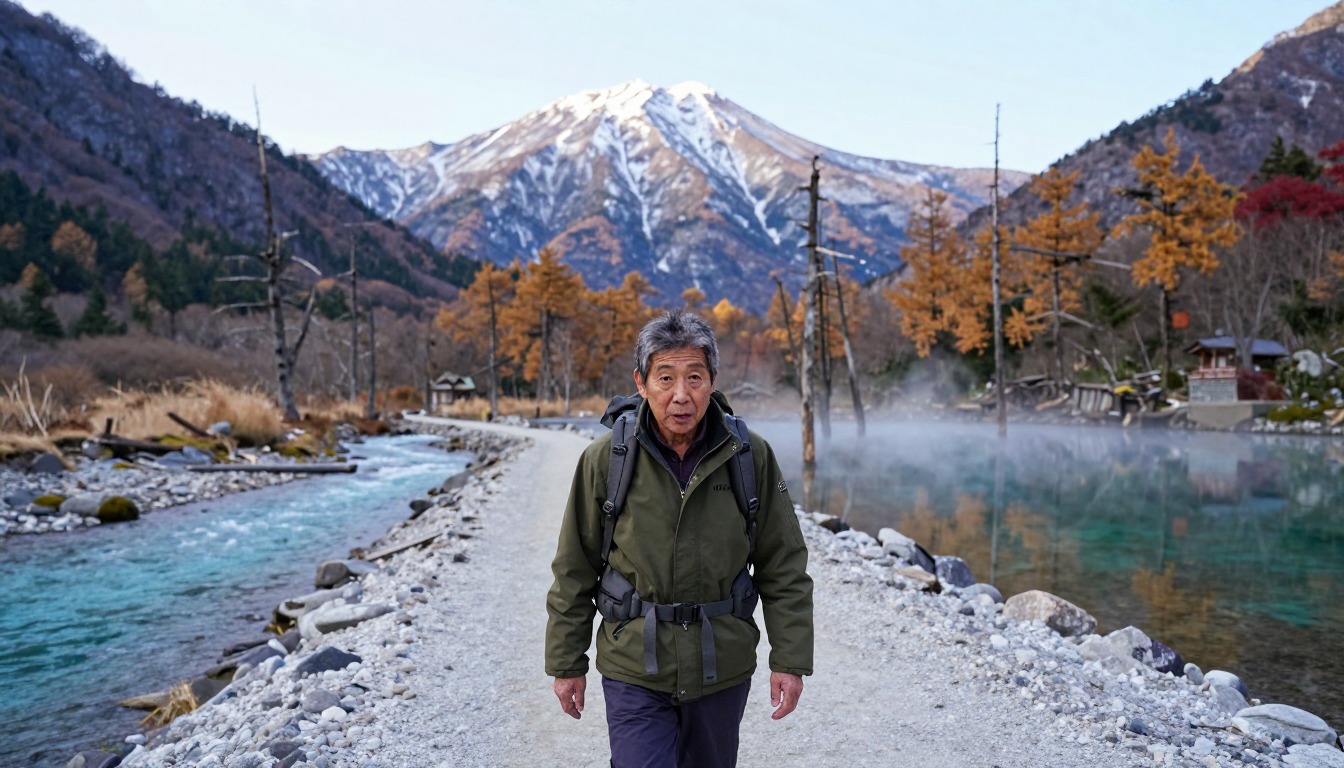
Kamikochi is car-free, so however you plan the trip, the last leg is always the same: a bus or taxi into the valley, since private vehicles aren't allowed past the gate. Most travelers stage the trip through Matsumoto or Takayama, two gateway towns on opposite sides of the range, each with its own bus connection into Kamikochi. Matsumoto is the more common approach for hikers coming from Tokyo, while Takayama suits those arriving from the Nagoya side. Bus services, lodging and hut opening dates change with the season, so confirm them before building an itinerary around the valley.
Where to stay
The realistic options, closest-to-the-trail first. Book through the official links — we don't list prices or availability because they change all the time.
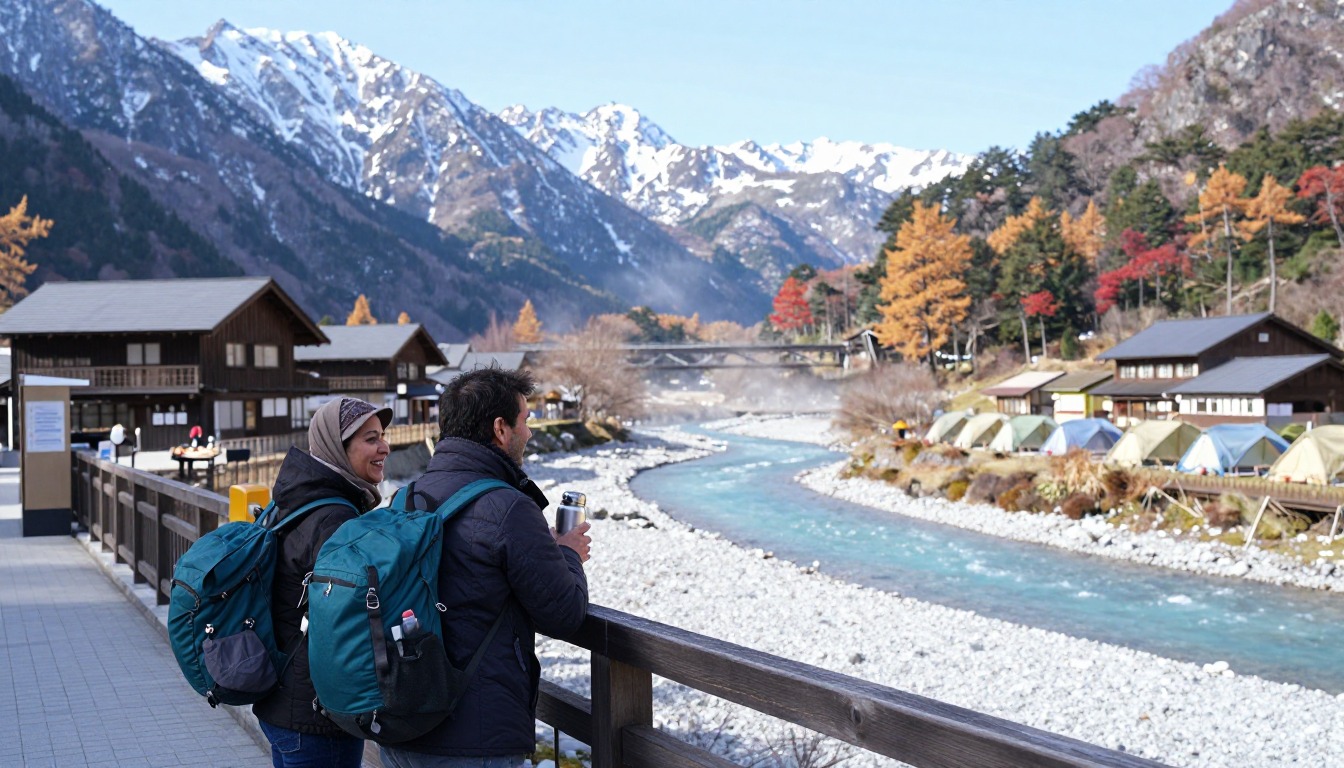
For example: Hotels, mountain lodges and campsites within the car-free Kamikochi valley
Most visitors — an easy base for riverside walks and day hikes.
Private cars are banned; reach Kamikochi by bus or taxi.
Valley lodgingFor example: Mountain huts (yama-goya) higher up for those climbing peaks like Yari or Hotaka
Hikers heading above the valley into the high alps.
The peaks are serious alpine terrain; huts are the base for multi-day climbs.
Mountain huts (book ahead in season)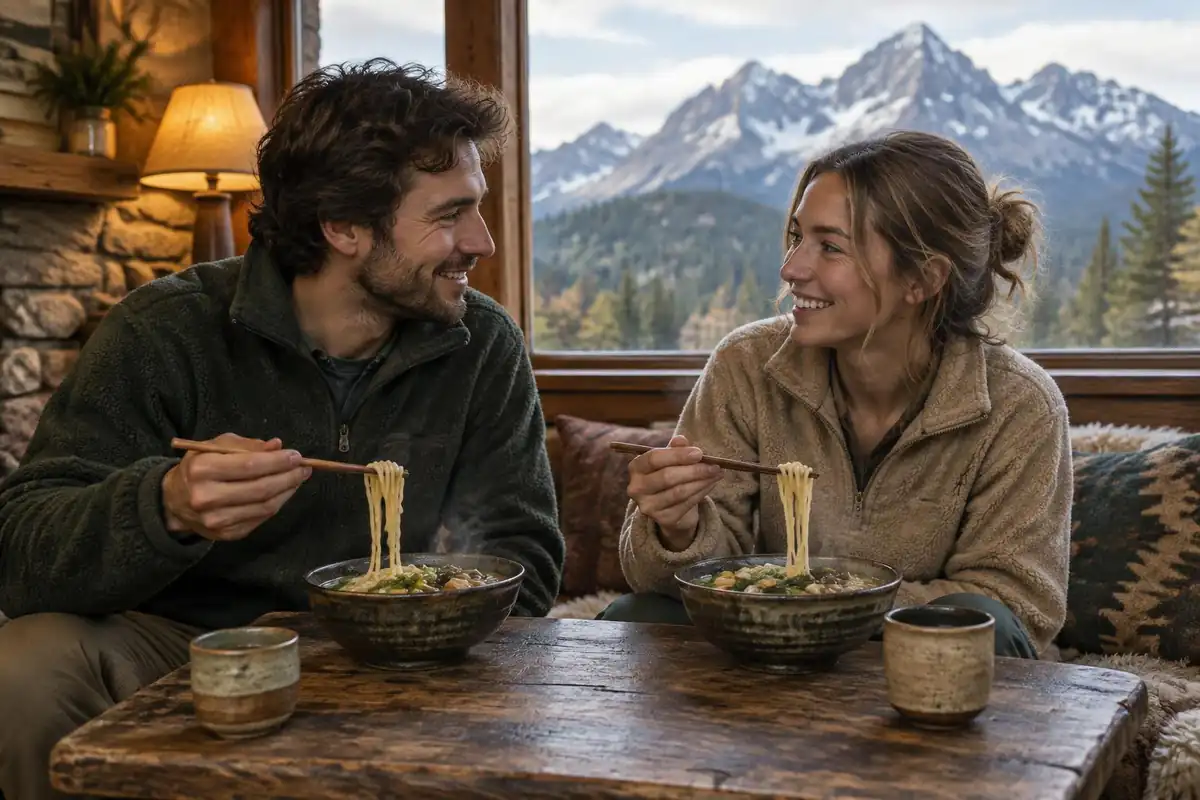
Permits & rules
No permit is needed for the valley walks, and the whole area is car-free (bus/taxi access only), open only in the snow-free months. Venturing onto the high peaks is real alpine hiking — go prepared, and use the mountain huts.
Gear you'll want for this trip
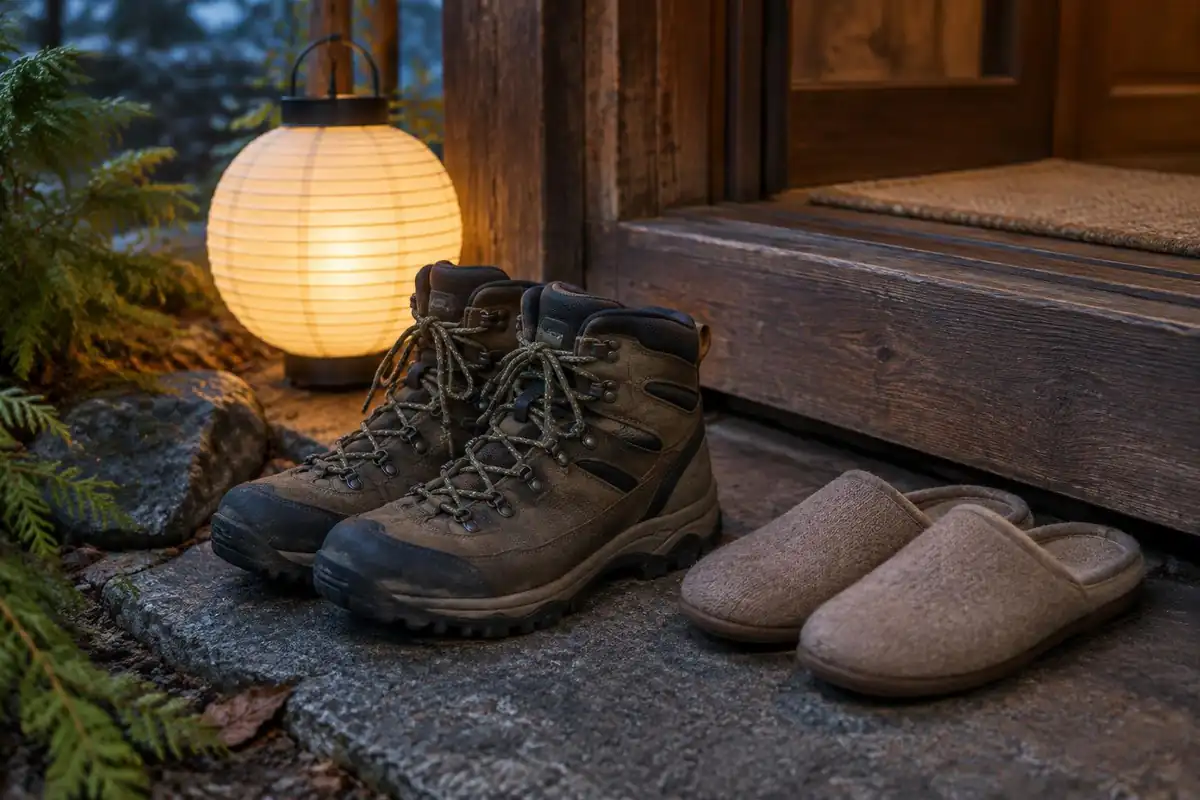
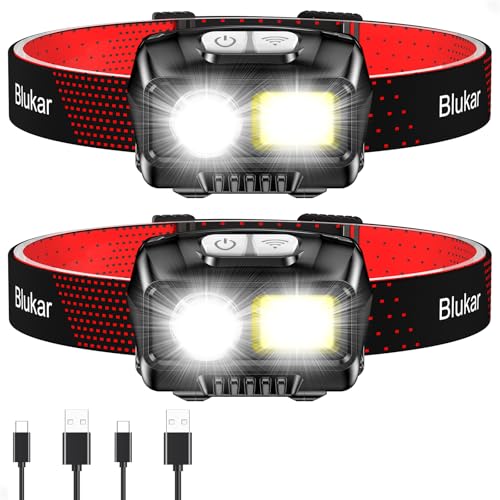
Matched to the terrain and conditions here. Real products — check current price on Amazon.


Car-free means the bus is part of your booking
The valley's official website says Kamikochi is closed to private cars all year, including rental cars and motorbikes, because access is blocked at the Kama Tunnel. It tells drivers coming from the Matsumoto side to use the Sawando car park, and those from the Takayama side to use the Hirayu Akandana car park, then take a shuttle bus or taxi.1 Your accommodation plan therefore includes a parking or bus plan, and the last shuttle of the day limits how late you can arrive.
The website is run by the Kamikochi Tourist Ryokan Association, an association of the valley's inns, so it speaks for the lodging community, not for a government park agency. That is useful for practical information on lodgings and access, but land-use rules and seasonal closures should also be confirmed with the national park and with the lodge or hut you book. Because private cars cannot reach the valley, forward planning also covers how to move luggage, so pack a bag you can carry from the bus terminal to your door.
Valley lodging, campsites and high huts
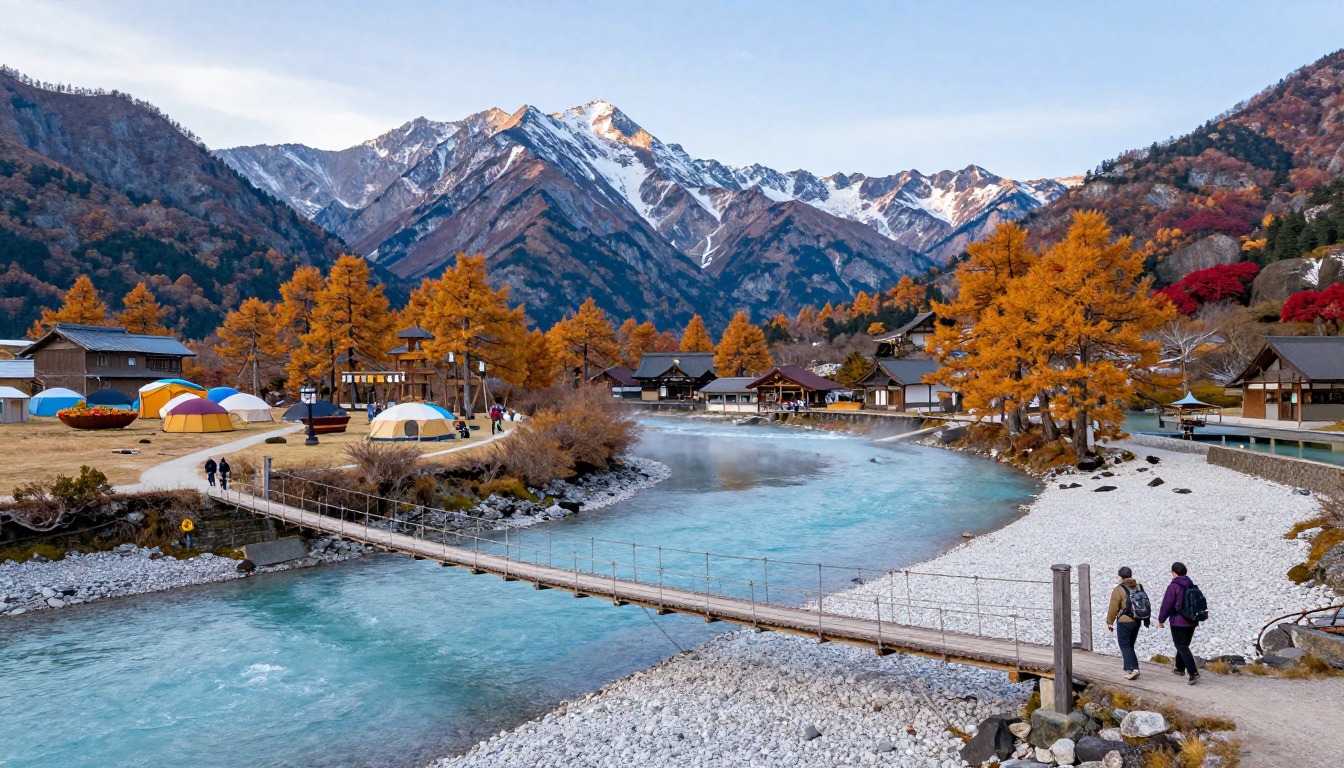
The site lists three campsites: Konashidaira Campsite, described as a five-minute walk from Kappa Bridge with views of the Hotaka range, Tokusawa Campsite, and Yokoo Campsite, described as the campsite closest to Yari and Hotaka within the Kamikochi area.2 It also lists inns and lodges in the valley, including places at Tokusawa and Yokoo. Choosing between them is a choice of distance: the further you walk up the valley floor, the closer you sleep to the mountains and the further you are from the bus terminal.
Sleeping high is a different risk. The CDC says any unacclimatized person sleeping at 8,000 feet or higher is at risk of altitude illness, and that physical fitness and training do not protect against it.3 Many huts near the highest Northern Alps peaks sit above that mark. If you get a headache and feel unwell at a high hut, the CDC advice is never to go higher to sleep while having altitude-illness symptoms, however mild. Book huts early in the season, and confirm dates and meals directly.
Rules that shape your pack
The valley's five rules are a packing list in disguise. The site asks visitors not to take plants or insects, not to feed wild animals, to take all rubbish home, not to bring pets or non-native species, and not to leave the paths. It also says bicycles are not allowed on the trails and drones are prohibited in the national park.1 A rubbish bag, a plan for food waste and a decision to leave a dog at home all follow from those rules.
The general Leave No Trace guidance from the US National Park Service says toilet paper and hygiene products should be packed out and that animals should be watched from a distance and never fed.4 The valley's rules match that. Cold and wet also matter at these heights. The CDC says hypothermia can develop above 40 degrees Fahrenheit if a person gets chilled from rain or sweat,5 so a warm layer belongs in a valley day pack, not just a summit bag.
Common questions
Can I drive into Kamikochi myself?
No — Kamikochi is closed to private cars. You'll park at a gateway area outside the valley and finish the trip by shuttle bus or taxi. This restriction is part of why the valley stays quiet and undeveloped despite being so accessible, and the valley's official website says private cars, including rental cars and motorbikes, are not allowed in all year.
Do I need to book a mountain hut if I'm climbing toward Yari or the Hotaka peaks?
Yes, book ahead if at all possible. The huts (yama-goya) above Kamikochi serve serious alpine terrain, and they can fill up in peak summer and early autumn weeks. If you're only walking the valley floor around the Azusa River and Kappa Bridge, you're generally choosing between valley hotels, lodges and campsites instead.
When's the best time to visit Kamikochi?
Summer and autumn are the strongest windows — check the seasonal opening dates for the valley's buses and lodgings, and note that conditions are mildest and most stable in the warmer months. Autumn brings color to the valley walls but cooler nights, and the high peaks remain real alpine terrain year-round, so climbers should go prepared regardless of season.
Complete gearsets for this trip
Full curated kits built for exactly this kind of hike — what to bring, why, and links to similar gear.
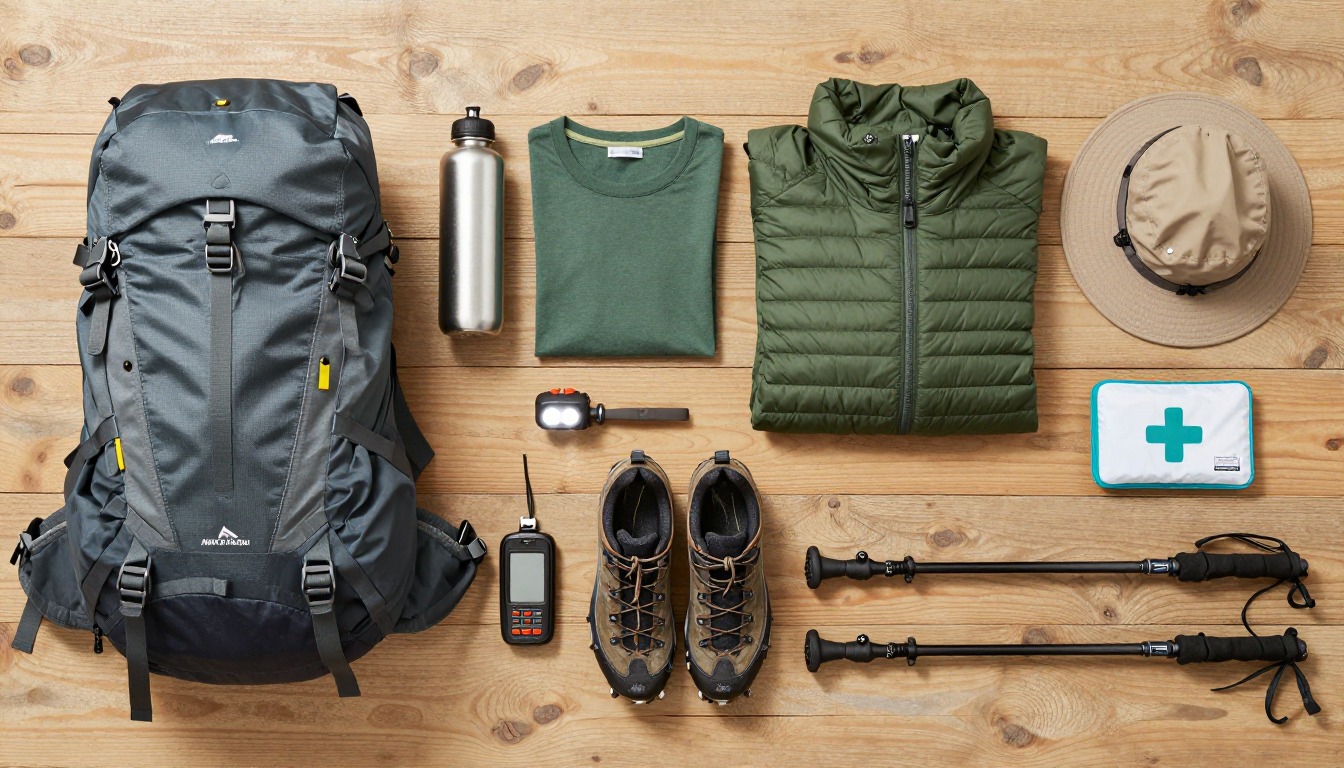
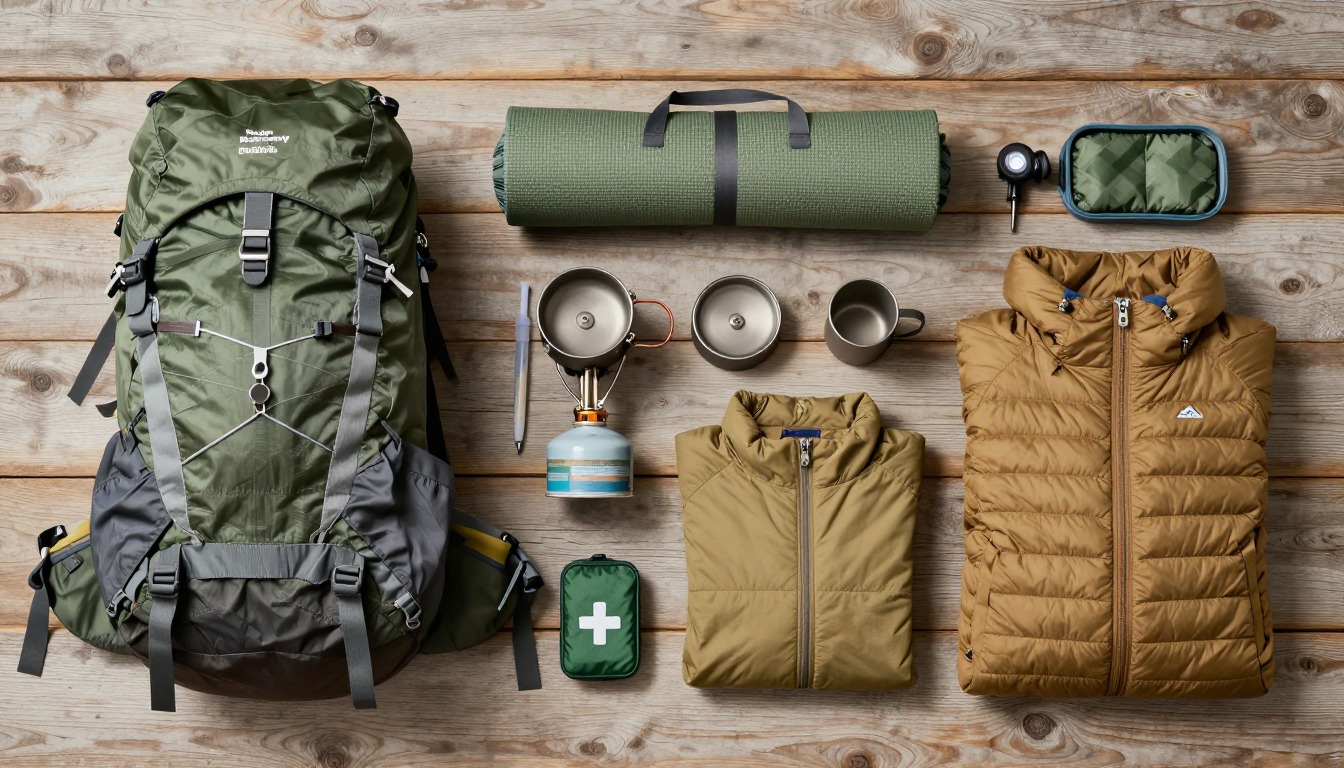
Lodging details are compiled from official parks, refuge associations and reservation systems and can change without notice. We publish no prices, availability or ratings — always confirm current information on the official site before booking or setting out. Product links and the accommodation map are affiliate links: we may earn a commission at no extra cost to you; product prices and availability are shown on Amazon, and accommodation prices on the booking site. See our affiliate disclosure.