
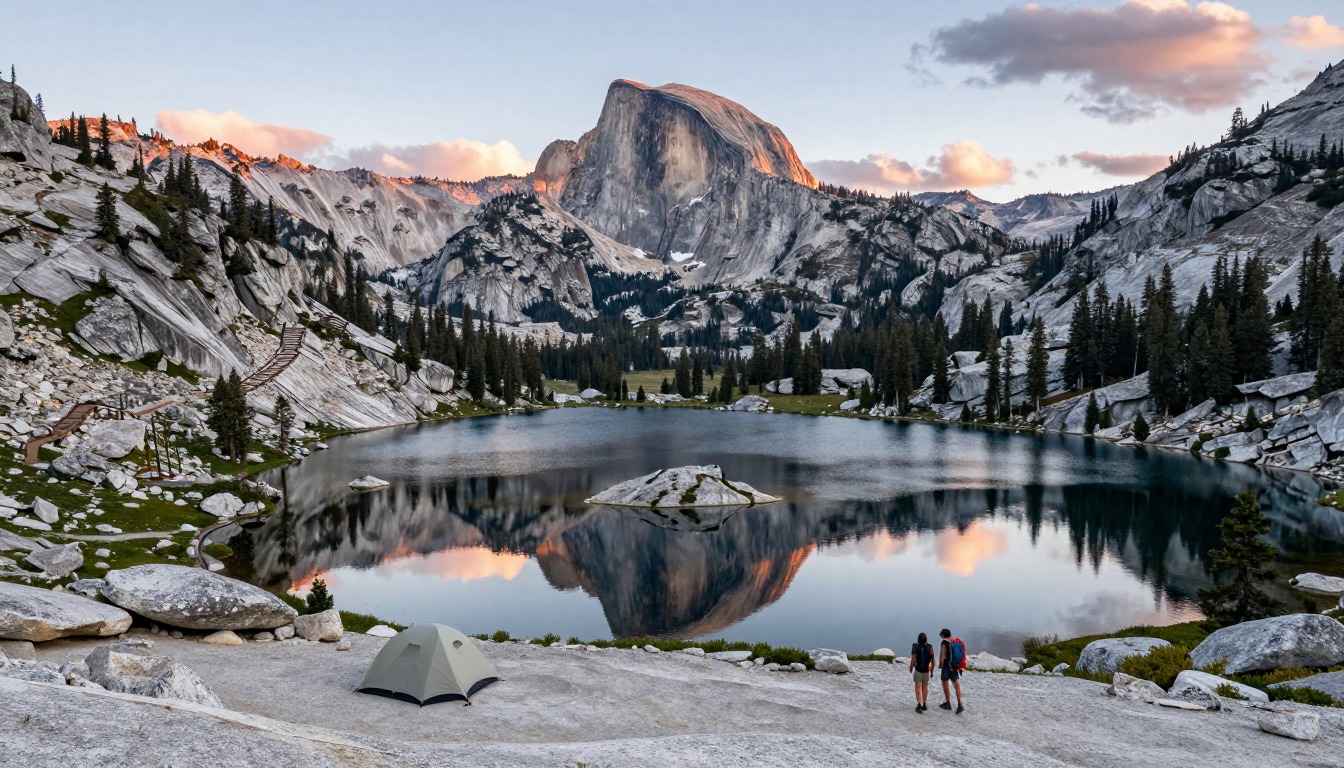
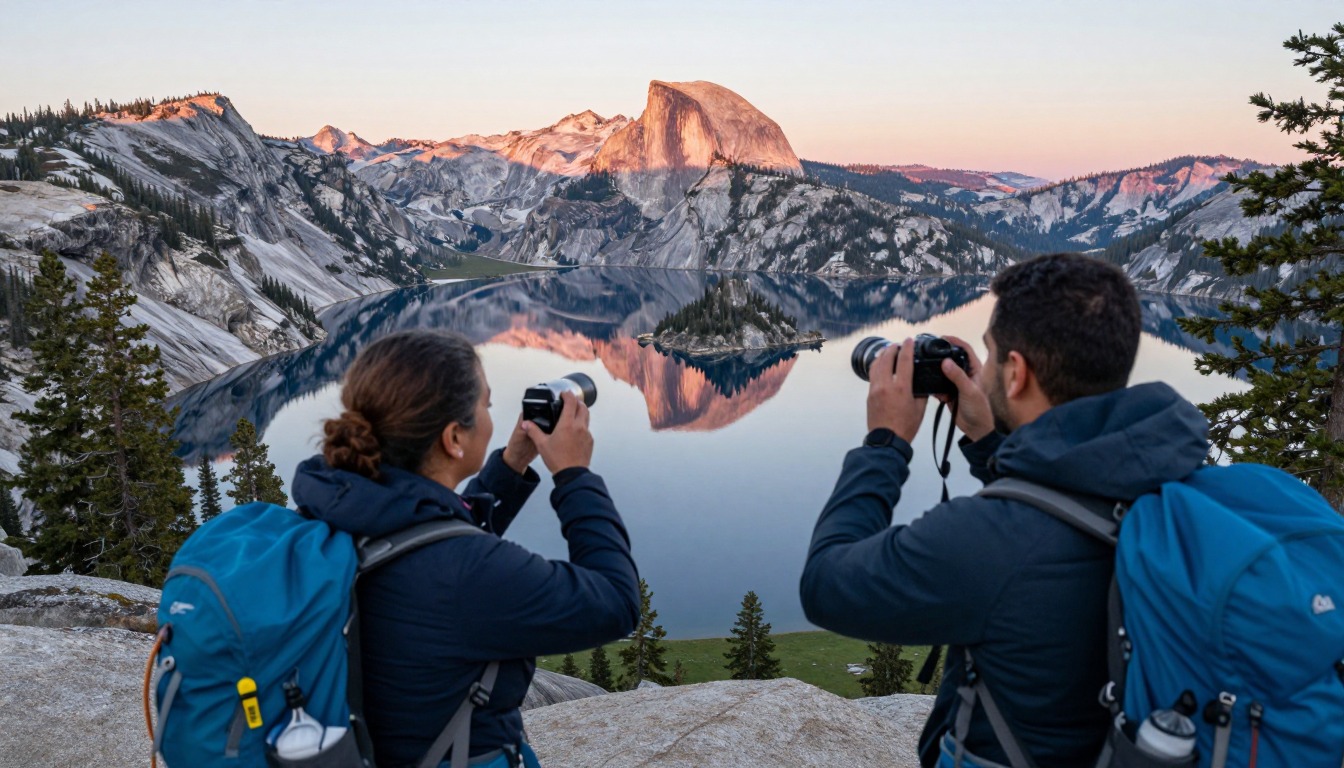
Illustrative artwork — an impression of John Muir Trail, not a literal photograph.
The John Muir Trail runs 211 miles through California's Sierra Nevada, from Yosemite Valley to the summit of Mount Whitney, crossing land managed by Yosemite, Kings Canyon and Sequoia National Parks and national forest along the way. This is a camping trail — you sleep at backcountry sites near lakes and passes almost every night — with two rustic exceptions: Muir Trail Ranch near the midpoint and Vermilion Valley Resort off Lake Edison, both of which double as places to sleep if you book ahead.
Why hike here
Most of the John Muir Trail stays high in the Sierra Nevada for days at a stretch — granite basins, alpine lakes, and passes that put you above treeline before the morning is old. Lyell Canyon opens into a long, flat meadow walk before the climbs start in earnest; Evolution Basin strings together a chain of lakes below bare peaks that feels remote even by Sierra standards. The trail's last camp, Guitar Lake, sits beneath Mount Whitney itself, so the final push to the summit starts practically from your tent door. Because the route rarely stays far from a lake or a pass for long, the days settle into a rhythm — climb, cross, descend to water, camp — that repeats for weeks and rarely gets old.
Getting there
Most hikers fly into a Northern California airport and reach the trailhead at Yosemite Valley by road or by YARTS, the regional bus service that connects gateway towns to the park. The trail finishes at Whitney Portal, above the small town of Lone Pine on the trail's eastern side — a very different corner of the state from where you started, so most hikers arrange a shuttle or a pre-positioned car to get back. Because the JMT is one-way, sort out the return trip logistics before you set out, not after.
Where to stay
The realistic options, closest-to-the-trail first. Book through the official links — we don't list prices or availability because they change all the time.
 Illustrative — evokes the setting, not a specific property.
 For example: MTR (near the midpoint) and VVR (off Lake Edison) — rustic cabins/tents, resupply and hot meals
Thru-hikers wanting a resupply and a rare night indoors.
Space and resupply buckets are limited and reserved months ahead.
Book direct with each ranch, well aheadFor example: Seasonal lodge tents and campgrounds near the trail’s northern reaches
Hikers starting, resupplying, or bailing near the road corridors.
Openings depend on the season and snow; confirm operating dates.
Yosemite Hospitality / Recreation.govFor example: Established sites near lakes and passes — Lyell Canyon, Evolution Basin, Guitar Lake
Everyone: the JMT is a camping trail first and foremost.
Bear canisters are required for the full route.
JMT wilderness permit (Recreation.gov)Permits & rules
A JMT wilderness permit is highly competitive and tied to your start trailhead and date, released via a rolling lottery. Bear canisters are mandatory for the full route.
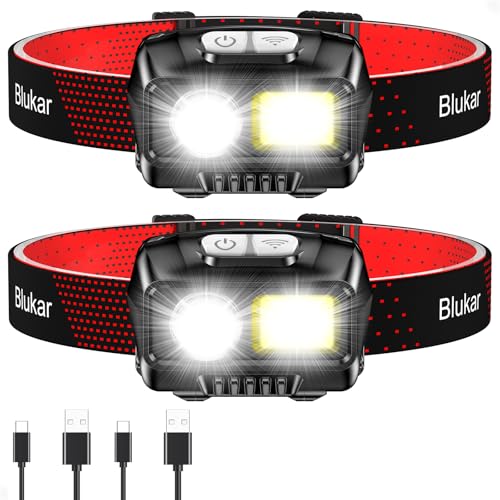
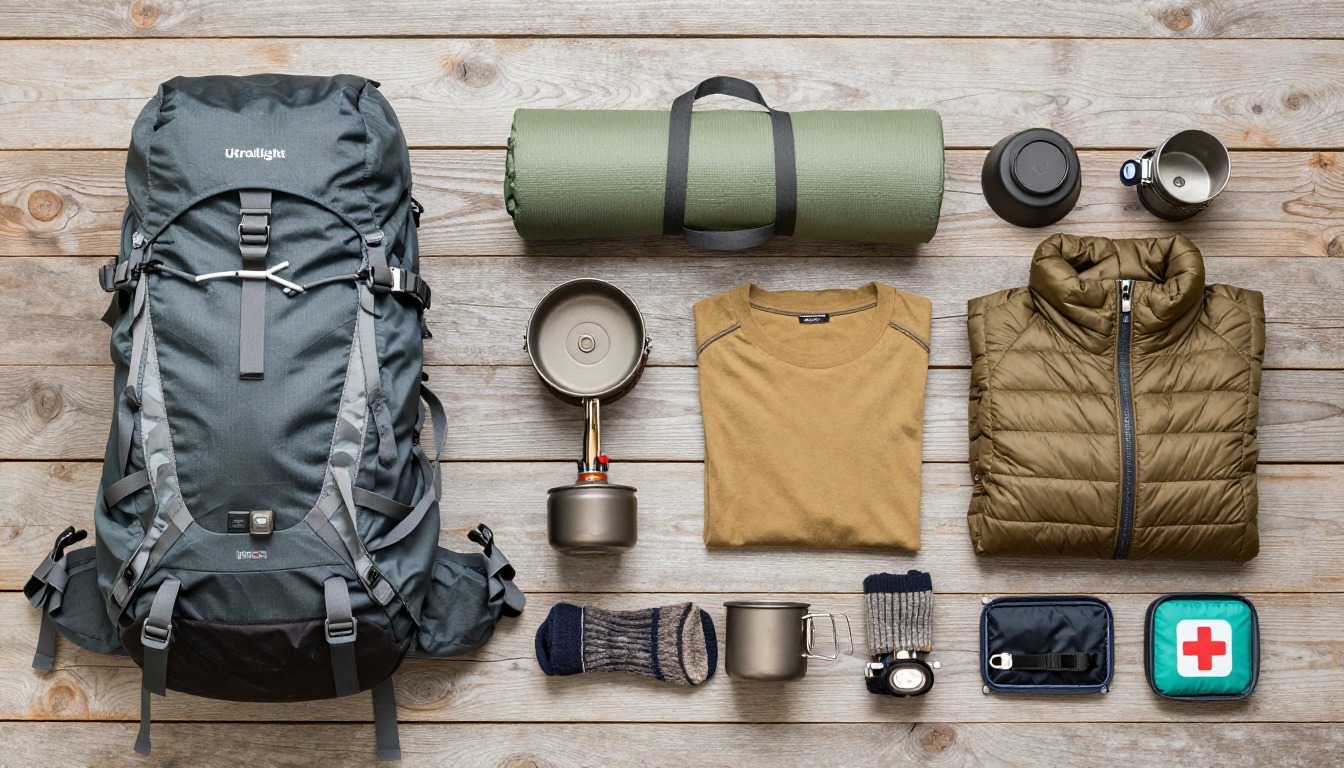
Gear you'll want for this trip
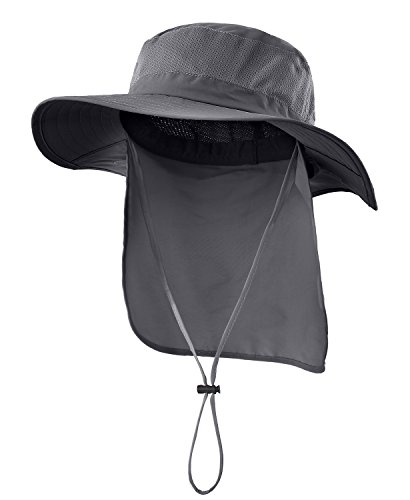
Matched to the terrain and conditions here. Real products — check current price on Amazon.

Common questions
Do I need reservations for where I'll sleep on the JMT?
Not in the way a hotel trip would. Camping happens at designated backcountry sites along the route, and what you actually need locked down in advance is the wilderness permit — it's assigned by entry trailhead and date through a competitive lottery, and it effectively determines your whole itinerary before you start walking.
Are there any real beds along the trail, or is it camping the whole way?
It's overwhelmingly a camping trail. The two exceptions are Muir Trail Ranch and Vermilion Valley Resort, both rustic outposts near the route that also offer a place to sleep — book direct and well ahead. Near the road corridors at Tuolumne Meadows and Red's Meadow you'll also find seasonal lodging and campgrounds during the hiking season.
What do I need to know about food storage and resupply?
Bear canisters are mandatory for the entire trail, so your resupply plan has to work around what actually fits in one. Many hikers break the food carry into stages using the outposts and road-access points along the route, but plan those stops around the trail's permit and hiking days rather than assuming a resupply will simply be waiting.
Complete gearsets for this trip
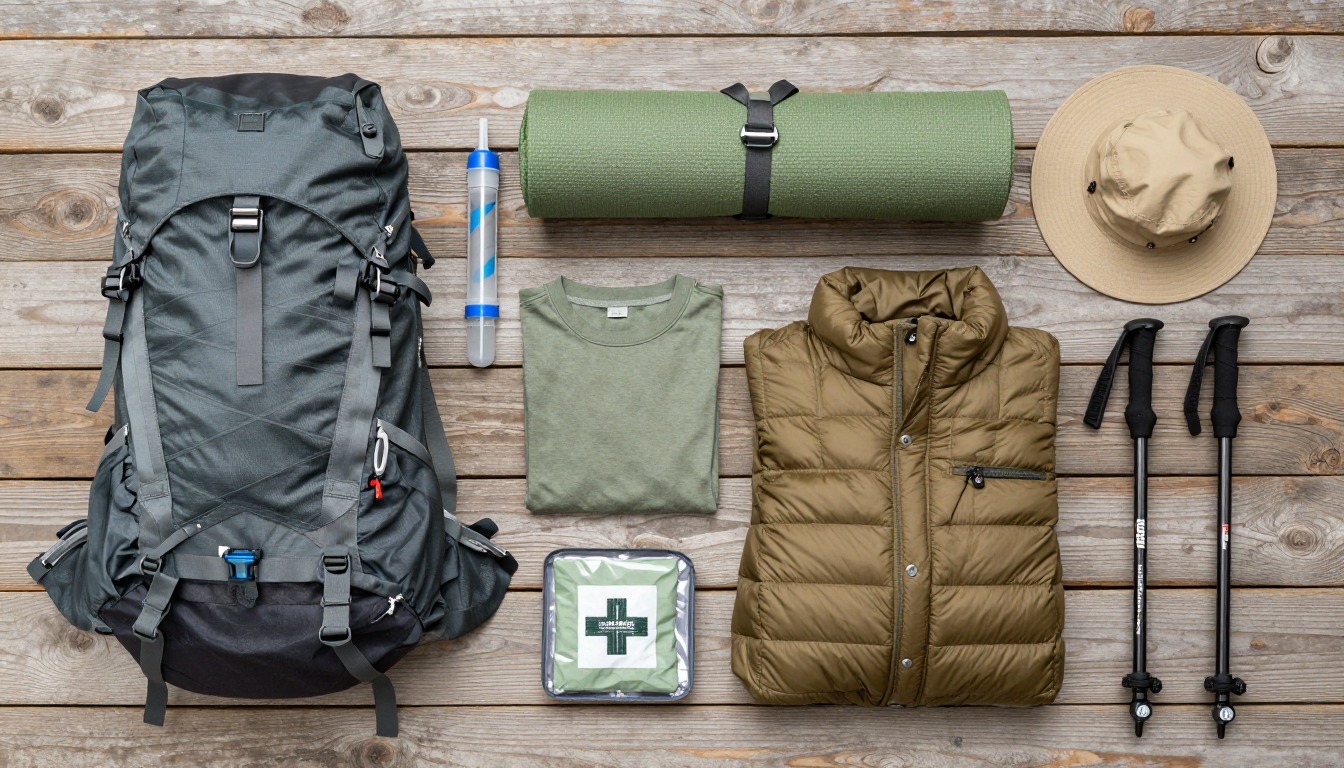
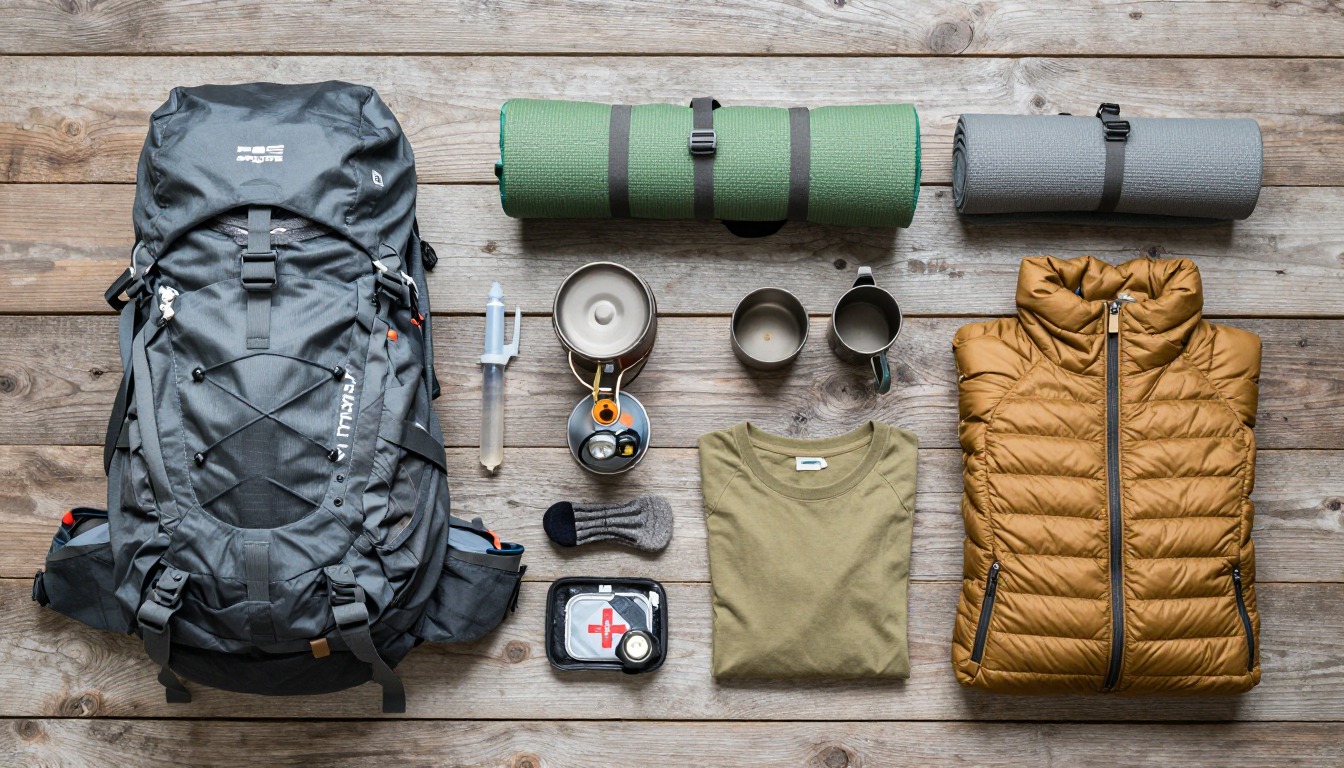
Full curated kits built for exactly this kind of hike — what to bring, why, and links to similar gear.
Lodging details are compiled from official parks, refuge associations and reservation systems and can change without notice. We publish no prices, availability or ratings — always confirm current information on the official site before booking or setting out. Product links are affiliate links: we may earn a commission at no extra cost to you; prices and availability are shown on Amazon. See our affiliate disclosure.