
Affiliate disclosure: this page contains affiliate links. Purchases made through them may earn us a commission at no extra cost to you. See our affiliate disclosure.
In plain English
The Walker's Haute Route is a long trek between two countries, and you sleep in mountain huts along the way. A hut is a bit like a simple hostel high in the mountains: bunk beds, shared rooms, and usually a set evening meal. You do not carry a tent, but you do need a bed booked in each place.
That is why lodging is the main planning job. The huts are spaced about a day's walk apart, so they set your daily distance. If one is full, your whole schedule can shift. Book them all before you leave, and keep the confirmations somewhere you can reach without a signal.
The route starts in France and ends in Switzerland, so more than one organization runs the huts. The Swiss Alpine Club covers Swiss huts. For the French stretch, check each hut's own booking rules. Confirm bookings, rules and closures with the relevant hut operators and local authorities before you go.
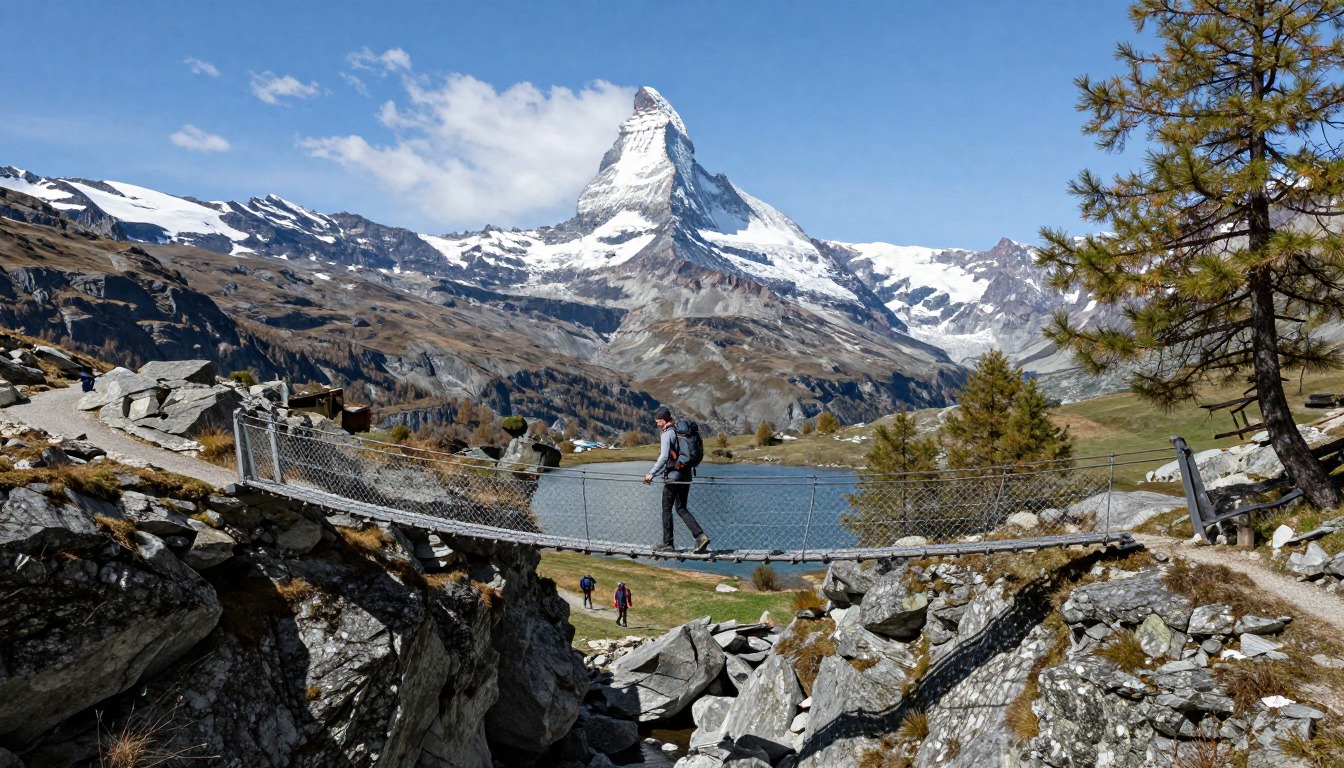
The Walker's Haute Route is a demanding, roughly 200-kilometer traverse of the Alps between Chamonix, France, and Zermatt, Switzerland, linking two of the range's most famous summits: Mont Blanc and the Matterhorn. It's a high-alpine, hut-to-hut trek with a few glacier-edge sections, so where you sleep each night is less about picking a hotel and more about lining up a string of mountain huts — many run by alpine clubs — before you even set out.
Why hike here
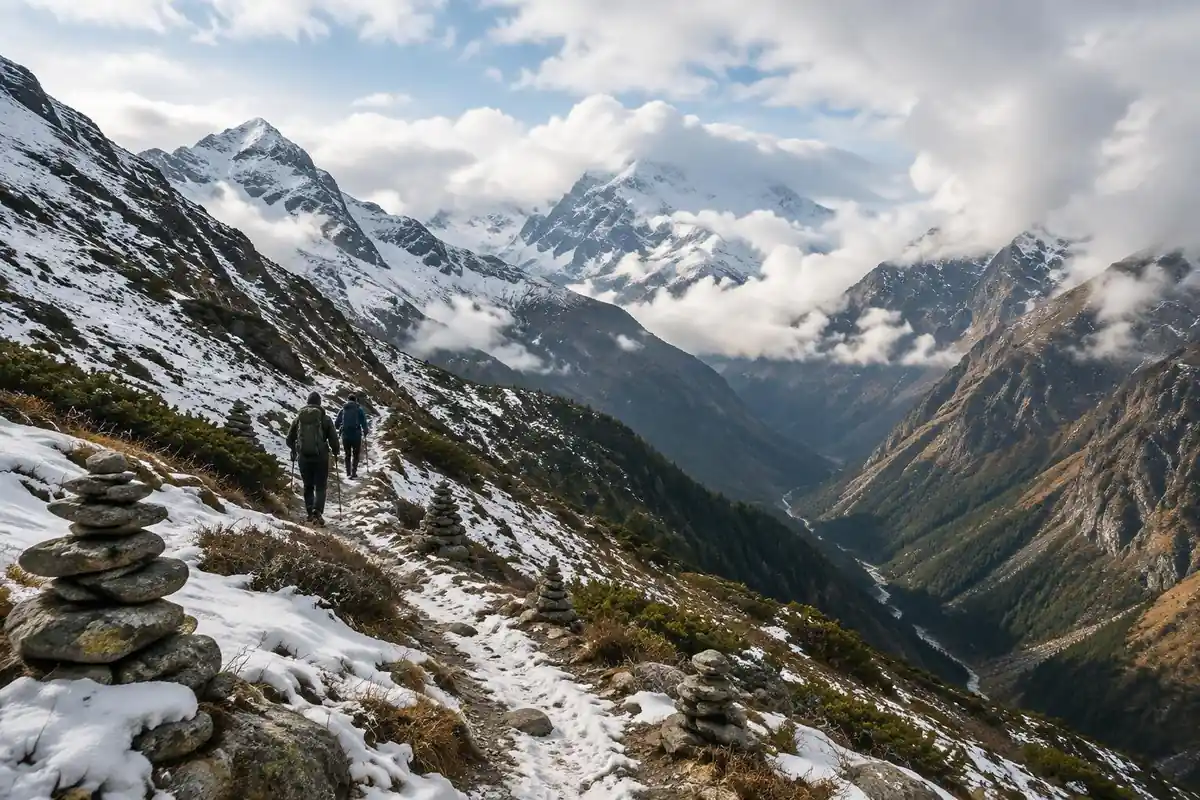
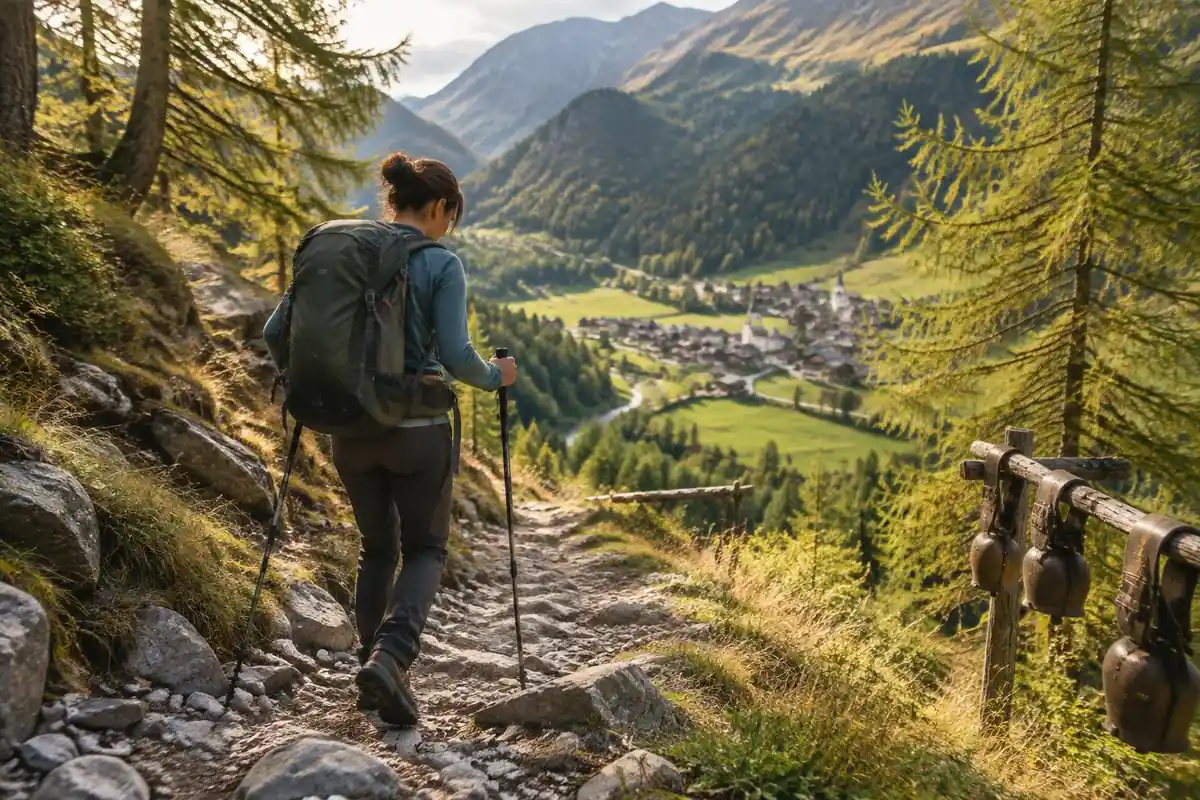
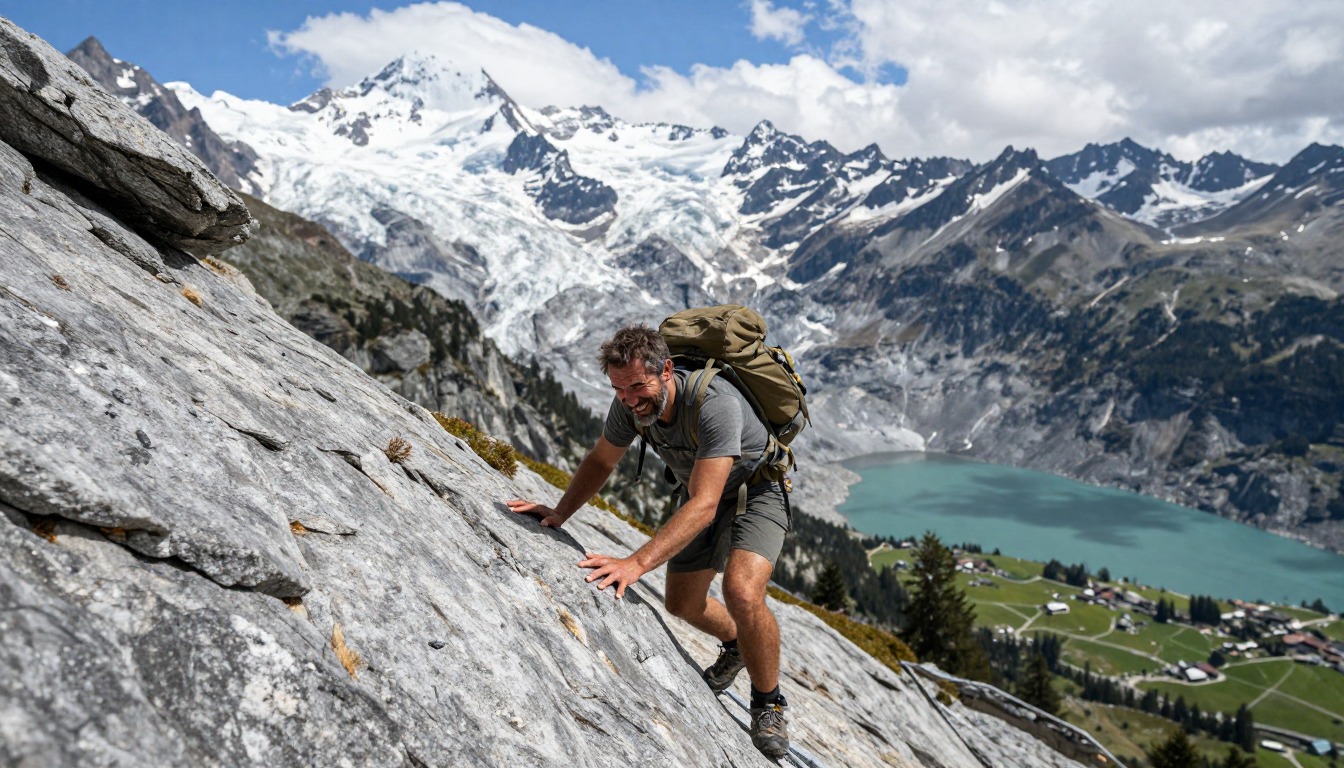
What makes the Haute Route special is the sheer scale of what you walk between — you leave the aiguilles above Chamonix behind, cross pass after pass, and days later the Matterhorn's unmistakable pyramid rises ahead over Zermatt, as if the trek itself is one long line drawn between two icons of the Alps. In between are the parts that don't make the postcards: a cold start out of a hut before sunrise, the crunch of a glacier-edge traverse where the guidebook tells you to rope up or hire a guide, a col where the wind hits you the moment you crest it, and a descent into a quiet valley village that feels a world away from the trailheads on either end. It's a trek that rewards fitness and preparation with genuinely big, ever-changing alpine terrain.
Getting there
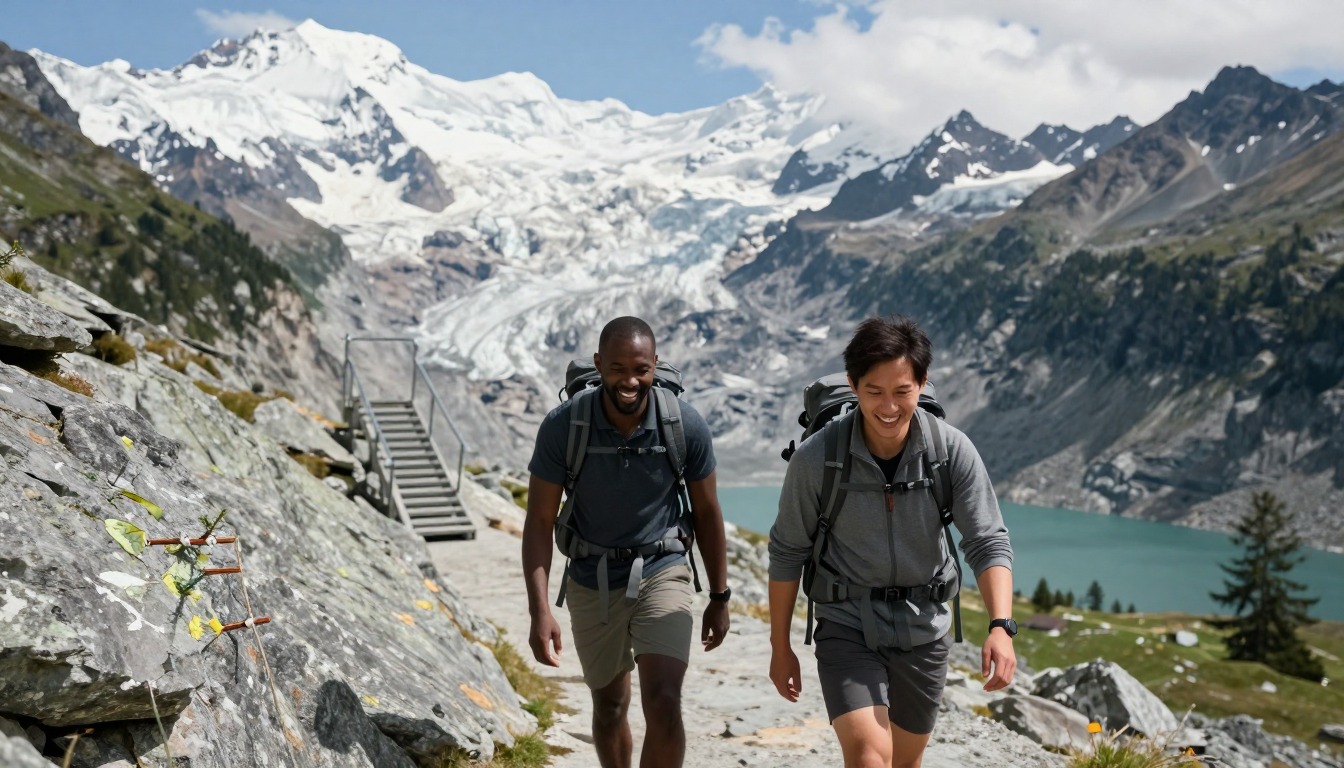
Geneva is the nearest major international airport for the Haute Route, with onward travel to Chamonix by road for the start of the trail. At the far end, Zermatt itself is car-free, so hikers arrive by train — the last stretch into town runs on the rail line, not a road, regardless of how you get to the Swiss valleys. Because the route runs one-way between two different countries, plan for a return transfer at the end: either back to Geneva from Zermatt by train, or arranging transport back to Chamonix if that's where your trip continues.
Where to stay
The realistic options, closest-to-the-trail first. Book through the official links — we don't list prices or availability because they change all the time.
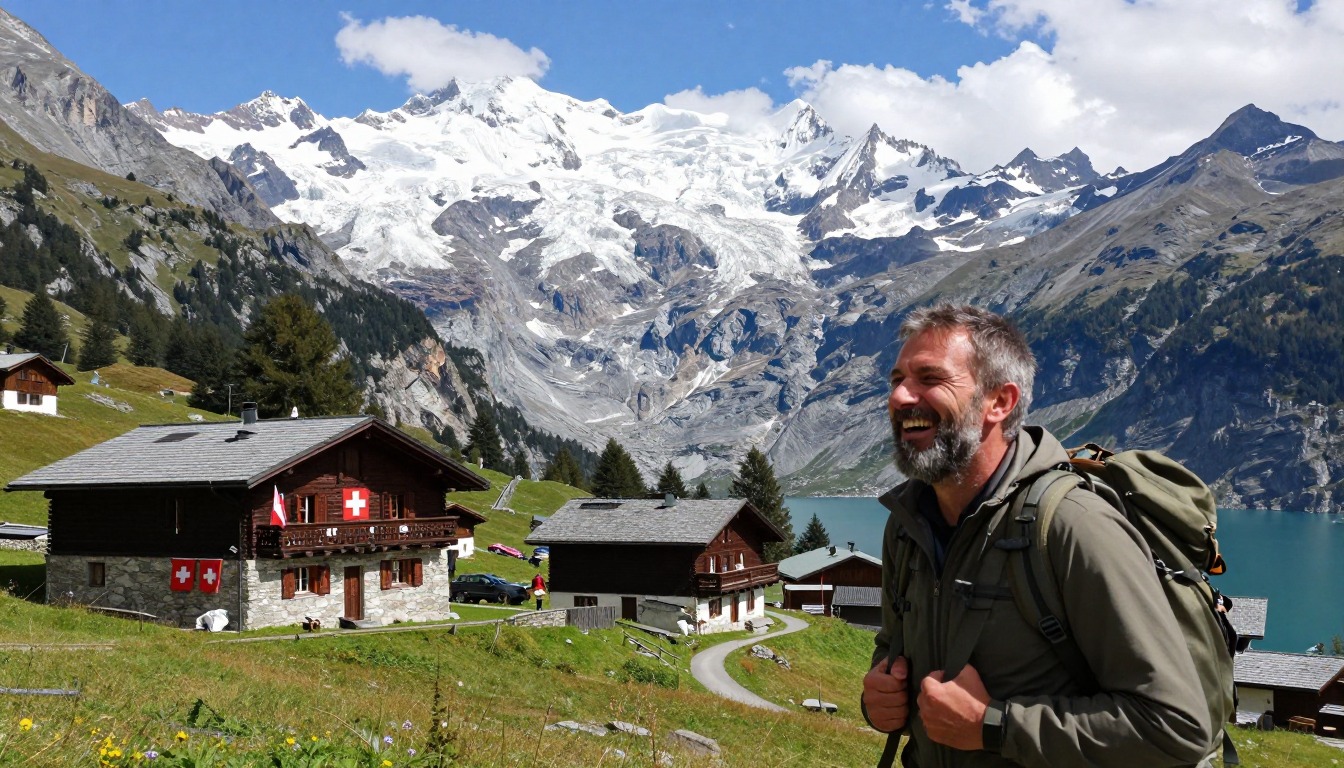
For example: Swiss and French mountain huts (many run by the Alpine clubs) on the high stages
Trekkers linking the passes — half-board bunks up high.
Book huts ahead in the short summer season.
Swiss Alpine Club (SAC) hutsFor example: Hotels and gîtes in Chamonix, Zermatt and the valley towns between
Hikers on lower stages, rest days, or the start/finish.
Zermatt is car-free; reach it by train.
Regional/town lodging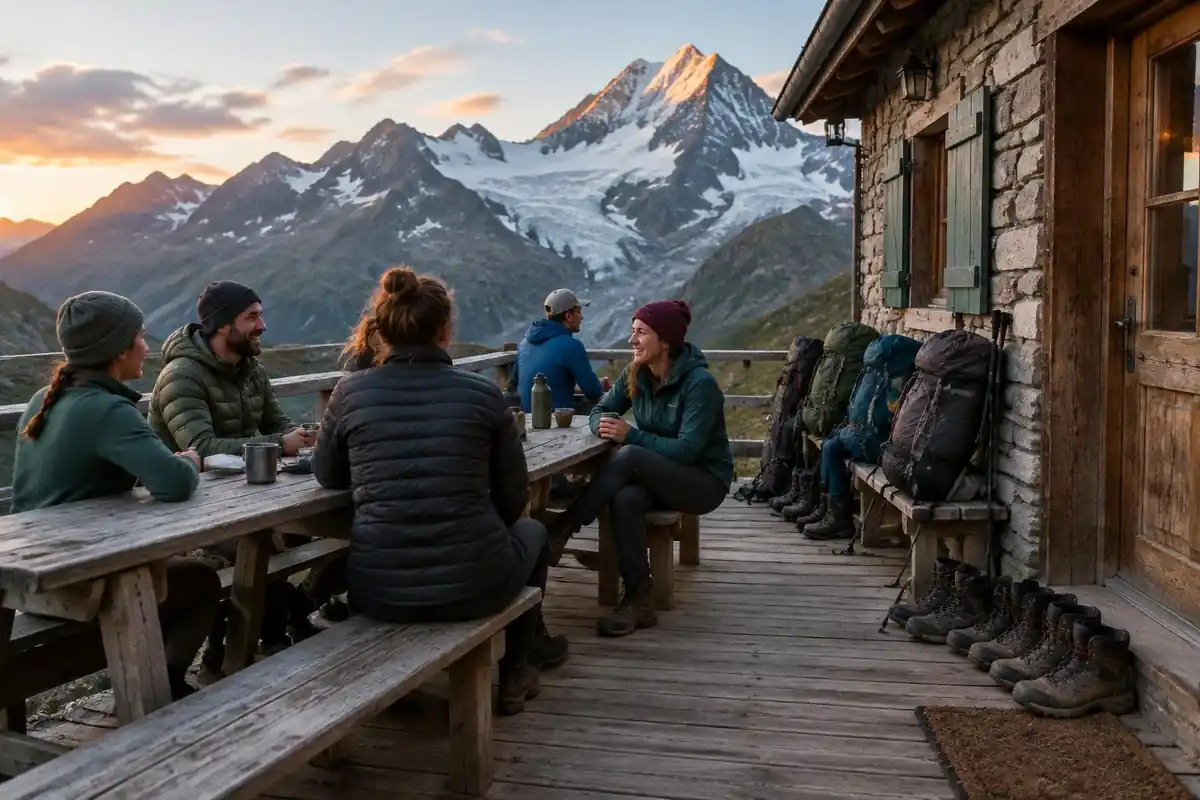
Permits & rules
No permit is required, but hut bookings are effectively mandatory in summer. This is a serious high-alpine route with a few glacier-edge sections — go with the skills, or a guide, and watch the weather.
Gear you'll want for this trip
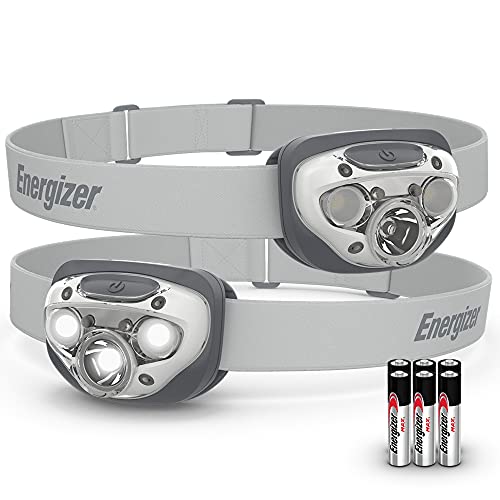
Matched to the terrain and conditions here. Real products — check current price on Amazon.


Who runs the huts, and why that matters for booking
The Swiss Alpine Club's site says it has 151 huts and more than 1,000 tours, with a Find a hut service and a route portal.1 That is a useful starting point for the Swiss end of the route. But the Haute Route begins at Chamonix in France, and the SAC's remit is Swiss, so the French stages sit outside it. Treat the SAC's site as a source for Swiss huts and ask each hut, or the relevant French or local authority, how bookings work on the other side.
The existing page says bookings are effectively mandatory in summer and describes half-board bunks. It also names Swiss and French huts run by alpine clubs. Because different operators have different rules for deposits, cancellations and meal times, keep a list of each hut with its booking terms rather than assuming they match.
Altitude changes the way you sleep, not just the way you walk
High routes mean high sleeping altitudes. The CDC says any unacclimatized person sleeping at 8,000 feet or higher is at risk of altitude illness, and that physical fitness and training do not protect against it.2 Above about 9,850 feet, it advises that sleeping altitude rise by no more than about 1,600 feet per day, with an extra acclimatization day for every 3,300 feet.2 Check each hut's elevation against these numbers when you build the itinerary.
The CDC also says never to go higher to sleep while having altitude-illness symptoms, however mild, and that symptoms improve rapidly with a descent of 1,000 feet or more.2 Because huts are fixed points, you cannot always drop down easily, so a flexible plan with a lower option helps. These are US-agency figures, so use them as a planning guide rather than a route-specific rule.
What huts mean for your pack
With huts you leave the tent and stove at home, which is why a hut trek can use a smaller pack than a camping trek of the same length. Washington Trails Association's bands describe 50 to 70 liter packs for trips of three to seven nights, but those assume camping gear.3 A hut trekker typically needs less volume, though that depends on what each hut supplies, so confirm bedding, meals and whether you need a sleeping liner or sleeping bag.
Mountain weather and the fixed schedule mean a delay can make you late for dinner or bed. The National Park Service advises setting a turnaround time and leaving a trip plan.4 Give your contact the list of huts and dates, since it tells them where you should be each night.
Common questions
Do I need to book huts in advance on the Haute Route?
Yes. The high stages rely on mountain huts, many run by alpine clubs. The Swiss Alpine Club's booking tools cover only Swiss huts, so the French stages need checking with their own operators. The trekking season is short and summer-only, and bunks fill fast in season, so reserving your huts ahead of your trip, rather than turning up and hoping, is standard practice for anyone doing the full Chamonix-to-Zermatt route.
Do I need mountaineering experience for the Haute Route?
It's a serious high-alpine trek, not a casual valley walk — some stages cross glacier-edge terrain where route-finding and basic mountain skills matter. Guidebooks and local guiding services generally recommend either prior alpine hiking experience or hiring a guide for those sections. Fitness for consecutive long days at altitude matters just as much as technical skill.
Where do most hikers stay in Chamonix and Zermatt before or after the trek?
Both are established mountain towns with a normal range of hotels and gîtes, so lodging at either end is easy to arrange compared to the huts along the route itself. Zermatt is car-free and reached by train, which is worth building into arrival and departure plans. Many hikers add a rest day in one town to acclimatize or recover before flying home from Geneva.
Complete gearsets for this trip
Full curated kits built for exactly this kind of hike — what to bring, why, and links to similar gear.
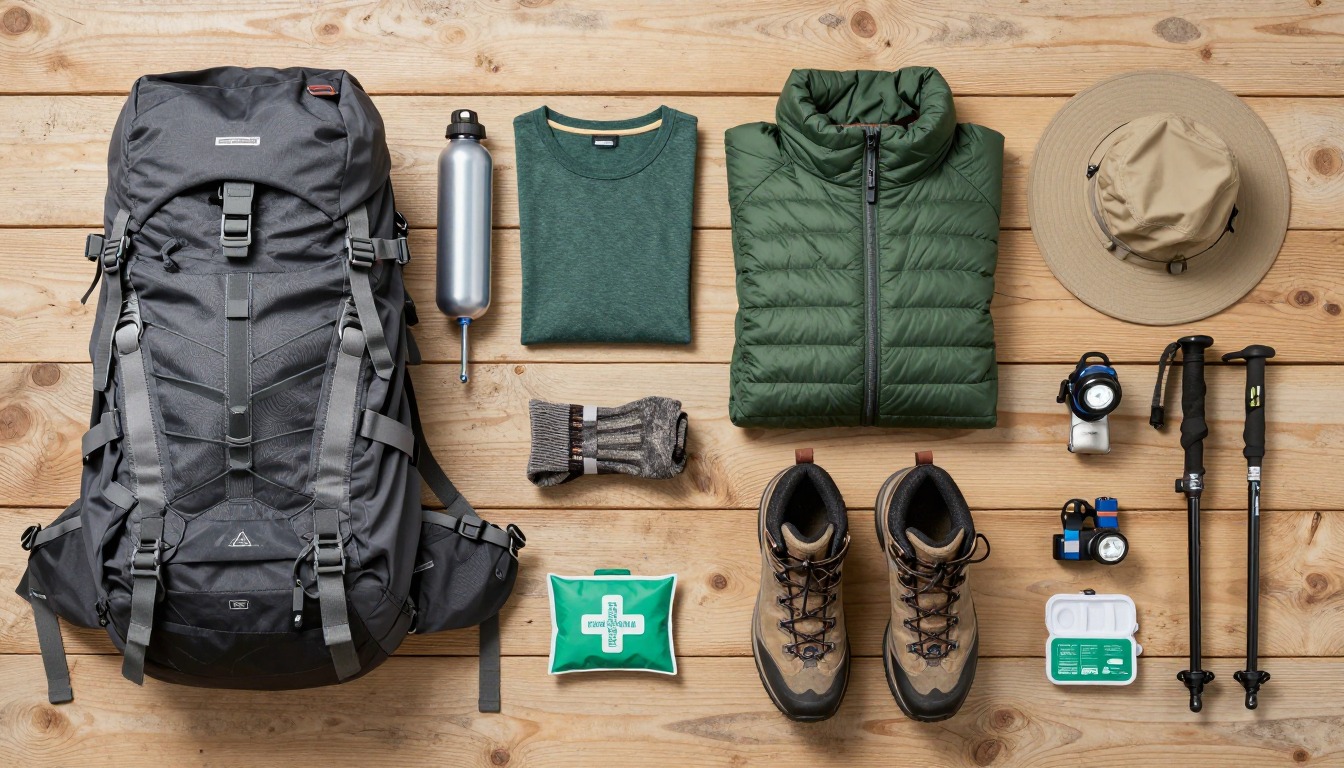
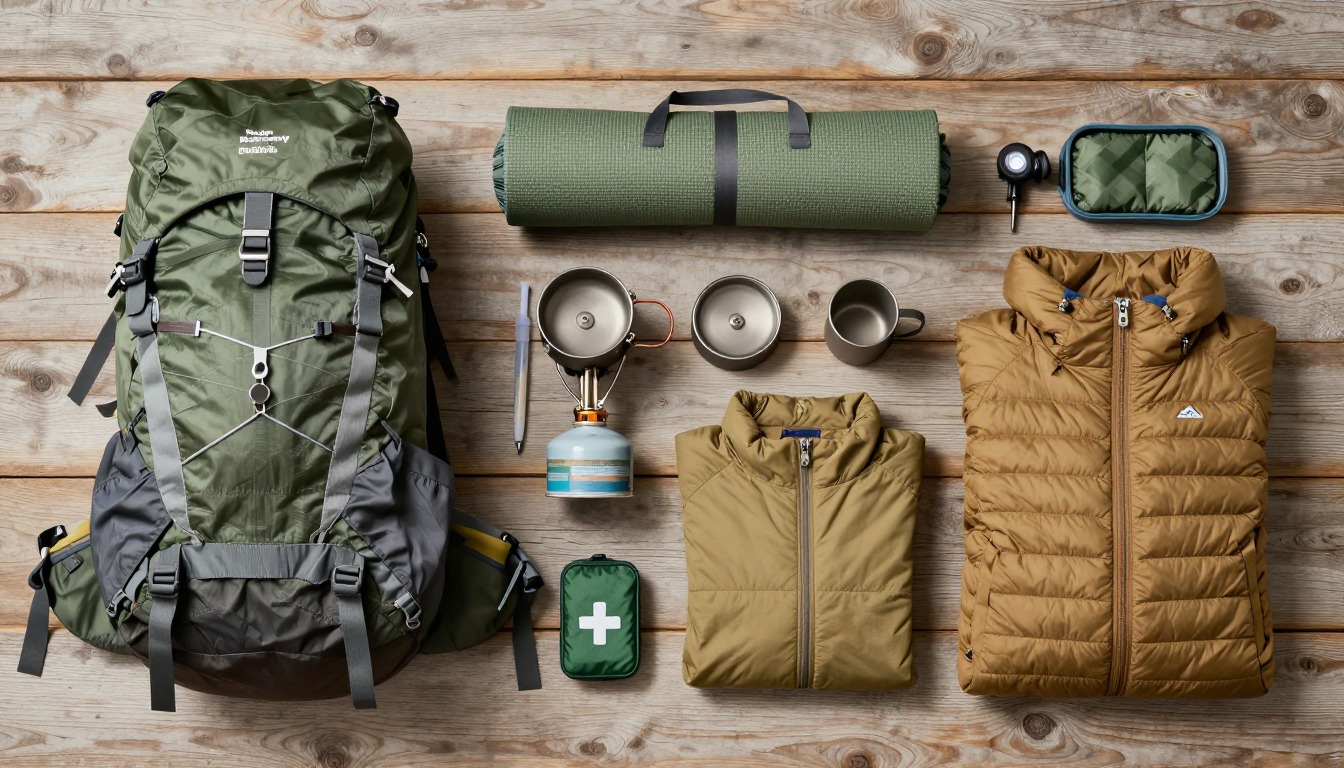
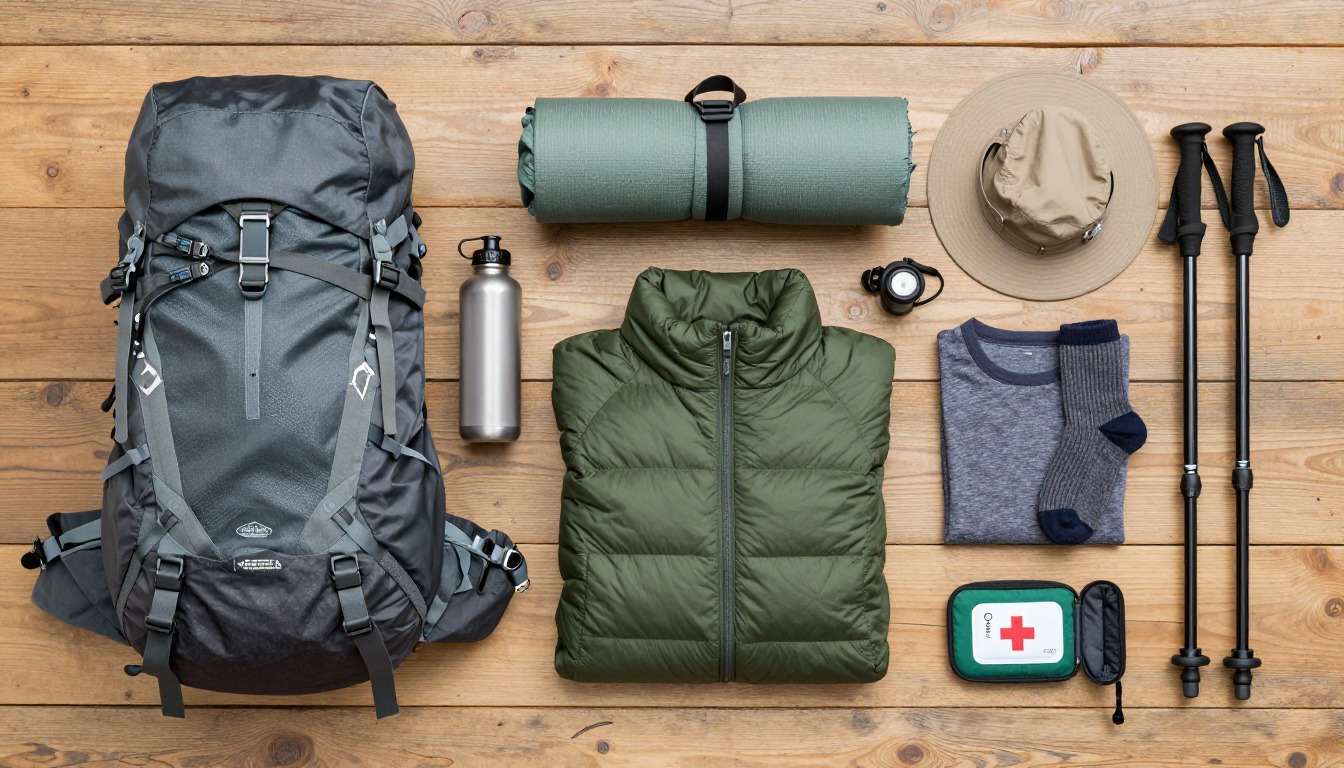
Lodging details are compiled from official parks, refuge associations and reservation systems and can change without notice. We publish no prices, availability or ratings — always confirm current information on the official site before booking or setting out. Product links and the accommodation map are affiliate links: we may earn a commission at no extra cost to you; product prices and availability are shown on Amazon, and accommodation prices on the booking site. See our affiliate disclosure.