
Affiliate disclosure: this page contains affiliate links. Purchases made through them may earn us a commission at no extra cost to you. See our affiliate disclosure.
In plain English
Gros Morne is a place you visit from a base, not a place you hike through from hut to hut. The main mountain hike is a long one-day loop, and the other famous outing is a boat tour, so you come back to the same bed each night.
There is one date rule to know. Parks Canada says the mountain trail is closed from May 1 to protect wildlife, and it reopens on June 28. So if you are planning a trip in spring or early summer, the calendar matters for the hike, and your lodging should match the days you can actually climb.
Where you stay is a choice between the park's campgrounds and small towns near the park. Campgrounds suit people who want to be outdoors and bring their own cooking gear. Towns suit people who want a roof and a meal after a big day. Check current bookings, rules and closures with Parks Canada before you go.
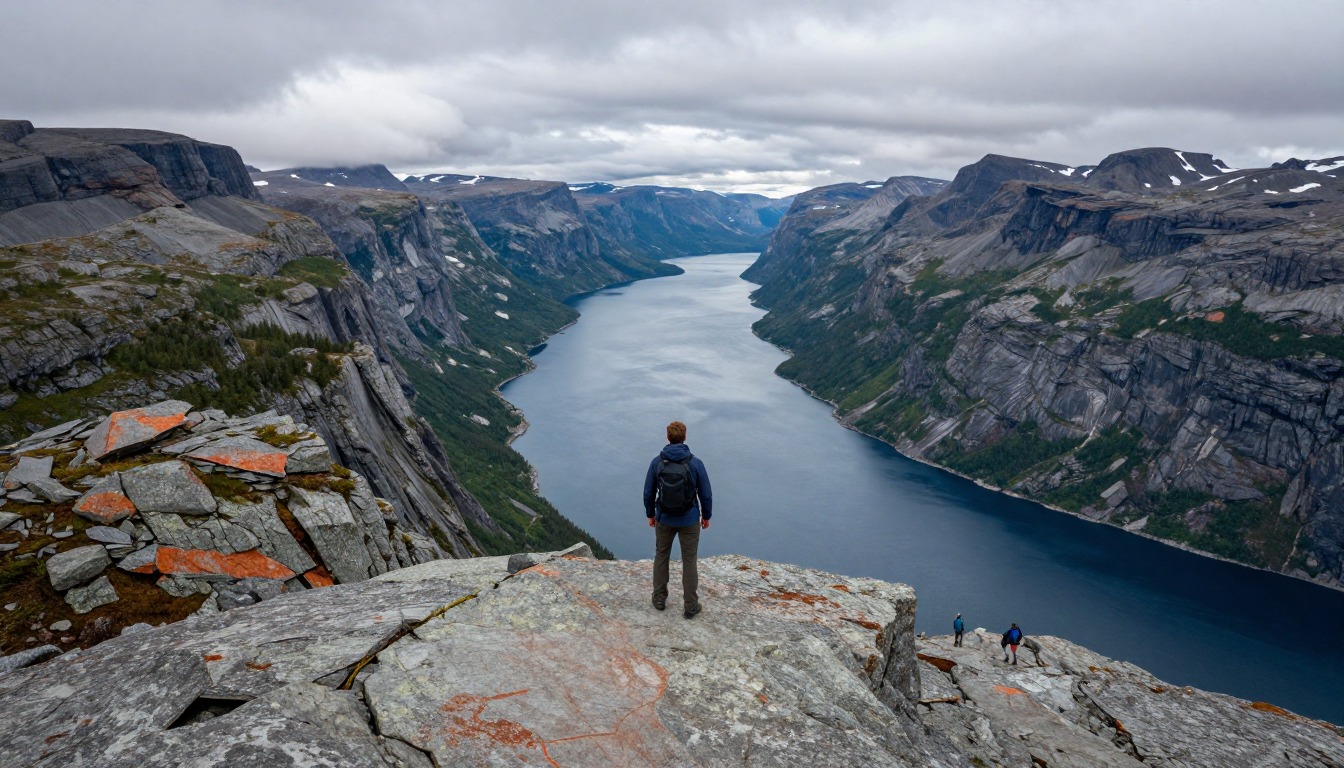
Gros Morne National Park sits on Newfoundland's west coast, a UNESCO World Heritage site built around fjords, flat-topped mountains, and the Tablelands' exposed mantle rock. Its two signature hikes — the steep loop up Gros Morne Mountain and the gorge at Western Brook Pond, reached by a boat tour across the pond — draw hikers from June through September. Sleeping options split between Parks Canada front-country campgrounds inside the park and small-town lodging in the gateway communities of Rocky Harbour and Norris Point.
Why hike here
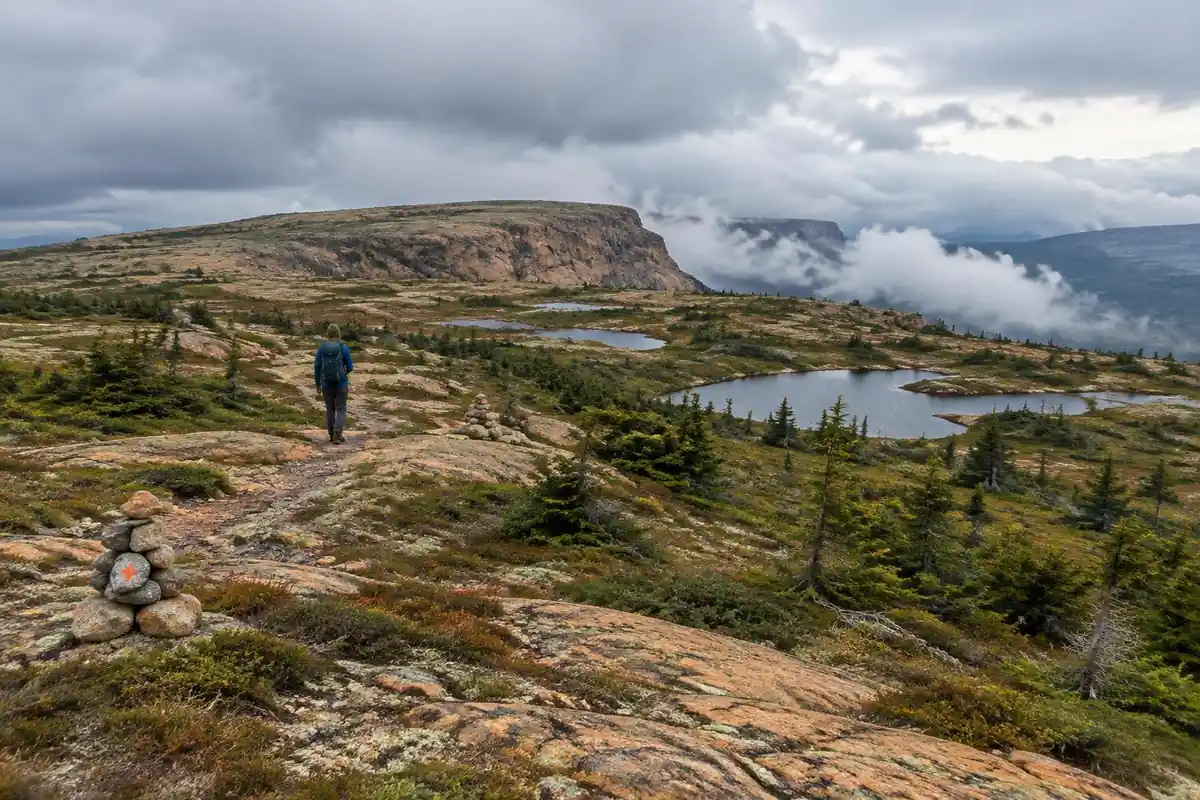
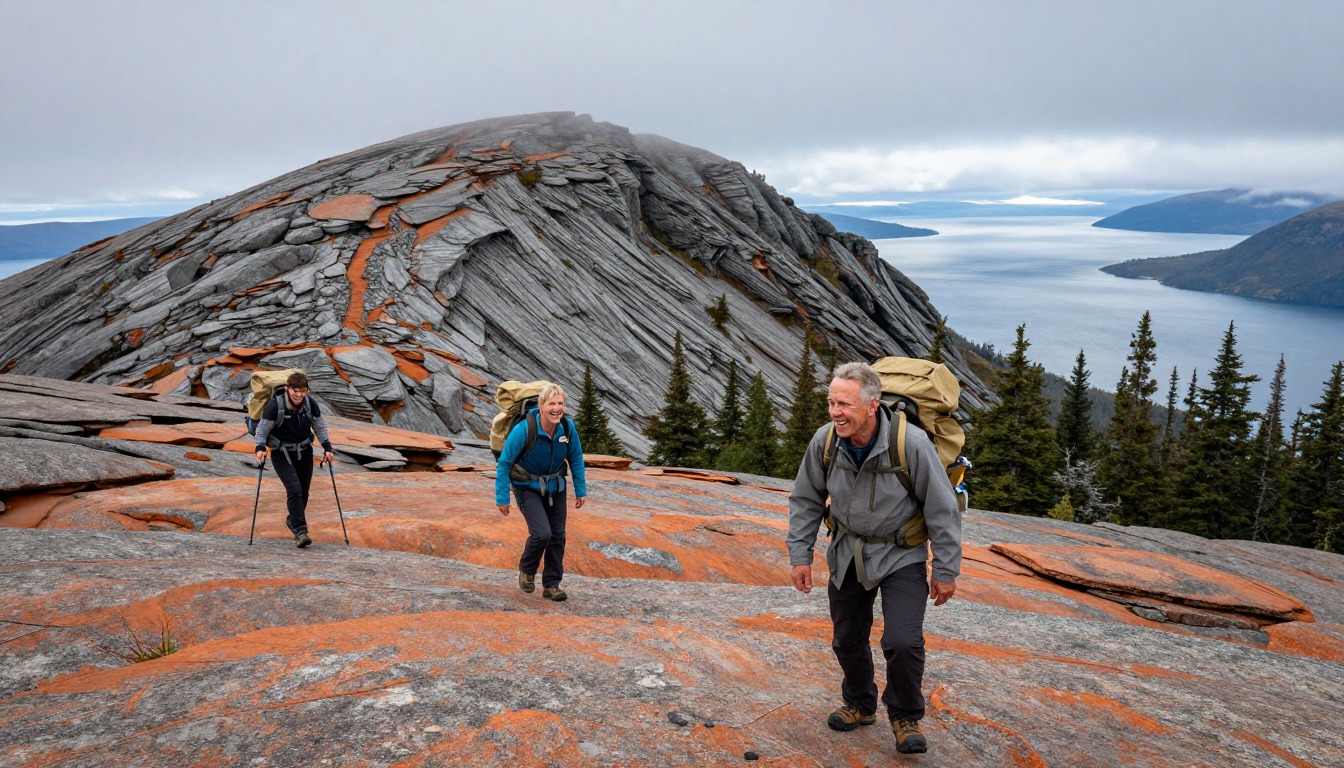
Gros Morne earns its UNESCO status from geology you can actually see: the Tablelands are a slab of the Earth's mantle pushed to the surface, bare and rust-colored where the rest of the park is green. The hike up Gros Morne Mountain climbs out of forest onto a rocky, wind-scoured plateau with the whole coastline laid out below. Western Brook Pond flips the experience — you take a boat across a landlocked fjord walled in by sheer cliffs, then can continue on foot into the gorge beyond. Two hikes, two completely different kinds of exposure: one on top of the world, one boxed in by rock. Add a short hiking season and small gateway towns, and the park rewards planning your nights before you plan your days.
Getting there
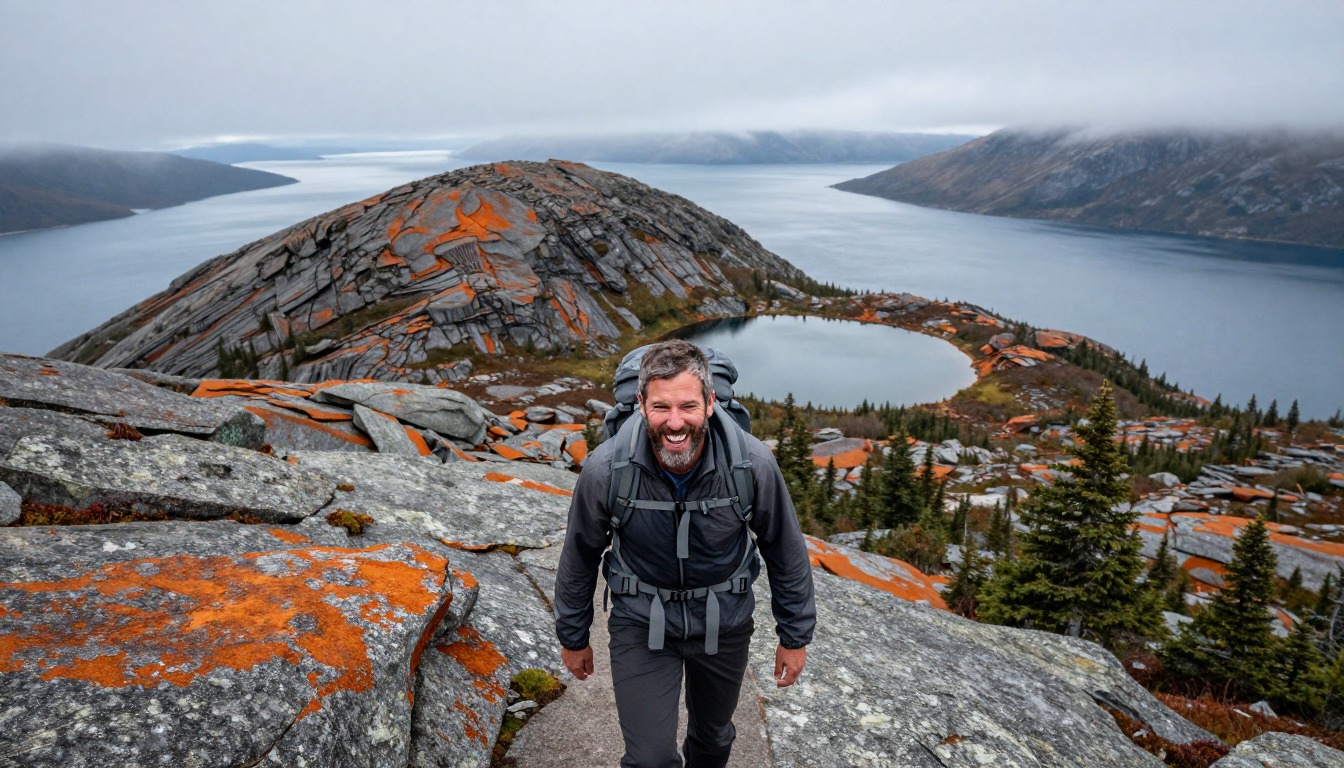
Deer Lake is the gateway airport for Gros Morne, with connections through larger Canadian hubs, and from there it's a drive into the park along Newfoundland's west coast. Rocky Harbour and Norris Point are the small communities most hikers base themselves in, close to both trailheads and Parks Canada facilities. A park entry pass is required and worth arranging before you set out, since services thin out quickly once you're off the main road. Give yourself extra driving time — this is a rural stretch of coast, not a highway corridor with frequent fuel or food stops.
Where to stay
The realistic options, closest-to-the-trail first. Book through the official links — we don't list prices or availability because they change all the time.
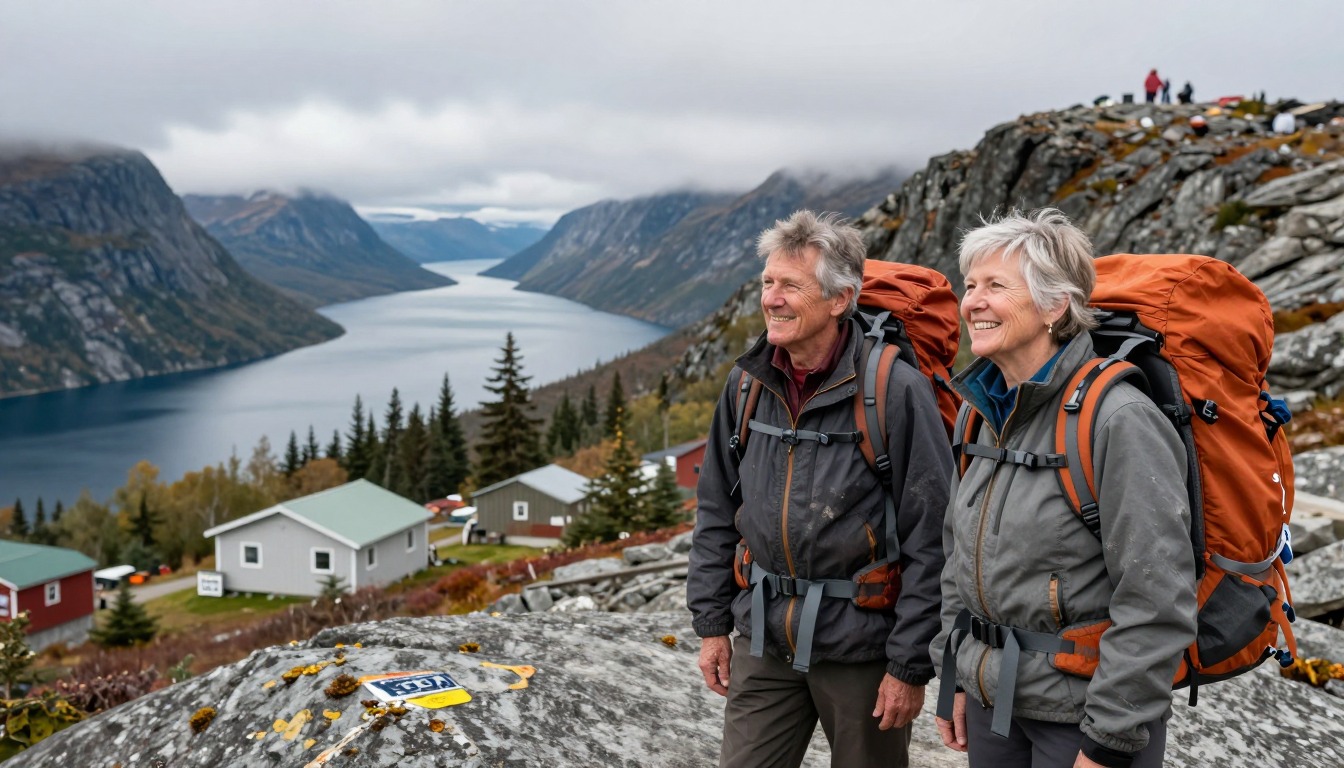
For example: Parks Canada campgrounds across the park (front-country sites)
Campers basing near the fjords and mountain trailheads.
Book ahead for summer; the park is large and spread out.
Parks Canada reservationFor example: Inns, motels and rentals in the small towns inside and near the park
Most visitors — a warm base between hikes and boat tours.
Small-town supply; book rooms ahead in peak summer.
Nearby-town lodging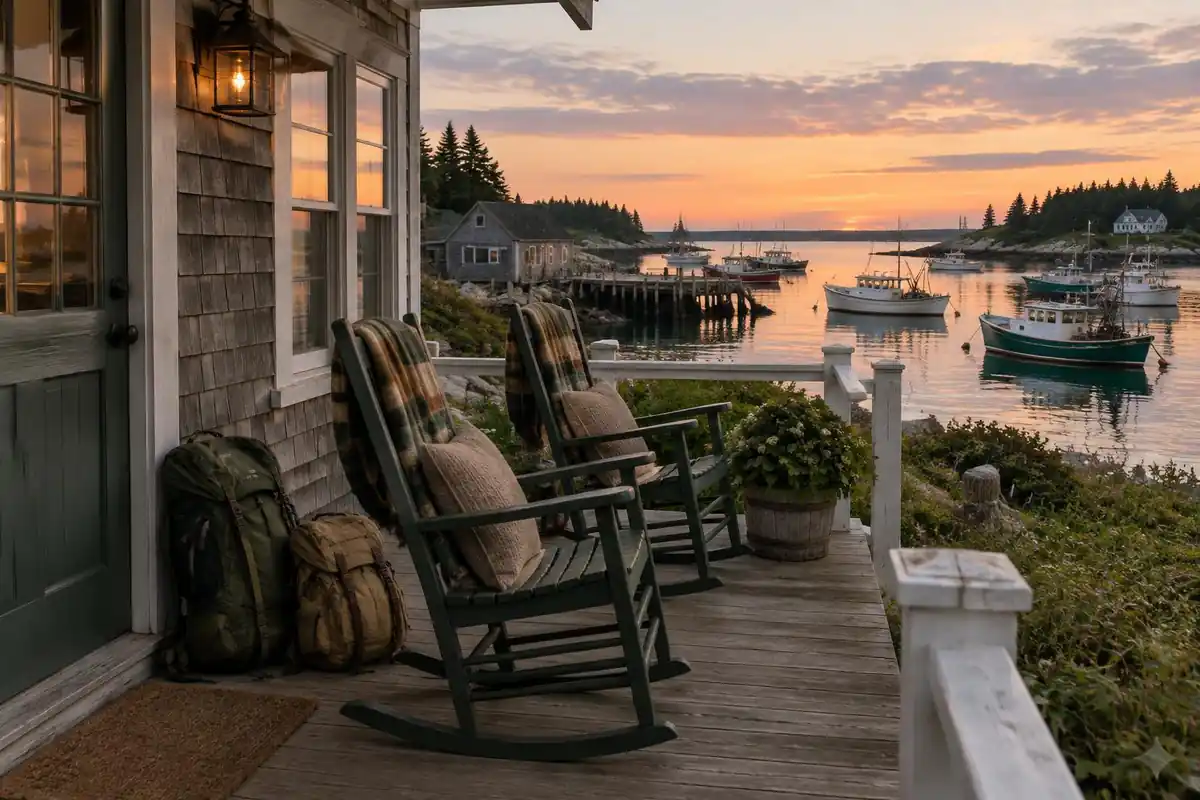
Permits & rules
No hiking permit is needed (a park entry pass is required). Gros Morne Mountain (a 17-km loop) is closed to hikers from May 1 and reopens on June 28 to protect wildlife; the famous Western Brook Pond gorge is reached by a boat tour across the pond.
Gear you'll want for this trip
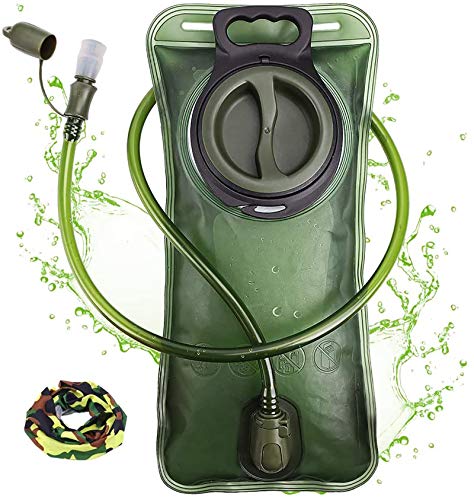
Matched to the terrain and conditions here. Real products — check current price on Amazon.


The seasonal window and what it means for your bookings
Parks Canada's Gros Morne page says the mountain is closed to hikers beginning May 1 and reopens June 28, to protect wildlife.1 It also says the park is open year-round, with a low season from October to May and a peak season from May to October.1 The existing page describes hikers arriving from June through September, which is a broad summer window; for the mountain trail specifically, the start date is the park's reopening date.
This matters when you book: if a room or campsite is open in late May or early June, it may be because the main trail is closed. Lining up your nights with the reopening date, and confirming any other closures or bulletins with Parks Canada, avoids arriving to a closed trail.
A one-day loop means a frontcountry base
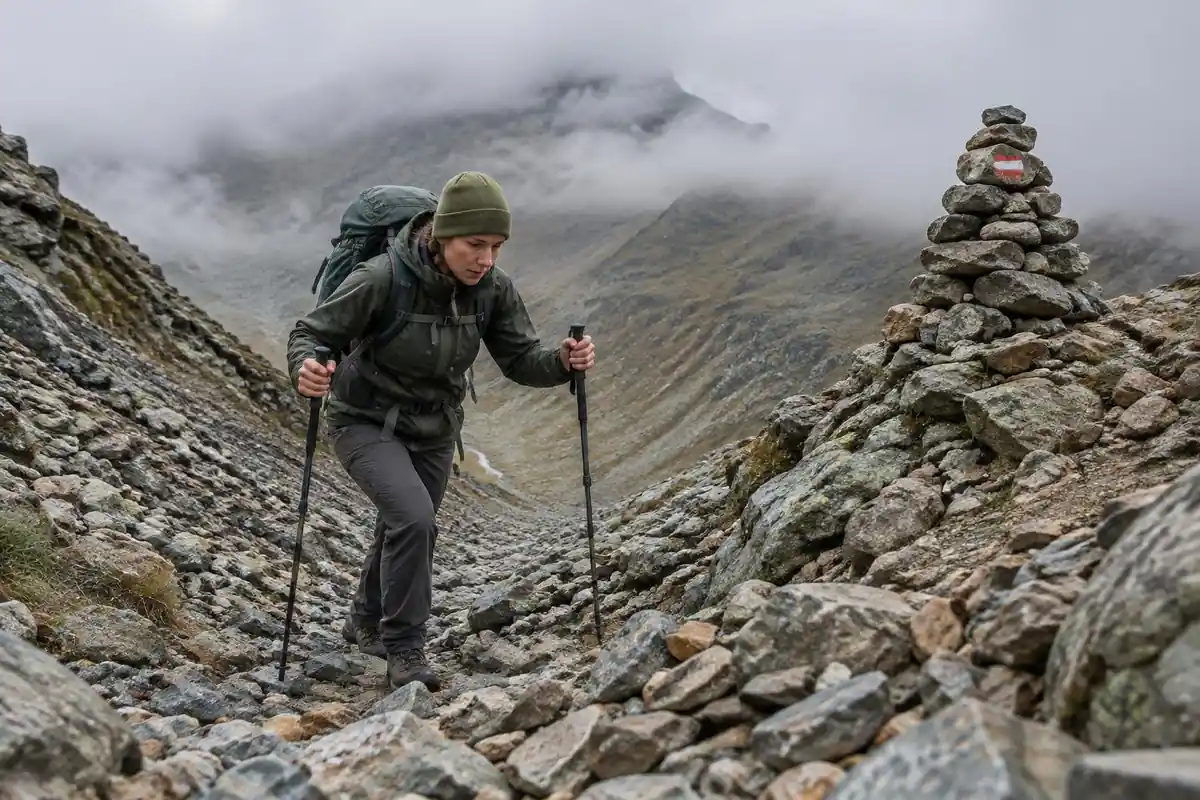
Parks Canada calls the mountain hike a challenging, one-day, 17-kilometre loop that climbs from lowland to alpine terrain.1 A loop that returns to the trailhead in a day does not need overnight camping gear. Campgrounds in the park are front-country sites reached by vehicle, so you can leave the tent and stove at camp and hike with a daypack.
The hike's difficulty also shapes when you should sleep. The National Park Service advises setting a turnaround time and planning uphill sections to take at least double the downhill time, so a rested early start is worth more than a late night.3 Lodging near the trailheads reduces the drive before a long day.
Weather, cold and the day pack
A 25 to 30 liter pack is what Washington Trails Association describes as good for a full-day hike.2 That capacity covers water, food, a rain layer, insulation and a first-aid kit. A coastal-mountain loop with an alpine section can turn cold and wet, and the CDC says hypothermia can develop even in air above 40°F if a person is chilled by rain, sweat or cold water.4
If you camp, treat a wet night as part of the plan: dry clothes stay in the tent or vehicle, and a wet layer never goes back into your sleeping bag. The boat tour to Western Brook Pond runs on a schedule, so confirm times and bookings with the operator and Parks Canada before choosing where to sleep.
Common questions
Where do hikers actually stay in Gros Morne?
Options split between Parks Canada front-country campgrounds inside the park, which take reservations, and inns, motels, and rentals in the gateway communities of Rocky Harbour and Norris Point, in and around the park boundary. There's no lodging directly on the trails themselves, so most hikers commute out to the trailheads each day from one of these bases.
Do I need to book campsites ahead of time?
Front-country camping inside Gros Morne is run through Parks Canada's reservation system, and July and August fill up well in advance given the park's short peak season. Booking early also matters for the Western Brook Pond boat tour, since it's the only way to reach the gorge, and for inns in Rocky Harbour and Norris Point during the same summer window.
When's the best time to go, and is the mountain trail always open?
Gros Morne's hiking season runs roughly June through September, when weather and trail conditions are most reliable. Parks Canada closes the Gros Morne Mountain trail to hikers from May 1 and reopens it on June 28 to protect wildlife, so if you're planning around that specific hike, check current trail status before you finalize dates or book lodging.
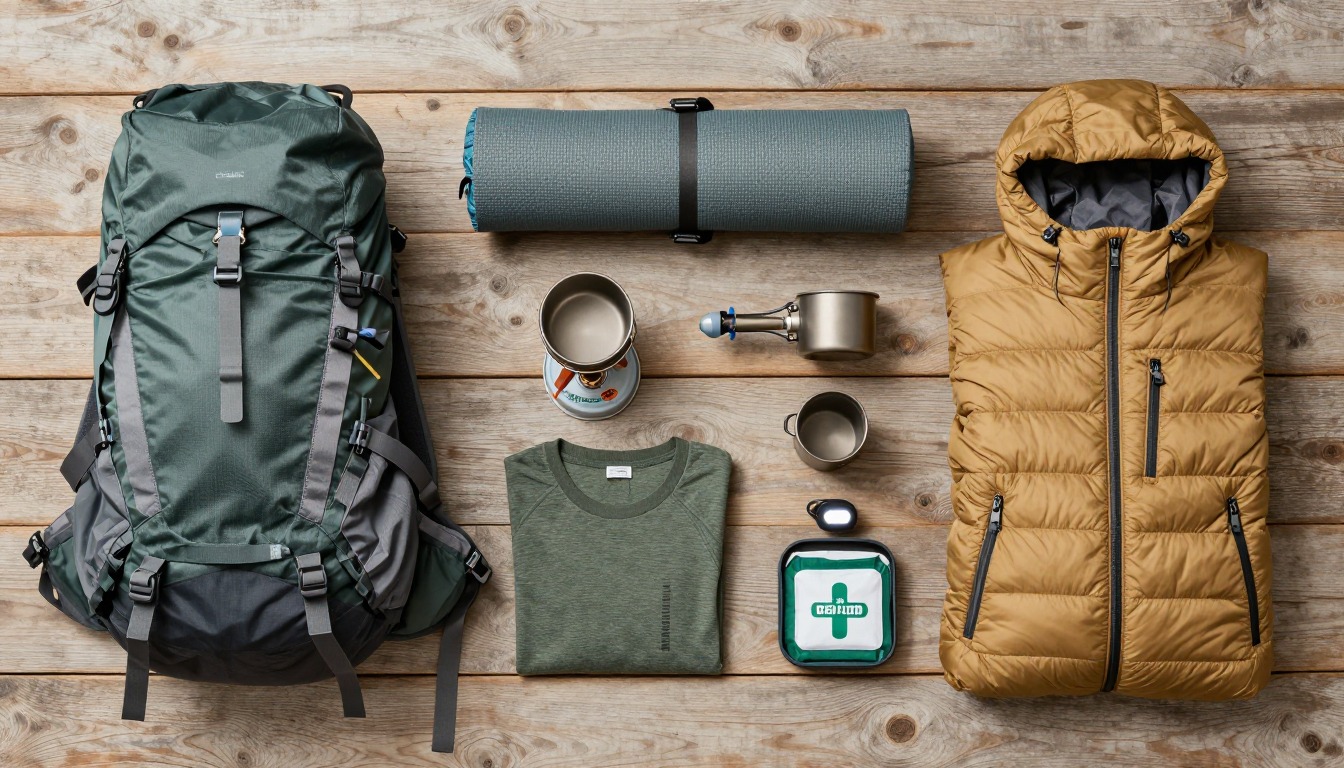
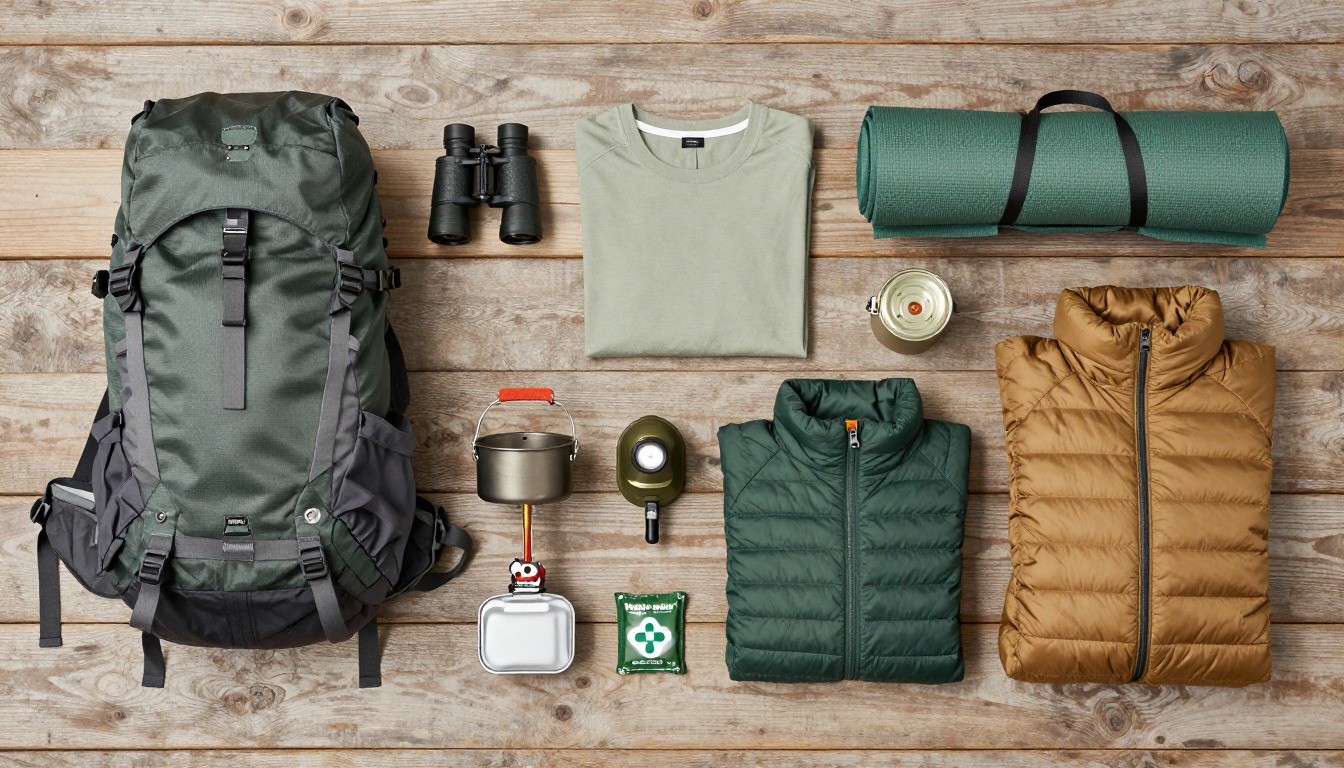
Complete gearsets for this trip
Full curated kits built for exactly this kind of hike — what to bring, why, and links to similar gear.
Lodging details are compiled from official parks, refuge associations and reservation systems and can change without notice. We publish no prices, availability or ratings — always confirm current information on the official site before booking or setting out. Product links and the accommodation map are affiliate links: we may earn a commission at no extra cost to you; product prices and availability are shown on Amazon, and accommodation prices on the booking site. See our affiliate disclosure.