
Affiliate disclosure: this page contains affiliate links. Purchases made through them may earn us a commission at no extra cost to you. See our affiliate disclosure.
In plain English
Sleeping below the rim at the Grand Canyon is different from a hotel stay. Anywhere inside the canyon, you need a backcountry permit before you camp.1 The existing page notes that the park strongly discourages hiking to the river and back in a single day, which is why an overnight is the usual plan.
Your gear choices change with your bed. If you sleep on the rim, you walk down with a daypack and come back to a room. If you camp below the rim, you carry a sleeping bag, shelter and food on the way down and, more importantly, on the way back up, when you are tired and it is hot.
The other thing to know is water. The park has been under water restrictions, and its front page says overnight lodging on the South Rim was suspended for that reason when checked, though dry camping was still available.1 Always check the park's daily hiking messages for trail conditions and water availability before you set off.
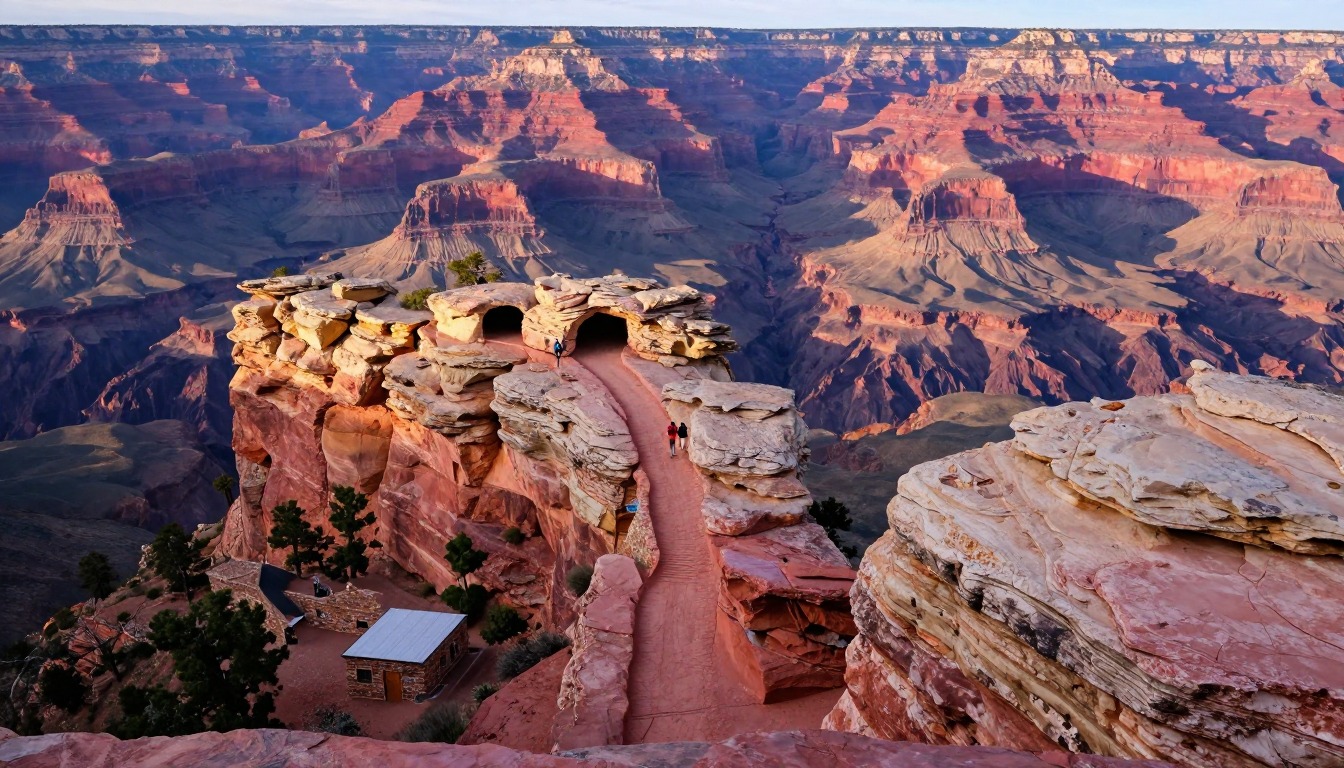
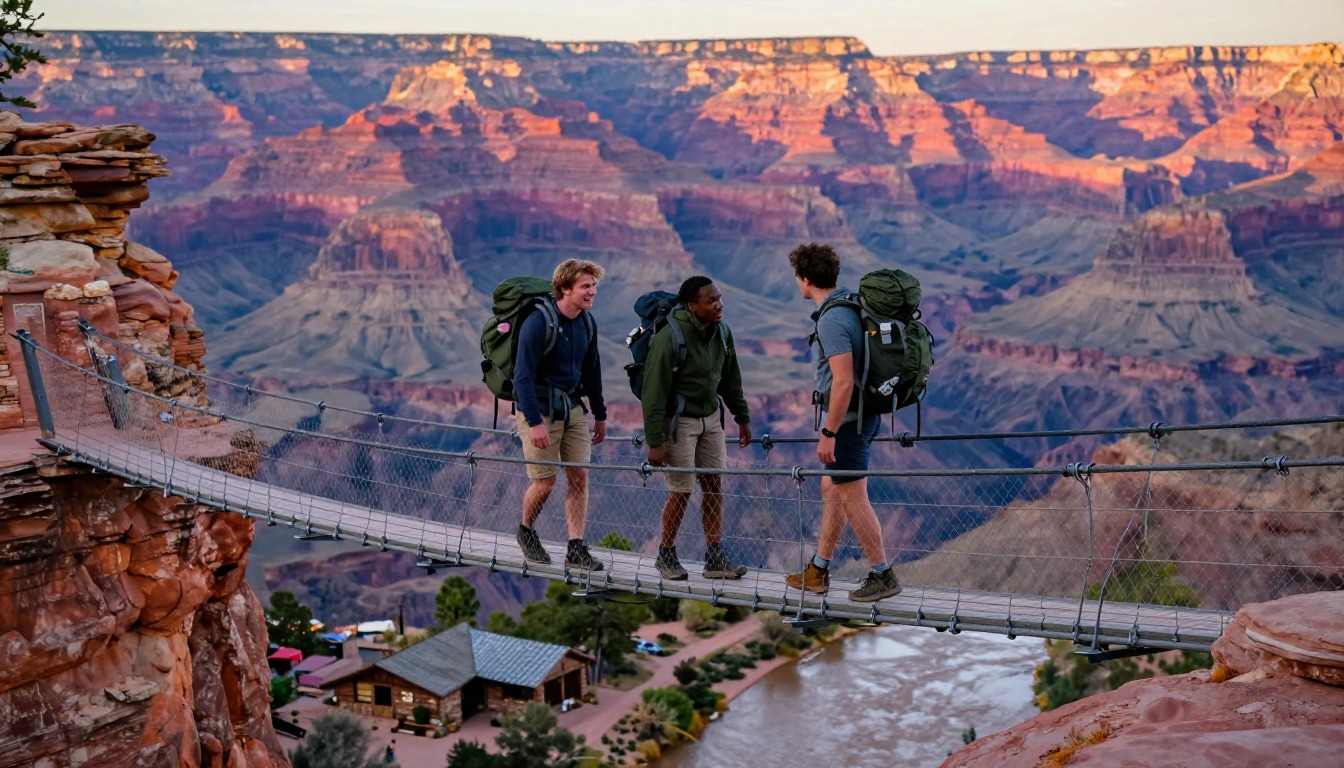
The Bright Angel Trail is the Grand Canyon's classic corridor route, switchbacking from the South Rim down toward the Colorado River at the canyon floor. It's one of the most heavily used trails in the park, but that doesn't make it casual: the National Park Service strongly discourages attempting the full rim-to-river-and-back trip in a single day. Anyone staying below the rim overnight ends up at one of three places — Havasupai Gardens, Bright Angel Campground, or Phantom Ranch.
Why hike here
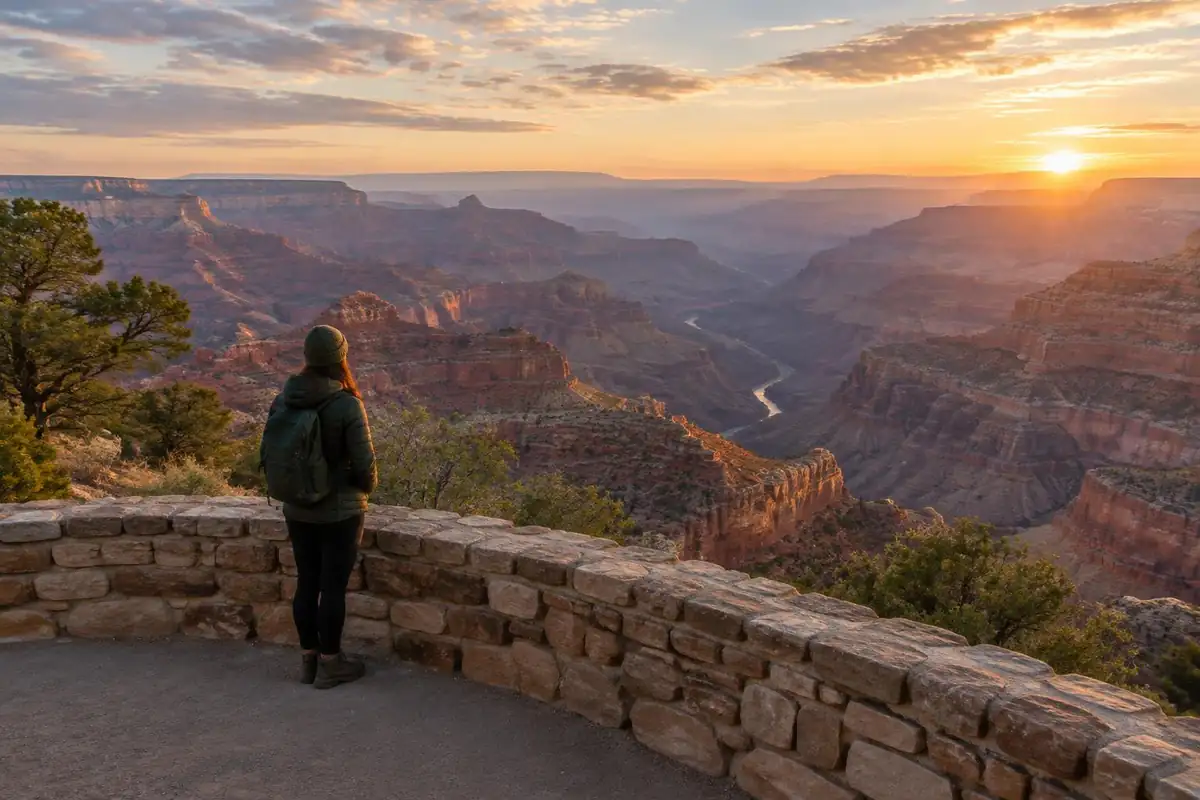
Bright Angel earns its character from what changes as you go: switchback after switchback down exposed, layered rock, with the air growing hotter and the plant life turning more desert-like the farther below the rim you drop. It's also one of the busier trails in the canyon and a working route, shared with mule trips bound for Phantom Ranch, so the descent feels less like a solitary trek and more like following a path people have used for generations. By the time you're close to the canyon floor, the Colorado River comes into view, and the temperature swing from where you started can be dramatic. Spring and fall are the seasons experienced hikers favor, when the rim stays cool and the inner canyon hasn't yet turned dangerously hot the way it does in summer.
Getting there
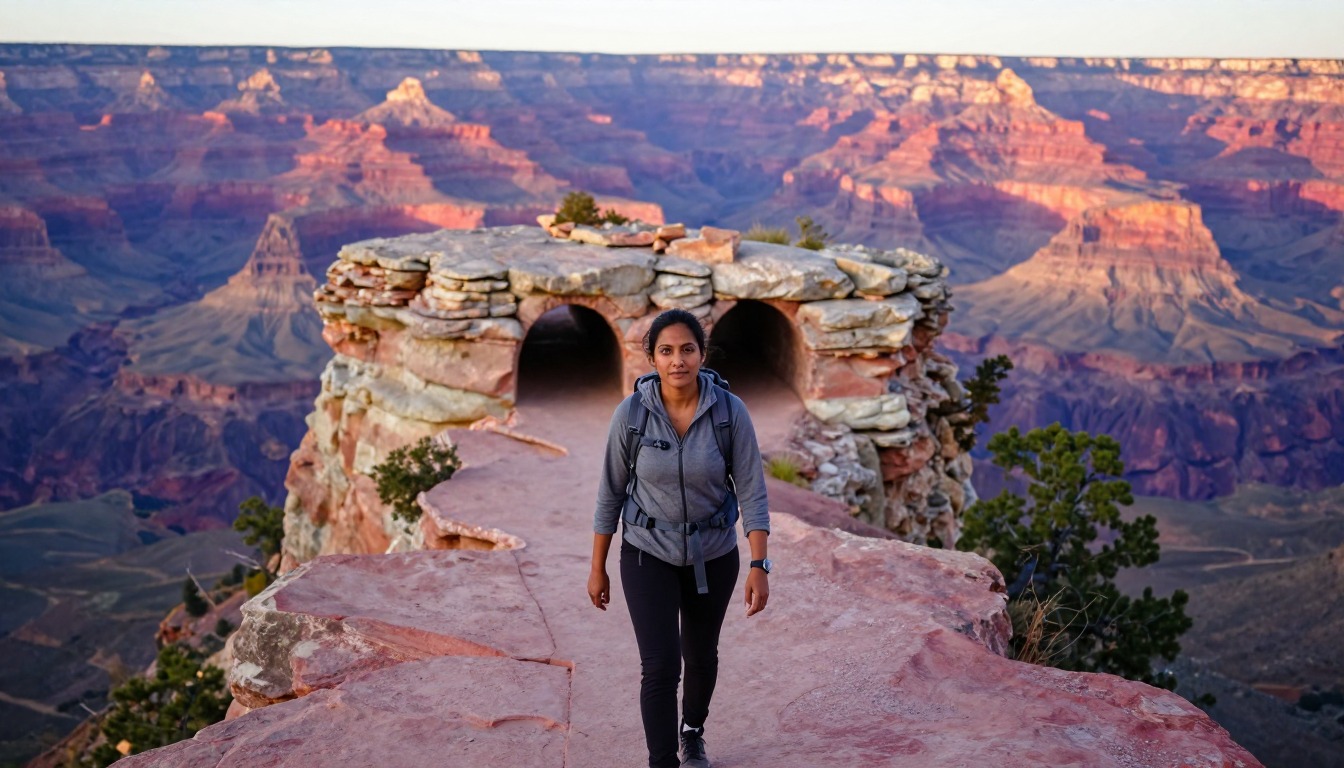
Most hikers fly into Phoenix or Las Vegas, the two major airports serving the region, then drive to the South Rim of Grand Canyon National Park. Once you're in Grand Canyon Village, a free park shuttle covers the rim, and the Bright Angel trailhead itself is an easy walk from the Village, so a car isn't needed for that last stretch. Give yourself extra drive time either way — Phoenix and Las Vegas are both a substantial haul from the South Rim, and mountain and desert roads can add time that a map doesn't show.
Where to stay
The realistic options, closest-to-the-trail first. Book through the official links — we don't list prices or availability because they change all the time.
For example: El Tovar, Bright Angel Lodge, Kachina & Thunderbird, Maswik Lodge, Yavapai Lodge
Hikers who want to sleep on the rim before an early start.
As of September 2026 overnight lodging is suspended under Stage 4 water restrictions; check NPS for current status. In normal years rim lodges book far ahead for spring and fall.
Grand Canyon Lodges (Xanterra) / YavapaiFor example: Dormitories and cabins at the bottom of the canyon, near the river
The only roofed beds below the rim — highly coveted.
Allocated by lottery about 15 months ahead in normal years; check NPS for the current lodging suspension.
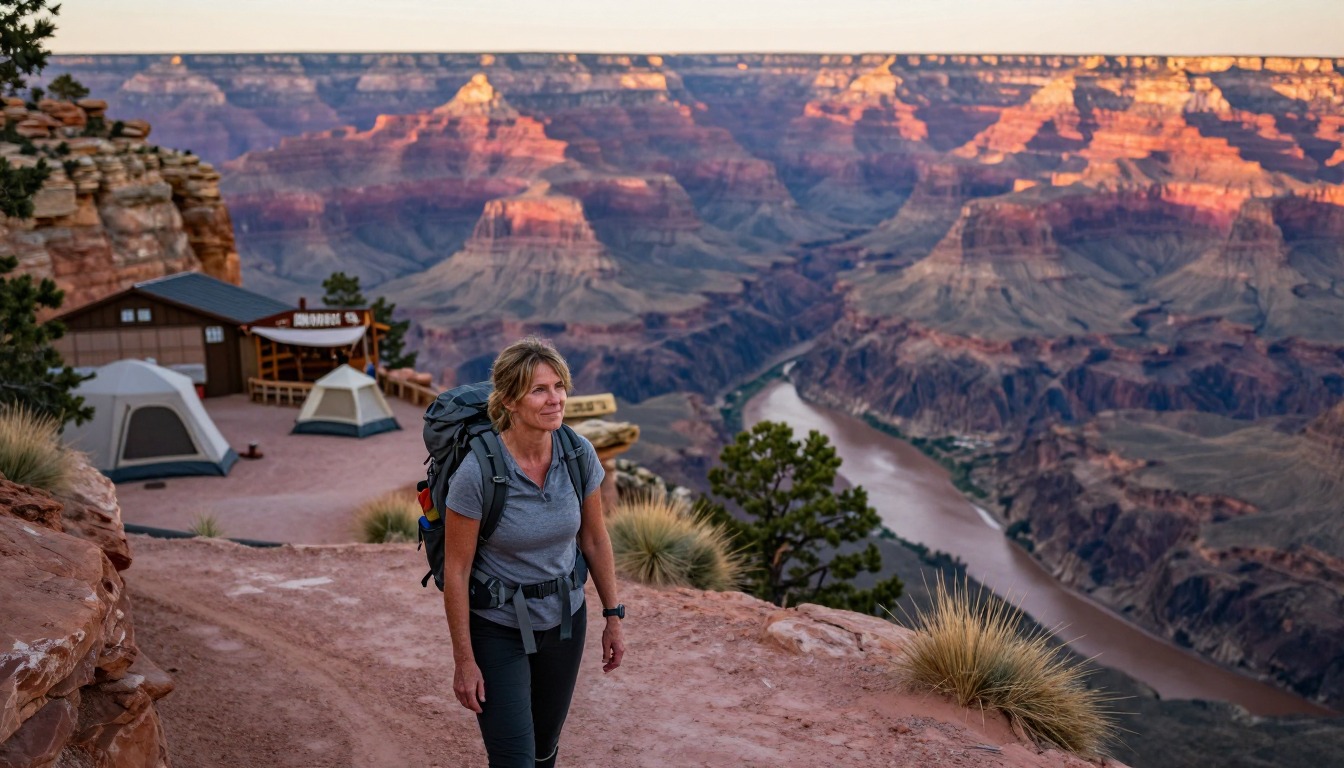
Phantom Ranch lottery (Recreation.gov)For example: Havasupai Gardens (formerly Indian Garden) and Bright Angel Campground
Backpackers spreading the descent and climb over two or more days.
A backcountry permit is required for every overnight below the rim.
Grand Canyon backcountry permit (Recreation.gov)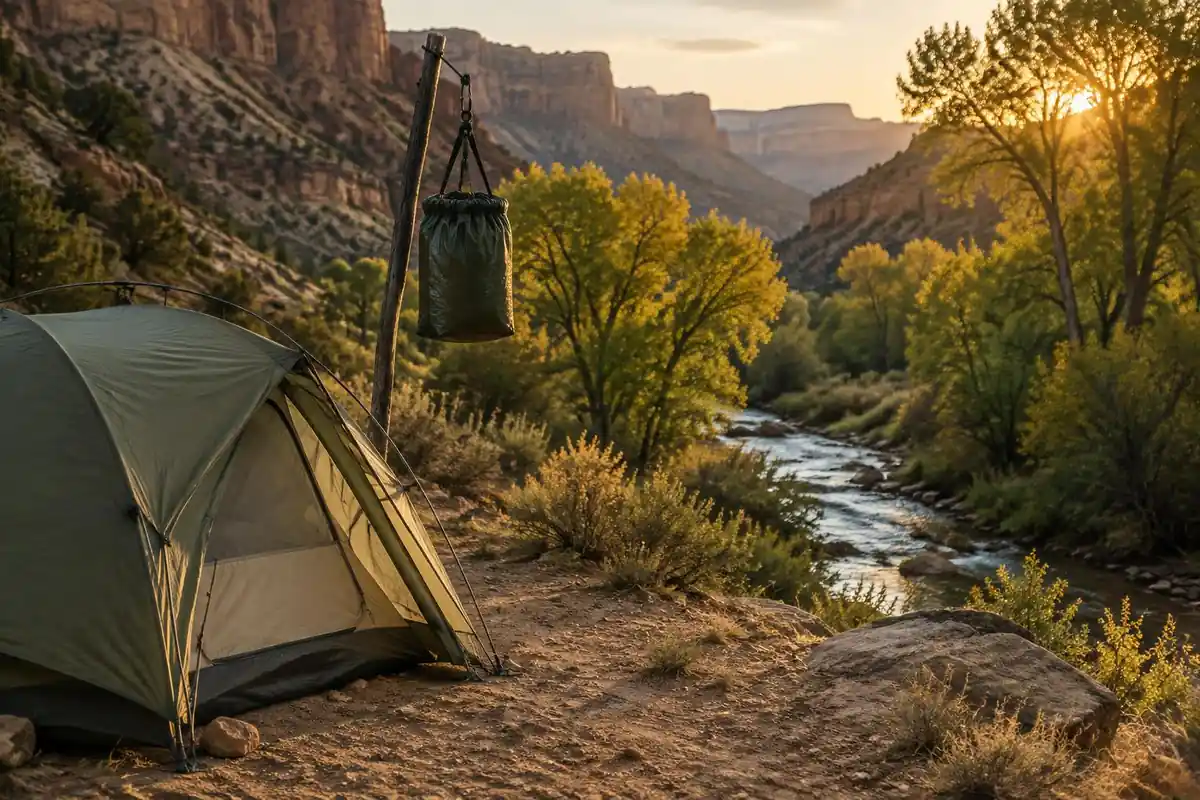
Permits & rules
As of September 2026 the park reports that overnight lodging is suspended (Stage 4 water restrictions, dry camping only) — check the NPS Grand Canyon site for current status before planning any lodging or water stops. Any overnight below the rim needs a Grand Canyon backcountry permit; corridor campgrounds are in high demand and released on a rolling monthly schedule. Phantom Ranch beds are separate, by lottery, and may be affected by the current lodging suspension.
Gear you'll want for this trip
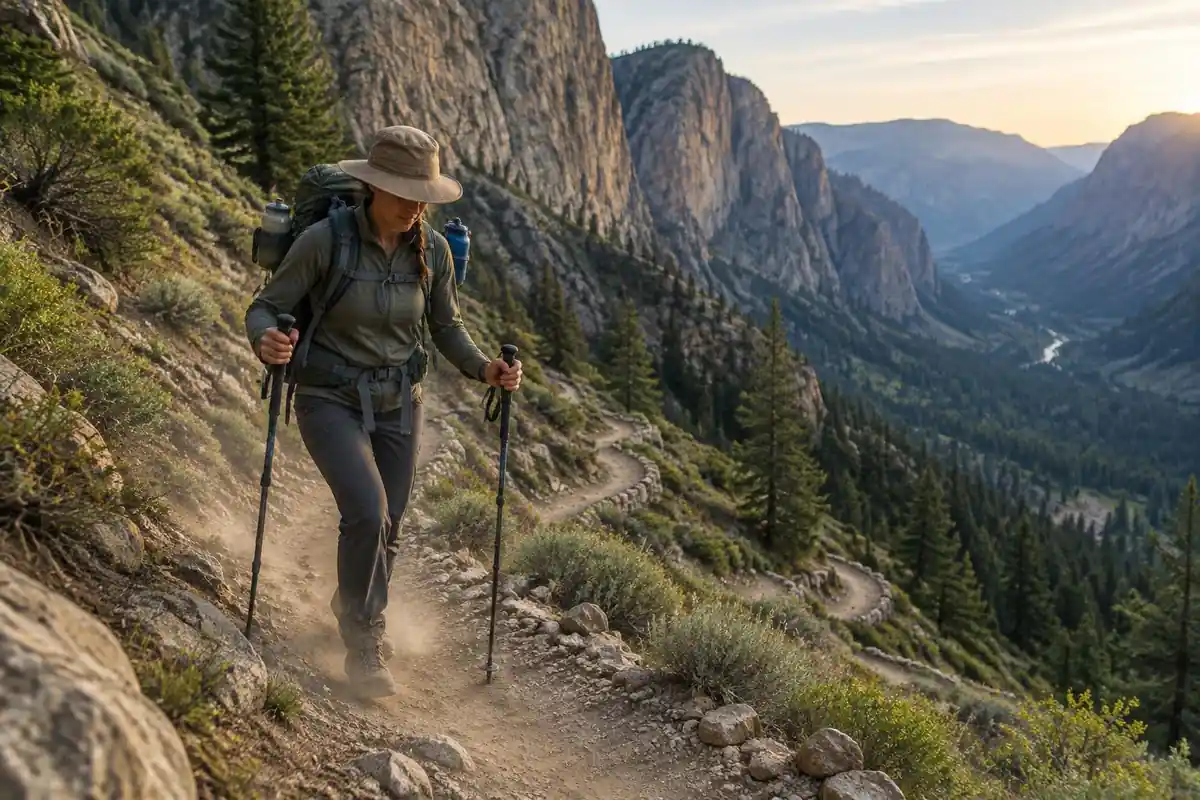
Matched to the terrain and conditions here. Real products — check current price on Amazon.


What the park's front page says about beds
The front page gives three relevant facts. It says a permit from the Backcountry Information Center is required to camp overnight anywhere inside Grand Canyon, that South Rim overnight lodging was suspended because of Stage 4 water restrictions with dry camping still available, and that a free shuttle serves the South Rim from visitor center parking lots to overlooks, trailheads and village services.1 It also carries a Today's Key Hiking Messages link covering trail conditions, closures, the weather forecast and drinking water availability inside the canyon.1
The page now carries that suspension note, so the rim lodges may be unavailable and should be confirmed.1 The page also says Phantom Ranch is allocated by lottery about 15 months ahead; the front page does not confirm that, and its lodging note refers to the South Rim, so whether inner-canyon beds are affected is a question for the park.1
Overnight below the rim: the pack and the water
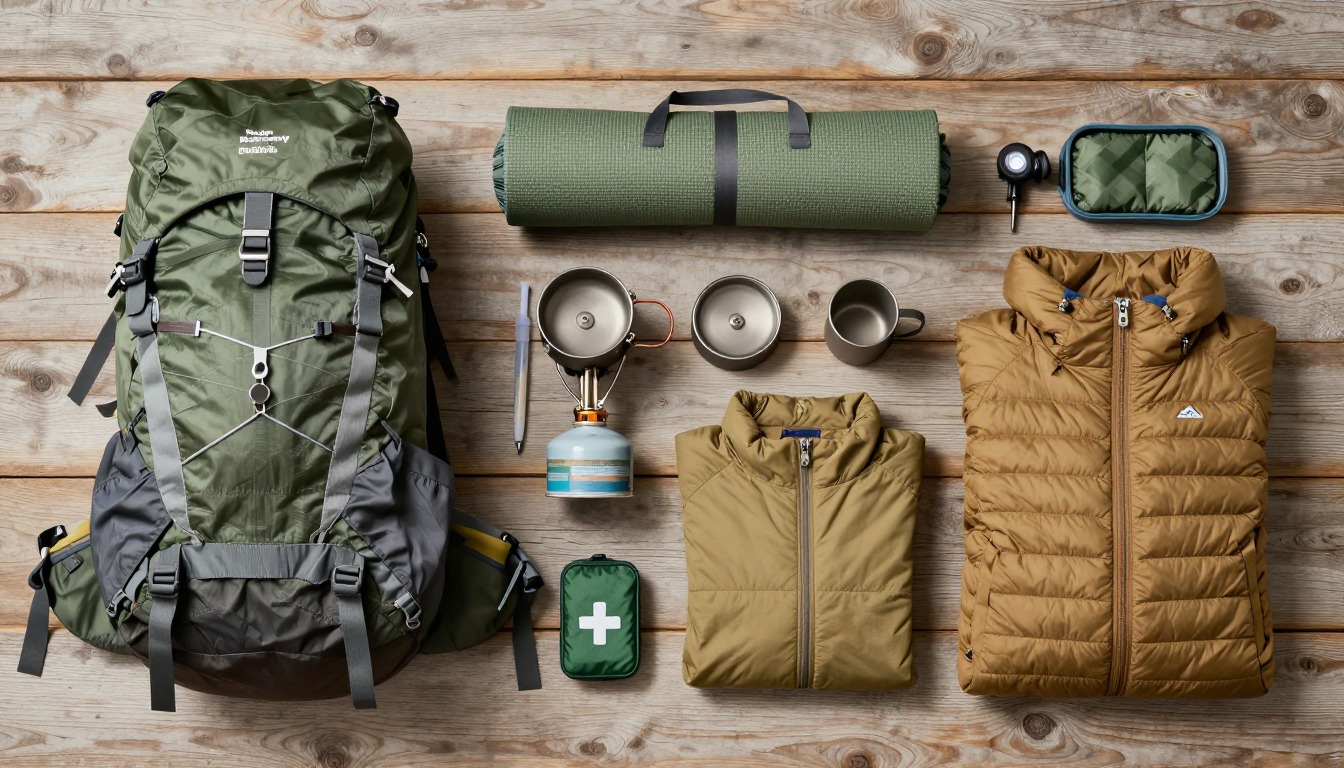
Staying below the rim on the corridor means carrying your own bed unless you have a Phantom Ranch booking. The existing page names Havasupai Gardens and Bright Angel Campground as the corridor campgrounds. A camper needs shelter, a sleeping system and food on top of water, and the climb out comes at the end of the trip when the pack is lighter on food but you are more tired. The trade-off is that a rim room lets you go down light and finish with a bed.
Water is the heaviest part of the load. USGS notes that one liter of water has a mass of about one kilogram, and the National Park Service's Grand Canyon guidance says hikers in heat can lose one to two quarts, or liters, of water per hour.3,2 Carrying every drop for a long stage is not realistic, which is why drinking water availability is one of the headings on the park's daily hiking messages and should be read the day you start.1
Why the park discourages the one-day round trip
The existing page says the park strongly advises against rim-to-river-and-back in a day. The park's own hiking guidance supports the reasoning: most heat-illness rescues involve people hiking between 10 a.m. and 4 p.m., salty snacks help balance water intake, and drinking too much water while losing salt can cause hyponatremia, or low blood sodium.2 The CDC adds that drinking only enough to relieve thirst helps prevent hyponatremia, and that forcing water when not thirsty raises the risk.4
An overnight splits the effort so the hardest climb can start early and avoid the hottest hours. That is the practical value of a permit-controlled night below the rim, but it only helps if you can actually get one, so check current permit rules and conditions with the park before you commit.
Common questions
Do I need a permit to stay overnight below the rim?
Yes. Every overnight stay below the rim on the corridor — whether at Havasupai Gardens, Bright Angel Campground, or Phantom Ranch — requires a backcountry permit from the park. Phantom Ranch itself runs on a lottery held roughly 15 months ahead of the stay, so if you want a bed or cabin there, plan and apply well in advance.
Can I hike from the rim to the river and back in one day?
The park strongly advises against it. The elevation change is significant, and temperatures climb fast as you descend, especially in summer, when inner-canyon heat turns genuinely dangerous. Most hikers who want to reach the river split the trip instead, staying overnight at Havasupai Gardens, Bright Angel Campground, or Phantom Ranch rather than doing it all in a single push.
Where should I stay before or after the hike?
Grand Canyon Village normally has several lodges, including El Tovar, Bright Angel Lodge, Maswik, and Yavapai, all within reach of the free park shuttle. As of late September 2026, though, the park reports that South Rim overnight lodging is suspended under Stage 4 water restrictions, with dry camping still available, so check the park's current-conditions page before planning a rim night. The Bright Angel trailhead is an easy walk from the Village, so staying there keeps you close to the trail without needing a car for that last leg.
Complete gearsets for this trip
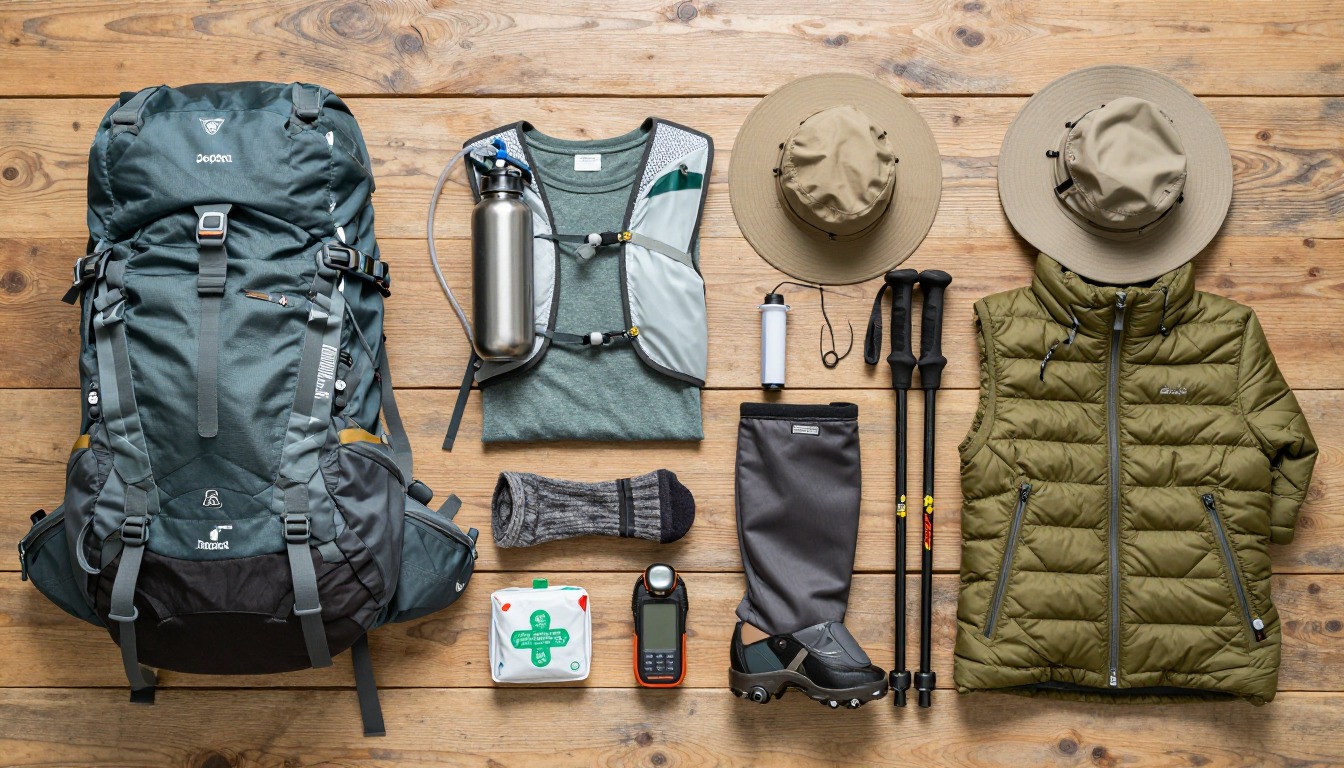
Full curated kits built for exactly this kind of hike — what to bring, why, and links to similar gear.
Lodging details are compiled from official parks, refuge associations and reservation systems and can change without notice. We publish no prices, availability or ratings — always confirm current information on the official site before booking or setting out. Product links and the accommodation map are affiliate links: we may earn a commission at no extra cost to you; product prices and availability are shown on Amazon, and accommodation prices on the booking site. See our affiliate disclosure.