
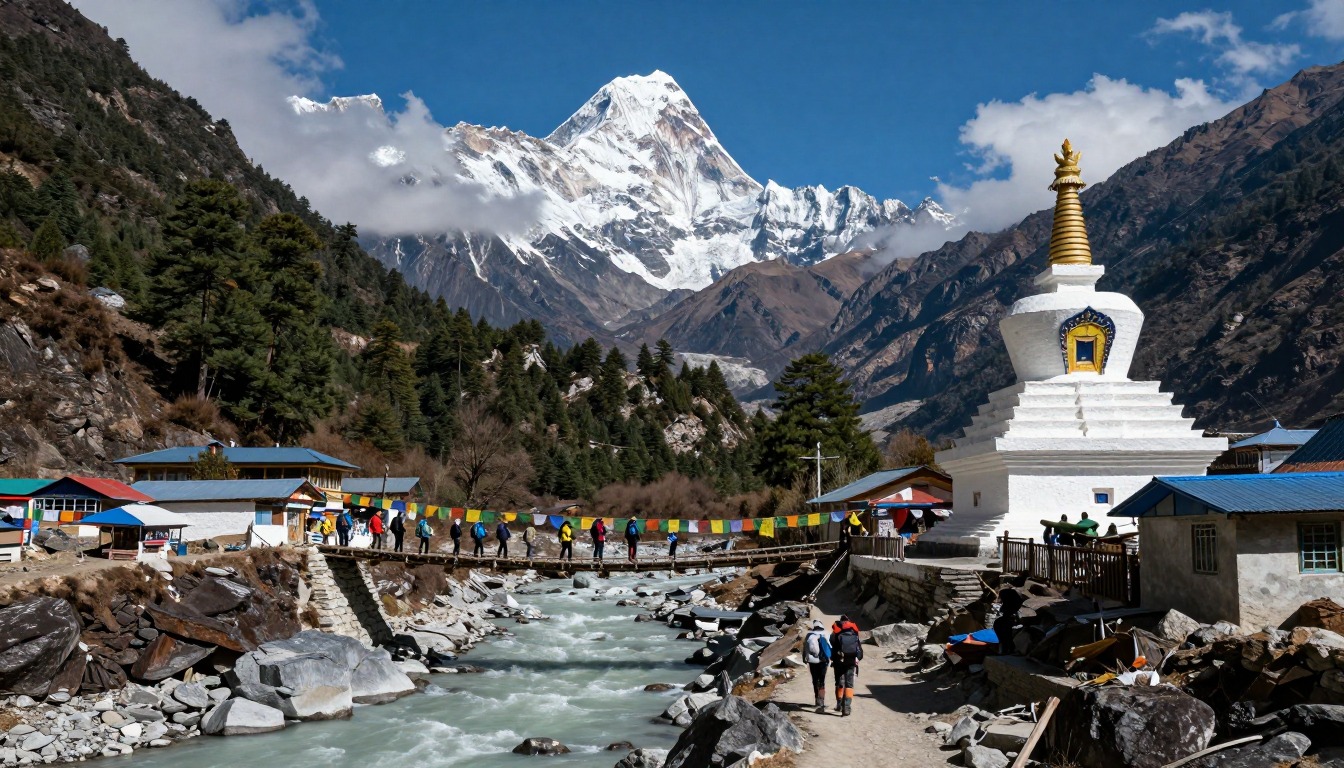
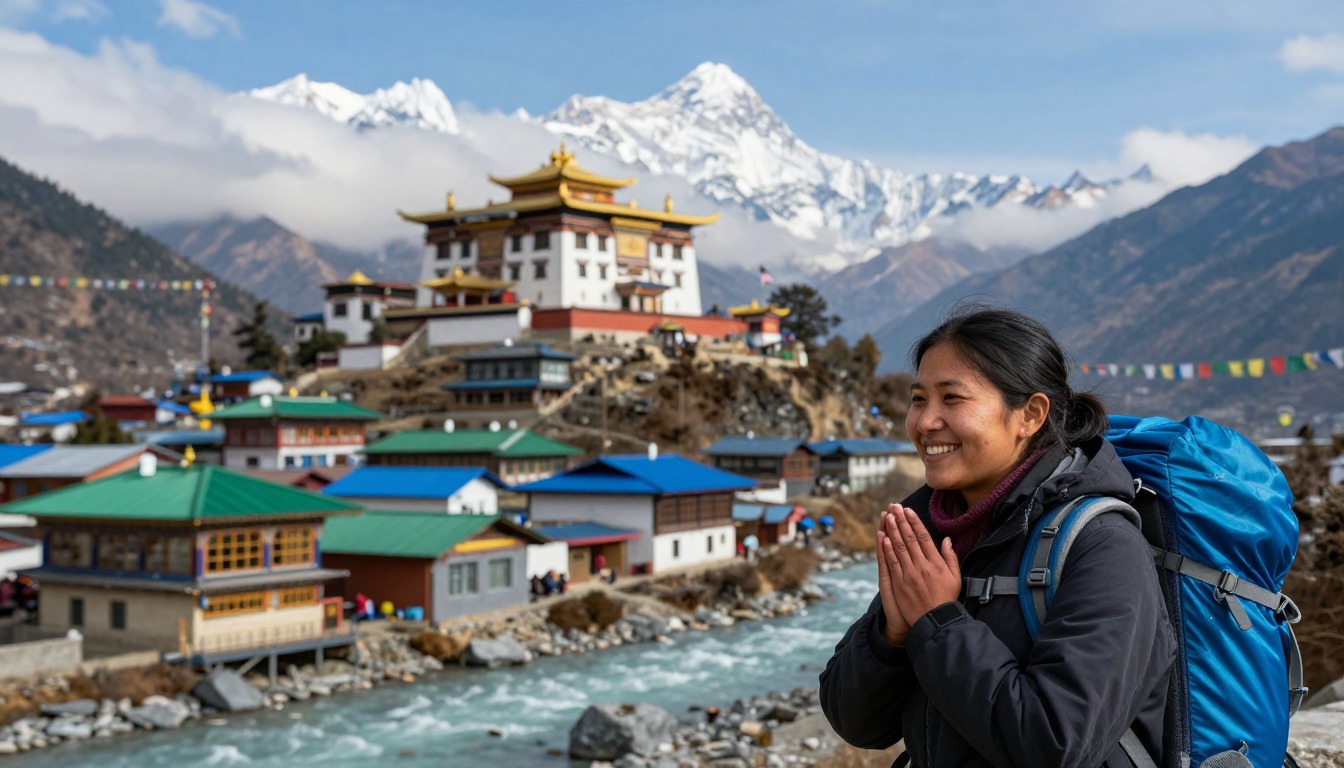
Illustrative artwork — an impression of Everest Base Camp — Namche & Tengboche, not a literal photograph.
The Everest Base Camp trek is a roughly 12- to 14-day walk up the Khumbu valley in Nepal's Sagarmatha National Park, climbing through Sherpa villages — Namche Bazaar, Tengboche, Dingboche, Lobuche, Gorak Shep — to the foot of Everest itself. Nobody carries a tent up here: the entire route is lined with teahouses, family-run lodges that provide a room for the night and hot food in a shared dining room, so where you sleep is really about pacing your ascent, not finding shelter.
Why hike here
What makes this trek different from a typical multi-day hike is the way the landscape and the culture climb with you. You start among pine forests and mani walls, cross the valley on high suspension bridges strung with prayer flags, and by the time you reach Namche Bazaar the trail opens onto your first real views of the big Himalayan peaks. Each village above it — Tengboche, Dingboche, Lobuche — sits a little higher and a little starker, the fields giving way to bare rock and glacial moraine as you approach Gorak Shep and the foot of Everest. Because the route forces acclimatization days along the way, you're not just passing through these villages; you're spending real time in them, watching daily life continue at altitudes most hikers have never stood still at.
Getting there
There's no direct route to the trailhead: you fly into Kathmandu, then take a short, weather-dependent mountain flight to Lukla, the small airstrip that serves as the gateway to the Khumbu. Flights to Lukla are routinely delayed or canceled when cloud sits over the valley, so it's worth building a spare day or two into your schedule on both ends of the trek. From Lukla, the trek itself begins on foot — there's no road or vehicle option from here, so every hiker, porter, and supply covers the same ground you will, on foot, all the way up.
Where to stay
The realistic options, closest-to-the-trail first. Book through the official links — we don't list prices or availability because they change all the time.
 Illustrative — evokes the setting, not a specific property.
 For example: Family-run lodges in Namche Bazaar, Tengboche, Dingboche, Lobuche and Gorak Shep
Every trekker — teahouses are the backbone of the route.
Higher villages have simpler, colder rooms.
Usually arranged by your guide/agency, or on arrival in shoulder periodsFor example: More comfortable lodges and small hotels in Namche Bazaar (~3,440 m)
Trekkers wanting a better bed and a proper acclimatization stop.
Namche is the classic acclimatization day — spend two nights.
Book via your trekking operatorPermits & rules
You need the Sagarmatha National Park entry permit plus the local Khumbu Pasang Lhamu Rural Municipality permit; a licensed guide is required for the region. Build in acclimatization days.
Gear you'll want for this trip
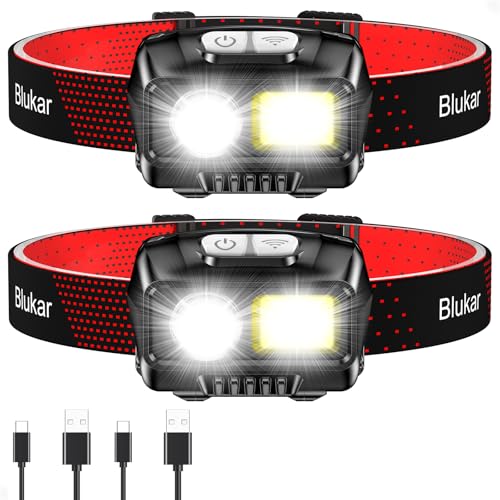
Matched to the terrain and conditions here. Real products — check current price on Amazon.


Common questions
Do I need to bring a tent for the Everest Base Camp trek?
No — teahouses line the entire route from the lower Khumbu villages up to Gorak Shep, so most nights you'll have a private room and a shared dining hall for meals rather than a tent. Rooms get simpler and colder the higher you climb, so pack a warm sleeping bag rated for sub-freezing nights, especially above Dingboche.
What permits do I need for the trek?
You'll need two permits: the Sagarmatha National Park entry permit and a local permit issued by the Khumbu Pasang Lhamu Rural Municipality. A licensed guide is also required for trekking in this region. Most trekking companies arrange both permits and the guide as part of booking, or you can sort them in Kathmandu before flying to Lukla.
When is the best time to go, and does that affect finding a room?
The main trekking windows are late September through November and March through May, when trails and views are at their best — and also when the teahouses see the most trekkers. Traveling with a guide helps, since they typically arrange rooms as the group moves; if you're going independently in peak season, ask about a room as early in the day as you arrive.
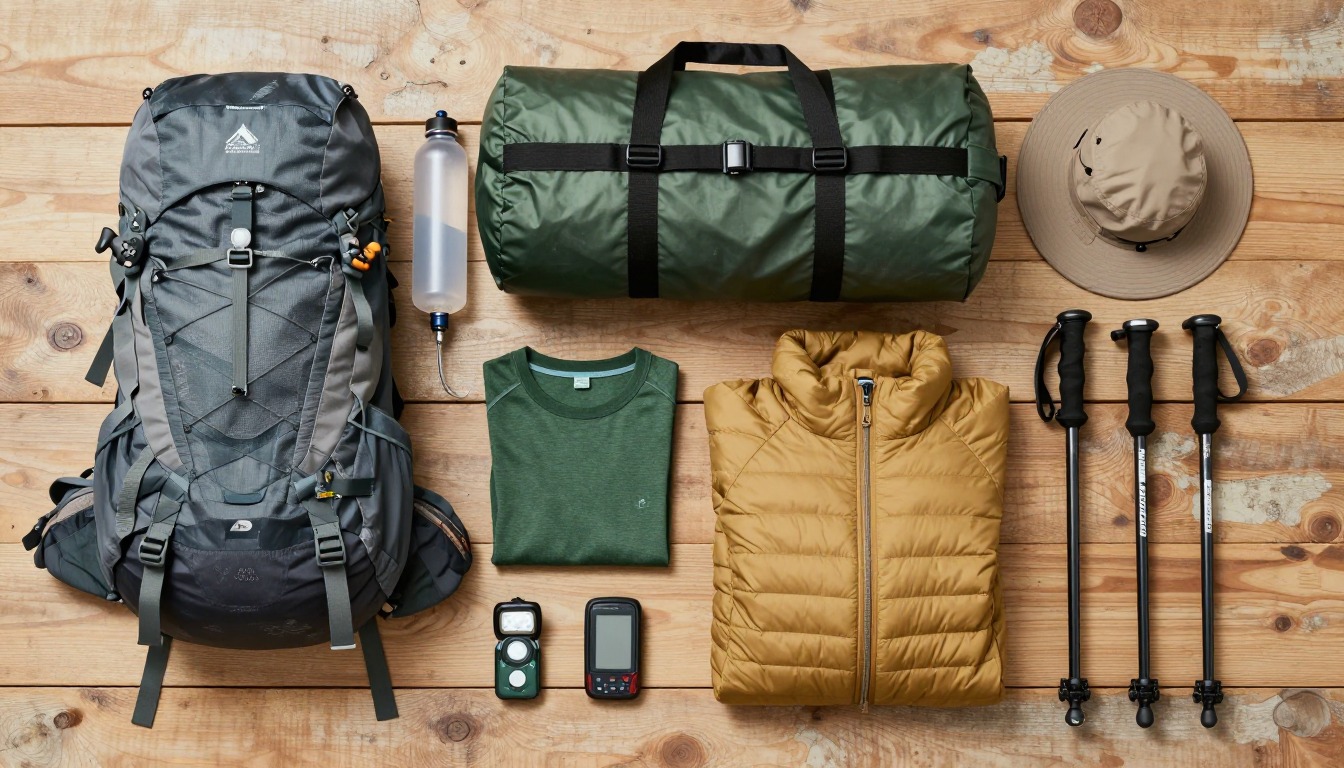
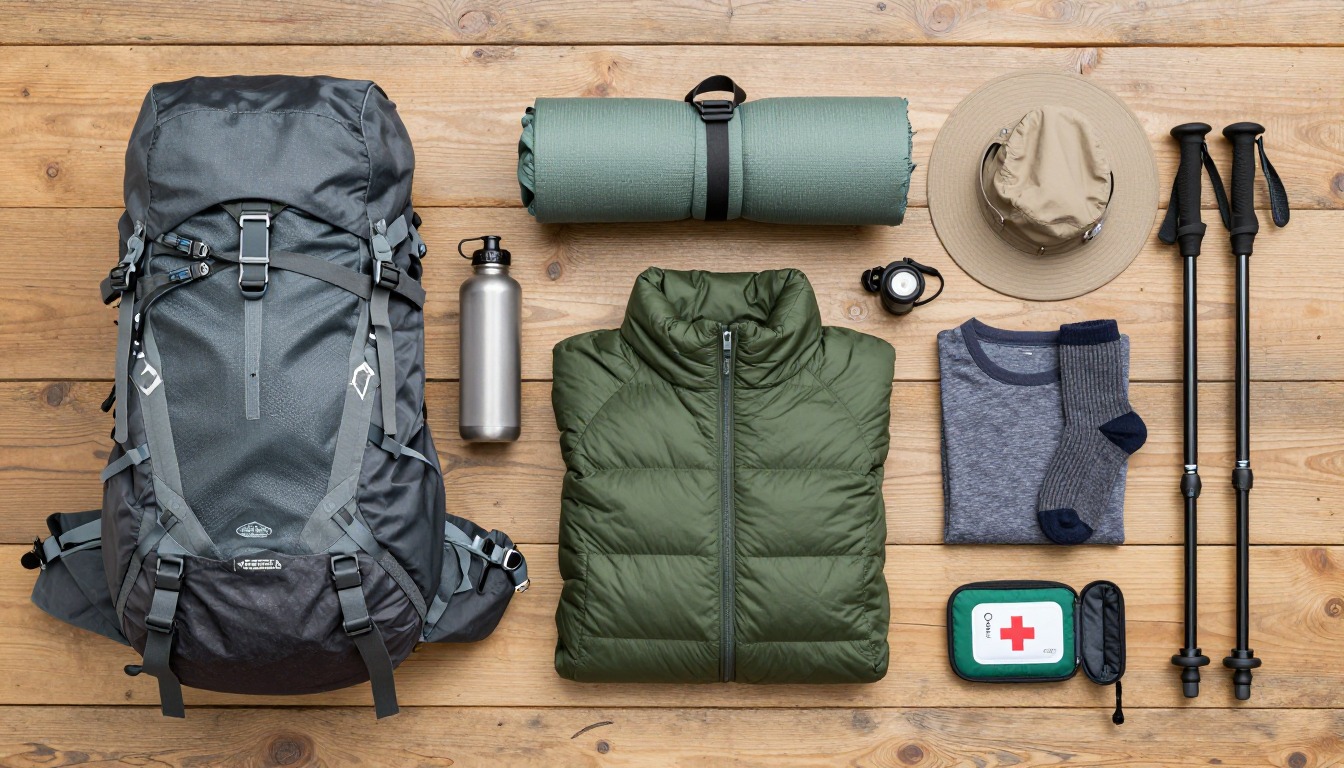
Complete gearsets for this trip
Full curated kits built for exactly this kind of hike — what to bring, why, and links to similar gear.
Lodging details are compiled from official parks, refuge associations and reservation systems and can change without notice. We publish no prices, availability or ratings — always confirm current information on the official site before booking or setting out. Product links are affiliate links: we may earn a commission at no extra cost to you; prices and availability are shown on Amazon. See our affiliate disclosure.