
Affiliate disclosure: this page contains affiliate links. Purchases made through them may earn us a commission at no extra cost to you. See our affiliate disclosure.
In plain English
The Blue Trail links five villages along a cliff, and the villages are also linked by train. So there are two ways to think about sleeping. You can sleep in one of the villages and walk out from your door. Or you can sleep in a larger town nearby and ride the train in each morning.
The park has a pass called the Cinque Terre Card, and it comes in two versions. One covers the trails and some services. The other adds train travel as well. Many visitors assume the trail pass includes trains, but the park lists the two as different cards.
Trails can close, too. The park marks each stretch as easy, hiking, expert or closed, and it says closures happen for weather, repairs or crowds. That is why your sleeping place matters. If a section is shut, a train ride can carry you to the next village, but only if you have the right pass.
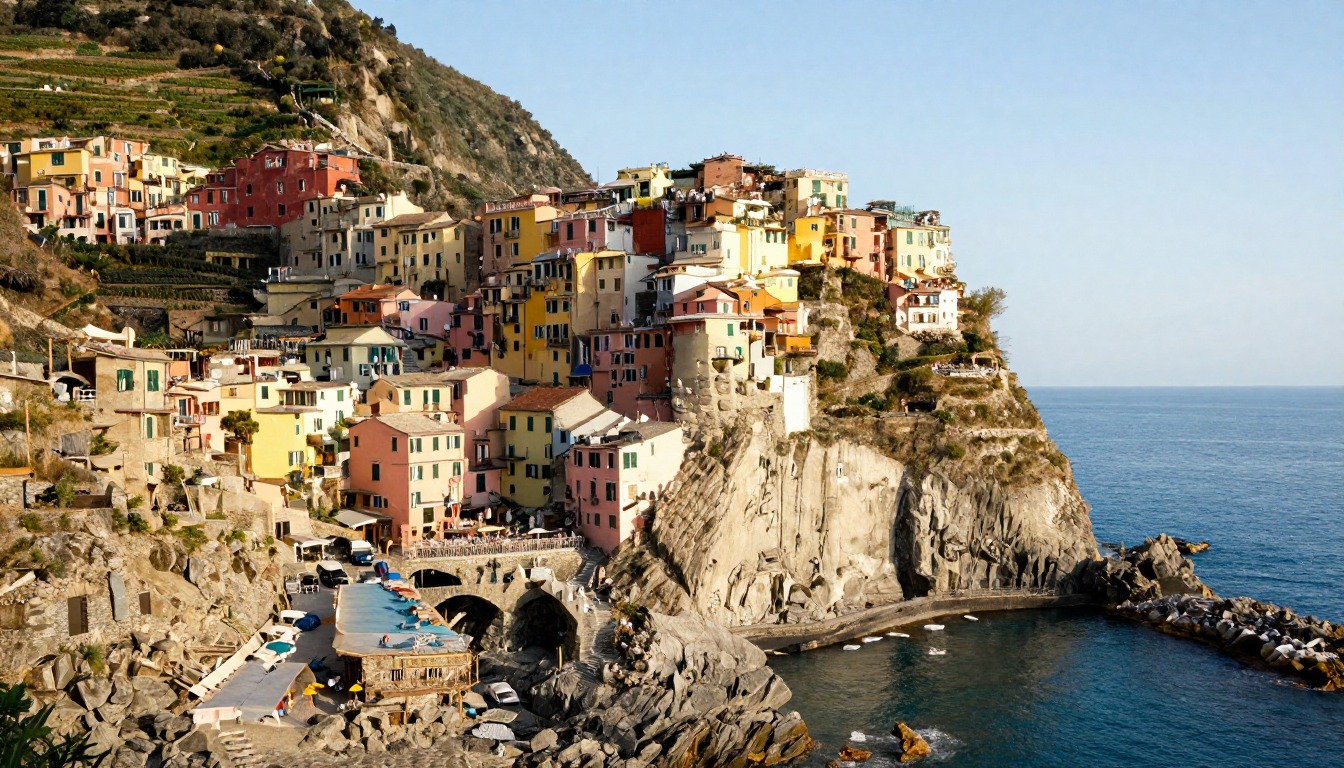
The Sentiero Azzurro, or Blue Trail, threads along the cliffs of Cinque Terre National Park on Italy's Ligurian coast, linking the five villages of Monterosso, Vernazza, Corniglia, Manarola, and Riomaggiore. Because those villages cling to the rock with little room to spare, lodging inside them is scarce and books up early, so many hikers end up staying just outside the park in La Spezia or Levanto and riding the train in each day instead.
Why hike here
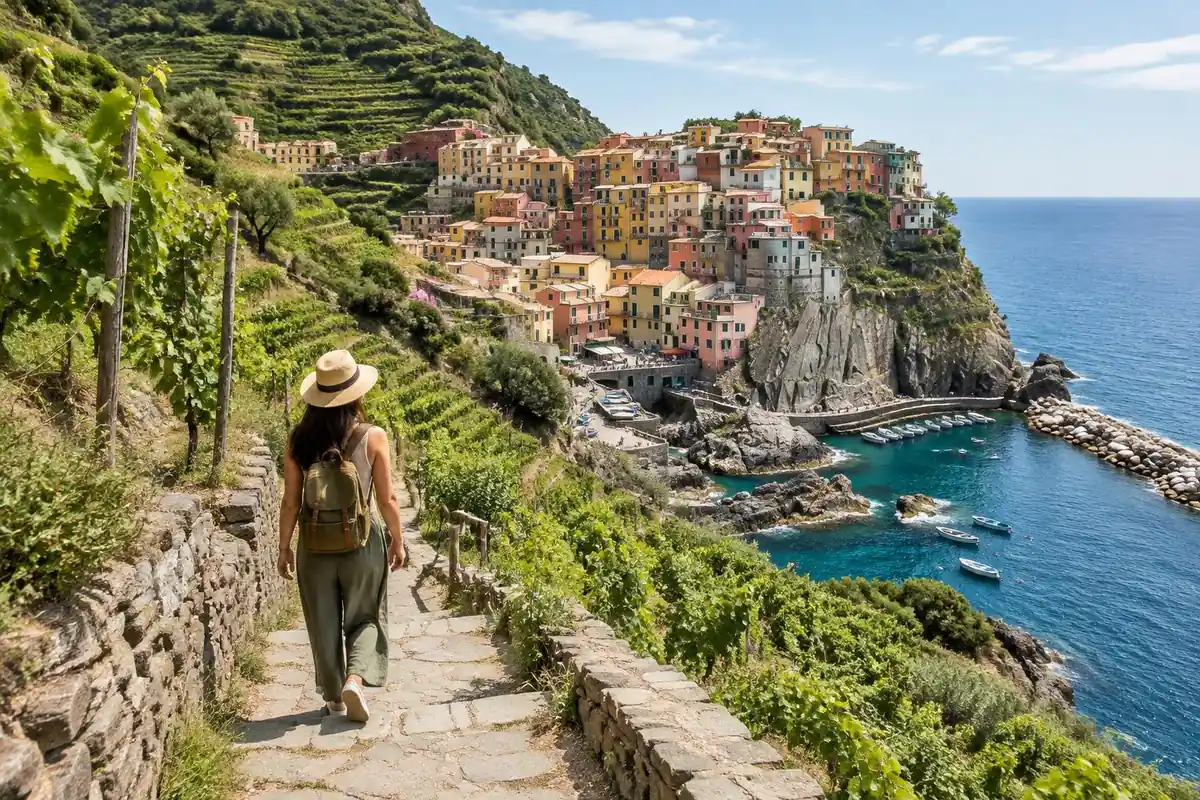
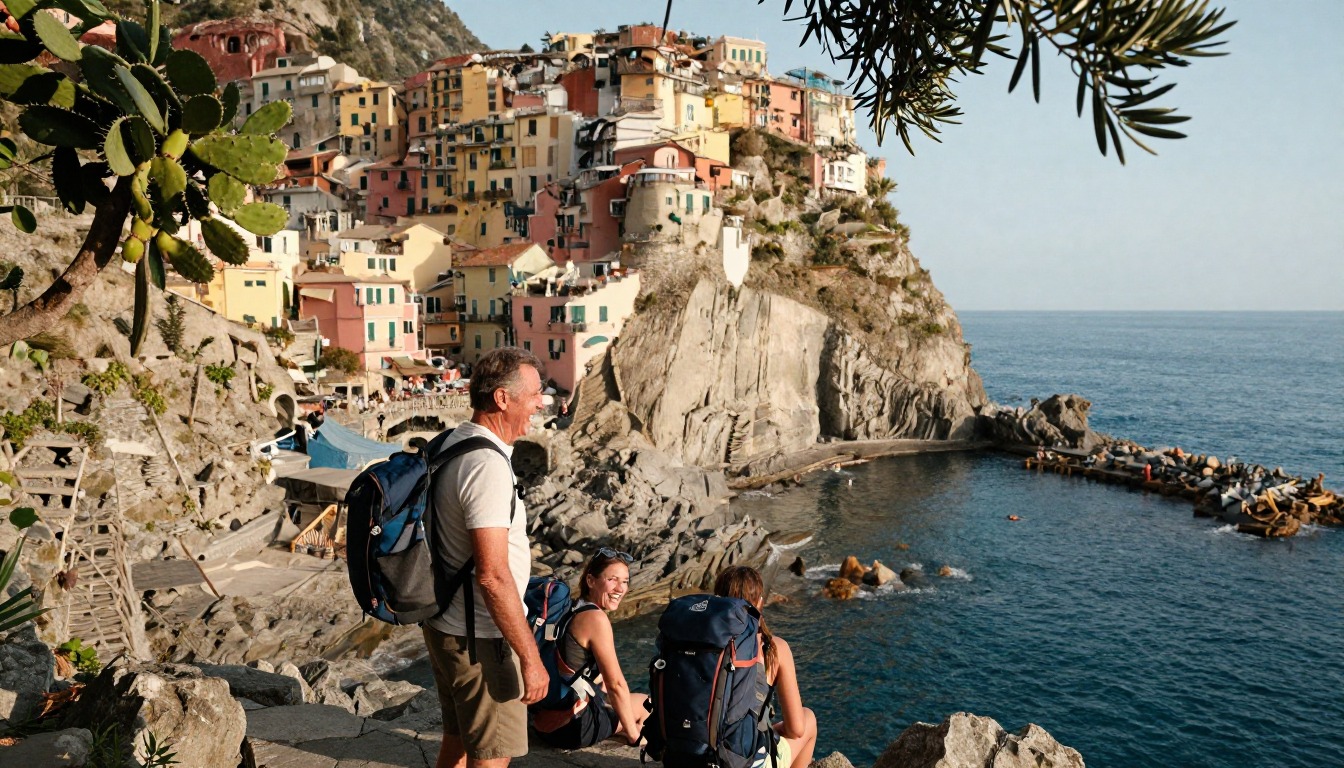
Walking the Blue Trail means the sea is almost always in view — vineyards terraced into impossibly steep slopes on one side, the Ligurian Sea dropping away on the other. Each village has its own character: Monterosso's beach town feel, Vernazza's tiny harbor ringed by pastel houses, Corniglia perched high above the water with no harbor at all, Manarola's boats pulled up beside the path, and Riomaggiore's tall houses stacked into the ravine. The path itself does the work of connecting these places on foot rather than by train, so the shift from one village's atmosphere to the next feels earned. Trains and boats link the villages too, which means a tired stretch of trail is never the only way forward — you can always drop down to the water and ride the rest.
Getting there
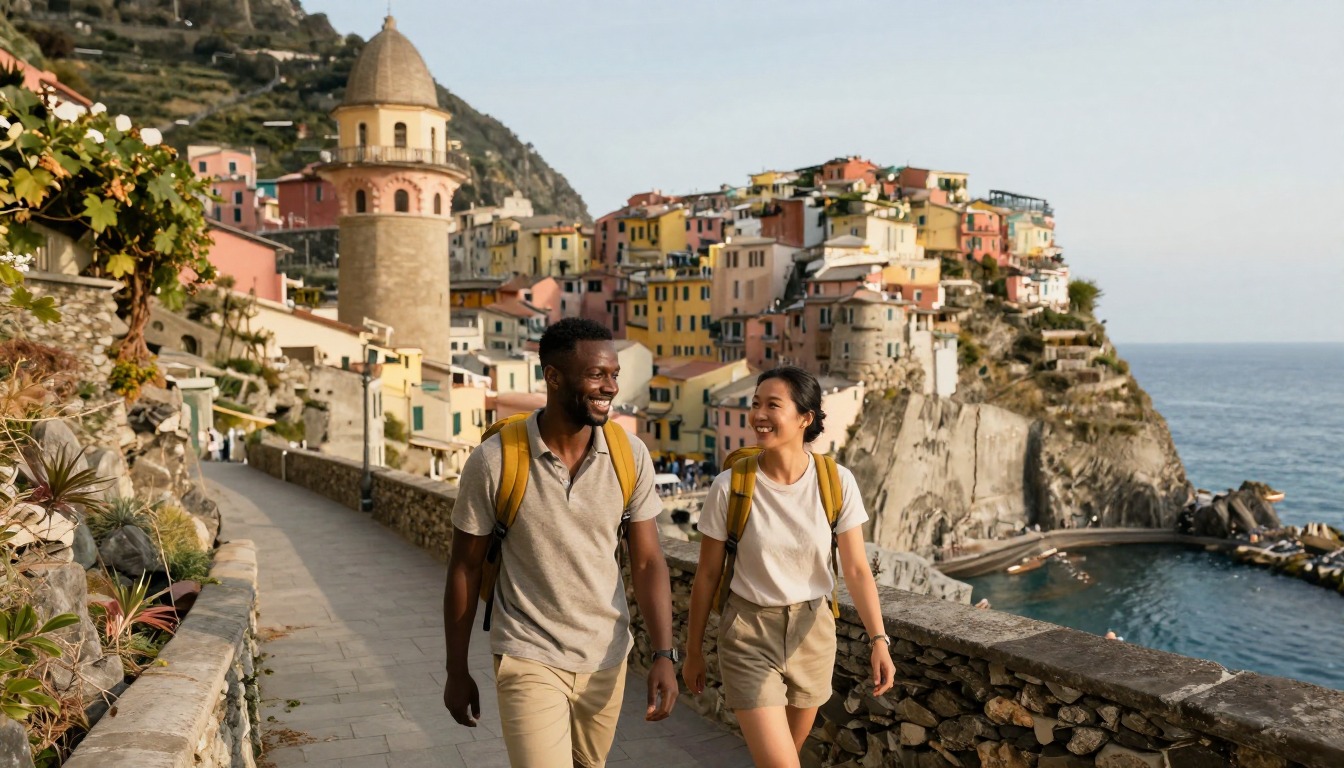
The gateway is La Spezia, well connected by rail to major Italian cities and reachable from the nearest international airports with a regional train connection. From La Spezia, a short local train runs into the national park itself, stopping at all five villages in a matter of minutes — the same line hikers use to skip a section or return to their lodging at day's end. Levanto, just north of Monterosso, works as an alternative base with its own rail link. Either way, plan on flying into the nearest major airport, then training the rest of the way.
Where to stay
The realistic options, closest-to-the-trail first. Book through the official links — we don't list prices or availability because they change all the time.
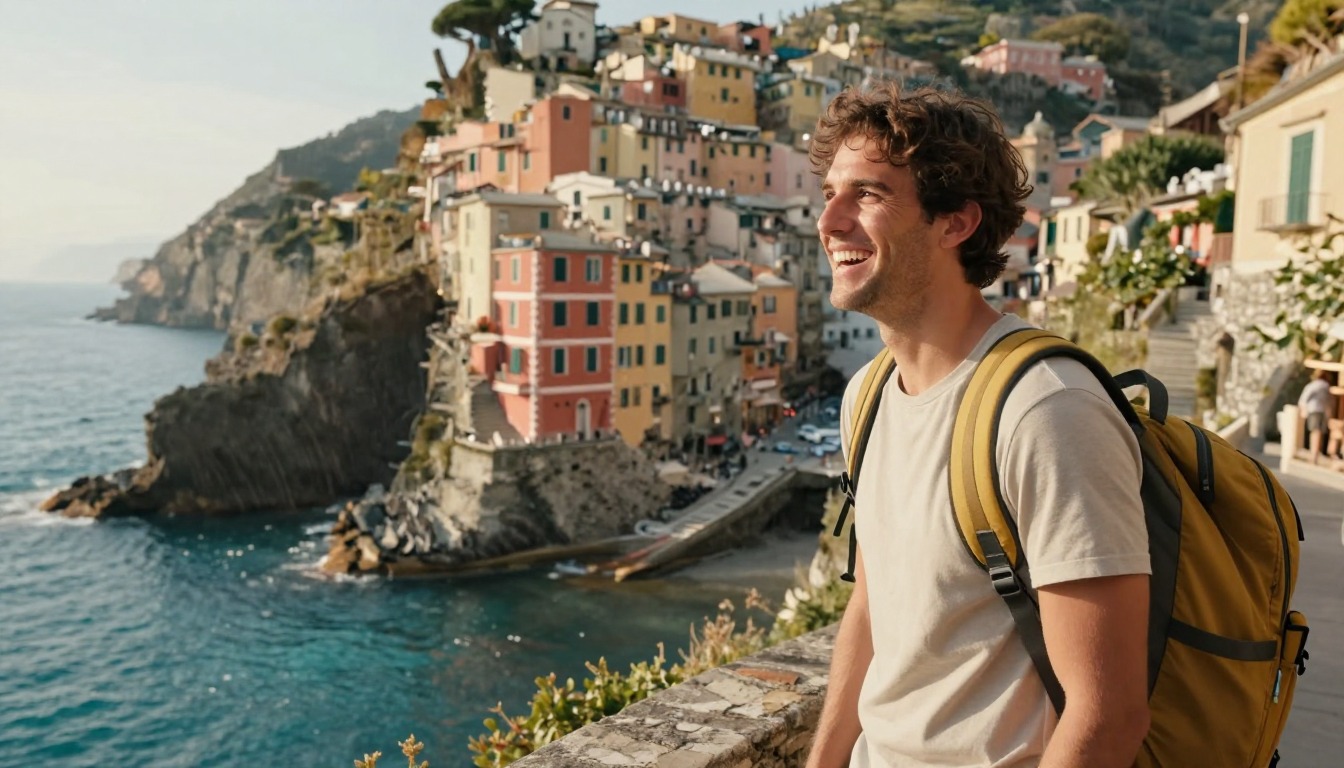
For example: Guesthouses, B&Bs and small hotels in Monterosso, Vernazza, Corniglia, Manarola and Riomaggiore
Most visitors — sleep in a village and walk or train between them.
Rooms are limited and book up; reserve well ahead in season.
Village lodgingFor example: More hotels and rentals in La Spezia and Levanto at either end
Travelers wanting more choice and easy train access.
Frequent trains connect the villages in minutes.
Nearby-town lodging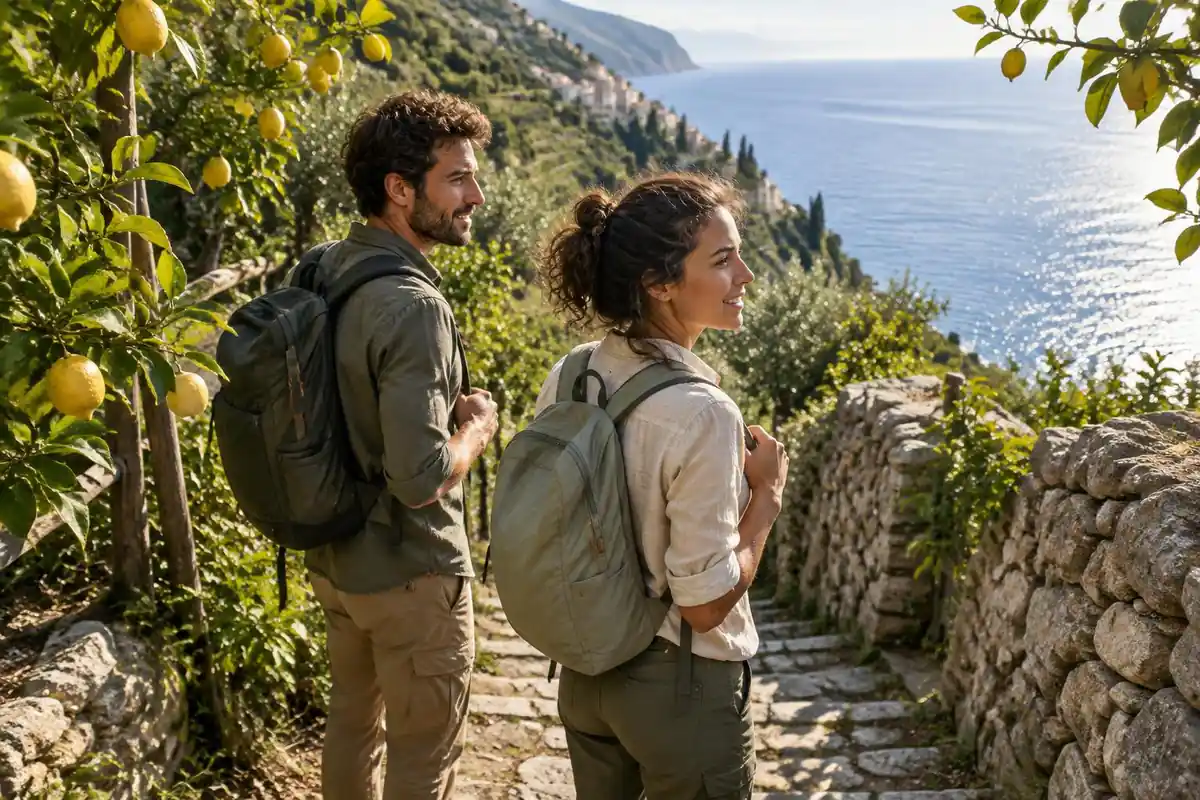
Permits & rules
No permit is required, but a Cinque Terre Trekking Card is needed for the main coastal-path sections; train travel uses a separate Treno card sold by the park. Some trail segments close after landslides (as of September 2026 the Manarola–Corniglia section is closed) and the Via dell’Amore has its own access arrangements — check which are open before you set out.
Gear you'll want for this trip
Matched to the terrain and conditions here. Real products — check current price on Amazon.


Two cards, two jobs, and a lodging discount
The park's card site describes a Trekking Card that includes access to trails and the Via dell'Amore, buses within the villages, guided visits and services, and a Train Card that includes unlimited train travel plus those same items.1 That contradicts guides that say the Trekking Card also covers local trains. If trains are central to your plan, for example to reach a bed in La Spezia or Levanto, look at the Train Card.
The park's card page says guests staying in lodging that belongs to the park's quality-label scheme can get discounted versions of some Train and Trekking cards, using a code from the lodging.1 The park keeps its own list of places to sleep in the villages, with the services each offers.3 The card site also says people who have bought a card still need to reserve access to the Via dell'Amore separately.1 Confirm current rules, card conditions and any reservations with the park before you travel.
The Blue Trail is four sections, not one path
The park describes a network of more than 120 km and says walkers should always go in good weather, in suitable footwear and with good hiking practice.2 Its trail list breaks the Blue Trail into four sections: Riomaggiore to Manarola, along the Via dell'Amore, labeled tourist at 25 minutes; Manarola to Corniglia, at 1 hour 15 minutes; Corniglia to Vernazza, labeled expert at 1 hour 30 minutes; and Vernazza to Monterosso, labeled expert at 2 hours.2
At the time this was checked in late September 2026, the park's list marked the Manarola to Corniglia section as closed, with an accessible part noted separately.2 The park's card site adds that trails can be closed or limited for weather and safety, maintenance, or crowd management.1 Status changes, so check the park's list before you fix a route. If you sleep in a village, you can walk your open sections and take a train for the rest; if you sleep in La Spezia or Levanto, you depend on trains both ways.
Feet, stairs and heat
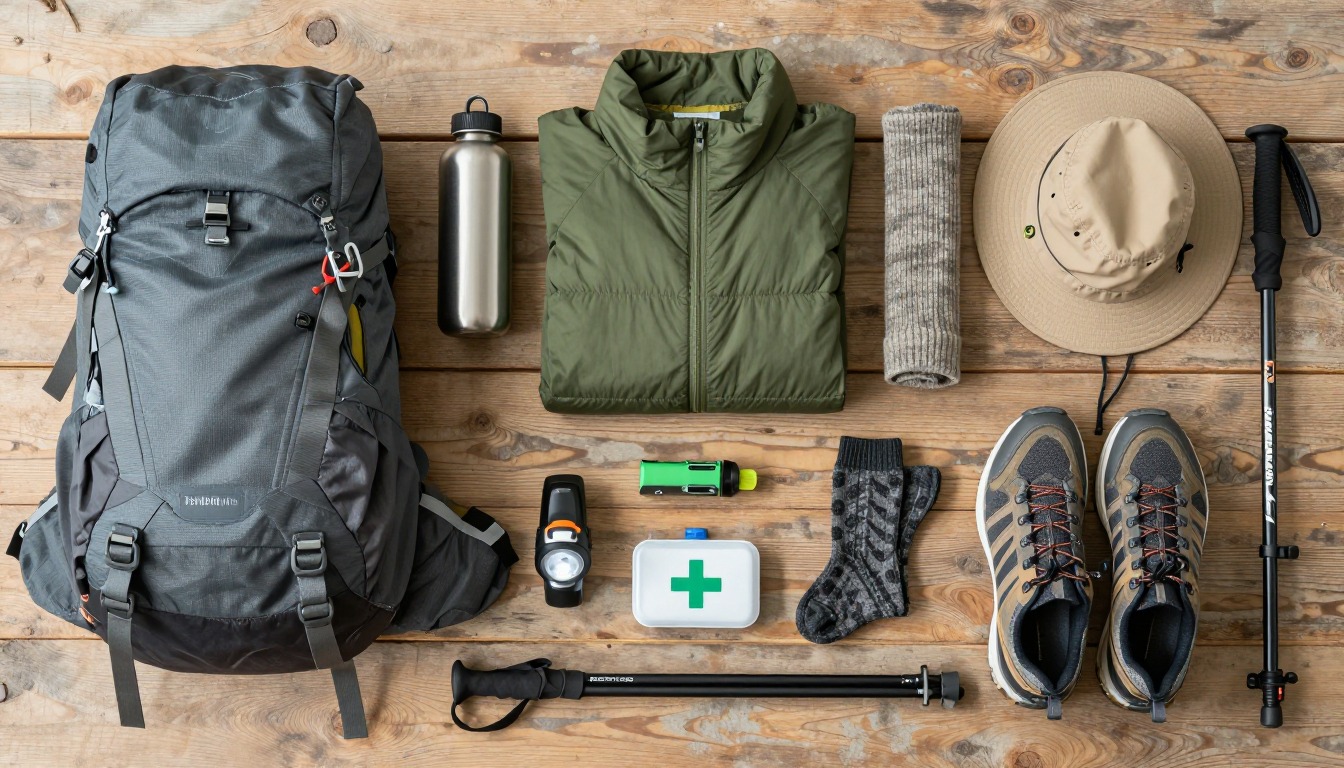
Coastal paths here mean many steps and little shade. The American Academy of Dermatology recommends nylon or moisture-wicking socks and properly fitting shoes to prevent blisters, and says to stop when skin becomes painful or red.4 The US Centers for Disease Control and Prevention Yellow Book says sweat rates can reach 1 liter per hour and that dehydration is the most important predisposing factor for heat illness besides weather and exercise intensity.5
The same source notes UV is most intense from 10 a.m. to 4 p.m. and that water reflects UV and increases exposure, which matters on a path above the sea.6 A day pack of 25 to 30 liters is the size Washington Trails Association gives for a full-day hike, and it is plenty when your bed is a village away, not a tent on your back.7 Sleep somewhere you can leave a bigger bag, start early and carry water.
Common questions
Do I need to book lodging inside the villages, or can I stay elsewhere?
Guesthouses, B&Bs, and small hotels inside the five villages are limited and fill up well ahead of the April–October season, especially in summer. Many hikers instead base themselves in La Spezia or Levanto, both a short train ride from the trail, and day-trip in and out, which also widens the search when village options are already booked.
What is the Cinque Terre Trekking Card, and do I need it?
The park sells a Trekking Card that covers the trails, the Via dell'Amore, town buses and guided visits, and a separate Train Card that adds unlimited train travel, so the Trekking Card does not include the trains. Cardholders still need to reserve Via dell'Amore access separately, so check the park's card and trail pages for current rules. If trains are central to reaching your lodging, look at the Train Card.
When is the best time to hike, and does the trail ever close?
The best window is April through October, though summer brings heat and heavy crowds along the coast. Some segments of the Sentiero Azzurro have closed after landslides in the past, and not every section is open at any given time, so it's worth checking current trail status before you build an itinerary around a specific route. When the park's trail list was checked in late September 2026, the Manarola to Corniglia section was marked closed, with an accessible part noted separately.
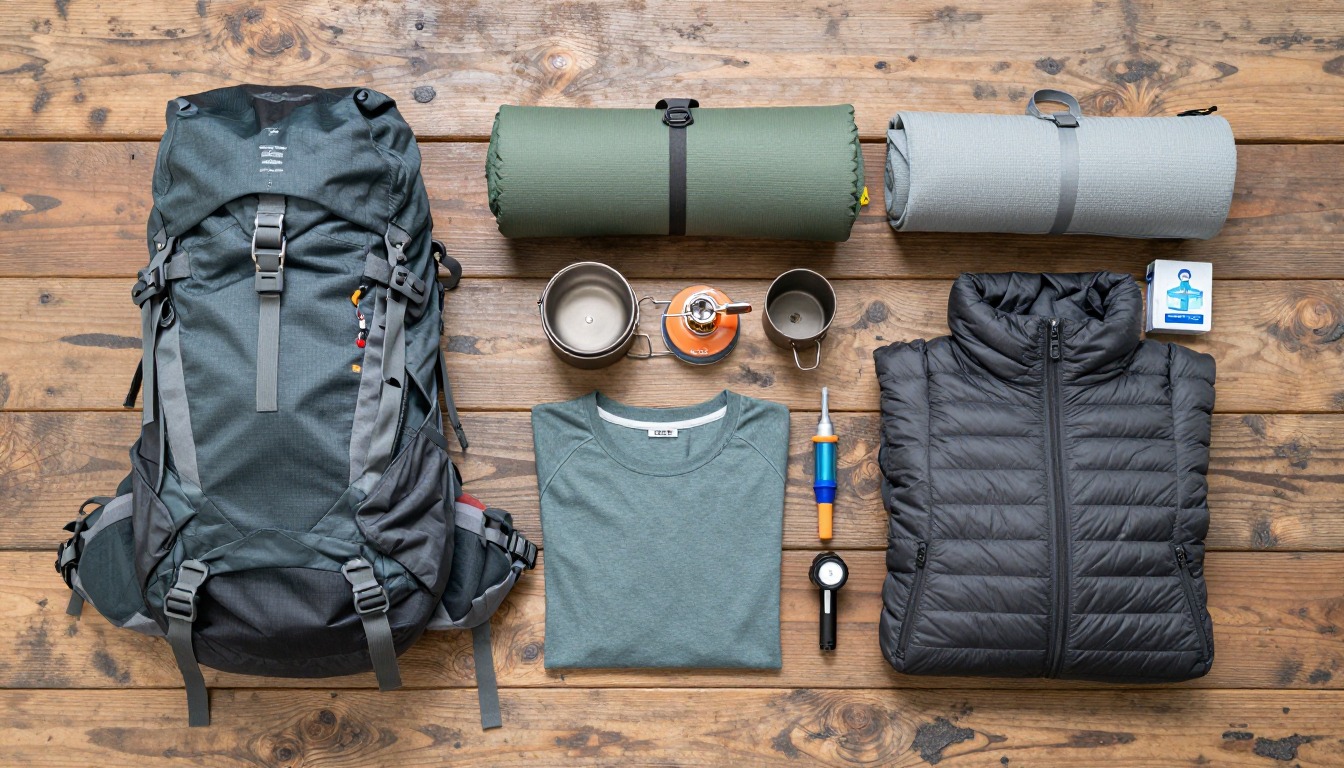
Complete gearsets for this trip
Full curated kits built for exactly this kind of hike — what to bring, why, and links to similar gear.
Lodging details are compiled from official parks, refuge associations and reservation systems and can change without notice. We publish no prices, availability or ratings — always confirm current information on the official site before booking or setting out. Product links and the accommodation map are affiliate links: we may earn a commission at no extra cost to you; product prices and availability are shown on Amazon, and accommodation prices on the booking site. See our affiliate disclosure.