
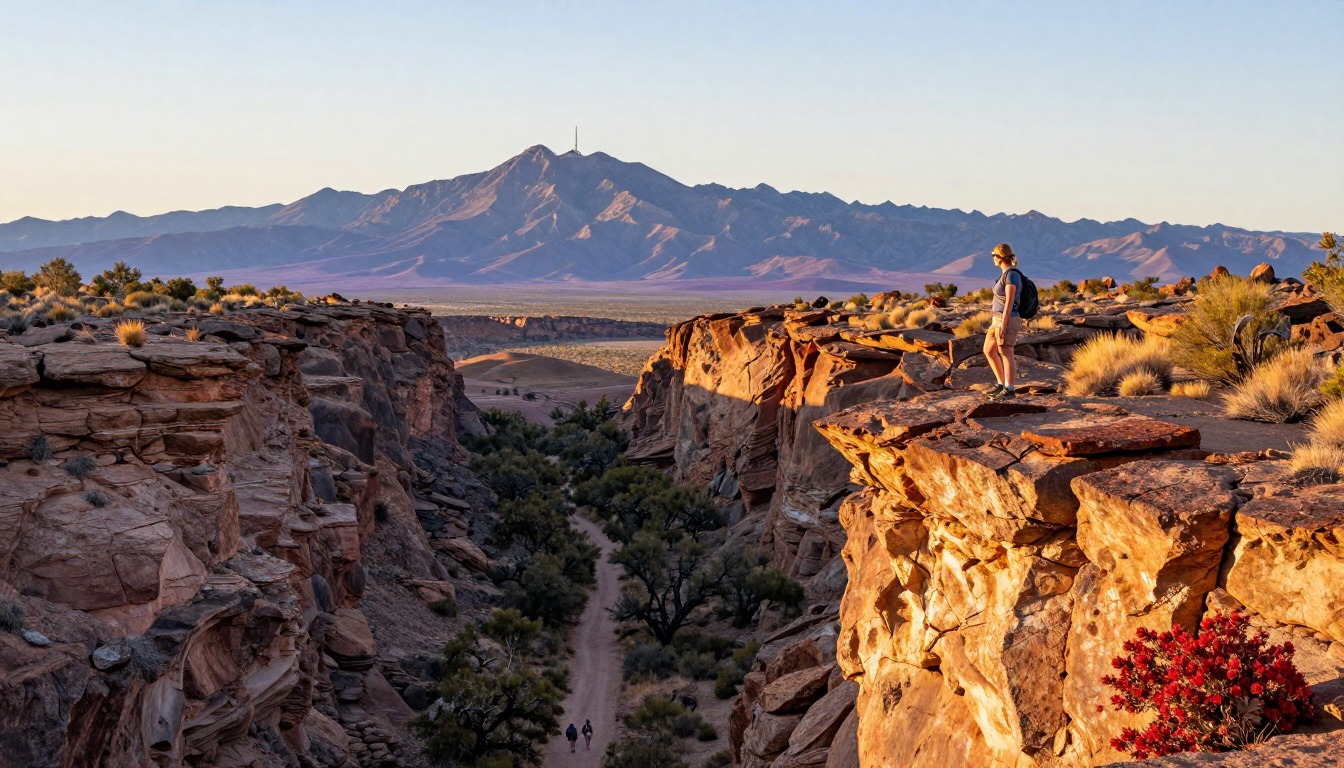
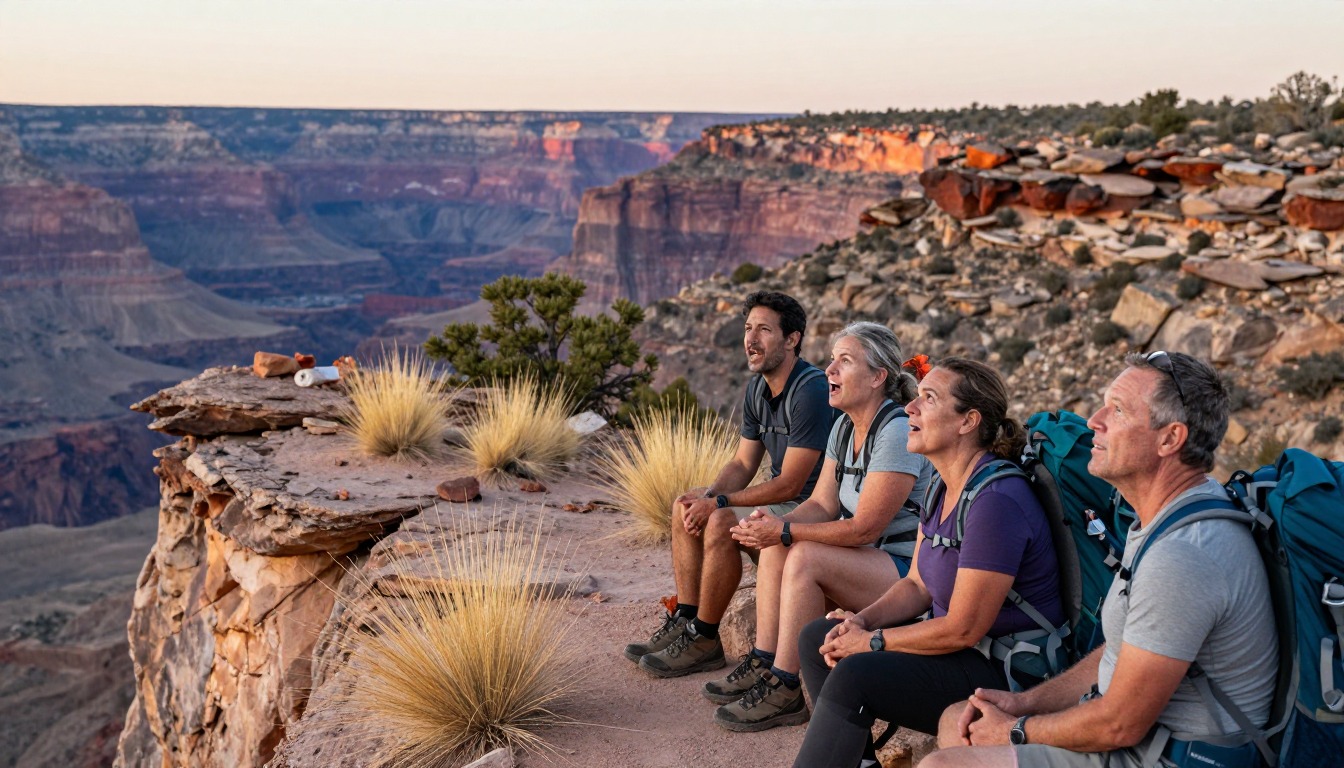
Illustrative artwork — an impression of Big Bend — South Rim & Chisos, not a literal photograph.
Big Bend National Park's South Rim loop climbs through the Chisos Mountains to a dramatic escarpment above the Chihuahuan Desert, and in a park this remote, where you sleep is part of the planning from day one. Hikers doing the loop as a day trip base themselves at Chisos Mountains Lodge or a developed campground in the Chisos Basin; those who want a night on the rim itself need a backcountry permit for one of the designated South Rim campsites.
Why hike here
The South Rim is the payoff view in a park built around big, empty distances: you climb out of the Basin through pine and oak-shaded switchbacks, and then the trees fall away and the desert opens up below you, ridge after ridge running out toward Mexico with almost nothing built on any of it. Big Bend gets a fraction of the visitors of parks its size, so the trail doesn't feel crowded even on the rim itself. Parts of the escarpment close seasonally to protect nesting peregrine falcons, a reminder that this is working habitat, not scenery. Carry more water than feels necessary; the same dryness that makes the desert view so striking from above is what makes the park unforgiving on the way back up.
Getting there
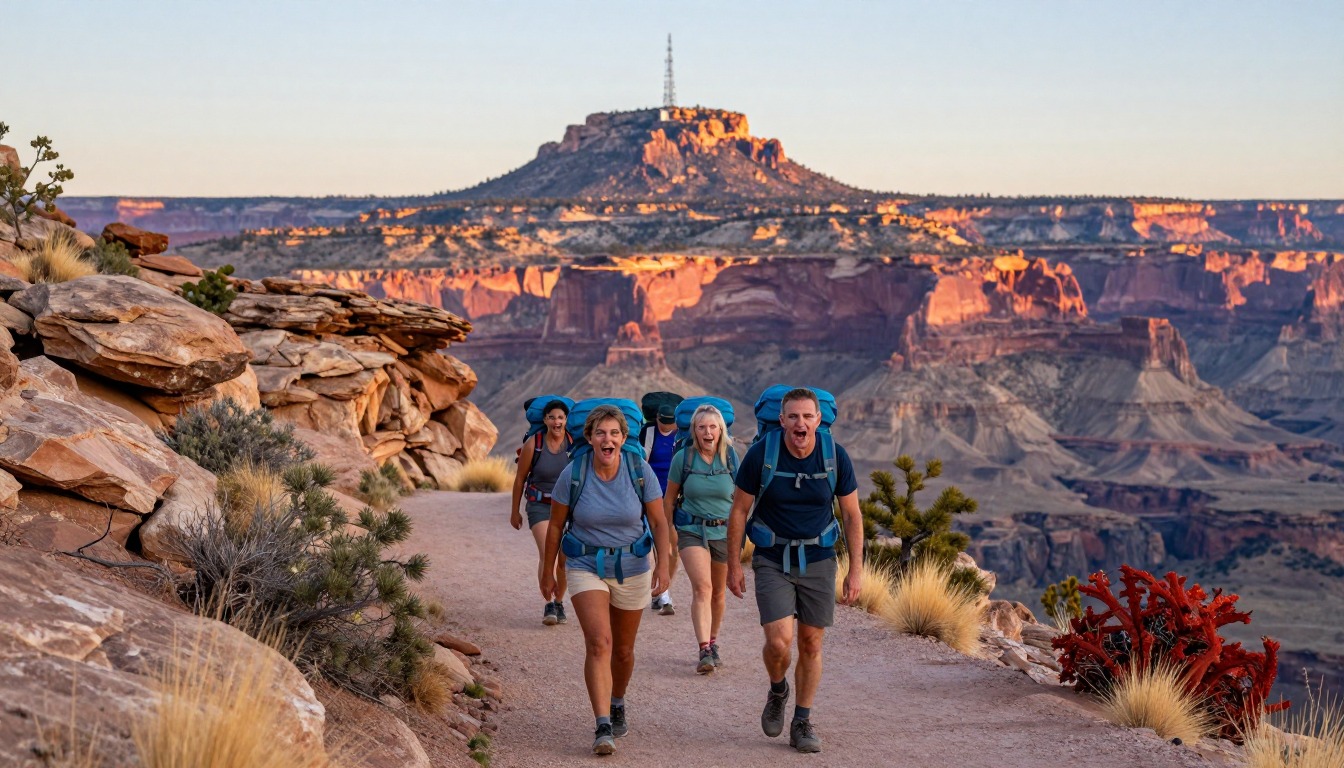
Big Bend is genuinely remote, and getting there is part of the trip. Most visitors fly into Midland or El Paso, the nearest airports with regular service, then face a long drive south into the Chihuahuan Desert — Big Bend sits far from any interstate, and cell service disappears well before you reach the park boundary. Terlingua, a small town just outside the park, is the last real stop for gas, food, and supplies before heading in. Fill up, stock up, and download any maps you need ahead of time, since you won't have reliable signal once you're inside.
Where to stay
The realistic options, closest-to-the-trail first. Book through the official links — we don't list prices or availability because they change all the time.
 Illustrative — evokes the setting, not a specific property.
 For example: The only lodging inside the park, in the Chisos Basin
Hikers who want a bed at the base of the South Rim trails.
Limited rooms in a remote park; book ahead.
Chisos Mountains Lodge (official site)For example: Chisos Basin and other developed campgrounds
Campers basing near the Chisos trailheads.
Cooler in the Chisos Basin than the desert floor.
Recreation.govFor example: Designated backcountry campsites along the South Rim loop
Backpackers spending a night on the rim.
A backcountry permit is required; parts of the rim close for peregrine nesting.
Big Bend backcountry permit (official info)Permits & rules
Day hiking needs no permit, but overnight backcountry trips require a Big Bend permit. This is a large, remote park — carry far more water than you expect to need and check road and closure conditions.
Gear you'll want for this trip
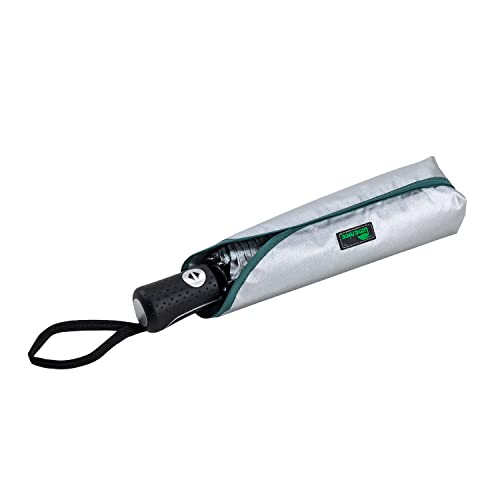
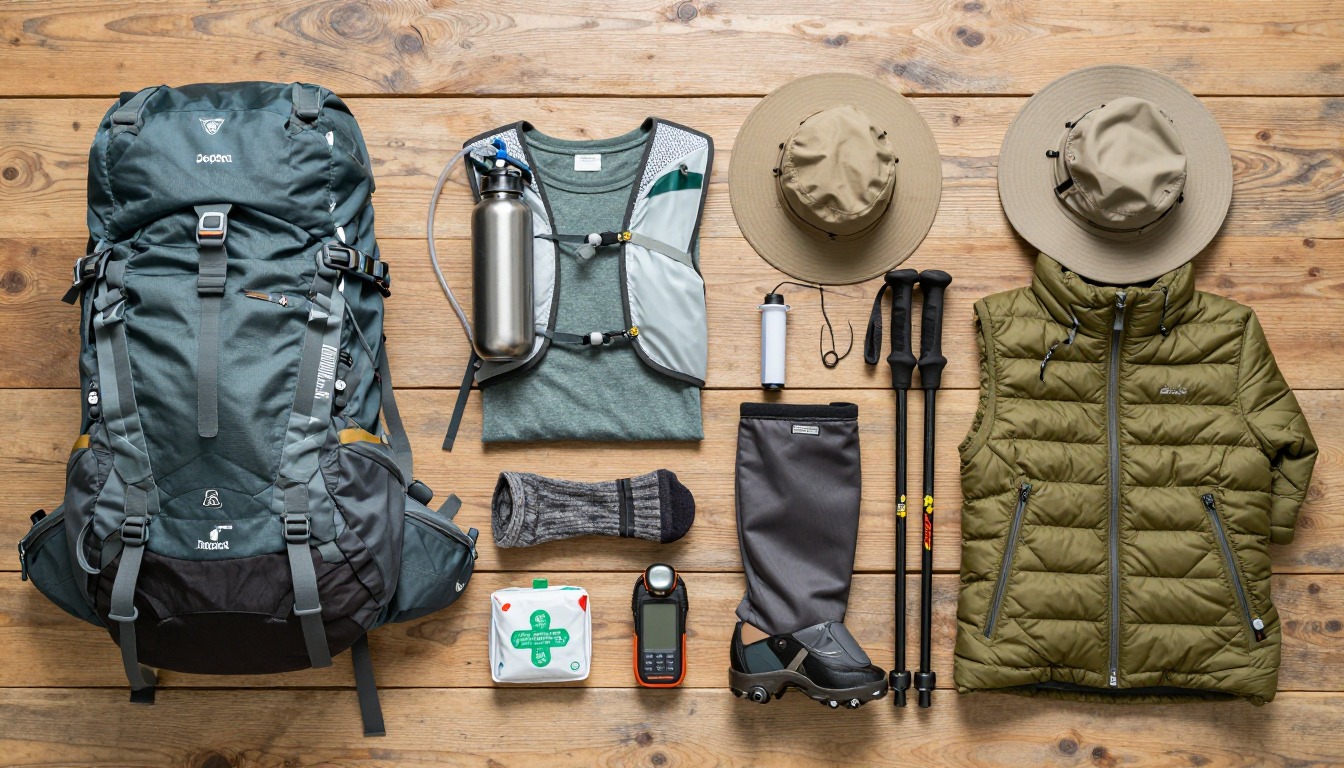
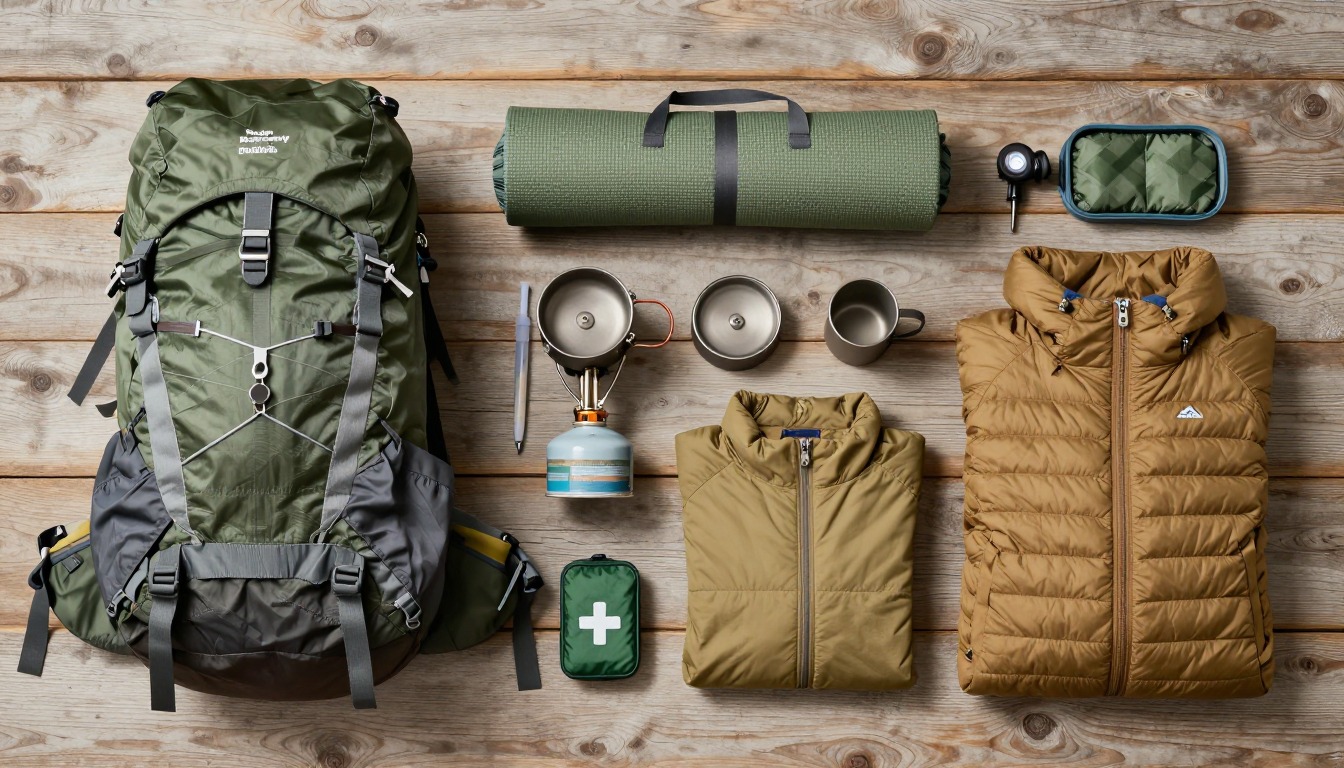
Matched to the terrain and conditions here. Real products — check current price on Amazon.


Common questions
Where can I stay inside Big Bend National Park?
Chisos Mountains Lodge, in the Chisos Basin, is the only lodging inside the park, so it's the option if you want a roof and a bed near the South Rim trailhead. If you'd rather camp, developed campgrounds including Chisos Basin Campground are bookable through Recreation.gov, and there are additional campgrounds elsewhere in the park for those exploring beyond the South Rim.
Can I camp on the South Rim itself?
Yes, but only at designated backcountry campsites, and you'll need a Big Bend backcountry permit to do it. Sleeping on the rim gets you sunset and sunrise over the desert without a return hike in the dark, but it also means carrying everything in, including all your water, and checking ahead since parts of the rim close seasonally for peregrine falcon nesting.
When is the best time to hike the South Rim?
October through April is the season experienced hikers recommend, when temperatures in the Chisos Mountains and surrounding desert stay far more manageable. Summer heat in Big Bend is genuinely dangerous, especially at lower elevations, so most guidance points hikers toward the cooler months. Whenever you go, carry more water than you think you'll need — this is a large, remote park with little shade or shelter along the way.
Complete gearsets for this trip
Full curated kits built for exactly this kind of hike — what to bring, why, and links to similar gear.
Lodging details are compiled from official parks, refuge associations and reservation systems and can change without notice. We publish no prices, availability or ratings — always confirm current information on the official site before booking or setting out. Product links are affiliate links: we may earn a commission at no extra cost to you; prices and availability are shown on Amazon. See our affiliate disclosure.