
Best Hiking Backpack For Hot Weather
Best Hiking Backpack For Hot Weather, ranked from aggregated owner ratings and reviews, not first-hand testing. Real pros, cons, and who each pick is best for.

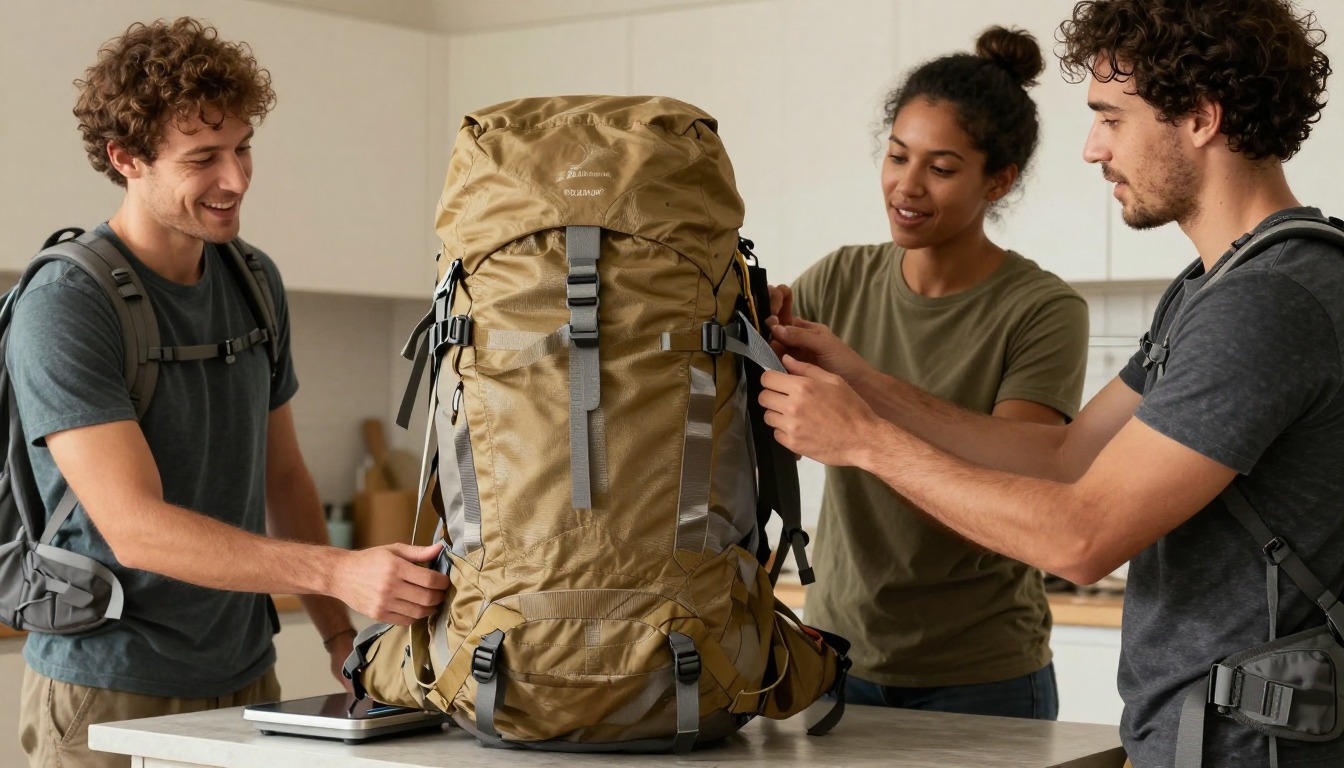
Our Top 3 Picks
Quick Comparison
Choosing a hiking backpack for hot weather starts with back panel style, then narrows by fabric weight, ventilation at the shoulder straps and hipbelt, and how much load-carrying stability the trip still requires.
What should I look for in a hot-weather hiking backpack?
Look first at the back panel, since it has the biggest effect on how hot a pack feels on trail, then check the shoulder straps and hipbelt for mesh coverage, since those contact points trap heat too. After that, weigh overall pack weight and fabric type, since lighter fabrics generate less body heat to carry even before ventilation is considered. The following list covers the criteria that matter most, in order of impact:
- Back panel style — trampoline mesh sheds the most heat; channeled foam sheds less but carries loads more steadily.
- Shoulder strap and hipbelt covering — mesh-covered foam breathes better than solid foam padding.
- Pack weight — a lighter empty pack means less total mass generating body heat on climbs.
- Fabric weight and weave — lighter-denier fabrics typically breathe and dry faster than heavy-denier fabrics.
- Hydration compatibility — a reservoir sleeve and hose port support the higher water intake hot weather demands.
Does back panel type matter most for hot-weather hiking?
Back panel type is usually the single biggest factor in how hot a pack feels, since it determines whether air can move across the widest section of contact between hiker and pack. A trampoline mesh panel creates a true air gap and runs coolest; a channeled foam contact panel still vents some heat through its grooves but keeps more surface area against the back. Hikers doing long, hot-weather days with lighter loads generally get the most comfort improvement from choosing trampoline mesh over a flat or lightly channeled contact panel.
What backpack materials stay cooler on the trail?
Lighter-denier nylon and polyester fabrics, along with mesh side pockets and mesh-covered padding, breathe better and dry faster than heavier, more densely woven fabrics built for abrasion resistance. That breathability comes with a durability trade-off: lighter fabrics and mesh panels are more prone to snags, abrasion, and punctures than the heavier-denier fabrics used on packs built for bushwhacking or off-trail travel.
Are lighter-colored backpacks actually cooler?
Lighter colors reflect more solar radiation than dark colors, which can keep an exposed pack body slightly cooler under direct sun, though the effect is smaller than the difference made by back panel and strap ventilation. Color matters most on the outward-facing surfaces that sit in direct sun for hours, such as the top lid and back of the main body, rather than the panel against the hiker's own back.
Who should choose a heavier-duty pack anyway, even in hot weather?
Hikers carrying heavier loads, traveling off-trail through brush, or covering rocky or exposed terrain in hot weather often still need the durability and load stability of a heavier-fabric, contact-style pack, since torn fabric or an unstable load causes more trouble than extra heat. The honest trade-off is that no pack fully solves both goals at once: maximizing airflow generally means giving up some fabric durability and load stability, and maximizing durability and stability means accepting less airflow.
Full Ranking, Reviewed

Best for Backpacks for Hot Weather
- 40 L capacity
- 210D ripstop nylon shell
- 2.2 lb empty
- Rain cover included
- Ergonomic and Comfortable Design
- Includes a rain cover for sudden downpours
- Ripstop fabric shrugs off scrapes and snags on the trail
- The 40 L size is a versatile in-betweener rather than a specialist at either end.
Verdict: This 40 L hiking pack pairs a bundled rain cover with a tough ripstop shell, making it the one we would grab first for Backpacks for Hot Weather.

Best for Backpacks for Hot Weather
- 35 L capacity
- 13 oz empty
- Waterproof & Durability
- Low carry weight pays off on big-mileage days
- Folds down small when you do not need the space
- Check the size and colour options on the live listing, as availability shifts.
Verdict: This 35 L hiking pack offers a packable build, making it well worth a look for Backpacks for Hot Weather.

Best for Backpacks for Hot Weather
- 45–50 L capacity
- Nylon shell
- 2.4 lb empty
- Rain cover included
- Breathable mesh back keeps air moving against your spine
- Includes a rain cover for sudden downpours
- Supportive hip belt takes weight off the shoulders
- That 45–50 L volume is overkill for quick hikes and better suited to multi-night trips.
Verdict: This 45–50 L backpacking pack pairs a breathable back with a bundled rain cover, making it a strong option for Backpacks for Hot Weather.

Best for Backpacks for Hot Weather
- Nylon shell
- 16 oz empty
- Hydration-ready
- Hiking Optimized Design
- Set up to carry a reservoir for hands-free sipping
- Padded hip belt shifts load onto your hips, not your shoulders
- Colours and exact capacity options change often on Amazon — confirm the current variant on the listing before buying.
Verdict: MIRACOL’s hiking pack pairs room for a bladder with real hip-belt support, making it well worth a look for Backpacks for Hot Weather.
Frequently Asked Questions
Is a frameless pack cooler than a framed pack in hot weather?
Not necessarily. A frameless pack removes suspension hardware and weight, but many frameless and ultralight packs use simple contact-style foam panels rather than a trampoline mesh air gap. A framed pack with true trampoline mesh suspension often ventilates better than a frameless pack, even though it weighs more.
Do mesh side pockets help keep a hiker cooler?
Mesh side pockets don't cool the back panel itself, but they let water bottles and wet gear breathe and dry rather than staying sealed against solid fabric. Combined with a ventilated back panel and straps, mesh pockets are one more small piece of an overall hot-weather setup.