
Affiliate disclosure: this page contains affiliate links. Purchases made through them may earn us a commission at no extra cost to you. See our affiliate disclosure.
In plain English
The Tour du Mont Blanc is a loop around the massif through France, Italy and Switzerland. Most people sleep in mountain refuges, which are simple huts with bunks and meals, spaced about a stage apart. On the Italian side, near Col de la Seigne and Val Veny, refuges get busy in summer, so booking ahead matters.
Since the loop crosses borders, rules can change as you cross them. In one country a certain kind of camping might be allowed, and in the next it might not. Do not assume the rules from one section apply to the next. There is also a special safety rerouting in one Swiss stretch, and camping is banned around it.
The route's own information site has a booking section and a page on camping and bivouac rules. Use those to plan, and confirm bookings, rules and closures with the refuges and local authorities before you go. Courmayeur, the Italian town below the massif, is a good base for the night before and after.
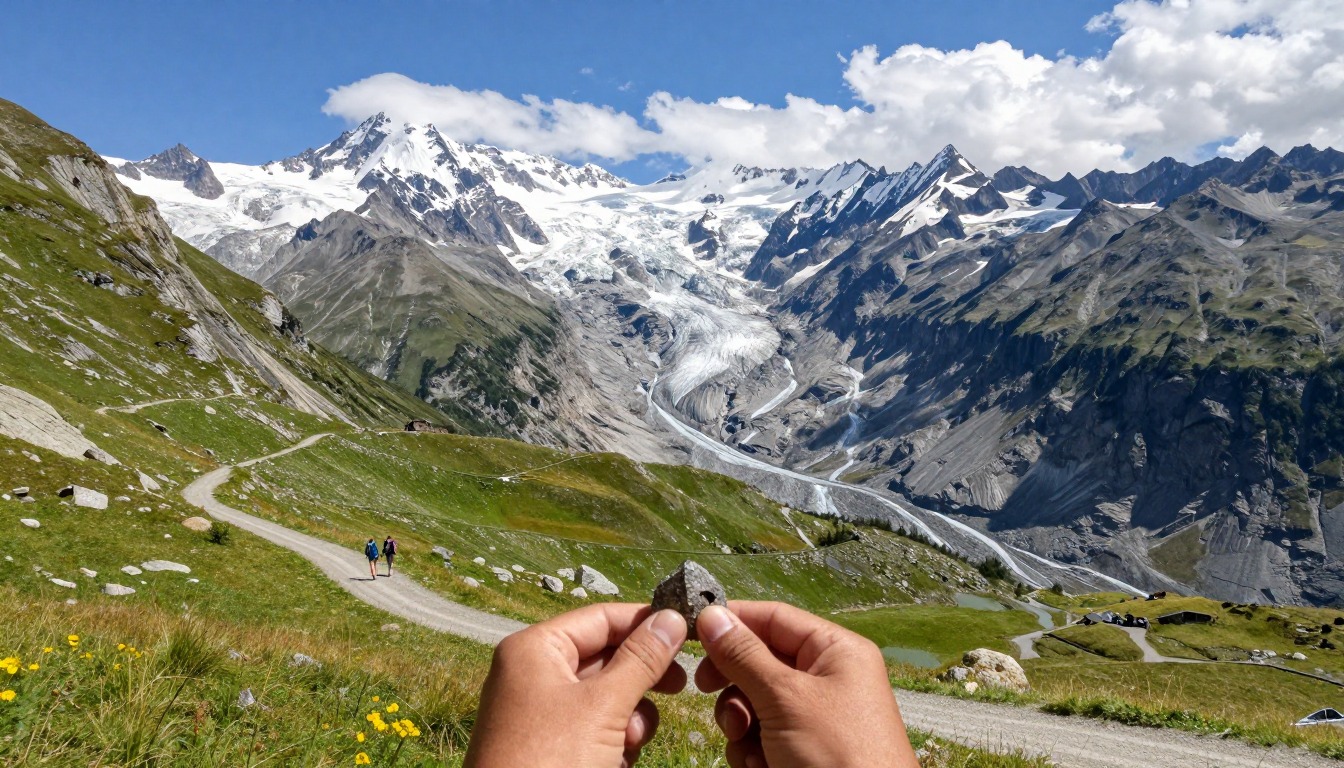
Crossing Col de la Seigne on the Tour du Mont Blanc carries you out of France and into Italy's Val Veny, dropping beneath the massif's Italian face toward Courmayeur. This stretch is one segment of the wider TMB circuit, built around mountain refuges spaced a stage apart rather than hotels you book on a whim — where you sleep each night is a reservation made well before you start, not a decision made on the trail.
Why hike here
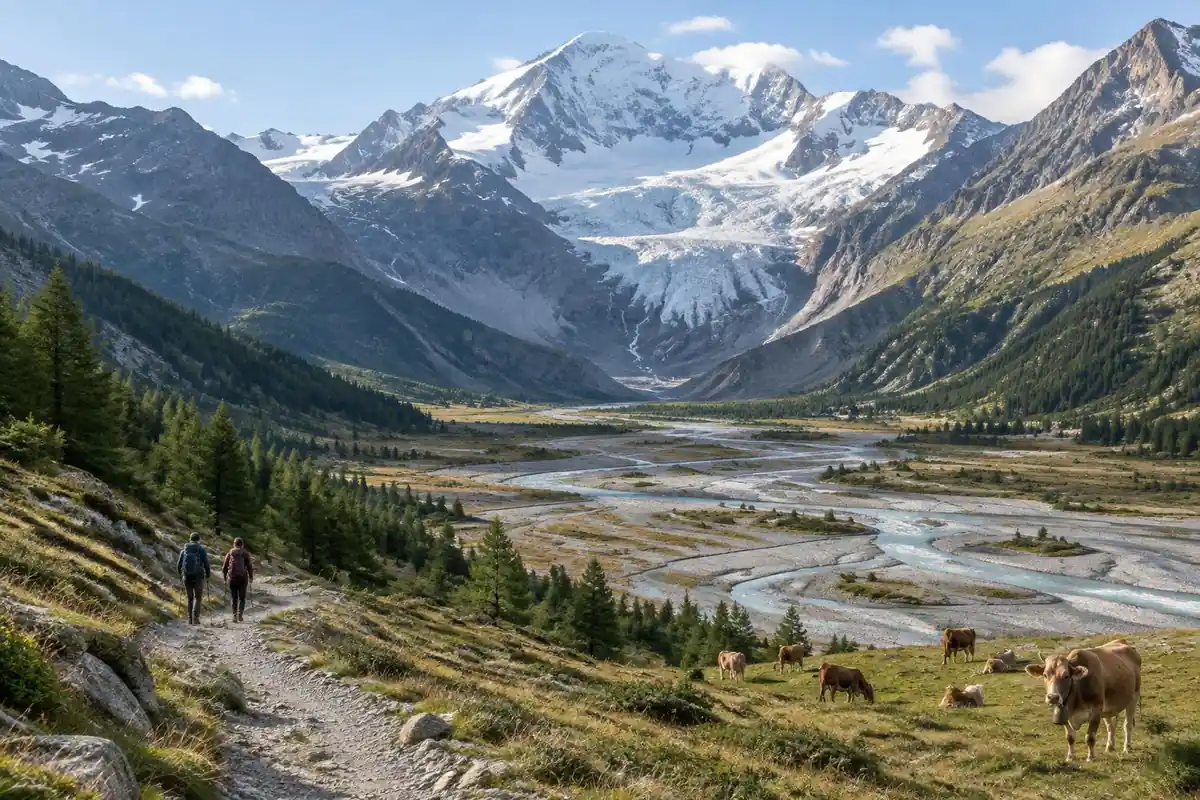
The pull here is watching Mont Blanc change character as you cross out of France — the same massif, but now its Italian face: sheer, glaciated, catching the afternoon light differently as you come down into Val Veny. The valley opens wide and green below the ice, a contrast to the tighter climbs you crossed to get there, and the col itself gives you a last look back at France before Italy takes over — different trail markers, different mountain-hut cooking, different language at the next table. The descent toward Courmayeur brings the trail back into a proper alpine town, with the massif still looming overhead rather than receding behind you. It's the kind of stretch where the border feels physical, not just administrative — you feel the country change under your boots before you read it on a sign.
Getting there
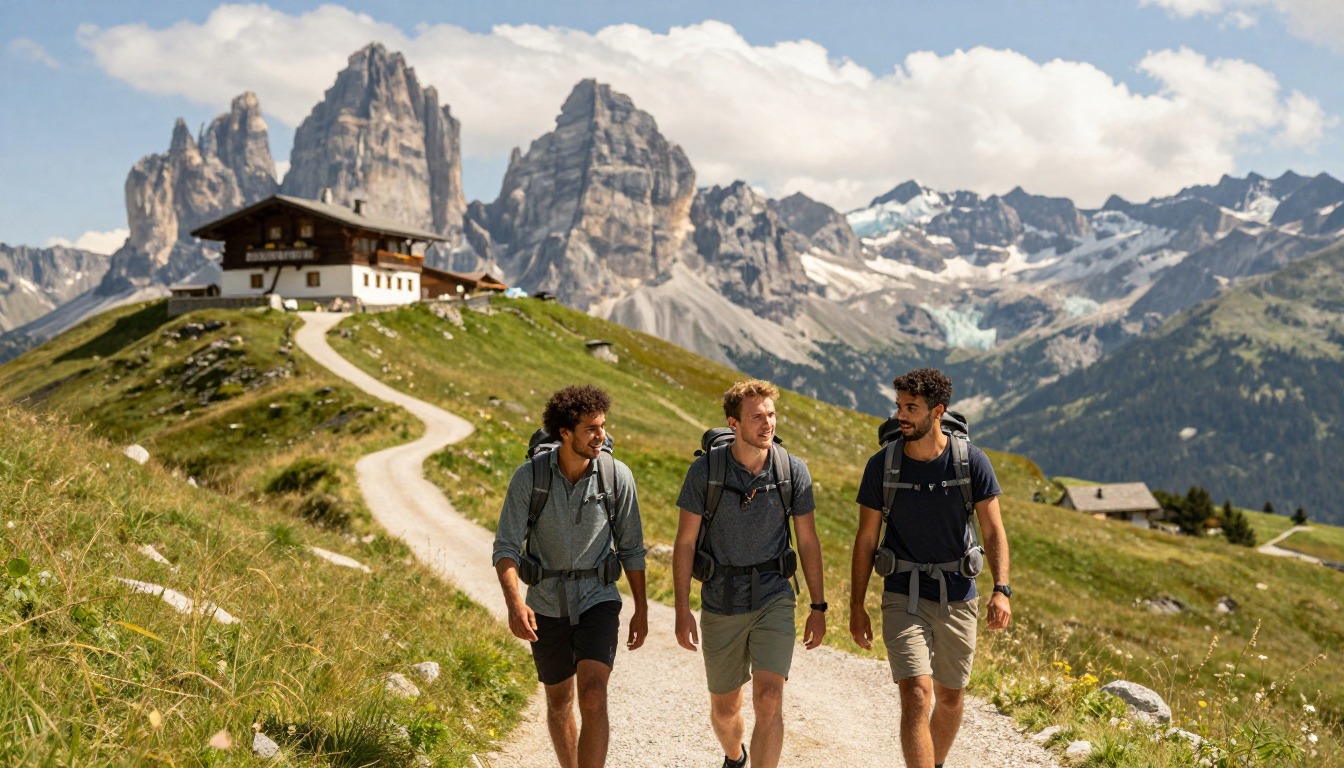
Geneva is the nearest major international airport for this stretch of the TMB. From there, hikers typically travel by road through the Mont Blanc Tunnel corridor to reach Courmayeur, the Italian town at the base of the massif that serves as the hub for this section — whether starting here, finishing here, or resupplying partway through a longer TMB itinerary. Bus and shuttle services run this corridor regularly, so a rental car isn't necessary. Because this is one segment of a larger loop, some hikers arrange transport to rejoin the trail directly at Col de la Seigne rather than walking in from a neighboring stage.
Where to stay
The realistic options, closest-to-the-trail first. Book through the official links — we don't list prices or availability because they change all the time.
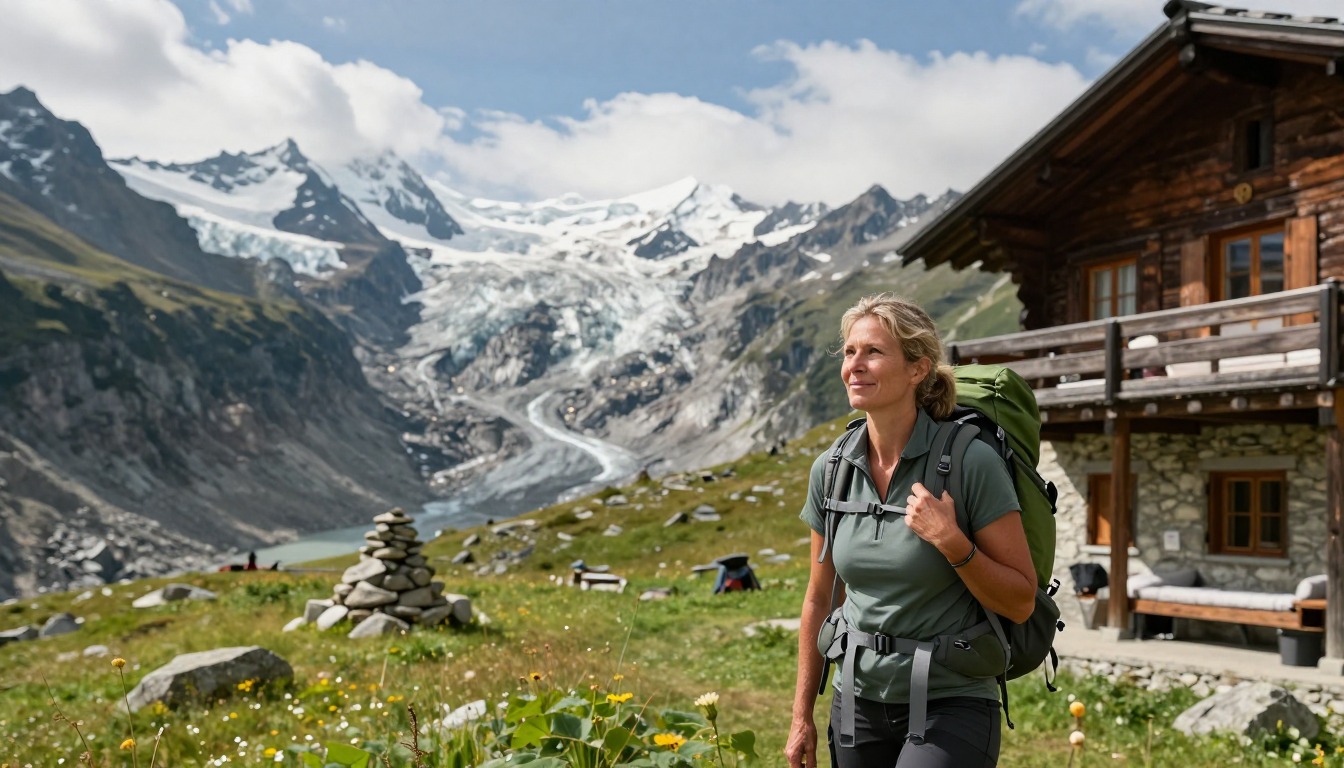
For example: Rifugi on the Italian stages near Col de la Seigne and Val Veny
TMB trekkers on the Italian side — half-board bunks a stage apart.
Italian-side huts book up fast in July and August.
Book each refuge direct or via the official platformFor example: Hotels, gîtes and apartments in Courmayeur below the Mont Blanc massif
Hikers resting, resupplying, or breaking the loop into stages.
A comfortable Italian base with buses through the Mont Blanc tunnel corridor.
Town lodging (TMB route site)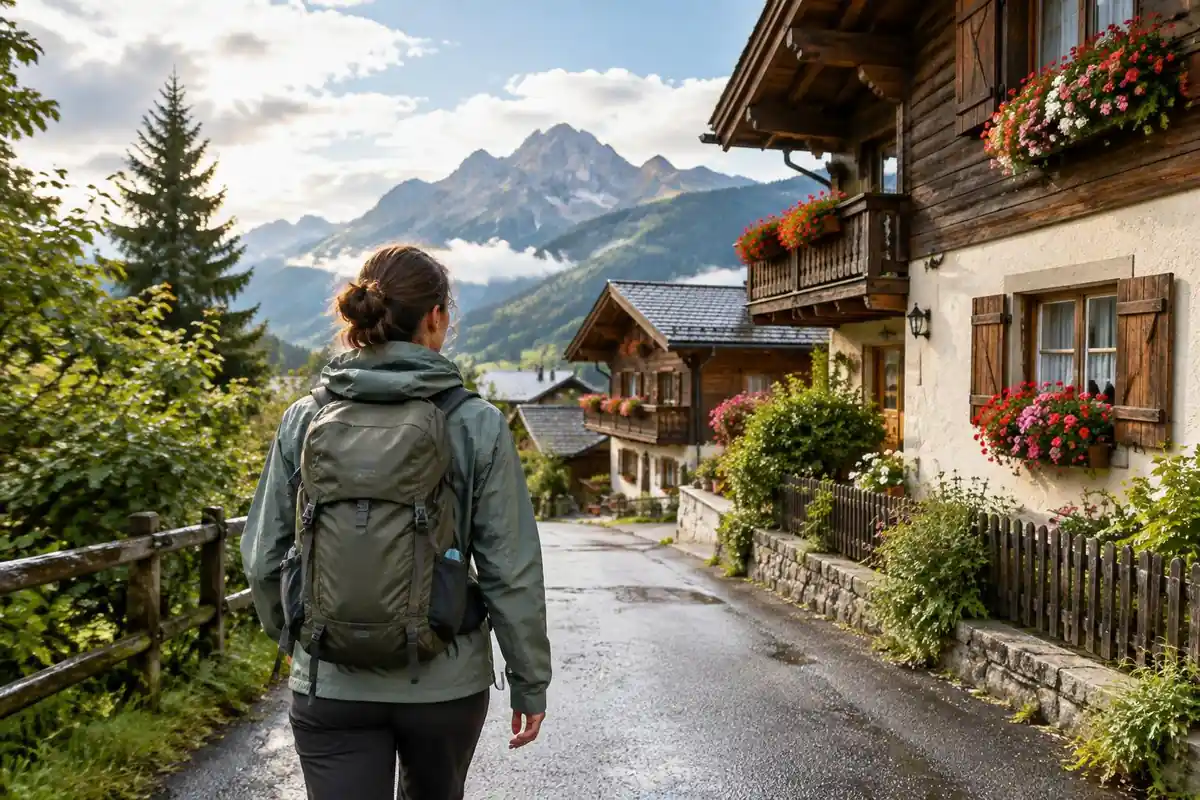
Permits & rules
No trekking permit is required, but refuge reservations are effectively mandatory in summer, and wild-camping rules differ across the TMB’s three countries. As of 2026 a reroute applies in the Swiss section near Les Treutsebo, and camping and bivouacking outside official sites are not allowed along the route — check the official TMB notices. Book early.
Gear you'll want for this trip
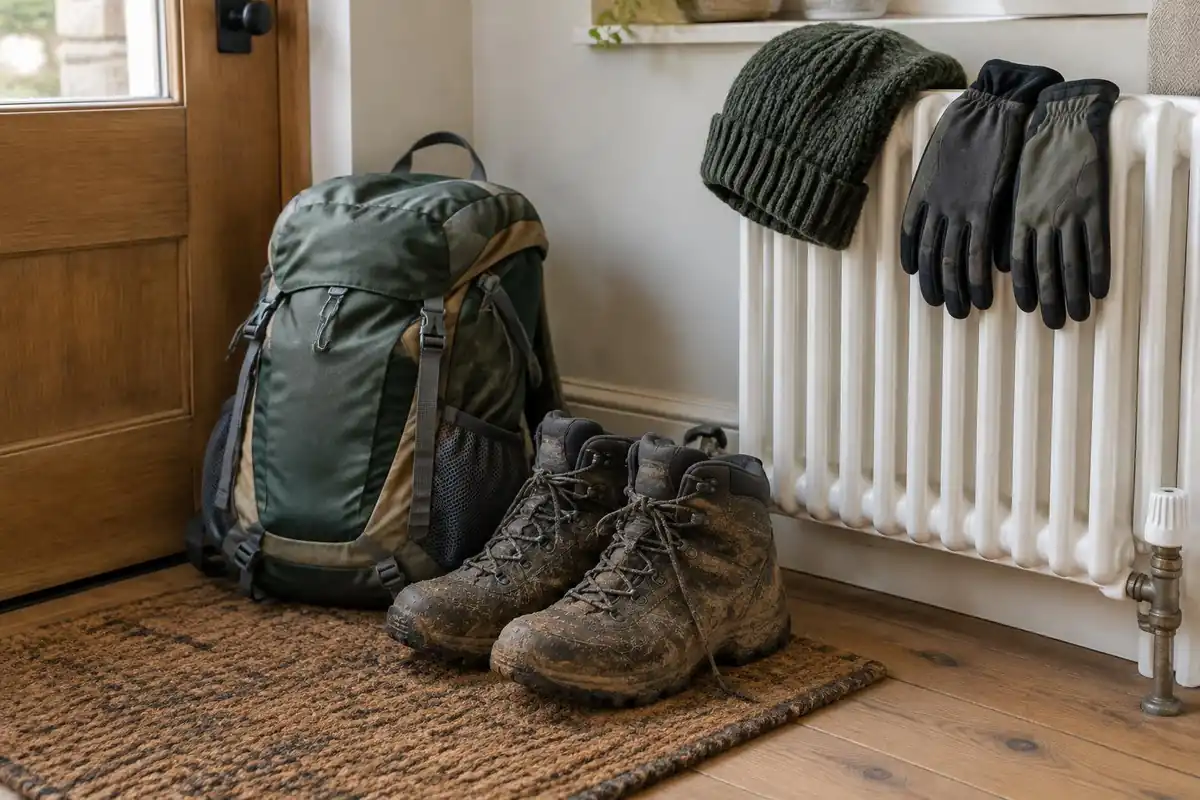
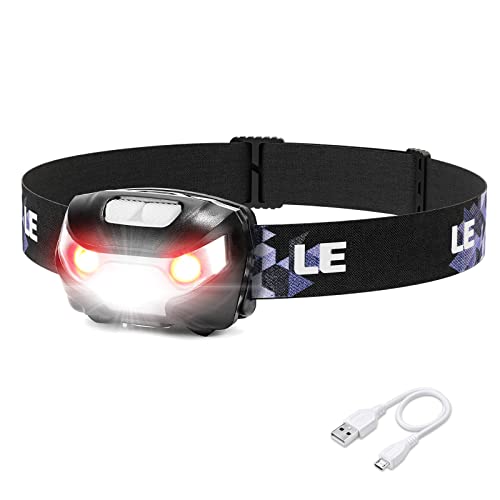
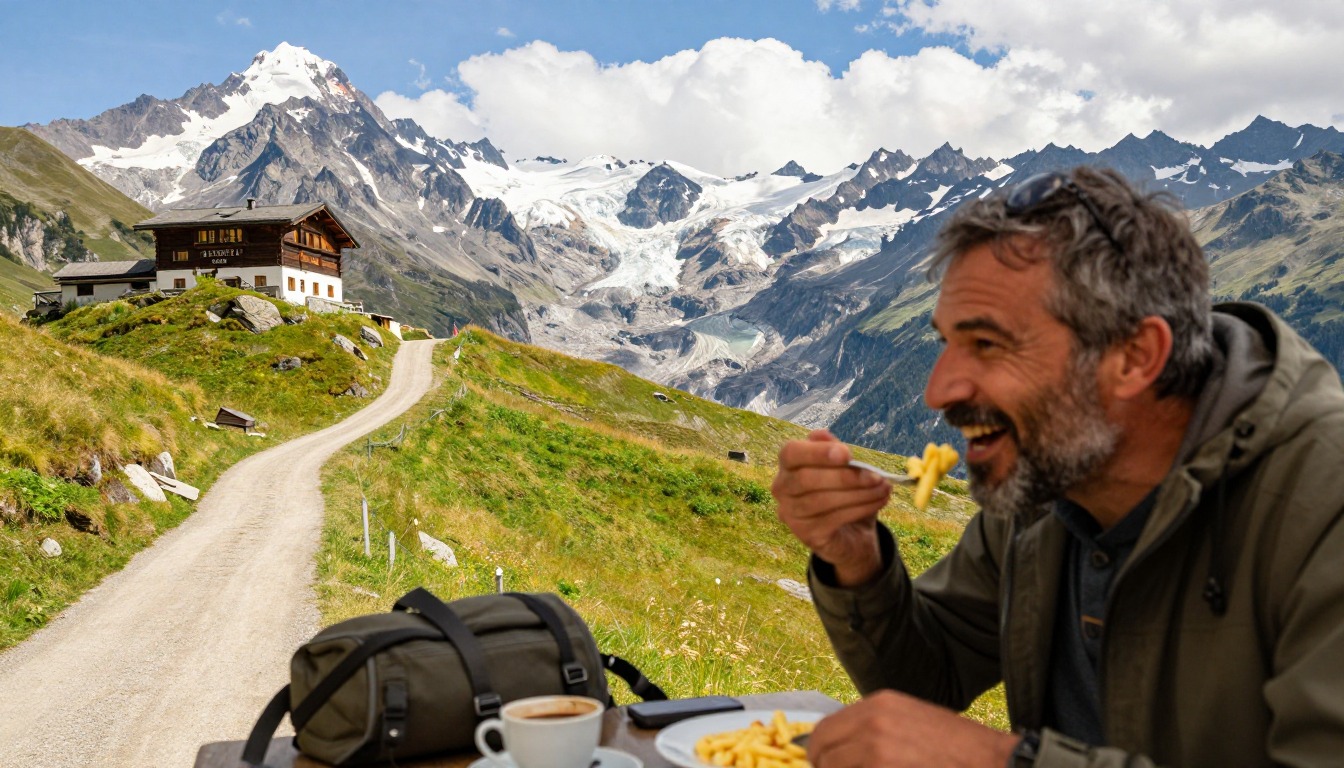
Matched to the terrain and conditions here. Real products — check current price on Amazon.


Booking huts, and what the route's information site covers
Autour du Mont-Blanc, the route's information site managed by Fondazione Montagna Sicura, has a booking section for huts, rooms and hotels, a list of accommodation including high mountain huts, and a separate page on bivouac and wild camping.1 It describes the circuit as about 170 kilometers of walking across three countries, roughly ten days of walking.1 That gives you a way to plan a full loop, or to plan just one section, like the Col de la Seigne and Val Veny stretch.
Guides often say Italian-side refuges book up fast in July and August and that wild-camping rules differ across the three countries. The route site's separate page on wild camping is the place to read those rules before you decide between huts and a tent.
A 2026 reroute and camping ban the page does not mention
The route site posts a notice that, for rockfall safety, the path between Prayon and Branche, in the area called Les Treutsebo, has been rerouted, with the new route open and signposted from Saturday, July 11, 2026. It says the old route is closed and must not be used, and that camping and bivouacking are strictly prohibited in the area.1 It also says that the Glaciers campsite in La Fouly, and the Rocailles and Relais d'Arpette campsites, are available.1
This falls in the Swiss sector, away from Val Veny, but it shows how quickly a section can change and why the accommodation plan should be checked close to your dates. The page now flags the reroute and the ban; read the current notices before you choose a night in that area. The same site lists a summer 2026 information centre, the Casermetta, open daily from June 25 to September 13, so plan visits inside that season.
Pack size, camping rules and staying safe
Refuge nights reduce what you carry, but the volume still depends on what each refuge supplies. Washington Trails Association describes 50 to 70 liter packs for trips of three to seven nights, assuming you carry camping gear.2 A refuge trekker often needs less, but confirm bedding and meal arrangements with each refuge.
If you do camp where it is allowed, the National Park Service's US guidance is to camp at least 200 feet from lakes and streams and to pack out toilet paper and hygiene products; treat this as a general baseline, since local rules take priority.3 The CDC says hypothermia can develop even in air above 40°F when a person is chilled by rain, sweat or cold water, so pack for cold and wet.4
Common questions
Do I need to book huts in advance for this stage of the Tour du Mont Blanc?
Yes. Refuges along the Italian stages operate on half-board — a bunk, dinner, and breakfast — spaced roughly a stage apart, and reservations are effectively mandatory rather than optional. They fill up fast in the summer season, so booking your string of huts before you set out is standard practice on this section, just as on the rest of the TMB.
Do I need a permit to cross Col de la Seigne or hike this section?
The route's official site does not describe a trekking permit for this stretch, including the crossing at Col de la Seigne, but check the current notices before you go; note also the 2026 rockfall reroute at Les Treutsebo in Switzerland, where camping and bivouacking are strictly prohibited. What you do need to sort out ahead of time is lodging — refuge reservations function as the real gatekeeper here, since the huts have fixed bunk counts and fill up well before the season's busiest weeks.
Can I stay in Courmayeur instead of the refuges?
Courmayeur has hotels, gîtes, and apartments and works well as a base if you're doing this section as a shorter trip rather than the full circuit, or if you want a comfortable night before or after the high stages. For the crossing itself, though, the refuges a stage apart are the realistic overnight option between the pass and town.
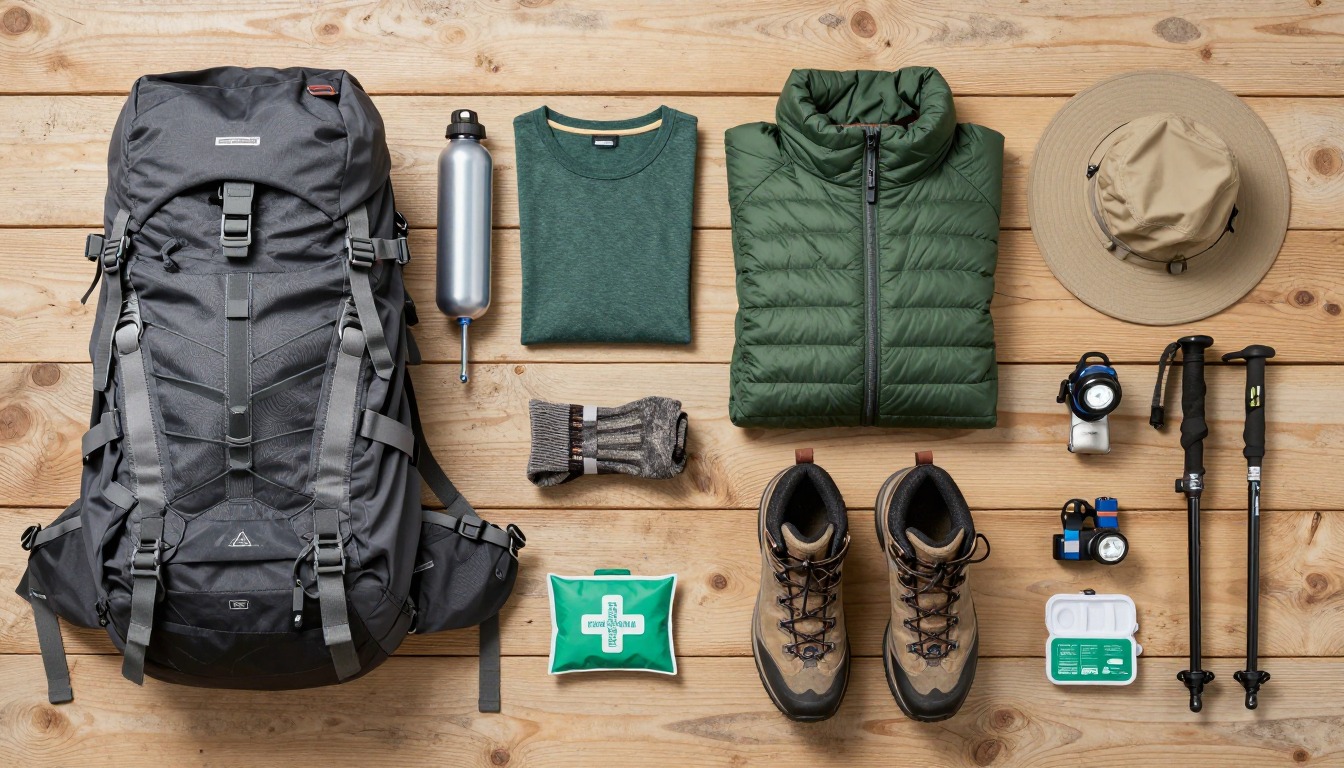
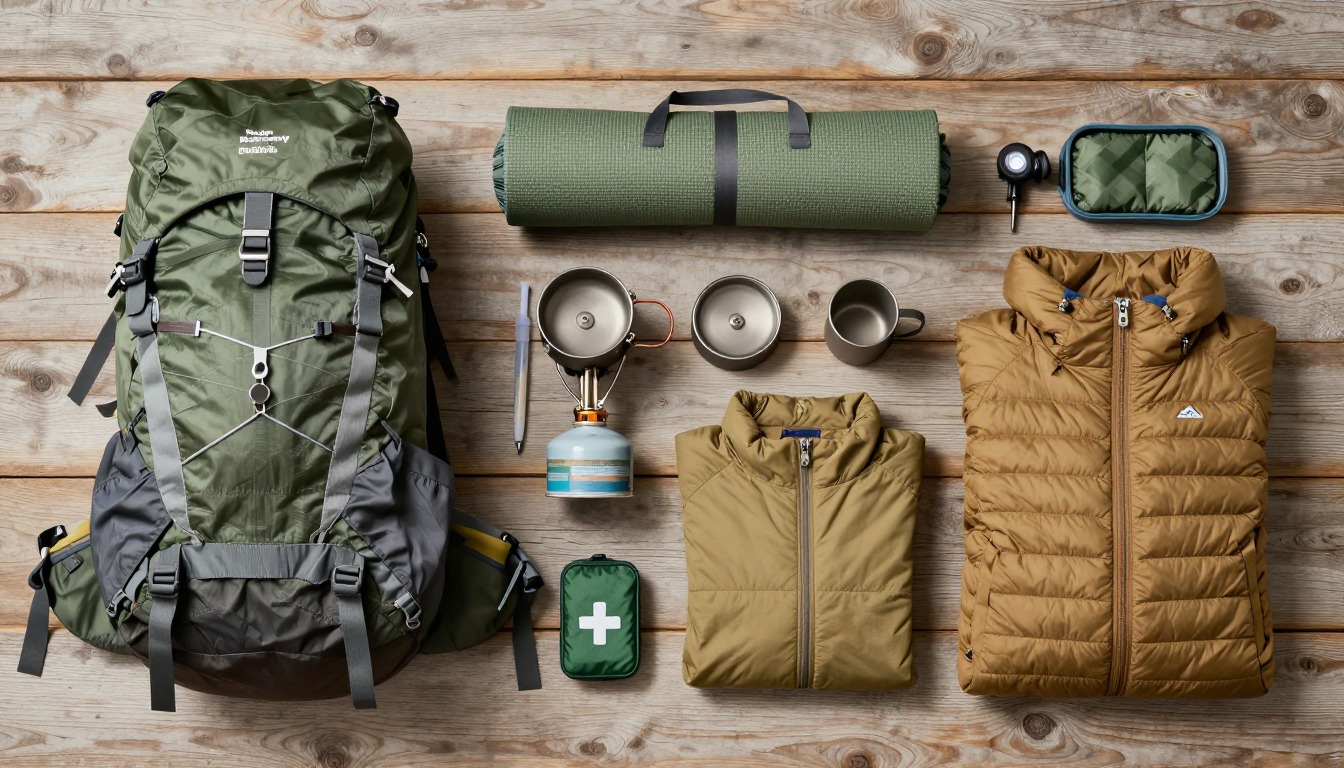
Complete gearsets for this trip
Full curated kits built for exactly this kind of hike — what to bring, why, and links to similar gear.
Lodging details are compiled from official parks, refuge associations and reservation systems and can change without notice. We publish no prices, availability or ratings — always confirm current information on the official site before booking or setting out. Product links and the accommodation map are affiliate links: we may earn a commission at no extra cost to you; product prices and availability are shown on Amazon, and accommodation prices on the booking site. See our affiliate disclosure.