
Affiliate disclosure: this page contains affiliate links. Purchases made through them may earn us a commission at no extra cost to you. See our affiliate disclosure.
In plain English
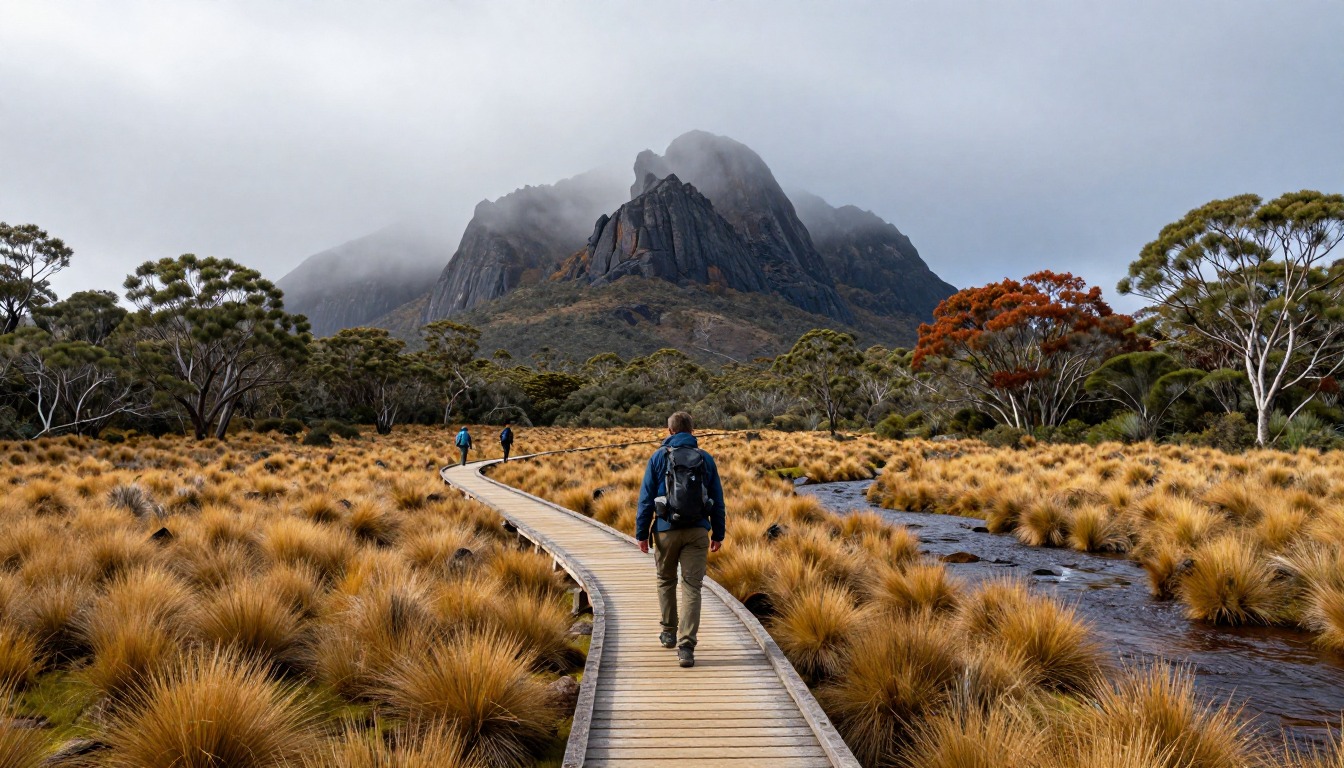
The Overland Track is a six-day walk through the mountains of Tasmania. There is one clear rule that shapes everything: the number of people who can start each day in the booked season is limited. Your booking is for a start date, not for a bed each night along the way.
Along the track there are basic public huts. They are first come, first served, and they cannot be booked, so on a busy night they can be full. That is why every walker carries a tent. Some nights you will sleep in a hut, and other nights you will pitch your tent next to it. Think of the hut as a bonus, not a plan.
Because you carry everything for six days, weight matters. The park service recommends your pack fit inside about 75 litres and weigh around 18 kilograms with water. Food needs care too, because possums in the campsites learn to tear into tents and packs for snacks. Check dates and booking rules with the park service before you go.
The Overland Track is a roughly 65-kilometer, six-day walk through Tasmania's Cradle Mountain-Lake St Clair National Park, crossing alpine moorland, rainforest, and glaciated high country between its two ends. Because Tasmania Parks and Wildlife Service caps how many walkers can start each day in the booked season, where you sleep is settled before you leave: a string of basic public huts along the route, backed up by your own tent, since the huts cannot be booked and may be full.
Why hike here
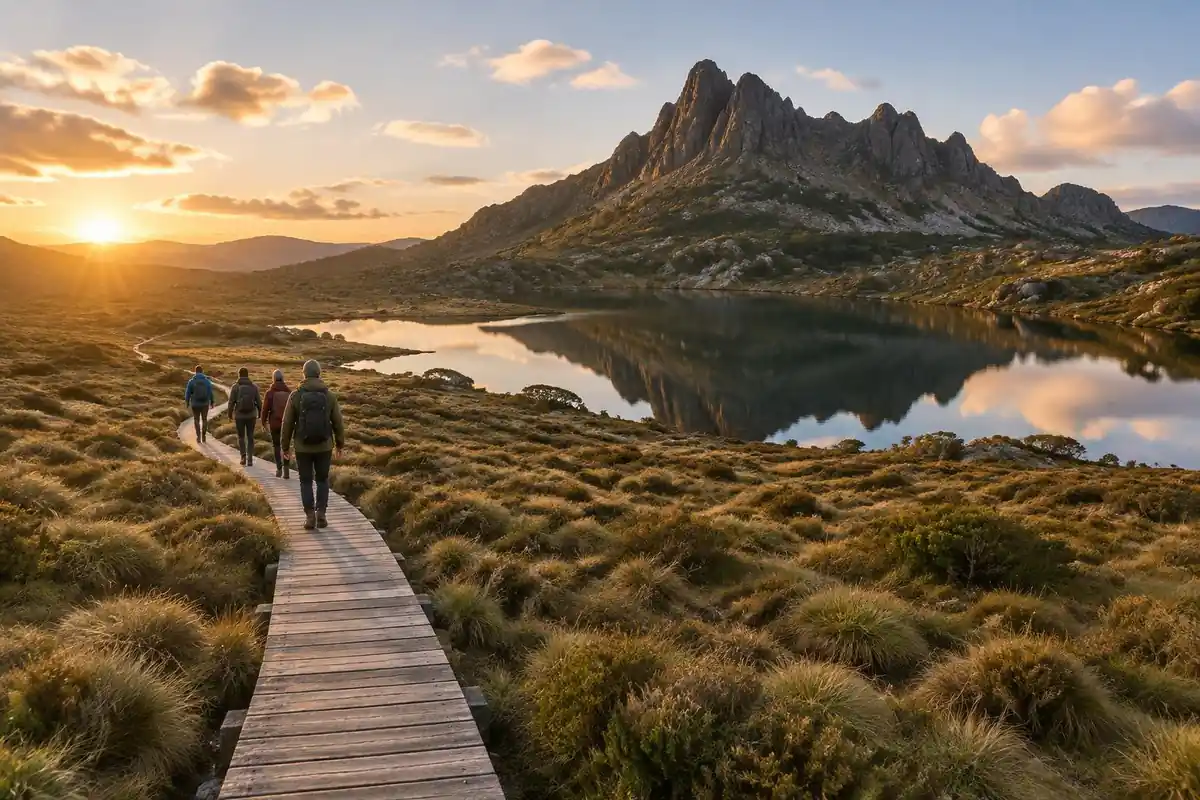
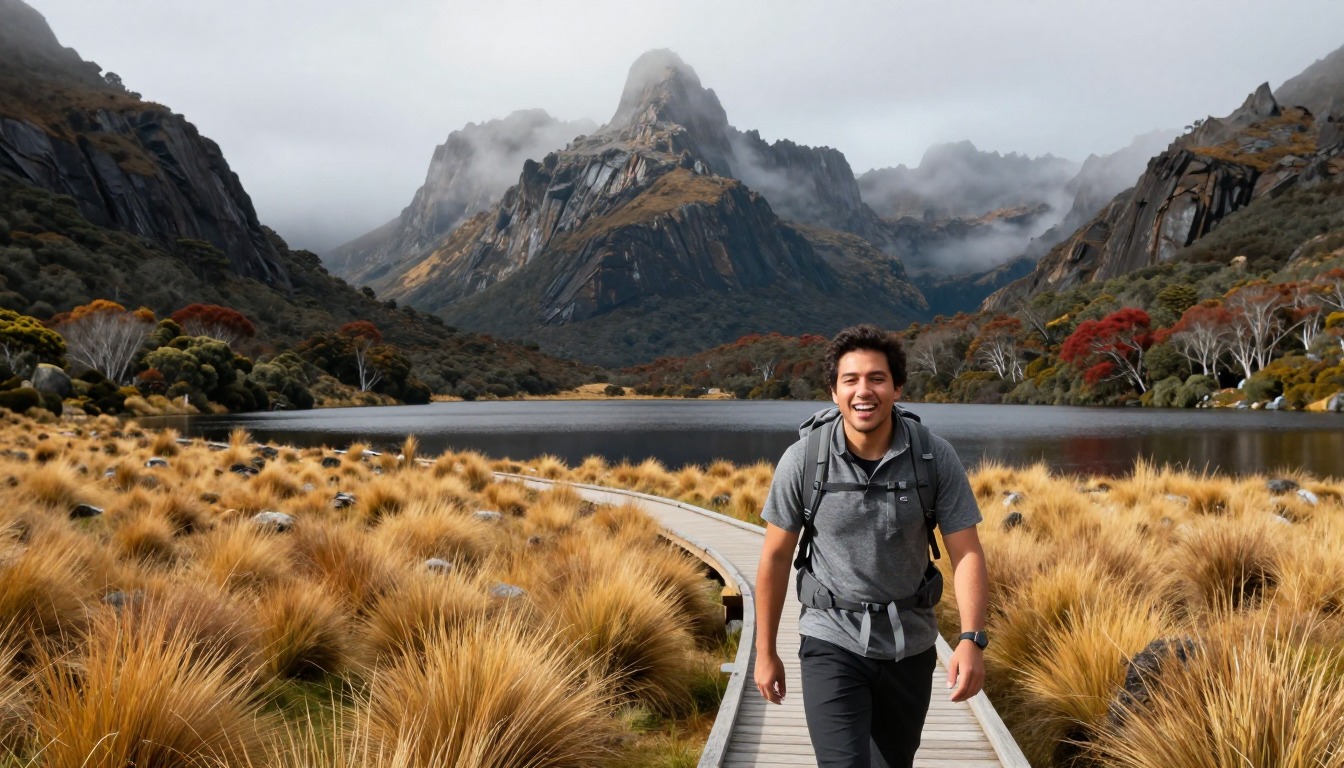
What makes the Overland Track worth six days on foot is the range packed into one route: you leave the jagged profile of Cradle Mountain behind and cross open button-grass moorland where the wind has nothing to slow it down, then drop into pockets of temperate rainforest thick with myrtle and tree ferns before climbing back toward glaciated high country. The public huts along the way double as informal meeting points, where walkers compare notes on the weather before it changes again overnight, because in this park it always does. The trek ends at Lake St Clair, Australia's deepest lake, a still, quiet payoff after days of watching the sky do most of the talking.
Getting there
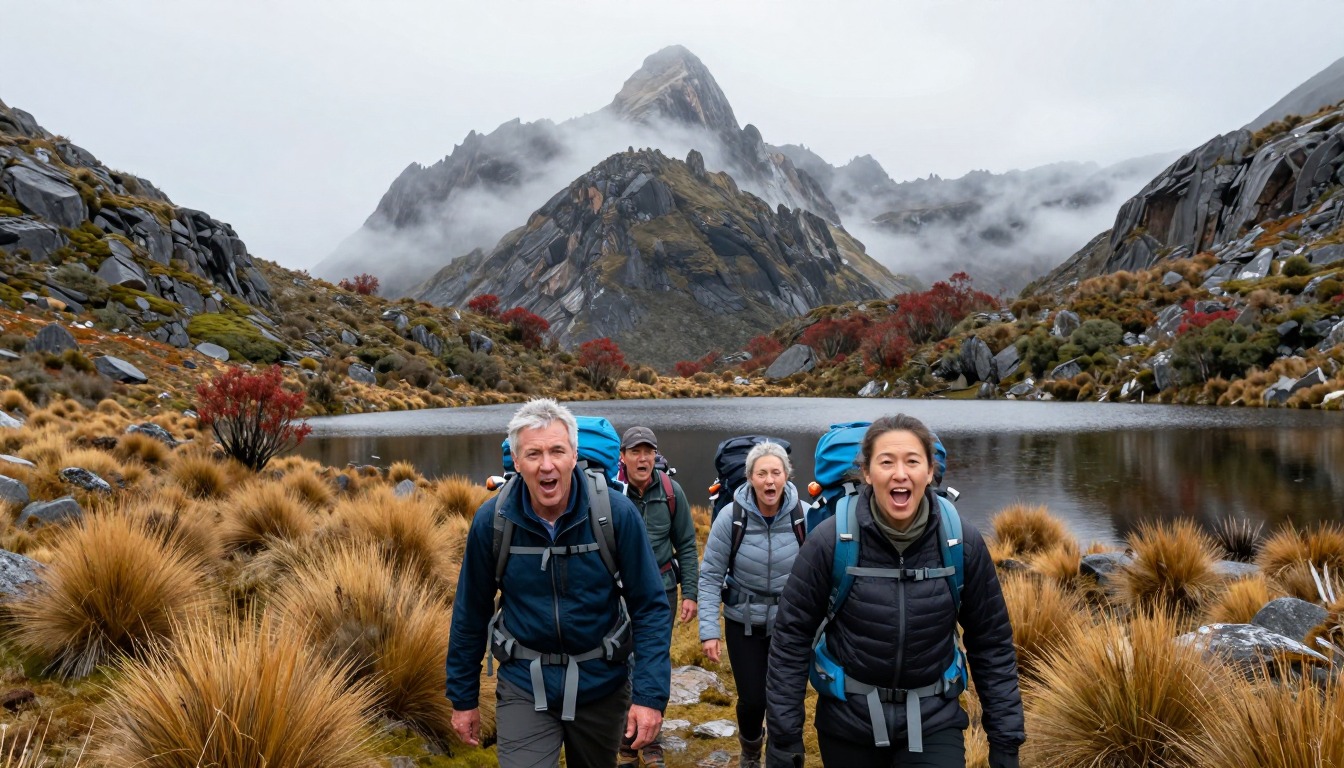
Tasmania's Cradle Mountain-Lake St Clair National Park sits inland from both ends of the island, so most hikers fly into Melbourne or Sydney first, then connect to Launceston or Hobart, Tasmania's two main airports. From there it's a road transfer to Cradle Mountain village, where the Overland Track begins, or to Lake St Clair at the southern end. Because the walk runs one-way, most people arrange a shuttle or rental car pickup at the opposite end before they start, so the return trip is sorted before the first day on the track.
Where to stay
The realistic options, closest-to-the-trail first. Book through the official links — we don't list prices or availability because they change all the time.
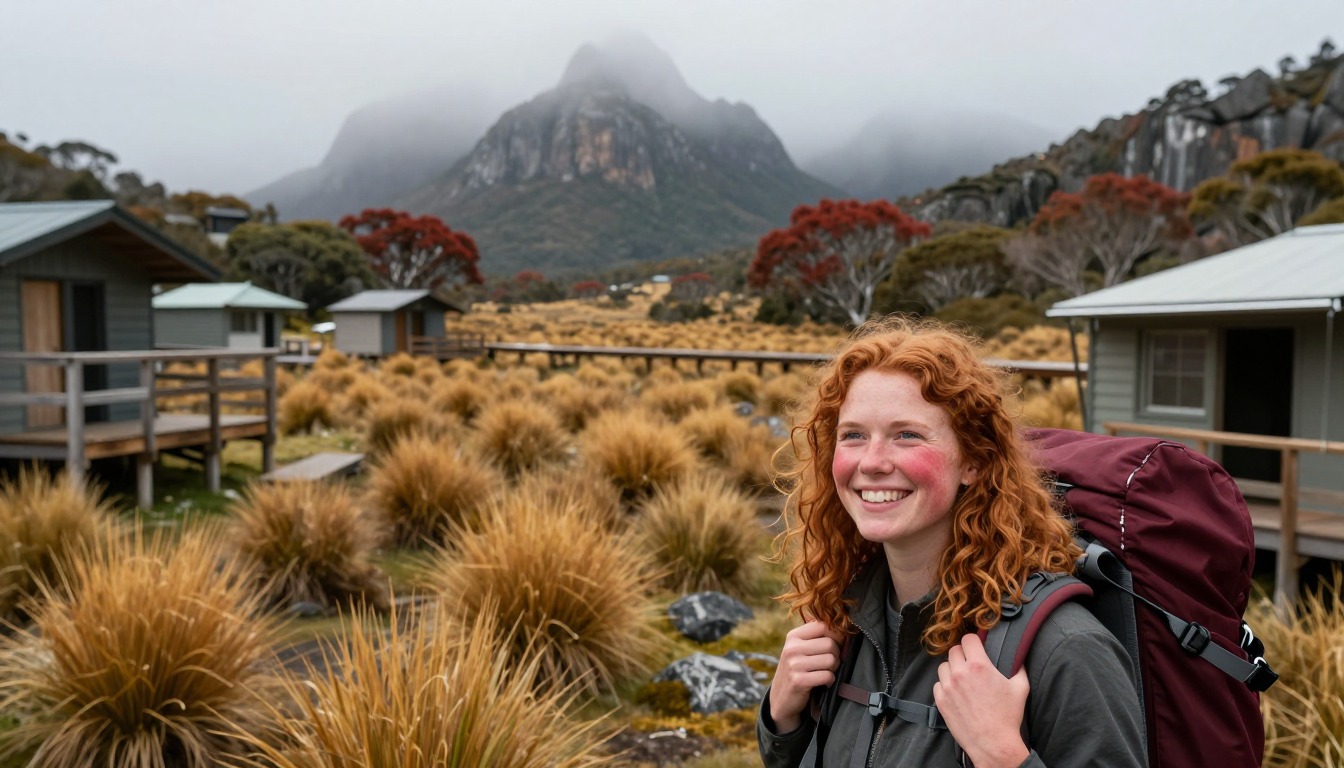
For example: Basic first-come Parks huts and tent platforms along the track (carry a tent as backup)
Independent walkers — huts are unbooked, so a tent is essential.
In peak season you book a start date and pay a track fee, and walk north-to-south.
Overland Track booking (Parks Tasmania)For example: Comfortable private huts run by a licensed guided-walk operator
Walkers who prefer a guided trip with catered, heated huts.
The private huts are separate from the public Parks huts.
Licensed guided-walk operatorFor example: Lodges and cabins at the start (Cradle Mountain) and finish (Lake St Clair)
Everyone the night before and after the trek.
Base at Cradle Mountain village before you start.
Nearby lodging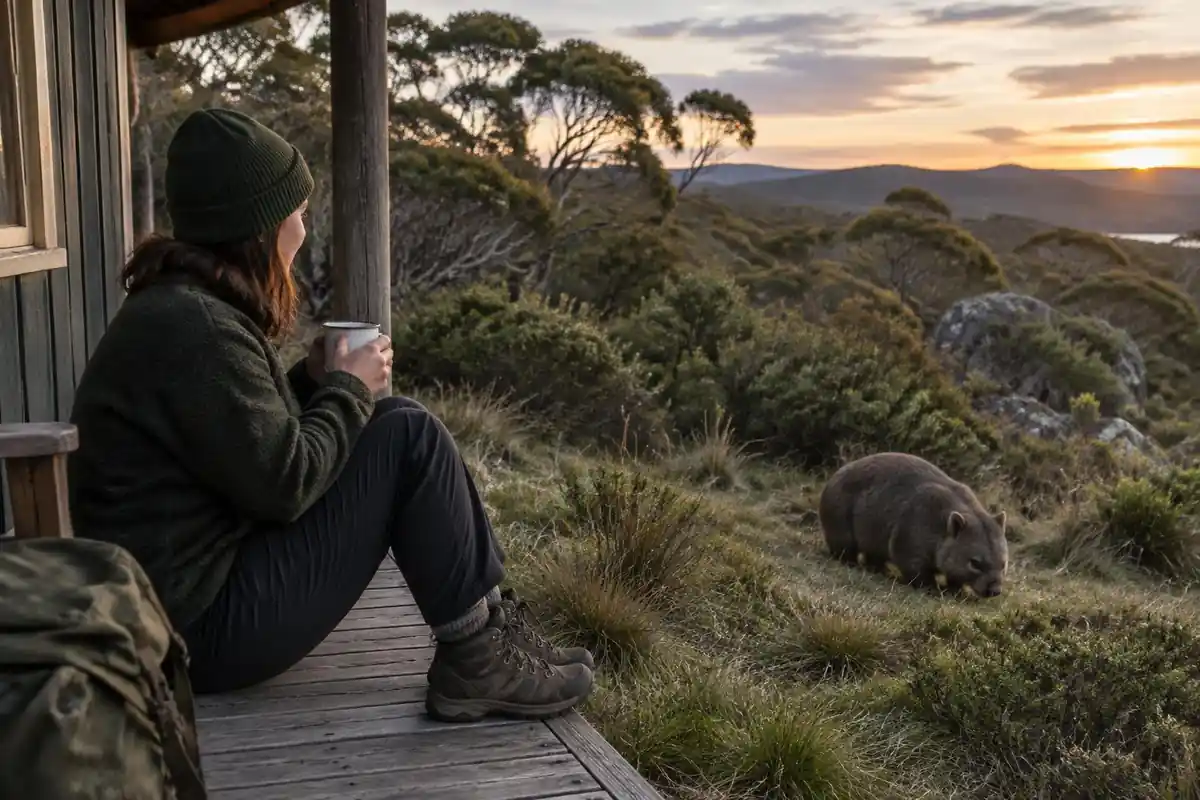
Permits & rules
In the peak booked season you must reserve a start date, pay the Overland Track fee, and walk north-to-south; the public huts are first-come, so always carry a tent. Tasmanian mountain weather is cold and wet in any season — pack for all of it.
Gear you'll want for this trip
Matched to the terrain and conditions here. Real products — check current price on Amazon.


Huts you cannot book, and a booking that is really a start date
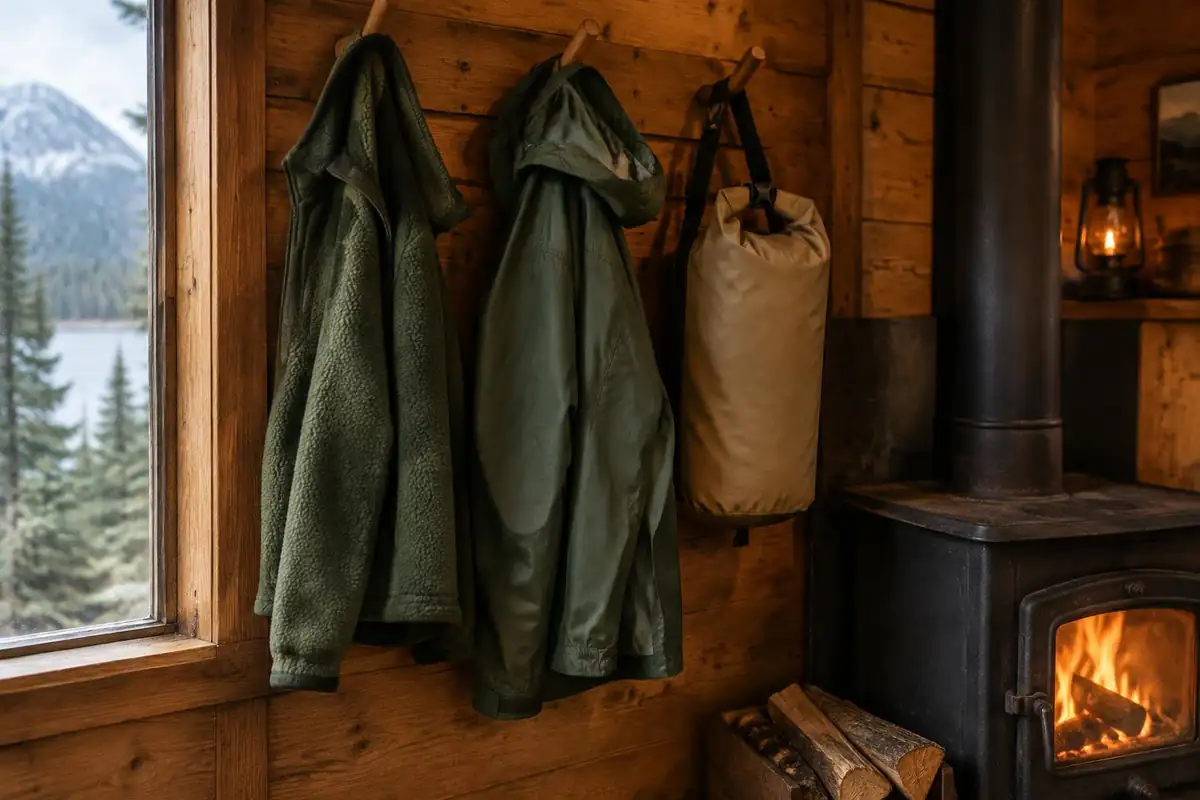
The park service says a maximum of 34 independent walkers can depart on any given day, and that the track season runs from 1 October to 31 May, with a separate winter registration period from 1 June to 23 September.1 It says huts cannot be booked and there may not be space for all walkers, so you must carry a tent, and you can expect to use it on some nights and share hut space on others.1 In practice, the lodging for this trip is settled by two things: your start date and your tent.
Check-in is also part of the plan. The service says you present your booking confirmation at the Cradle Mountain Visitor Centre and take part in a walker briefing to receive your Overland Track Pass, and that passes must be collected by 1:30 pm on the day of departure, or the day before after 3 pm, with an earlier cutoff in April and May.1 That is why a bed in Cradle Mountain the night before is worth planning. If you finish at Narcissus and take the ferry across Lake St Clair, the service says the ferry must be booked before you begin walking, and that most walkers plan a spare day for transport on either side of the walk.1
Pack weight, fuel and possums
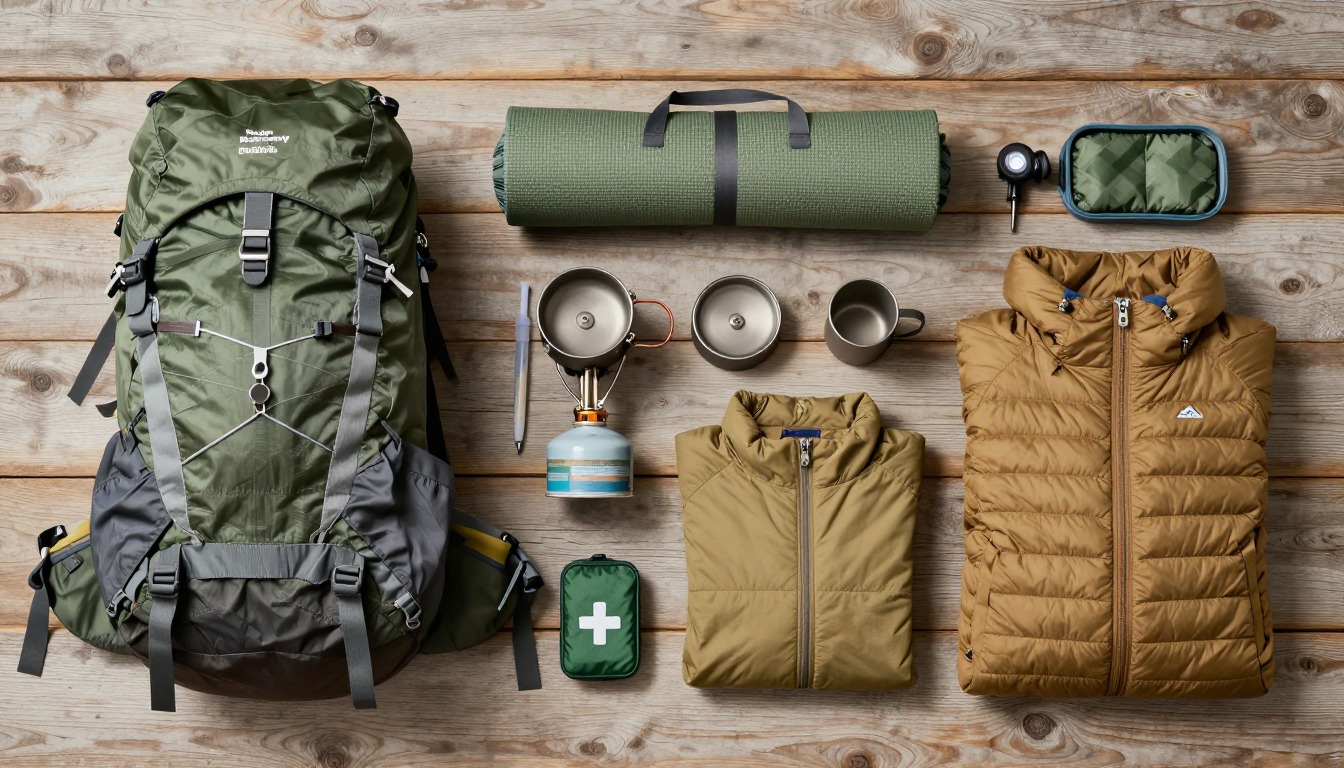
The service says your gear should fit into a 75-litre pack and weigh approximately 18 kilograms including at least 2 liters of water, for up to 7 hours of walking a day.1 It lists the track as fuel stove only, which means you cook on a stove you carry. MSR says liquid fuel stoves generally perform best in cold conditions and that canister fuel is not available everywhere.2 If you fly in, check airline rules on stove fuel, because flammable liquid fuels are prohibited in both carry-on and checked bags under US TSA rules.3
Food protection matters just as much. The service reports an ongoing problem with brushtail possums ripping tents and backpacks to reach food at campsites, and asks walkers to store all food and food rubbish in sealed bags, preferably double bagged, keep the bags inside the pack and the pack inside the tent, keep no food in pockets, and prepare and eat food away from the tent site.1 Do not feed wildlife.
Weather that fills the huts, and how to sleep warm
The park service says the weather can change quickly, that severe cold, wet and windy conditions can happen at any time of year, even summer, and that deaths have occurred when walkers were not properly prepared. It notes almost half the track is above 1,000 meters on exposed plateaus.1 On a night when the huts are full and rain is coming, your tent and sleeping bag are your safety margin, not your comfort margin.
The CDC says hypothermia can develop above 40 degrees Fahrenheit if you get chilled from rain or sweat.4 NEMO notes that a bag's extreme rating marks a serious risk of death from hypothermia within hours and is not a target rating.5 Choose a bag whose comfort rating covers the coldest night you might face. The park service also mentions that some walkers carry a personal locator beacon, and that beacons can be hired.1
Common questions
Do I need to book a hut on the Overland Track?
No. The park service says the huts cannot be booked and may not have space for all walkers, so you can't reserve a bunk in advance. That's why every independent walker must carry a tent: on a busy night, or if a hut is full when you arrive, your tent is what you fall back on.
What's the difference between the public huts and Cradle Huts?
The public huts are basic, first-come shelters maintained by the park service, with no bookings and no services beyond basic shelter. Cradle Huts is a separate, licensed guided operation running its own private huts along the same route, offering a more comfortable, supported way to walk the track for hikers who'd rather not self-cater and carry full gear.
When can you hike the Overland Track, and does the direction matter?
During the peak booked season, walkers must reserve a start date and pay the Overland Track fee, and the park service caps independent starts at 34 walkers a day; confirm the direction of travel and season dates (1 October to 31 May) when you book. Tasmanian mountain weather turns cold and wet at short notice in any season, so check the forecast and pack for conditions well below what's typical lower down.
Complete gearsets for this trip
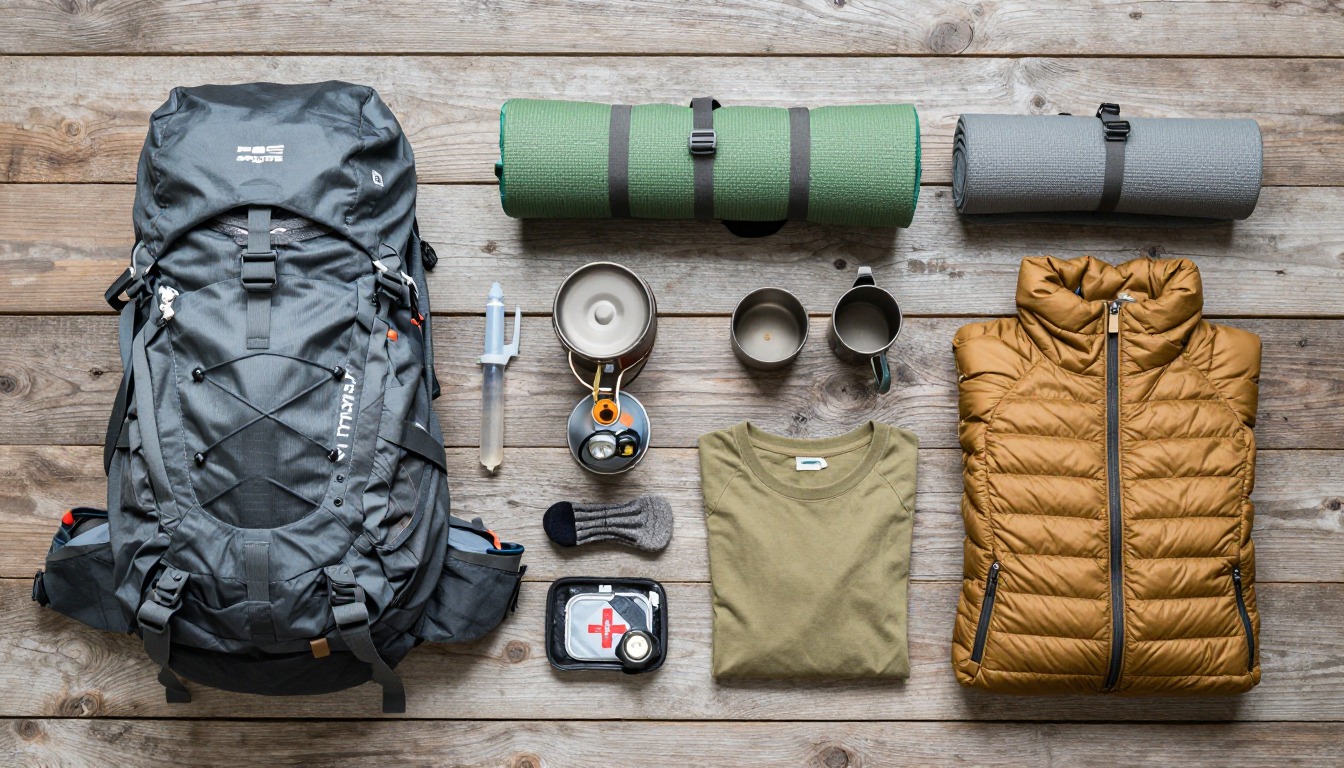
Full curated kits built for exactly this kind of hike — what to bring, why, and links to similar gear.
Lodging details are compiled from official parks, refuge associations and reservation systems and can change without notice. We publish no prices, availability or ratings — always confirm current information on the official site before booking or setting out. Product links and the accommodation map are affiliate links: we may earn a commission at no extra cost to you; product prices and availability are shown on Amazon, and accommodation prices on the booking site. See our affiliate disclosure.