
The women's day hike setup
The gear on a women's day hike doesn't change — water, food, layers, light and first aid. What changes is fit: a pack sized to a shorter torso range, a hip belt shaped to sit on the hips, and boots built on a narrower, lower-volume last. Get the fit right and the same kit simply rides better.
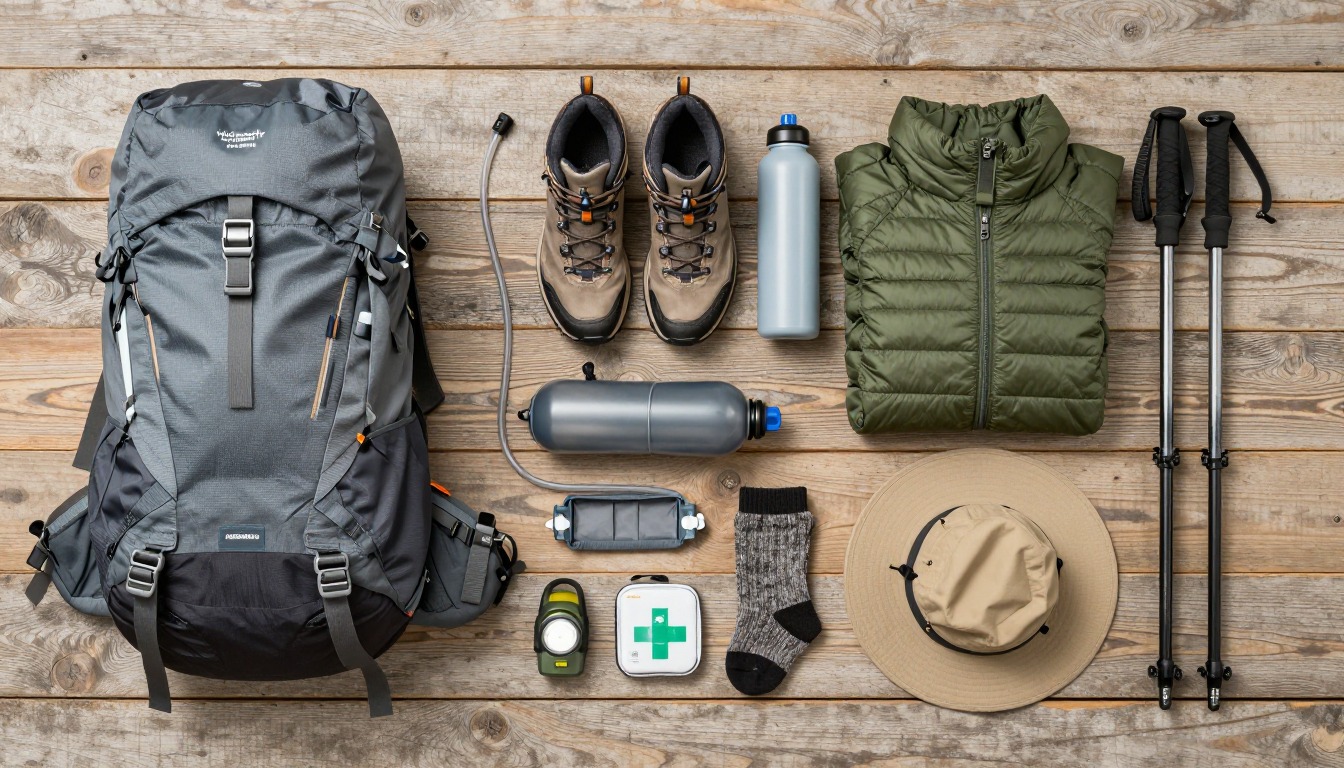
This is the standard day-hike system — the Ten Essentials, sized and shaped for the hike ahead — built with an eye on the categories where fit varies most: the pack's torso length and hip belt angle, footwear volume and width, and the cut of a rain shell or insulated layer through the shoulders and hips. None of that changes what you carry — it changes how comfortable it stays for eight hours.
Women hiking marked day trails who've found that unisex or standard gear rides wrong — a pack that gaps at the lower back, a hip belt that rolls onto the waist, boots with a gap at the heel. It suits anyone whose torso, hip shape or foot volume doesn't match standard sizing, regardless of gender. If your current gear already fits well, there's nothing here you need to change.
- Measure your torso length (not your height) and fit the pack to that number first — it decides how the load rides.
- Try boots by width and heel volume, not just size — a half-size up won't fix a boot cut too wide.
- Layer in a rain shell and warm layer cut for your shape, so nothing bunches under the hip belt.
- Finish with the same safety basics as any day hike, then walk a few miles in the full kit first.
About this setup
For years, "women's" hiking gear mostly meant the same design in a smaller size and a different color — what the industry still sometimes calls "shrink it and pink it." That's changed: most women's-specific packs now use a genuinely shorter torso range and shoulder straps that curve inward to clear the chest, hip belts sweep forward onto the hip bones instead of a straight waist, and shells and insulated jackets get a narrower shoulder line and more hip room so they don't bunch under a loaded pack.
None of that makes the gear itself different — a rain shell is still judged by waterproof rating and breathability, a pack still by capacity and back-panel support. What changes is which body shape a cut and sizing range was built around, which is why the label matters less than the fit: some women are well served by unisex or men's gear, and some men fit women's-specific cuts better, particularly through the shoulders or a narrower foot. Fit to your own torso length, hip shape and foot volume, whichever aisle it's sold in.
Footwear is where fit gets overlooked most. Boots and trail runners are still built around a men's-derived sizing system by default, and a size that matches your foot length can still be too wide through the forefoot or too roomy in the heel — exactly what causes blisters on an otherwise easy trail. Trying boots on with the socks you'll actually hike in, once feet have swelled slightly, catches most of this before it becomes a problem three miles in.
The pack
Torso length, not height, decides whether a pack fits — the single biggest fit variable on a day hike. A hip belt shaped to wrap over the hip bones instead of the waist makes the difference between a pack that disappears and one you fight all day.
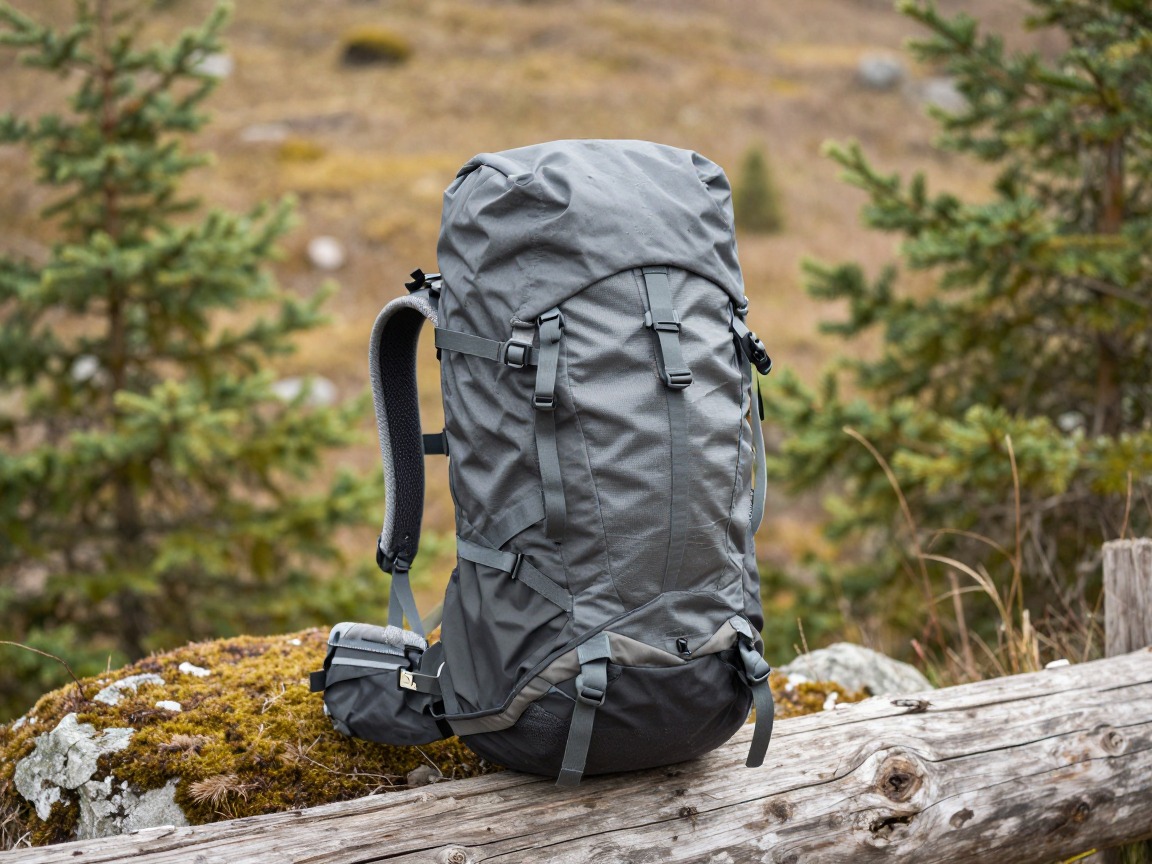
Women's-fit daypack
A day pack built on a shorter torso range, with shoulder straps that curve inward to clear the chest and a hip belt angled to the hips rather than a straight waist.
What to look for: A torso range that matches your measurement, S-curved shoulder straps that taper rather than run straight, and a hip belt with a forward sweep so it rides on the hip bones, not the waist. See the site's women's-fit guide to measure torso length.
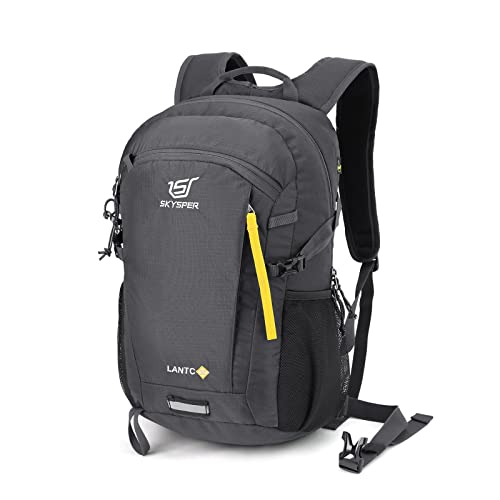 SKYSPER Small Hiking Backpack Check price
  Osprey Sportlite 20L Lightweight Hiking Backpack Check price
 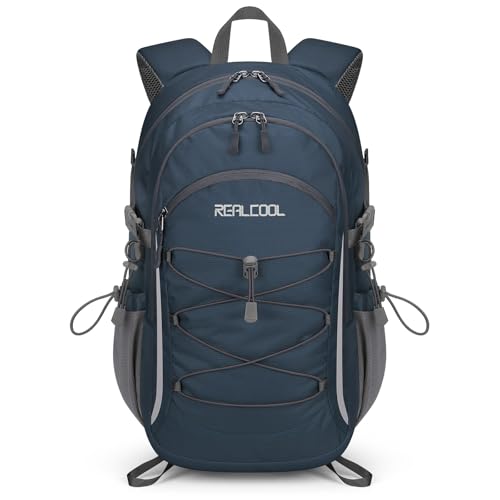 RealCool 20L Lightweight Hiking Backpack Check price
 Footwear
More day hikes are ruined by boots that fit the size chart but not the foot than by anything else — heel slip, a too-wide forefoot or a low-volume instep all show up as blisters by mile three.
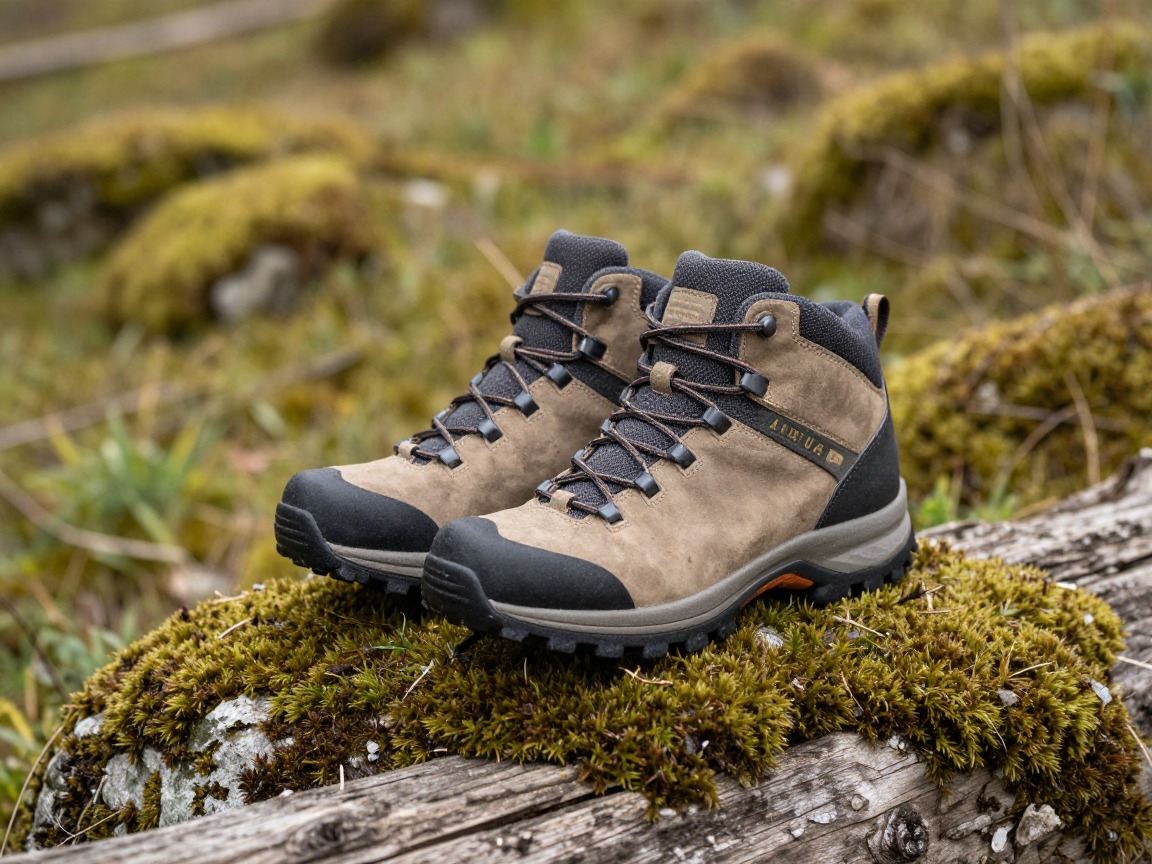
Hiking boots
Ankle support and a stiffer sole for uneven ground, on a last with a narrower heel cup and lower overall volume so the foot doesn't slide inside.
What to look for: A snug, no-slip heel with room to wiggle your toes, a width matched to your forefoot rather than the boot's midpoint size, and room for the socks you'll actually hike in. Break them in first.
 Columbia Men's Transverse Waterproof Hiking Boot Check price
  NORTIV 8 Men's Ankle High Waterproof Hiking Boots Check price
  Columbia Mens Transverse Waterproof Hiking Boot Check price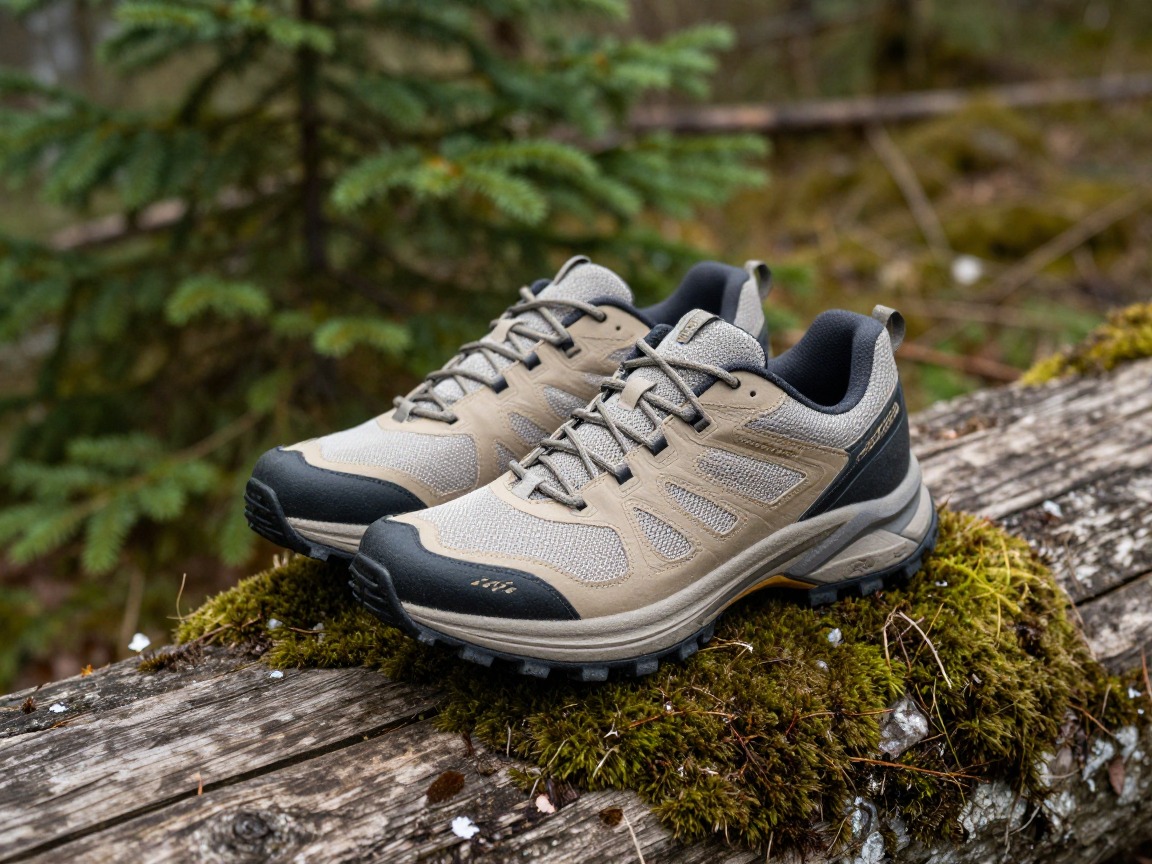
Trail runners
A lighter, lower-cut alternative to boots for well-maintained trails — faster to break in and often easier to find in a true narrow or low-volume fit.
What to look for: A secure midfoot lockdown so the heel doesn't lift on climbs, a toe box wide enough not to pinch, and enough tread for the terrain. Size for your longest foot late in the day.
 Saucony Men's Excursion TR14 Trail Running Shoe Check price
  Adidas Mens Terrex Tracefinder 2 Trail Running Check price
  Brooks Men’s Cascadia 19 Mountain Trail Running Shoe - Black/Black/E Check price
 - A second pair of laces (boot laces fail without warning)
Water & food
Carry more water than you think, plus a way to treat more — the fit conversation doesn't change what your body needs to stay hydrated and fueled.
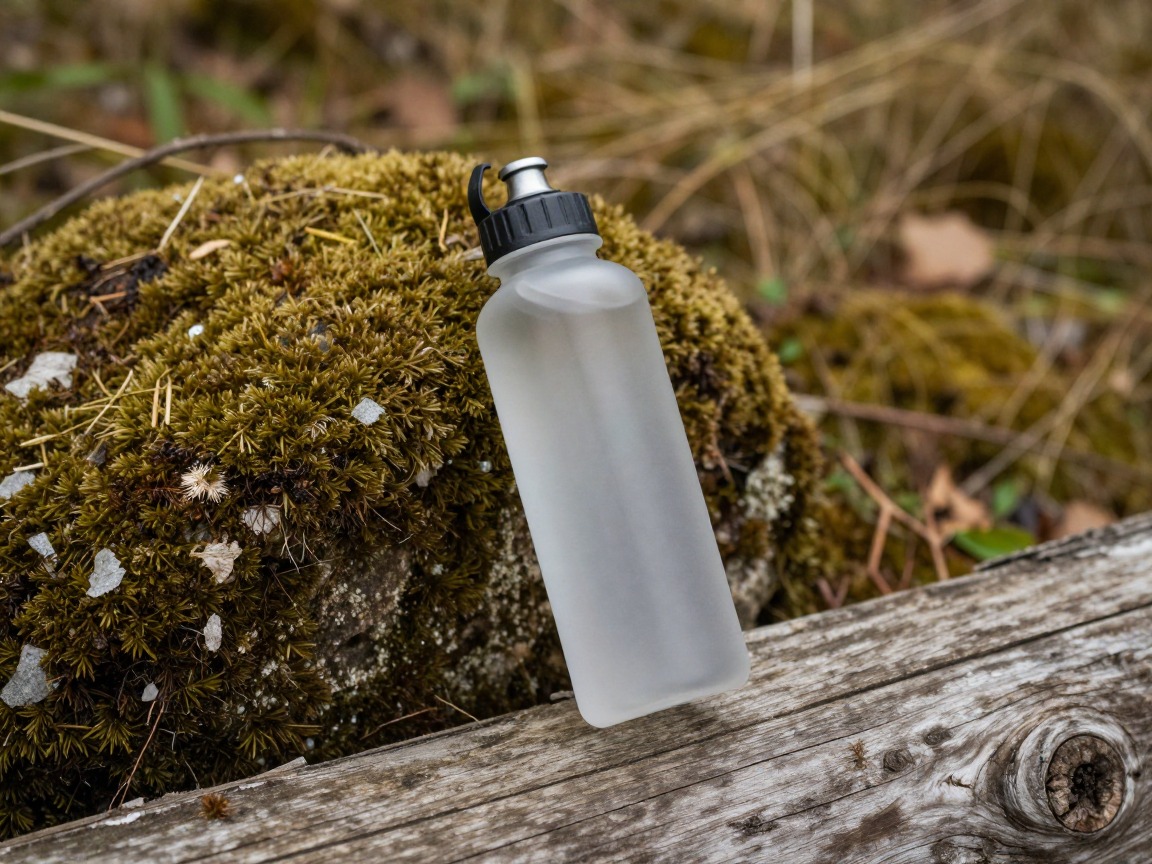
Water bottle
A tough, easy-to-refill bottle — a wide mouth makes it simple to top up from a stream or drop in electrolyte tabs.
What to look for: A wide-mouth, 1 L bottle you don't mind refilling often; insulated if you run hot or cold. Simple and durable beats extra features.
 Nalgene 32 oz Wide Mouth Water Bottle Check price
  Nalgene 32 oz Wide Mouth Water Bottle Check price
  Nalgene 32 oz Wide Mouth Water Bottle Check price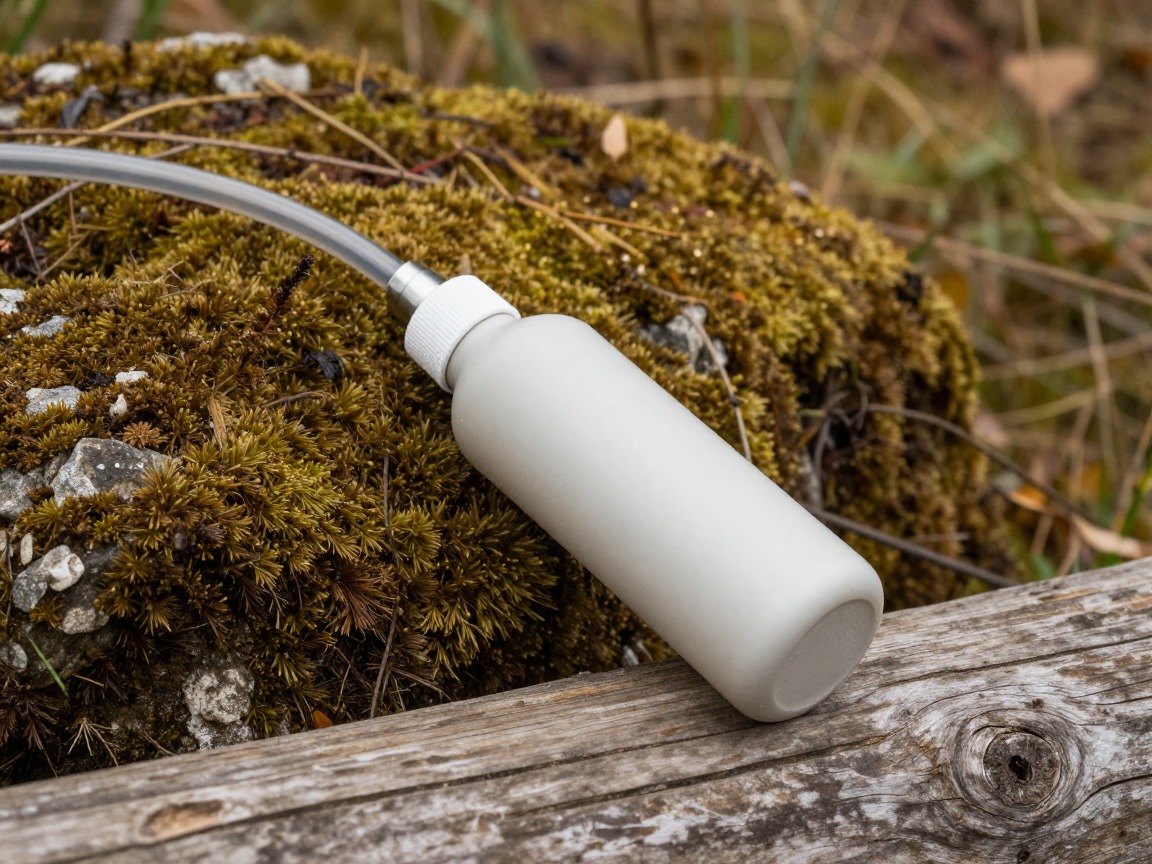
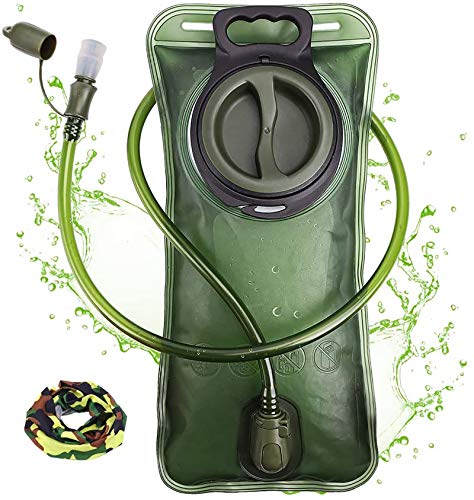
Hydration reservoir
A bladder and hose that let you sip often without stopping — handy on a pack whose straps already keep the hose within easy reach.
What to look for: A 1.5–2 L bladder with a lockable bite valve and a wide opening you can actually clean, routed through a sleeve sized for your pack.
 Hydration Bladder Check price
  Hydration Bladder Check price
  Mdvora 1.5L/2L/2.5L/3L Hydration Bladder Check price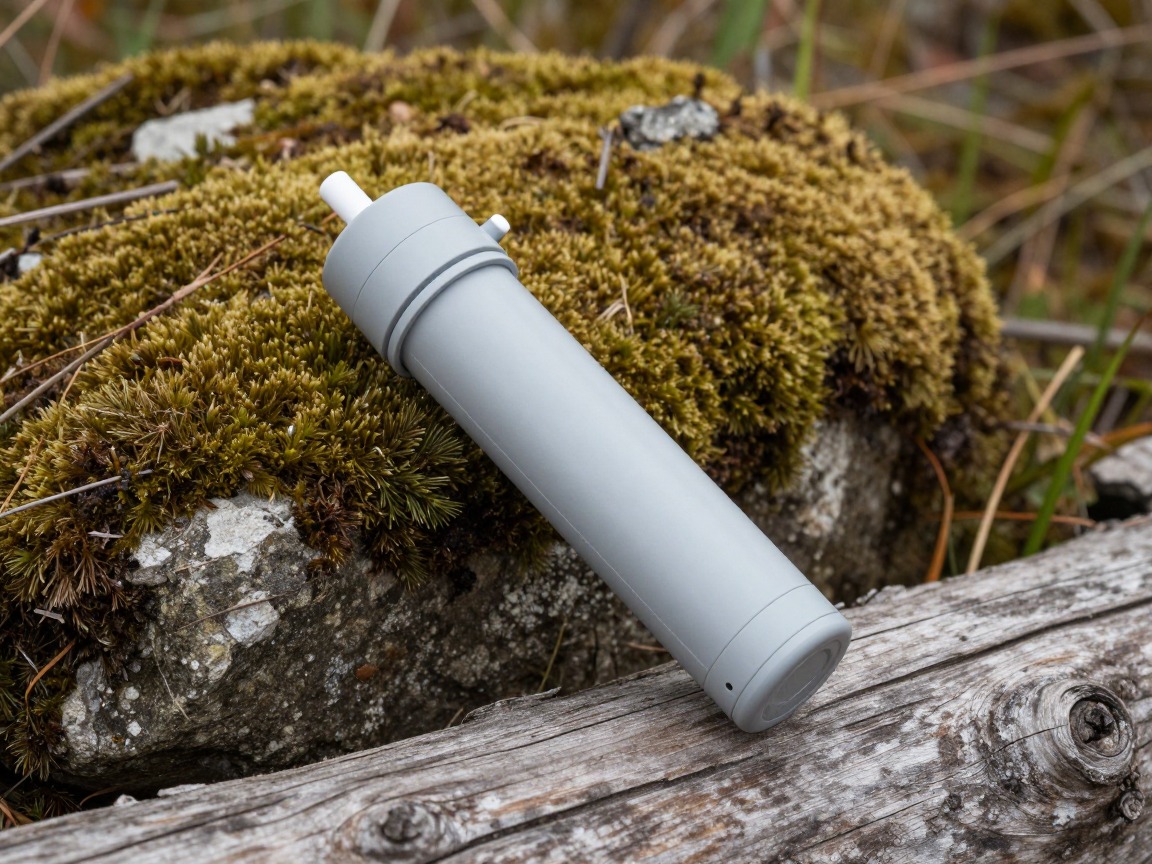
Water filter
Turns a stream into safe drinking water, so you're never fully limited by what you started the hike carrying.
What to look for: Fast flow, easy backflushing, and low weight — a squeeze filter covers most day-hike needs. Note its flow rate and cold-weather freeze limits.
 Sawyer Squeeze Water Filtration System Check price
  Sawyer Products SP128 Mini Water Filtration System Check price
  LifeStraw Personal Water Filter for Hiking Check price
 - Lunch + high-energy snacks
- Electrolyte tabs or drink mix
- A small ziplock or wet-bag for hygiene items, plus hand sanitizer
Clothing & layers
A rain shell and warm layer cut for a narrower shoulder and more hip room sit properly under a loaded hip belt instead of bunching — the fabric and waterproofing work exactly the same either way.
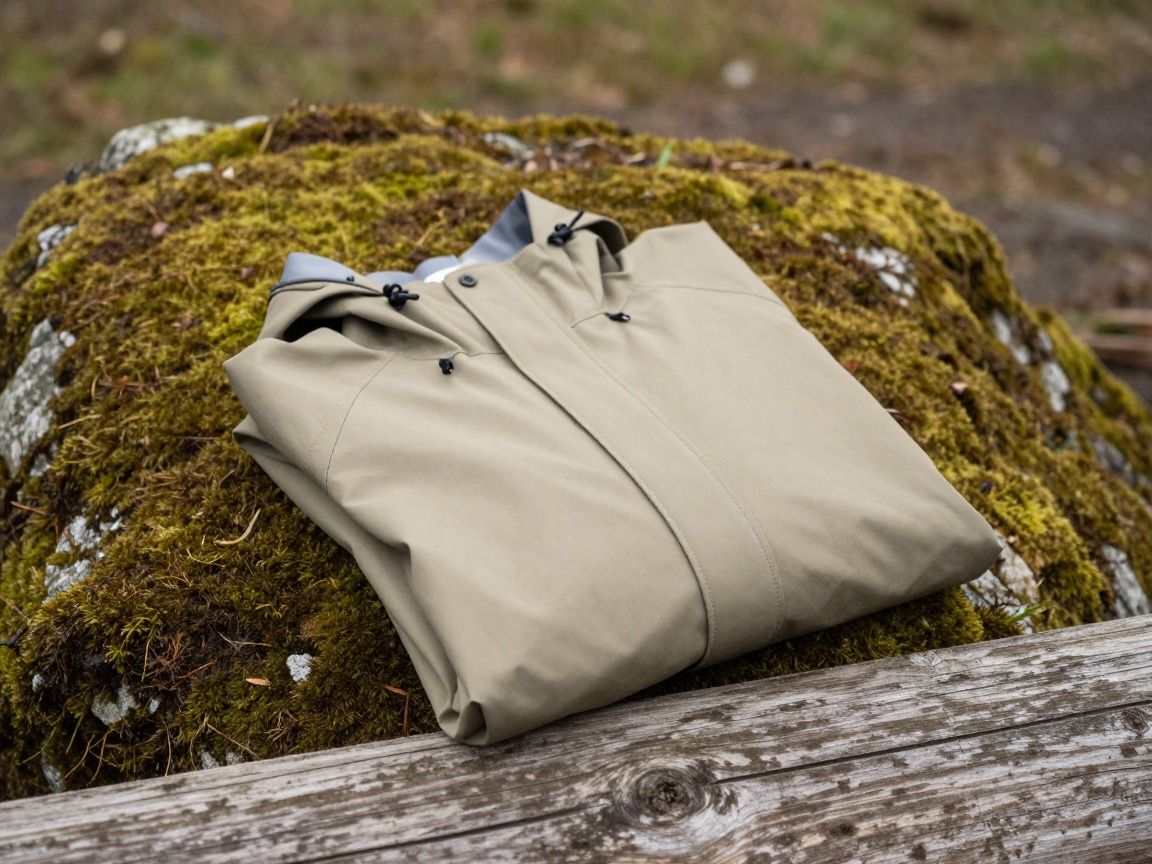
Rain shell
A packable waterproof jacket cut with a narrower shoulder and shorter sleeve so it doesn't balloon under pack straps, with hip room to clear a loaded hip belt.
What to look for: Waterproof, breathable, a hood that fits over a hat, pit zips to dump heat, and a hem long enough to clear the hip belt overhead. Try it on over your actual base layer, not bare skin.
 UIQUR Mens Rain Jacket Raincoat Waterproof Windbreaker Black L Check price
  COOFANDY Men's Waterproof Hiking Travel Shell Breathable Rain Jacket Check price
  Columbia Womens Arcadia II Waterproof Rain Jacket Check price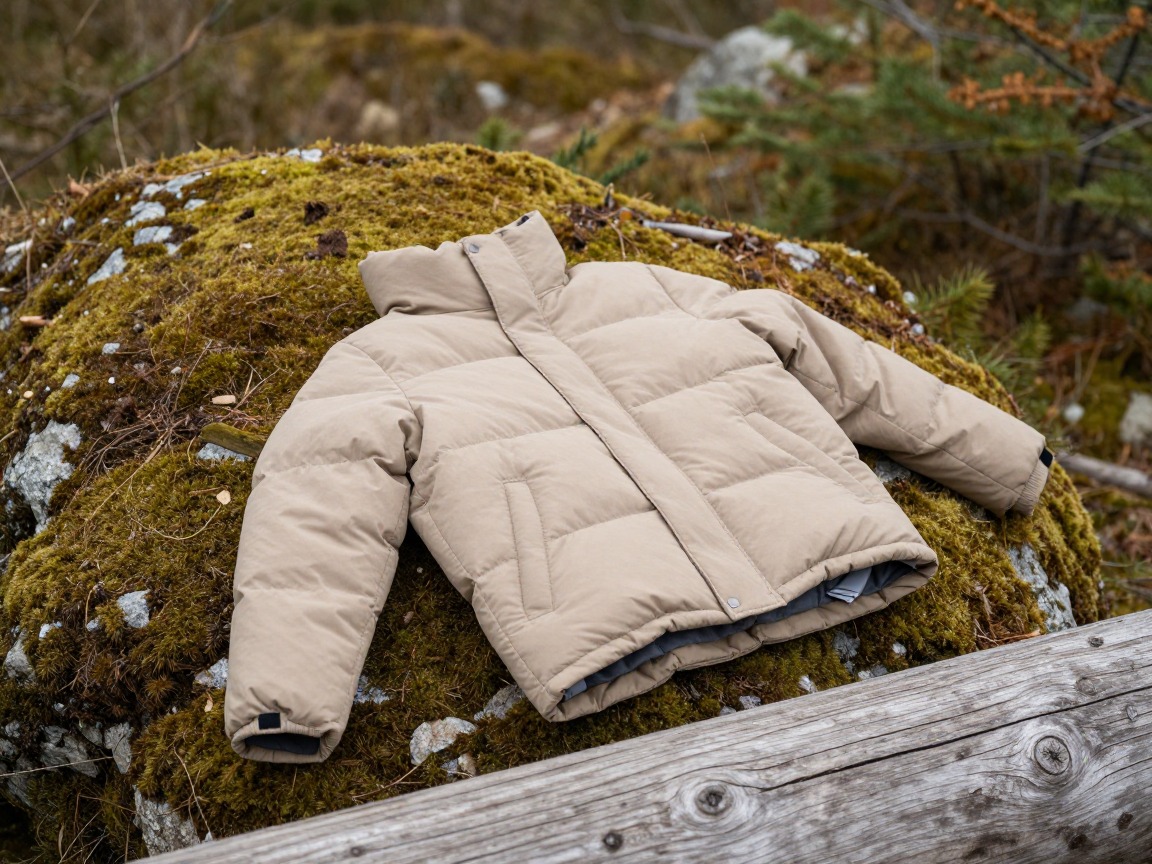
Warm layer
A light fleece or packable puffy for breaks and summits, cut close through the shoulders to layer cleanly under a rain shell without bulking at the straps.
What to look for: Warmth for its weight first, a fitted cut second so it doesn't bulk where your shoulder straps sit. Synthetic shrugs off damp better than down.
 Outdoor Ventures Women's Packable Lightweight Puffer Jacket with Hoo Check price
  Amazon Essentials Women's Lightweight Long-Sleeve Water-Resistant Pa Check price
  Outdoor Ventures Women's Packable Lightweight Puffer Jacket with Hoo Check price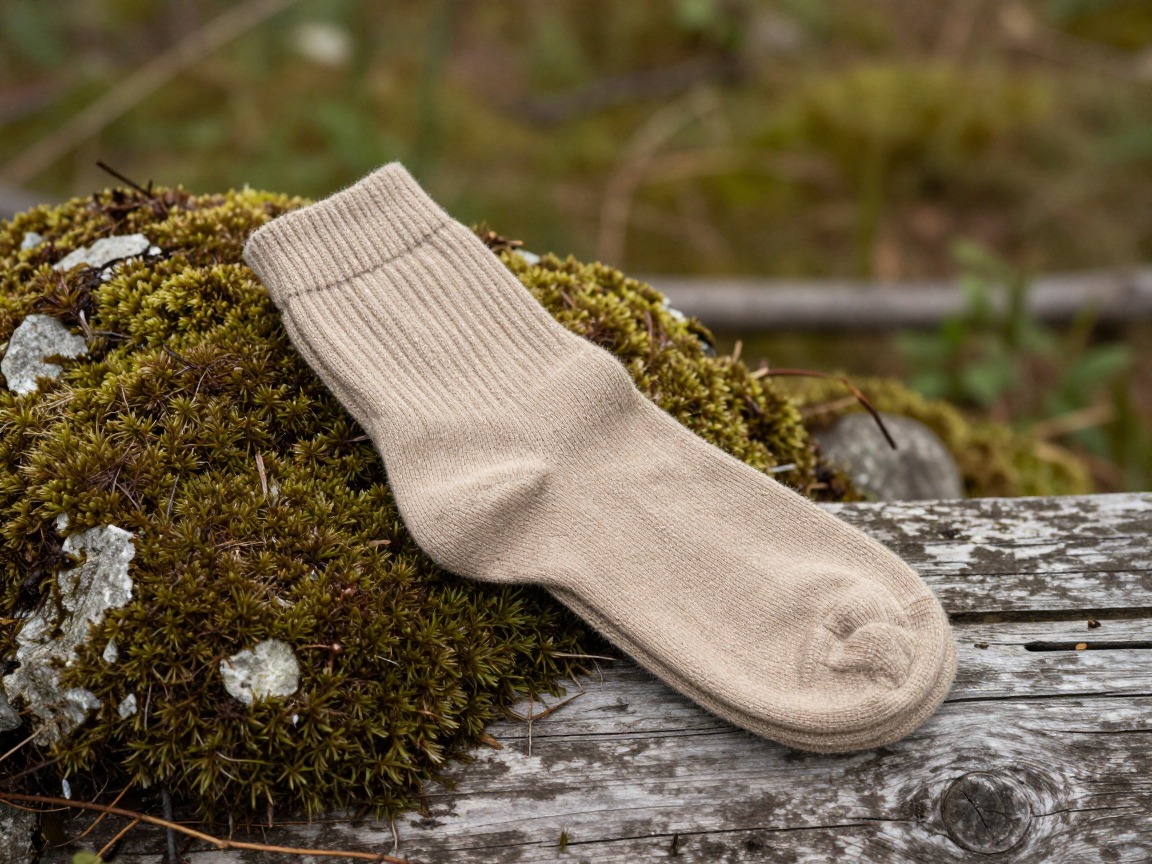
Hiking socks
Wool or synthetic socks sized to an actual foot shape — narrower through the heel and midfoot on many women's-specific lasts — to prevent the slip that causes most blisters.
What to look for: A wool-blend sock cushioned where your boot rubs, sized rather than guessed, tall enough to clear the boot cuff. Never cotton — it holds sweat and breeds blisters.
 Alvada Merino Wool Hiking Socks Thermal Warm Crew Winter Boot Sock F Check price
  DANISH ENDURANCE Merino Wool Socks for Men & Women Check price
  innotree 3 Pack Men's Merino Wool Hiking Socks Check price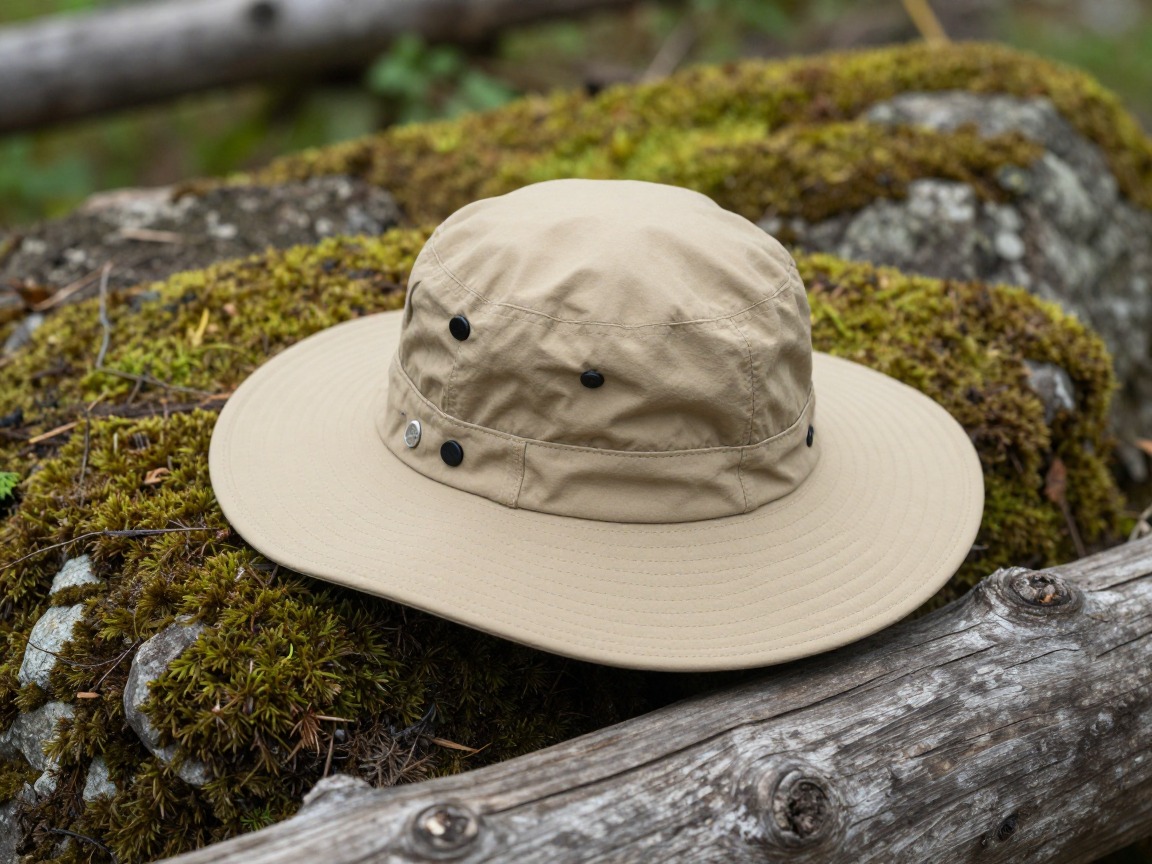
Sun protection
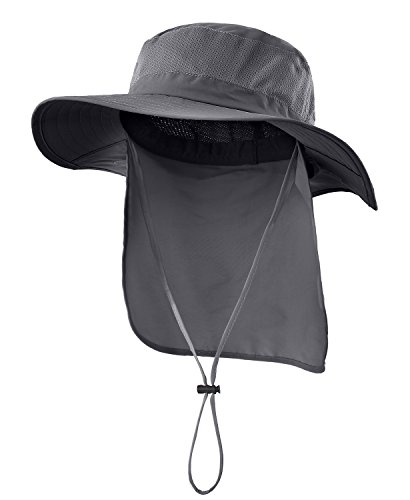
A brimmed hat with a ponytail port plus sunscreen and sunglasses — sun exposure adds up fast on open trail, and the port keeps a hat wearable with hair tied back.
What to look for: A brim that shades your face and neck, a rear port for a ponytail, breathable packable fabric, paired with UV sunglasses and reapplied sunscreen.
 FURTALK Womens Sun Hat with Ponytail Hole Beach Hiking Summer Wide B Check price
  Home Prefer Outdoor UPF50+ Mesh Sun Hat Wide Brim Fishing Hat with N Check price
  FURTALK Sun Hats for Men Fishing Hat UPF Protection Wide Brim Bucket Check price
 - Moisture-wicking base layer & hiking pants or shorts
- A supportive, moisture-wicking sports bra without chafe-prone seams
- Warm hat or buff (shoulder seasons)
Navigation, light & safety
A light, a map and a small first-aid kit turn 'benighted and lost' into 'a bit late' on any day hike — the only fit note here is sizing trekking-pole grips and length to your actual hand and height.
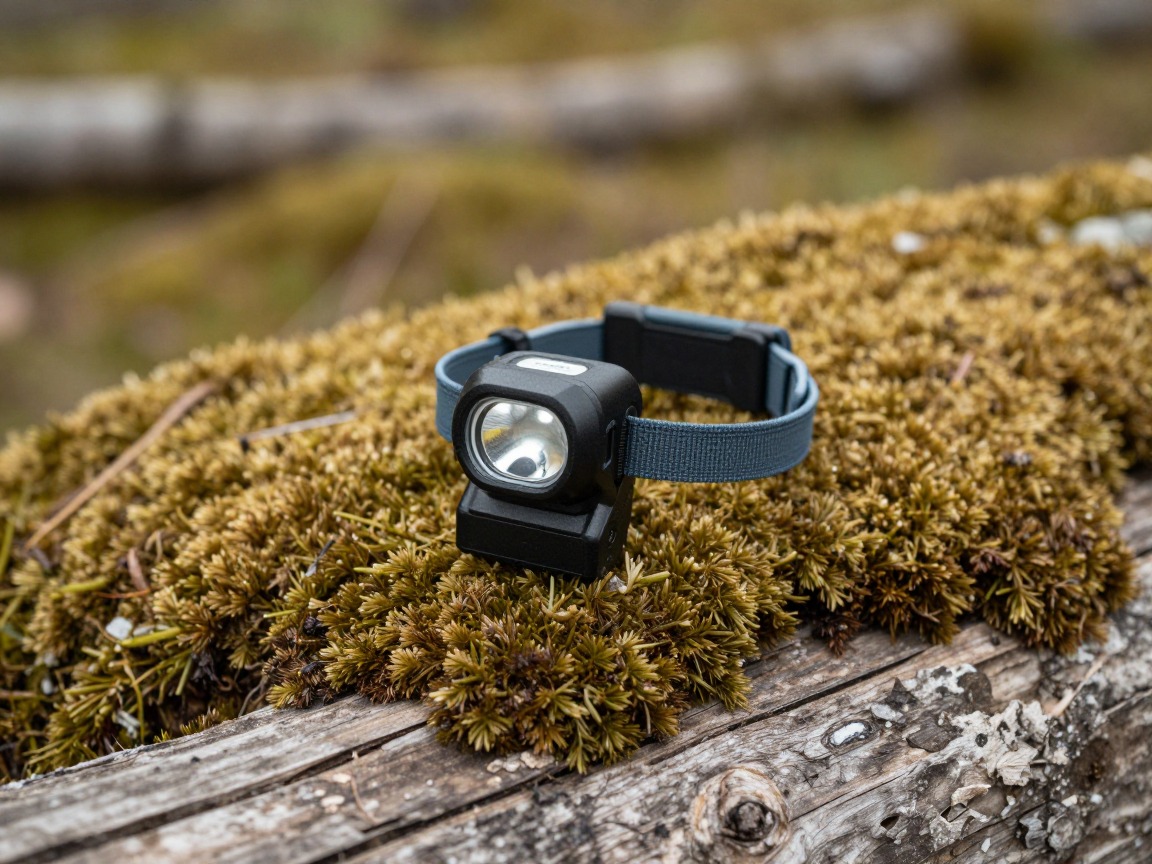
Headlamp
Hands-free light for an unplanned late finish — worth carrying even on a hike you're sure will end before dark.
What to look for: Enough output to hike by (roughly 200+ lumens), a strap that doesn't slip on a ponytail, and rechargeable or easily-swapped batteries. A lock mode stops it draining in your pack.
 LHKNL Headlamp Flashlight Check price
 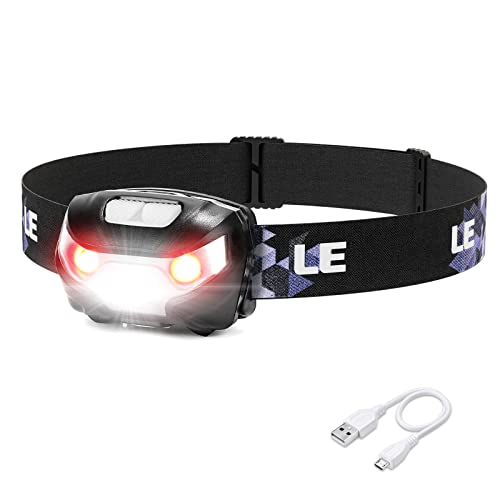 Lepro LED Headlamp Rechargeable IPX4 Waterproof Headlight 5 Modes - Check price
 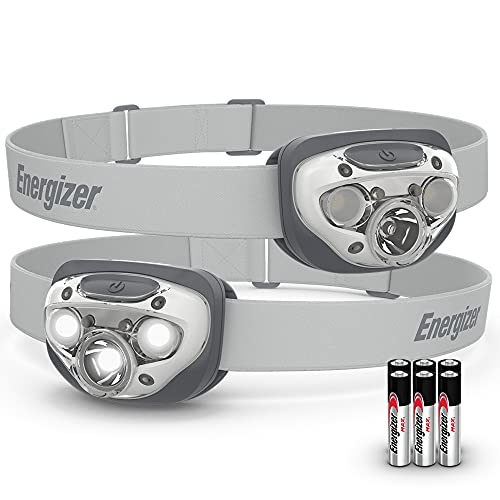 Energizer LED Headlamp PRO Check price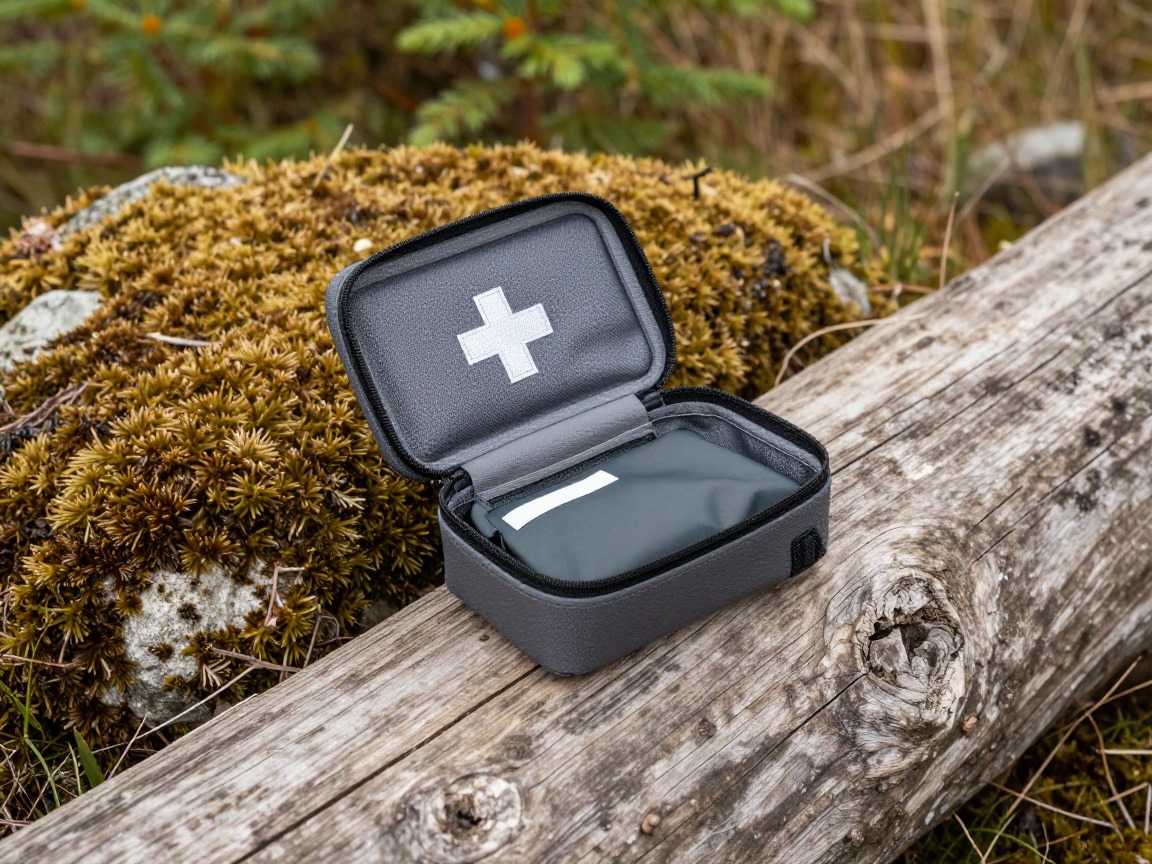
First-aid kit
A compact kit for blisters, cuts and the small stuff — blister care is usually the most-used item in it, so weight the kit accordingly.
What to look for: Blister pads and moleskin front and center, plus basics for cuts and minor injuries — then learn what's in it before you need it.
 Mini First Aid Kit - 150 Piece Small Waterproof EVA Hard Shell Case Check price
  Adventure Medical Kits Ultralight/Watertight Medical Kit .5 Check price
 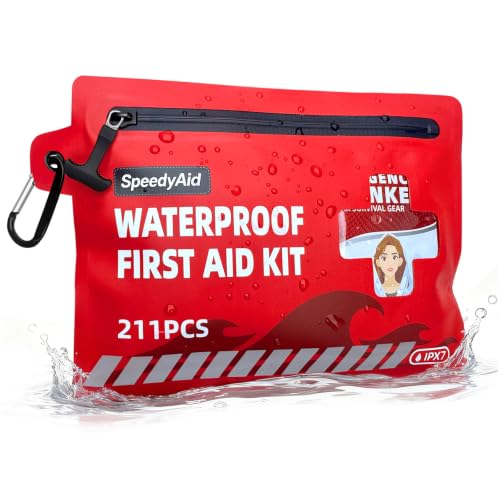 211 PCS Waterproof First Aid Kit Check price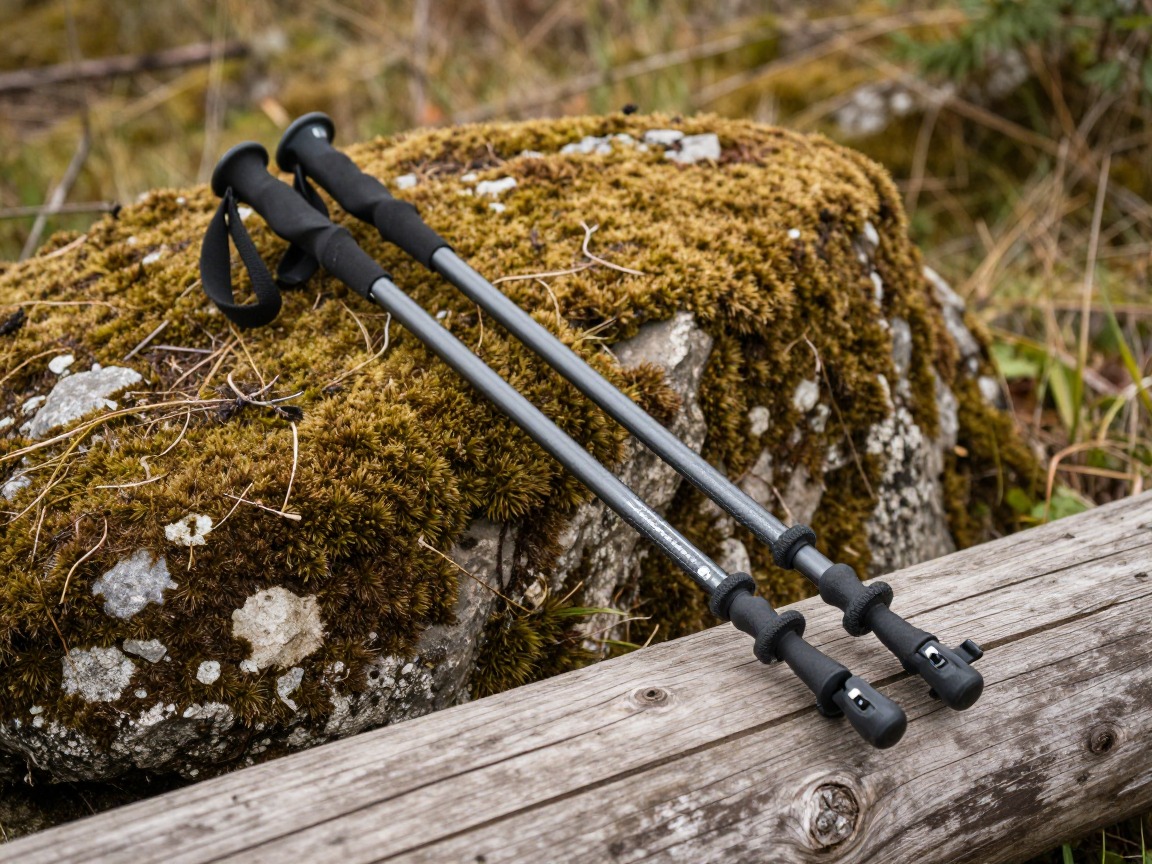
Trekking poles
Optional, but they save your knees on descents and add stability on rough ground — smaller-diameter grips and a shorter default length fit smaller hands and arms better than a one-size pole.
What to look for: Adjustable poles that collapse short enough for your height, grips sized to your hand rather than oversized foam, and locks that hold under load. Carbon saves weight; aluminum takes more abuse.
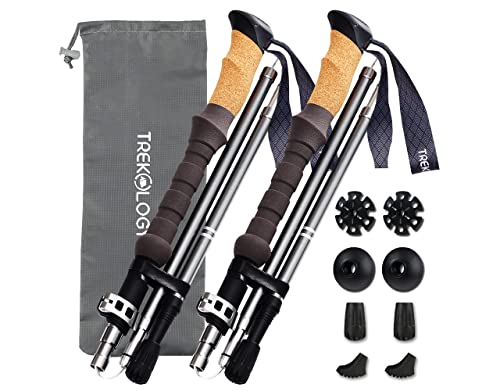 Trekology Trek-Z Cork Grip Collapsible Lightweight Hiking Trekking P Check price
 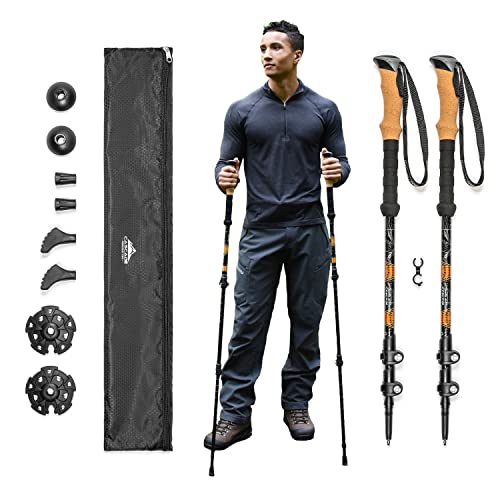 Cascade Mountain Tech Trekking Poles Check price
 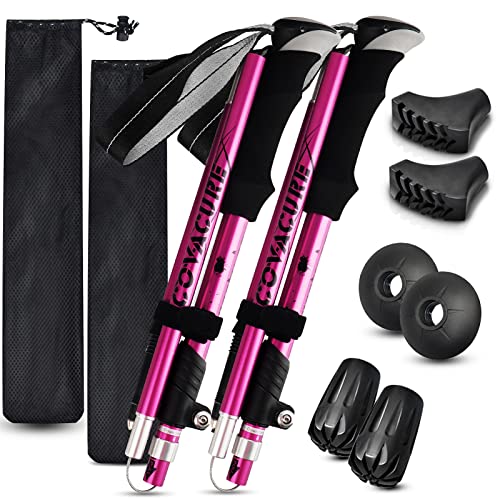 covacure Hiking Poles Check price
 - Map + compass or GPS (with offline maps)
- Sunscreen & SPF lip balm
- Whistle
- Phone + power bank
- Fire — lighter/matches
- Emergency shelter (bivy/space blanket)
How to adapt this setup
Look for boots or trail runners described as narrow-fit or low-volume rather than sizing down in a standard width — a smaller size in the wrong width just moves the pressure point.
Prioritize a pack's torso-length range over its liter capacity — a great pack that's too long in the back will never carry well.
Look for brands that extend hip-belt and harness sizing beyond standard, and check a jacket's actual hip and shoulder measurements, not the size label.
Carry more water than the distance suggests and lean on the sun hat's ponytail port and breathable fabric — see the summer day-hike setup for the full swap.
Add a warm hat and gloves and step up the insulated layer, keeping the same fitted-shoulder cut.
Common mistakes to avoid
- Choosing a pack by color or capacity alone and skipping the torso-length measurement that determines fit.
- Sizing boots up to fix a too-wide fit instead of looking for a narrower width or lower-volume last.
- Letting a hip belt ride up onto the waist instead of wrapping over the hip bones, then blaming the pack.
- Trying a rain shell or insulated jacket on over bare skin instead of your actual base layer.
- Using a trekking-pole length or grip sized for someone taller, causing wrist strain on descents.
- Ignoring blister-prone spots from past hikes instead of picking socks and footwear width to address them.
Make it yours
Frequently asked questions
Do I really need women's-specific hiking gear?
Not necessarily — fit matters, not the label. Women's-specific gear is typically built around a shorter torso range, a hip belt shaped for the hips, and narrower footwear lasts, which suits many women well, but unisex or men's gear that matches your torso length, hip shape and foot volume works just as well.
How do I measure my torso length for a pack?
Measure from the bony bump at the base of your neck down to a line level with the top of your hip bones, following your spine's curve. That number, not your height, is what a pack's size or adjustment range should match — our fit and sizing guide walks through it.
Why do my hiking boots fit in length but still hurt?
Length is only one dimension — width and heel volume matter just as much. A boot that's the right length but too wide through the forefoot or too roomy in the heel lets your foot slide, causing the rubbing and blisters that feel like a sizing problem but are really a width problem.
Are shorter trekking poles better for smaller hikers?
Adjustable poles solve most of this — collapse them to a length that keeps your elbow near a right angle on flat ground. The bigger overlooked factor is grip diameter: a grip sized for a larger hand can cause fatigue over a long hike regardless of pole length.
What's the single biggest fit mistake on a women's day-hike kit?
Sizing the pack by capacity or the boots by length alone, and skipping the measurements that actually decide fit — torso length for the pack, width and heel volume for footwear. Both are quick to check before you buy and costly to ignore a few miles in.
Illustrative images show the type of gear, not specific products. Recommendations link to similar items on Amazon; we only ever link real listings and never show fabricated prices or ratings. General planning guidance, not a substitute for your own judgment or professional backcountry-safety instruction.