
The West Highland Way setup
The West Highland Way runs roughly 96 miles from the edge of Glasgow to Fort William, climbing from lochside forest track onto open Highland moor and mountain pass. Most walkers cover it in six to eight days, sleeping in a B&B, hostel, or bunkhouse each night rather than carrying camping gear — though wild camping along the route is a real, well-used option too. This is a complete setup for that walk, built around Scotland's two defining conditions: rain that shows up most days, and the notorious Highland midge.
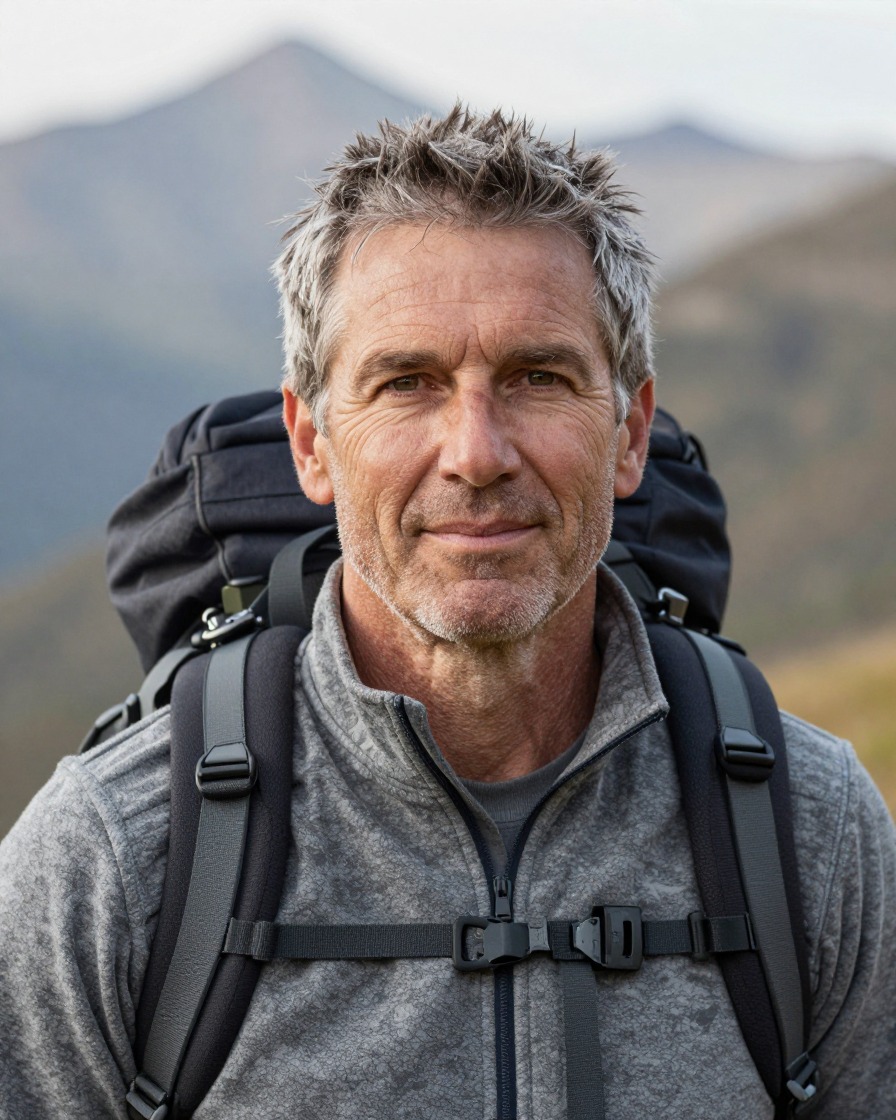
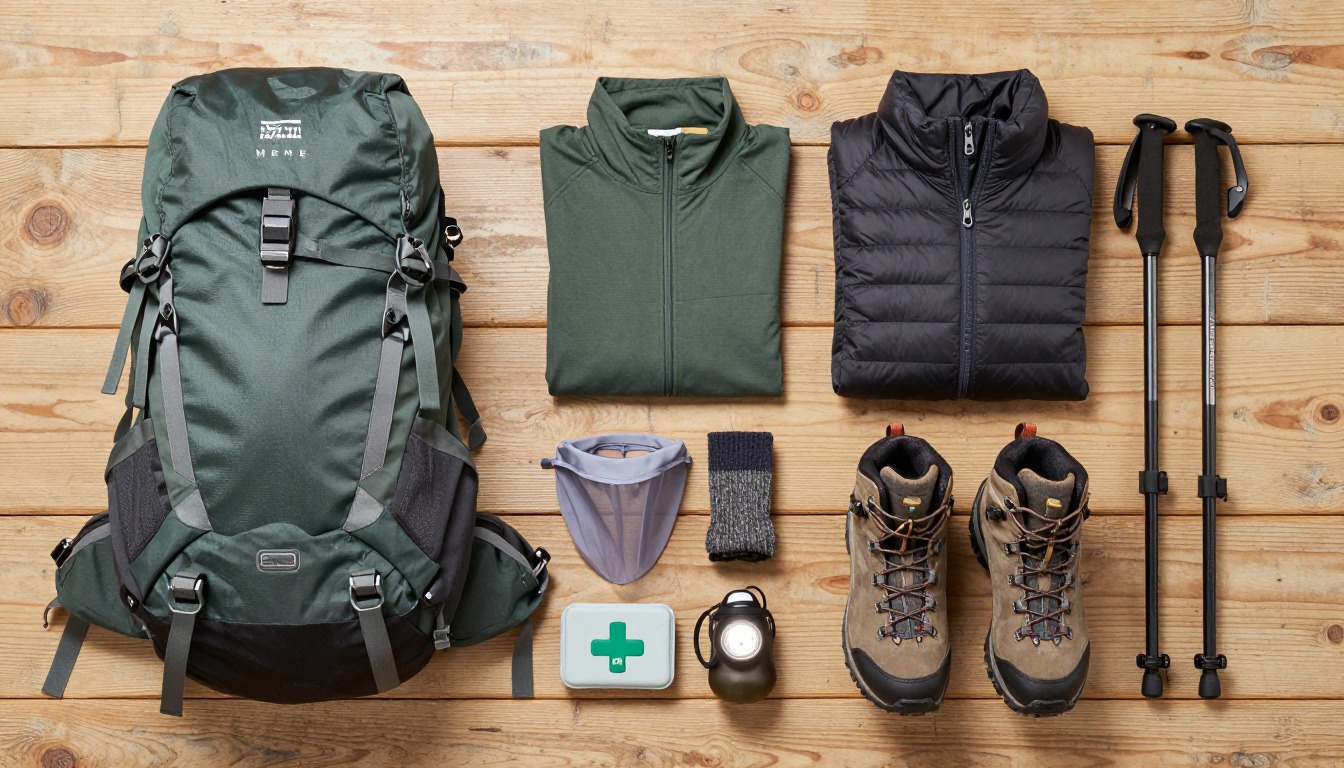
A West Highland Way kit is built around three things at once: rain that shows up most days rather than occasionally, boggy and uneven ground underfoot for long stretches, and the Highland midge, which turns an ordinary rest stop into a reason to keep moving. Waterproofing, gaiters, and a pack liner handle the wet; a head net and repellent handle the midges; and a sock-and-boot system built for six-plus consecutive days handles the one thing that ends more Ways early than the weather does — blisters.
This setup suits anyone walking all or part of the West Highland Way, whether you're staying in B&Bs, hostels, and bunkhouses each night or wild camping along the route. It's built for the standard six-to-eight-day pace with a daily pack, not an ultra-fast attempt or a full winter mountaineering trip — genuine winter conditions on the higher, more exposed sections call for separate skills and gear.
- Start with genuinely waterproof outerwear — a real rain shell and, if you can, waterproof boots — since rain here is the rule, not the exception.
- Sort your feet next: boots or shoes already broken in, a wool sock system, gaiters for the bog, and a blister kit you know how to use.
- Add midge defense — a head net and repellent — before you need it, not after you're already being bitten at a rest stop.
- Decide your accommodation approach — B&Bs and hostels with a light daily pack, with or without a bag-transfer service, or wild camping with full shelter and sleep gear — then size your pack to match.
About this setup
The West Highland Way runs about 96 miles from Milngavie, just north of Glasgow, to Fort William at the foot of Ben Nevis, and is usually walked south to north over six to eight days. The terrain changes character as you go: gentle lochside forest and farmland past Loch Lomond gives way to open, exposed moor crossing Rannoch Moor, then a steep climb over the Devil's Staircase into Kinlochleven before the final stretch through Glen Nevis to Fort William. That range of terrain, more than any single stretch, is what shapes this packing list.
Scotland's Highland weather is the other constant. Rain shows up on most days rather than as an occasional event, and conditions over the open moor sections can shift from clear sky to driving, horizontal rain within an hour, with little warning. The boggy ground has its own reputation — long stretches of churned peat and standing water, worst across Rannoch Moor, that have earned the Way an informal nickname among hikers as much for the mud as the views. Then there's the Highland midge, a tiny biting insect that gathers in still, windless conditions near water and forest, worst from roughly late spring through late summer and thickest at dawn and dusk. Between the rain, the bog, and the midges, this is a route that rewards a properly built kit far more than good weather luck.
Accommodation is where the West Highland Way differs most from a typical multi-day trek: a long-established network of B&Bs, hostels, and bunkhouses lines the route, and several baggage-transfer services will move your main bag between stops for a fee, letting many walkers carry only a light daily pack. Wild camping remains a legal, popular alternative under Scotland's outdoor access tradition, though a few zones — notably parts of the Loch Lomond shore — carry seasonal camping management restrictions, so it's worth checking current rules before you plan around it. Neither approach is more authentic than the other; this list works for both, with the accommodation choice mainly affecting how much you carry.
The pack
You'll carry this pack every one of six to eight consecutive days, whether you're walking hut-to-hut or meeting a bag-transfer van each evening — size and a reliable liner matter more than any single feature.
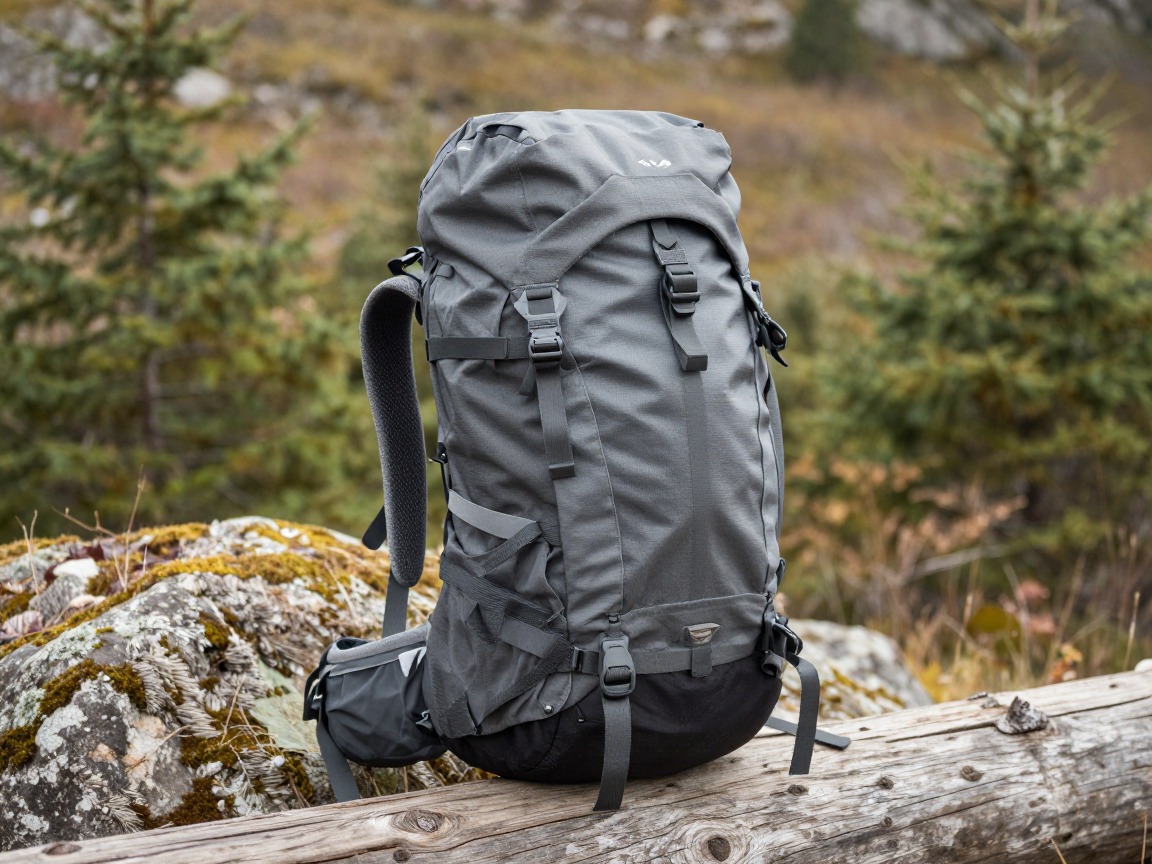
35–45L trekking pack
Carries a day's layers, food, and water plus the odd overnight essential, sized to hold full waterproofs and a warm layer on top of the daily basics without overflowing.
What to look for: A comfortable, well-padded hip belt for consecutive long days, easy-access side or hip-belt pockets for a map and snacks, and a simple shape without excess mesh that holds water in the rain.
 WoneNice 50L Check price
  Teton 55L Scout Internal Frame Backpack for Hiking Check price
 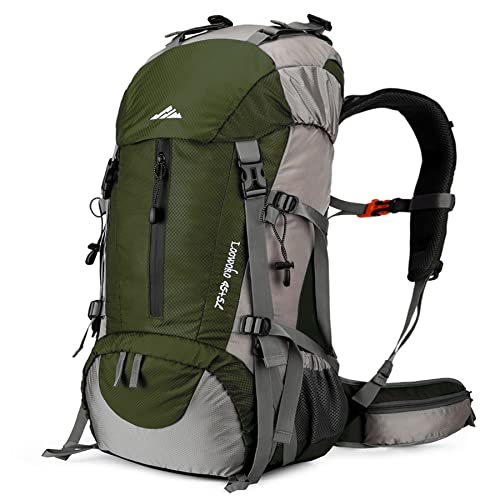 Loowoko 50L Hiking Backpack with Rain Cover for Both Men & Women Check price
 - A heavy-duty pack liner (a contractor-grade bag or dry bag) lining the inside of the pack — the Way sees rain most days, and a liner does more than any rain cover.
- Smaller dry bags or zip-top bags for your phone, ID, and spare socks.
Clothing: dressing for near-constant rain and a changeable Highland sky
The West Highland Way can deliver sun, wind, and driving rain in the same afternoon — genuinely waterproof outerwear and a couple of solid mid layers matter more here than in most places.
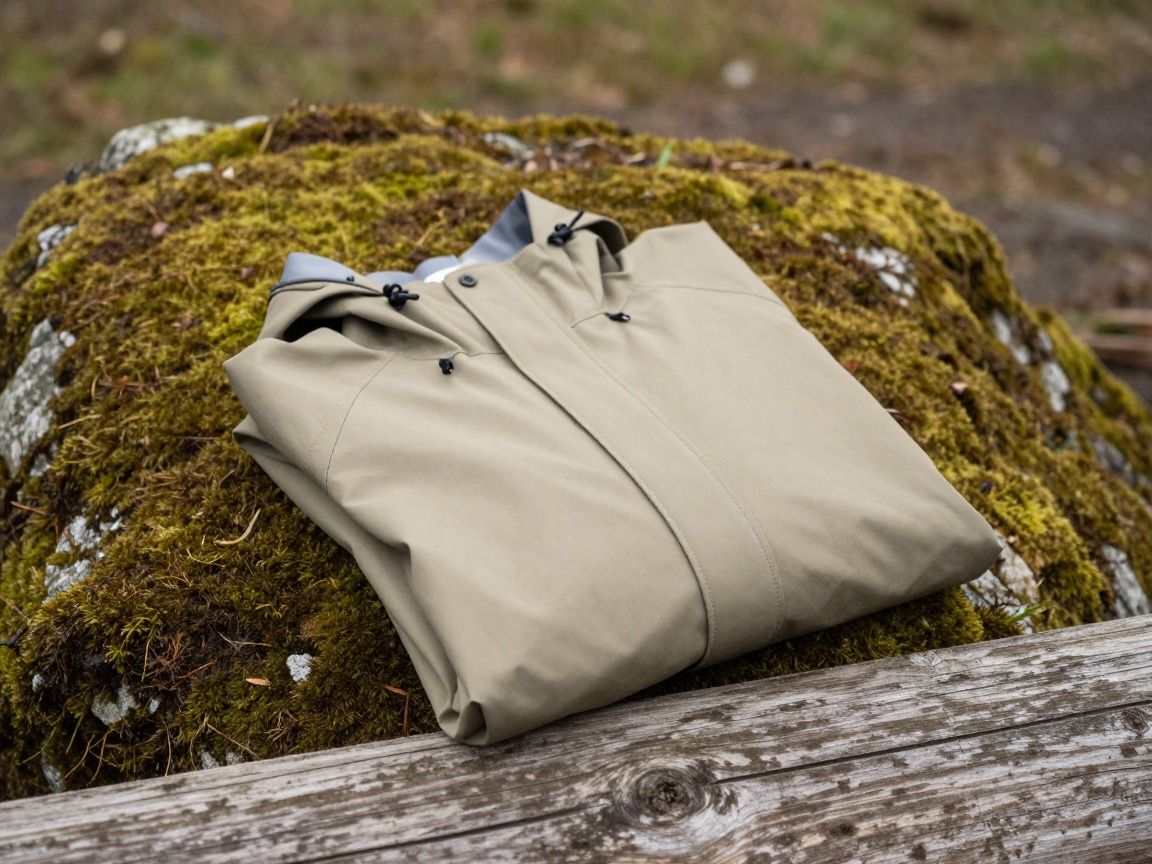
Waterproof rain shell
Your main defense on a route where rain shows up most days rather than as an occasional shower, worn for hours at a stretch over open moor with no tree cover.
What to look for: Fully seam-taped and genuinely waterproof-breathable rather than merely water-resistant, a hood that stays put in wind, and pit zips or similar venting for the climbs.
 UIQUR Mens Rain Jacket Raincoat Waterproof Windbreaker Black L Check price
  COOFANDY Men's Waterproof Hiking Travel Shell Breathable Rain Jacket Check price
  Columbia Womens Arcadia II Waterproof Rain Jacket Check price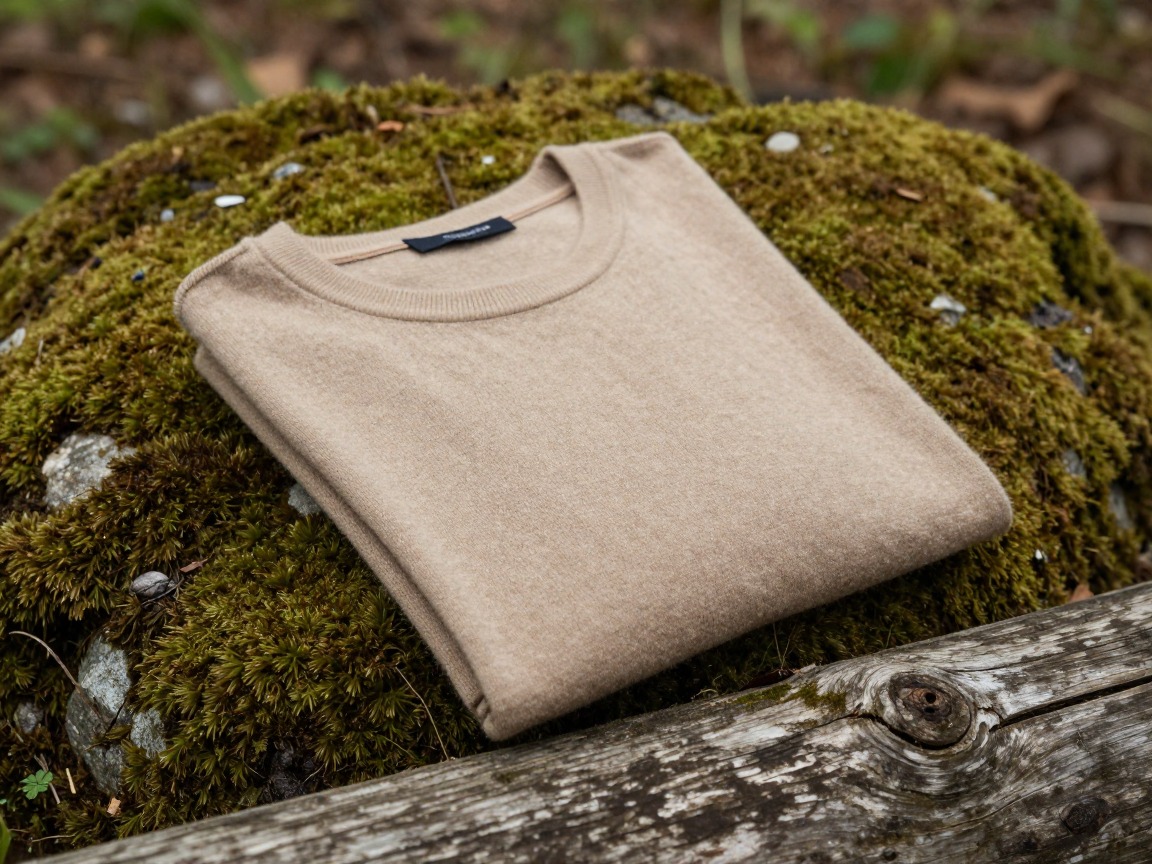
Base layer
Worn under the shell to move sweat away from your skin on the climbs, since you'll heat up fast even in cool, wet weather.
What to look for: Merino wool or a synthetic wicking fabric, never cotton — packing two lets you rotate a damp one out each evening.
 100% Merino Wool Base Layer Men Set - Thermal Underwear for Men Long Check price
  Merino.tech Merino Wool Base Layer Women Set - Heavyweight Check price
  100% Merino Wool Base Layer Men Set - Thermal Long Underwear with Ba Check price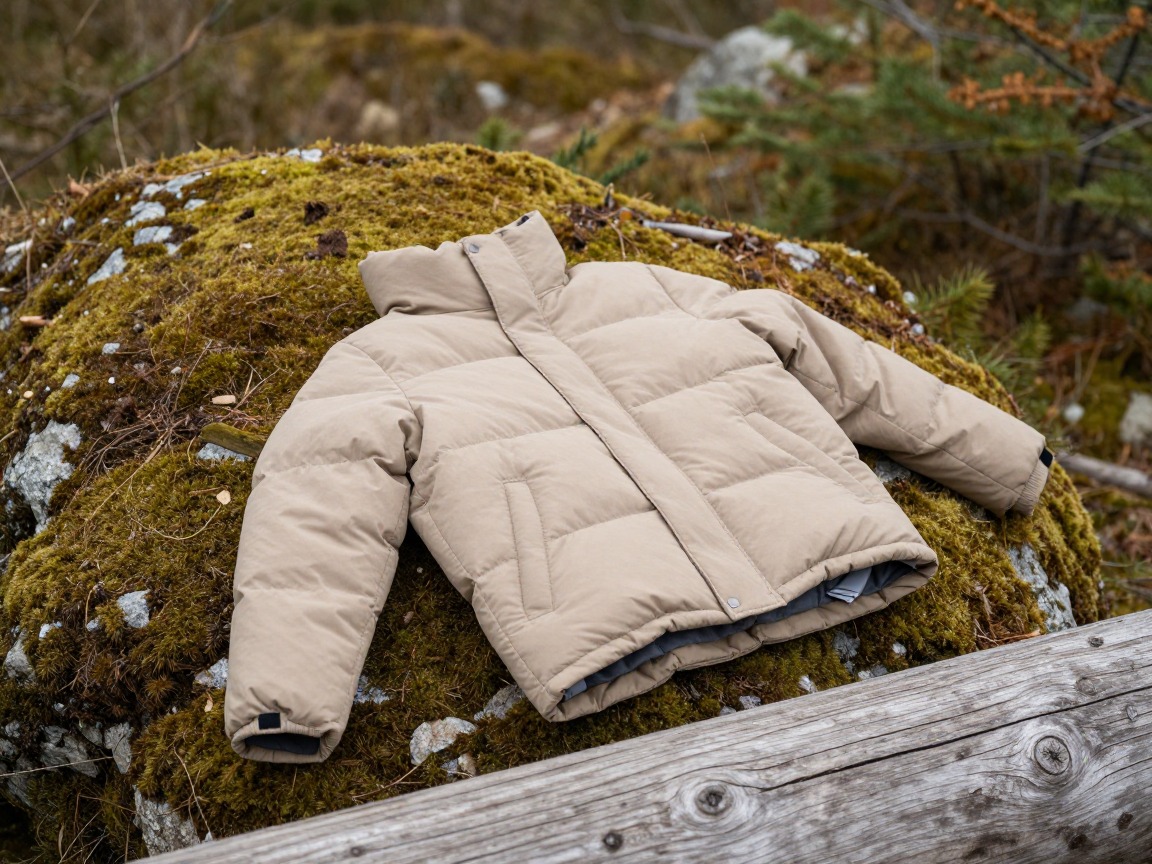
Insulating mid layer
Goes on the moment you stop moving, at a viewpoint, in a wind on Rannoch Moor, or the second the temperature drops toward evening.
What to look for: A packable fleece or synthetic-fill jacket that still insulates if it gets damp, since down struggles in a climate this wet.
 Outdoor Ventures Women's Packable Lightweight Puffer Jacket with Hoo Check price
  Amazon Essentials Women's Lightweight Long-Sleeve Water-Resistant Pa Check price
  Outdoor Ventures Women's Packable Lightweight Puffer Jacket with Hoo Check price
 - Waterproof rain pants or a rain kilt for the wettest days
- A warm hat and a pair of light gloves — wind chill on the exposed sections can bite even in summer
Feet and legs: blister-proofing for six-plus days, and the bog
More Ways get cut short by feet than by weather. Between the daily mileage and the notoriously boggy stretches, footwear, socks, and gaiters deserve as much attention as anything else on this list.
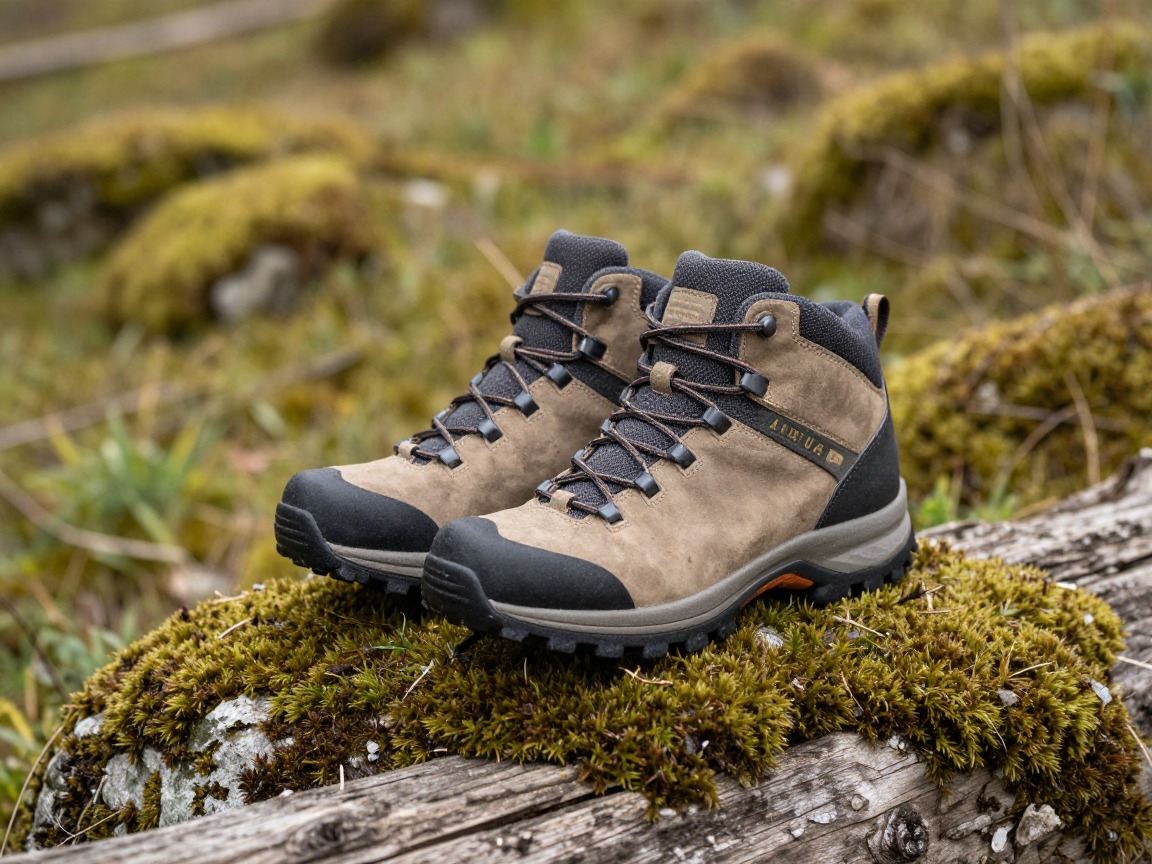
Broken-in waterproof hiking boots
Ankle support and a genuine waterproof lining matter on a route with long boggy stretches, loose stone, and the odd steep, wet descent.
What to look for: Boots with real miles on them already, never a pair broken in on the trail itself, and a fit that leaves room for feet that swell by the afternoon.
 Columbia Men's Transverse Waterproof Hiking Boot Check price
  NORTIV 8 Men's Ankle High Waterproof Hiking Boots Check price
  Columbia Mens Transverse Waterproof Hiking Boot Check price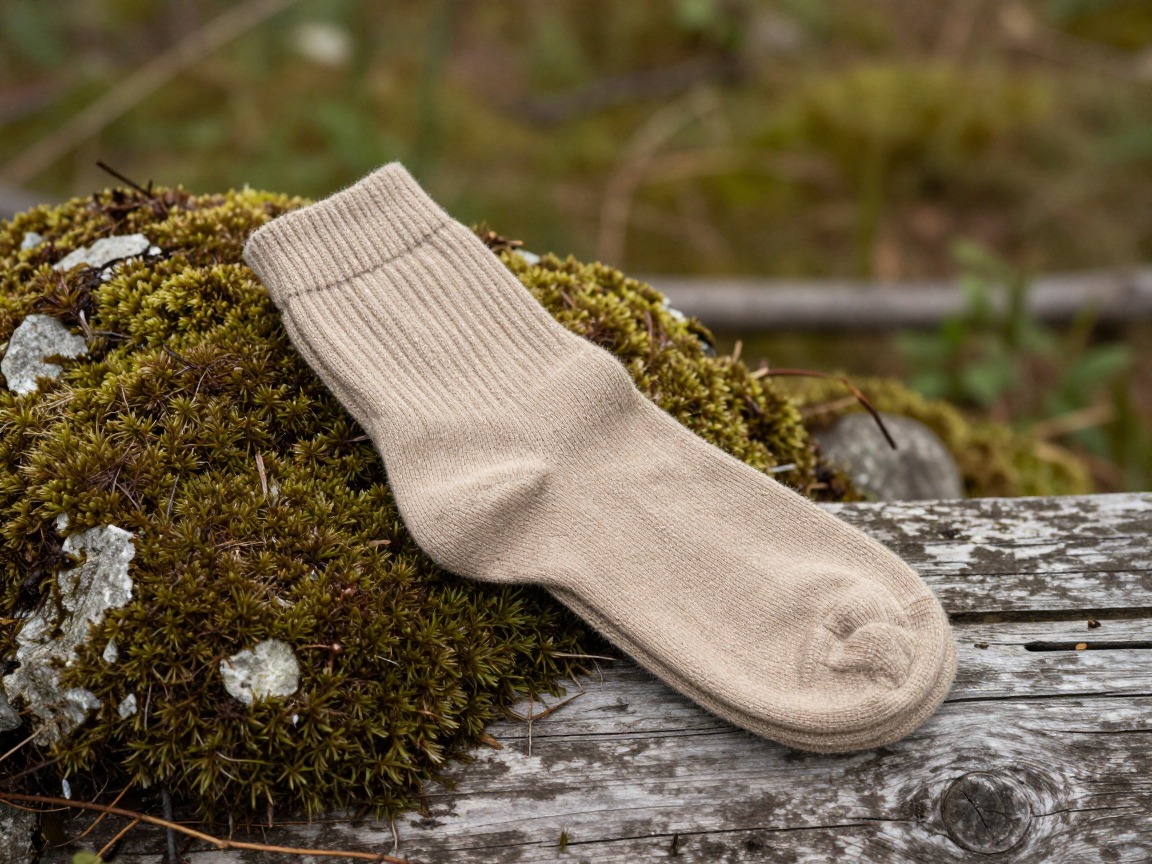
Hiking socks
Wool keeps insulating and resisting odor across back-to-back walking days, which matters when you're re-wearing the same one or two pairs for a week.
What to look for: Cushioned wool or a wool blend, never cotton, with enough pairs to rotate one drying while another's worn.
 Alvada Merino Wool Hiking Socks Thermal Warm Crew Winter Boot Sock F Check price
  DANISH ENDURANCE Merino Wool Socks for Men & Women Check price
  innotree 3 Pack Men's Merino Wool Hiking Socks Check price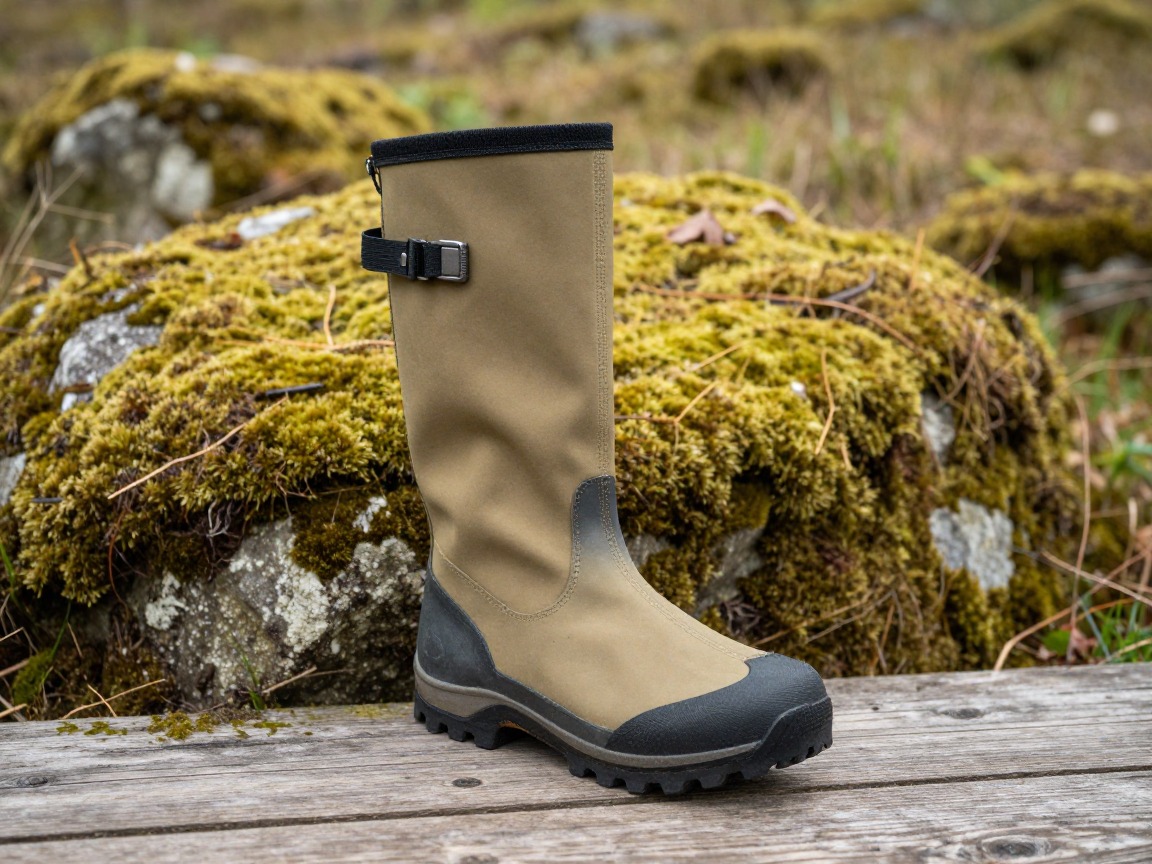
Gaiters
Keep peat-bog mud, loose stone, and puddle splash out of your boots on notoriously boggy stretches like Rannoch Moor and the approach to Kinlochleven.
What to look for: A genuinely waterproof fabric, a secure under-boot strap that holds up to bog suction, and a height that matches how wet the ground gets.
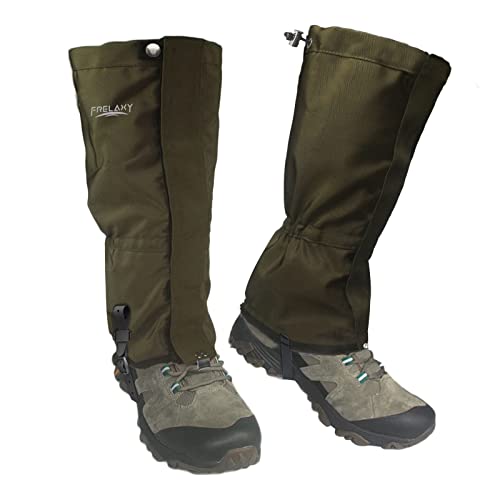 Frelaxy Leg Gaiters 100% Waterproof Hiking Gaiters Check price Frelaxy Ultra High-Performance Hunting Gaiters Check price
 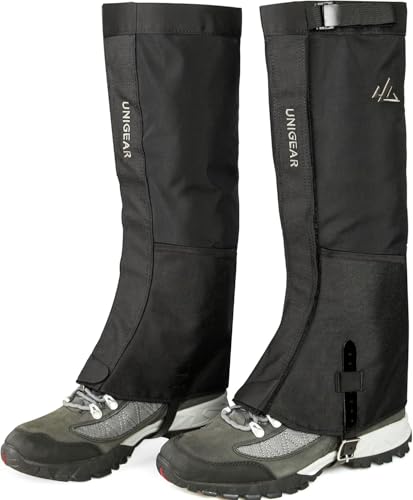 Unigear Leg Gaiters Check price
 - Blister prevention — tape, moleskin, or hydrocolloid patches applied at the first hot spot, not after
- Camp or evening shoes to give your feet a break at the B&B, bunkhouse, or campsite each night
- A spare dry pair of socks kept untouched until the boots come off
The midges
The Highland midge is the running joke of every West Highland Way trip report for a reason — small, biting, and out in force at dawn, dusk, and any still, windless moment from late spring through summer.
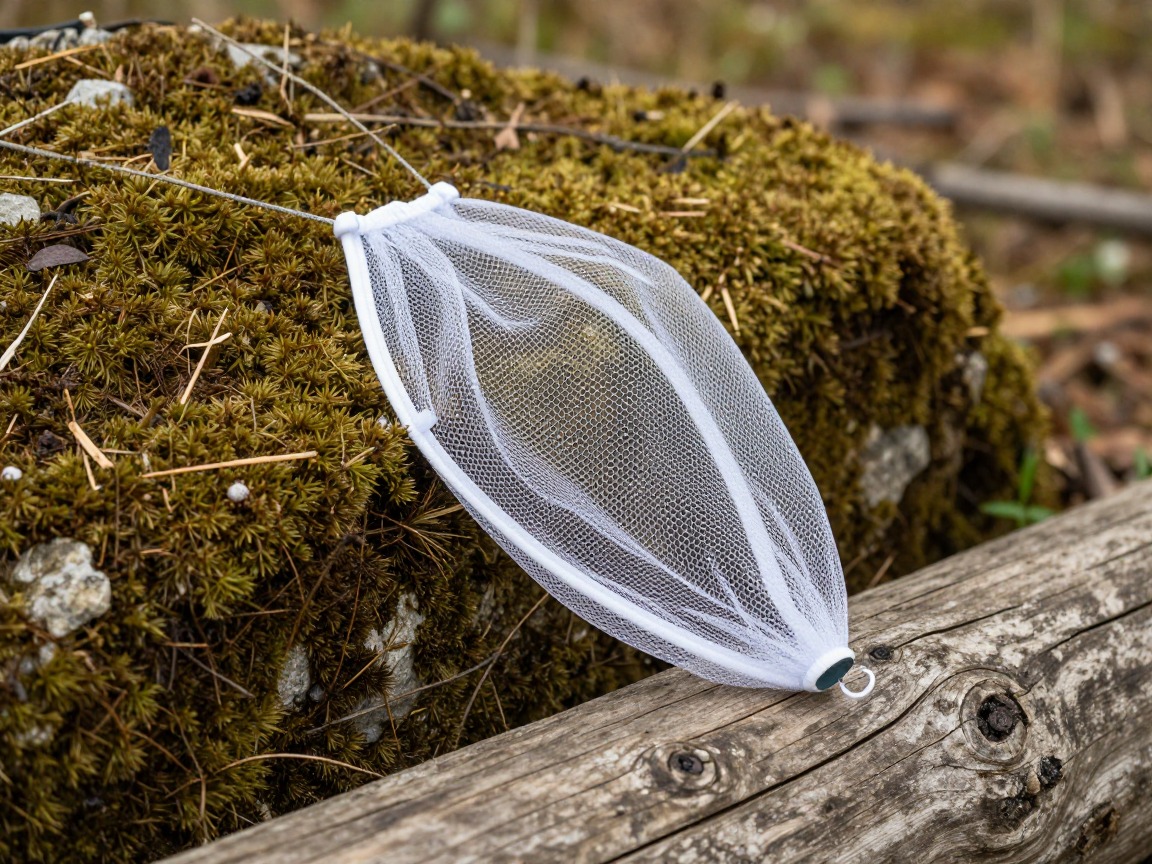
Midge head net
The single most effective piece of midge defense — worn over a hat the moment you stop moving on a still evening, especially near lochs, forest, and boggy ground.
What to look for: A fine, no-see-um-rated mesh that still lets you see clearly, with a drawstring or elastic hem that seals against your collar.
 South to East Mosquito Head Net for Insects 2 Pack Check price
  2 Pack Mosquito Head Net Mesh for Hiking & Outdoors Check price
 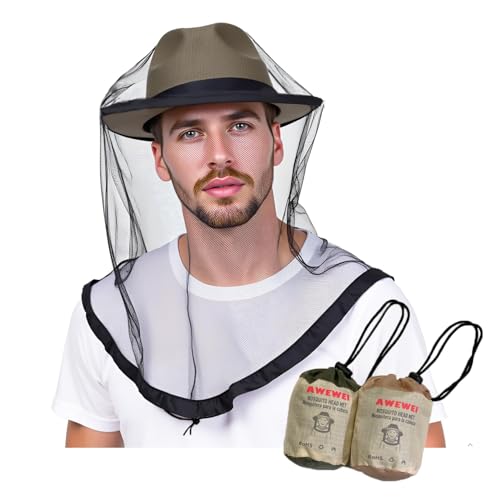 AWEWEI Mosquito Head Net Check price
 - A DEET- or picaridin-based repellent for exposed skin
- Long sleeves and full-length trousers for evenings, even in warm weather — midges go straight for bare skin
- A habit of choosing lunch and camp spots with a breeze over still, sheltered hollows, where midges gather worst
Navigation, daily safety & the trail
The Way is well waymarked with its thistle symbol, so this section stays practical: a few items for the long, remote stretches like Rannoch Moor and the climb over the Devil's Staircase.
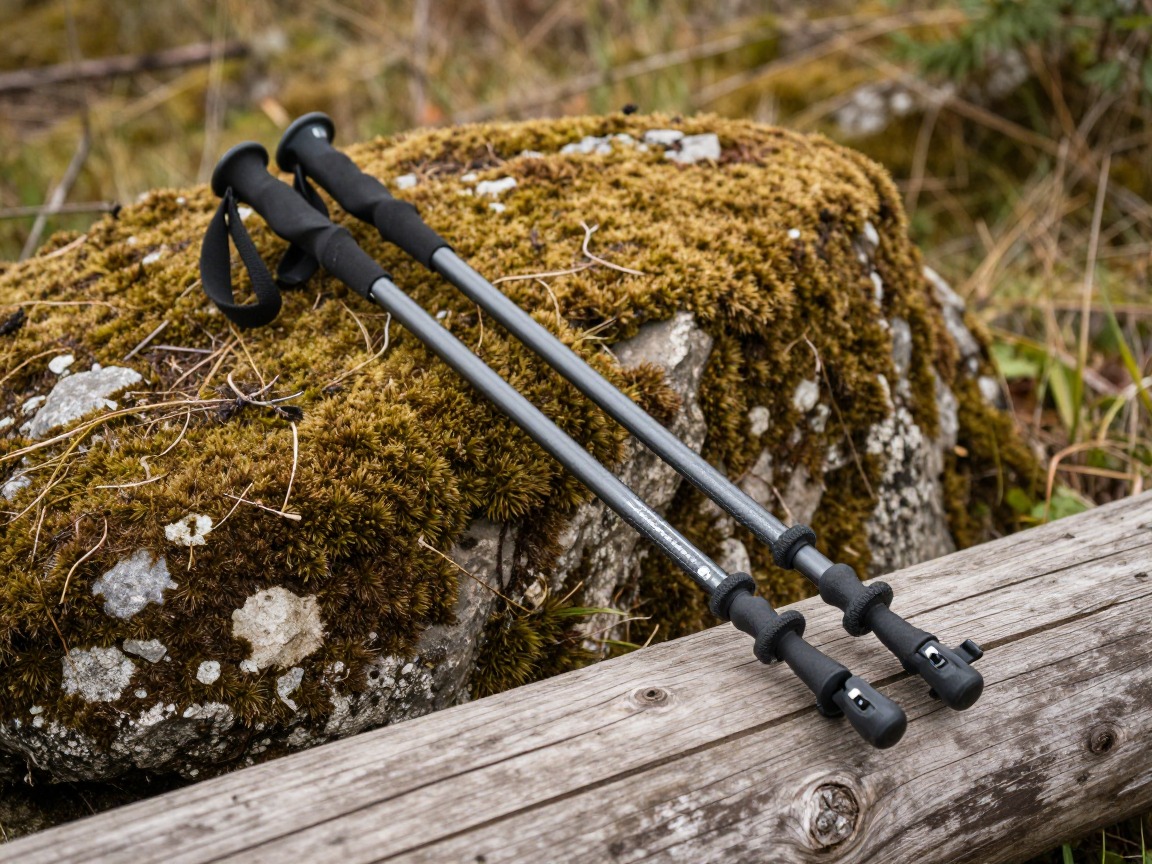
Trekking poles
Real help on the steep, often muddy climbs and descents around Conic Hill, the Devil's Staircase, and the approach into Kinlochleven.
What to look for: Adjustable poles with grips that stay secure when wet, and locks that hold under load day after day.
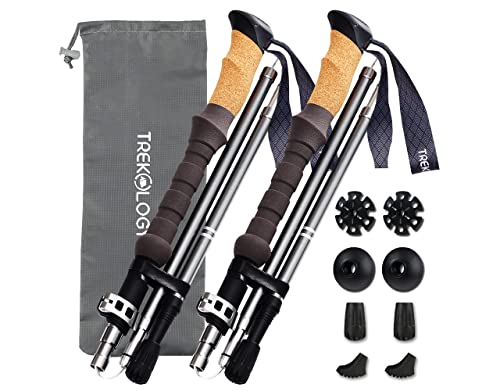 Trekology Trek-Z Cork Grip Collapsible Lightweight Hiking Trekking P Check price
 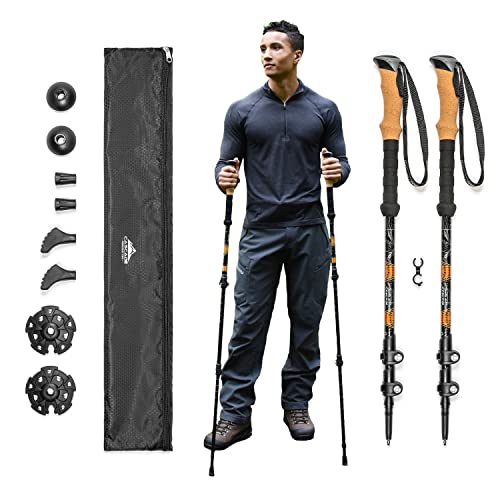 Cascade Mountain Tech Trekking Poles Check price
 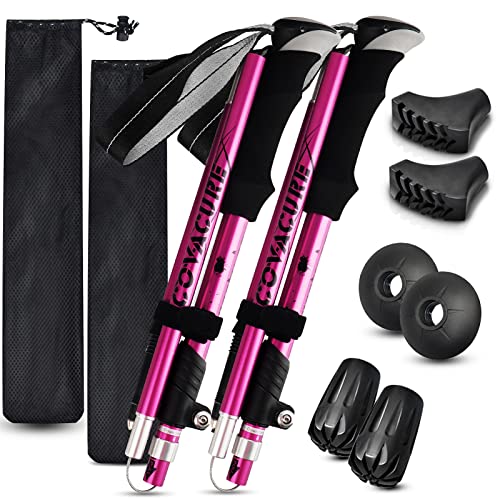 covacure Hiking Poles Check price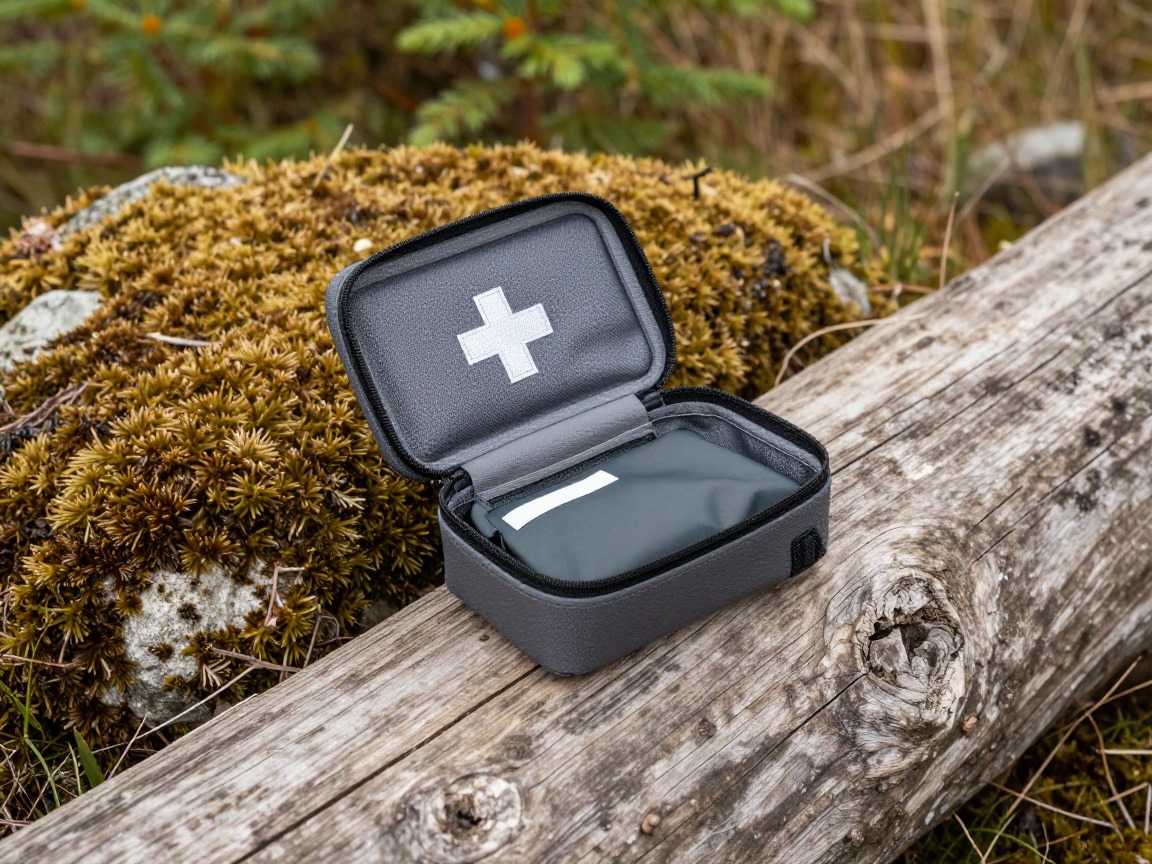
Blister & first-aid kit
Weighted toward feet — blister patches, tape, and antiseptic — since that's what actually gets used across a week of consecutive walking days.
What to look for: Blister-specific supplies over a large general kit, small enough to check daily, and packed somewhere it stays dry.
 Mini First Aid Kit - 150 Piece Small Waterproof EVA Hard Shell Case Check price
  Adventure Medical Kits Ultralight/Watertight Medical Kit .5 Check price
 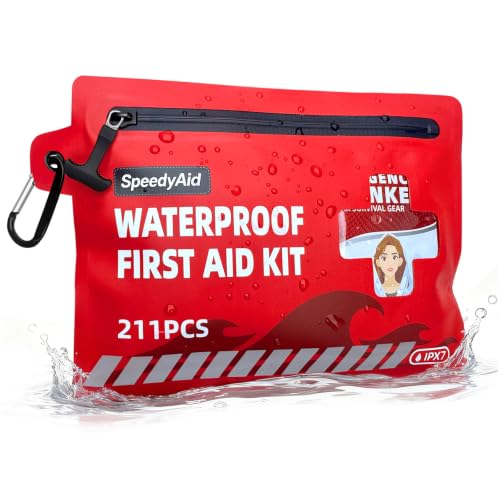 211 PCS Waterproof First Aid Kit Check price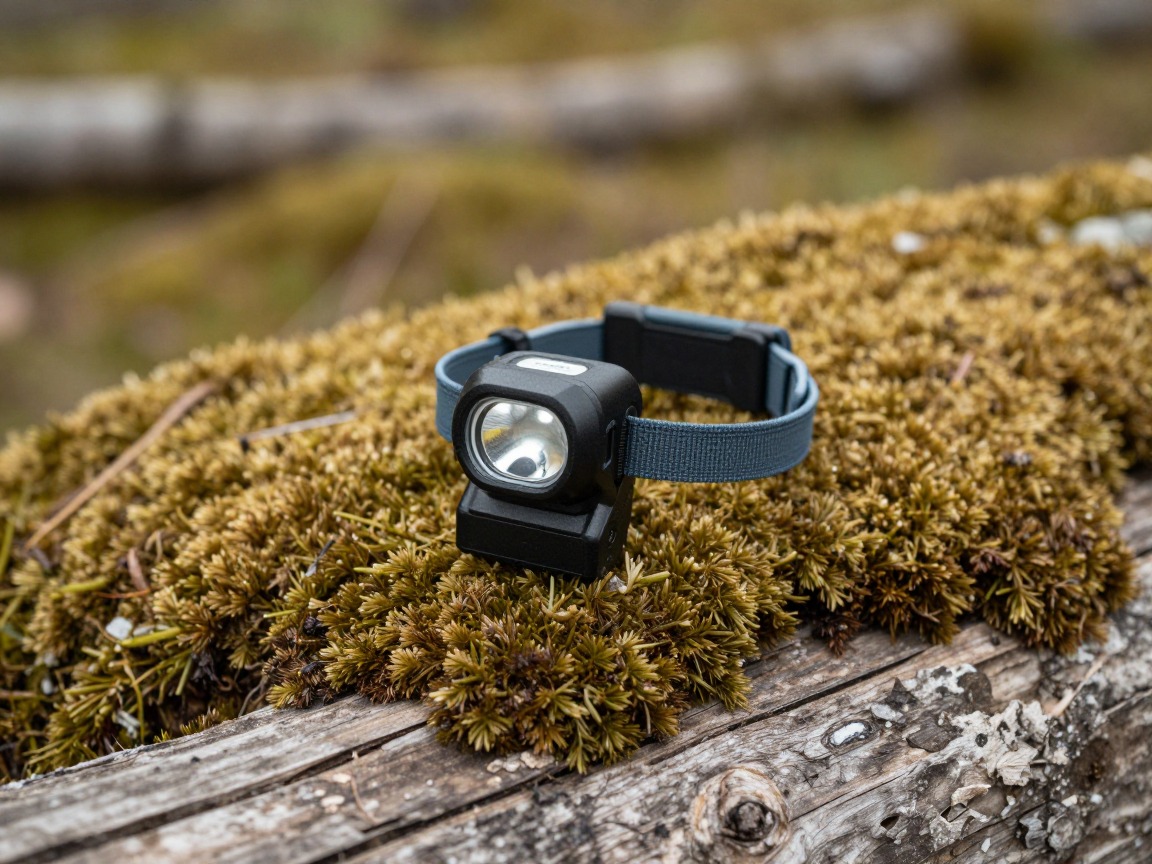
Headlamp
For an early start to beat a long day's mileage or weather, and for the last stretch into a B&B or campsite if you're running later than planned.
What to look for: A genuinely water-resistant rating for a route where it may run in steady rain, and a lock mode so it doesn't drain in a wet pack.
 LHKNL Headlamp Flashlight Check price
 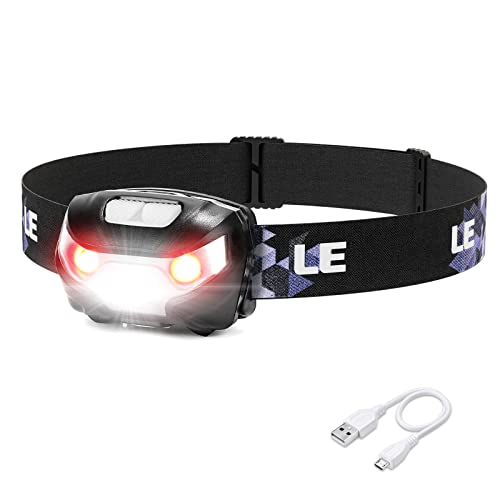 Lepro LED Headlamp Rechargeable IPX4 Waterproof Headlight 5 Modes - Check price
 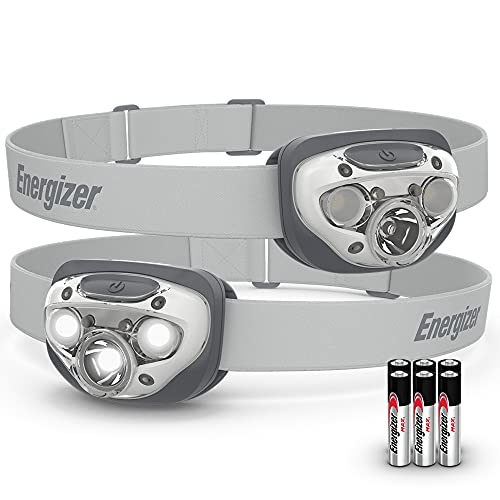 Energizer LED Headlamp PRO Check price
 - A guidebook or offline map app covering the full route and accommodation options
- Phone plus a compact power bank
- Cash — some remote B&Bs, bothies, and honesty-box stops don't take cards
- A whistle
Water & food
Burns and lochs run alongside much of the route, but treat what you collect between villages — livestock graze the same hills the water drains from.
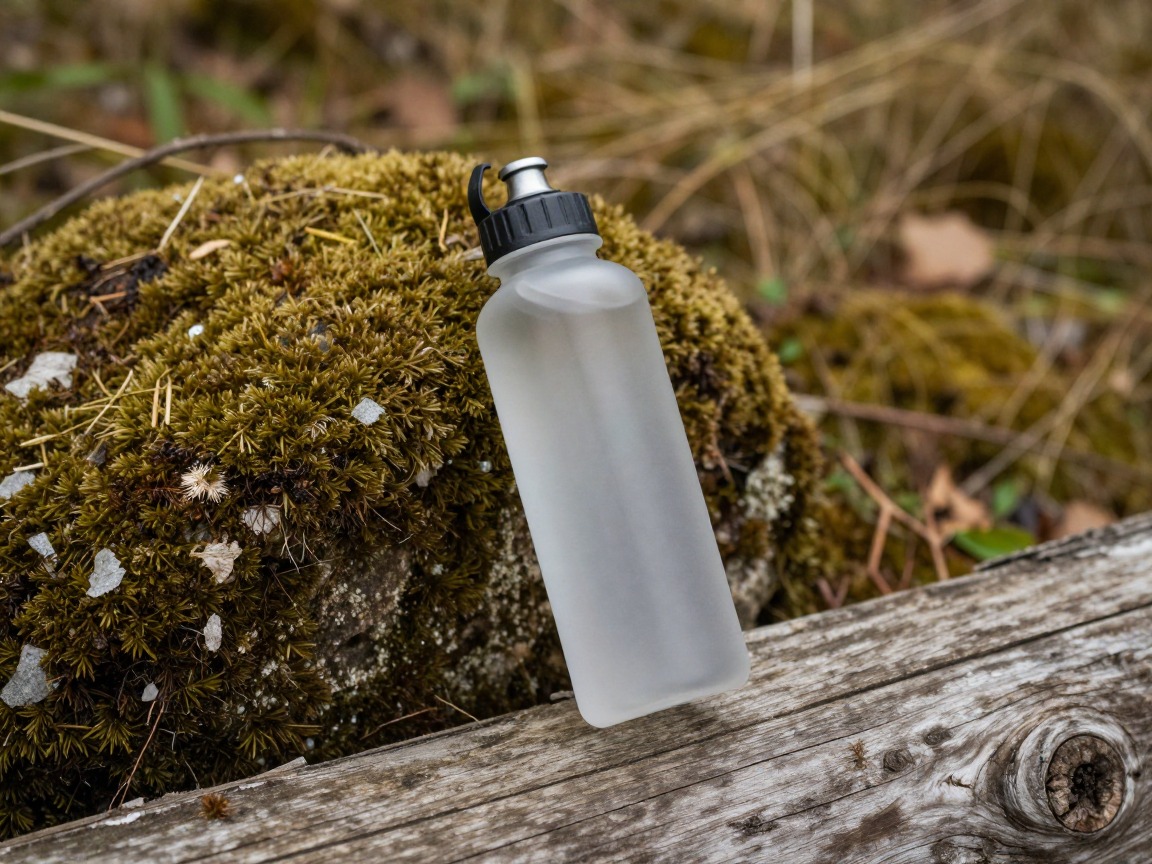
Water bottle
A simple, tough bottle refilled at B&Bs, cafes, and the burns along the route — you'll go through more water than expected on the exposed, weather-battered sections.
What to look for: Easy one-handed opening for drinking on the move, and a wide mouth for quick refills from a tap or filter.
 Nalgene 32 oz Wide Mouth Water Bottle Check price
  Nalgene 32 oz Wide Mouth Water Bottle Check price
  Nalgene 32 oz Wide Mouth Water Bottle Check price
 - A water filter or treatment tablets if you're refilling from streams away from villages
- Calorie-dense snacks for the long stretches between villages, cafes, and pubs
How to adapt this setup
Wild camping is legal on most of the route under Scotland's outdoor access laws, though some zones — notably parts of the Loch Lomond shore — carry seasonal camping restrictions, so check current rules before you go. Camping means adding a tent, sleeping bag, sleeping pad, stove, and cookware on top of everything here — see our weekend backpacking setup for that full system.
Several services move your main bag between B&Bs each day for a fee, a tradition on this route almost as old as the Way itself. Do this and your daily pack only needs to carry a day's water, snacks, waterproofs, and the essentials — everything else meets you at the next stop.
Lean harder on the head net and repellent, plan lunch and rest stops for open, breezy spots rather than sheltered forest or bog edges, and expect midges to be worst at dawn, dusk, and any still moment in between.
Midges ease off and the trail is quieter, but pack for colder, wetter, and windier days with a warmer mid layer and gloves — daylight is also shorter, so a reliable headlamp matters more.
Compressing the Way into fewer days means longer daily mileage and more reason to keep the pack light; stretching it out with rest days changes almost nothing on this list, just your food math.
Common mistakes to avoid
- Skipping gaiters and underestimating how boggy stretches like Rannoch Moor really get, then finishing the day with soaked socks and grit in your boots.
- Leaving the midge net and repellent in the pack until midges are already swarming, instead of putting them on before you even stop moving.
- Packing cotton layers that stay wet and cold across a week of near-daily rain.
- Breaking in new boots on the trail itself instead of on training walks beforehand.
- Treating a sunny morning at the start as the day's forecast — Highland weather over open moor changes fast and often without much warning.
- Not booking B&Bs or bunkhouses ahead during peak summer, then finding the closest available bed is miles off-route.
Make it yours
Frequently asked questions
How bad are the midges on the West Highland Way?
Highland midges are worst from roughly late May through September, especially at dawn, dusk, and in still, windless conditions near water, forest, or boggy ground. A head net and a DEET- or picaridin-based repellent handle most of it; a breeze or a moving pace keeps them off almost entirely.
Should I wild camp or stay in B&Bs on the West Highland Way?
Both are common and legitimate. B&Bs, hostels, and bunkhouses let you carry a lighter pack and often use a baggage-transfer service; wild camping is legal on most of the route but means carrying full shelter and sleep gear, and some zones near Loch Lomond have seasonal restrictions.
How much rain should I expect on the West Highland Way?
Plan for rain on most days rather than as the exception — genuinely waterproof boots, a real rain shell, and a pack liner matter more here than almost anywhere else. Weather over the open Highland sections can also change within an hour, so pack layers even on a clear morning.
Do I need hiking boots, or will trail runners do?
Boots with a genuine waterproof lining and ankle support are the safer default given the boggy, uneven ground on sections like Rannoch Moor. Experienced hikers with strong ankles sometimes use trail runners for speed, but they offer less protection in deep mud and wet, loose stone.
Is it safe to drink water from streams along the route?
Treat any water collected between villages — livestock graze much of the same hillside the burns drain from. Tap water at B&Bs, hostels, and cafes along the route is the easier and more reliable option whenever you can get it.
Illustrative images show the type of gear, not specific products. Recommendations link to similar items on Amazon; we only ever link real listings and never show fabricated prices or ratings. General planning guidance, not a substitute for your own judgment or professional backcountry-safety instruction.