
The wellness & yoga retreat hike setup
A wellness or yoga retreat hike trades mileage for attention — the point is to move slowly enough to notice your breath and the trail, then stop and actually be still. This is a complete setup for that kind of day, explained piece by piece, so the slow pace still travels safely.
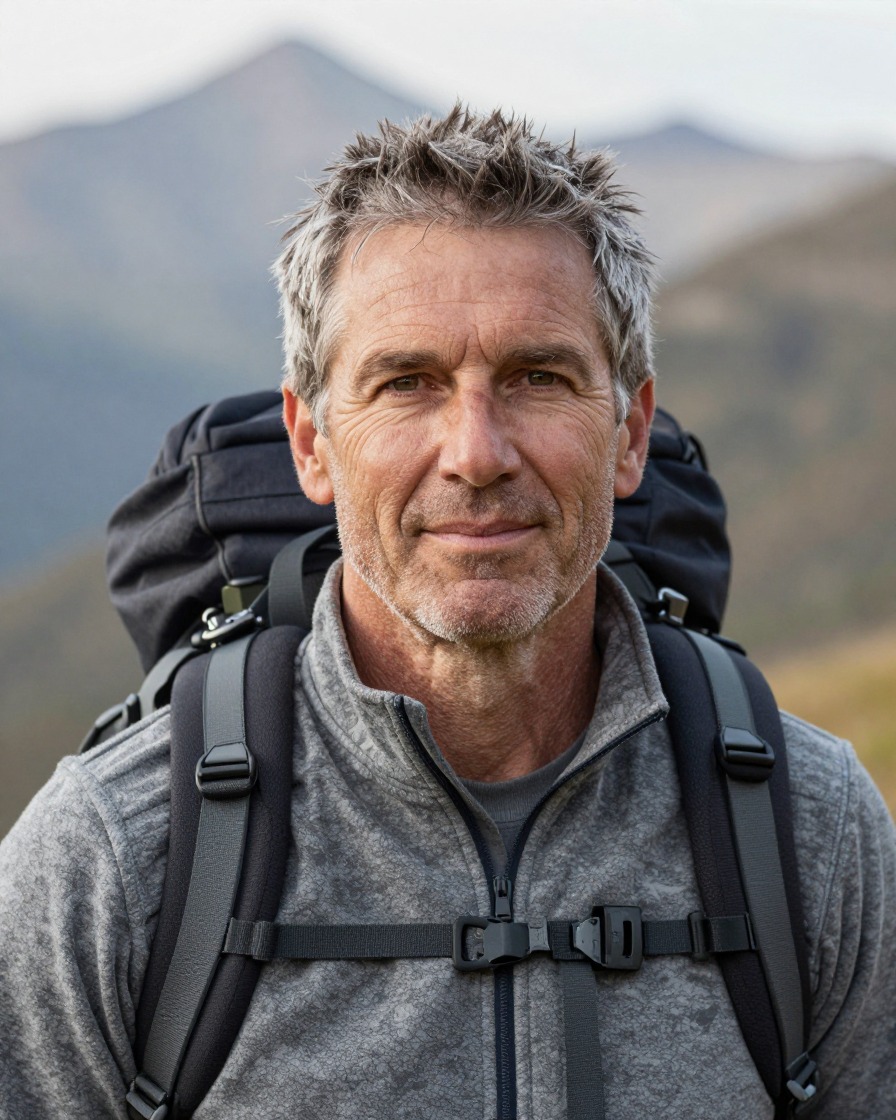
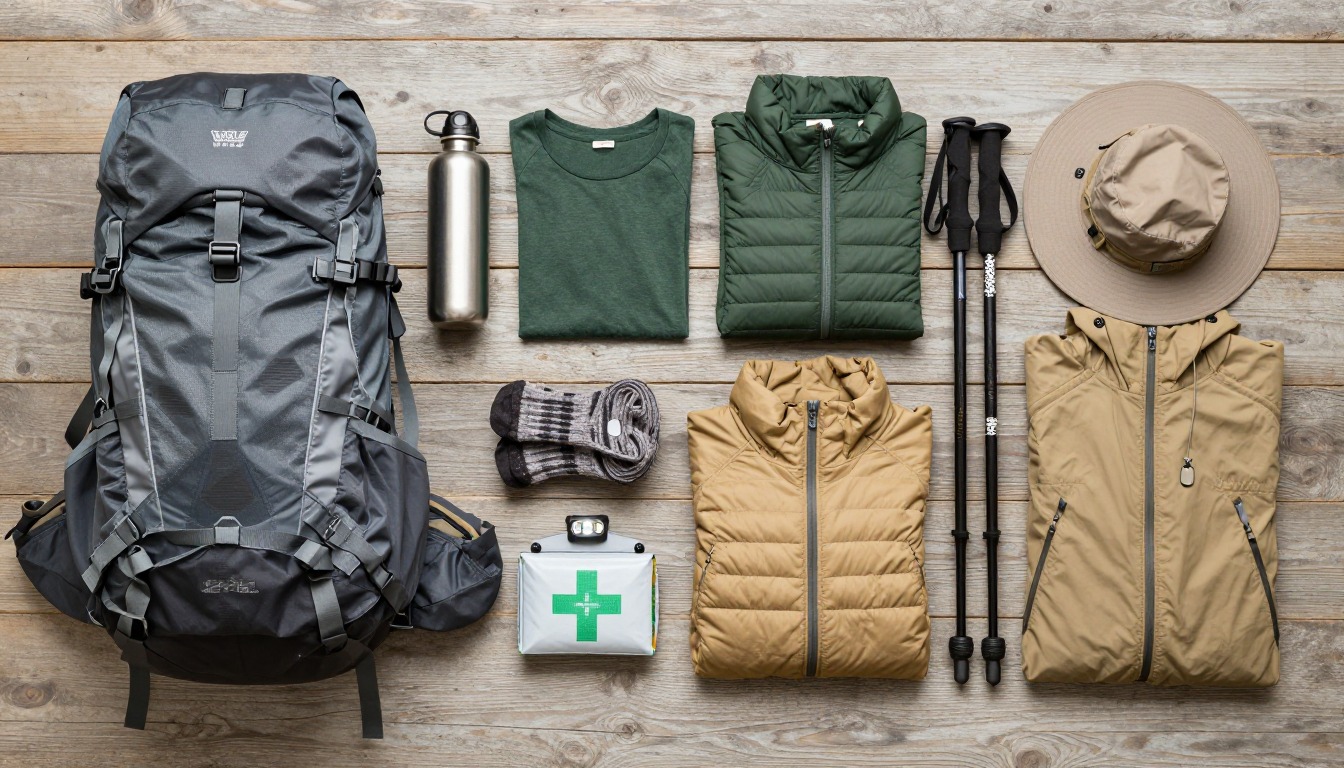
This kit is built around slowing down, not covering ground: light layers you can move and stretch in, something dry to sit on, and enough water and real food for stillness as much as walking. It still carries the same safety basics as any hike, just sized to a shorter, gentler day.
Anyone building a hike around rest, breath, and movement rather than distance — a solo mindful walk, a small group retreat stop, or a guided outdoor yoga session on an easy, marked trail in fair-to-mild weather. For a longer or more remote outing, add from the day-hike list rather than skipping the basics.
- Start with a light, small daypack sized for a slow pace and short distance, not for hauling miles of gear.
- Add stretchy layers you can move freely in, plus a warm layer that goes on the moment you stop to sit still.
- Pack water and simple, real snacks, then add a packable sit pad and a journal for your stillness stops.
- Layer in the same safety basics as any day hike — map, light, first aid, rain shell — sized to a shorter, unhurried day.
About this setup
A wellness or yoga retreat hike swaps distance for attention — the goal isn't the summit or the mileage, it's moving slowly enough to notice your breath, the trail, and the point where you're ready to stop and stretch. That shift changes what's worth carrying. A fast day hiker stays warm by moving; someone pausing to sit, stretch, or write needs a layer that goes on the moment they stop, and something dry underneath when the ground is cold or damp.
It's still a hike, though, and that matters. A slow pace on a real trail carries the same basic risks as a brisk one — weather changes, a rolled ankle, a stillness stop that runs later than planned — so the kit keeps the same core: a light shell, a headlamp, a small first-aid kit, and a way to navigate. None of that is about doubting the practice; it's simply what any time outdoors, at any pace, asks of you.
The extras that make it a wellness hike rather than a short walk are small and specific: a packable mat or sit pad so stretching and stillness don't happen directly on wet ground, real food rather than a sugar hit, and a journal if reflection is part of your practice. None of it needs to be elaborate — this is a practical starting point, not a ritual, and it flexes with the trail, the weather, and how you practice.
The pack
A small daypack is all this hike needs — sized for a slow pace, not for carrying miles of gear.
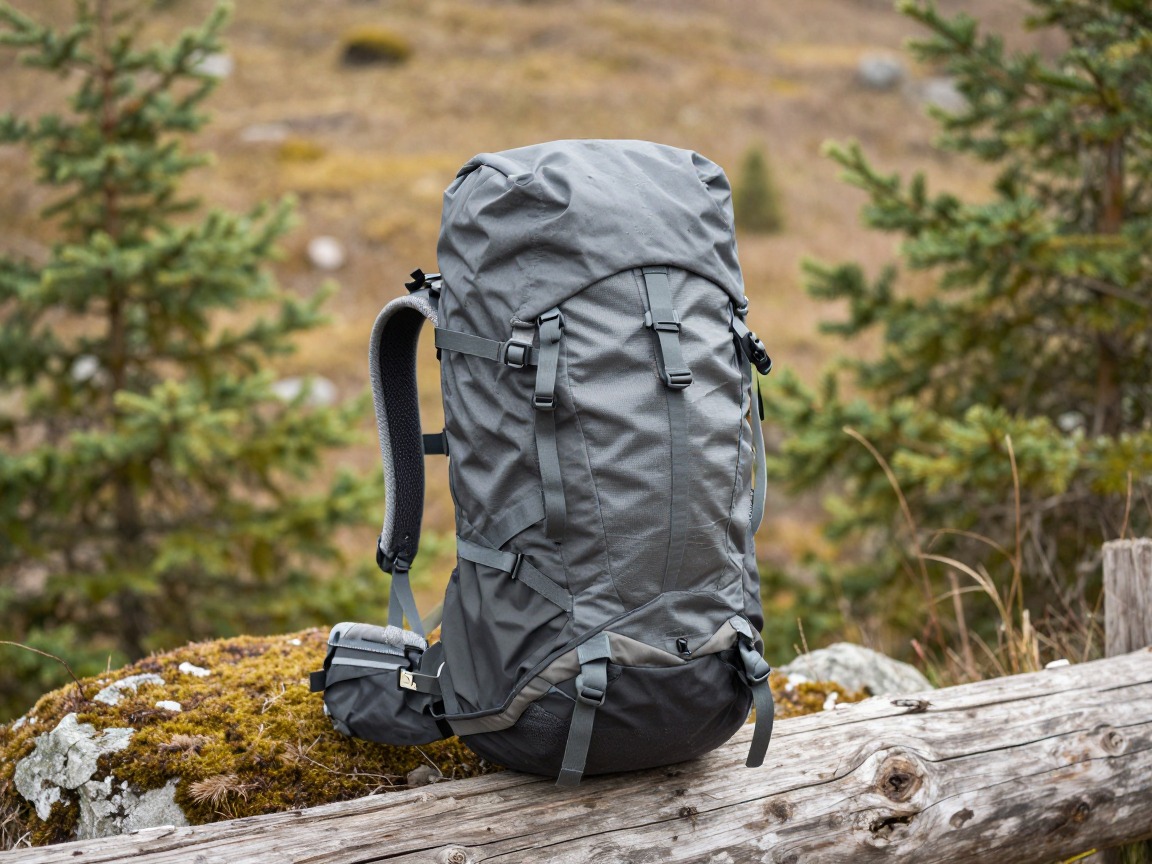
A small daypack
Carries the whole kit at a size built for a slow, low-mileage day — comfort over capacity.
What to look for: A supportive back panel, a simple hip belt, and roughly 15–20 L — enough for layers, a sit pad, and snacks without bulk you won't use.
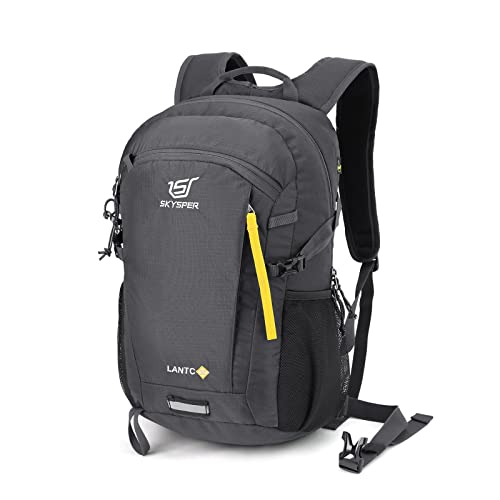 SKYSPER Small Hiking Backpack Check price
  Osprey Sportlite 20L Lightweight Hiking Backpack Check price
 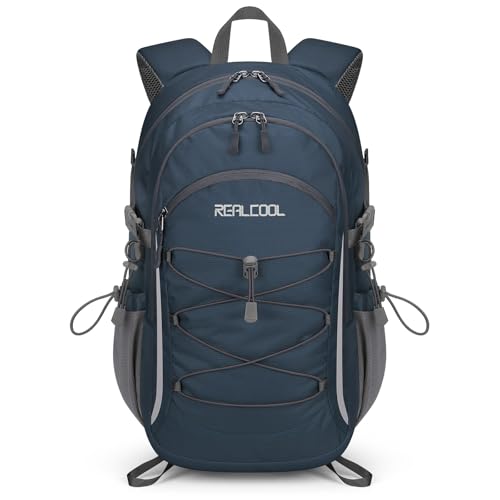 RealCool 20L Lightweight Hiking Backpack Check price
 Water & simple nourishment
Hydration and food here support stillness as much as movement — steady water and simple, real snacks, not a race-day fuel plan.
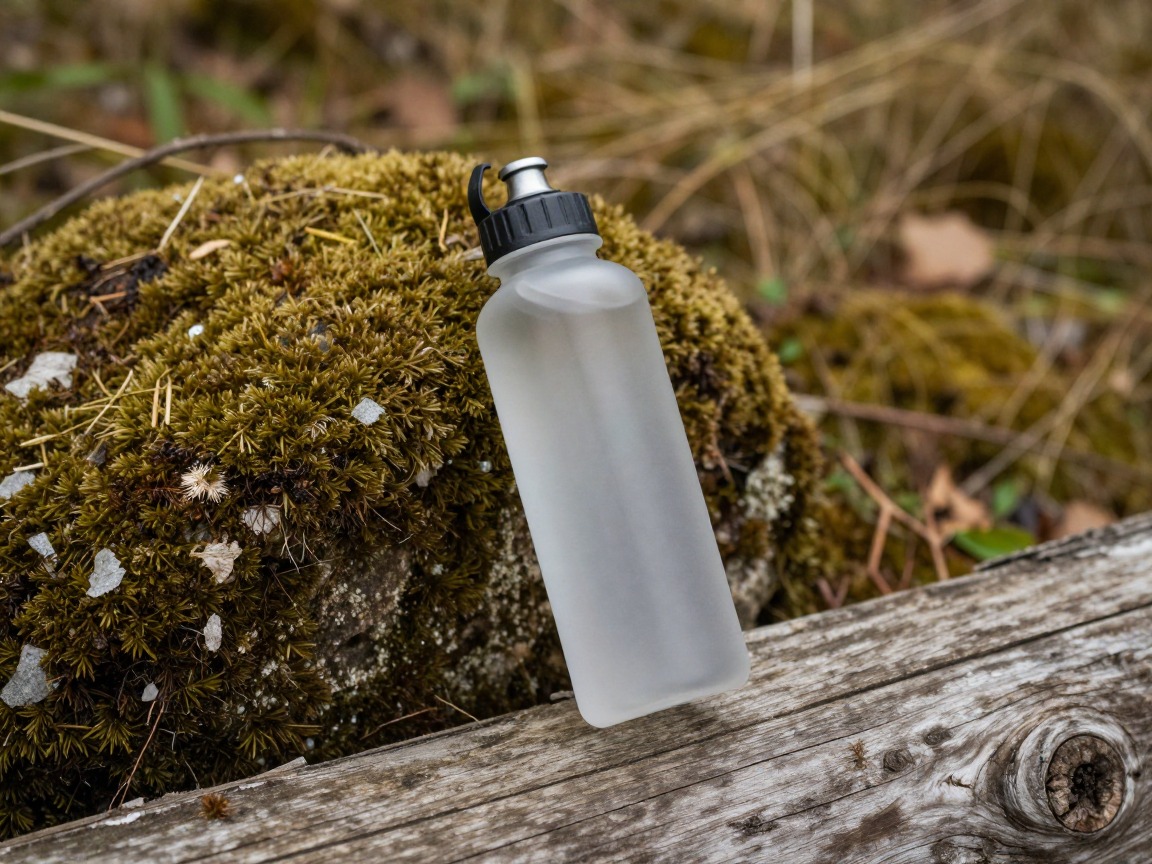
Water bottle
Steady hydration for a hike built around pausing often, not pushing pace — sip regularly rather than waiting until you're thirsty.
What to look for: A tough, wide-mouth bottle that's easy to refill and easy to sip one-handed during a stretching break. About 1 L covers most short, slow outings.
 Nalgene 32 oz Wide Mouth Water Bottle Check price
  Nalgene 32 oz Wide Mouth Water Bottle Check price
  Nalgene 32 oz Wide Mouth Water Bottle Check price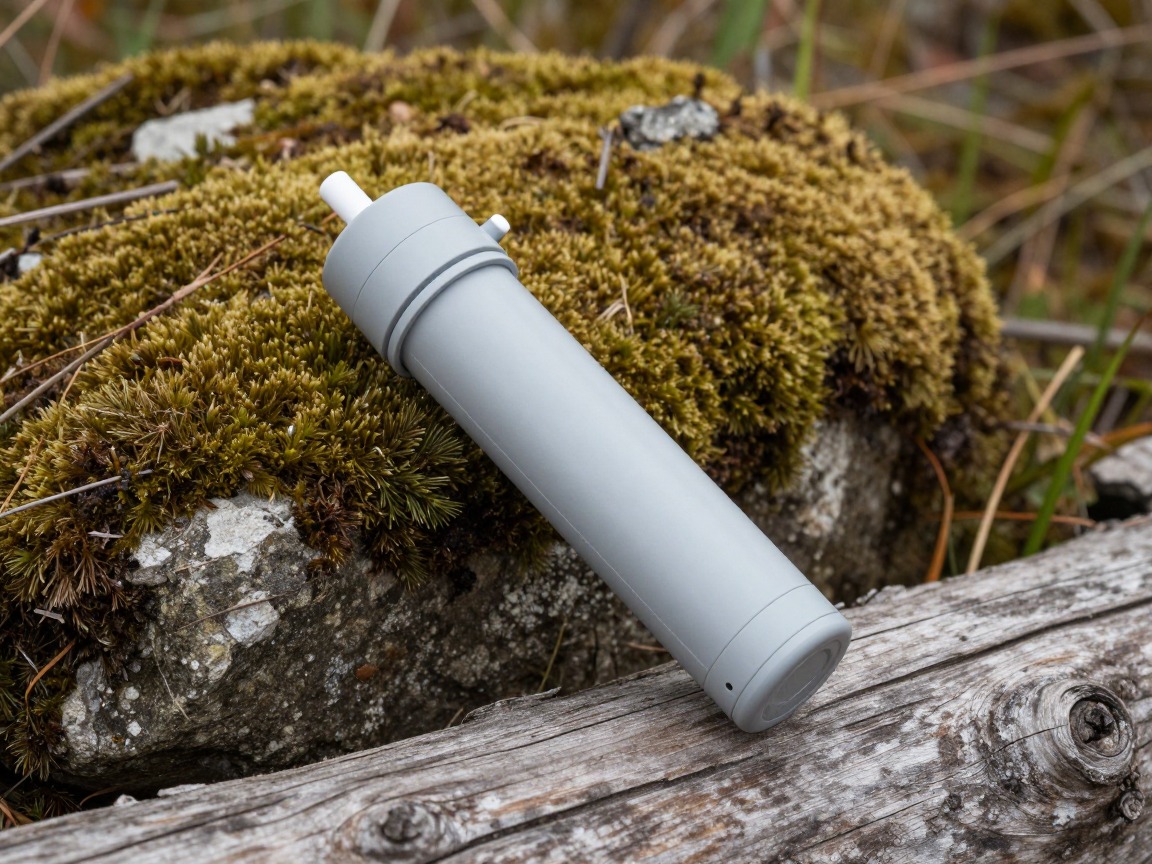
Water filter
Optional, but worth carrying if your route passes a stream — lets you refill without depending on what you started with.
What to look for: A light, fast squeeze filter that packs small — skip it for a short loop near the car, bring it somewhere more remote.
 Sawyer Squeeze Water Filtration System Check price
  Sawyer Products SP128 Mini Water Filtration System Check price
  LifeStraw Personal Water Filter for Hiking Check price
 - Simple, real-food snacks — nuts, dried fruit, or an energy bite, not a sugar spike
- A thermos of herbal tea or warm water, if you like a hot drink at a stillness stop
- Electrolyte tabs or drink mix for a longer or warmer outing
Comfortable layers for movement & rest
Dress for two states: moving freely through stretches, and staying warm the moment you stop.
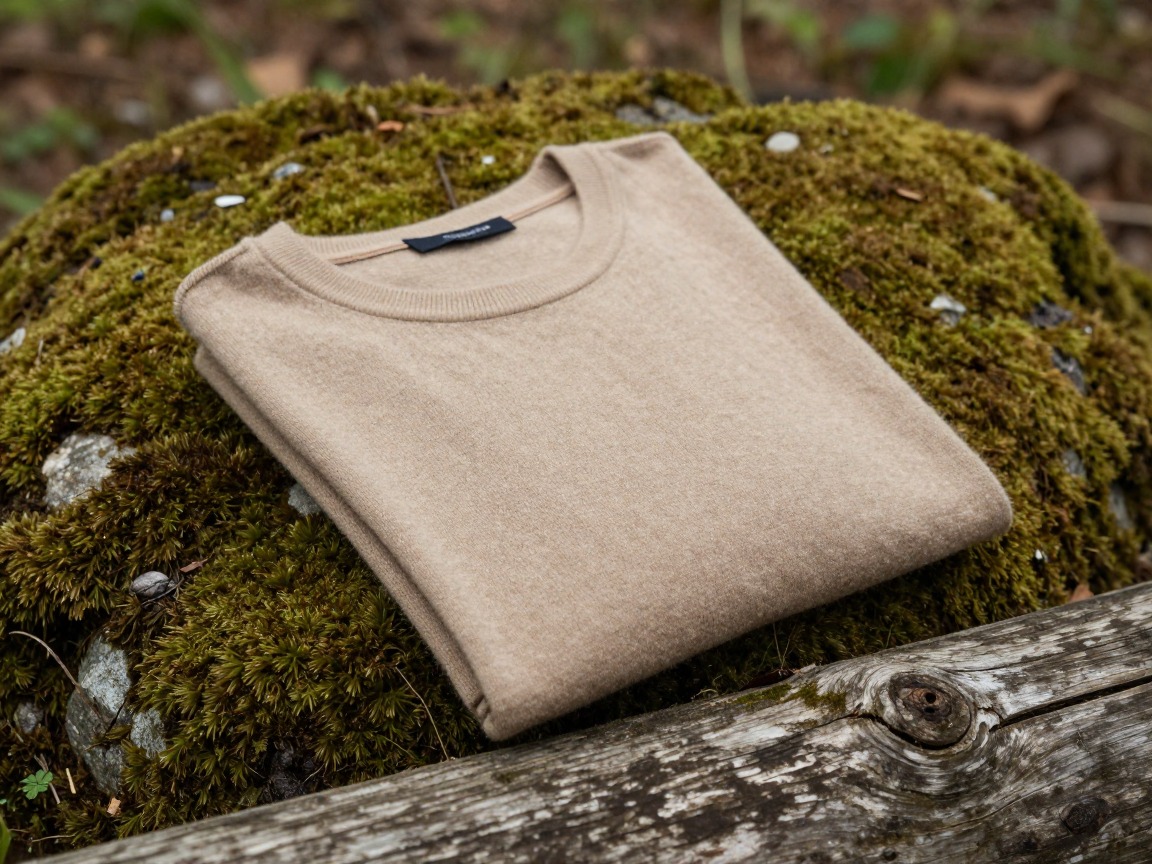
Stretchy base layer
A moisture-wicking top and bottom you can move and stretch freely in — the foundation the rest of the outfit builds on.
What to look for: Four-way stretch fabric that wicks sweat, moves with a forward fold or a lunge, and layers cleanly under a warm top.
 100% Merino Wool Base Layer Men Set - Thermal Underwear for Men Long Check price
  Merino.tech Merino Wool Base Layer Women Set - Heavyweight Check price
  100% Merino Wool Base Layer Men Set - Thermal Long Underwear with Ba Check price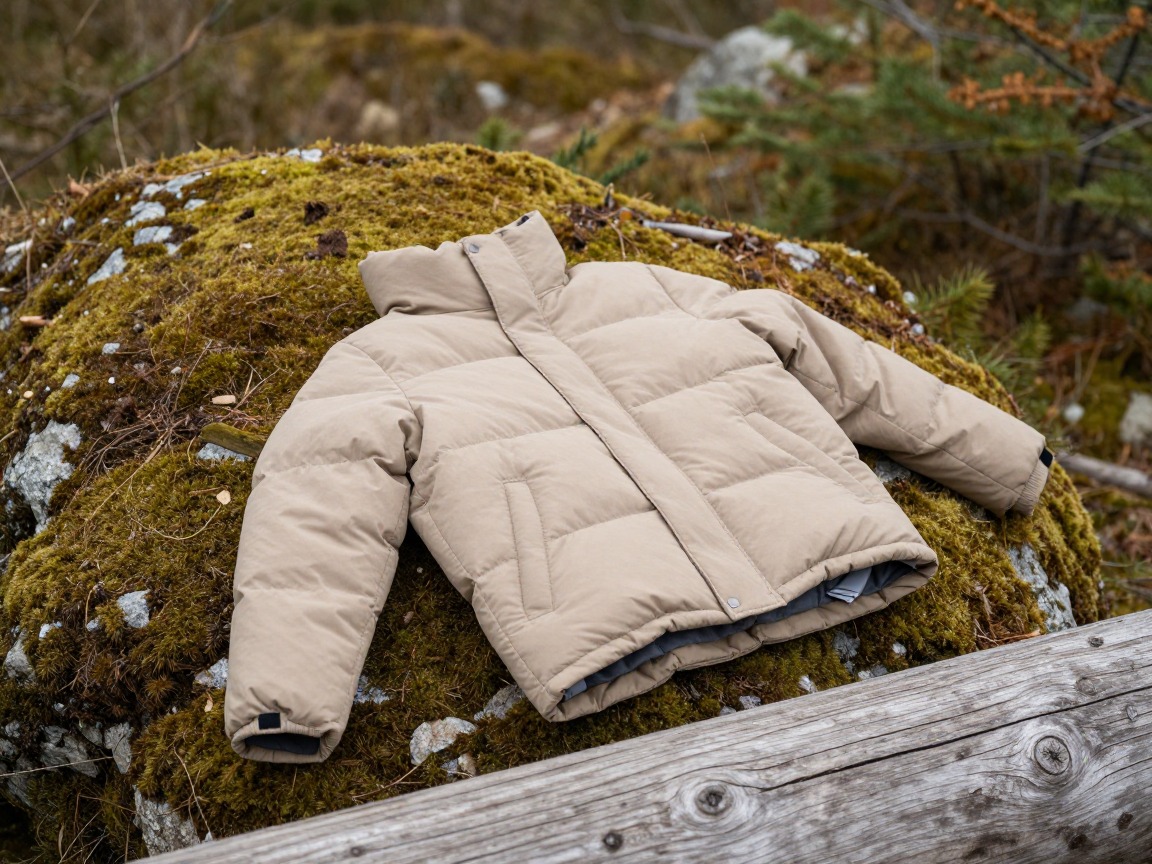
Warm layer for stillness
Sitting still cools you down fast — a packable layer to put on the moment you stop moving to stretch, journal, or simply sit.
What to look for: The most warmth for the least pack space — a light fleece or a packable puffy you'll actually put on rather than tough out the cold.
 Outdoor Ventures Women's Packable Lightweight Puffer Jacket with Hoo Check price
  Amazon Essentials Women's Lightweight Long-Sleeve Water-Resistant Pa Check price
  Outdoor Ventures Women's Packable Lightweight Puffer Jacket with Hoo Check price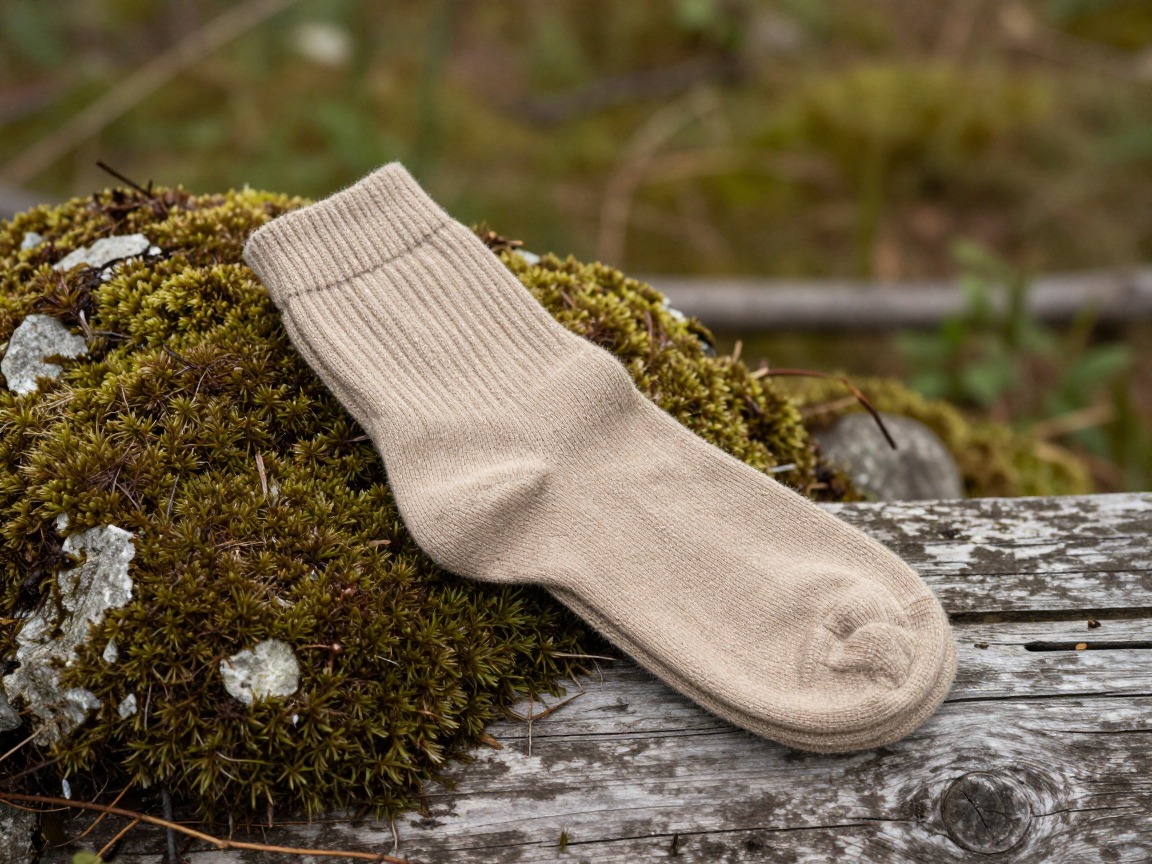
Cushioned hiking socks
Comfortable underfoot at a slow pace, and warm rather than clammy once you're still and barefoot near the mat.
What to look for: Wool or a wool blend, breathable, with a little cushioning. Never cotton — it holds moisture and chills you the moment you stop moving.
 Alvada Merino Wool Hiking Socks Thermal Warm Crew Winter Boot Sock F Check price
  DANISH ENDURANCE Merino Wool Socks for Men & Women Check price
  innotree 3 Pack Men's Merino Wool Hiking Socks Check price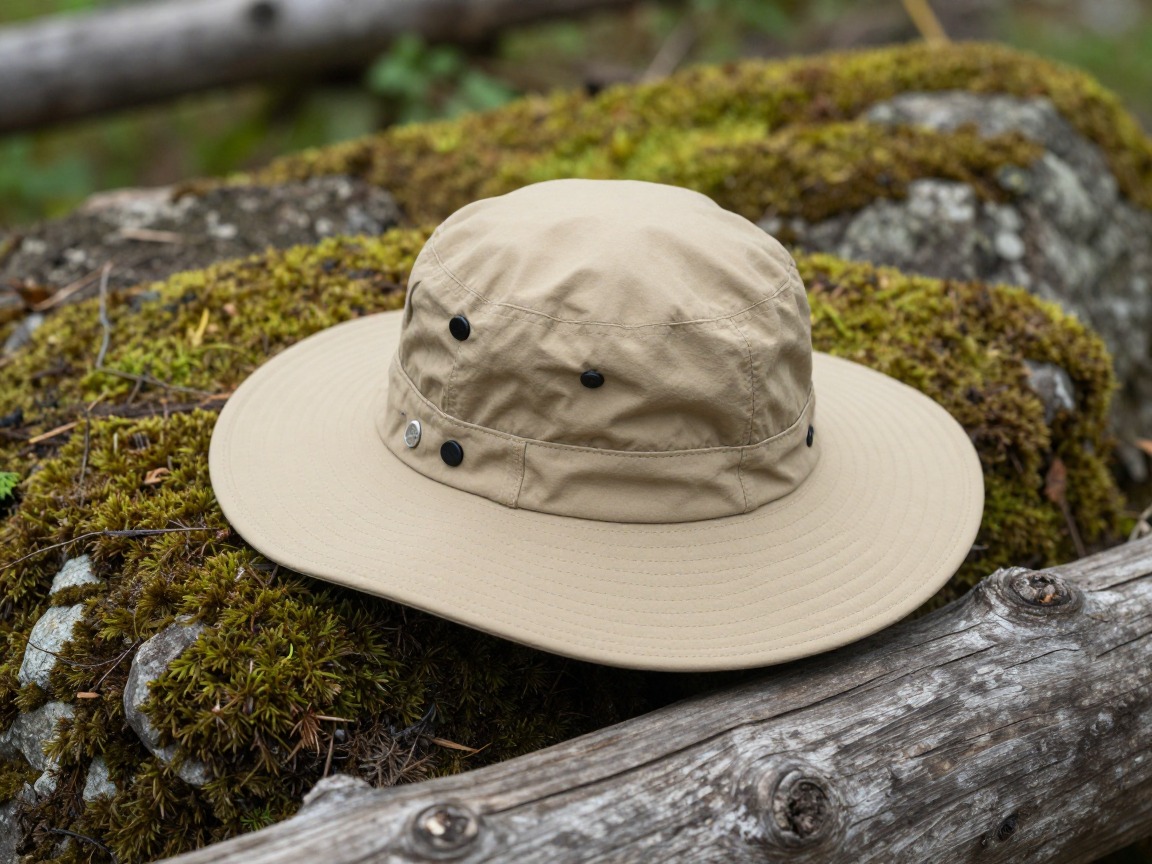
Sun protection
Sun protection for the walking and the stillness stops alike — you're often stationary longer here than on a normal hike.
What to look for: A brim that shades your face and neck, breathable and packable, paired with UV sunglasses and sunscreen for exposed clearings.
 FURTALK Womens Sun Hat with Ponytail Hole Beach Hiking Summer Wide B Check price
 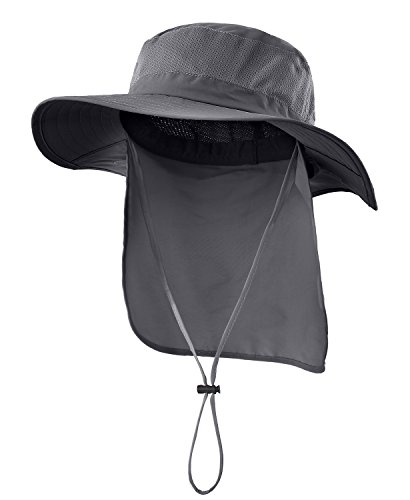 Home Prefer Outdoor UPF50+ Mesh Sun Hat Wide Brim Fishing Hat with N Check price
  FURTALK Sun Hats for Men Fishing Hat UPF Protection Wide Brim Bucket Check price
 - Stretchy hiking leggings or pants you can fold, kneel, and lunge in
- A buff or light scarf — warmth around the neck, or a quick wipe if the ground's damp
Weather & trail safety basics
A wellness hike still asks the same of you as any hike — light, first aid, and a weather layer, sized down but never skipped.
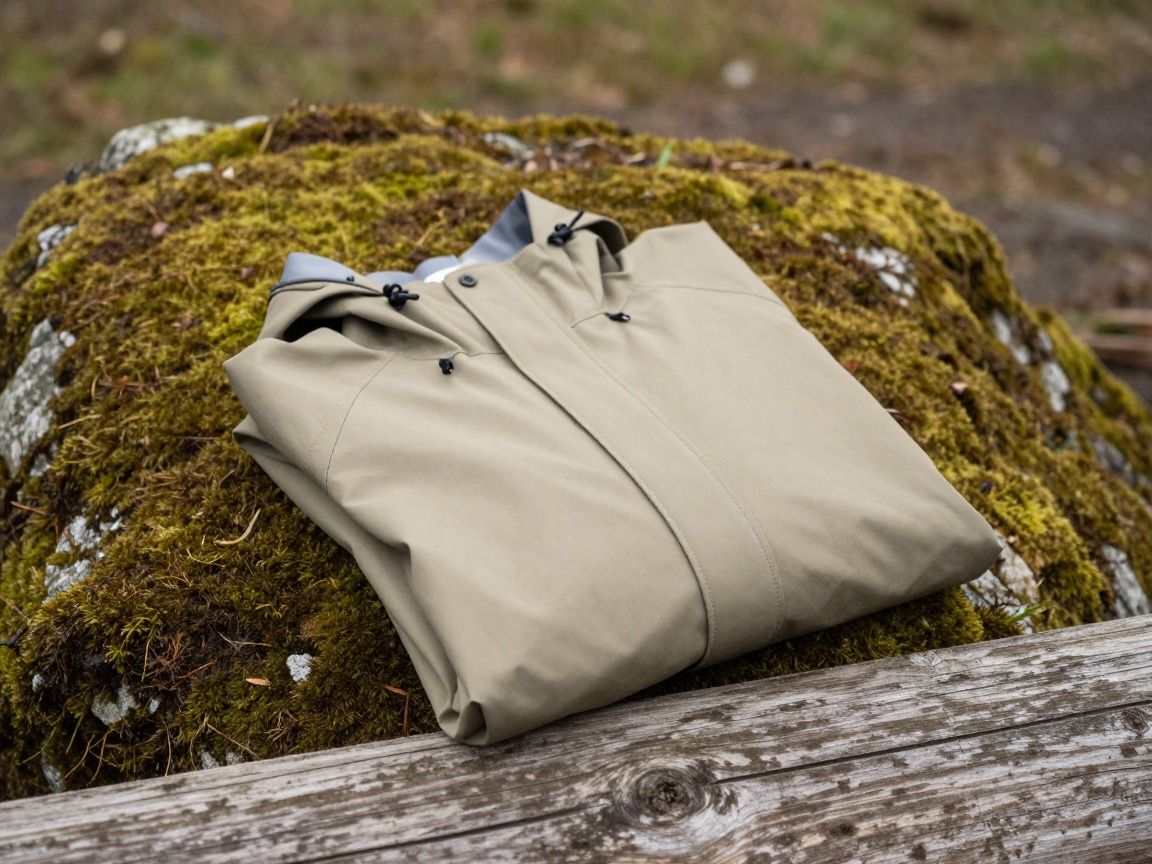
Packable rain shell
A packable waterproof layer for the walk — weather doesn't pause for a retreat, and a wet, windy stillness stop is miserable.
What to look for: Waterproof and breathable, with a hood, and small enough packed that it always comes along, even when the forecast looks clear.
 UIQUR Mens Rain Jacket Raincoat Waterproof Windbreaker Black L Check price
  COOFANDY Men's Waterproof Hiking Travel Shell Breathable Rain Jacket Check price
  Columbia Womens Arcadia II Waterproof Rain Jacket Check price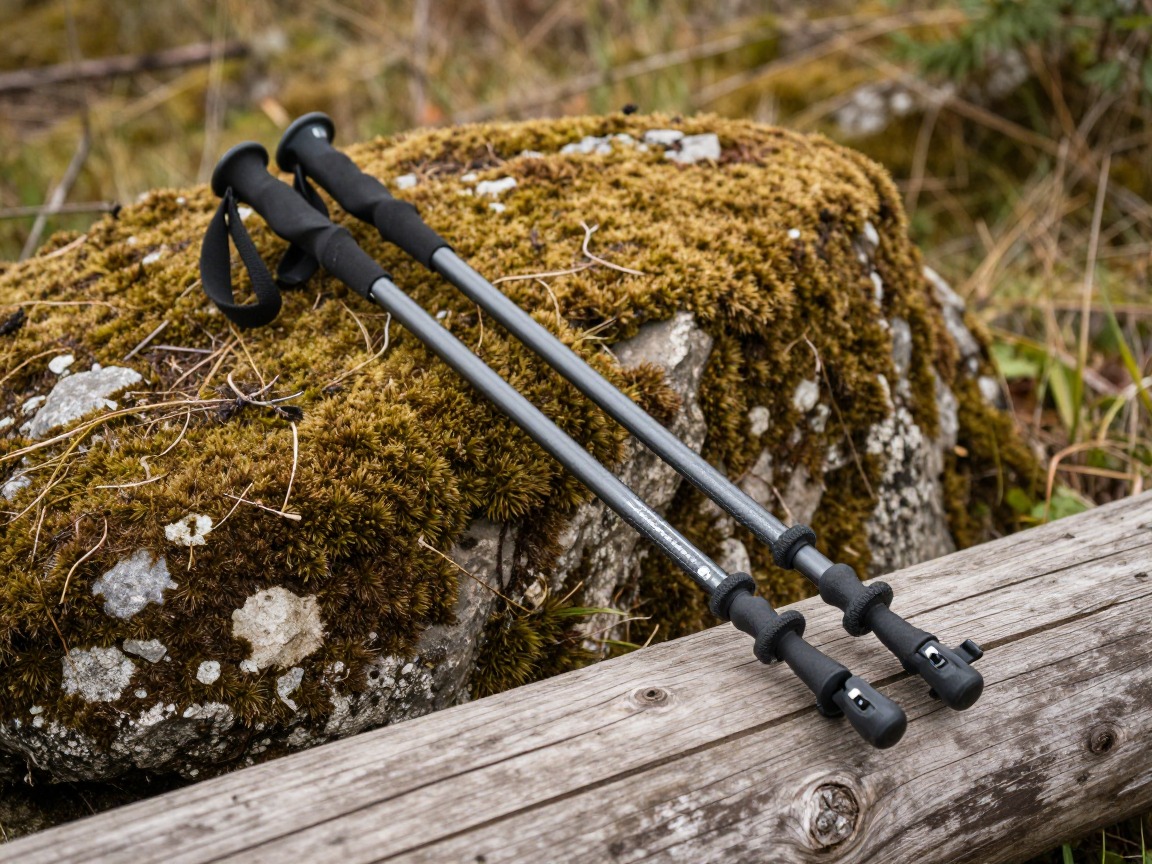
Trekking poles
Optional, but useful for balance on uneven ground and when lowering down to or rising up from stretches.
What to look for: Adjustable, comfortable grips and locks that hold. Light enough to lean against a tree during a stillness stop without a second thought.
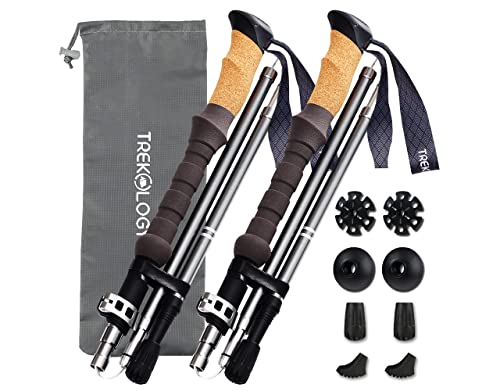 Trekology Trek-Z Cork Grip Collapsible Lightweight Hiking Trekking P Check price
 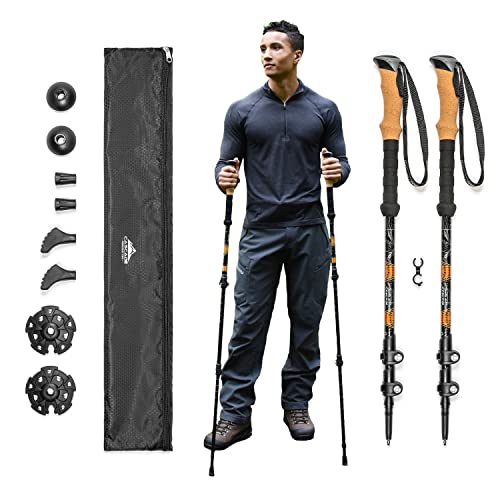 Cascade Mountain Tech Trekking Poles Check price
 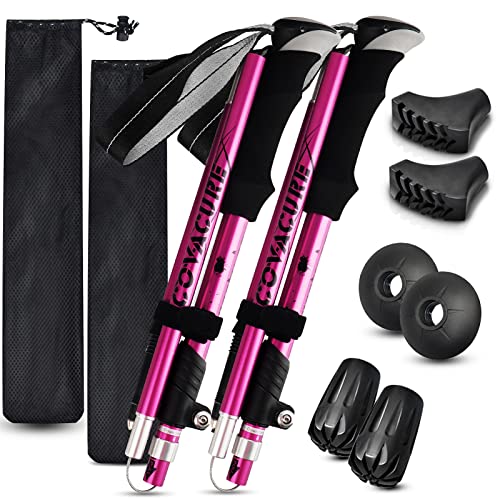 covacure Hiking Poles Check price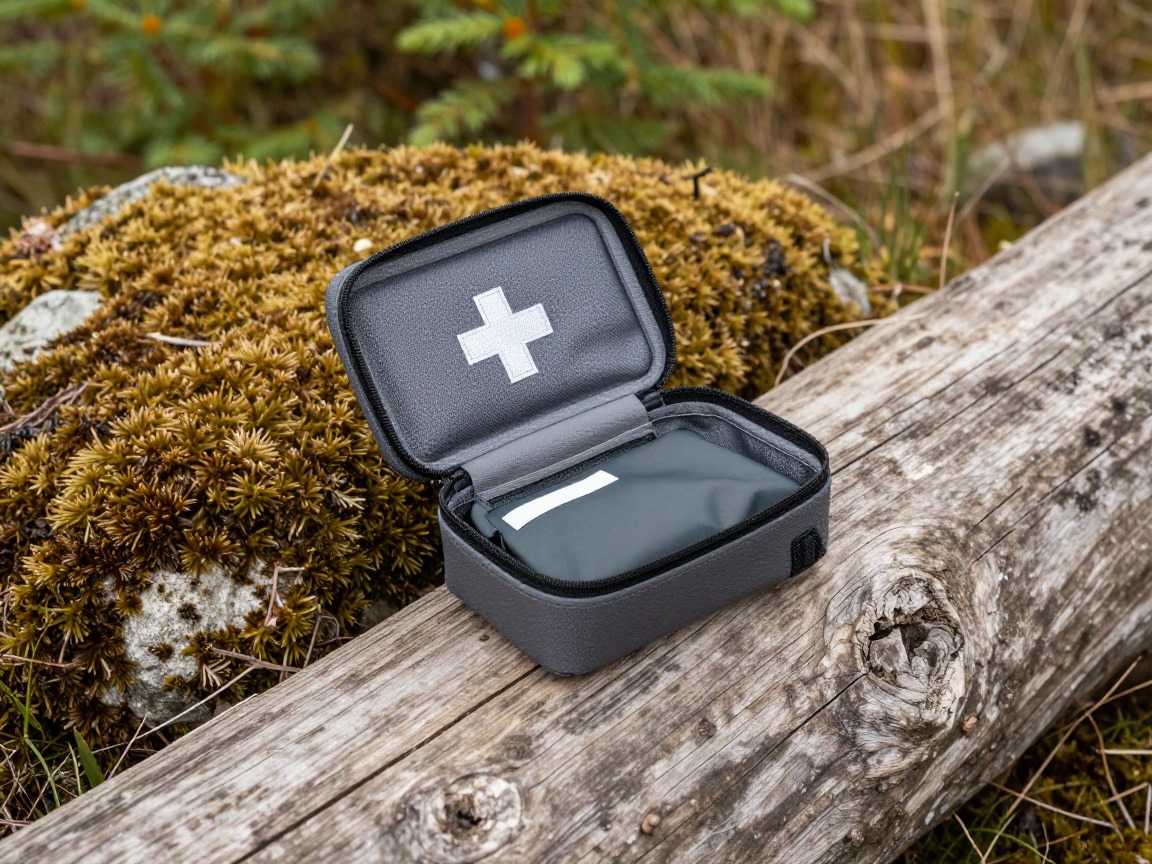
First-aid kit
The same small kit any hike carries — blisters, cuts, and the basics — because a slow pace doesn't mean a risk-free one.
What to look for: A compact kit weighted toward blisters and small cuts, plus anything you personally use. Know what's in it before you need it.
 Mini First Aid Kit - 150 Piece Small Waterproof EVA Hard Shell Case Check price
  Adventure Medical Kits Ultralight/Watertight Medical Kit .5 Check price
 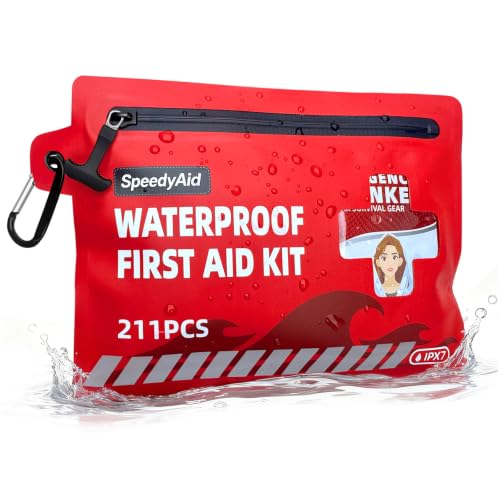 211 PCS Waterproof First Aid Kit Check price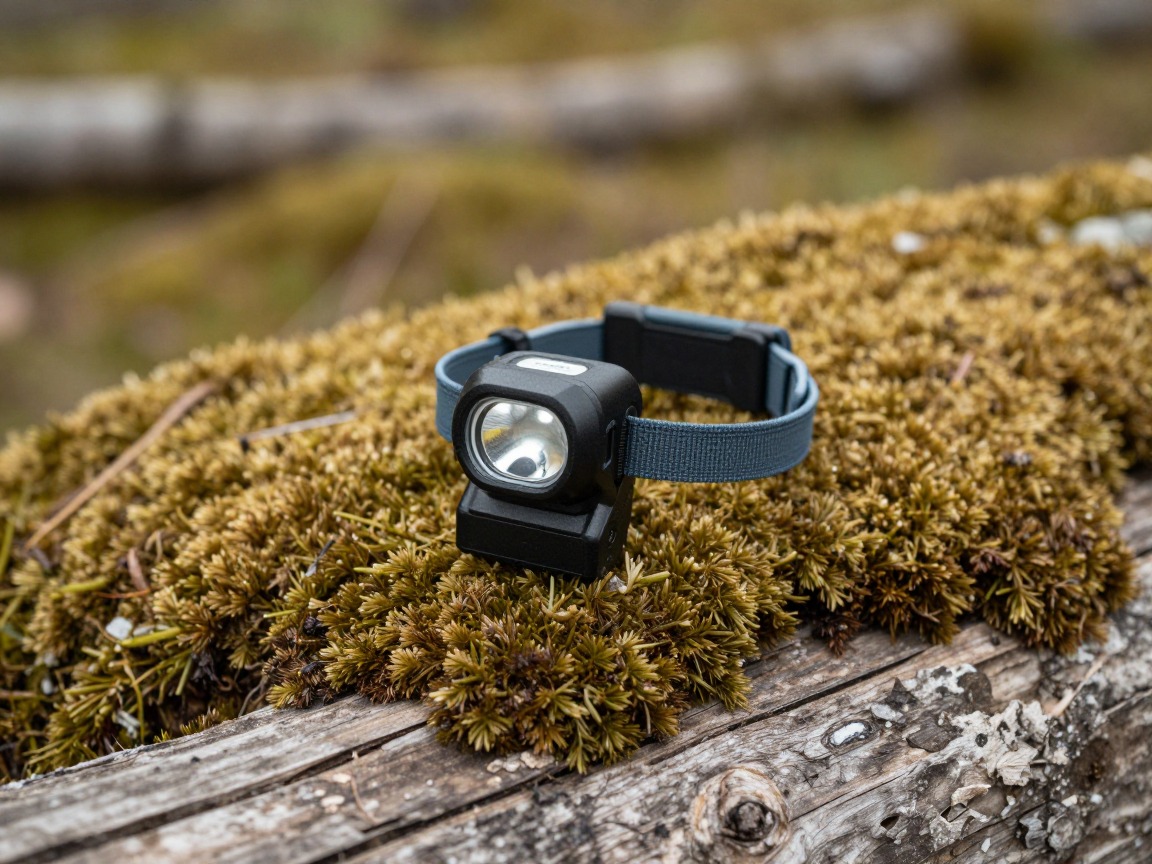
Headlamp
Hands-free light for the walk out if a longer stillness stop runs past the daylight you planned around.
What to look for: Enough output to walk by, a comfortable strap, and a lock mode so it doesn't drain in the pack between outings.
 LHKNL Headlamp Flashlight Check price
 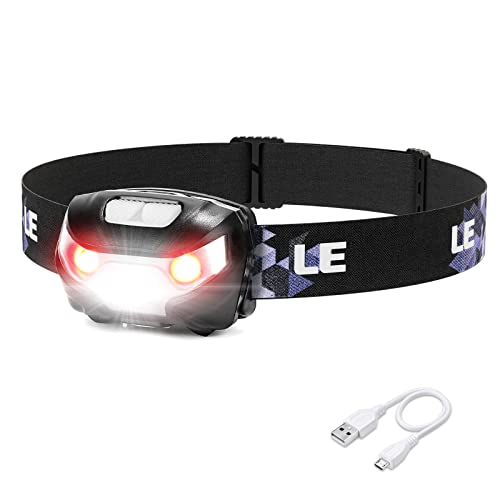 Lepro LED Headlamp Rechargeable IPX4 Waterproof Headlight 5 Modes - Check price
 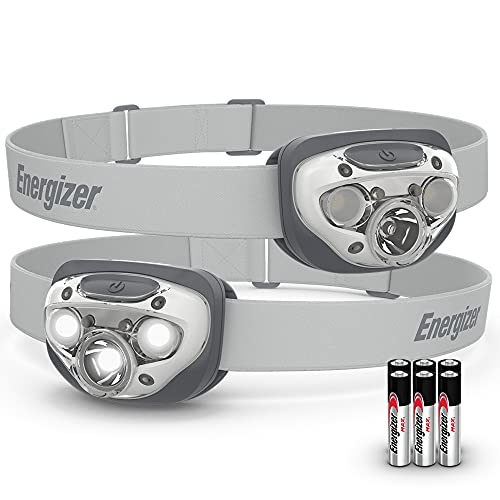 Energizer LED Headlamp PRO Check price
 - Map or offline GPS route
- Sunscreen & SPF lip balm
- Whistle
- Phone + power bank
- Emergency shelter (bivy or space blanket)
Stillness & mindfulness kit
The pieces that make this a wellness hike rather than a short walk — somewhere dry to sit, and a way to put thoughts down.
- A packable sit pad or roll-up mat for stretching and seated stillness on the trail
- A small journal and pen for reflection at your stillness stops
- A light shawl or wrap you can pull on for a seated stretch or a longer pause
- A watch or phone timer if you're pacing stillness stops rather than watching the light
How to adapt this setup
A quick stretch-and-sit near the trailhead? Drop to a smaller daypack and trim the spare layers, but keep the sit pad, water, and the safety basics — a short outing doesn't make them optional.
Add a warmer insulating layer and a hat, since sitting still in the cold chills you fast. Consider a thicker sit pad if the ground itself is cold rather than just damp.
If you're not carrying shared gear, your personal kit barely changes — pack your own water, layers, mat, and journal, and confirm who's carrying the first-aid kit and the route.
Tell someone your route and rough return time before you go — a slow pace means you linger in one spot, and stay out overall, longer than a typical hike would.
For more trail or a more remote spot, add water treatment, more food, and a fuller first-aid kit — shift toward the day-hike list rather than trimming the basics.
Common mistakes to avoid
- Packing a full retreat itinerary and rushing between stops, leaving no real time to actually sit still.
- Wearing yoga wear alone with no warm layer or shell, then getting cold fast the moment you stop moving.
- Skipping the sit pad and stretching directly on cold, wet, or rocky ground.
- Bringing sugary snacks that spike and crash instead of something that sustains slow movement and stillness.
- Treating a 'wellness hike' as a reason to skip the map, first-aid kit, or headlamp because it feels casual.
- Not telling anyone your route or rough timing, when a slow pace means you're out longer than a typical hike suggests.
Make it yours
Frequently asked questions
What should I pack for a wellness or yoga retreat hike?
A small daypack, stretchy layers plus a warm one for stillness stops, water and simple snacks, a packable sit pad, and a journal if you like to write. Add the same safety basics as any hike — map, first aid, a headlamp, and a rain shell.
Do I need a yoga mat for a hike like this?
A full-length mat is usually more than you need — a packable sit pad or a thin roll-up mat is enough for stretching and seated stillness, and it packs far smaller in a daypack.
How do I stay warm during stretching or stillness breaks on trail?
Put a warm layer on the moment you stop moving, not after you're already cold — a light fleece or packable puffy over a stretchy base layer, plus something dry to sit on, covers most stops.
Is it safe to do a wellness hike alone?
It can be, on a marked trail in fair weather, the same way any solo day hike can be — tell someone your route and rough timing, since a slow pace means you're in one spot, and out overall, longer than a typical hiker.
What size pack works for a slow, low-mileage hike?
A roughly 15–20 L daypack usually covers it — enough for layers, a sit pad, water, and snacks, without carrying capacity you won't use on a short, gentle day.
Illustrative images show the type of gear, not specific products. Recommendations link to similar items on Amazon; we only ever link real listings and never show fabricated prices or ratings. General planning guidance, not a substitute for your own judgment or professional backcountry-safety instruction.