
The waterfall & swimming-hole hike setup
A hike that ends at a waterfall or swimming hole is really two trips in one: a normal hike out, and a swim once you get there. This setup is built around that second half, with clothing that dries fast, gear that protects what can't get wet, and enough water-safety sense to make the swim as good an idea in person as it looked on the map.
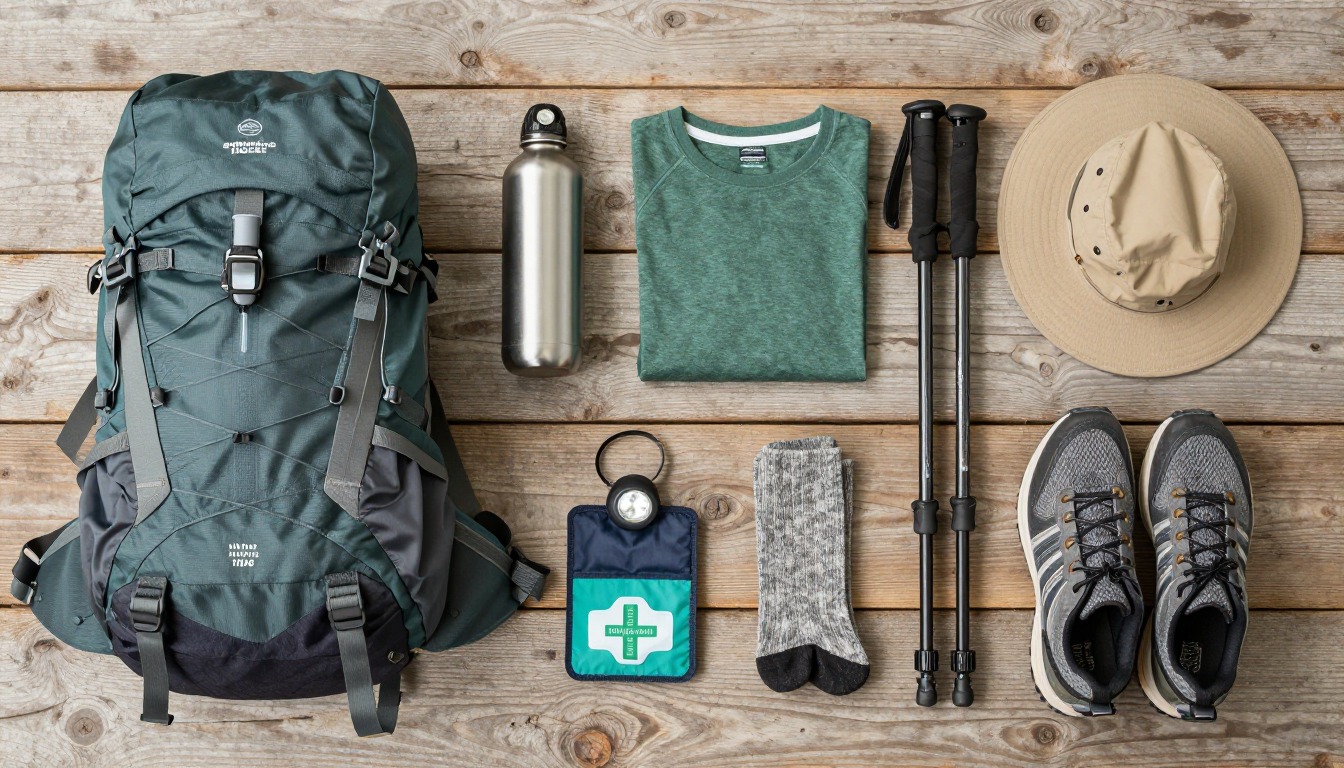
The gear list for this hike is decided by one fact: you're going to get wet on purpose, at a spot you may not fully see until you arrive. Clothing needs to work wet and dry, not just dry. Anything electronic needs a dry bag rather than a hope. Bare feet need real protection the moment the trail turns from dirt to algae-slicked rock. And the swim itself deserves the same respect as any other trail hazard, because current, depth and cold water don't announce themselves from the bank, so the kit includes the judgment calls as much as the gear.
This setup suits hikers heading to a waterfall, swimming hole or river pool as the destination: a day hike with a payoff, not just scenery. It works for a quick dip or a full afternoon on the rocks. If the water is known to be fast, deep, or has a history of dangerous currents, treat this list as a minimum and check current local conditions before you go. If you're not planning to swim at all, the standard day-hike setup covers you without the swim-specific extras.
- Start with a light daypack that has room to separate wet gear (suit, towel) from dry gear (phone, food, spare clothes).
- Add a dry bag sized for your phone, keys and wallet, and pack it before you leave home, not once you're at the water's edge.
- Build a quick-dry clothing system: a swimsuit worn under hiking clothes, or quick-dry layers you're happy to swim in, plus a packable towel.
- Add grippy water shoes for wet rock, real sun protection, and a plan for reading the water itself before anyone gets in.
About this setup
A hike to a waterfall or swimming hole is one of the most rewarding day-hike formats there is. You get the usual trail miles, then a genuine payoff at the end instead of just a view. That appeal is exactly why the gear list looks a little different from a standard day hike: you're not just walking to scenery, you're walking to an activity, and the kit needs to support both halves of the day.
The practical half is straightforward. Clothing that works wet and dry, a suit under hiking clothes or quick-dry layers you don't mind swimming in, means you're not standing around cold and damp or changing behind a rock. A dry bag keeps your phone and keys out of the equation, which matters more here than on almost any other hike, since a soaked phone at a remote swimming hole is a genuinely bad afternoon. Grippy water shoes matter just as much: the rock around a waterfall or pool is almost always wetter and more slippery than it looks from a photo, and a fall on wet rock is one of the most common ways these hikes go wrong.
The less obvious half is judgment about the water itself. Every swimming hole and waterfall pool is different, and conditions change after rain, through the season, and with snowmelt upstream, so treat the water you find as unknown rather than assuming it matches what you've read online. Check for visible current before wading in, watch for submerged rocks, logs or drop-offs you can't see from the bank, and never dive or jump into water you haven't personally checked for depth. Cold water, especially early season or fed by snowmelt, can trigger an involuntary gasp response strong enough to disorient even a confident swimmer, so ease in rather than jumping, and know where you'd get out to before you're past your depth.
The pack
A swim-day pack does double duty: carrying normal hiking gear out, then holding wet gear for the walk back without soaking everything else.
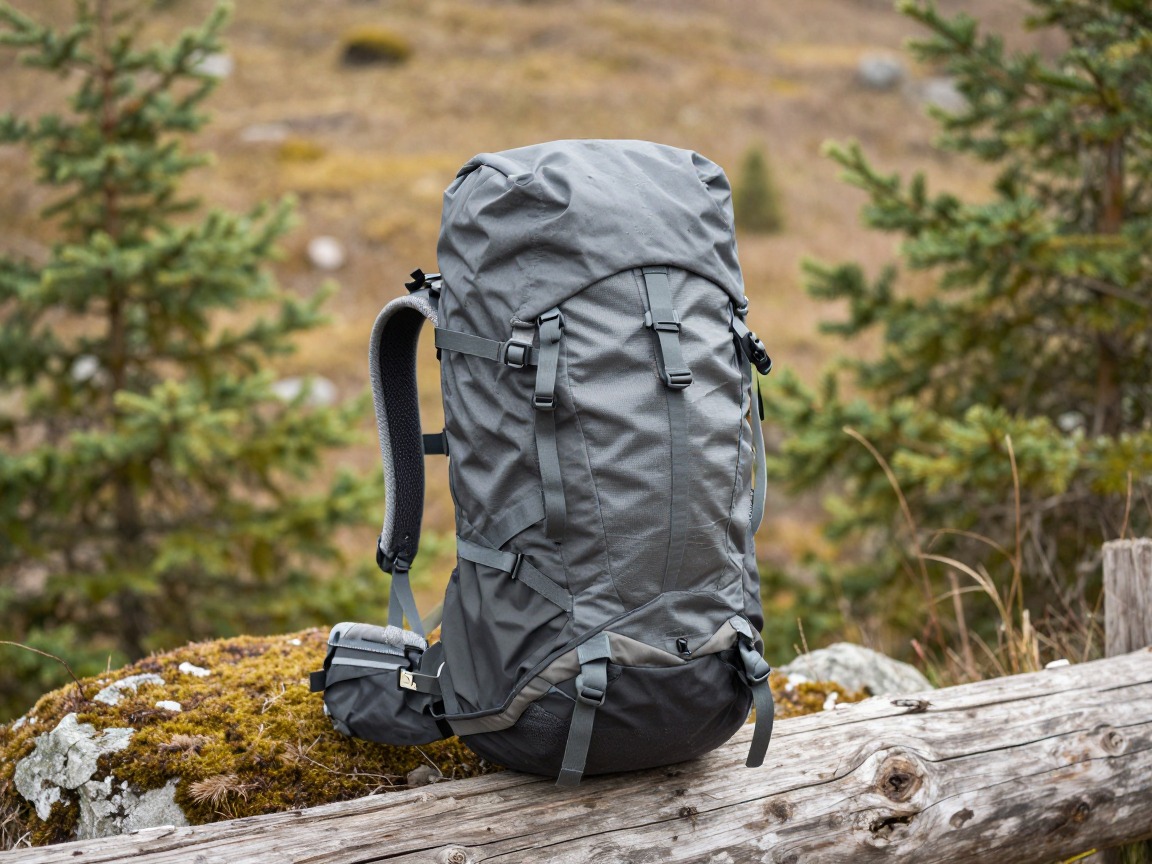
Swim-day daypack
A light daypack for the hike in, with enough structure to carry a dry bag, a wet towel and a change of clothes back out without everything else turning damp too.
What to look for: An external or mesh pocket you can dedicate to wet gear on the return leg, a size in the 15–25 L range, and a rain cover or pack liner if the forecast is uncertain.
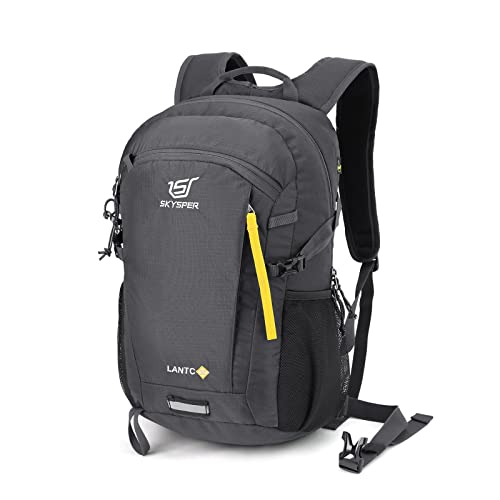 SKYSPER Small Hiking Backpack Check price
  Osprey Sportlite 20L Lightweight Hiking Backpack Check price
 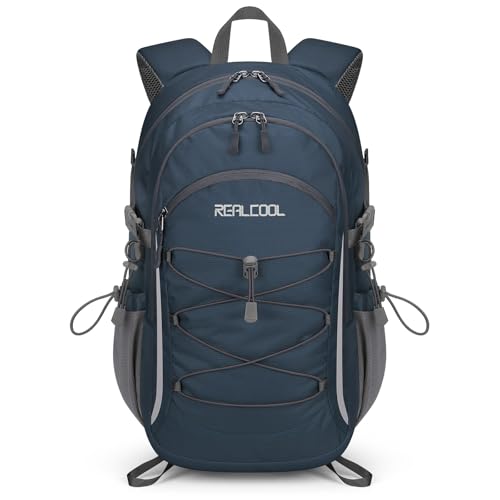 RealCool 20L Lightweight Hiking Backpack Check price
 Water & hydration for the trail
Swimming water and drinking water are two different things. Carry water you trust to drink separately from whatever pool or river you're headed to.
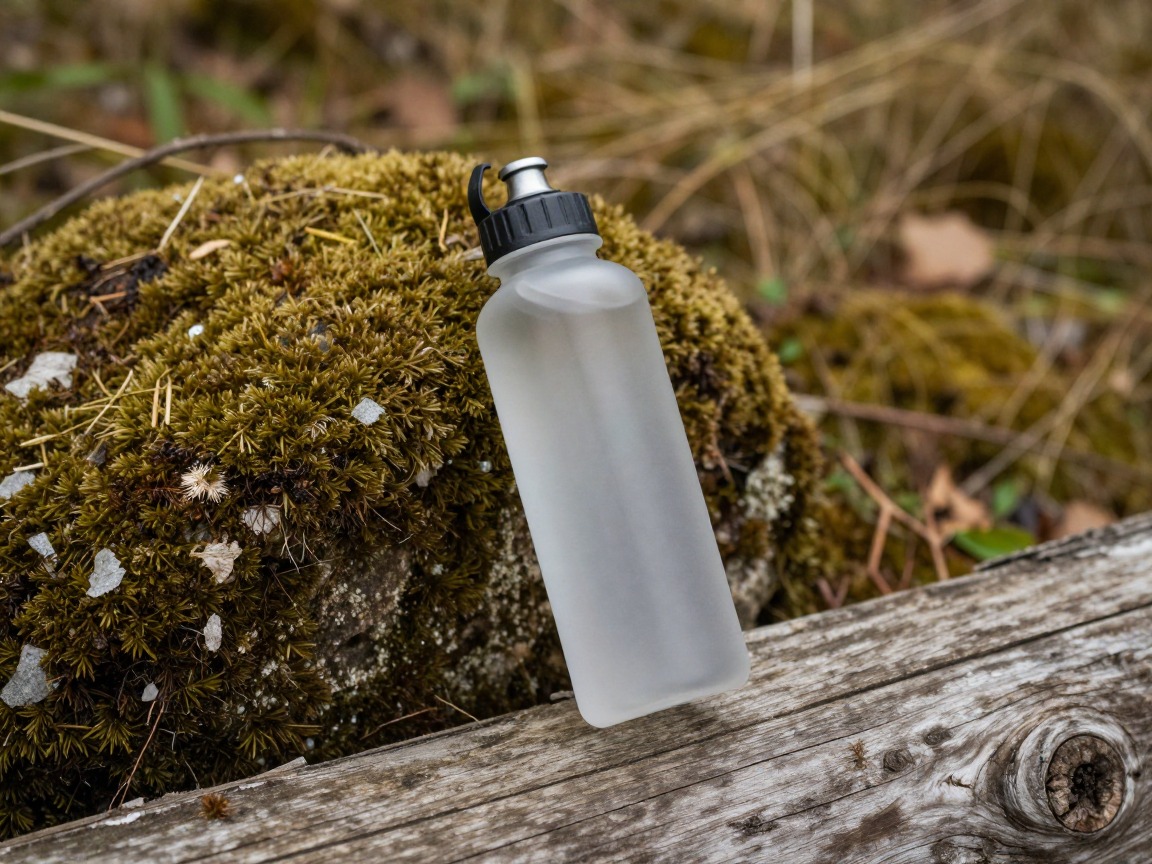
Water bottle
Your actual drinking water for the hike in and out. Treat the swimming hole itself as scenery, not a water source, unless you've treated it first.
What to look for: A tough, wide-mouth bottle that's easy to refill and clean, in a size that covers the round trip plus margin for a hot day.
 Nalgene 32 oz Wide Mouth Water Bottle Check price
  Nalgene 32 oz Wide Mouth Water Bottle Check price
  Nalgene 32 oz Wide Mouth Water Bottle Check price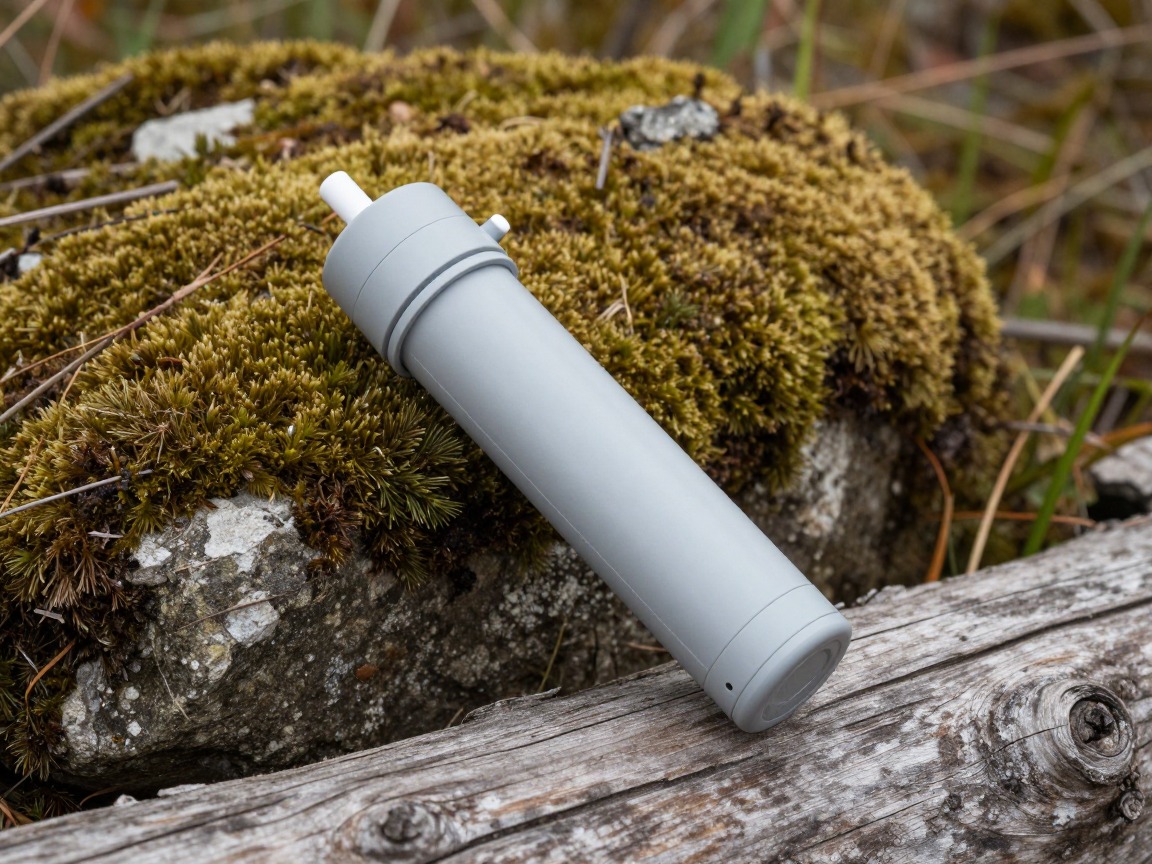
Water filter
Useful on a longer or hotter approach, where topping up from a stream along the way beats relying only on what you carried in from the trailhead.
What to look for: A fast, simple squeeze or pump filter you can use quickly streamside without turning a water stop into a production.
 Sawyer Squeeze Water Filtration System Check price
  Sawyer Products SP128 Mini Water Filtration System Check price
  LifeStraw Personal Water Filter for Hiking Check price
 - Electrolyte tabs or mix for a hot approach
- Don't assume the swimming hole itself is safe to drink from untreated
Sun & quick-dry clothing
Dress for two jobs at once: hiking dry, then swimming. Sun protection matters more here than on a shaded trail, since you'll often be exposed on open rock in full sun.
Quick-dry hiking shirt
A synthetic, quick-dry layer you're happy to hike and swim in, so you're not carrying separate hiking and swim clothes or changing awkwardly trailside.
What to look for: A loose, breathable synthetic or blend that dries in minutes rather than hours, ideally with UPF sun protection built in for time spent on open rock.
 100% Merino Wool Base Layer Men Set - Thermal Underwear for Men Long Check price
  Merino.tech Merino Wool Base Layer Women Set - Heavyweight Check price
  100% Merino Wool Base Layer Men Set - Thermal Long Underwear with Ba Check price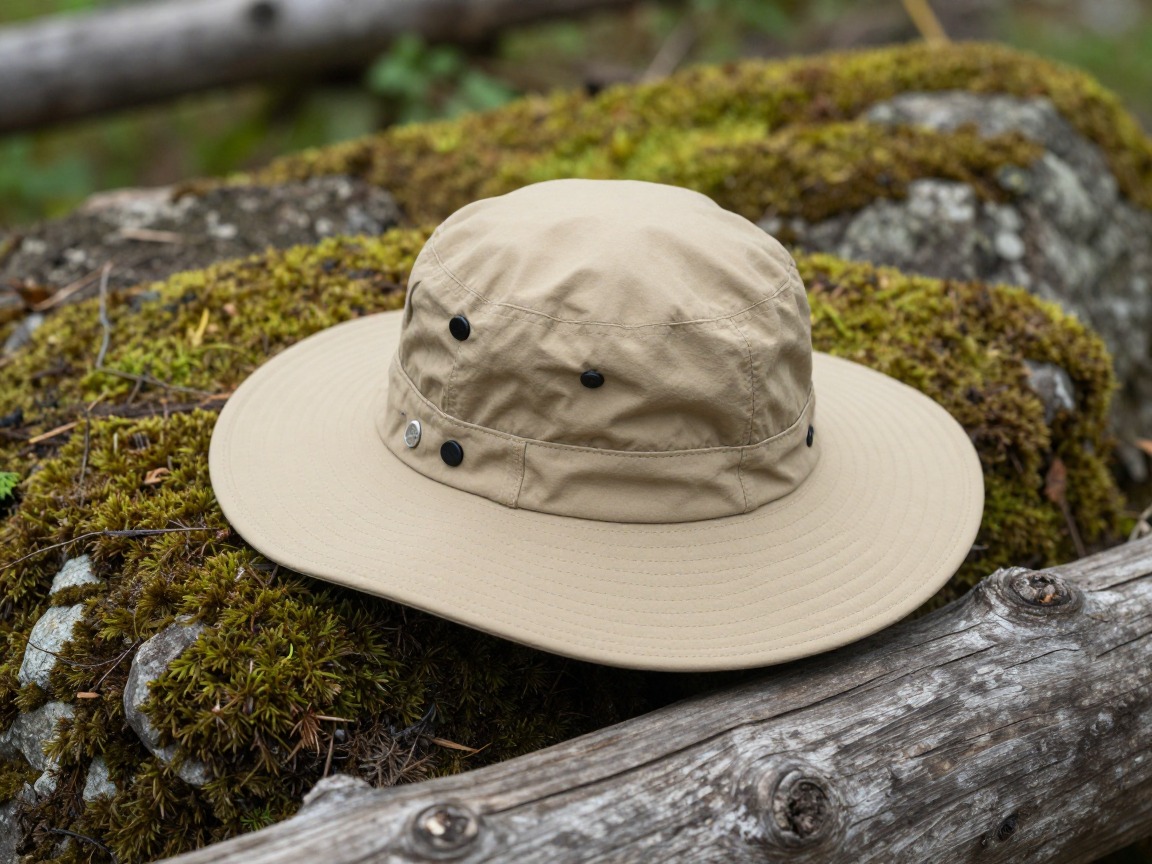
Sun hat & sunglasses
Waterfalls and swimming holes often sit in full sun on open rock, with no tree cover and glare bouncing straight off the water.
What to look for: A hat that stays put wet or dry (a chin cord helps), and sunglasses with a retainer strap so a stumble on wet rock doesn't mean losing them in the pool.
 FURTALK Womens Sun Hat with Ponytail Hole Beach Hiking Summer Wide B Check price
 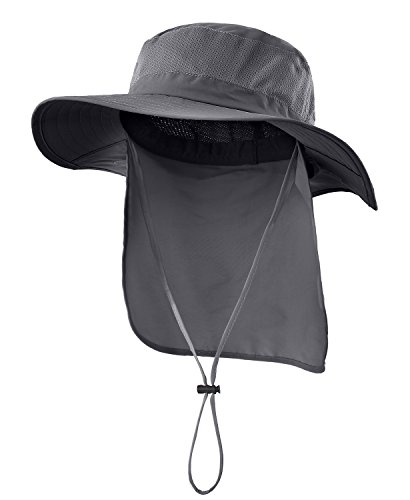 Home Prefer Outdoor UPF50+ Mesh Sun Hat Wide Brim Fishing Hat with N Check price
  FURTALK Sun Hats for Men Fishing Hat UPF Protection Wide Brim Bucket Check price
 - A swimsuit worn under your hiking clothes, or quick-dry layers you don't mind swimming in
- Quick-dry shorts and underwear rather than cotton
- Sunscreen you reapply after swimming, not just before you leave
Swim gear & water safety
This is the gear that makes the swim itself comfortable and safe. Most of it doesn't have its own hiking-store aisle, but it matters more than almost anything else on this list.
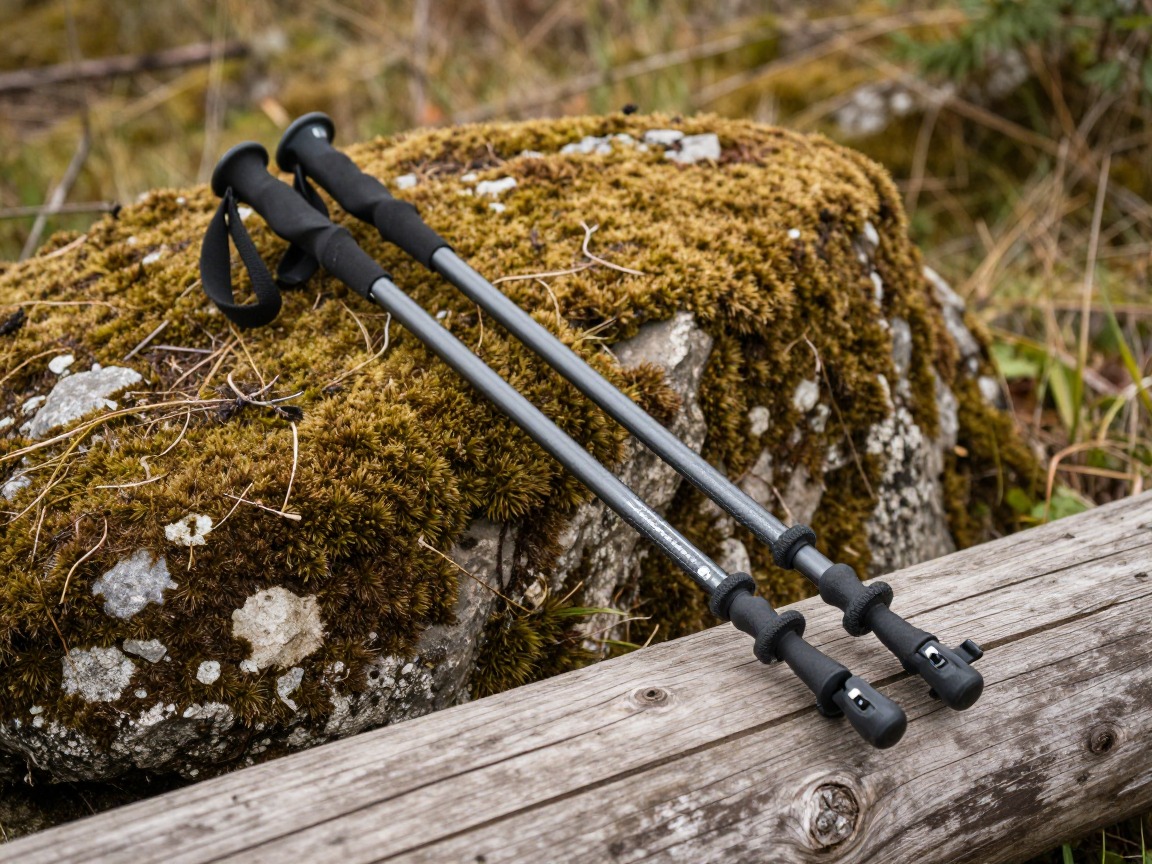
Trekking poles
Useful well beyond the trail here. A pole is a quick way to test the depth and footing of a pool edge or a slick rock ledge before you commit your full weight to it.
What to look for: A lightweight, packable pole with a comfortable grip you don't mind getting wet, and locks that hold even after a dunking.
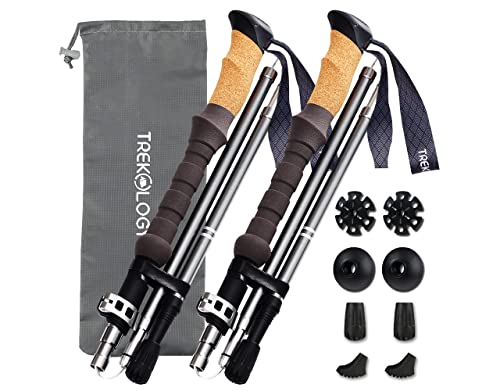 Trekology Trek-Z Cork Grip Collapsible Lightweight Hiking Trekking P Check price
 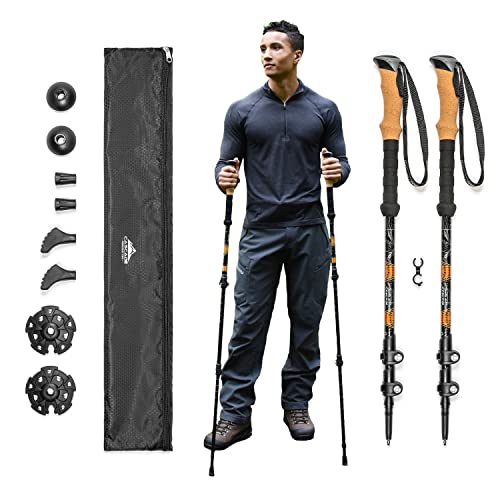 Cascade Mountain Tech Trekking Poles Check price
 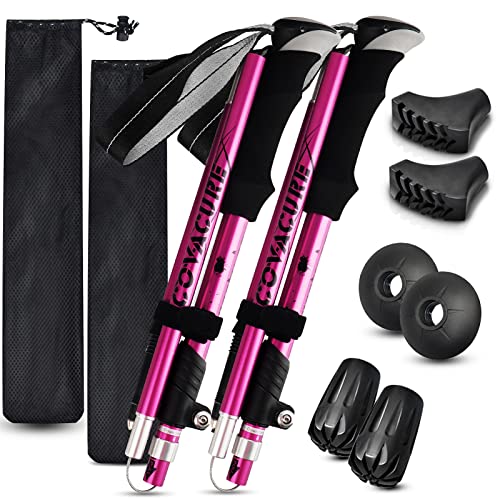 covacure Hiking Poles Check price
 - Water shoes or sport sandals with real grip: swimming-hole rock is often algae-covered and far more slippery than it looks
- A dry bag for your phone, keys and wallet, packed before you get near the water
- A packable, quick-dry towel
- Assess the water before you get in: check for visible current, submerged rocks or logs, and depth. Never dive or jump blind
- Ease into cold water rather than jumping straight in; sudden immersion can trigger a gasp reflex that disorients even strong swimmers
- Know your nearest way out before you're in deep water, and don't swim alone in a current you're unsure of
Footwear for wet, slick trail
Feet do double duty on this hike too, working the trail in and then often scrambling over wet rock at the destination, so footwear and sock choices matter more than usual.
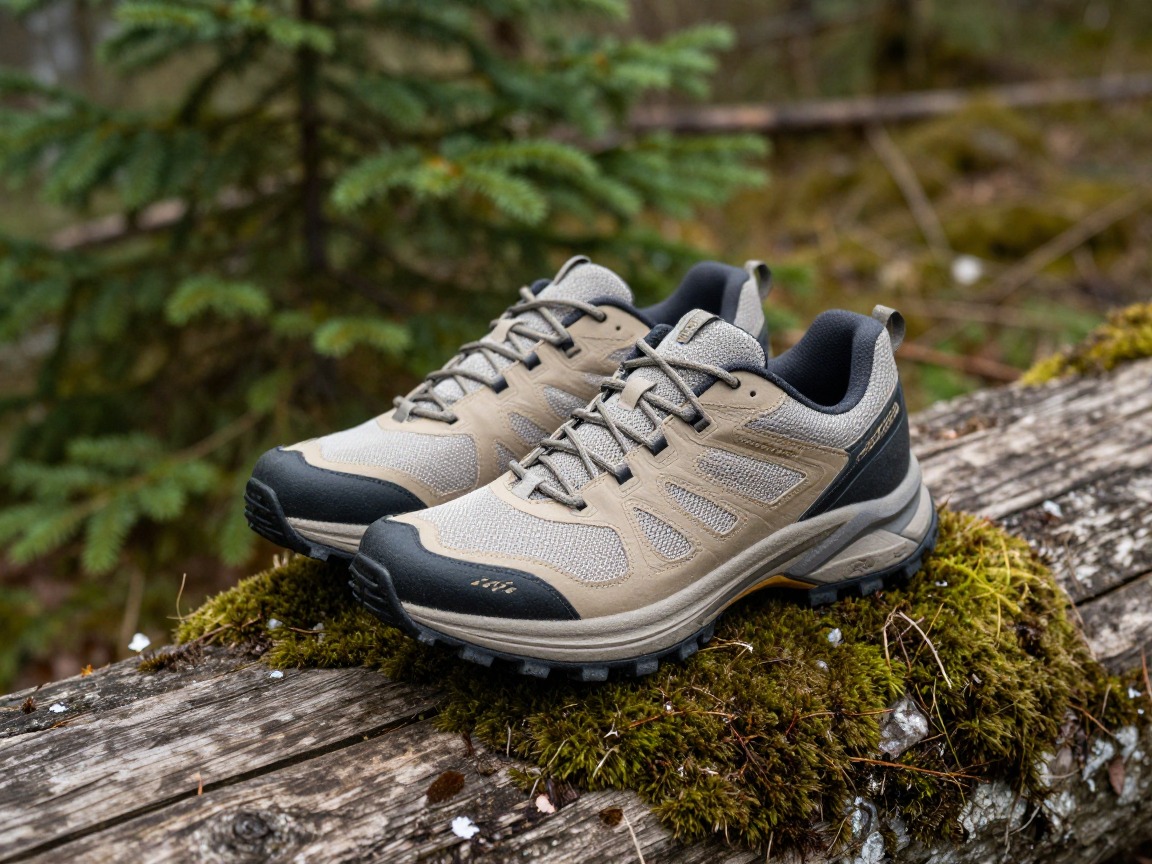
Trail runners or hiking shoes
The hike to a swimming hole often means wet feet at some point. Trail runners drain and dry far faster than a boot if you end up wading or splashed along the way.
What to look for: A shoe with real tread for wet rock and quick-draining mesh uppers. Skip the waterproof-lined pair here since it just traps water in instead of keeping it out.
 Saucony Men's Excursion TR14 Trail Running Shoe Check price
  Adidas Mens Terrex Tracefinder 2 Trail Running Check price
  Brooks Men’s Cascadia 19 Mountain Trail Running Shoe - Black/Black/E Check price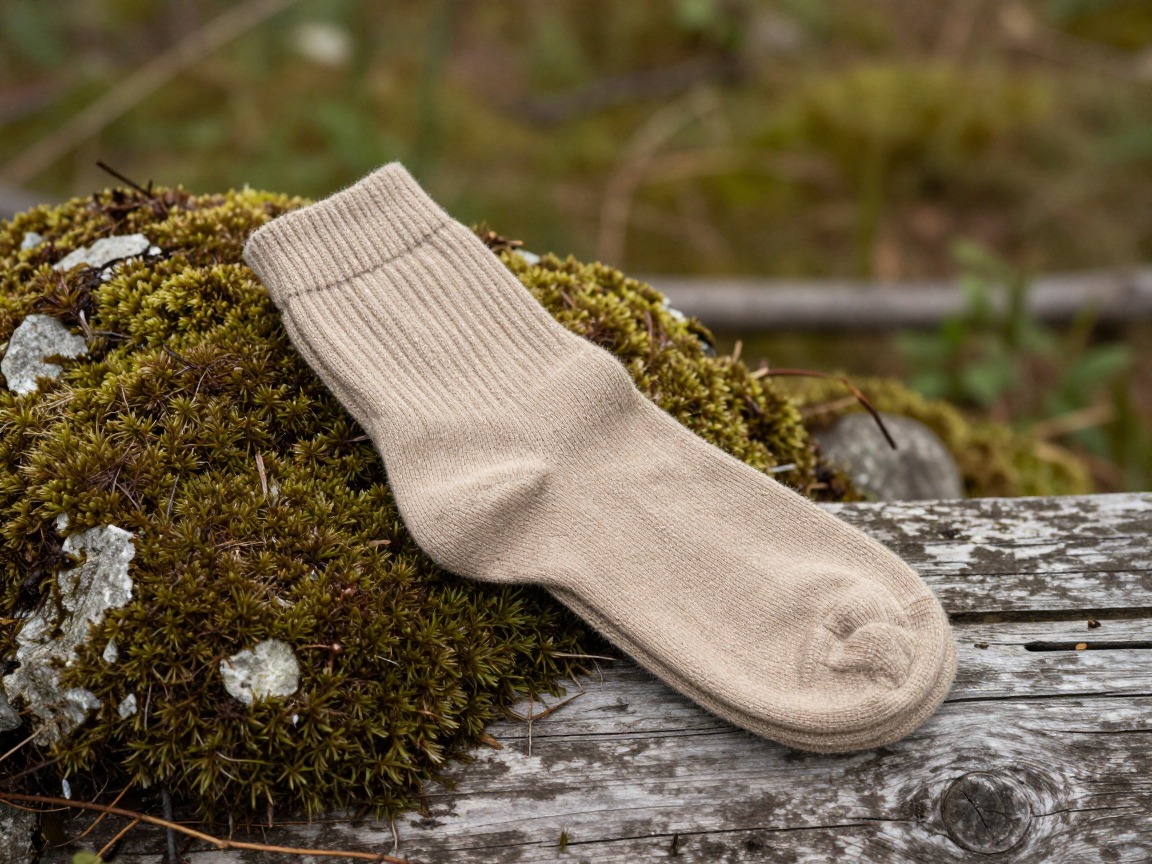
Hiking socks
A breathable, non-cotton sock that still performs when it gets wet, since drying out fully mid-hike often isn't realistic on this kind of trip.
What to look for: A wool or synthetic blend that manages moisture rather than just absorbing it, plus a dry spare pair for the walk back if you waded or swam in your shoes.
 Alvada Merino Wool Hiking Socks Thermal Warm Crew Winter Boot Sock F Check price
  DANISH ENDURANCE Merino Wool Socks for Men & Women Check price
  innotree 3 Pack Men's Merino Wool Hiking Socks Check price
 Navigation & extras
The rest of the list is standard day-hike sense, with a couple of items worth double-checking given how much of this hike happens near water.
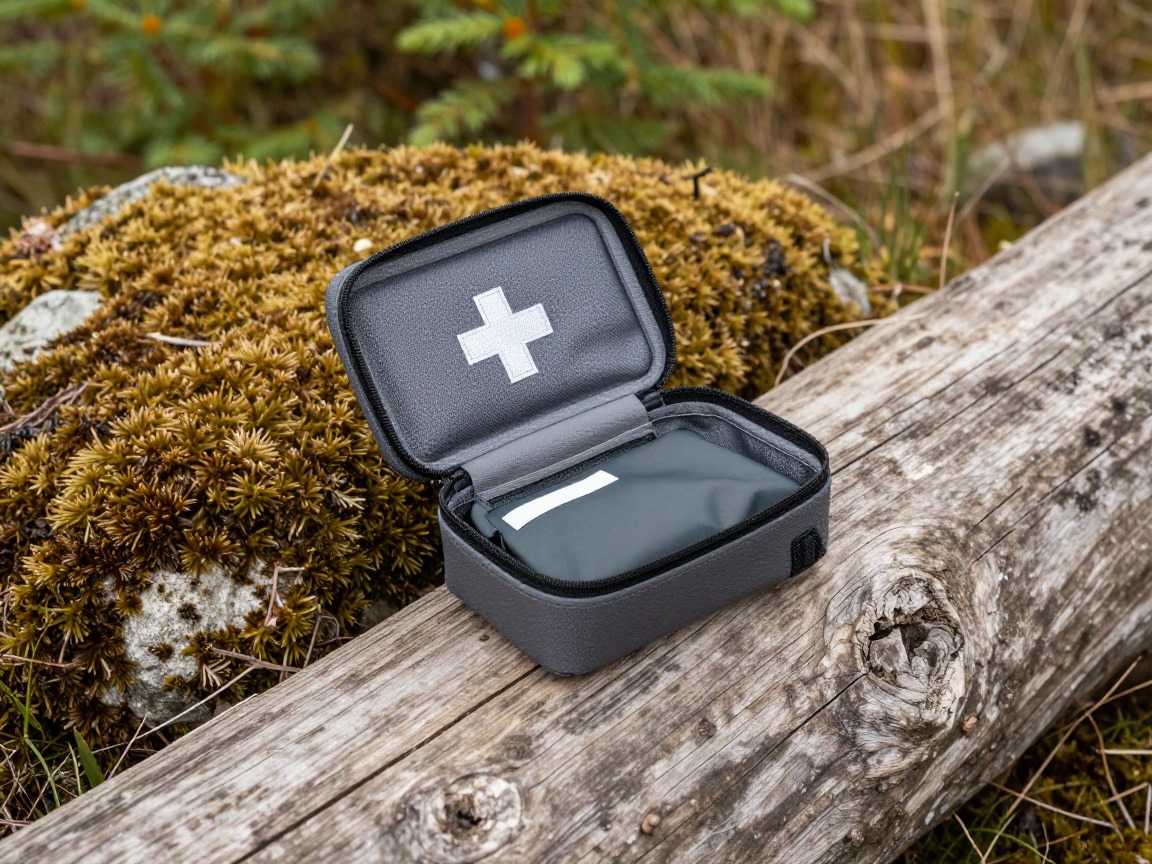
First-aid kit
Covers the slip-on-wet-rock scrapes and blisters that come up more often on this kind of hike than on a dry trail, plus the basics for any other minor mishap.
What to look for: A kit weighted toward cuts, scrapes and blister care, kept on the dry-bag side of your pack rather than the wet side.
 Mini First Aid Kit - 150 Piece Small Waterproof EVA Hard Shell Case Check price
  Adventure Medical Kits Ultralight/Watertight Medical Kit .5 Check price
 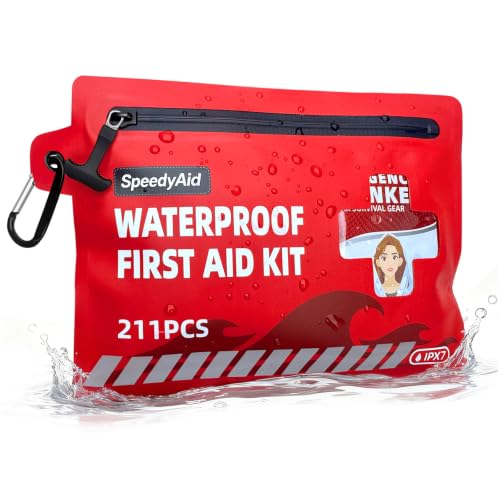 211 PCS Waterproof First Aid Kit Check price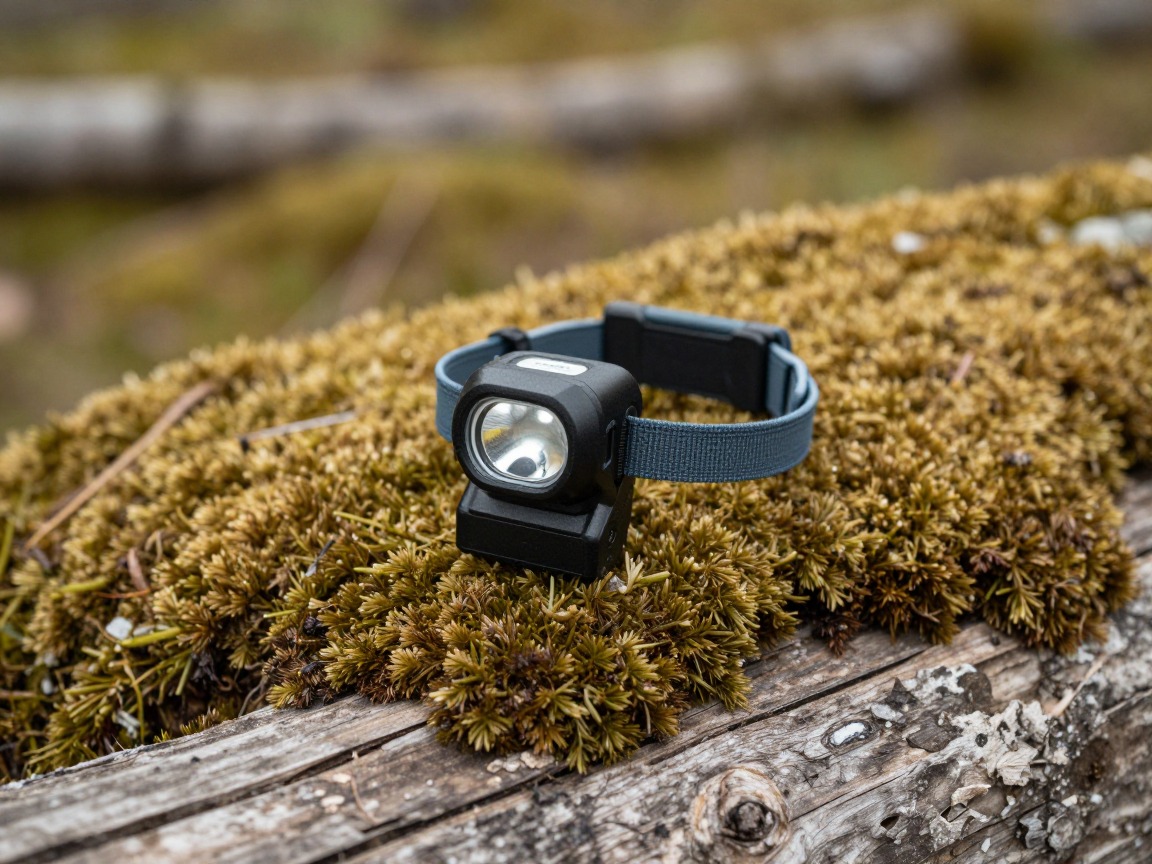
Headlamp
Handy if a long, lazy afternoon at the swimming hole runs later than planned and the hike back happens at dusk.
What to look for: Small, reliable output and a strap that won't slip if you end up hiking out with a wet head from one last dip.
 LHKNL Headlamp Flashlight Check price
 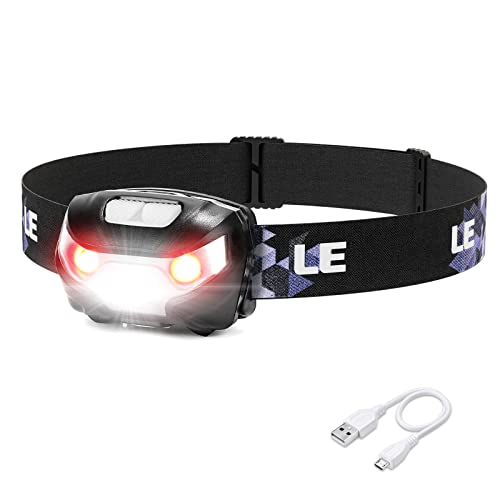 Lepro LED Headlamp Rechargeable IPX4 Waterproof Headlight 5 Modes - Check price
 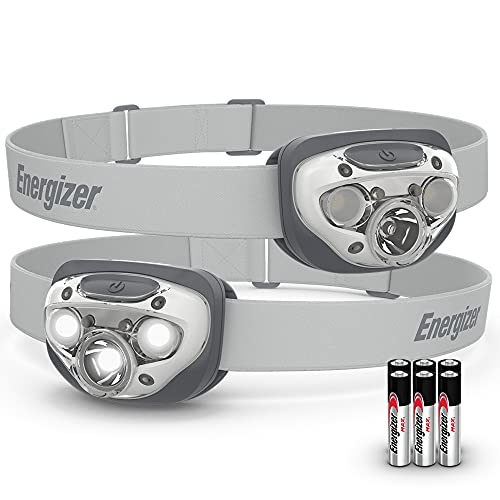 Energizer LED Headlamp PRO Check price
 - Map + GPS or offline maps for the trail in and out
- Phone, kept in your dry bag, plus a portable charger
- A whistle
- A trash bag or small dry sack for wet clothes so they don't soak everything else in your pack
How to adapt this setup
Treat it as unknown water, with no lifeguard and possibly no cell signal, so lean harder on caution and consider turning a solo trip into a group one.
Conditions still change after storms or spring snowmelt even at a famous swimming hole, so don't let a busy parking lot substitute for checking the water yourself.
Add extra dry bags and towels so everyone has their own, keep young swimmers within arm's reach in any current, and pick a gentle, shallow entry over a rock jump.
Swap the swim-focused clothing for a shorter dip or none at all, and add a warm layer for right after you get out; the water stays cold long after the trail warms up.
Lean on the water filter and extra electrolytes from the hydration section, since a hot multi-mile approach changes your water math before you even reach the pool.
Common mistakes to avoid
- Assuming a swimming hole is safe just because it's popular or often photographed, when conditions change with rain, season and snowmelt.
- Diving or jumping in before checking depth and for submerged rocks or logs, one of the biggest causes of serious injury at these spots.
- Leaving your phone or keys in a pocket instead of a dry bag, then losing or soaking them the moment you're in the water.
- Wearing sandals or going barefoot on wet, algae-covered rock instead of shoes with real grip.
- Jumping straight into cold water rather than easing in, and underestimating how disorienting cold shock can be.
- Packing only dry hiking clothes with nothing quick-dry to swim in, then hiking back cold and damp the whole way out.
Make it yours
Frequently asked questions
Is it safe to swim in a natural swimming hole or waterfall pool?
It depends entirely on the specific spot and current conditions, not the location's reputation. Check for visible current, submerged hazards and depth before getting in, avoid it after heavy rain or during high snowmelt, and never dive or jump without confirming what's below the surface first.
What should I wear hiking to a swimming hole?
Quick-dry clothing you're comfortable swimming in: a suit worn under hiking layers, or synthetic clothes you don't mind getting wet, plus grippy water shoes for the rock around the water and a hat and sunglasses for sun exposure on open rock.
Do I need special shoes for a waterfall hike?
Yes, if you plan to get near the water's edge. Rock around waterfalls and swimming holes is typically far more slippery than dry trail rock, often coated in algae or spray, and water shoes or sport sandals with real tread reduce that risk far more than bare feet or hiking boots.
How do I protect my phone while swimming on a hike?
A dedicated waterproof dry bag is the simplest fix. Pack your phone, keys and wallet into it before you're anywhere near the water, not once you're already changing. A phone lost or soaked at a remote swimming hole usually means hiking out without navigation or a way to call for help.
Why does cold water feel more dangerous than it looks?
Sudden immersion in cold water can trigger an involuntary gasp reflex and rapid breathing that make swimming and even staying calm harder, especially in early-season or snowmelt-fed pools. Easing in gradually rather than jumping gives your body time to adjust and lowers that risk substantially.
Illustrative images show the type of gear, not specific products. Recommendations link to similar items on Amazon; we only ever link real listings and never show fabricated prices or ratings. General planning guidance, not a substitute for your own judgment or professional backcountry-safety instruction.