
The water-scarce route setup
Some routes don't have a water problem you can filter your way out of — they simply don't have water, for miles at a stretch, or only water you can't fully trust. This setup is built around that reality: real carrying capacity, a plan built on current reports rather than an old map symbol, and a filter that can make something usable out of a marginal source when you find one.
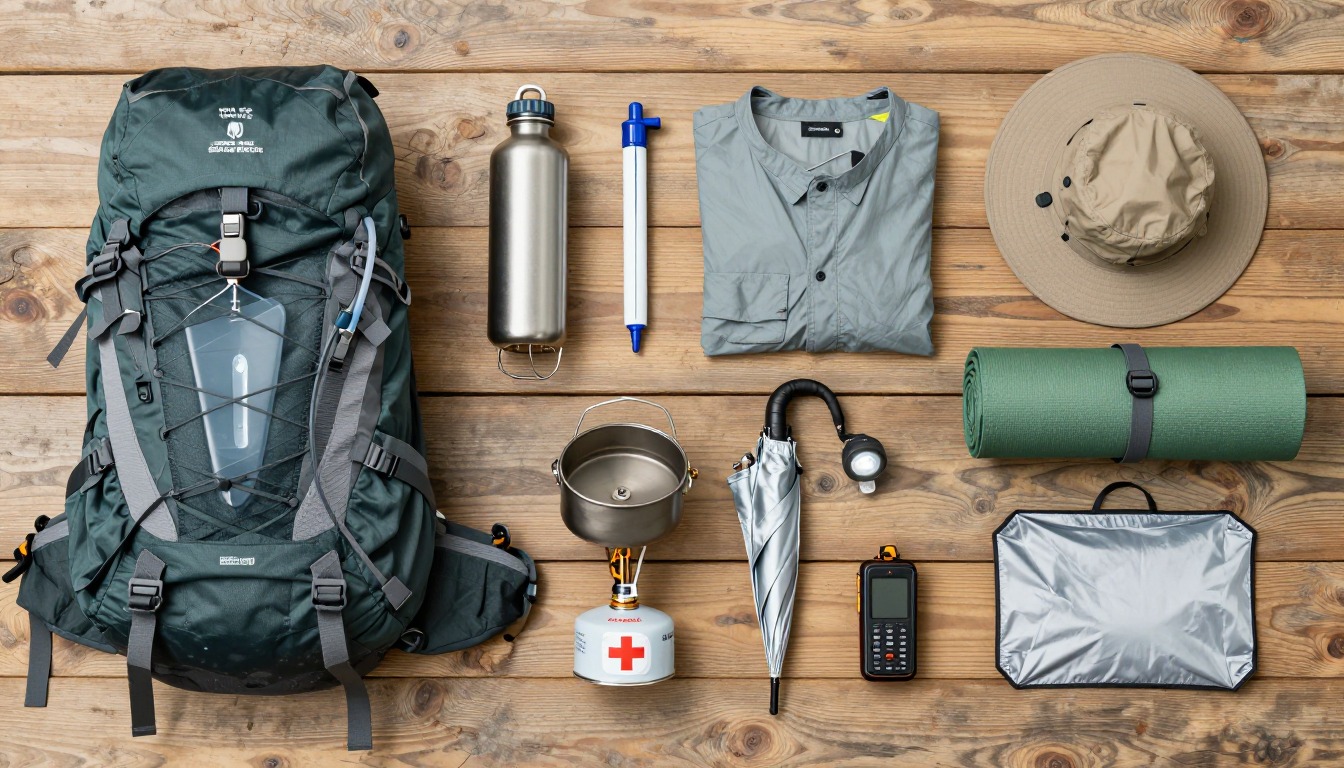
This kit is organized around a single number: how many liters you need between reliable sources, and what that weighs. At roughly 2.2 lb per liter, water is often the heaviest single thing in the pack, so capacity comes first — a bladder and bottles sized to the driest stretch on the route, not the average one. Everything else follows from there: a filter that can turn a marginal cow tank or seep into something usable, a water plan built from current trail reports and other hikers' notes instead of a map's blue line, and a dry-camp routine that carries dinner, breakfast and morning water in rather than counting on finding any of it at camp.
This suits multi-day hikers on routes with genuinely long dry stretches — desert canyon country, high plateau, or any trail where sources are seasonal, cached, or simply far apart — who are comfortable planning a water carry down to the liter. If your route has frequent, reliable streams, you don't need this much capacity; a standard multi-day setup with a lighter filter will serve you better. If you're unsure whether a source will be flowing at all, treat this kit, and a real water plan, as the minimum rather than the extra.
- Work out your water math first — liters needed for the driest stretch, at about 2.2 lb per liter, based on current trail reports rather than a map symbol alone.
- Size your capacity to that number: a bladder for bulk, bottles you can see into and count, and a filter that can handle a marginal source if you find one.
- Plan your dry camps around the same math — carry in enough for dinner, breakfast and the next morning's hiking before you commit to camping away from water.
- Build the rest of the kit — shelter, sleep, cooking and safety — around that water weight, and shift your hardest miles to the cooler hours.
About this setup
A water-scarce route flips the usual backpacking math. On most multi-day trips, food is the heaviest consumable and water is something you top up along the way; here, water is often the single heaviest thing in the pack, and at roughly 2.2 lb per liter, four or five liters for a dry stretch adds up fast. The planning starts before the trailhead: working out exactly how far apart reliable sources are, what a "reliable" source actually means on this specific route, and how much margin to build in above your basic hydration needs.
The sources themselves are part of the problem. A blue line on a map or an old trip report can be dry, seasonal, or fouled by livestock by the time you get there — which is why a real water plan leans on current trail reports, land-manager updates and recent hiker notes, not just what the map shows. It's also why the filter matters as much as the capacity: the water you do find on a route like this is more likely to be a stock tank, a silty spring or a shallow seep than a clear running stream, and a filter that clogs on that kind of source is worse than no filter at all. Caching water — at the trailhead, a road crossing, or a pre-arranged drop, where it's permitted — turns an unreliable stretch into a planned one.
Dry camps add their own logistics on top of the trail math. Camping away from any water source means carrying in everything you'll use there: water for cooking dinner, for the next morning's breakfast and coffee, and enough to start hiking before you reach the next source. Electrolytes matter more here too — sweating hard in dry heat on a limited water budget is a good way to end up depleted even when you're drinking enough. None of this is really about extra gear; it's about carrying the right capacity, trusting a filter that can handle a rough source, and building your hours and your camp around water instead of assuming it'll be there.
The pack
Water is the heaviest thing you'll carry on a route like this, so the pack needs a suspension built for that load as much as it needs room for extra bottles.
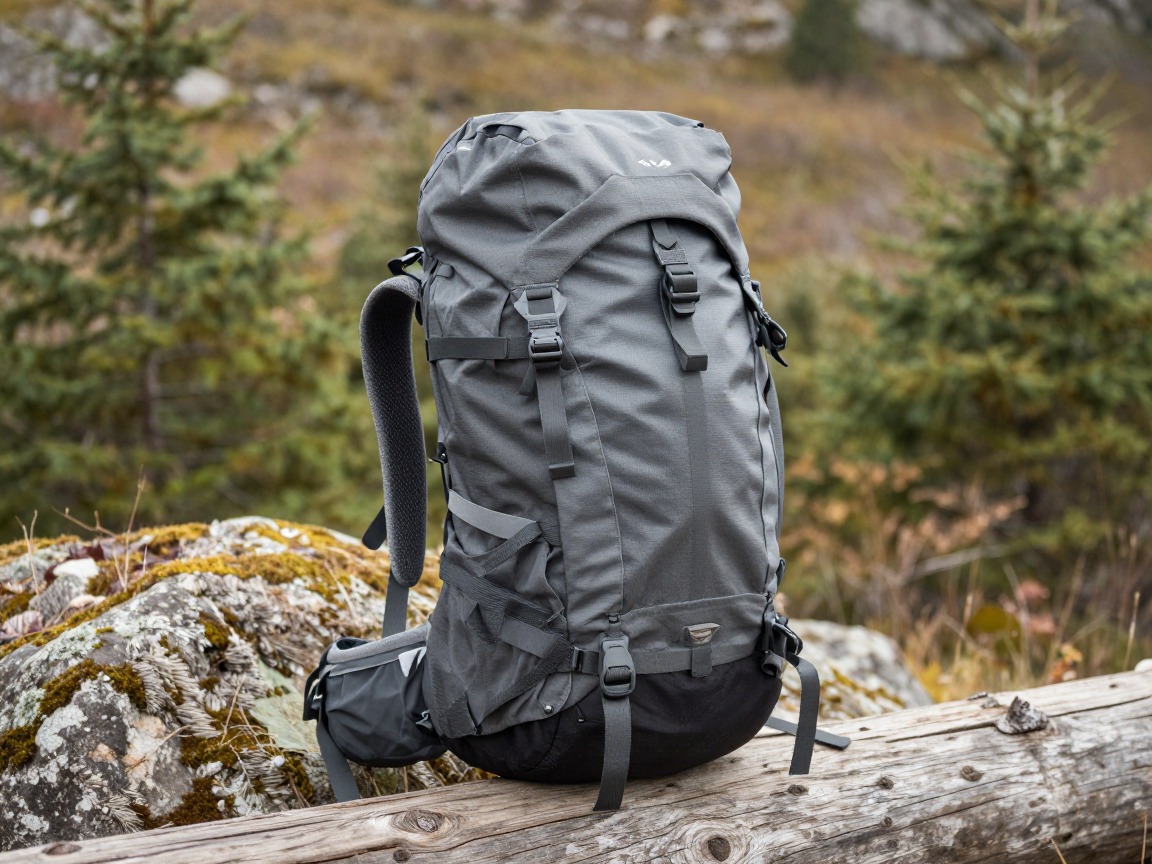
Multi-day pack (45–55L)
Carries a multi-day system plus real water capacity — extra bottles, a bigger bladder, and dry-camp food — without needing to go oversized, since water adds weight more than bulk.
What to look for: A genuinely load-bearing hip belt built for a heavier starting weight, side pockets you can reach for a bottle without stopping, and a bladder sleeve sized for your largest reservoir.
 WoneNice 50L Check price
  Teton 55L Scout Internal Frame Backpack for Hiking Check price
 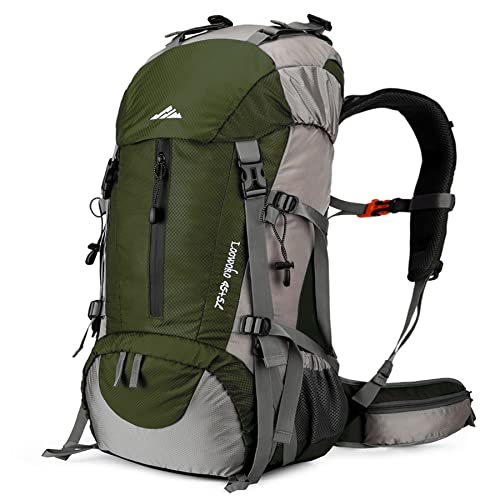 Loowoko 50L Hiking Backpack with Rain Cover for Both Men & Women Check price
 - Pack rain cover or liner
- Compression straps to cinch down as water and food are used
Water — capacity, weight and backup filtration
This is the section that decides everything else. Work out how much you need for the driest stretch, then build in real capacity and a way to treat whatever you find.
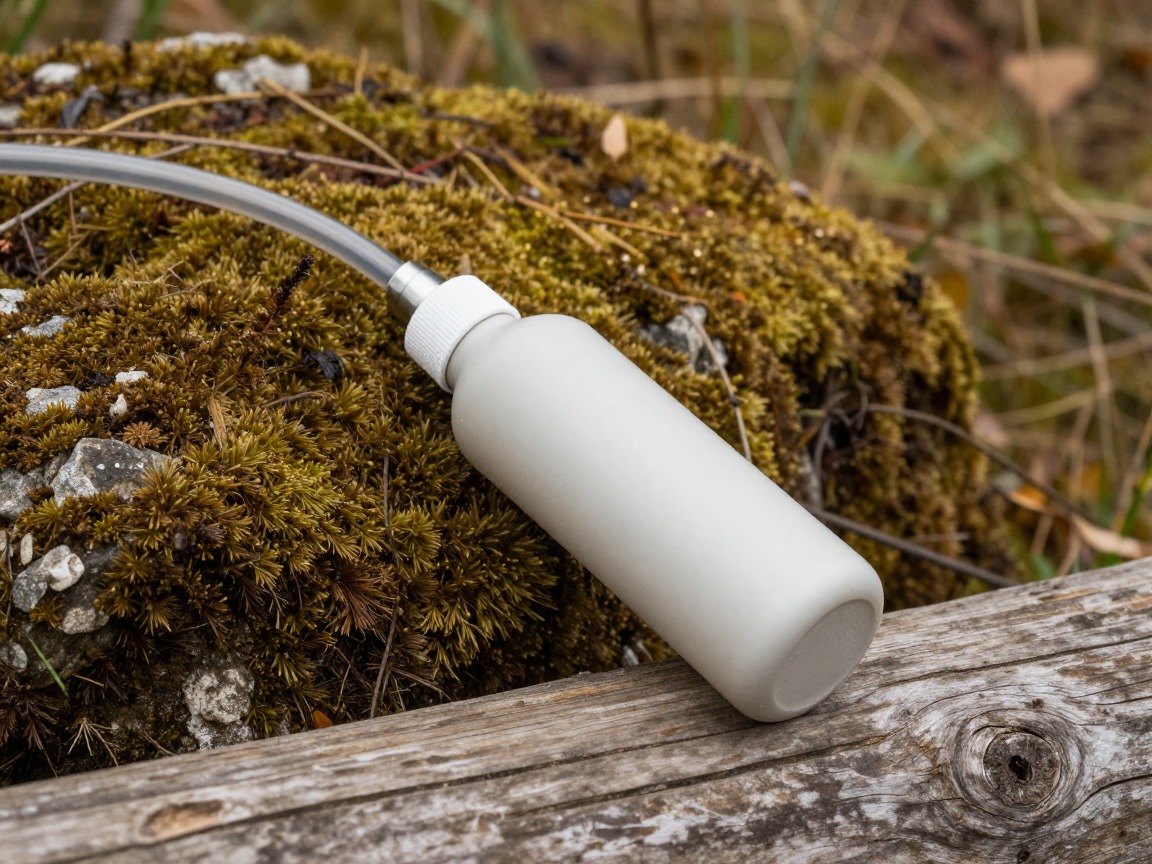
Hydration reservoir
A 2–3+ liter bladder is the fastest way to add bulk capacity, letting you sip constantly on a long dry stretch instead of rationing from a bottle.
What to look for: The largest reservoir your pack sleeve fits, an insulated hose and bite valve to keep water flowing in the heat, and a wide fill opening you can actually clean.
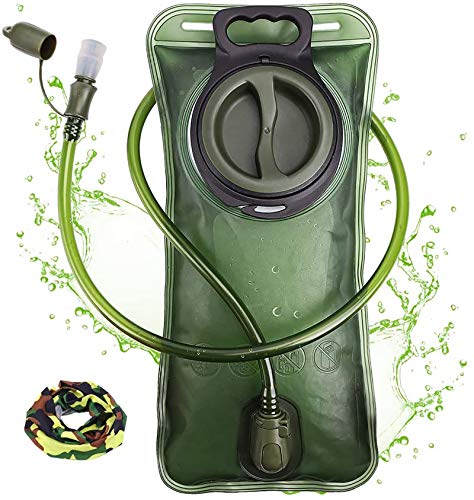 Hydration Bladder Check price
  Hydration Bladder Check price
  Mdvora 1.5L/2L/2.5L/3L Hydration Bladder Check price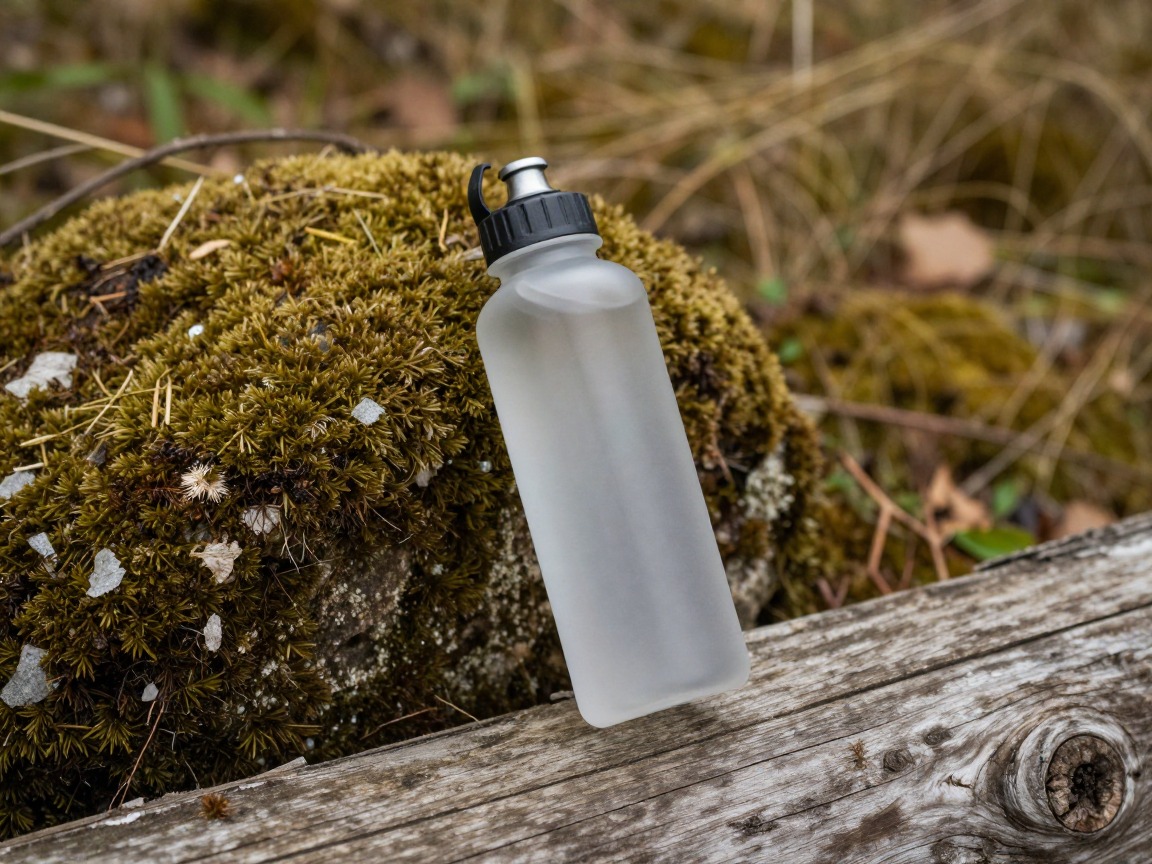
Wide-mouth water bottles
Bottles you can see into and count matter more here than almost anywhere — knowing exactly how many liters you're carrying is what makes an honest turnaround call possible.
What to look for: Clear volume markings, a wide mouth for filling from a shallow source or cache, and enough total bottle capacity to back up the bladder if it fails.
 Nalgene 32 oz Wide Mouth Water Bottle Check price
  Nalgene 32 oz Wide Mouth Water Bottle Check price
  Nalgene 32 oz Wide Mouth Water Bottle Check price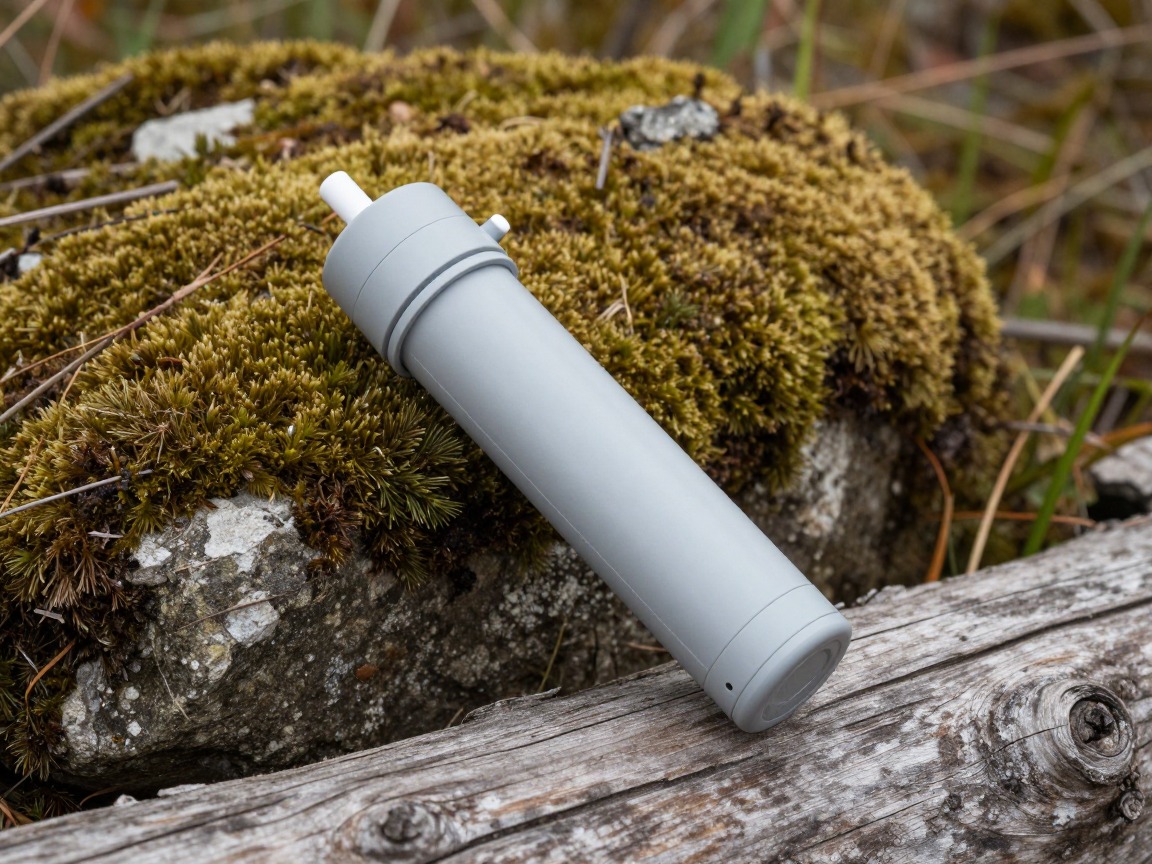
Water filter
On a water-scarce route, the sources you do find are often the marginal ones — a cow tank, a stock pond, a seep — not a clear mountain stream, so the filter needs to handle that.
What to look for: A filter rated to handle silty, murky or livestock-adjacent water without clogging fast, plus a backup — tablets or a second filter element — for when the only source you find is worse than expected.
 Sawyer Squeeze Water Filtration System Check price
  Sawyer Products SP128 Mini Water Filtration System Check price
  LifeStraw Personal Water Filter for Hiking Check price
 - Electrolyte tabs or drink mix
- Written water plan built from current trail reports, ranger updates and other hikers' notes, not a map symbol alone
- Water cached at the trailhead or mid-route where permitted
- Collapsible water container for hauling extra from a cache or reliable source to a dry camp
- Backup purification tablets
Shelter & sleep
The shelter and sleep system don't change much for a water-scarce route — but with real weight already going into water, it's worth trimming where you can here.
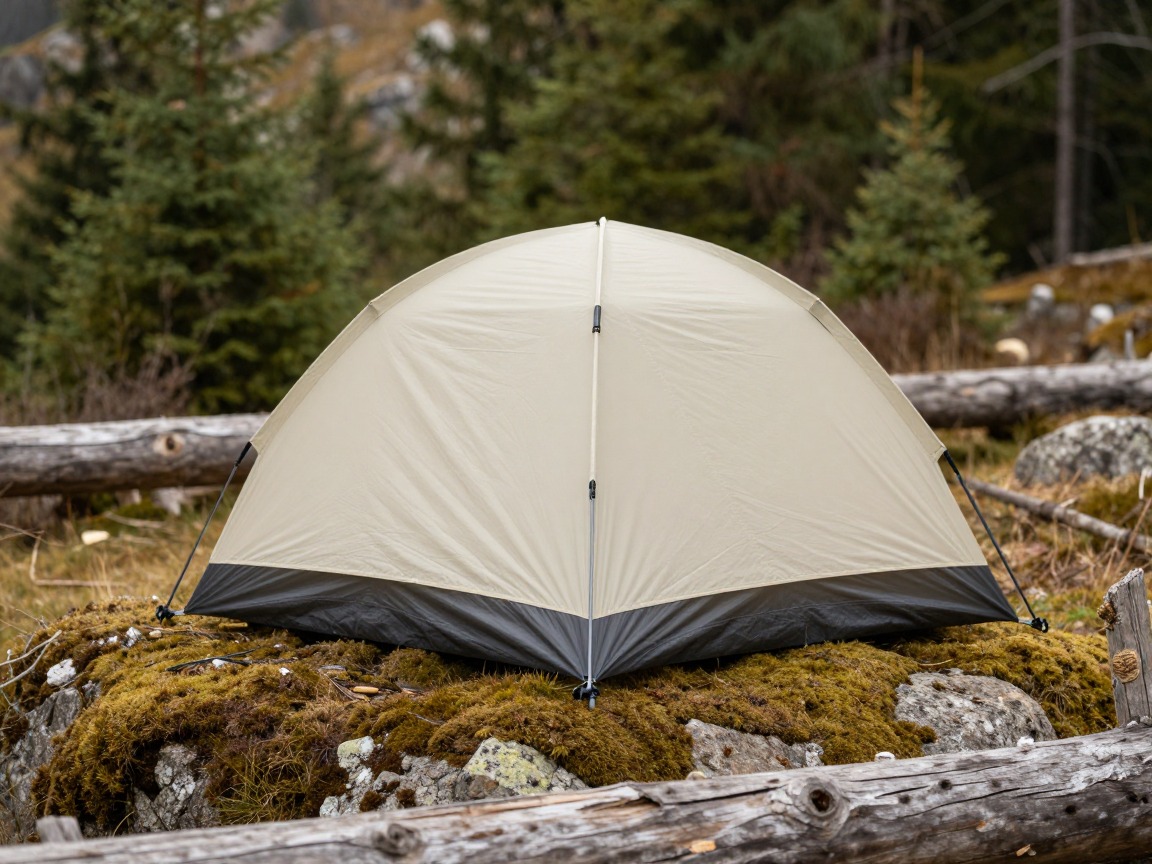
Backpacking tent
Shelter for however many dry-camp nights the route has, and shade if you end up resting through midday heat instead of hiking it.
What to look for: A freestanding or semi-freestanding two-person tent that pitches fast on hard, rocky or sandy ground where stakes don't always hold, plus real ventilation for a hot, dry camp.
 Night Cat 2-Persons Backpacking Tent: Waterproof Lightweight Camping Check price
  BISINNA 2/4 Person Camping Tent Lightweight Waterproof Backpacking T Check price
  Forceatt Tent for 2 Person is Waterproof and Windproof Check price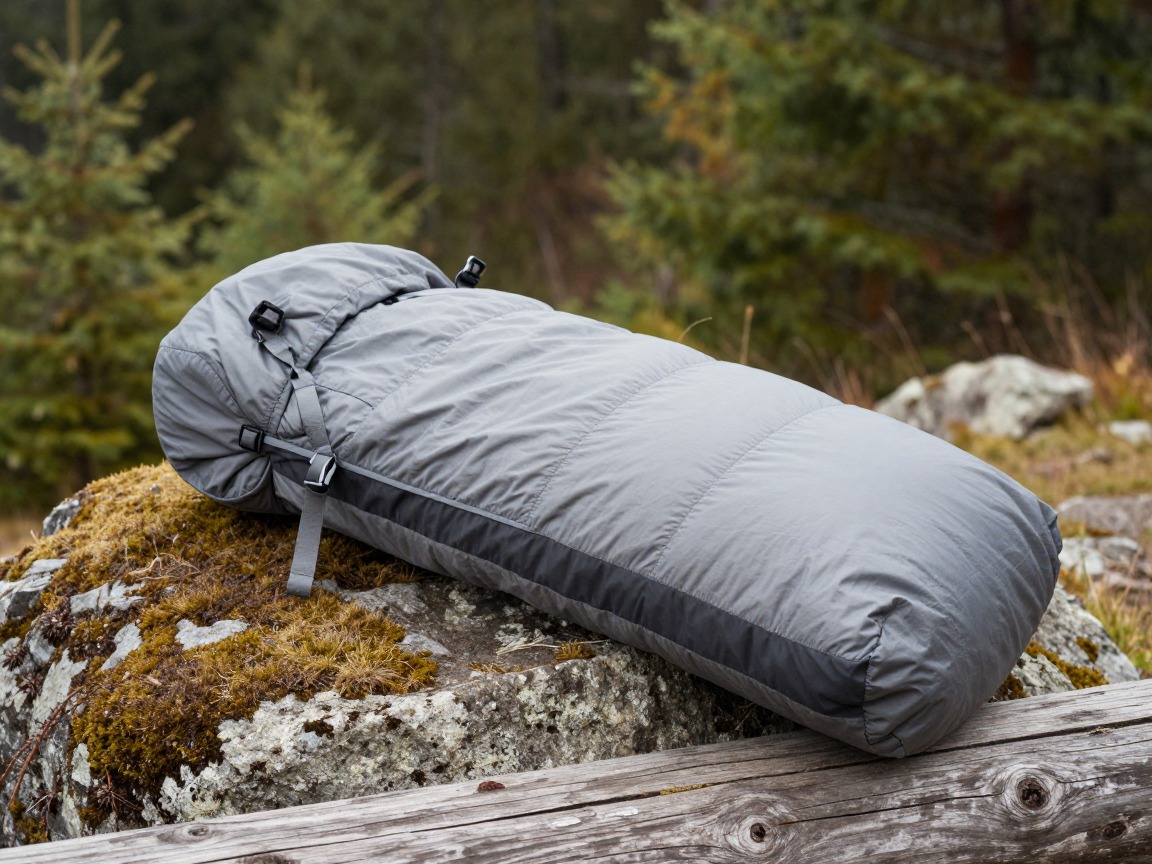
Sleeping bag
Open, arid terrain often swings hard between a hot day and a genuinely cold night, so the bag needs to cover both ends.
What to look for: A comfort rating below the coldest night you expect, not just the daytime high, in a fill that suits a dry climate — down works well since humidity usually isn't the issue.
 MalloMe Sleeping Bags for Adults Cold Weather & Warm - Backpacking C Check price
 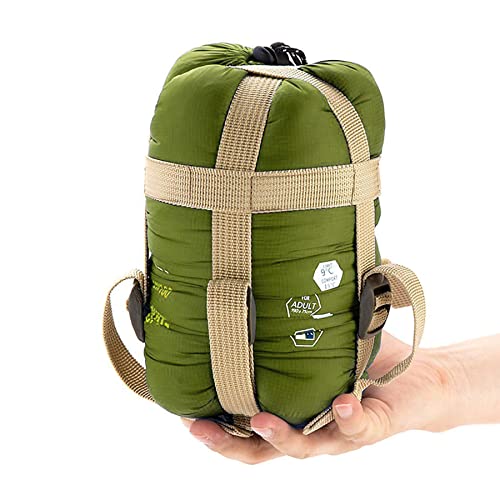 ECOOPRO Portable Check price
  Teton Trailhead Check price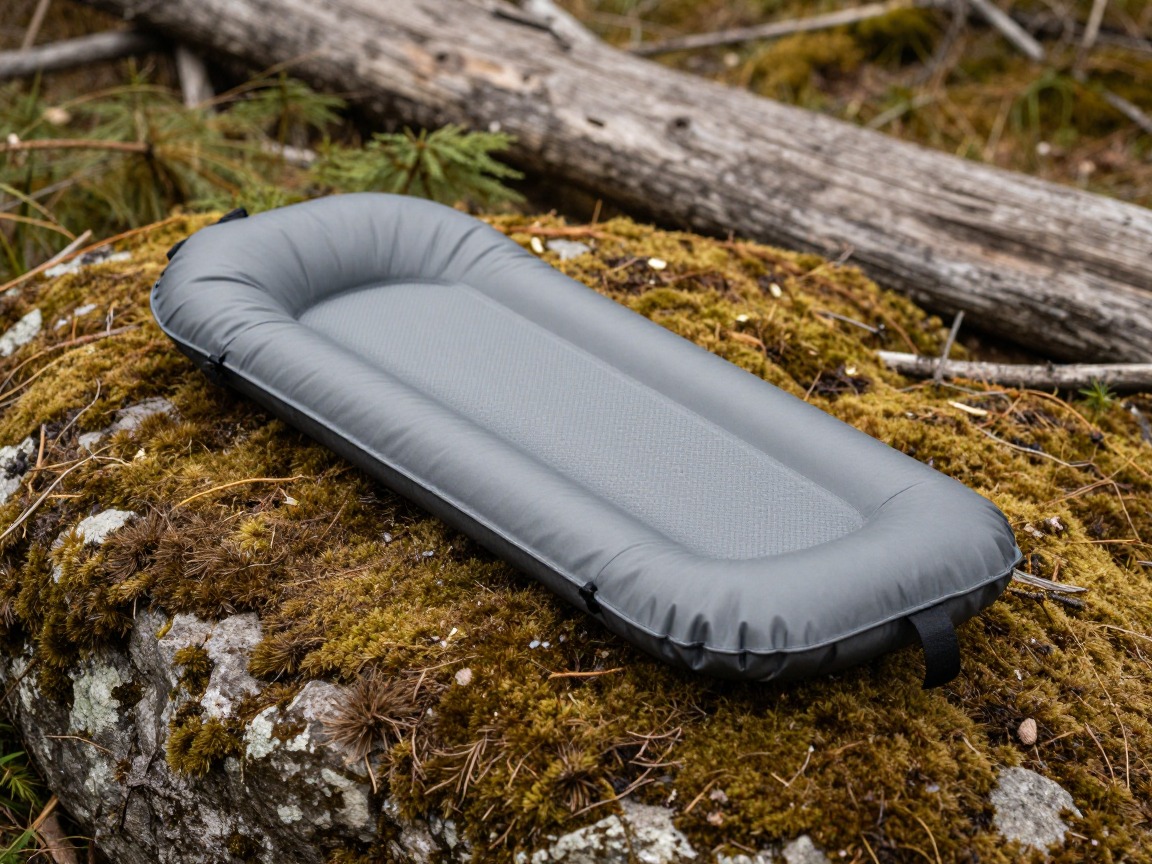
Sleeping pad
Insulates you from ground that's often rock, hardpan or sand — surfaces that give up heat fast once the sun goes down.
What to look for: Enough R-value for a cold desert or high-plateau night, a packed size that doesn't compete with your water capacity, and a field repair kit you know how to use.
 FUN PAC Camping Sleeping Pad Check price
  Gear Doctors® Ether 17.5oz Ultralight Camping Sleeping Pad Check price
  Oramoose 4in Ultralight Camping Sleeping Pad with Pillow and Foot Pu Check price
 - Stakes rated for hard or sandy ground
- Groundsheet or footprint
Dry-camp kitchen
A dry camp means the water for dinner, breakfast and the next morning's hiking has to already be in your pack when you stop for the night — plan the cooking around using as little of it as possible.
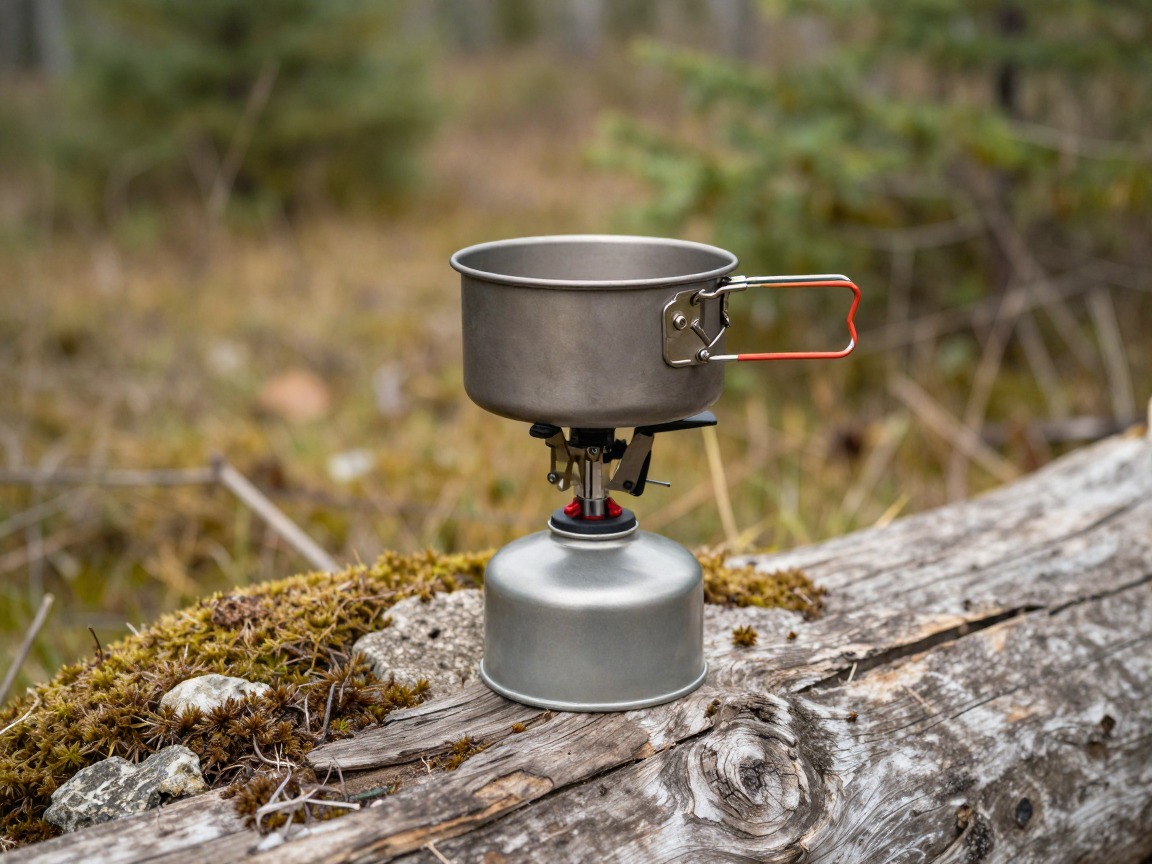
Backpacking stove
Boils the minimum water needed for dinner and a hot drink without wasting any of what you carried in — efficiency matters here more than simmer control.
What to look for: A fast, fuel-efficient boil, a wind screen or sheltered pot design for exposed camps, and a canister size matched to how many dry-camp meals you're actually cooking.
 AOTU Portable Camping Stoves Backpacking Stove with Piezo Ignition S Check price
  MSR PocketRocket 2 Ultralight Camping and Backpacking Stove Check price
  Fire-Maple Greenpeak 1 Camping Stove with Piezo Ignition Portable Ga Check price
 - Pot & mug sized for minimal-water, mostly-boil meals
- Spork & lighter
- Fuel canister for the full trip, plus a margin
- Dinner, breakfast and a liter of morning water carried in specifically for the driest camp
- Meals chosen for low cook-water needs where possible
- Toilet kit — trowel, TP, waste bags (Leave No Trace)
Sun, heat and timing
Water-scarce terrain is usually open, hot terrain too. Treat sun protection as a system, and build your hours around the heat rather than fighting it.
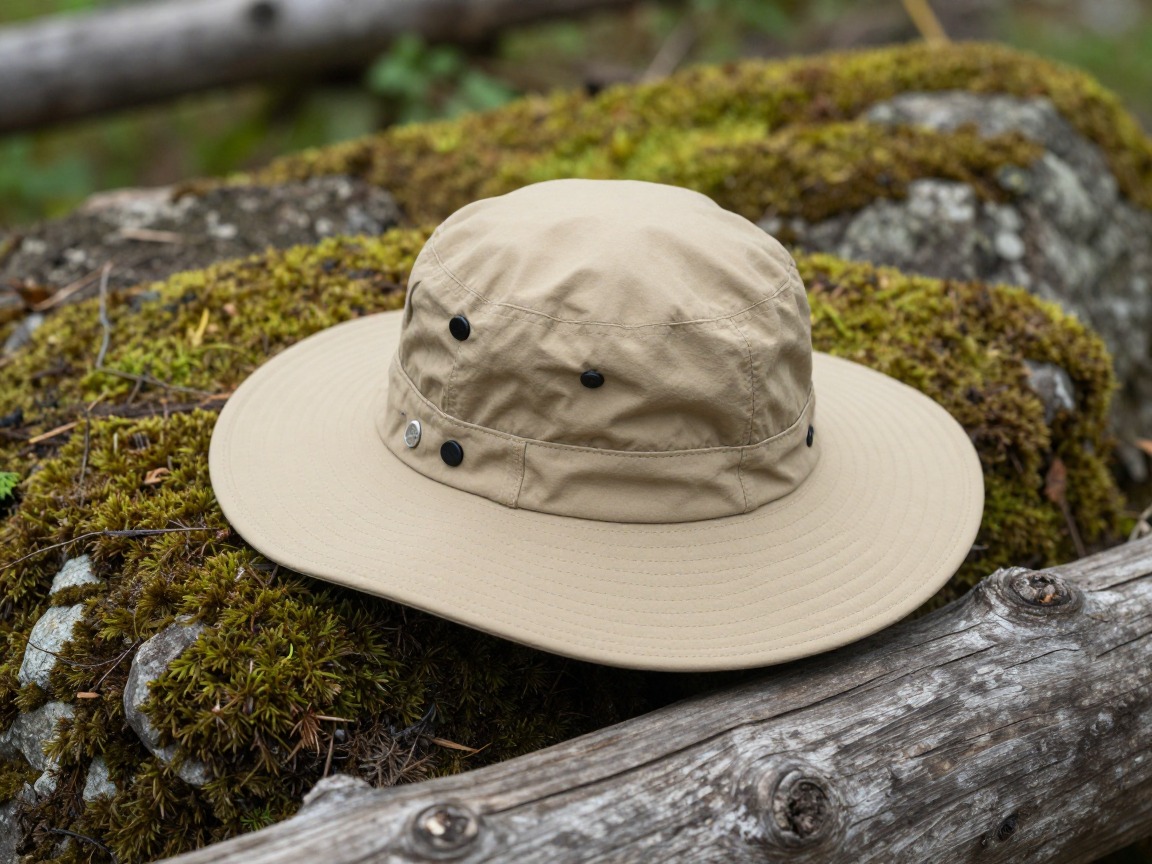
Wide-brim sun hat
Shades your face, ears and neck through hours of exposed, waterless terrain with no tree cover to fall back on.
What to look for: A brim wide enough to shade your neck, a chin cord for wind, and a light color that reflects heat instead of holding it.
 FURTALK Womens Sun Hat with Ponytail Hole Beach Hiking Summer Wide B Check price
 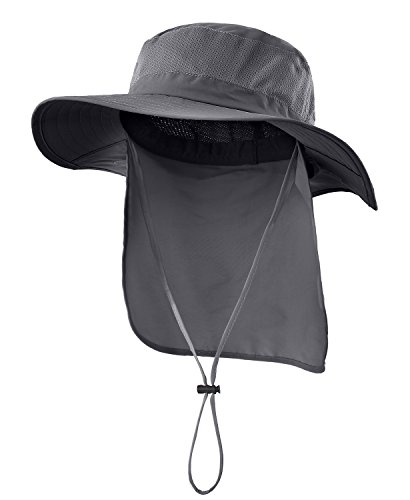 Home Prefer Outdoor UPF50+ Mesh Sun Hat Wide Brim Fishing Hat with N Check price
  FURTALK Sun Hats for Men Fishing Hat UPF Protection Wide Brim Bucket Check price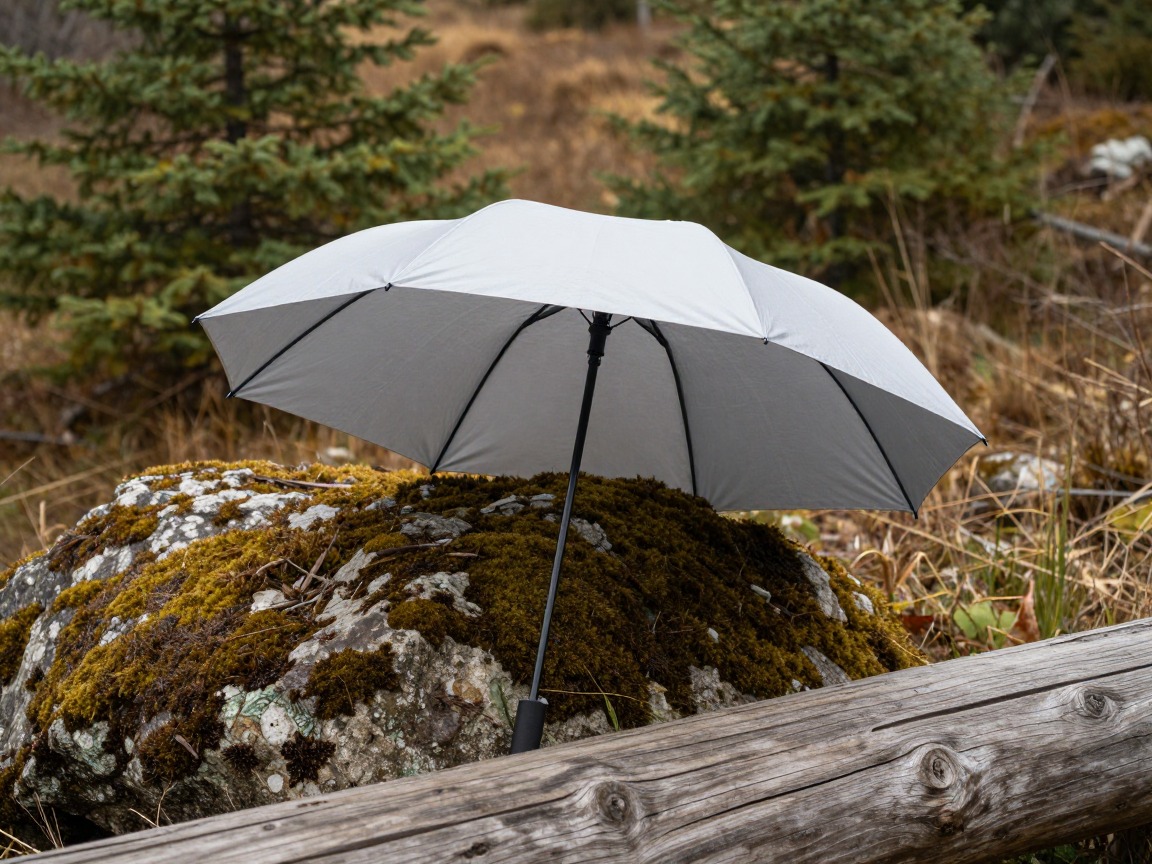
Hiking umbrella
A light, reflective umbrella creates portable shade on a trail with none of its own — genuinely useful on the long, exposed miles between water sources.
What to look for: A silver-backed or reflective canopy, a clip-on or hands-free mount so it doesn't cost you a trekking pole, and a compact fold for when you don't need it.
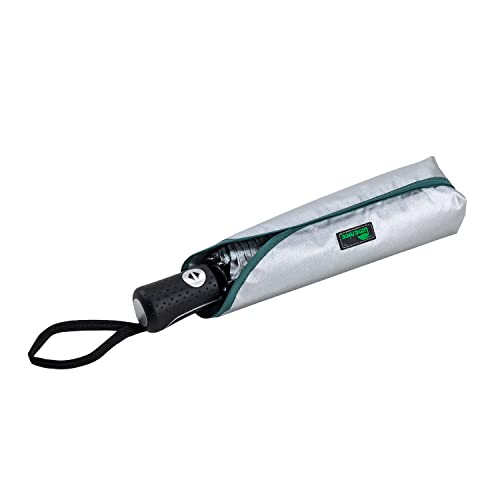 umenice UPF 50+ UV Protection Travel Umbrella Ultra Light Weight Gre Check price
  G4Free UPF 50+ UV Protection Travel Umbrella 42 Inch Sun Umbrella Check price
  G4Free 46 Inch Large Hiking Umbrella Ultralight UV Silver Reflective Check price
 - Sun hoodie or long-sleeve UPF shirt
- High-SPF sunscreen & SPF lip balm
- UV-blocking sunglasses
- Buff or neck gaiter
Navigation, power and safety
Long dry stretches often mean long stretches without cell coverage too — build in redundancy for finding your way, finding help, and finding your next water.
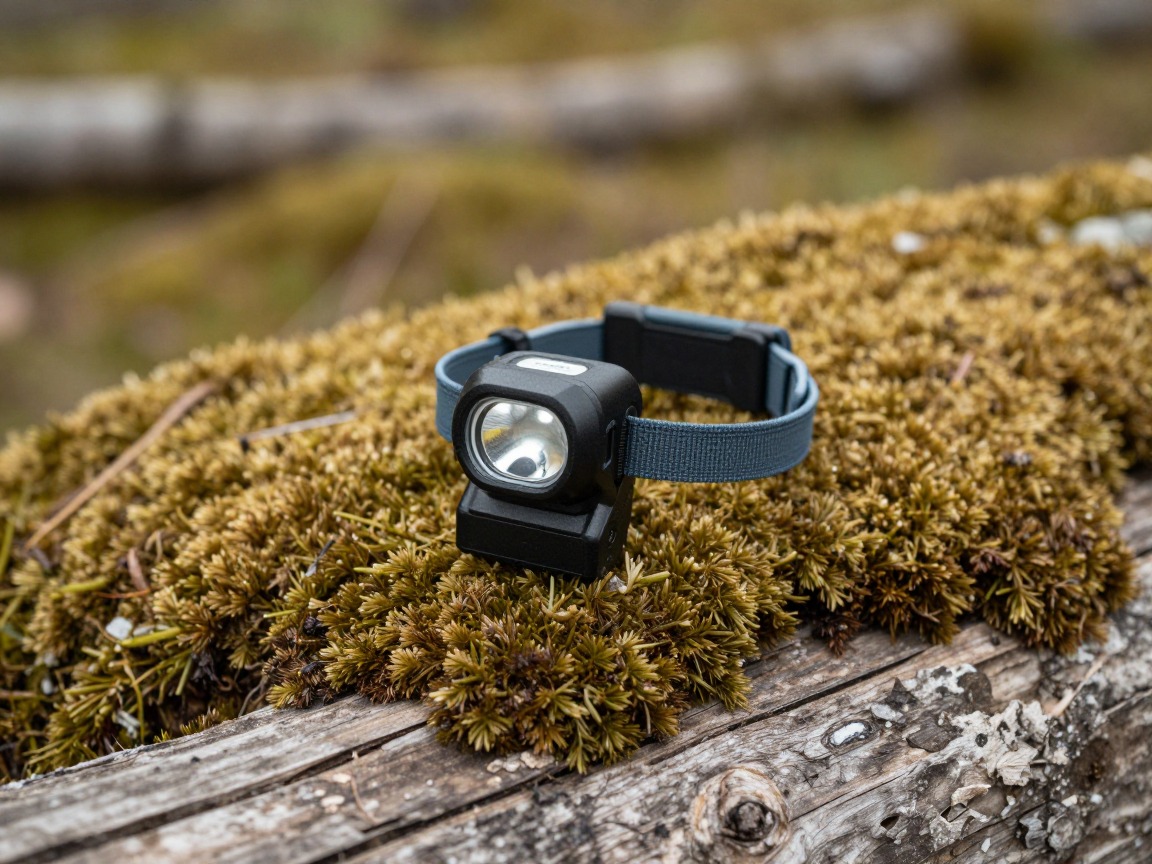
Headlamp
Earns its place here for the same reason it does in the desert: many hikers shift their hardest miles to before dawn or after dusk to dodge peak heat and burn through less water.
What to look for: Enough output for route-finding in the dark, a red mode that's easier on the eyes at a pre-dawn dry camp, and spare batteries — heat is hard on rechargeables.
 LHKNL Headlamp Flashlight Check price
 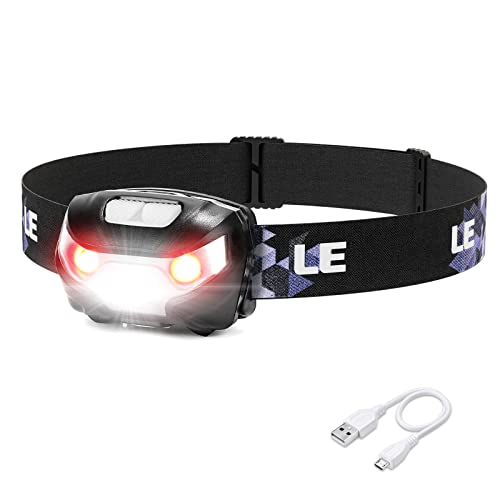 Lepro LED Headlamp Rechargeable IPX4 Waterproof Headlight 5 Modes - Check price
 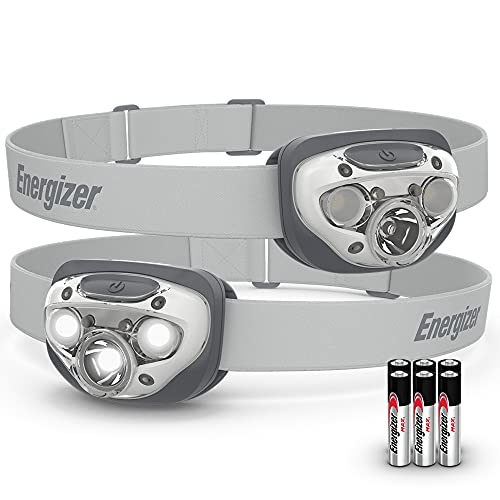 Energizer LED Headlamp PRO Check price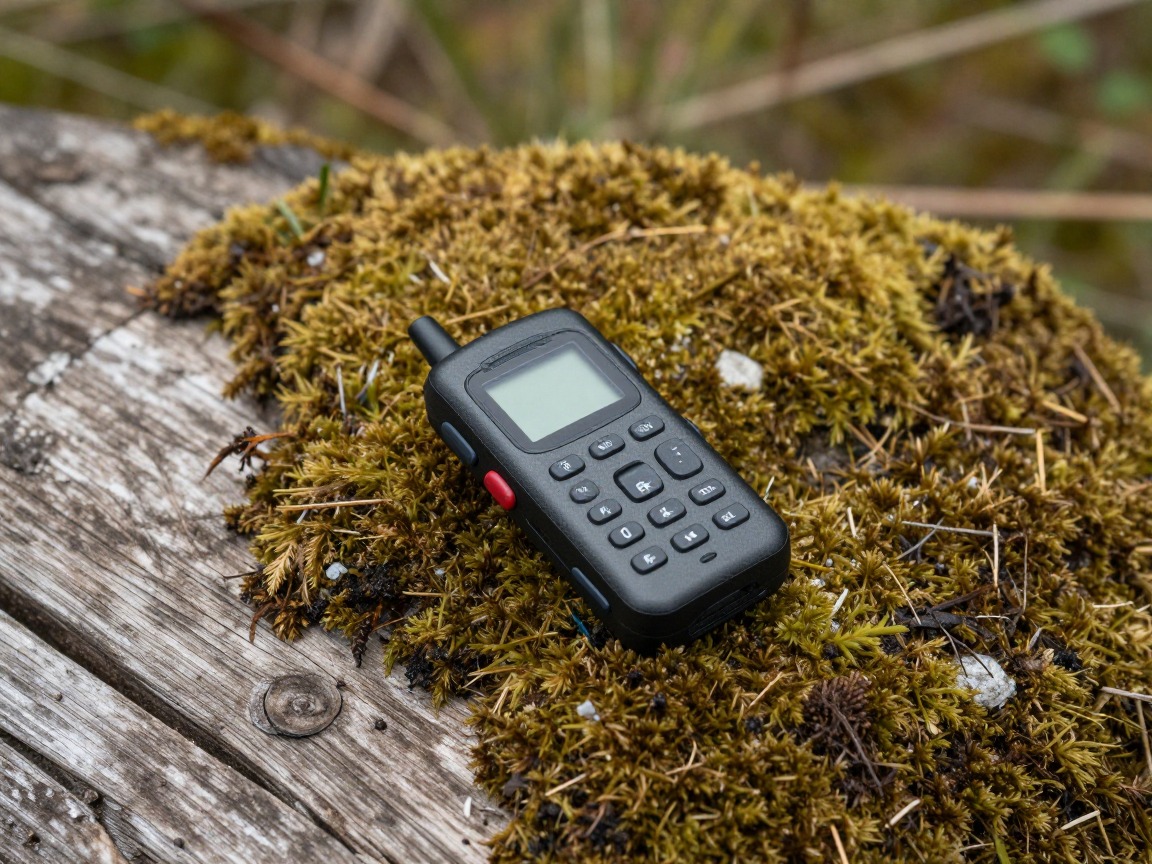
Satellite messenger
Water-scarce routes are often the same routes with no cell coverage, which makes this the difference between a bad afternoon and a real emergency if a cache or source doesn't pan out.
What to look for: Two-way messaging so you can confirm help is actually coming, a subscription that matches how often you're out, and battery life that covers the full trip.
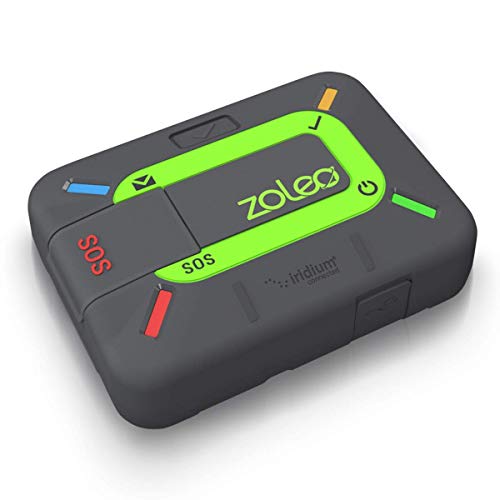 ZOLEO Satellite Communicator Check price
  Garmin inReach® Messenger Satellite Communicator Check price
  Garmin inReach® Mini 2 Check price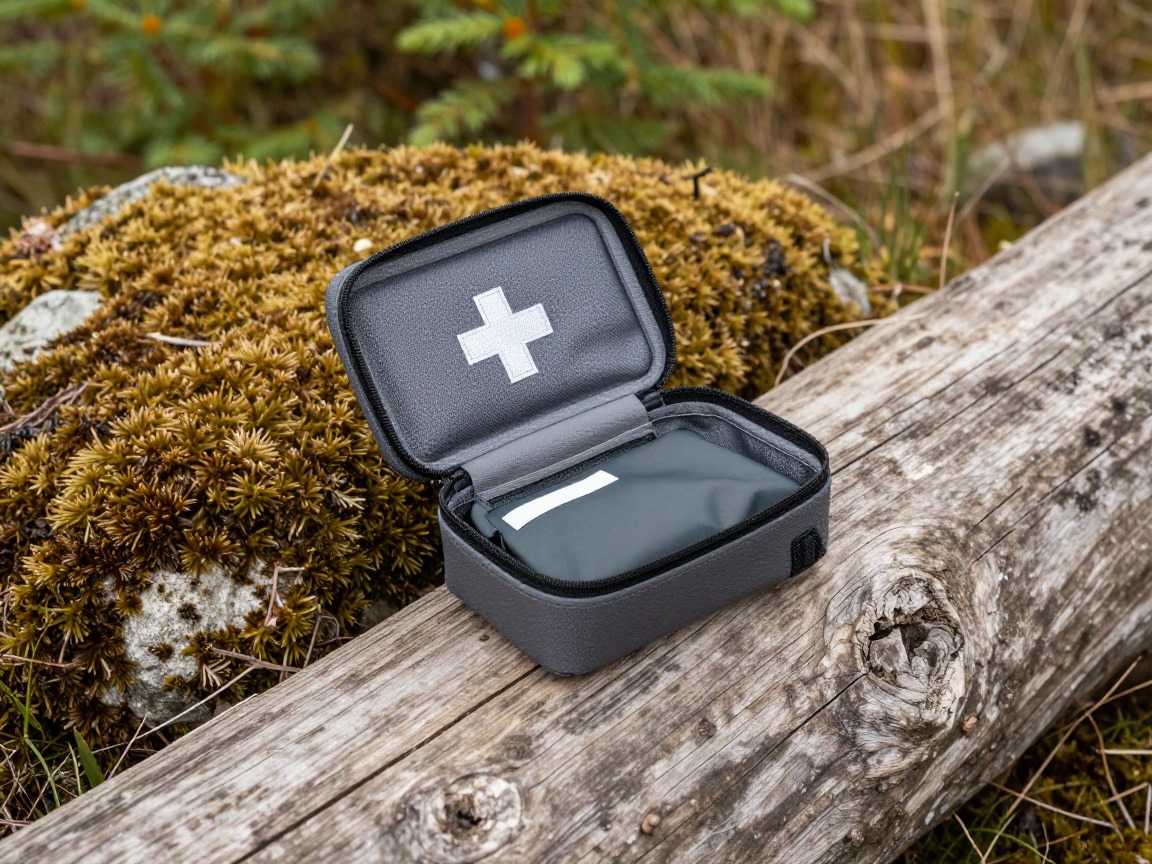
First-aid kit
A kit that covers blisters and cuts, plus the judgment to recognize early heat illness and dehydration before they become a real problem.
What to look for: A compact kit with room for your own medication. Learn the early signs of heat illness and dehydration — headache, nausea, dark urine, heavy fatigue — as your cue to stop, find shade and rehydrate; treat confusion or collapse as a call for emergency help immediately.
 Mini First Aid Kit - 150 Piece Small Waterproof EVA Hard Shell Case Check price
  Adventure Medical Kits Ultralight/Watertight Medical Kit .5 Check price
 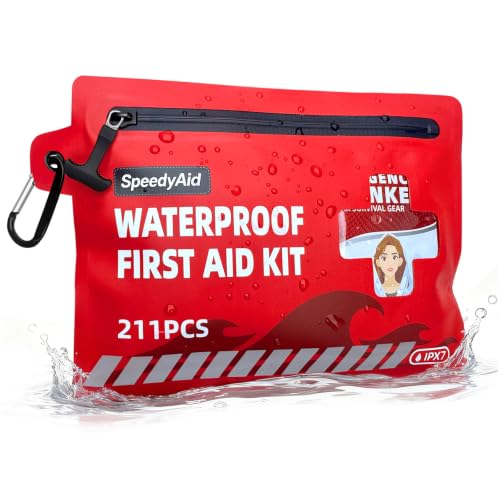 211 PCS Waterproof First Aid Kit Check price
 - Map + compass or offline GPS marked with known water sources and caches
- Trekking poles
- Whistle
- Phone + power bank
- Route, water plan and return time left with someone at home
How to adapt this setup
A single half-day carry between reliable sources needs less capacity and a lighter filter setup — but keep the electrolytes and the habit of checking current conditions before you go.
Back-to-back dry camps push the water math hard — add real margin per camp, lean harder on caching if it's permitted, and plan meals that use as little cook water as possible.
If every source on the route is genuinely dependable this season, you can trim bladder capacity and carry a lighter, faster filter — just confirm that with a current report, not last year's.
Add real margin on top of your normal water math, shift almost all your miles to dawn and dusk, and treat the umbrella and electrolytes as required, not optional.
Common mistakes to avoid
- Sizing water capacity to an average day instead of the driest stretch on the route.
- Trusting a map's blue line or an old trip report over a current water report.
- Packing a filter that can't handle a silty stock tank or shallow seep — the actual sources you'll find.
- Setting up a dry camp without carrying in enough for dinner, breakfast and the next morning's hiking.
- Skipping electrolytes and assuming plain water alone covers a hot, dry day.
- Hiking straight through the hottest hours instead of shifting effort to dawn and dusk to save both energy and water.
Make it yours
Frequently asked questions
How much water should I carry on a water-scarce route?
Plan from the driest stretch on your route, not an average day — often a gallon (about 3.8 liters) or more per person for a full hot day between sources, with real margin on top. At roughly 2.2 lb per liter, that's a meaningful part of your total pack weight, so build your capacity around it deliberately.
Can I trust a water source I find on a water-scarce route?
Not without checking first. Confirm sources against a current trail report, ranger update, or recent hiker notes before you rely on one, and always carry enough to reach the next confirmed source even if the one you're counting on turns out dry, silty or gone.
What kind of filter handles a cow tank or spring source?
Look for a filter built to handle silty, murky or livestock-adjacent water without clogging quickly, and carry backup purification — tablets or a spare filter — for a source that's worse than expected. A filter that fails on a marginal source leaves you with no plan at all.
How do dry camps work if there's no water at the campsite?
You carry in everything you'll use there: water for cooking dinner, for breakfast and coffee the next morning, and enough to start hiking before you reach the next source. Plan meals that need less cook water, and treat that carry as part of your total water math, not an extra.
Do I really need electrolytes on top of drinking enough water?
In sustained dry heat, yes — heavy sweating on a limited water budget can deplete electrolytes even when your total water intake looks adequate. Tabs or a drink mix are light, cheap insurance against that gap.
Illustrative images show the type of gear, not specific products. Recommendations link to similar items on Amazon; we only ever link real listings and never show fabricated prices or ratings. General planning guidance, not a substitute for your own judgment or professional backcountry-safety instruction.