
The volunteer trail-work day setup
Volunteer trail days ask more of your body than a hike — you're swinging tools and hauling brush for hours in one exposed spot. This kit covers a full day of trail maintenance: sturdy protection, extra fuel, and first-aid basics for when tools are involved. The crew leader usually supplies the hand tools; this list covers what you bring.
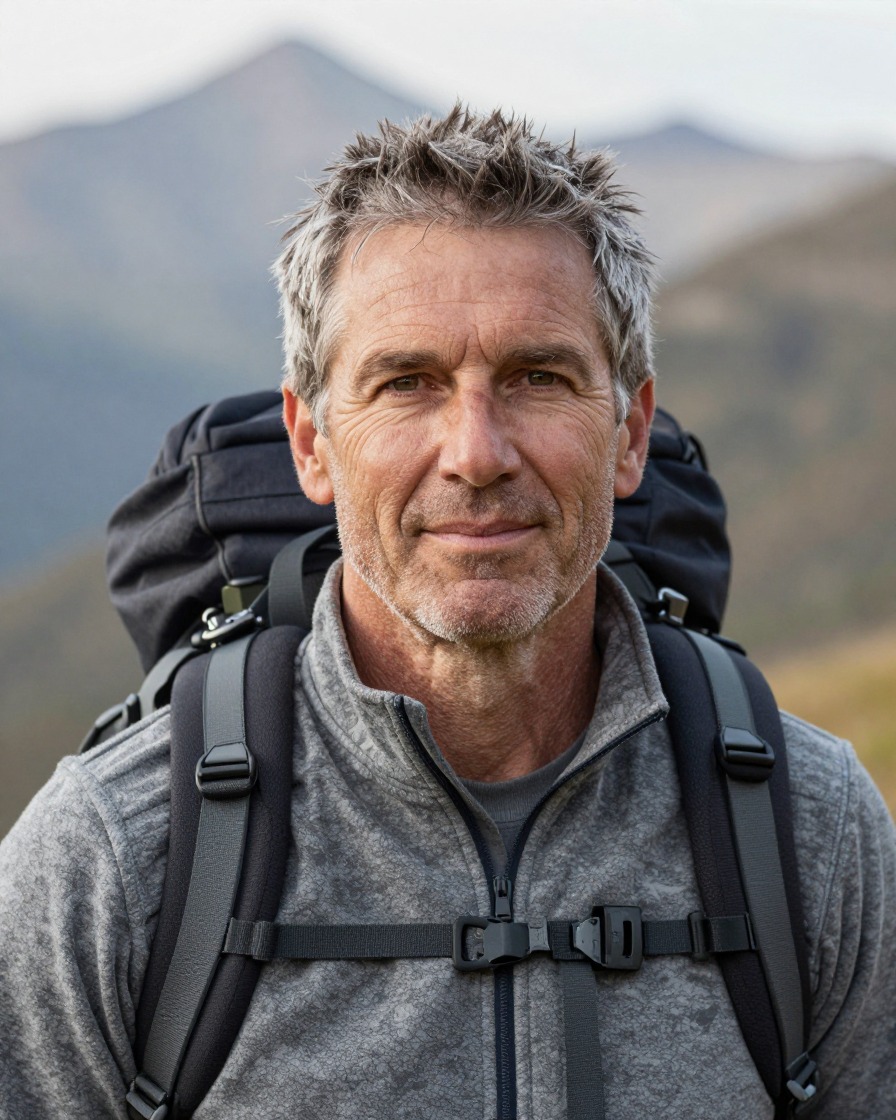
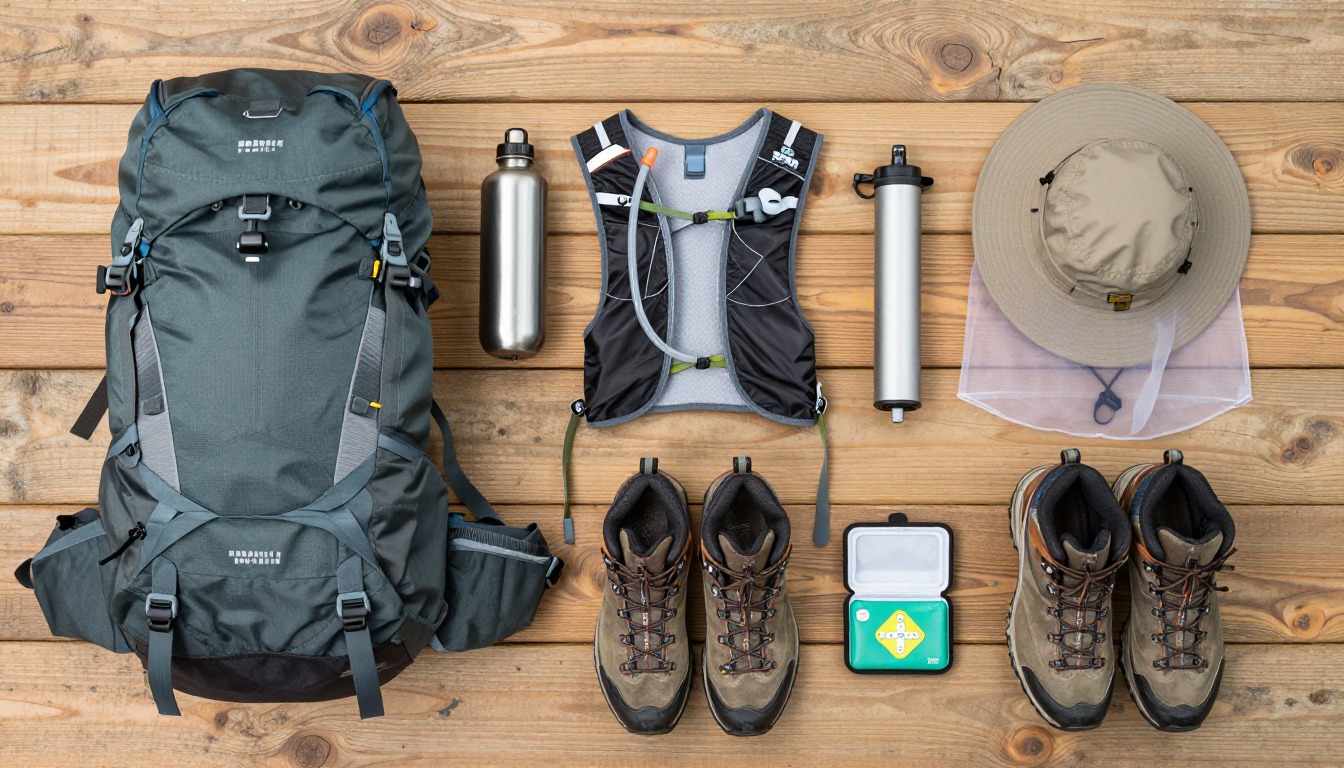
This kit is built around one fact: trail work is manual labor, not hiking. You'll spend the day digging, hauling, and swinging tools in one section of trail rather than covering miles, so protective clothing and gloves matter more than pack weight, food and water needs rise with the workload, and the first-aid kit needs to handle blisters, cuts, and tool nicks — not just a rolled ankle.
This setup suits anyone joining an organized volunteer trail crew — a trail association workday, conservation corps event, or public-lands stewardship project — where a crew leader runs the day and usually supplies hand tools. It's less suited to informal solo clearing without a leader, or technical trail-building work needing task-specific safety gear beyond this list; check with the organizer for specifics.
- Start with a sturdy 25–35L pack — bigger than a normal daypack, since you're carrying more food, water, and layers for a longer, harder day.
- Add the protective layer: real hiking boots, long pants, a long-sleeve shirt, and heavy-duty gloves — your barrier against thorns, poison ivy, and tool blades.
- Pack more water and food than a normal hike; digging and hauling burn through both faster than walking.
- Finish with sun and bug protection for stationary work, and a fuller first-aid kit for tool-related injuries.
About this setup
Volunteer trail-work days run differently from a normal hike. Instead of covering miles, a crew hikes a short distance to a work site and spends four to six hours in one spot — clearing blowdown, cutting brush, digging drainage, or rebuilding tread. That repetitive labor is harder on the body than the hike itself, and it brings its own injuries: blisters from tool handles, cuts from loppers and saws, splinters, and the odd smashed thumb.
Because the day is organized, most technical gear — loppers, saws, McLeods, rogue hoes, chainsaws for certified sawyers — comes from the crew leader or trail organization. What you're responsible for is protecting yourself and staying fed and hydrated through a long, physical day: sturdy boots instead of trail runners, long pants instead of shorts, real gloves, and more food and water than a casual hike needs.
Sun and bugs matter more here too. A moving hike passes through exposed sections quickly; a work site keeps you kneeling in the same sunny clearing or buggy thicket for hours. A brimmed hat, sunscreen, and bug protection aren't optional — they're the difference between a good day and a miserable one. And because tools are involved, the first-aid kit should lean fuller than a standard day-hike kit, with enough for blisters, cuts, and splinters.
The pack
A 25–35 liter pack gives you room for extra food, water, and a full change of protective layers — more than a normal day hike needs.
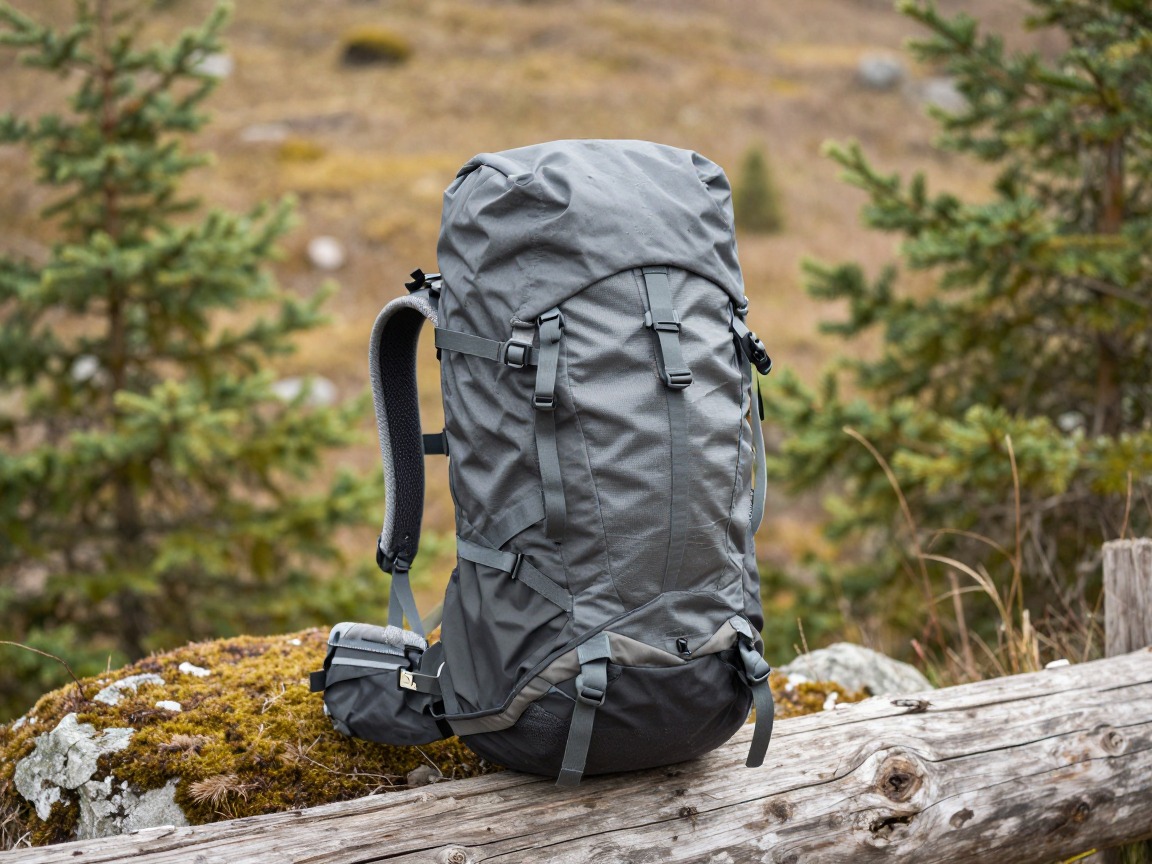
A rugged work-day pack (25–35L)
Carries your food, water, extra layers, and gloves for a full day at the work site; the larger size leaves room for the extra water and food this kind of day demands.
What to look for: A supportive hip belt to carry the added weight comfortably, a simple top-loading design that's easy to dig through with gloved hands, and rugged fabric that shrugs off brush and dirt.
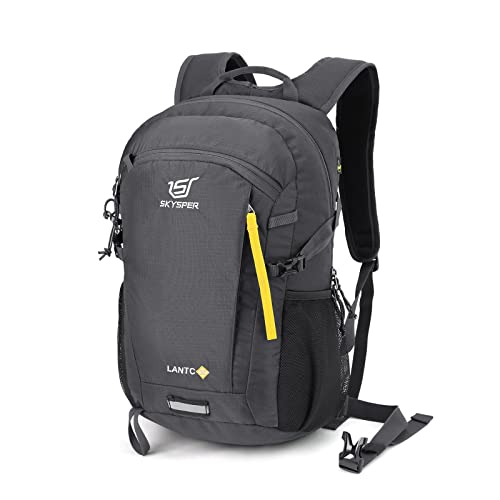 SKYSPER Small Hiking Backpack Check price
  Osprey Sportlite 20L Lightweight Hiking Backpack Check price
 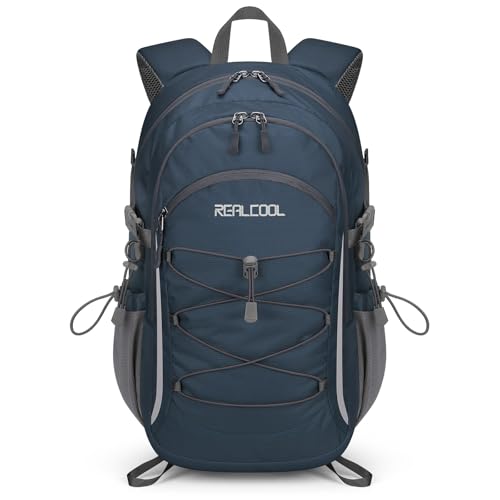 RealCool 20L Lightweight Hiking Backpack Check price
 Water & food
Digging, hauling, and swinging tools burn more calories and more water than walking the same distance — pack more of both than you would for a casual hike.
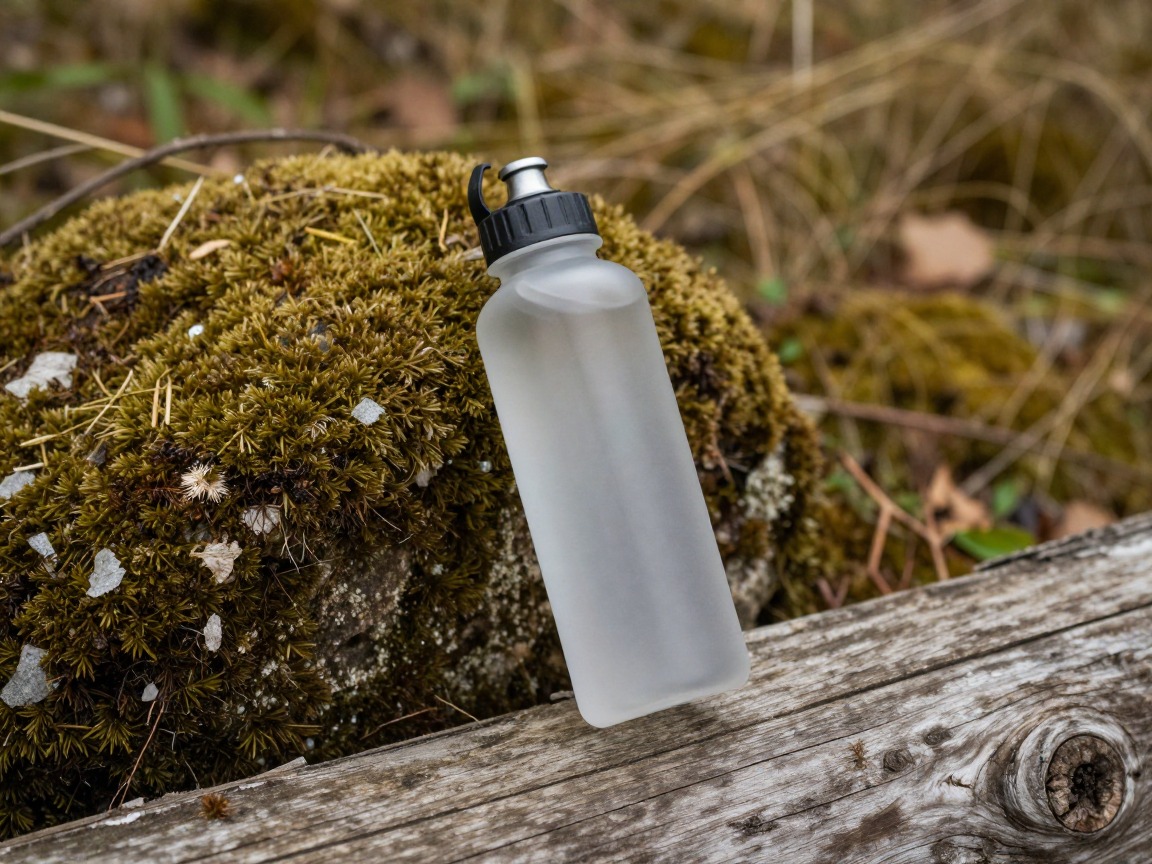
Water bottle
A simple, tough bottle you refill at the trailhead or work site; a wide mouth makes it easy to add electrolyte mix.
What to look for: A durable, wide-mouth bottle, 1L or more — insulated if you're working in real heat.
 Nalgene 32 oz Wide Mouth Water Bottle Check price
  Nalgene 32 oz Wide Mouth Water Bottle Check price
  Nalgene 32 oz Wide Mouth Water Bottle Check price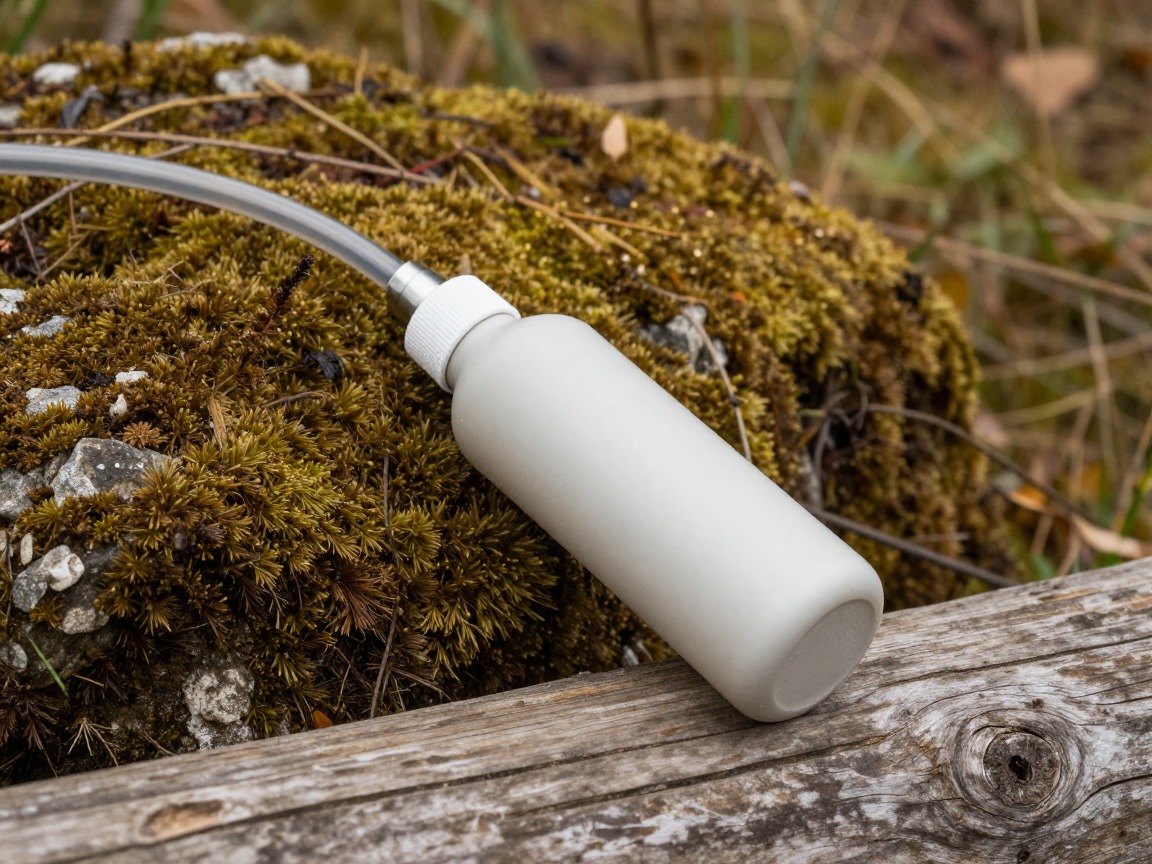
Hydration reservoir
Sipping through a hose while your hands are full of tools or brush beats stopping to unclip a bottle — that convenience adds up over a long shift.
What to look for: A 2–3L bladder, a wide fill opening for cleaning, and a hose routed clear of tools and branches.
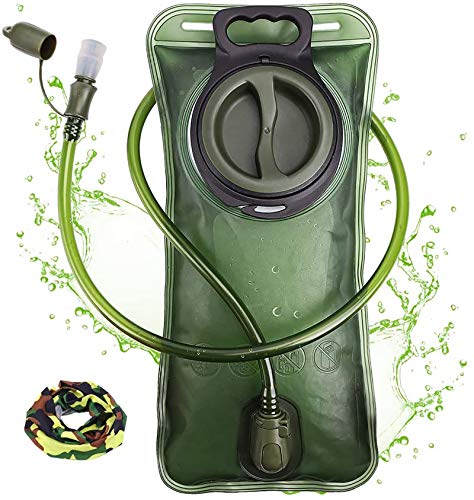 Hydration Bladder Check price
  Hydration Bladder Check price
  Mdvora 1.5L/2L/2.5L/3L Hydration Bladder Check price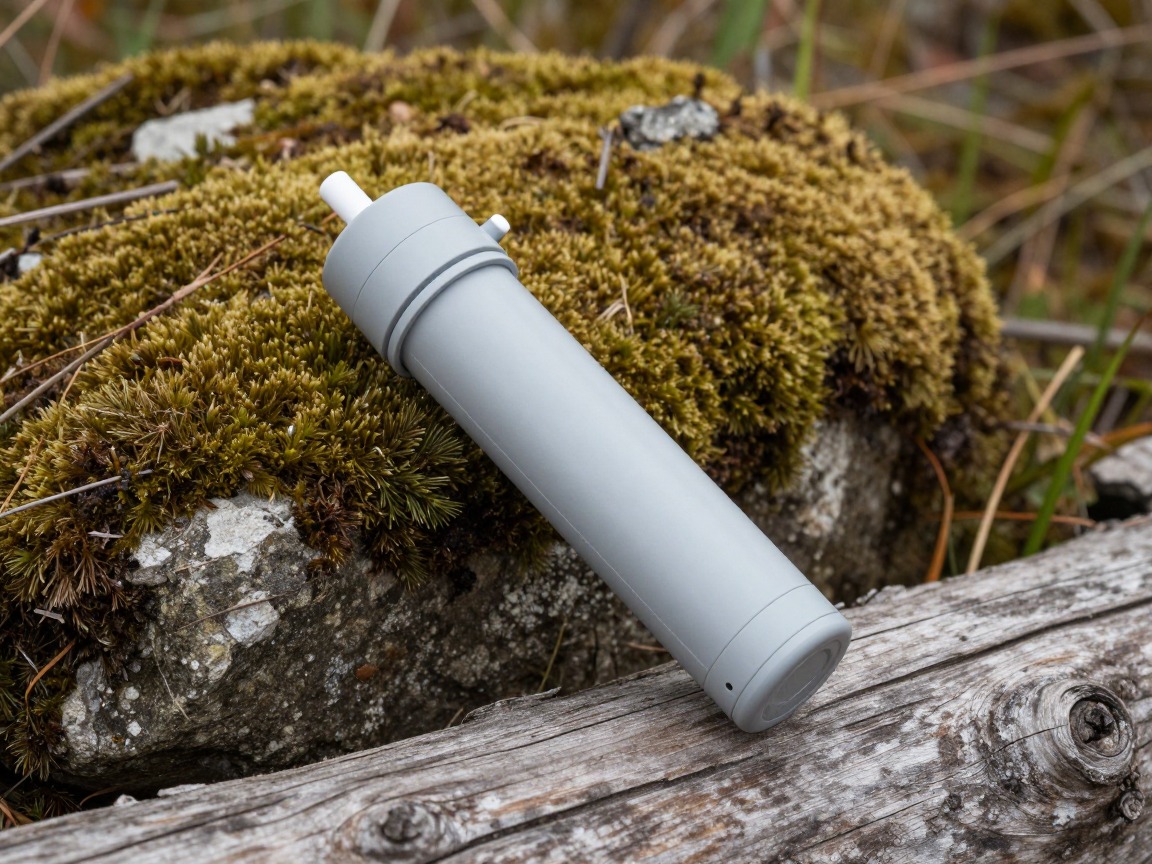
Water filter
Useful if the work site is far from a water source or the day runs long — lets you top up from a stream instead of carrying it all in.
What to look for: Fast flow and easy backflushing, so filtering on a break doesn't eat into your lunch.
 Sawyer Squeeze Water Filtration System Check price
  Sawyer Products SP128 Mini Water Filtration System Check price
  LifeStraw Personal Water Filter for Hiking Check price
 - High-calorie lunch and extra snacks
- Electrolyte drink mix or tabs
- Extra liter of water beyond your normal day-hike ration
Clothing & footwear
This is where a work day differs most from an ordinary hike: sturdy, full-coverage clothing and real boots protect you from tools, brush, and thorns in a way shorts and trail runners don't.
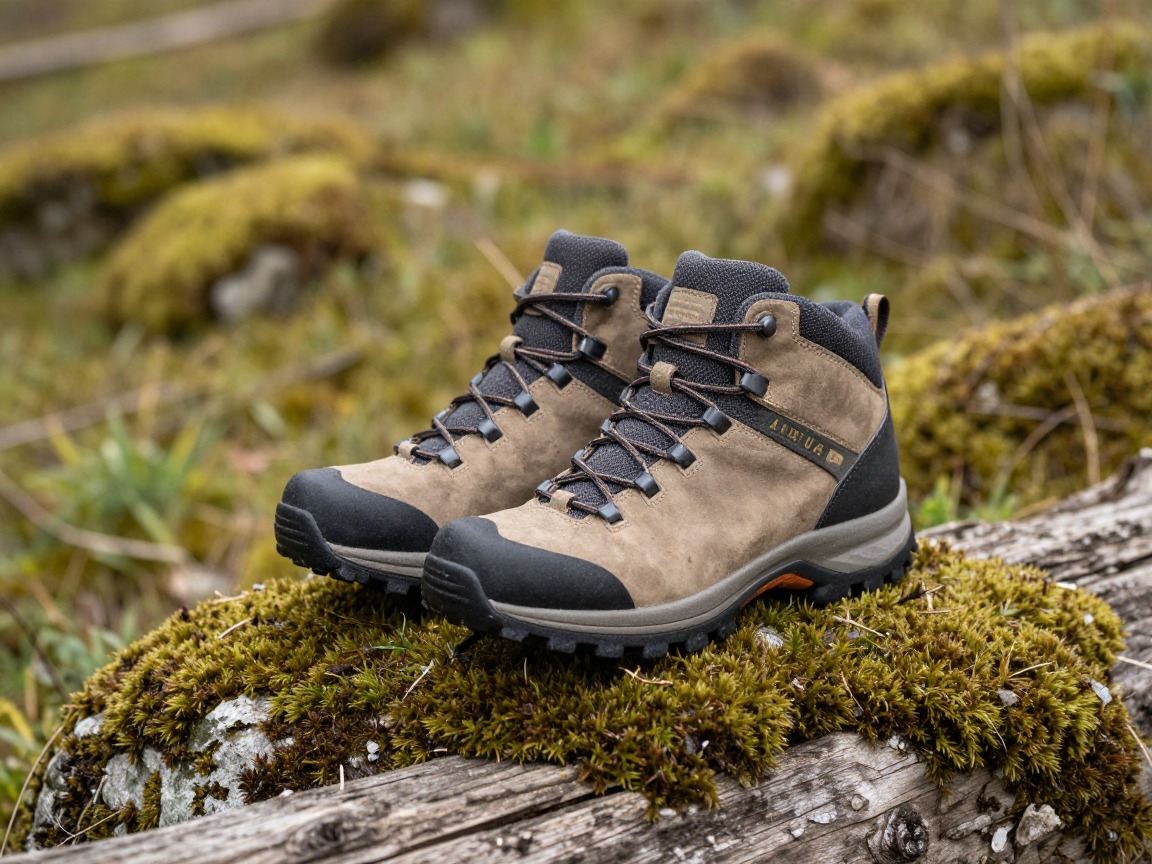
Sturdy hiking boots
Full-coverage boots protect your ankles and feet from loose rock, tool drops, and rough footing in a way low-cut trail runners don't.
What to look for: A supportive, over-the-ankle boot with a tough toe and sole — broken in before the day, since blisters are one of the most common trail-work injuries.
 Columbia Men's Transverse Waterproof Hiking Boot Check price
  NORTIV 8 Men's Ankle High Waterproof Hiking Boots Check price
  Columbia Mens Transverse Waterproof Hiking Boot Check price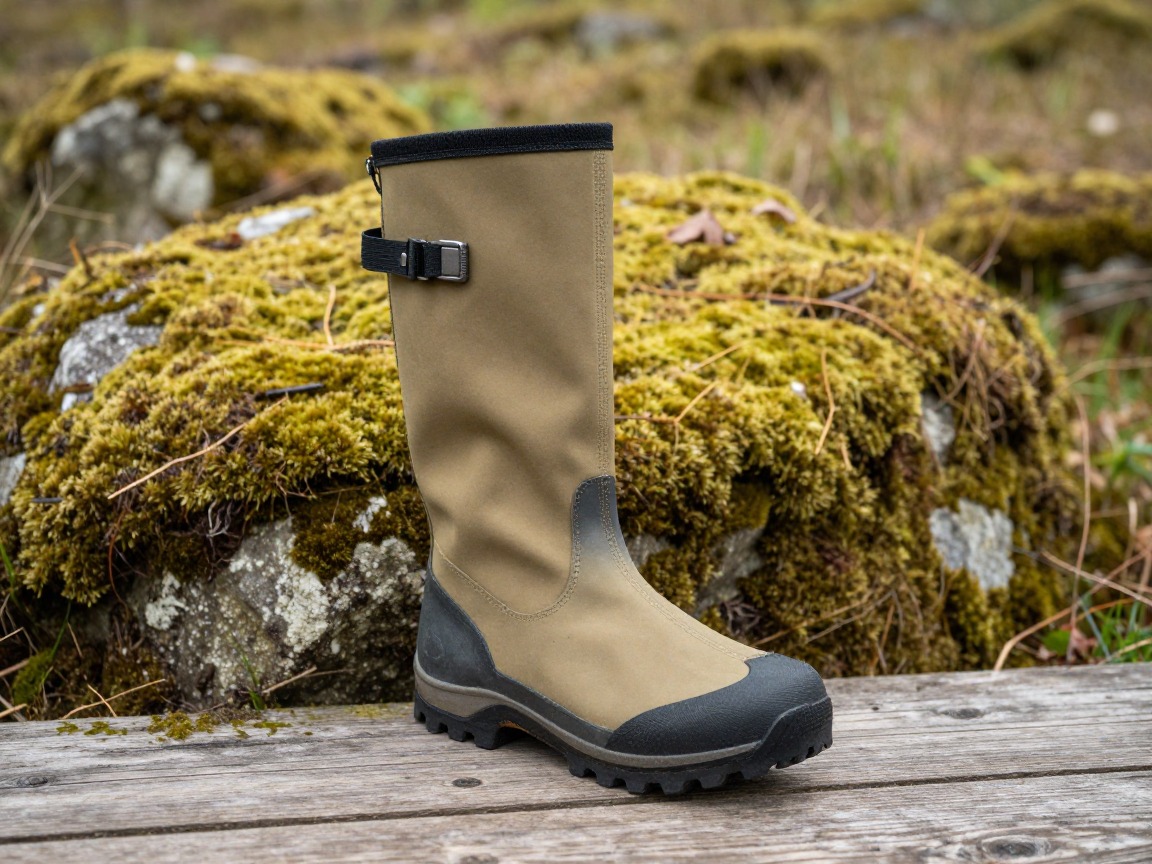
Gaiters
Keep debris, dirt, and scratchy brush out of your boots while you kneel and dig in undergrowth all day.
What to look for: A tough, low-profile pair that won't snag on tool handles — useful mainly on brushy or overgrown sites.
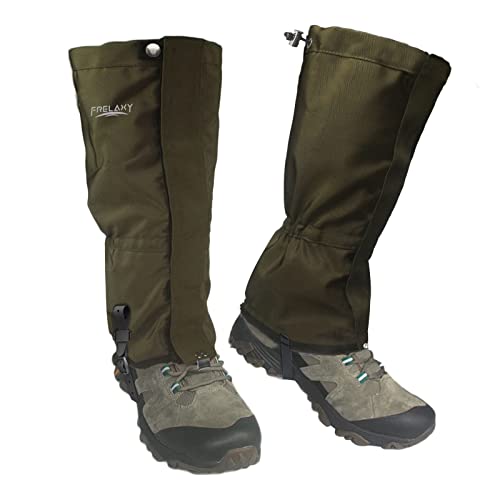 Frelaxy Leg Gaiters 100% Waterproof Hiking Gaiters Check price Frelaxy Ultra High-Performance Hunting Gaiters Check price
 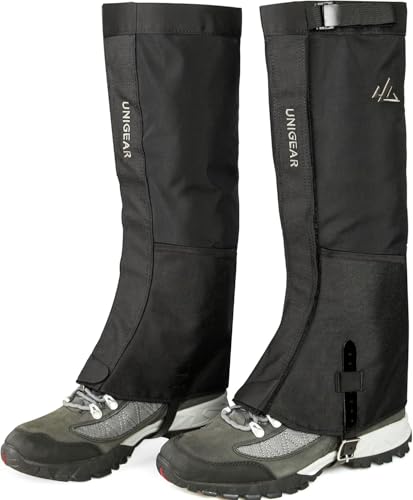 Unigear Leg Gaiters Check price
 - Sturdy long pants — canvas or denim work pants, not hiking tights
- Long-sleeve, tightly woven shirt (thorns, poison ivy/oak, sun)
- Heavy-duty leather or reinforced work gloves
- Safety glasses or close-fitting sunglasses for flying debris
- A spare pair of hiking socks
Sun & bug protection
A work site rarely moves — you might kneel in the same sunny clearing or buggy creek-side thicket for hours, so sun and bug protection matter more than on a hike that passes through quickly.
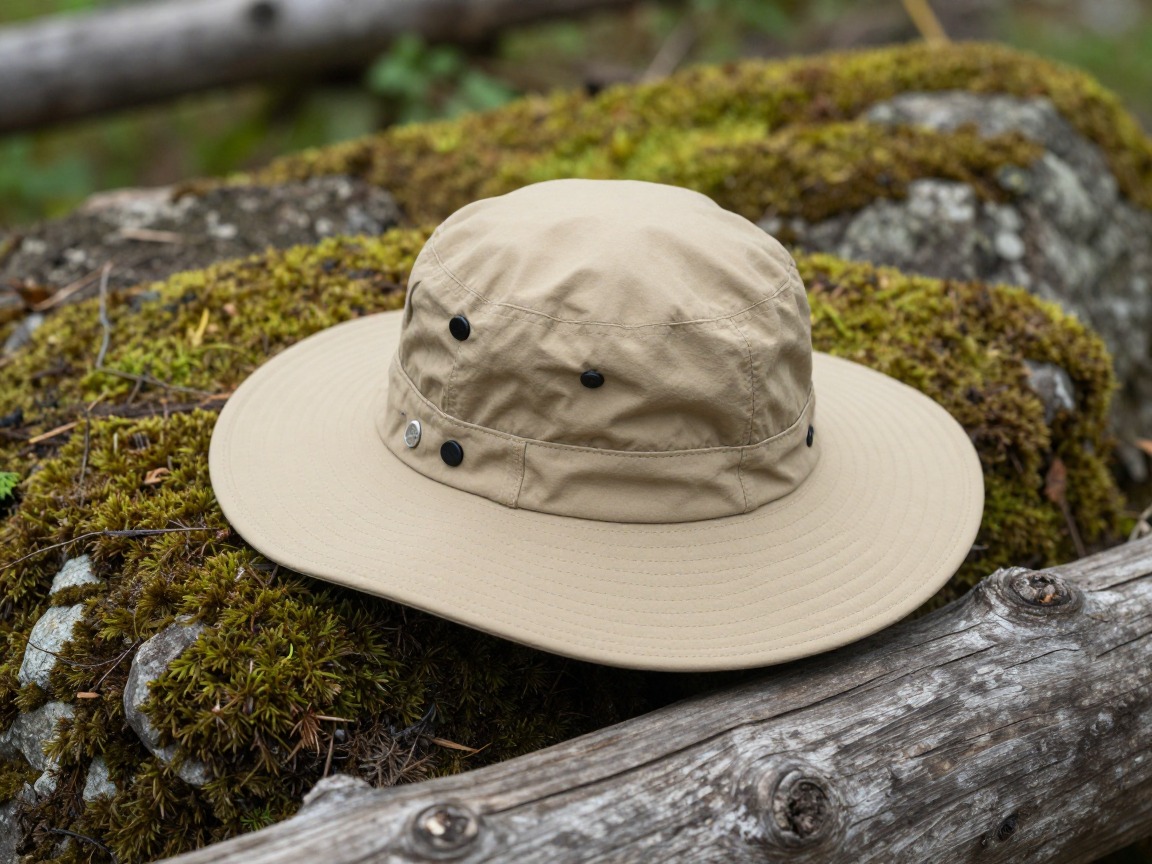
Brimmed sun hat
Shades your face and neck through hours of stationary work, when the sun hits the same spot on you all day.
What to look for: A wide, stiff brim that won't flop when you bend over, breathable fabric, and a chin cord to keep it on.
 FURTALK Womens Sun Hat with Ponytail Hole Beach Hiking Summer Wide B Check price
 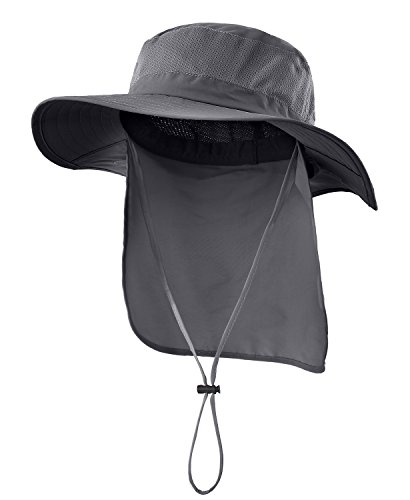 Home Prefer Outdoor UPF50+ Mesh Sun Hat Wide Brim Fishing Hat with N Check price
  FURTALK Sun Hats for Men Fishing Hat UPF Protection Wide Brim Bucket Check price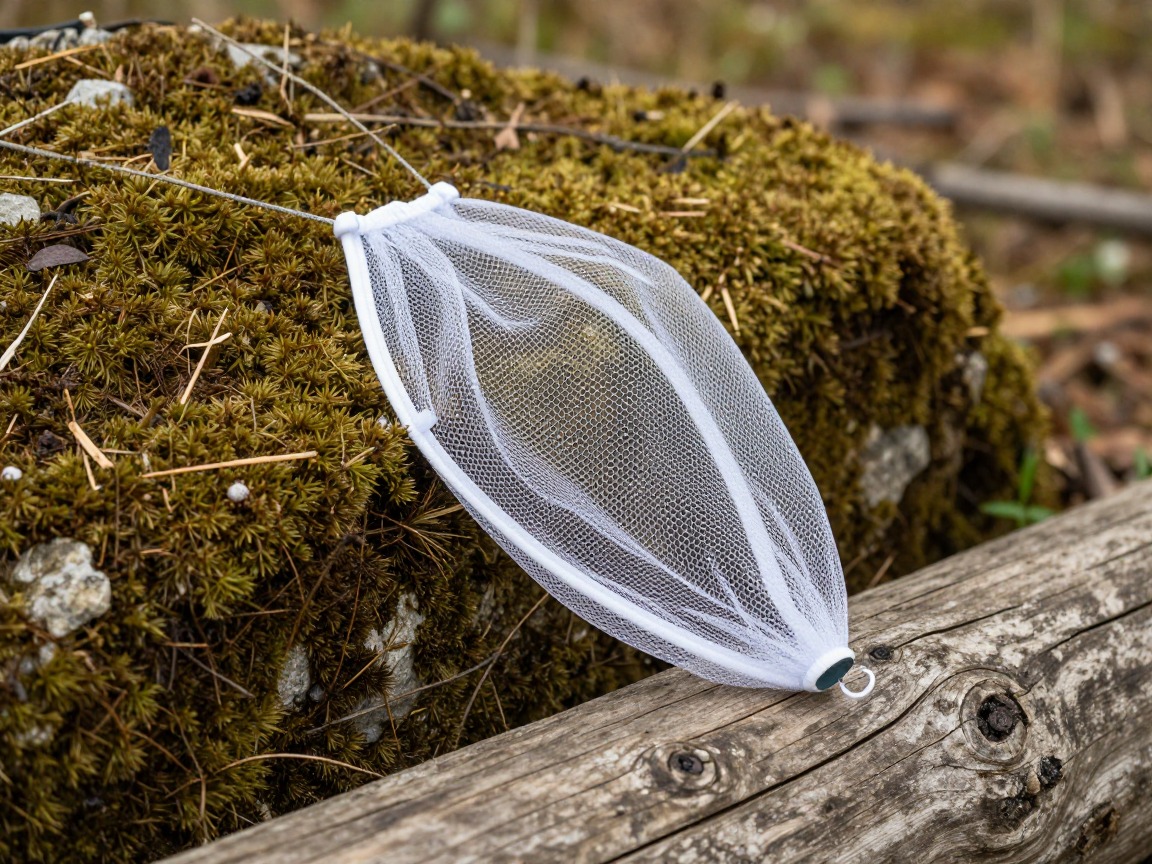
Bug repellent or head net
Kneeling still in brush or near water for hours makes you an easier target for ticks and biting insects than someone walking past.
What to look for: A DEET or picaridin repellent for skin, plus a head net or permethrin-treated clothing where ticks or biting flies are common.
 South to East Mosquito Head Net for Insects 2 Pack Check price
  2 Pack Mosquito Head Net Mesh for Hiking & Outdoors Check price
 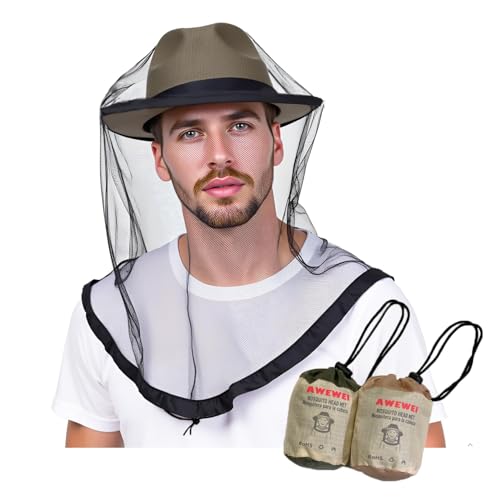 AWEWEI Mosquito Head Net Check price
 - Sunscreen, SPF 30+, reapplied often
- SPF lip balm
- End-of-day tick check, especially hairline and waistband
First aid & safety
Because tools are involved, a trail-work first-aid kit should lean a bit fuller than a standard day-hike kit — enough for blisters, cuts, and splinters, not just the basics.
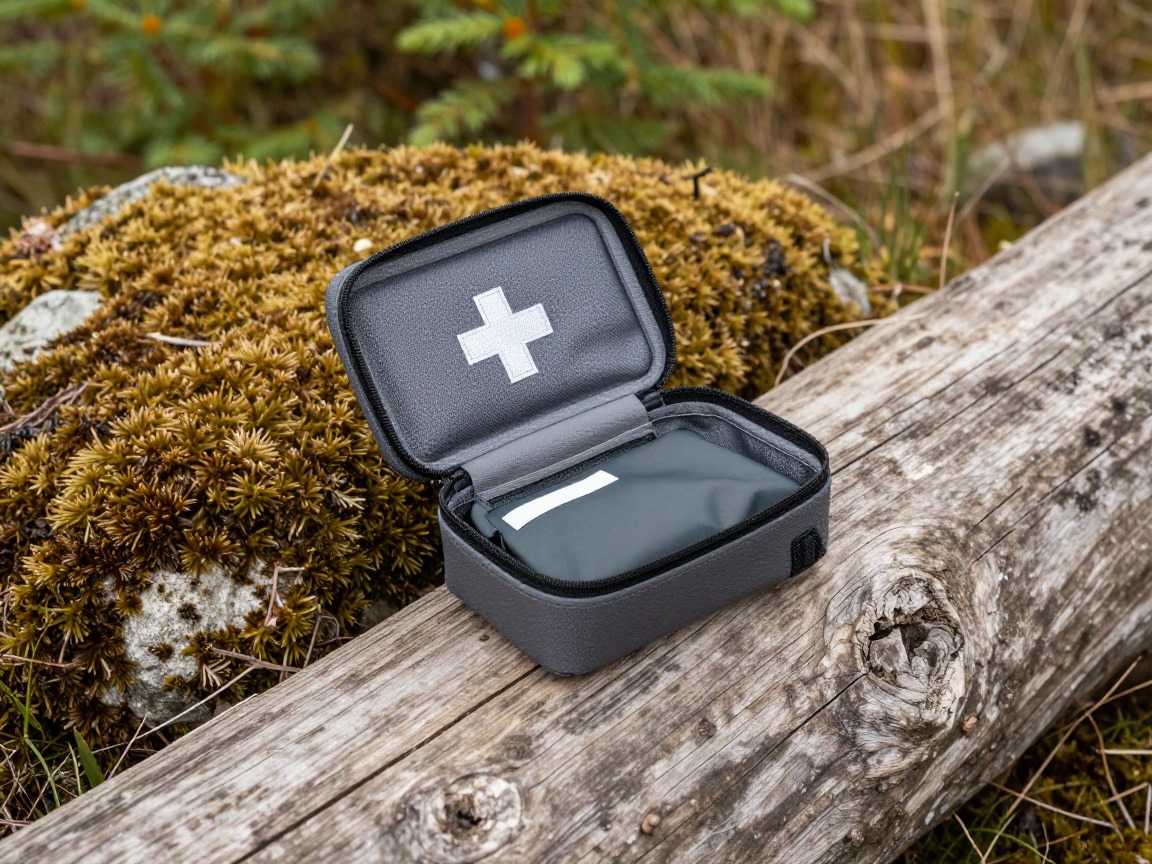
First-aid kit
A fuller kit than a casual hike needs — trail work adds cuts from tools, splinters, and more blisters from unfamiliar hand and foot work.
What to look for: Extra gauze and blister care, tweezers for splinters, and enough bandages that you're not rationing them by midday.
 Mini First Aid Kit - 150 Piece Small Waterproof EVA Hard Shell Case Check price
  Adventure Medical Kits Ultralight/Watertight Medical Kit .5 Check price
 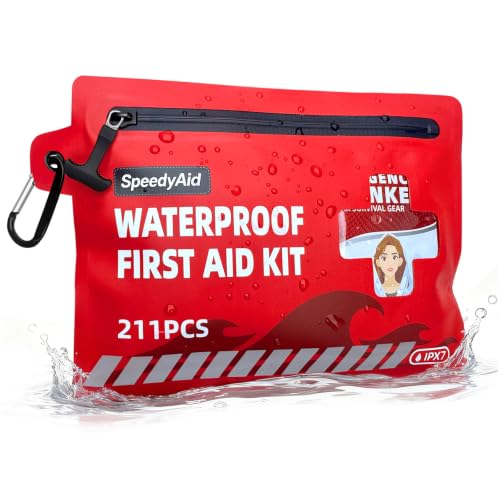 211 PCS Waterproof First Aid Kit Check price
 - A whistle
- Duct tape and moleskin for blisters and hot spots
- Hearing and eye protection near power tools or chainsaw work
- Trailhead location and cell signal noted before you start
Tools & organization-provided gear
Loppers, saws, and other hand tools are usually supplied by the crew leader or trail organization running the day — confirm what's provided before you pack your own.
- Loppers, pruning saws, McLeods, or rogue hoes — usually organization-supplied
- Confirm ahead whether you need your own gloves or a specific hand tool
- A 5-gallon bucket or tool bag if asked to help haul shared tools
- A hard hat near a certified chainsaw crew — usually organization-supplied
How to adapt this setup
A shorter 3–4 hour workday needs less food and water — trim toward the day-hike list, but keep the gloves, boots, and eye protection regardless of length.
Add more water than the checklist suggests, lean harder on sun protection, and expect the crew leader to schedule more breaks — heat plus manual labor adds up fast.
Some trail crews run multi-day projects with a base camp. If yours does, layer in the weekend-backpacking gear for sleep and shelter on top of this day kit.
If you're certified to run a saw, add the chaps, helmet, and hearing and eye protection your certification requires — beyond what's on this general list.
Step up from repellent alone to permethrin-treated clothing and gaiters, and do a full tick check at the end of the day, not just a glance.
Common mistakes to avoid
- Showing up in shorts and trail runners instead of long pants and real boots.
- Forgetting your own gloves and assuming the crew leader has a spare pair that fits.
- Packing day-hike quantities of food and water for a job that burns through noticeably more of both.
- Skipping sun protection because 'it's just a work day' — stationary work can burn you worse than a moving hike.
- Bringing a minimal first-aid kit with nothing for blisters or splinters, the most common trail-work injuries.
- Not asking ahead what the organization provides — showing up with tools that are already supplied, or without gloves when they aren't.
Make it yours
Frequently asked questions
What should I wear for a volunteer trail-work day?
Sturdy hiking boots, long pants (canvas or denim work pants, not hiking tights), a long-sleeve shirt, and heavy-duty gloves. That combination protects you from thorns, poison ivy, tool blades, and sun through hours of hands-on work, in a way normal hiking clothes don't.
Do I need to bring my own tools to a trail-work day?
Usually not. Trail associations and conservation groups typically supply loppers, saws, and other hand tools, plus safety instruction on using them. Check the event listing or ask the organizer directly, since some smaller or informal workdays do ask volunteers to bring specific tools.
How much water should I bring for a day of trail maintenance?
More than you'd carry for the same distance on a casual hike — digging, hauling, and clearing brush burns through water faster than walking. A liter or two beyond your normal ration, plus a way to refill if the site is near a water source, is a reasonable starting point.
What kind of first-aid kit do I need for trail work?
A fuller one than a basic day-hike kit. Add extra blister care, bandages, and tweezers for splinters, since tool use and unfamiliar hand and foot work make cuts, splinters, and blisters more common than on a normal hike.
Is trail-work volunteering physically demanding?
Yes — it's manual labor more than hiking. Expect several hours of digging, cutting, hauling, or hand-tool work in one spot rather than covering miles, which is why food, water, and protective clothing matter more here than on a typical day hike.
Illustrative images show the type of gear, not specific products. Recommendations link to similar items on Amazon; we only ever link real listings and never show fabricated prices or ratings. General planning guidance, not a substitute for your own judgment or professional backcountry-safety instruction.