
The travel carry-on + hike setup
Some trips aren't a city vacation or a hiking trip — they're both, a few days in town bookended by a day hike or two, all carried in one bag that never gets checked. This setup builds that bag: one pack that flies and hikes, layers that work in both places, and a packable daypack for the actual trail time.
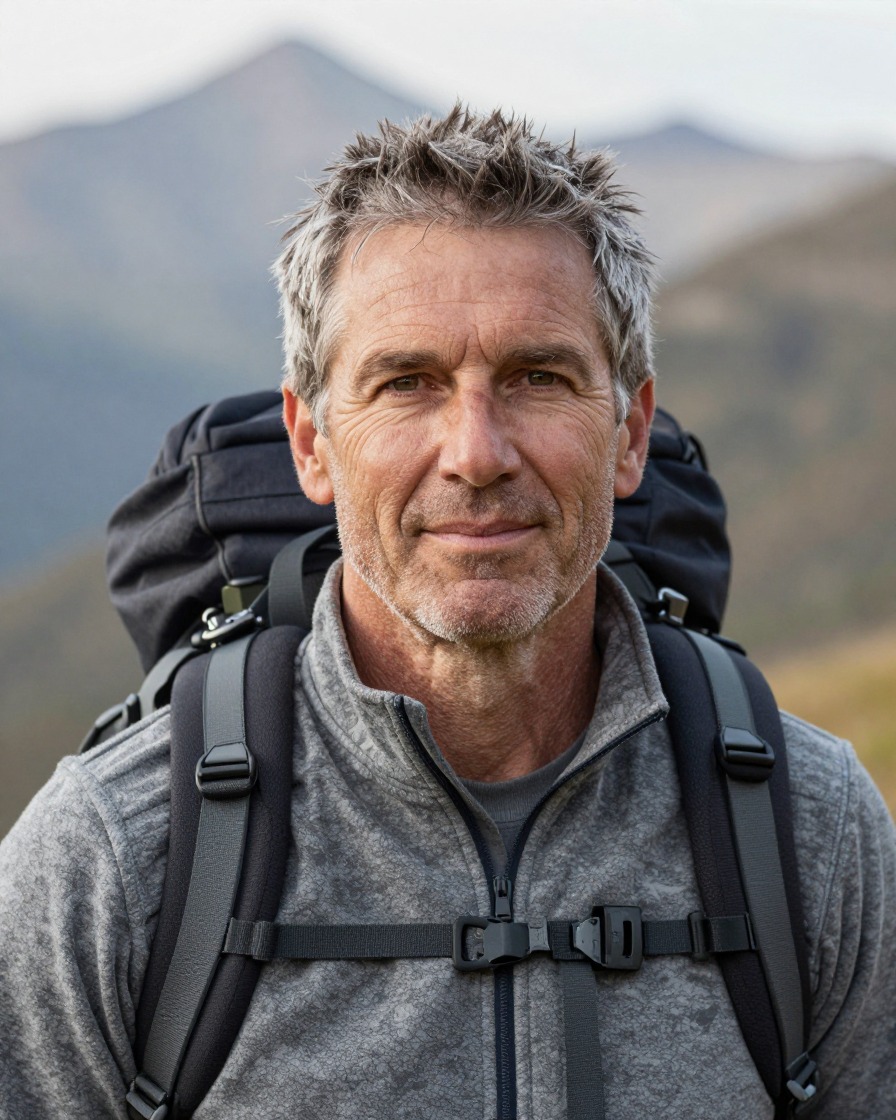
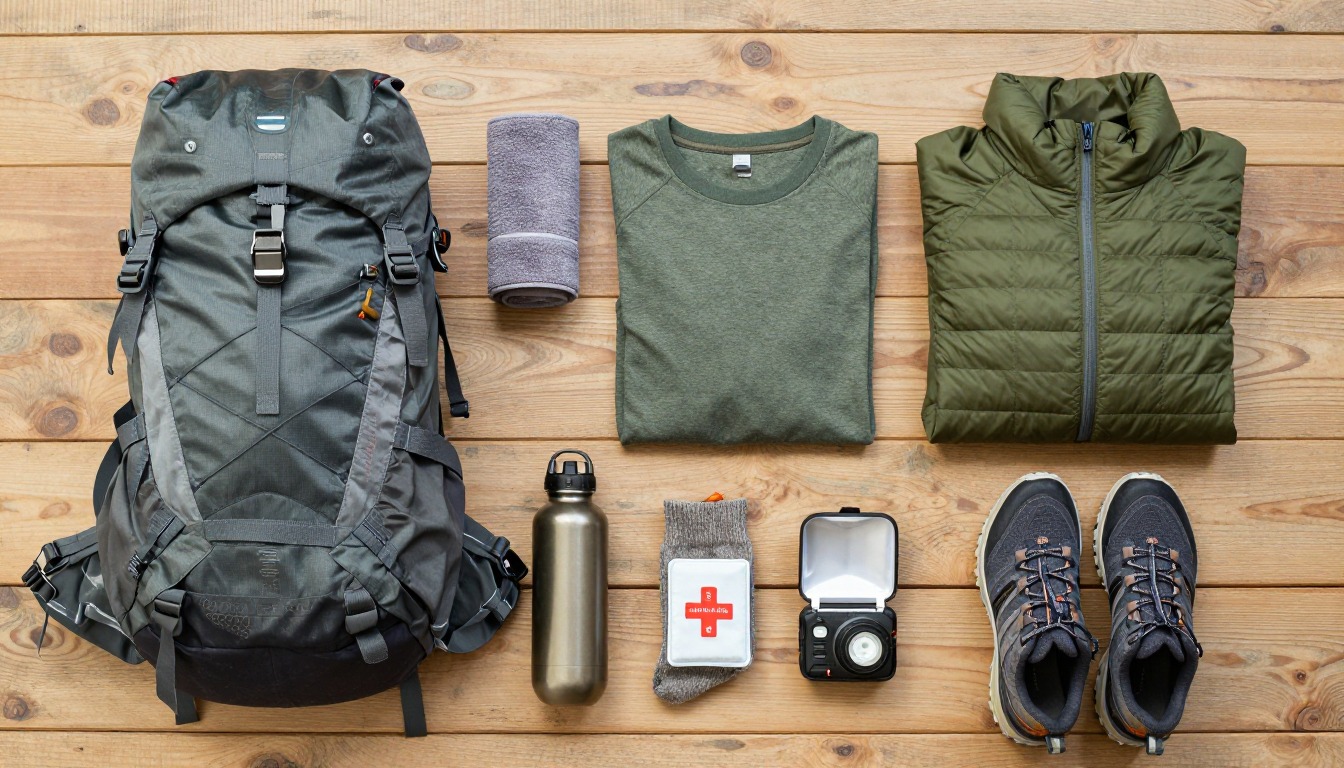
This setup is built around one constraint: everything has to earn its place twice. A trip that mixes city days with day hikes tempts you to pack two kits — a travel bag and a hiking bag — but that means checking luggage, hauling redundant gear, and losing the freedom that made a carry-on-only trip appealing in the first place. Instead, one mid-size pack does double duty as your only piece of luggage and your loaded hiking pack, a packable daypack rides inside it for the actual trail miles, and every layer is chosen because it looks fine in a city and performs on a climb. The discipline pays off in fewer decisions, no bag fees, and a kit light enough to enjoy carrying both places.
This setup suits travelers building a trip around a home base — a city, a coastal town, a national-park gateway — with one or more day hikes worked into an otherwise normal travel itinerary, all carried in a single bag that meets standard carry-on limits. It's built for day hikes, not overnights: no tent, sleeping bag, or stove is in this list, because you're sleeping in a bed every night. If your plan includes an actual backcountry overnight, add the shelter and sleep system from the weekend backpacking setup, or if you're headed somewhere technical or high-altitude, look at a dedicated mountain kit instead.
- Start with the one bag — a 40–45 L pack sized to standard carry-on limits that also has a real hip belt for loaded hiking days.
- Build your layers around double duty: pick a travel shirt, an insulating layer, and a rain shell that all look fine in a city and work on a trail.
- Pack a daypack that folds flat inside the main bag, ready to load with water and a layer the moment you reach a trailhead.
- Organize everything into packing cubes by category, weigh the finished bag, and cut anything that only serves one of the two trip types.
About this setup
A trip that mixes a city itinerary with day hikes is one of the most common shapes modern travel actually takes: fly into a base city, spend a few days walking around it, then head out for a hike or two before flying home. The packing problem is that 'travel gear' and 'hiking gear' are usually treated as two separate categories, each with its own bag, which quickly turns a single carry-on trip into two checked bags. This setup treats them as one problem — pack for both jobs with one bag and one set of layers, and let the daypack, not a second suitcase, handle the actual trail time.
Airlines are the other constraint shaping this list. Carry-on dimensions vary by airline, but a 40–45 L pack sized to roughly 22 x 14 x 9 inches clears most domestic and many international carry-on allowances, which means no checked-bag fee, no lost-luggage risk, and no standing at a carousel while your hiking window shrinks. That size ceiling is also why every item on this list has to be genuinely versatile — there's no spare room for a city outfit and a separate hiking outfit, so the plain merino tee and the packable rain shell both have to work in a café and on a ridge.
The trade-off here is honest: this is a day-hike kit, not a backcountry kit. It assumes a bed and a bathroom every night, day hikes measured in hours rather than days, and terrain you can comfortably cover in trail runners. Push past that — an actual overnight in the backcountry, real elevation, or genuine winter conditions — and this list stops being enough on its own. For anything on trail that starts to look technical or remote, a map, a charged phone, and knowing your turnaround time matter more than any single piece of gear here.
The one bag
One bag that survives a flight, a city sidewalk, and a dusty trail is the whole point of this setup — everything below earns its space in it twice over.
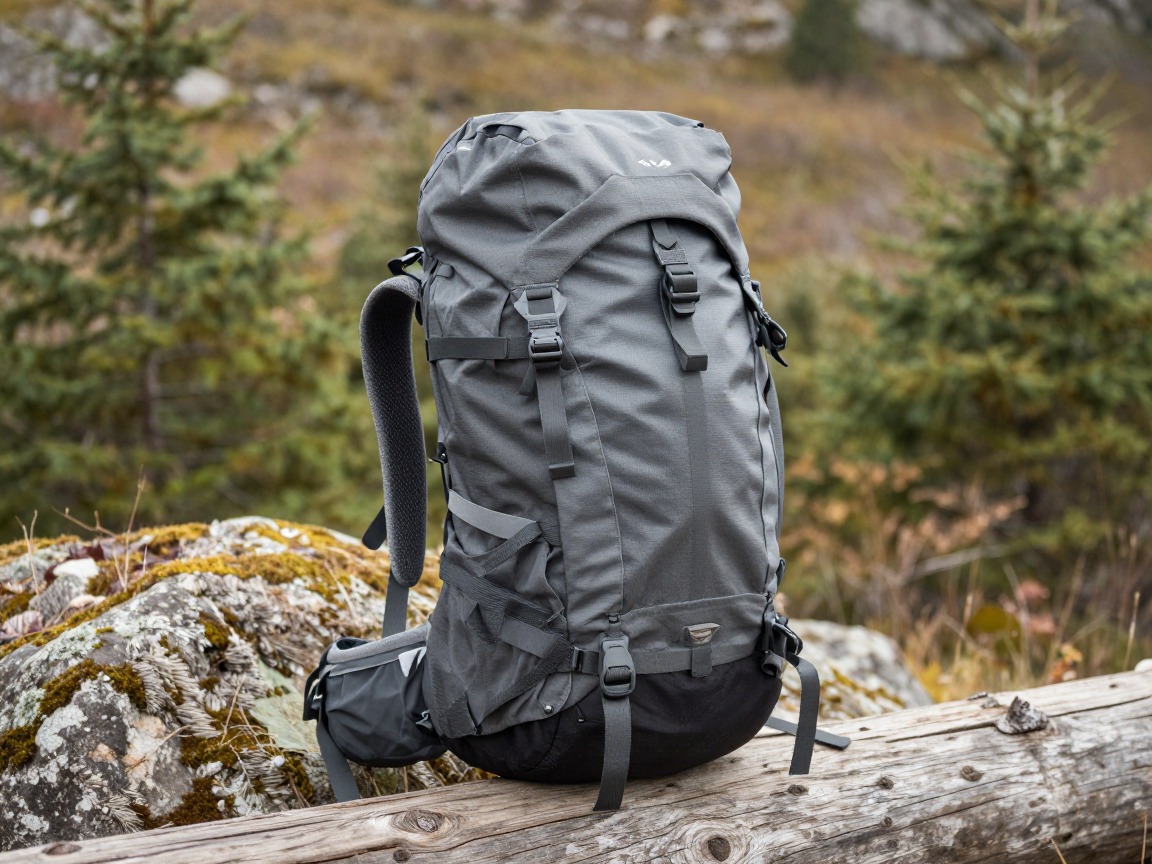
Carry-on travel & hike pack
Your only piece of luggage and your hiking pack in one — sized to work as a carry-on so you never stand at a bag-drop counter, then loaded up again each morning for a day on trail.
What to look for: A pack in the 40–45 L range that fits common carry-on dimensions (roughly 22 x 14 x 9 in.), a real hip belt for the days you hike loaded, and a structured, front-loading design so it packs like luggage but still carries like a backpack.
 WoneNice 50L Check price
  Teton 55L Scout Internal Frame Backpack for Hiking Check price
 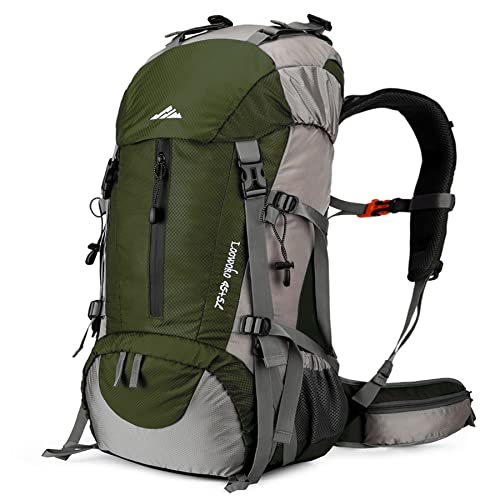 Loowoko 50L Hiking Backpack with Rain Cover for Both Men & Women Check price
 - A slim rain cover or dry-bag liner for the whole pack
- Compression straps to cinch the load down when it's half-empty
- A luggage-style top handle and a light frame sheet that hold shape for the overhead bin
Packing-cube system
The packing method matters almost as much as the pack itself — cubes turn one deep, floppy bag into drawers you can actually find things in, on a curb or at a trailhead.
- A clothing cube for city outfits, kept separate from hiking layers
- A second cube or stuff sack just for hiking clothes and socks
- A small pouch for electronics — charger, cables, adapter — that never gets buried
- A dedicated toiletry bag that meets carry-on liquid rules
- A thin dirty-laundry or wet-gear bag to isolate sweaty or rained-on clothing
- A packing list taped inside the lid so repacking each morning takes minutes, not an inventory
The day-hike pack
Your main bag stays at the hotel or hostel while you're out walking — a packable daypack is what actually goes up the trail.
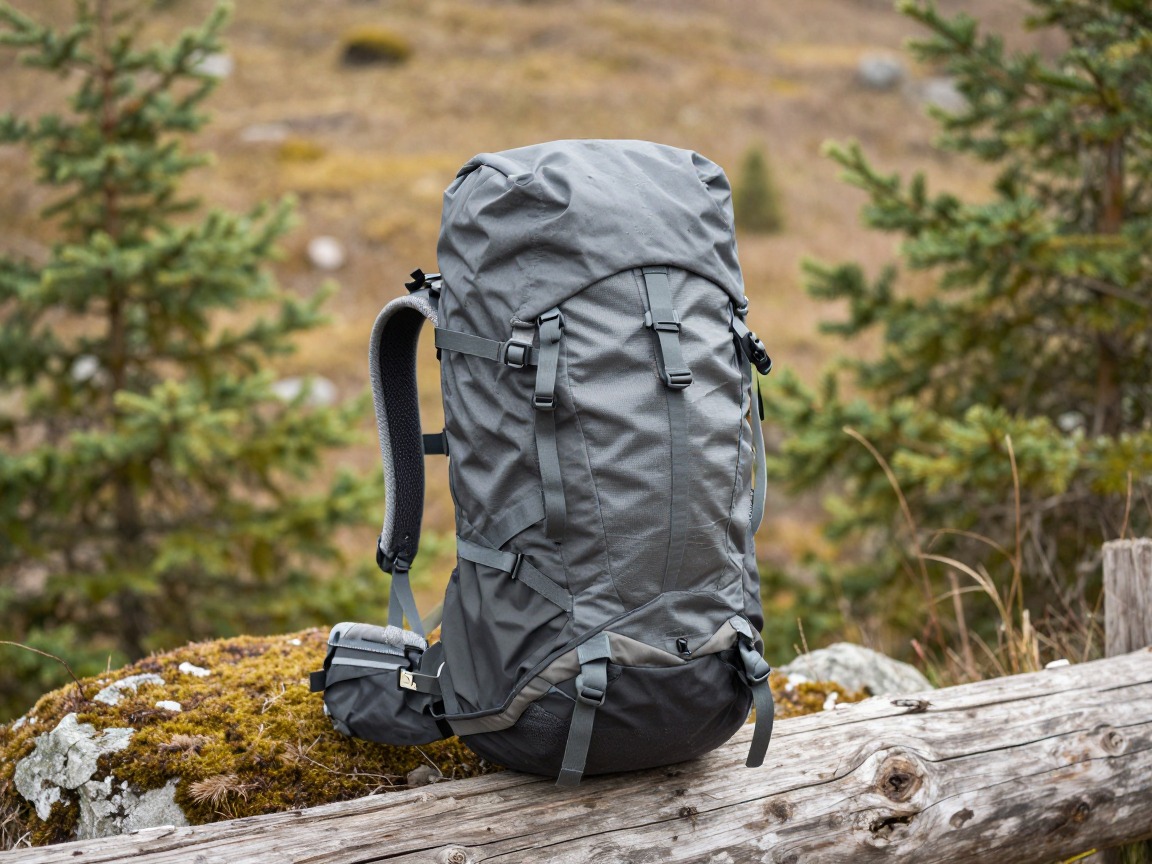
Packable daypack
A stuff-into-its-own-pocket daypack you carry empty inside the main bag on travel days, then pull out and load with water, a layer, and lunch for the actual hike.
What to look for: Something that packs down to about the size of a water bottle, a sternum strap and light hip belt for real trail miles rather than just a city tote, and 15–20 L of capacity — enough for a full day out.
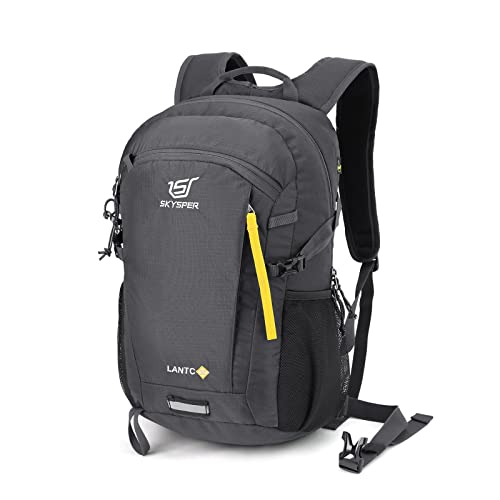 SKYSPER Small Hiking Backpack Check price
  Osprey Sportlite 20L Lightweight Hiking Backpack Check price
 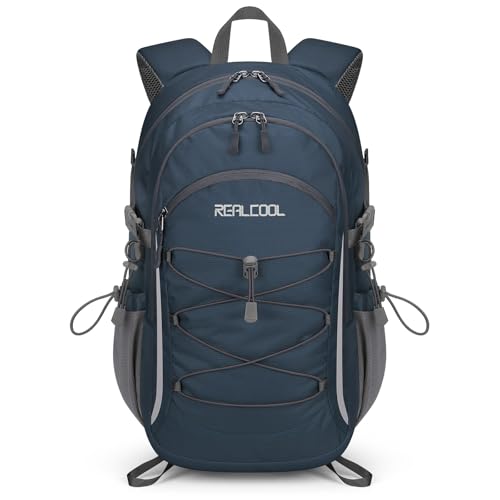 RealCool 20L Lightweight Hiking Backpack Check price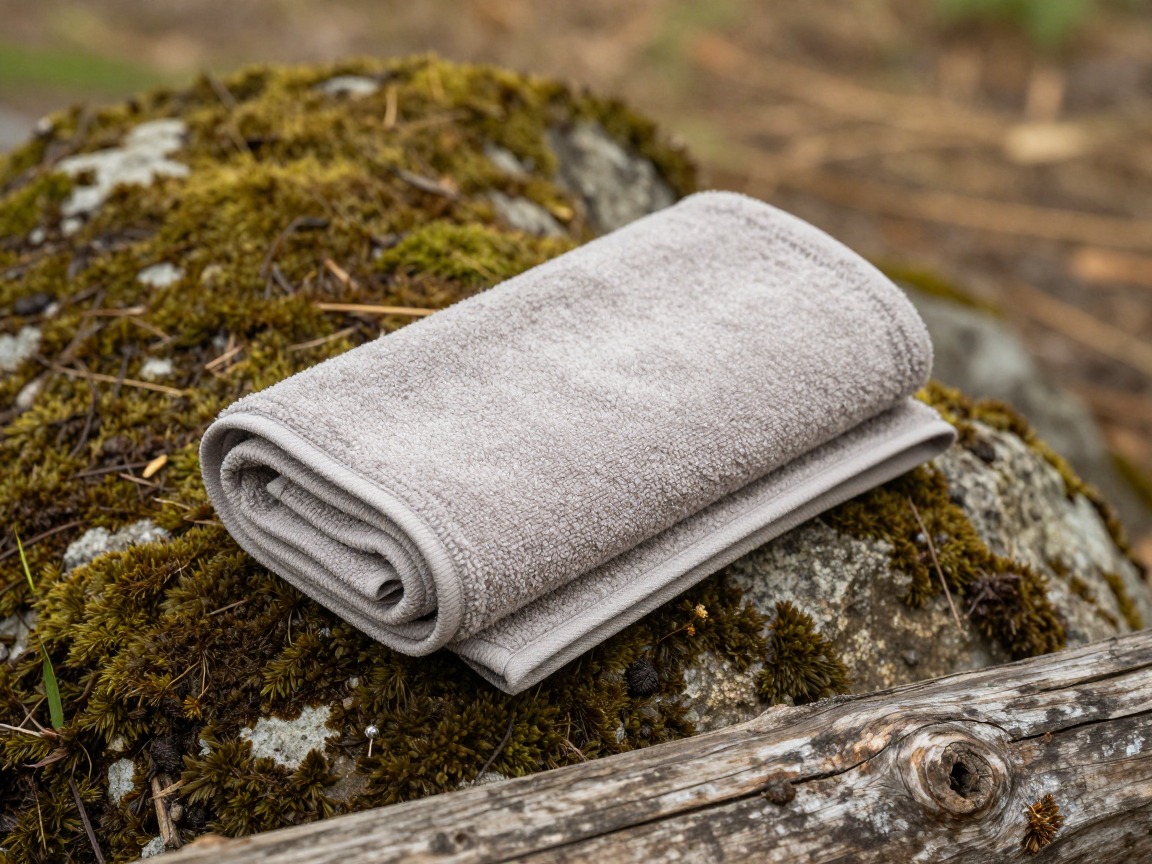
Packable travel towel
One quick-dry towel covers a sweaty trail break, a hostel shower, and a beach stop — a single item doing three jobs is exactly the point of a one-bag kit.
What to look for: Microfiber or a similar quick-dry fabric that packs down small and dries overnight on a balcony rail or pack strap, in a size that works for both a face-and-neck wipe-down and a full-body dry.
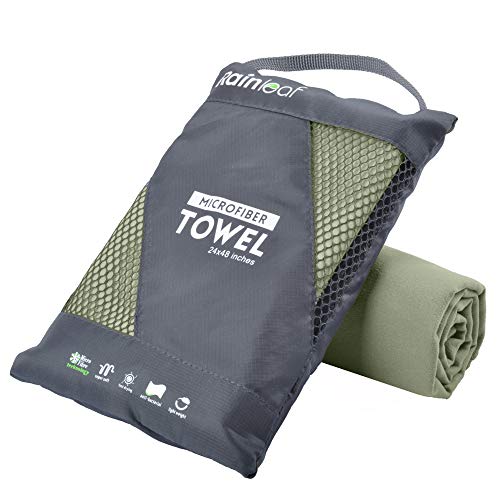 Rainleaf Microfiber Towel Quick Dry Camping & Travel & Gym Towel. Co Check price
  Rainleaf Microfiber Towel Quick Dry Camping & Travel & Gym Towel. Co Check price
  Rainleaf Microfiber Towel Quick Dry Camping & Travel & Gym Towel. Co Check price
 - A soft cooler or insulated pouch if you're carrying picnic food on hike days
- A small dry bag or pouch to keep a phone or camera safe on wet or sweaty days
Versatile layers
Every layer in this setup has to look fine walking into a café and perform on a climb — pack for both jobs and you never need a separate 'city' outfit.
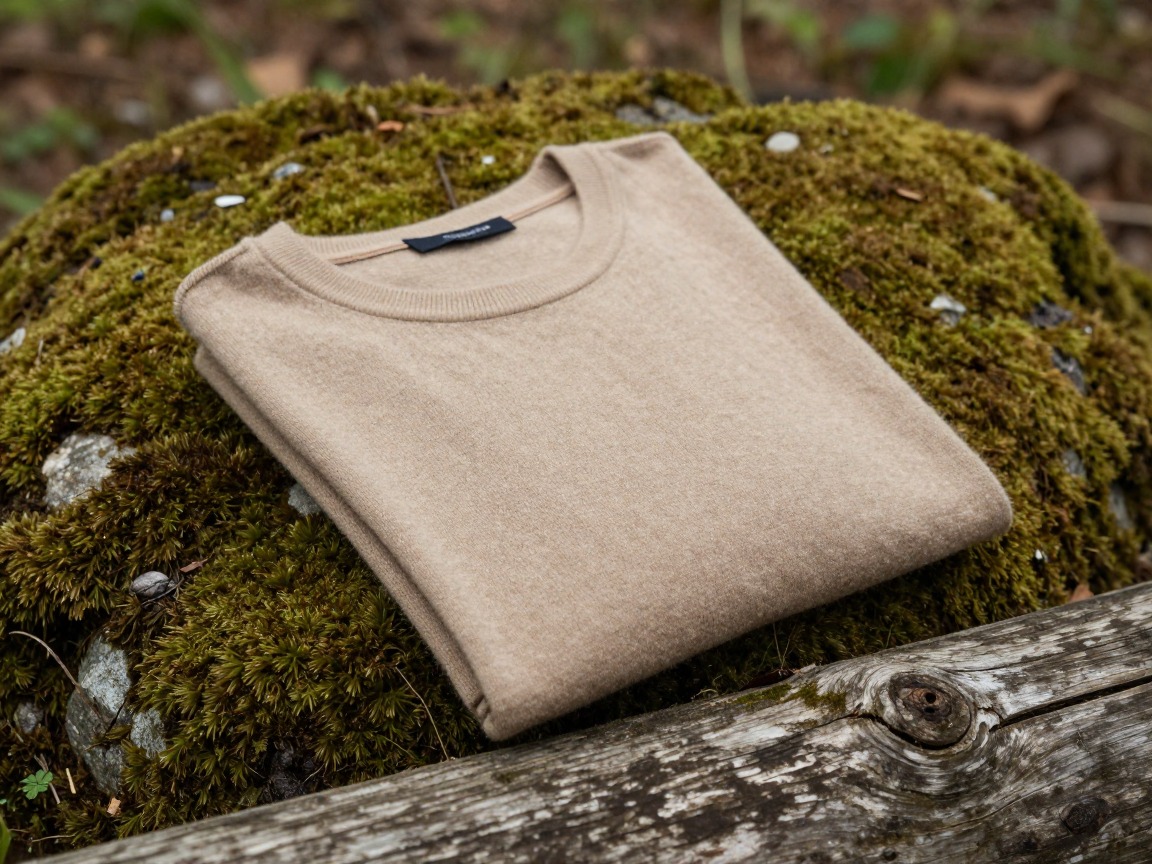
Merino travel shirt
Worn on flights, city days, and hikes alike, a merino or merino-blend tee resists odor far longer than cotton, so two shirts can cover a two-week trip.
What to look for: A plain, city-neutral color and cut rather than a loud outdoor-brand logo tee, merino or a merino-synthetic blend for the odor resistance, and enough stretch to move comfortably on trail.
 100% Merino Wool Base Layer Men Set - Thermal Underwear for Men Long Check price
  Merino.tech Merino Wool Base Layer Women Set - Heavyweight Check price
  100% Merino Wool Base Layer Men Set - Thermal Long Underwear with Ba Check price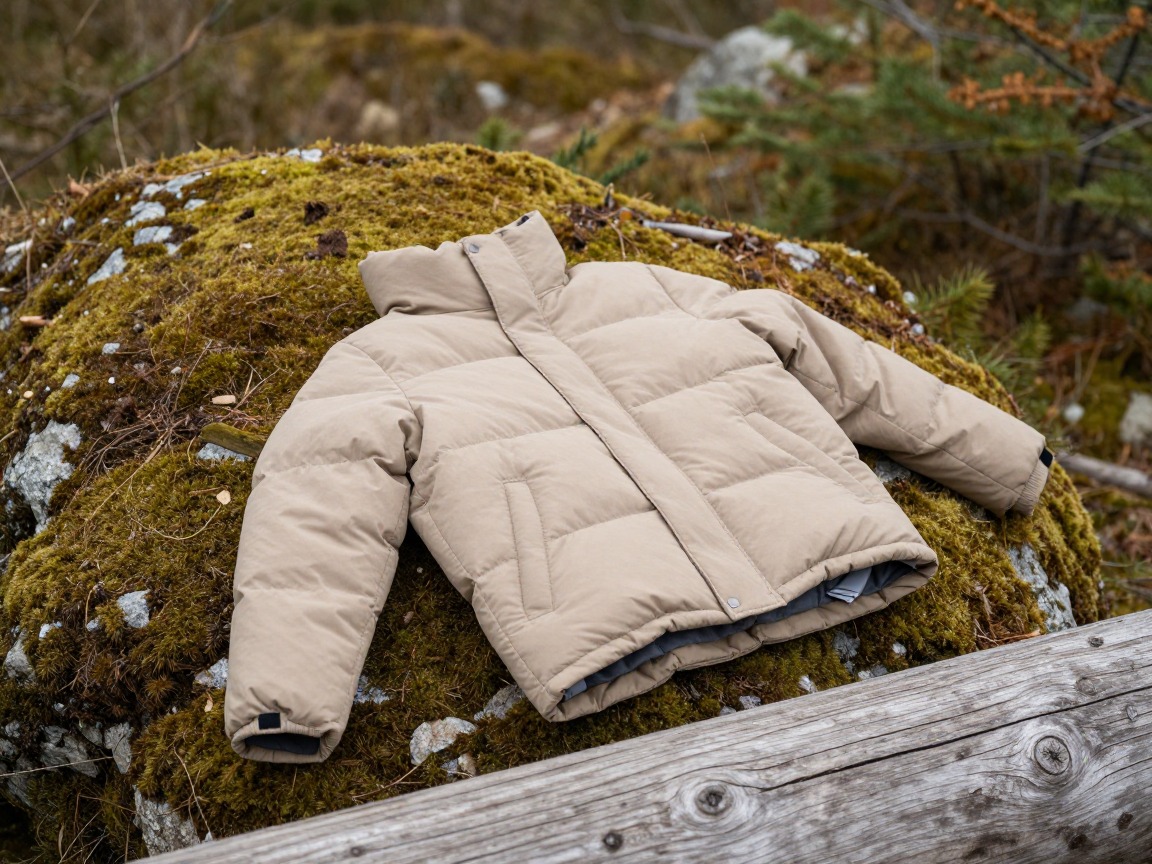
Packable insulated layer
A light puffy or fleece that works over the travel shirt on a cool evening out and under the rain shell on a chilly climb.
What to look for: A neutral color that passes for city outerwear, enough warmth for the coolest evening or trailhead you'll realistically hit, and a compressible pack size — this layer should disappear into its own stuff sack.
 Outdoor Ventures Women's Packable Lightweight Puffer Jacket with Hoo Check price
  Amazon Essentials Women's Lightweight Long-Sleeve Water-Resistant Pa Check price
  Outdoor Ventures Women's Packable Lightweight Puffer Jacket with Hoo Check price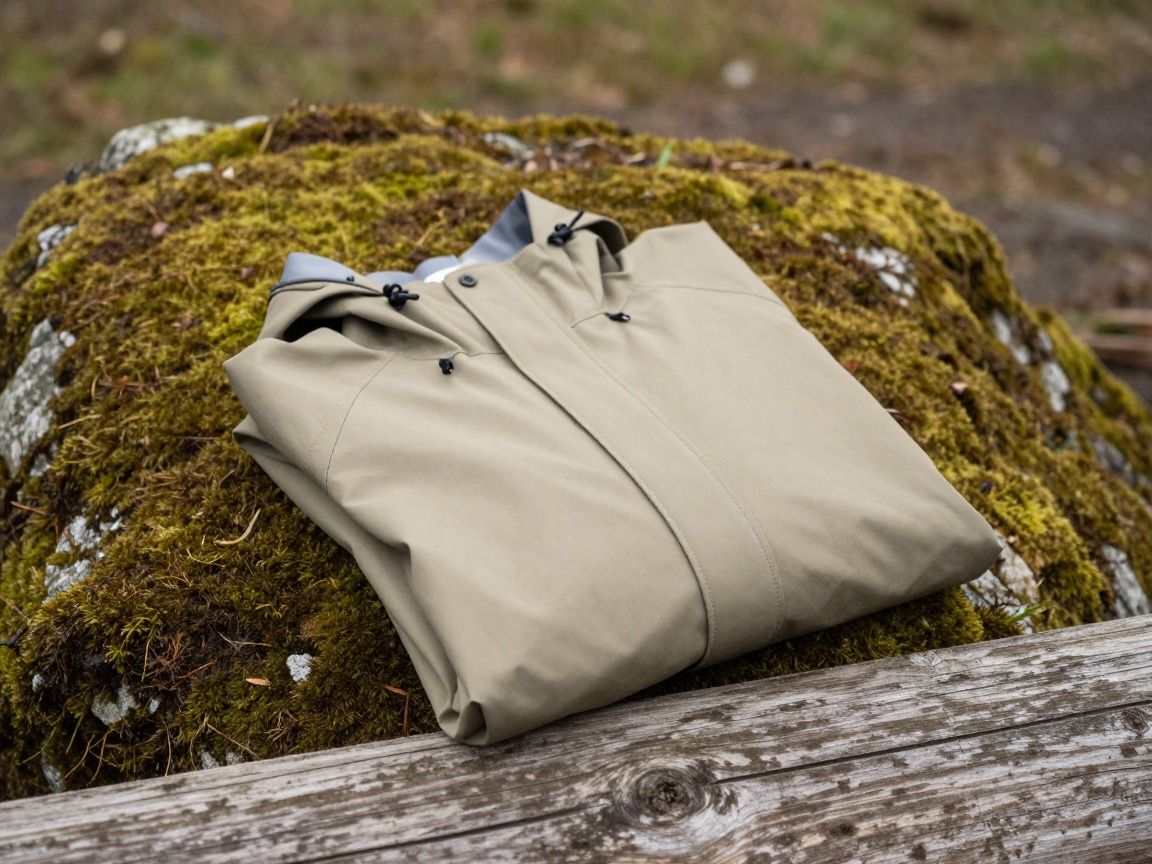
Packable rain shell
One shell handles a surprise city downpour and genuine trail weather, so there's no separate travel raincoat taking up space.
What to look for: Waterproof rather than merely water-resistant, a cut plain enough to wear over city clothes without looking like a tent, and light enough that it's no burden to carry every day 'just in case.'
 UIQUR Mens Rain Jacket Raincoat Waterproof Windbreaker Black L Check price
  COOFANDY Men's Waterproof Hiking Travel Shell Breathable Rain Jacket Check price
  Columbia Womens Arcadia II Waterproof Rain Jacket Check price
 - Quick-dry travel pants that pass for city wear and hike comfortably
- A lightweight top or dress for warm-city evenings that packs flat and doubles as trail camp wear
- One set of sleep or lounge clothes
- A buff or light scarf for sun, dust, or a chilly flight
Footwear
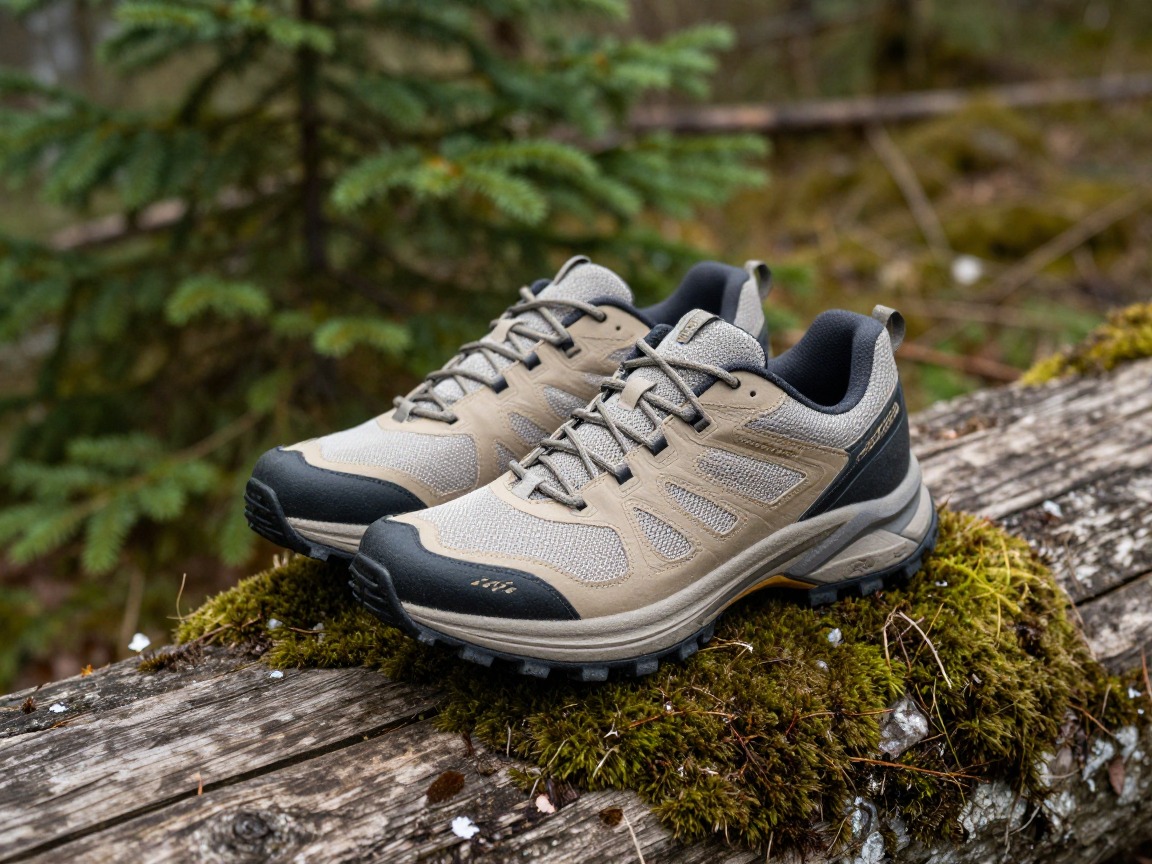
One pair of shoes has to walk a museum, a cobblestone old town, and a rocky trail — choose that pair carefully and skip the rest.
City-to-trail runners
Trail running shoes strike the best balance for this kind of trip — light and unremarkable enough for a city street, with enough grip and support for a real day hike.
What to look for: A low-key color that doesn't read as a hiking shoe in a restaurant, a fit already broken in before you fly, and enough tread and toe protection for the actual terrain on your day hikes.
 Saucony Men's Excursion TR14 Trail Running Shoe Check price
  Adidas Mens Terrex Tracefinder 2 Trail Running Check price
  Brooks Men’s Cascadia 19 Mountain Trail Running Shoe - Black/Black/E Check price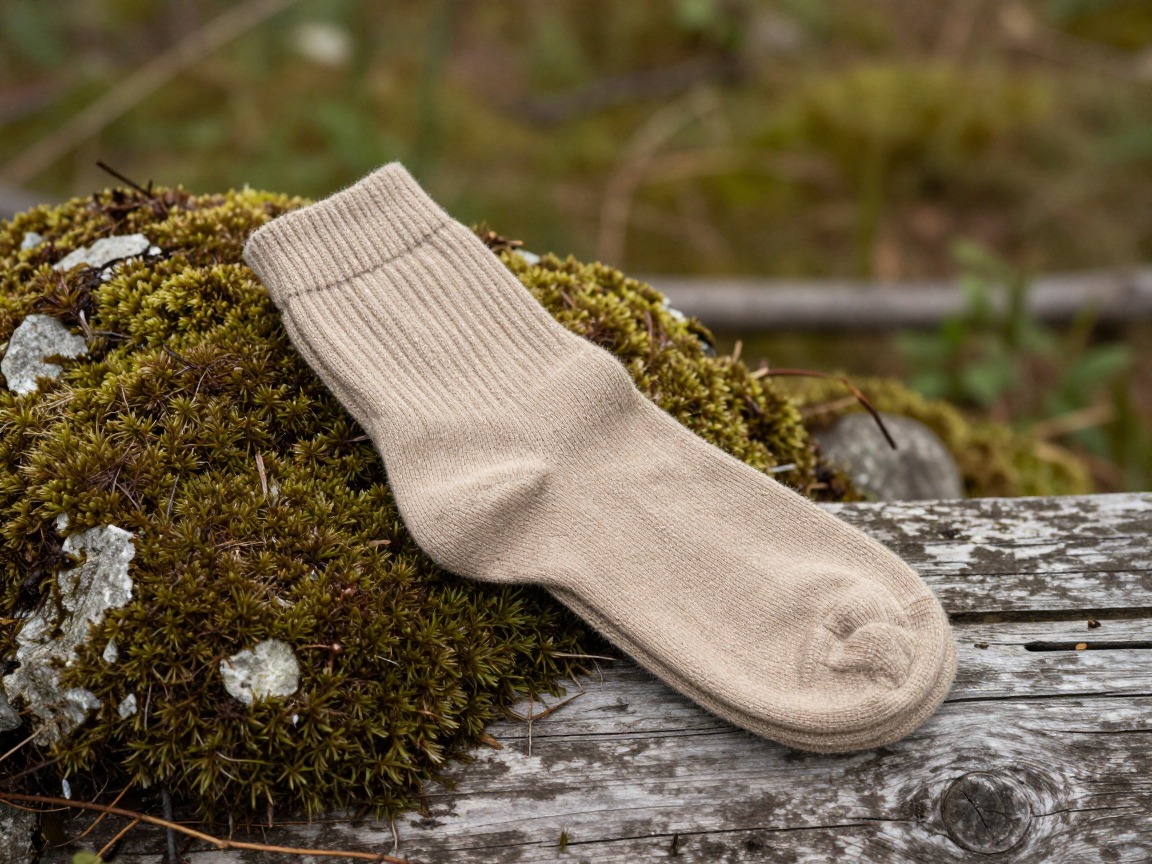
Hiking sock system
A small rotation of cushioned socks handles both a day of city walking and a day on trail, and dries fast between wears.
What to look for: Wool or a wool blend over cotton, a height that suits your shoe, and enough pairs — two or three — to rotate while one dries in a hotel room or hostel.
 Alvada Merino Wool Hiking Socks Thermal Warm Crew Winter Boot Sock F Check price
  DANISH ENDURANCE Merino Wool Socks for Men & Women Check price
  innotree 3 Pack Men's Merino Wool Hiking Socks Check price
 - A pair of packable sandals or flip-flops for showers, flights, and evenings off your feet
Trail & travel essentials
The last layer is what actually gets you through security, across a border, and safely off a trail before dark.
Collapsible or lightweight water bottle
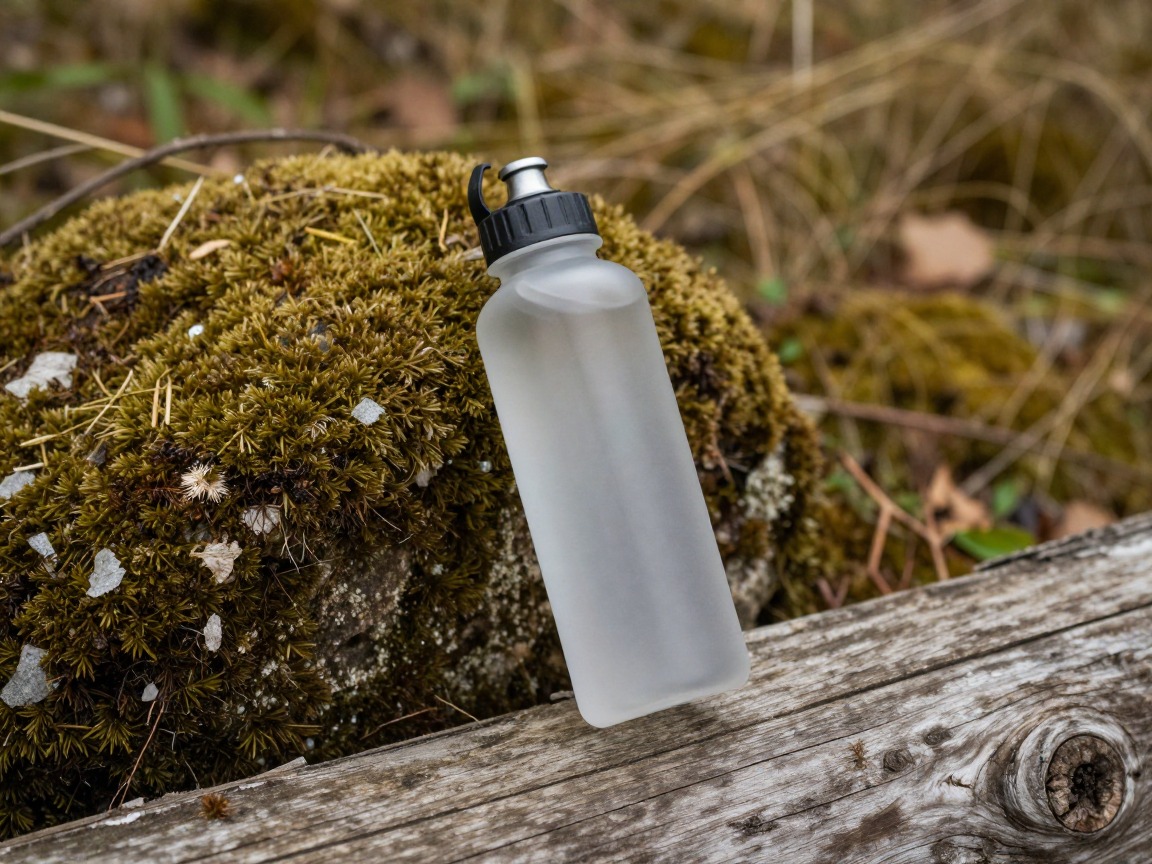
Covers airport refill stations, city walking, and trail hydration in one item, so there's no separate travel bottle and hiking bottle to pack.
What to look for: Empties and packs flat or collapses small for the flight through security, then holds enough — a liter or more — for a real stretch of trail between refills.
 Nalgene 32 oz Wide Mouth Water Bottle Check price
  Nalgene 32 oz Wide Mouth Water Bottle Check price
  Nalgene 32 oz Wide Mouth Water Bottle Check price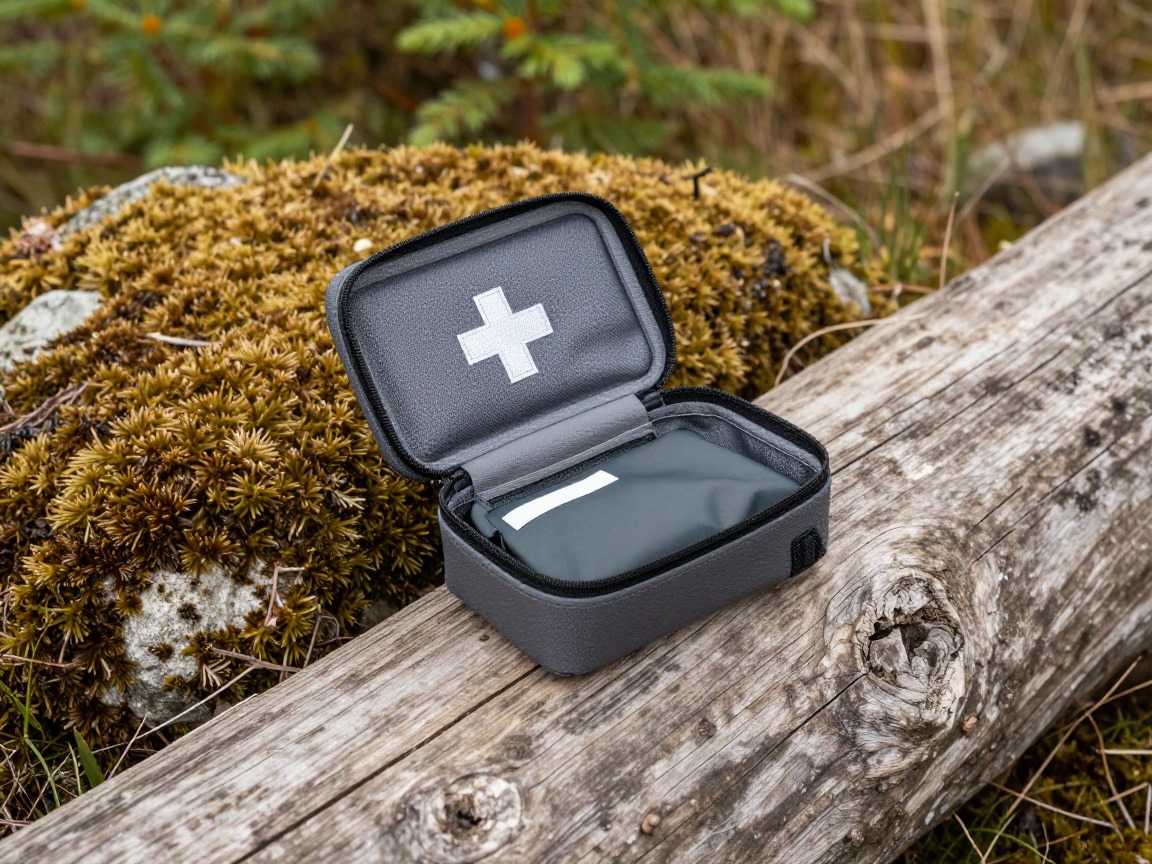
Compact first-aid kit
A small kit for blisters, cuts, and the odd headache covers both a long day of city walking and a day hike on rougher ground.
What to look for: Blister care and basic wound supplies first, small enough to live in the daypack permanently, and restocked from a local pharmacy if you use something up mid-trip.
 Mini First Aid Kit - 150 Piece Small Waterproof EVA Hard Shell Case Check price
  Adventure Medical Kits Ultralight/Watertight Medical Kit .5 Check price
 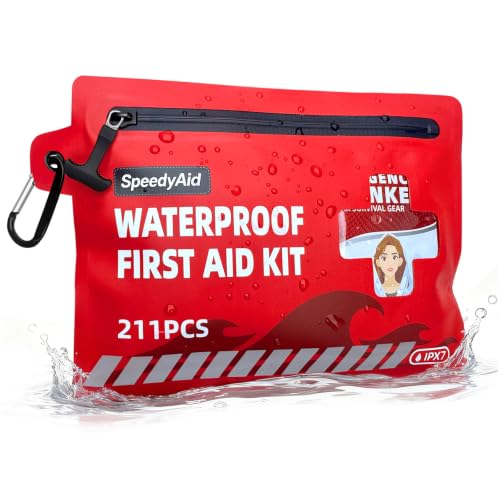 211 PCS Waterproof First Aid Kit Check price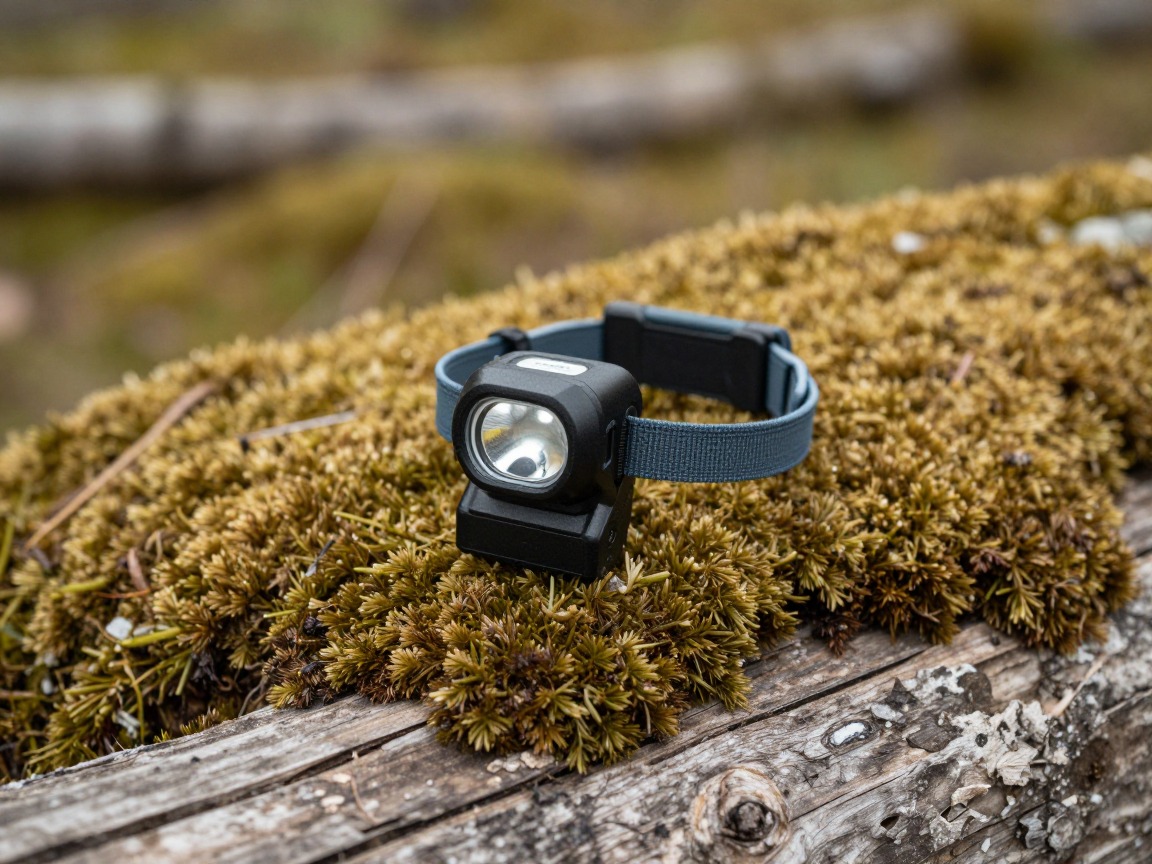
Headlamp
For an early-start hike before the heat, a delayed flight, or finding your gear in a dark hostel dorm without waking your roommates.
What to look for: Small and light enough to disappear into a pocket, a dim low mode for shared rooms, and a lock-out feature so it doesn't switch on and drain itself inside the bag.
 LHKNL Headlamp Flashlight Check price
 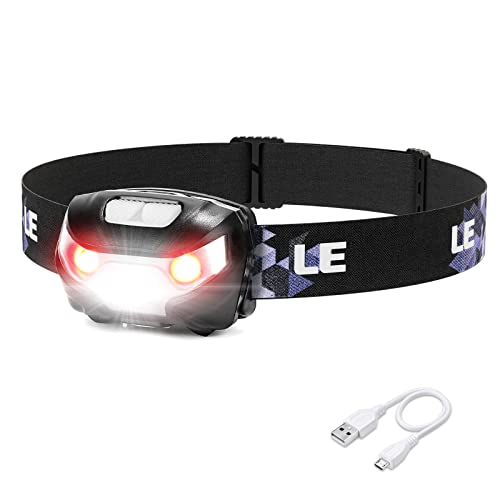 Lepro LED Headlamp Rechargeable IPX4 Waterproof Headlight 5 Modes - Check price
 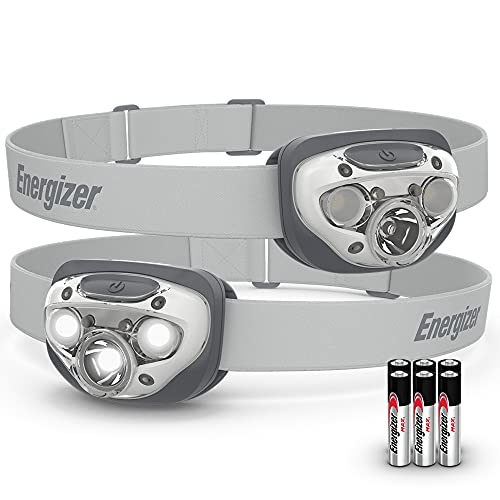 Energizer LED Headlamp PRO Check price
 - Passport, physical and digital copies of key documents, and any required visas or park/trail permits
- Phone, charger, and a universal power adapter if you're leaving the country
- A compact power bank for long travel days and full days on trail
- Cash and at least one backup card, kept separate from your main wallet
- Earplugs and an eye mask for flights, buses, and shared hostel rooms
- A small padlock for hostel lockers
How to adapt this setup
Add a warmer insulating layer and a second base layer rather than a whole extra outfit — the one-bag principle holds even as the trip gets longer; you just rotate and wash more often.
Lean harder on the packing-cube system and pack one extra empty cube for souvenirs or laundry-in-progress; the pack's carry-on size matters even more with multiple flights and tighter connections.
Add trekking poles and a slightly deeper first-aid kit for that one day, and check the weather and your turnaround time carefully — this list is built for moderate day hikes, not alpine terrain.
Trade the insulating layer for a second lightweight shirt and lean on a sun hat and higher-SPF clothing; keep the rain shell regardless, since tropical weather can turn quickly.
This list stops at day hikes — if one leg of the trip is a real backcountry night, borrow the shelter, sleep, and kitchen sections from the weekend backpacking setup rather than improvising.
Common mistakes to avoid
- Packing a separate 'city' outfit and 'hiking' outfit instead of layers that do both jobs, which defeats the whole one-bag plan with extra weight and bulk.
- Choosing a pack by liter count alone and skipping the carry-on dimension check, then getting gate-checked or paying a bag fee at the counter.
- Leaving the daypack at home to save space, then hiking in an overstuffed travel bag with no hip belt built for trail miles.
- Packing brand-new, unbroken-in trail runners for the trip instead of walking them in beforehand, and discovering the blisters mid-vacation.
- Skipping packing cubes and packing loose, then unpacking the entire bag onto a hotel bed every morning just to find one charger.
- Treating this as a backcountry kit and pushing into terrain or conditions — real elevation, exposure, or an overnight — that a day-hike setup was never built for.
Make it yours
Frequently asked questions
Can one bag really work for both travel and hiking?
Yes, if you choose gear that does double duty from the start. A 40–45 L pack with a real hip belt, layers that look fine off-trail, and a packable daypack for actual hikes let you skip a second bag entirely — the discipline is in choosing versatile pieces, not in packing less overall.
What size backpack counts as carry-on for hiking travel?
Most airlines' carry-on limits sit around 22 x 14 x 9 inches, which a 40–45 L pack typically clears if it isn't overstuffed. Always check your specific airline before you fly, since budget carriers and some international routes run smaller than the US domestic norm.
Do I need a separate daypack if I already have a travel backpack?
Yes — your main pack is built to carry everything on travel days, not to ride comfortably empty-handed on a trail. A packable daypack that folds flat inside the main bag gives you something purpose-built for the actual hike, then disappears again for the flight home.
What clothes work for both a city and a hike?
Merino or merino-blend layers in neutral colors are the trick — a plain tee, a packable insulating layer, and a rain shell all look ordinary in a restaurant and perform on a trail. Save any loud, technical-looking gear for trips that are hiking-only.
Is this setup enough for a backcountry overnight?
No — it's built for day hikes with a bed waiting at the end of each one, so there's no tent, sleeping bag, or stove in this list. If one leg of your trip is an actual overnight in the backcountry, add the shelter and sleep system from the weekend backpacking setup.
Illustrative images show the type of gear, not specific products. Recommendations link to similar items on Amazon; we only ever link real listings and never show fabricated prices or ratings. General planning guidance, not a substitute for your own judgment or professional backcountry-safety instruction.