
The trail running & ultrarunning setup
Trail running trades a hiking pace for a running one, from short after-work loops to all-day ultramarathons with a formal mandatory-kit list. This setup walks through what actually rides well at a run — a vest that won't bounce, soft flasks you can drink from without breaking stride, and the shell-layer-light safety kit most ultras require. It's built around constant movement, not comfort at camp.

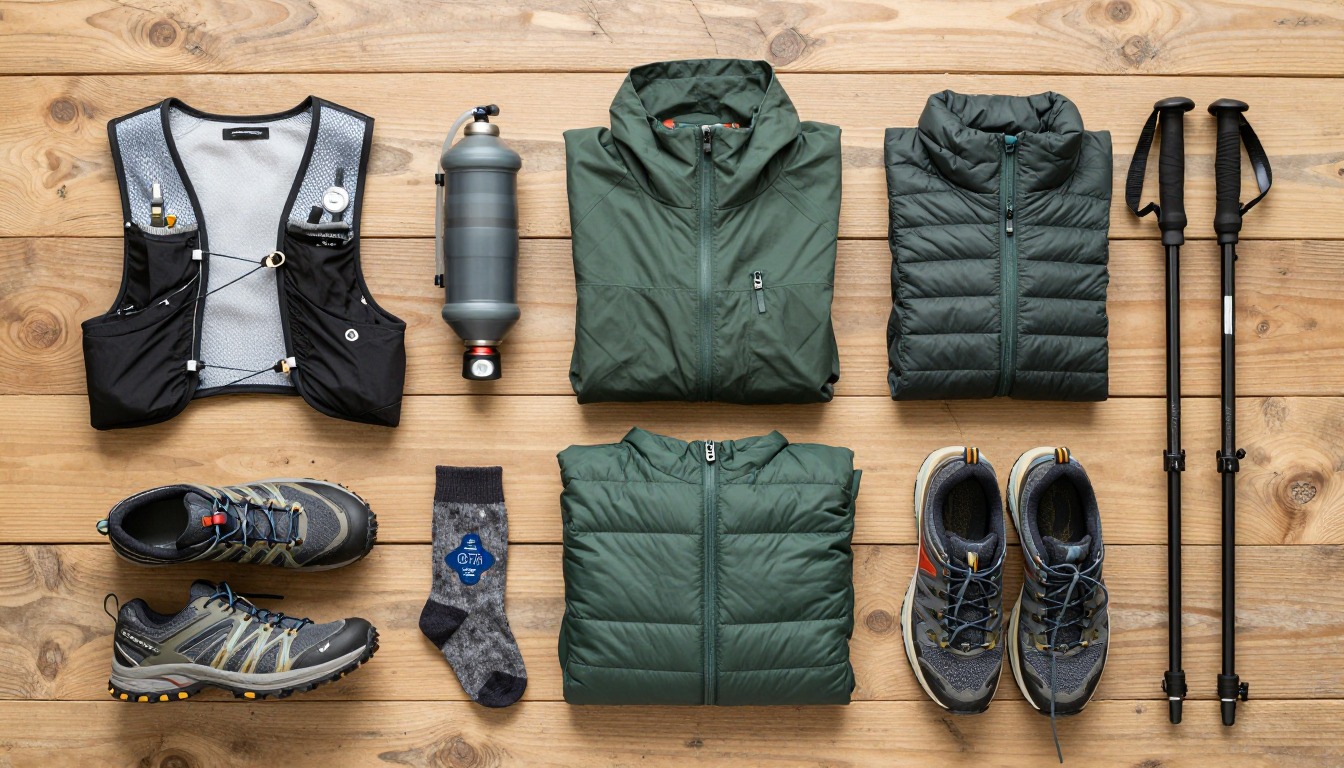
A trail running kit is built around one constraint a hiking pack never has to answer to: it has to ride still at a run. Every choice below gets tested against that question — does this bounce, does it slow a stride, can I use it without stopping? Redundancy gets cut everywhere it's safe to cut it. The mandatory-kit layer — shell, warm layer, light, whistle — doesn't move, because most ultra races require it and exposed terrain can turn colder or wetter faster than a running pace suggests.
This setup suits runners moving from shorter trail runs into longer efforts and eventual ultramarathons, comfortable carrying their own water and calories over technical, exposed terrain for hours at a stretch. It's not the place to start trail running — build running fitness and time on technical trail first. And if you want to camp overnight instead of finishing in a day, look at the fastpacking setup instead; this one carries nothing for sleeping outside.
- Start with the vest: fit it loaded and cinched snug, and confirm nothing bounces before you add anything else.
- Build your fueling system next — soft flasks or a reservoir, plus a calorie plan worked out by the hour, not just the mile.
- Match trail runners and socks to your terrain and distance, then break them in fully before race or long-run day.
- Lock in the mandatory-kit layer last — shell, warm layer, light, whistle — and treat it as fixed regardless of the forecast.
About this setup
Trail running covers the same singletrack as hiking, just faster and lighter — a run-hike rhythm on the climbs, a run on anything runnable, finished in hours rather than days. Ultrarunning stretches that same idea past marathon distance, often on courses with little cell service and unpredictable mountain weather, which is why longer races formalize what a runner's kit should contain. Unlike fastpacking, there's no overnight system here: the goal is to finish the same day, so nothing in this setup is built for sleeping outside.
Most ultra races publish a mandatory-kit list, and it's rarely optional — a rain shell, a warm layer, a headlamp, a whistle, and often a basic first-aid kit and a way to signal for help. Races require this because mountain and exposed-ridge weather can turn faster than a runner's pace suggests, and a stopped or injured runner loses body heat quickly with no exertion left to replace it. Even outside a race, that same layer is worth carrying on any long, remote trail run — treat it as fixed, not gear you leave behind because the forecast looks clear.
Fueling is where trail running differs most from hiking: you're burning calories continuously and need to replace them on the move, not at a sit-down lunch break. Aid-station races let you carry less between resupply points; unsupported long runs mean carrying every calorie yourself and treating water from natural sources along the way. Either way, the habit is the same — practice a fueling plan on training runs long before race day, since a stomach that's never tested calorie-dense food at pace is a bad place to discover a problem.
The vest
A vest-style pack carries a trail running kit close to the body, built to stay still at a run rather than shift the way a framed hiking pack does.
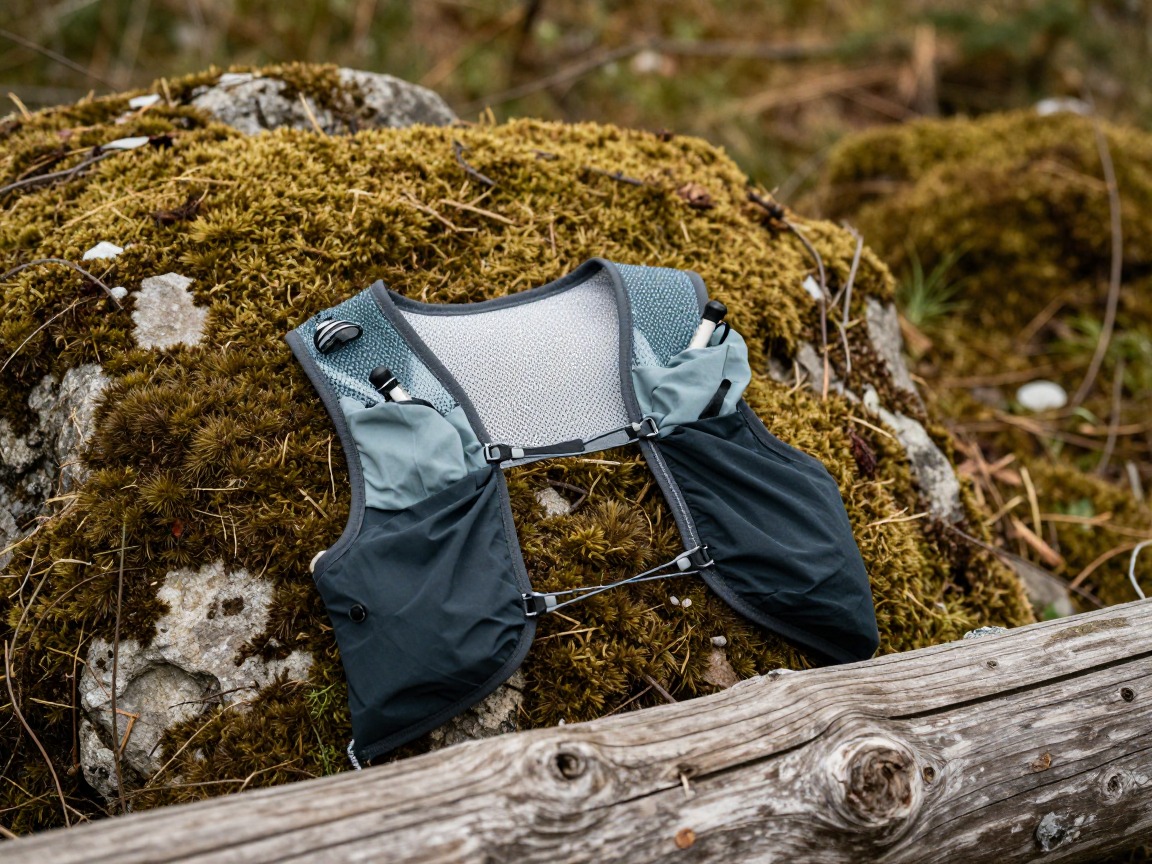
Running vest
A snug, low-bounce running vest carries water, food and the mandatory-kit layer close to your chest and back instead of shifting on a hiking pack's frame.
What to look for: A size that stays snug loaded and empty alike, front pockets you can reach without stopping, and enough capacity — roughly 5–20 L — for the mandatory kit plus a few hours of food and water.
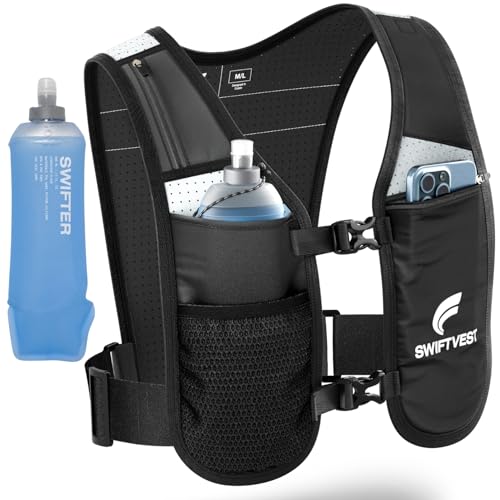 SWIFTVEST Running Vest for Women & Men with Water Bottle Check price
  Lightweight Hydration Backpack Check price
  INOXTO Running Hydration Vest Backpack Check price
 - Compression straps or a bungee cord cinched snug to stop bounce
- A loaded test run before race day, not just an empty-vest fitting
Fueling and hydration on the move
Trail running burns calories continuously, so fueling and hydration happen between strides, not at a sit-down break the way they might on a hike.
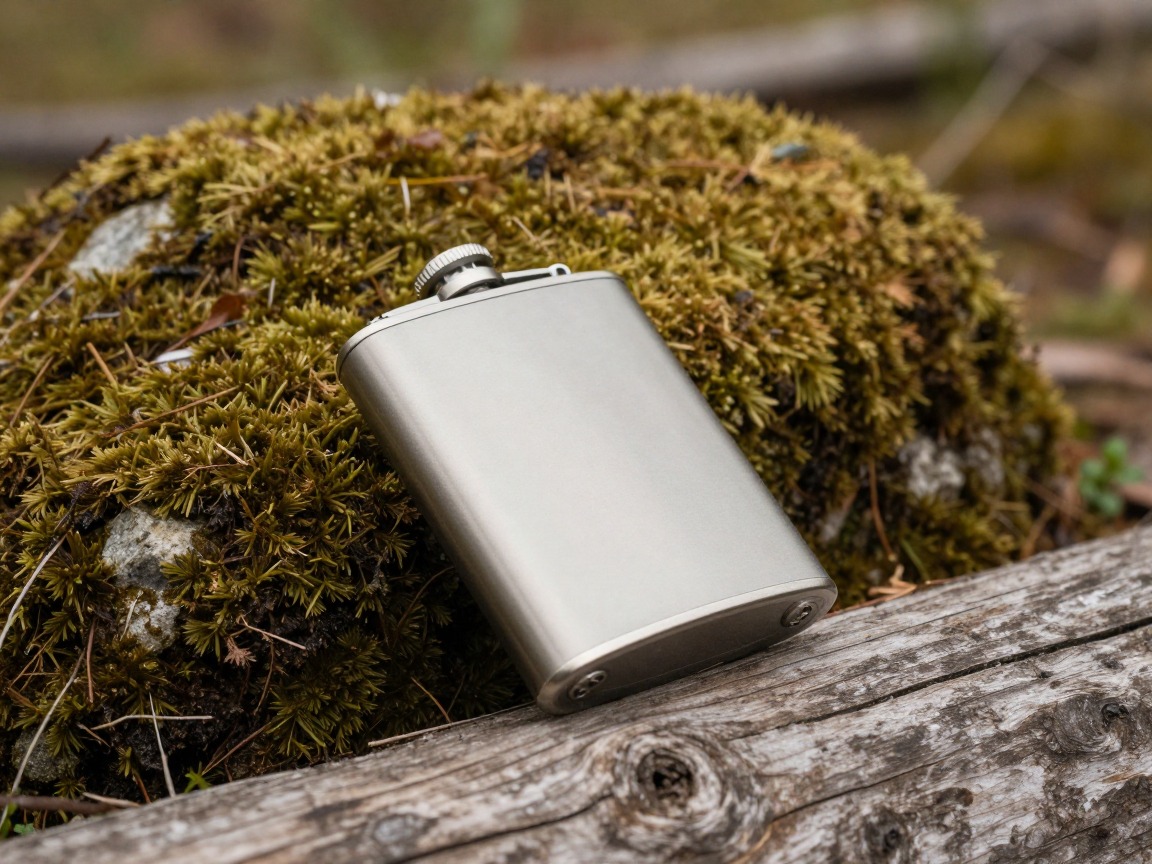
Soft flasks
Flexible soft flasks ride in a vest's front pockets and collapse as you drink, so they don't slosh or bounce the way a rigid bottle does at a run.
What to look for: A size and valve that matches your vest's front pockets, and a wide mouth if you plan to mix electrolyte powder on the move.
 SWIFTER 2x Soft Flask 500ml Check price
  AXEN 500ML Soft Flask Check price
 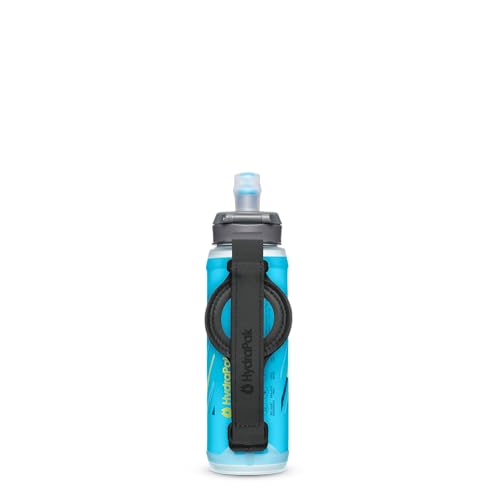 HydraPak SkyFlask Speed Handheld Running Water Bottle Check price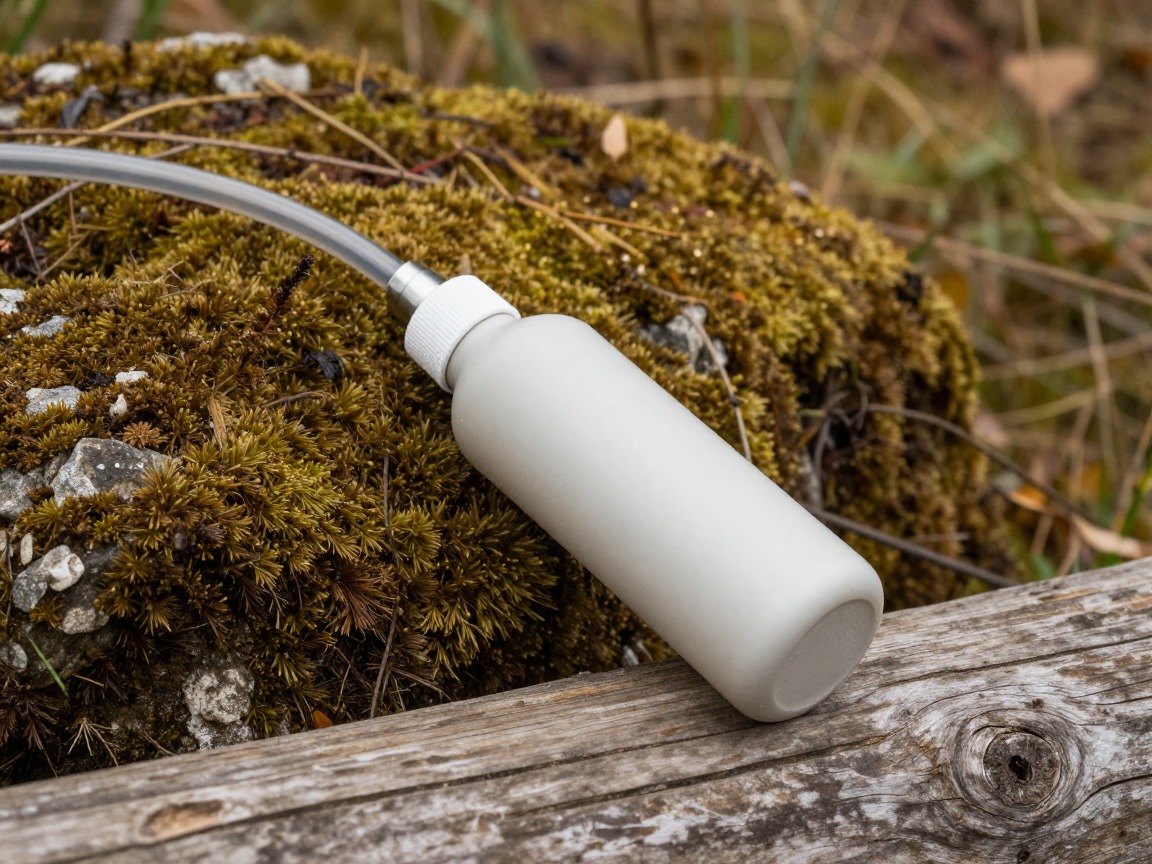
Hydration reservoir
A soft reservoir in the vest's back sleeve adds hands-free volume for longer, hotter, or less-supported efforts where front flasks alone won't cover the distance between water sources.
What to look for: A reservoir sized to your vest's sleeve, a bite valve you can use without breaking stride, and an opening wide enough to refill and clean easily.
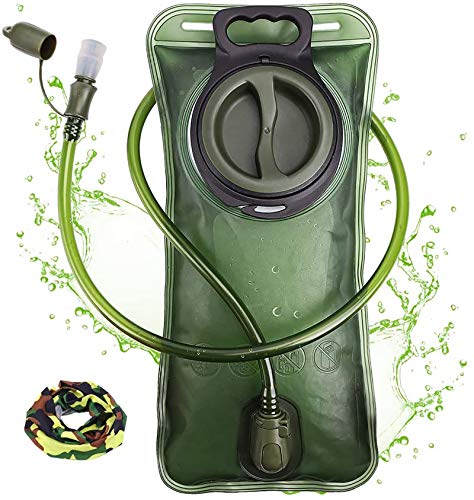 Hydration Bladder Check price
  Hydration Bladder Check price
  Mdvora 1.5L/2L/2.5L/3L Hydration Bladder Check price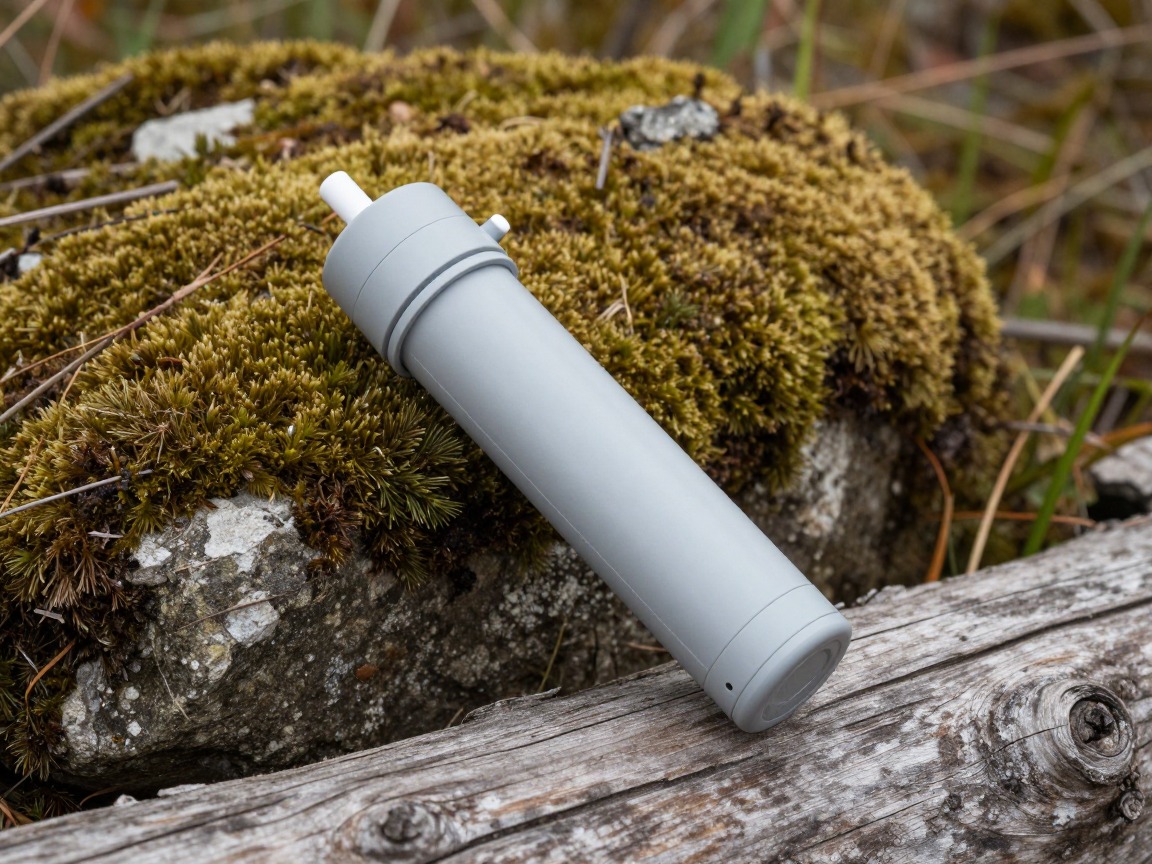
Water filter
A fast squeeze or straw-style filter lets you treat water from streams and lakes on unsupported routes instead of carrying every ounce from the start.
What to look for: Fast flow so a refill costs you little time, and a size light enough to justify carrying on a run. Know your route's water sources before you rely on one.
 Sawyer Squeeze Water Filtration System Check price
  Sawyer Products SP128 Mini Water Filtration System Check price
  LifeStraw Personal Water Filter for Hiking Check price
 - Electrolyte tabs or drink mix
- Calorie-dense food or gels calculated by the hour, not the mile
- A fueling plan tested on training runs before race day
Trail-running footwear
Footwear built and broken in for running, not hiking, is what actually determines how the miles feel underfoot.
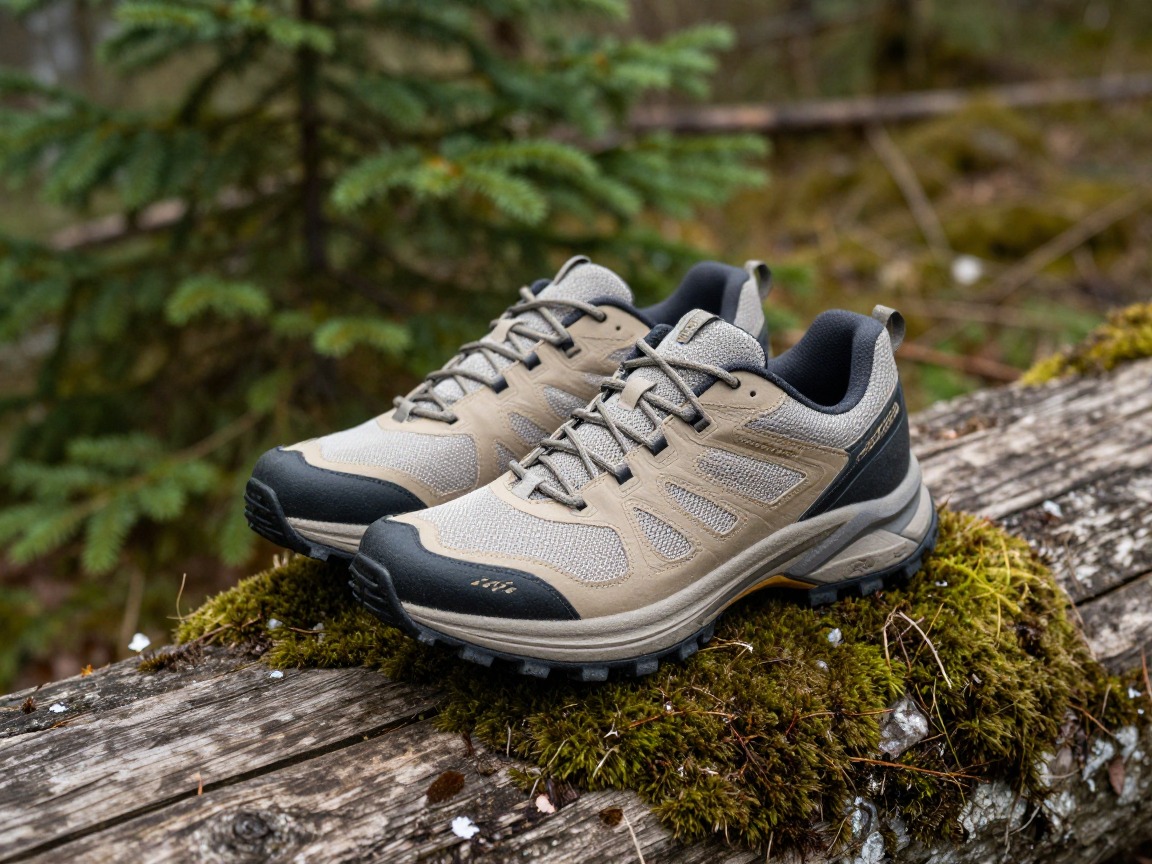
Trail running shoes
Trail runners built for the terrain and distance are the single piece of gear that affects a run more than anything else in this kit — grip, protection and fit over hours of miles.
What to look for: A tread pattern matched to your terrain (looser lugs for mud and steep ground, firmer for hardpack), a rock plate if you're running rocky trail, and full break-in before race day.
 Saucony Men's Excursion TR14 Trail Running Shoe Check price
  Adidas Mens Terrex Tracefinder 2 Trail Running Check price
  Brooks Men’s Cascadia 19 Mountain Trail Running Shoe - Black/Black/E Check price
Running-specific socks
A low-cushion, moisture-managing sock built for running mileage handles friction and sweat over hours better than a standard hiking sock.
What to look for: A snug, seamless fit that won't bunch inside a trail runner, moisture-wicking wool or synthetic fabric, and a spare pair for longer efforts or drop bags.
 Alvada Merino Wool Hiking Socks Thermal Warm Crew Winter Boot Sock F Check price
  DANISH ENDURANCE Merino Wool Socks for Men & Women Check price
  innotree 3 Pack Men's Merino Wool Hiking Socks Check price
 - A second pair of shoes or socks staged at a drop bag for very long efforts
- Toenails trimmed and feet taped ahead of long runs, if you're prone to blisters
Mandatory kit for ultras: shell, layer, light
Most ultra races require this exact layer — a shell, a warm layer and a light — and it's worth carrying on any long, remote run whether or not you're racing.
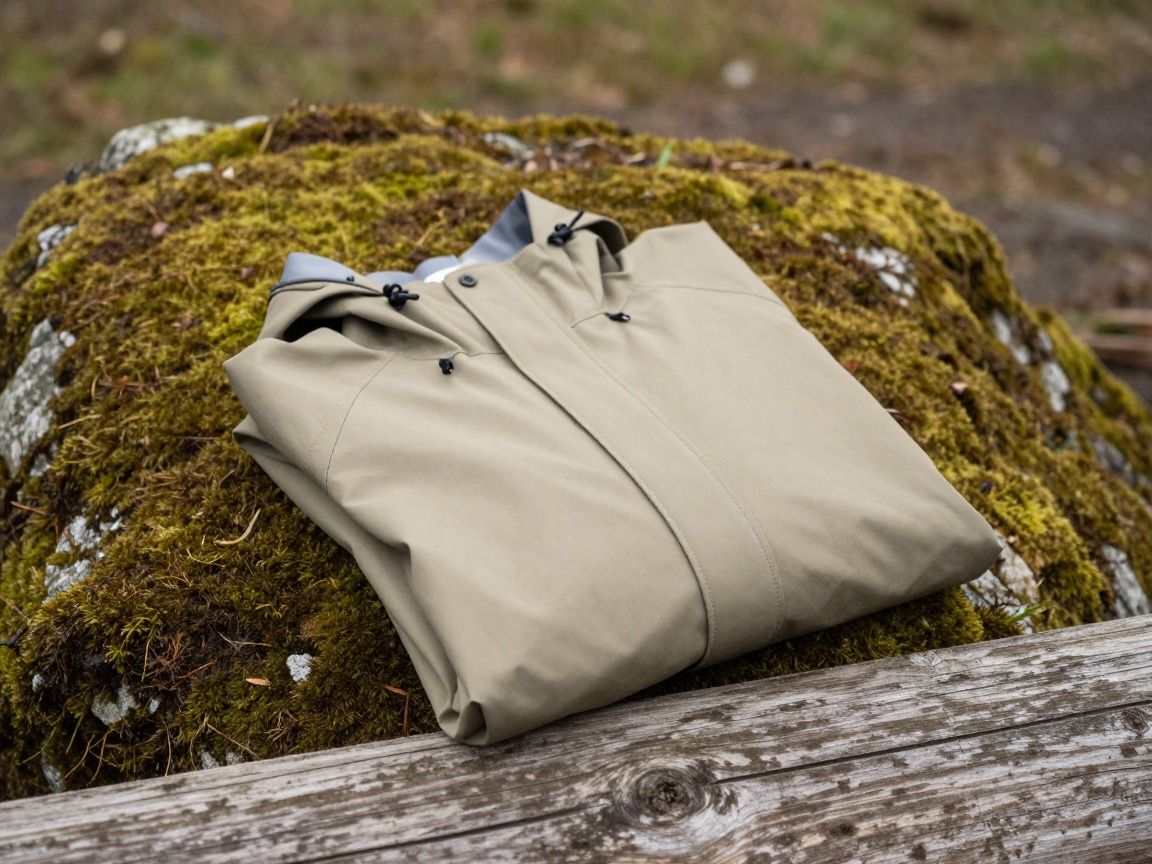
Rain shell
A light waterproof-breathable shell is the 'shell' on most ultra mandatory-kit lists — blocking wind and rain on exposed terrain where stopping to take cover isn't always an option.
What to look for: Packable enough to disappear in a vest pocket, breathable enough to actually run in, and a hood that fits over a cap. Check it against your race's specific mandatory-kit requirements before you rely on it.
 UIQUR Mens Rain Jacket Raincoat Waterproof Windbreaker Black L Check price
  COOFANDY Men's Waterproof Hiking Travel Shell Breathable Rain Jacket Check price
  Columbia Womens Arcadia II Waterproof Rain Jacket Check price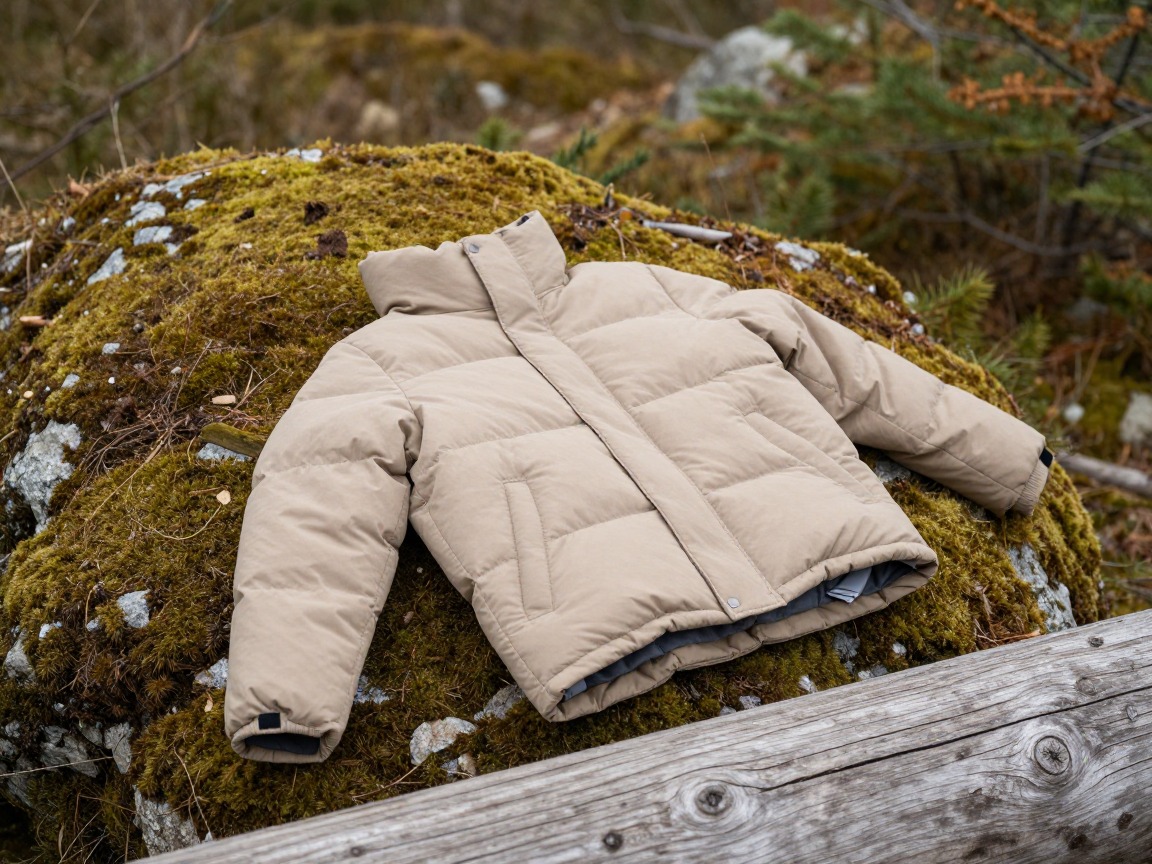
Packable insulated layer
A compact insulated jacket is the 'layer' on a mandatory-kit list — your reserve warmth if you slow down, stop moving, or get caught out after dark.
What to look for: The most warmth for the least pack volume, since it's meant to live in your vest until you actually need it, not to run in.
 Outdoor Ventures Women's Packable Lightweight Puffer Jacket with Hoo Check price
  Amazon Essentials Women's Lightweight Long-Sleeve Water-Resistant Pa Check price
  Outdoor Ventures Women's Packable Lightweight Puffer Jacket with Hoo Check price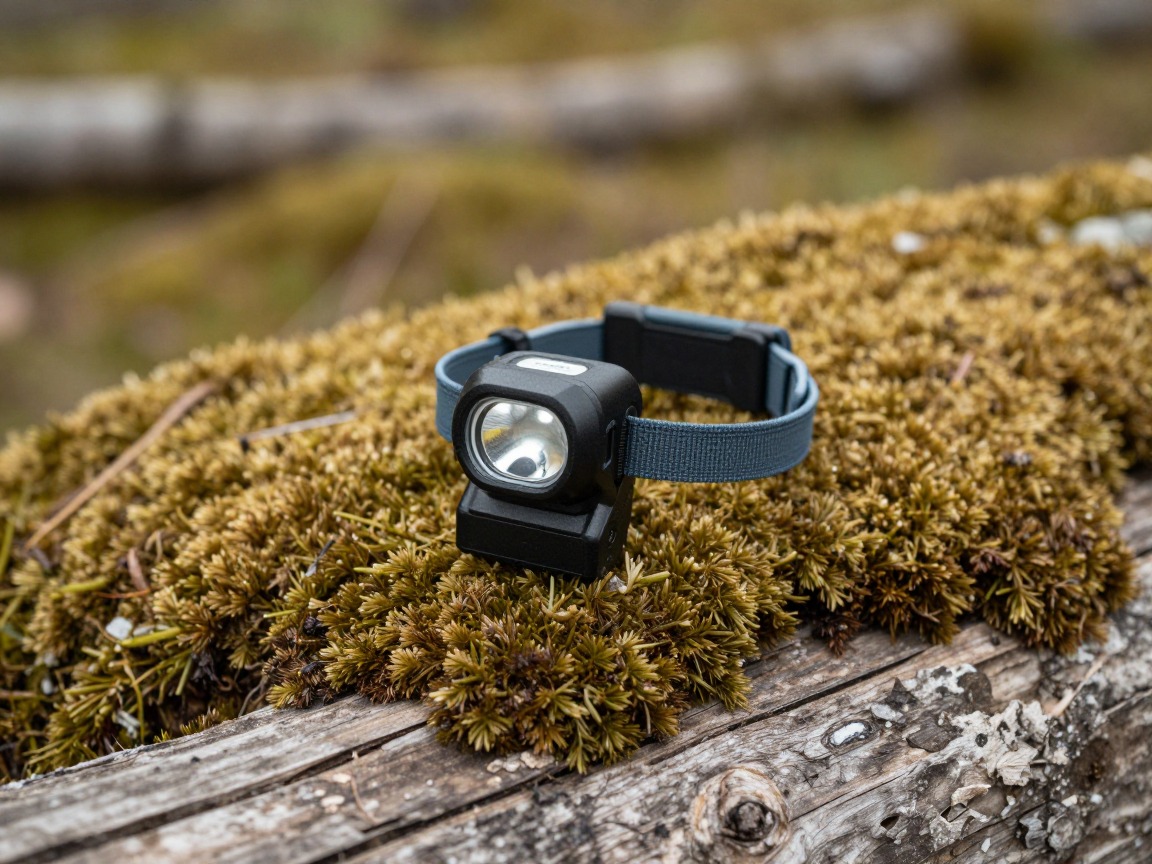
Headlamp
A small, light headlamp is the mandatory 'light' — for an early start, a run that goes longer than planned, or reaching an aid station after dark.
What to look for: A lightweight, rechargeable model with enough runtime for your longest expected effort, plus a lock mode so it doesn't drain in a vest pocket.
 LHKNL Headlamp Flashlight Check price
 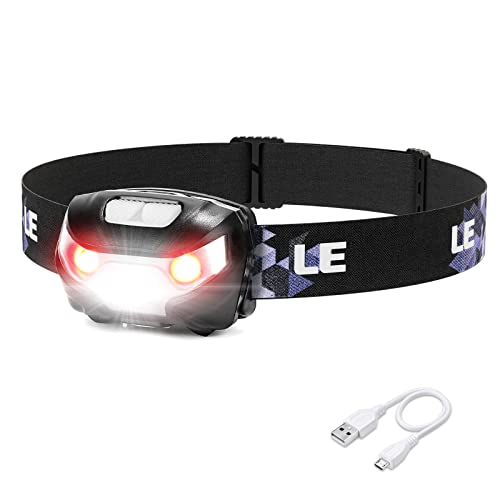 Lepro LED Headlamp Rechargeable IPX4 Waterproof Headlight 5 Modes - Check price
 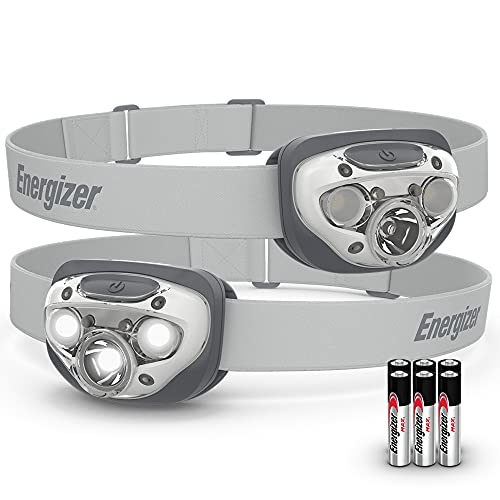 Energizer LED Headlamp PRO Check price
 - Whistle
- Emergency space blanket or bivy
- Your specific race's mandatory-kit list, checked item by item before you pack
Safety, poles and the minimalist carry
Beyond the fixed mandatory layer, the rest of the kit gets judged the same way — does it earn its weight at a run.
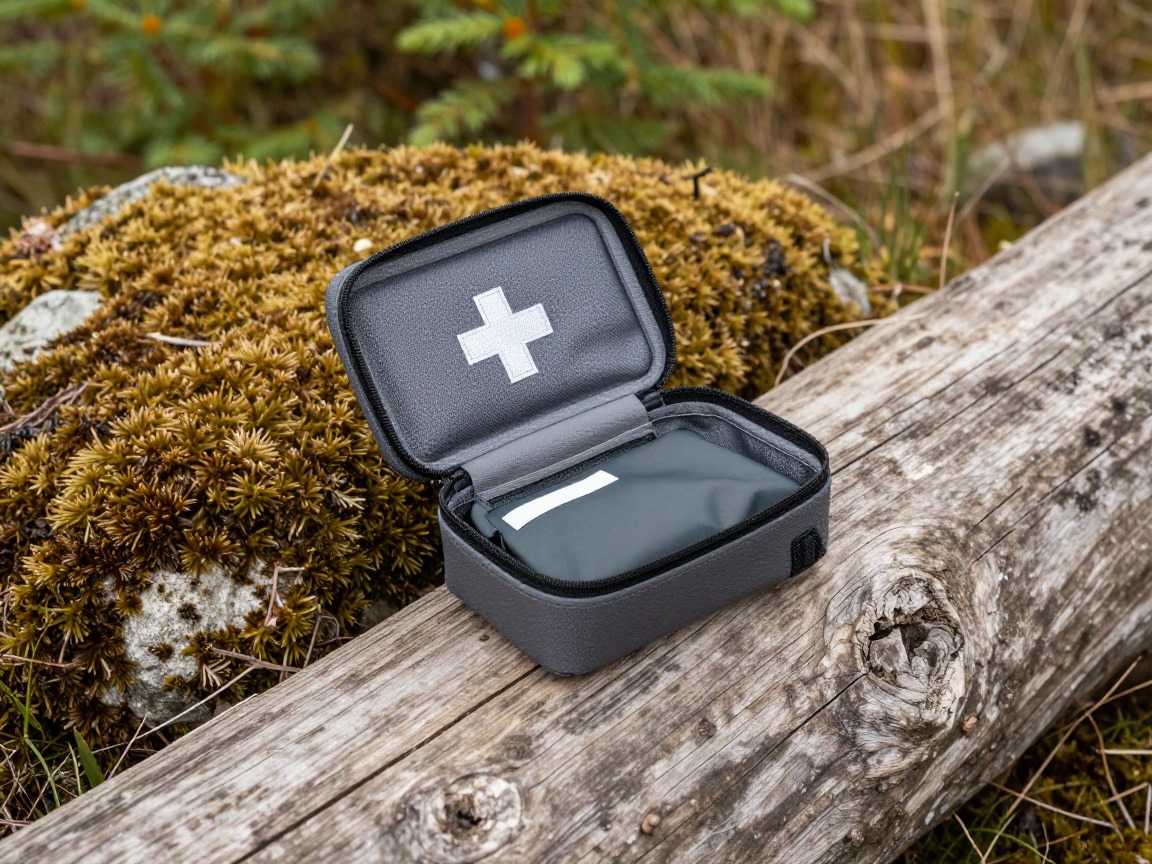
Minimal first-aid kit
A pared-down kit for blisters, cuts and the basics, sized to how far you are from an aid station or help on a given route.
What to look for: Blister care and wound basics at minimum, plus the judgment to improvise the rest — minimal, never absent, and checked against your race's required contents.
 Mini First Aid Kit - 150 Piece Small Waterproof EVA Hard Shell Case Check price
  Adventure Medical Kits Ultralight/Watertight Medical Kit .5 Check price
 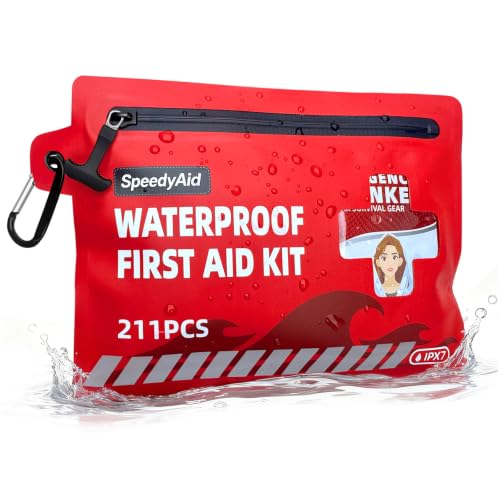 211 PCS Waterproof First Aid Kit Check price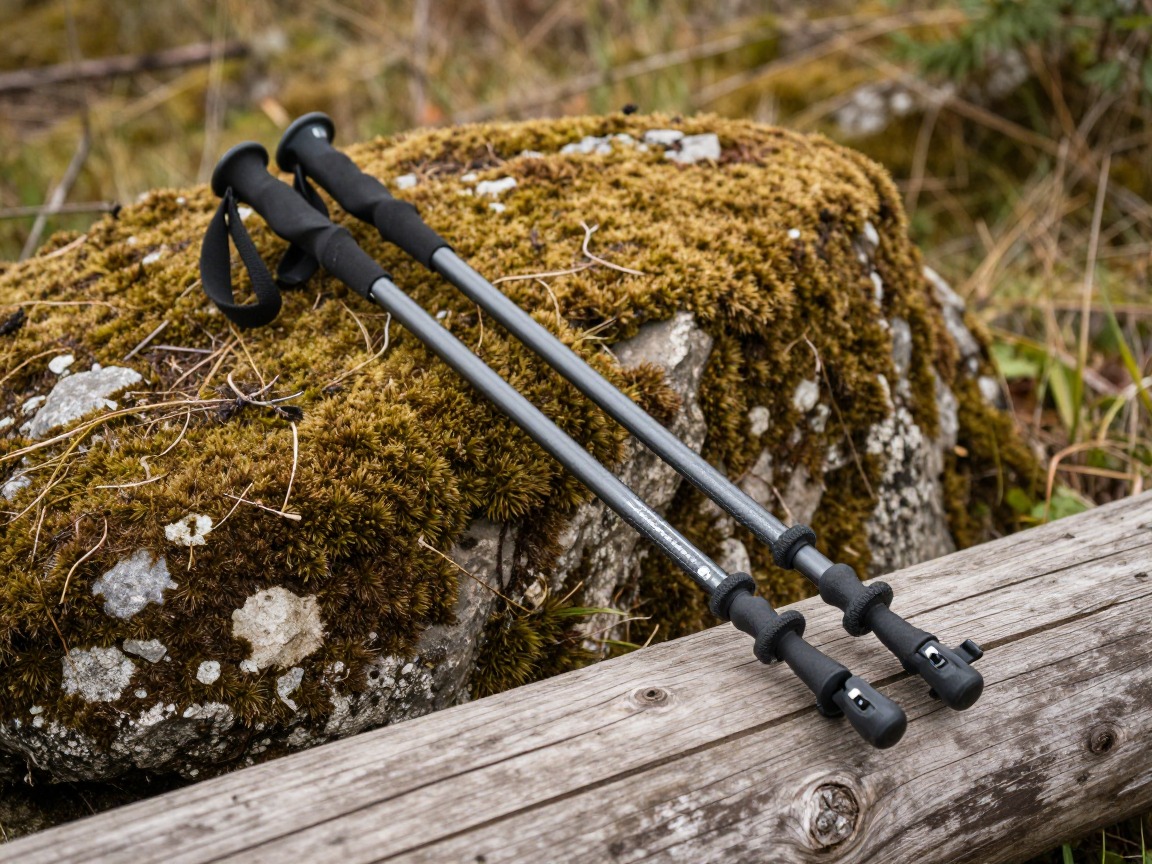
Trekking poles
Collapsible poles fold small enough to stash in a vest for steep climbs or technical descents, then disappear when the trail runs smooth again.
What to look for: Poles that fold compact enough to carry in or strap to a vest, with a quick deploy so you're not fumbling them mid-climb.
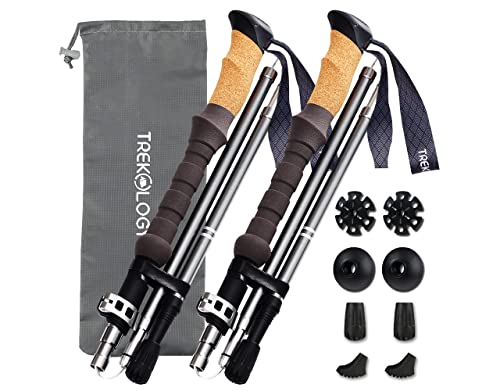 Trekology Trek-Z Cork Grip Collapsible Lightweight Hiking Trekking P Check price
 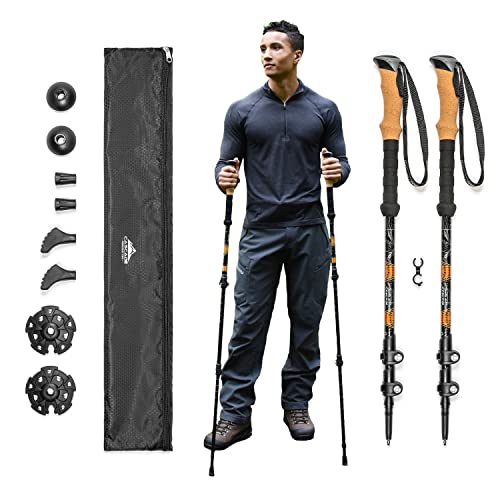 Cascade Mountain Tech Trekking Poles Check price
 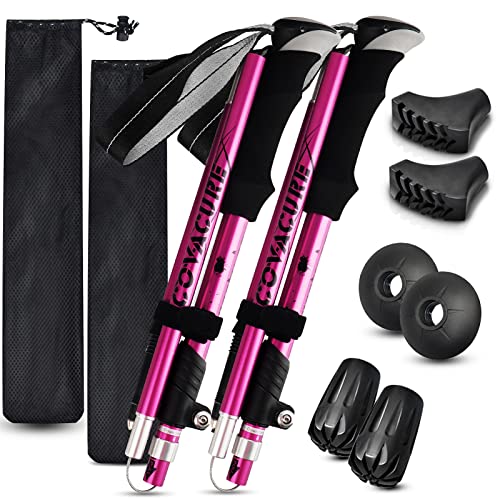 covacure Hiking Poles Check price
 - Phone with offline maps and a charged power bank
- ID and emergency contact information
- Sunscreen and a cap or visor
How to adapt this setup
A short after-work run needs almost none of this — a bottle or single soft flask and maybe a phone. Save the full mandatory-kit layer for long, remote, or race-day efforts.
Races with frequent aid stations let you carry less water and fewer calories between refills — check the course's aid-station spacing and pack to it, not to a worst case.
With no aid stations, add a water filter, carry every calorie you'll need, and consider a satellite messenger if the route has no cell coverage.
Add a warmer layer and consider traction for icy sections before you add mileage — exposed ridgelines turn cold fast even in summer.
Multi-day formats bring overnight gear back into the picture — at that point, look at the fastpacking setup instead of a single-day running kit.
Common mistakes to avoid
- Buying a bigger vest than the mandatory kit plus a few hours of food and water actually require.
- Skipping the mandatory-kit layer on a clear forecast, then getting caught out when exposed terrain turns cold fast.
- Racing in brand-new trail runners or socks you haven't run over real mileage first.
- Waiting until race day to test a fueling plan instead of practicing it on long training runs.
- Ignoring the specific mandatory-kit list for your race and assuming a generic kit covers it.
- Carrying a rigid water bottle in vest pockets built for soft flasks, so it bounces the whole run.
Make it yours
Frequently asked questions
What's the difference between a running vest and a hiking backpack?
A running vest sits snug against the chest and back with front pockets for soft flasks and quick food access, built to stay still at a run. A hiking backpack carries more weight on a frame and hipbelt but shifts and bounces at running speeds, which is why runners use vests instead.
What is mandatory kit in ultrarunning?
Mandatory kit is the list of gear an ultra race requires every runner to carry, typically a rain shell, a warm layer, a headlamp and a whistle, sometimes with first aid and navigation. Races enforce it because exposed, remote courses can turn cold or dangerous fast, and it's often checked at check-ins or aid stations.
Do I need soft flasks instead of a water bottle?
Not always, but most running vests are built with stretch-mesh front pockets sized for soft flasks, which collapse as you drink and don't bounce. A rigid bottle can work in some vest pockets, but it tends to shift and bounce more at a run than a soft flask does.
How much water and food should I carry on a trail run?
It depends on distance, aid-station spacing, and heat. Short, supported runs need little; long or unsupported routes need enough for the gap between water sources plus a calorie plan worked out by the hour. Practice figuring this out on training runs rather than guessing on race day.
Is trail running or ultrarunning dangerous?
It carries real risk on remote, exposed terrain, which is why races mandate a fixed safety layer and why solo long runs deserve the same discipline. Carry the mandatory kit, tell someone your route and expected return time, and treat any injury or sudden weather change as a reason to turn back or call for help.
Illustrative images show the type of gear, not specific products. Recommendations link to similar items on Amazon; we only ever link real listings and never show fabricated prices or ratings. General planning guidance, not a substitute for your own judgment or professional backcountry-safety instruction.