
The tarp camping setup
A tarp trades four solid walls for a couple of ounces and a lot more air. This setup walks through building a tarp system that pitches taut through a storm, keeps bugs off on a still summer night, and rewards the pitching skill you bring to it — no dedicated tent required.

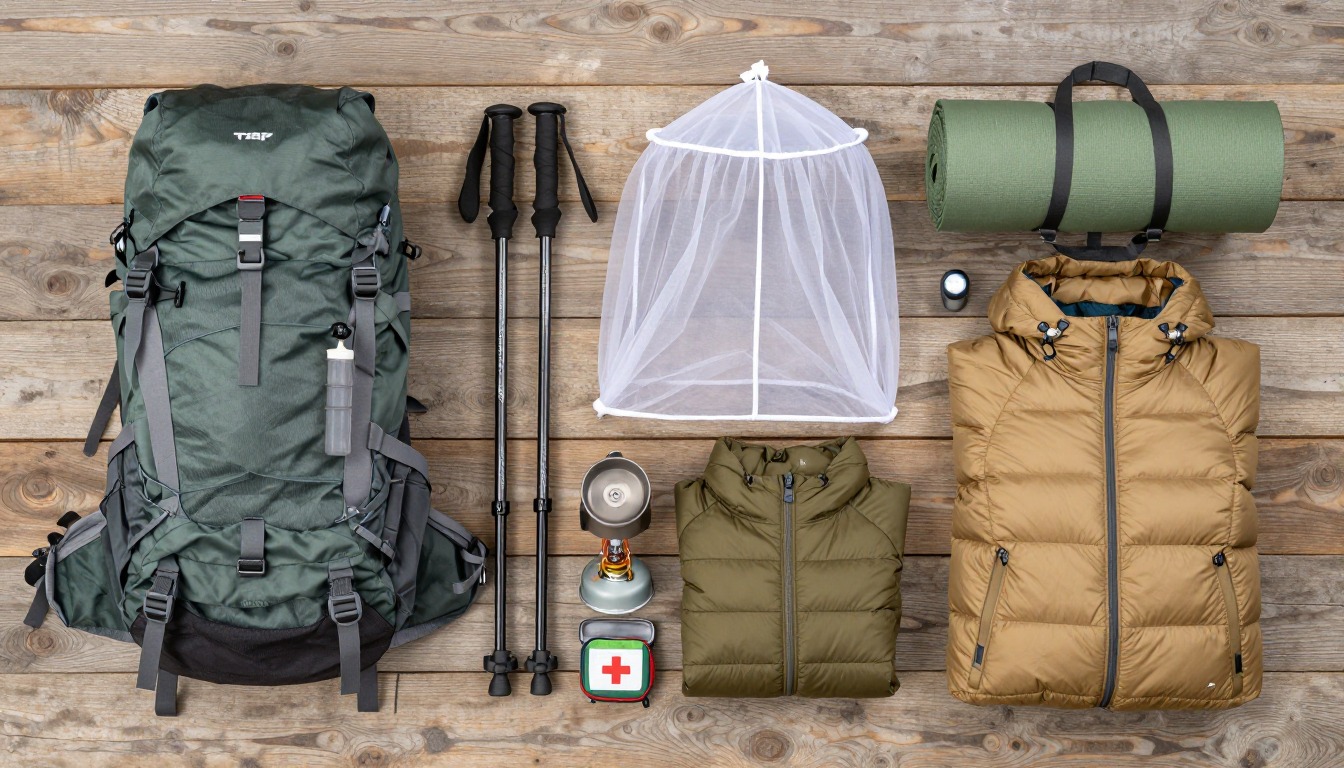
A tarp system swaps a tent's floor, walls and dedicated poles for one flat sheet, your trekking poles or a couple of trees, and a pitch you learn to read against the weather. That trade pays off in weight and airflow — no zippered door, no condensation trapped against mesh. What it asks back is judgment: pitch low and taut when a storm's coming, higher and more open on a still night. The safety layer doesn't shrink to match — insulation, water treatment and first aid stay exactly as full as they would under a tent.
Hikers who've pitched a tent a few times already and want to go lighter and sleep closer to the outdoors around them. It rewards anyone willing to practice a pitch at home before they need one in the rain, in exchange for real weight savings. It's a poor first shelter for a total beginner, a consistently buggy or wet climate without a solid ground-and-bug plan, or anyone who'd rather unpack a shelter and stop thinking about it.
- Practice two or three pitches at home first — an A-frame for wind and rain, a lean-to for a view or a fire, a half-pyramid for speed — so your hands know the knots before dark on trail.
- Build the ground layer with the same care as the tarp: a groundsheet cut to the footprint, and a bug nest or bivy ready for nights that call for it.
- Pick your pitch to the forecast, not habit — low and staked for wind and rain, higher and more open for a still, hot night.
- Keep the safety layer exactly as full as it would be under a tent; the tarp changes what's overhead, not what you carry for warmth, water and first aid.
About this setup
Tarp camping is one of backpacking's oldest ideas in modern, ultralight fabric. Long before dome tents, a tarp strung between trees or poles was simply what shelter looked like, and the ultralight movement rediscovered it for the same reason: nothing sheds weight like removing a floor, a door and a set of dedicated poles. What's left is a rectangle of coated fabric, a handful of stakes, and the poles you're already carrying to hike with — a real weight win for hikers chasing a lighter base weight, or who just want to sleep closer to the wind and the forest than sealed mesh and nylon allow.
The skill lives entirely in the pitch, and one tarp adapts to more conditions than its shape suggests. A tight A-frame, staked low on both sides, sheds a storm front's wind and rain. A lean-to, propped high on one side, opens a view or a fire while still blocking wind from behind. A half-pyramid uses a single pole when you're moving fast and want it up in minutes. The same sheet becomes a different shelter depending on how you read the wind and forecast before you stake it — that versatility is what a tarp really offers.
None of this is free. A tarp gives you weather protection, not a sealed room — driving rain at the wrong angle, biting insects on a still night, and genuinely exposed terrain all ask more of a tarp system than of a tent. That's why the ground and bug layer isn't optional padding: a groundsheet, a bug nest for buggy nights, and knowing when conditions call for a tent instead are as much a part of tarp camping as the tarp itself.
The pack
With no tent poles, floor or heavy fly to carry, a minimal 40–55 L pack easily swallows the rest of a tarp kit.
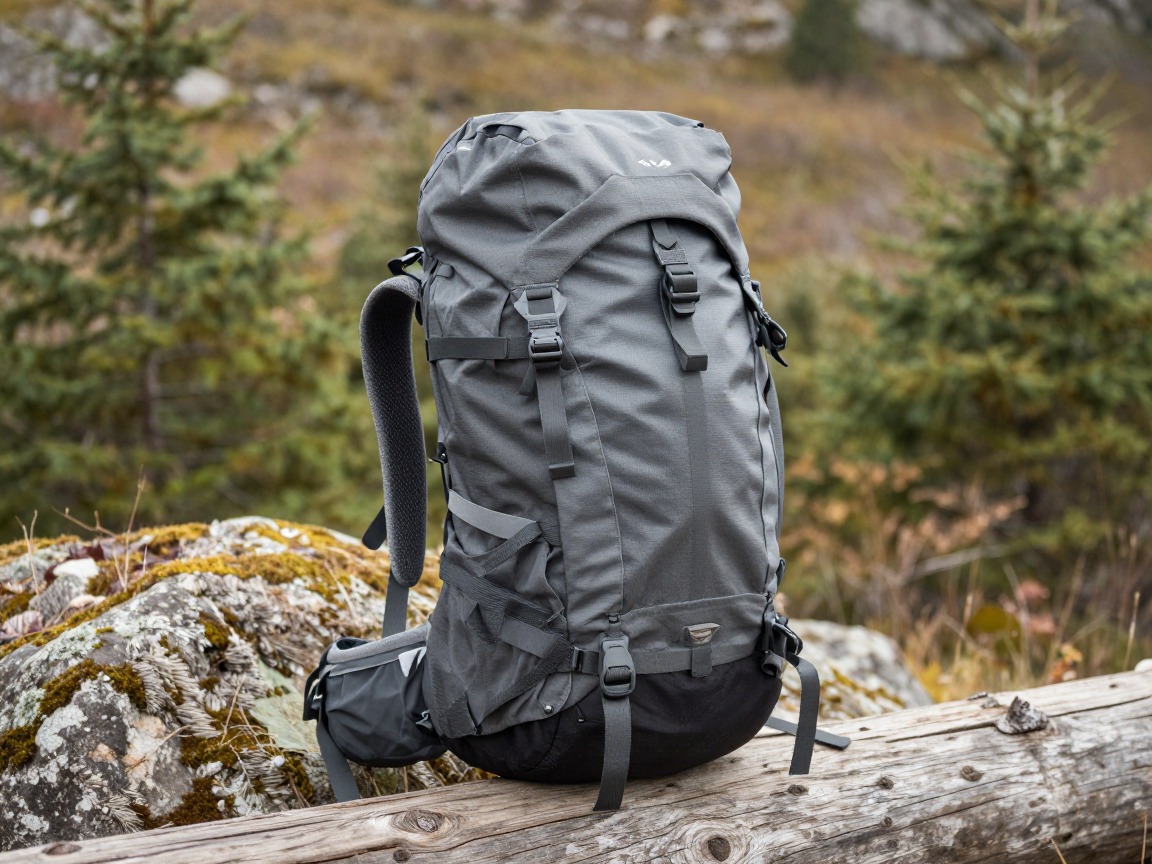
Lightweight pack
A minimal 40–55 L pack carries a tarp kit with room to spare — the shelter, stakes and ridgeline take up a fraction of what a tent and poles would.
What to look for: Match the pack to your compressed kit, not the reverse; a tarp system rarely needs more than 45–55 L. A frameless or light-frame pack rides comfortably once the shelter and sleep system are this light too.
 WoneNice 50L Check price
  Teton 55L Scout Internal Frame Backpack for Hiking Check price
 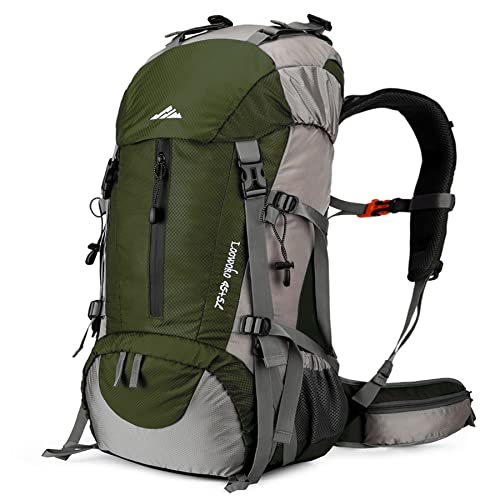 Loowoko 50L Hiking Backpack with Rain Cover for Both Men & Women Check price
 - A lightweight pack liner instead of a heavier rain cover
Tarp & pitch
The tarp is about as light as shelter gets — the real skill is in the pitch, which trekking poles or two well-placed trees make possible.
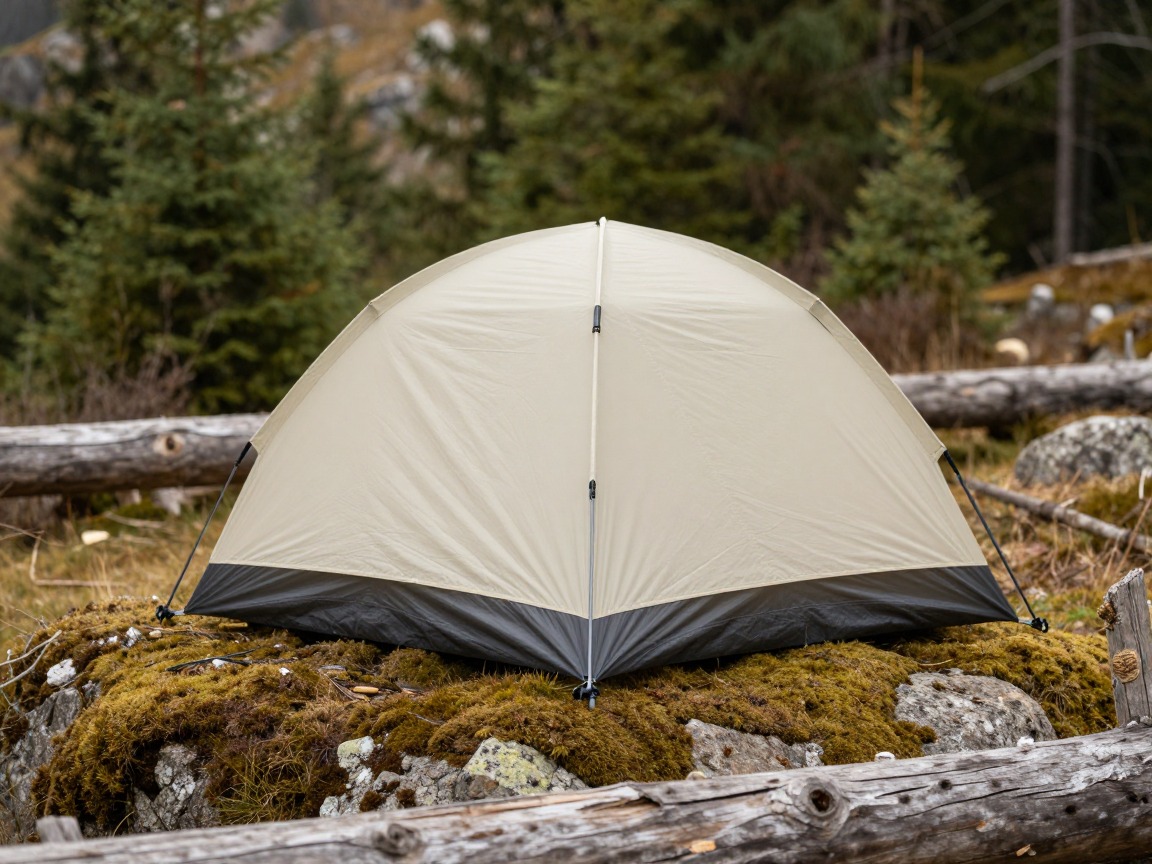
Flat tarp
A single flat or catenary-cut tarp, pitched with trekking poles or a ridgeline between two trees, replaces a tent's poles, floor and walls with one light sheet and a few practiced knots.
What to look for: A rectangular or catenary-cut tarp around 8x10 ft for one person, with enough tie-outs to pitch low and taut for a storm or high and open for a hot, bug-free night.
 Night Cat 2-Persons Backpacking Tent: Waterproof Lightweight Camping Check price
  BISINNA 2/4 Person Camping Tent Lightweight Waterproof Backpacking T Check price
  Forceatt Tent for 2 Person is Waterproof and Windproof Check price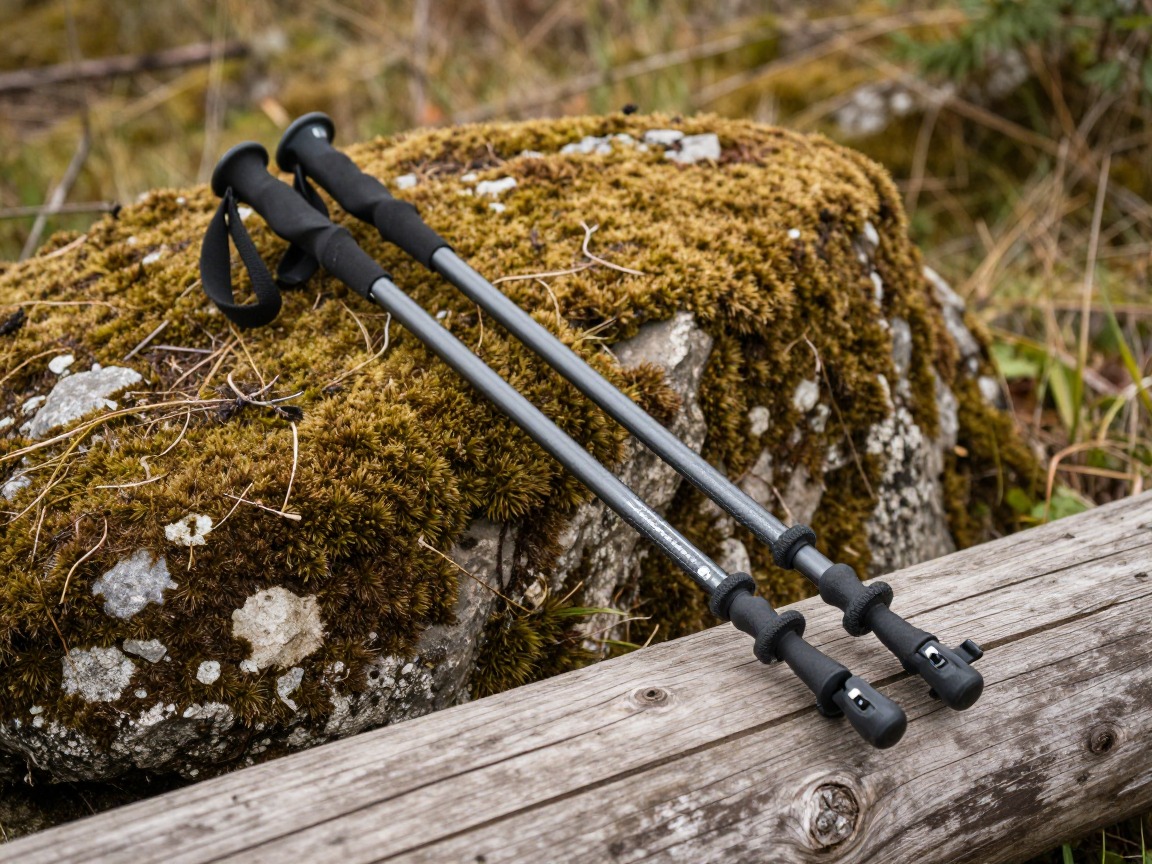
Trekking poles
The poles you already hike with double as your tent poles, so nothing dedicated to shelter rides in the pack.
What to look for: Adjustable poles with locks that hold under a taut, weighted pitch. Solid trees and a ridgeline work just as well, so poles aren't strictly required if your route has reliable timber.
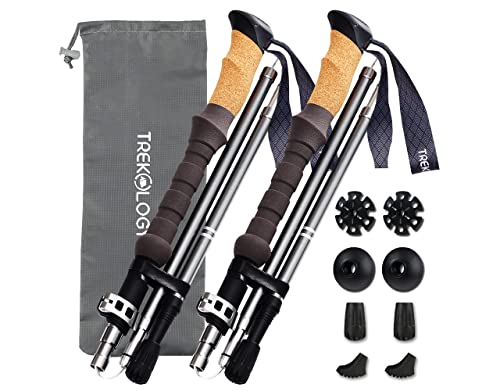 Trekology Trek-Z Cork Grip Collapsible Lightweight Hiking Trekking P Check price
 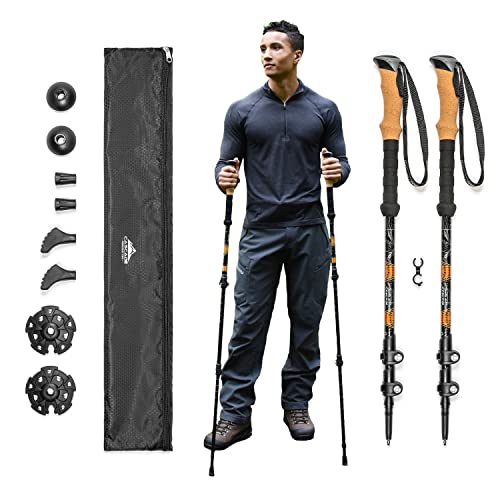 Cascade Mountain Tech Trekking Poles Check price
 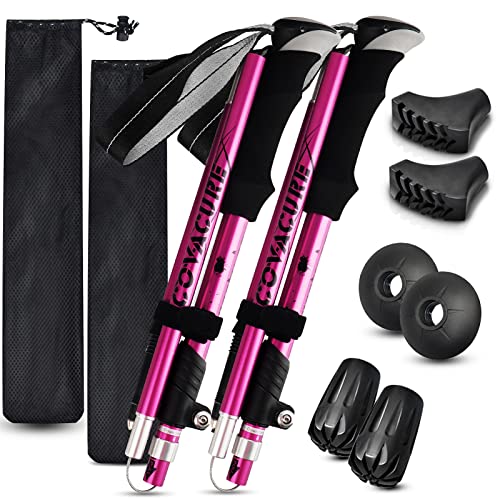 covacure Hiking Poles Check price
 - 6–8 stakes plus reflective guylines
- A ridgeline (or paracord) for a tree pitch
- Seam sealer, for a DIY or older tarp
Ground & bug defense
An open tarp has no floor and no built-in mesh, so what goes underneath and around you does that job instead.
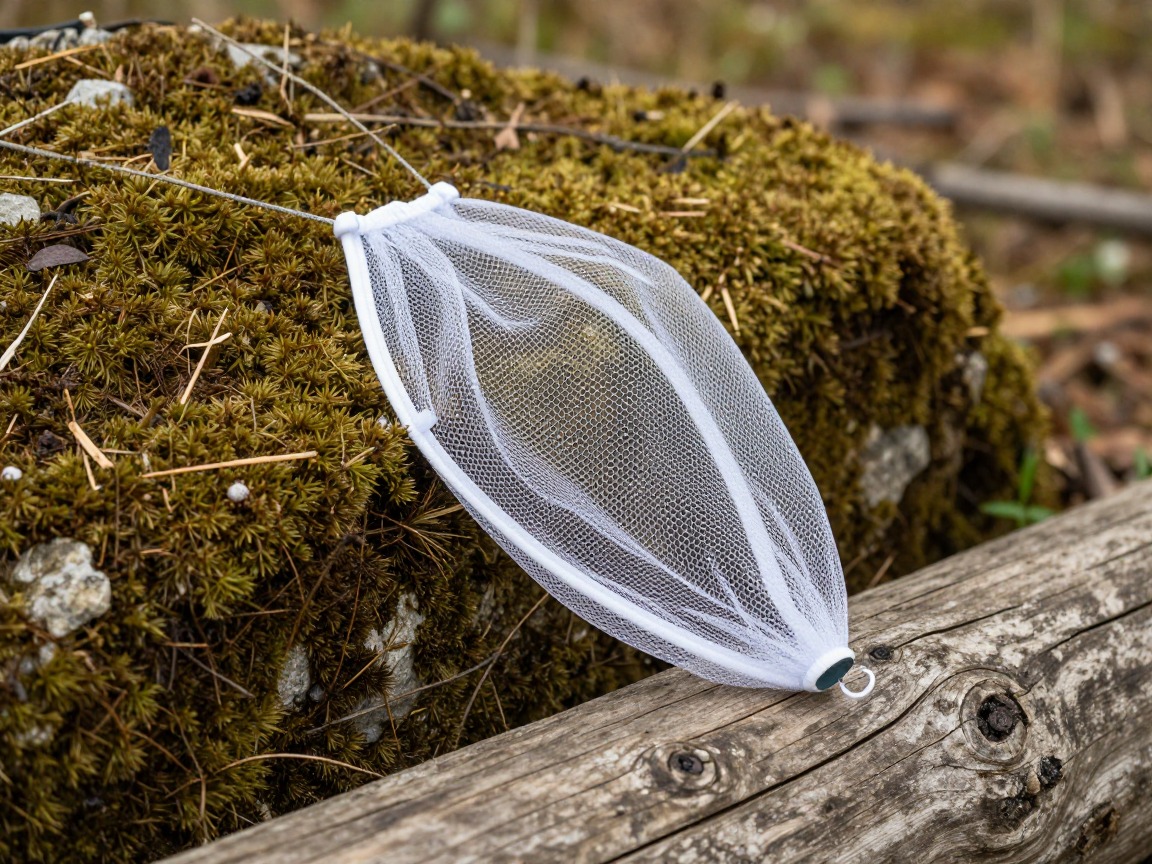
Bug nest (mesh inner)
A freestanding mesh nest or bug bivy pitches under the tarp and adds full bug protection on nights when netting isn't optional — buggy lowland forest in summer, not a breezy ridge.
What to look for: A nest sized to fit your pad, with no-see-um mesh fine enough for midges as well as mosquitoes. Skip it on cool, breezy, low-bug trips and save the weight.
 South to East Mosquito Head Net for Insects 2 Pack Check price
  2 Pack Mosquito Head Net Mesh for Hiking & Outdoors Check price
 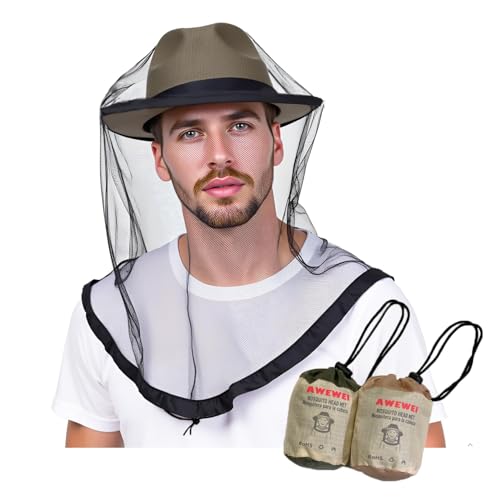 AWEWEI Mosquito Head Net Check price
 - A polycryo or Tyvek groundsheet, cut a little smaller than the tarp's footprint so rain sheds off it, not under it
- A bivy sack, for extra wind and splash protection on exposed or stormy pitches
- Insect repellent or a head net for camp chores before you're inside the nest
Sleep system
With no tent walls holding warmth in, the sleep system carries a little more of the job on a cold night.
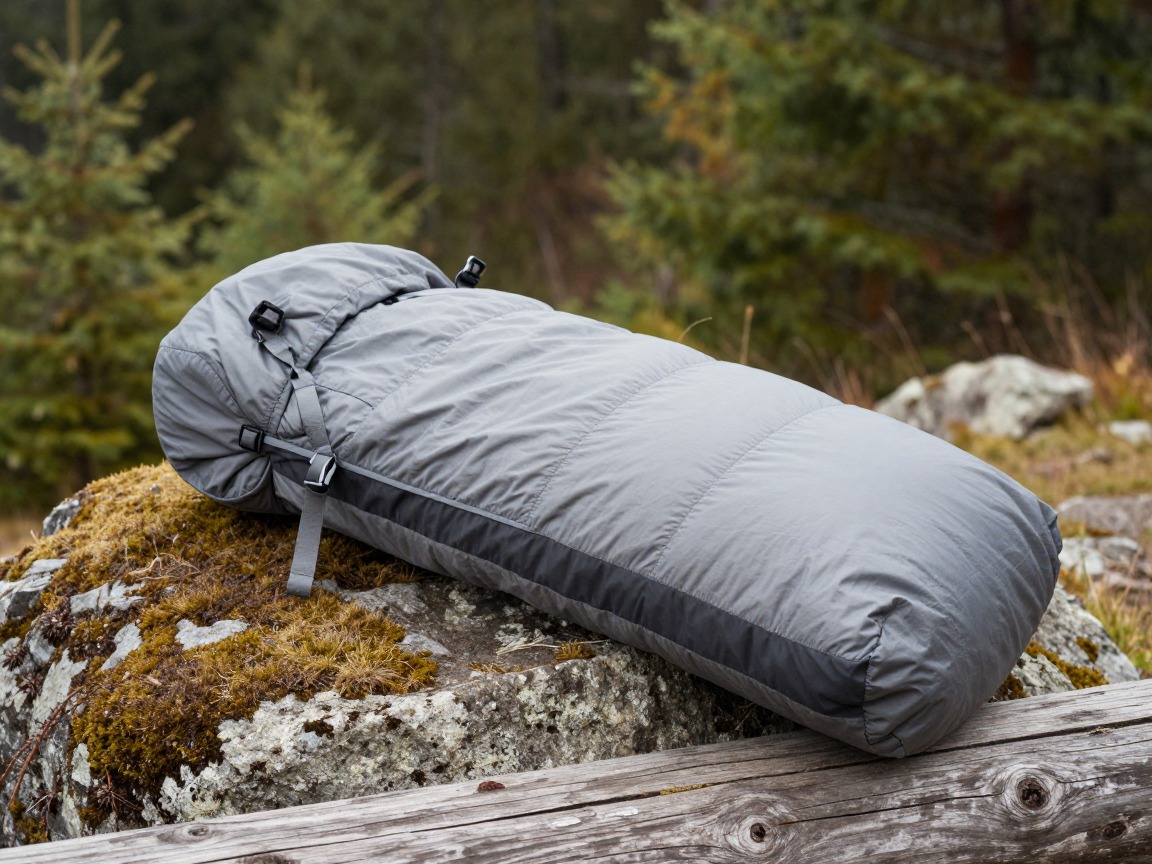
Quilt or light bag
A down quilt saves weight and packs small; under an open tarp it's worth rating it a touch warmer than you might for a tent, since airflow costs you some warmth.
What to look for: A quilt or bag rated a little below your expected low, with enough loft to make up for the warmth a sealed tent would otherwise trap.
 MalloMe Sleeping Bags for Adults Cold Weather & Warm - Backpacking C Check price
 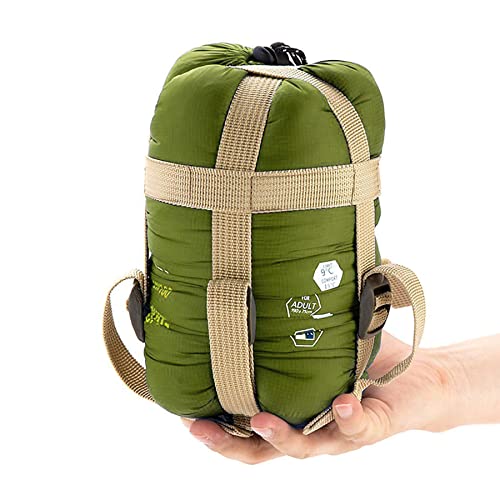 ECOOPRO Portable Check price
  Teton Trailhead Check price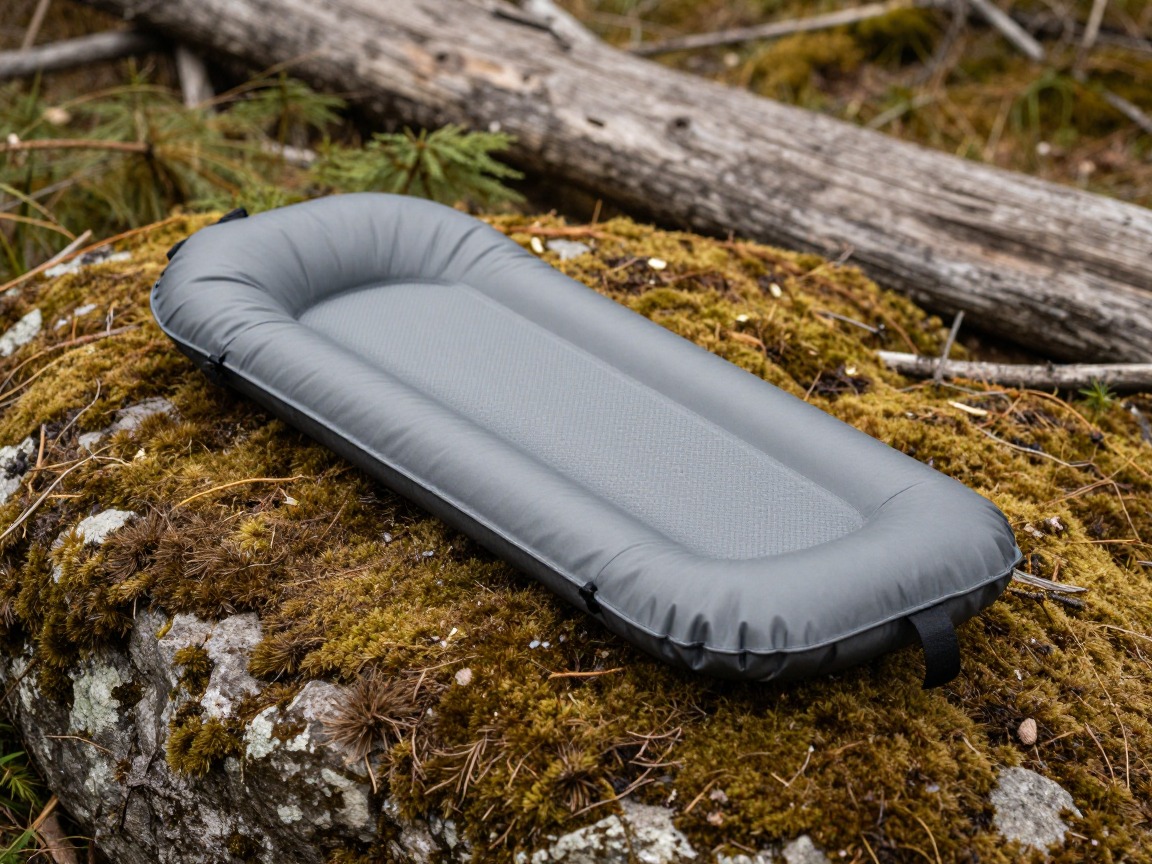
Light sleeping pad
A light inflatable or closed-cell foam pad insulates you from the ground, which matters even more without tent walls slowing the wind underneath you.
What to look for: A pad with enough R-value for the season. Closed-cell foam is tougher against sticks and rough ground when there's no tent floor buffering it.
 FUN PAC Camping Sleeping Pad Check price
  Gear Doctors® Ether 17.5oz Ultralight Camping Sleeping Pad Check price
  Oramoose 4in Ultralight Camping Sleeping Pad with Pillow and Foot Pu Check price
 - A puffy jacket stuffed in a sack makes your pillow
Kitchen & water
Cooking under a tarp works the same as anywhere else — just angle the pitch's open side away from the wind, or cook a step outside the footprint.
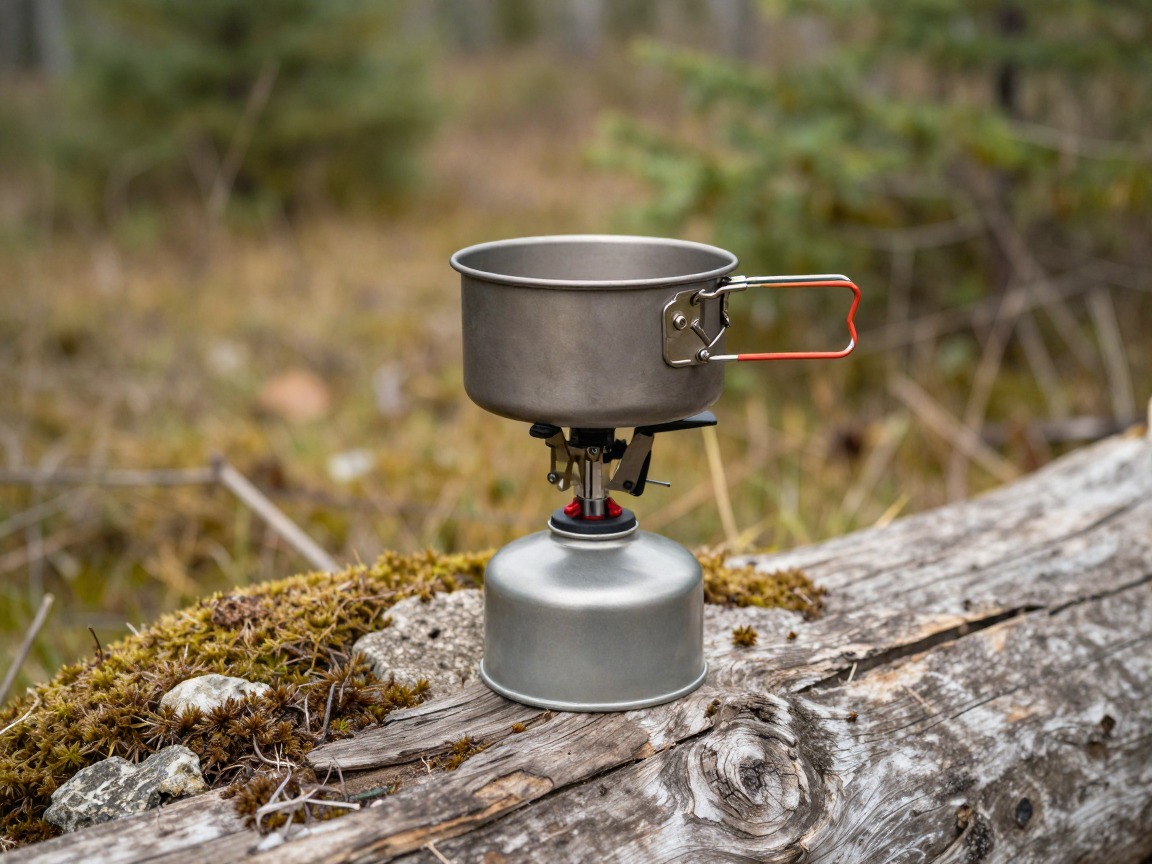
Micro stove
A tiny canister stove boils water for meals and hot drinks and weighs almost nothing, and it's easy to run just clear of the tarp's edge and low guylines.
What to look for: A stove light enough to disappear in the pack. Cook a little further from the tarp than you would a tent — there's no vestibule to mark the safe distance for you.
 AOTU Portable Camping Stoves Backpacking Stove with Piezo Ignition S Check price
  MSR PocketRocket 2 Ultralight Camping and Backpacking Stove Check price
  Fire-Maple Greenpeak 1 Camping Stove with Piezo Ignition Portable Ga Check price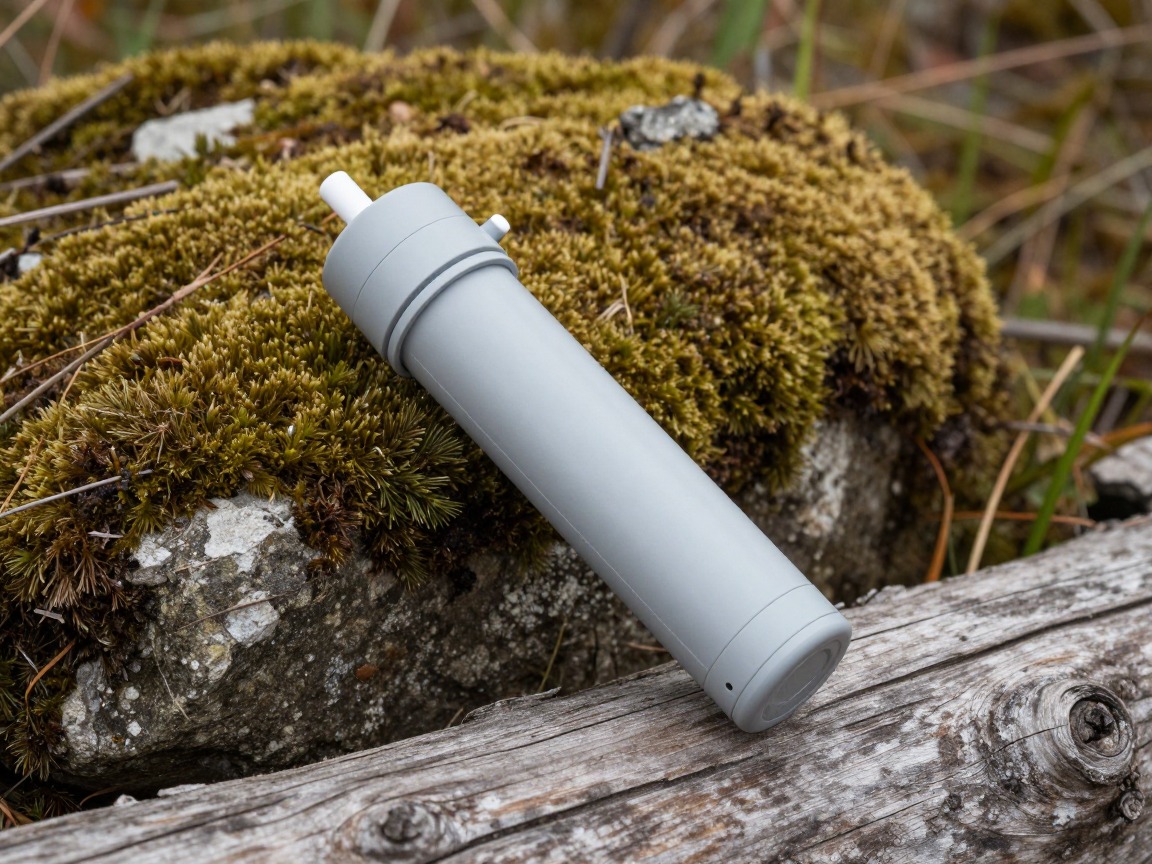
Lightweight filter
A squeeze filter is light, fast and reliable — pair it with a smart water plan so you carry only what you need between sources.
What to look for: A light squeeze filter and a route plan built around known sources, so you carry extra liters only when the next one is genuinely far off.
 Sawyer Squeeze Water Filtration System Check price
  Sawyer Products SP128 Mini Water Filtration System Check price
  LifeStraw Personal Water Filter for Hiking Check price
 - Titanium pot & mug, or a screw-top jar if you cold-soak instead of cooking
- Small fuel canister
- Long-handled spoon
- Lighter
Clothing & layers
Layering barely changes under a tarp, but a slightly warmer camp layer earns its keep with more airflow around you than a tent allows.
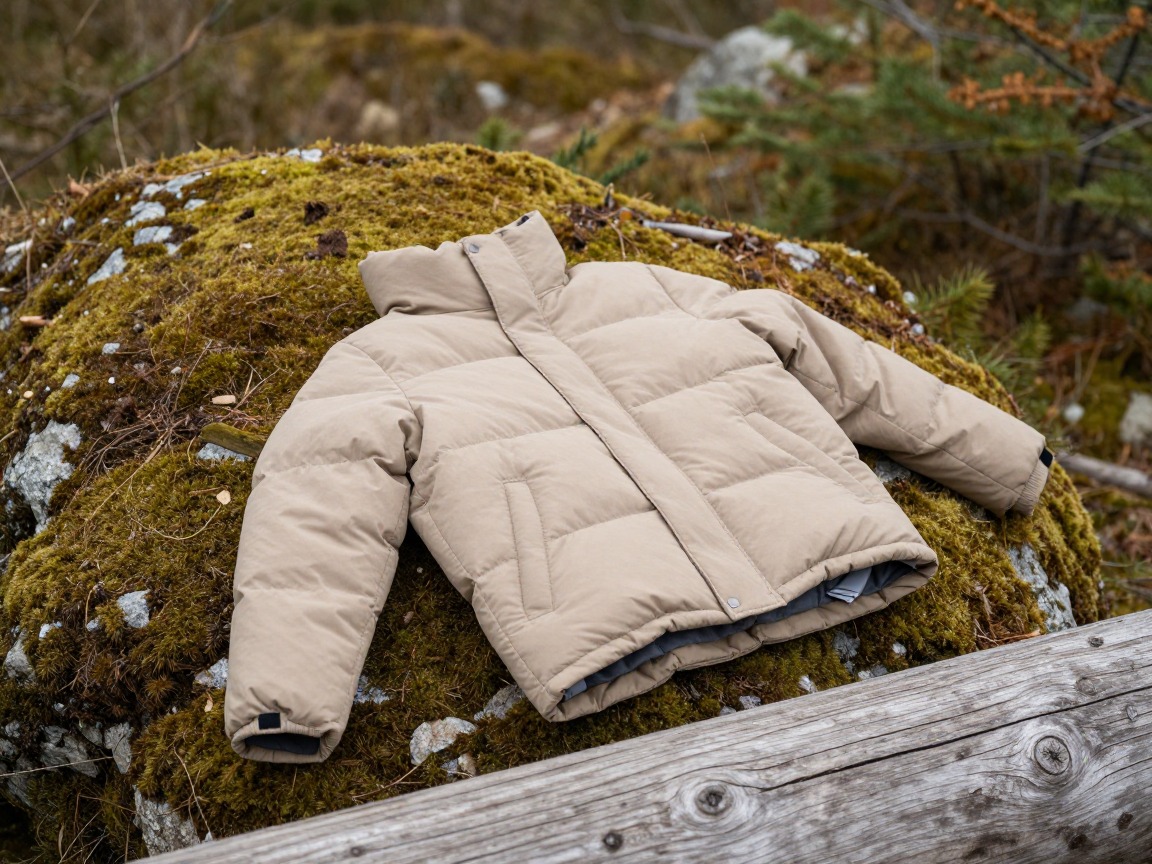
Puffy
A packable down jacket is your camp warmth and emergency layer, and it matters a touch more here since an open tarp doesn't trap the still air a tent body does.
What to look for: A high-fill-power down puffy rated for camp lows rather than trail highs — it's emergency warmth as much as an evening layer, and it doubles as a pillow.
 Outdoor Ventures Women's Packable Lightweight Puffer Jacket with Hoo Check price
  Amazon Essentials Women's Lightweight Long-Sleeve Water-Resistant Pa Check price
  Outdoor Ventures Women's Packable Lightweight Puffer Jacket with Hoo Check price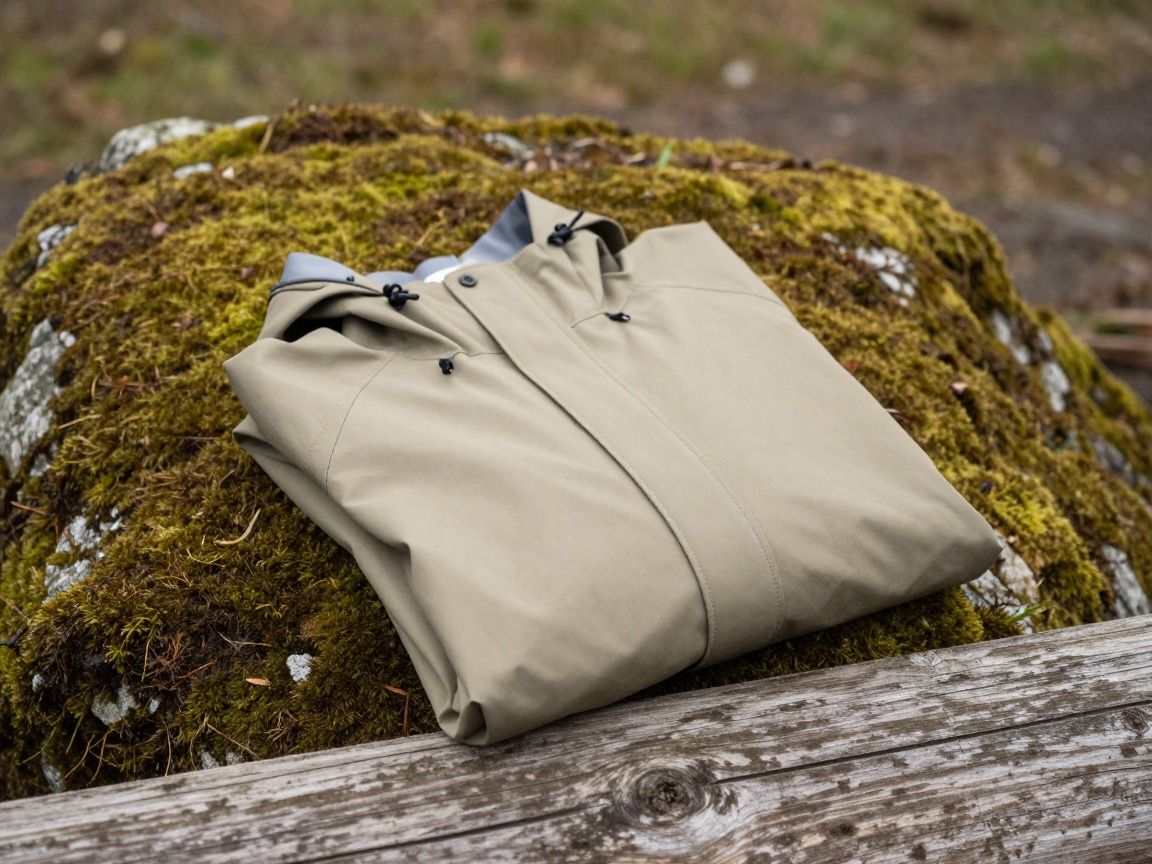
Light shell
A minimal waterproof-breathable shell covers the walk to a staked-out tarp and any wind that finds its way under the edges overnight.
What to look for: A light shell with a functional hood, over a heavier hardshell — most of your weather protection at night comes from the pitch itself, not this layer.
 UIQUR Mens Rain Jacket Raincoat Waterproof Windbreaker Black L Check price
  COOFANDY Men's Waterproof Hiking Travel Shell Breathable Rain Jacket Check price
  Columbia Womens Arcadia II Waterproof Rain Jacket Check price
 - Base layer (worn, plus one light spare)
- Hiking socks (one worn, one dry spare for camp)
- Sun hat & sunglasses
- A light warm hat for camp
Navigation & safety
This layer doesn't shrink just because the shelter did — an open tarp just asks you to read weather and terrain a little more actively.
Tiny headlamp
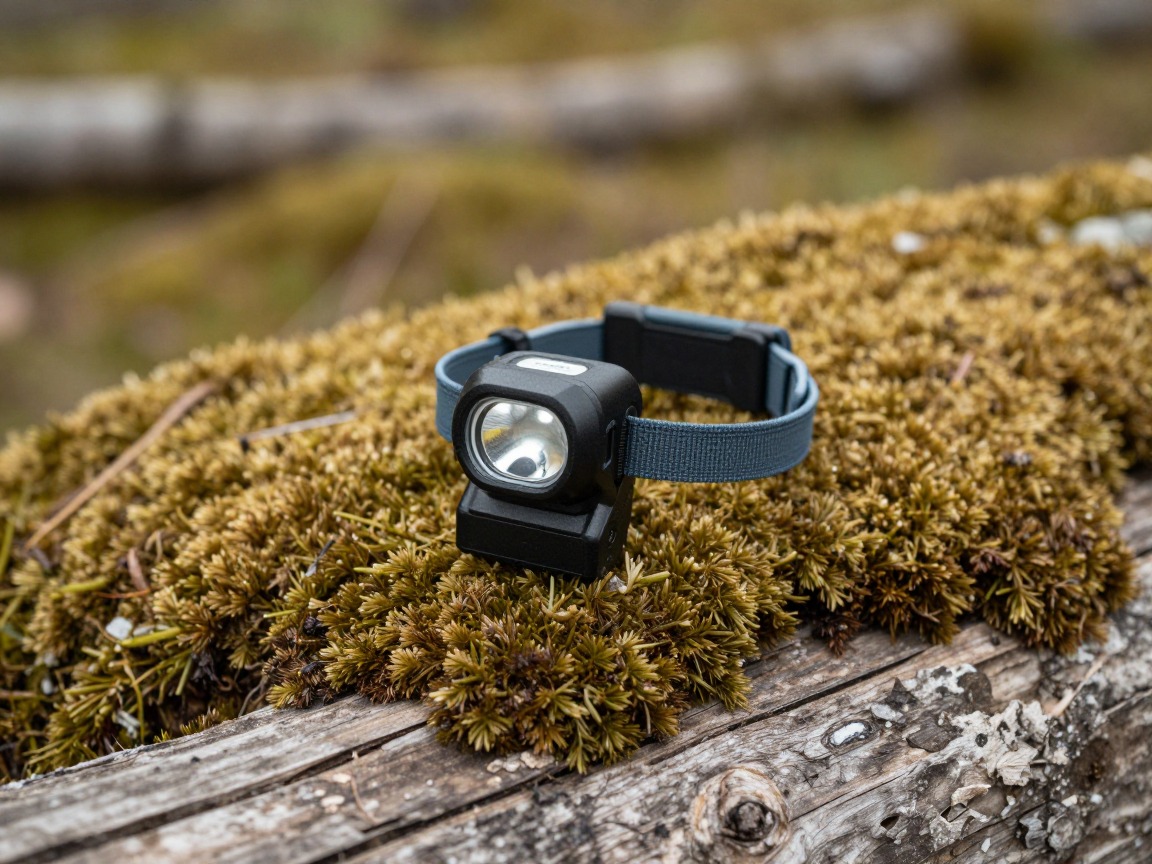
A small rechargeable headlamp handles camp chores, late pitch adjustments and the odd early start — never skip a light, tarp or tent.
What to look for: A sub-ounce rechargeable headlamp is plenty for camp. A lock mode stops it draining loose in a pack pocket.
 LHKNL Headlamp Flashlight Check price
 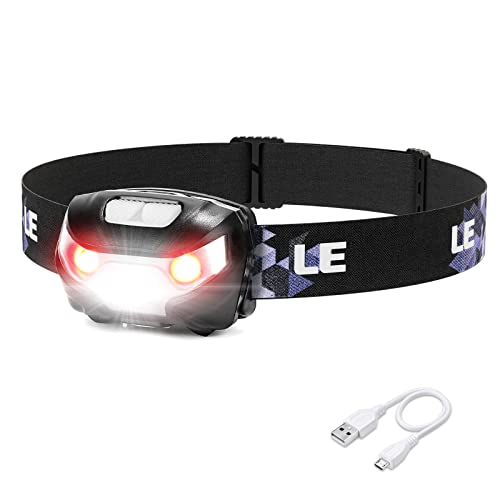 Lepro LED Headlamp Rechargeable IPX4 Waterproof Headlight 5 Modes - Check price
 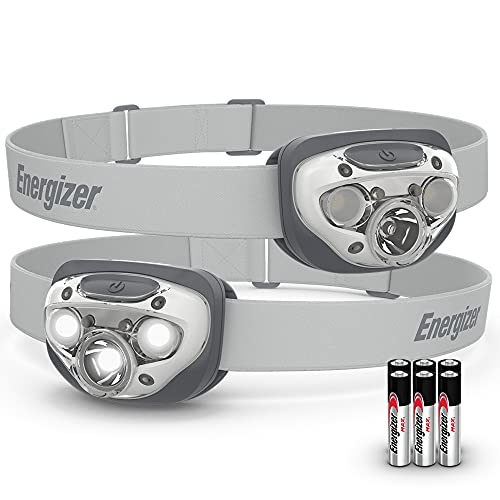 Energizer LED Headlamp PRO Check price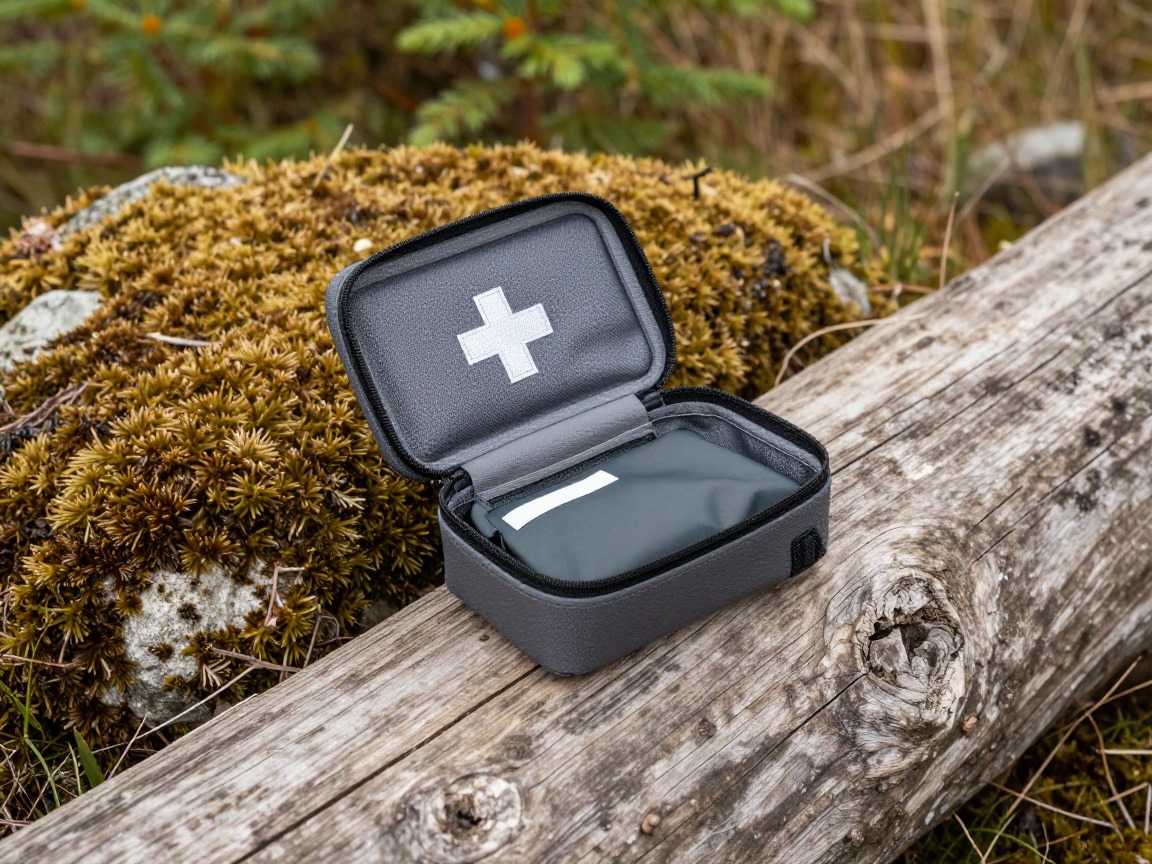
Minimal first-aid kit
A pared-down but complete kit — blister care, a few key meds, wound closure — plus the knowledge to use it and improvise the rest.
What to look for: A deliberately minimal but complete kit, sized to how far you are from help on a given route. Minimal, never absent.
 Mini First Aid Kit - 150 Piece Small Waterproof EVA Hard Shell Case Check price
  Adventure Medical Kits Ultralight/Watertight Medical Kit .5 Check price
 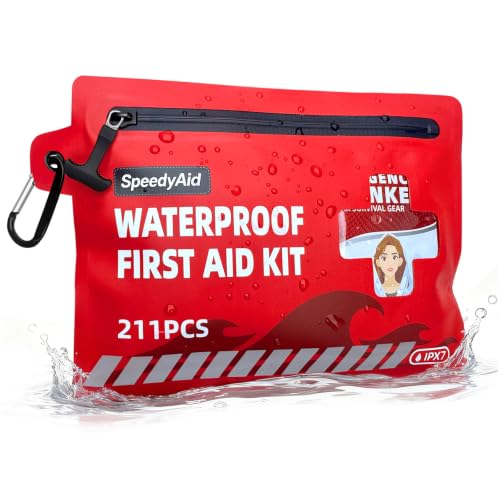 211 PCS Waterproof First Aid Kit Check price
 - Phone with offline maps + a paper backup
- Compass
- Whistle
- Power bank
- Fire kit
- A clear-eyed read on your exit options if weather turns worse than the pitch can handle
How to adapt this setup
When mosquitoes or midges are out, the bug nest stops being optional — pitch it every night, and treat repellent or a head net as a camp-chore essential before you're inside it.
Pitch low, stake every tie-out, and favor a tight A-frame over an open lean-to. A groundsheet, and in exposed conditions a bivy sack, add margin a taut pitch alone might not.
A tarp trades some warmth for airflow, so bump your quilt rating up and pick sites with natural windbreaks over an open ridge or bald.
Practice your pitch at home first, and choose an established, tree-sheltered campsite for your first night out rather than an exposed pitch you've never tried.
A larger flat tarp between two trees, or two tarps pitched to share a vestibule, covers a small group without each hiker carrying a full shelter.
Common mistakes to avoid
- Skipping the groundsheet and waking up on a damp or muddy tarp floor.
- Pitching high and open on a night that turns to wind and rain instead of low and taut.
- Heading into buggy season without a bug nest or bivy, then not sleeping at all.
- Trying a first-ever pitch in the dark or rain instead of practicing at home.
- Choosing an exposed, treeless site when a tarp's real strength is a sheltered pitch with some windbreak.
- Waiting out weather a tarp genuinely can't handle instead of recognizing when it's time to bail or end the trip early.
Make it yours
Frequently asked questions
What is tarp camping?
Tarp camping means sleeping under a single flat or catenary-cut sheet of fabric, pitched with trekking poles or between trees, instead of inside a fully enclosed tent. It cuts a tent's floor, walls and dedicated poles for a big weight and airflow win, in exchange for less built-in bug and ground protection.
Is tarp camping warmer or colder than a tent?
Generally a little colder, since there's no sealed tent body trapping still air around you. Most tarp campers rate their quilt or bag a touch warmer than they would under a tent, and pick sites with some natural windbreak to make up the difference.
Do I need a bug net with a tarp?
In buggy conditions, yes — an open tarp has no built-in mesh, so a separate bug nest or bivy is what keeps mosquitoes and midges off overnight. On cool, breezy or low-bug trips, many tarp campers skip it and save the weight.
Can a tarp handle rain and storms?
A well-pitched tarp handles real weather better than its minimal look suggests — low, staked at every tie-out, in a tight A-frame it sheds wind and rain effectively. It's still an open shelter, not a sealed room, so site choice and pitch angle matter more than they do with a tent.
Trekking poles or trees for pitching a tarp?
Either works well. Trekking poles let you pitch anywhere, including above treeline or on open ground, while a ridgeline strung between two solid trees frees up your poles and often makes for a more stable pitch. Most tarp campers use whichever their site offers.
Illustrative images show the type of gear, not specific products. Recommendations link to similar items on Amazon; we only ever link real listings and never show fabricated prices or ratings. General planning guidance, not a substitute for your own judgment or professional backcountry-safety instruction.