
The sustainable & secondhand hiking setup
Most hiking gear outlives its first owner by years, sometimes decades — a well-made pack, tent, or stove can pass through several hikers before it's actually worn out. This setup is built around that fact: buy secondhand where it's genuinely smart, buy new where it actually matters, and take care of what you own so it keeps working.
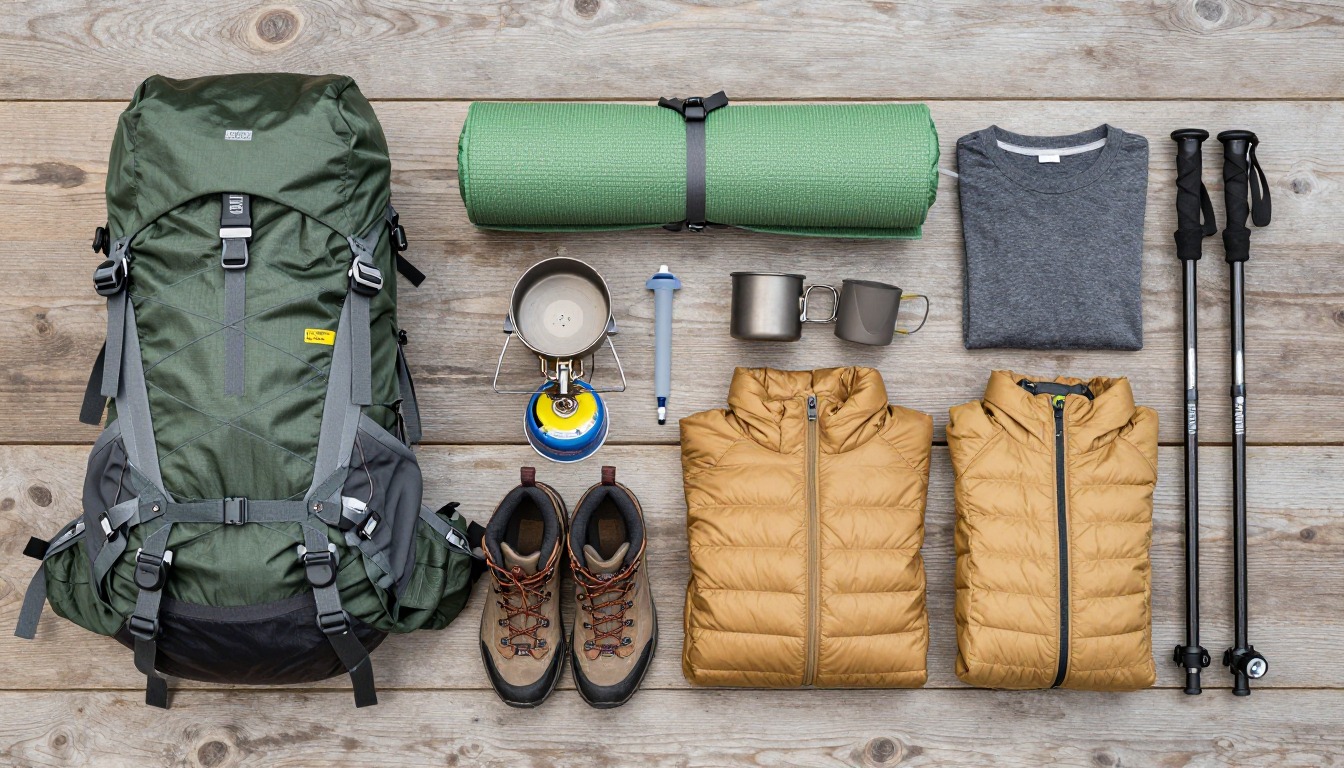
The most sustainable piece of gear is almost always the one you already own, and the next-most-sustainable is one someone else no longer needs. A kit built to last — tough fabric, a repairable design, replaceable parts — gets used for a decade instead of a season, which does more for your footprint than any label on a hangtag. This setup treats secondhand as the default for gear that's simple to inspect by hand, buying new as the right call where safety or hygiene is on the line, and gear care as the step most kits skip.
This suits hikers who'd rather buy fewer, better things than replace cheap gear every season, and who don't mind a tent or pack that's already been pitched a few dozen times. If you need everything brand-new on a fixed deadline, or you're chasing the lightest possible setup regardless of cost, start from the weekend or ultralight setup instead.
- Inventory what you already own before buying anything — the gear you don't replace is the most sustainable choice there is.
- Buy secondhand for mechanically simple gear you can inspect yourself: packs, tents, stoves, cookware, and trekking poles all hold up well used.
- Buy new for anything with a real hygiene concern or safety margin: water filters, first-aid supplies, and boots that need to fit your feet.
- Learn a few basic repairs — reproofing a shell, patching a pad, replacing a buckle — before you retire anything still fixable.
About this setup
A secondhand market for hiking gear exists because most of it survives far more than one owner's worth of trips. A pack frame, a tent pole set, a canister stove — these are simple, mechanical objects you can inspect with your own hands before buying, unlike a mattress or a car seat. That's what makes gear like this such a reliable secondhand category: consignment shops, resale marketplaces, brand-run resale programs, and local gear-swap groups all turn over pieces with plenty of trail left, often at well under half their original price.
The flip side is a 'buy it once' mindset for gear that doesn't suit a secondhand market — mainly anything with a hygiene concern (a filter, a first-aid kit) or a fit-dependent safety margin (boots). There, the sustainable move isn't skipping the purchase, it's buying the most durable, repairable version and keeping it in service. A number of outdoor brands back that up with in-house repair services, resoling programs, or their own resale channels — choosing those brands when you buy new is as much a part of this kit as the secondhand pieces are.
None of it matters without basic gear care, the step most kits skip. Reproofing a rain shell once it stops beading water, washing a down bag or jacket with a gear-specific cleaner, drying everything fully before it's packed away, and storing bags and jackets loose rather than compressed between trips — these habits are what stretch a piece of gear toward a much longer lifespan. Buying smart gets you started; caring for what you own is what makes it sustainable.
The pack
A backpack is mechanical and easy to inspect, which makes it one of the best things in this whole kit to buy secondhand — a well-cared-for pack can carry several owners before its frame or fabric actually gives out.
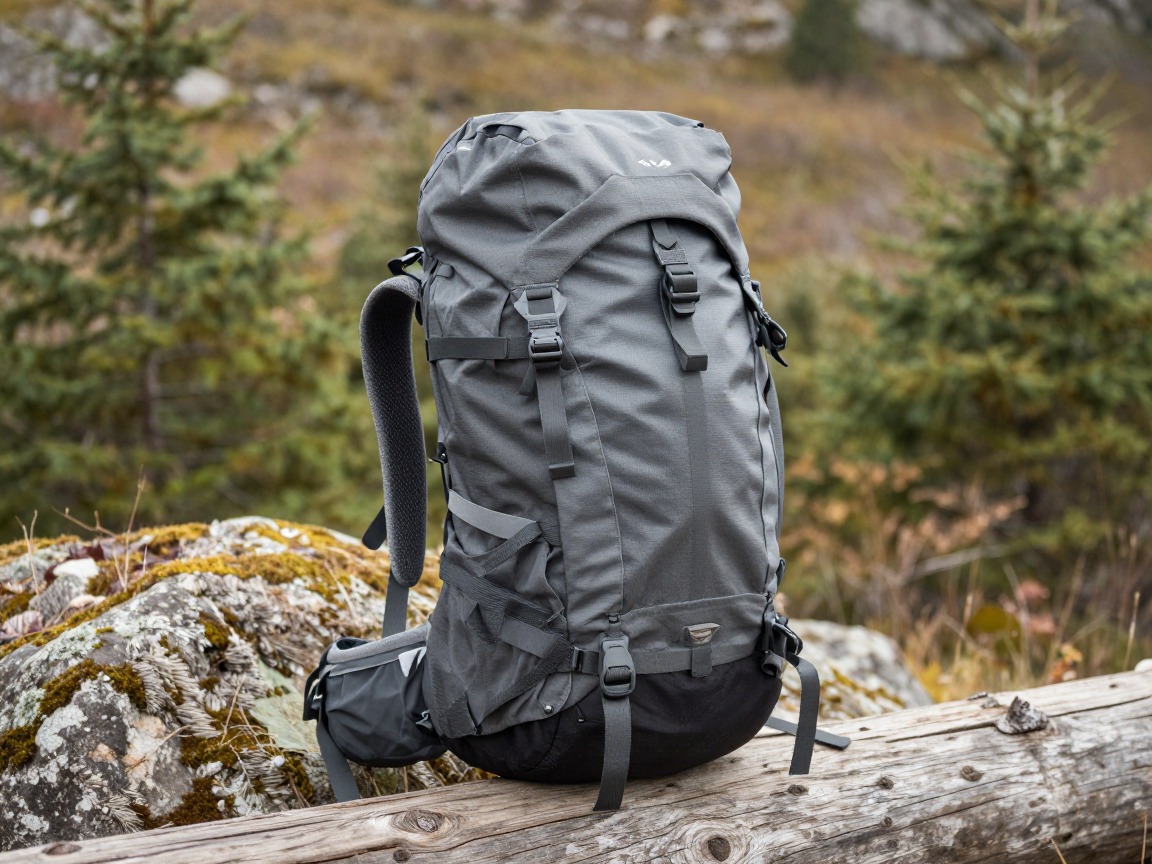
Overnight backpack
Carries your sleep system, kitchen and clothing for a weekend out — and the piece most worth buying used, since its frame and fabric are easy to check by hand.
What to look for: Check the hip belt padding, flex the frame stays for cracks, and look at zippers and buckles for stress cracks. Faded fabric or a repaired seam is fine; a collapsed frame or a flattened hip belt isn't.
 WoneNice 50L Check price
  Teton 55L Scout Internal Frame Backpack for Hiking Check price
 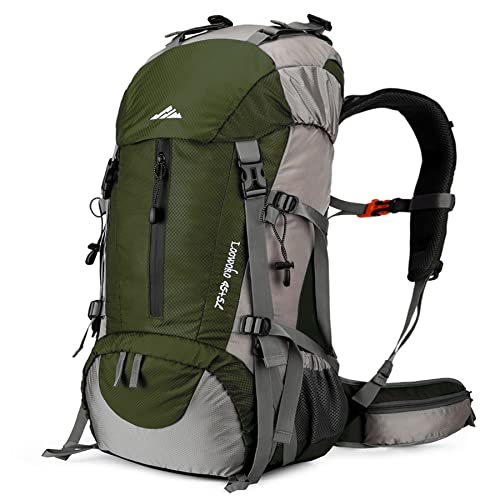 Loowoko 50L Hiking Backpack with Rain Cover for Both Men & Women Check price
 - A pack liner or dry bags instead of a disposable rain cover
- A small repair kit — repair tape, a spare buckle, needle and heavy thread
Shelter & sleep system
Tents and pads hold up well used. Sleeping bags need a closer look, especially down ones, since loft and hygiene matter here more than with most other gear.
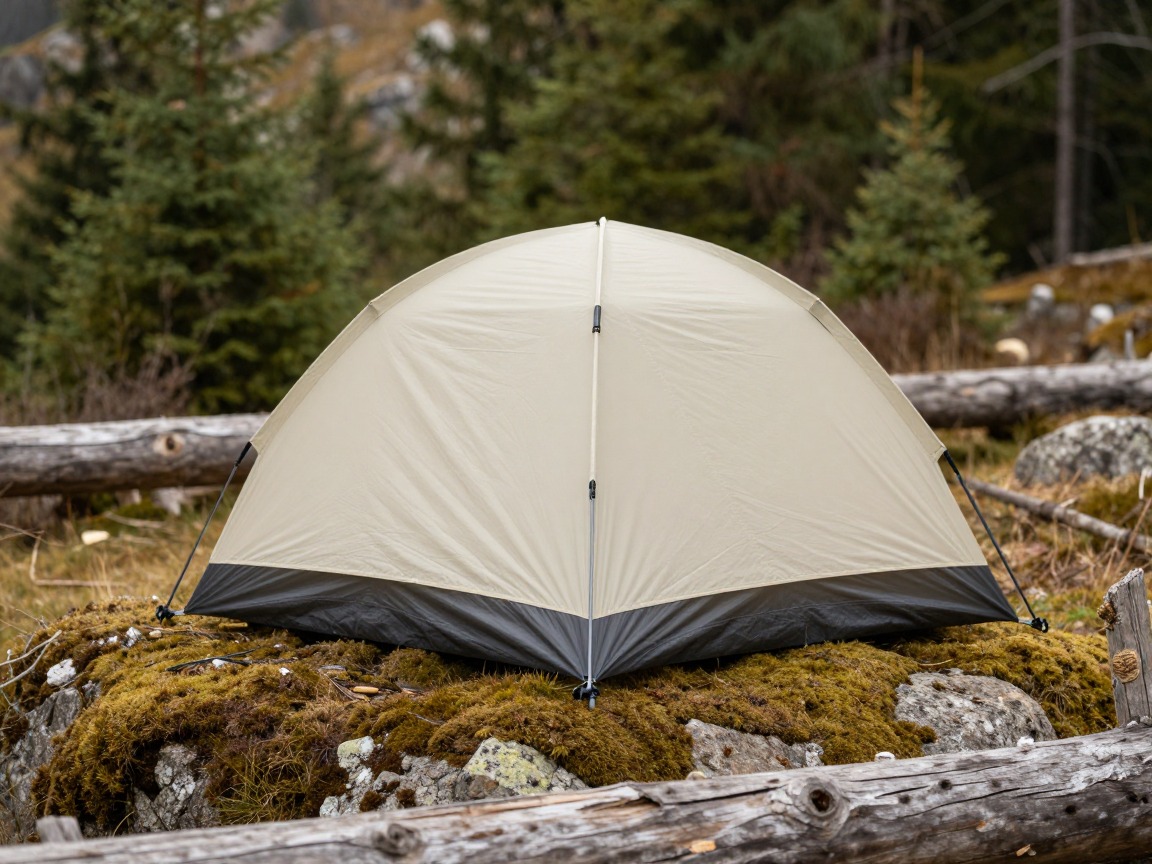
Backpacking tent
Your shelter for the night — most secondhand tents have plenty of life left, since poles and fabric rarely wear out before an owner simply wants something newer.
What to look for: Pitch it first if you can: check the poles aren't bent or taped, look for UV damage or delamination on the fly, and run a finger along the seams for peeling seam tape. Dirt and fading are normal; broken poles or a fly that's lost its waterproofing are fixable, but factor that into the price.
 Night Cat 2-Persons Backpacking Tent: Waterproof Lightweight Camping Check price
  BISINNA 2/4 Person Camping Tent Lightweight Waterproof Backpacking T Check price
  Forceatt Tent for 2 Person is Waterproof and Windproof Check price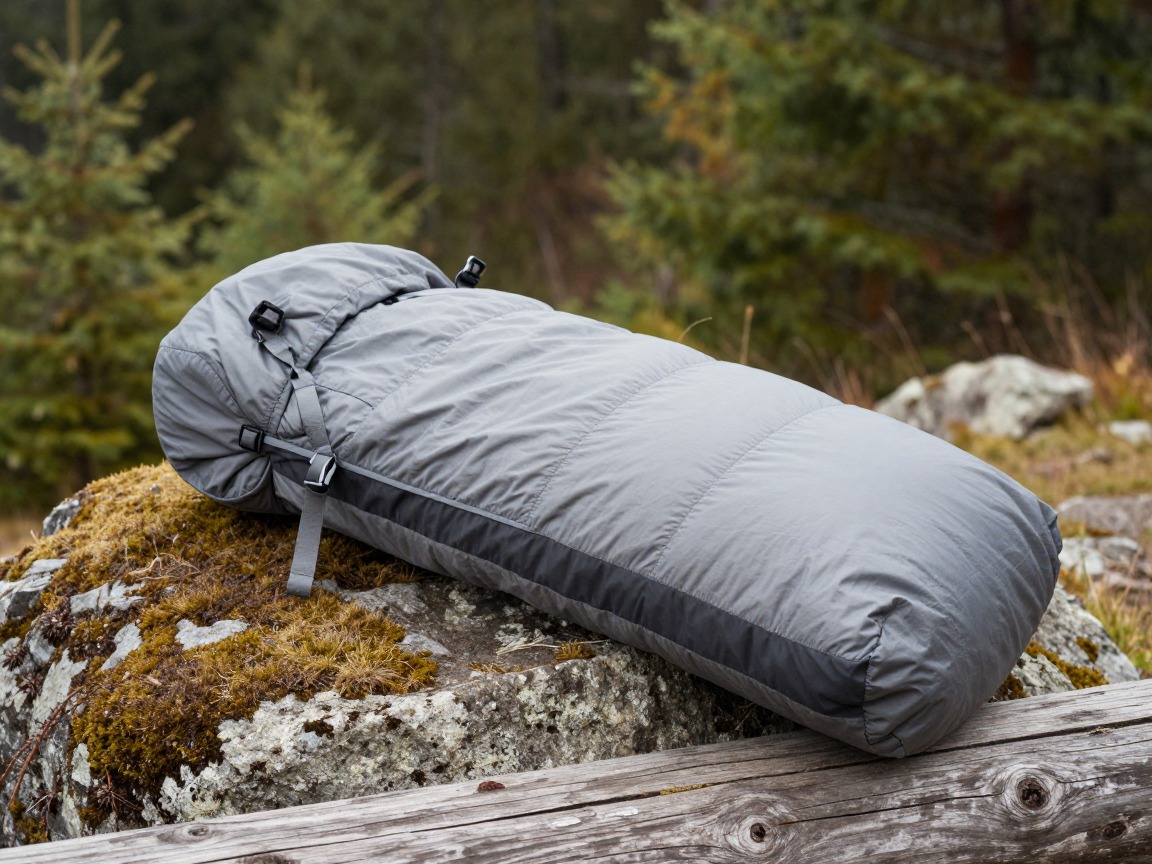
Sleeping bag
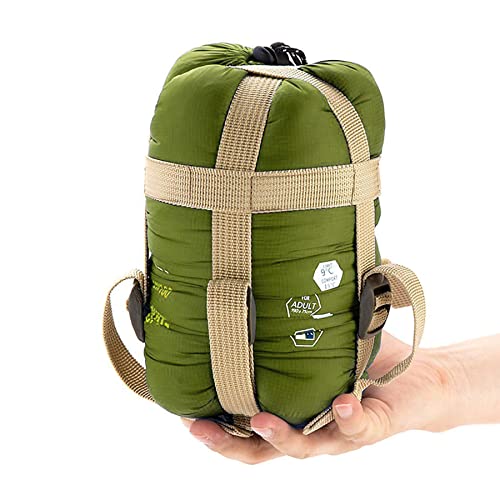
Keeps you warm overnight — a reasonable secondhand buy if you have it professionally cleaned first, since warmth depends on the fill staying clean and fully lofted.
What to look for: Fluff it and look for even loft with no flat or cold patches, run the zipper its full length, and ask how it was stored. A bag kept compressed for years may never recover its loft — pass on that one.
 MalloMe Sleeping Bags for Adults Cold Weather & Warm - Backpacking C Check price
  ECOOPRO Portable Check price
  Teton Trailhead Check price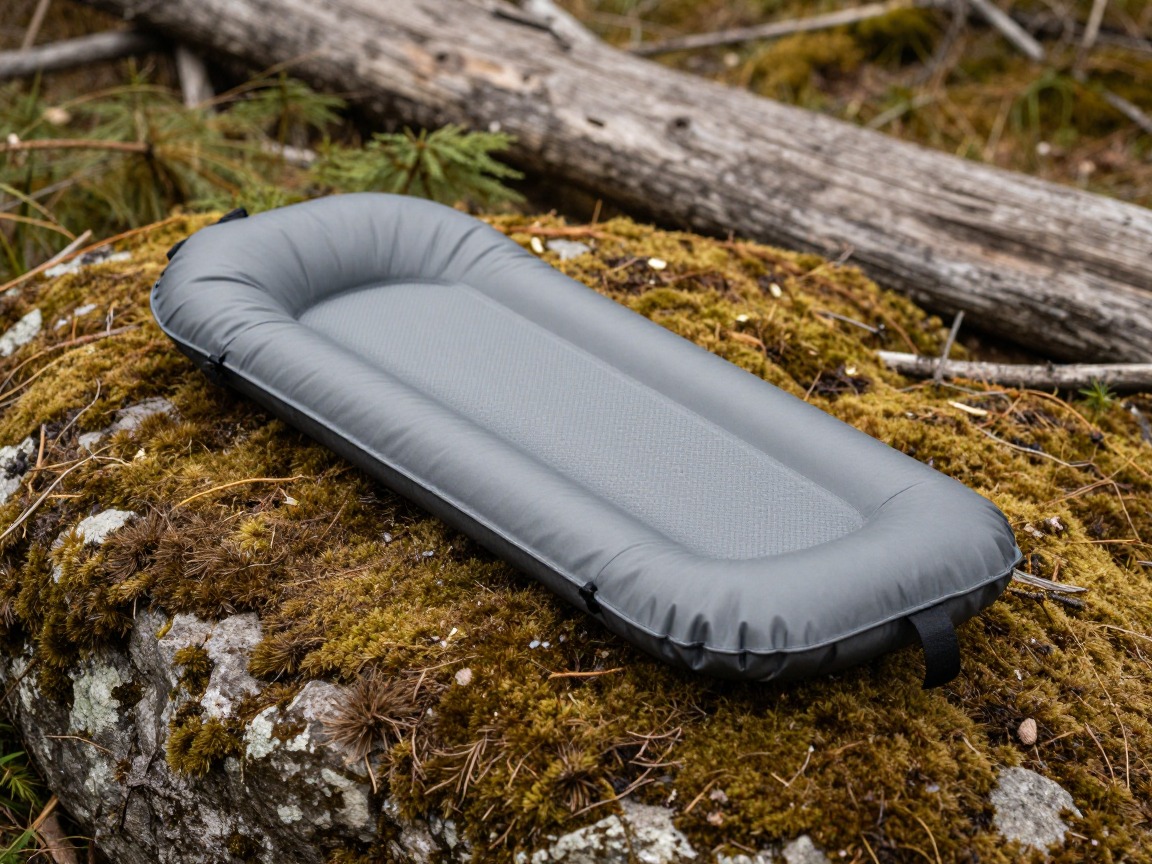
Sleeping pad
Insulates you from the cold ground — closed-cell foam is close to indestructible and an easy secondhand win; inflatable pads just need a leak check.
What to look for: Inflate an air pad and leave it overnight before buying — a slow leak won't always show up in five minutes. For foam, just check it hasn't lost real thickness from years of compression.
 FUN PAC Camping Sleeping Pad Check price
  Gear Doctors® Ether 17.5oz Ultralight Camping Sleeping Pad Check price
  Oramoose 4in Ultralight Camping Sleeping Pad with Pillow and Foot Pu Check price
 - Stakes & guylines (secondhand tents don't always come with a full set)
- Inflatable or stuff-sack pillow
Kitchen & water
Stoves and cookware are about as mechanically simple as gear gets, which makes them easy secondhand wins. Water filtration is the one place in this whole kit worth buying new.
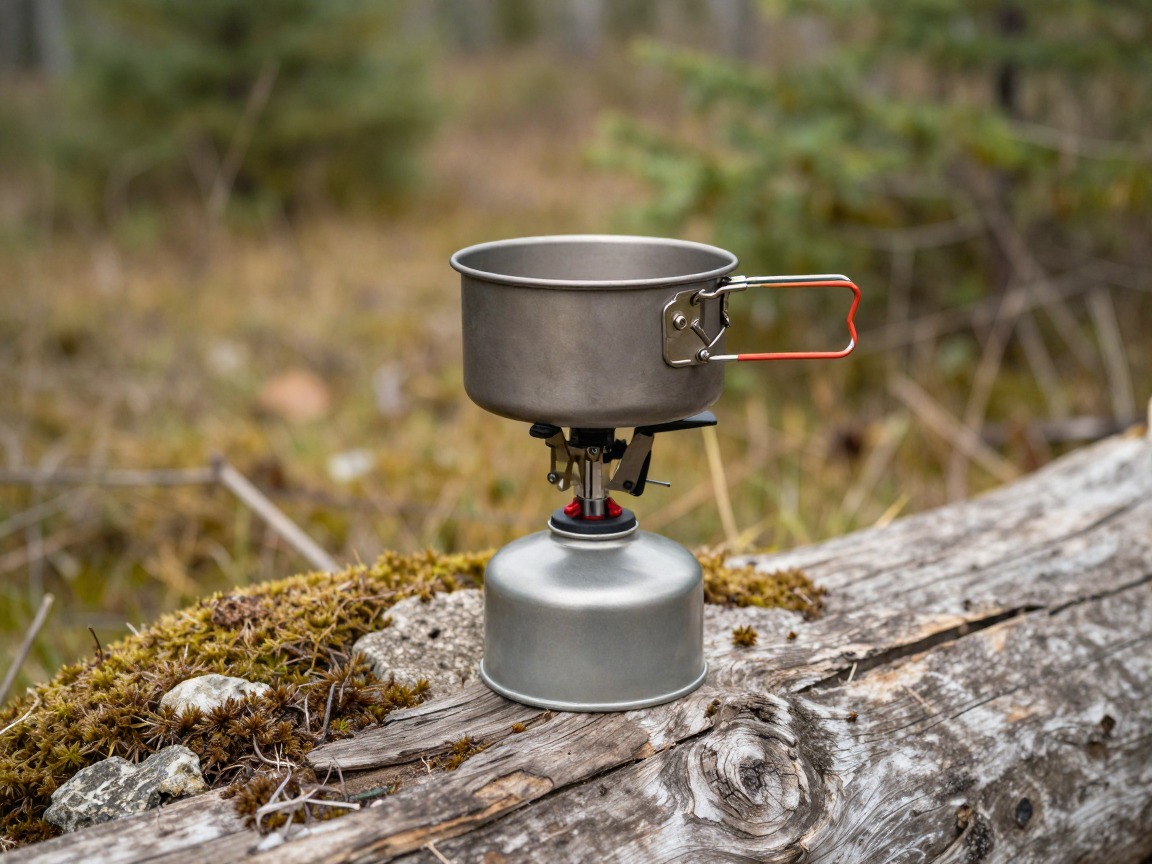
Backpacking stove
Boils water for meals and hot drinks — a canister stove has very few parts to fail, which is why decades-old ones still light up fine.
What to look for: Test it with a canister if you can — look for a clean, even flame and check the burner isn't dented. Bring your own lighter as backup either way; these are genuinely hard to wear out.
 AOTU Portable Camping Stoves Backpacking Stove with Piezo Ignition S Check price
  MSR PocketRocket 2 Ultralight Camping and Backpacking Stove Check price
  Fire-Maple Greenpeak 1 Camping Stove with Piezo Ignition Portable Ga Check price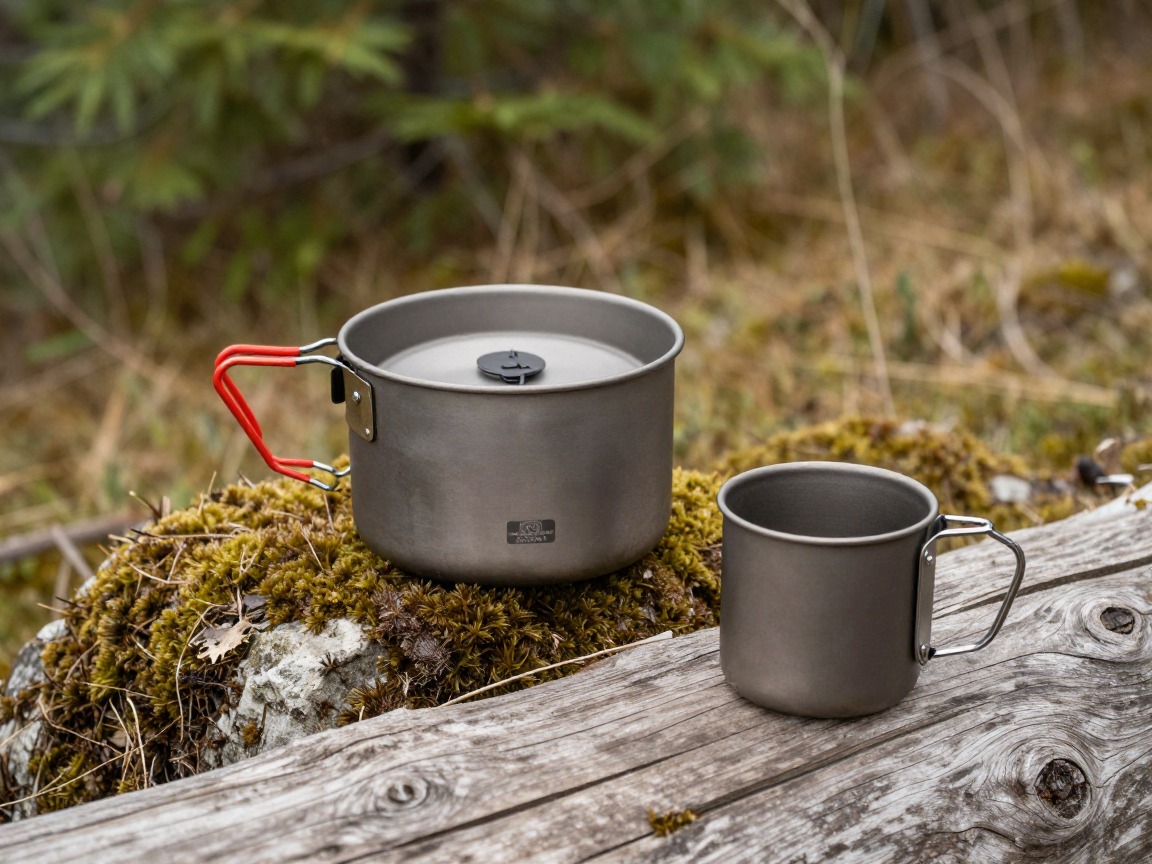
Pot & mug
Your entire backcountry kitchen in one pot — titanium and hard-anodized aluminum barely degrade, so a secondhand pot performs like a new one.
What to look for: Check the lid still seals well and there's no dent near the base that would make it wobble on a stove. Scratches and stains are just patina.
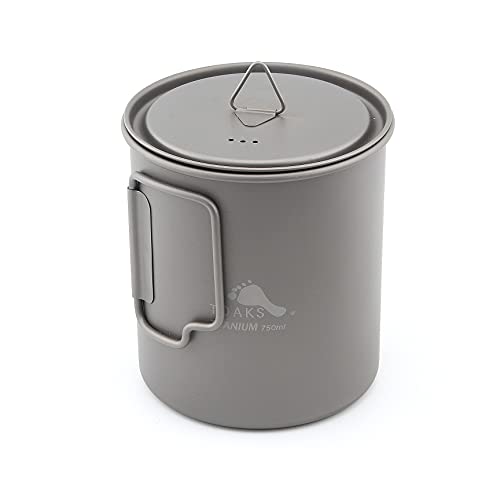 TOAKS Titanium 750ml Pot Check price
  TOAKS Titanium 750ml Pot with Bail Handle for Ultralight Camping Check price
  TOAKS Titanium 1100ml Pot with Pan Check price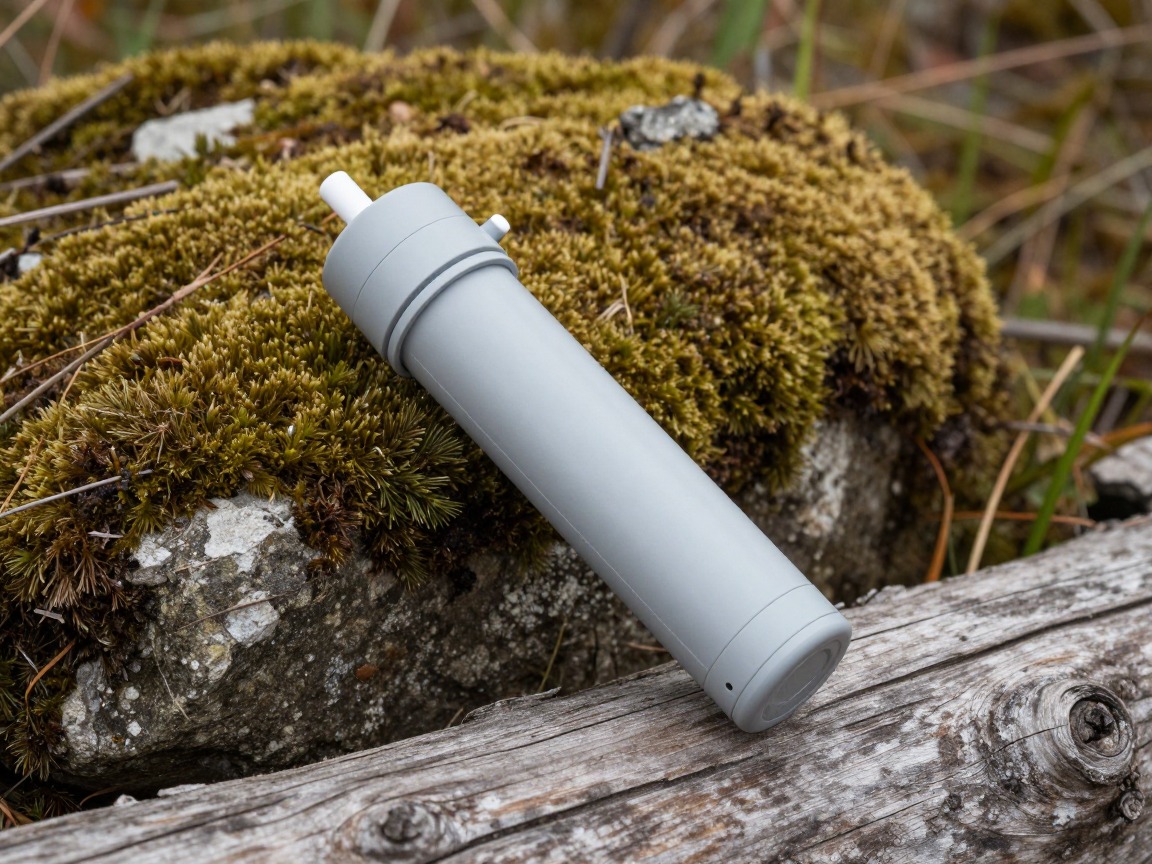
Water filter
Treats stream and lake water so you can refill on the go — and the one item here worth buying new rather than secondhand.
What to look for: A used filter's membrane may already be worn or cracked by a freeze you can't verify from the outside, and this is the one piece of gear where a hidden failure means contaminated water. Buy new, and never let it freeze once it's yours.
 Sawyer Squeeze Water Filtration System Check price
  Sawyer Products SP128 Mini Water Filtration System Check price
  LifeStraw Personal Water Filter for Hiking Check price
 - Fuel canister (buy new — it's a pressurized consumable, not a hand-me-down)
- Spork & lighter
- Backup water treatment (tablets or drops) as insurance
Clothing & footwear
Technical clothing is one of the best-supplied secondhand categories, thanks in part to outdoor brands' own resale and repair programs. Footwear is the one place fit matters too much to compromise.
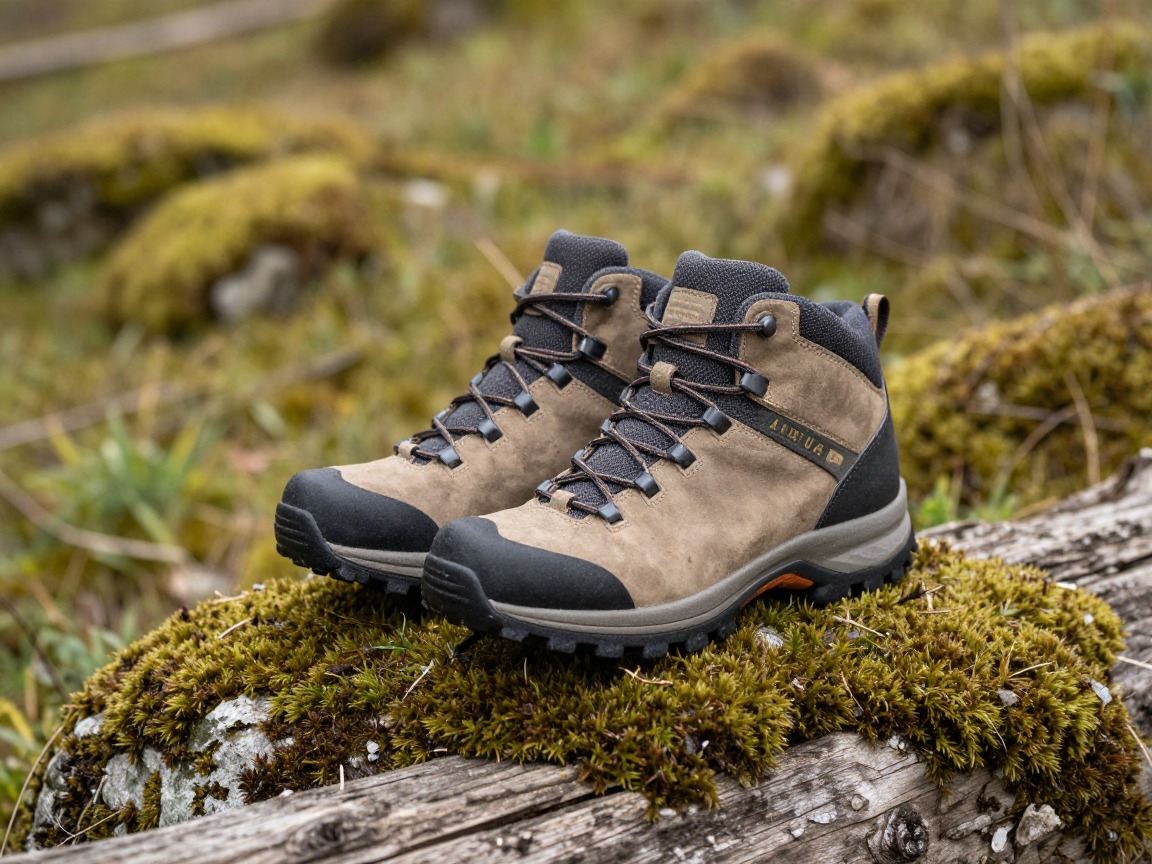
Hiking boots
Support and protect your feet over the miles — best bought new, since a broken-in boot has already molded to someone else's feet, not yours.
What to look for: On a budget, look for last season's colorway sold new, and pick a brand that offers resoling — a resoleable leather boot can outlast several glued synthetic ones. Once you own a pair, resole before the midsole actually gives out.
 Columbia Men's Transverse Waterproof Hiking Boot Check price
  NORTIV 8 Men's Ankle High Waterproof Hiking Boots Check price
  Columbia Mens Transverse Waterproof Hiking Boot Check price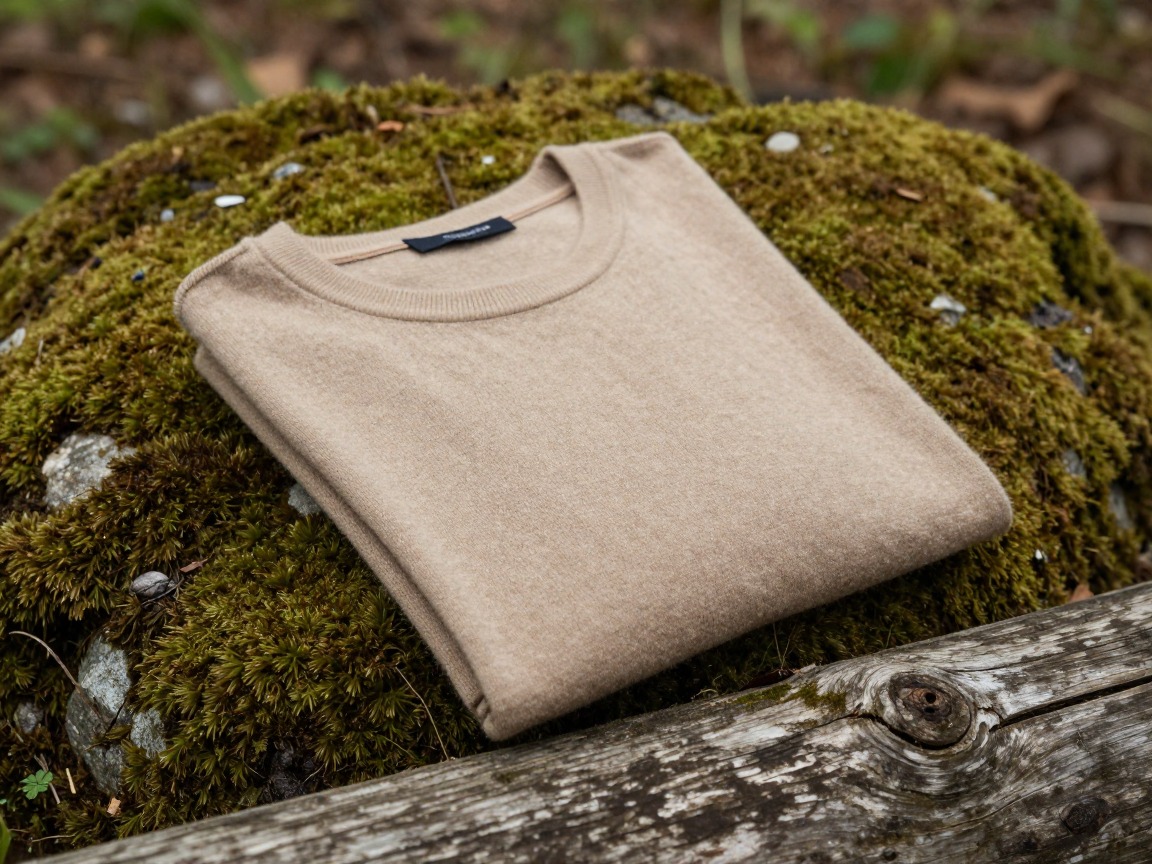
Base layer
Wicks sweat next to your skin — merino holds up exceptionally well used and is one of the most commonly resold pieces of hiking clothing.
What to look for: Check for thinning at pressure points like underarms and waistband, and look for small holes, since merino can develop them with age. A gentle wash brings a secondhand base layer back to like-new.
 100% Merino Wool Base Layer Men Set - Thermal Underwear for Men Long Check price
  Merino.tech Merino Wool Base Layer Women Set - Heavyweight Check price
  100% Merino Wool Base Layer Men Set - Thermal Long Underwear with Ba Check price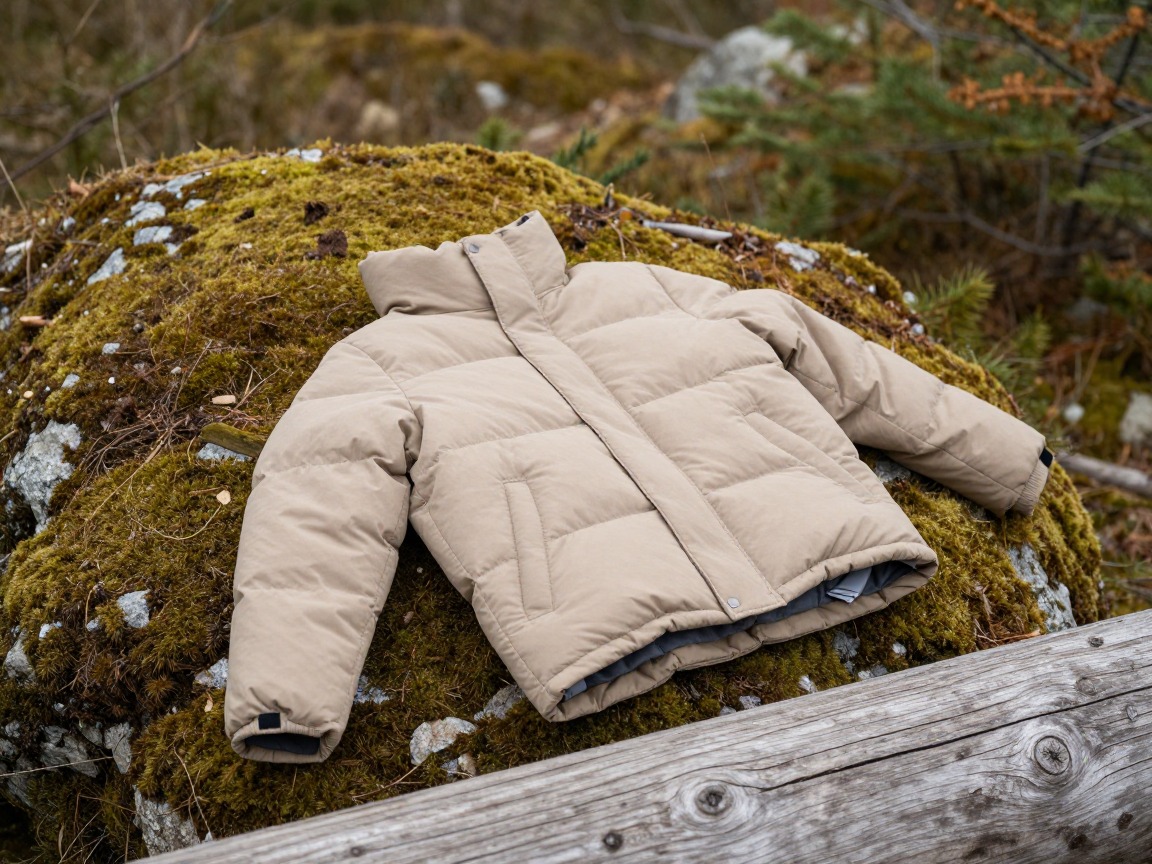
Insulating layer
A packable puffy for camp and cold mornings — down and synthetic jackets both resell well, and several brands run their own repair or resale programs for this piece.
What to look for: Feel for cold spots where down has clumped, check the baffle seams for leaking, and ask how it's been stored. A jacket from a brand with an in-house repair program is worth a little more — a torn shell or blown zipper isn't the end of it.
 Outdoor Ventures Women's Packable Lightweight Puffer Jacket with Hoo Check price
  Amazon Essentials Women's Lightweight Long-Sleeve Water-Resistant Pa Check price
  Outdoor Ventures Women's Packable Lightweight Puffer Jacket with Hoo Check price
 - Fresh hiking socks (buy these new)
- Camp/sleep clothes
- A small fabric repair kit — patches and seam grip for shells and pads
Rain gear, trekking poles & safety
Rain shells and trekking poles are easy secondhand buys once you know what to check. The safety layer is where paying for new is worth it.
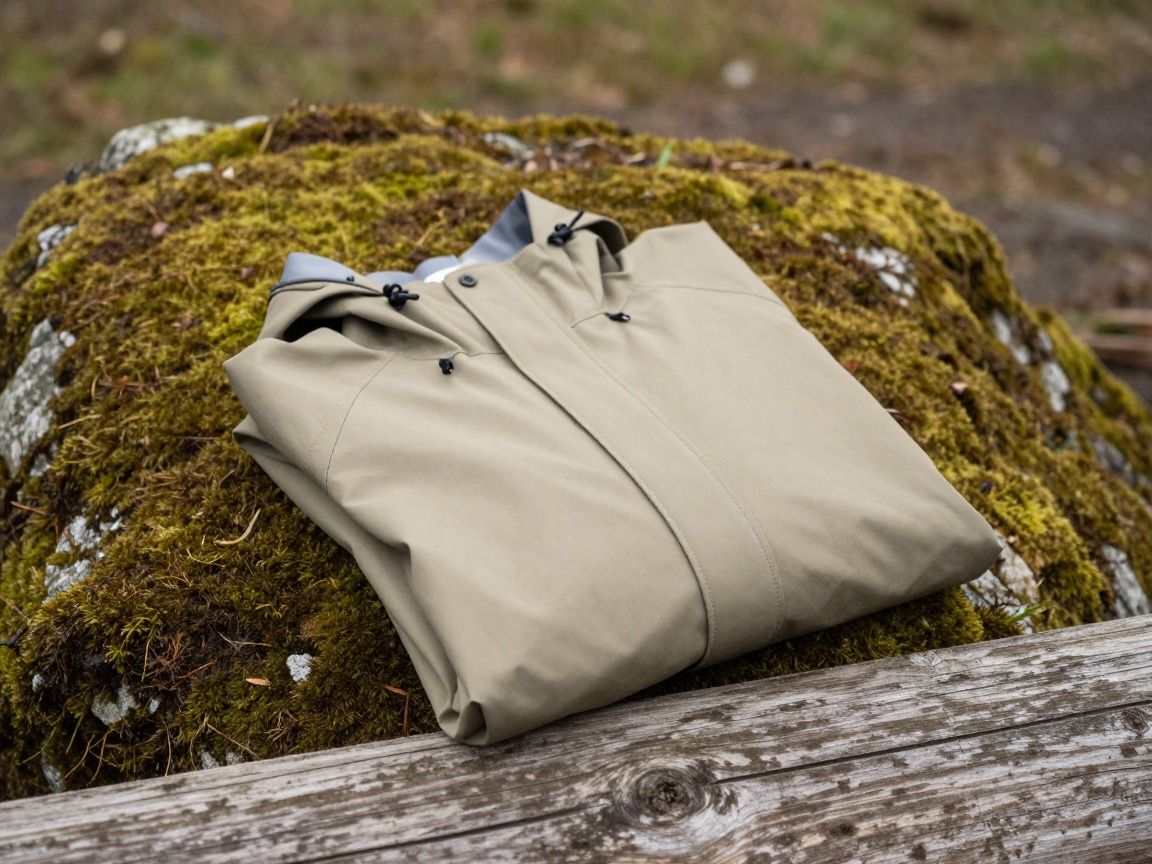
Rain shell
Waterproof, breathable protection from rain and wind — a secondhand shell is often just a re-waterproofing session away from performing like new.
What to look for: Check the zippers and seam tape rather than the fabric, since those fail before the membrane does. A jacket that's stopped beading water usually just needs a wash and a fresh DWR (durable water repellent) treatment, not replacing — several brands also run repair services for their own shells.
 UIQUR Mens Rain Jacket Raincoat Waterproof Windbreaker Black L Check price
  COOFANDY Men's Waterproof Hiking Travel Shell Breathable Rain Jacket Check price
  Columbia Womens Arcadia II Waterproof Rain Jacket Check price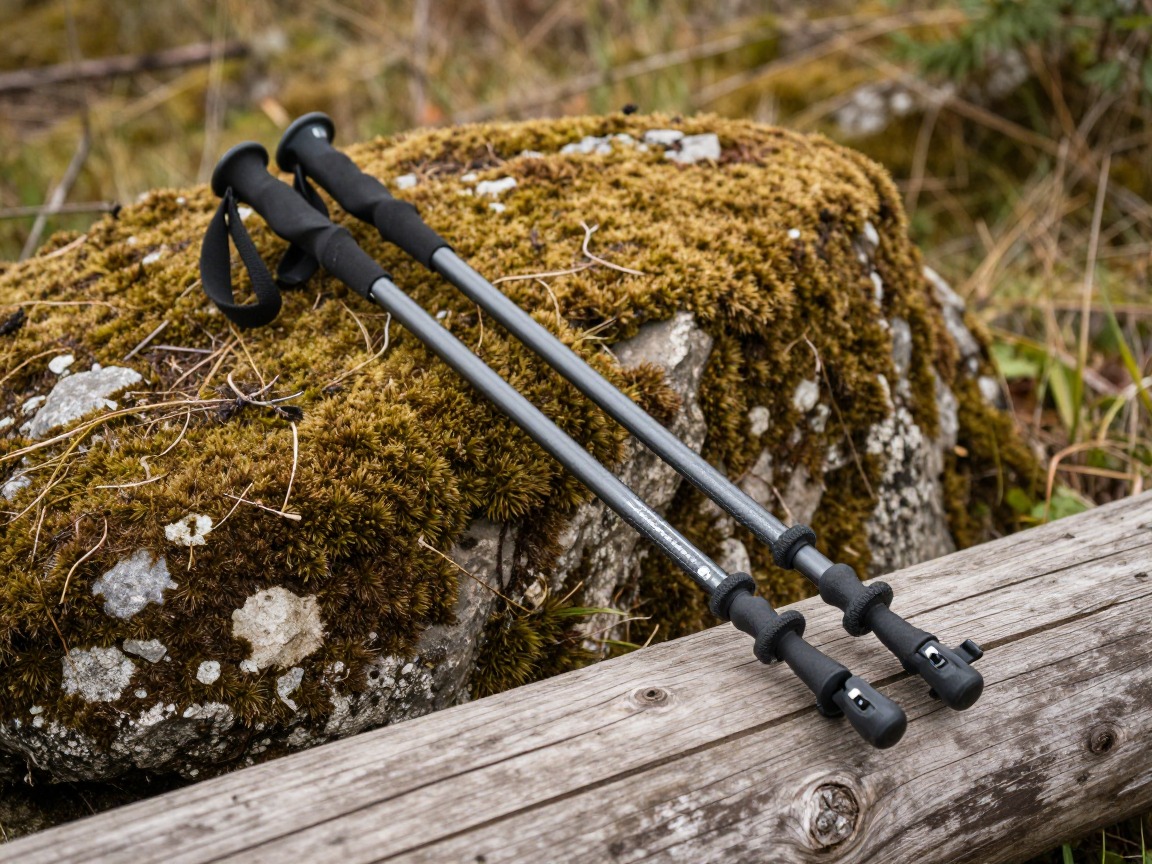
Trekking poles
Take load off your knees on descents and steady you on rough ground — aluminum poles are hard to actually damage, making them a reliable secondhand find.
What to look for: Extend them fully and check for bent sections, make sure the locking mechanism still holds under pressure, and check the tips and baskets for wear — both are cheap to replace anyway.
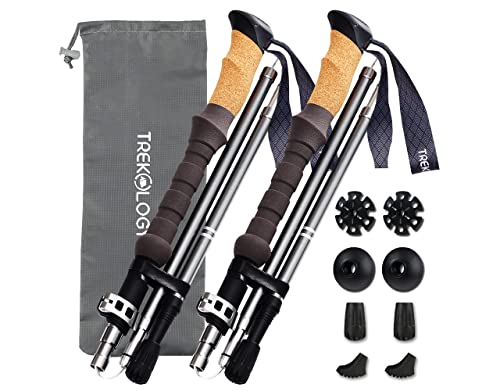 Trekology Trek-Z Cork Grip Collapsible Lightweight Hiking Trekking P Check price
 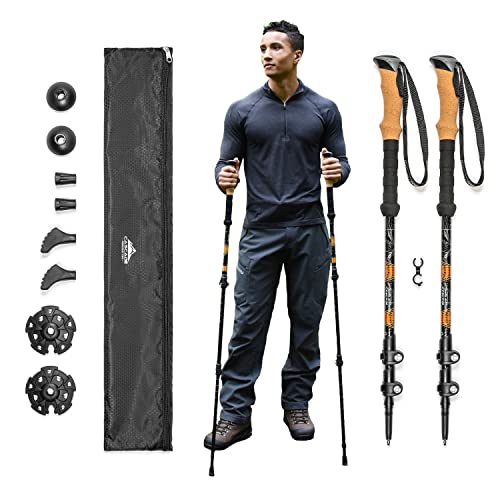 Cascade Mountain Tech Trekking Poles Check price
 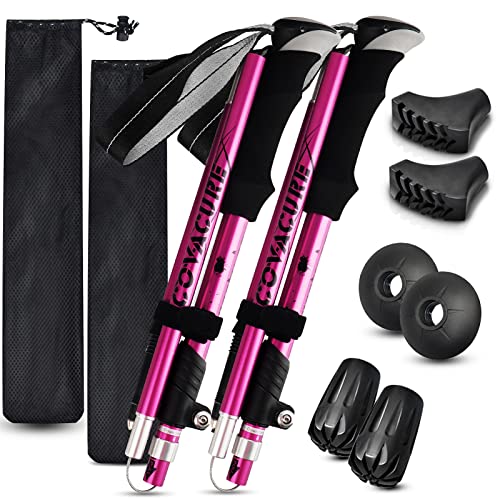 covacure Hiking Poles Check price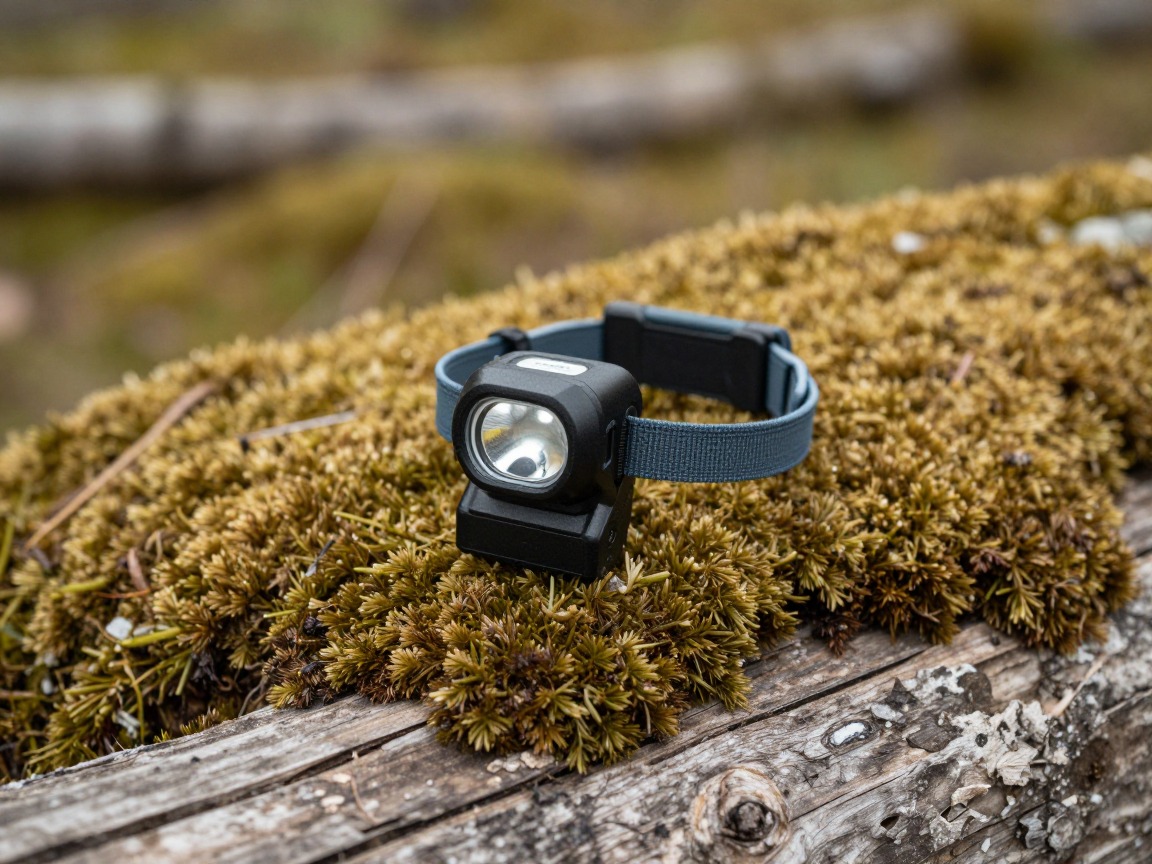
Headlamp
Essential after dark for camp chores and night navigation — the electronics are simple, so most units work fine bought secondhand.
What to look for: Test the switch, every brightness mode, and the battery compartment for corrosion before buying. Skip one with a damaged charging port or a battery door that won't seal.
 LHKNL Headlamp Flashlight Check price
 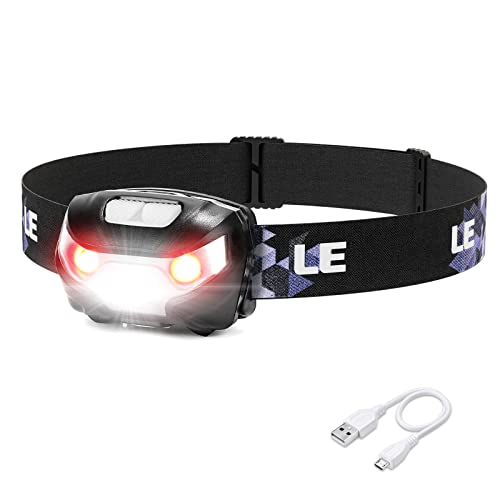 Lepro LED Headlamp Rechargeable IPX4 Waterproof Headlight 5 Modes - Check price
 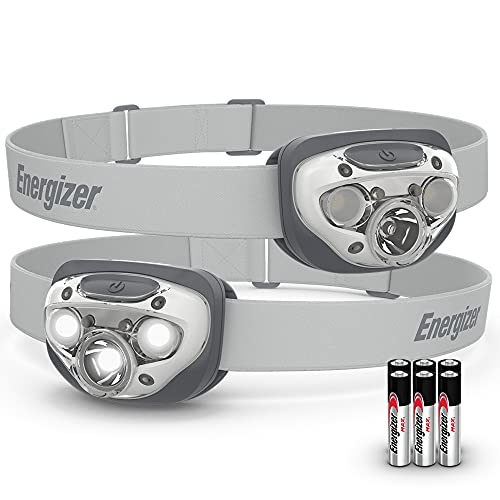 Energizer LED Headlamp PRO Check price
 - First-aid kit — buy fully stocked and new, and replace anything expired every season
- Spare headlamp batteries
- Map + compass or offline GPS
- Whistle
- Phone + power bank
How to adapt this setup
Go secondhand on the 'inspect it yourself' list first — pack, tent, stove, cookware, poles — before touching the budget for boots or a water filter, which are worth buying new even if that means a simpler option.
If secondhand isn't available, look for a brand with a public repair or resale program — a jacket you can send back for a fix outlasts one you can't — and pick the most repairable option over the cheapest.
Inspect secondhand insulation more carefully here — cold spots in a used bag or puffy matter more when nights are genuinely cold. Lean toward buying those two new, or professionally cleaned, for real winter margins.
More miles means more to check first: re-treat a secondhand shell's DWR, re-seam-seal an older tent fly, and buy consumables — cartridges, batteries, fuel — new regardless of the rest of the kit.
The secondhand market for ultralight-specific gear (cottage-brand tarps, quilts) is thinner and prices hold up better, so savings shrink. See the ultralight backpacking setup and expect to buy more of it new.
Common mistakes to avoid
- Buying a secondhand water filter or first-aid kit to save money on exactly the wrong thing.
- Skipping a real inspection on a secondhand tent or pack — a five-minute check at pickup saves a ruined trip.
- Letting a rain jacket's DWR wear out and blaming the jacket instead of just re-treating it.
- Storing a down bag or jacket compressed between trips, which slowly crushes the loft.
- Assuming 'sustainable' means 'cheapest' — sometimes it means paying more once for something repairable.
- Ignoring a brand's own repair or resale program and replacing gear that could've been fixed instead.
Make it yours
Frequently asked questions
Is it safe to buy a secondhand tent?
Yes, with a quick inspection — check the poles aren't bent or taped, look at the fly for UV damage or delamination, and run a finger along the seam tape for peeling. Tents are mechanically simple, so most secondhand ones have plenty of life left; a re-seam-seal or a pole repair splint fixes most issues you'll actually find.
Should I buy a secondhand sleeping bag?
Down bags can be a good secondhand buy if you have them professionally cleaned first and check for even loft with no flat or cold-feeling patches. If you can't verify how it was stored or cleaned, buying new is a reasonable call instead — loft and hygiene matter more here than with most other gear.
Why shouldn't I buy a used water filter?
A filter's membrane wears down with use and can crack if it's ever frozen, and neither is easy to verify from the outside. It's the one item in a hiking kit where a hidden failure means drinking contaminated water, which is why it's worth buying new.
Where can I find secondhand hiking gear?
Outdoor consignment retailers, gear-specific resale marketplaces, brand-run resale programs, local gear-swap groups, and gear libraries are all common sources. Inspect anything mechanical — packs, tents, stoves, poles — in person where you can, or ask for detailed photos before buying online.
Does buying secondhand hiking gear actually save money?
Usually, yes — a well-made pack, tent, or stove often sells secondhand for well under half its original price and still has years of use left in it. The bigger saving over time, though, comes from buying durable, repairable gear once instead of replacing cheap gear every season or two.
Illustrative images show the type of gear, not specific products. Recommendations link to similar items on Amazon; we only ever link real listings and never show fabricated prices or ratings. General planning guidance, not a substitute for your own judgment or professional backcountry-safety instruction.