
The summer day hike setup
In real summer heat, the hike isn't decided by the trail — it's decided by water, sun and timing. This setup is a hot-weather day-hiking kit built piece by piece around those three things, so a scorching day stays a good one instead of turning into a heat-exhaustion scare.
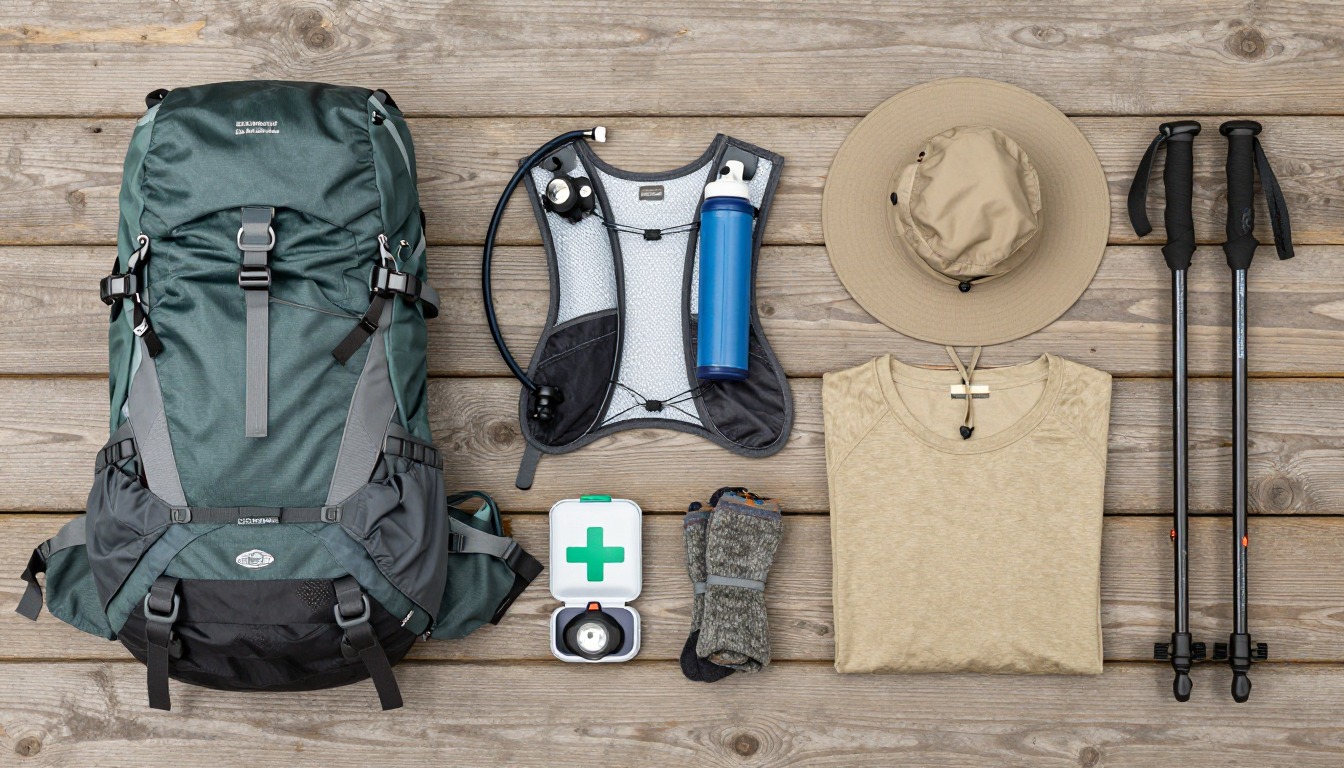
Heat changes the math on a day hike more than any other condition: you sweat out water and electrolytes far faster than you think, the sun is working on you the whole time even under cloud, and the hours around midday can turn a pleasant trail into a genuine hazard. So this kit leads with carrying more water than the distance alone suggests, a way to treat more if you run low, real sun protection, and a schedule built around the heat rather than convenience. Everything else is the same day-hike basics, kept as light and airy as possible.
Hikers heading out in hot, sunny conditions — high summer, desert trails, or exposed ridgelines with little shade. It suits anyone comfortable with a standard day hike who's willing to start early and adjust their plan to the temperature. If you're hiking somewhere genuinely remote or waterless, add redundancy beyond this list; if the forecast is mild, the regular day-hike setup covers you.
- Start with a light, airy pack and load it with more water than the mileage alone would suggest.
- Add a way to treat more water, plus electrolytes — plain water alone doesn't replace what heat sweats out.
- Build a breathable, non-cotton, sun-blocking layering system: hat, sunglasses, sunscreen and a light long-sleeve.
- Plan your day around the heat — an early start and a turnaround before the hottest hours, not just the map distance.
About this setup
A trail that's easy in spring can turn punishing in July — same distance, same elevation gain, completely different day, because heat is doing work the map doesn't show. Sun exposure adds up on top of exertion, water disappears faster than thirst tells you, and the hours around midday can turn a moderate hike into a genuinely risky one. None of that means avoiding summer trails; it means building the kit and the schedule around the heat instead of ignoring it.
Three things change from a standard day-hike setup. Water leads: carry more than the mileage alone suggests, and bring a filter so you're never capped by what's on your back, plus electrolytes to replace what plain water doesn't. Sun protection stops being optional gear and becomes core kit — a brimmed hat, sunglasses, sunscreen you actually reapply, and a breathable, light-colored long-sleeve that blocks UV without trapping heat the way bare or sunburned skin does. And the schedule shifts: starting early and turning around before the hottest part of the day does more for your safety than almost anything in the pack.
The other boundary worth knowing is the difference between feeling hot and being in trouble. Heavy sweating, dizziness, nausea, a headache and clammy skin are the early signs of heat exhaustion — the point to stop, get into shade, rest and hydrate, not push on toward the summit. Heat stroke, where sweating can stop and confusion sets in, is a medical emergency: it needs immediate cooling and a call to 911, not a wilderness first-aid fix. Respecting those signs early is what keeps a hot hike a hike instead of a rescue.
The pack
Keep it light and airy — a summer day pack carries less bulk than a shoulder-season one, but more water, so ventilation and easy-access bottle pockets matter.
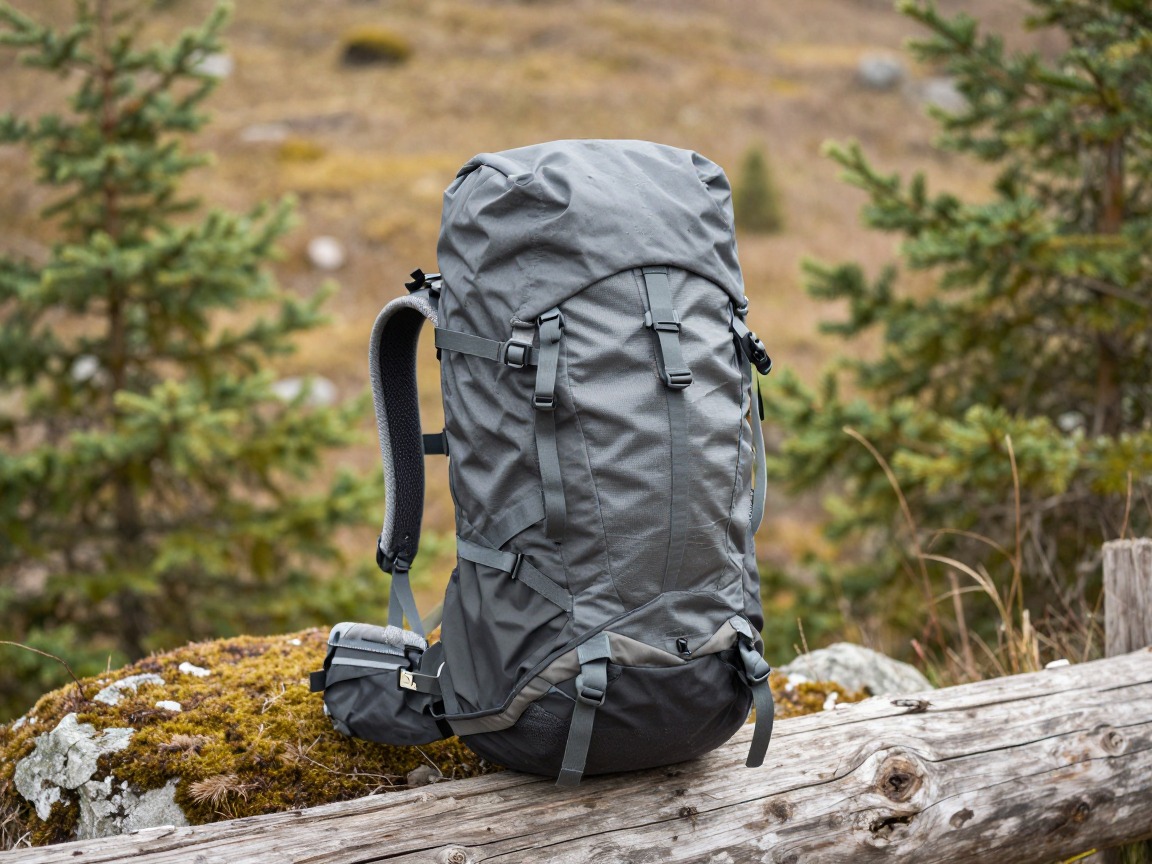
Summer daypack
A light, well-ventilated daypack with room for extra water and quick-access bottle pockets so you drink often instead of only at breaks.
What to look for: A mesh or channeled back panel that moves air against your back, external side pockets you can reach without stopping, and 15–25 L so the pack itself stays light.
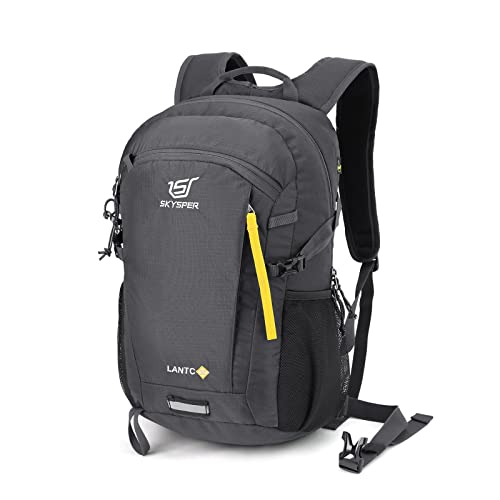 SKYSPER Small Hiking Backpack Check price
  Osprey Sportlite 20L Lightweight Hiking Backpack Check price
 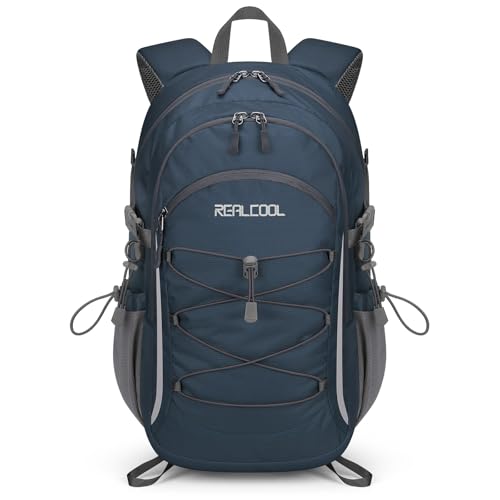 RealCool 20L Lightweight Hiking Backpack Check price
 Water & hydration
Water leads everything in the heat. Carry more than the distance suggests, bring a way to treat more, and replace electrolytes, not just fluid.
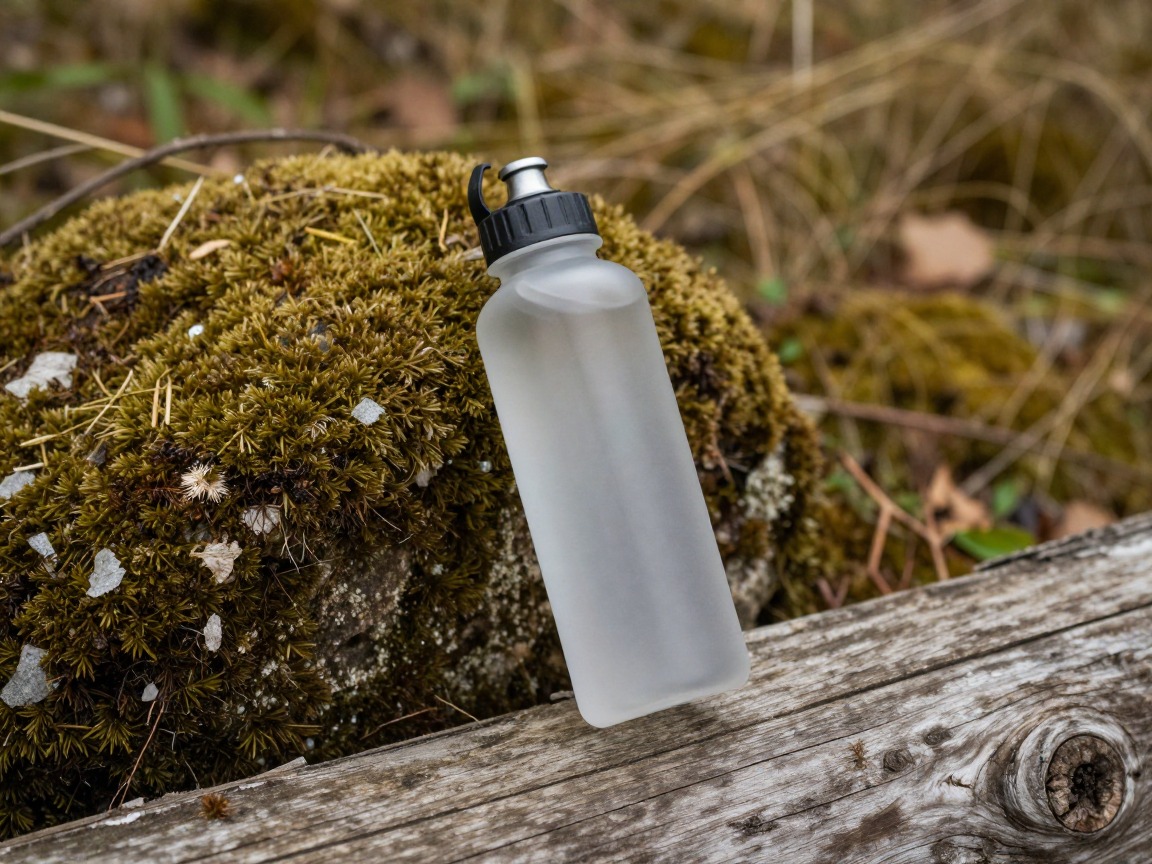
Water bottle
A simple, tough bottle you can refill often — a wide mouth makes it easy to add electrolyte tabs or refill fast from a stream.
What to look for: A wide-mouth bottle you don't mind refilling repeatedly, in a size you can track (32 oz is a handy unit); an insulated model keeps water drinkable instead of hot by afternoon.
 Nalgene 32 oz Wide Mouth Water Bottle Check price
  Nalgene 32 oz Wide Mouth Water Bottle Check price
  Nalgene 32 oz Wide Mouth Water Bottle Check price
Hydration reservoir
A bladder and hose make sipping constant and easy, which matters in heat because thirst lags behind how much water you're actually losing.
What to look for: A 2–3 L bladder for hot-weather miles, a wide fill opening you can actually clean, and an insulated hose sleeve so the first sip after a climb isn't lukewarm.
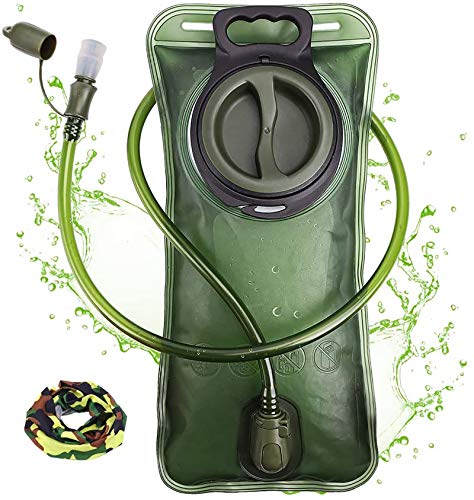 Hydration Bladder Check price
  Hydration Bladder Check price
  Mdvora 1.5L/2L/2.5L/3L Hydration Bladder Check price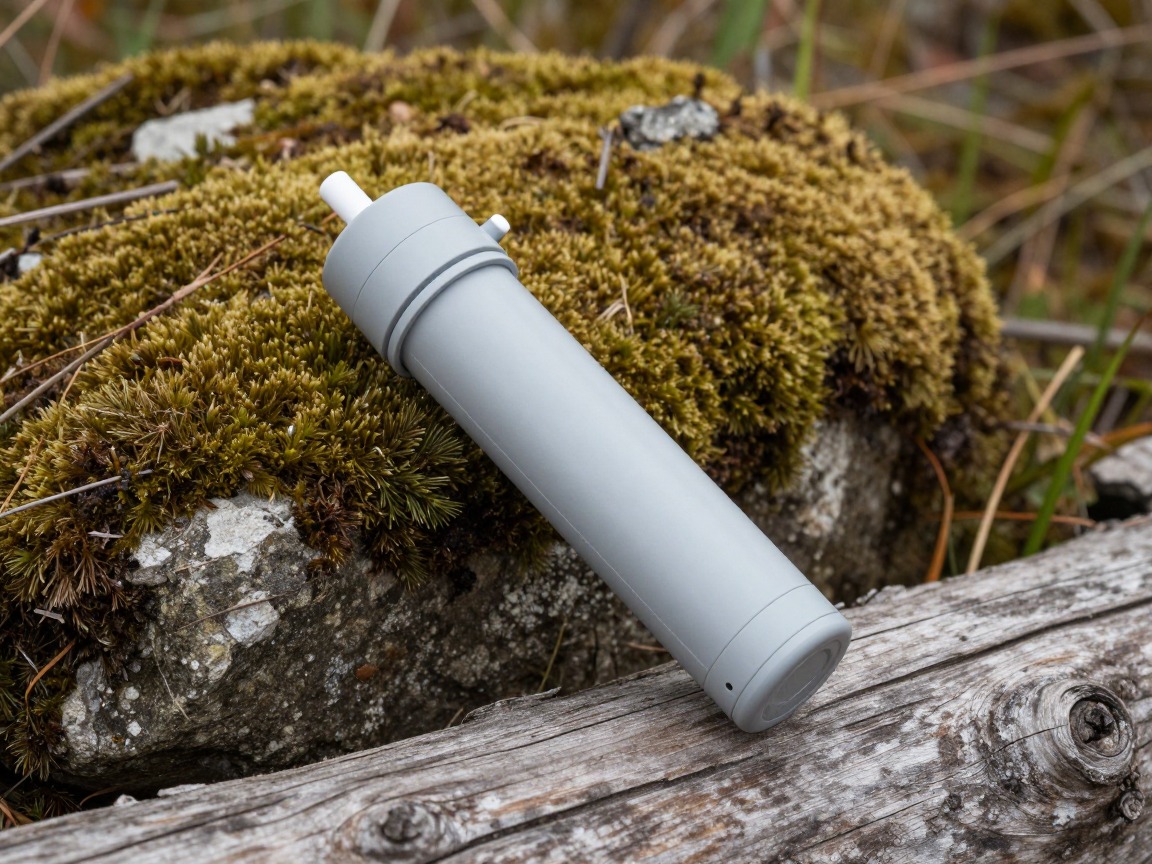
Water filter
In real heat you'll drink through your reserve faster than planned, so a filter that lets you refill from any stream removes the ceiling on how much you can carry.
What to look for: Fast flow and easy field cleaning matter most when you're refilling on the move; a squeeze filter is light and quick for a day hike.
 Sawyer Squeeze Water Filtration System Check price
  Sawyer Products SP128 Mini Water Filtration System Check price
  LifeStraw Personal Water Filter for Hiking Check price
 - Electrolyte tabs or drink mix
- A backup liter for the drive home or the last exposed mile
- Extra high-water fruit or salty snacks
Sun & heat protection
Dress to block the sun and shed heat, not to look tough — a brimmed hat, sunglasses, sunscreen and breathable non-cotton layers do the real work.
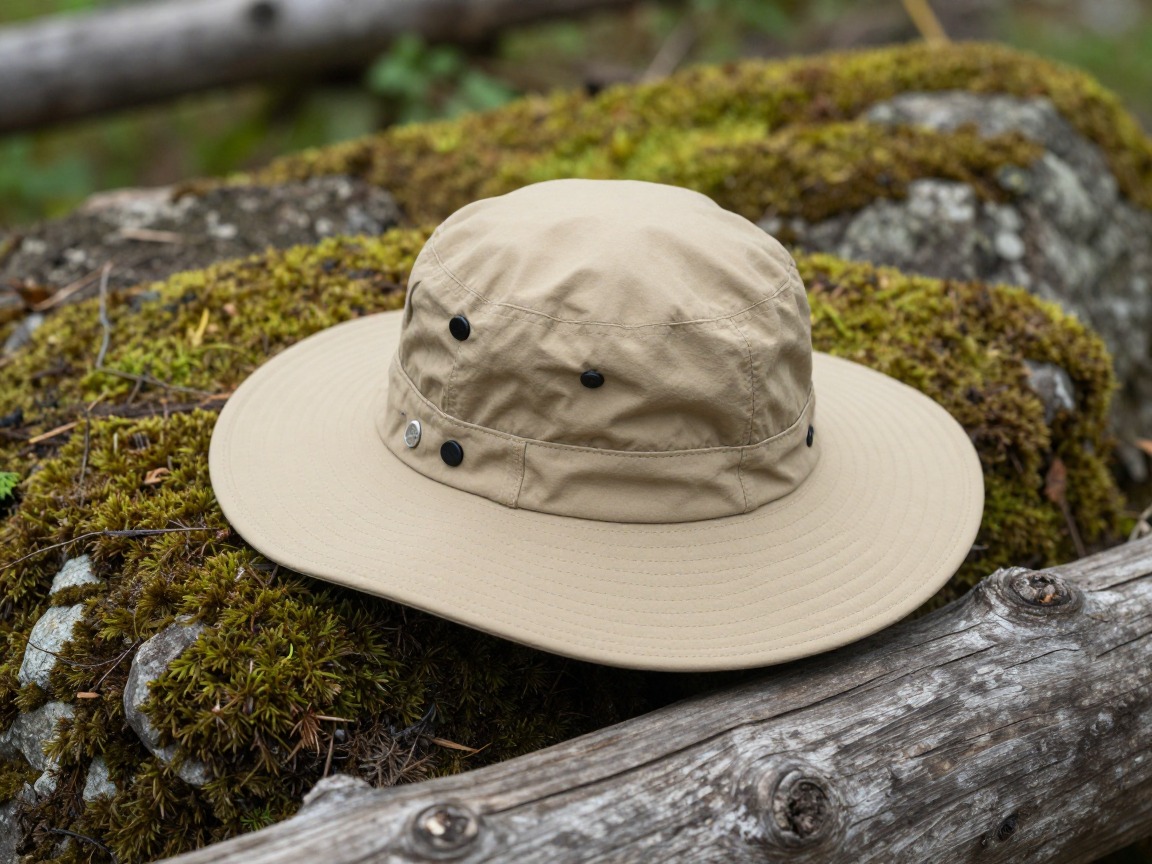
Sun hat, sunglasses & sunscreen
A wide-brimmed hat shades your face and neck, sunglasses cut glare, and sunscreen covers what the hat doesn't — together they're the cheapest heat-management item you own.
What to look for: A brim wide enough to shade your neck and ears, a light color and breathable weave, UV-rated sunglasses, and broad-spectrum sunscreen you reapply, not just apply once.
 FURTALK Womens Sun Hat with Ponytail Hole Beach Hiking Summer Wide B Check price
 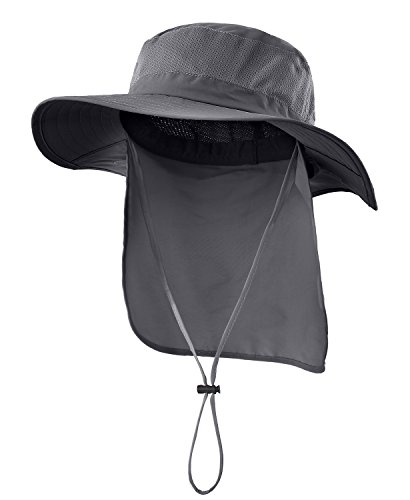 Home Prefer Outdoor UPF50+ Mesh Sun Hat Wide Brim Fishing Hat with N Check price
  FURTALK Sun Hats for Men Fishing Hat UPF Protection Wide Brim Bucket Check price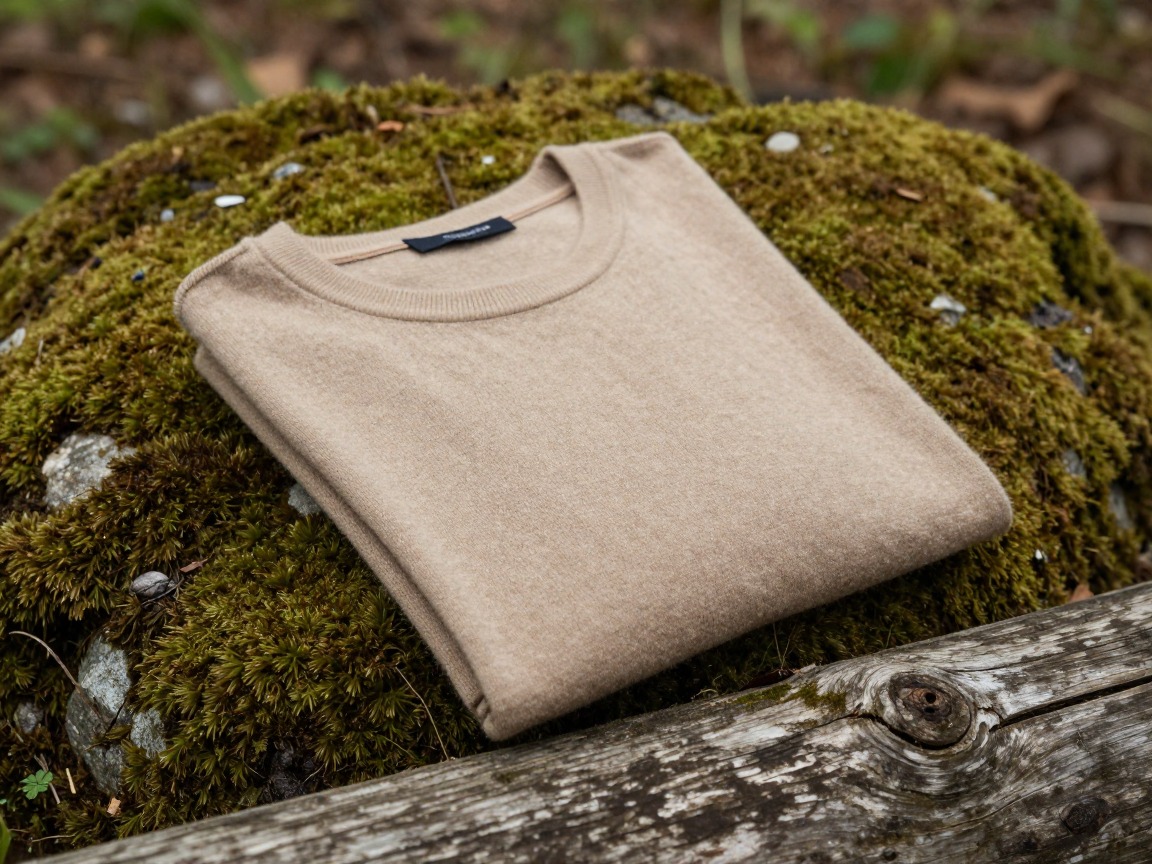
Sun hoodie / breathable layer
A lightweight, long-sleeve sun hoodie blocks UV without trapping heat the way bare, sunburned skin or a thick cotton shirt does.
What to look for: A light-colored, loose-fit synthetic or merino blend with UPF protection, thumbholes to cover your hands, and a weave open enough to breathe. Never cotton — once it's soaked in sweat it stops cooling you.
 100% Merino Wool Base Layer Men Set - Thermal Underwear for Men Long Check price
  Merino.tech Merino Wool Base Layer Women Set - Heavyweight Check price
  100% Merino Wool Base Layer Men Set - Thermal Long Underwear with Ba Check price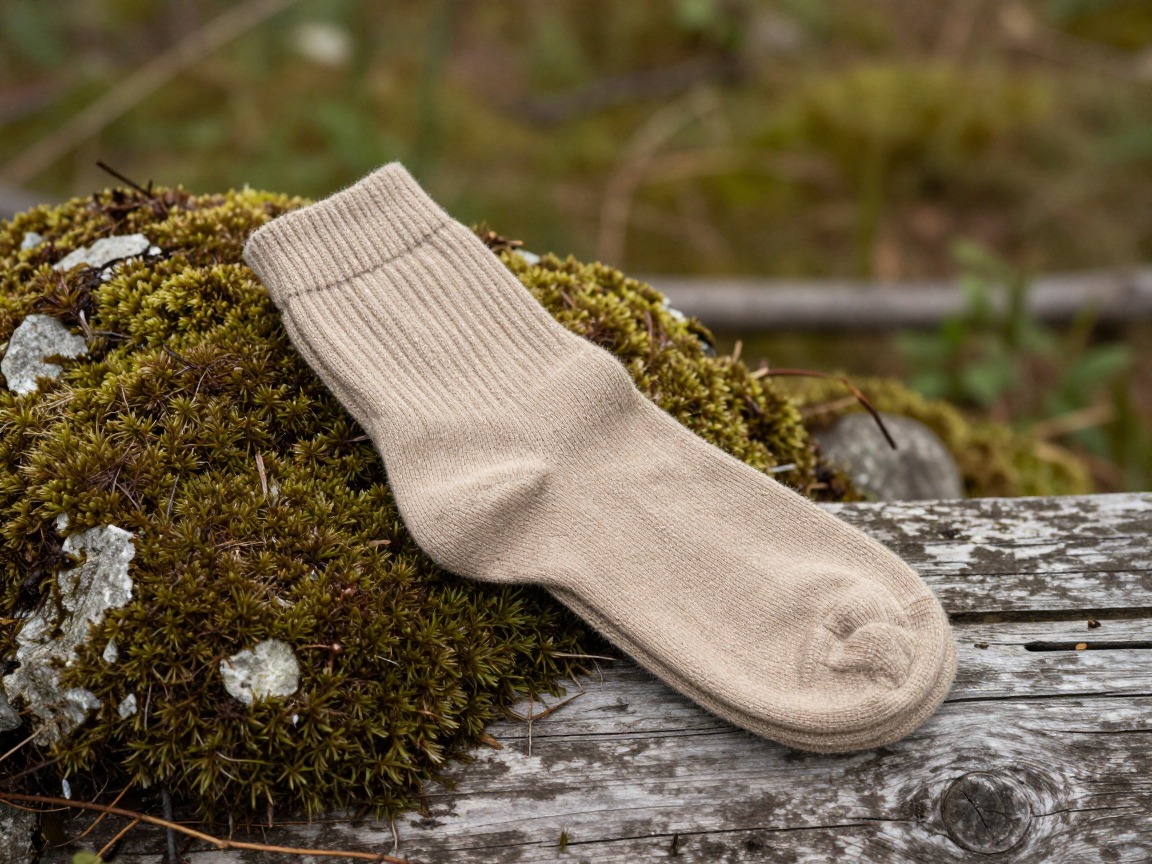
Hiking socks
Thin, breathable non-cotton socks manage sweat and heat around your feet, which swell and sweat more on a hot day than any other conditions.
What to look for: A lightweight wool or synthetic blend, breathable rather than heavily cushioned, and never cotton — wet cotton socks blister feet fast in the heat.
 Alvada Merino Wool Hiking Socks Thermal Warm Crew Winter Boot Sock F Check price
  DANISH ENDURANCE Merino Wool Socks for Men & Women Check price
  innotree 3 Pack Men's Merino Wool Hiking Socks Check price
 - Light-colored, moisture-wicking shirt & hiking shorts or pants
- Buff or bandana you can wet down and drape over your neck
- SPF lip balm
Navigation, timing & safety
The clock matters as much as the map in summer — an early start, a firm turnaround, and knowing the signs of heat trouble keep a hot day a good one.
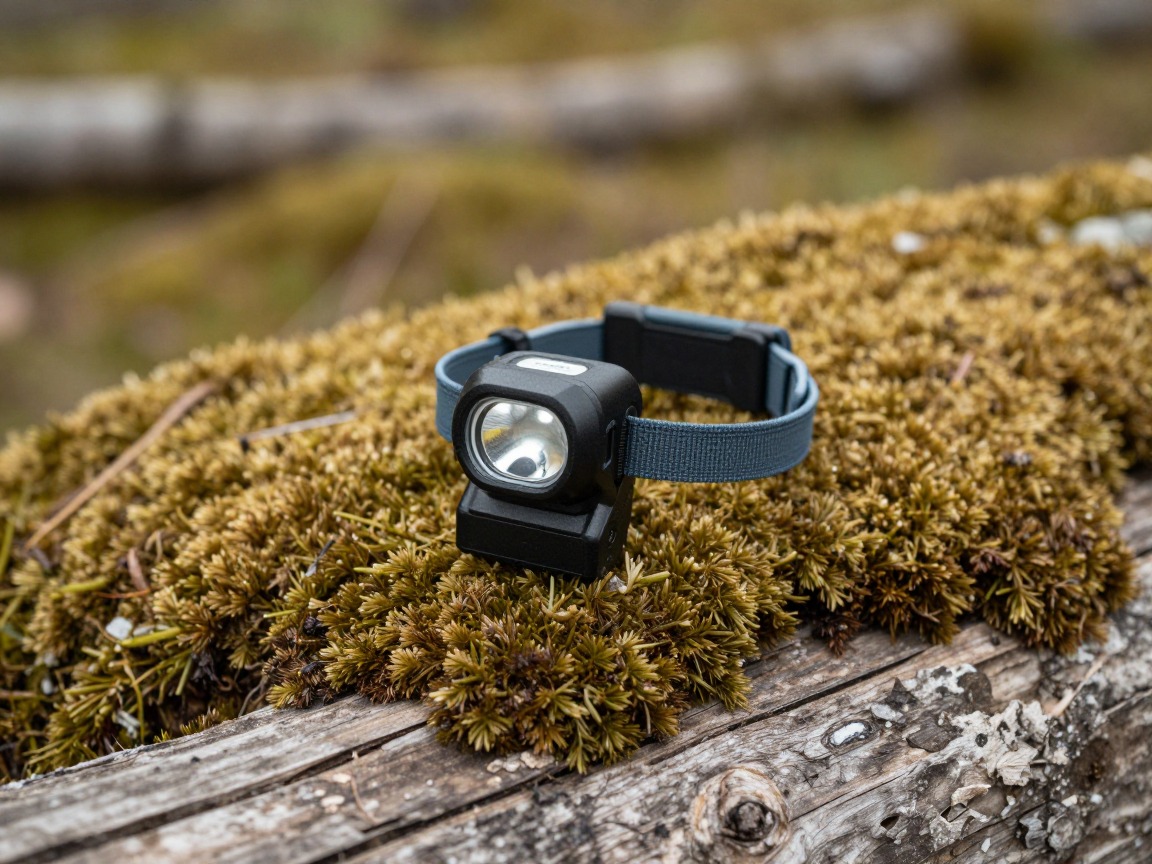
Headlamp
Useful for a pre-dawn start as much as a late finish — beating the heat often means being on trail before sunrise.
What to look for: Enough output to hike the trailhead approach in the dark, a comfortable strap, and reliable batteries — you're as likely to use it at 5 a.m. as at dusk.
 LHKNL Headlamp Flashlight Check price
 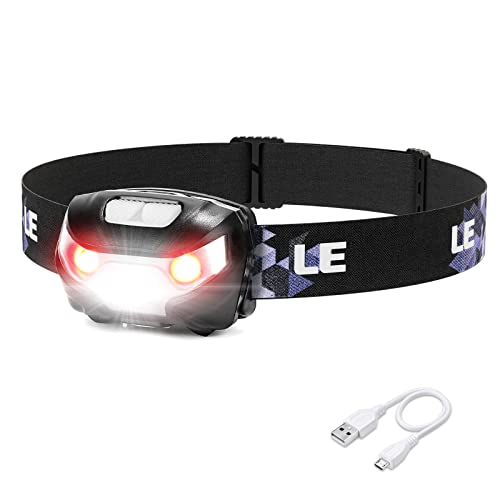 Lepro LED Headlamp Rechargeable IPX4 Waterproof Headlight 5 Modes - Check price
 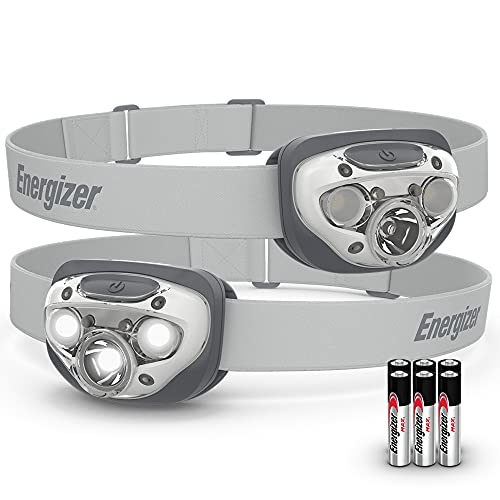 Energizer LED Headlamp PRO Check price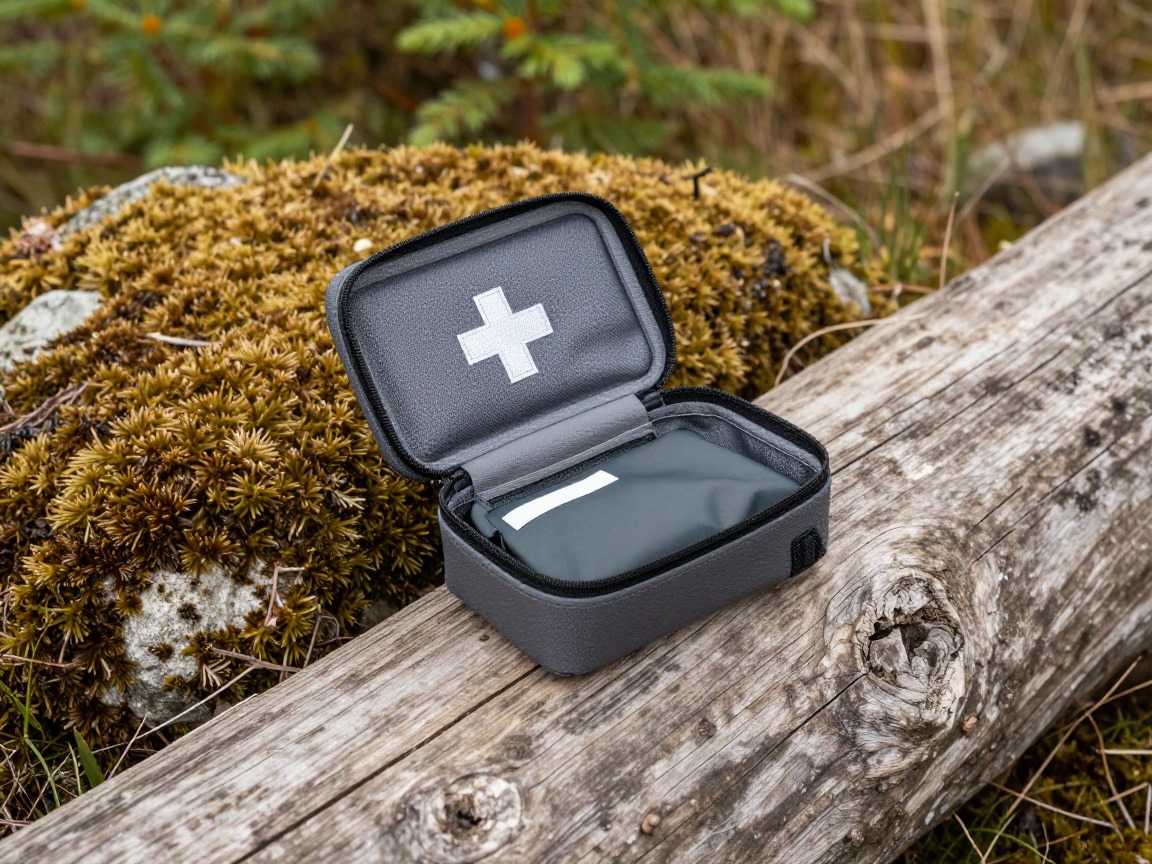
First-aid kit
A compact kit for blisters, cuts and sun-related irritation — pair it with knowing the early signs of heat exhaustion so you can act on them.
What to look for: A kit weighted toward blister care and minor injuries, and take a moment before the trip to actually learn what's in it and how to use it.
 Mini First Aid Kit - 150 Piece Small Waterproof EVA Hard Shell Case Check price
  Adventure Medical Kits Ultralight/Watertight Medical Kit .5 Check price
 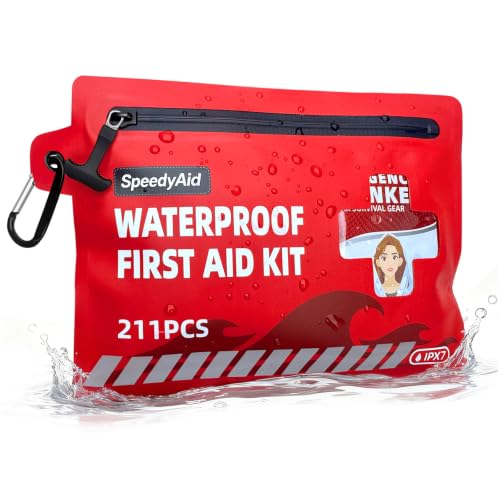 211 PCS Waterproof First Aid Kit Check price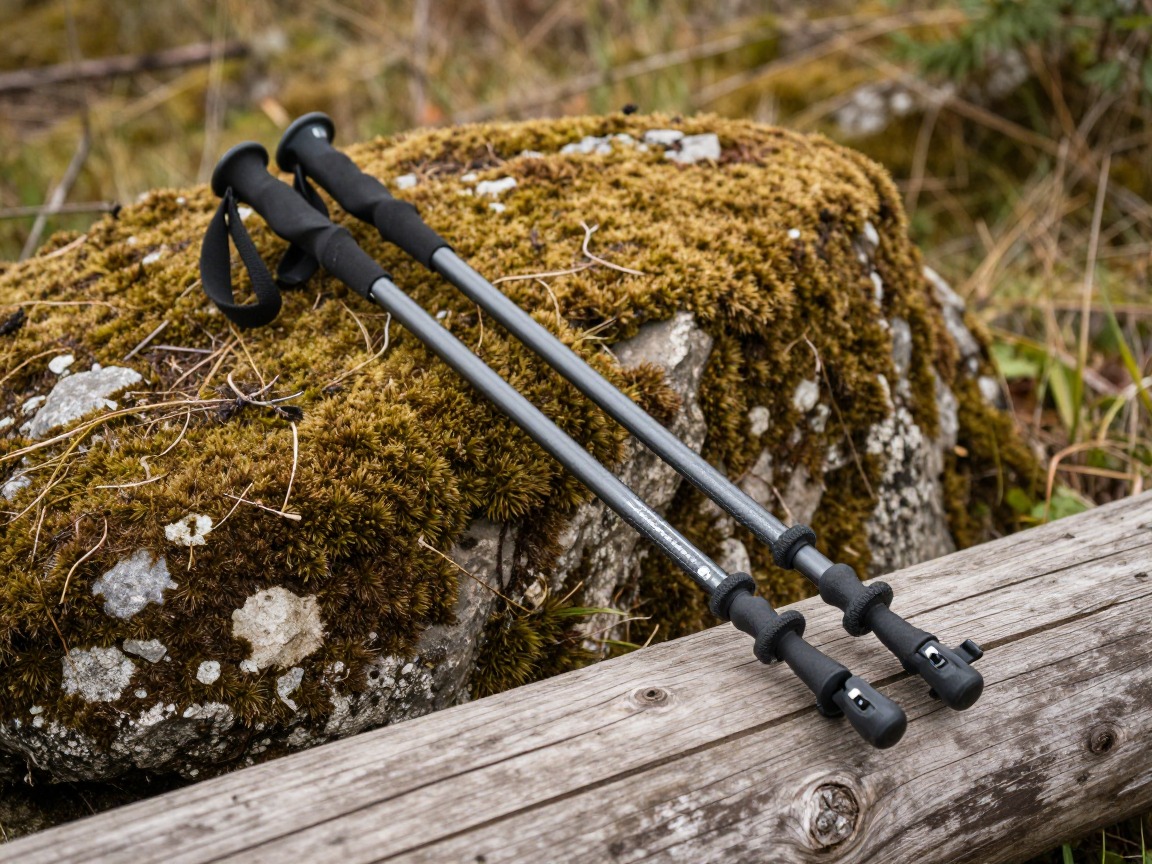
Trekking poles
Optional, but useful on hot, exposed climbs where saving leg effort means less heat you're generating with every step.
What to look for: Lightweight, comfortable grips that won't get slick with sweaty hands, and locks that hold under load on steep, dry ground.
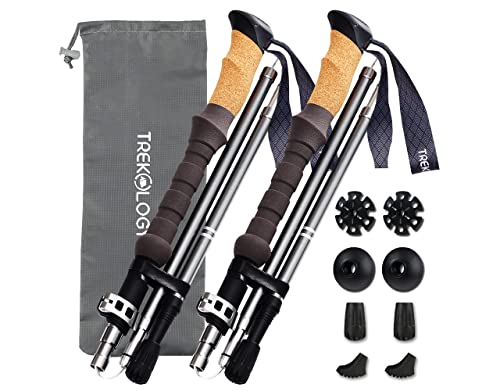 Trekology Trek-Z Cork Grip Collapsible Lightweight Hiking Trekking P Check price
 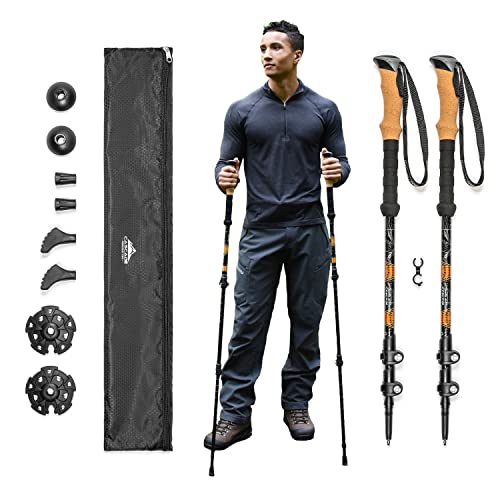 Cascade Mountain Tech Trekking Poles Check price
 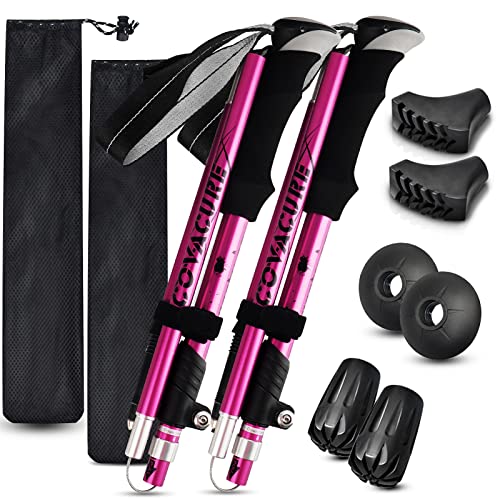 covacure Hiking Poles Check price
 - Map + compass or GPS (with offline maps)
- Phone + power bank
- Whistle
- A start time and turnaround planned around the day's heat, not just the mileage
- Know the early signs of heat exhaustion — heavy sweating, dizziness, nausea, clammy skin, headache — and treat them as a signal to stop, find shade and rest, not push through
How to adapt this setup
Push water capacity and the filter even further, cover up completely rather than going minimal, and consider a dawn start with the hike finished before late morning.
Sweat won't evaporate as efficiently, so lean even harder on breathable non-cotton layers and electrolytes, and expect to drink more than a dry-heat hike of the same distance.
Sun intensity climbs with elevation even when the air feels cool, so keep the full sun-protection kit and add a warm layer for exposed ridgelines and sudden afternoon storms.
Drop back toward the standard day-hike setup — less water margin needed, but keep sun protection, since UV still gets through cloud cover.
Plan around the slowest, most heat-sensitive person's turnaround time, and carry a bigger water and electrolyte margin than you'd need solo.
Common mistakes to avoid
- Starting midday and hiking straight through the hottest hours instead of front-loading the miles early.
- Carrying only 'day hike' water in real heat, with no filter or tablets to safely top up.
- Wearing dark, tight, or cotton clothing that traps heat instead of a light, breathable non-cotton layer.
- Skipping sunscreen reapplication and a brimmed hat, then paying for it with sunburn and a pounding headache.
- Ignoring early dizziness, nausea or clammy skin instead of stopping in shade and resting immediately.
- Replacing only water and not electrolytes, then wondering why you still feel drained and foggy.
Make it yours
Frequently asked questions
How much water do I need for a hot summer day hike?
Plan on noticeably more than a mild-weather hike of the same distance — heat and sun exposure can roughly double sweat loss. Carry a bigger reserve than you think you'll need, bring a filter or tablets to refill from any stream, and add electrolytes rather than relying on plain water alone.
What's the difference between heat exhaustion and heat stroke?
Heat exhaustion is the earlier, more common stage — heavy sweating, dizziness, nausea, headache and clammy skin — and the right response is to stop, find shade, rest and hydrate. Heat stroke is more severe and can include confusion or sweating that suddenly stops; it's a medical emergency requiring immediate cooling and a call to 911.
What should I wear hiking in the heat?
Light-colored, loose-fitting, breathable non-cotton fabrics — a moisture-wicking shirt or sun hoodie, hiking shorts or pants, and a brimmed hat. Cotton feels cool at first but stays wet with sweat and stops cooling you once it's soaked, so save it for the trailhead parking lot, not the trail.
What time should I start a summer hike to avoid the worst heat?
Starting at or before sunrise is the single biggest heat-management move you can make, letting you finish exposed or high-effort sections before the hottest hours hit, roughly late morning through mid-afternoon. Plan your turnaround around the heat, not just the mileage.
Do I really need a water filter for a short summer hike?
It's cheap insurance: heat can push your water use well past what you planned for, and a filter or purification tablets mean a stream refill covers the gap instead of you turning back thirsty. On any hike near reliable water, it's worth the small extra weight.
Illustrative images show the type of gear, not specific products. Recommendations link to similar items on Amazon; we only ever link real listings and never show fabricated prices or ratings. General planning guidance, not a substitute for your own judgment or professional backcountry-safety instruction.