
The stargazing overnight setup
Some overnights are about covering miles; this one is about sitting still under a genuinely dark sky. It's built for a single night timed around a new moon and a clear forecast — a reclining setup, red-light habits that protect your night vision, and the small kit that helps you see more of the sky.
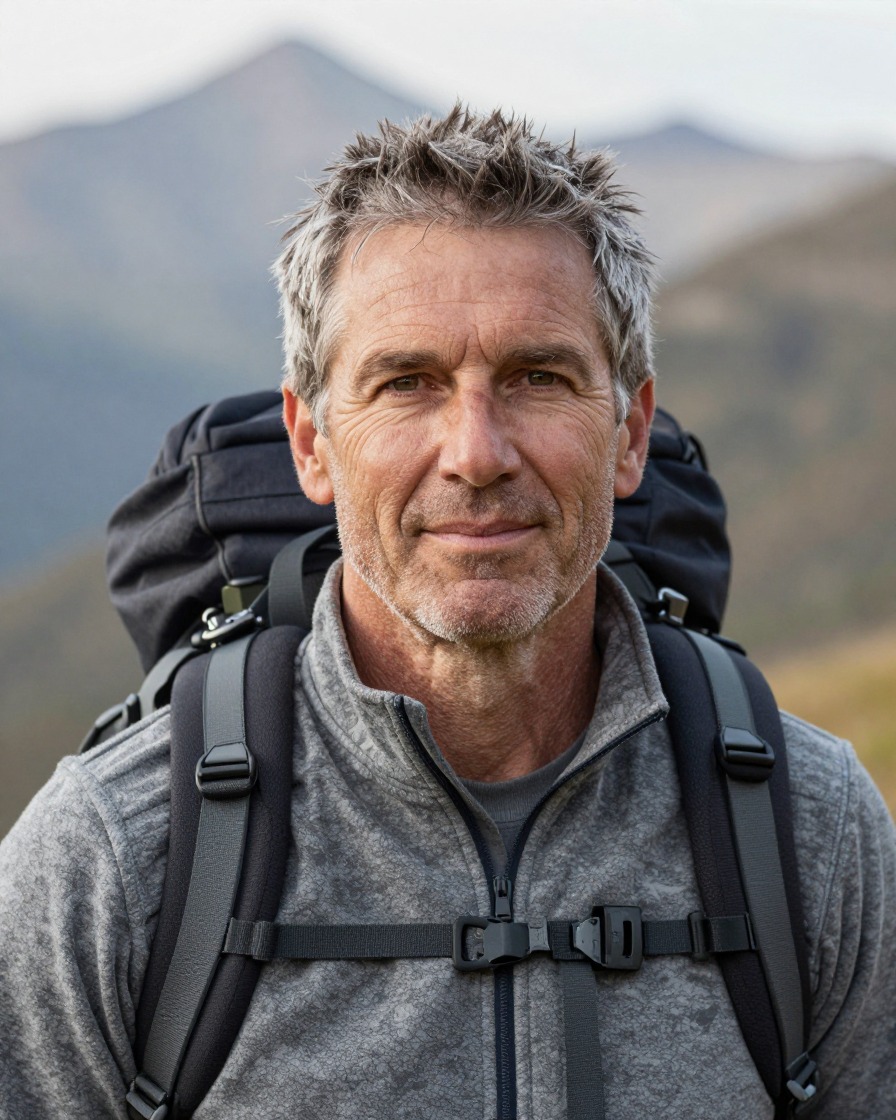
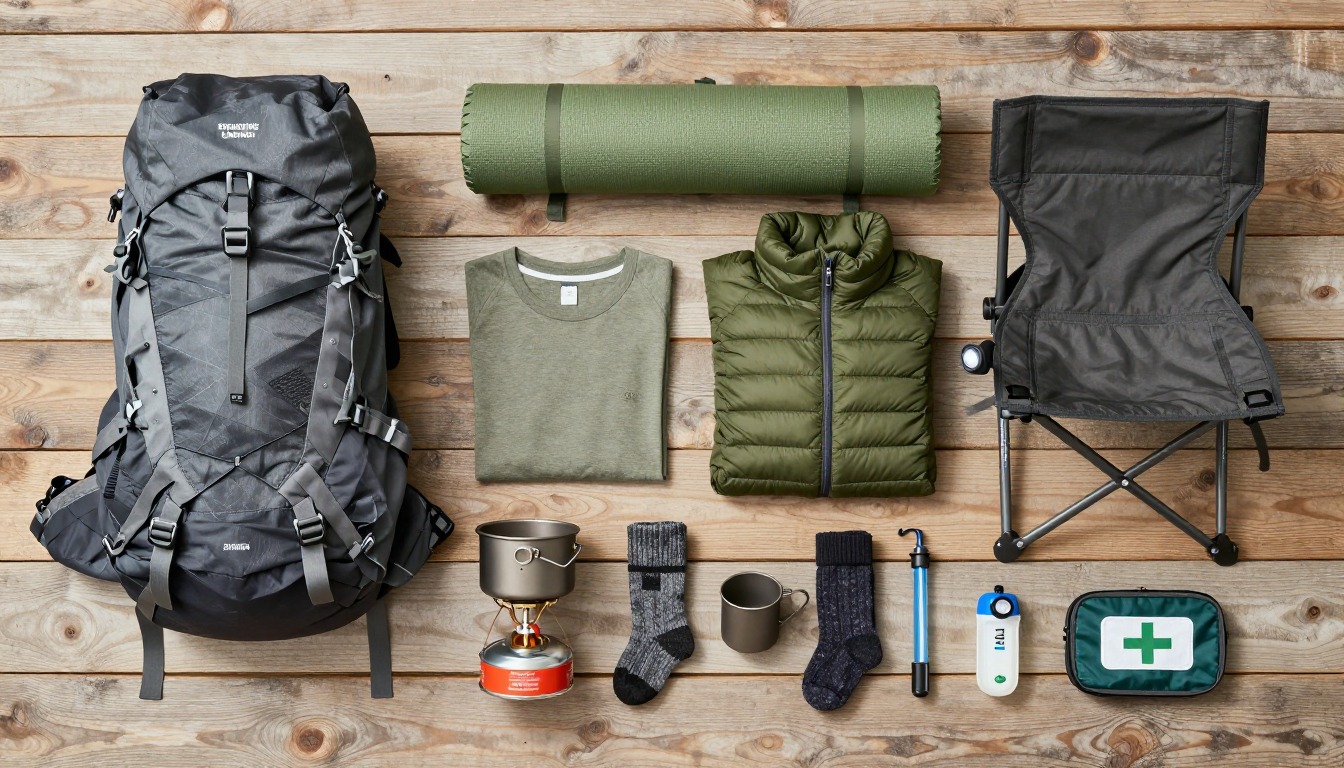
A stargazing overnight isn't built for miles — it's built for hours of sitting still after dark, which flips the priorities. You need warmth for stillness rather than motion, since you generate almost no heat once you stop moving. You need a way to recline instead of craning your neck for hours. And you need red light instead of white to protect your night vision, since one bright beam undoes twenty to thirty minutes of adaptation in a second — for you and anyone else nearby. None of it matters on a cloudy, moonlit night, so timing around a new moon and clear skies is part of the kit too.
This setup suits anyone who wants an overnight built around the sky rather than the trail — a short hike to a genuinely dark site, then hours of sitting and looking up before sleep. It works solo or with a partner willing to sit quietly in the cold. If you're chasing miles or a packed multi-day itinerary, the overnight backpacking list suits you better. And if city glow is the only sky you can reach, no gear here fixes that — you need distance from light pollution more than anything on this list.
- Pick your night before your gear: a new moon and a clear forecast at a genuinely dark site matter more than anything in your pack.
- Build the sleep and recline system for sitting still — a warmer bag and pad than a normal overnight, plus a reclining pad or a low camp chair.
- Set your night-vision habits: a red-light headlamp mode, and a stargazing app or star chart downloaded before you lose signal.
- Round out the kit with clothing, food and safety basics, then weigh the pack and trim elsewhere to offset the extra bulk.
About this setup
A stargazing overnight is a normal one-night trip with a different center of gravity: instead of miles or a summit, the point is a few hours of sitting still under a sky dark enough to actually see. That shift from moving to motionless changes more of the kit than you'd expect — staying warm sitting still for two hours is a different problem than staying warm hiking the same two hours.
The other real difference is your eyes. Night vision takes twenty to thirty minutes to adapt to the dark, and one blast of white light resets that instantly — yours and anyone else's nearby. That's why a red-light headlamp mode matters here in a way it doesn't on a normal overnight. Beyond the headlamp, the stargazing kit stays simple — a decent pair of binoculars shows far more of the sky than most people expect, and a stargazing app or offline star chart turns a confusing sky into things you can actually name.
None of it matters on the wrong night. A full moon washes out everything but the brightest stars, and clouds hide all of it regardless of your kit. Check a moon-phase calendar and a clear-sky forecast before you commit to a date, and pick a site with real distance from city light — a light-pollution map shows how dark your options actually are. Treat the trip like the overnight basics with one extra planning step up front, and the sky does the rest.
The pack
One night's gear plus a bit of extra stargazing kit still fits comfortably in a mid-size pack.
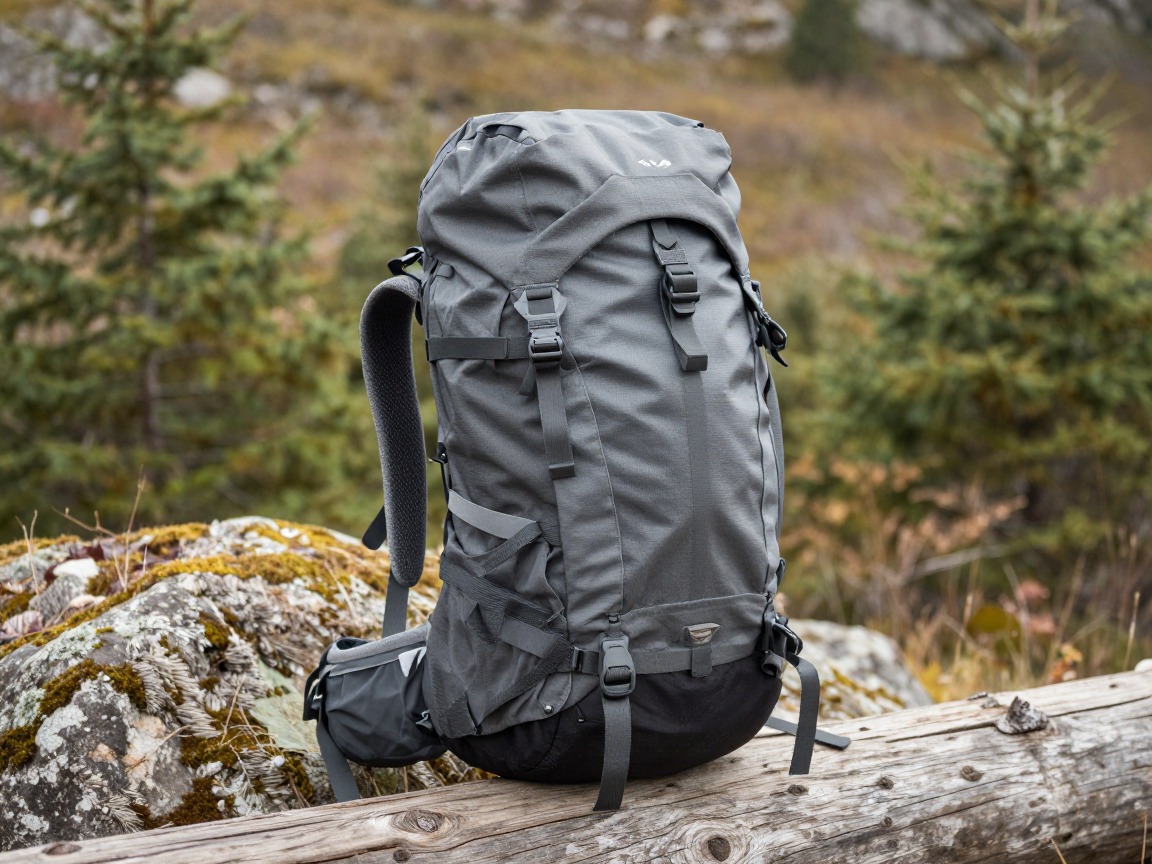
Overnight pack
Carries your shelter, sleep system, warm layers and the small stargazing kit for one night out.
What to look for: A supportive hip belt, a torso length that fits you, and roughly 35–45 L — enough room for the extra insulation and a chair without feeling stuffed.
 WoneNice 50L Check price
  Teton 55L Scout Internal Frame Backpack for Hiking Check price
 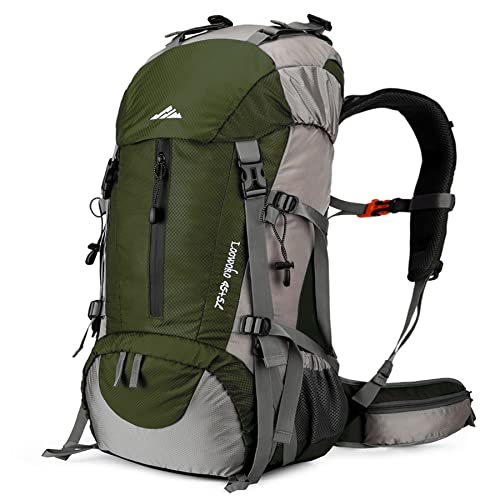 Loowoko 50L Hiking Backpack with Rain Cover for Both Men & Women Check price
 - A pack rain cover or liner
Shelter
You'll spend most of the night outside the tent, but you still need somewhere dry and bug-free to sleep once the stars have had their moment.
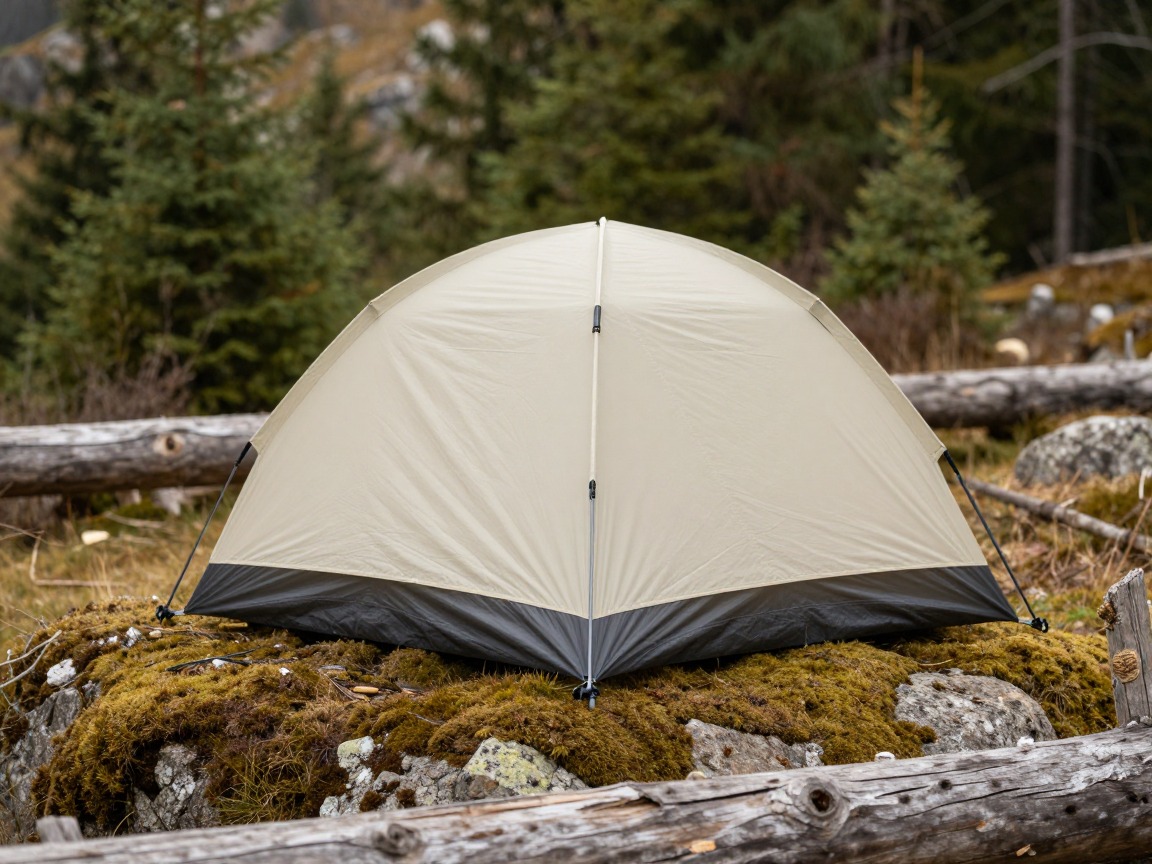
Backpacking tent
Shelter for whatever's left of the night once you're done watching the sky, and a dry backup if the weather turns.
What to look for: Easy, fast setup in the dark by headlamp, a full-coverage rainfly, and a door you can find by feel — you'll likely be pitching or entering it well after sunset.
 Night Cat 2-Persons Backpacking Tent: Waterproof Lightweight Camping Check price
  BISINNA 2/4 Person Camping Tent Lightweight Waterproof Backpacking T Check price
  Forceatt Tent for 2 Person is Waterproof and Windproof Check price
 - Stakes & guylines
Sleep system & camp comfort
This is where a stargazing overnight earns its own list — the same categories as a normal overnight, but built for hours of sitting still, not just sleeping.
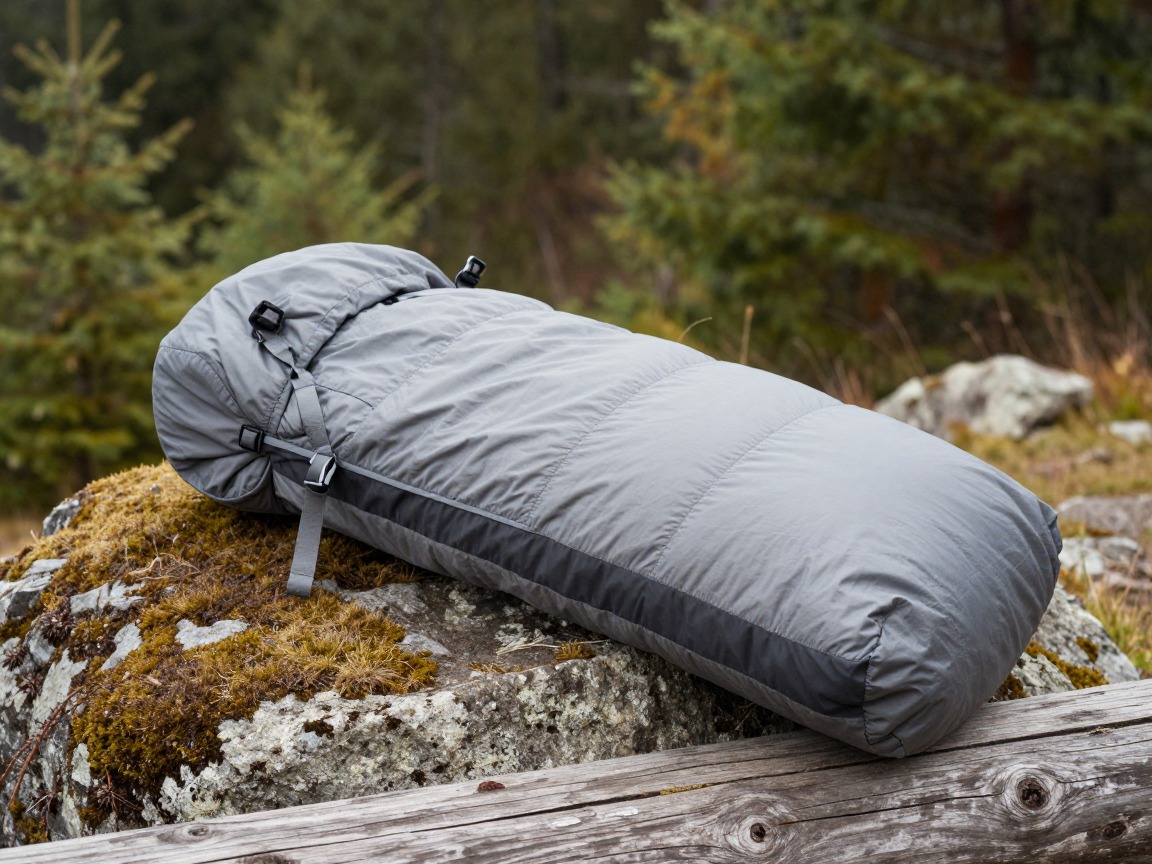
Sleeping bag
Keeps you warm both while you're sitting still watching the sky and while you sleep — rate it colder than you would for a normal overnight, since stillness costs you more warmth than walking ever does.
What to look for: A comfort rating with real margin below the expected low, not just matched to it. You'll be motionless for hours, which is a different kind of cold than hiking through the same temperature.
 MalloMe Sleeping Bags for Adults Cold Weather & Warm - Backpacking C Check price
 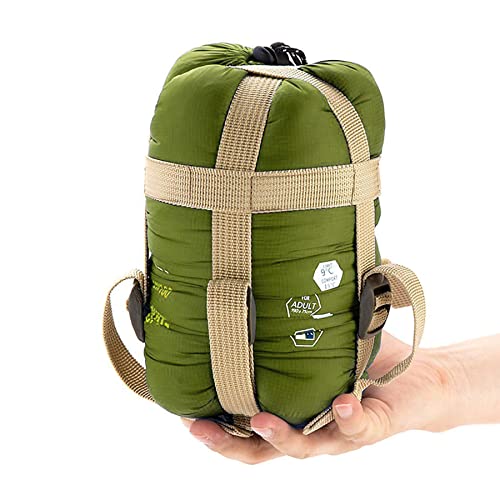 ECOOPRO Portable Check price
  Teton Trailhead Check price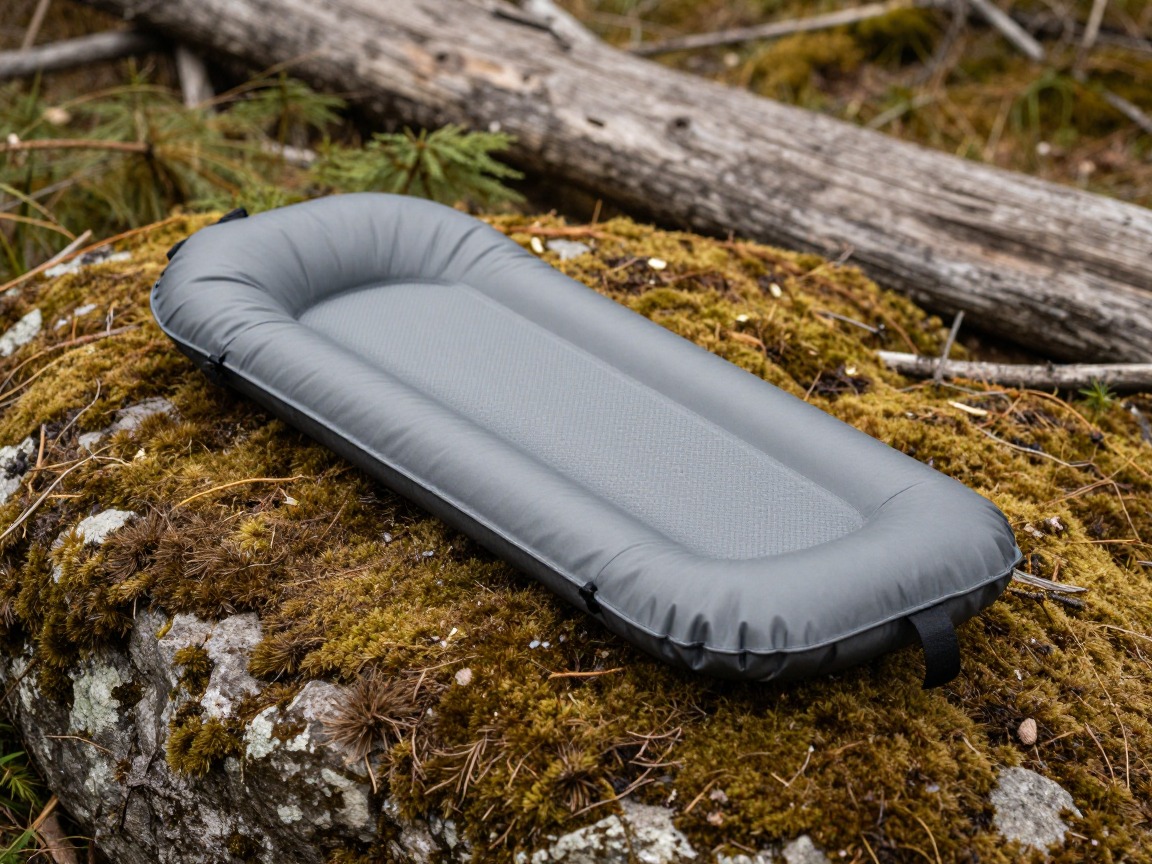
Sleeping pad
Insulates you from the cold ground whether you're lying down asleep or sitting on it wrapped in your bag watching the sky.
What to look for: Enough R-value for the season, plus enough comfort that you're happy sitting upright on it for an hour or two, not just lying flat.
 FUN PAC Camping Sleeping Pad Check price
  Gear Doctors® Ether 17.5oz Ultralight Camping Sleeping Pad Check price
  Oramoose 4in Ultralight Camping Sleeping Pad with Pillow and Foot Pu Check price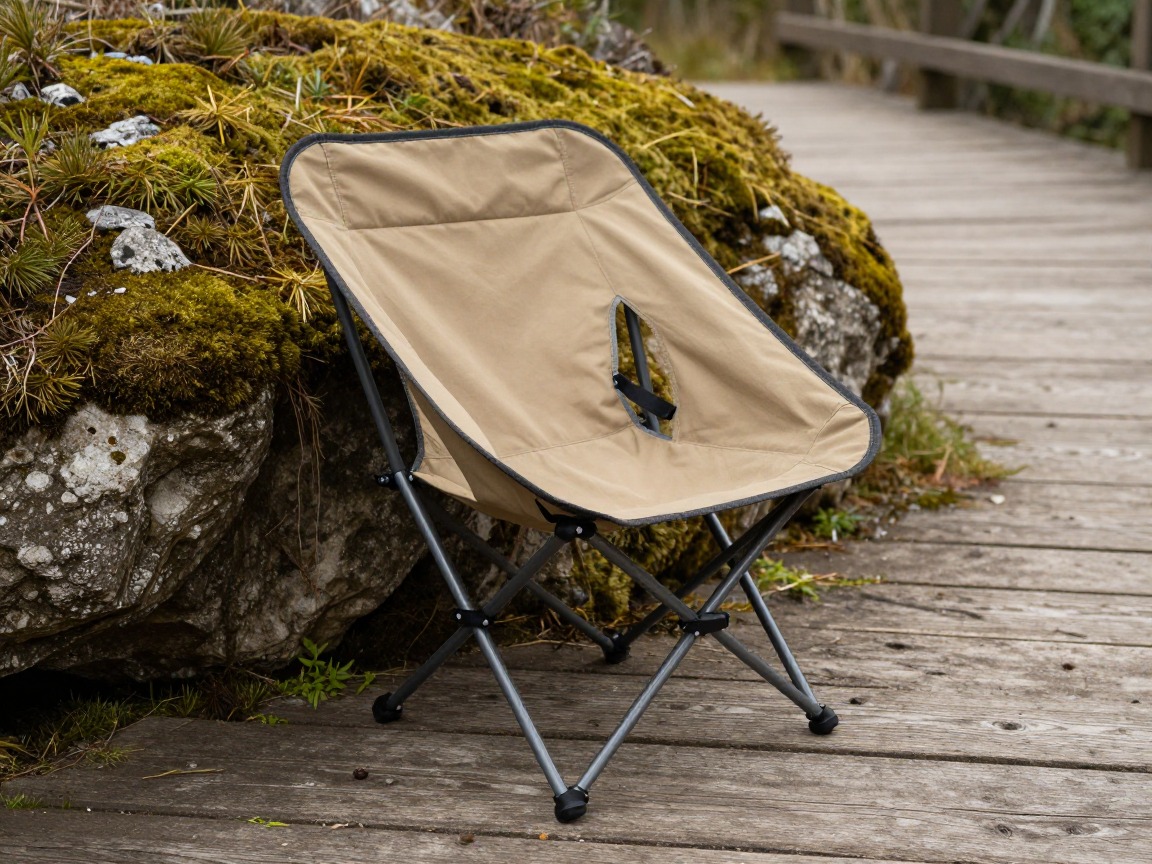
Reclining camp chair
Turns watching the sky from a sore neck into an actual rest — a low, reclining chair lets you look straight up without craning.
What to look for: A reclining or low-backed design rather than an upright camp stool, a packed weight you're willing to carry, and a seat low enough that leaning back still points you at the sky.
 ONETIGRIS Tigerblade Camping Chair Check price
  ONETIGRIS Tigerblade Camping Chair Check price
  MOON LENCE Portable Camping Chair Backpacking Chair - The 4th Genera Check price
 - Inflatable or stuff-sack pillow
Clothing for sitting still
You'll be far colder sitting motionless for a couple of hours than hiking the same distance, so this layering system leans warmer than a typical overnight's.
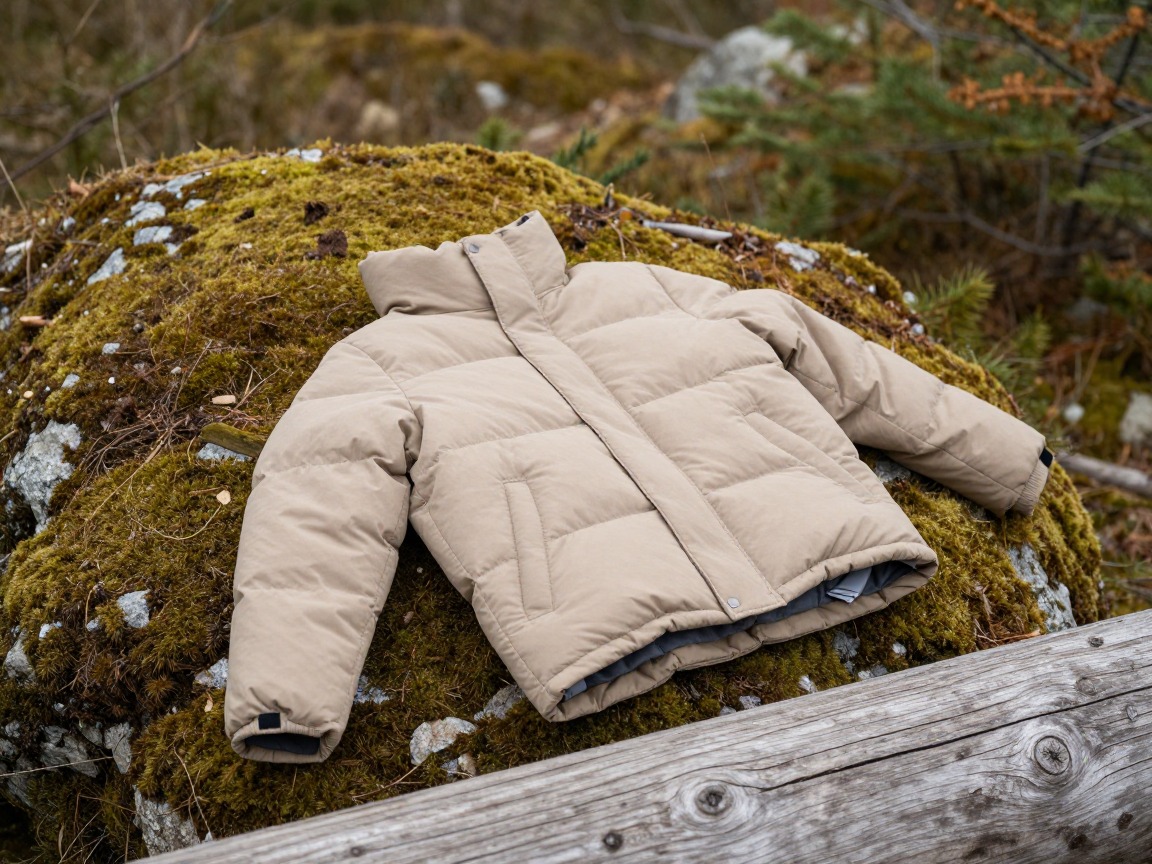
Insulated jacket
Your main defense once you stop moving and settle in to watch the sky — pack a warmer one than you'd bring for an overnight spent mostly hiking.
What to look for: More warmth than you think you need for the forecast low; a hood adds real warmth for stillness. Down packs warmer for its weight if you can keep it dry.
 Outdoor Ventures Women's Packable Lightweight Puffer Jacket with Hoo Check price
  Amazon Essentials Women's Lightweight Long-Sleeve Water-Resistant Pa Check price
  Outdoor Ventures Women's Packable Lightweight Puffer Jacket with Hoo Check price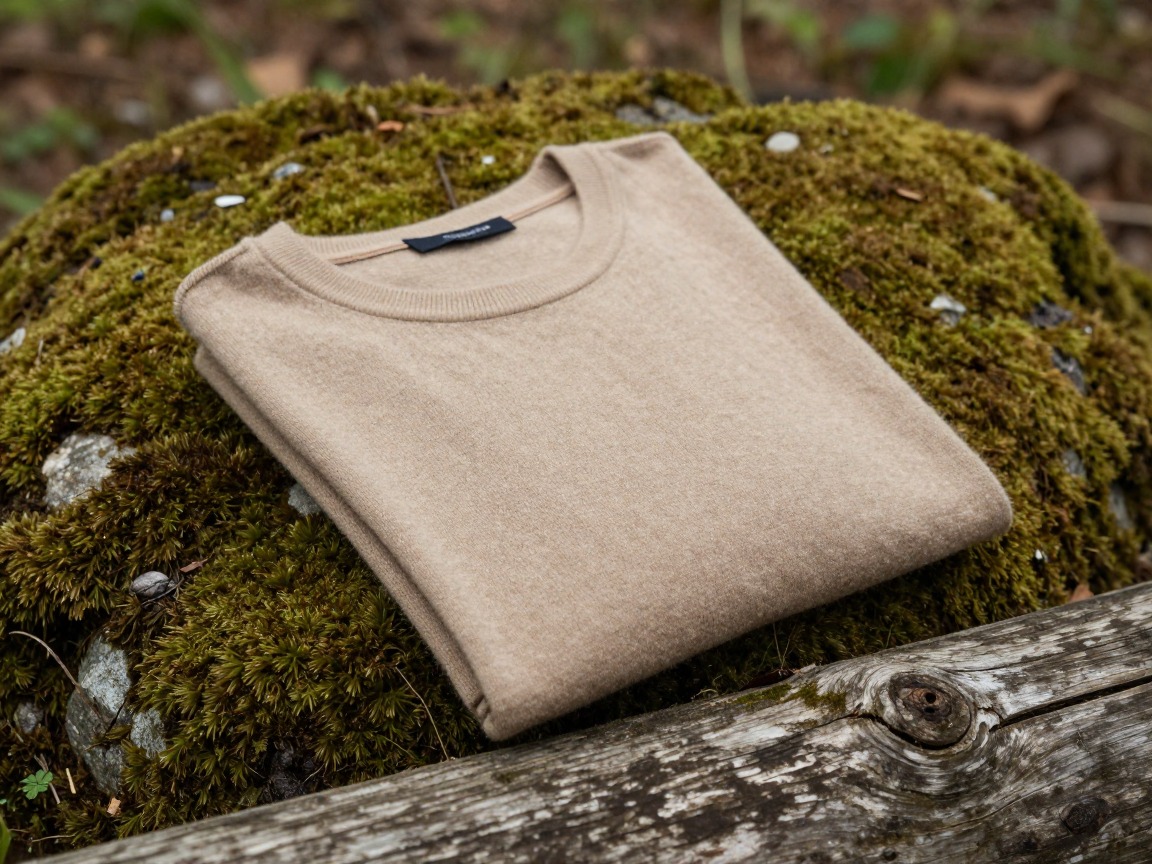
Warm base layer
Traps heat next to your skin through hours of stillness, under everything else you're wearing.
What to look for: A midweight merino or synthetic that keeps insulating even if you sweat a little on the walk in, then sit in it for hours once you cool down.
 100% Merino Wool Base Layer Men Set - Thermal Underwear for Men Long Check price
  Merino.tech Merino Wool Base Layer Women Set - Heavyweight Check price
  100% Merino Wool Base Layer Men Set - Thermal Long Underwear with Ba Check price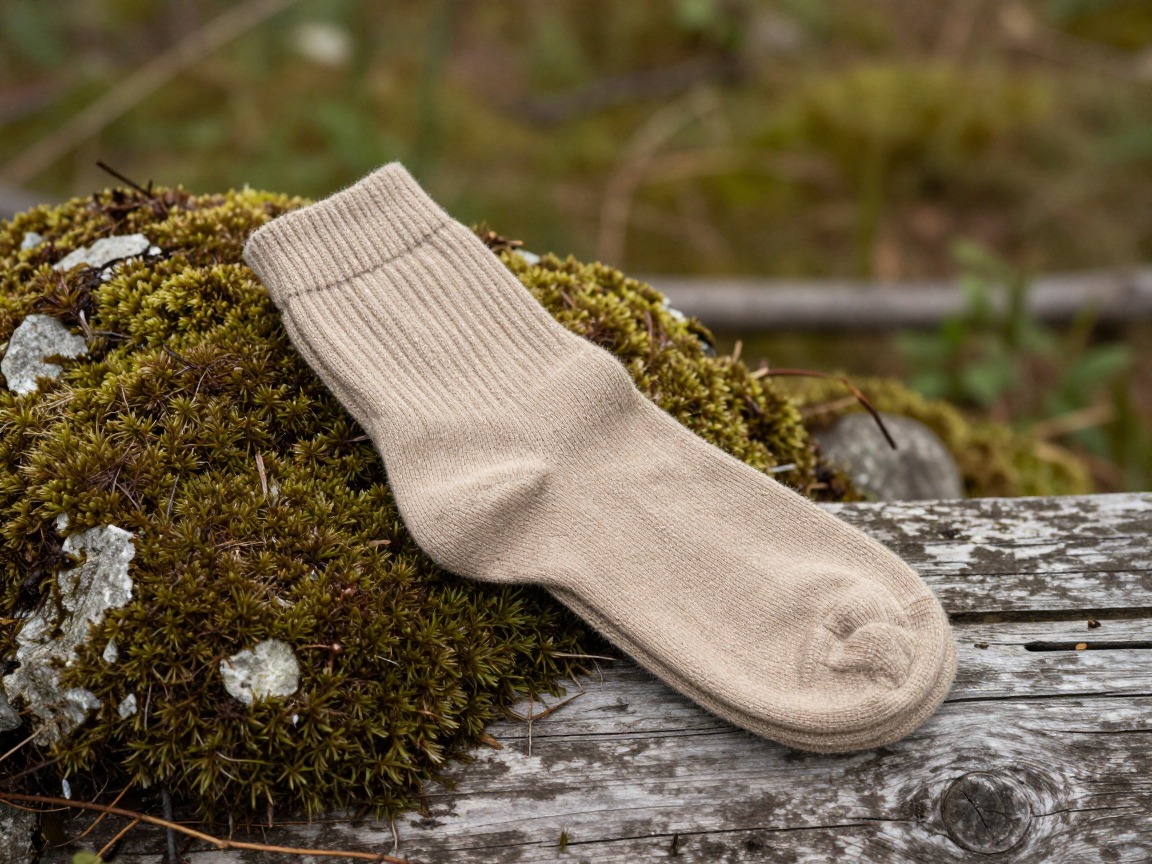
Warm socks
Cold feet end a stargazing session faster than almost anything else, since they're the part of you furthest from any heat source once you're sitting still.
What to look for: Thick wool or a wool blend, sized to layer over a thinner sock without cutting off circulation in your boots.
 Alvada Merino Wool Hiking Socks Thermal Warm Crew Winter Boot Sock F Check price
  DANISH ENDURANCE Merino Wool Socks for Men & Women Check price
  innotree 3 Pack Men's Merino Wool Hiking Socks Check price
 - Warm hat & insulated gloves
- Buff or neck gaiter
Kitchen & water
A hot drink is as much a part of a stargazing night as the sky itself — keep the kitchen simple, since you're only cooking two meals plus something warm to sip.
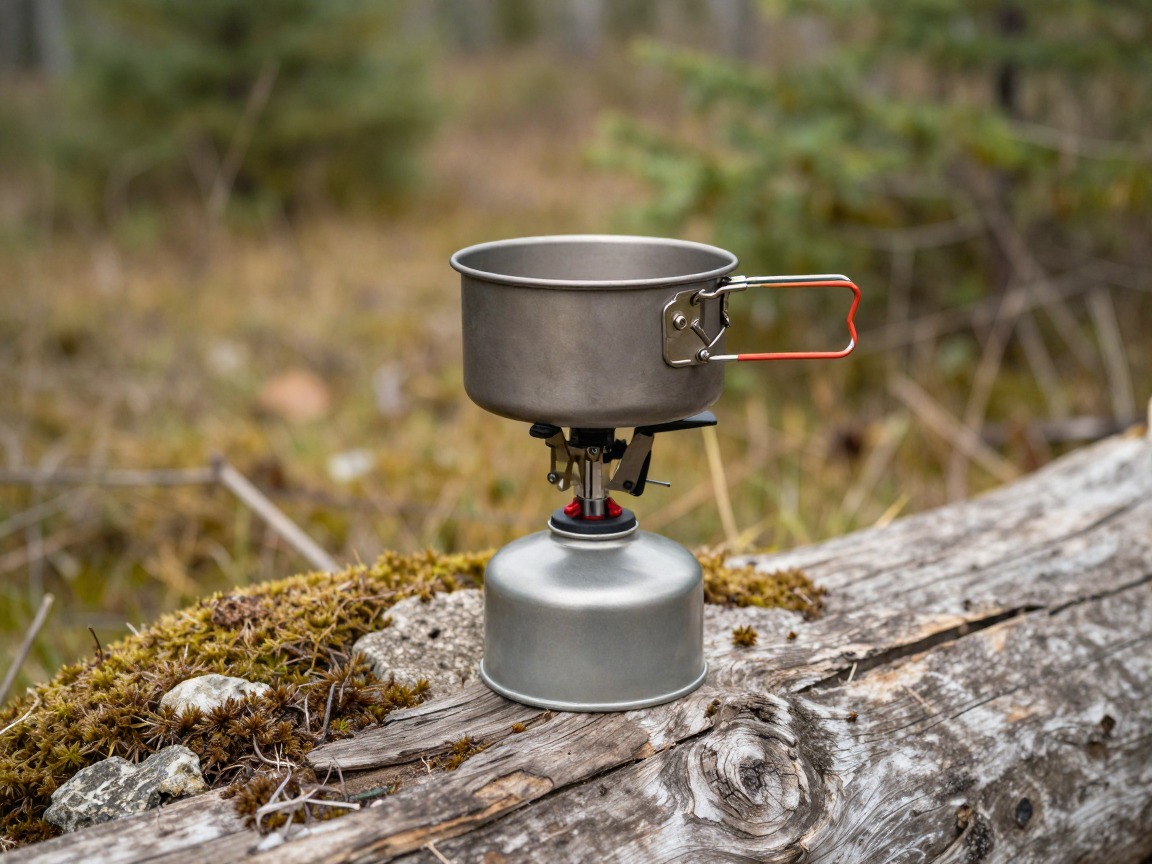
Backpacking stove
Boils water for dinner, breakfast, and the hot drink that makes sitting still in the cold a lot more pleasant.
What to look for: A simple, stable canister stove that boils water quickly — you don't need anything more elaborate for two meals and a hot drink.
 AOTU Portable Camping Stoves Backpacking Stove with Piezo Ignition S Check price
  MSR PocketRocket 2 Ultralight Camping and Backpacking Stove Check price
  Fire-Maple Greenpeak 1 Camping Stove with Piezo Ignition Portable Ga Check price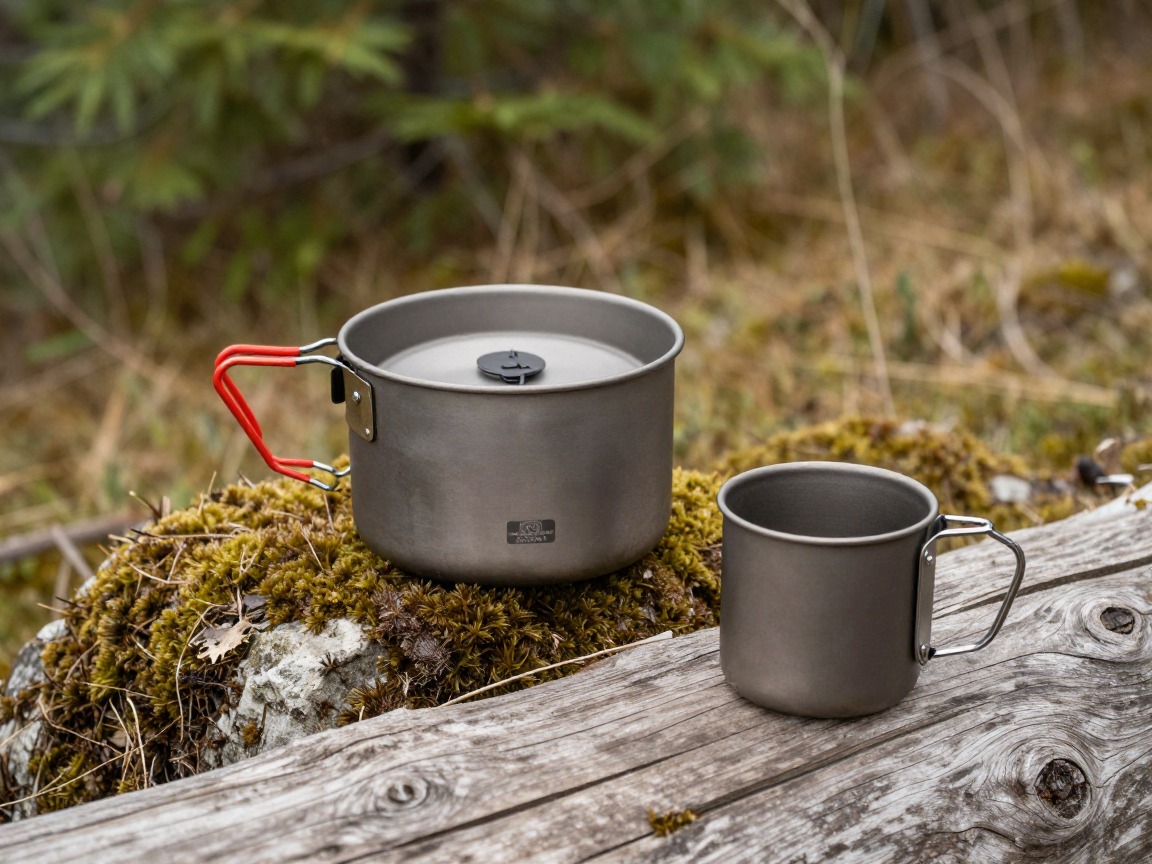
Pot & mug
One pot handles both meals; a separate insulated mug keeps a hot drink warm through a long stretch of sitting and looking up.
What to look for: A pot sized for one person's meals, plus an insulated mug that holds heat longer than an open cup while you sit still for an hour or two.
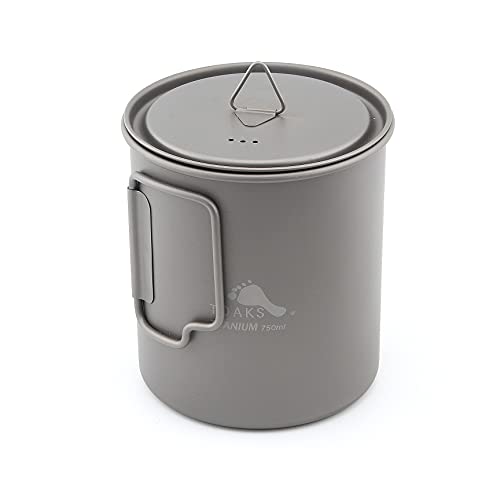 TOAKS Titanium 750ml Pot Check price
  TOAKS Titanium 750ml Pot with Bail Handle for Ultralight Camping Check price
  TOAKS Titanium 1100ml Pot with Pan Check price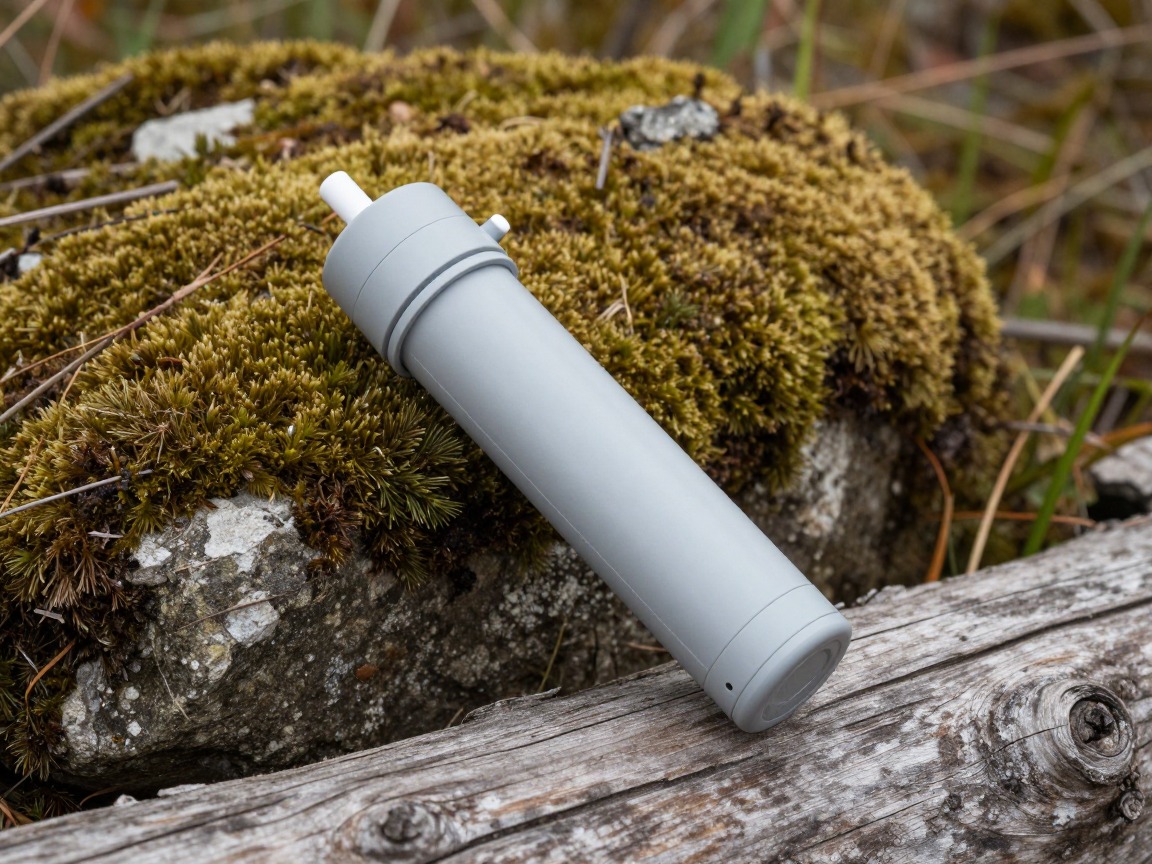
Water filter
Lets you refill from a stream or lake instead of carrying every drop for the trip.
What to look for: A simple squeeze or gravity filter — for one night, you don't need a high-volume or heavy-duty system.
 Sawyer Squeeze Water Filtration System Check price
  Sawyer Products SP128 Mini Water Filtration System Check price
  LifeStraw Personal Water Filter for Hiking Check price
 - Fuel canister
- Spork & lighter
- Dinner, breakfast & a hot-drink mix
- Food storage (bag + hang line, or a canister where required)
Night vision, stargazing kit & safety
Protecting your night vision matters as much here as the sky itself — plus the small kit that turns a dark sky into a good look at it.
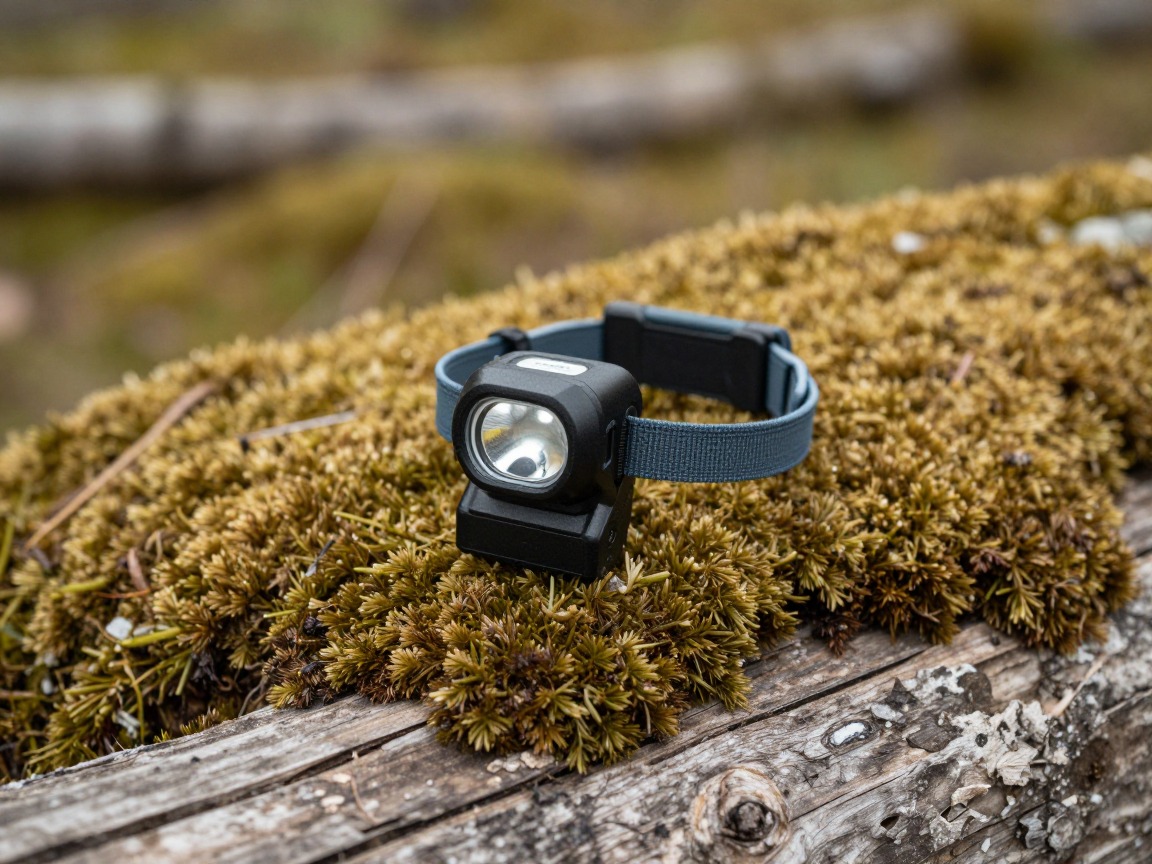
Headlamp with red-light mode
Red light lets you find gear or check the stove without wrecking the night vision your eyes took twenty to thirty minutes to build. Switch to white light only when you need to see clearly, like breaking camp.
What to look for: A genuine red-light mode, not just a dim white one, a comfortable strap, and batteries you trust to last the night — cold saps battery life fast.
 LHKNL Headlamp Flashlight Check price
 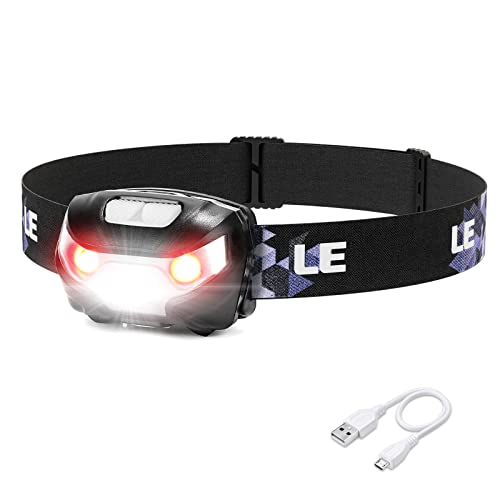 Lepro LED Headlamp Rechargeable IPX4 Waterproof Headlight 5 Modes - Check price
 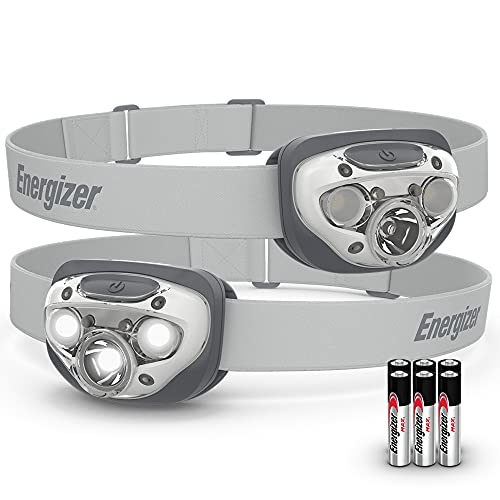 Energizer LED Headlamp PRO Check price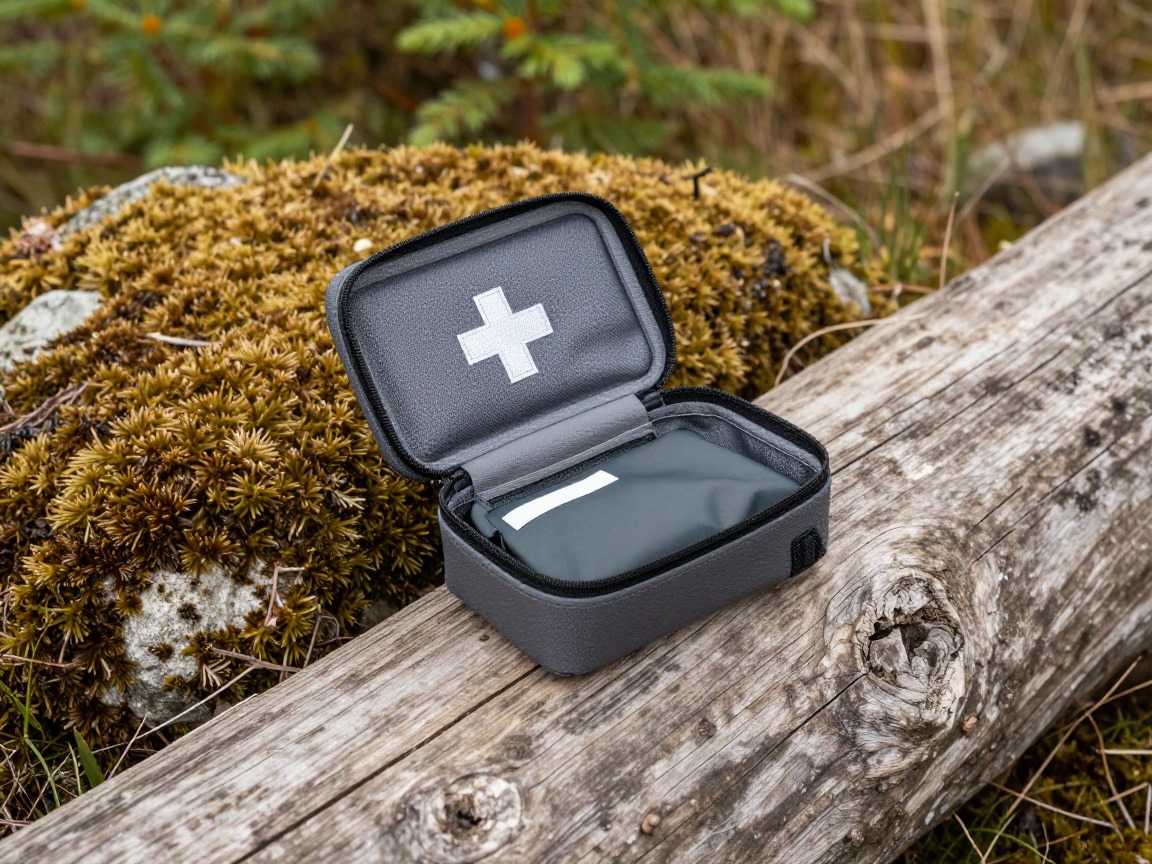
First-aid kit
A compact kit for blisters, cuts and the basics, sized for a short trip close to help.
What to look for: A kit weighted toward blisters and small cuts, plus any personal medication you rely on. Know what's in it before you need it.
 Mini First Aid Kit - 150 Piece Small Waterproof EVA Hard Shell Case Check price
  Adventure Medical Kits Ultralight/Watertight Medical Kit .5 Check price
 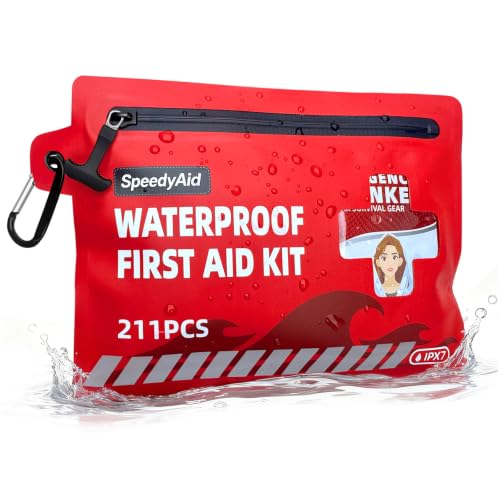 211 PCS Waterproof First Aid Kit Check price
 - Binoculars (7x50 or 10x50) or a small telescope
- A stargazing app or offline star chart, downloaded before you lose signal
- Map + compass or GPS (offline maps)
- Whistle, phone & power bank
- Sunscreen & lip balm
- Toilet kit — trowel, TP, waste bags (Leave No Trace)
How to adapt this setup
Arrive well before the peak and plan on sitting still longer than a normal stargazing night — bump the warmth up to match.
Pick a site close to the trailhead, lean on the camp chair over sitting on the ground, and keep the optics simple — a basic pair of binoculars is plenty for a first look at the moon.
Lighten the sleep system to match the season, but don't skip the insulated jacket — temperatures still drop after midnight, right when you'll be sitting still the longest.
Bump up the bag and pad's warmth rating and add hand warmers — stillness in the cold is unforgiving in a way a moving hike never is.
A tripod and camera gear go beyond this list — treat this setup as the camping half of the trip and add imaging kit on top.
Common mistakes to avoid
- Picking a date without checking the moon phase — a bright moon washes out all but the brightest stars.
- Running a white-light headlamp at full brightness around camp, wrecking your own night vision and everyone else's.
- Underestimating how much colder sitting still gets compared to hiking the same temperature.
- No reclining setup, so you spend hours craning your neck instead of enjoying the sky.
- Packing a heavy telescope you'll fight with in the dark when binoculars would have shown you plenty.
- Skipping an offline star chart or app, then losing signal right where there's the least light pollution to compete with.
Make it yours
Frequently asked questions
What's the best packing list for an overnight stargazing trip?
A normal one-night kit with three changes: a warmer bag and pad plus a reclining camp chair, insulated layers rated warmer than usual, and a headlamp with a red-light mode. Add binoculars and a stargazing app, and time it around a new moon and a clear forecast.
Why do I need a red-light headlamp for stargazing?
Your eyes take twenty to thirty minutes to adapt to the dark, and a burst of white light resets that instantly. A red-light mode lets you find gear or check the stove without losing your night vision — or ruining it for anyone stargazing nearby.
How do I pick a good night for stargazing?
Check a moon-phase calendar and aim for a new moon or a few days either side, then confirm a clear forecast — clouds and moonlight both wash out the sky regardless of your gear. A light-pollution map helps judge how dark your site really is.
Do I need a telescope to go stargazing while backpacking?
No — a decent pair of binoculars (7x50 or 10x50) is lighter, easier to use in the dark, and shows plenty: craters on the moon, Jupiter's moons, and star clusters invisible to the naked eye. Save a telescope for car camping instead.
How do I stay warm sitting still for hours at night?
Rate your bag and pad colder than a normal overnight, add a warmer insulated jacket, and use a reclining pad or camp chair instead of sitting on the cold ground. A hot drink from the stove helps more than people expect.
Illustrative images show the type of gear, not specific products. Recommendations link to similar items on Amazon; we only ever link real listings and never show fabricated prices or ratings. General planning guidance, not a substitute for your own judgment or professional backcountry-safety instruction.