
The solo female hiking setup
Hiking alone is one of the best ways to actually hear yourself think on a trail — and it rewards a little extra preparation. This is a complete solo-hiking setup built around three things: a real communication plan, sharp situational awareness, and the self-reliance to handle small problems before they become big ones.
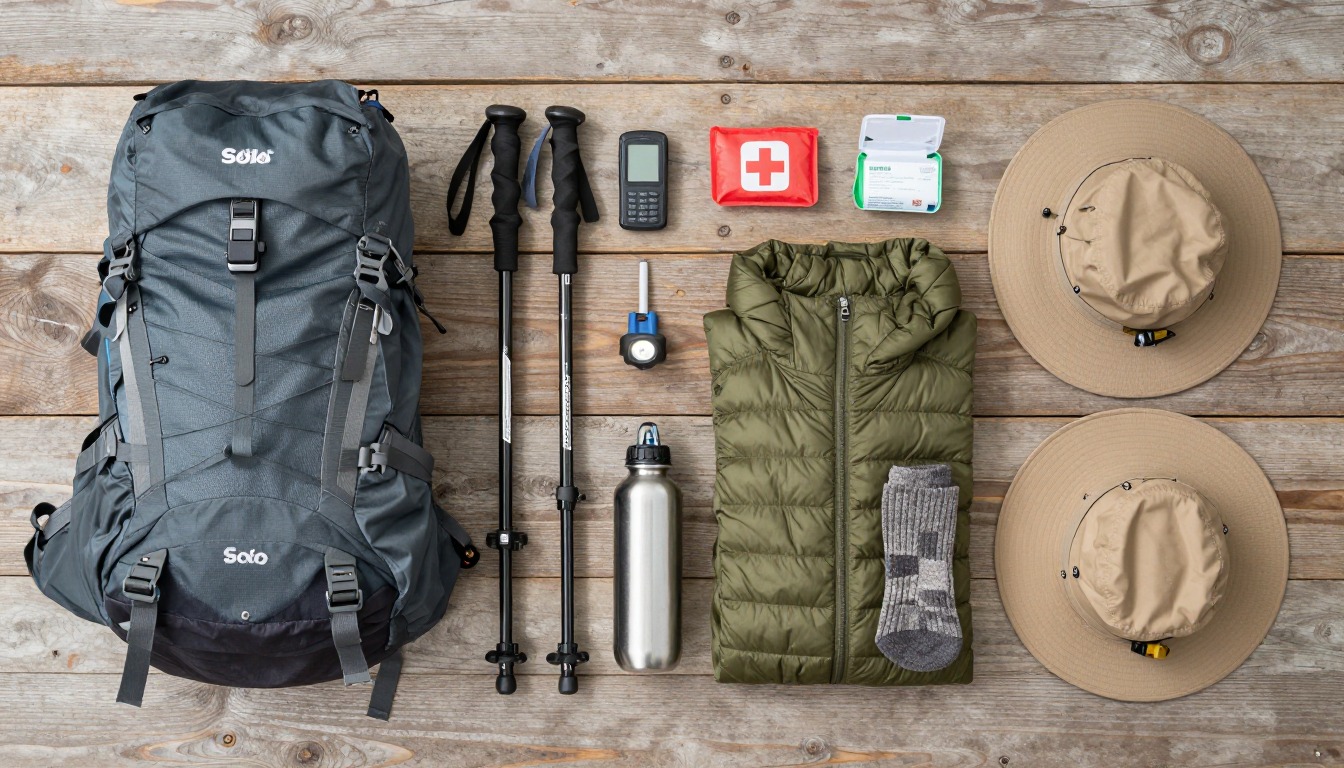
This setup is built around one idea: when you hike alone, you are your own backup, so the kit closes that gap instead of pretending it isn't there. A satellite messenger and a detailed trip plan shared with a trusted contact replace the safety net a hiking partner would normally provide; solid navigation and a practiced first-aid kit mean a wrong turn or a minor injury is something you handle yourself, not something you need someone else to notice. None of this is about hiking scared — it's about removing the guesswork so your attention stays on the trail, not on what might go wrong.
Suits hikers heading out alone for a few hours to a full day, on marked or moderately remote trails, who want a kit that backs up their own judgment rather than second-guessing it. If you're new to hiking generally, pair this with a few group trips first to build trail sense before going solo. If you're heading somewhere very remote or planning multiple days out, layer this onto the weekend backpacking list and consider a well-traveled route for your first solo trip.
- Start with your communication plan, not your pack — decide your route, a turnaround time, and who you'll check in with, then build the gear around it.
- Add a satellite messenger and test it at home before you rely on it, so sending a check-in or an SOS is automatic, not something you're figuring out under stress.
- Layer in the day-hike essentials — pack, water, food, layers, light and first aid — the same non-negotiables as any day hike, carried with a little more redundancy.
- Finish with the confidence-builders: a map and compass or offline GPS you actually know how to use, trekking poles for stability, and a first-aid kit you've practiced with — then go.
About this setup
Solo hiking is one of the fastest-growing ways women get outside, and for good reason — it's the version of the trail with the fewest compromises: your pace, your route, your rest stops, on your own schedule. The gear and habits that make it work well aren't really about fear; they're the same kind of preparation any solo traveler uses, adapted to trail conditions where help can be hours away and cell service is unreliable at best.
The core of that preparation is communication. A detailed trip plan — the exact trailhead and parking spot, which trail and loop direction, your expected return time, and a hard call-for-help time if you haven't checked in — left with someone who will actually notice you're late does more for your safety than almost anything in your pack. A satellite messenger closes the last gap: a lot of trailheads and a lot of trail miles sit outside cell coverage, and a two-way messenger lets you send a routine check-in, request non-emergency help, or trigger an SOS without depending on a signal that might not be there.
The rest of the kit backs up your own judgment rather than replacing it. Solid map-and-compass or offline-GPS skills mean a wrong turn is a five-minute correction instead of a crisis. A first-aid kit you've actually practiced with turns a twisted ankle or a bad blister into something you can manage on your own two feet. And staying aware of your surroundings — who else is on the trail, how the weather is shifting, how much daylight is left — is a skill that sharpens with time on trail, and it pairs with confidence, not anxiety. None of this is about hiking scared; it's about hiking free, with a plan solid enough to back you up if something goes sideways.
The pack
A 15–25 liter daypack is plenty for a solo day hike — the goal is a kit you can move in easily, not one so heavy it slows your reactions.
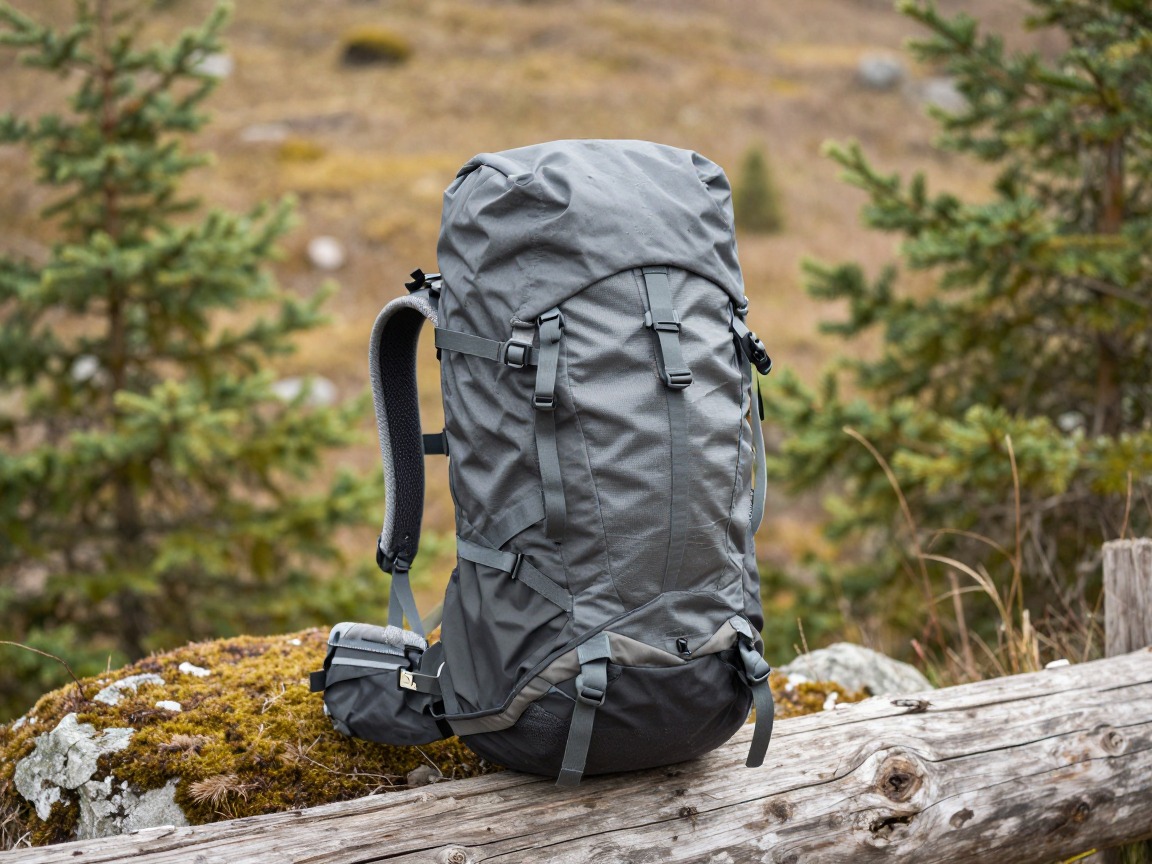
A day-sized backpack
Holds the full kit with room for shed layers, and keeps your satellite messenger and first-aid kit somewhere you can reach fast.
What to look for: A comfortable, well-fitted back panel and hip belt, external pockets you can reach without taking the pack off, and 15–25 L for most solo day hikes.
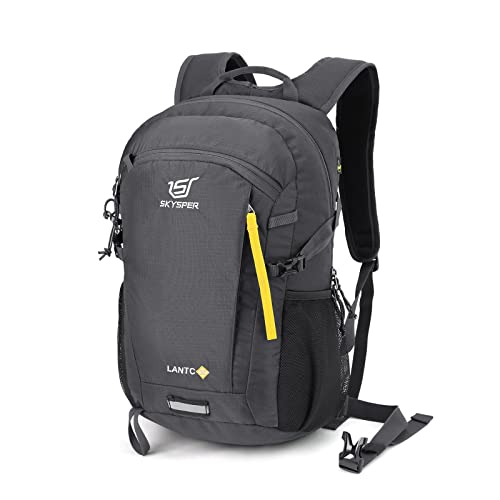 SKYSPER Small Hiking Backpack Check price
  Osprey Sportlite 20L Lightweight Hiking Backpack Check price
 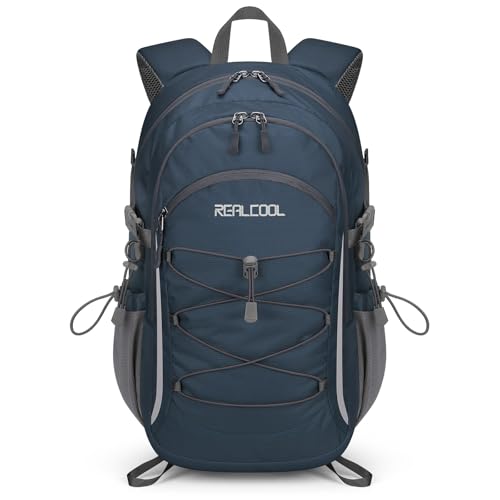 RealCool 20L Lightweight Hiking Backpack Check price
 Communication & check-in
This is the section that matters most when you're hiking alone: a way to reach help that doesn't depend on cell signal, and a plan someone else is watching.
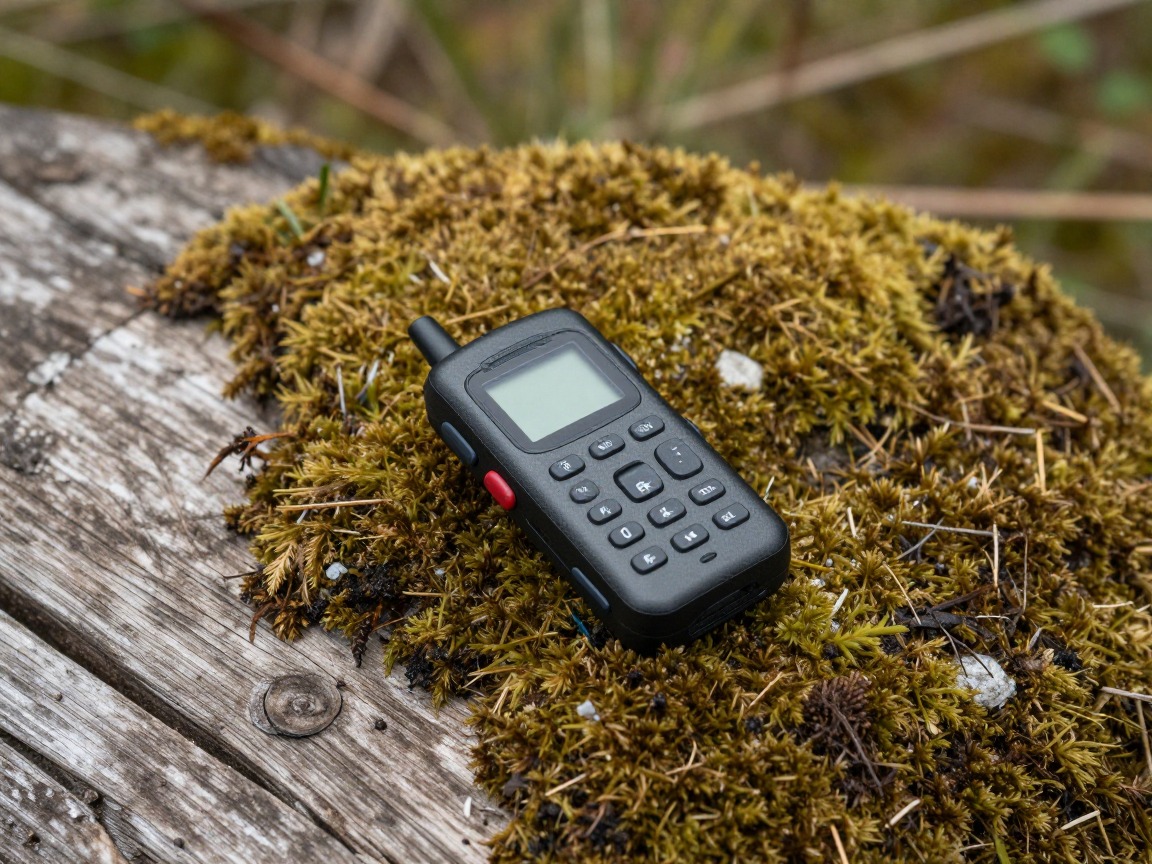
Satellite messenger
Sends routine check-ins, two-way messages and an SOS from well outside cell coverage — the single biggest upgrade for solo-hiking safety.
What to look for: Two-way messaging so you can confirm help is actually coming (not just a one-way SOS button), a subscription plan that matches how often you're out, and battery life that comfortably covers the trip.
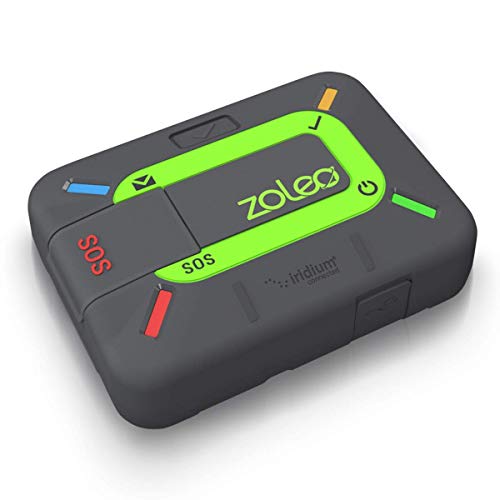 ZOLEO Satellite Communicator Check price
  Garmin inReach® Messenger Satellite Communicator Check price
  Garmin inReach® Mini 2 Check price
 - A detailed trip plan — trailhead, parking spot, route and direction, expected return time, and a hard call-for-help time — left with a trusted contact
- An agreed check-in schedule: a message before you lose signal, and another when you're back at the car
- A fully charged phone with offline maps downloaded, kept in airplane mode or low-power mode to stretch the battery
Navigation, first aid & self-reliance
Confidence on a solo trail comes from being able to handle the small stuff yourself — a wrong turn, a blister, an unsteady creek crossing — without needing anyone to notice.
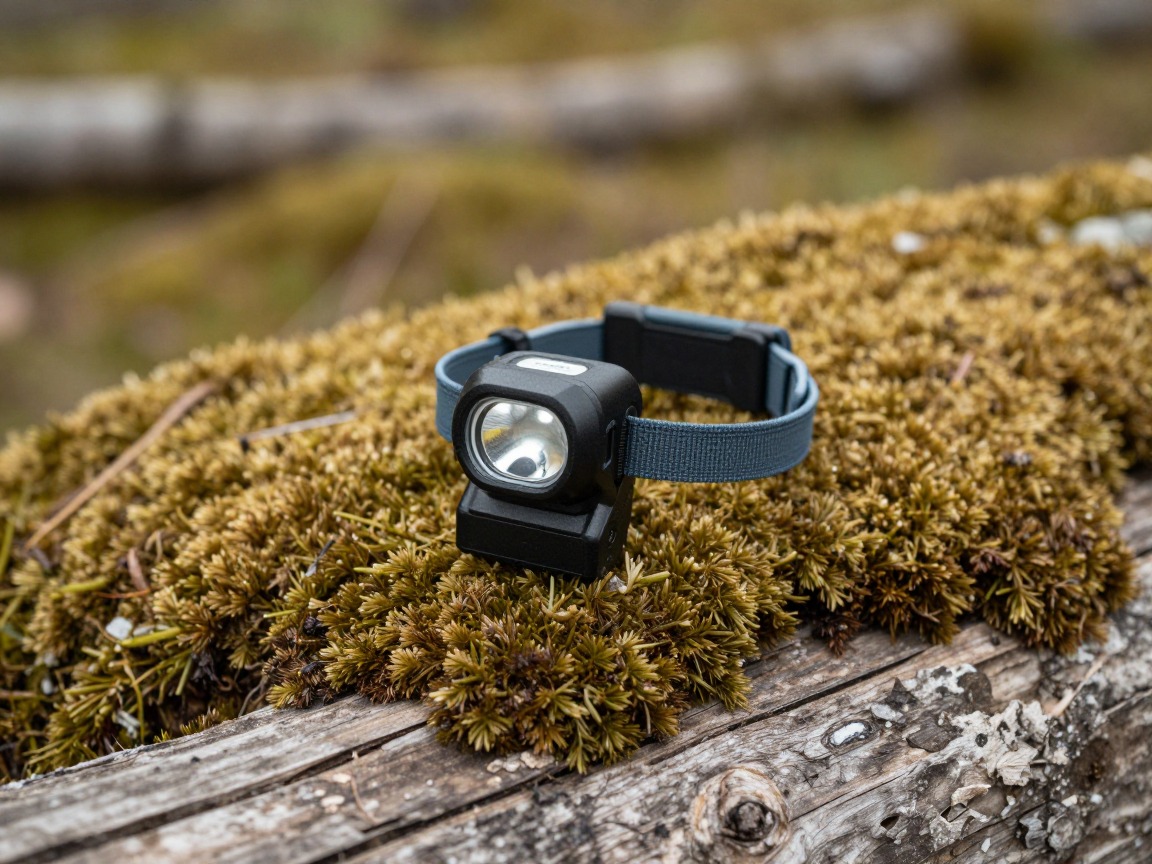
Headlamp
Hands-free light if the hike runs long, so you're never rushing a descent because daylight is running out.
What to look for: Enough output to hike by after dark (roughly 200+ lumens), a comfortable strap, and a lock mode so it doesn't drain in your pack.
 LHKNL Headlamp Flashlight Check price
 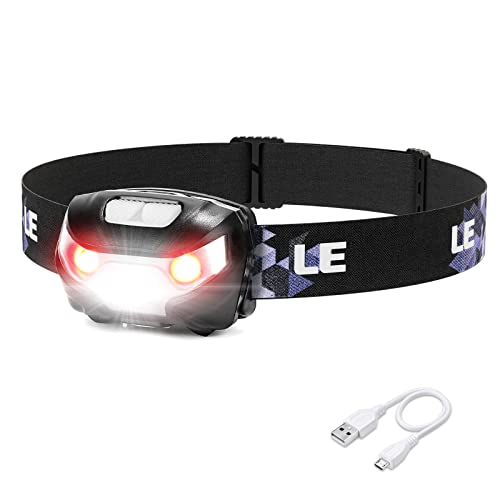 Lepro LED Headlamp Rechargeable IPX4 Waterproof Headlight 5 Modes - Check price
 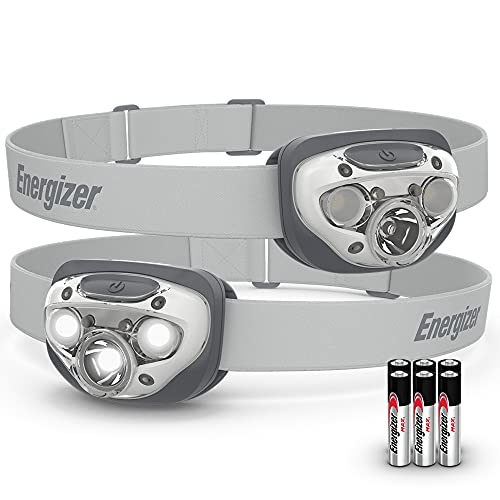 Energizer LED Headlamp PRO Check price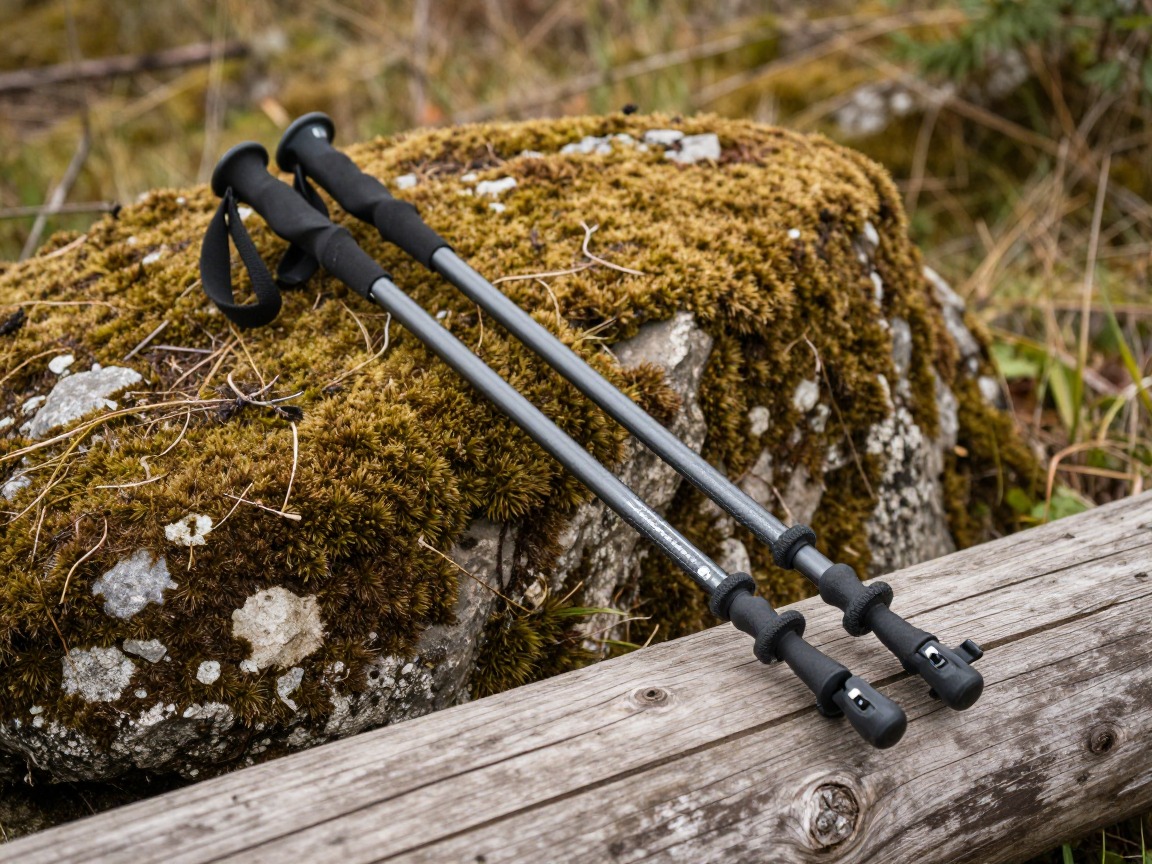
Trekking poles
Extra points of contact on stream crossings, loose rock and steep descents — steady footing matters more when there's no one to catch you if you stumble.
What to look for: Adjustable length, comfortable grips, and locks that hold under load. Many solo hikers also like the extra reach for checking footing or brushing past low branches.
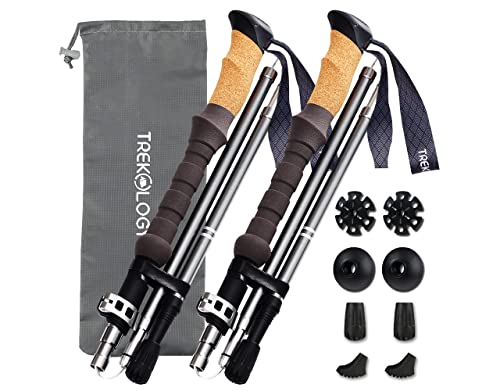 Trekology Trek-Z Cork Grip Collapsible Lightweight Hiking Trekking P Check price
 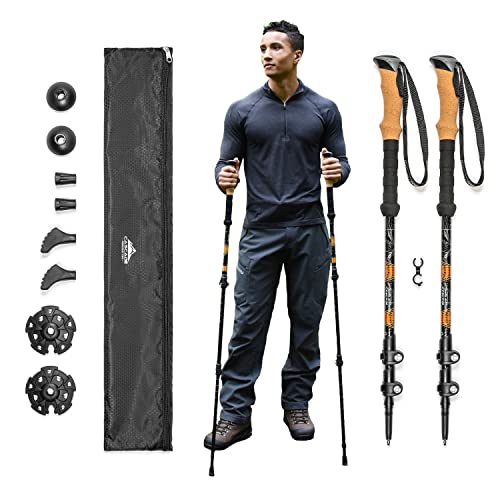 Cascade Mountain Tech Trekking Poles Check price
 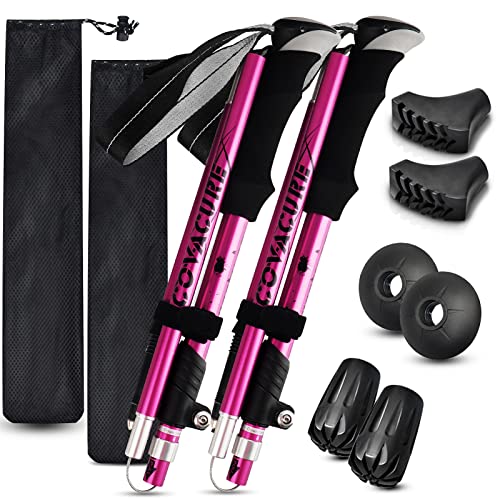 covacure Hiking Poles Check price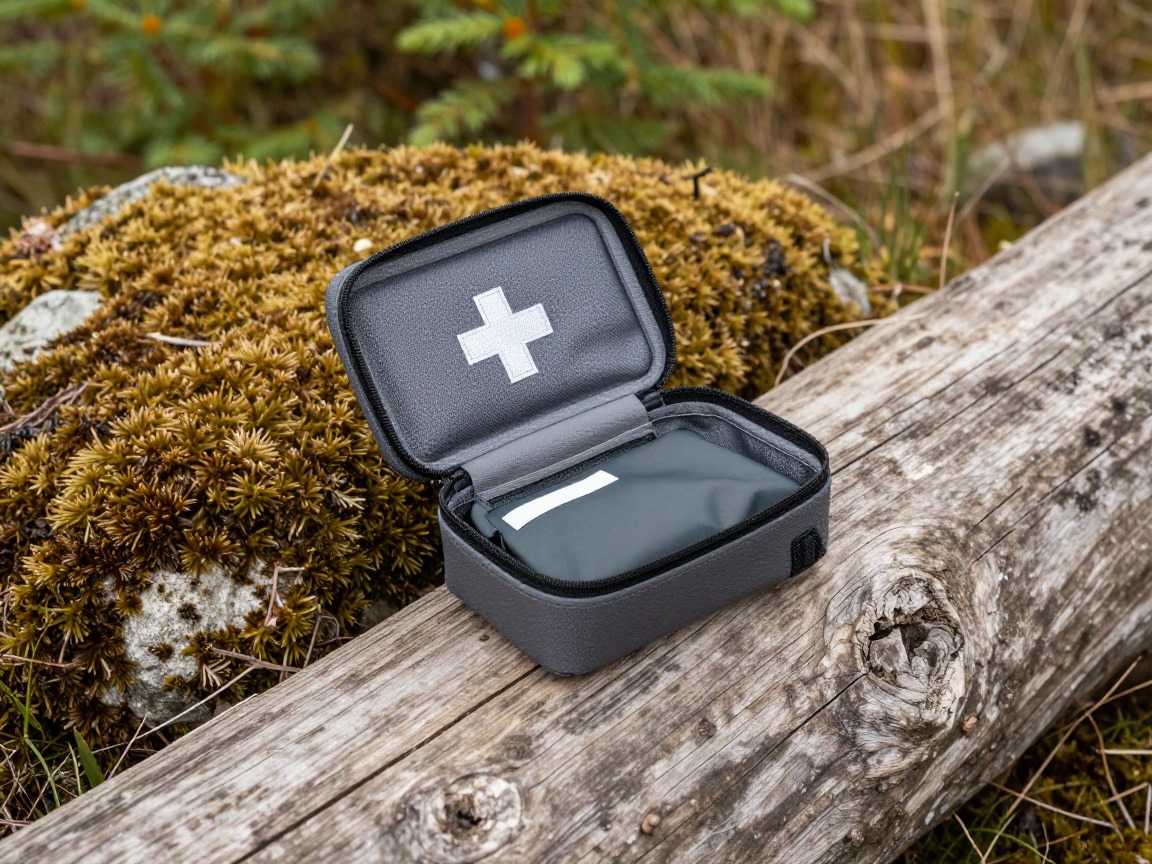
First-aid kit
A compact kit for blisters, cuts and sprains, built around the reality that you're the one treating it.
What to look for: A kit weighted toward what you'd realistically use alone — blister care, a wrap for a sprain, basic wound care — and enough practice with it that you're not reading instructions on the trail.
 Mini First Aid Kit - 150 Piece Small Waterproof EVA Hard Shell Case Check price
  Adventure Medical Kits Ultralight/Watertight Medical Kit .5 Check price
 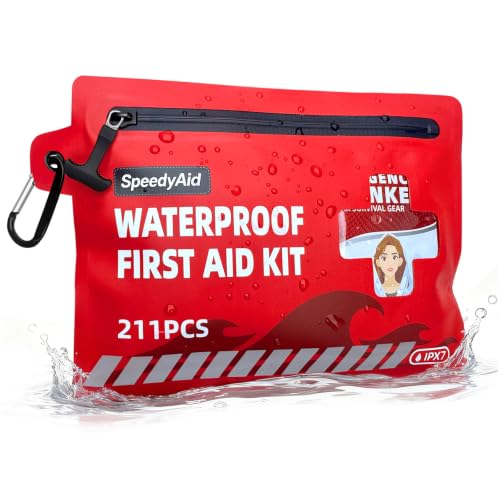 211 PCS Waterproof First Aid Kit Check price
 - Map and compass, or an offline GPS app you've practiced with before you need it
- Whistle — three blasts is the universal distress signal
- A small signal mirror or a brightly colored item that makes you easier to spot
Water & food
Carry more than you think you'll need, plus a way to make more — running out is one of the easiest problems to prevent and one of the worst to have alone.
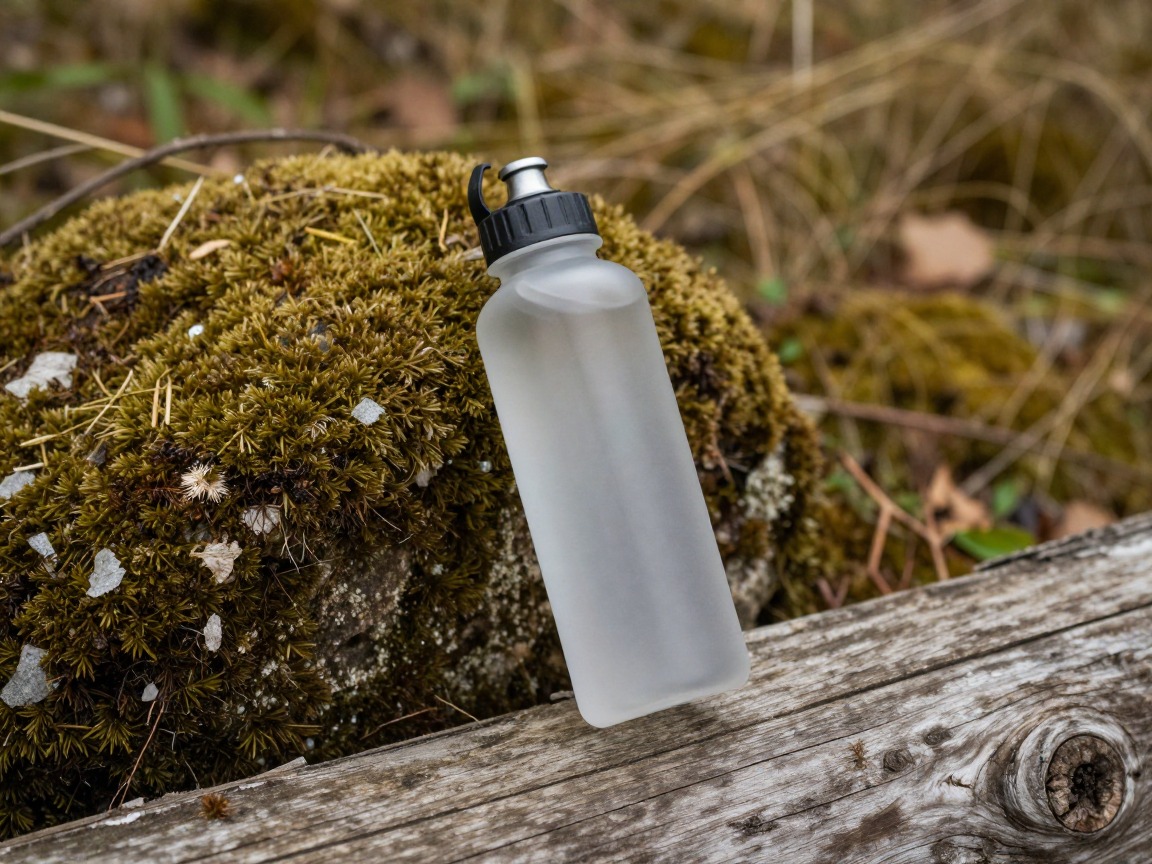
Water bottle
A simple, tough bottle for everyday drinking — easy to refill from a stream and easy to reach without digging through the pack.
What to look for: A durable, wide-mouth bottle around 1 L; insulated if you're out in real heat or cold. Keep it somewhere you'll actually drink from often, not buried at the bottom.
 Nalgene 32 oz Wide Mouth Water Bottle Check price
  Nalgene 32 oz Wide Mouth Water Bottle Check price
  Nalgene 32 oz Wide Mouth Water Bottle Check price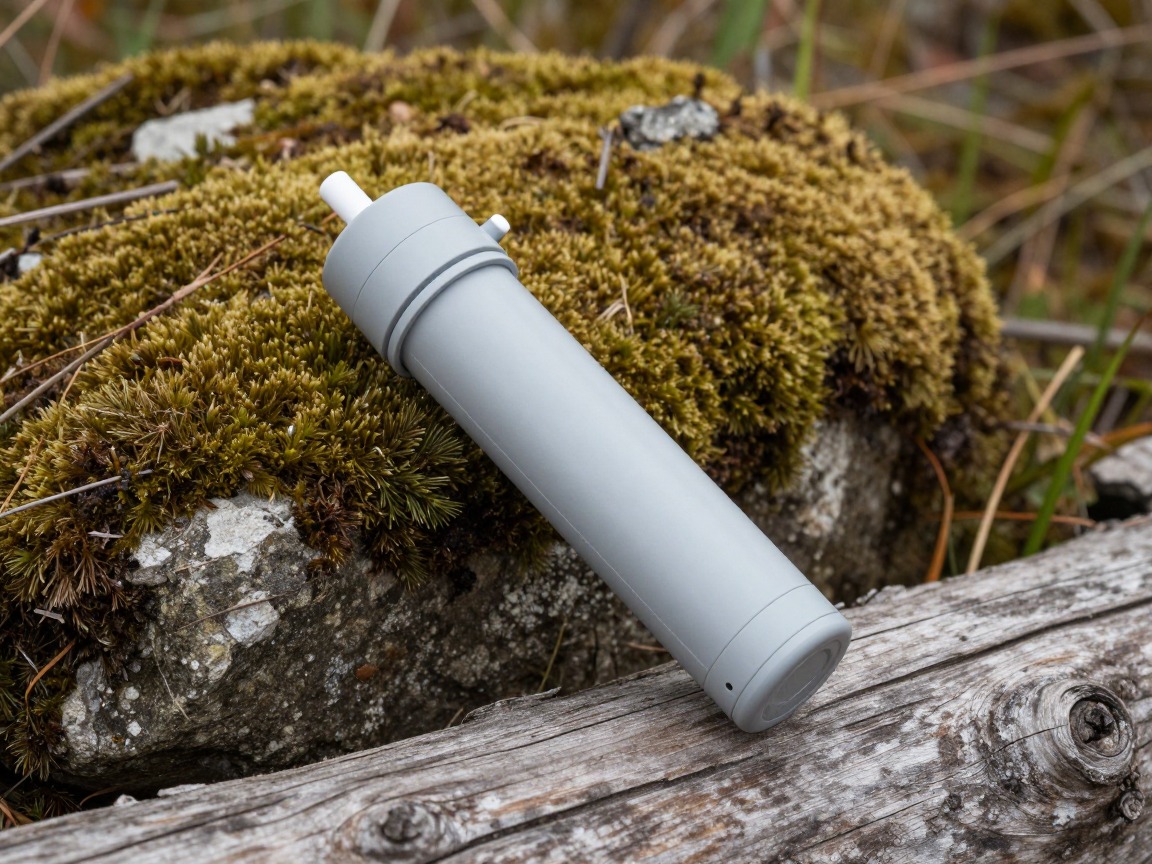
Water filter
Turns a stream into safe drinking water, so a longer-than-planned day never turns into a water problem you can't solve yourself.
What to look for: Fast flow and easy backflushing — a squeeze filter covers most day hikes. Practice using it once at home so it isn't the first time on the trail.
 Sawyer Squeeze Water Filtration System Check price
  Sawyer Products SP128 Mini Water Filtration System Check price
  LifeStraw Personal Water Filter for Hiking Check price
 - Lunch + high-energy snacks
- Electrolyte tabs or drink mix
- A spare emergency food buffer
Clothing & layers
Dress in layers you can add or shed, and skip cotton — a warm layer and a shell earn their weight the moment the plan changes.
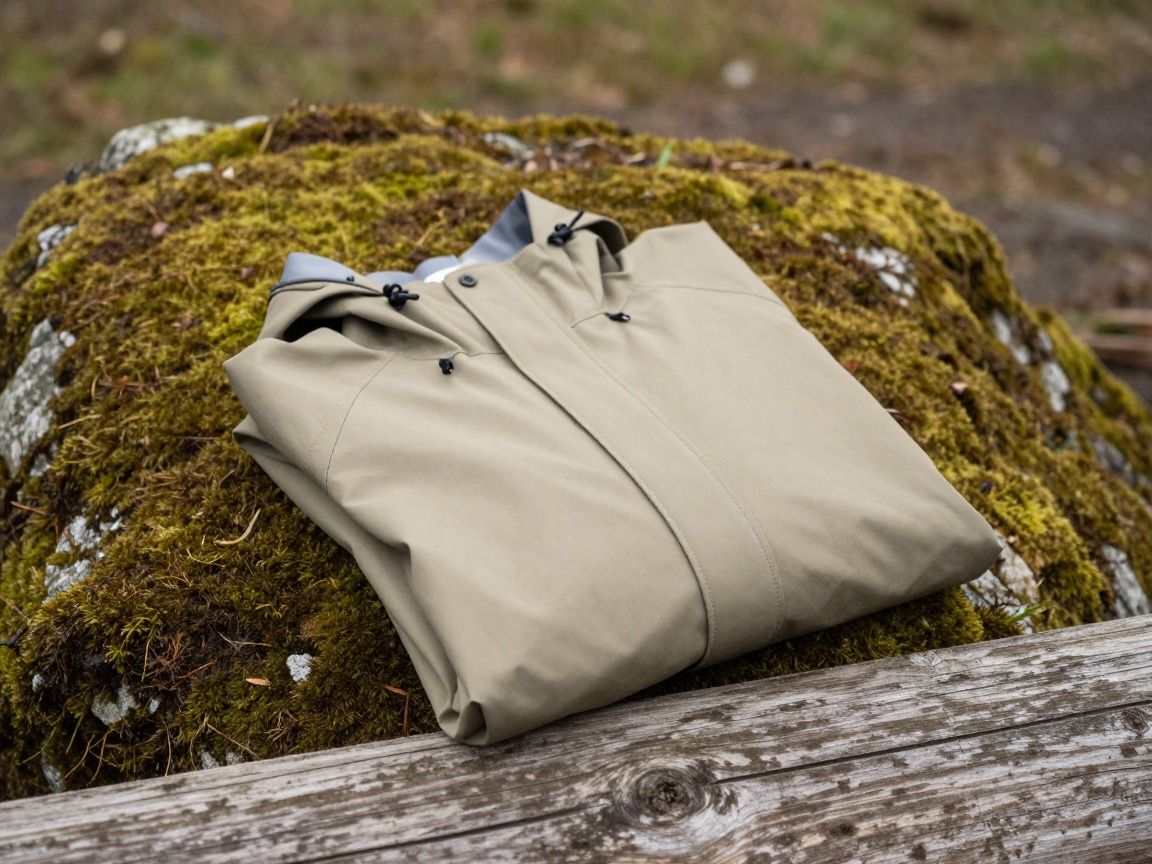
Rain shell
A packable waterproof jacket blocks wind as well as rain — cheap insurance against the kind of weather swing that makes a solo hike feel a lot longer.
What to look for: Waterproof and breathable, with a hood that fits over a hat. Pack it even on a clear-forecast day — it weighs almost nothing and buys you options.
 UIQUR Mens Rain Jacket Raincoat Waterproof Windbreaker Black L Check price
  COOFANDY Men's Waterproof Hiking Travel Shell Breathable Rain Jacket Check price
  Columbia Womens Arcadia II Waterproof Rain Jacket Check price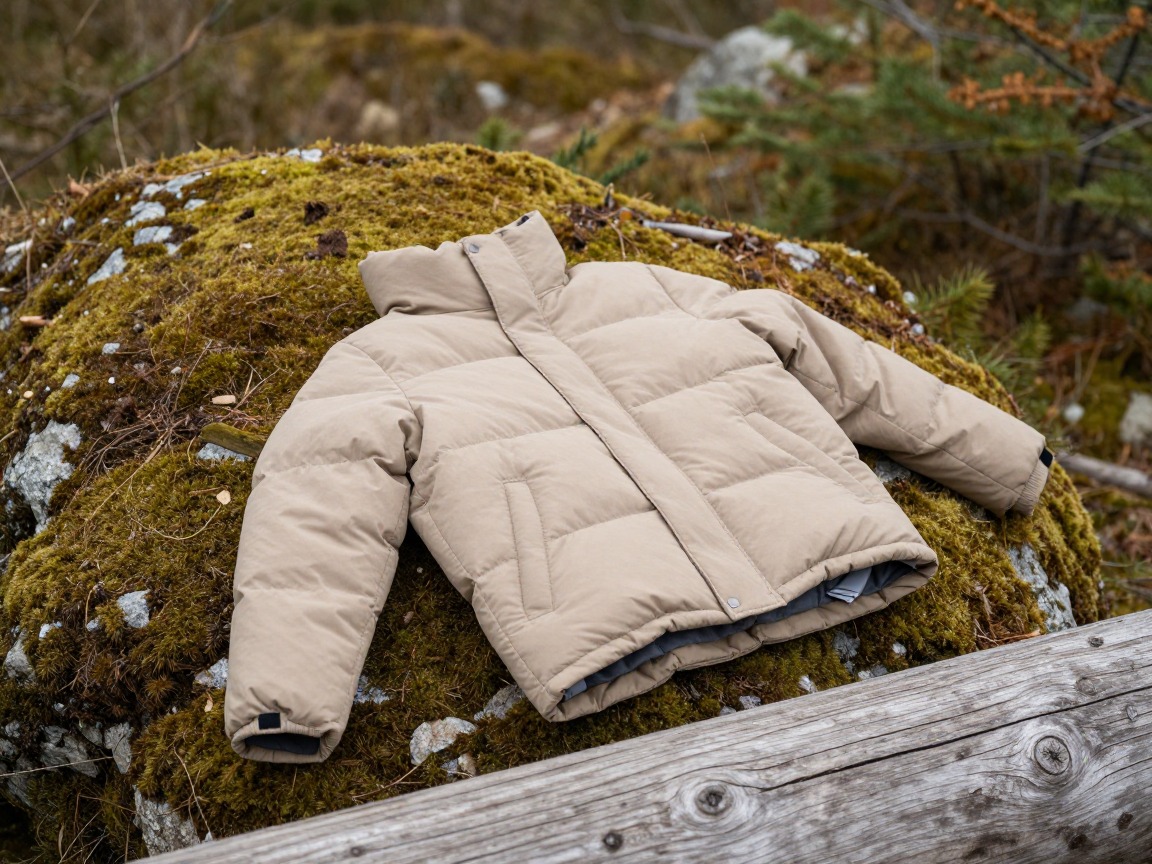
Warm layer
A light fleece or packable puffy for breaks and any unexpected cold — useful if a rest stop, a wrong turn, or waiting out weather runs longer than planned.
What to look for: The most warmth for its weight and pack size. Synthetic insulation holds warmth even when damp, which matters more when there's no one else's dry layer to borrow.
 Outdoor Ventures Women's Packable Lightweight Puffer Jacket with Hoo Check price
  Amazon Essentials Women's Lightweight Long-Sleeve Water-Resistant Pa Check price
  Outdoor Ventures Women's Packable Lightweight Puffer Jacket with Hoo Check price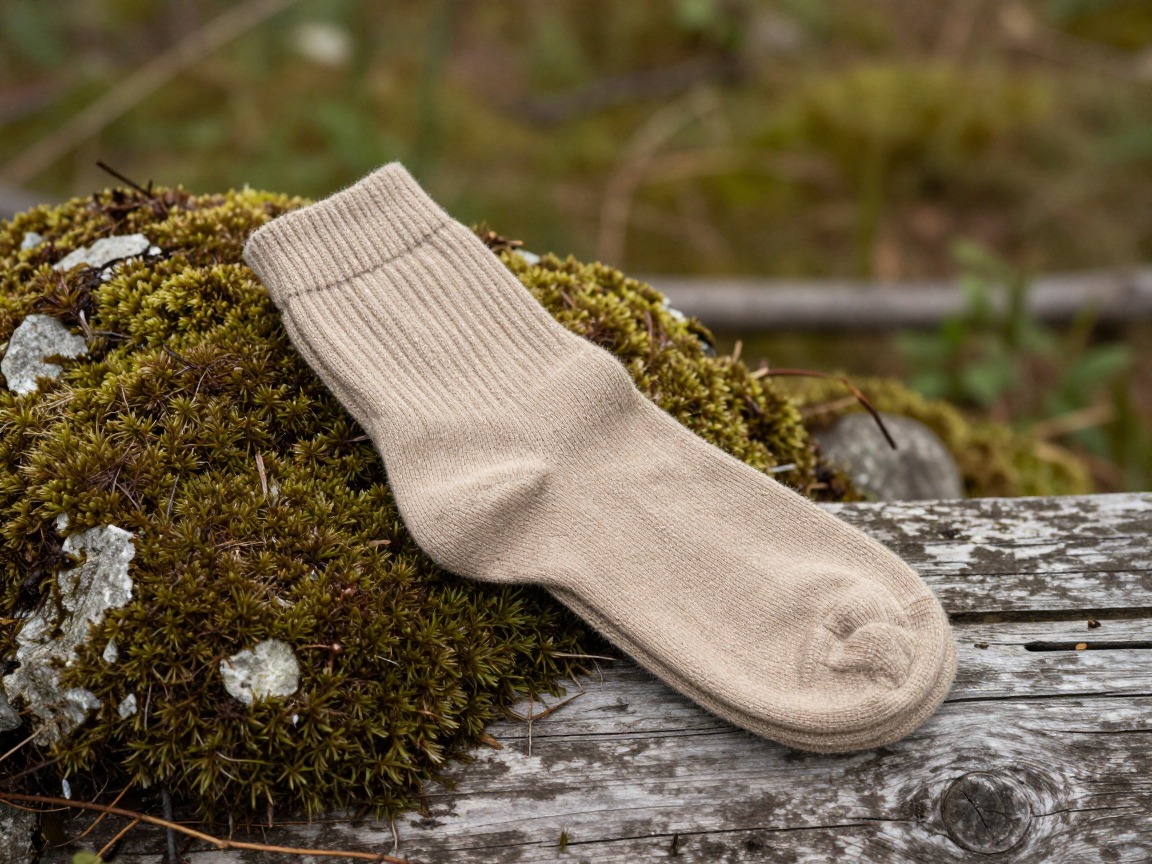
Hiking socks
Wool or synthetic socks manage moisture and prevent the blisters that turn a good solo day into a slow, painful one.
What to look for: A wool blend, cushioned where your boot rubs, tall enough to clear the cuff. Never cotton — it holds sweat and sets up blisters fast.
 Alvada Merino Wool Hiking Socks Thermal Warm Crew Winter Boot Sock F Check price
  DANISH ENDURANCE Merino Wool Socks for Men & Women Check price
  innotree 3 Pack Men's Merino Wool Hiking Socks Check price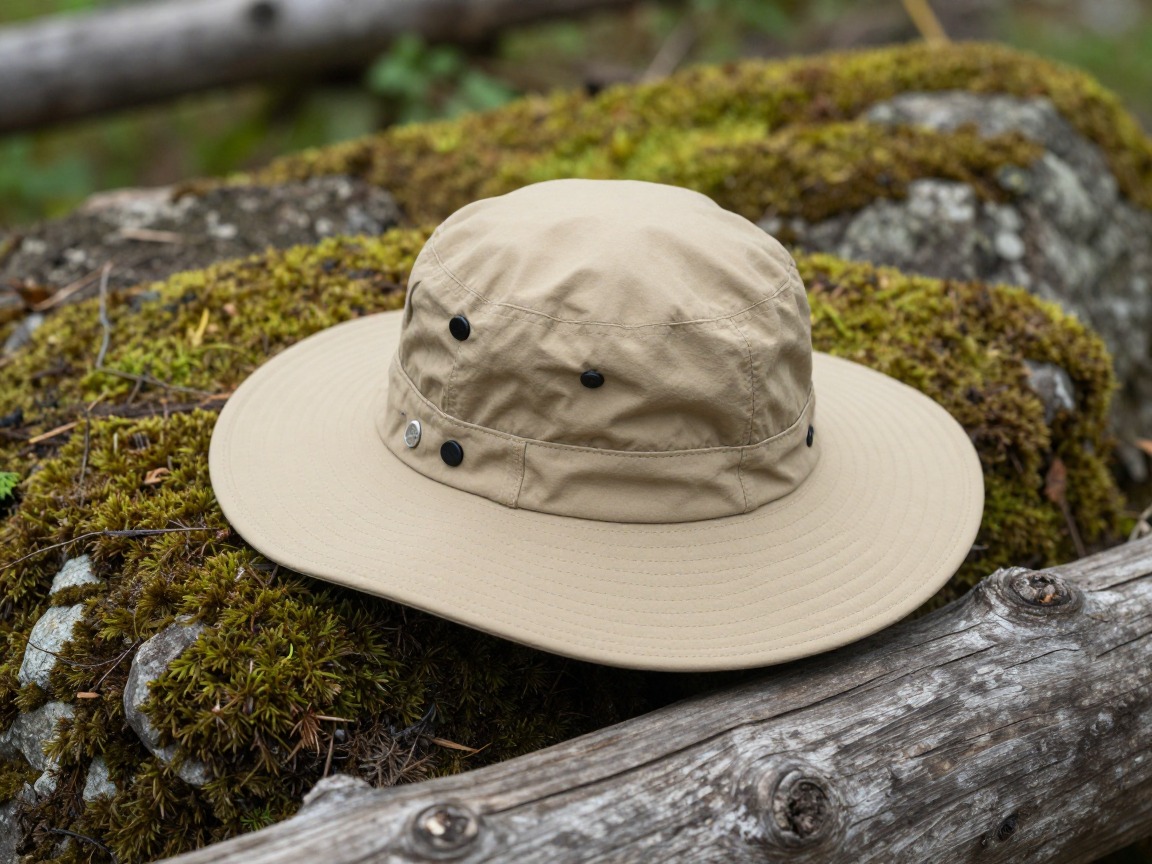
Sun protection
A brimmed hat plus sunscreen and sunglasses — sun exposure adds up fast on exposed trails and is one of the easiest things to prevent.
What to look for: A brim that actually shades your face and neck, breathable and packable, paired with UV sunglasses and sunscreen reapplied through the day.
 FURTALK Womens Sun Hat with Ponytail Hole Beach Hiking Summer Wide B Check price
 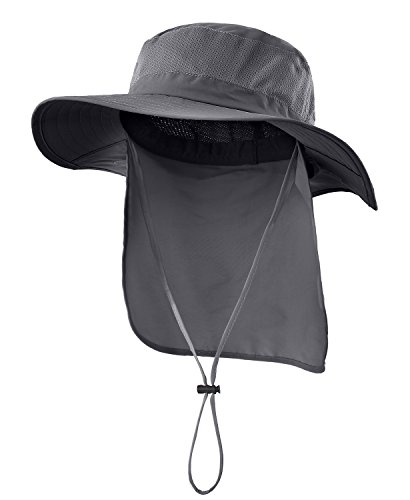 Home Prefer Outdoor UPF50+ Mesh Sun Hat Wide Brim Fishing Hat with N Check price
  FURTALK Sun Hats for Men Fishing Hat UPF Protection Wide Brim Bucket Check price
 - Moisture-wicking shirt & hiking pants/shorts
- A bright or visible outer layer — easier to spot if you ever need to be found
How to adapt this setup
Start on a busy, well-marked trail you already know, give your contact exact details, and treat the first few trips as a chance to build trail sense before heading somewhere remote.
Add redundancy — a paper map as backup to GPS, extra emergency food — and build in a slightly longer check-in window, since remote trails take longer to hike safely.
Layer this list onto the weekend backpacking setup — the trip plan, check-in schedule and satellite messenger matter even more across multiple days and nights out.
Add a warmer insulating layer, gloves and a warm hat, and move your check-in time earlier — daylight runs out fast and a delay reads differently in the cold.
You can trim some redundancy, but keep the trip plan and satellite messenger — heavy foot traffic doesn't guarantee anyone will notice if something goes wrong.
Common mistakes to avoid
- Telling no one your route, or being vague about it ('hiking somewhere today') instead of giving an exact trail, parking spot and return time.
- Relying only on a cell phone for emergencies when a lot of trail sits outside coverage.
- Carrying a satellite messenger but never testing it or learning the SOS function before you actually need it.
- Setting a check-in time that's unrealistic for the terrain, so a normal slow day reads as an emergency.
- Skipping trekking poles or first-aid practice because 'it's just a day hike' — small missteps matter more when you're the one solving them.
- Letting situational awareness lapse — headphones at full volume, not clocking who else is on the trail, losing track of the light.
Make it yours
Frequently asked questions
Is it safe to hike alone as a woman?
Millions of women hike solo safely every year, and the biggest factor isn't luck — it's preparation: a detailed trip plan shared with someone, a way to communicate outside cell coverage, and solid navigation and first-aid skills. Choosing well-traveled trails for your early solo trips helps build that experience.
What should I tell someone before a solo hike?
Be specific: the exact trailhead and parking spot, which trail and direction, your expected return time, and a hard call-for-help time if you haven't checked in by then. A vague plan like 'hiking today' doesn't help anyone find you if something goes wrong.
Do I need a satellite messenger if I already carry my phone?
Yes, if you hike anywhere cell coverage is unreliable — which is most trails. A satellite messenger sends two-way messages and SOS alerts independent of cell towers, so you're not depending on a signal that may not be there when you actually need it.
What's the most important safety item for solo hiking?
There's no single item — it's the combination of a communication plan (shared trip plan plus check-in times), a way to reach help outside cell coverage, and navigation and first-aid skills you can rely on without anyone else's help.
How do I build confidence for solo hiking?
Start on trails you know well or that are busy and clearly marked, practice your navigation and first-aid skills before you need them under pressure, and treat each trip as building trail sense. Confidence comes from preparation and experience, not from ignoring the parts that feel uncertain.
Illustrative images show the type of gear, not specific products. Recommendations link to similar items on Amazon; we only ever link real listings and never show fabricated prices or ratings. General planning guidance, not a substitute for your own judgment or professional backcountry-safety instruction.