
The solo backpacking setup
Backpacking alone means you're the whole system — the person who pitches the tent, boils the water, and makes every call on the trail. This solo setup covers the same overnight kit as a group trip, but built around redundancy, a solid communication plan, and the conservative judgment that solo travel demands.
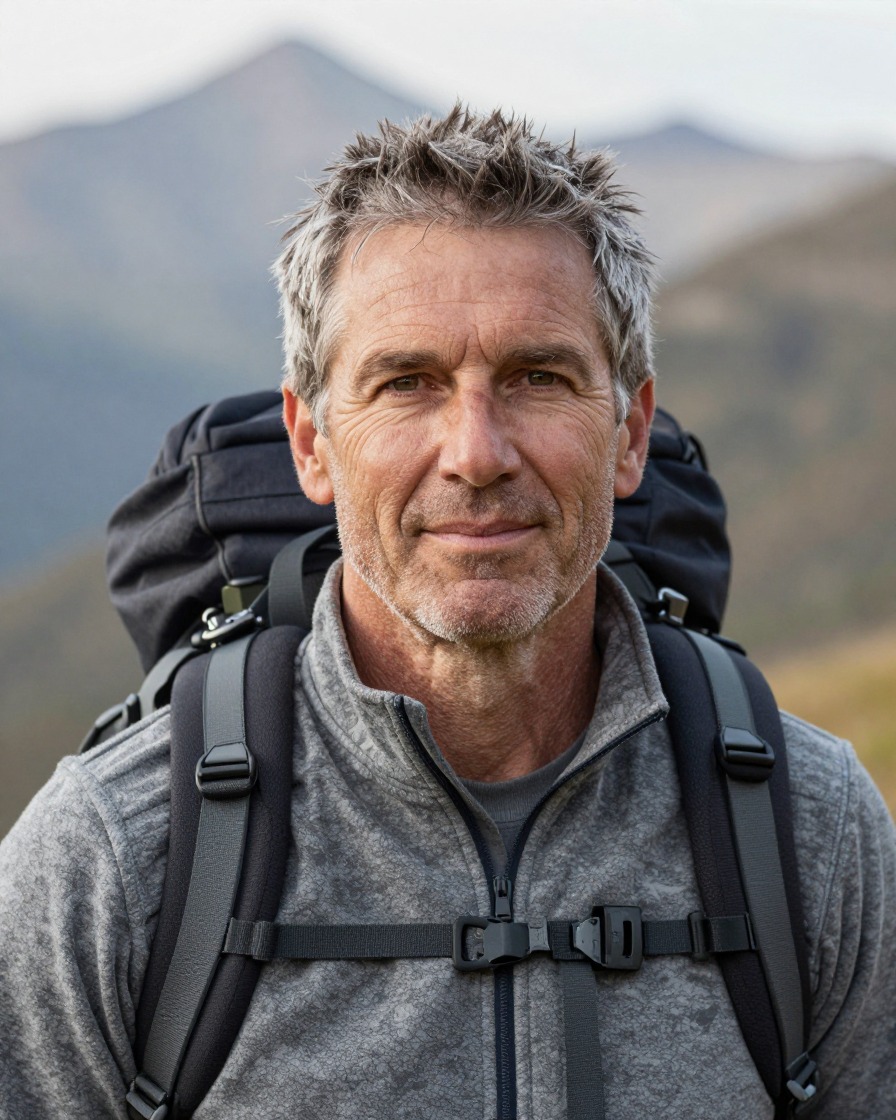
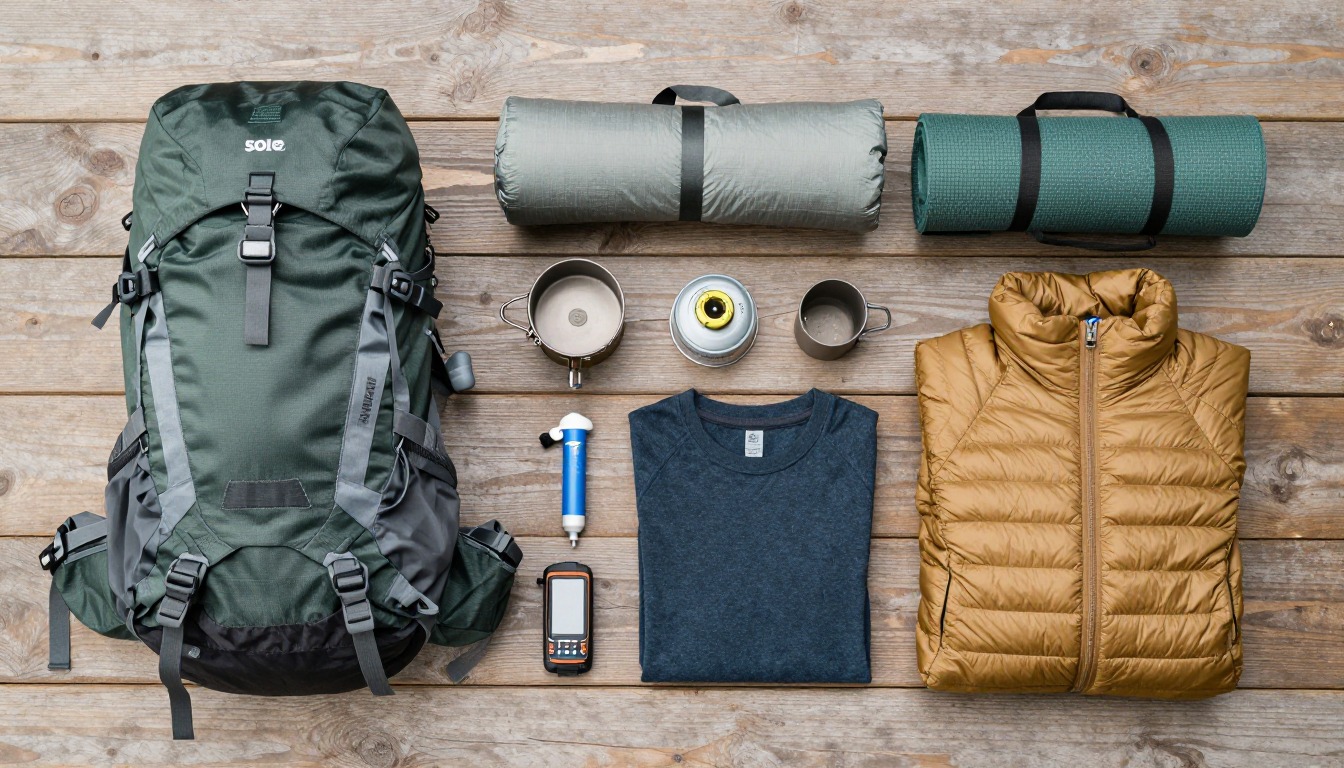
Backpacking with a partner spreads the risk as well as the weight — if your stove fails, you use theirs. Solo, you're the whole system, so the kit is built to fail gracefully instead of leaning on someone else's gear or judgment: real redundancy in the few things that could actually strand you (light, fire, navigation), a way to call for help that doesn't depend on a partner going for it, and a habit of turning back earlier than a group would.
This setup suits hikers who've already done a few overnights with company and can manage camp, weather calls and route-finding without a second opinion. It's not the place to learn backpacking basics — get your sleep system, stove and navigation dialed in before troubleshooting them alone after dark. New to overnight gear, or anxious about the solitude? Bring a partner first.
- Build in redundancy first — a backup light, a second fire-starting method, and a paper map alongside your GPS, since there's no partner's gear to borrow.
- Fit the pack to carry the complete system alone; weight discipline matters more, not less, when you're not splitting the tent or stove with anyone.
- Set a communication plan before you leave — a satellite messenger, a written itinerary, and a check-in time with someone who'll notice if you're late.
- Plan conservatively: pick a familiar or well-traveled route for early solo trips, and turn back sooner than you would with a partner along.
About this setup
Solo backpacking isn't a lighter version of a group trip — it's a different trip. With a partner, the load is shared in ways that go beyond the tent and stove: someone else notices if you're limping, talks you out of a bad idea, or simply keeps you company when the wind picks up at 2 a.m. Take that away and every decision, every camp chore, and every what-if becomes yours alone. The gear doesn't change all that much, but what you ask of it does.
That's why redundancy matters more here than anywhere else in backpacking. It's not about doubling your whole kit — it's about backing up the handful of things that would actually strand you if they failed: a second way to make light, a second way to start a fire, a paper map alongside a phone or GPS. None of it weighs much, and all of it is the difference between an inconvenience and an emergency when there's no one else to lean on.
The part that surprises first-time solo campers isn't the gear — it's the quiet. Camp sounds louder, the dark feels bigger, and there's no conversation to fall back on when your mind runs through worst cases. A simple routine and a genuine communication plan do more for peace of mind than any piece of gear, paired with conservative decision-making: turning back earlier, skipping the exposed scramble, choosing the known route over the interesting one. Alone, a small mistake has no one to catch it before it compounds — so the judgment call is to leave margin everywhere.
The pack
A solo overnight pack carries the complete system — there's no partner to split the tent or stove weight with, so fit and capacity both matter more.
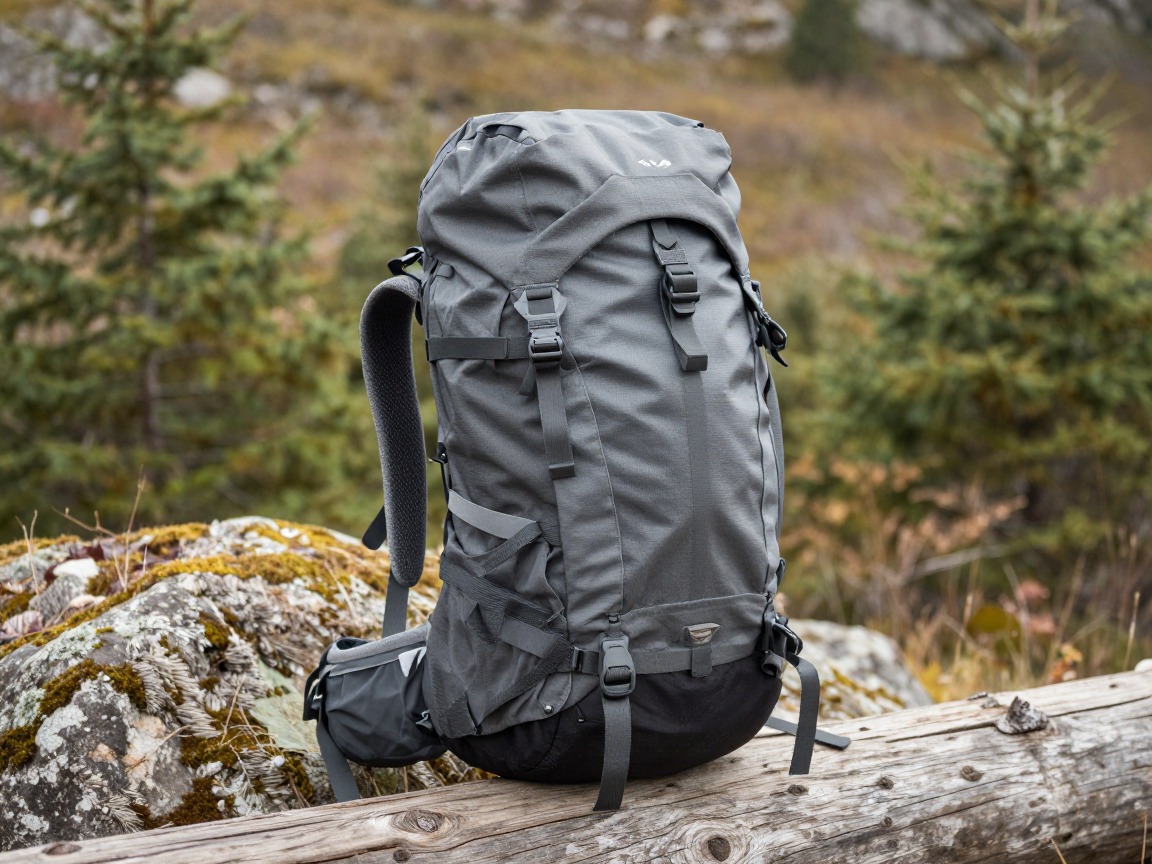
Solo overnight pack
Carries your entire kit — shelter, sleep system, kitchen and the redundant gear solo travel calls for — since there's no partner's pack to absorb the overflow.
What to look for: A genuinely supportive hip belt, a torso length fitted to you, and 45–55 L to fit the full system plus your redundancy items. Test-load it at home before the trailhead.
 WoneNice 50L Check price
  Teton 55L Scout Internal Frame Backpack for Hiking Check price
 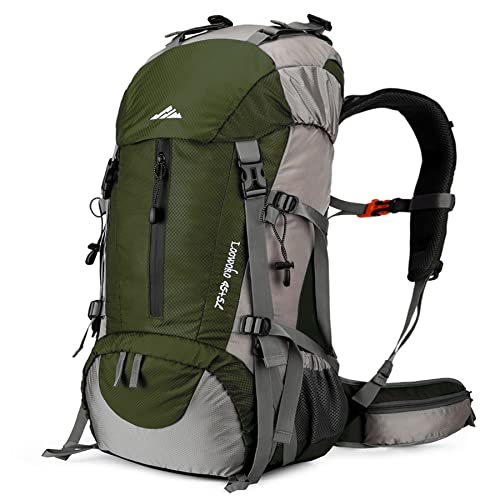 Loowoko 50L Hiking Backpack with Rain Cover for Both Men & Women Check price
 - A pack rain cover or liner
Shelter
A shelter you can pitch alone, in the dark or in poor weather, with no second pair of hands to help.
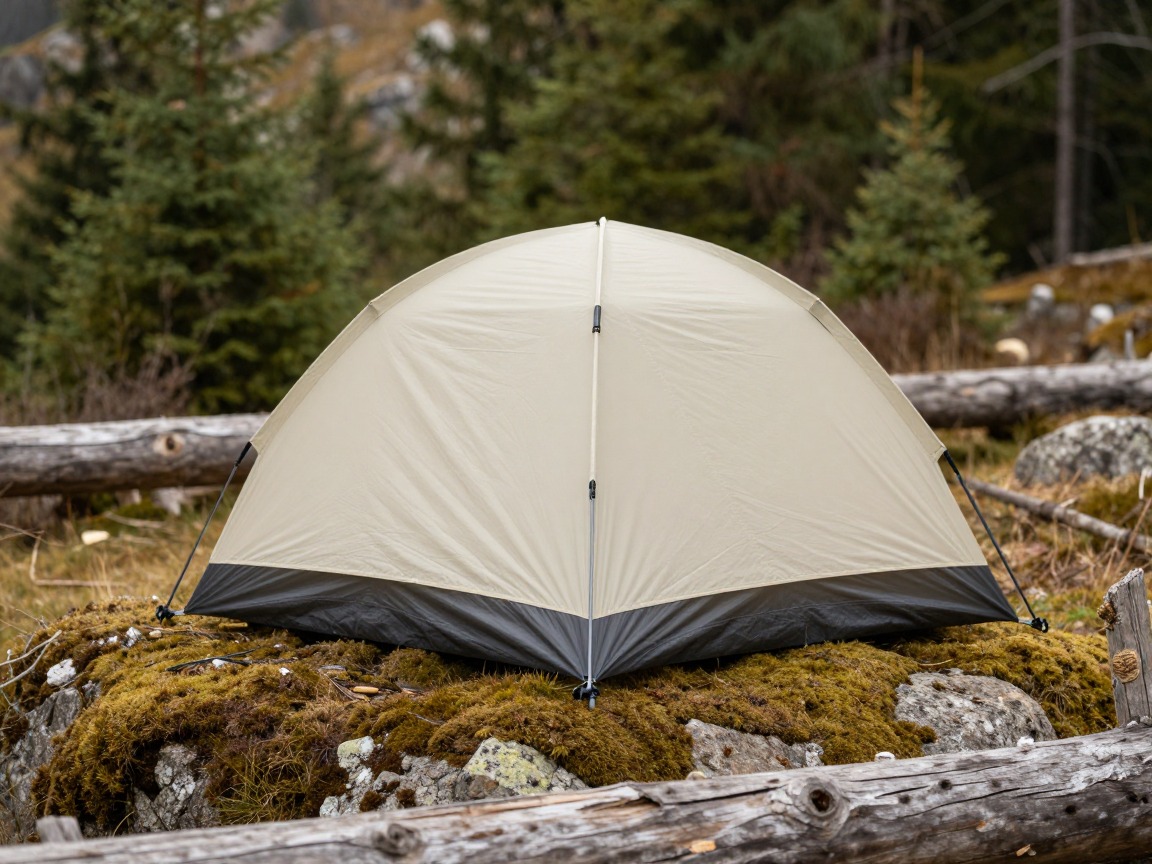
Solo tent
Your shelter for the night — sized for one plus gear, quick to pitch alone, and stable enough that you're not fighting it in the wind by yourself.
What to look for: A freestanding or semi-freestanding design you can pitch solo without staking it out first, a full-coverage fly, real venting, and a packed weight you're comfortable carrying as part of the whole system yourself. Practice the pitch at home until it's automatic.
 Night Cat 2-Persons Backpacking Tent: Waterproof Lightweight Camping Check price
  BISINNA 2/4 Person Camping Tent Lightweight Waterproof Backpacking T Check price
  Forceatt Tent for 2 Person is Waterproof and Windproof Check price
 - Stakes & guylines
- Groundsheet / footprint (optional)
Sleep system
Warmth you can trust on your own — there's no partner's body heat or spare bag to borrow if you underestimate the overnight low.
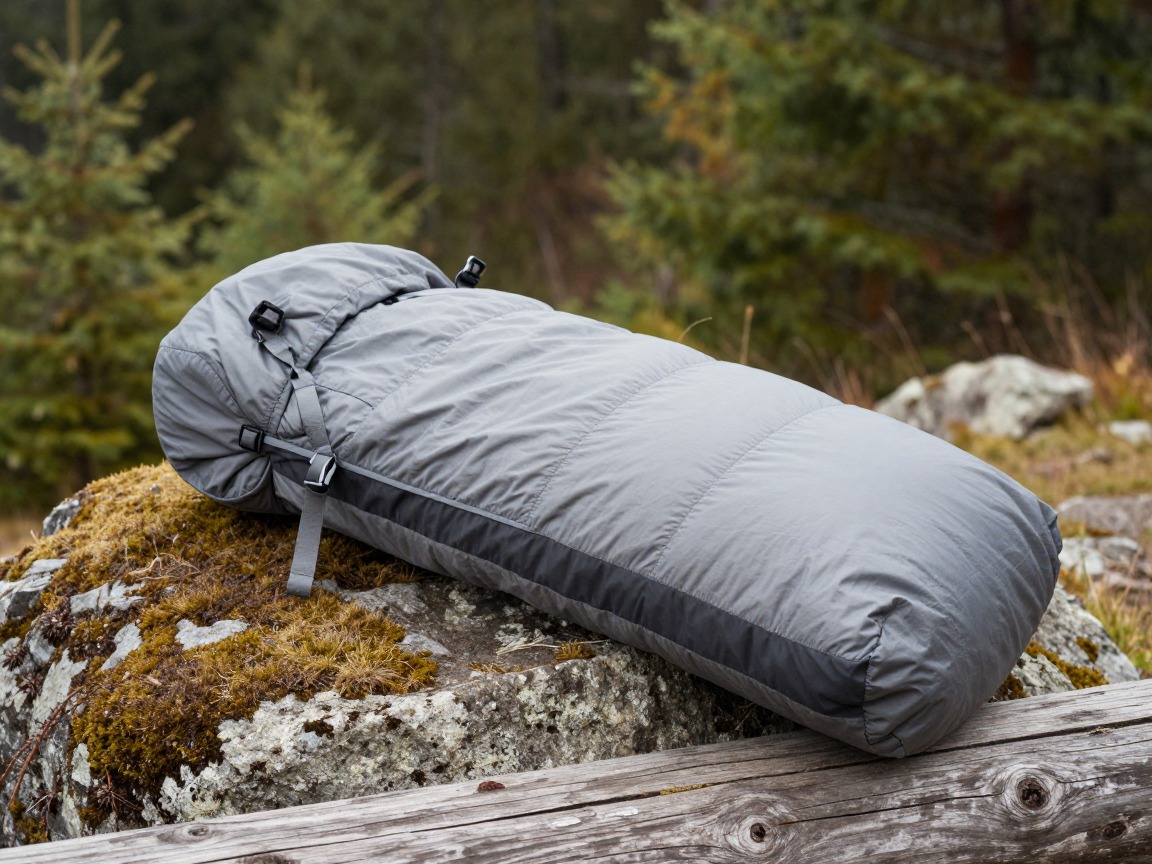
Sleeping bag
Rated a little below the night's expected low; solo, you can't borrow warmth from a tentmate if you guess wrong.
What to look for: A comfort rating with real margin below your expected low, a hood and draft collar that actually seal, and a fill suited to conditions. Err warm rather than borderline when you're sleeping alone.
 MalloMe Sleeping Bags for Adults Cold Weather & Warm - Backpacking C Check price
 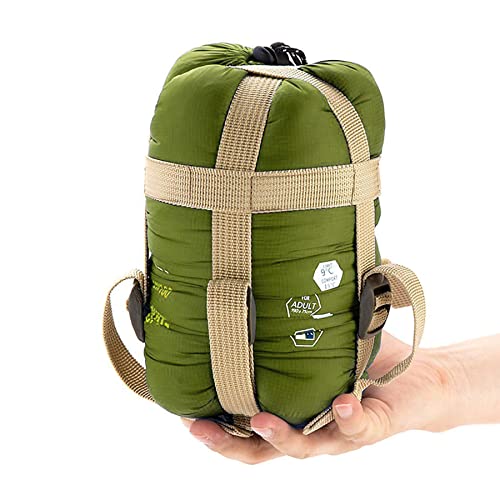 ECOOPRO Portable Check price
  Teton Trailhead Check price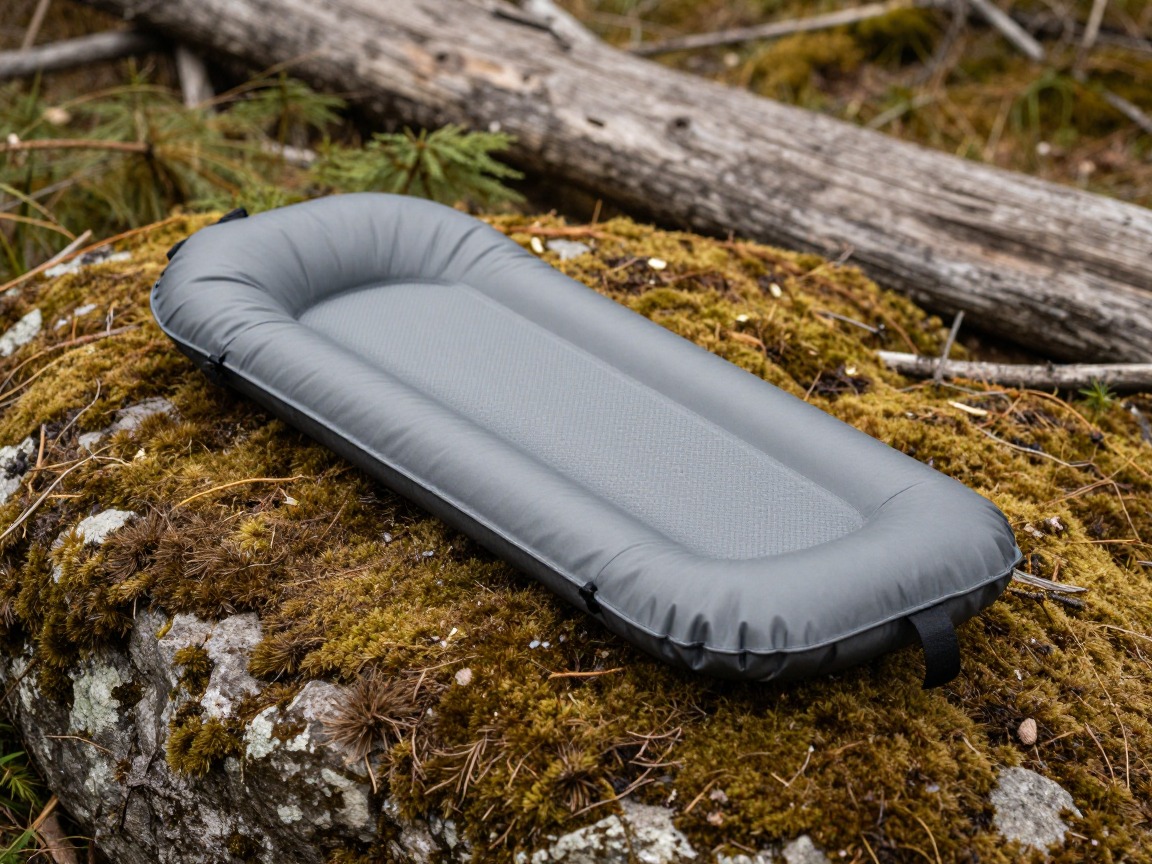
Sleeping pad
Insulates you from the ground, which matters as much as the bag itself for a warm night solo.
What to look for: Enough R-value for the season (roughly 3+ for three-season trips), a comfortable thickness, and a packed size you're happy carrying alone. A puncture repair kit is worth the ounce when there's no one to share a pad with.
 FUN PAC Camping Sleeping Pad Check price
  Gear Doctors® Ether 17.5oz Ultralight Camping Sleeping Pad Check price
  Oramoose 4in Ultralight Camping Sleeping Pad with Pillow and Foot Pu Check price
 - Inflatable or stuff-sack pillow
Kitchen & water
A simple one-person kitchen and a water filter you trust completely — you're the only one troubleshooting it if something clogs or fails.
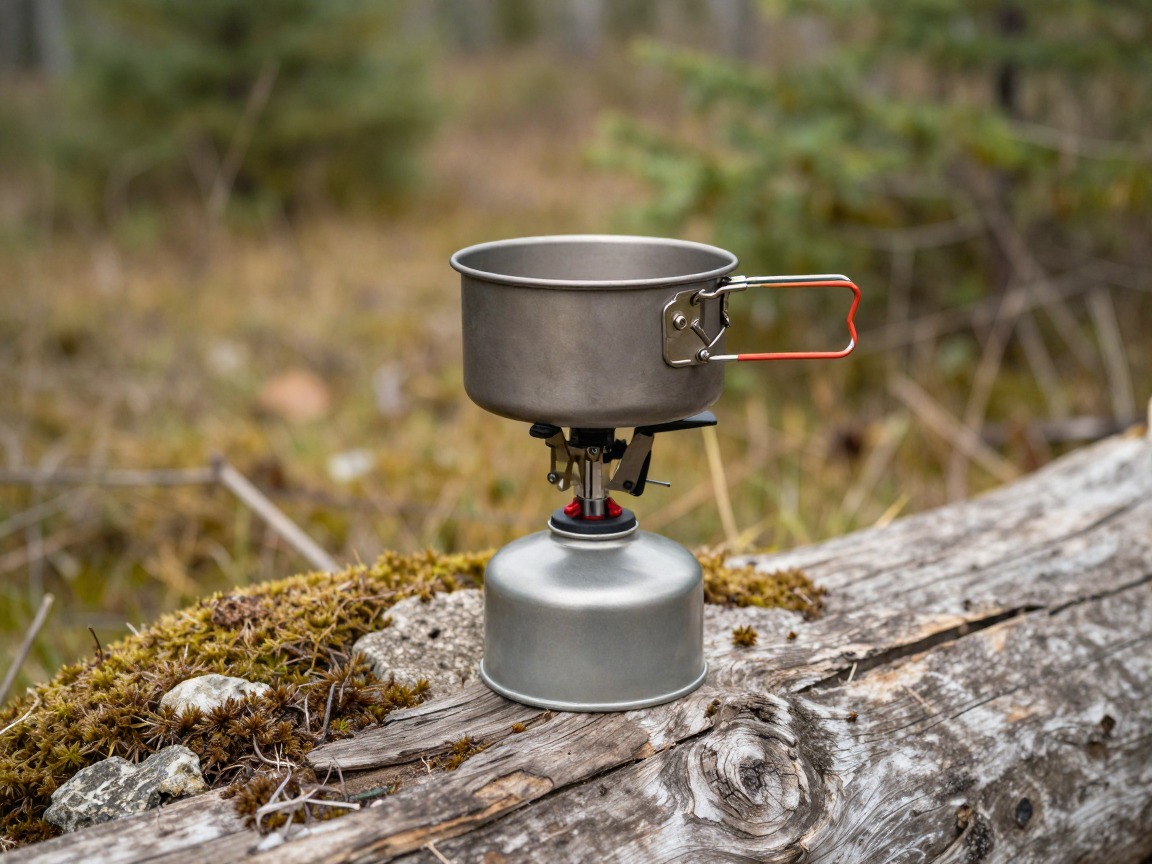
Backpacking stove
Boils water for meals and hot drinks; simple and reliable matters more than fast when you're the only one who can fix it if it acts up.
What to look for: A stable, well-proven canister stove, fuel you can actually buy near the trailhead, and enough familiarity with it that a field hiccup isn't a mystery. Test it at home, not for the first time at camp.
 AOTU Portable Camping Stoves Backpacking Stove with Piezo Ignition S Check price
  MSR PocketRocket 2 Ultralight Camping and Backpacking Stove Check price
  Fire-Maple Greenpeak 1 Camping Stove with Piezo Ignition Portable Ga Check price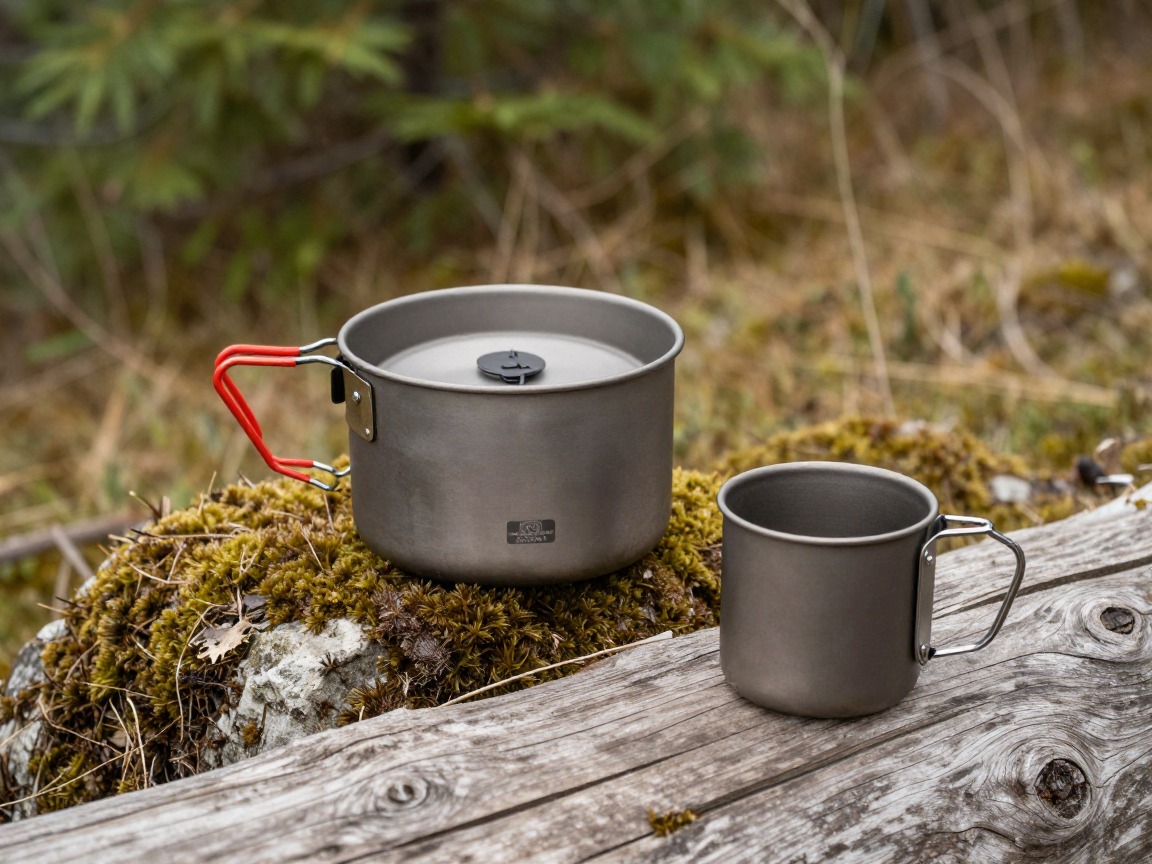
Pot & mug
One pot doubles as your bowl — the entire kitchen for one person, sized to match your meals.
What to look for: A single pot around 700–900 ml, light titanium or hard-anodized aluminum, and a lid that doubles as a plate. Less to pack is less to lose track of when you're the only one keeping tabs.
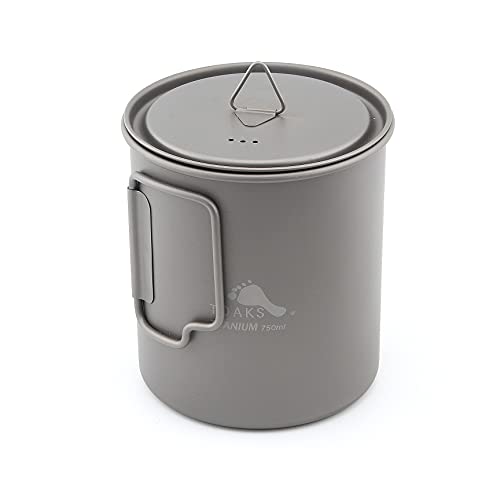 TOAKS Titanium 750ml Pot Check price
  TOAKS Titanium 750ml Pot with Bail Handle for Ultralight Camping Check price
  TOAKS Titanium 1100ml Pot with Pan Check price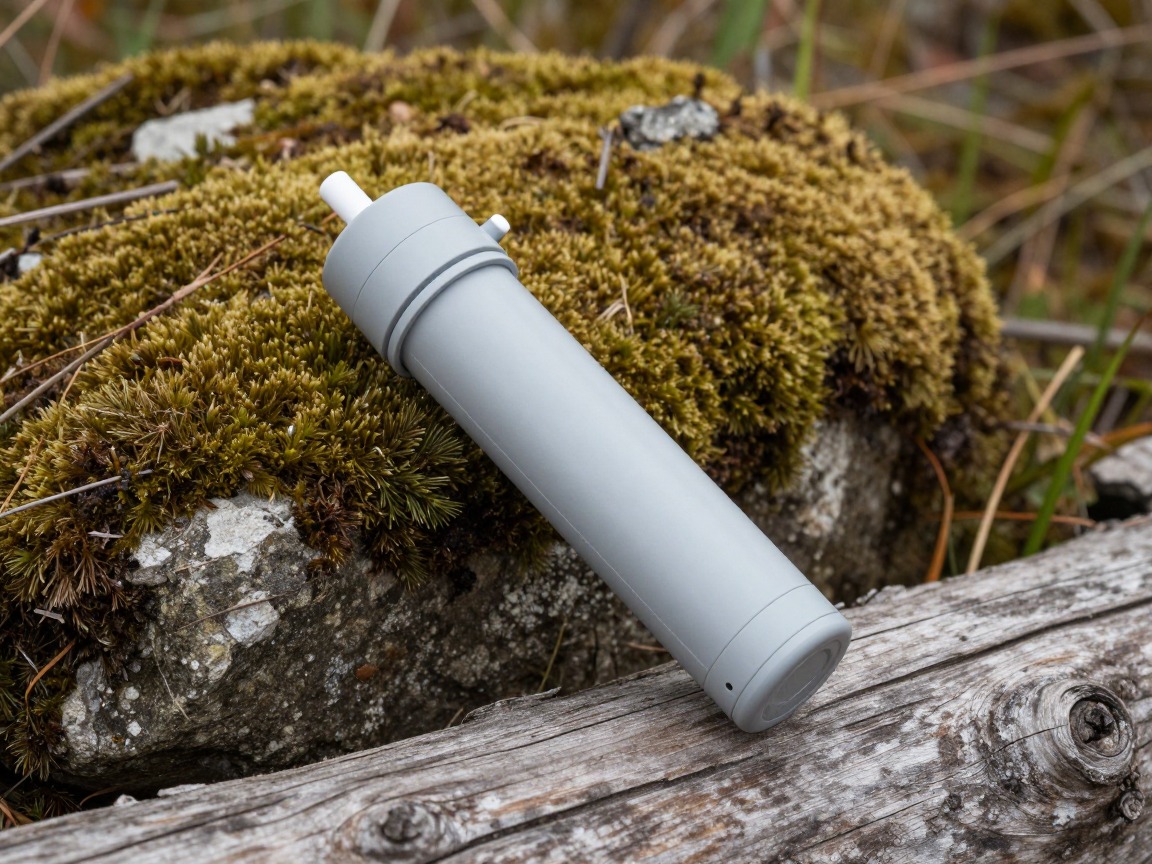
Water filter
Treats stream and lake water so you're not carrying every liter you'll need — and it needs to actually work, since there's no partner's backup filter.
What to look for: Reliable flow, easy field cleaning, and a design that resists clogging on murky water. Carry a backup treatment method too (tablets or drops) — solo, a dead filter is a bigger problem than it is for a group.
 Sawyer Squeeze Water Filtration System Check price
  Sawyer Products SP128 Mini Water Filtration System Check price
  LifeStraw Personal Water Filter for Hiking Check price
 - Fuel canister
- Spork & lighter
- Meals + snacks for each day
- Food storage (canister/bag + hang line)
Clothing & layers
The same layering system as any overnight trip — base, insulation, shell — with no one else's spare layer to borrow.
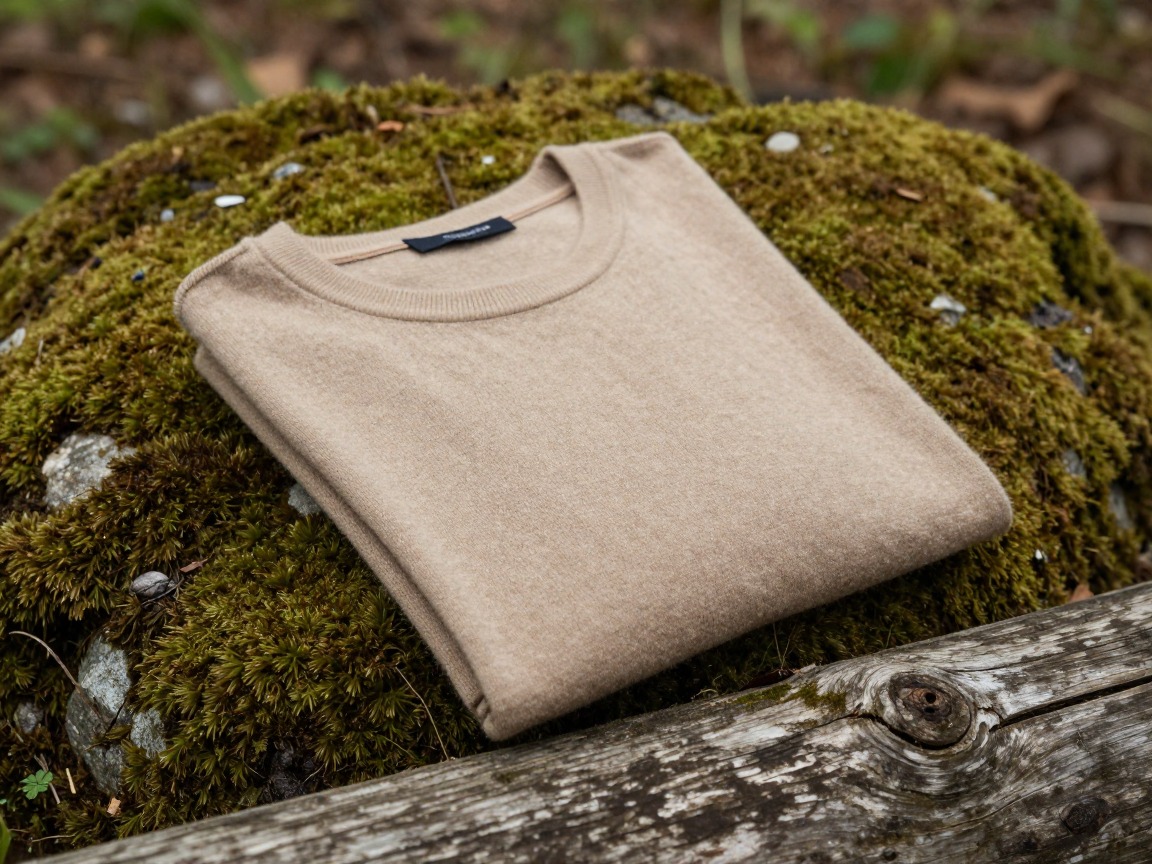
Base layer
Wicks sweat and resists odor over the trip — the layer against your skin for the whole time you're out.
What to look for: Merino or a merino blend for multi-day odor resistance, a comfortable fit, and a weight matched to the season.
 100% Merino Wool Base Layer Men Set - Thermal Underwear for Men Long Check price
  Merino.tech Merino Wool Base Layer Women Set - Heavyweight Check price
  100% Merino Wool Base Layer Men Set - Thermal Long Underwear with Ba Check price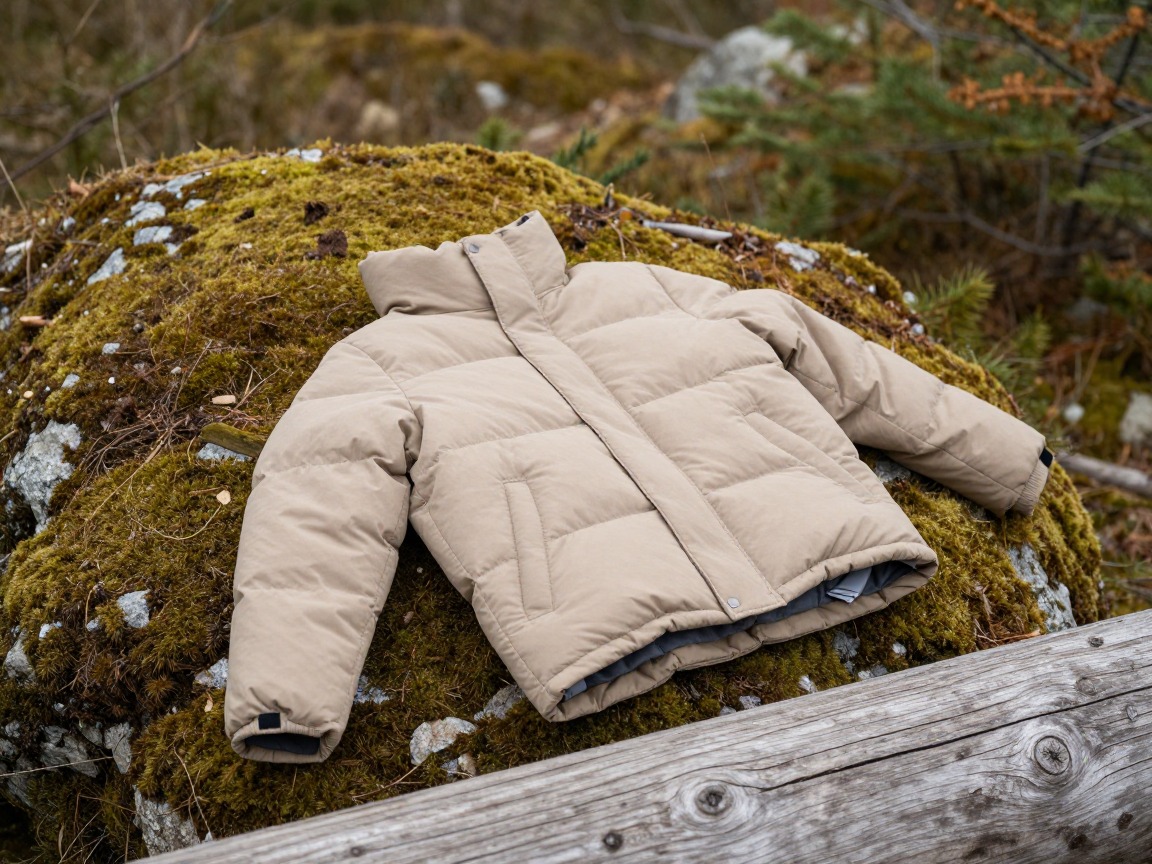
Insulating layer
Camp warmth for cold evenings and mornings, and a genuine safety margin if a night turns colder than forecast.
What to look for: The most warmth for its weight — down for packability, synthetic if you expect damp. Solo, size it with a little extra margin rather than cutting it close.
 Outdoor Ventures Women's Packable Lightweight Puffer Jacket with Hoo Check price
  Amazon Essentials Women's Lightweight Long-Sleeve Water-Resistant Pa Check price
  Outdoor Ventures Women's Packable Lightweight Puffer Jacket with Hoo Check price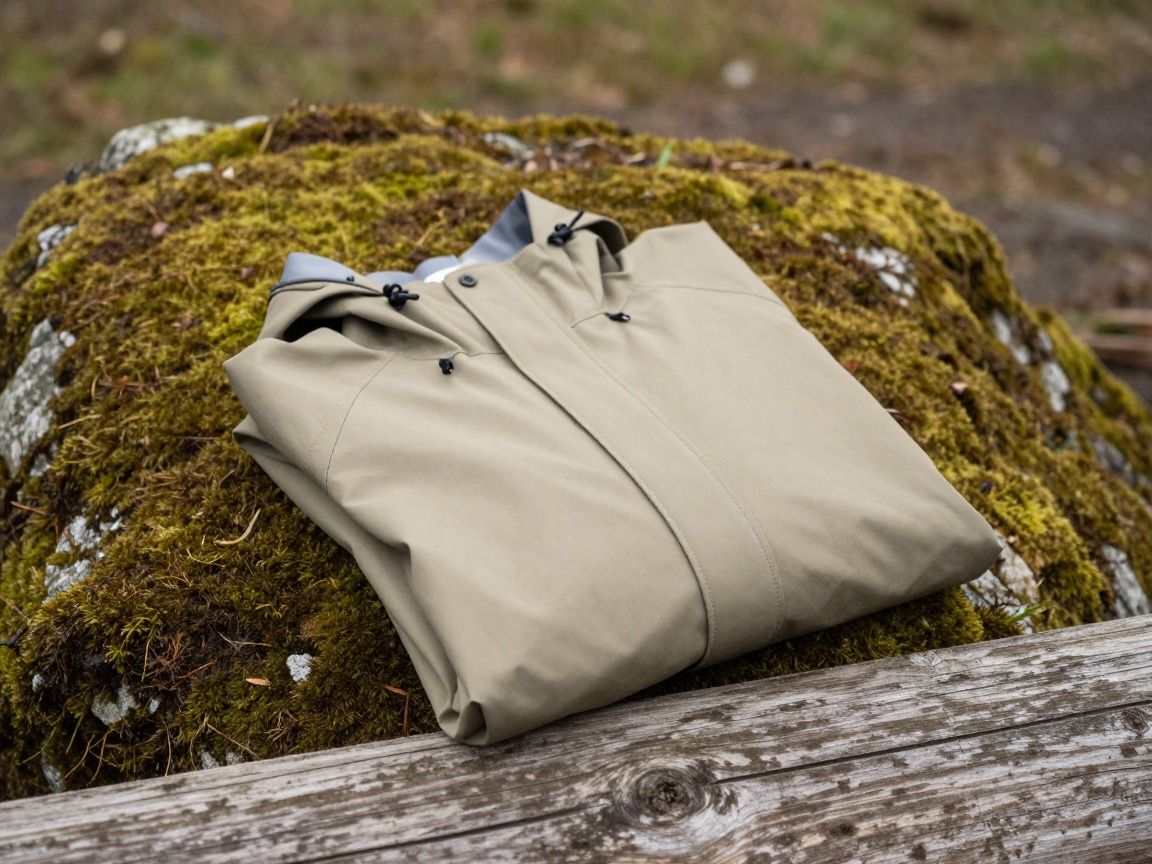
Rain shell
Waterproof, breathable protection from rain and wind, and a backup layer around camp.
What to look for: Genuinely waterproof rather than merely water-resistant, with a hood that seals and pit zips to vent. It's your only shell out here, so don't compromise on it.
 UIQUR Mens Rain Jacket Raincoat Waterproof Windbreaker Black L Check price
  COOFANDY Men's Waterproof Hiking Travel Shell Breathable Rain Jacket Check price
  Columbia Womens Arcadia II Waterproof Rain Jacket Check price
 - Spare hiking socks
- Camp/sleep clothes
- Warm hat & gloves (shoulder seasons)
- Sun hat & sunglasses
Navigation, redundancy & communication
This is where solo travel changes the kit most — backups for anything that could strand you, and a way to call for help that doesn't depend on someone else noticing you're overdue.
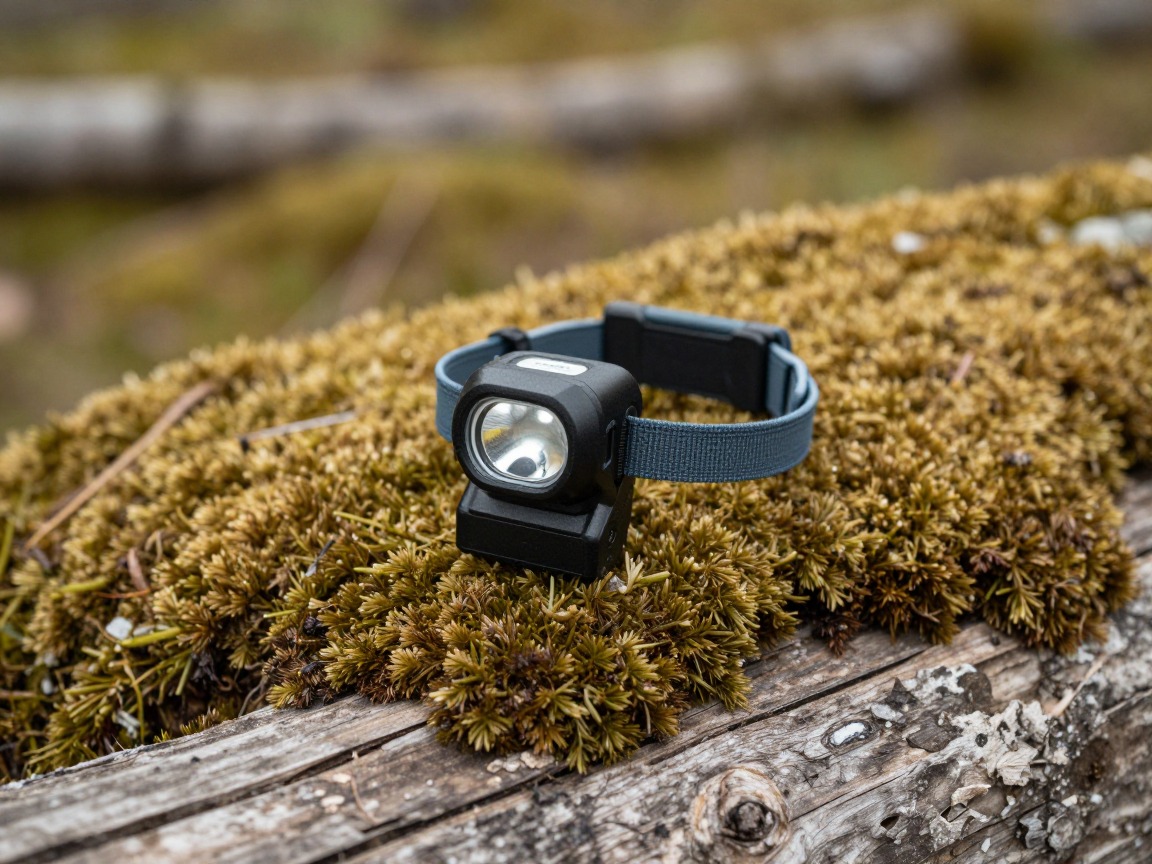
Headlamp
Essential after dark for camp chores and night navigation, and worth carrying a genuine backup for, since there's no tentmate's headlamp to borrow if yours dies.
What to look for: Bright and comfortable, with spare batteries or a charge, plus a small backup light — even a cheap spare — carried in a different pocket than your main one.
 LHKNL Headlamp Flashlight Check price
 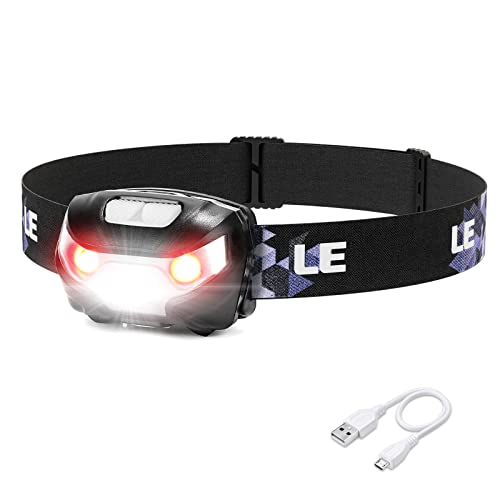 Lepro LED Headlamp Rechargeable IPX4 Waterproof Headlight 5 Modes - Check price
 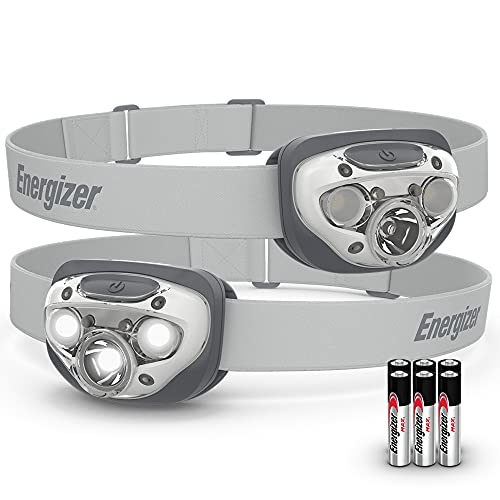 Energizer LED Headlamp PRO Check price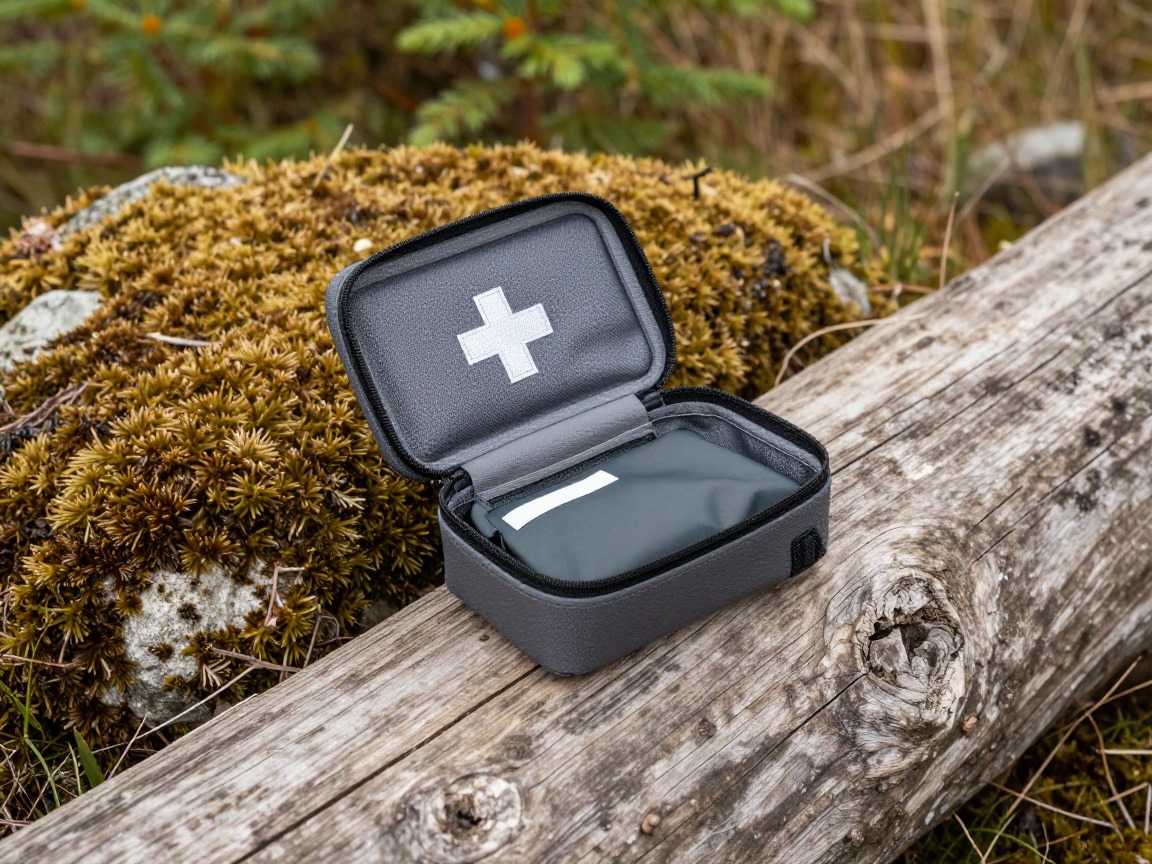
First-aid kit
A fuller kit than you'd carry with a partner, because you're the one treating any injury and the one deciding whether to keep going.
What to look for: Blister care, wound cleaning, your own reliable medications, and a small repair kit. Know how to use everything in it — solo, there's no one else to read the instructions.
 Mini First Aid Kit - 150 Piece Small Waterproof EVA Hard Shell Case Check price
  Adventure Medical Kits Ultralight/Watertight Medical Kit .5 Check price
 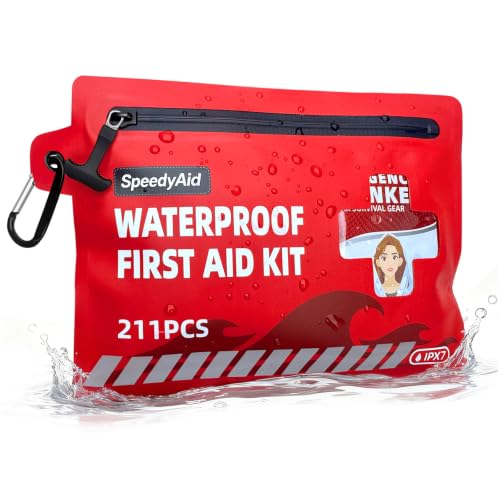 211 PCS Waterproof First Aid Kit Check price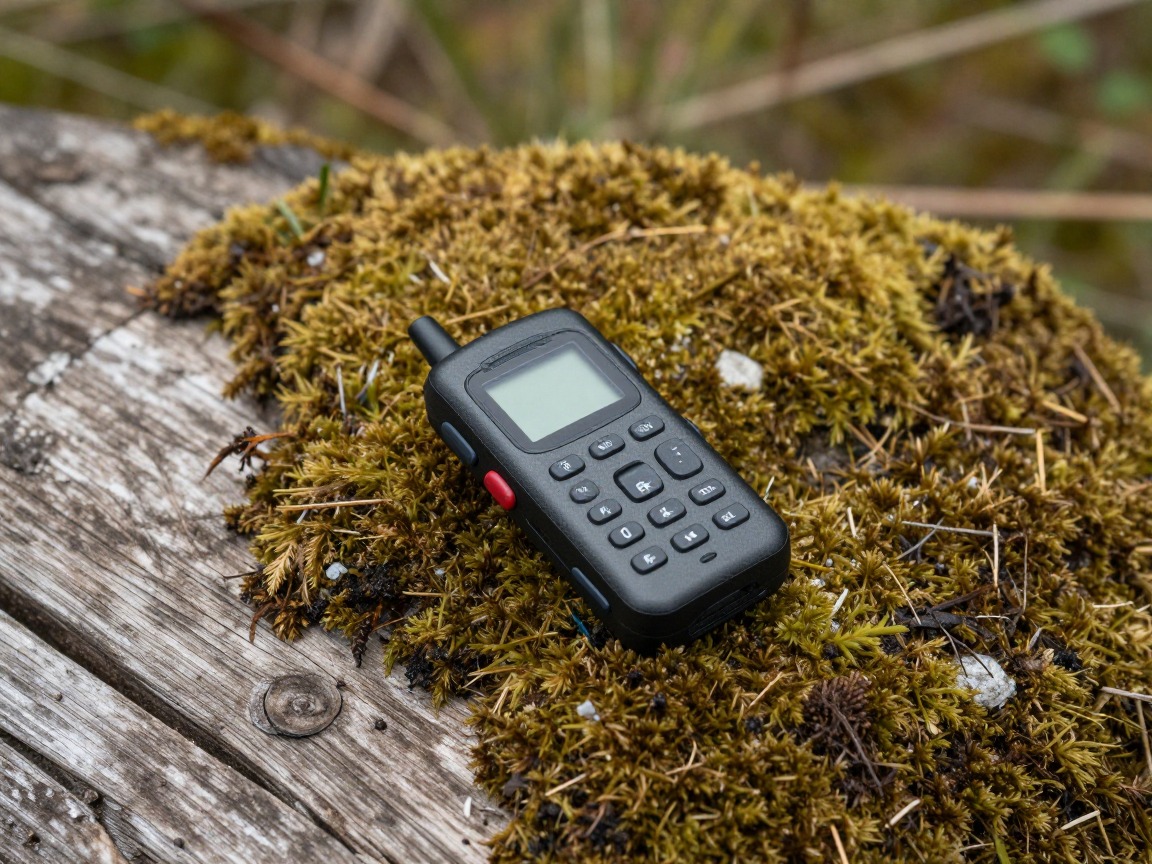
Satellite messenger
Lets you check in on a schedule and call for help if something goes wrong — the single biggest addition solo travel makes to a standard overnight kit.
What to look for: Two-way messaging and SOS, not just one-way tracking, a battery that comfortably outlasts the trip, and a device you've actually practiced using before you're relying on it in the dark. Pair it with a written itinerary left with someone at home who knows your route and your check-in times.
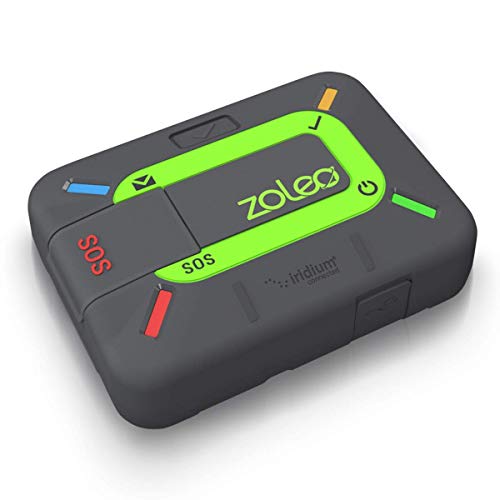 ZOLEO Satellite Communicator Check price
  Garmin inReach® Messenger Satellite Communicator Check price
  Garmin inReach® Mini 2 Check price
 - Map + compass — a paper backup even if you mainly navigate by phone
- Trekking poles
- Sunscreen & lip balm
- Whistle
- Phone + power bank
- Fire kit, plus a second, different fire-starting method
- Toilet kit — trowel, TP, waste bags (Leave No Trace)
- Written trip plan / itinerary left with a contact
How to adapt this setup
Choose a familiar or well-traveled route you could nearly do with your eyes closed, keep it to one night, and let the trip be about the solitude, not about testing new gear or a new destination at the same time.
Redundancy earns its keep even more over several nights — a spare battery or two, a slightly deeper first-aid kit, and a check-in schedule with more than one touchpoint along the route.
The less traveled the route, the more your satellite messenger and communication plan carry the trip; build in a slightly more conservative itinerary and a wider safety margin on turnaround times.
Add real margin to your sleep system and insulation — solo, there's no one else's spare layer or shared body heat to fall back on if you guessed the temperature wrong.
Bring a partner on your next trip and go solo again once the systems and the quiet both feel routine — solo backpacking is a skill you build, not a bar you clear once.
Common mistakes to avoid
- Leaving no trip plan or check-in time with anyone at home.
- No redundancy in light, fire or navigation — a single point of failure you can't borrow a fix for.
- Pushing past your turnaround time because there's no partner questioning the decision.
- Buying a satellite messenger and never practicing with it before the trip.
- Overpacking out of nerves instead of packing smart, specific redundancy.
- Choosing a remote or technically difficult route for a first solo overnight.
Make it yours
Frequently asked questions
Is solo backpacking safe?
It can be, for hikers with the experience to manage camp, weather and route-finding without a second opinion. The real safety measures aren't different gear so much as redundancy in navigation, light and fire, a satellite messenger, and a habit of conservative decisions — turning back earlier than you would with a partner.
What should I bring solo backpacking that I wouldn't with a group?
A satellite messenger and a written itinerary left with a contact, backup light and fire-starting methods, a paper map alongside any GPS, and a slightly fuller first-aid kit — the redundancy that a partner's gear and judgment would otherwise provide.
Do I need a satellite messenger to backpack alone?
It's the single most valuable addition to a solo kit. It lets you check in on a schedule and call for real help if something goes wrong, without depending on cell coverage or anyone happening to notice you're overdue.
How do I deal with being afraid at night when camping alone?
A simple camp routine, familiar terrain for early trips, and a genuine communication plan all help more than any piece of gear. Most solo campers find the unease fades within a few trips as the routine becomes familiar.
What's a good first solo backpacking trip?
A single night on a route you already know well, ideally one that's moderately traveled rather than fully remote. Keep the trip simple — familiar gear, a familiar area — so the solitude is the only new variable.
Illustrative images show the type of gear, not specific products. Recommendations link to similar items on Amazon; we only ever link real listings and never show fabricated prices or ratings. General planning guidance, not a substitute for your own judgment or professional backcountry-safety instruction.