
The section-hiking setup
Section hiking lets you knock out a long trail like the AT or PCT one chunk at a time — four to eight days between towns, not months on end. This setup borrows thru-hiking's durability, but leaves room for the comfort a shorter carry can actually afford.
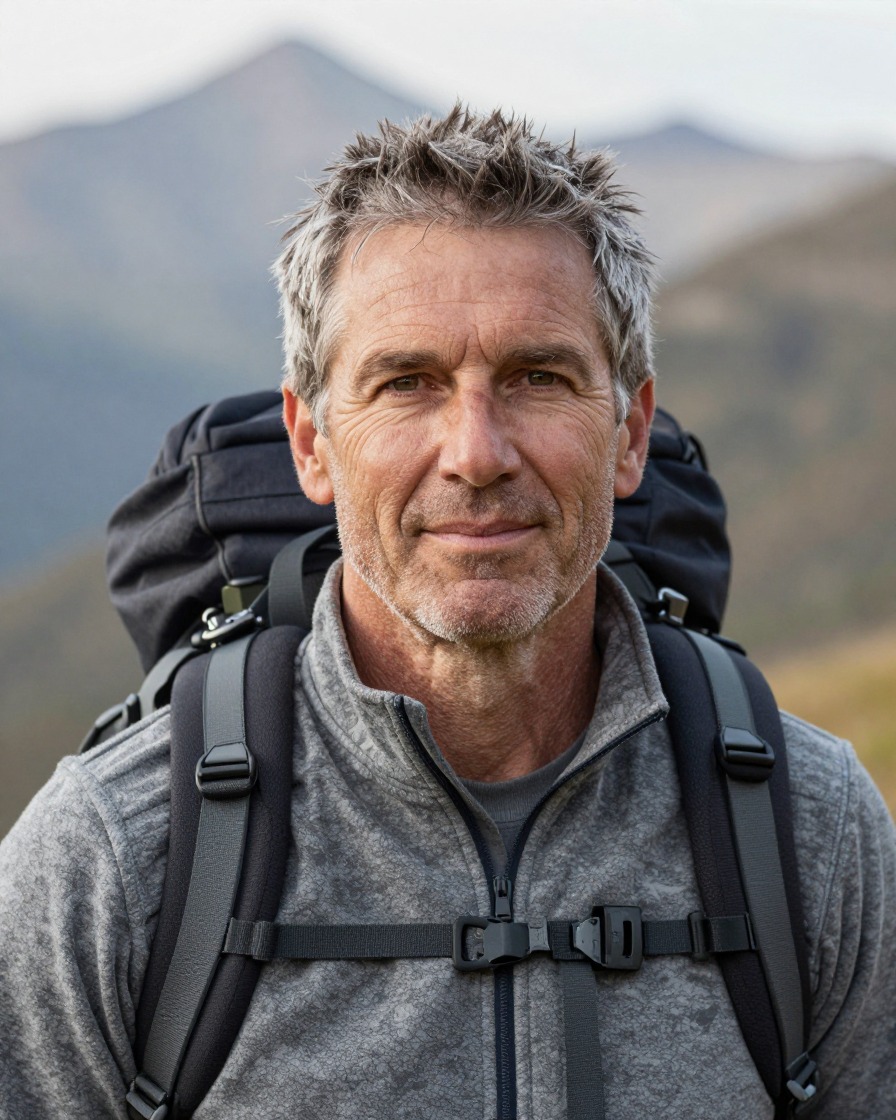
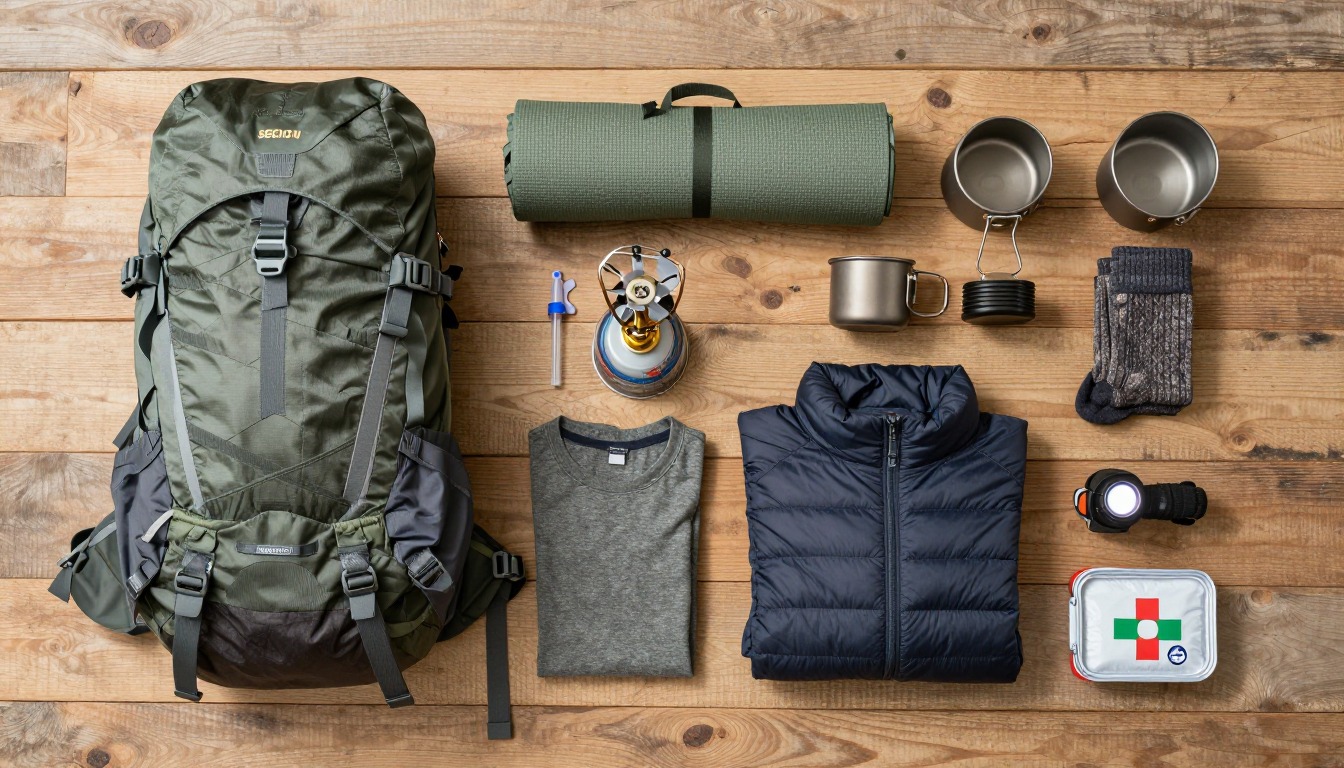
A section hike sits in a useful middle ground: long enough that a gear failure or a bad night's sleep compounds over days, short enough that you don't need a thru-hiker's ounce-by-ounce discipline. We build the kit thru-hike style — proven, durable gear that survives repeated trips — but let comfort back in where a shorter carry allows it: a roomier pack, a warmer sleep system, a second pair of socks. Foot care and a workable resupply plan matter as much as any single piece of gear.
This setup suits hikers tackling a long trail in pieces — a week here, a week there, over several seasons — plus anyone testing thru-hike-style gear before committing to a full attempt. Planning a single weekend instead? The extra durability here is more than you need. Setting out on a continuous, months-long thru-hike? Look at the full ultralight approach.
- Size your pack to your section's longest food carry, not its total days — check your trail's resupply spacing before you buy.
- Build the sleep system for genuinely cold nights; one bad night can undo a whole section.
- Choose durable, field-repairable gear over the lightest option — this kit needs to survive trip after trip.
- Plan resupply and foot care together: a town stop that covers blister care and a sock change keeps you moving.
About this setup
Section hiking is how most people actually finish a long trail like the Appalachian Trail, the PCT, or the CDT — not in one continuous push, but four to eight days at a time, over several seasons. It's the practical answer to a job or a family, without quitting everything for six months: real backcountry days and real trail miles, stacked up a section at a time instead of end to end.
Because the same kit goes back out next season, section-hiking gear earns its keep through durability as much as weight — proven, field-repairable gear over the newest release. But a section hiker can afford a little more comfort than someone carrying everything for six months: a roomier pack, a warmer bag, a second pair of socks. Foot care and resupply planning matter just as much as the gear list; most section hikes go sideways from blisters or short food, not a missing item.
A base weight in the mid-to-high teens is a reasonable target for most 4–8 day sections — heavier than a dedicated ultralight kit, lighter than a casual weekend setup. Build the big three (pack, shelter, sleep system) first, keep the kitchen and clothing simple enough to repeat without thinking, and treat the safety and foot-care layer as non-negotiable. Do that once, and the kit carries you through section after section until the trail runs out.
The pack
Size the pack to your longest resupply stretch, not the total days on your trail — a 55–65 L pack covers most 4–8 day carries with room to spare for a bear canister where one's required.
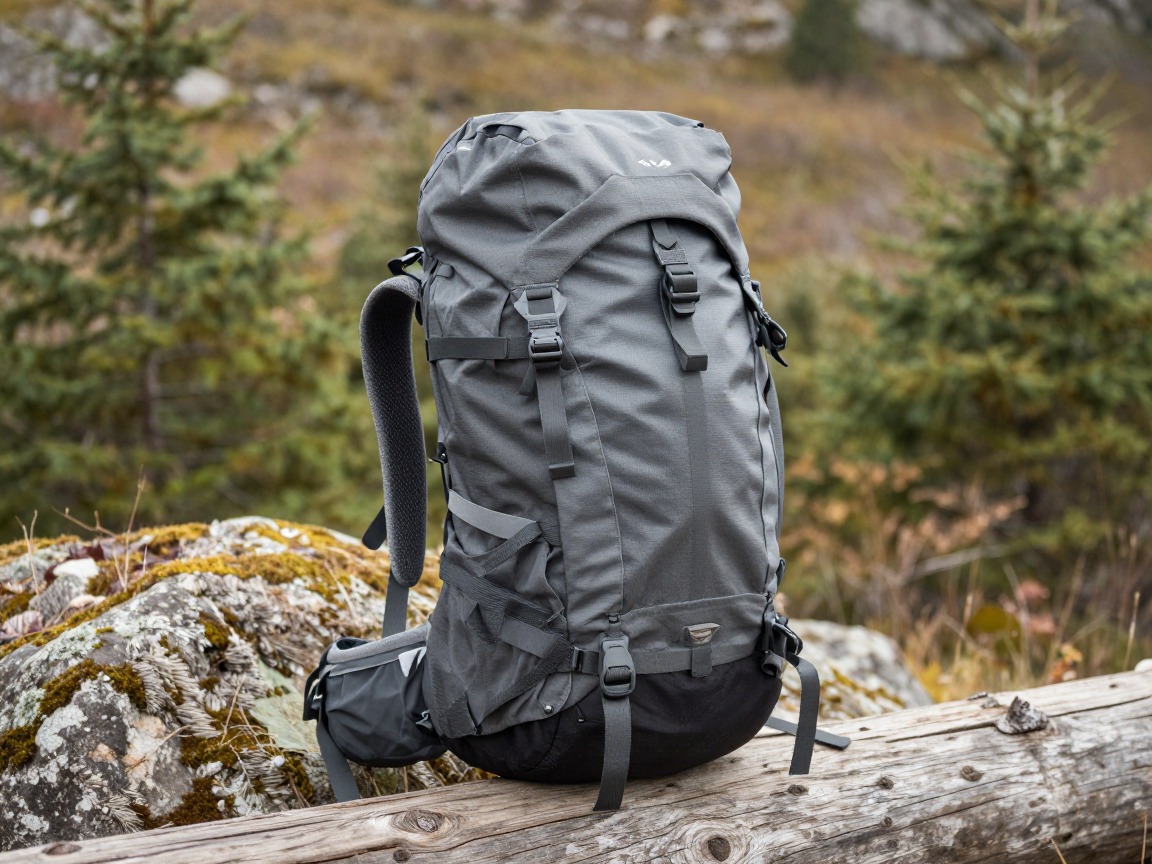
Multi-day pack
Carries a thru-hike-grade kit plus enough food for a full section between towns, with a frame built to keep working across repeated trips.
What to look for: A genuinely load-carrying hipbelt, 55–65 L for most 4–8 day carries, and room for a bear canister where your section requires one. Durable fabric and hardware matter more here than shaving the last few ounces.
 WoneNice 50L Check price
  Teton 55L Scout Internal Frame Backpack for Hiking Check price
 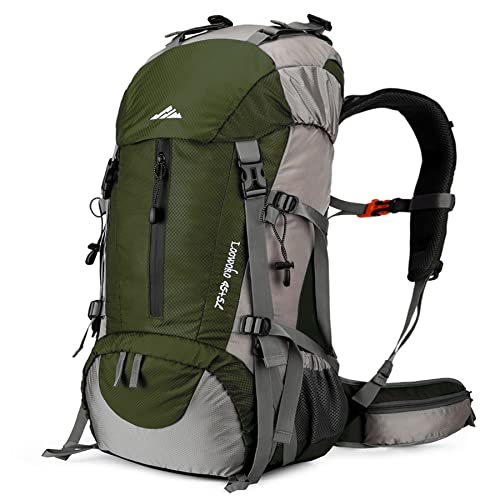 Loowoko 50L Hiking Backpack with Rain Cover for Both Men & Women Check price
 - Pack rain cover or liner
- Compression straps to cinch down a lighter load late in the carry
Shelter
A trail-proven shelter that pitches quickly in the dark and holds up trip after trip beats the lightest option that barely survives one season.
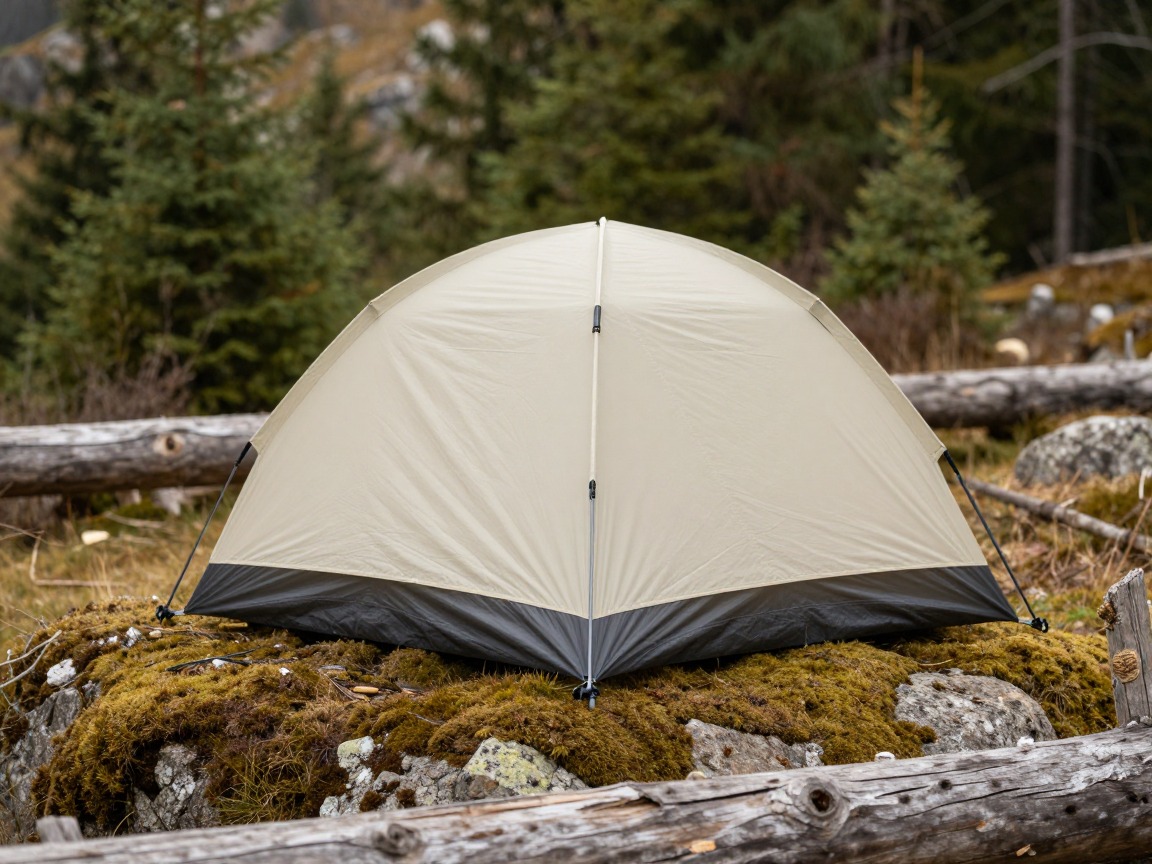
Trail shelter
A freestanding or trekking-pole shelter built for repeated use — this one goes out on every section, not just this trip.
What to look for: Fast, familiar pitching, full-coverage protection from rain, and fabric and seams tough enough for years of section hikes on the same trail. A slightly heavier, durable shelter often outlasts an ultralight one you'll need to replace.
 Night Cat 2-Persons Backpacking Tent: Waterproof Lightweight Camping Check price
  BISINNA 2/4 Person Camping Tent Lightweight Waterproof Backpacking T Check price
  Forceatt Tent for 2 Person is Waterproof and Windproof Check price
 - Stakes & guylines
- Repair tape or a patch kit for the shelter
Sleep system
A section is long enough that one cold, sleepless night wrecks the whole stretch — rate the bag for the real overnight low, not the average.
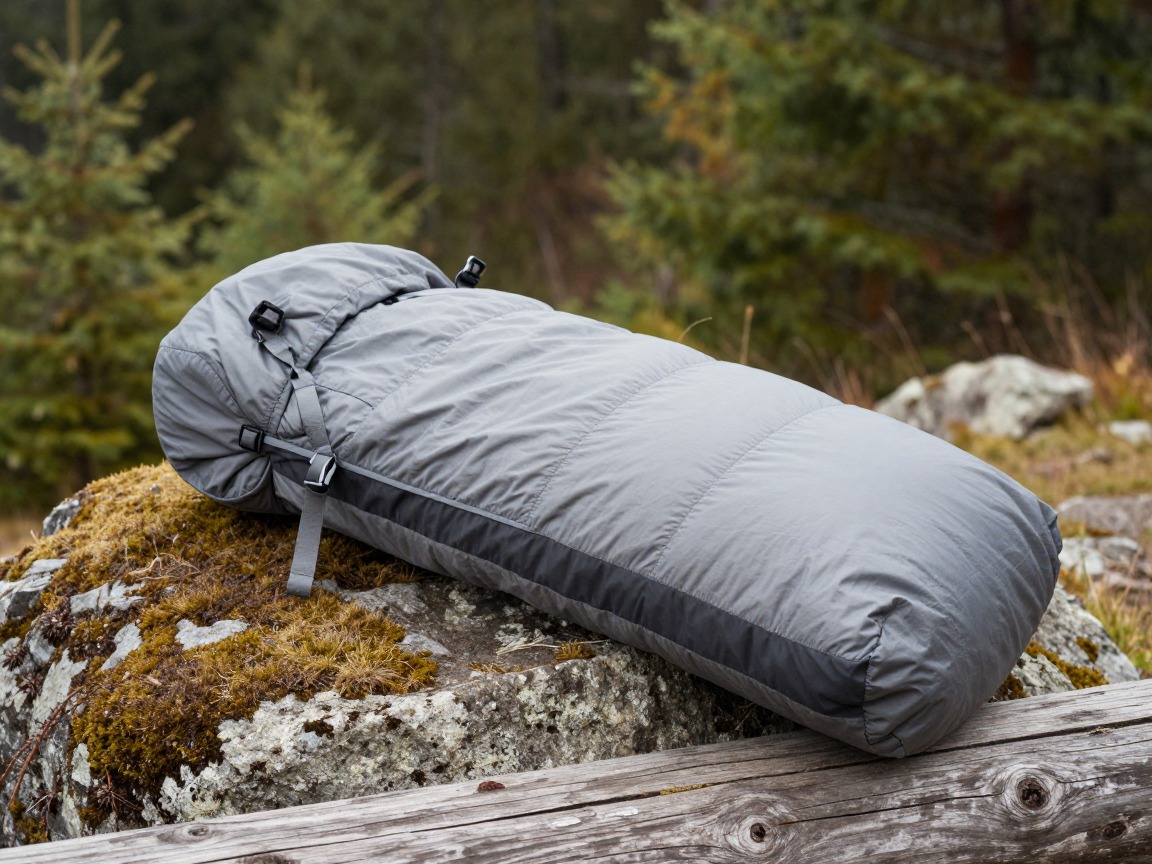
Sleeping bag or quilt
Rated for the coldest night your section can realistically throw at you; a thru-hike-style down bag or quilt keeps weight down over back-to-back nights.
What to look for: A comfort rating a little below your section's expected low, a hood and draft collar that actually seal, and down or synthetic fill matched to how wet your trail runs. Durability matters as much as warmth-to-weight.
 MalloMe Sleeping Bags for Adults Cold Weather & Warm - Backpacking C Check price
 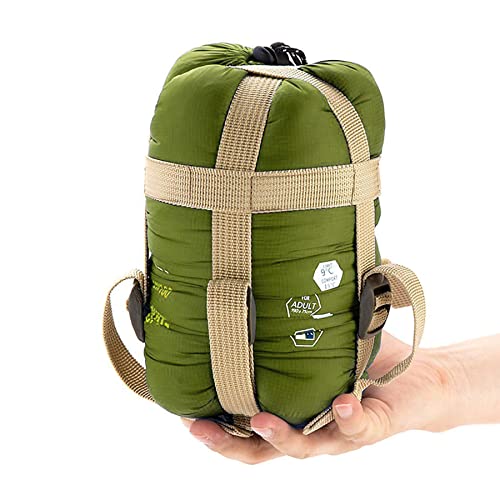 ECOOPRO Portable Check price
  Teton Trailhead Check price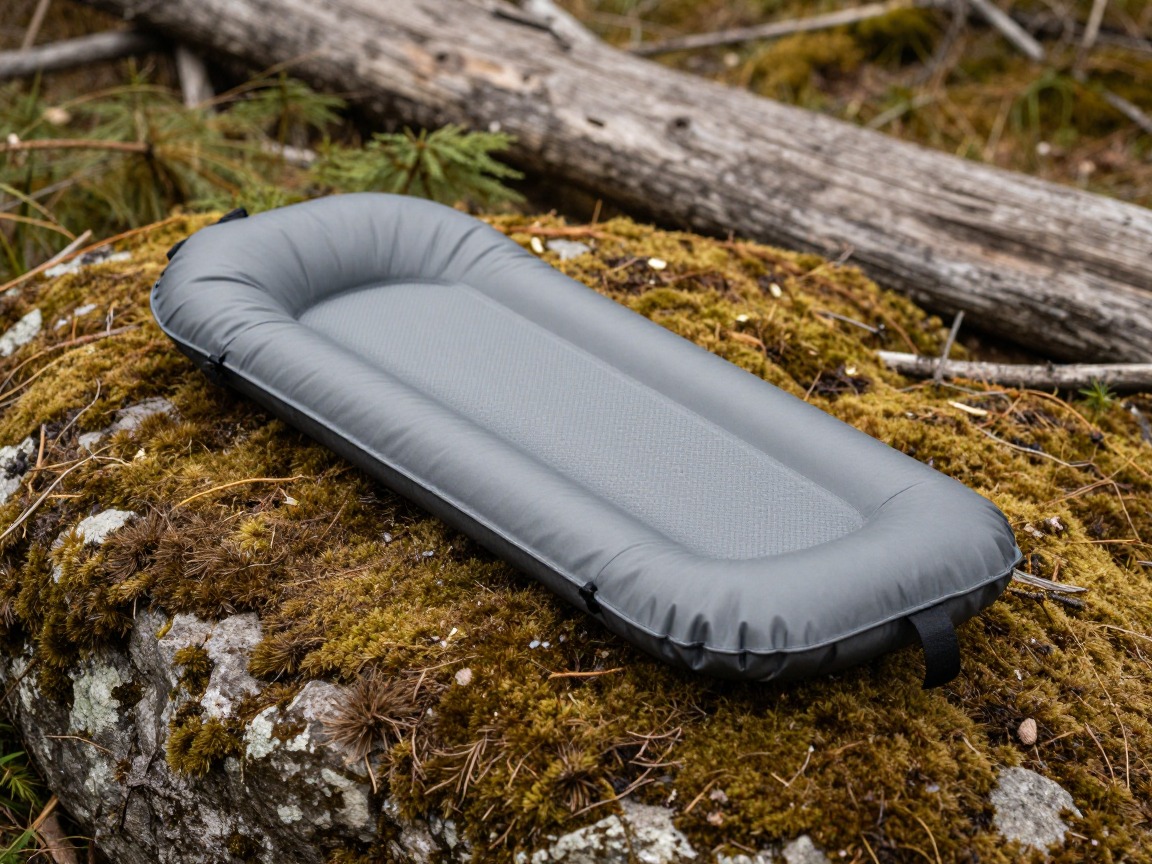
Sleeping pad
Insulates you from the ground night after night; consistent, reliable warmth matters more on a multi-day carry than shaving the last ounce.
What to look for: Enough R-value for your season and elevation, a packed size that fits your pack, and a pad proven to hold air over repeated trips — a slow leak is a bigger problem four days from town than on a single overnight.
 FUN PAC Camping Sleeping Pad Check price
  Gear Doctors® Ether 17.5oz Ultralight Camping Sleeping Pad Check price
  Oramoose 4in Ultralight Camping Sleeping Pad with Pillow and Foot Pu Check price
 - Stuff-sack or inflatable pillow
- Patch kit for the pad
Kitchen & water
Keep the kitchen simple enough to run the same way every night of a multi-day carry, and never skip a way to treat water between towns.
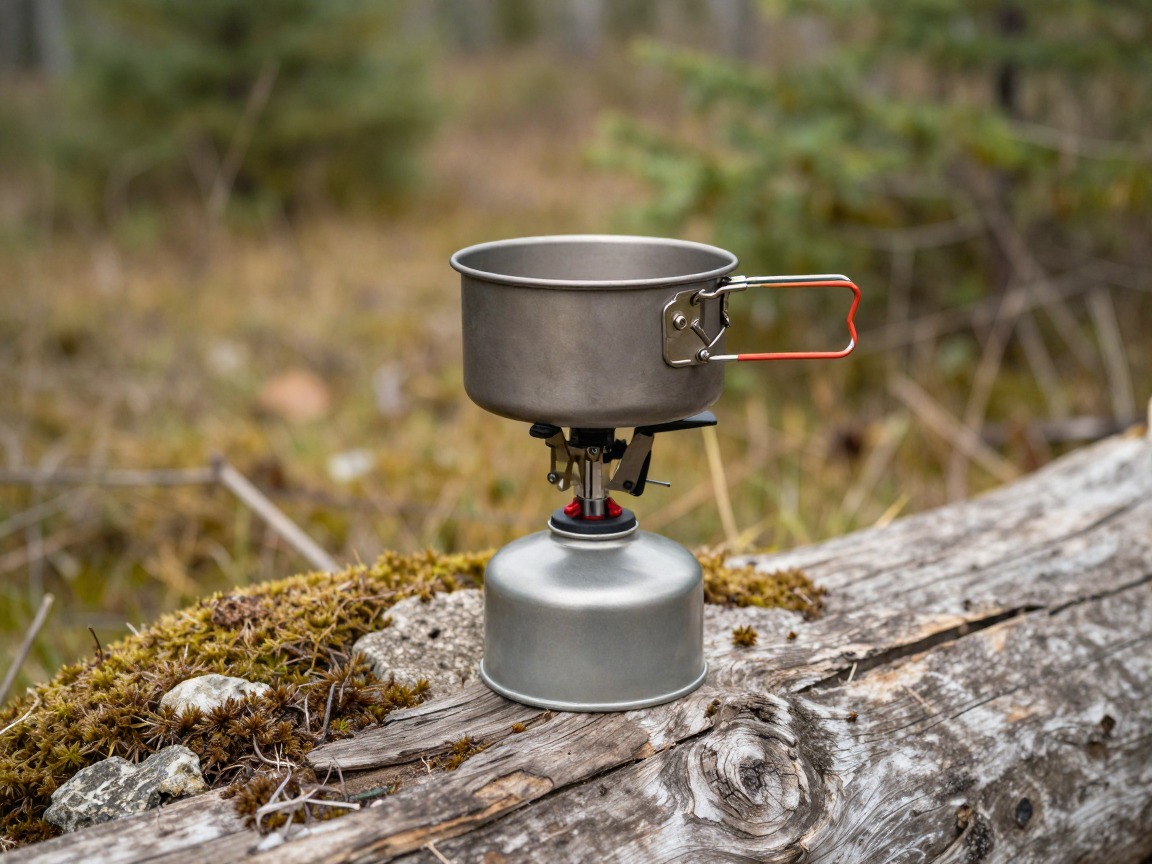
Backpacking stove
A reliable canister stove boils water for dinners and hot drinks across every night of the section, restocked with fuel in town.
What to look for: A stove proven to run consistently over repeated trips, a quick boil time, and fuel canisters you can actually buy at trailhead towns and outfitters along your trail.
 AOTU Portable Camping Stoves Backpacking Stove with Piezo Ignition S Check price
  MSR PocketRocket 2 Ultralight Camping and Backpacking Stove Check price
  Fire-Maple Greenpeak 1 Camping Stove with Piezo Ignition Portable Ga Check price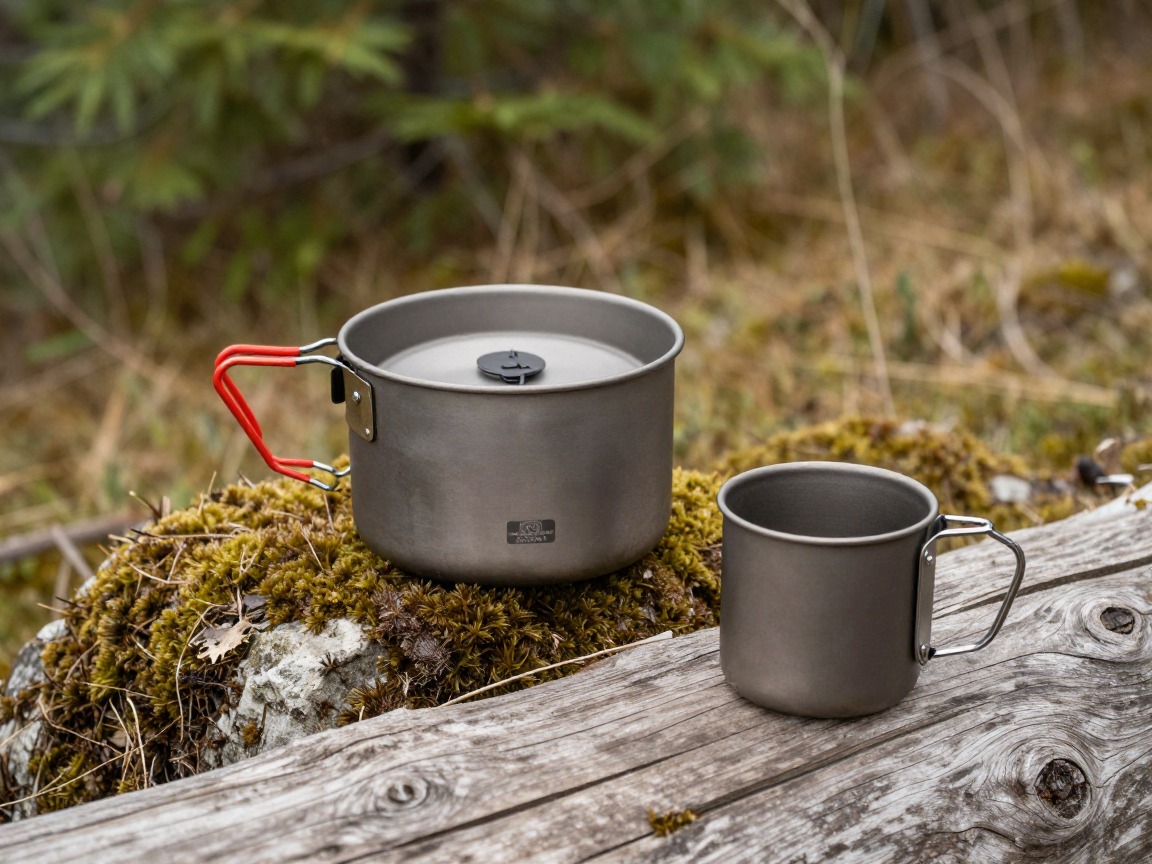
Pot & mug
One durable pot handles dinner and doubles as a bowl for the length of the section; simple is what survives daily use.
What to look for: A pot sized to your meals, light but durable metal, and a lid that doubles as a plate. One well-chosen pot is usually the entire kitchen for a section hike.
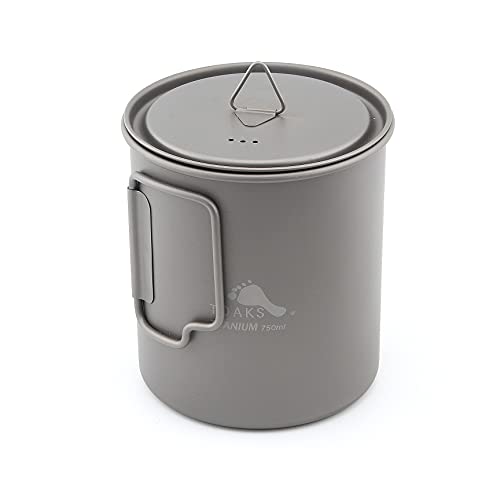 TOAKS Titanium 750ml Pot Check price
  TOAKS Titanium 750ml Pot with Bail Handle for Ultralight Camping Check price
  TOAKS Titanium 1100ml Pot with Pan Check price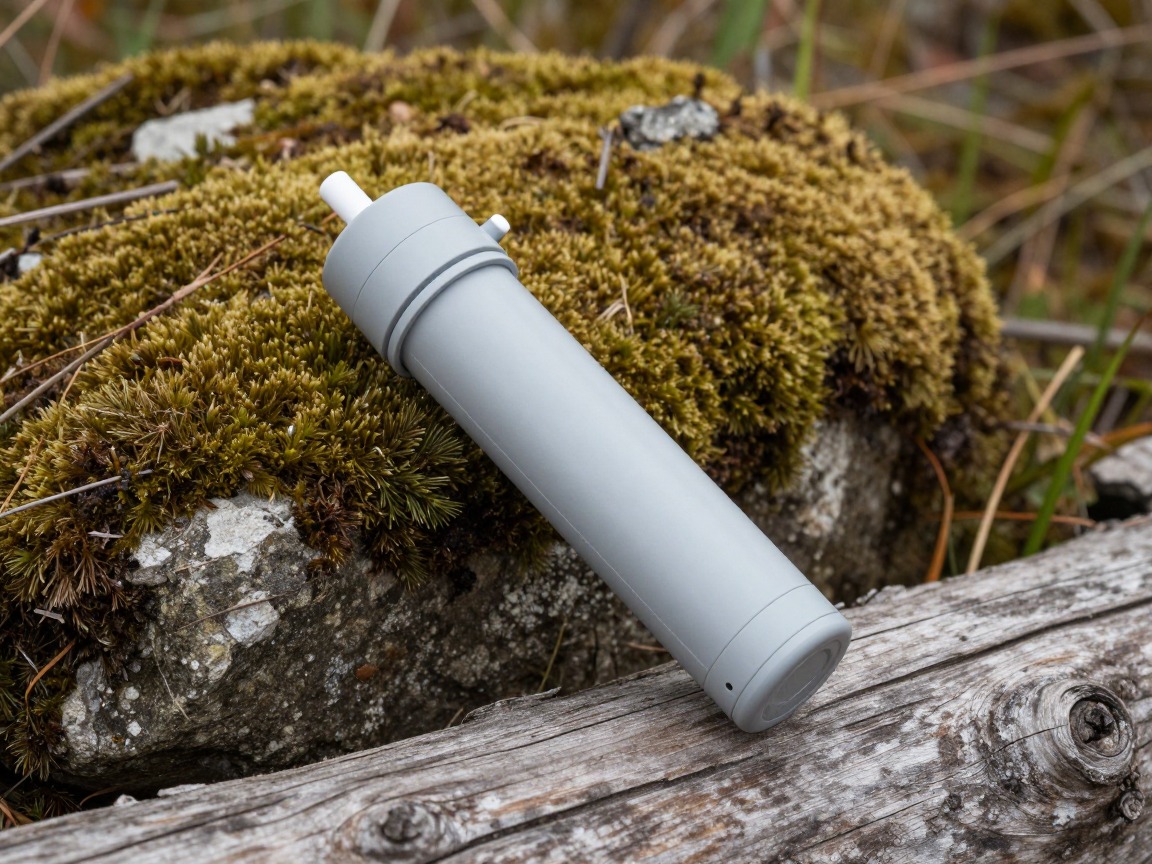
Water filter
Treats water at every source along the section so you're never carrying more than you need between refills.
What to look for: Fast flow that holds up between cleanings, easy field maintenance, and a design proven over repeated multi-day trips.
 Sawyer Squeeze Water Filtration System Check price
  Sawyer Products SP128 Mini Water Filtration System Check price
  LifeStraw Personal Water Filter for Hiking Check price
 - Fuel canisters — enough for the full section plus a margin
- Spork & lighter
- Food for each day of the section plus a one-day buffer
- Bear canister or hang line where required
- Resupply box or a town food-shopping list
Clothing & layers
Wear one, carry one — a tight layering system and a genuine sock rotation keep you comfortable and blister-free across consecutive days on your feet.
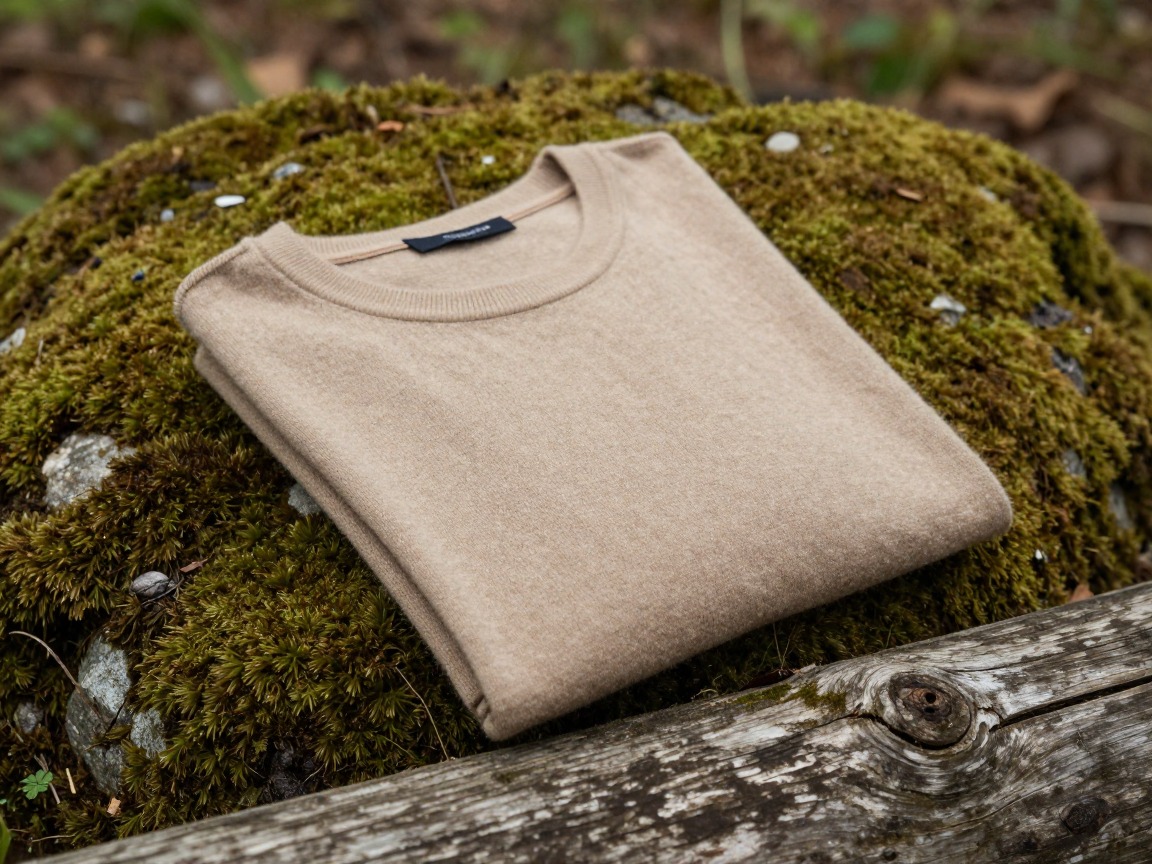
Base layer
Merino or synthetic against the skin manages sweat and resists odor across a multi-day carry between town stops.
What to look for: Merino or a merino blend for genuine multi-day odor resistance, a fit that layers cleanly, and a weight matched to your trail's season. This is what you live in for the whole section.
 100% Merino Wool Base Layer Men Set - Thermal Underwear for Men Long Check price
  Merino.tech Merino Wool Base Layer Women Set - Heavyweight Check price
  100% Merino Wool Base Layer Men Set - Thermal Long Underwear with Ba Check price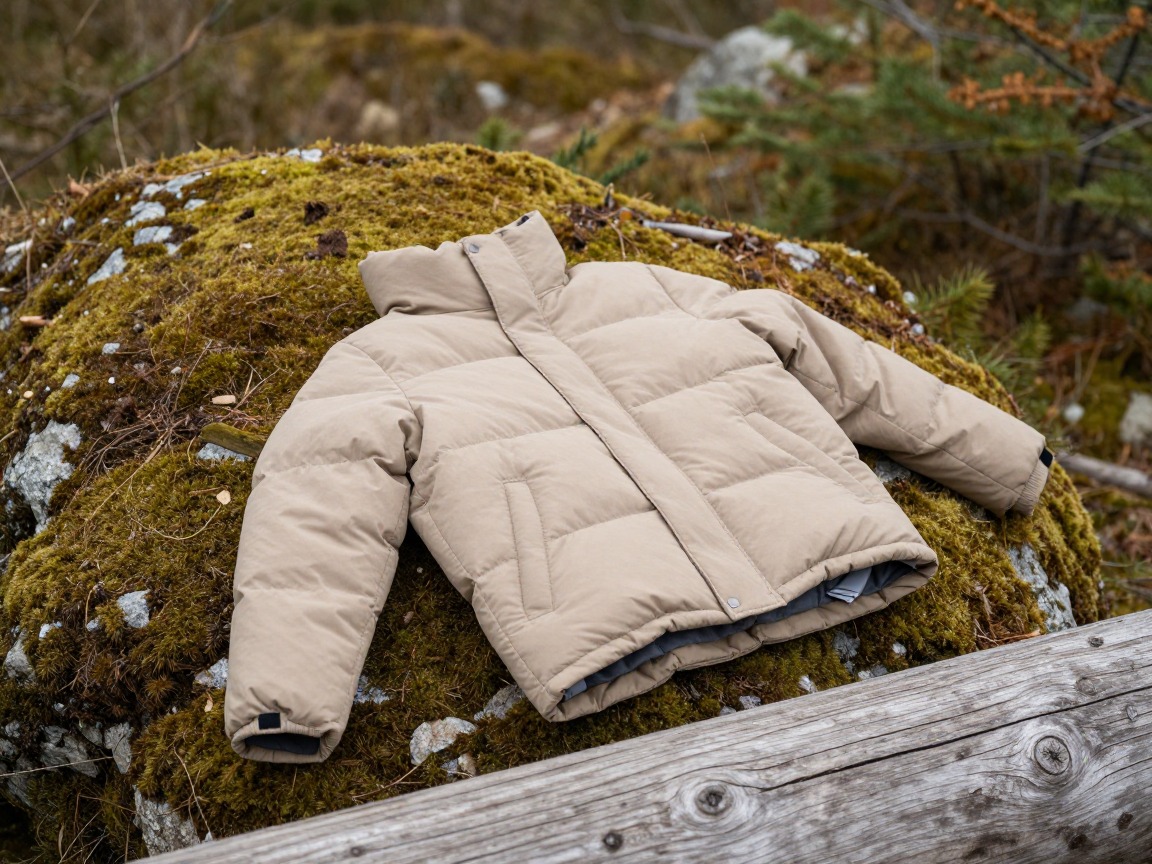
Insulating layer
A packable puffy for camp and cold mornings — the layer you reach for every single evening of the section.
What to look for: The most warmth for its weight, a durable outer fabric that survives daily stuffing and pulling out, and a size that layers over your base and under your shell.
 Outdoor Ventures Women's Packable Lightweight Puffer Jacket with Hoo Check price
  Amazon Essentials Women's Lightweight Long-Sleeve Water-Resistant Pa Check price
  Outdoor Ventures Women's Packable Lightweight Puffer Jacket with Hoo Check price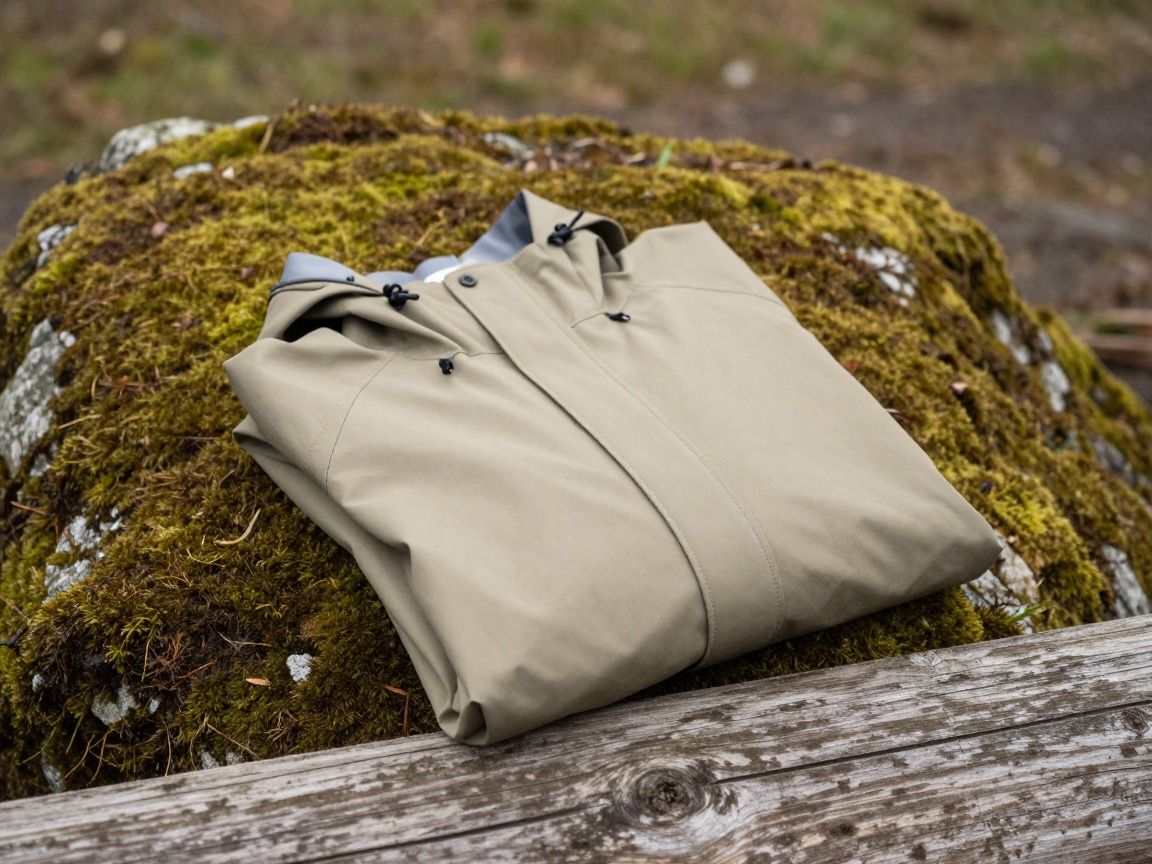
Rain shell
Waterproof-breathable protection that has to actually hold up through however many wet days your section throws at it.
What to look for: Genuinely waterproof, not just water-resistant, with a sealing hood and seams and zippers durable enough for daily use across a whole section.
 UIQUR Mens Rain Jacket Raincoat Waterproof Windbreaker Black L Check price
  COOFANDY Men's Waterproof Hiking Travel Shell Breathable Rain Jacket Check price
  Columbia Womens Arcadia II Waterproof Rain Jacket Check price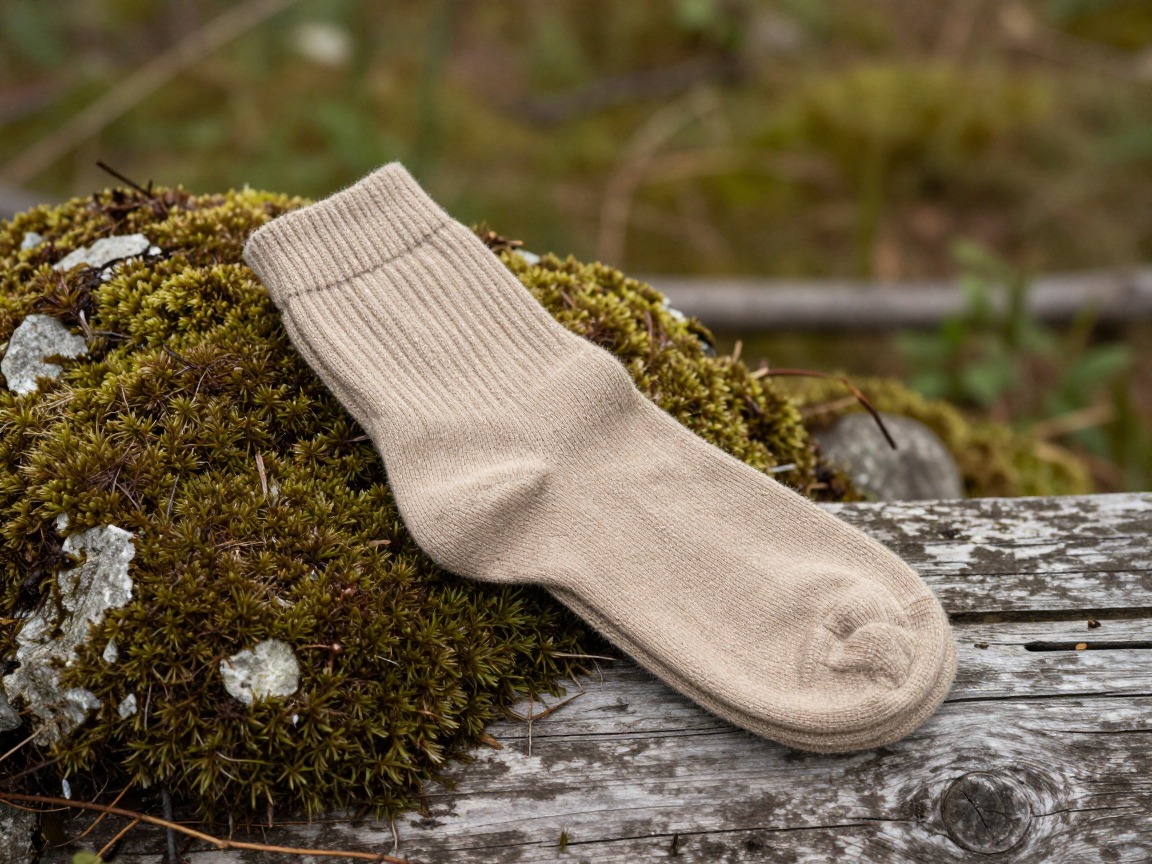
Hiking socks
A rotation of quality socks, not just one pair, is one of the biggest differences between a comfortable section and a blister-plagued one.
What to look for: Wool or wool-blend socks that dry overnight and hold their cushioning over consecutive days; carry at least two pairs so you can rotate a dry pair in every morning.
 Alvada Merino Wool Hiking Socks Thermal Warm Crew Winter Boot Sock F Check price
  DANISH ENDURANCE Merino Wool Socks for Men & Women Check price
  innotree 3 Pack Men's Merino Wool Hiking Socks Check price
 - Camp/sleep clothes
- Sun hat & sunglasses
- Warm hat & gloves for cold mornings
- Gaiters for mud, scree, or trail debris
Navigation, light & safety
A multi-day carry between towns means real self-sufficiency — trustworthy navigation, a light you can rely on every night, and repair basics that go beyond a day hike's kit.
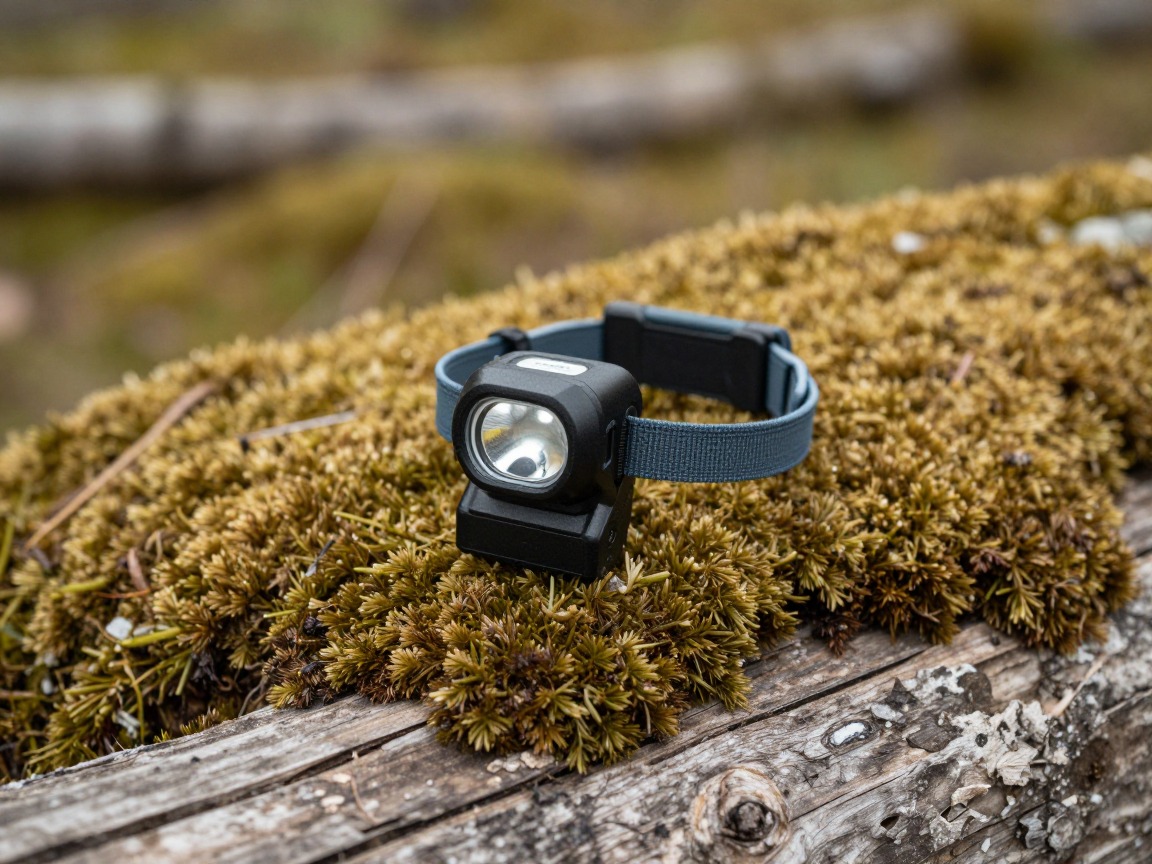
Headlamp
Essential for camp chores, early starts, and night hiking into town on schedule; you'll use it every single night of the section.
What to look for: Reliable output over consecutive nights, a red mode for camp, and enough spare batteries or charge to last the full section without a resupply.
 LHKNL Headlamp Flashlight Check price
 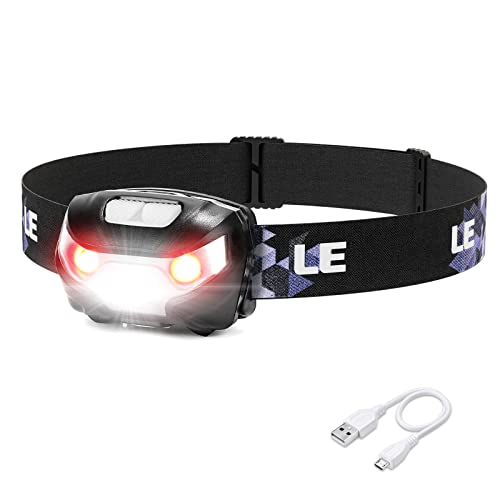 Lepro LED Headlamp Rechargeable IPX4 Waterproof Headlight 5 Modes - Check price
 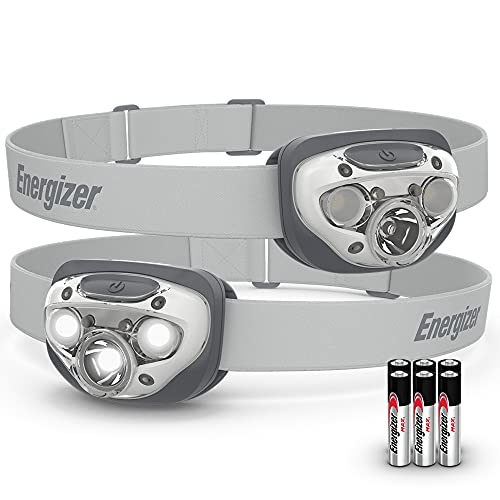 Energizer LED Headlamp PRO Check price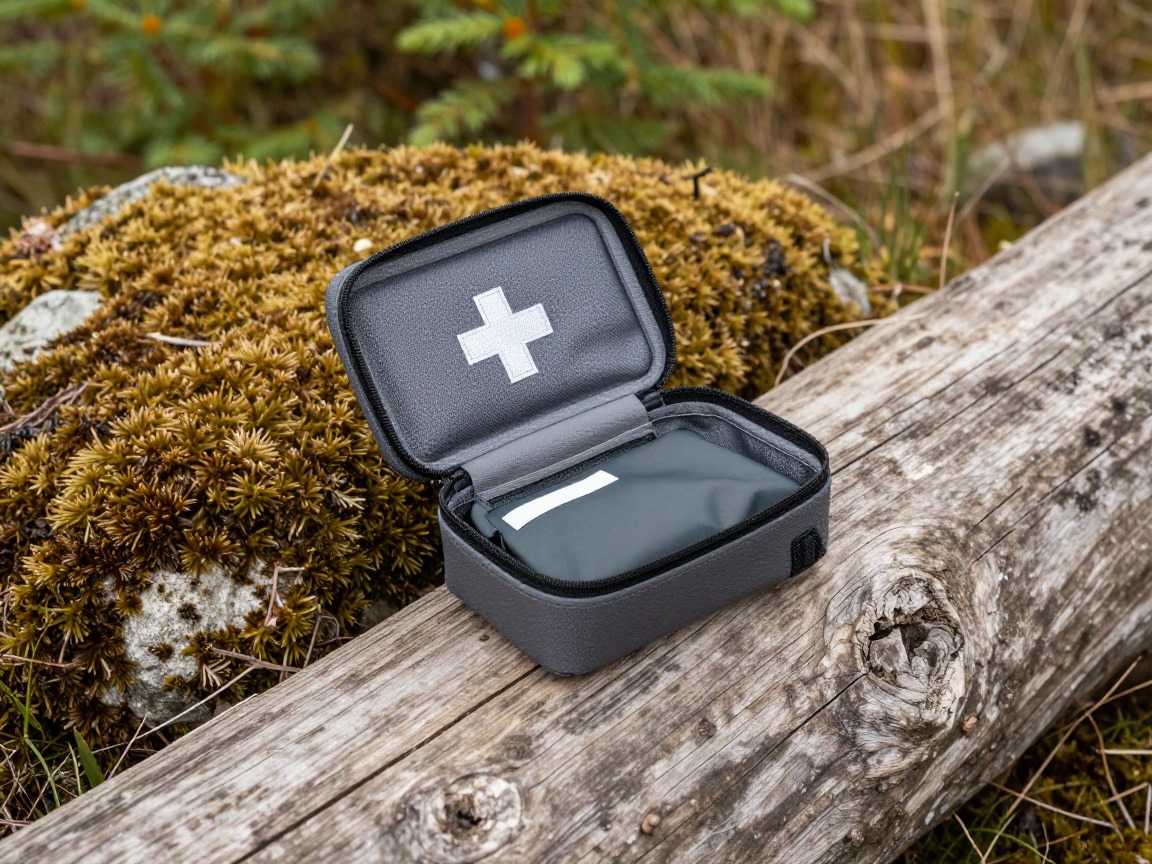
First-aid & foot-care kit
A fuller kit than a weekend trip — blister and foot care get real emphasis here, alongside the basics and the knowledge to use them.
What to look for: Genuine blister and chafing supplies (tape, moleskin, or blister pads), your own reliable medications, wound care, and a small repair element — sized to how far you'll actually be from a town.
 Mini First Aid Kit - 150 Piece Small Waterproof EVA Hard Shell Case Check price
  Adventure Medical Kits Ultralight/Watertight Medical Kit .5 Check price
 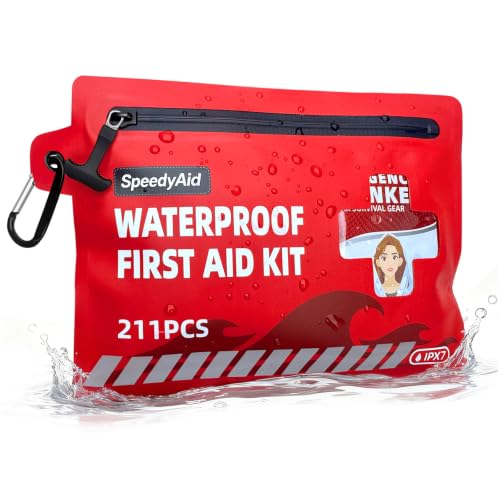 211 PCS Waterproof First Aid Kit Check price
 - Map + compass or GPS (offline, covering the full section)
- Trekking poles
- Sunscreen & lip balm
- Whistle
- Phone + power bank sized for the full carry
- Gear repair kit — tape, cordage, spare buckle
- Toilet kit — trowel, TP, waste bags (Leave No Trace)
- Cash or card for town stops and resupply
How to adapt this setup
Lean toward the weekend backpacking setup — a smaller pack and less food are really the only changes you need; the extra durability focus here matters less over a shorter carry.
Add real capacity for the extra food and consider a resupply mail drop partway through; base weight discipline starts mattering more the longer the carry stretches out.
Add several liters of pack capacity for a hard-sided canister, and size your food carry around what actually fits inside it, not just what you'd like to bring.
Warmer bag, higher-R pad, and more insulation; a section that starts or ends in snow needs a genuinely different sleep system than a summer stretch on the same trail.
Trim the big three further and cut every remaining comfort item — the full ultralight approach is worth the extra discipline once you're carrying a kit for months instead of a week.
Common mistakes to avoid
- Sizing the pack to the trail's total mileage instead of your longest resupply stretch.
- Skimping on foot care and sock rotation, then hiking day four on blistered feet.
- A sleep system rated for an average night instead of the section's real coldest one.
- Buying the lightest possible gear instead of gear proven to survive repeated section hikes.
- Underestimating a resupply and running a day short on food because the section ran long.
- Skipping bear canister or proper food storage rules on trails that mandate them.
Make it yours
Frequently asked questions
What pack size do I need for section hiking?
Most 4–8 day sections fit comfortably in a 55–65 L pack, sized to your longest food carry rather than the section's total mileage. A shorter section or an already-dialed light kit can go smaller; a required bear canister usually pushes you toward the larger end.
How much food should I carry for a multi-day section?
Plan on roughly 1.5–2.5 lb of food per person per day, then add a one-day buffer in case town access is delayed. The longest gap between resupply points on your specific trail, not the section's total length, is what actually sizes the carry.
Is section-hiking gear the same as thru-hiking gear?
Mostly — durable, field-repairable gear you can reuse trip after trip — but a section hiker can afford a little more comfort than someone carrying a kit for months straight. A slightly roomier pack, a warmer bag, or a spare pair of socks are easy trade-offs over 4–8 days.
How do I plan resupply for a trail section?
Research your specific section's towns, outfitters, or mail-drop points before you leave, and carry enough food for the longest gap plus a one-day margin. A missed or delayed resupply is one of the most common reasons a section hike goes wrong.
What's a good base weight for a week-long section hike?
A base weight in the mid-to-high teens (in pounds) is a reasonable target for most 4–8 day sections — lighter than a casual weekend kit, but with more comfort margin than a dedicated ultralight thru-hiker would carry for months on end.
Illustrative images show the type of gear, not specific products. Recommendations link to similar items on Amazon; we only ever link real listings and never show fabricated prices or ratings. General planning guidance, not a substitute for your own judgment or professional backcountry-safety instruction.