
The scout & group backpacking setup
Backpacking with a troop or group changes the math from a solo trip: the gear that keeps everyone warm, fed and safe belongs to the group, not one person. This setup treats the trip as a shared system — who carries what, how newer members learn, and how the group tracks everyone at every stop.
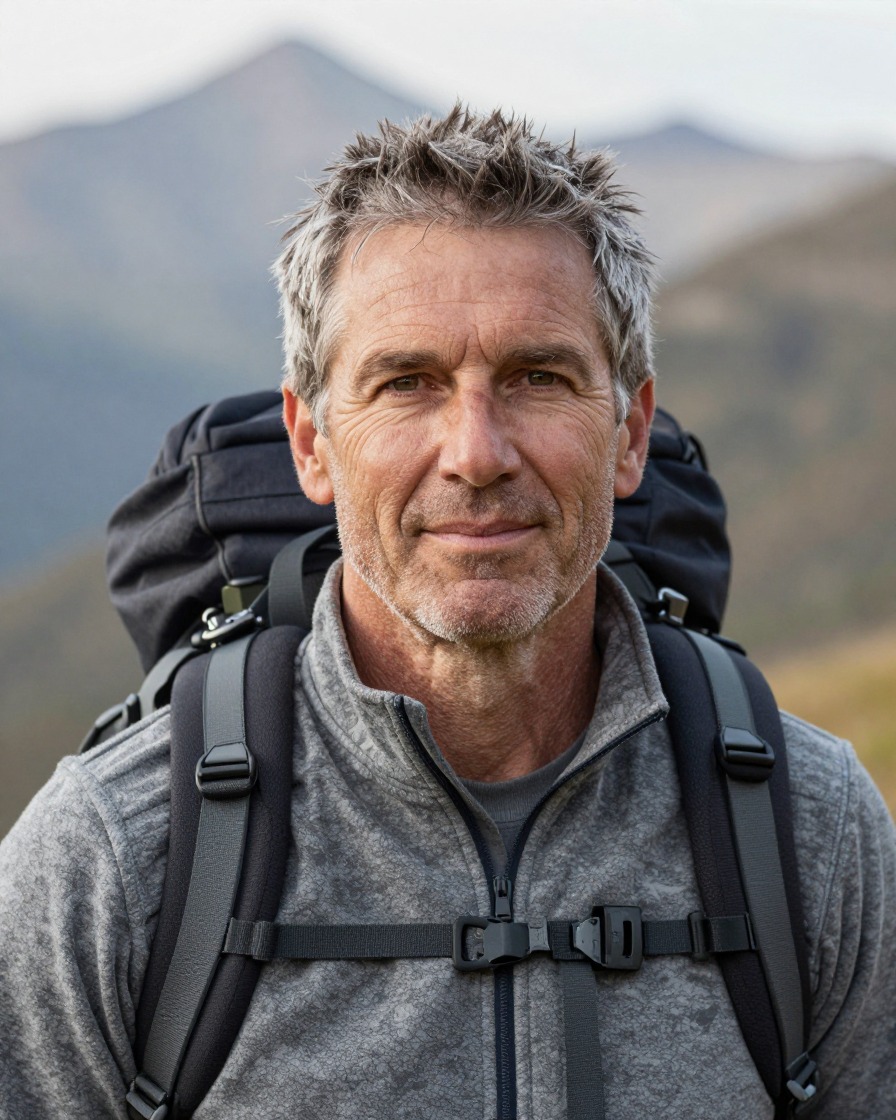
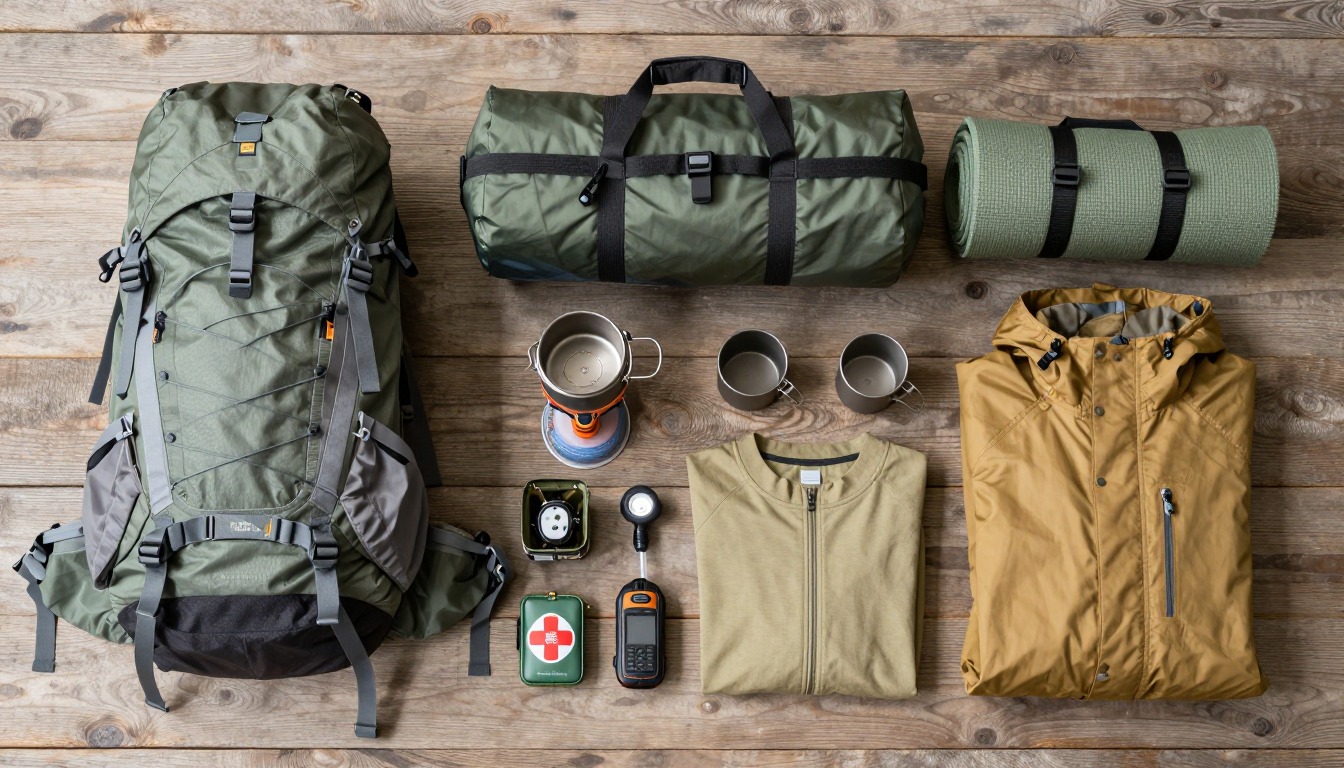
A solo hiker's kit only has to work for one person. A group's kit has to work as a system: shared items like tents, stoves and filters get split across packs so no one member carries the group's whole burden, while personal items like sleeping bags and rain jackets stay individually owned so everyone's safety doesn't depend on someone else's choices. We build it this way because a shared, tracked load beats one that quietly rests on whoever packed the car.
This setup is for scout troops, youth groups, clubs, or any party of four or more hiking together, especially where experience levels vary. Hiking as a pair? The weekend or multi-day setup covers you without the group-logistics layer. Leading minors, treat this as the gear layer that sits alongside your organization's own supervision policies, never as a replacement for them.
- Build two lists: a group gear list (shared shelter, cooking, water treatment, first aid) and each person's personal gear list — keep them separate.
- Assign every group-list item to a named carrier, with a backup, and write the assignments down.
- Check every personal sleeping bag, pad and rain layer against the forecast low before you leave — a group is only as prepared as its least-ready member.
- Set your headcount and communication system before the trailhead, not after.
About this setup
Group backpacking runs on different math than a solo trip. A tent, a stove, a filter and a first-aid kit don't multiply by headcount — one two-person tent still needs one rainfly, one stove still needs one canister per meal — so a well-run group trip is often lighter per person than everyone hiking solo. The catch: it only works if the shared gear is actually distributed and tracked, not left to land in whichever pack has the most room.
The shift from an individual kit to a group kit is really a shift from packing gear to managing a system. Someone needs to own the group gear list, assign it to specific people with a named backup for each item, and check it against the roster before the trailhead — a missing tent pole or an unassigned filter is a bigger problem for six people than for one. Rotating duties like cooking and navigation does double duty: it spreads the load, and it's how newer members actually learn, rather than watching the experienced hikers handle everything.
Communication and headcounts matter more here too. A solo hiker only tracks themselves; a group leader has to know where everyone is at every junction, water break and campsite, and be able to reach help if something goes wrong miles from cell service. None of that replaces your troop's own supervision ratios, permits or safety policies — it's the packing-list layer underneath them.
The personal pack & the group load system
Each hiker still carries their own pack — the difference is that some of what's inside belongs to the whole group, assigned by name rather than left to chance.
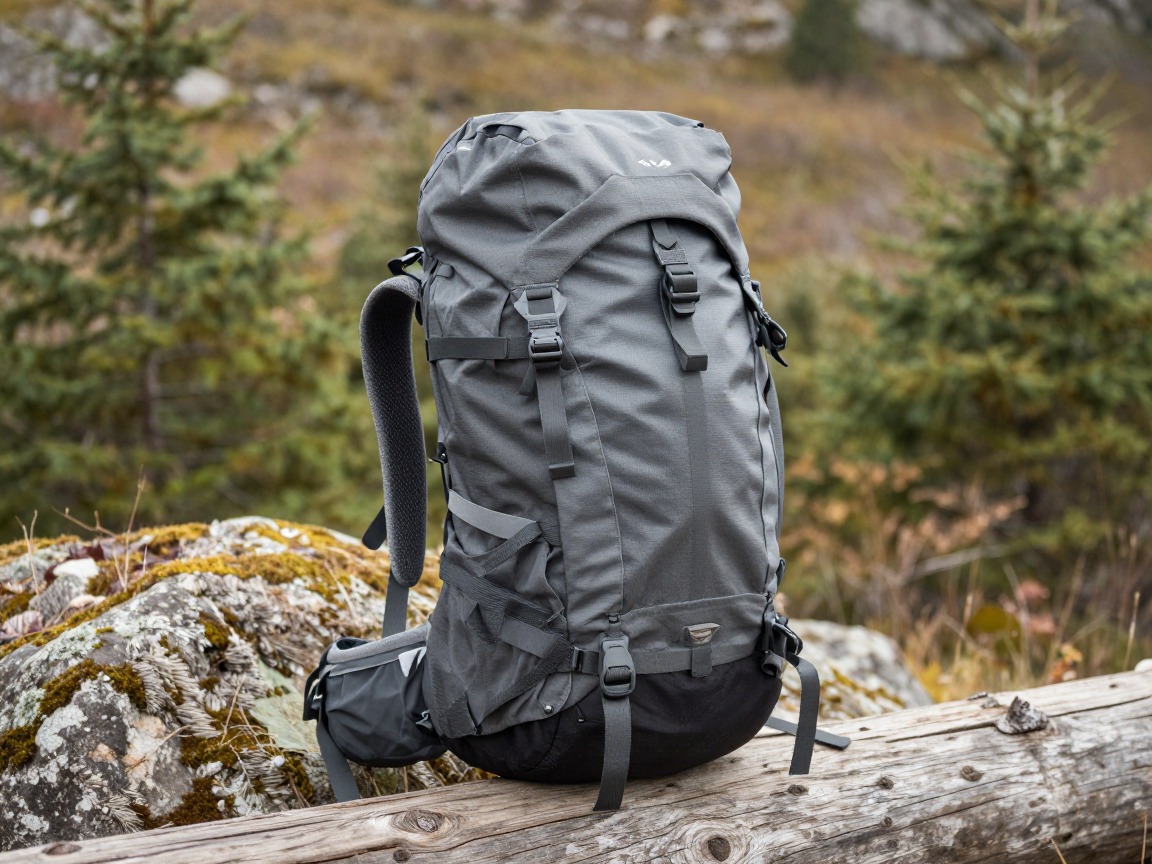
Personal pack (45–65L)
Sized for one person's own gear plus a fair, assigned share of the group's shared load — a tent body, part of a stove kit, or a portion of the group's food.
What to look for: A real, load-bearing hip belt, a torso fit matched to the individual (not a group-average guess), and enough spare capacity to absorb a shared item without overstuffing on a full group trip.
 WoneNice 50L Check price
  Teton 55L Scout Internal Frame Backpack for Hiking Check price
 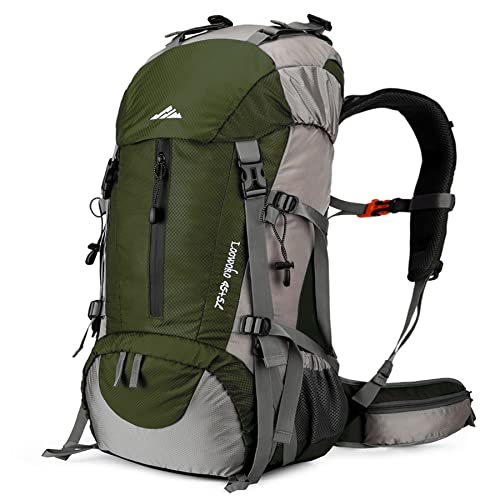 Loowoko 50L Hiking Backpack with Rain Cover for Both Men & Women Check price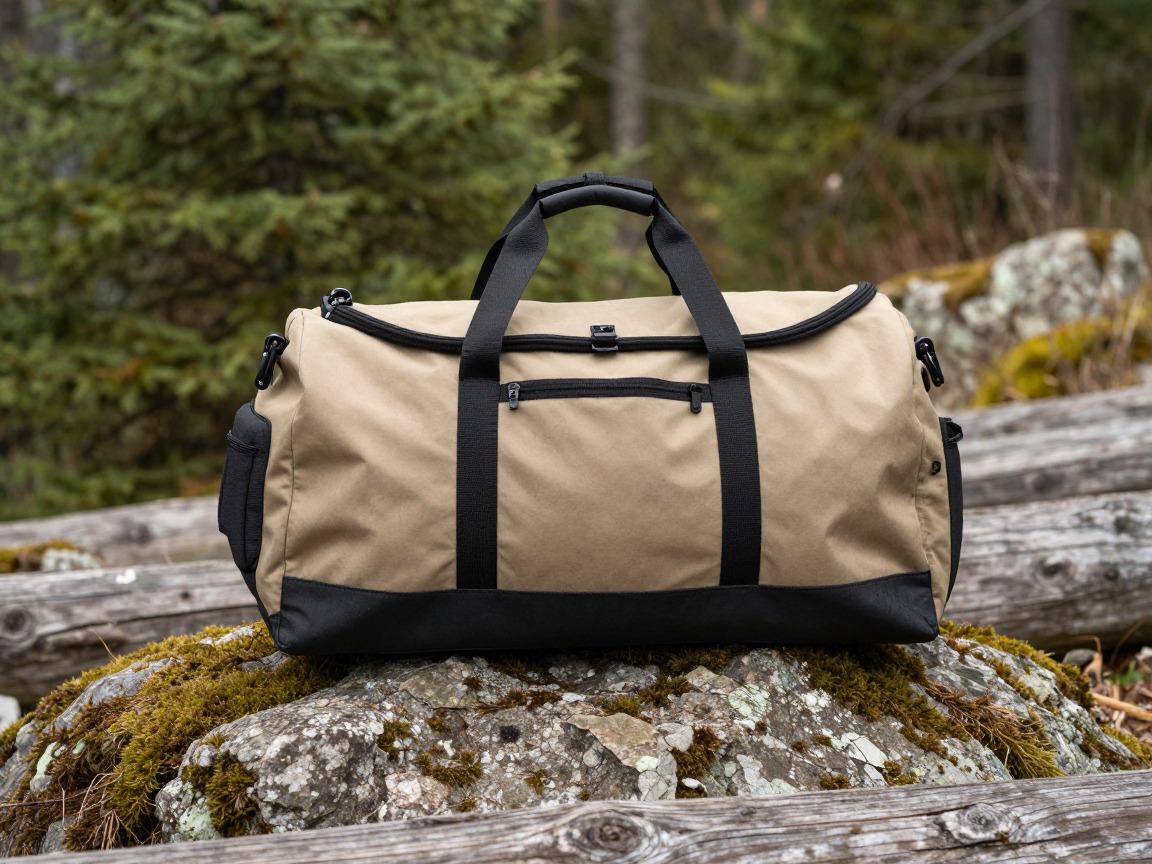
Trailhead duffel
Hauls the bulk of the group's extra supplies — spare food, backup gear, camp comforts — in the vehicle to the trailhead; it doesn't go on the trail itself.
What to look for: Durable enough for repeated loading in and out of a vehicle, easy for anyone to grab quickly, and clearly labeled so shared gear doesn't get left behind at the parking lot.
 Fmeida 65L Duffle Bag Foldable Travel Duffel Bags for Men Women Trav Check price
  120L Foldable Collapsible Waterproof Travel Duffel Bag for Men and W Check price
  adidas Defender 5 Duffel Bag for Sports Check price
 - A written group gear list, kept separate from each person's personal gear list
- A gear distribution chart assigning every shared item, and a backup carrier, to a specific name
- A small pool of spare or loaner gear for members missing something on the day
Shared shelter
A group splits into smaller tent teams rather than pitching one giant shelter — it spreads both the weight and the responsibility for each tent.
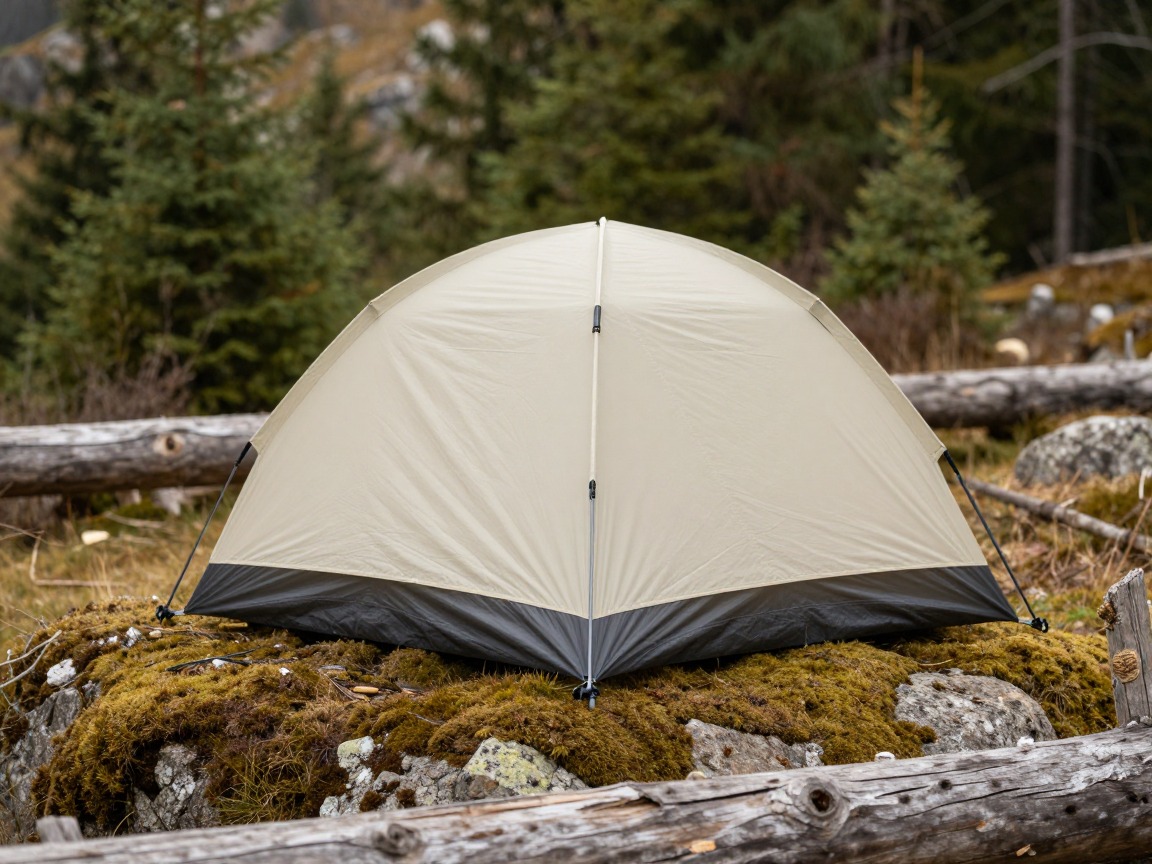
Group tents (2–3 person)
Several smaller freestanding tents let the group split into tent teams, with the poles, fly and body of each tent divided between its own tent-mates rather than piled on one pack.
What to look for: Freestanding or semi-freestanding designs that a less experienced member can help pitch, and a packed weight low enough that no single tent-mate ends up carrying the whole shelter.
 Night Cat 2-Persons Backpacking Tent: Waterproof Lightweight Camping Check price
  BISINNA 2/4 Person Camping Tent Lightweight Waterproof Backpacking T Check price
  Forceatt Tent for 2 Person is Waterproof and Windproof Check price
 - Stakes & guylines kept in that tent's own stuff sack, not loose in a group bag
- A shared repair kit that's accessible to whoever needs it, not buried in one leader's pack
- Tent-team assignments decided before the trip, not sorted out at the trailhead
Sleep system
Sleeping bags and pads stay personal gear — the group's job is making sure every single one is actually warm enough before anyone leaves the parking lot.
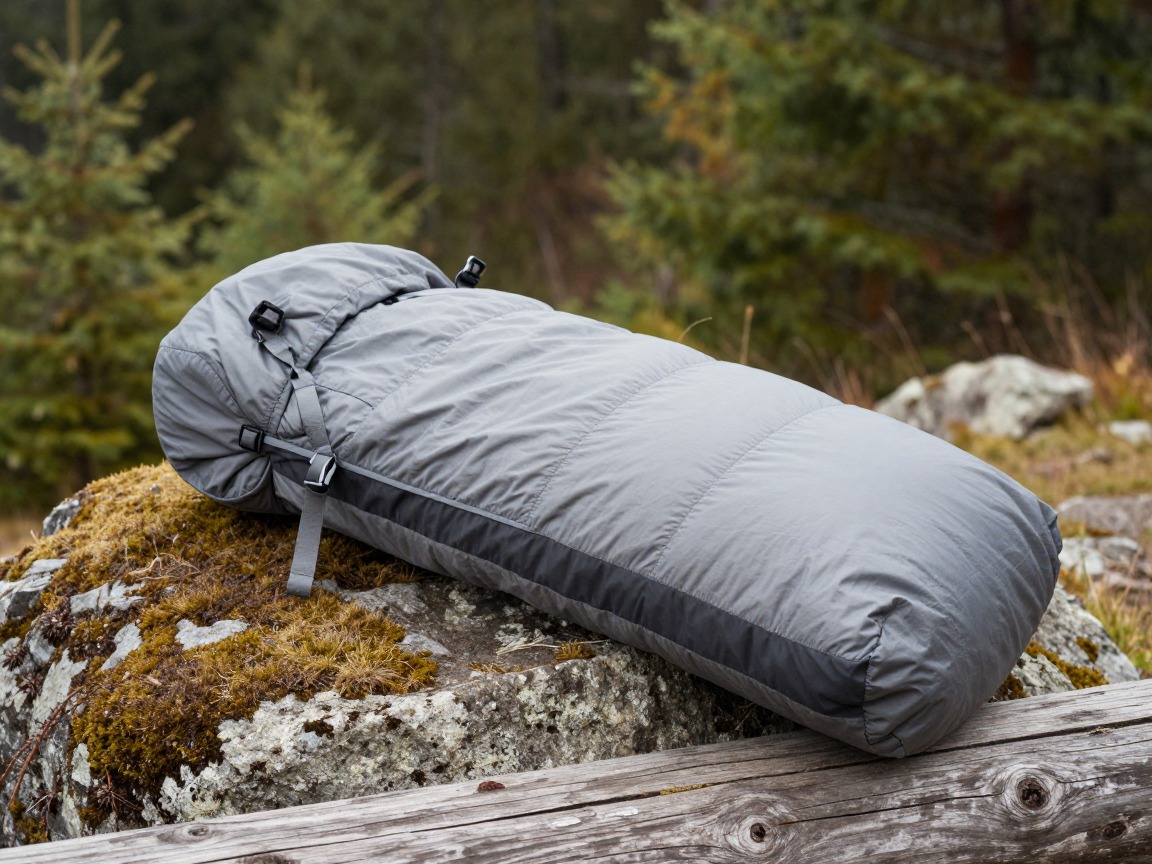
Sleeping bag
Owned and packed by each individual, rated to the coldest night the trip could realistically bring — not shared, since everyone's comfort and safety depend on their own bag being right for them.
What to look for: A comfort rating below the forecast low for every member, checked at a pre-trip gear check rather than assumed — a newer member's hand-me-down bag is often warmer on paper than in practice.
 MalloMe Sleeping Bags for Adults Cold Weather & Warm - Backpacking C Check price
 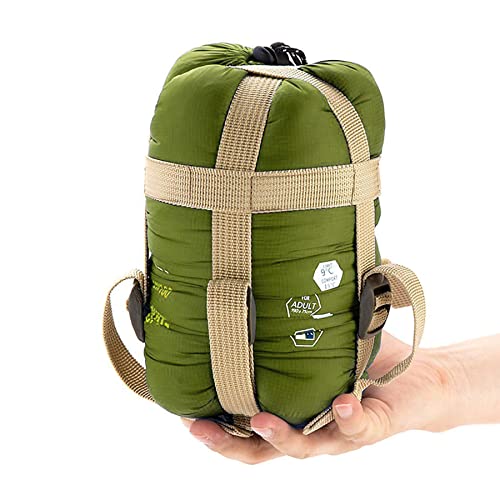 ECOOPRO Portable Check price
  Teton Trailhead Check price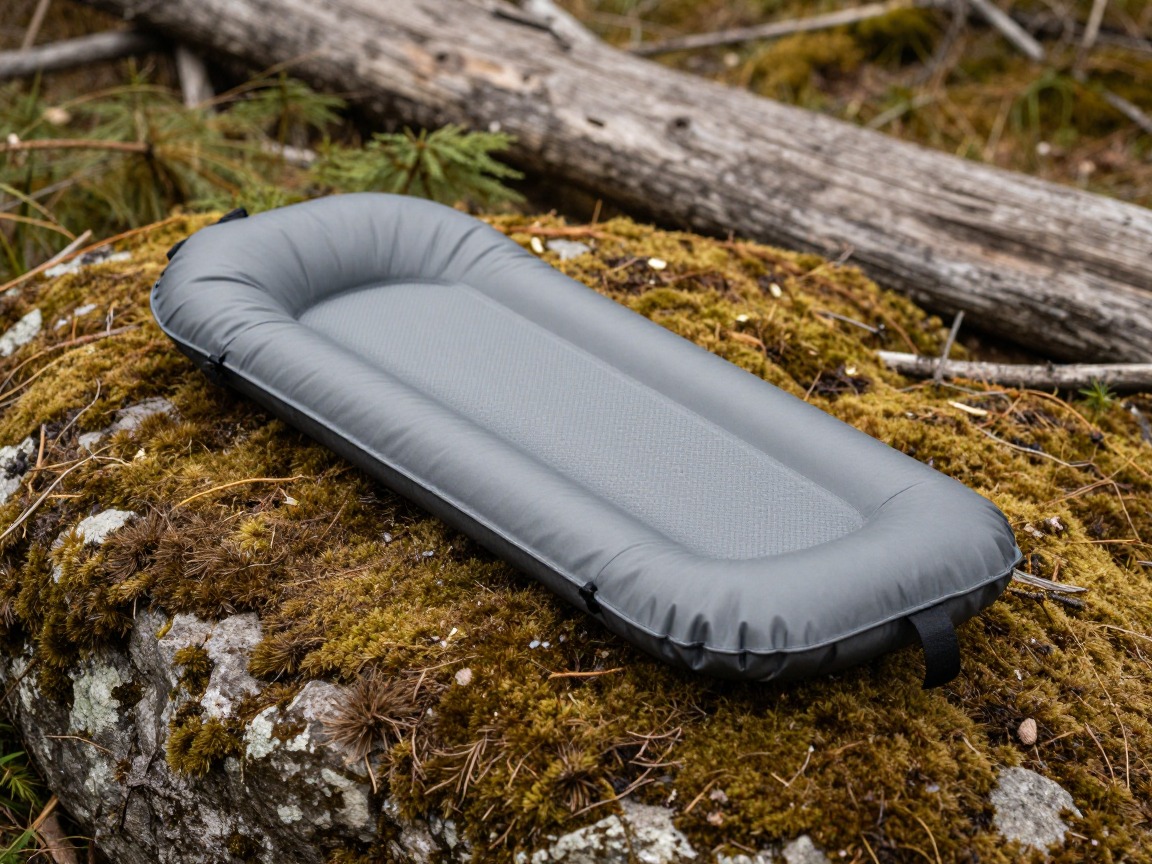
Sleeping pad
Insulates each hiker from the ground; a flat or under-insulated pad is a cold night for that one person even if the rest of the group is fine.
What to look for: Enough R-value for the season (roughly 3+ for three-season trips) and a pad every member actually knows how to inflate and patch — not just the trip's most experienced hikers.
 FUN PAC Camping Sleeping Pad Check price
  Gear Doctors® Ether 17.5oz Ultralight Camping Sleeping Pad Check price
  Oramoose 4in Ultralight Camping Sleeping Pad with Pillow and Foot Pu Check price
 - A pre-trip gear check where a leader verifies every bag and pad against the forecast, not just their own
- Inflatable or stuff-sack pillow
The group kitchen
Cooking for a group is its own system — pot size, fuel and filter output all scale to headcount, and the cooking itself becomes a rotating duty rather than one person's job.
Group stove(s)
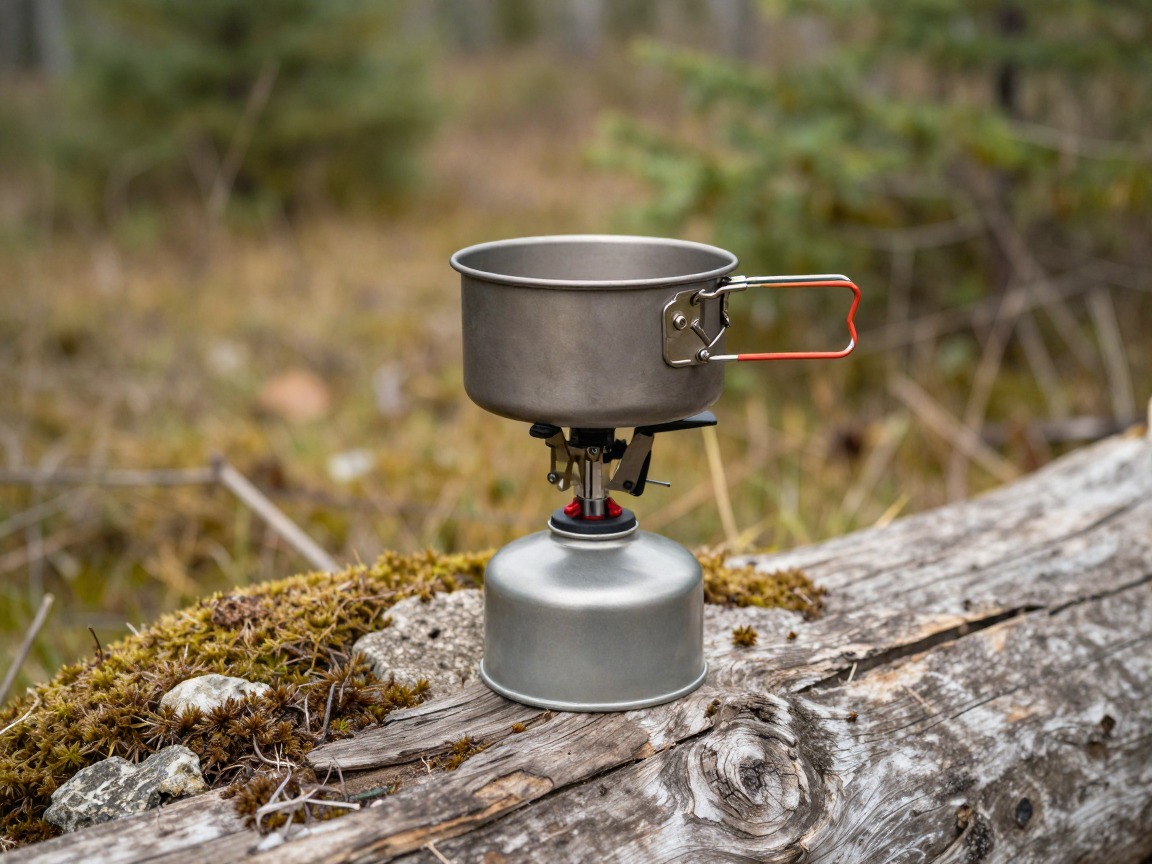
One or two canister stoves feed the whole group, so fuel use and boil times scale to the roster instead of one hiker's dinner.
What to look for: A stable base that handles a larger shared pot safely, plus a spare stove or a repair kit — a single stove failure is now a group problem, not a one-person inconvenience.
 AOTU Portable Camping Stoves Backpacking Stove with Piezo Ignition S Check price
  MSR PocketRocket 2 Ultralight Camping and Backpacking Stove Check price
  Fire-Maple Greenpeak 1 Camping Stove with Piezo Ignition Portable Ga Check price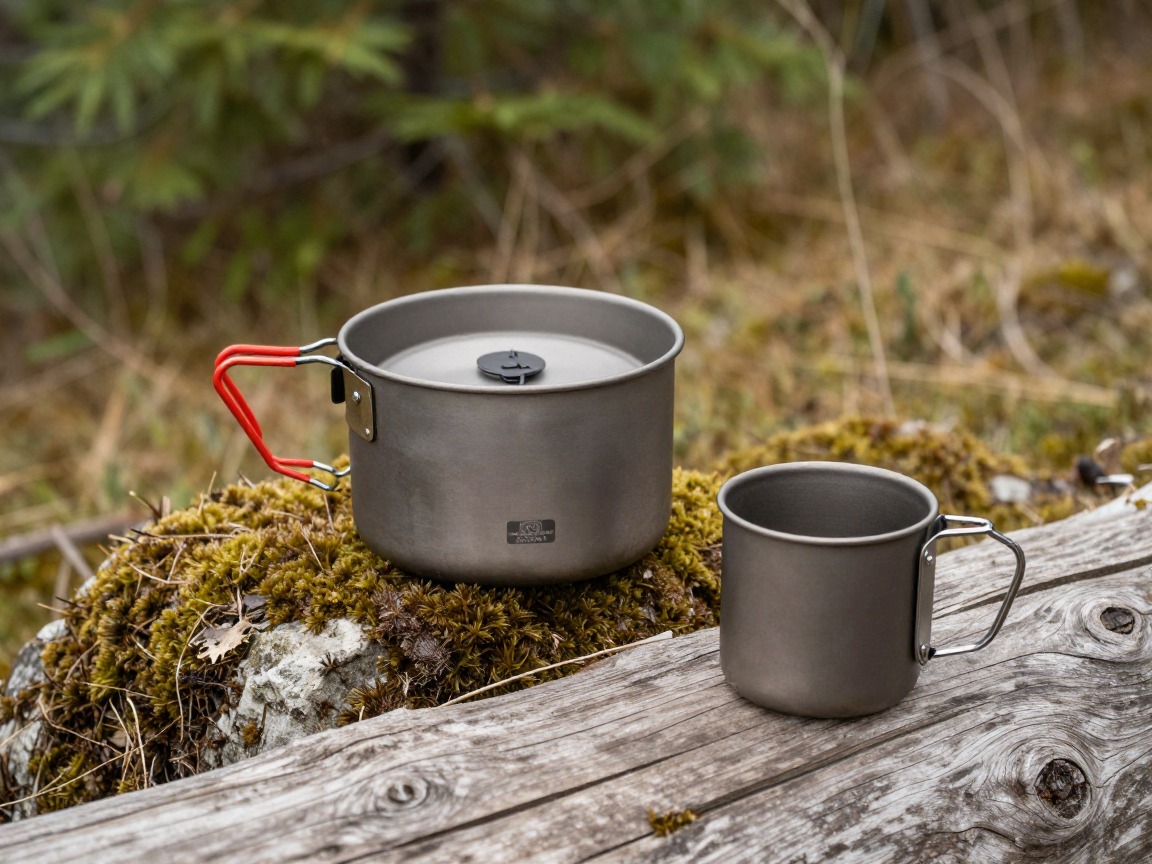
Group pot(s)
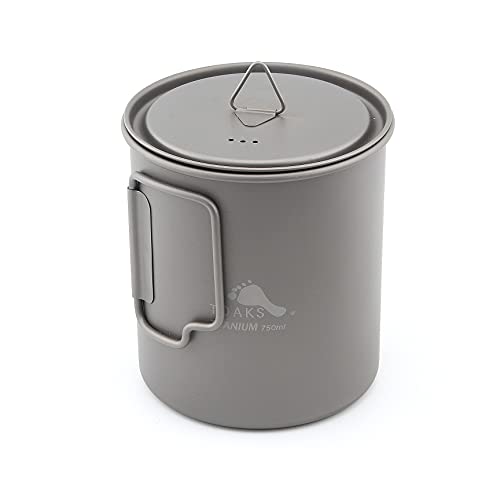
A larger shared cook set sized to the number of people eating from it, carried in rotation rather than by one designated 'cook.'
What to look for: Pot volume scaled roughly to headcount rather than to one person's meal, a handle or bail two people can lift safely, and a lid that doubles as a serving surface.
 TOAKS Titanium 750ml Pot Check price
  TOAKS Titanium 750ml Pot with Bail Handle for Ultralight Camping Check price
  TOAKS Titanium 1100ml Pot with Pan Check price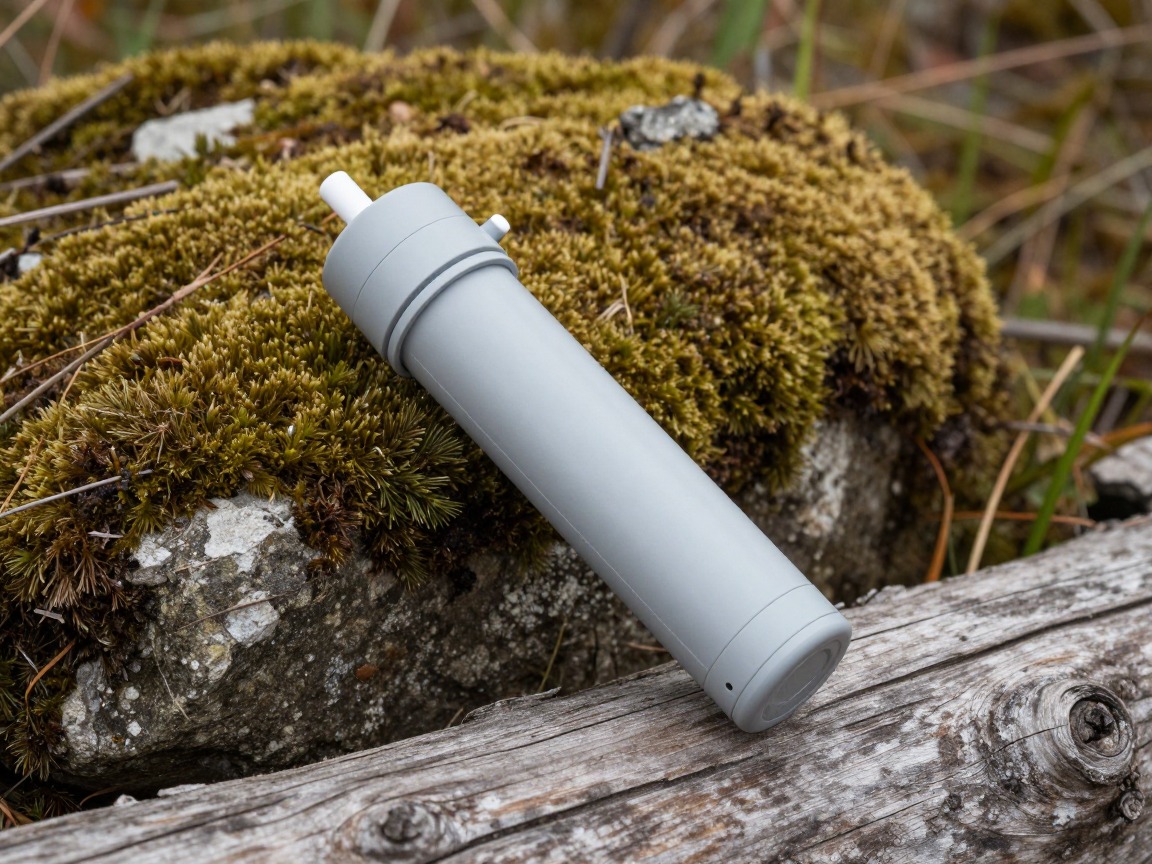
Group water filter
Treats water at the volume a group actually drinks — a higher-output filter or gravity system fills bottles for six or ten people far faster than one person's personal squeeze filter.
What to look for: A high flow rate for filling multiple bottles back to back, an operation simple enough for newer members to run correctly, and a backup method — tablets or a second filter — if the primary clogs.
 Sawyer Squeeze Water Filtration System Check price
  Sawyer Products SP128 Mini Water Filtration System Check price
  LifeStraw Personal Water Filter for Hiking Check price
 - Fuel canisters carried in rotation with the stoves they feed, not all in one pack
- A cooking and cleanup duty roster so kitchen chores rotate through the group
- Food portioned per person against the actual roster, not estimated by one leader
- Group food storage — bear canister(s) or Ursack(s) sized to the whole group, plus a hang line
Clothing & layers
Personal clothing stays personal — the group's role is holding every member to the same minimum standard, since the trip only moves as safely as its least-prepared hiker.
Base layer
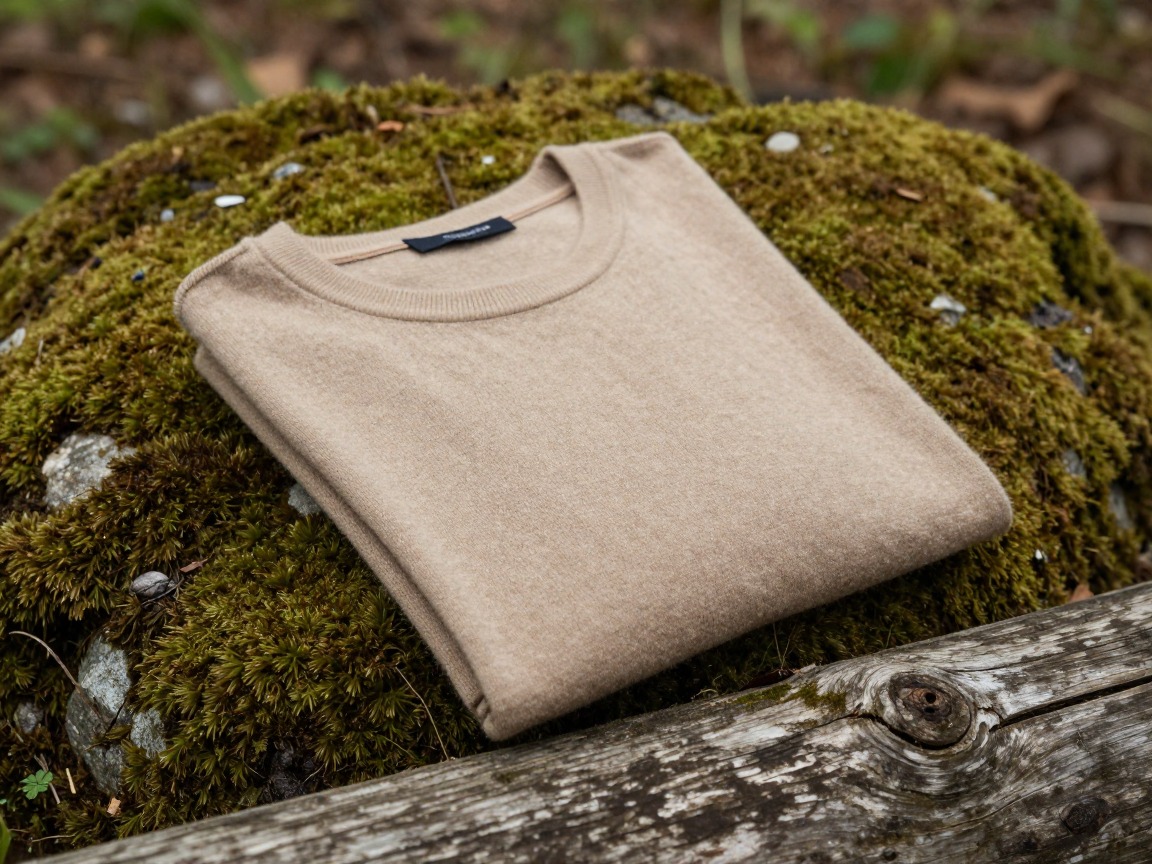
Owned individually, worn against the skin for the trip's full length; the group standard is the same for a first-timer as for the most experienced hiker.
What to look for: Merino or a merino blend for odor resistance over multiple days, and a weight matched to the season — checked at the pre-trip gear check like any other sleep-affecting layer.
 100% Merino Wool Base Layer Men Set - Thermal Underwear for Men Long Check price
  Merino.tech Merino Wool Base Layer Women Set - Heavyweight Check price
  100% Merino Wool Base Layer Men Set - Thermal Long Underwear with Ba Check price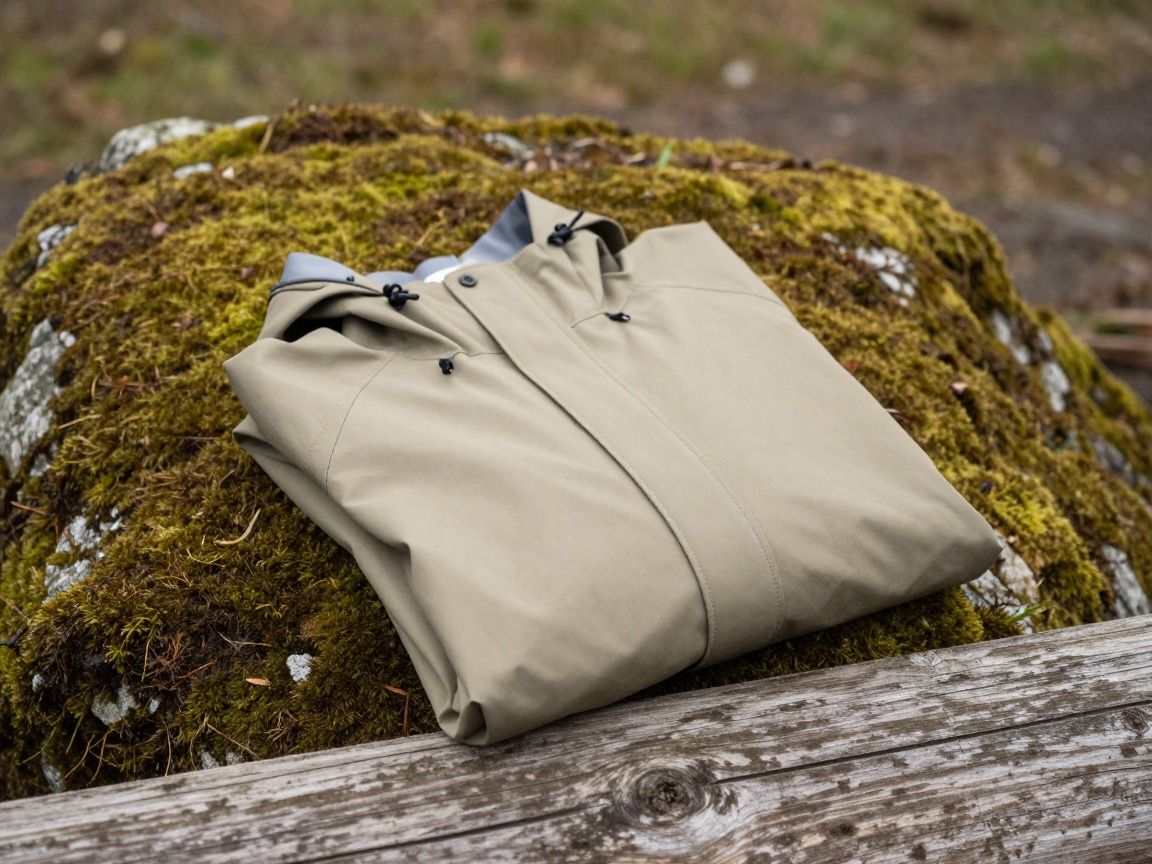
Rain shell
A genuinely waterproof shell every member carries; one person's soaked cotton hoodie can turn into a group problem miles from the trailhead.
What to look for: Truly waterproof, not just water-resistant, with a sealing hood — confirm every member has one before departure, not after the first shower hits.
 UIQUR Mens Rain Jacket Raincoat Waterproof Windbreaker Black L Check price
  COOFANDY Men's Waterproof Hiking Travel Shell Breathable Rain Jacket Check price
  Columbia Womens Arcadia II Waterproof Rain Jacket Check price
 - Insulating layer (fleece or puffy) sized to the trip's expected lows
- Spare hiking socks for every member
- Camp/sleep clothes
- Sun hat & sunglasses
- Warm hat & gloves (shoulder seasons)
Navigation, headcounts & safety
A group's safety system runs on redundancy and communication — more than one person needs to know the route, the count, and how to reach help.
Headlamp
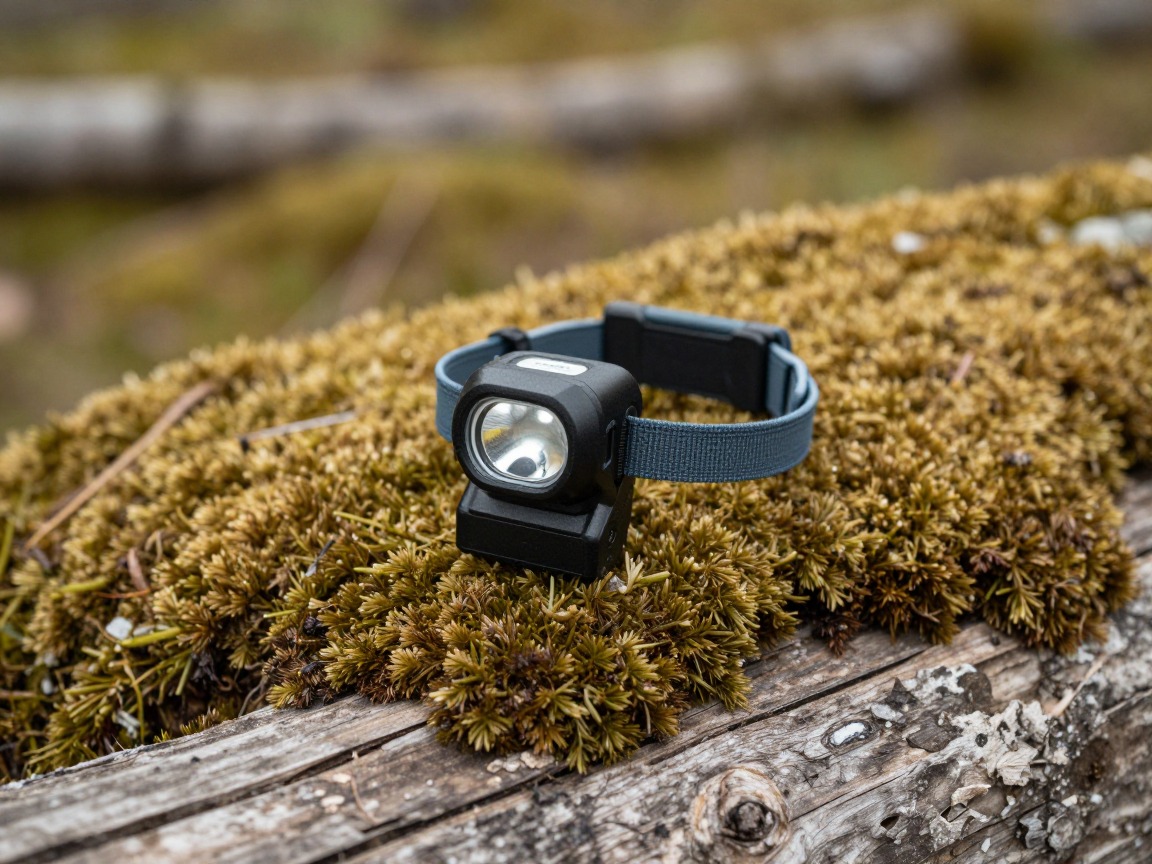
A personal item every member carries, used for camp chores, cooking rotation and night navigation — not something to share or borrow after dark.
What to look for: Bright and comfortable with a red mode for camp, and enough spare batteries or charge confirmed for every member, not just the group's leaders.
 LHKNL Headlamp Flashlight Check price
 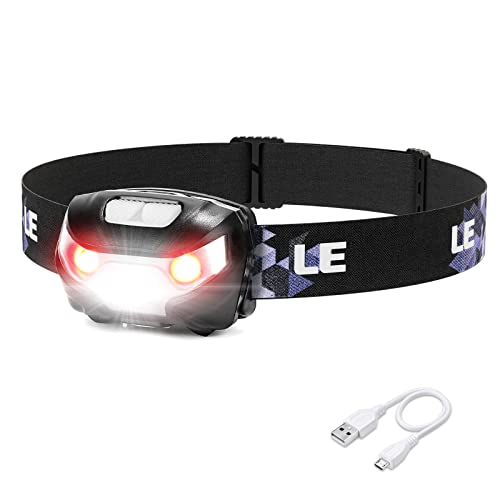 Lepro LED Headlamp Rechargeable IPX4 Waterproof Headlight 5 Modes - Check price
 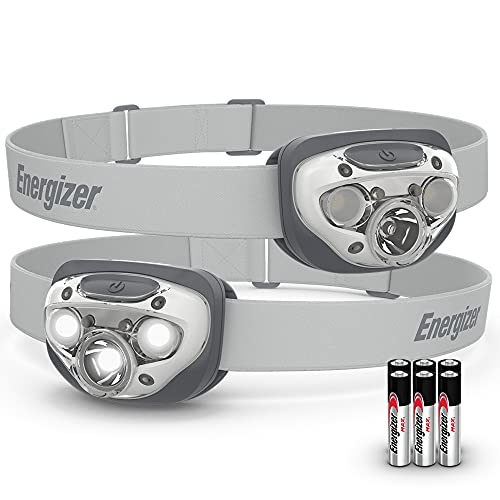 Energizer LED Headlamp PRO Check price
Group first-aid kit
A substantial kit sized to headcount rather than to one hiker, carried by a designated leader, with a second smaller kit carried by another adult as backup.
What to look for: Contents scaled to group size, a carrier who knows how to use everything in it, and a genuine backup kit so one dropped pack doesn't leave the group without care.
 Mini First Aid Kit - 150 Piece Small Waterproof EVA Hard Shell Case Check price
  Adventure Medical Kits Ultralight/Watertight Medical Kit .5 Check price
 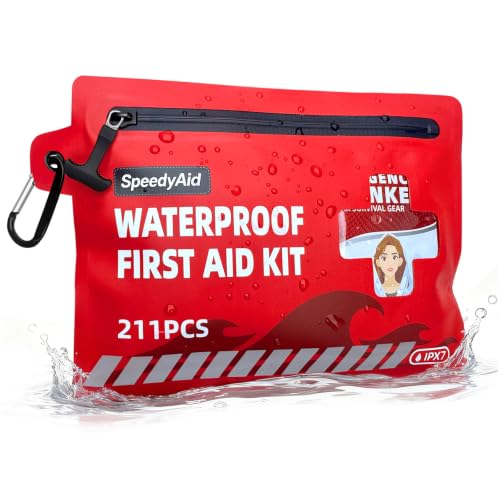 211 PCS Waterproof First Aid Kit Check price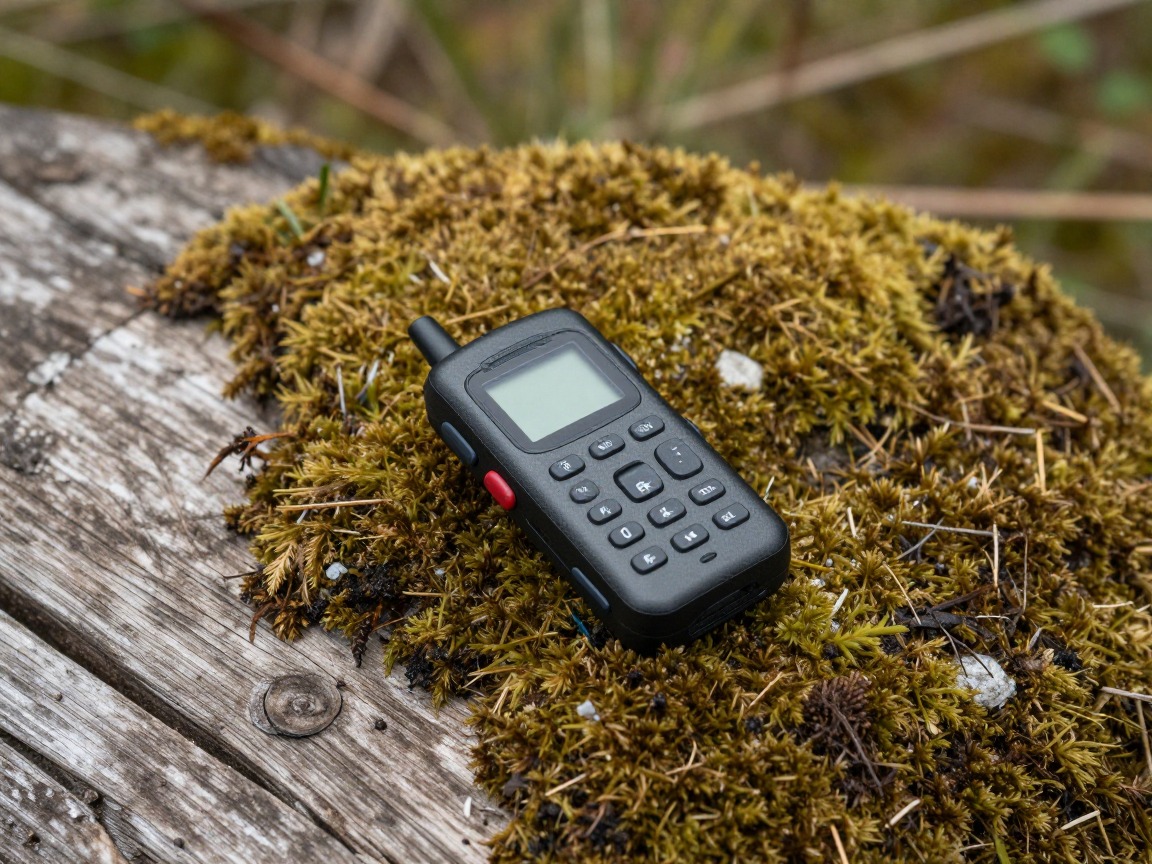
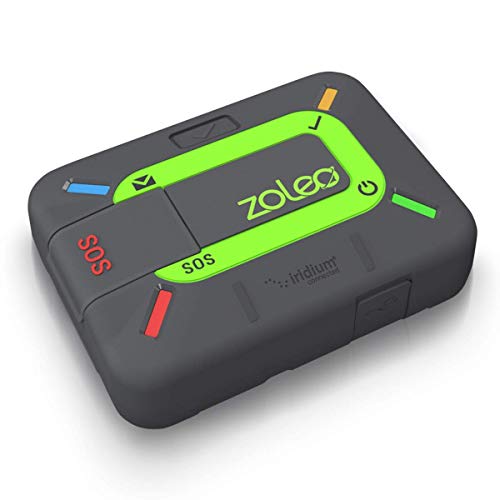
Satellite messenger
Carried by the trip leader as the group's link to help when out of cell range — two-way messaging matters more with a full roster counting on it.
What to look for: Two-way messaging, not just an SOS button, enough battery life for the whole trip, and a leader who has actually practiced using it before departure.
 ZOLEO Satellite Communicator Check price
  Garmin inReach® Messenger Satellite Communicator Check price
  Garmin inReach® Mini 2 Check price
 - Map + compass or offline GPS, carried by more than one person
- A written headcount system — a name check at every trail junction, water break and campsite
- A buddy system so no one hikes alone
- Whistle for every member
- Trip plan and expected return time left with someone not on the trip
- Toilet kit — trowel, TP, waste bags (Leave No Trace)
- Fire kit
How to adapt this setup
Two tent teams and one shared kitchen usually cover it — distribute the tents, one stove-and-filter set, and the first-aid kit across a handful of packs rather than splitting further than that.
Split into smaller patrols of four to six, each with its own tents, stove and filter reporting to one leader — a single group gear list for a dozen-plus hikers gets unwieldy fast.
Pair newer hikers with experienced tent-mates, rotate the newest members through cooking and navigation duty under supervision, and check their personal gear — bag rating, footwear — before departure rather than at camp.
Follow your organization's supervision ratios and safety policies first; this list is the gear-and-systems layer, not a substitute for required adult-to-youth ratios or permits.
Longer group trips need food and fuel planned against the whole roster, not per-tent guesses, plus food storage sized to the group's total food, not one hiker's share.
Common mistakes to avoid
- No written group gear list — shared items get assumed, and something like the filter or a tent pole gets left behind.
- One pack carrying most of the shared weight because it 'had room,' while lighter members carry almost nothing.
- Skipping the pre-trip gear check, so a too-thin bag or a leaking pad shows up at camp instead of at home.
- No headcount system, so a slower hiker falls behind unnoticed until well past a junction or break.
- Duties handled only by the most experienced members, so newer hikers never actually learn to cook, navigate or pitch a tent.
- Just one person carrying navigation or a way to call for help, with no backup if that pack goes missing.
Make it yours
Frequently asked questions
How should a group split shared gear like tents and stoves?
Write a group gear list separate from personal gear, then assign every item — and a backup carrier — to a named person before the trailhead. Splitting a tent's poles, body and fly across its tent-mates, and rotating stove and fuel duty, keeps any one pack from carrying the group's whole shared load.
How big should a scout or group backpacking party be?
Most groups work well as patrols of four to six, each with its own tent(s), stove and filter reporting to one leader. Beyond about ten hikers, splitting into smaller patrols keeps gear lists, headcounts and pacing manageable instead of unwieldy.
Who should carry the first-aid kit and satellite messenger on a group trip?
A trip leader typically carries the primary first-aid kit and satellite messenger, with a second, smaller first-aid kit carried by another adult or experienced member as backup. Whoever carries the messenger should know how to use it before the trip, not learn on the trail.
How do you keep track of everyone on a group hike?
Use a buddy system so no one hikes alone, take a headcount at every trail junction, water break and campsite, and confirm the count out loud rather than assuming. It's a simple habit that catches a straggler long before it becomes an emergency.
What's different about food planning for a group backpacking trip?
Portion food per person against the actual roster instead of a rough group estimate, and size fuel to the group's real stove use — a larger shared pot and one or two stoves usually cook more efficiently than everyone cooking solo. Assign food-carrying and cooking duty the same way you assign any other shared gear.
Illustrative images show the type of gear, not specific products. Recommendations link to similar items on Amazon; we only ever link real listings and never show fabricated prices or ratings. General planning guidance, not a substitute for your own judgment or professional backcountry-safety instruction.