
The safety & first-aid-focused setup
Every day-hike list carries the Ten Essentials. This one treats them as the whole point, not filler at the bottom of the pack. It's built for hikers who want real self-rescue capability: a first-aid kit worth carrying, backup ways to navigate and call for help, and a plan someone else knows about before you leave.
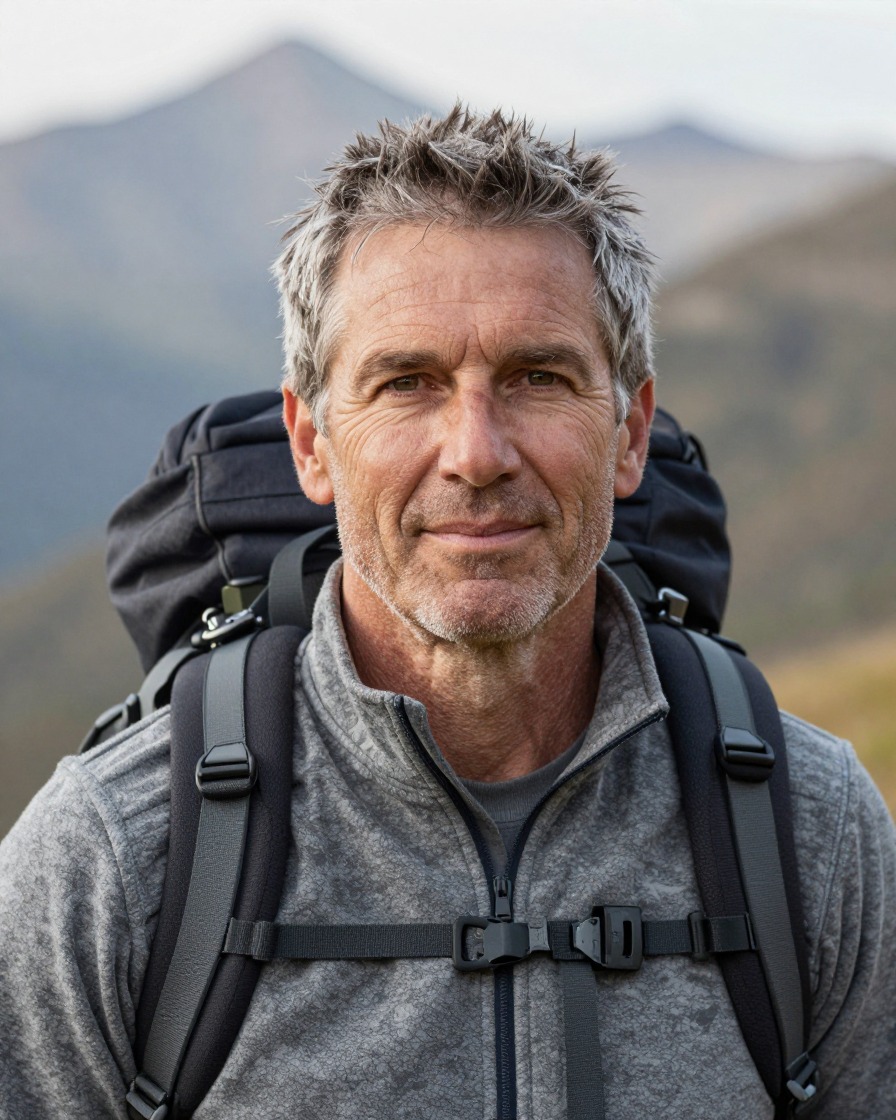
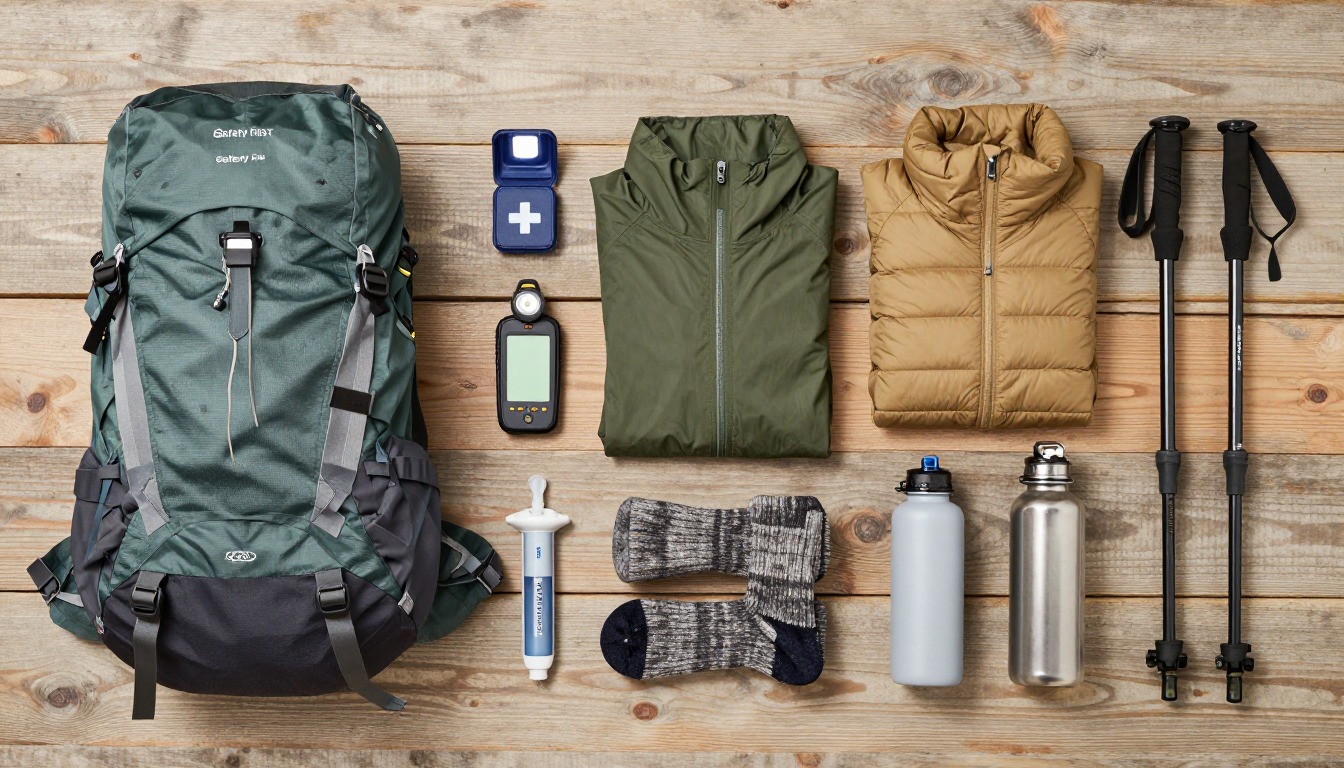
Most hikers who get hurt aren't undone by the injury itself — they're undone by what happens after it: no way to treat the wound, no way to call out, no one who knows where to look. So every choice here doubles up on what fails quietly: a first-aid kit big enough to actually treat something, a backup way to navigate if a phone dies, a way to call for help with no cell signal at all, and gear that keeps you warm if a short hike turns into a long, cold wait. Gear is only half of this kit — knowing how to use it, and telling someone where you'll be, is the rest.
This suits hikers heading into terrain with patchy or no cell coverage — remote trails, backcountry loops, solo hikers, or anyone who wants real self-rescue capability instead of hoping for a signal. On a short, crowded, well-marked trail with full coverage, the standard day-hike list covers you fine; this one earns its extra weight once help would take hours, not minutes.
- Build the pack around the Ten Essentials first — treat every category as required, not optional, before adding anything else.
- Add redundancy where a single point of failure would hurt most: a backup way to navigate and a way to call for help that doesn't need cell signal.
- Put together a first-aid kit sized to what you can actually use, then close the gap between carrying it and knowing how to use it with a Wilderness First Aid course.
- Write down your route and expected return time and leave it with someone reliable — the single cheapest safety upgrade in this whole list.
About this setup
Most hiking mishaps aren't dramatic. They're a rolled ankle two miles from the trailhead, a cut that won't stop bleeding, a phone that dies right as the trail forks, or a storm that turns a three-hour loop into an overnight. None of those need a helicopter — they need someone who can treat the immediate problem, figure out where they are without a screen, and either walk out or get word out. That's what a safety-and-first-aid-focused kit is built to cover: the gap between a hike going sideways and a hike becoming an emergency.
The first-aid kit here is meant to be used, not just carried. A kit that can handle real injuries — sprains, deep cuts, splinting — is only useful to someone who's opened it before the trail. A Wilderness First Aid (WFA) course, typically run over a weekend, is the single best upgrade you can make to it; it turns a bag of supplies into something you can act on when you're the only help around. Nothing here replaces that training, and nothing replaces calling 911 or the local search-and-rescue line once a situation is beyond first aid.
The rest of the philosophy is redundancy. A satellite messenger doesn't replace a phone — it backs it up for the moment a phone can't help: no signal, dead battery, cracked screen. A paper map and compass back up a GPS app the same way, and a whistle backs up your voice, which won't carry as far as three sharp blasts will. A trip plan left with someone who'll actually notice you're late backs up all of it. Every layer here exists because the layer before it can fail.
The pack
A little more room than a standard day pack — enough to carry the redundant gear below without stuffing it in or leaving something out.
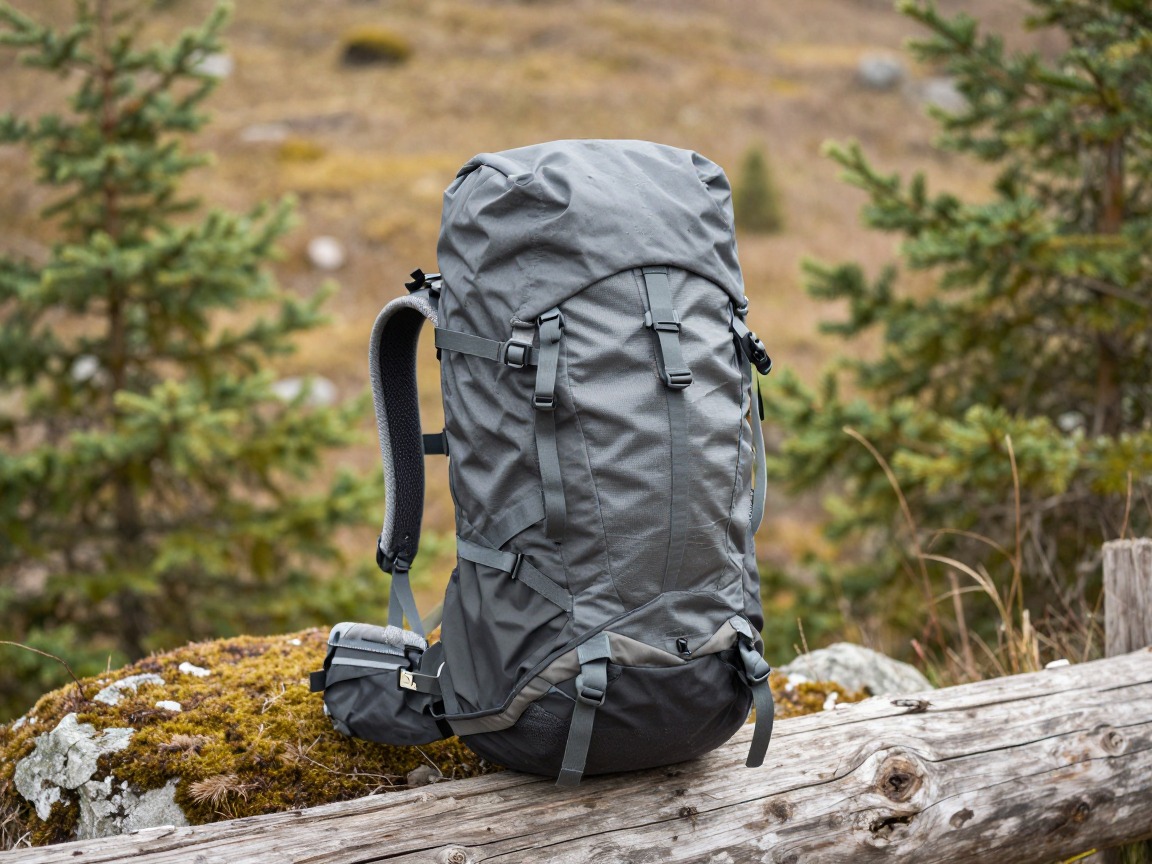
25–35L daypack
Carries the full safety-focused kit — first aid, backup navigation, extra layers and shelter — with room to spare instead of forcing trade-offs.
What to look for: A supportive back panel and hip belt for the slightly heavier load, external pockets for the whistle and headlamp you want within reach, and enough volume (25–35L) to fit everything below without compressing it.
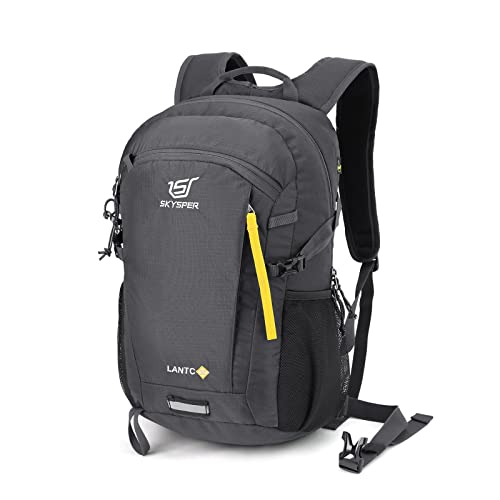 SKYSPER Small Hiking Backpack Check price
  Osprey Sportlite 20L Lightweight Hiking Backpack Check price
 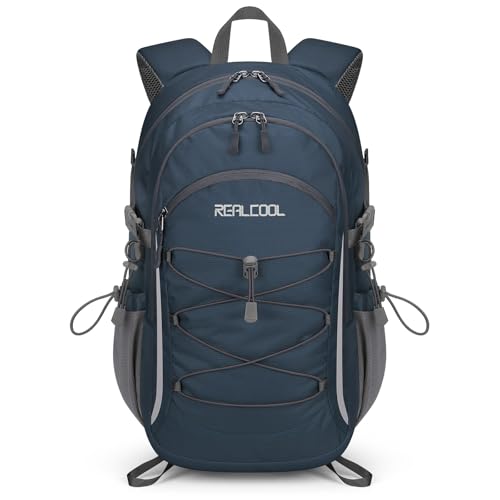 RealCool 20L Lightweight Hiking Backpack Check price
 Redundant navigation & communication
A phone is a great primary navigation tool and a poor sole one — this section covers what still works when it doesn't.
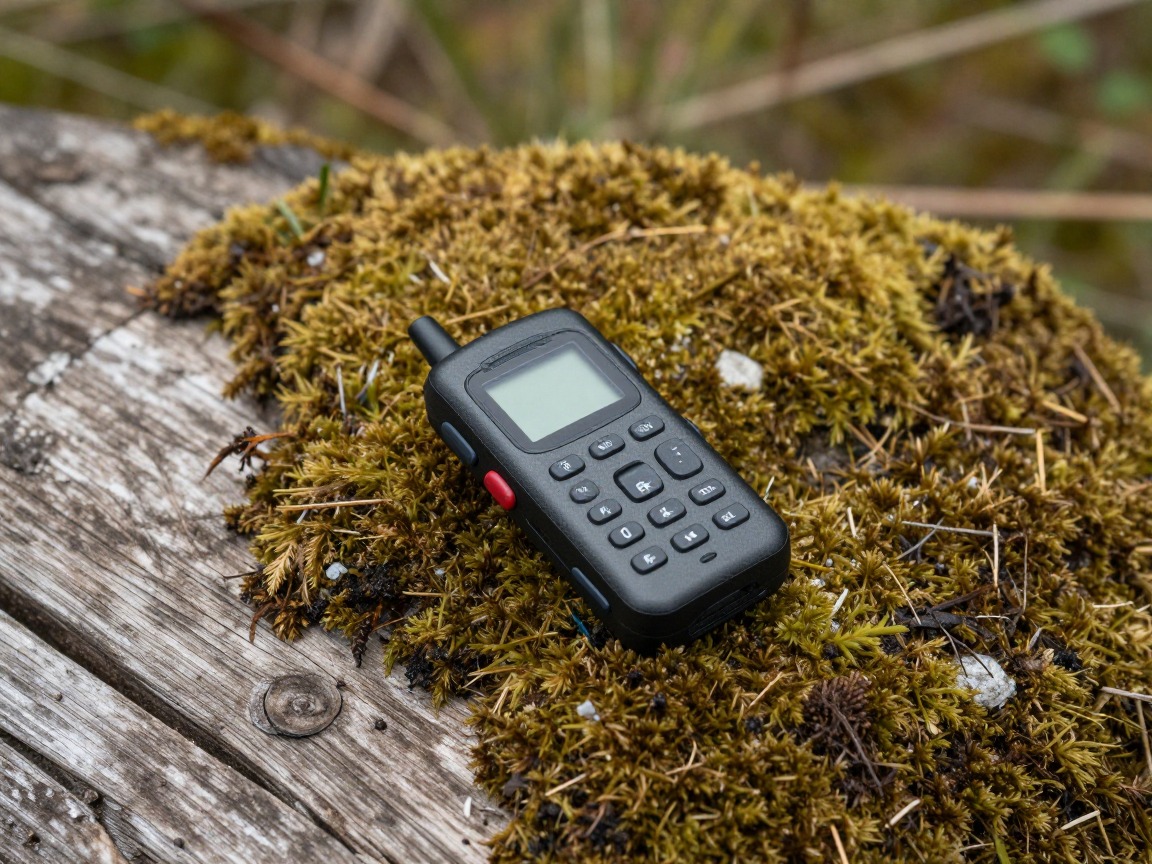
Satellite messenger
Sends an SOS and your GPS location to emergency responders from well outside cell coverage — the single biggest upgrade to your ability to call for help.
What to look for: Two-way messaging, so responders can confirm help is coming rather than you just sending a ping into the dark; a subscription plan that matches how often you actually get out; and battery life that comfortably covers your longest trips.
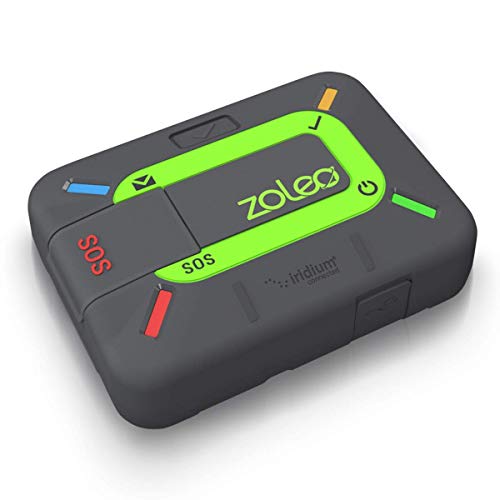 ZOLEO Satellite Communicator Check price
  Garmin inReach® Messenger Satellite Communicator Check price
  Garmin inReach® Mini 2 Check price
 - Paper map and compass, carried and understood, even alongside a GPS app
- Phone with offline maps downloaded before you leave cell coverage
- A spare battery pack, charged, for your phone and satellite messenger
- A written trip plan — route, turnaround time, expected return — left with someone reliable
First aid, training & signaling
A kit that can treat a real injury, plus the training to use it and a plan for making noise when you need to be found.
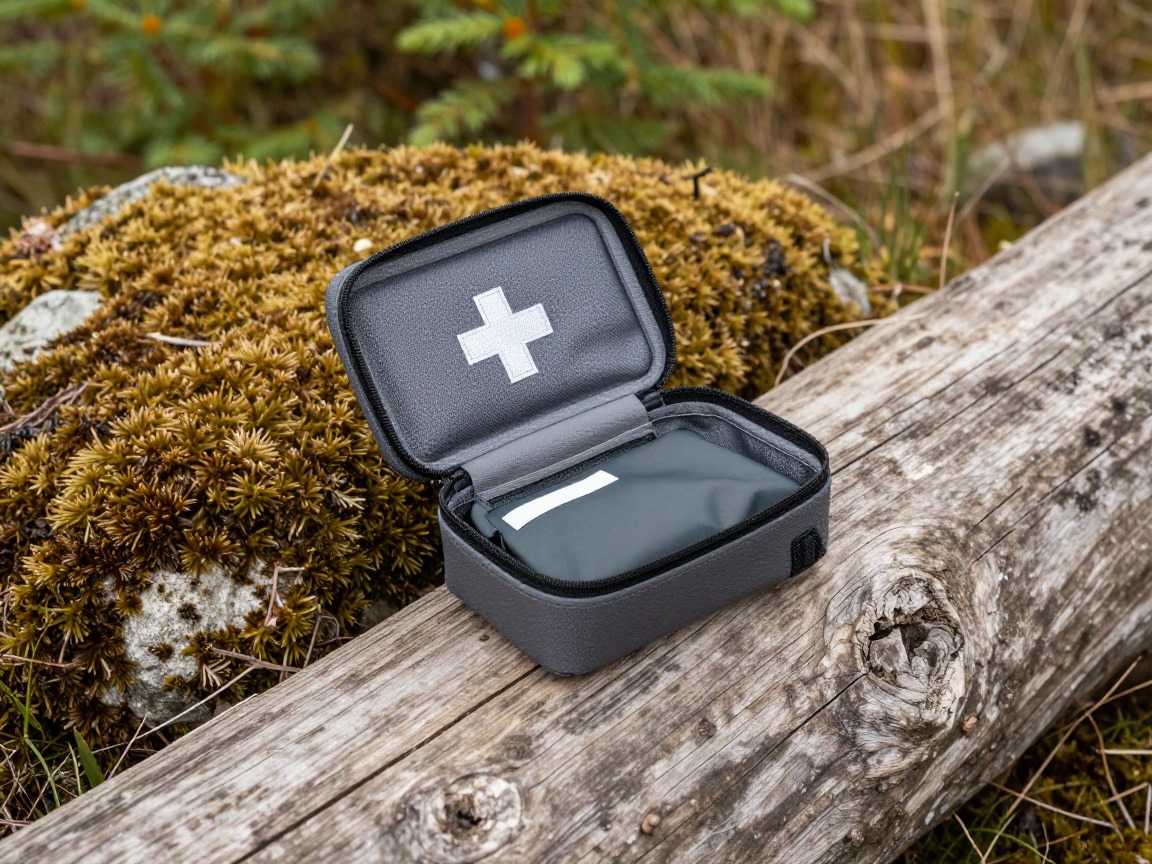
Comprehensive first-aid kit
Sized beyond blister-and-band-aid basics to cover sprains, deeper cuts and splinting a limb — built to bridge the gap until you can get out or get help.
What to look for: Real wound-care and splinting supplies, not just adhesive bandages; a size you'll actually carry every time; and contents you've opened and reviewed before you ever need them under pressure.
 Mini First Aid Kit - 150 Piece Small Waterproof EVA Hard Shell Case Check price
  Adventure Medical Kits Ultralight/Watertight Medical Kit .5 Check price
 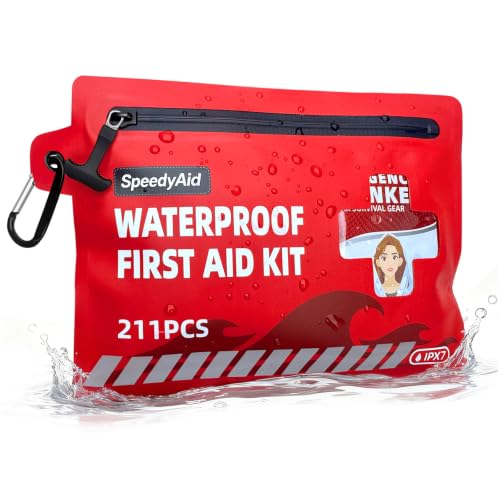 211 PCS Waterproof First Aid Kit Check price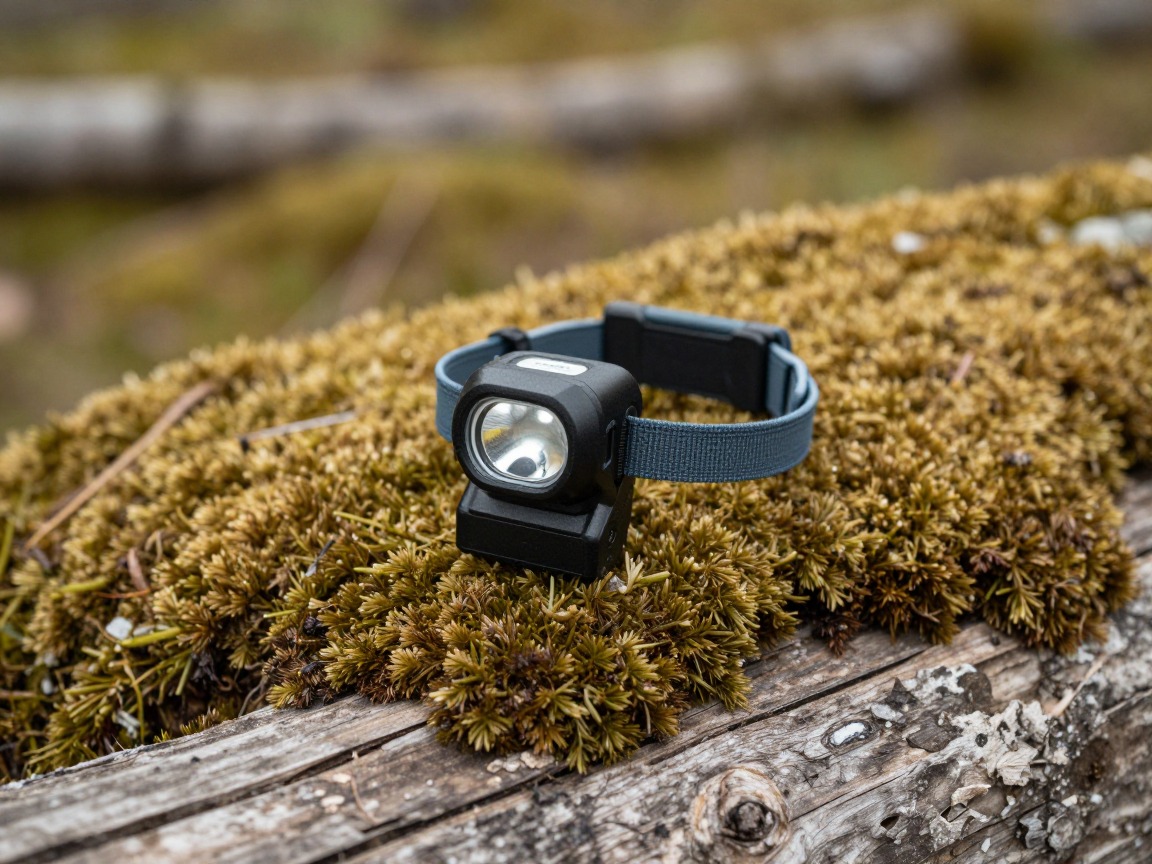
Headlamp with spare batteries
Hands-free light for treating an injury, reading a map, or signaling after dark — carried every trip, not just the ones planned to run late.
What to look for: Enough output to move safely by (roughly 200+ lumens), a lock mode so it doesn't drain in your pack, and a strobe setting that doubles as a night-time distress signal.
 LHKNL Headlamp Flashlight Check price
 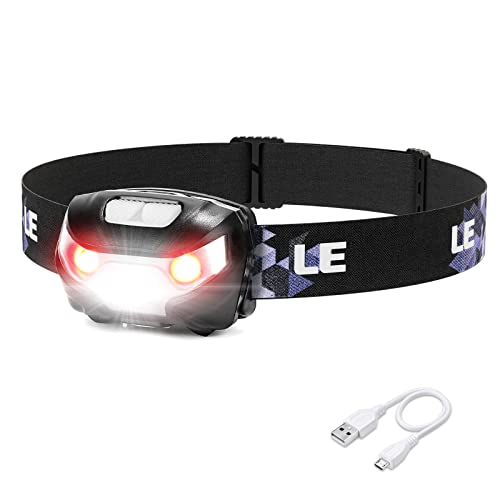 Lepro LED Headlamp Rechargeable IPX4 Waterproof Headlight 5 Modes - Check price
 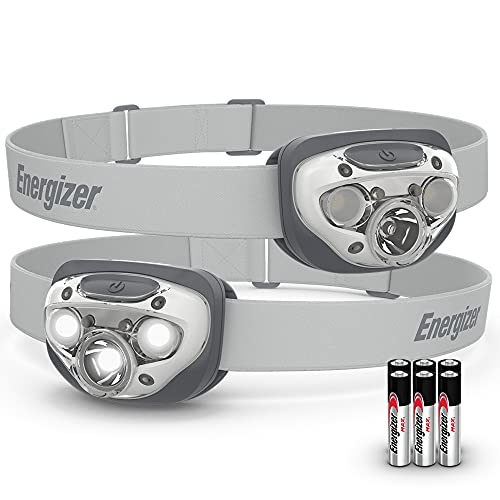 Energizer LED Headlamp PRO Check price
 - A dedicated whistle, separate from your phone — three sharp blasts is the universal distress signal and carries far further than your voice
- A Wilderness First Aid (WFA) course — the training that makes the kit above worth carrying
- Know how and when to call 911 or the local search-and-rescue line — first aid buys time, it doesn't replace a rescue
Clothing, warmth & fire — the Ten Essentials, non-negotiable
The categories that turn 'stuck out later than planned' into a mildly annoying afternoon instead of a genuine emergency.
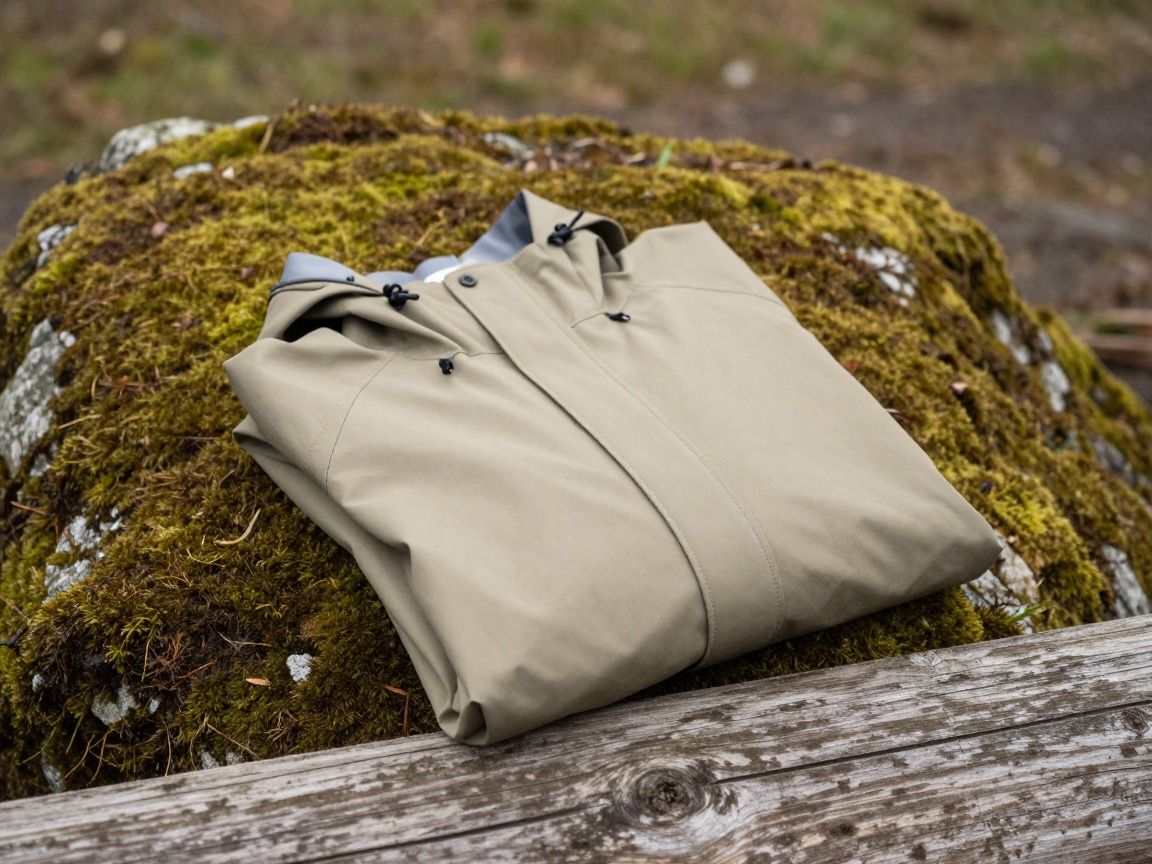
Rain shell
Blocks wind and rain and is the fastest way to stop heat loss if you're stopped treating an injury or waiting out weather.
What to look for: Genuinely waterproof and breathable, roomy enough to layer a puffy underneath, and small enough packed that it always comes with you.
 UIQUR Mens Rain Jacket Raincoat Waterproof Windbreaker Black L Check price
  COOFANDY Men's Waterproof Hiking Travel Shell Breathable Rain Jacket Check price
  Columbia Womens Arcadia II Waterproof Rain Jacket Check price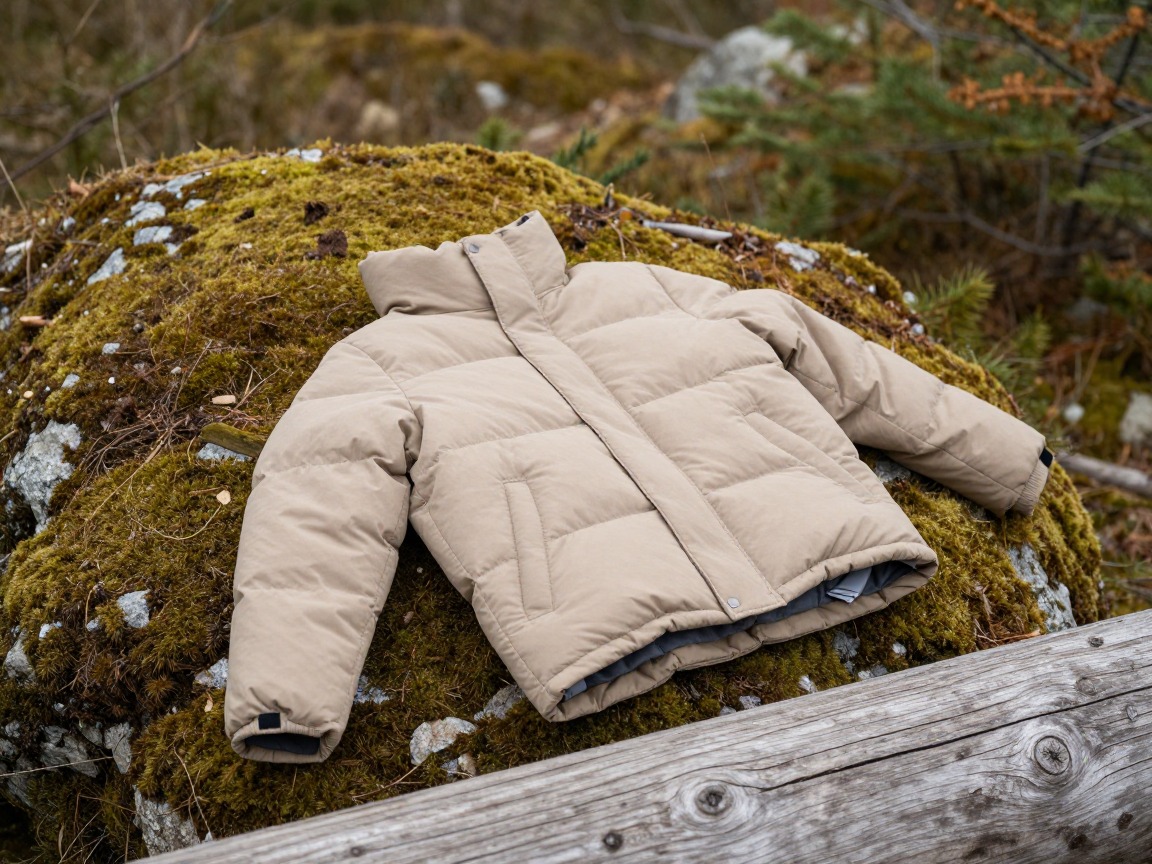
Warm layer
An extra layer for an unplanned stop — treating an injury, waiting for help, or simply moving slower than planned all burn less body heat than staying still and cold.
What to look for: The most warmth for its weight and pack size — a packable synthetic puffy holds warmth even if it gets damp, which matters most if you're stationary in bad weather.
 Outdoor Ventures Women's Packable Lightweight Puffer Jacket with Hoo Check price
  Amazon Essentials Women's Lightweight Long-Sleeve Water-Resistant Pa Check price
  Outdoor Ventures Women's Packable Lightweight Puffer Jacket with Hoo Check price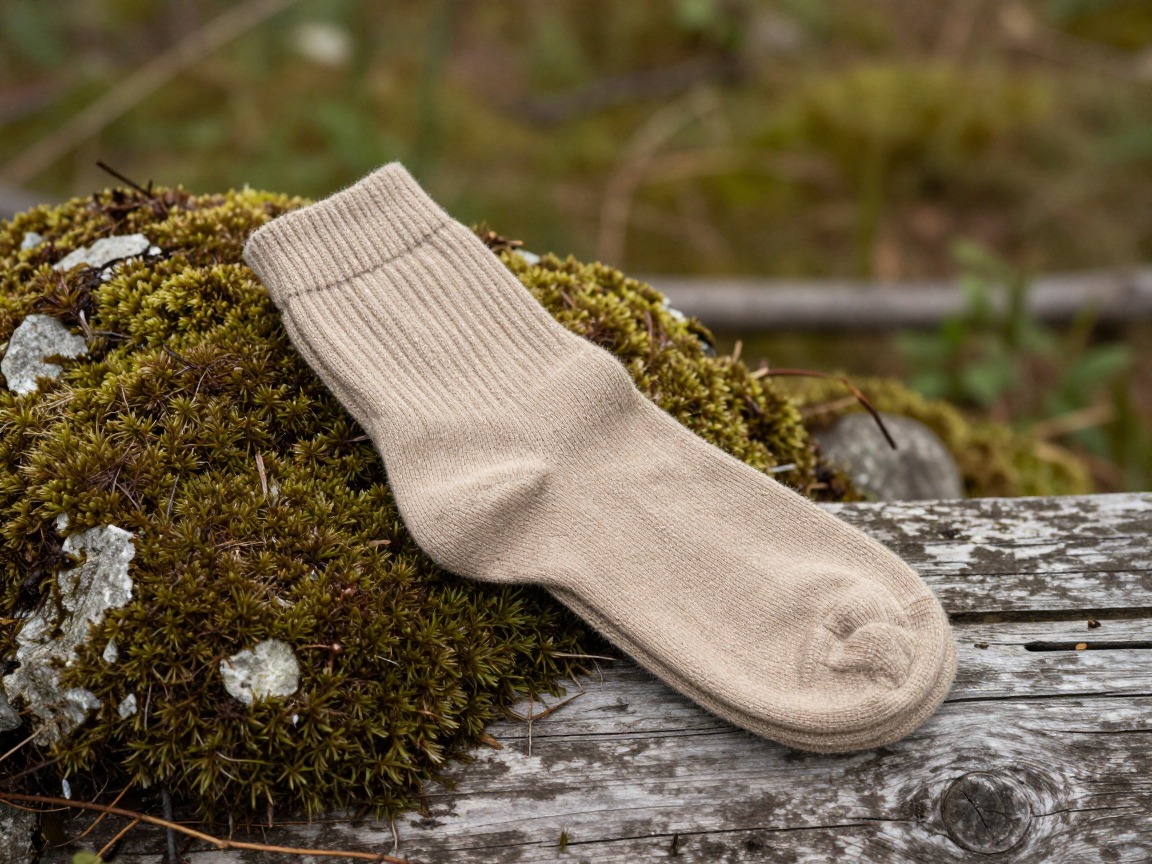
Spare hiking socks
Dry socks prevent the blisters and cold feet that turn a manageable situation into an immobilizing one.
What to look for: Wool or a wool blend, packed in a small dry bag so they stay usable even if the rest of your kit gets wet.
 Alvada Merino Wool Hiking Socks Thermal Warm Crew Winter Boot Sock F Check price
  DANISH ENDURANCE Merino Wool Socks for Men & Women Check price
  innotree 3 Pack Men's Merino Wool Hiking Socks Check price
 - Sun protection — brimmed hat, sunglasses and sunscreen
- Fire starter, plus a backup — a lighter and waterproof matches or a fire steel
- Emergency shelter — a bivy sack or heavy-duty emergency blanket, packed where you can reach it without unpacking everything else
- A pocketknife or multitool
Water, food & stability
Enough water and food to cover the hike plus a genuine setback, and stable footing so a slip doesn't start the emergency in the first place.
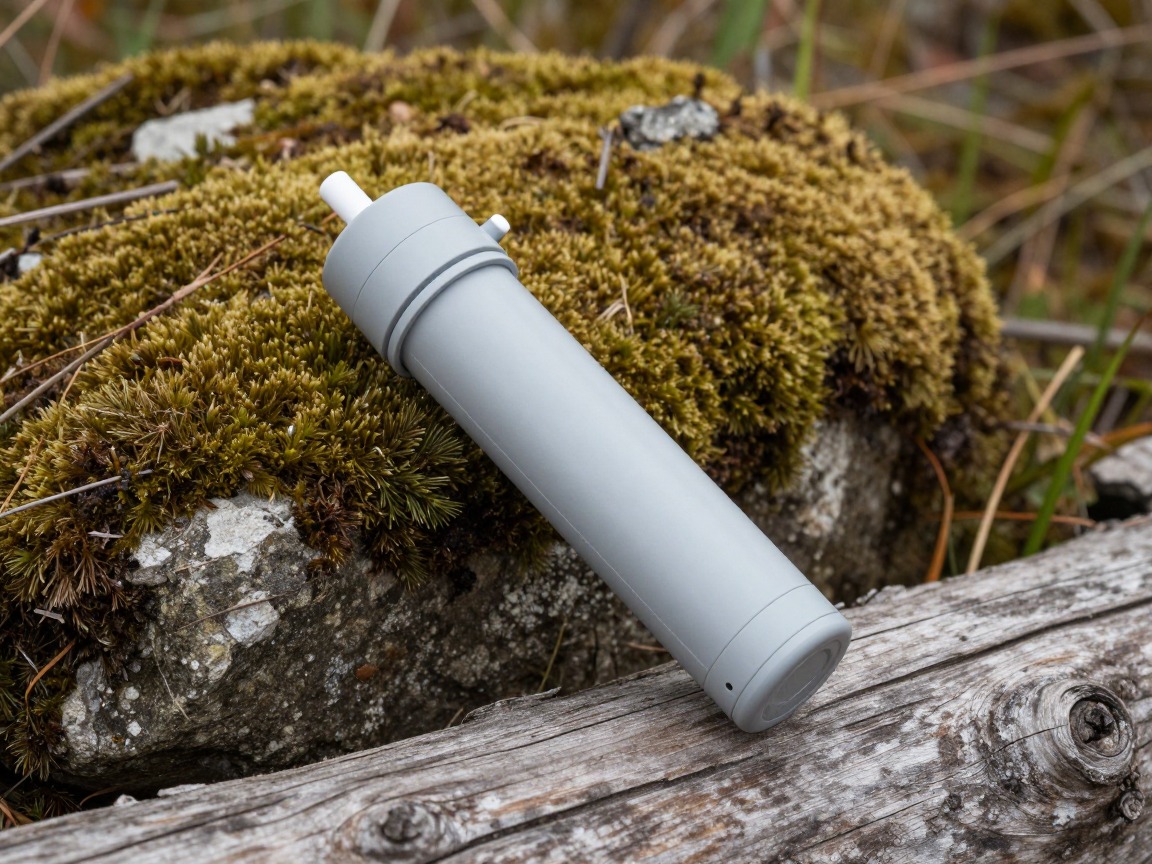
Water filter
Backs up the water you're carrying if the day runs longer than planned — never being fully dependent on what's already in the pack matters more here than on any other kind of hike.
What to look for: Fast flow and easy field cleaning; a squeeze filter covers most day hikes, just check its rated flow rate and any freeze limits in cold weather.
 Sawyer Squeeze Water Filtration System Check price
  Sawyer Products SP128 Mini Water Filtration System Check price
  LifeStraw Personal Water Filter for Hiking Check price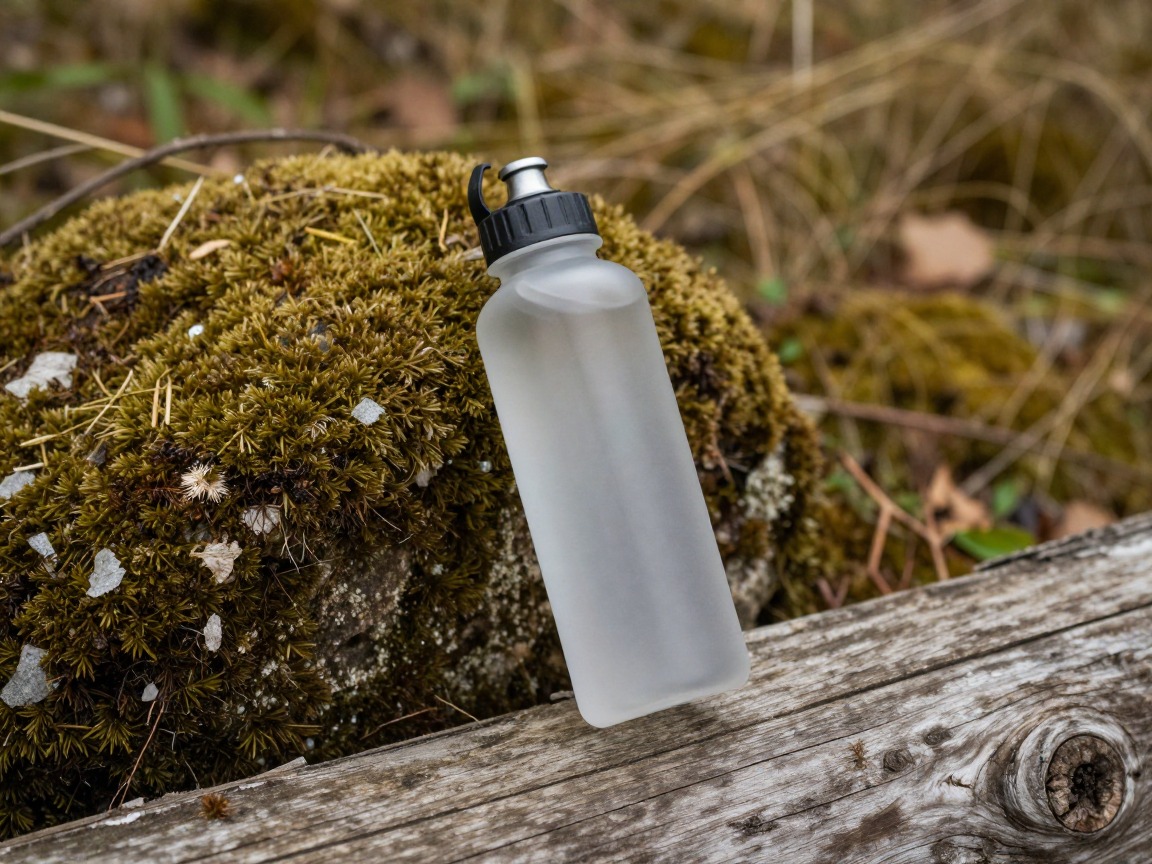
Water bottle
A simple, tough bottle for the water you start with, easy to refill once you've filtered more.
What to look for: Wide-mouth for easy filling and cleaning, tough enough to survive being dropped, sized around 1L as a base unit.
 Nalgene 32 oz Wide Mouth Water Bottle Check price
  Nalgene 32 oz Wide Mouth Water Bottle Check price
  Nalgene 32 oz Wide Mouth Water Bottle Check price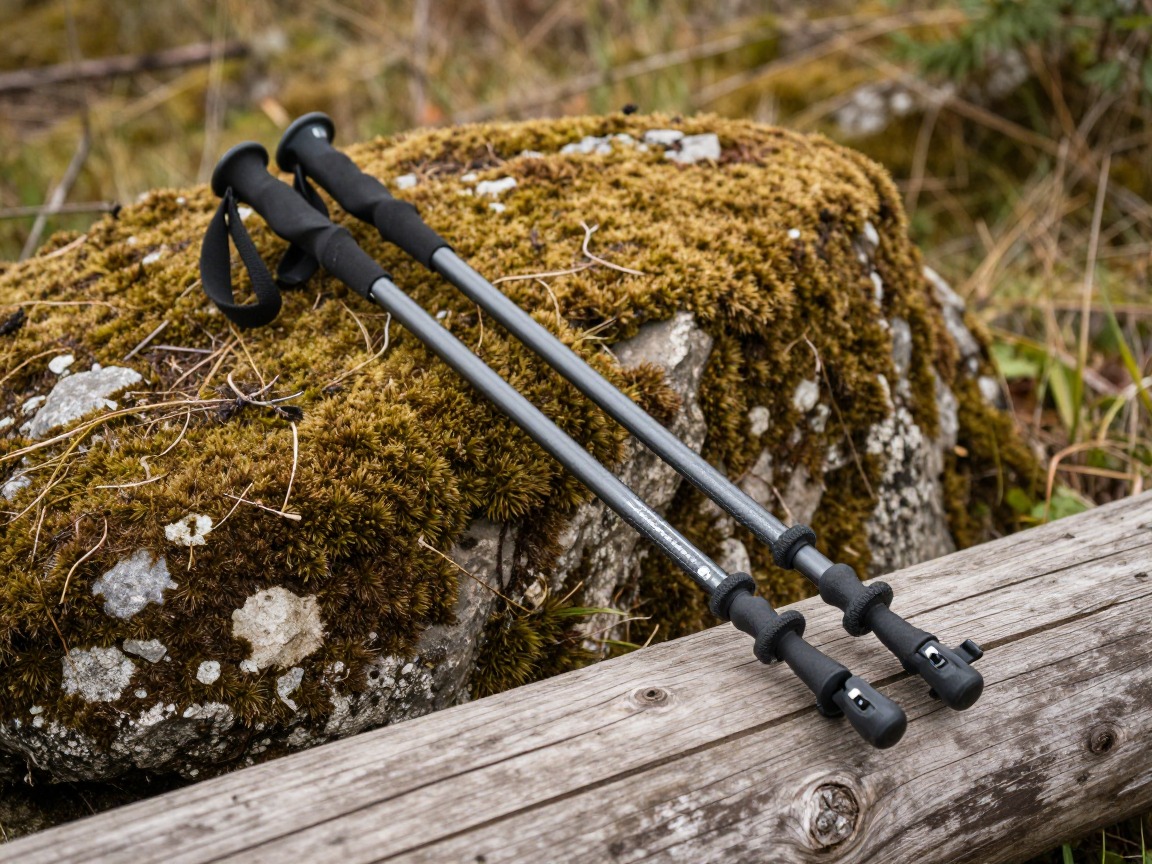
Trekking poles
Cut the odds of the slip or rolled ankle that starts most of the situations this kit is built to handle, especially on loose or wet ground.
What to look for: Adjustable length, comfortable grips, and locks that hold under real load — the stability they add is the point, not a bonus.
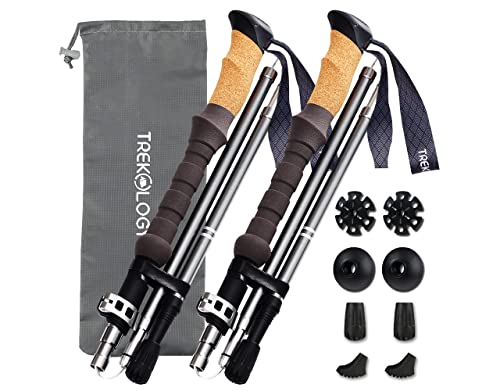 Trekology Trek-Z Cork Grip Collapsible Lightweight Hiking Trekking P Check price
 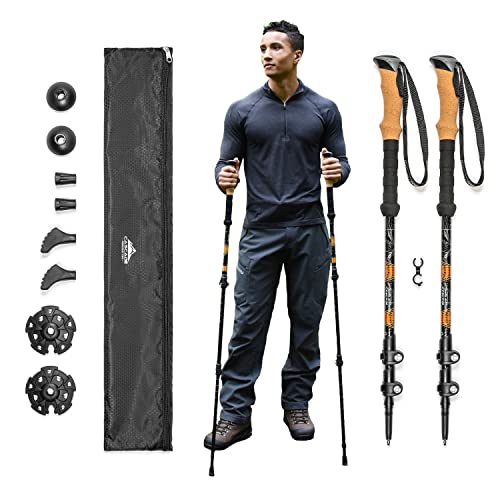 Cascade Mountain Tech Trekking Poles Check price
 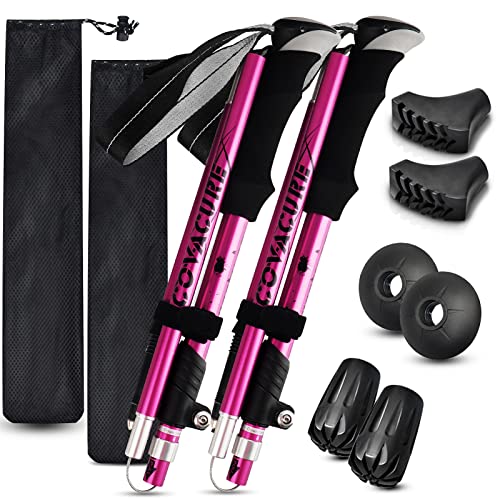 covacure Hiking Poles Check price
 - A full day's food plus a spare emergency meal or high-energy bar
- Electrolyte tabs or drink mix
How to adapt this setup
Everything here matters more alone — the satellite messenger, the trip plan and the whistle are your only backup if something goes wrong and no one's there to help directly. Don't skip any of them to save weight.
Split the weight — one first-aid kit and one satellite messenger can cover a small group — but make sure more than one person knows how to use both and knows the trip plan.
Add a warmer insulating layer, a warm hat and gloves, and treat the emergency shelter and fire starter as even more likely to get used. Cold cuts the margin for error fast.
Step up to the weekend backpacking list for overnight gear, but keep this kit's redundancy — navigation, communication, first aid and training — as the backbone underneath it.
Start with a Wilderness First Aid course and practice with your kit at home before you're relying on either in the field — the gear is the easy half.
Common mistakes to avoid
- Carrying a big first-aid kit you've never opened or practiced with — unfamiliar supplies under pressure waste time you don't have.
- Treating a satellite messenger as a substitute for telling anyone your route, instead of a backup to it.
- Skipping the trip plan because the hike 'should' be quick and easy — plans change, and no one can look for you if no one knows where you went.
- Relying on a phone alone for both navigation and emergency communication — one dead battery takes out both at once.
- Packing a whistle but burying it at the bottom of the pack where you can't reach it one-handed.
- Assuming carrying the gear equals knowing how to use it — a first-aid kit and a WFA course are a pair, not a substitute for each other.
Make it yours
Frequently asked questions
What makes a first-aid kit 'safety-focused' rather than a standard day-hike kit?
Size and intent — it's built to treat real injuries like sprains, deep cuts and splints, not just blisters and minor cuts, and it's meant to be paired with actual training. A Wilderness First Aid course is what turns the contents into something you can use under pressure.
Do I need a satellite messenger if I already carry a phone?
Yes, if you hike anywhere with patchy or no cell coverage. A phone depends on a cell network and its own battery; a satellite messenger works from well outside coverage and sends your GPS location with an SOS, which is exactly the situation this kind of kit is built for.
What should I actually put in a trip plan?
Your planned route, start and turnaround times, expected return time, and who to call if you're significantly overdue. Leave it with someone reliable who'll actually notice and act — that one habit is one of the cheapest safety upgrades available.
Is a whistle really necessary if I have a phone and a satellite messenger?
Yes — it needs no battery, no signal and no charge, and three sharp blasts carry much further than shouting. It's the simplest, most failure-proof signaling tool in the kit, which is exactly why it earns its spot.
Should I take a wilderness first aid course before hiking remote trails?
It's strongly worth it if you're heading anywhere help is more than an hour or two away. A WFA course teaches you to assess and stabilize real injuries until you can get out or get help, which is the actual skill this whole kit is built to support.
Illustrative images show the type of gear, not specific products. Recommendations link to similar items on Amazon; we only ever link real listings and never show fabricated prices or ratings. General planning guidance, not a substitute for your own judgment or professional backcountry-safety instruction.