
The rainy-weather hiking setup
Rain in the Pacific Northwest isn't a special event — it's the default from fall through spring, and hiking through a genuinely wet day takes a different kit than a fair-weather stroll. This is a complete rainy-weather day-hiking setup, built around staying dry, staying warm, and knowing the difference between the two.

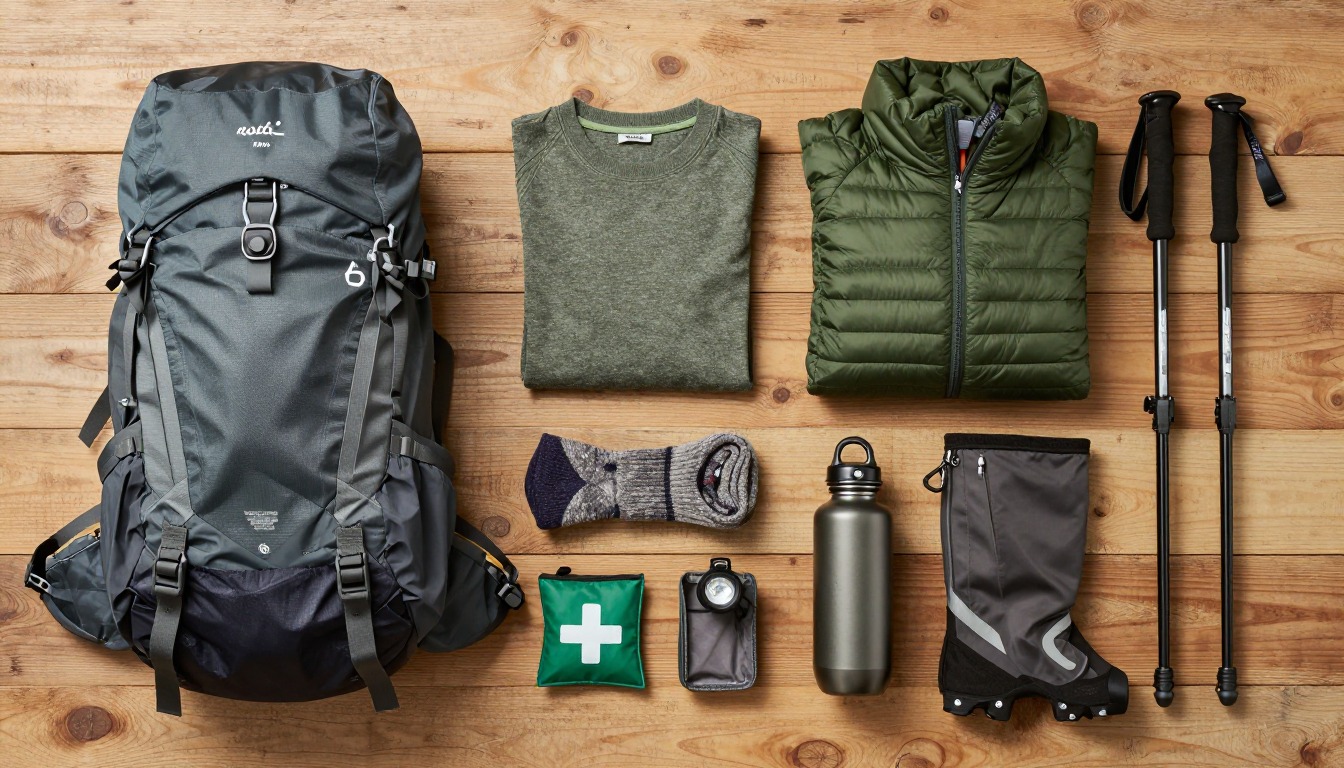
A rainy-weather kit fights water from two directions at once — rain coming in, sweat trying to get out — and a shell alone can't solve both. The rain jacket and pack liner are the first line of defense; non-cotton fabrics and venting manage sweat; and one completely dry layer is insurance you never touch until you actually need it.
This suits hikers who go out regardless of forecast — the norm in the Pacific Northwest most of the year — on day hikes of a few hours to a full day on established trails. If you only hike on dry days, most of this is overkill; genuine winter storms, alpine terrain, or avalanche country need separate training and gear.
- Start with a genuinely waterproof, breathable rain jacket — the single item that does the most work in sustained rain.
- Line the inside of your pack with a heavy-duty liner or dry bags, not just a rain cover.
- Build your layers in non-cotton fabrics, and set aside one full dry layer you don't wear until you truly need it.
- Add gaiters and pick a footwear philosophy — waterproof or quick-drying — based on how much standing water you'll cross.
About this setup
In the Pacific Northwest, rain isn't a weather event you plan around — it's the default from fall through spring, often a fine, all-day mist rather than a dramatic downpour. That distinction matters: a jacket that shrugs off a ten-minute summer storm can still fail after six straight hours of steady, low-intensity rain, because the exposure adds up. Hikers who spend real time out here build a kit around sustained water, not a passing shower, or they stop hiking for half the year.
The real safety story in wet, temperate climates is hypothermia at temperatures most people wouldn't associate with the word — commonly in the 30s and 40s Fahrenheit, not a blizzard. Wet clothing loses much of its insulating value, and wind on wet skin and fabric pulls heat away faster than the same conditions dry. That's the case for non-cotton fabrics, a shell that actually keeps rain out, and a dry layer held in reserve. Recognizing early signs of hypothermia — persistent shivering, fumbling hands, confusion — and taking them seriously, backed by formal wilderness first-aid training, matters more than any single piece of gear here.
The waterproof-boots-versus-trail-runners debate shows up on every rainy PNW trail, with no single right answer. Waterproof boots keep feet dry through mud and shallow puddles — until they don't, at which point they hold water and take a long time to dry. Trail runners get wet almost immediately anyway, but drain and dry fast, so many hikers find their feet stay warmer over a full wet day than in a boot that's quietly filled with water. Gaiters help either choice, sealing out what neither shoe alone can stop. It's about understanding the tradeoffs, not finding one best setup.
The pack
Everything inside your pack will get wet eventually in sustained rain unless the barrier goes on the inside, not just the outside.
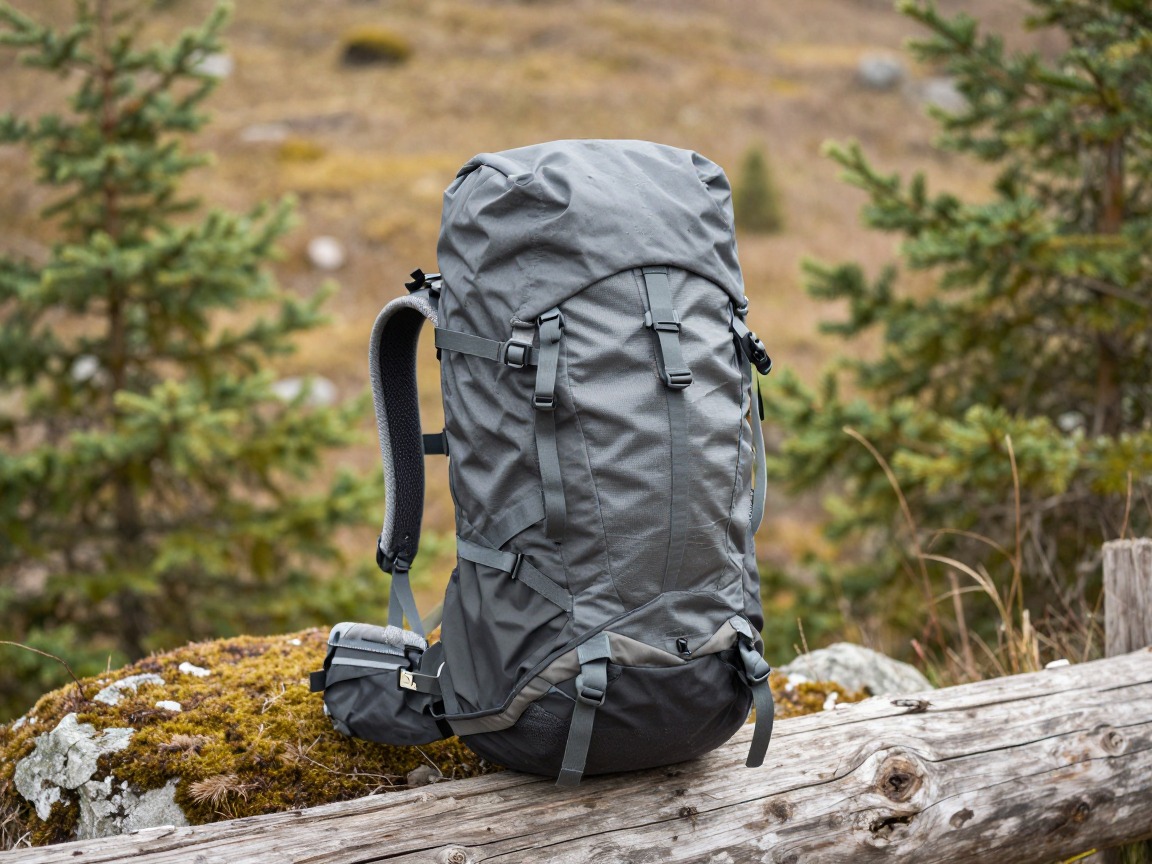
Daypack
Carries the kit and — just as important in the rain — the liner and dry bags that keep everything inside it actually dry.
What to look for: A simple, durable design without much exposed mesh that holds water; a roll-top or covered main pocket helps, but the liner inside does the real work.
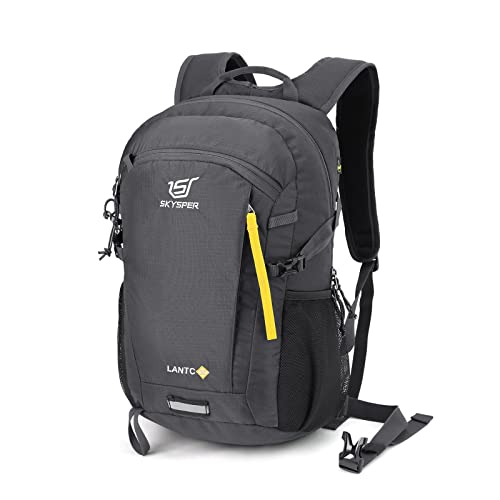 SKYSPER Small Hiking Backpack Check price
  Osprey Sportlite 20L Lightweight Hiking Backpack Check price
 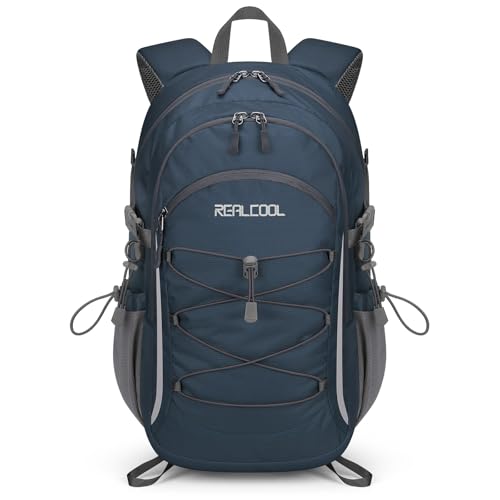 RealCool 20L Lightweight Hiking Backpack Check price
 - A heavy-duty pack liner (contractor-grade trash bag or a dry bag) lining the inside of the pack — not just a rain cover.
- Smaller dry bags or zip-top bags for your phone, spare layers, and anything electronic.
Clothing: the shell and the layer you never touch
A genuinely waterproof shell manages the rain coming in; a completely dry backup layer, saved and untouched, is your insurance if the shell fails or the day runs long.
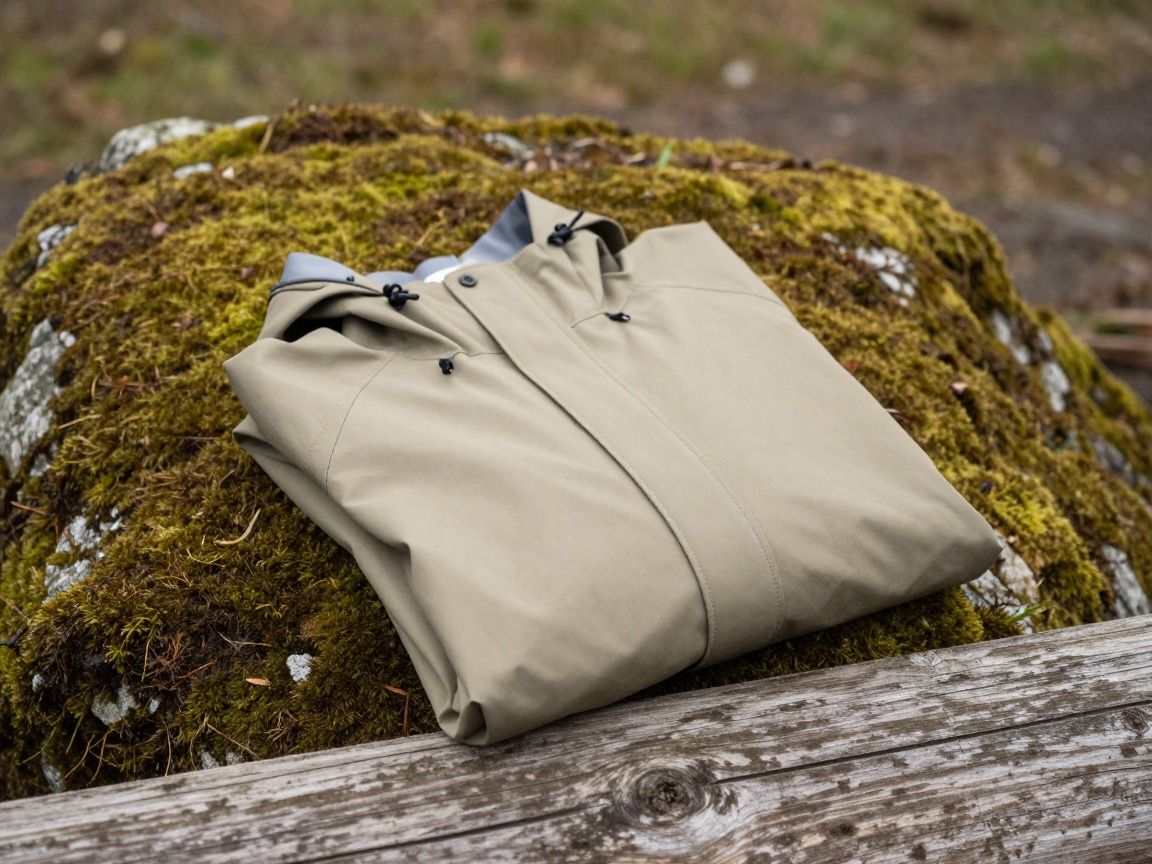
Rain shell
Your main defense against sustained rain — genuinely waterproof, not just water-resistant, with venting to dump the heat and sweat that builds up underneath it.
What to look for: Fully seam-taped and waterproof-breathable, with a hood that cinches over a hat, pit zips or similar venting, and a hem long enough to seal against a hip belt.
 UIQUR Mens Rain Jacket Raincoat Waterproof Windbreaker Black L Check price
  COOFANDY Men's Waterproof Hiking Travel Shell Breathable Rain Jacket Check price
  Columbia Womens Arcadia II Waterproof Rain Jacket Check price
Base layer
Worn against the skin under the shell to move sweat away from you, since you'll sweat inside a rain jacket even on a cool day.
What to look for: Merino wool or a synthetic wicking fabric — never cotton, which holds sweat against your skin and stops insulating the moment it's wet.
 100% Merino Wool Base Layer Men Set - Thermal Underwear for Men Long Check price
  Merino.tech Merino Wool Base Layer Women Set - Heavyweight Check price
  100% Merino Wool Base Layer Men Set - Thermal Long Underwear with Ba Check price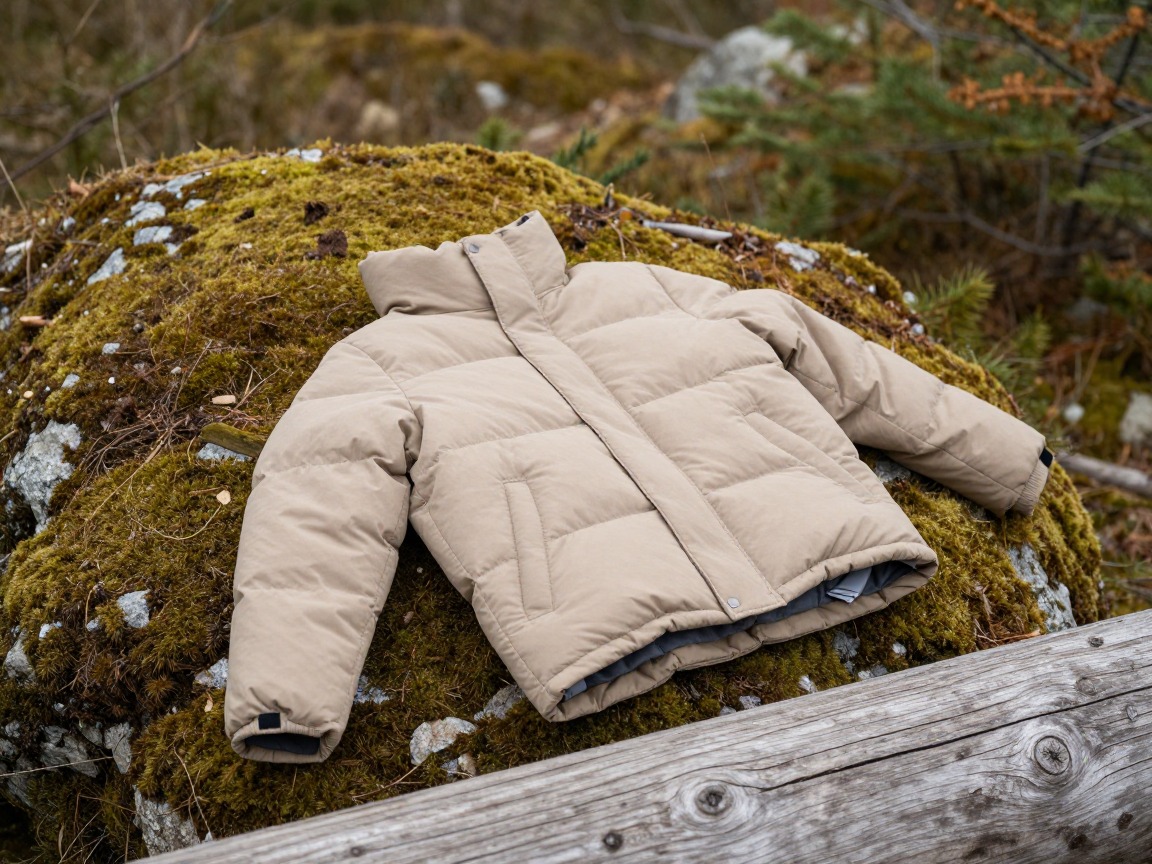
Dry insulating layer
Packed in its own dry bag and never worn while hiking — your reserve for a stop, a delay, or the moment you're wet and the temperature drops.
What to look for: Synthetic fill over down for this role — it keeps some warmth when damp, unlike down, which collapses and stops insulating when wet.
 Outdoor Ventures Women's Packable Lightweight Puffer Jacket with Hoo Check price
  Amazon Essentials Women's Lightweight Long-Sleeve Water-Resistant Pa Check price
  Outdoor Ventures Women's Packable Lightweight Puffer Jacket with Hoo Check price
 - Waterproof rain pants or a rain kilt
- A warm hat and a pair of liner or light insulated gloves
Feet and legs: mud, puddles and the footwear debate
PNW-style trail means standing water and mud for much of the year — a real debate between waterproof boots and quick-drying trail runners, and gaiters help either choice.
Hiking socks
Wool keeps managing warmth and resisting odor even when damp, which matters on a trail where your feet are wet for hours either way.
What to look for: Wool or a wool blend, never cotton, in a weight suited to your footwear and the season.
 Alvada Merino Wool Hiking Socks Thermal Warm Crew Winter Boot Sock F Check price
  DANISH ENDURANCE Merino Wool Socks for Men & Women Check price
  innotree 3 Pack Men's Merino Wool Hiking Socks Check price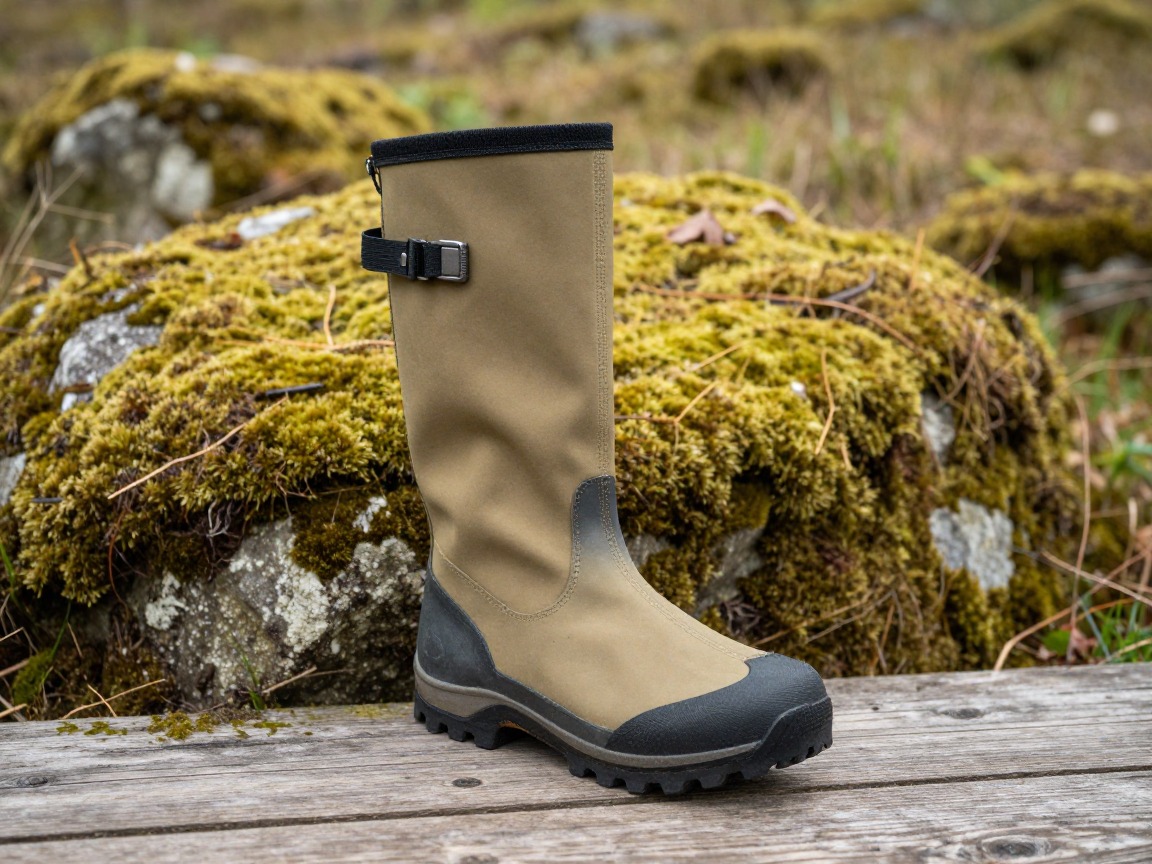
Gaiters
Seal the gap between boot and pant leg, keeping mud, gravel, and puddle splash out of your footwear no matter which shoe you choose.
What to look for: Waterproof or water-resistant fabric, a secure under-boot strap, and a height suited to the mud and puddles you expect.
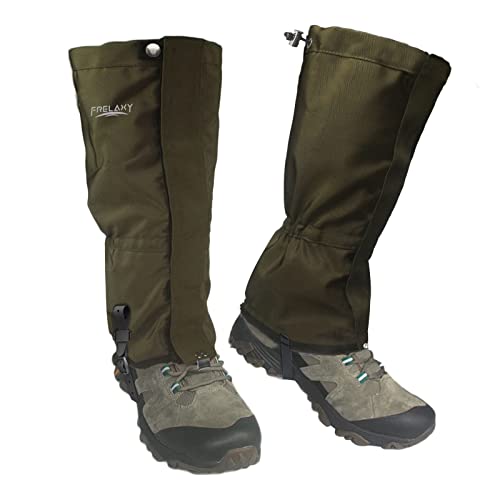 Frelaxy Leg Gaiters 100% Waterproof Hiking Gaiters Check price Frelaxy Ultra High-Performance Hunting Gaiters Check price
 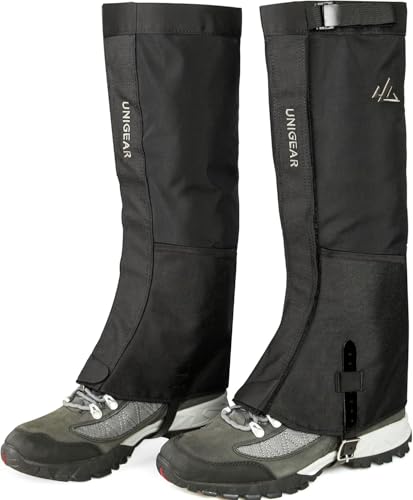 Unigear Leg Gaiters Check price
 - Waterproof boots or quick-drying trail runners — both legitimate choices; see the footwear debate below.
- A dry pair of socks stashed in a dry bag for the end of the hike.
Water & food
Cool, wet weather blunts your sense of thirst even though you're working just as hard — it's easy to under-drink on a rainy hike.
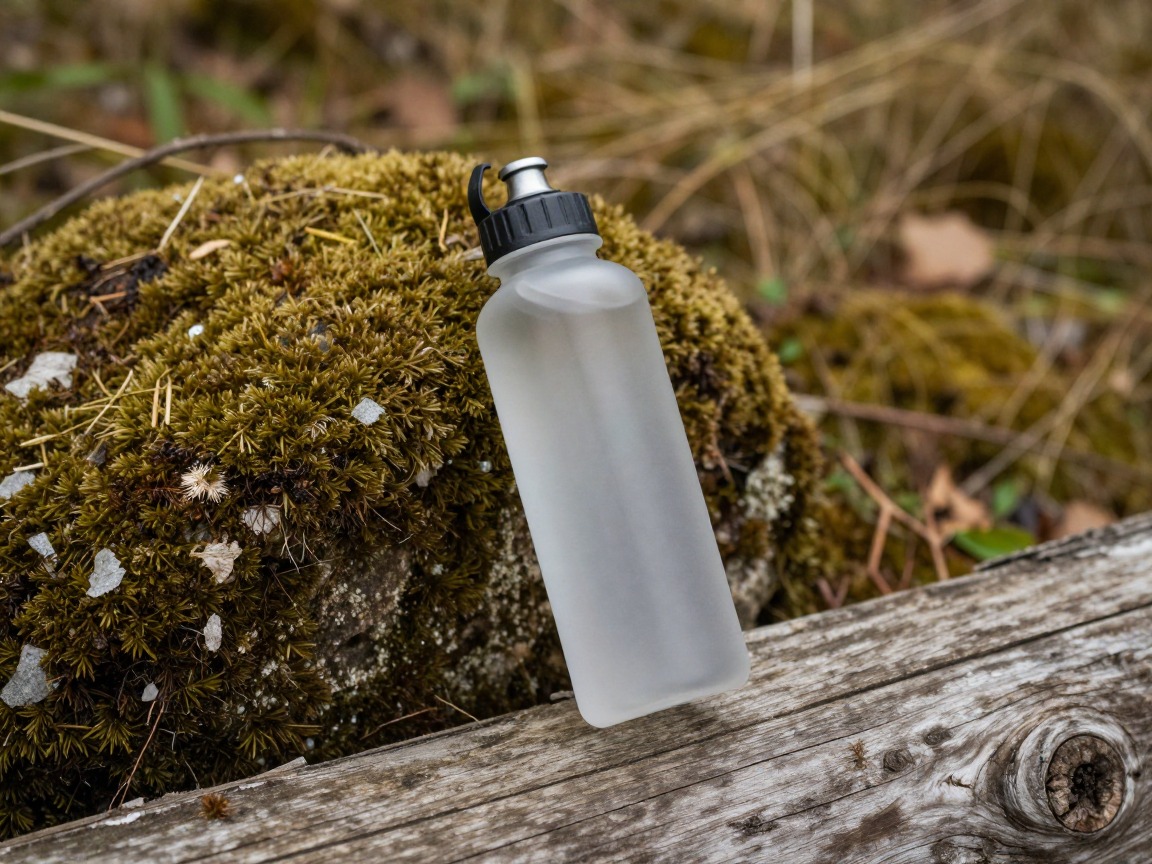
Water bottle
A simple, tough bottle you'll actually keep drinking from, even when digging it out of a wet pack feels like a hassle.
What to look for: Easy one-handed opening so you can drink on the move without fully stopping, and a wide mouth for refilling.
 Nalgene 32 oz Wide Mouth Water Bottle Check price
  Nalgene 32 oz Wide Mouth Water Bottle Check price
  Nalgene 32 oz Wide Mouth Water Bottle Check price
 - Calorie-dense snacks you can eat one-handed while walking — stopping to sit in the rain is miserable.
Navigation, light & safety
Hypothermia is a real risk on cool, wet, windy days well above freezing — don't treat a rainy day hike as automatically low-stakes.
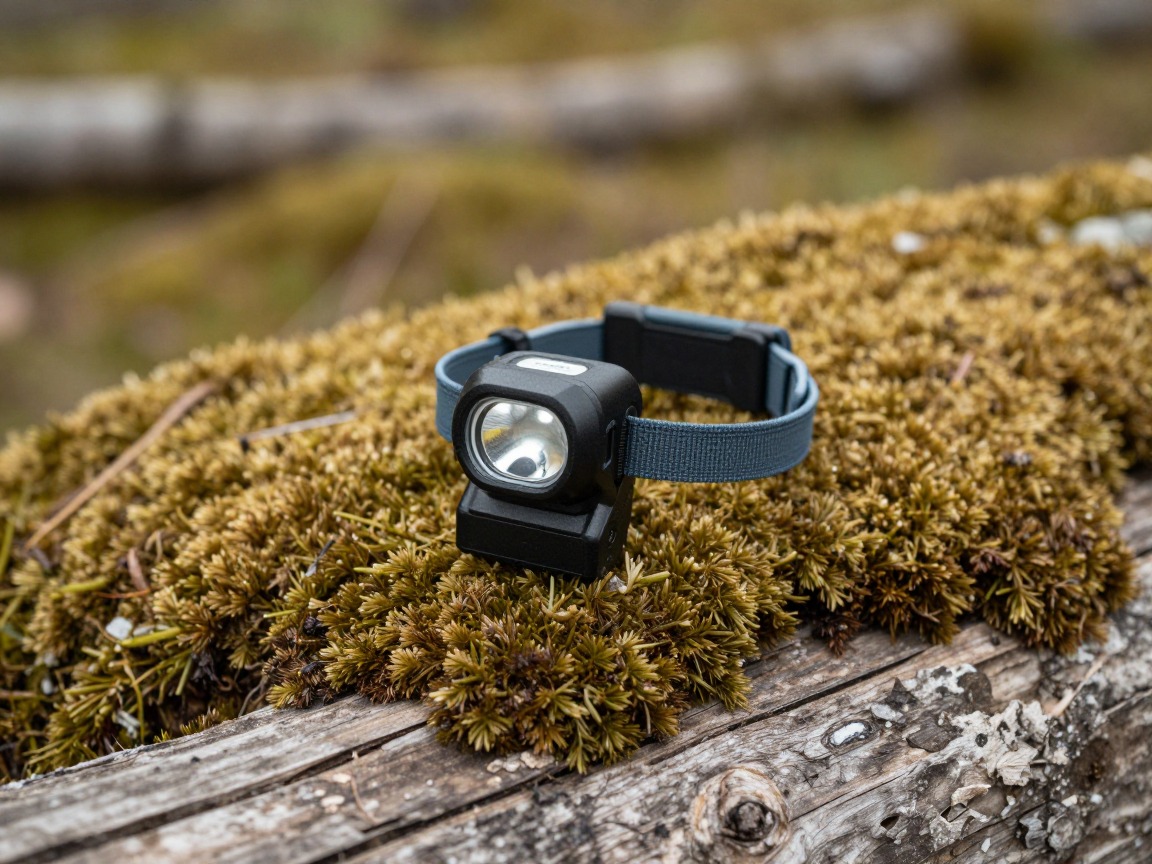
Headlamp
Gray, overcast days end darker than they look, and a wet trail is a bad place to be caught without light.
What to look for: A genuinely water-resistant rating, since it may run in steady rain, and a lock mode so it doesn't drain in a wet pack.
 LHKNL Headlamp Flashlight Check price
 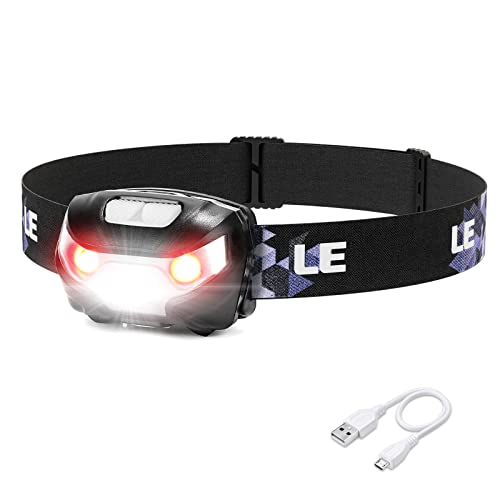 Lepro LED Headlamp Rechargeable IPX4 Waterproof Headlight 5 Modes - Check price
 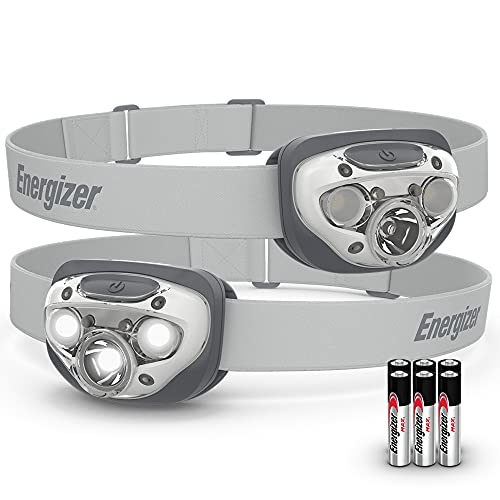 Energizer LED Headlamp PRO Check price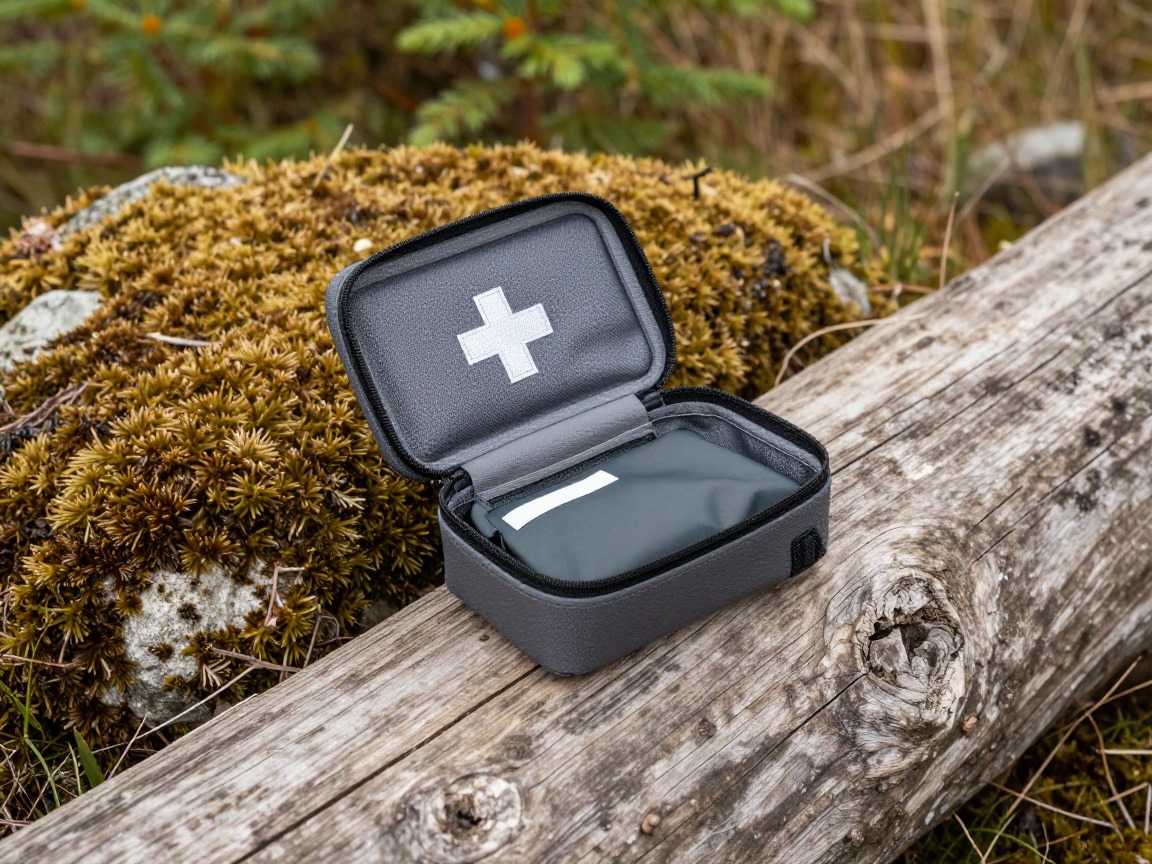
First-aid kit
Basic care for blisters, cuts, and small injuries, kept in a dry bag so it's actually usable when you need it.
What to look for: A compact kit weighted toward blisters and cuts, stored somewhere it won't get soaked — then learn what's in it.
 Mini First Aid Kit - 150 Piece Small Waterproof EVA Hard Shell Case Check price
  Adventure Medical Kits Ultralight/Watertight Medical Kit .5 Check price
 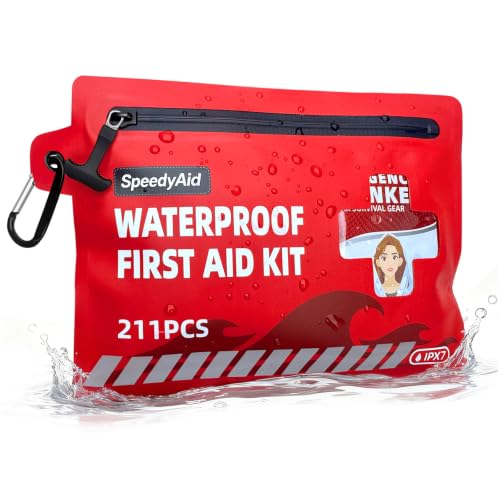 211 PCS Waterproof First Aid Kit Check price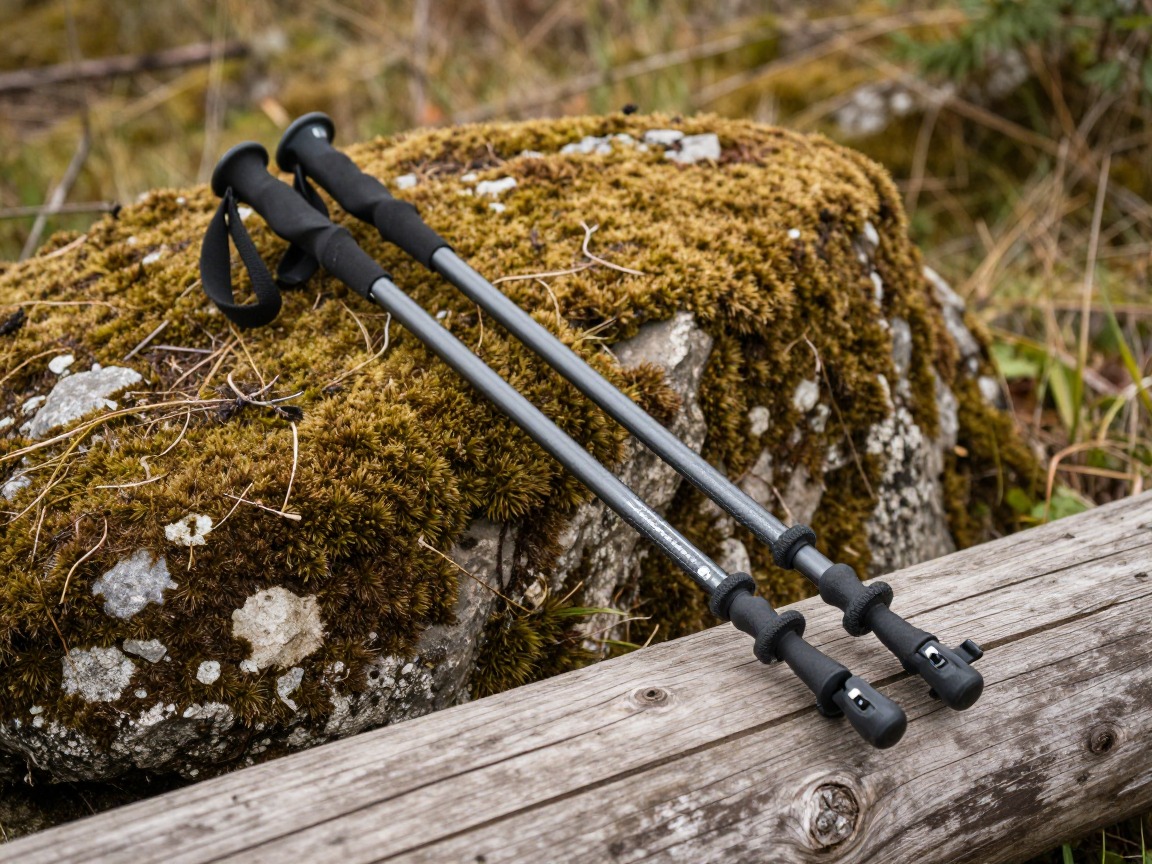
Trekking poles
Extra stability on the slick roots, mud, and wet rock that come with rain — genuinely useful on a soggy trail.
What to look for: Grips that stay grippy when wet (cork or rubber over bare metal), and locks that hold under load in the mud.
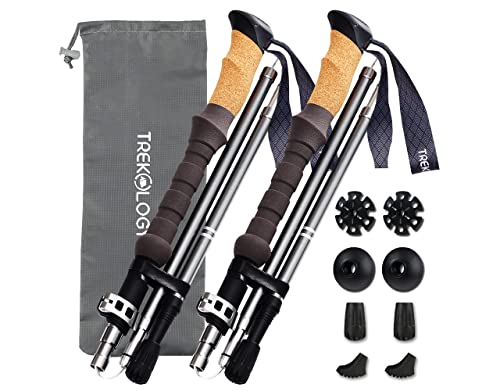 Trekology Trek-Z Cork Grip Collapsible Lightweight Hiking Trekking P Check price
 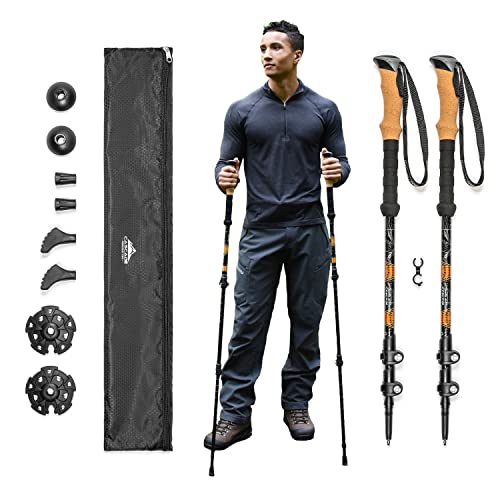 Cascade Mountain Tech Trekking Poles Check price
 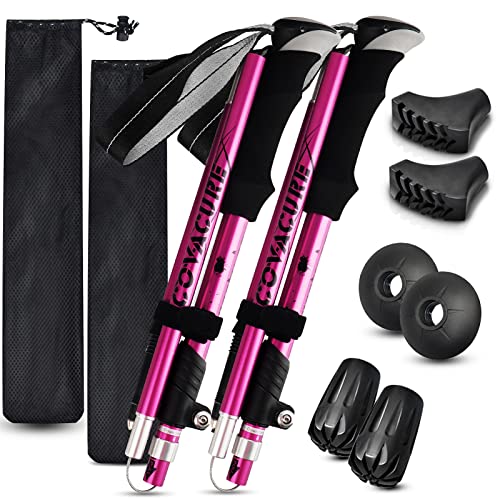 covacure Hiking Poles Check price
 - Map + compass or an offline GPS app, in a waterproof case or dry bag
- Phone + power bank, kept in a dry bag
- Whistle
- Emergency shelter — a bivy or space blanket
- A satellite messenger if you're headed somewhere with no cell coverage
How to adapt this setup
For a brief walk in light rain, drop the pack liner and dry backup layer and lean on the shell alone — but keep the non-cotton base layer; it's the cheapest insurance you own.
Add a warmer insulating layer, a warm hat and gloves, and treat hypothermia awareness as a top priority — wet, cold and windy is the classic combination, no snow required.
Add gaiters if you didn't already pack them, and lean toward waterproof boots over trail runners if there's standing water or bushwhacking.
Everything here still applies, but double down on drying strategy: a second liner for camp clothes, synthetic (not down) insulation and sleeping bag, and a plan for drying gear at camp. See the weekend backpacking setup for the full overnight system.
Common mistakes to avoid
- Relying on a pack rain cover alone and finding your dry layers soaked from seam leaks after hours of rain.
- Wearing cotton that soaks up sweat and rain and stops insulating exactly when you need it most.
- Zipping the shell fully closed, overheating and sweating instead, then getting chilled the moment you stop moving.
- Skipping gaiters on a muddy trail and ending the hike with soaked socks and grit inside your boots.
- Not saving a single dry layer for later — starting the drive home already cold, wet, and out of options.
- Treating a mild, 40-something-degree rainy day as low-risk, when that range is where most hypothermia cases happen.
Make it yours
Frequently asked questions
Is a pack rain cover enough to keep my gear dry?
Not on its own for a full day of steady rain — covers leak at the seams and back panel over time. Line the inside of your pack with a heavy-duty liner or dry bags, especially around your spare dry layer, so what matters inside stays dry regardless of the outside.
Are waterproof boots or trail runners better for hiking in the rain?
Both are legitimate. Waterproof boots keep feet dry through mud and shallow puddles but stay wet and slow to dry once truly soaked. Trail runners get wet almost immediately but drain and dry fast, often keeping feet warmer over a long wet day. Choose based on the terrain, not brand loyalty.
Why does cotton matter so much on a rainy hike?
Cotton absorbs and holds water rather than wicking it away, and stops insulating almost completely once wet, pulling heat off your skin. Wool and synthetic fabrics keep some insulating value even damp and dry much faster — a small difference on a dry day, a big one in sustained rain.
Can you get hypothermia in mild rainy weather?
Yes — most hypothermia happens well above freezing, often in the 30s and 40s Fahrenheit, when wind and rain strip heat from wet clothing faster than your body can replace it. Learn the early signs through wilderness first-aid training, and treat a cold, wet, windy day with real respect.
What do gaiters actually do on a rainy hike?
They seal the gap between boot and pant leg, keeping mud, gravel, and puddle splash out of your footwear — something neither waterproof boots nor rain pants fully solve alone. They matter most on muddy, overgrown, or puddle-heavy trail; on a short, dry-ish walk they're easy to skip.
Illustrative images show the type of gear, not specific products. Recommendations link to similar items on Amazon; we only ever link real listings and never show fabricated prices or ratings. General planning guidance, not a substitute for your own judgment or professional backcountry-safety instruction.