
The rainy-day hike setup
A rainy forecast doesn't have to mean a canceled hike — it means a different kit and a different mindset. This is a single-day setup for going out anyway, built around one job: keep you dry enough, warm enough, and honest enough with yourself to still have a good day on a wet trail.

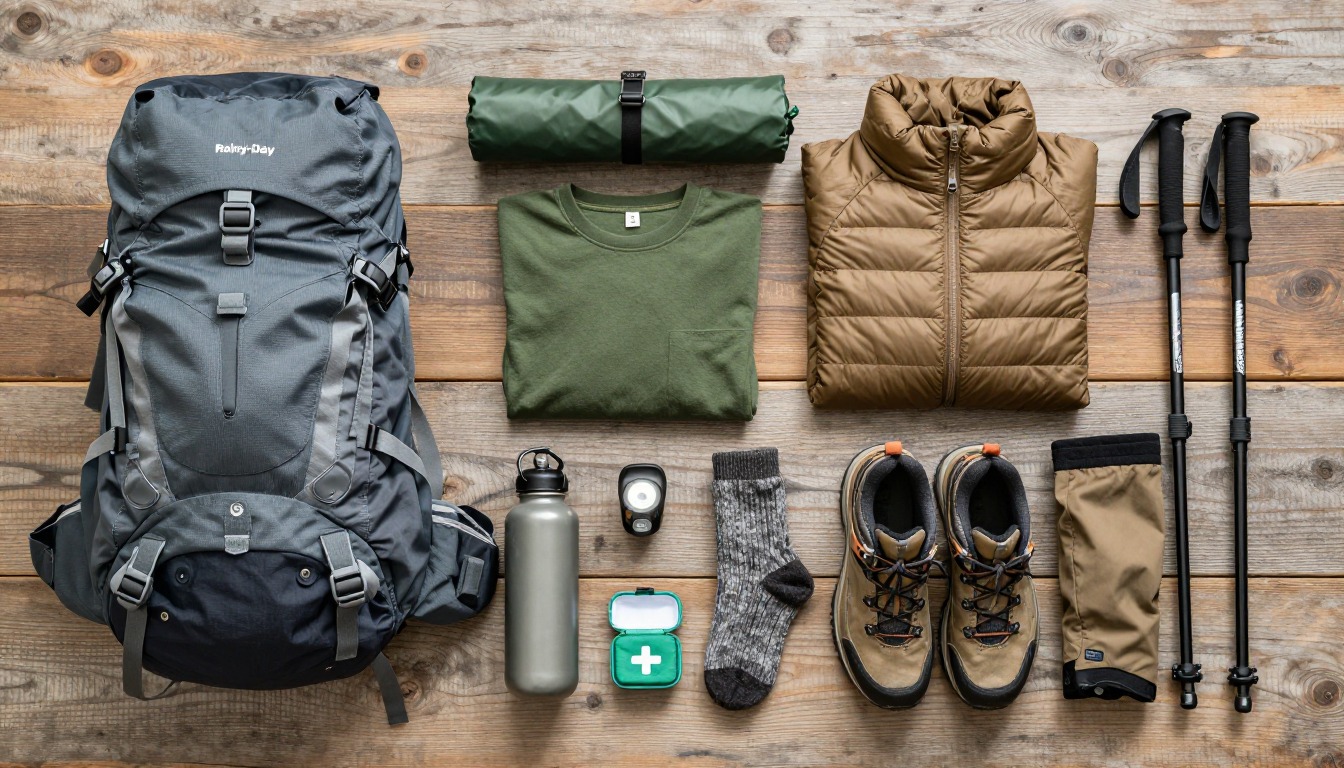
A rainy day hike is a balancing act, not a single problem to solve. Rain wants in from outside while sweat wants out from underneath, and gear that only fights one direction leaves you just as wet from the other. The fix is a genuinely waterproof shell paired with one layer you protect completely and don't touch until you actually need it — plus the judgment to shorten the day if the balance tips against you.
This suits day hikers checking a forecast that says rain and deciding to go anyway, on trails they could reach a trailhead or bail point from within an hour or two. It's built for cool, wet weather on established trail — not for lightning-heavy storms, flash-flood terrain, or genuine winter conditions, all of which call for turning around rather than adapting the kit.
- Start with a rain jacket that's actually waterproof and actually vents, since it does more work than anything else on the list.
- Set aside one insulating layer you seal in a dry bag and never wear hiking — your reserve, not your regular kit.
- Choose your footwear philosophy on purpose: waterproof boots or fast-draining trail runners, both legitimate, not a leftover decision.
- Pick a turnaround time and a bail-out point before you start, and treat both as real decisions, not just formalities.
About this setup
Checking a rainy forecast and going anyway is a legitimate call, not a reckless one — as long as the decision comes with a plan, not just optimism. The trail doesn't change because the forecast looks bad; what changes is how much margin you're carrying. A shell that actually works, a dry layer you haven't touched yet, and a turnaround time you picked before you left are what turn 'we'll see how it goes' into an actual plan.
The physics of a rainy hike work against you from two directions at once, which is why single-minded gear choices fail. Rain is trying to get in through the shell; sweat is trying to get out from underneath it; and a jacket built only to block one will make the other worse. That's the whole case for venting on the shell, non-cotton fabrics against your skin, and a completely dry layer held in reserve rather than worn preemptively — it's insurance, not a backup set of regular clothes.
The most underrated piece of a rainy day-hike kit isn't in anyone's pack: it's the turnaround time and the willingness to actually use it. Cool rain plus wind is a classic setup for hypothermia at temperatures most people wouldn't think to worry about, commonly in the 30s and 40s Fahrenheit rather than anything resembling a storm. Shivering that won't stop, clumsy hands, or a hiking partner who's gone quiet and slow are reasons to shorten the day, not push through it — and deciding that in advance, at the trailhead, is far easier than deciding it two miles in when you're already cold and the sunk cost of the drive out there is arguing the other side.
The pack
Everything you're carrying is only as dry as the barrier around it — the pack's outer fabric alone won't do that job for a full day of rain.
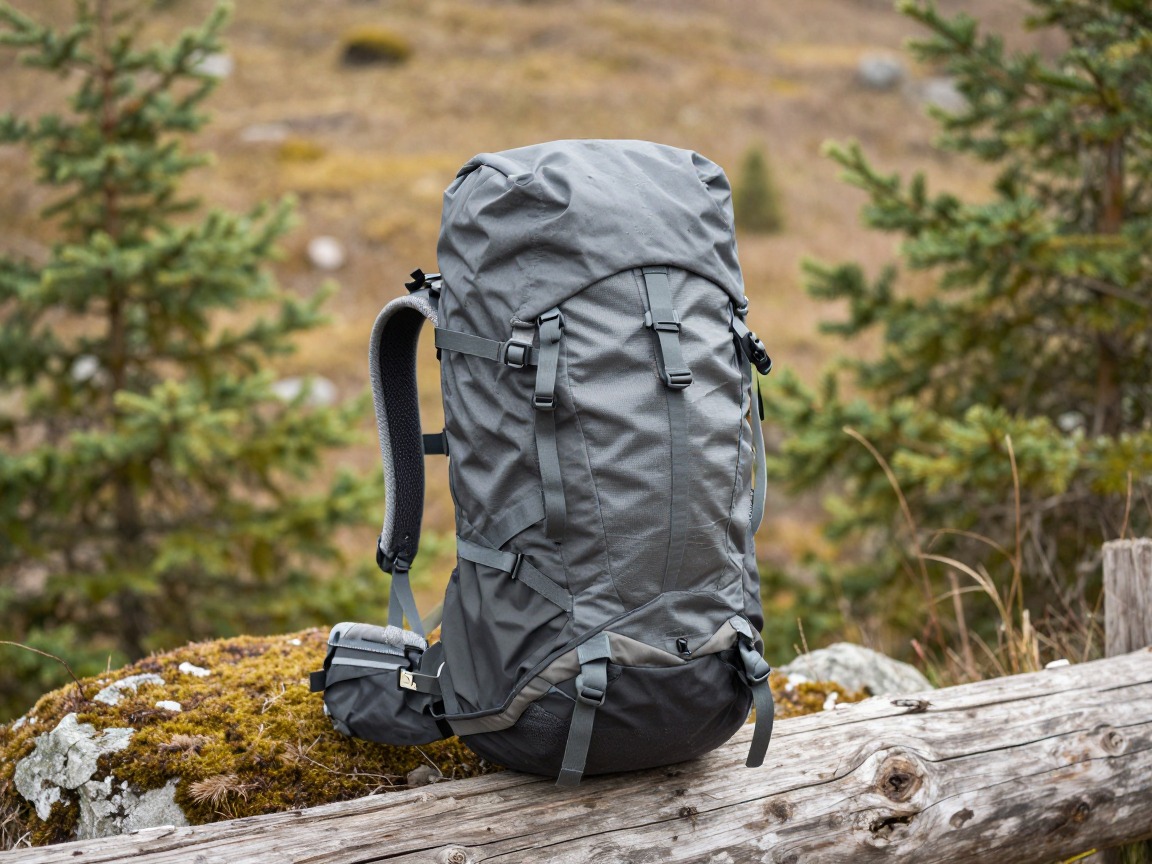
Daypack
Carries the kit for the day and, on a wet forecast, also decides whether that kit stays usable or slowly soaks through over a few hours on trail.
What to look for: A simple main compartment without a lot of exposed mesh pockets that catch and hold water, so it's easy to line properly.
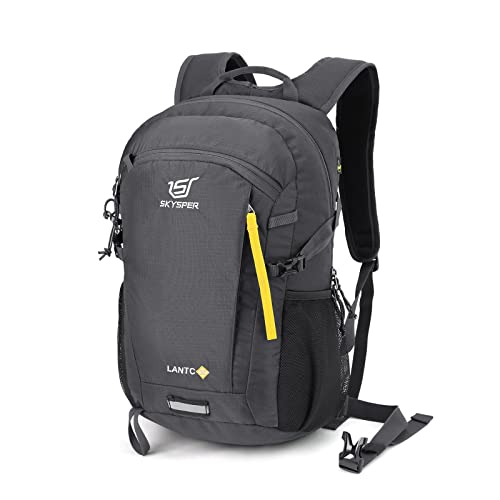 SKYSPER Small Hiking Backpack Check price
  Osprey Sportlite 20L Lightweight Hiking Backpack Check price
 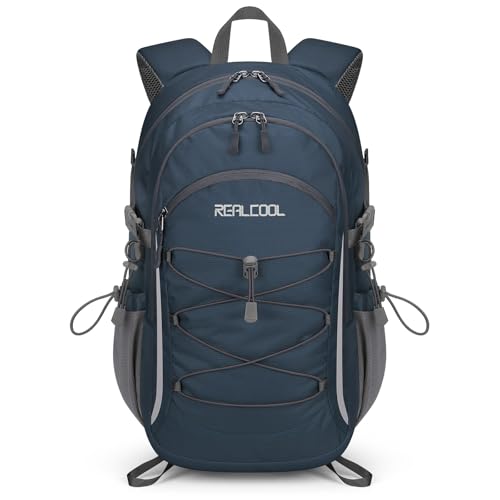 RealCool 20L Lightweight Hiking Backpack Check price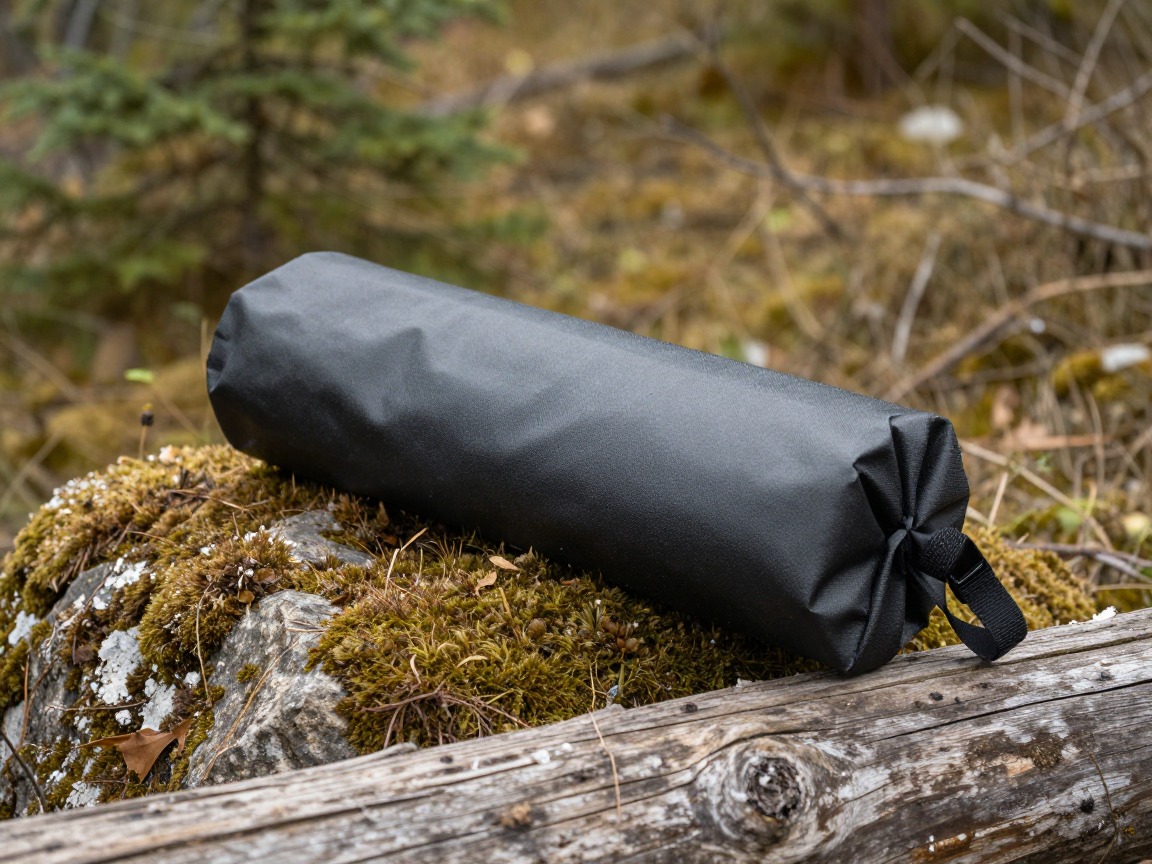
Dry bag
Seals off the one layer you're not wearing — your reserve — completely, along with your phone and paper map if you're not running an offline app.
What to look for: A roll-top closure rather than a simple drawstring, sized to fit a packed jacket with room to spare, and light enough you'll actually bring it every time.
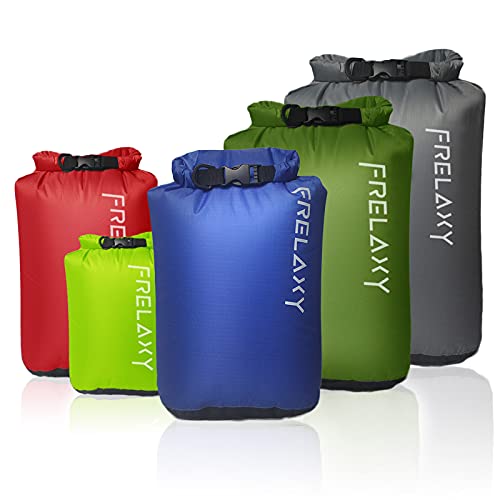 Frelaxy Dry Bag 5 Pack Check price
  ILZAR 6PCS Dry Bags Waterproof Check price
 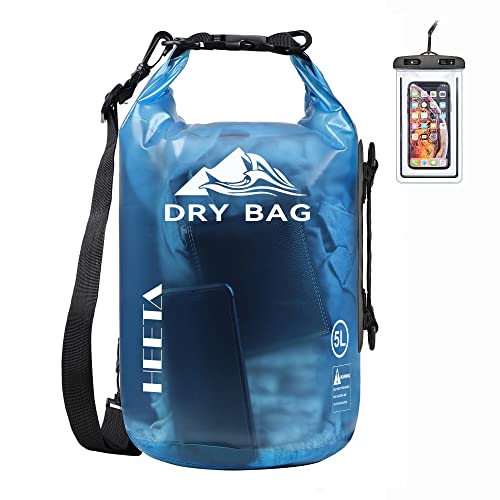 HEETA Dry Bag Waterproof Backpack with Phone Case Check price
 - A heavy-duty liner (a contractor bag works fine) lining the rest of the pack's main compartment, not just a cover over the outside
- A pack rain cover if you own one, treated as a second layer of defense rather than the main one
Clothing: the shell and the layer you don't touch
The shell fights the rain coming in; the layer you never wear fights the cold if you get wet anyway. Both matter, and they're not the same job.
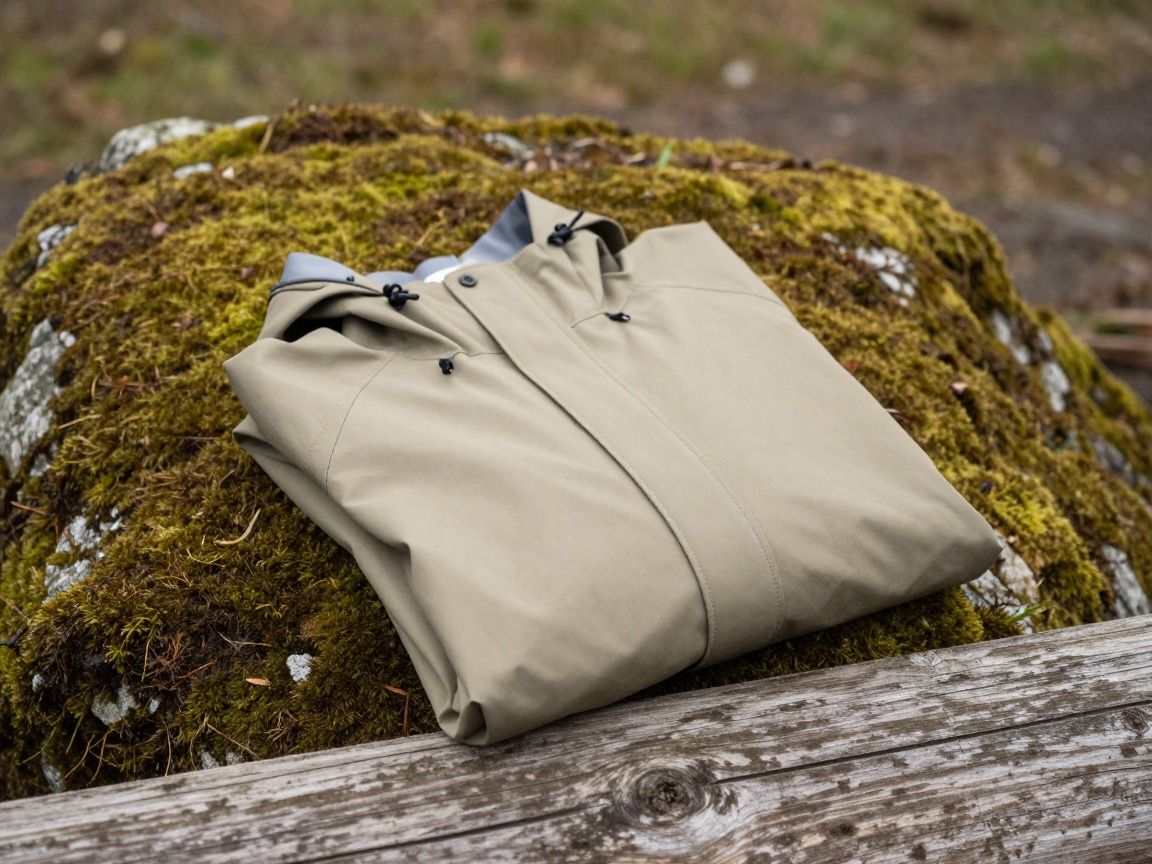
Rain shell
The single piece of gear that decides whether the day feels manageable — genuinely waterproof, with enough venting to dump the heat and sweat that build up underneath it on a climb.
What to look for: Fully seam-taped construction rather than just a water-resistant coating, pit zips or another real vent option, and a hood that still leaves you able to see the trail when it's cinched down.
 UIQUR Mens Rain Jacket Raincoat Waterproof Windbreaker Black L Check price
  COOFANDY Men's Waterproof Hiking Travel Shell Breathable Rain Jacket Check price
  Columbia Womens Arcadia II Waterproof Rain Jacket Check price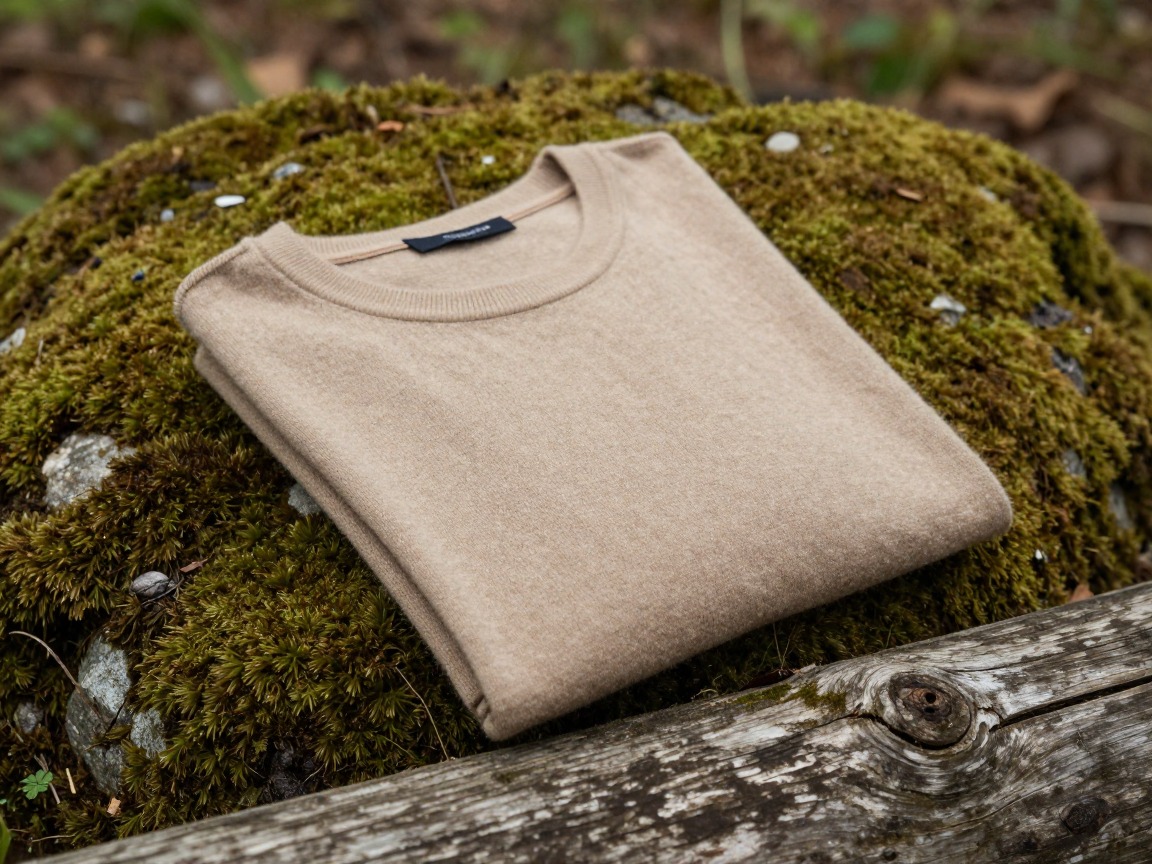
Base layer
Worn under the shell to move sweat off your skin, since you'll sweat inside a rain jacket even on a cool day — the shell keeps rain out, this keeps sweat from chilling you.
What to look for: Merino wool or a synthetic wicking fabric, fitted close enough to actually move moisture, never cotton.
 100% Merino Wool Base Layer Men Set - Thermal Underwear for Men Long Check price
  Merino.tech Merino Wool Base Layer Women Set - Heavyweight Check price
  100% Merino Wool Base Layer Men Set - Thermal Long Underwear with Ba Check price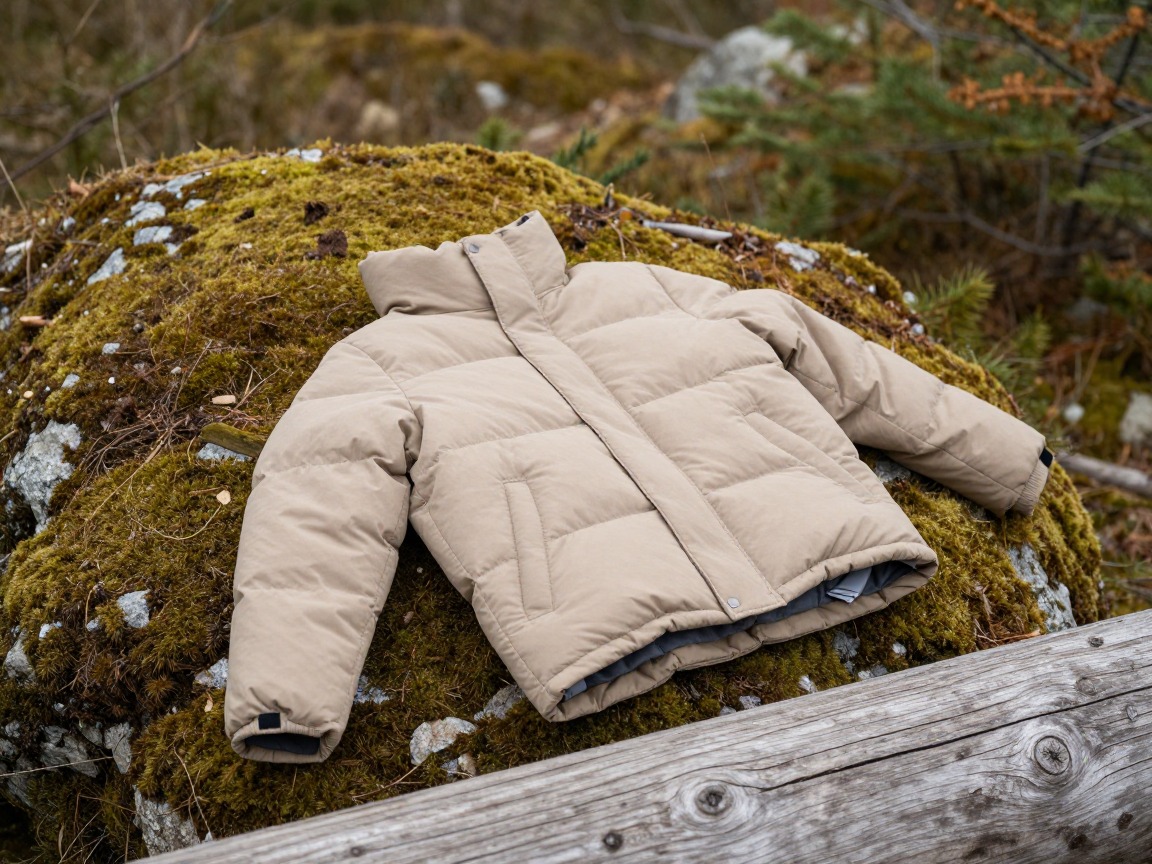
Reserve insulating layer
Packed away and never worn while moving — this is the one completely dry layer, saved for the moment you're stopped, wet, and genuinely cold.
What to look for: Synthetic fill over down for this role; synthetic keeps some warmth even damp, where down collapses and stops insulating once wet.
 Outdoor Ventures Women's Packable Lightweight Puffer Jacket with Hoo Check price
  Amazon Essentials Women's Lightweight Long-Sleeve Water-Resistant Pa Check price
  Outdoor Ventures Women's Packable Lightweight Puffer Jacket with Hoo Check price
 - Rain pants if the forecast is heavy, windy, or long — a real upgrade over bare legs once the rain settles in
- A warm hat that fits under your hood, and a spare pair of gloves in the dry bag
Feet: the wet-trail footwear call
Your feet are getting wet one way or another on a rainy trail — the real choice is whether they stay wet-and-warm or wet-and-cold, and gaiters help either way.
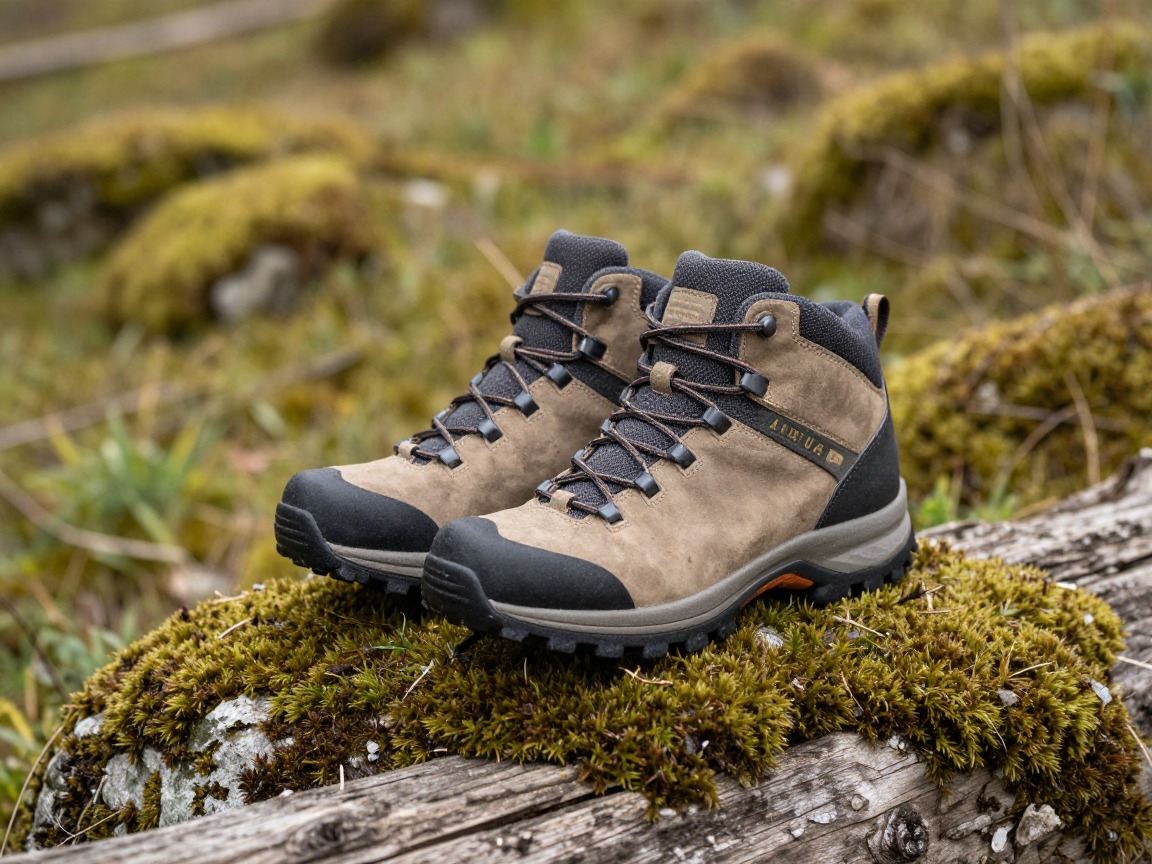
Waterproof hiking boots
Keep feet dry through mud and shallow puddles for a while — until the water finally gets in over the top, at which point they hold it and take a long time to dry out.
What to look for: A genuinely waterproof membrane, a snug ankle fit, and an outsole with real tread for slick, wet trail.
 Columbia Men's Transverse Waterproof Hiking Boot Check price
  NORTIV 8 Men's Ankle High Waterproof Hiking Boots Check price
  Columbia Mens Transverse Waterproof Hiking Boot Check price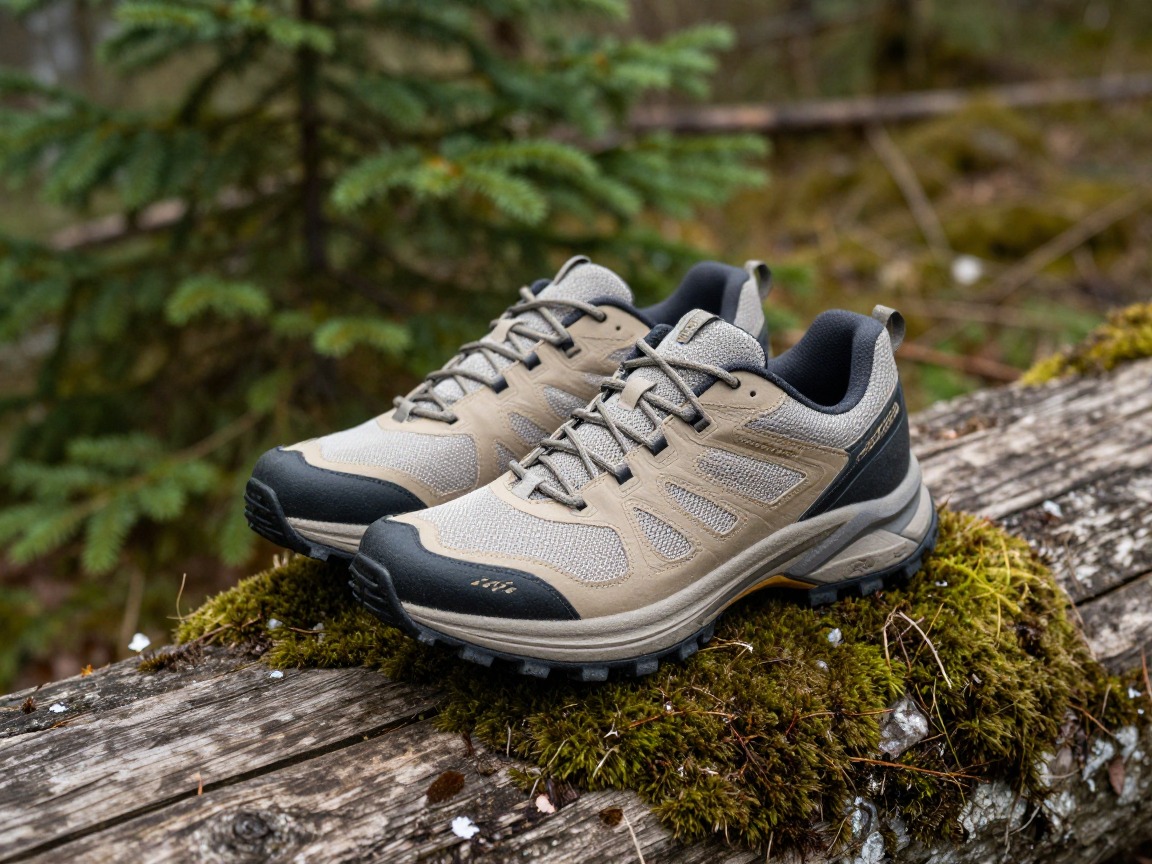
Trail runners
Get wet almost immediately in sustained rain, but drain and dry fast, which often keeps feet warmer over a long wet day than a boot that's quietly filled with water.
What to look for: A grippy, wet-rated outsole and a mesh upper that actually drains rather than trapping water against your foot.
 Saucony Men's Excursion TR14 Trail Running Shoe Check price
  Adidas Mens Terrex Tracefinder 2 Trail Running Check price
  Brooks Men’s Cascadia 19 Mountain Trail Running Shoe - Black/Black/E Check price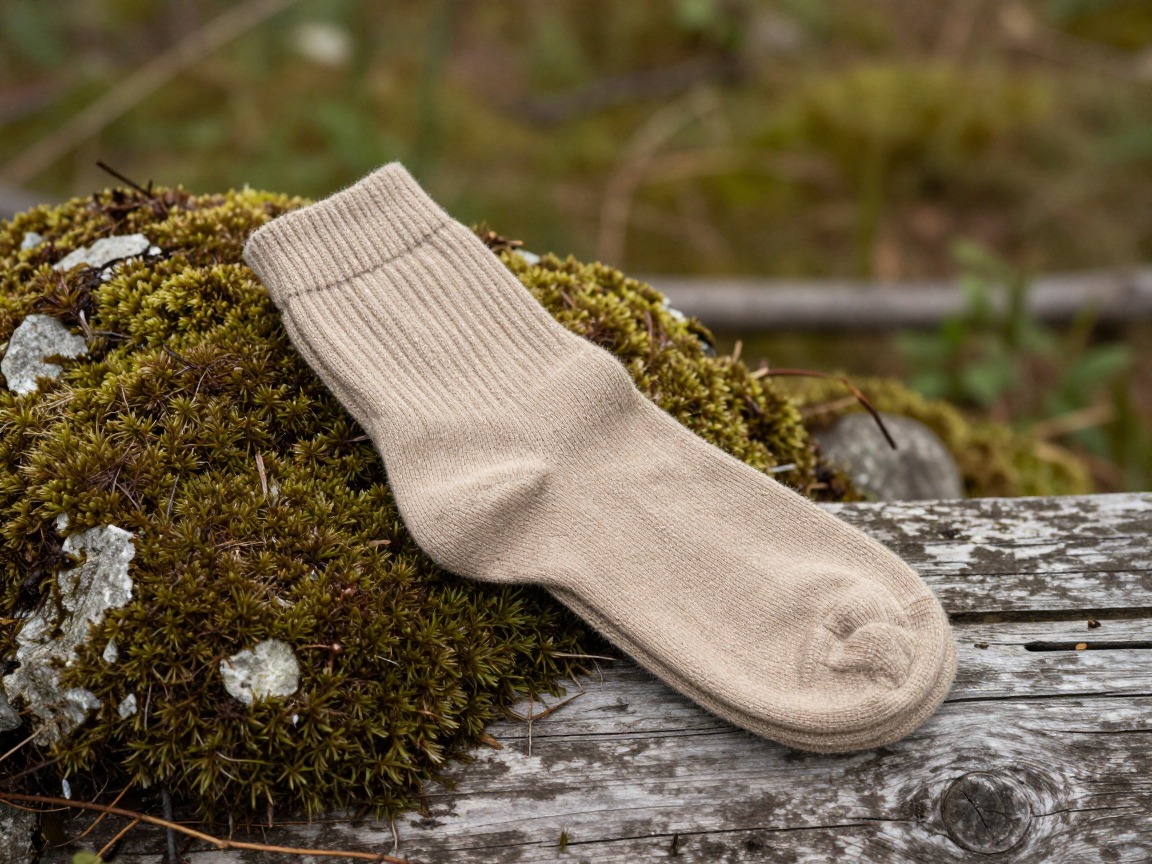
Hiking socks
Wool keeps some insulating value and resists odor even wet, which matters when your feet are damp for hours regardless of which shoe you chose.
What to look for: Wool or a wool blend in a weight suited to your footwear and the temperature, never cotton.
 Alvada Merino Wool Hiking Socks Thermal Warm Crew Winter Boot Sock F Check price
  DANISH ENDURANCE Merino Wool Socks for Men & Women Check price
  innotree 3 Pack Men's Merino Wool Hiking Socks Check price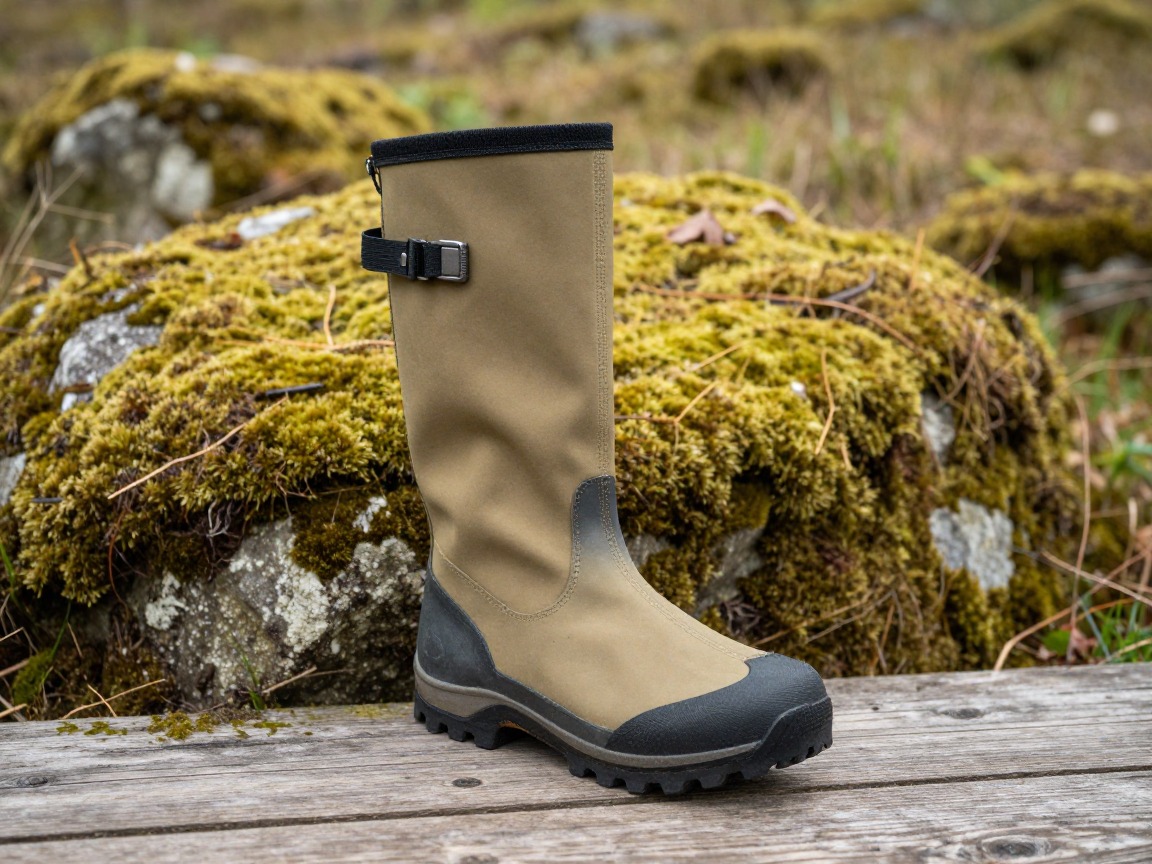
Gaiters
Seal the gap between boot top and pant leg so puddle splash, mud, and trail runoff don't pour straight into your shoe no matter which footwear you're running.
What to look for: A snug top closure, a durable under-boot strap, and a height that matches how much standing water you expect.
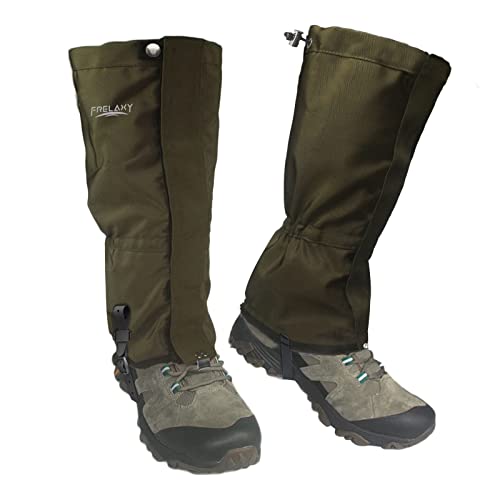 Frelaxy Leg Gaiters 100% Waterproof Hiking Gaiters Check price Frelaxy Ultra High-Performance Hunting Gaiters Check price
 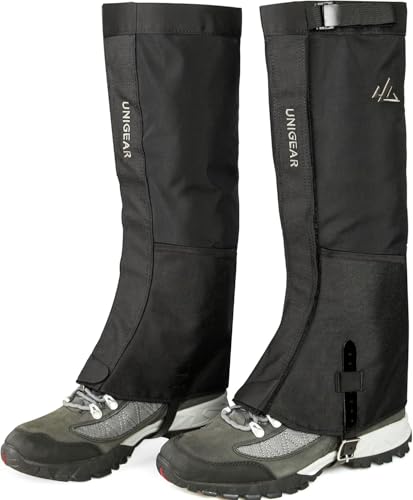 Unigear Leg Gaiters Check price
 - A dry pair of socks stashed in the dry bag for the end of the hike
Water & food
Cool, wet weather blunts your sense of thirst even though you're working just as hard, so it's easy to quietly under-drink on a rainy hike.
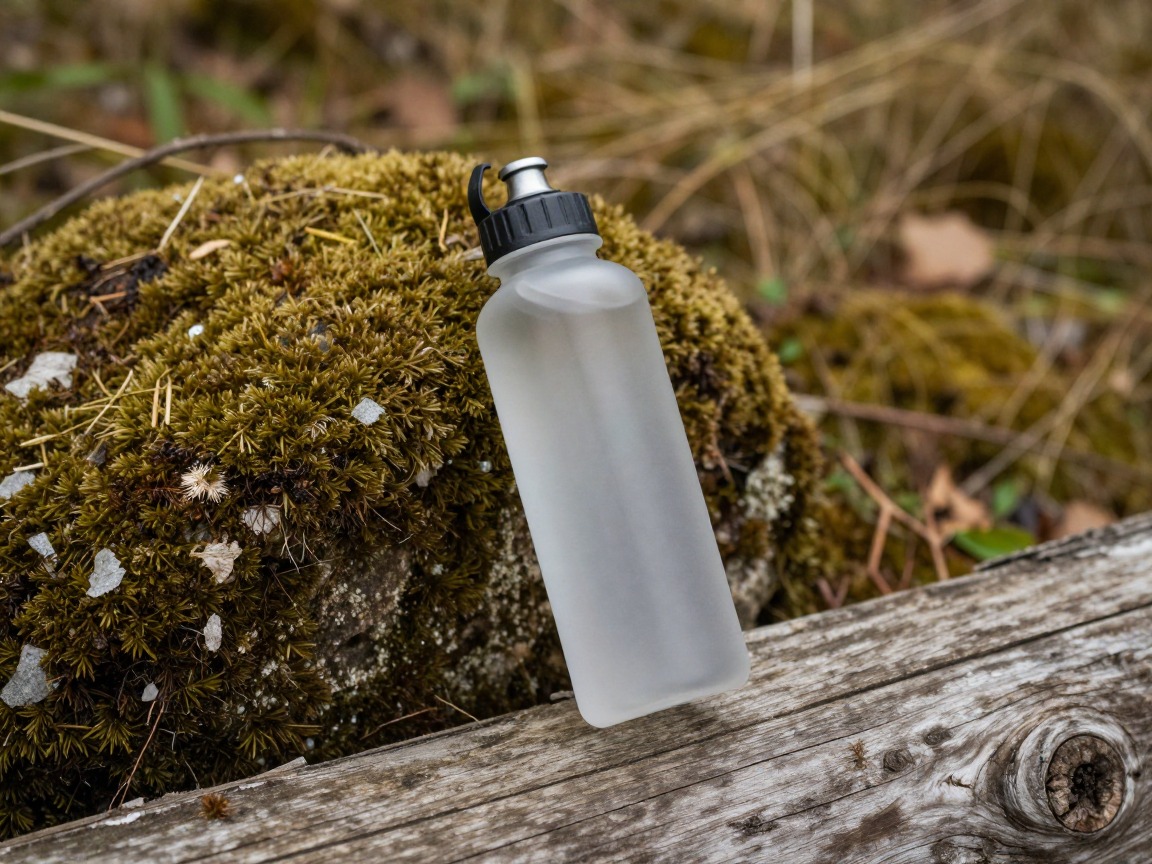
Water bottle
Easy to reach and open one-handed, since fumbling with a cap while standing in the rain is exactly the kind of friction that makes people skip drinking.
What to look for: A wide mouth for fast refills and a lid you can manage one-handed without stopping and setting the pack down.
 Nalgene 32 oz Wide Mouth Water Bottle Check price
  Nalgene 32 oz Wide Mouth Water Bottle Check price
  Nalgene 32 oz Wide Mouth Water Bottle Check price
 - Calorie-dense snacks you can eat one-handed without digging through a wet pack or pulling off gloves
Safety, light & the call to shorten the day
A cool, wet, windy day is real hypothermia territory well above freezing — treat it that way, and build in the checkpoints that make bailing an easy decision instead of a reluctant one.
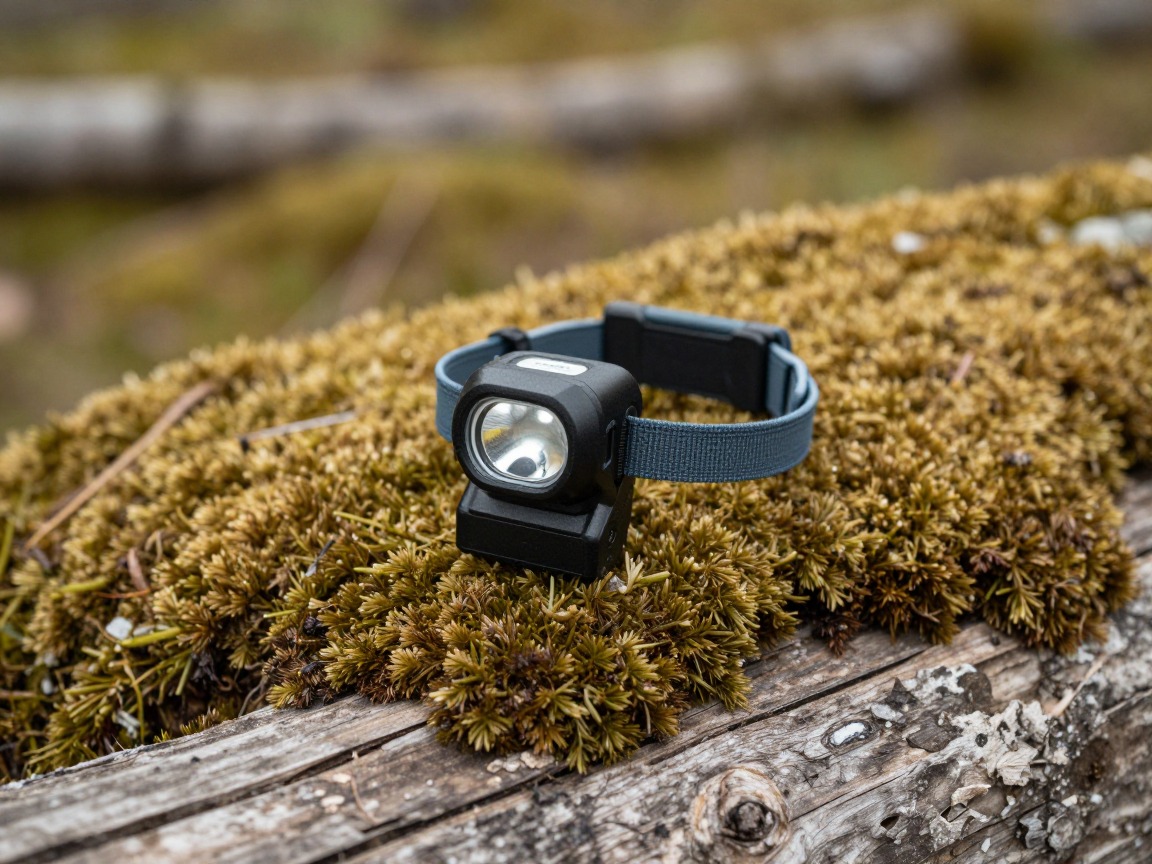
Headlamp
Overcast, rainy skies end daylight earlier than they look like they will, and a wet, low-light trail is a bad place to be caught without light.
What to look for: A real water-resistance rating rather than just splash-proof, and a lock mode so it can't switch on inside a wet pack.
 LHKNL Headlamp Flashlight Check price
 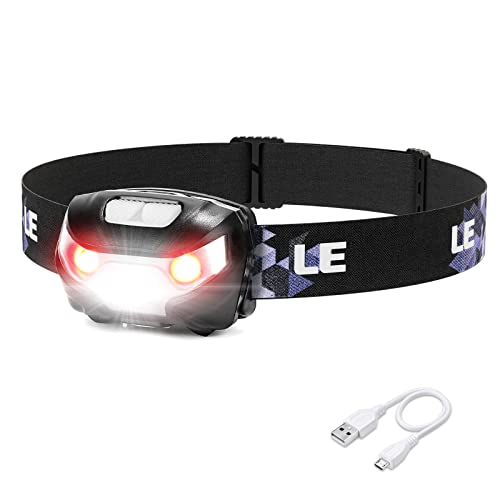 Lepro LED Headlamp Rechargeable IPX4 Waterproof Headlight 5 Modes - Check price
 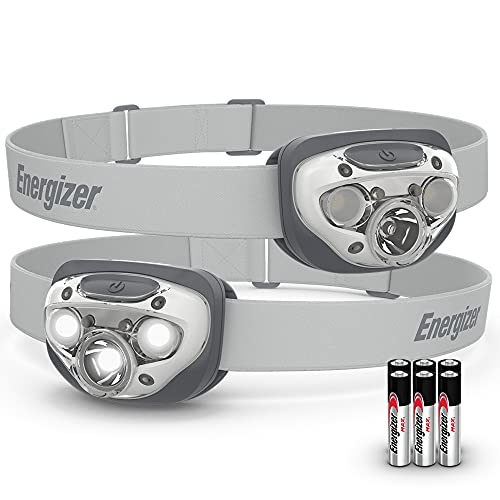 Energizer LED Headlamp PRO Check price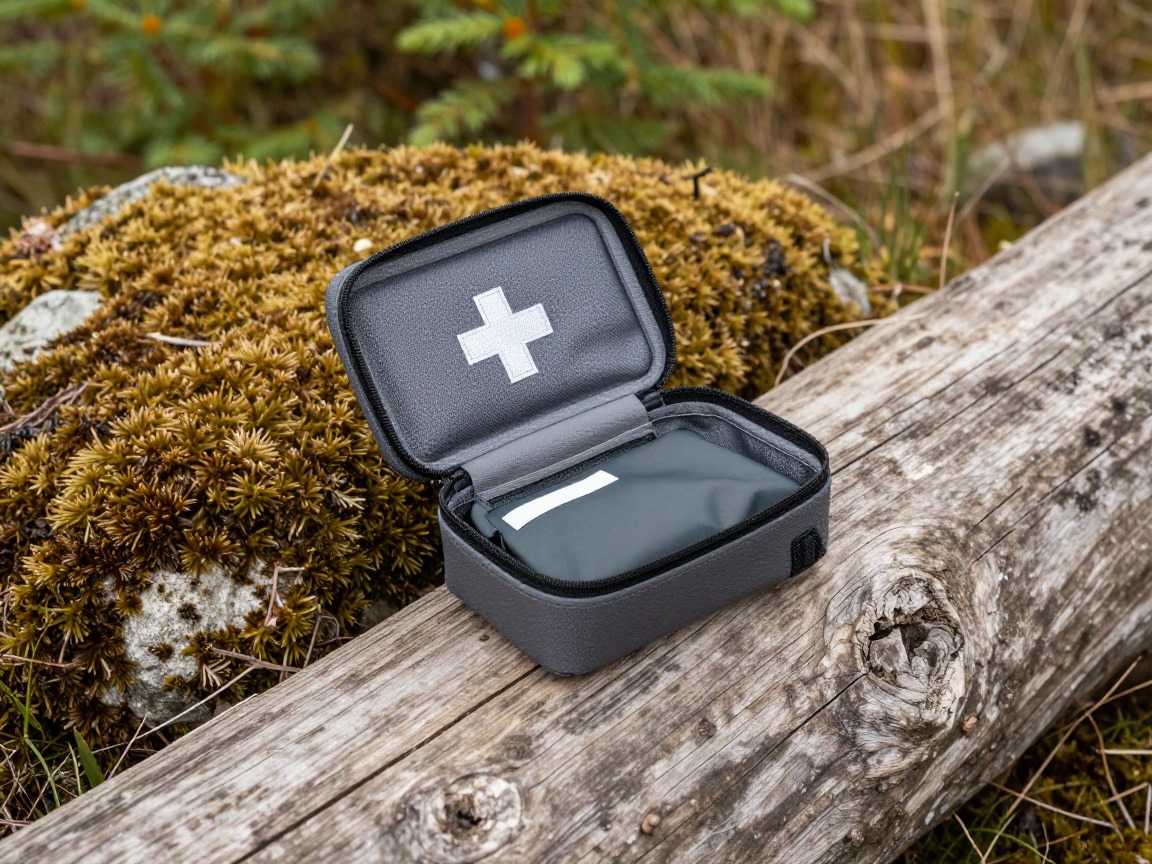
First-aid kit
Basic supplies for blisters, cuts, and small mishaps, sealed in the dry bag so it's still usable hours into steady rain.
What to look for: A compact kit weighted toward blisters and cuts, plus whatever you've actually had wilderness first-aid training to use.
 Mini First Aid Kit - 150 Piece Small Waterproof EVA Hard Shell Case Check price
  Adventure Medical Kits Ultralight/Watertight Medical Kit .5 Check price
 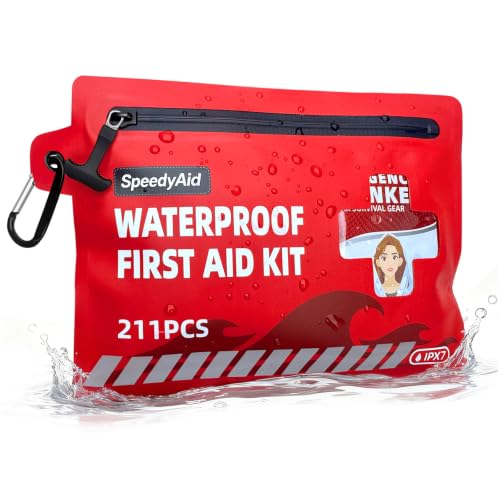 211 PCS Waterproof First Aid Kit Check price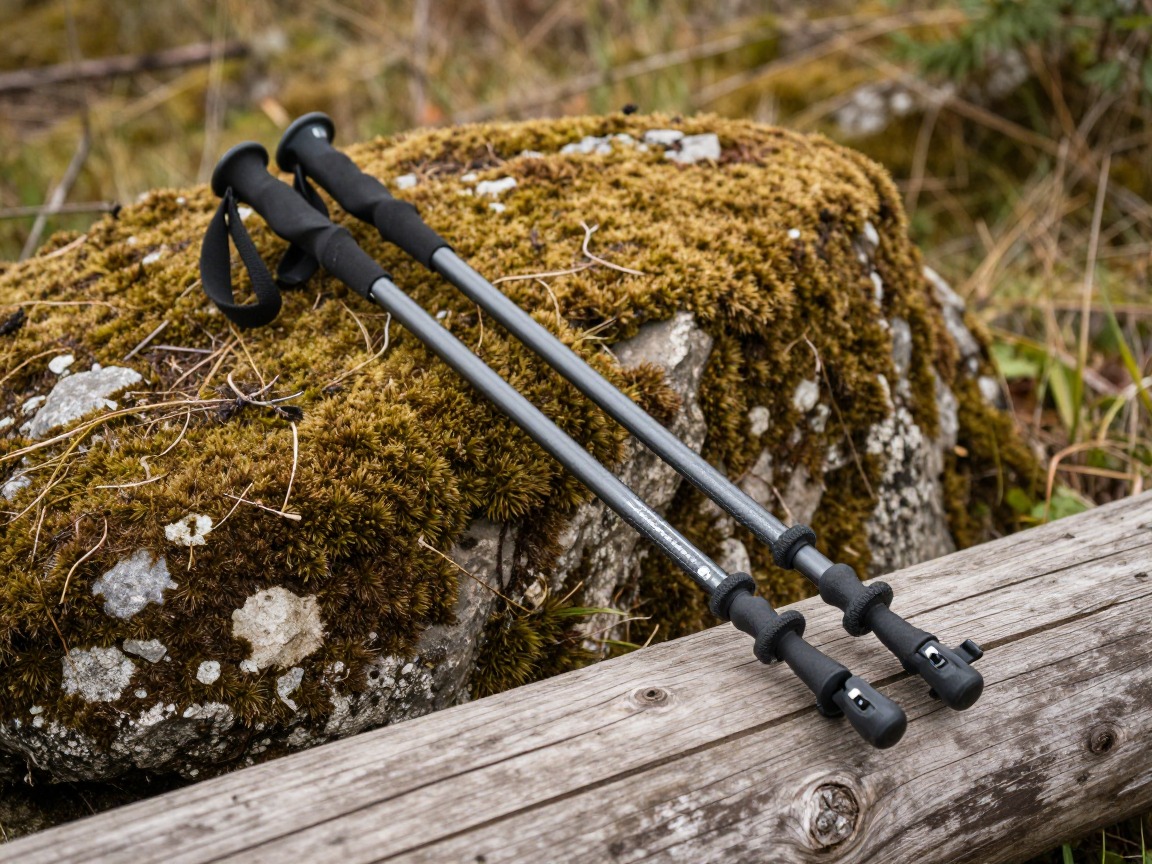
Trekking poles
Extra points of contact on the wet roots, slick rock, and mud that show up the moment any trail gets rained on.
What to look for: Grips that stay grippy when wet — cork or rubber over bare foam — and locks that hold under real pressure in mud.
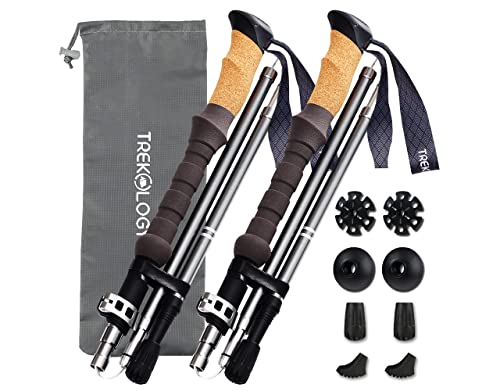 Trekology Trek-Z Cork Grip Collapsible Lightweight Hiking Trekking P Check price
 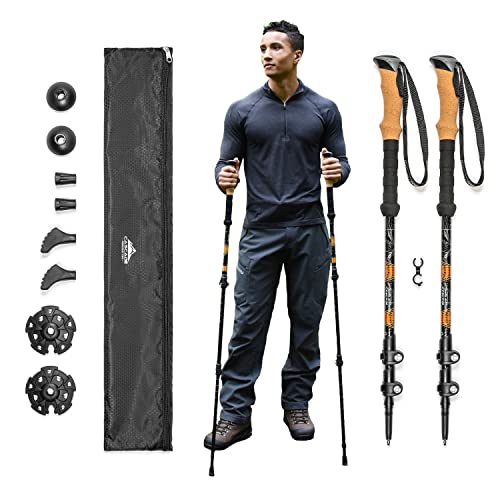 Cascade Mountain Tech Trekking Poles Check price
 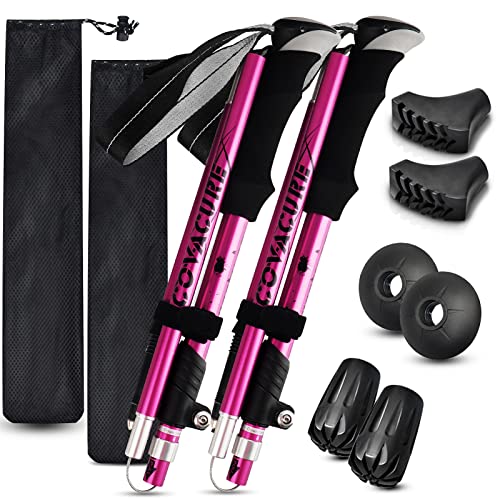 covacure Hiking Poles Check price
 - Map and compass, or an offline map app with the route downloaded before you lose signal
- A turnaround time set before you start, plus the discipline to actually honor it if you're running slow or getting cold
- A whistle
- Phone and a power bank, kept in the dry bag
How to adapt this setup
Drop the reserve insulating layer and lean on the shell alone for an hour or two out — but keep the non-cotton base layer regardless; it costs nothing to bring and it's the cheapest insurance on this list.
Add a warmer reserve layer, a hat, and gloves, and move hypothermia awareness to the top of your attention — wet, cold, and windy needs no snow to be dangerous.
Lean toward waterproof boots over trail runners if there's standing water or bushwhacking involved, and don't skip the gaiters — this is exactly the terrain they're for.
This kit is for rain, not lightning. If storms are forecast, especially above treeline or on exposed ridgeline, that's a different call — reschedule or pick a low, sheltered route instead.
Set the turnaround time and bail-out point for the least experienced or least prepared person in the group, and say it out loud before you start — not partway through when someone's already struggling.
Common mistakes to avoid
- Zipping the shell fully closed to stay dry and overheating instead, then getting chilled fast the moment you stop moving.
- Wearing the reserve insulating layer while hiking instead of saving it, so you arrive at the moment you actually need dry warmth with nothing left dry.
- Trusting a pack rain cover alone and finding your gear damp from seam leaks and splash-up after a few hours of steady rain.
- Choosing footwear by habit instead of conditions — sticking with heavy waterproof boots on a trail that's mostly stream crossings, or trail runners on a genuinely muddy, cold day.
- Treating a mild, 40-something-degree rainy day as low-risk, when that range is where a large share of hypothermia cases actually happen.
- Not setting a turnaround time before starting, then rationalizing pushing on as conditions and daylight both get worse.
Make it yours
Frequently asked questions
Should I cancel a hike if rain is forecast?
Not automatically — steady rain on established trail is manageable with the right kit and a plan. Reasons to actually cancel or reroute are lightning, flash-flood-prone terrain like slot canyons, or exposed alpine ridgeline, where rain gear can't fix the real risk.
How do I stop sweating inside my rain jacket?
You mostly manage it rather than stop it entirely: use the pit zips or vents, unzip the collar slightly on climbs, and wear a wicking base layer so sweat moves away from your skin instead of pooling. Some dampness from sweat is normal even in a good shell.
Are waterproof boots or trail runners better for a rainy hike?
Both are legitimate choices. Waterproof boots keep feet dry through mud and shallow puddles until they're finally overwhelmed, then stay wet a long time. Trail runners get wet fast but drain and dry quickly, often keeping feet warmer over a full wet day.
Can you get hypothermia hiking in rain that isn't that cold?
Yes — most hypothermia cases happen well above freezing, often in the 30s and 40s Fahrenheit, when wind and rain pull heat off wet skin and clothing faster than your body replaces it. Persistent shivering or clumsy hands are signs to warm up and shorten the day.
What's the one item worth not skipping on a rainy day hike?
The reserve insulating layer, sealed dry and never worn while you're actually moving. It's the difference between a bad, cold stop and a genuinely risky one if you get soaked, hurt, or delayed and need to warm up fast.
Illustrative images show the type of gear, not specific products. Recommendations link to similar items on Amazon; we only ever link real listings and never show fabricated prices or ratings. General planning guidance, not a substitute for your own judgment or professional backcountry-safety instruction.