
The premium splurge backpacking setup
Once budget stops being the limiting factor, backpacking gear choices actually get more interesting, not simpler. This is a full 2–4 night setup built around the best available versions of the big three — pack, shelter and sleep system — plus the small handful of other places where spending more genuinely changes the trip, not just the price tag.
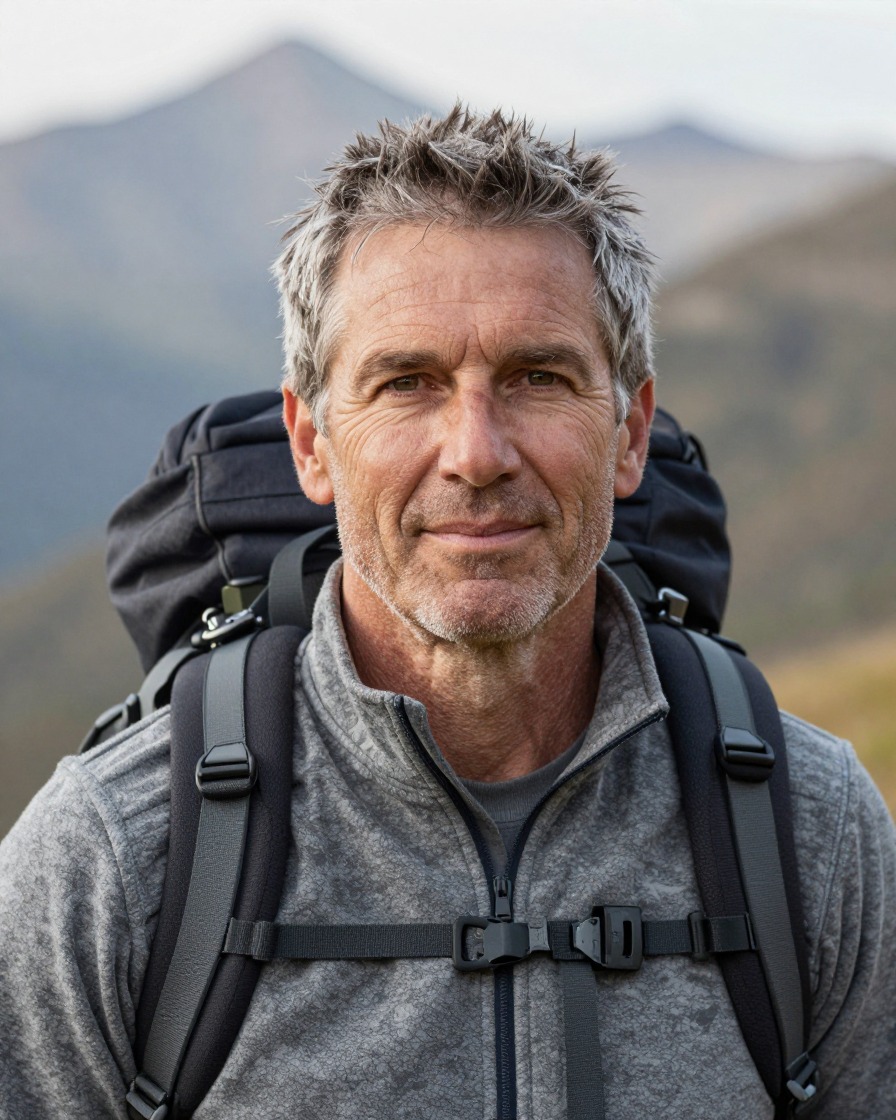
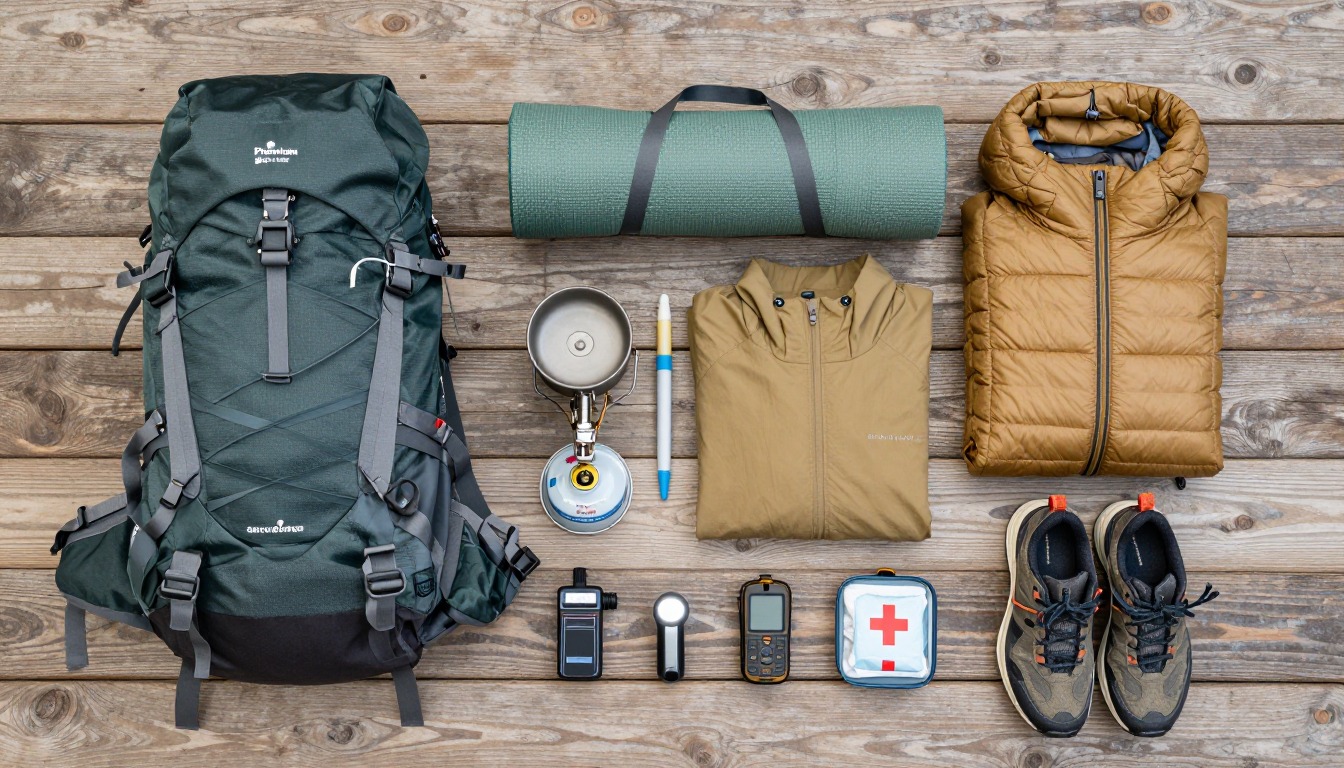
Premium spending pays off most where weight and quality compound: the pack, shelter and sleep system are carried every step and decide how dry, warm and comfortable you are each night. Beyond the big three, returns flatten fast — a pricier stove barely boils water any quicker, and the priciest socks won't fix a boot that doesn't fit. This setup spends hard on the big three and on safety items where real capability matters, and reasonably everywhere else.
Experienced backpackers who know what they need from past trips and have the budget for the best version of it — usually an upgrade to a working three-season kit, not a first one. It's not the place to start if you're new: build the weekend setup first, learn what actually matters to you on trail, then spend where your own experience says it's worth it.
- Start with the big three — pack, shelter, sleep system — since that's where premium materials save the most weight and add the most comfort.
- Fit the pack to your torso and load before buying on a spec sheet; the best suspension is wrong for you if it doesn't fit.
- Spend deliberately on safety and capability — a satellite communicator and a truly waterproof shell pay off in a bad situation, not in comfort.
- Resist upgrading gear that already works fine; premium is for what changes your trip, not for owning the newest version of what you're happy with.
About this setup
There's a version of gear shopping that treats every purchase as equally important, and a version that recognizes some ounces matter far more than others. Premium spending only makes sense in the second frame. The pack, shelter and sleep system are used every hour of the trip — their weight, warmth and durability compound across every mile and every night — so a genuine upgrade there changes the whole experience. A premium spork does not.
That's why this list is honest about diminishing returns. Past a certain point, a stove doesn't boil water meaningfully faster and a trekking pole doesn't get meaningfully lighter in a way you'd notice on trail. The money is better spent pushing the big three lighter and warmer, or on capability items — a satellite communicator, a genuinely waterproof shell, a full first-aid kit and the training behind it — where more capability is a real, felt difference rather than a marginal one.
None of this replaces experience. The backpackers who get the most from a premium kit are usually the ones who've already done a season or two on a standard setup and know exactly which discomforts they're solving for — a cold night, a soggy shell, a pack that never quite fit. Buy to fix a problem you've actually had, not to own the newest version of one you never had.
The big three: pack
This is where premium spending matters most — every ounce a pack saves is an ounce you carry for every mile of the trip, not just once.
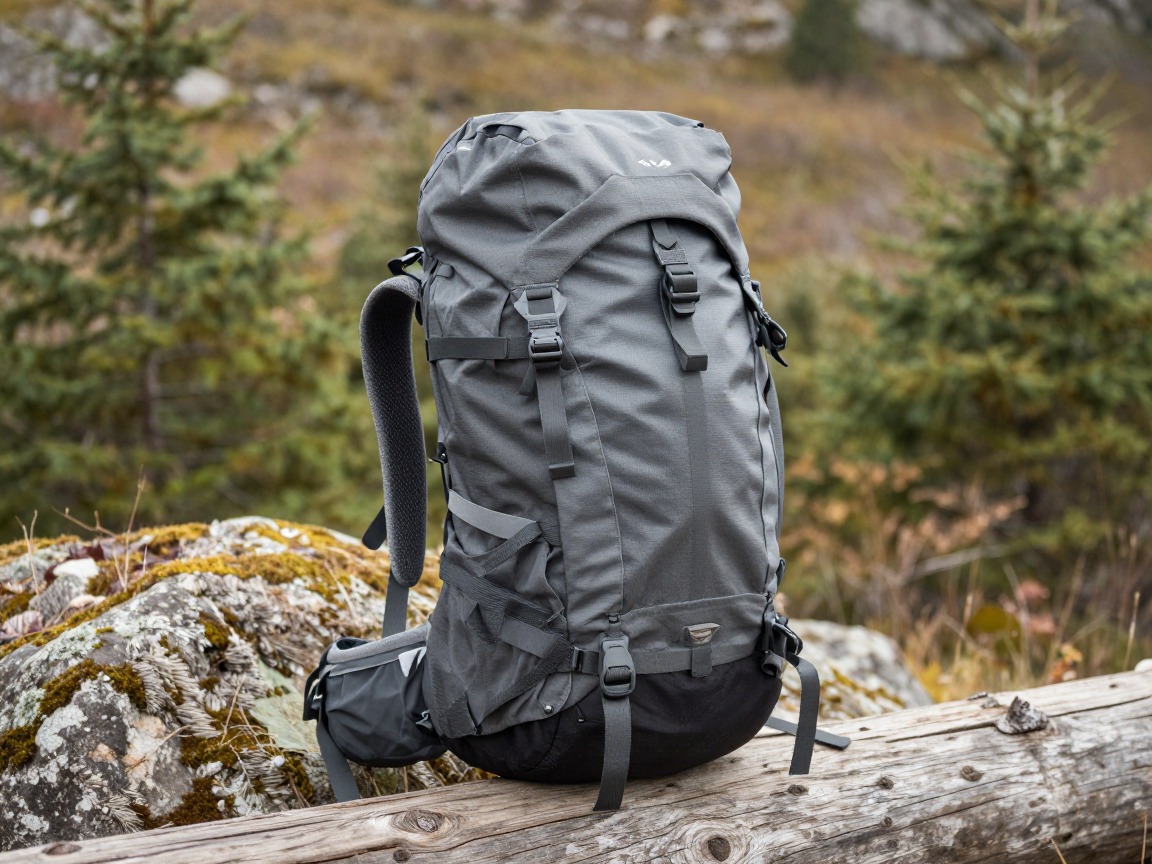
Premium overnight pack
A pack built from lighter, more advanced fabrics with a suspension designed to carry real weight without the bulk of a heavier, budget-focused frame.
What to look for: A suspension that genuinely disappears under load, a premium fabric that holds up without extra reinforcement weight, and a torso and hip-belt fit dialed to you rather than a rough S/M/L guess.
 WoneNice 50L Check price
  Teton 55L Scout Internal Frame Backpack for Hiking Check price
 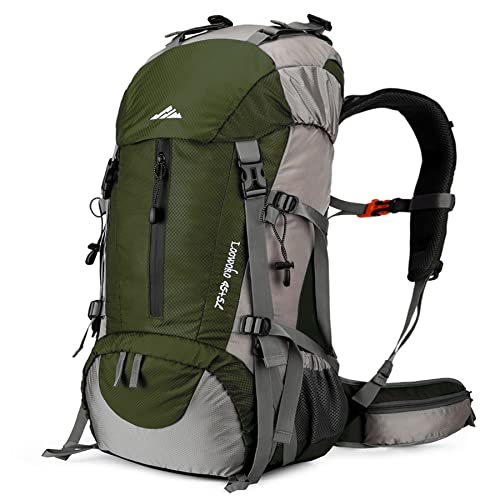 Loowoko 50L Hiking Backpack with Rain Cover for Both Men & Women Check price
 - A pack liner or dry bags instead of a rain cover
The big three: shelter
Premium shelter fabrics and designs cut real weight and bulk without giving up livable space — this is a genuine upgrade, not just a lighter price tag.
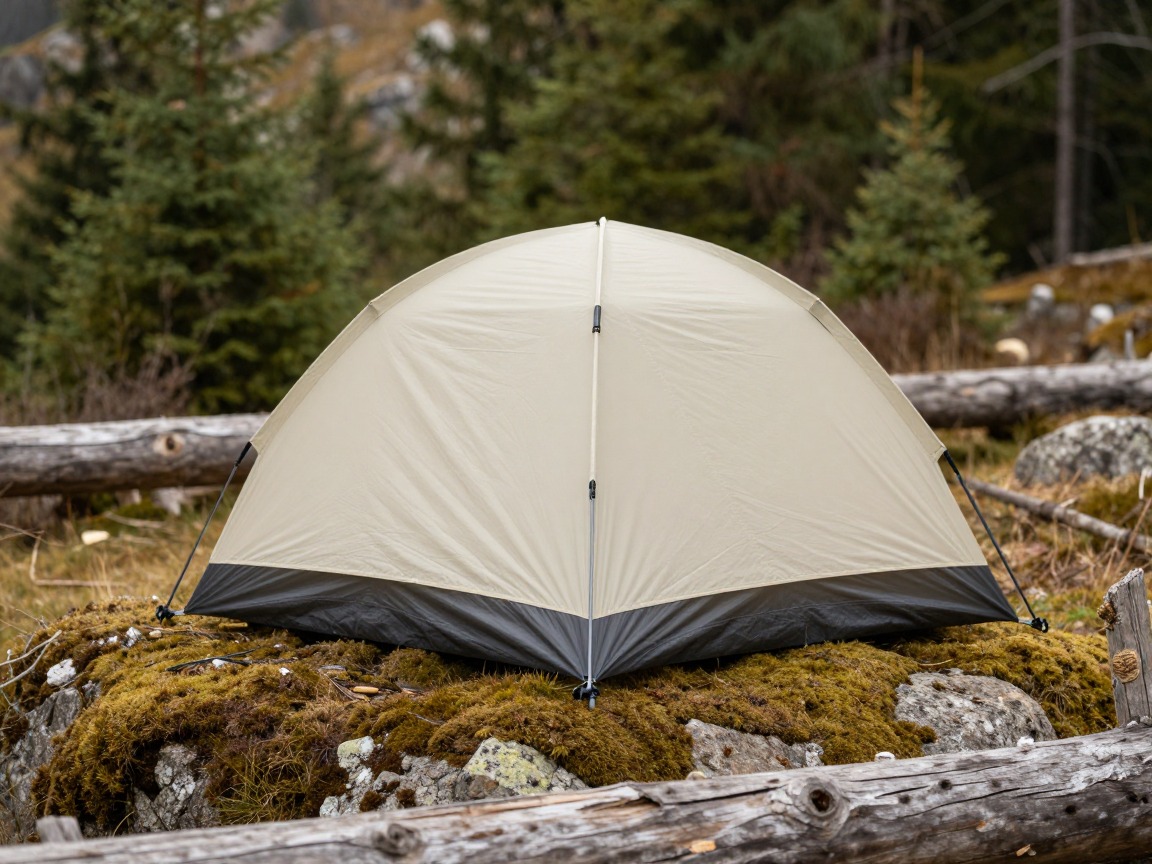
Ultralight backpacking tent
A one- or two-person shelter built from advanced, lightweight fabrics that cuts real weight off the pack compared to a standard-fabric tent of the same size.
What to look for: A fabric built for strength at low weight, a design that still pitches taut and vents well against condensation, and a livable footprint once you're inside with your gear.
 Night Cat 2-Persons Backpacking Tent: Waterproof Lightweight Camping Check price
  BISINNA 2/4 Person Camping Tent Lightweight Waterproof Backpacking T Check price
  Forceatt Tent for 2 Person is Waterproof and Windproof Check price
 - Lightweight titanium or carbon stakes
- Reflective guylines for spotting the tent at night
The big three: sleep system
The sleep system is the other place where premium materials — higher-quality down, better fabrics, better pad construction — deliver real warmth and comfort for less weight.
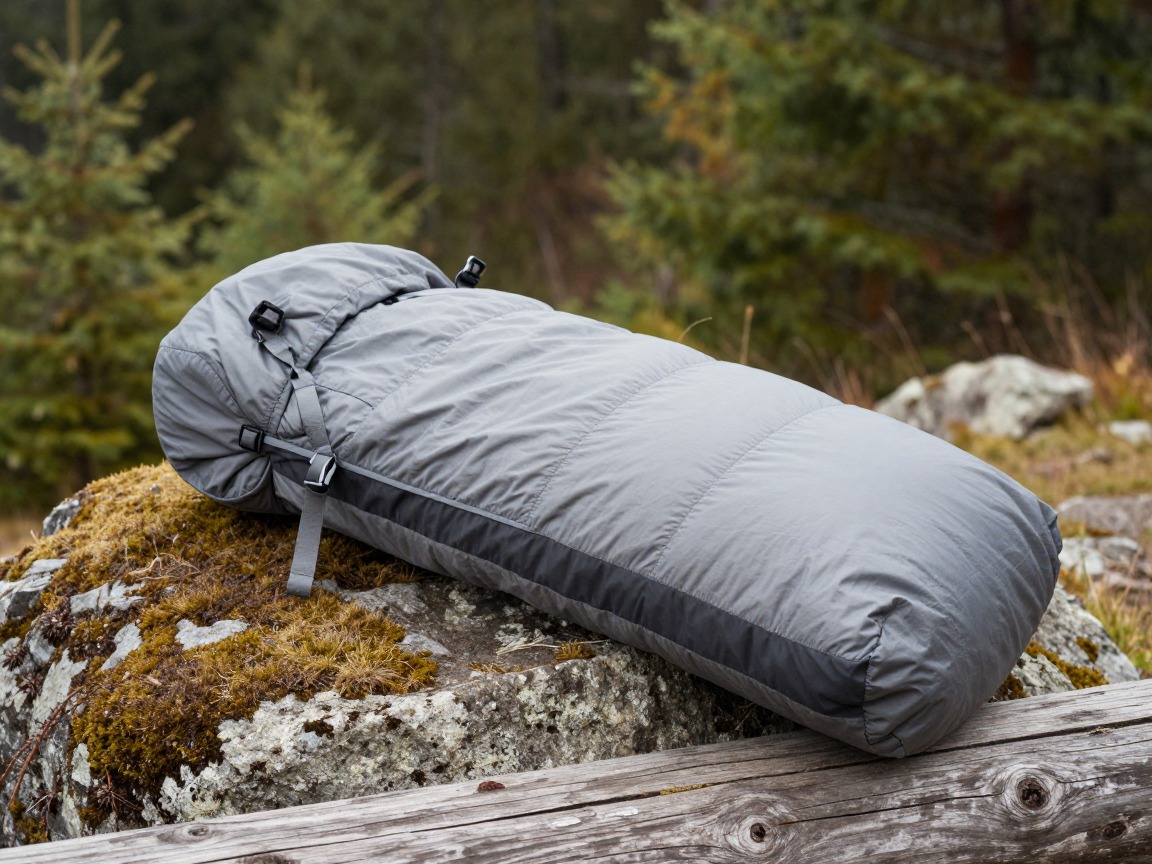
Premium down quilt or bag
A quilt or bag built with high-quality down, giving noticeably more warmth for the weight than a standard-fill bag.
What to look for: High-quality down for the best warmth-to-weight ratio, a comfort rating a little below your expected low, and details like a good hood and draft collar that keep the warmth you paid for from leaking out.
 MalloMe Sleeping Bags for Adults Cold Weather & Warm - Backpacking C Check price
 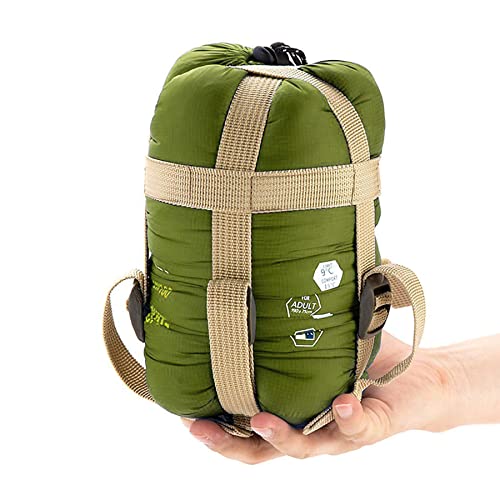 ECOOPRO Portable Check price
  Teton Trailhead Check price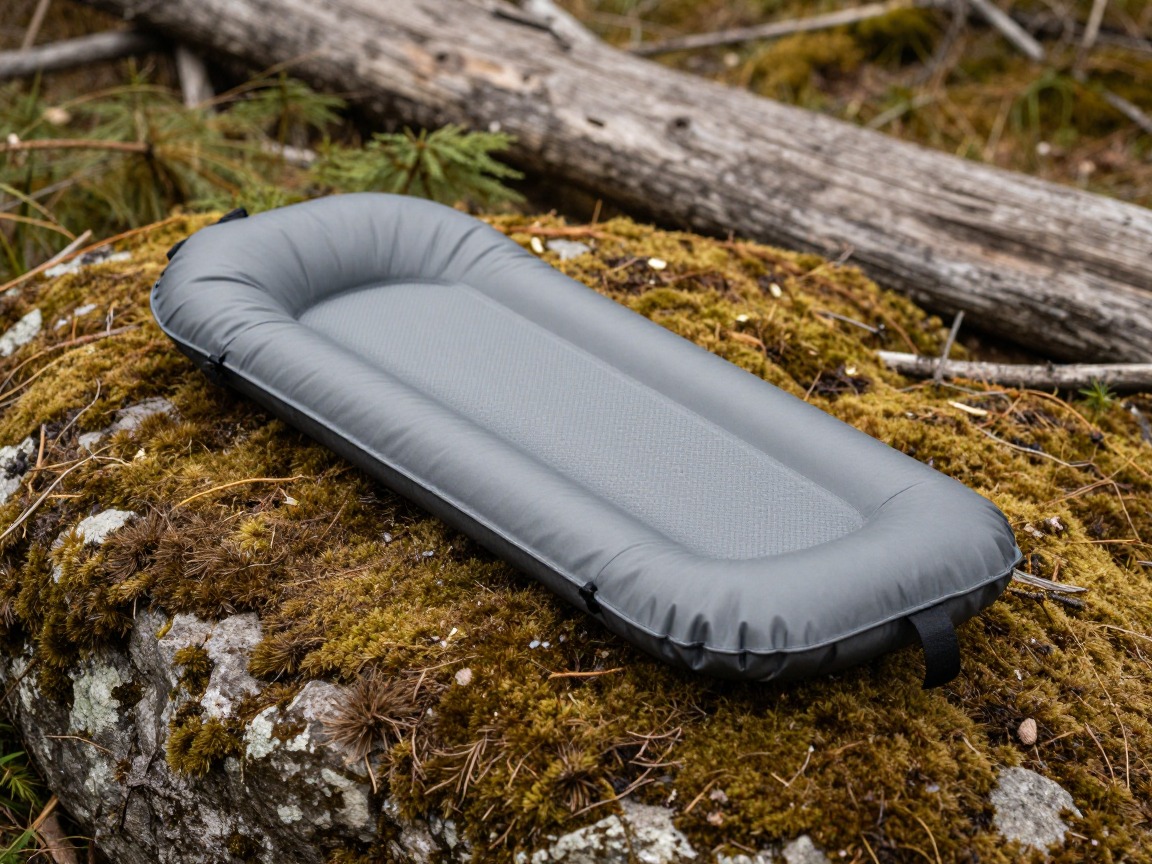
Premium sleeping pad
A wider, quieter pad that insulates better for its weight and packed size than an entry-level pad, so you sleep warmer for less bulk.
What to look for: A high R-value relative to its weight and pack size, a wider or longer format if you move around at night, and a quieter fabric that won't crinkle with every shift.
 FUN PAC Camping Sleeping Pad Check price
  Gear Doctors® Ether 17.5oz Ultralight Camping Sleeping Pad Check price
  Oramoose 4in Ultralight Camping Sleeping Pad with Pillow and Foot Pu Check price
 - An inflatable pillow
Kitchen & water — where returns start to flatten
Honesty matters here: a premium stove boils water only marginally faster than a solid mid-range one, so spend on reliability and flow rate, not novelty.
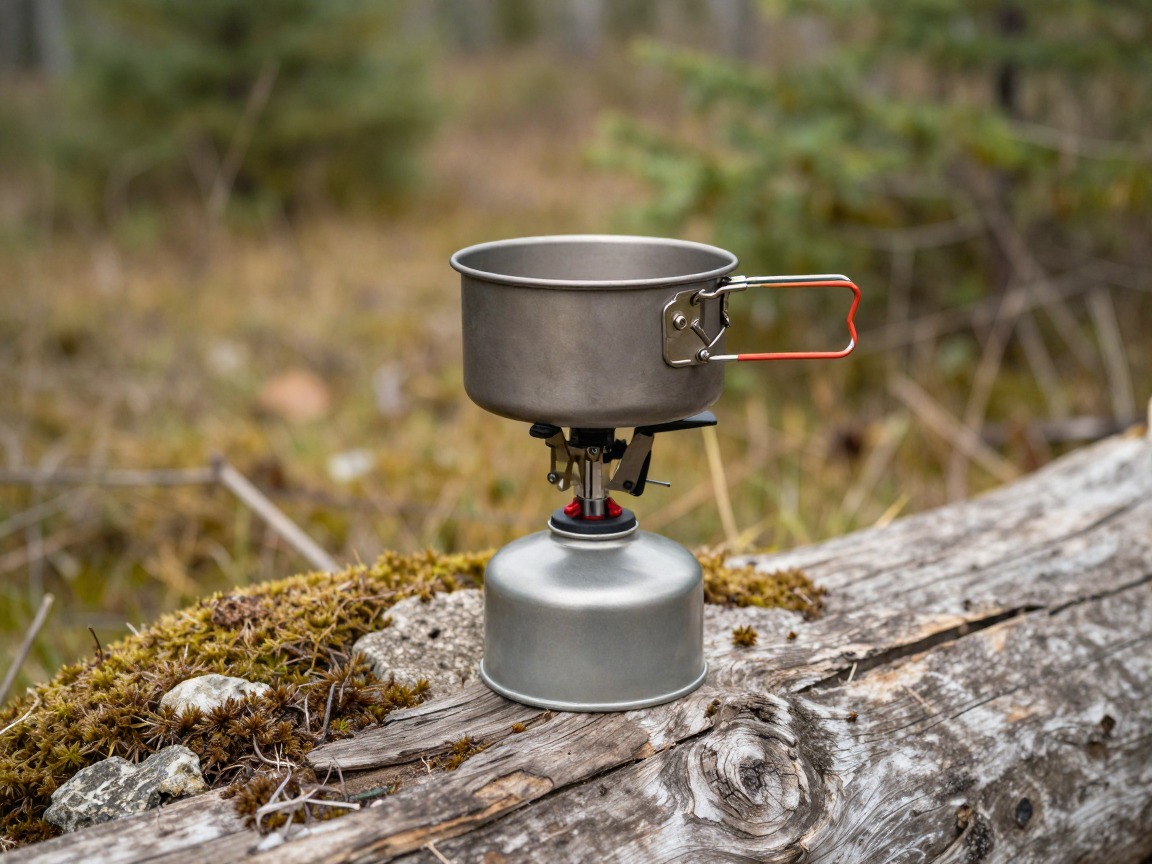
Premium canister stove
A well-built canister stove with genuine simmer control — reliability you notice on a cold, windy morning, not in everyday use.
What to look for: A wide, stable burner base and proven cold and wind performance — beyond that, the premium mostly buys build quality, not faster boils.
 AOTU Portable Camping Stoves Backpacking Stove with Piezo Ignition S Check price
  MSR PocketRocket 2 Ultralight Camping and Backpacking Stove Check price
  Fire-Maple Greenpeak 1 Camping Stove with Piezo Ignition Portable Ga Check price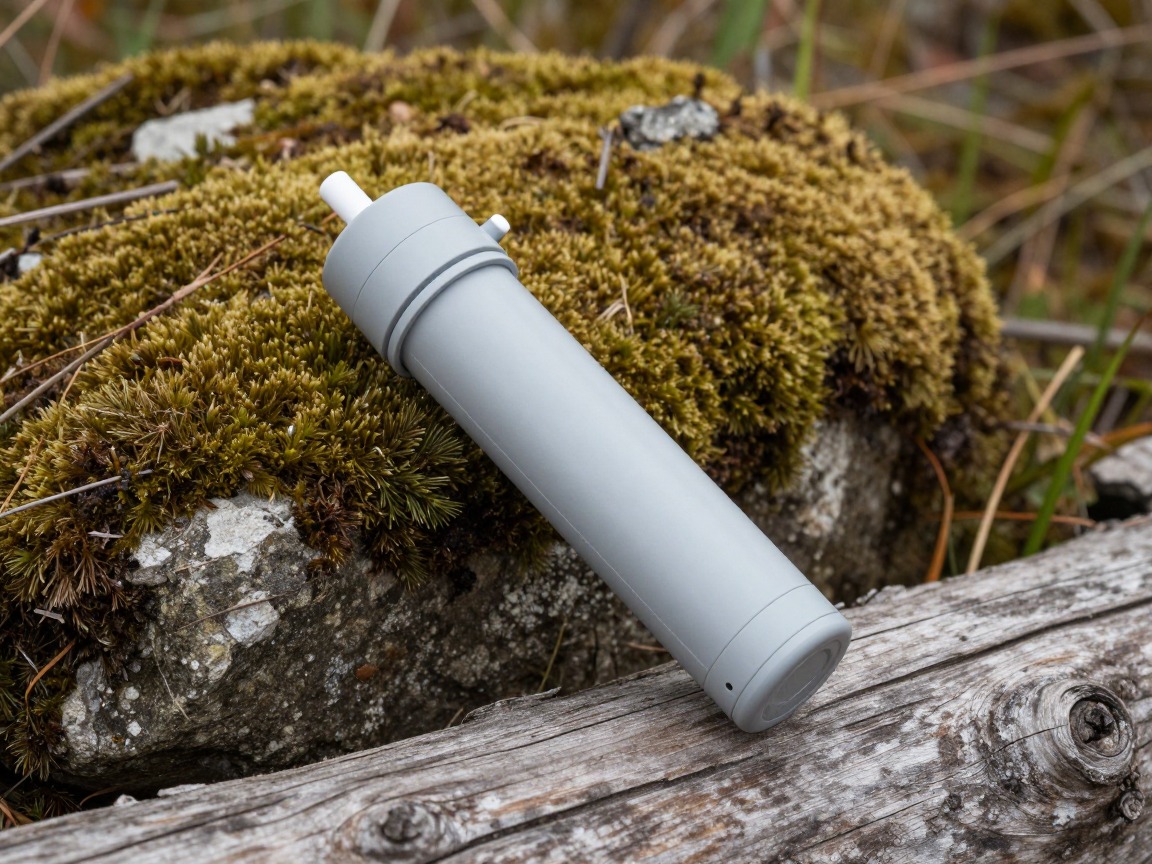
High-flow water filter
A filter built for fast, consistent flow and easy field cleaning — most useful filtering for a group or filtering murky water day after day.
What to look for: A fast flow rate that holds up as the filter loads with sediment, a simple field-cleanable design, and freeze-awareness in the shoulder seasons.
 Sawyer Squeeze Water Filtration System Check price
  Sawyer Products SP128 Mini Water Filtration System Check price
  LifeStraw Personal Water Filter for Hiking Check price
 - A titanium pot sized to your meals
- Fuel canister
- Spork & lighter
- Meals and snacks for each day
Clothing & layers
Premium fabrics earn their keep in the shell and the insulating layer — the two pieces that decide how dry and warm you stay when the weather turns.
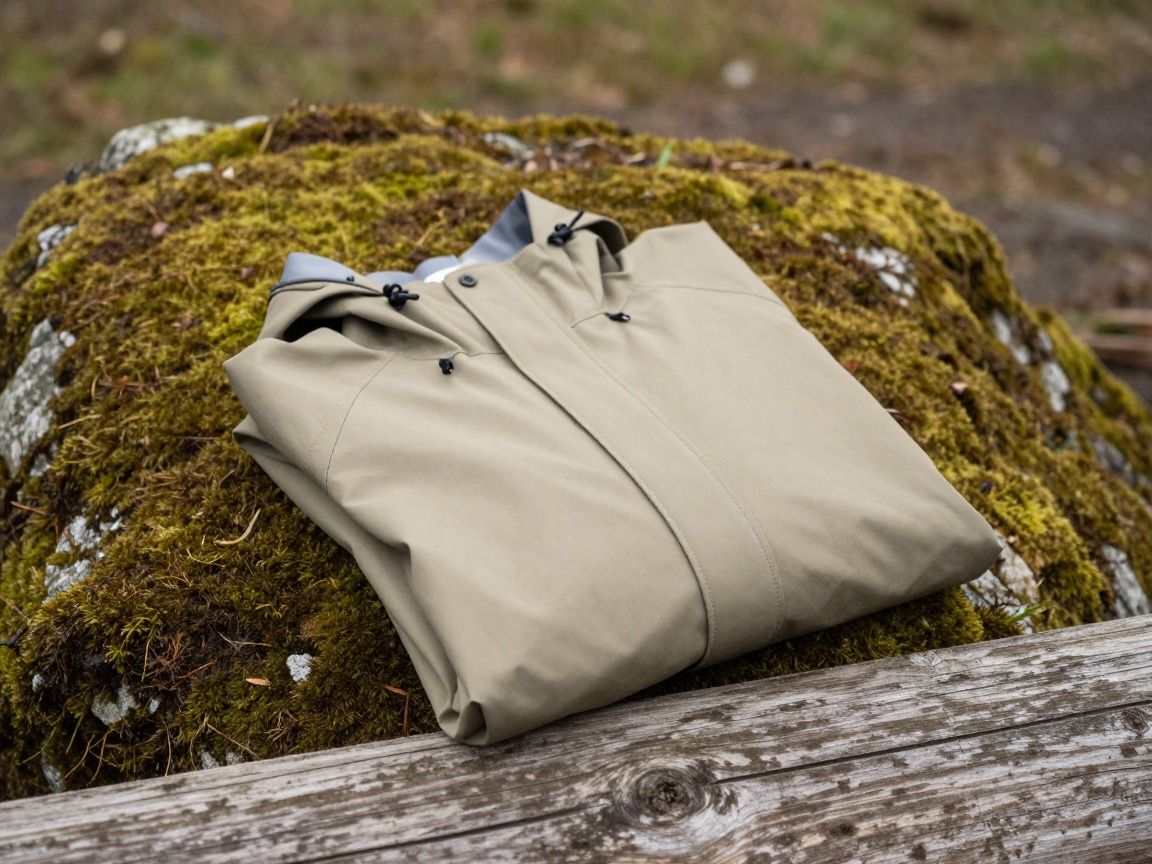
Premium waterproof shell
A genuinely waterproof, highly breathable shell that stays dry and comfortable on long, wet, high-output days better than an entry-level jacket.
What to look for: A membrane built for durable, breathable waterproofing rather than a water-resistant coating, plus a helmet-compatible hood and real venting.
 UIQUR Mens Rain Jacket Raincoat Waterproof Windbreaker Black L Check price
  COOFANDY Men's Waterproof Hiking Travel Shell Breathable Rain Jacket Check price
  Columbia Womens Arcadia II Waterproof Rain Jacket Check price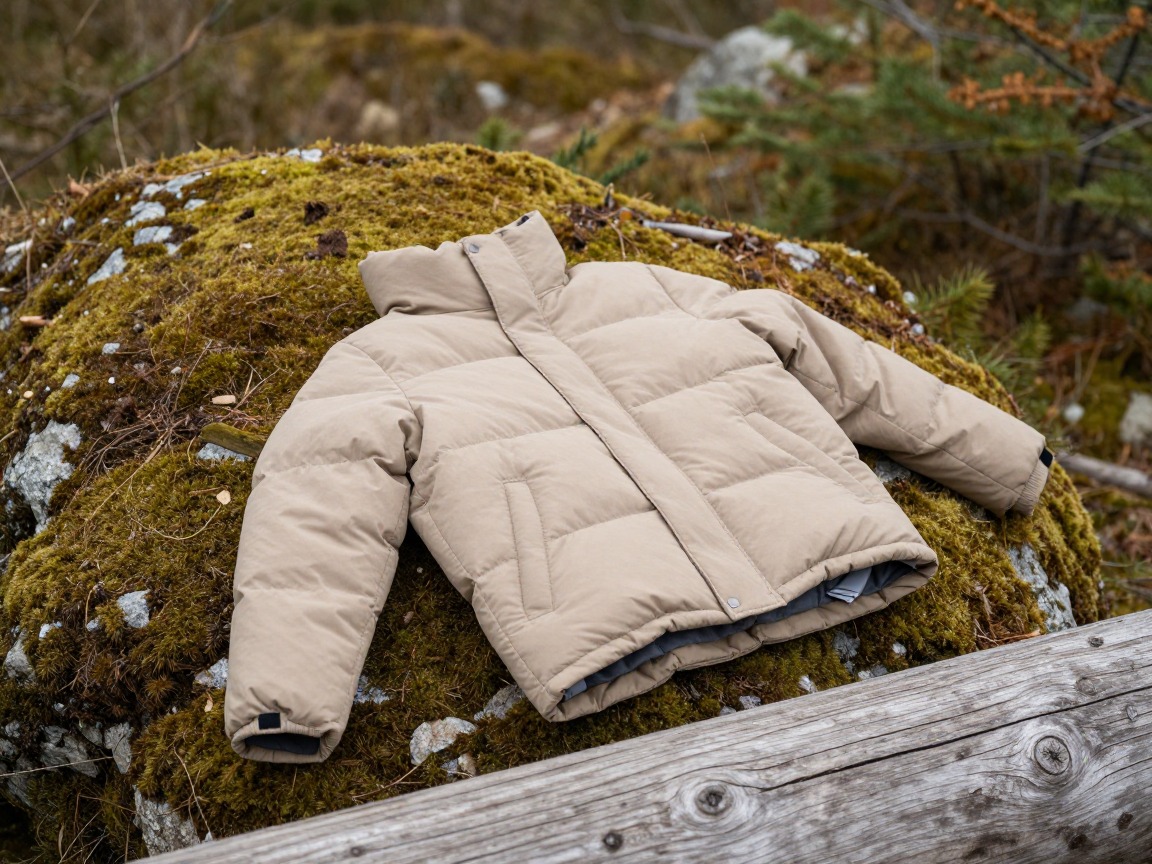
High fill-power down jacket
A puffy built with high-loft down that compresses to almost nothing yet delivers noticeably more warmth for its weight than a standard-fill jacket.
What to look for: High-quality down for maximum warmth per ounce and a cut that layers cleanly under a rain shell — a genuine upgrade for camp and cold mornings.
 Outdoor Ventures Women's Packable Lightweight Puffer Jacket with Hoo Check price
  Amazon Essentials Women's Lightweight Long-Sleeve Water-Resistant Pa Check price
  Outdoor Ventures Women's Packable Lightweight Puffer Jacket with Hoo Check price
 - A quality merino base layer — comfort and fit matter more here than price tier
- Spare hiking socks
- Camp or sleep clothes
Footwear & trekking poles — fit beats price
Footwear is the honest exception on this list: the most expensive trail runner on the shelf is a bad choice if it doesn't match your foot, so fit rules over price tier here.
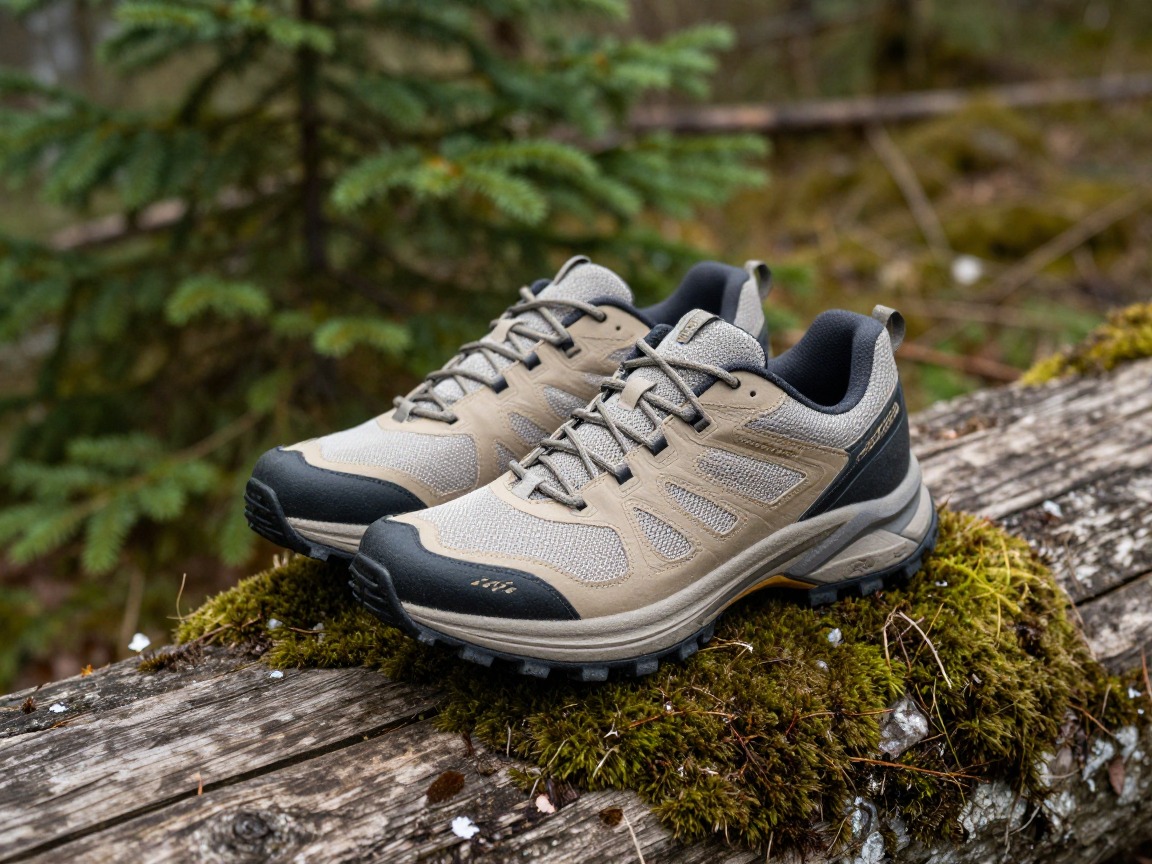
Premium trail runner
A lightweight trail runner built with more durable materials and a more refined fit than a budget model — for hikers who already know the last and cushioning that suits their feet.
What to look for: A last shape and cushioning level you already know suits your foot, and a durable outsole for the terrain you hike. Buy the fit that works, not the highest price point — premium only pays off once fit is right.
 Saucony Men's Excursion TR14 Trail Running Shoe Check price
  Adidas Mens Terrex Tracefinder 2 Trail Running Check price
  Brooks Men’s Cascadia 19 Mountain Trail Running Shoe - Black/Black/E Check price
 - Carbon trekking poles, if you already like hiking with poles
- Spare laces
Navigation, light & safety — genuinely worth the spend
This is the other section where premium spending is unambiguous: better light, better communication and a fuller first-aid kit change what you can handle, not just how you feel.
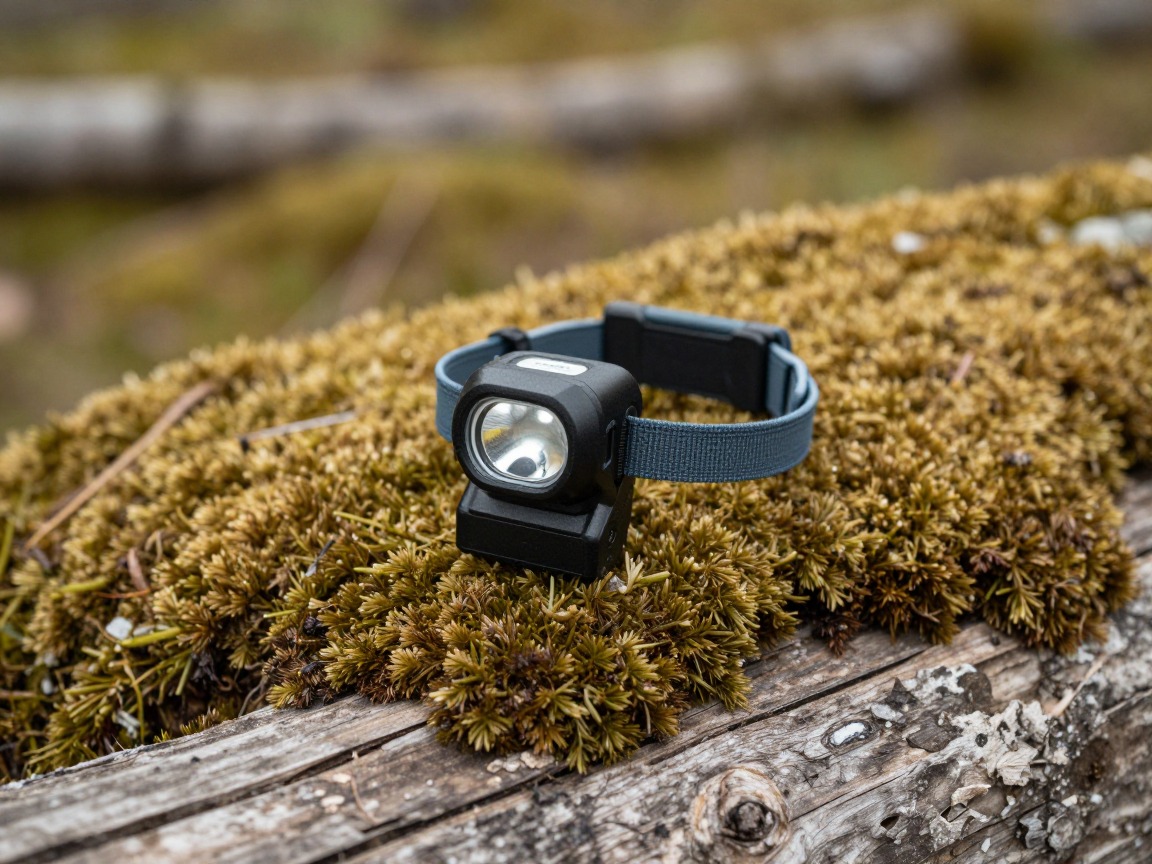
Premium rechargeable headlamp
A bright, rechargeable headlamp with a wider beam and longer runtime than an entry-level model.
What to look for: Strong output with a genuine runtime at that brightness, a rechargeable battery with a backup option, and a red mode for camp. Reliability and runtime matter more than peak lumens.
 LHKNL Headlamp Flashlight Check price
 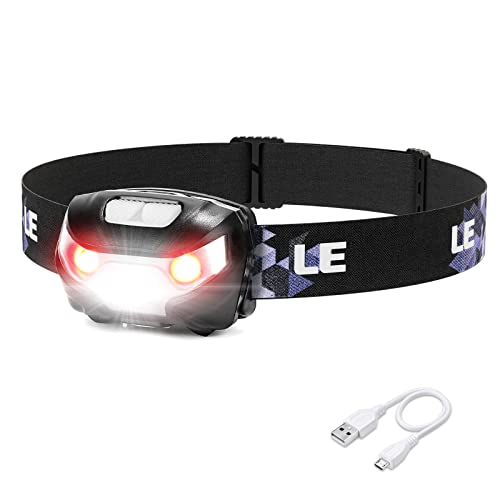 Lepro LED Headlamp Rechargeable IPX4 Waterproof Headlight 5 Modes - Check price
 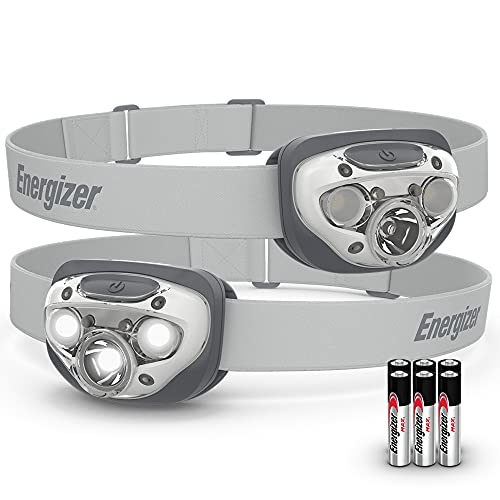 Energizer LED Headlamp PRO Check price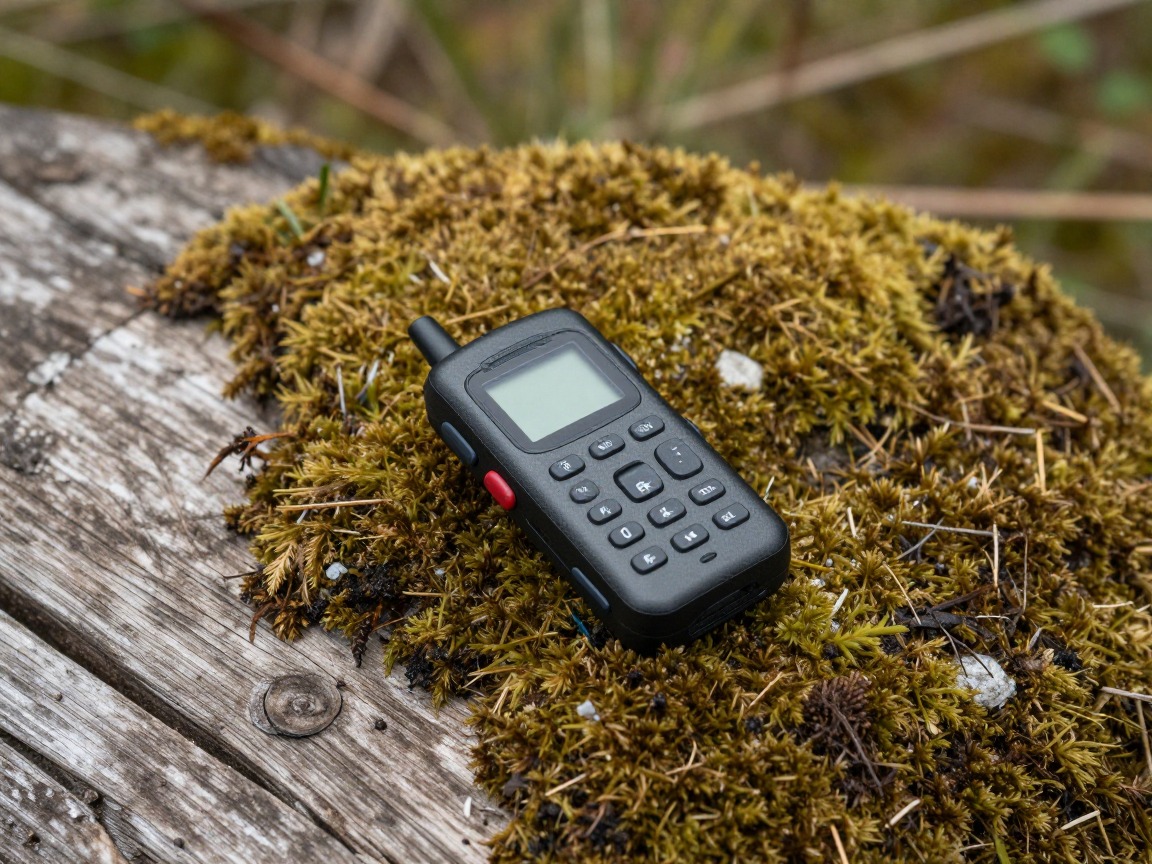
Two-way satellite communicator
A device that sends and receives messages and can summon emergency help from well outside cell coverage — genuinely different capability from a phone alone.
What to look for: Two-way messaging rather than one-way SOS only, a subscription matched to how often you're out, and battery life for your longest trips. Learn and register it before relying on it — it supplements good judgment, never replaces turning back or a call to 911 or search and rescue.
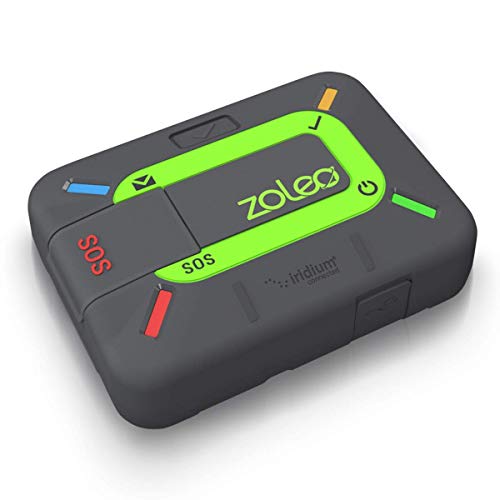 ZOLEO Satellite Communicator Check price
  Garmin inReach® Messenger Satellite Communicator Check price
  Garmin inReach® Mini 2 Check price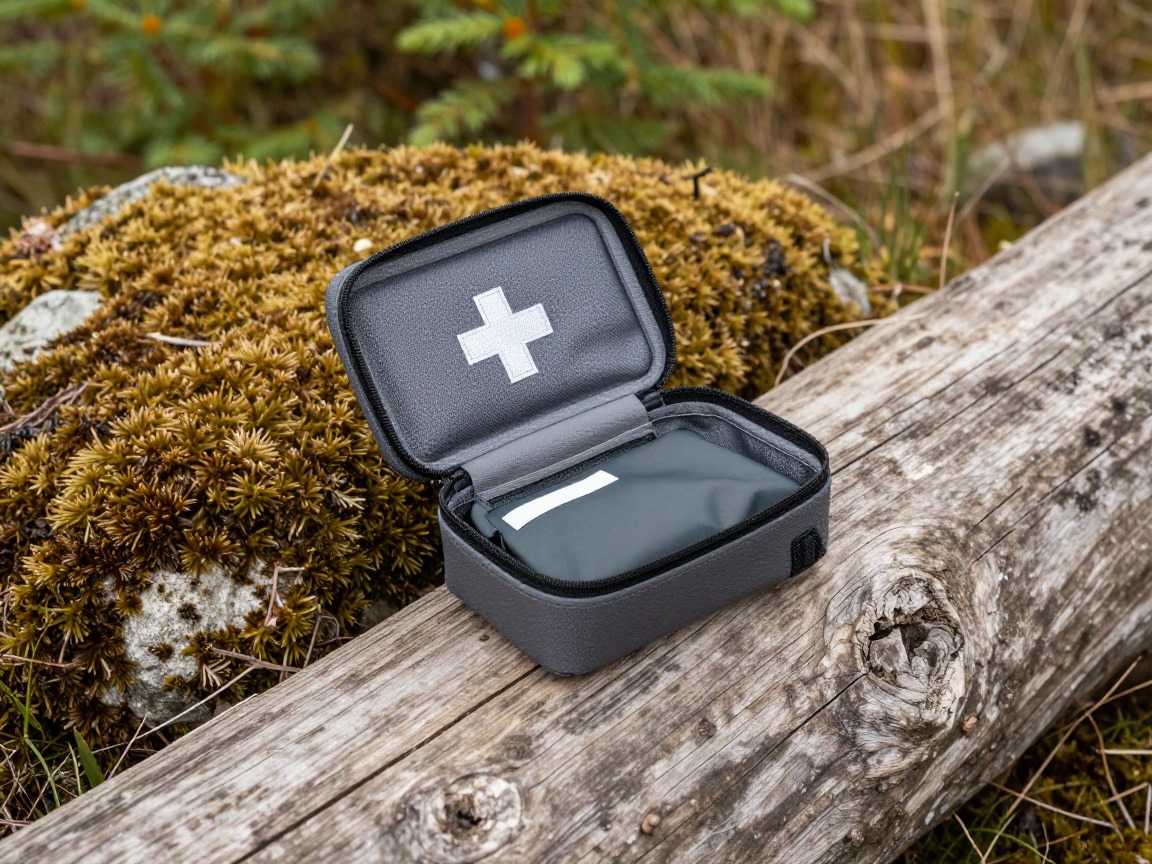
Comprehensive first-aid kit
A fuller kit than a weekend trip needs, built for being genuinely far from help — plus the training to use everything in it.
What to look for: Depth beyond blister and cut basics — wound closure, splinting material, your own medications — matched to a wilderness first-aid course. A kit is only as good as the training behind it.
 Mini First Aid Kit - 150 Piece Small Waterproof EVA Hard Shell Case Check price
  Adventure Medical Kits Ultralight/Watertight Medical Kit .5 Check price
 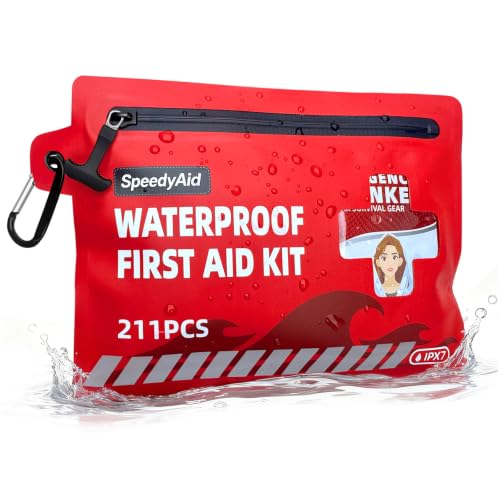 211 PCS Waterproof First Aid Kit Check price
 - Map + compass or offline GPS
- Sunscreen & lip balm
- Whistle
- Phone + power bank
How to adapt this setup
Push the big three further — a frameless pack, a trekking-pole shelter, and a quilt instead of a full bag. Each step trades a little convenience for weight.
Durability and repairability start to matter as much as raw weight. Carry a small repair kit and know how your shelter and pack are built before relying on them for weeks.
Premium fabrics and high-fill-power down show their value most in genuine cold and wet, but the system shifts colder-rated: a warmer bag, a higher R-value pad, and real insulation.
Premium gear doesn't substitute for trail experience. Build the weekend setup first, take a couple of trips, and come back once you know which discomforts you're paying to solve.
If you can only upgrade one or two things, put the money into the big three before footwear, kitchen or accessories — that's where the spend is felt most.
Common mistakes to avoid
- Buying premium footwear before finding the last and fit that actually suits your foot — price never fixes a bad fit.
- Spending heavily on kitchen gadgets while still carrying a heavy, ill-fitting pack.
- Skipping the safety layer to save weight, which defeats the point of spending on comfort elsewhere.
- Buying the smallest, lightest pack available, then overloading it because the rest of the kit didn't get lighter too.
- Taking brand-new premium gear straight from the box onto a real trip instead of testing it at home first.
- Chasing the last ounces in accessories while ignoring genuine upgrades still available in the big three.
Make it yours
Frequently asked questions
Is premium backpacking gear actually worth the extra money?
In the big three — pack, shelter and sleep system — yes, because their weight and warmth are felt on every mile and every night. In categories like stoves, socks and trekking poles, the returns flatten quickly, and fit or personal preference matters more than price tier.
Where should I spend the most on a premium backpacking kit?
The big three first — pack, shelter and sleep system — since that's where lighter materials and better construction change the whole trip. After that, prioritize genuine safety and capability upgrades like a satellite communicator, a truly waterproof shell and a complete first-aid kit.
Do expensive trekking poles or stoves make a real difference?
Not usually a dramatic one. A well-built mid-range stove boils water at roughly the same speed as a premium one, and poles mostly differ in weight and grip comfort rather than performance. These are reasonable places to spend moderately rather than maximally.
Is a satellite communicator worth carrying if I already have a phone?
Yes, for genuine backcountry trips — cell coverage disappears fast outside populated areas, and a communicator gives you two-way messaging and an emergency SOS from well beyond it. It supplements sound judgment and turning back early; it doesn't replace either.
What's the single best upgrade for a premium backpacking setup?
A well-fitted, lighter pack is usually the highest-impact single upgrade, since its weight and comfort touch every part of the trip. A close second is the sleep system — a warmer, lighter bag and pad combination that lets you sleep properly night after night.
Illustrative images show the type of gear, not specific products. Recommendations link to similar items on Amazon; we only ever link real listings and never show fabricated prices or ratings. General planning guidance, not a substitute for your own judgment or professional backcountry-safety instruction.