
The plus-size hiker setup
Hiking doesn't ask for a particular body — it asks for gear that fits the one you have. This setup centers on packs, apparel and footwear that actually fit and perform for larger bodies: hip belts and sternum straps long enough to work, fabric that resists chafe, and footwear with real support. Every pick here is about fit and function, not an afterthought size.
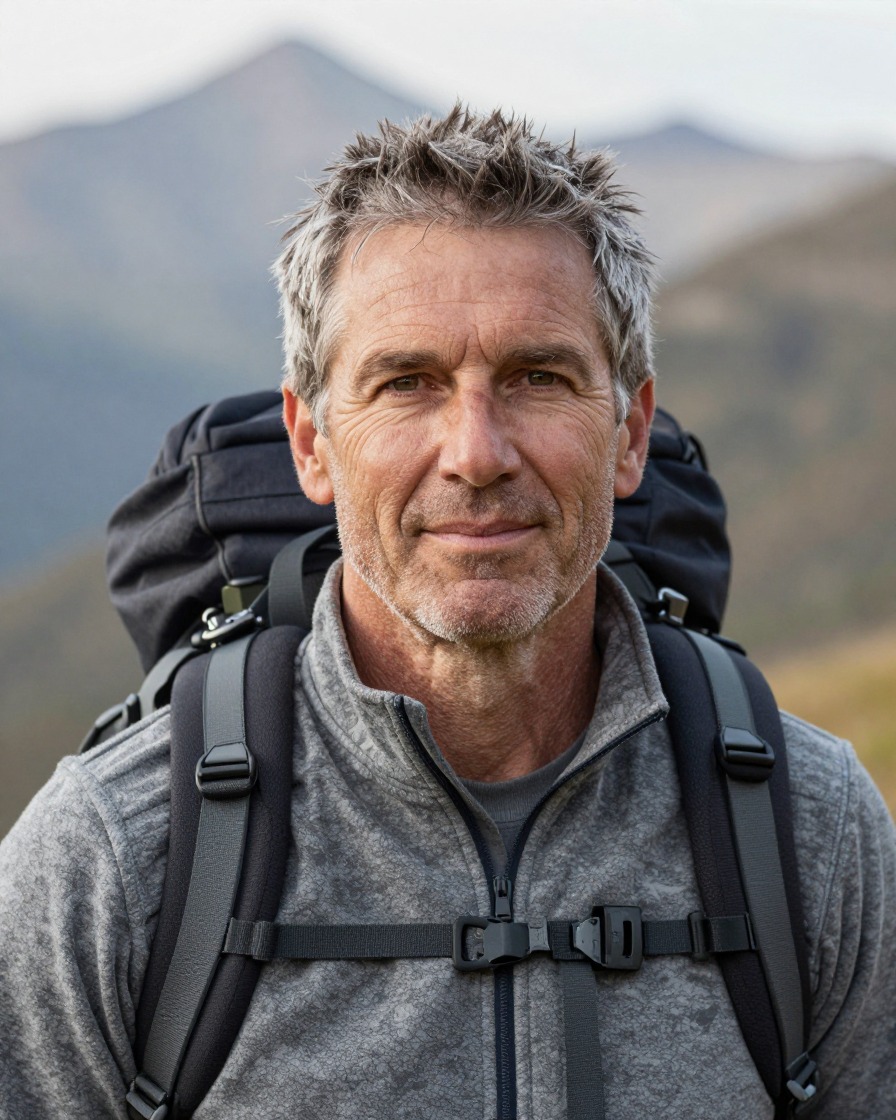
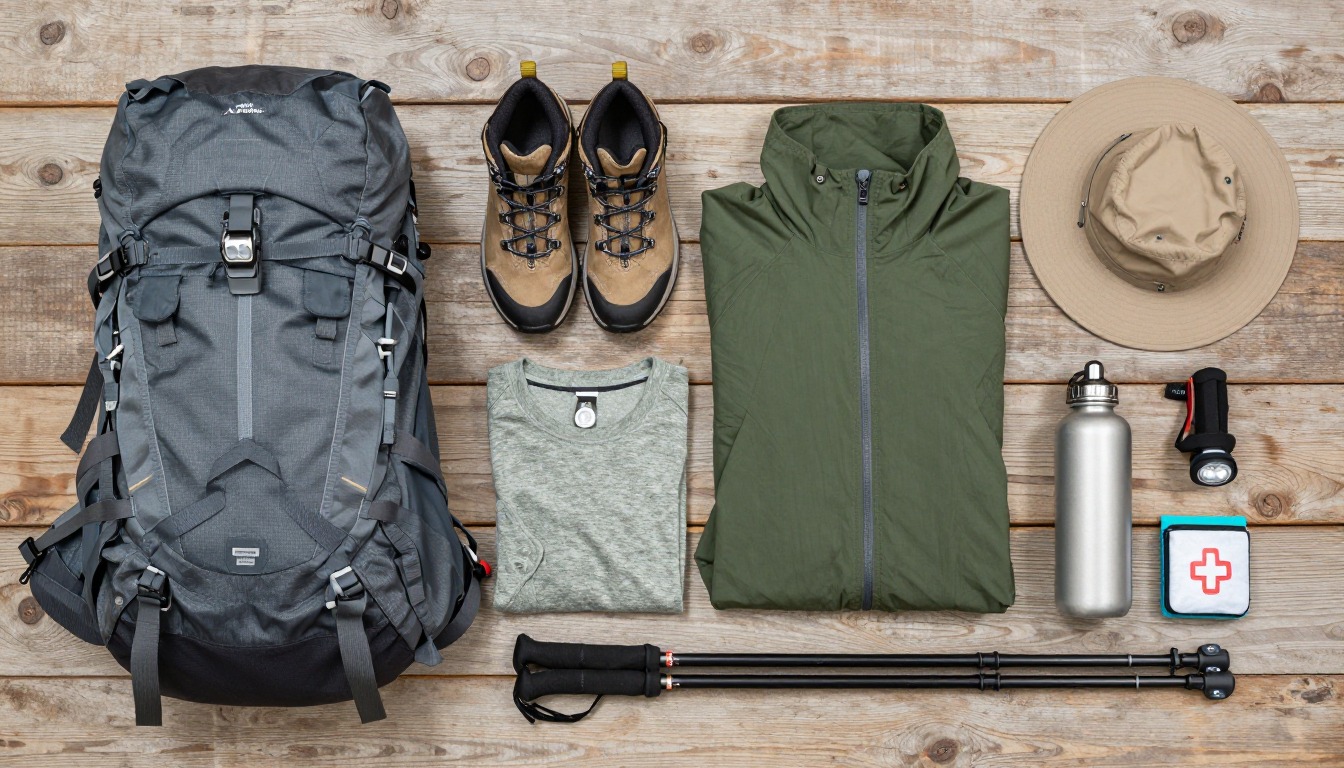
Gear fails larger hikers for a fixable reason: manufacturers cut the size range short — a hip belt that won't cinch, a jacket too narrow through the shoulders to raise your arms, socks that bunch instead of sit flat. This kit works around that gap: gear with a genuinely wide fit range, extenders called out where they close the rest, and friction management — chafe, hot spots, blisters — given the same weight as the pack and boots. This isn't about losing weight to fit the gear; it's about finding gear built to fit you.
Any hiker who's fought a hip belt that won't reach, a jacket that pins their arms to their sides, or gear that quietly stops at a certain size. It suits first day hikes and regular ones alike, on marked trails in fair-to-changeable weather — the fit principles here carry over if you build toward overnight trips later.
- Start with the pack, and check the hip belt's stated waist range before you look at liter capacity — it matters more than anything else on the spec sheet.
- Build your layering system in your real size: a wicking base layer and a rain shell cut for full arm movement, not just something that closes.
- Handle friction before it becomes a blister: the right socks, anti-chafe balm at contact points, and seams placed away from where skin meets skin or fabric.
- Add supportive footwear and trekking poles for stability, then test the whole kit on a short walk near home before trail day.
About this setup
For a long time the outdoor industry treated larger bodies as an edge case — size charts that quietly stopped at a certain waist, hip belts sewn to a fixed length, jackets cut generously through the middle but tight across the shoulders. That reflected what a handful of manufacturers chose to produce, not who was actually on the trail. Hikers responded the practical way: sourcing extenders, tailoring gear themselves, or learning which brands actually sized properly. That knowledge is worth collecting in one place instead of relearning it trip by trip.
Most of what trips people up here isn't really a size problem — it's a fit-and-friction problem, solvable with the same engineering mindset as any gear question. A hip belt that won't cinch is a hip belt with the wrong stated range, not a failure on your part. A hot spot five miles in is a sock or a seam doing the wrong thing, not a sign you're not cut out for this. Building this kit is exactly like building any other hiking kit: figure out what the trail demands, then choose gear engineered to meet it.
The trail itself doesn't check anyone's size — it responds to preparation, pacing and gear that does its job. If you're newer to hiking, that's good news: the fit details below — belt range, seam placement, a boot with real ankle support — are things you can check and fix before you leave the trailhead. Get them right, and hiking is exactly as available to you as it is to anyone else on that same path.
The pack
Fit decides everything here — the hip belt's actual waist range matters more than the pack's advertised capacity.
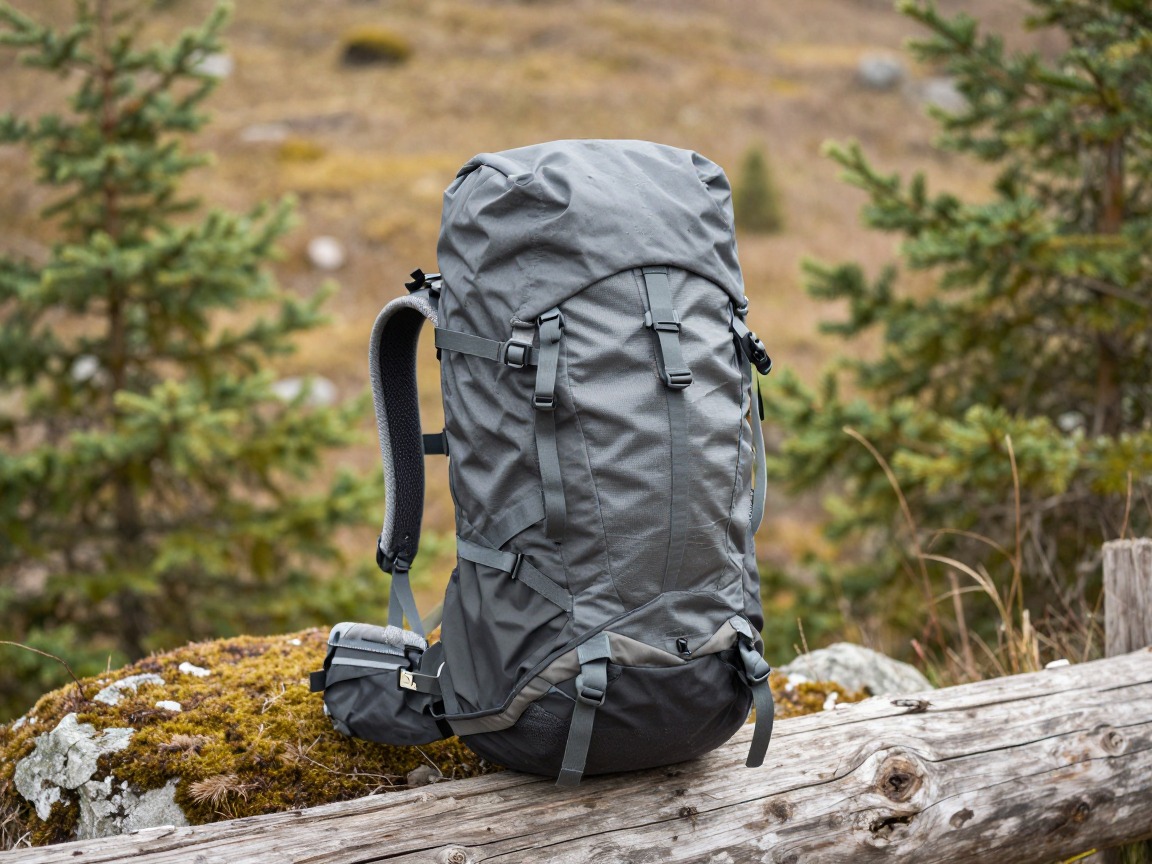
A properly fitted daypack
Carries the day's load on your hips instead of your shoulders when the belt genuinely reaches; 25–35 L gives room for layers and gear without excess bulk.
What to look for: Check the hip belt's stated waist range before the liter count — plenty of packs cap out short of what the size implies. Look for a long belt, ideally swappable rather than sewn in, and a sternum strap with enough travel to sit across your chest.
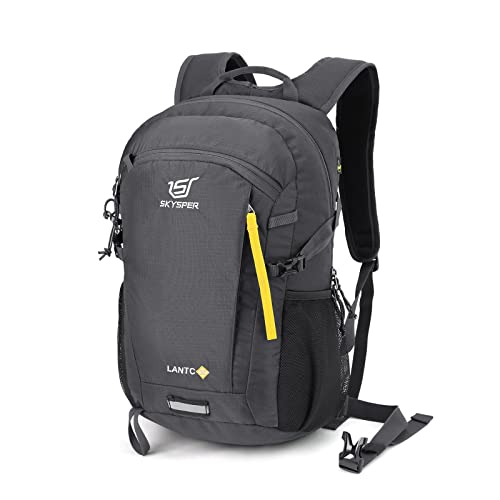 SKYSPER Small Hiking Backpack Check price
  Osprey Sportlite 20L Lightweight Hiking Backpack Check price
 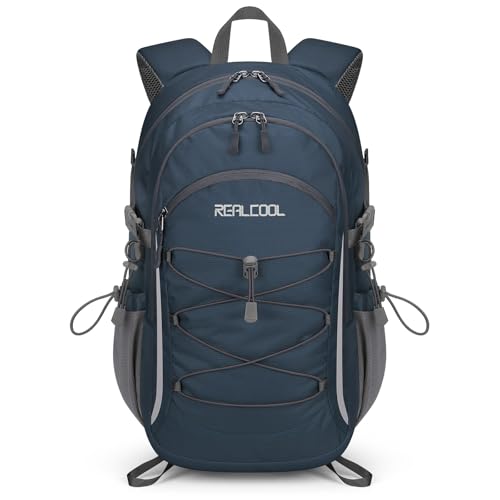 RealCool 20L Lightweight Hiking Backpack Check price
 - Hip belt extenders or a compatible aftermarket belt, if the stock one falls short
- A sternum-strap extender for a short buckle range
- Compression straps to cinch down bulk if the pack rides bigger than your kit
Footwear & the basics that prevent blisters and chafe
Support underfoot and a little friction management elsewhere head off most of what ends a hike early.
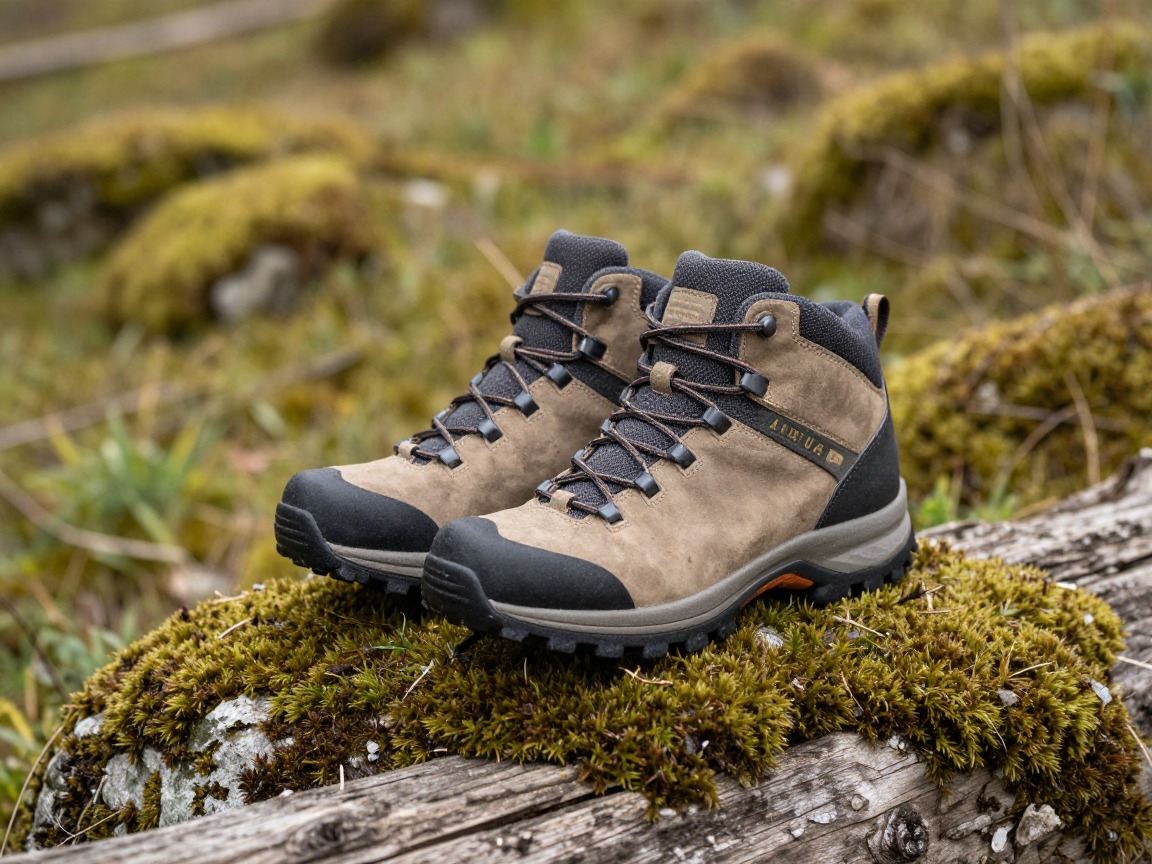
Supportive hiking boots
Real ankle support and a stiffer sole handle load and uneven ground better than a minimal shoe when you're carrying more weight overall.
What to look for: A wide toe box, a stable platform, and enough ankle structure for lateral support on rough trail. Many hikers do just as well in a supportive trail runner — the deciding factor is how your ankles feel on uneven ground, not your size.
 Columbia Men's Transverse Waterproof Hiking Boot Check price
  NORTIV 8 Men's Ankle High Waterproof Hiking Boots Check price
  Columbia Mens Transverse Waterproof Hiking Boot Check price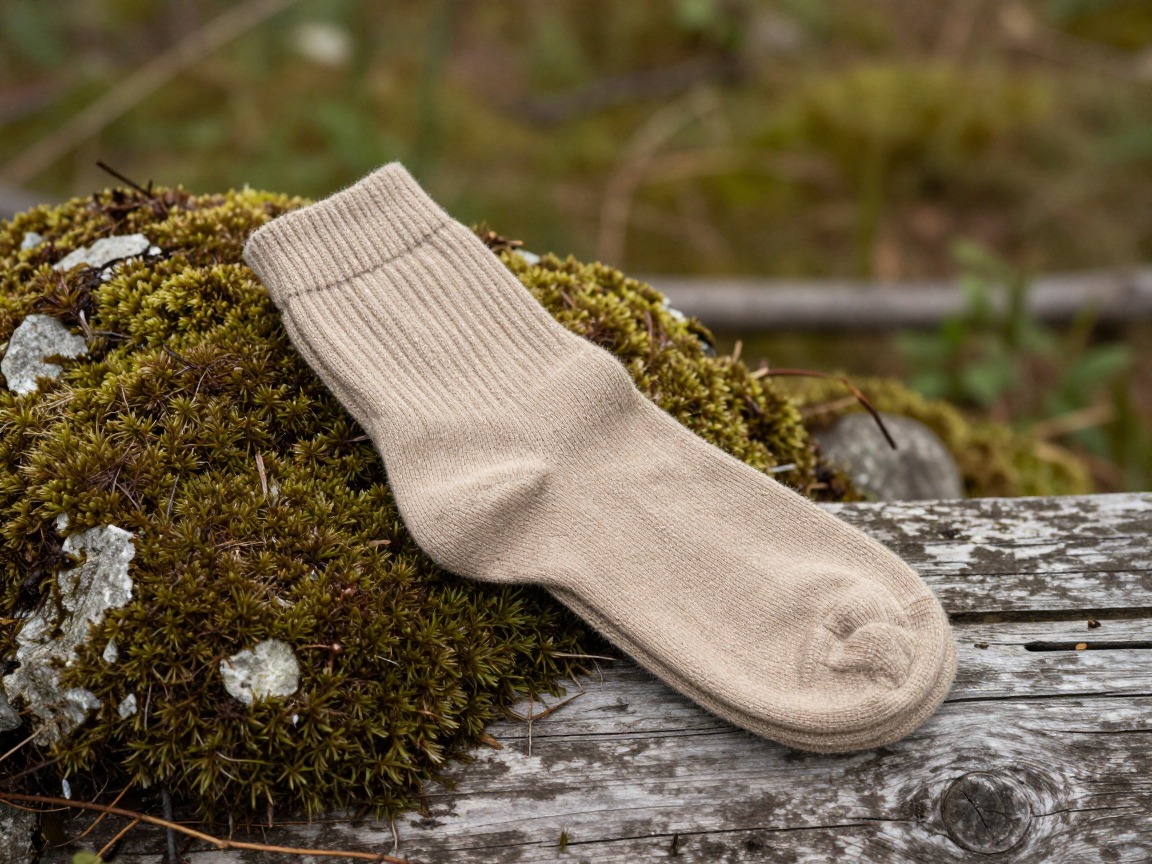
Cushioned wool socks
Wool or a wool blend manages moisture and cuts friction at the heel, arch and between the toes, where blisters start.
What to look for: Extra cushioning at the heel and ball of the foot, a snug but not tight fit with no bunching, and wool over cotton every time. Size up if your feet swell on long or hot days.
 Alvada Merino Wool Hiking Socks Thermal Warm Crew Winter Boot Sock F Check price
  DANISH ENDURANCE Merino Wool Socks for Men & Women Check price
  innotree 3 Pack Men's Merino Wool Hiking Socks Check price
 - Anti-chafe balm or glide for thighs, underarms and anywhere skin meets skin or fabric
- Moisture-wicking underwear and a supportive, seam-free sports bra
- Blister prevention tape or moleskin, applied before a hot spot forms
Clothing & layers
Look for apparel in your real size with a genuine athletic cut — moisture-wicking fabric and flat seams do most of the chafe-prevention work.
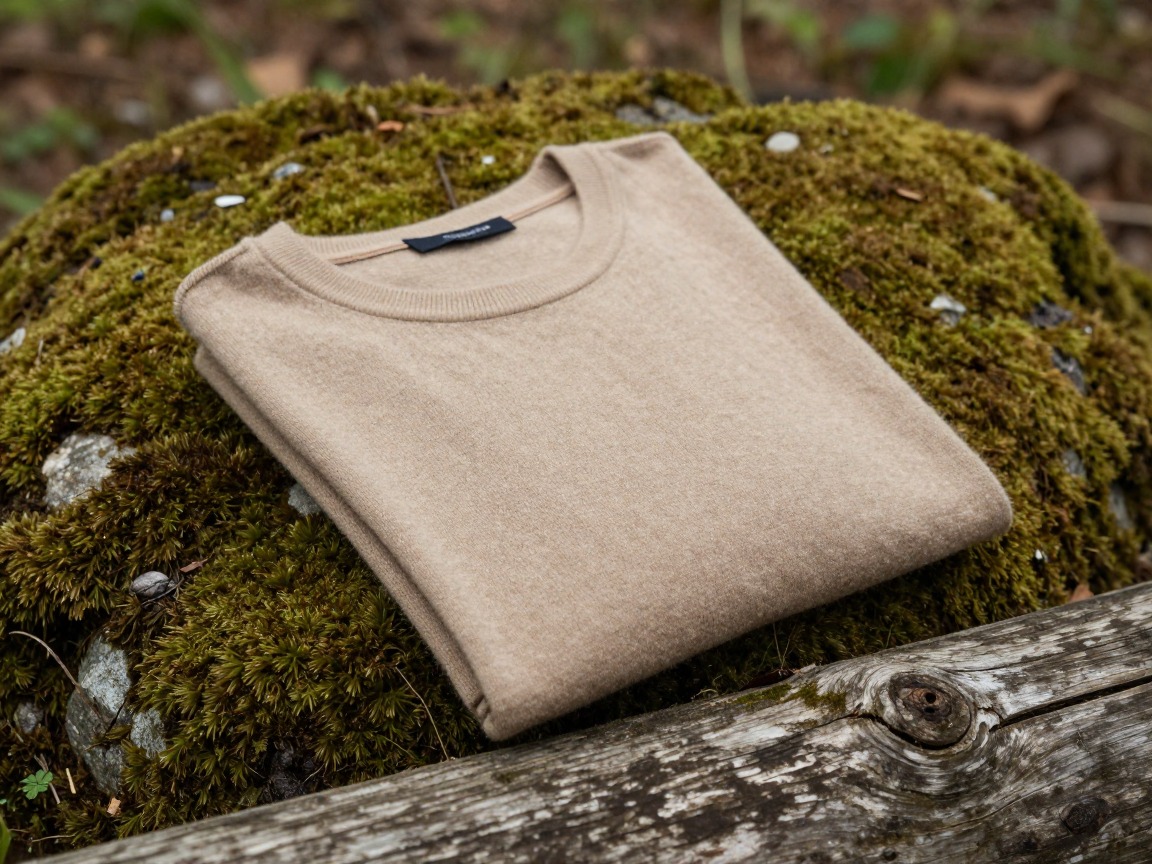
Moisture-wicking base layer
Wicks sweat away from skin and dries fast, which matters even more at skin-on-skin contact points.
What to look for: A genuine extended size range — not a 2X that's really a large with a bigger tag — flat-lock seams, and fabric that stays soft at friction points like underarms and inner thighs.
 100% Merino Wool Base Layer Men Set - Thermal Underwear for Men Long Check price
  Merino.tech Merino Wool Base Layer Women Set - Heavyweight Check price
  100% Merino Wool Base Layer Men Set - Thermal Long Underwear with Ba Check price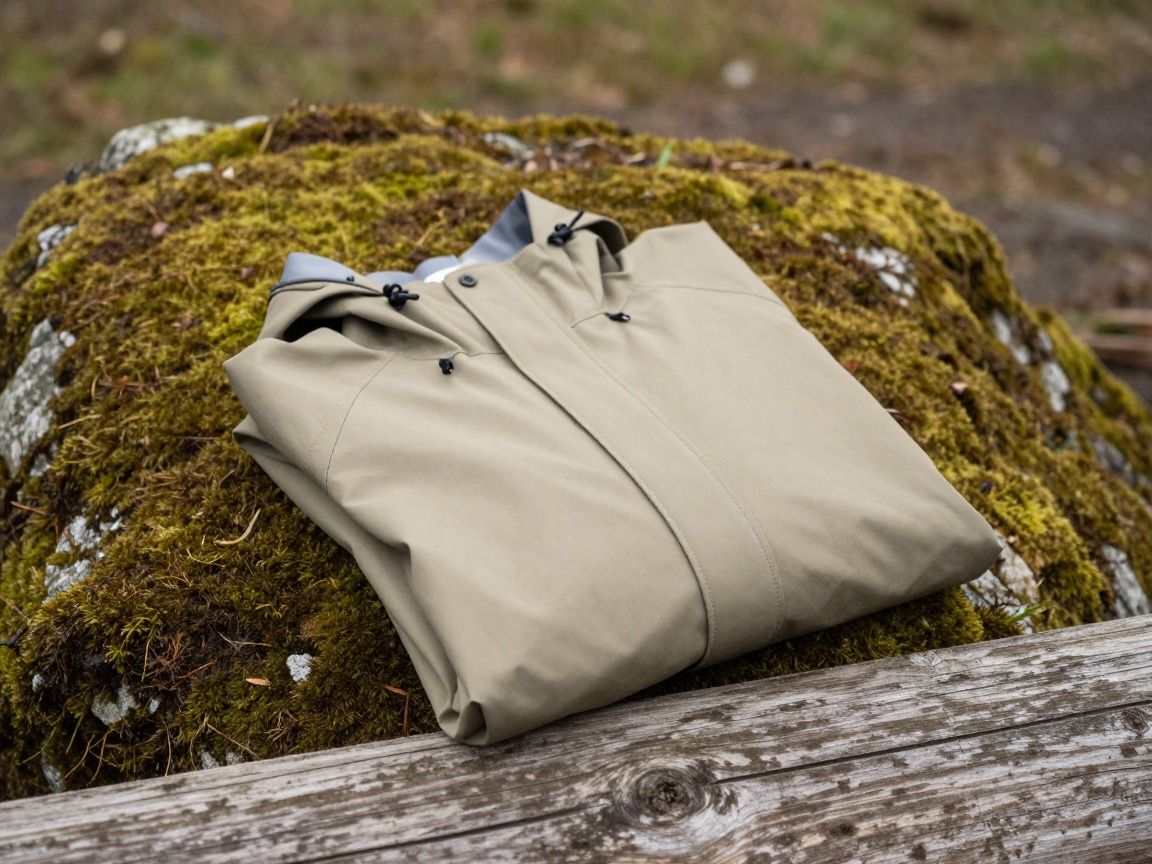
Rain shell
Blocks wind and rain in a cut that allows full range of motion — arm and shoulder room matter as much as chest room.
What to look for: Enough room through the shoulders to raise your arms overhead without the hem riding up, a hood that stays put, and pit zips to dump heat, since a generously sized shell can run warm.
 UIQUR Mens Rain Jacket Raincoat Waterproof Windbreaker Black L Check price
  COOFANDY Men's Waterproof Hiking Travel Shell Breathable Rain Jacket Check price
  Columbia Womens Arcadia II Waterproof Rain Jacket Check price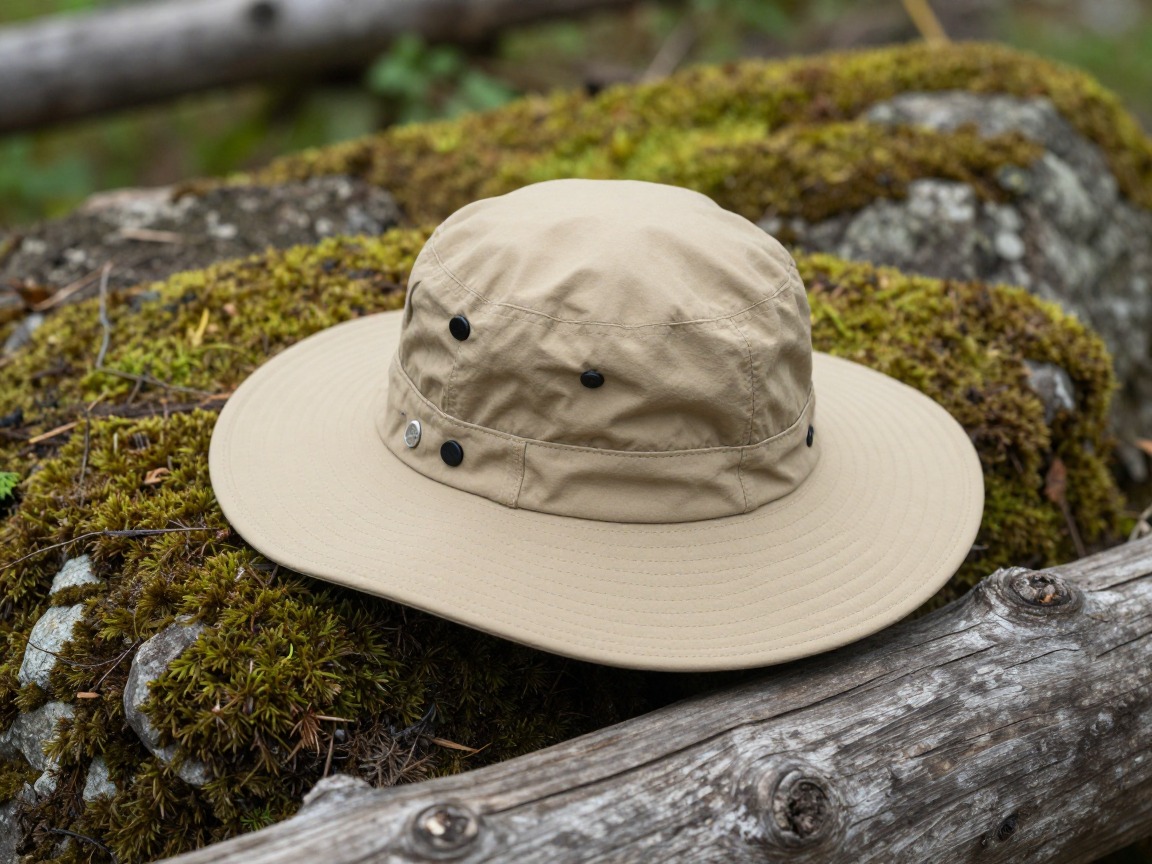
Sun protection
A wide brim and UPF fabric cut sun exposure, which adds up fast on open trail.
What to look for: A brim wide enough to shade your face and neck, an adjustable band sized to fit rather than pinch, and a chinstrap so it stays put in wind.
 FURTALK Womens Sun Hat with Ponytail Hole Beach Hiking Summer Wide B Check price
 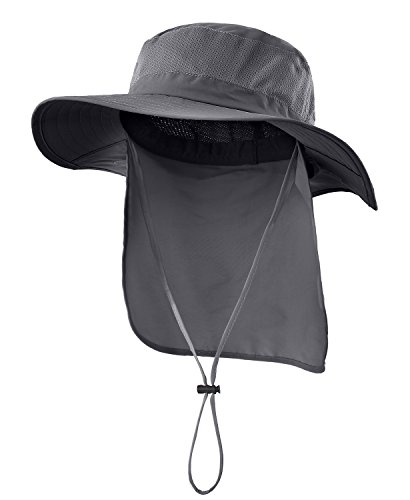 Home Prefer Outdoor UPF50+ Mesh Sun Hat Wide Brim Fishing Hat with N Check price
  FURTALK Sun Hats for Men Fishing Hat UPF Protection Wide Brim Bucket Check price
 - Moisture-wicking hiking pants or shorts, sized for real movement, not just to close
- A buff or neck gaiter for sweat and sun on the neck
Support & staying comfortable on the move
A little extra stability and enough water go a long way toward making the miles feel good, not just survivable.
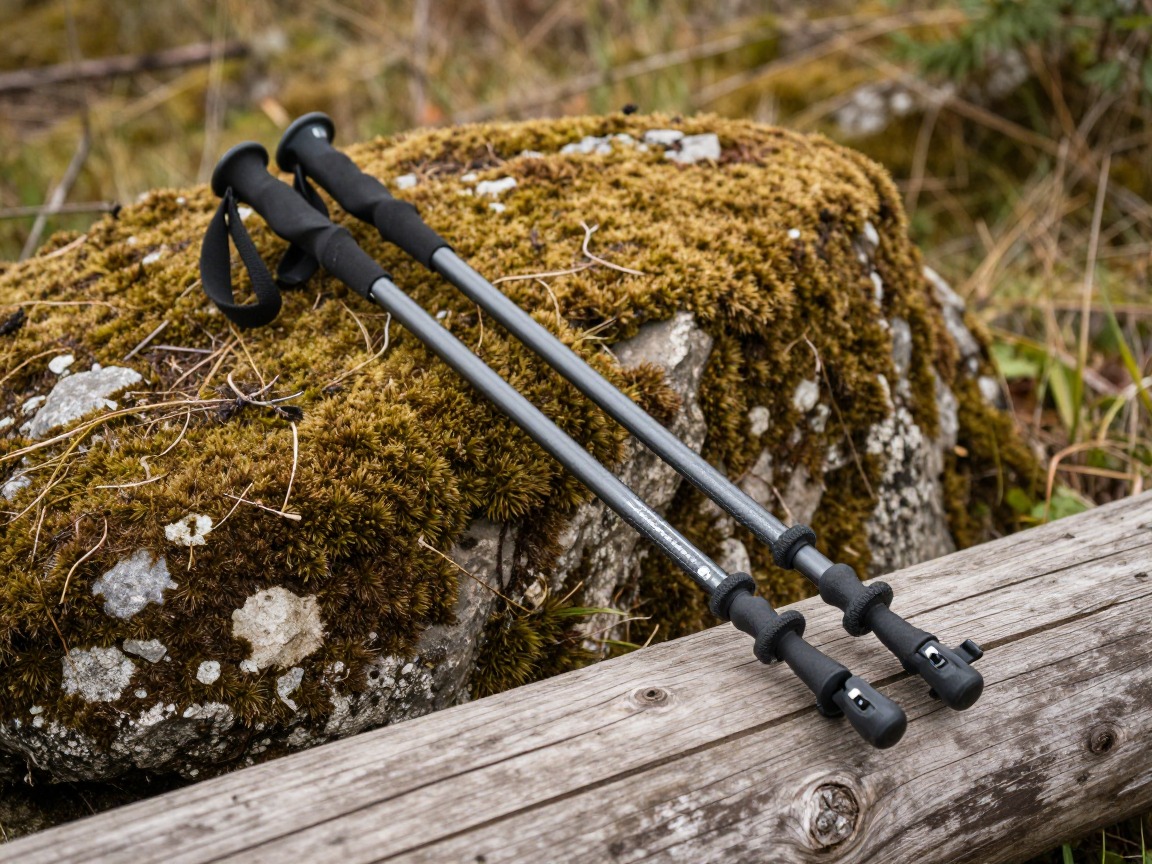
Trekking poles
Take real load off your knees and hips on descents and add stability on uneven ground — more valuable the more weight you're carrying.
What to look for: Poles rated for real weight-bearing use, comfortable grips (cork or foam over hard plastic), and locks that hold under load. Adjust a touch longer than an average chart suggests if you're tall.
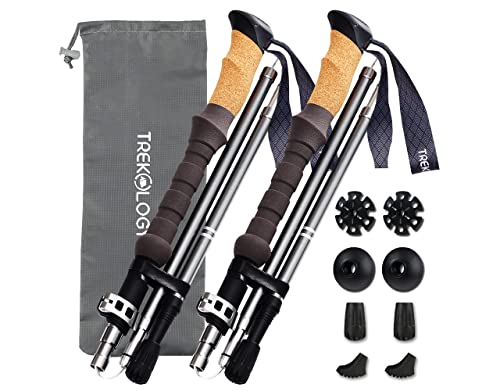 Trekology Trek-Z Cork Grip Collapsible Lightweight Hiking Trekking P Check price
 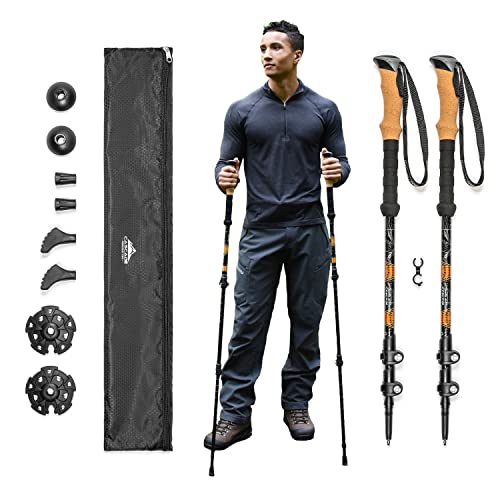 Cascade Mountain Tech Trekking Poles Check price
 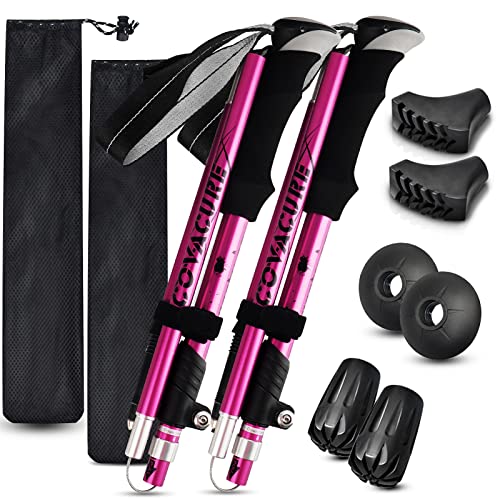 covacure Hiking Poles Check price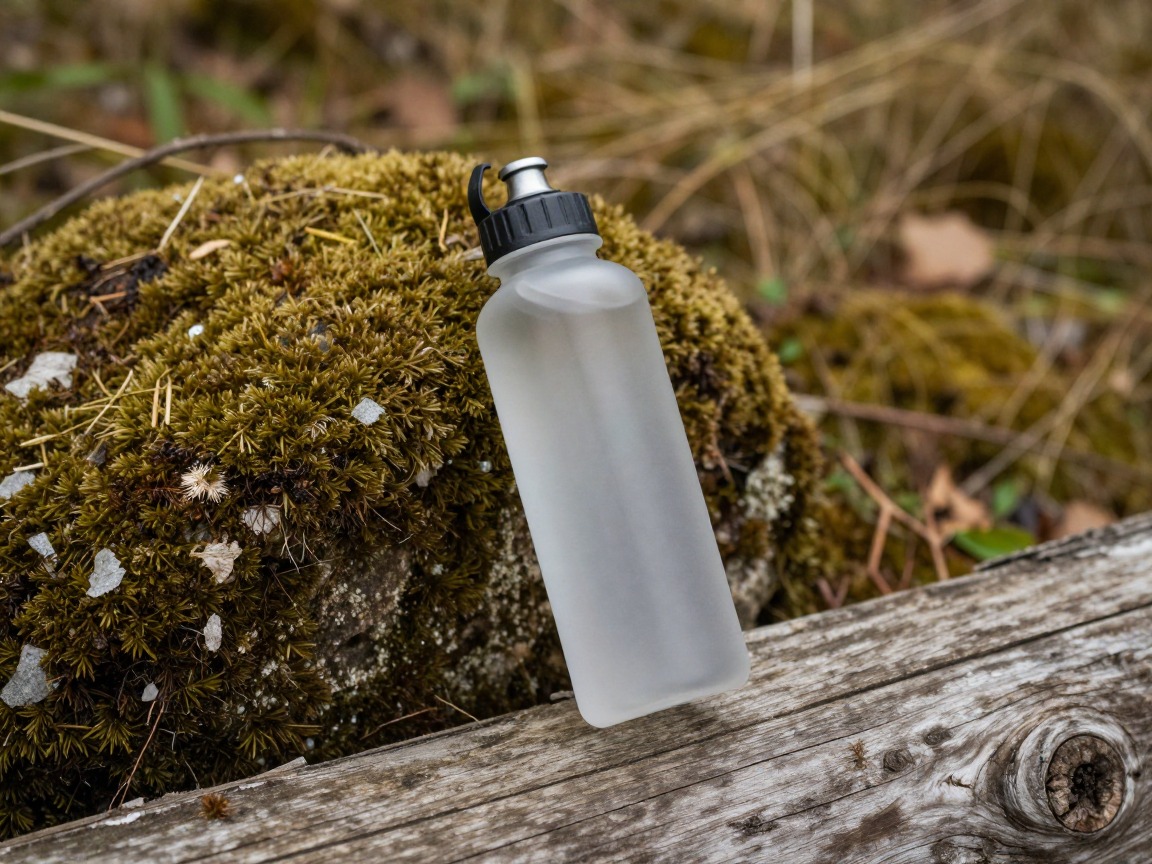
Water bottle
A bigger body and a harder-working stride can both mean sweating more on the same trail, so carrying enough water matters.
What to look for: A tough, wide-mouth bottle that's easy to refill and clean — 1 L is a workable unit, and a second bottle or bladder covers hot days.
 Nalgene 32 oz Wide Mouth Water Bottle Check price
  Nalgene 32 oz Wide Mouth Water Bottle Check price
  Nalgene 32 oz Wide Mouth Water Bottle Check price
 - Electrolyte tabs or drink mix
- Lunch and high-energy snacks
Navigation, light & safety
A light, a map and a small first-aid kit turn a bad moment into a manageable one, regardless of pace or distance.
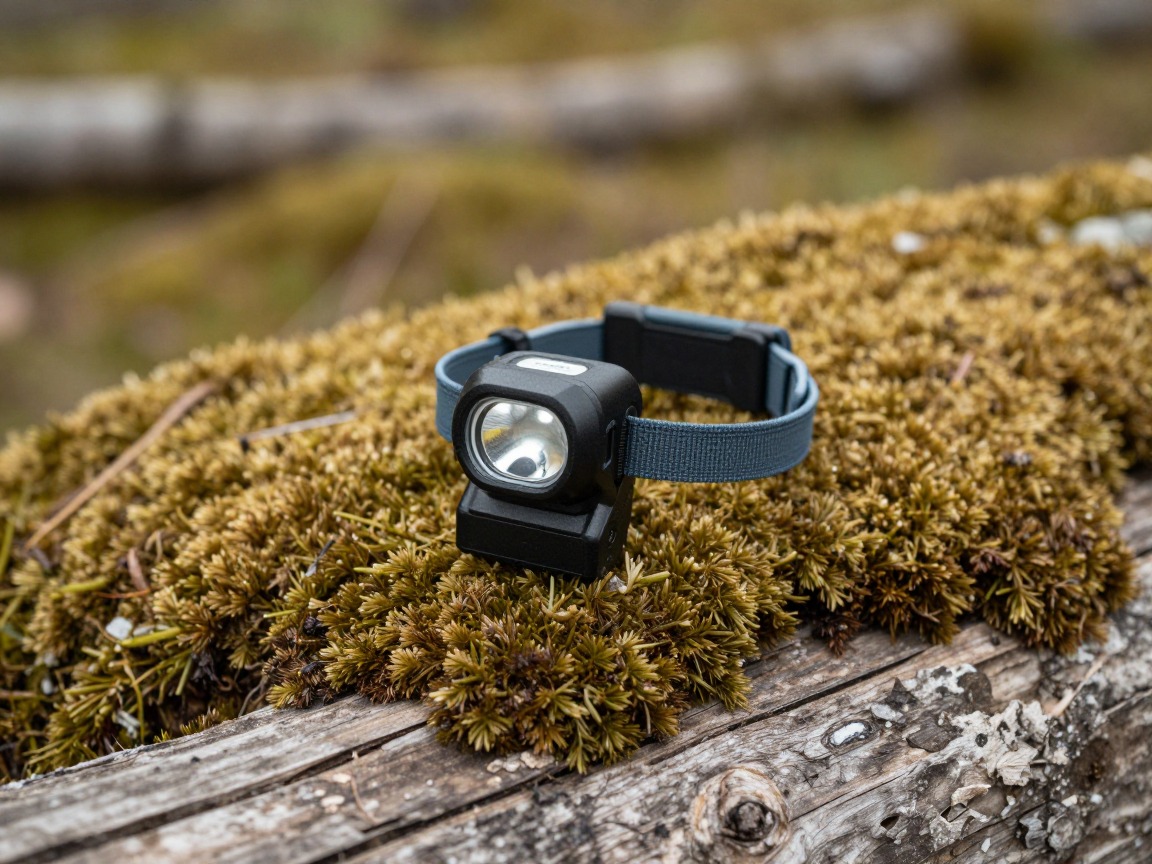
Headlamp
Hands-free light if you're still on trail after dark — worth carrying at any pace.
What to look for: Enough output to hike by, a comfortable strap that doesn't slip, and rechargeable or easily-swapped batteries. A lock mode keeps it from draining in your pack.
 LHKNL Headlamp Flashlight Check price
 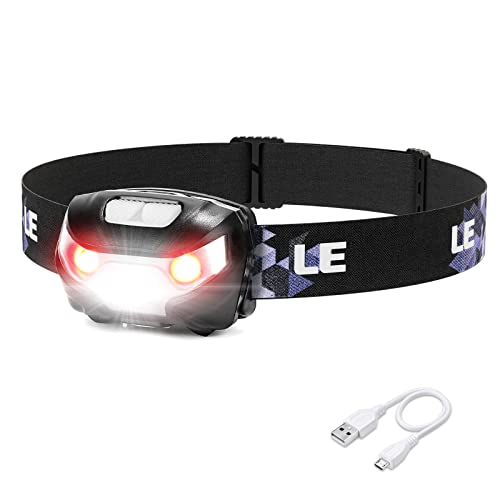 Lepro LED Headlamp Rechargeable IPX4 Waterproof Headlight 5 Modes - Check price
 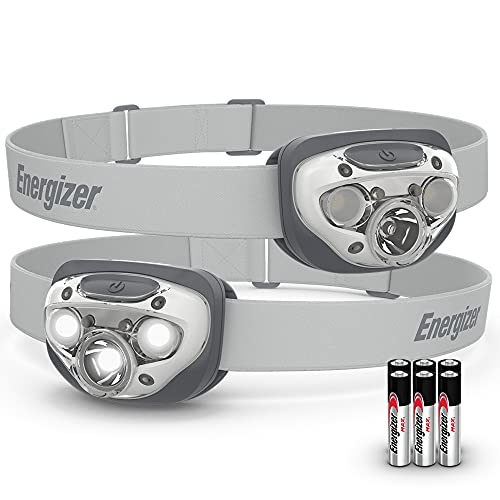 Energizer LED Headlamp PRO Check price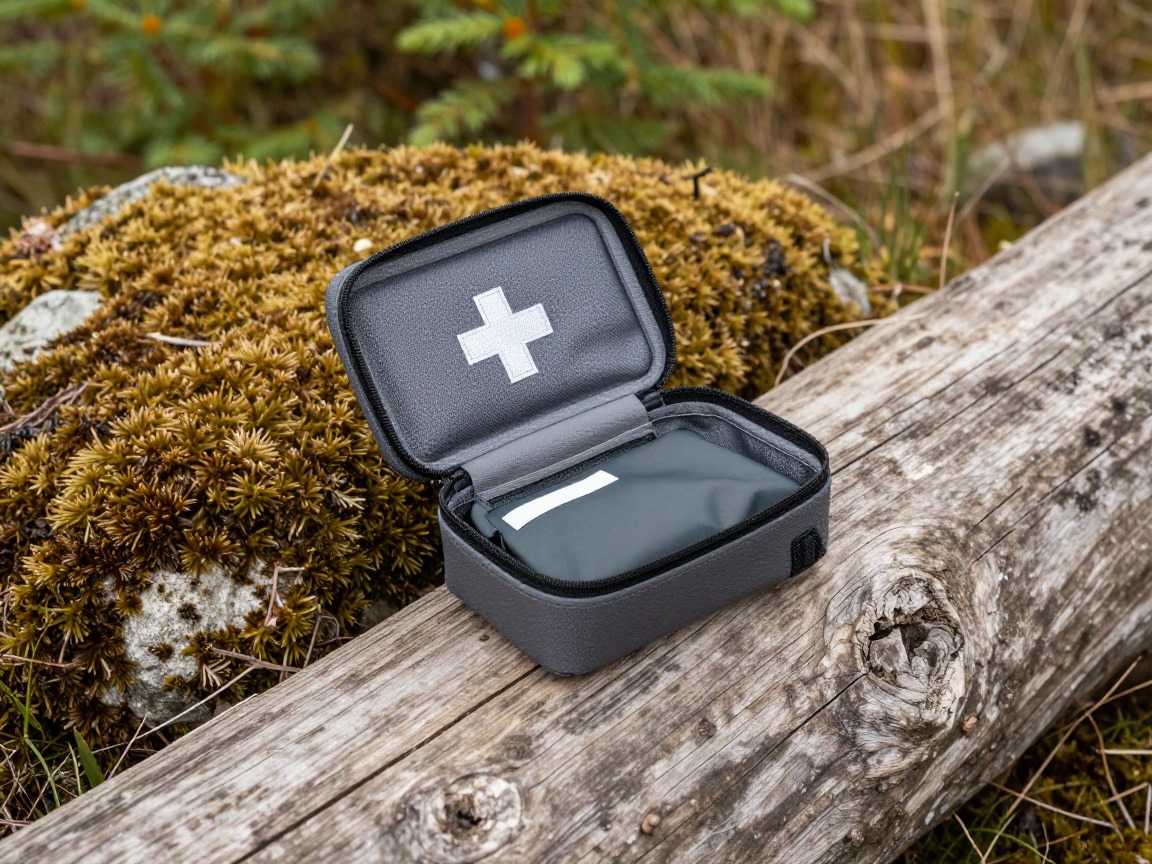
First-aid kit
Covers blisters, cuts and chafe — three of the most common trail complaints — plus whatever medication you rely on.
What to look for: A kit weighted toward blister and chafe care alongside the basics, plus your own regular medications. Add extra blister pads and a small tube of chafe balm if you didn't pack it with your clothing.
 Mini First Aid Kit - 150 Piece Small Waterproof EVA Hard Shell Case Check price
  Adventure Medical Kits Ultralight/Watertight Medical Kit .5 Check price
 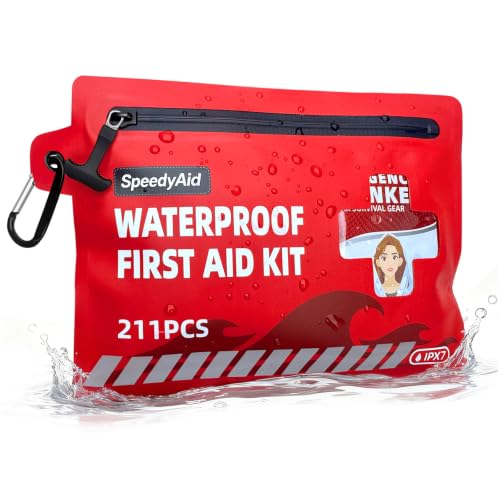 211 PCS Waterproof First Aid Kit Check price
 - Map + compass or GPS (with offline maps)
- Sunscreen & SPF lip balm
- Whistle
- Phone + power bank
- Emergency shelter (bivy/space blanket)
How to adapt this setup
Start with a short, familiar trail near home so you can dial in fit — a chafing spot or a belt that won't cinch shows up in the first mile, not the fifth.
Lean harder into moisture-wicking fabric, carry more water than the distance suggests, and reapply anti-chafe balm at breaks.
Once the fit here is dialed in, the same principles — belt range, seam placement, real freedom of movement — carry over to a weekend backpacking kit.
Layer a wicking base under insulation and a properly sized rain shell; extra bulk is fine as long as the cut still lets your arms move freely.
Hike with a friend or a local group if that helps — trail conditions matter far more than body size, and most hiking groups exist to make that clear.
Common mistakes to avoid
- Buying a pack by liter capacity alone and finding out on trail that the hip belt won't reach.
- Assuming a 'one size fits most' jacket or pack will fit — check the stated size range every time.
- Skipping anti-chafe balm and discovering a hot spot five miles from the trailhead.
- Wearing cotton or ill-fitting socks that bunch and blister instead of a snug wool pair.
- Underestimating water needs — a bigger body can mean sweating more, not less, at the same pace.
- Letting one bad experience with ill-fitting gear become 'hiking isn't for me' instead of 'that gear wasn't right'.
Make it yours
Frequently asked questions
Can plus-size hikers wear the same gear as everyone else?
Yes — the gear categories are identical; what changes is checking the actual size and fit range before you buy. A pack with a hip belt that reaches, a jacket cut for real arm movement, and socks and base layers in your true size cover most of what's different here.
How do I know if a backpack will fit?
Check the hip belt's stated waist range, not just the pack's liter size — it's usually on the product page and often caps out lower than expected. If it's close, look for a compatible extender or a pack with a swappable hip belt before ruling it out.
What can I do about chafing on hikes?
Anti-chafe balm at friction points (thighs, underarms, waistband) before you start, moisture-wicking fabric instead of cotton, and well-fitted — not just bigger — clothing all help. Reapply at breaks on hot or long days, and treat any hot spot the moment you feel it, before it becomes a blister.
Do I need special hiking boots for a larger body?
Not special, just supportive: a stable platform, a wide toe box and enough ankle structure for uneven ground carry more value the more weight you're carrying. Plenty of hikers do just as well in a sturdy trail runner — pick by how your ankles feel, not by a size number.
Is hiking accessible for bigger bodies?
Yes. Trails don't check body size — they respond to preparation, pacing and gear that fits. Start with a short, well-marked trail, build distance as you go, and get the fit details right — belts, seams, footwear — and there's no reason hiking shouldn't be yours to enjoy.
Illustrative images show the type of gear, not specific products. Recommendations link to similar items on Amazon; we only ever link real listings and never show fabricated prices or ratings. General planning guidance, not a substitute for your own judgment or professional backcountry-safety instruction.