
The overlanding basecamp + hikes setup
Drive to a remote spot, set up a real camp, then hike out from there instead of carrying everything on your back. This setup covers both halves of that trip — the comfortable, vehicle-hauled basecamp and the light day-hike kit you take out from it — plus how to find your way back to the rig at the end of the day.
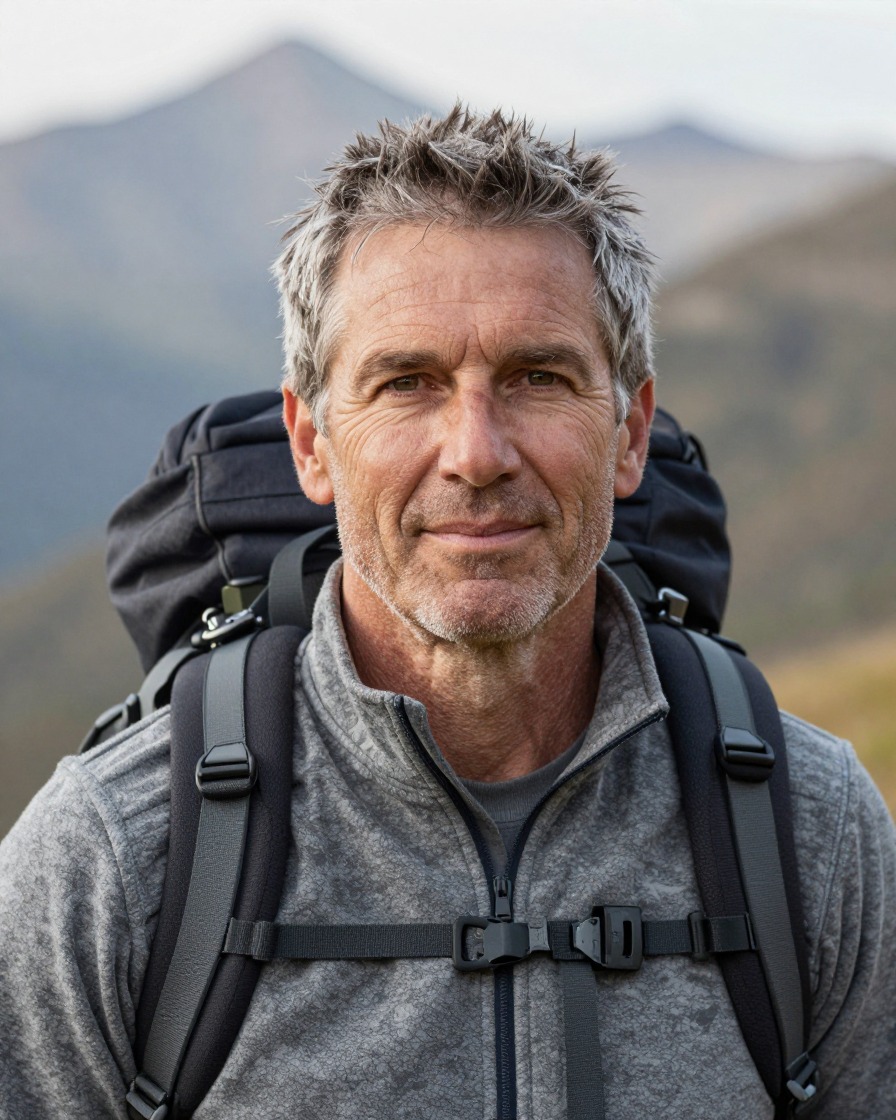
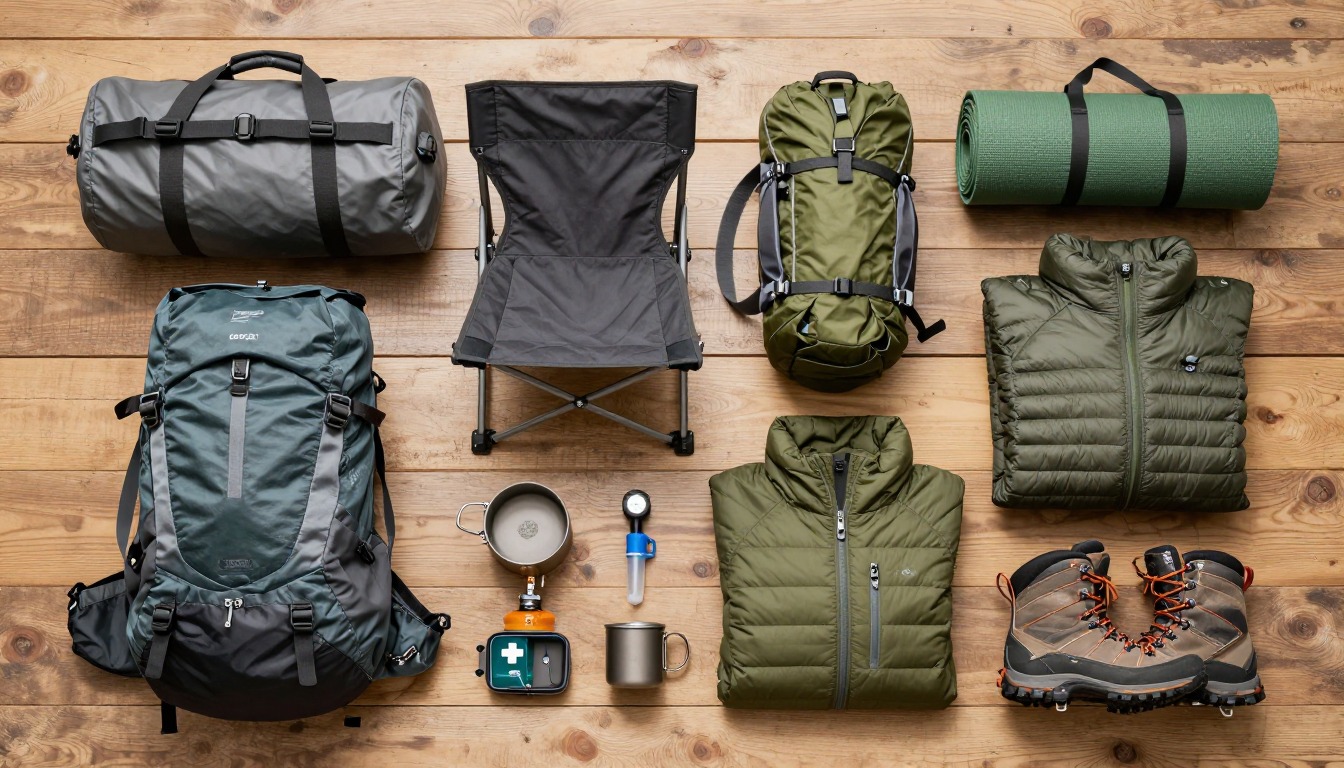
An overlanding basecamp kit is really two kits on two weight budgets. The camp only has to survive the drive and sit still once it's pitched, so it can afford real comfort — a roomier tent, a proper chair, a stove built for actual cooking. The day pack is the opposite: it goes out and back on foot every day, so it stays as light as any day-hike kit. Build both on purpose and you get a camp worth relaxing in, plus the freedom to explore further and lighter than carrying it all yourself.
This setup suits anyone who drives a 4x4 or overland-capable vehicle to a remote site and bases out of it for a few days of day hiking — public-land campers, overlanders working a route between trailheads, hunters and anglers who want a comfortable camp between outings. If you're hiking in on foot to reach your campsite, the base-camp backpacking list fits better; moving camp nightly calls for the weekend or thru-hike setups instead.
- Build the vehicle-hauled camp first — shelter, sleep system and kitchen — sized for real comfort, since none of it rides on your back.
- Pack a separate day pack for the hikes you'll take out of camp, sized like a normal day-hike kit and refilled fresh each morning.
- Before every hike, note a waypoint, landmark or bearing back to camp — a dispersed site won't have a marked trailhead to guide you home.
- Split navigation, light and first aid sensibly between what stays at the vehicle and what always rides in the day pack.
About this setup
Overlanding basecamping sits at the overlap of car camping and backpacking: you drive to a spot the road can reach, then use it as a hub for hiking, fishing, photography or simply sitting still for a few days. The appeal is straightforward — a 4x4 or overland-capable rig removes the weight limit that shapes a backpacking list, so the camp can be as comfortable as you want, while the hiking still happens on foot with its own separate, lighter kit.
Because the vehicle does the carrying, it's tempting to throw everything in and sort it out at camp. The gear that earns its keep is organized for two different jobs: a duffel system that keeps the cargo area usable instead of a jumble, real seating and a proper kitchen for the hours at camp, and a day pack kept deliberately separate and light rather than dragging car-camping habits onto the trail.
The other real difference from backpacking is navigation. A backcountry trailhead is marked and mapped; a dispersed overlanding site usually isn't. Treat the walk back to the vehicle with the same seriousness as any route-finding — mark it, note landmarks, and don't assume you'll simply find the two-track you drove in on, especially after dark.
The vehicle camp and the day pack
Overlanding basecamping is really two kits: a real camp your 4x4 hauls in and sets up once, and a light day pack for the miles you cover on foot each day.
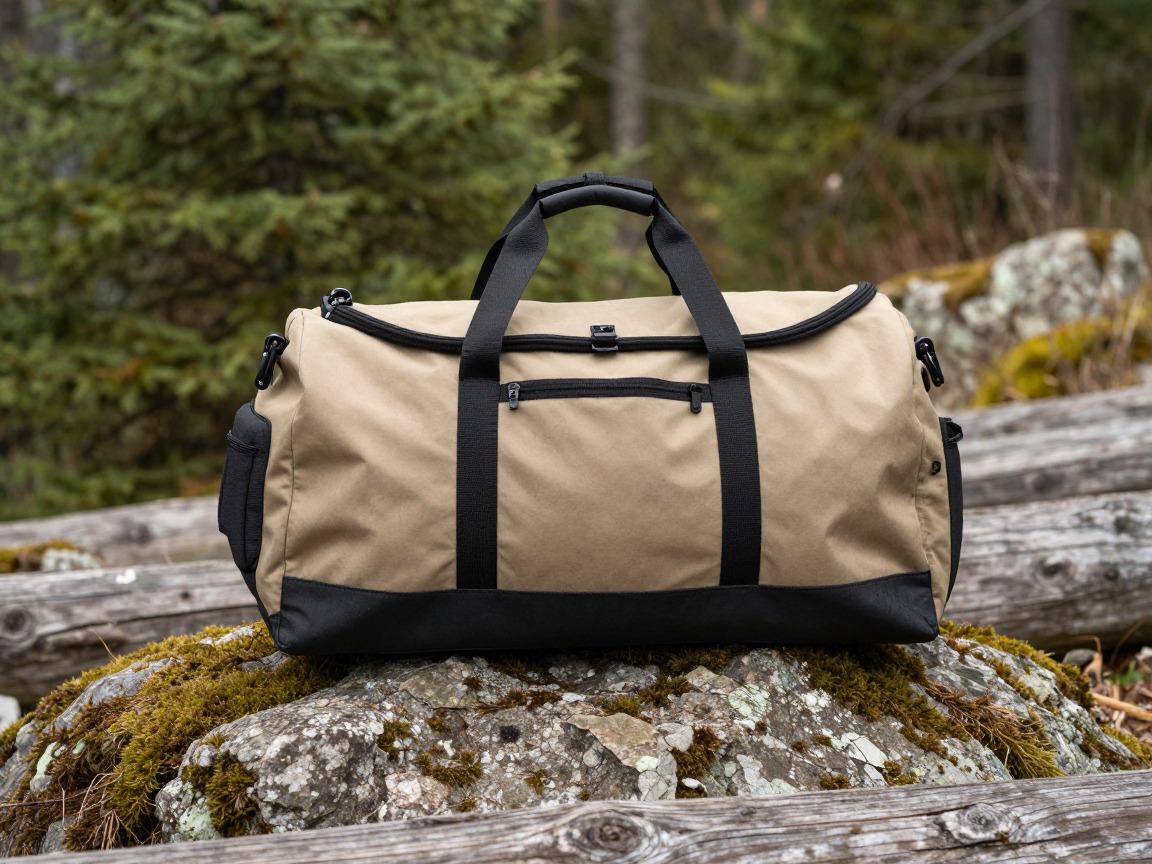
Gear duffel
Corrals the bulk of your basecamp gear in the vehicle — clothes, kitchen box, spare layers — so nothing shifts loose on rough roads and everything has a spot at camp.
What to look for: Durable, water-resistant fabric, a shape that stacks flat in a truck bed or cargo area, and handles you can grab one-handed at camp.
 Fmeida 65L Duffle Bag Foldable Travel Duffel Bags for Men Women Trav Check price
  120L Foldable Collapsible Waterproof Travel Duffel Bag for Men and W Check price
  adidas Defender 5 Duffel Bag for Sports Check price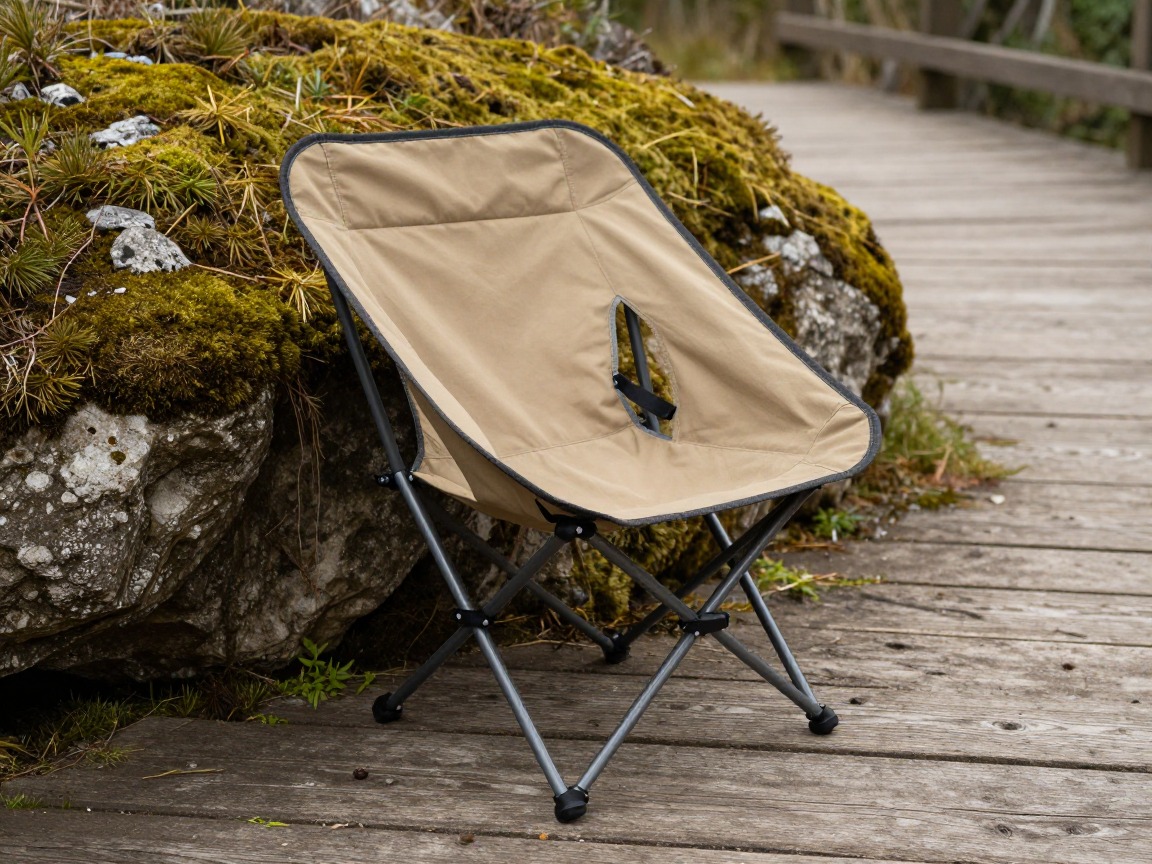
Camp chair
Real seating at a fixed camp — something a backpacker would never carry, but a vehicle doesn't notice the weight of.
What to look for: A sturdy frame with real back support, a packed size that fits your vehicle, and a seat height that's easy to get up from.
 ONETIGRIS Tigerblade Camping Chair Check price
  ONETIGRIS Tigerblade Camping Chair Check price
  MOON LENCE Portable Camping Chair Backpacking Chair - The 4th Genera Check price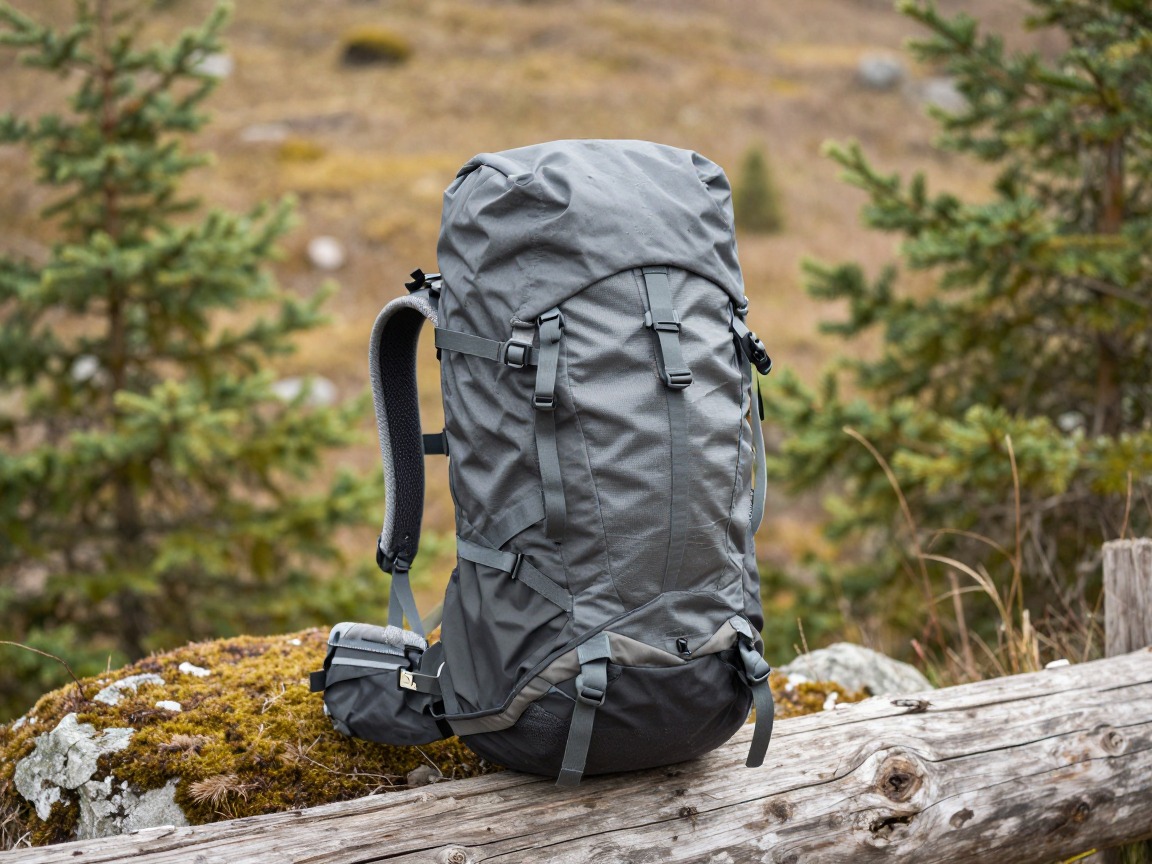
Day-hike pack
The pack that actually leaves the vehicle — sized for one day's water, food and layers on hikes out from camp.
What to look for: 18–30 L with a simple hip belt, room for a shell and a day's food and water, and no overnight bulk.
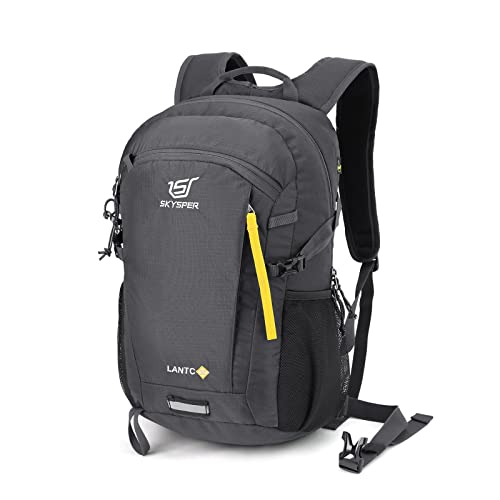 SKYSPER Small Hiking Backpack Check price
  Osprey Sportlite 20L Lightweight Hiking Backpack Check price
 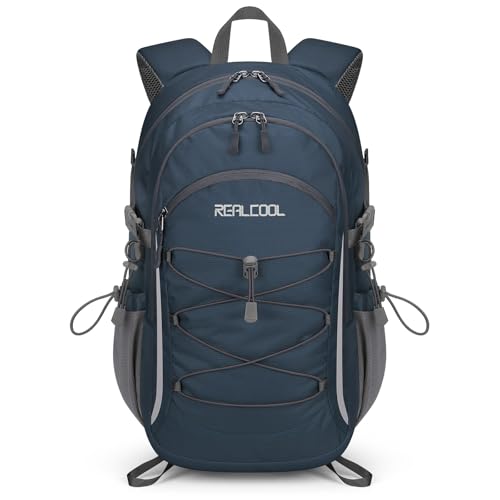 RealCool 20L Lightweight Hiking Backpack Check price
 - Basecamp tent, roomy enough to stand and store gear in
- Cooler or 12V fridge/freezer for food that lasts the stay
- Folding camp table
- Vehicle recovery basics for rough roads — tow strap, traction boards, a shovel
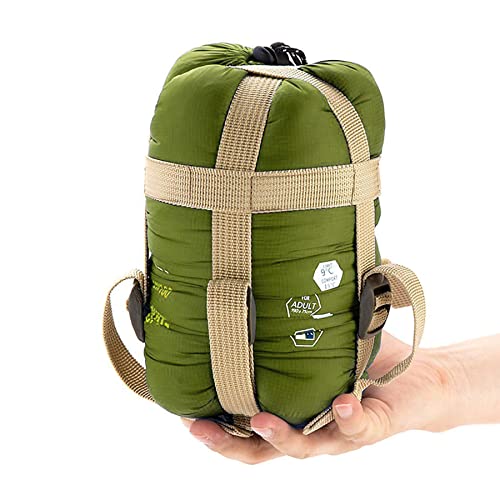
Sleep system
Same warmth math as any overnight trip, but sized generously — the vehicle carries the extra bulk of a plusher setup without complaint.
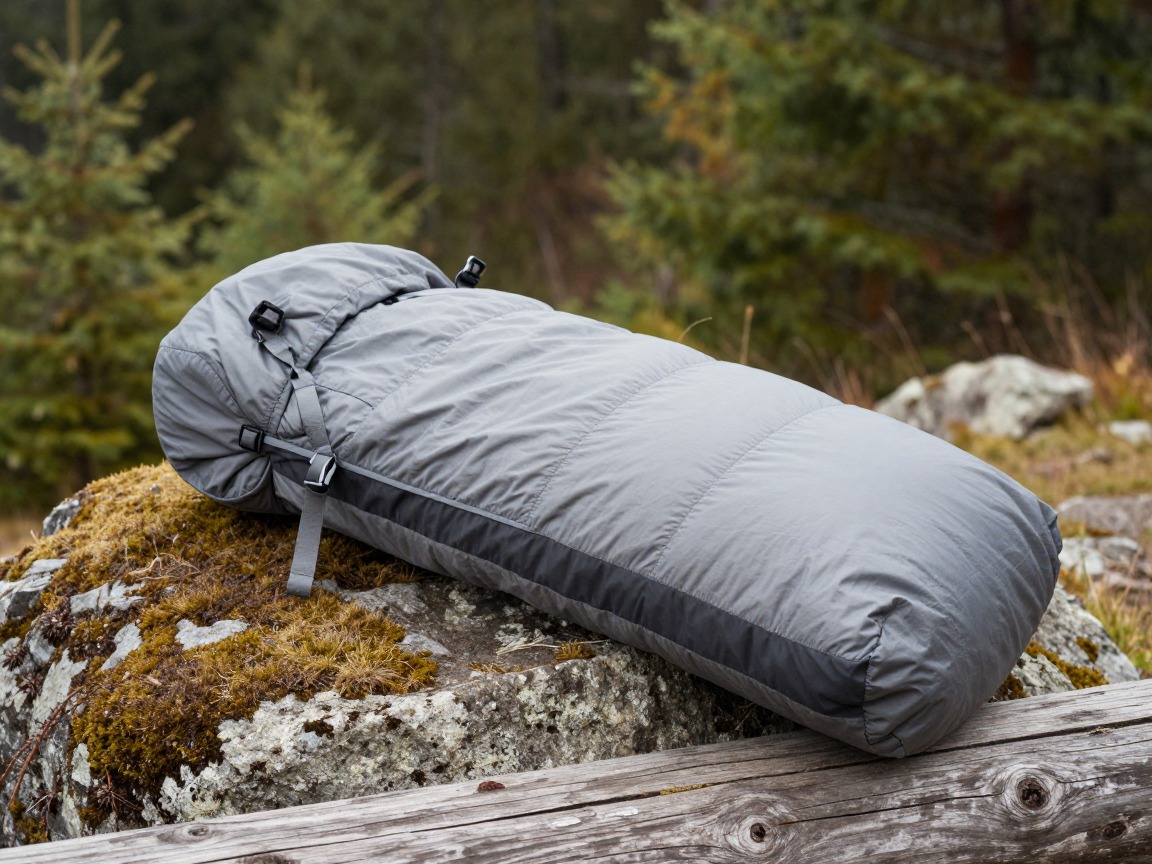
Sleeping bag
Rated to the coldest night your camp is likely to see, which can run colder than the nearest town's forecast at elevation or in exposed terrain.
What to look for: A comfort rating below your coldest expected night, a well-sealing hood and draft collar, and a fill suited to how damp camp gets.
 MalloMe Sleeping Bags for Adults Cold Weather & Warm - Backpacking C Check price
  ECOOPRO Portable Check price
  Teton Trailhead Check price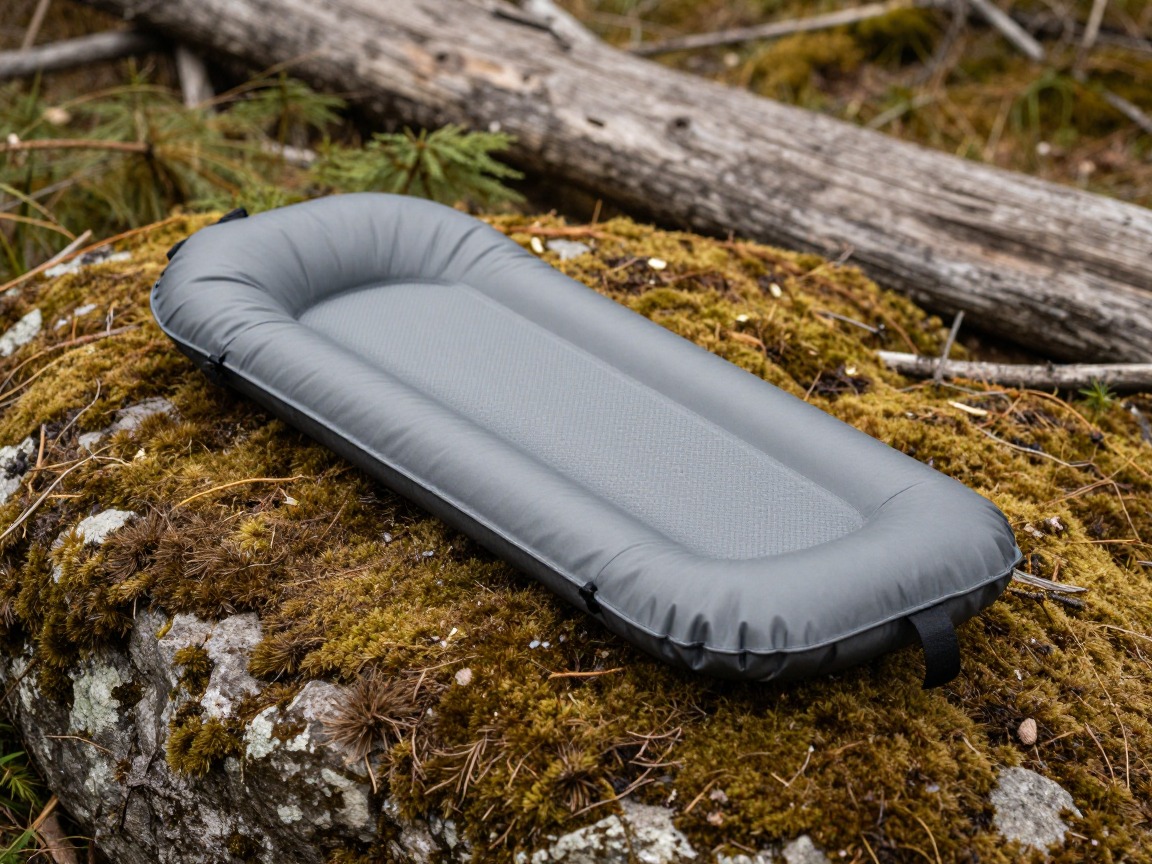
Sleeping pad
Insulates you from the ground for however many nights you're parked here; a wider, thicker pad is an easy upgrade when weight doesn't ride on your back.
What to look for: Enough R-value for the season (3+ for three-season), sized up in width and thickness over what you'd choose for backpacking.
 FUN PAC Camping Sleeping Pad Check price
  Gear Doctors® Ether 17.5oz Ultralight Camping Sleeping Pad Check price
  Oramoose 4in Ultralight Camping Sleeping Pad with Pillow and Foot Pu Check price
 - Stakes, guylines and a mallet
- Groundsheet or footprint
- Inflatable pillow
- An extra blanket or two for lounging outside the tent
Basecamp kitchen
Days parked in one spot let cooking get genuinely ambitious — a stable stove, real cookware and treated water do the rest.
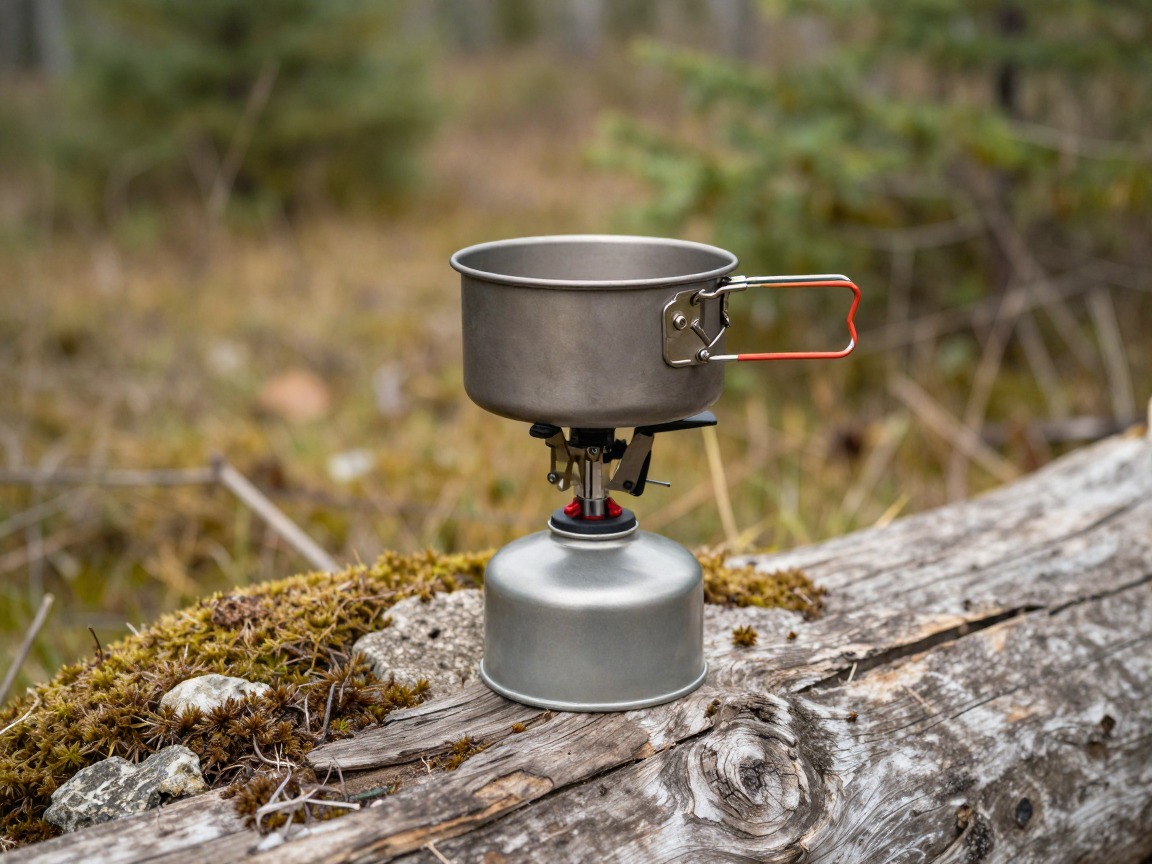
Camp stove
Handles every meal for the stay, from morning coffee to dinner; basecamping is where a larger, more stable stove earns its keep.
What to look for: Good simmer control for real cooking, a stable wide base for a loaded pot, and fuel budgeted for every meal, not just one night.
 AOTU Portable Camping Stoves Backpacking Stove with Piezo Ignition S Check price
  MSR PocketRocket 2 Ultralight Camping and Backpacking Stove Check price
  Fire-Maple Greenpeak 1 Camping Stove with Piezo Ignition Portable Ga Check price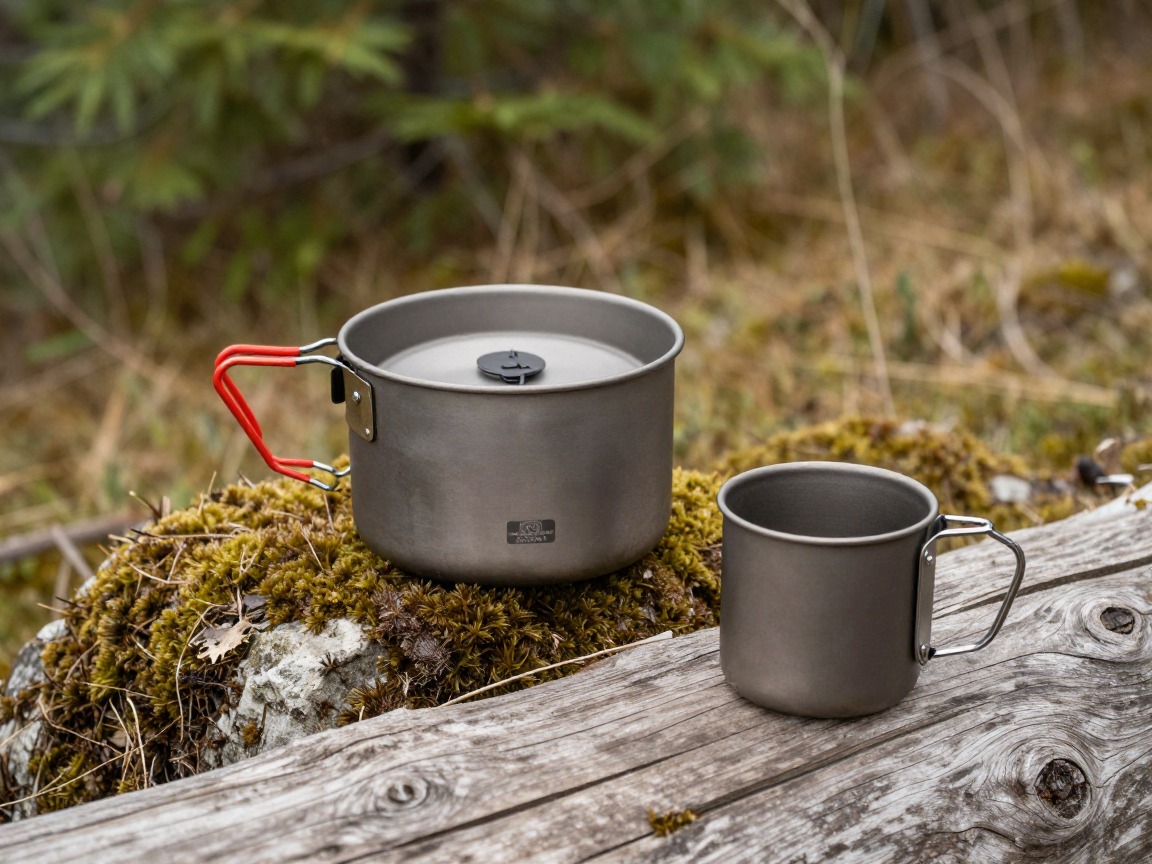
Pot & pan set
A main pot plus a second pan opens up meals you'd never bother packing on a trip where you carried it all yourself.
What to look for: A main pot sized to your group, plus a pan or second pot if you're leaning into real cooking rather than just boiling water.
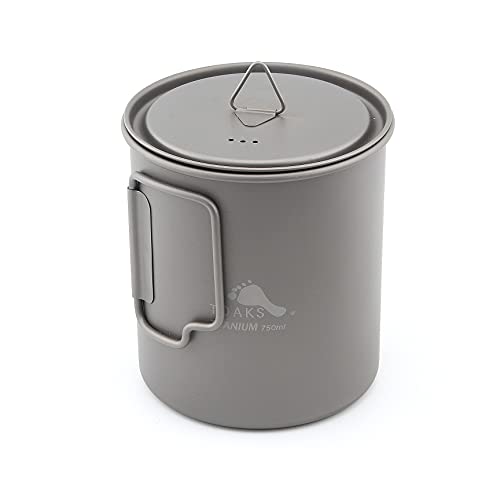 TOAKS Titanium 750ml Pot Check price
  TOAKS Titanium 750ml Pot with Bail Handle for Ultralight Camping Check price
  TOAKS Titanium 1100ml Pot with Pan Check price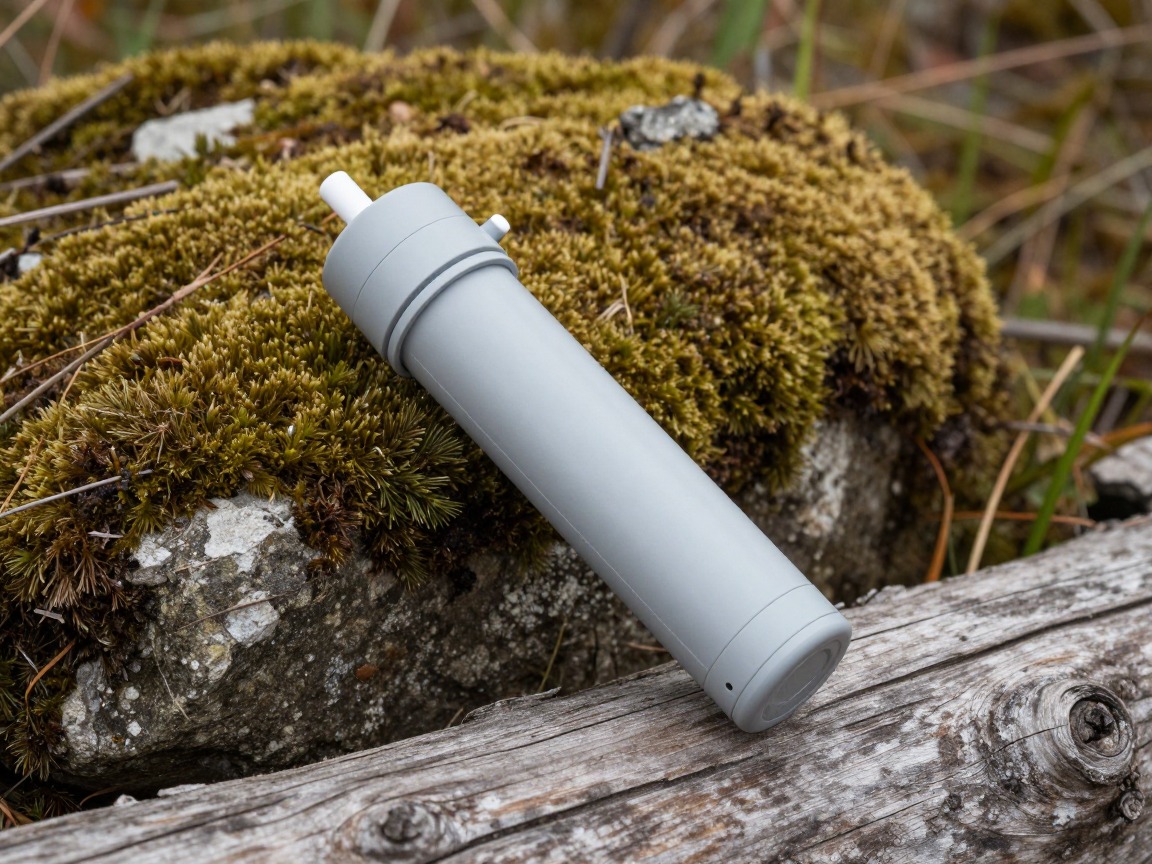
Water filter
Treats stream, lake or spring water right at camp, so you're not hauling every drop of drinking water in.
What to look for: A gravity or pump filter that processes a full camp's water needs efficiently — you're filtering for the whole stay, not a single day.
 Sawyer Squeeze Water Filtration System Check price
  Sawyer Products SP128 Mini Water Filtration System Check price
  LifeStraw Personal Water Filter for Hiking Check price
 - Fuel, sized for the whole stay
- Dish kit — soap, scrubber, quick-dry towel
- Food storage that's genuinely animal-resistant for the area
- Coffee gear, if that's part of the morning
Clothing & footwear
Pack for two different jobs — sitting at a camp that gets cold at night, and moving on a day hike that might run warm — which call for slightly different choices.
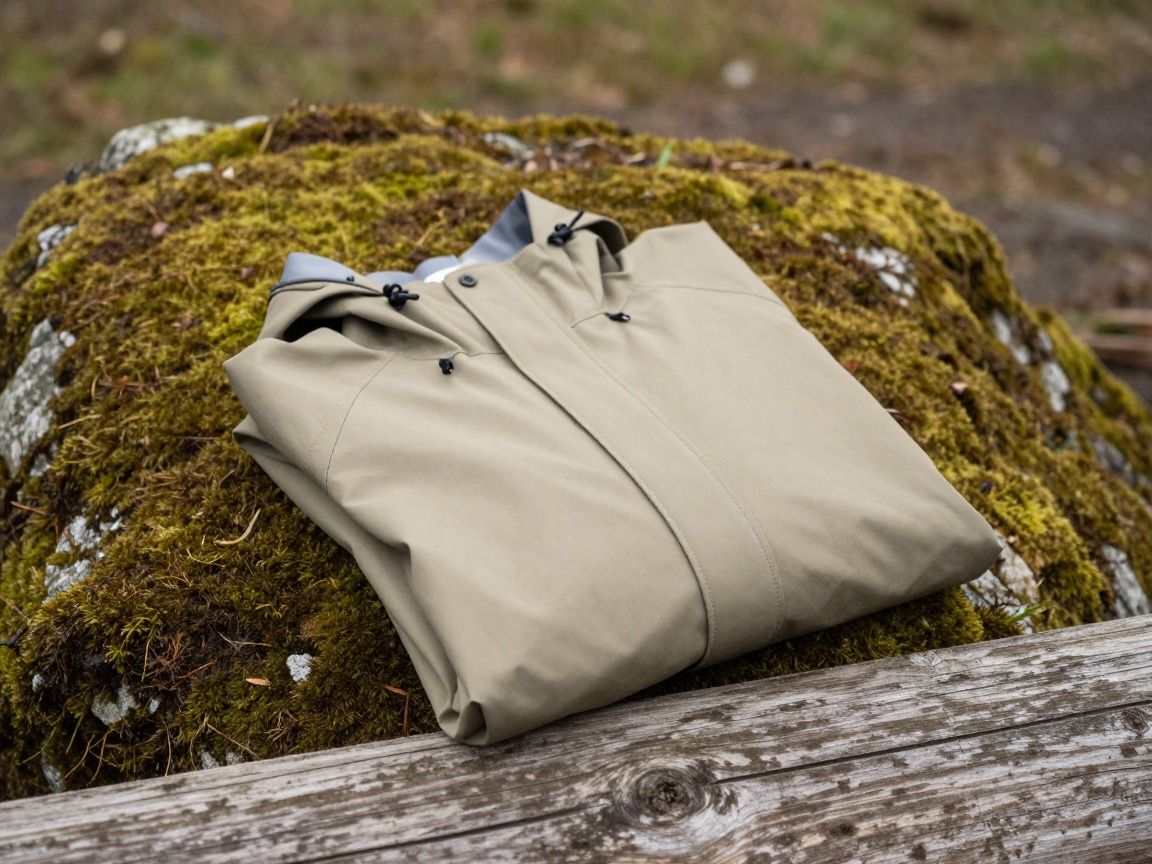
Rain shell
Doubles as a camp wind layer in the evening and a day-hike rain shell on the trail.
What to look for: Genuinely waterproof and breathable, with pit zips for hiking miles and room to layer over insulation back at camp.
 UIQUR Mens Rain Jacket Raincoat Waterproof Windbreaker Black L Check price
  COOFANDY Men's Waterproof Hiking Travel Shell Breathable Rain Jacket Check price
  Columbia Womens Arcadia II Waterproof Rain Jacket Check price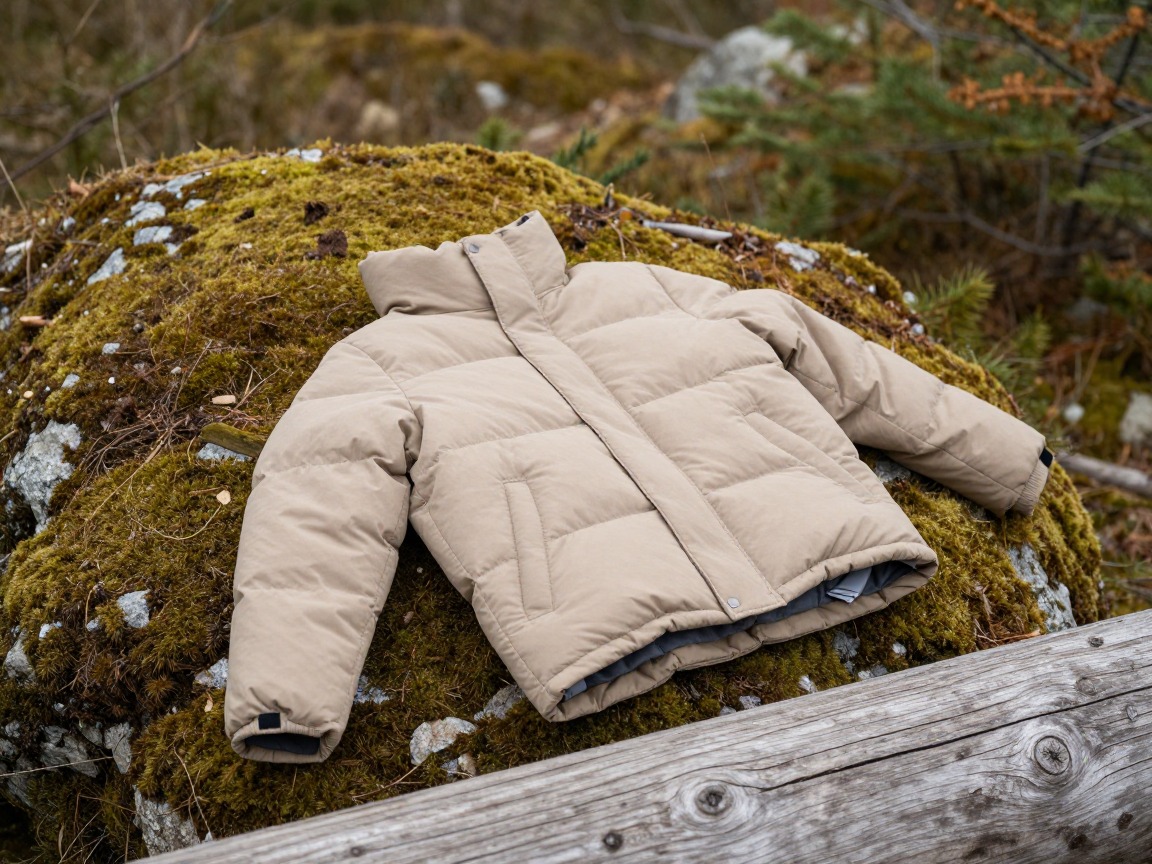
Insulating layer
Your evening-at-camp layer as much as a hiking layer, since it spends more time at the fire ring than in the day pack.
What to look for: The warmest packable option you're willing to bring — down if camp stays dry, synthetic if you're near water.
 Outdoor Ventures Women's Packable Lightweight Puffer Jacket with Hoo Check price
  Amazon Essentials Women's Lightweight Long-Sleeve Water-Resistant Pa Check price
  Outdoor Ventures Women's Packable Lightweight Puffer Jacket with Hoo Check price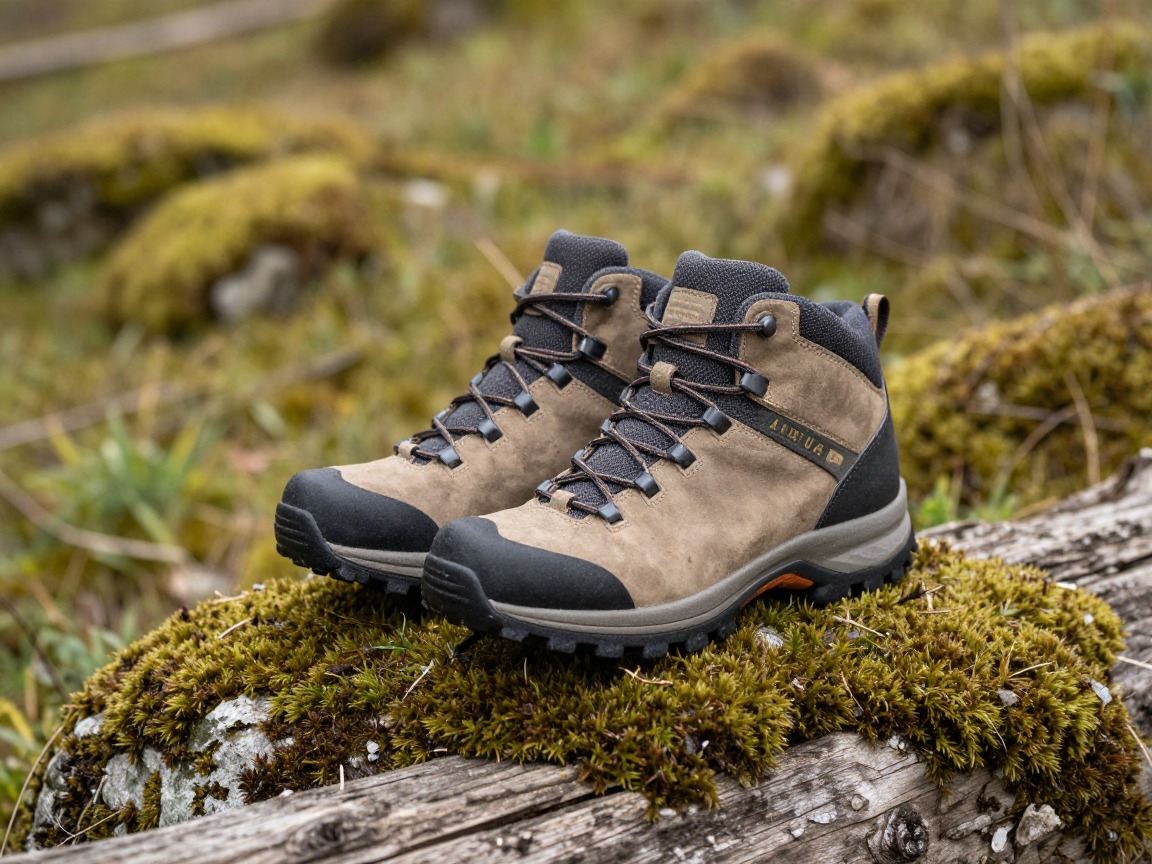
Hiking boots
Real trail footwear for the day-hike miles, kept separate from the camp shoes that rest your feet back at the rig.
What to look for: Support and tread suited to the terrain, broken in before the trip, with room for a thicker sock on cold mornings.
 Columbia Men's Transverse Waterproof Hiking Boot Check price
  NORTIV 8 Men's Ankle High Waterproof Hiking Boots Check price
  Columbia Mens Transverse Waterproof Hiking Boot Check price
 - Camp shoes or sandals to give trail boots a break at night
- Spare hiking socks
- Sun hat & sunglasses
- Warm hat & gloves for cool basecamp mornings and evenings
Navigation, light & getting back to the rig
A dispersed basecamp isn't a marked trailhead, so navigation here covers two trips: the hike out, and finding your way back to the vehicle.
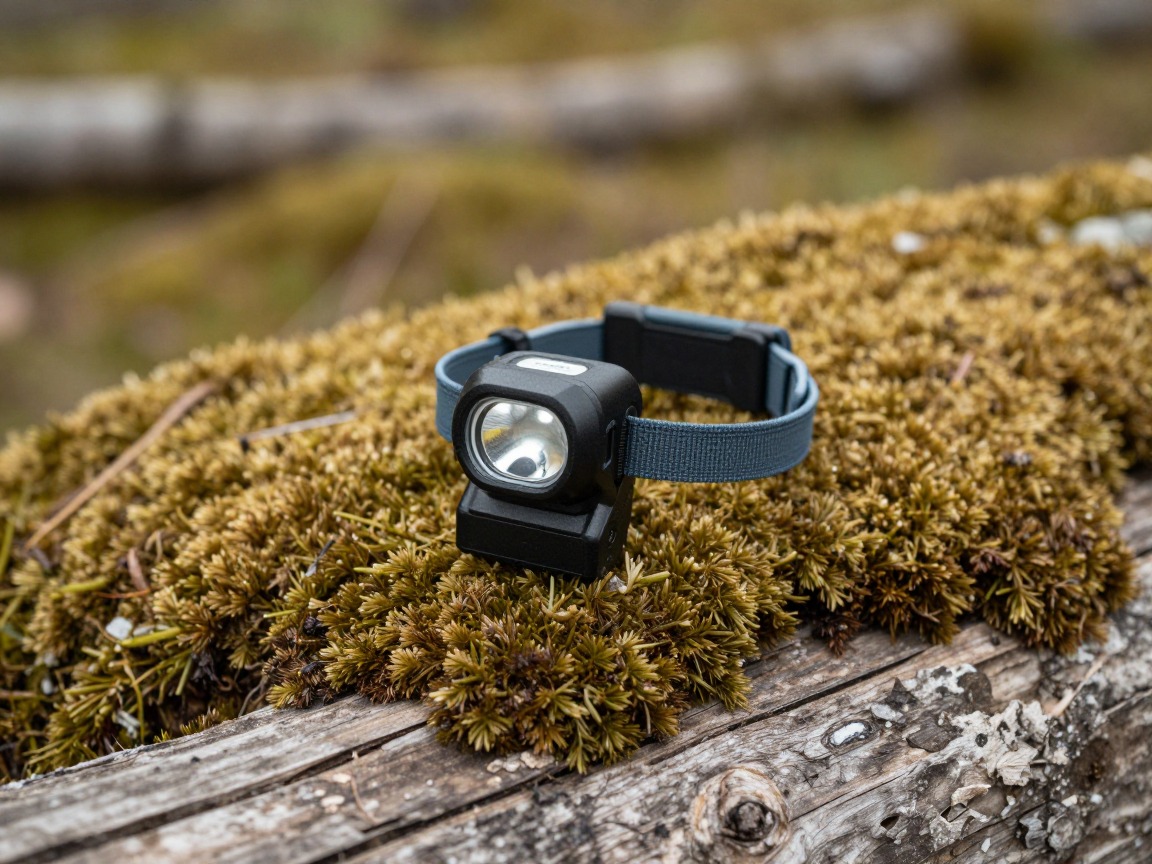
Headlamp
Used constantly around camp after dark as well as on any hike that runs past sunset; bring a spare battery or a way to recharge.
What to look for: Bright enough for camp chores and trail use, a red mode that's easier on group eyes, and battery life for every night of the stay.
 LHKNL Headlamp Flashlight Check price
 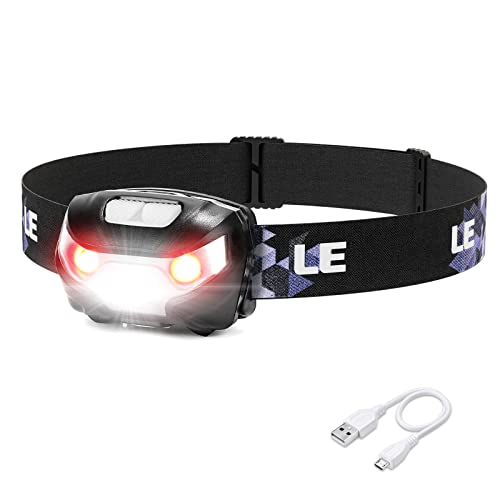 Lepro LED Headlamp Rechargeable IPX4 Waterproof Headlight 5 Modes - Check price
 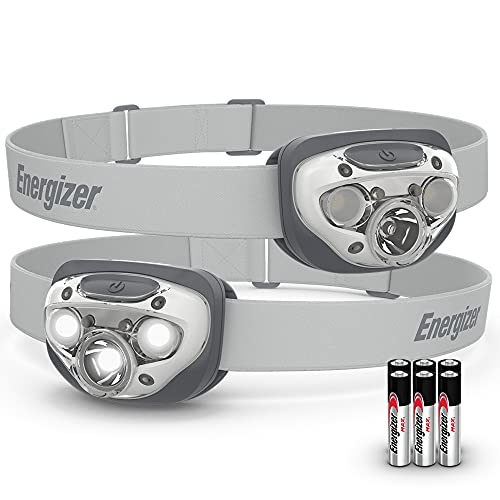 Energizer LED Headlamp PRO Check price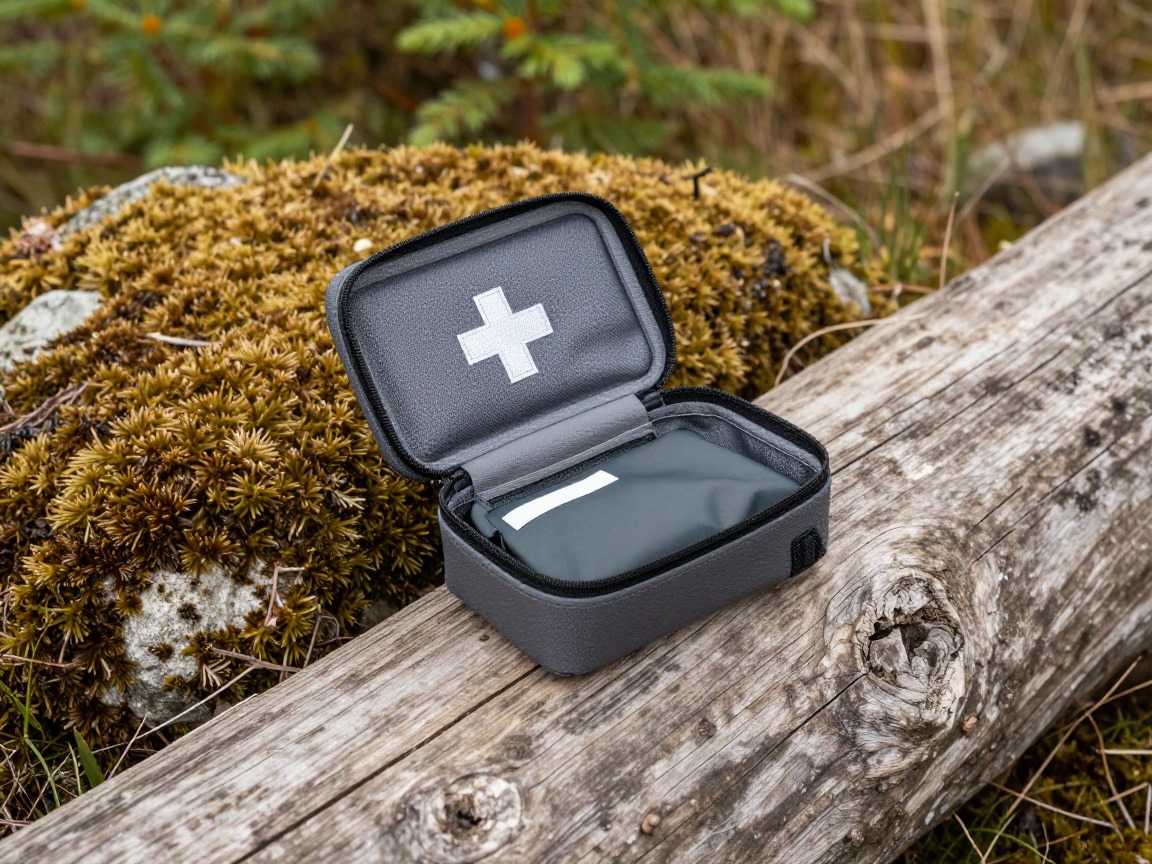
First-aid kit
A fuller kit than a single day hike needs, since a remote basecamp can be a real distance from the nearest help.
What to look for: Depth suited to how far you are from a road or town, split between what stays in the vehicle and a smaller day-pack version.
 Mini First Aid Kit - 150 Piece Small Waterproof EVA Hard Shell Case Check price
  Adventure Medical Kits Ultralight/Watertight Medical Kit .5 Check price
 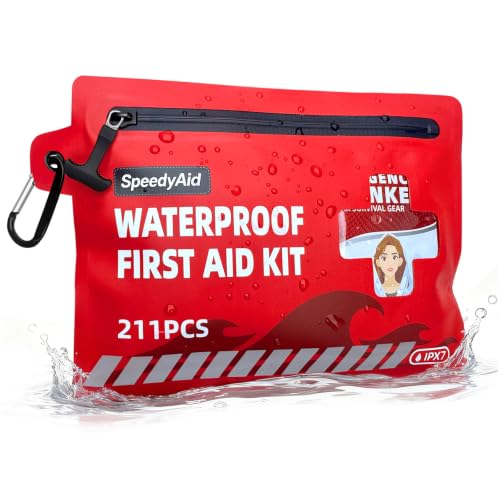 211 PCS Waterproof First Aid Kit Check price
 - Map + compass or GPS (offline), plus a waypoint marked for the vehicle
- A landmark or bearing noted before leaving camp on foot
- Trekking poles for the day-hike miles
- Whistle, and a fire kit
- Phone + power bank
- Route plan left with someone, covering the drive-in and day-hike routes
How to adapt this setup
Trim the comfort extras — the second pot, the extra chair, the thicker pad — and treat it like standard car camping with one day hike attached.
More food, fuel and water drive the extra weight; check food storage and plan a refill point if you're not filtering locally.
Take vehicle recovery seriously — traction boards, a tow strap, a shovel, and a plan if the road turns out worse than expected.
Split shared gear — stove, tent, filter — across vehicles, and consider a second day pack so more than one person can hike out.
Lean on an awning or tarp for shade at camp, start hikes early, and carry more water than a shaded route would need.
Common mistakes to avoid
- Packing the day pack with car-camping-weight gear out of habit, when it should stay light.
- Not marking the camp's exact location before hiking out from an unmarked, dispersed site.
- Treating a remote basecamp hike as casual just because the vehicle is nearby — help can still be hours away.
- Skipping recovery gear because the access road 'looked fine' at the trailhead register.
- Using food storage that isn't truly animal-resistant, at a camp that stays put long enough to draw attention.
- Overloading the vehicle so heavily that ground clearance or handling suffers on the drive in.
Make it yours
Frequently asked questions
What is an overlanding basecamp setup?
A trip where you drive a 4x4 or overland-capable vehicle to a remote site, set up camp for several nights, and day-hike out from that point instead of carrying everything on your back. It pairs real camp comfort with a light, separate day-hike kit.
How is this different from a backpacking basecamp?
A backpacking basecamp is hauled in on foot, so even its 'comfort' gear stays weight-conscious. Here the vehicle hauls everything, so the camp — tent, kitchen, chair — can be genuinely heavier and more comfortable; only the day pack stays light.
What size day pack do I need for hiking from an overlanding camp?
Most overlanding basecampers do well with 25–35 L — enough for a day's water, food and layers, with room to spare for anything camp-specific like a GPS unit or extra navigation gear.
Do I need special recovery gear for a basecamp overlanding trip?
If you're on an unmaintained or rough access road, yes — a tow strap, traction boards and a shovel are the baseline. How much further you go depends on the terrain and how remote the road really is.
How do I find my way back to camp after a day hike from a dispersed site?
Mark the camp as a waypoint on a GPS or offline map before you leave, and note a landmark, bearing or track junction near camp. A dispersed site won't have a trailhead sign to guide you back.
Illustrative images show the type of gear, not specific products. Recommendations link to similar items on Amazon; we only ever link real listings and never show fabricated prices or ratings. General planning guidance, not a substitute for your own judgment or professional backcountry-safety instruction.