
The night hiking setup
Hiking after dark is a different exercise from hiking in daylight — a familiar trail can feel unfamiliar in a headlamp's narrow beam, and small mistakes carry more weight. This is a complete night-hiking setup built on one idea: redundancy. Bring two ways to see, extra warmth for when the temperature drops, and the habits that keep you found, visible and on the right trail.
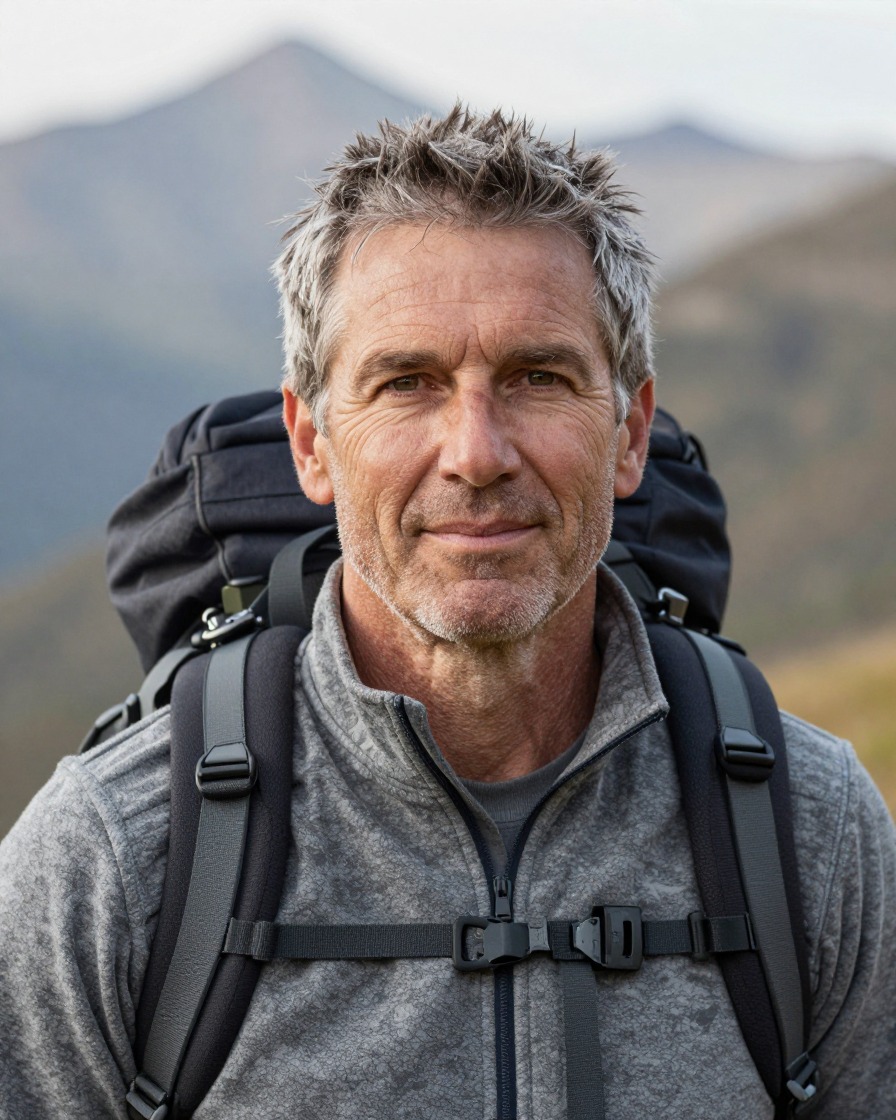
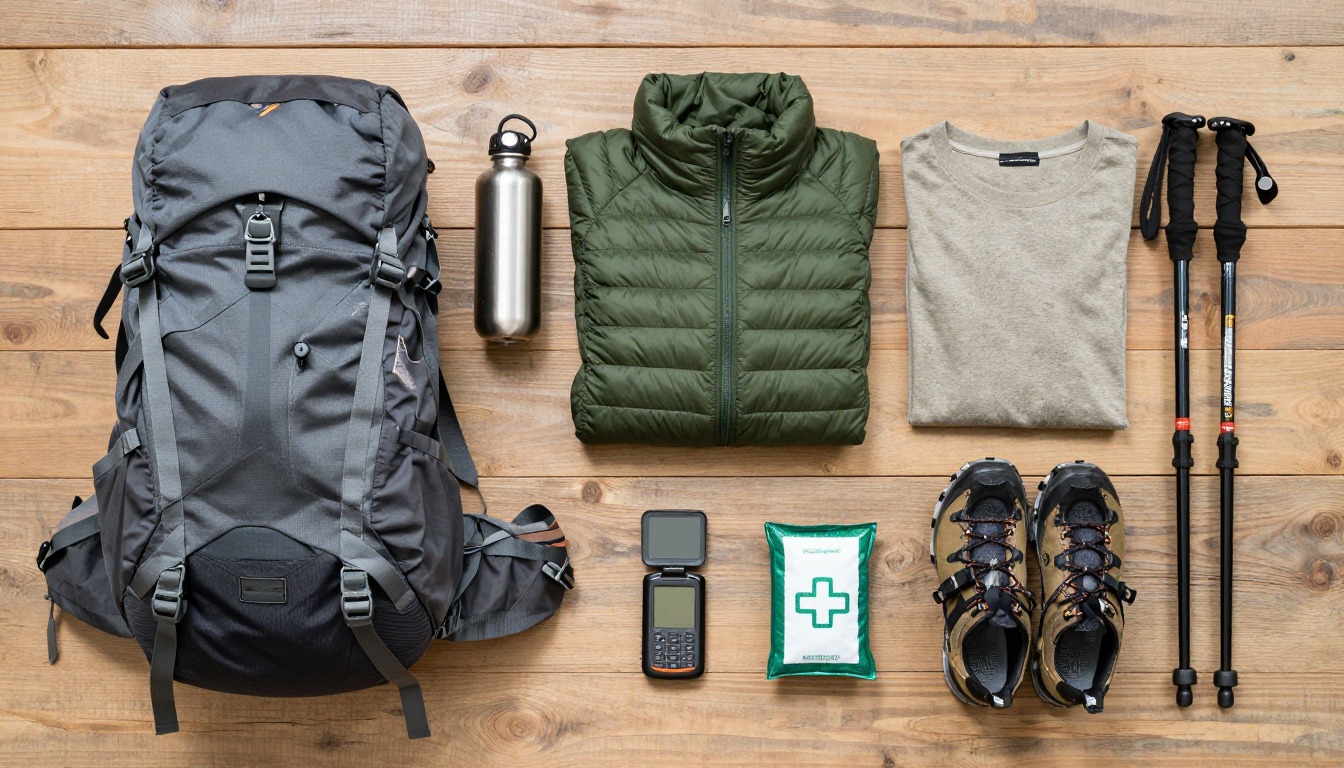
A night kit is built around backup — for light most of all, but for everything else too. Lose your only headlamp after dark and you don't have an inconvenience, you have a real problem, so this setup doubles up on the one thing you can't do without and adds the extra warmth, navigation care and visibility that daylight hiking doesn't demand.
This suits hikers doing a planned night hike or full-moon walk on a trail they already know well by day — not a first visit to unfamiliar terrain after dark. It also fits day hikers whose start or finish slides into dusk by choice. If you're not confident on the trail, walk it once in daylight first.
- Start with your primary headlamp and immediately add a backup light and spare batteries — non-negotiable for hiking after dark.
- Layer on extra warmth: temperatures drop faster after sunset than most hikers expect, so pack an insulating layer and a base layer even on a mild day.
- Download your route for offline use before you leave, and add whatever keeps you visible to others on shared or roadside sections.
- Finish with the habits: tell someone your route and return time, carry a way to call for help, and stay alert to wildlife you'd otherwise judge by sight.
About this setup
Night hiking is a deliberate choice for good reasons — a full-moon walk, escaping summer heat, star photography, training for the overnight push on a longer trek, or a familiar trail that feels different after dark. None of that requires special heroics, but it calls for different gear than the same route by day. The biggest shift is that your eyes stop doing most of the work; a headlamp becomes the thing standing between you and the trail.
That's why this kit leans on redundancy. A headlamp that dims, drops or runs flat mid-hike is a routine daylight annoyance and a real problem after dark, so a second light and spare batteries are the core of the list, not extras. The same logic extends outward: extra warmth, because temperatures fall harder than most hikers plan for; sharper navigation, because junctions obvious by day can be easy to miss inside a narrow beam; and a plan someone else knows, because a small problem after dark takes longer to become visible to anyone but you.
None of this is about pushing into terrain you wouldn't hike by day or treating darkness as something to conquer. It's about carrying the redundancy and habits — protecting night vision with a red-light mode, staying alert to wildlife, telling someone where you'll be — that keep an after-dark hike as ordinary as a daytime one. Save unfamiliar or technical terrain for daylight, and treat a real injury, being lost, or a wildlife encounter you can't safely back away from as a reason to call for help rather than push on.
The pack
A night hike rarely needs more volume than the same route by day — the extra weight is a second light and warmer layers, not bulk.
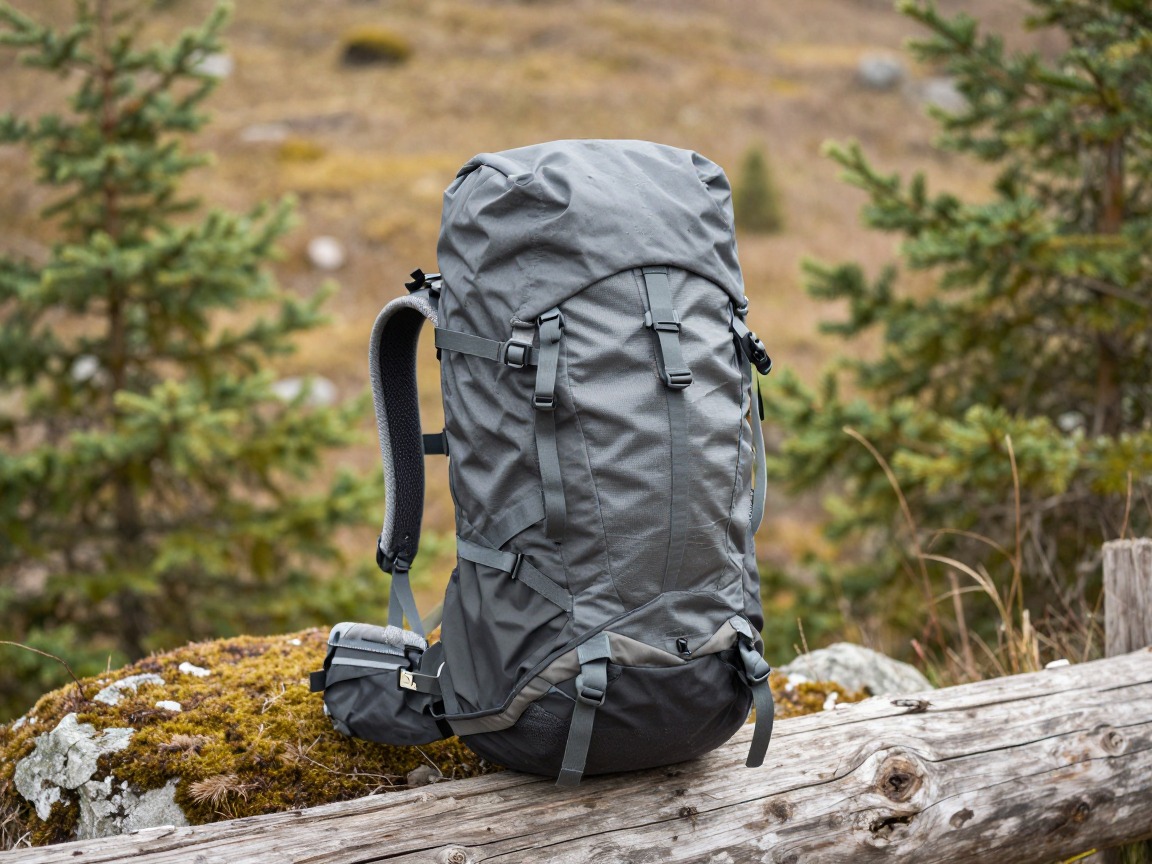
A day-sized backpack
Carries the doubled-up light kit, extra warmth and safety gear without adding bulk — the same daypack works fine after dark.
What to look for: A supportive back panel and a pocket you can find by feel, since you'll be reaching into your pack without looking at it.
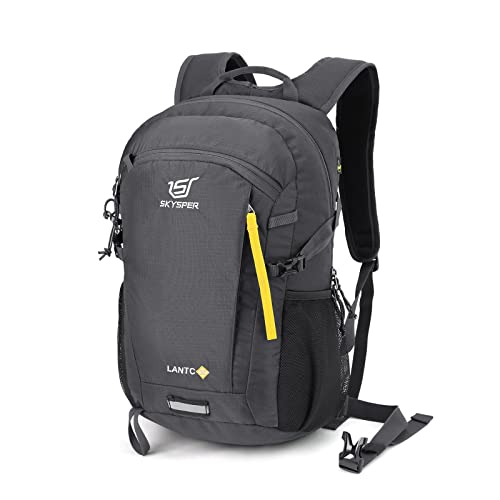 SKYSPER Small Hiking Backpack Check price
  Osprey Sportlite 20L Lightweight Hiking Backpack Check price
 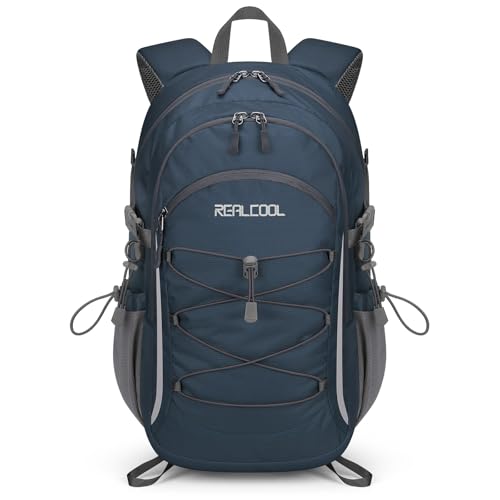 RealCool 20L Lightweight Hiking Backpack Check price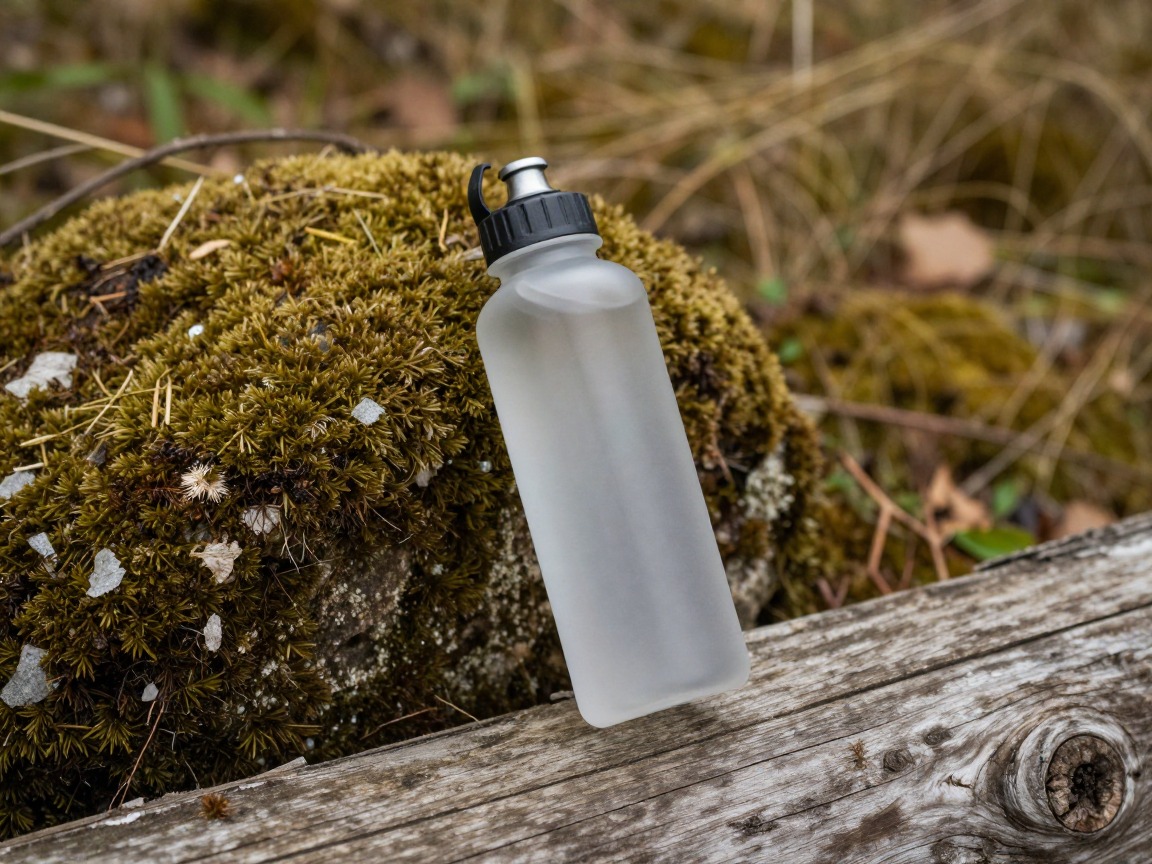
Water bottle
Hydration needs barely change after dark, but a bottle you can identify by feel matters more when your headlamp is aimed at the trail.
What to look for: A simple, tough, wide-mouth bottle with a shape you'd recognize by touch alone.
 Nalgene 32 oz Wide Mouth Water Bottle Check price
  Nalgene 32 oz Wide Mouth Water Bottle Check price
  Nalgene 32 oz Wide Mouth Water Bottle Check price
 Light — the whole point of this list
One reliable light is enough by daylight. After dark, one is a single point of failure — this section makes sure you're never down to zero.
Primary headlamp
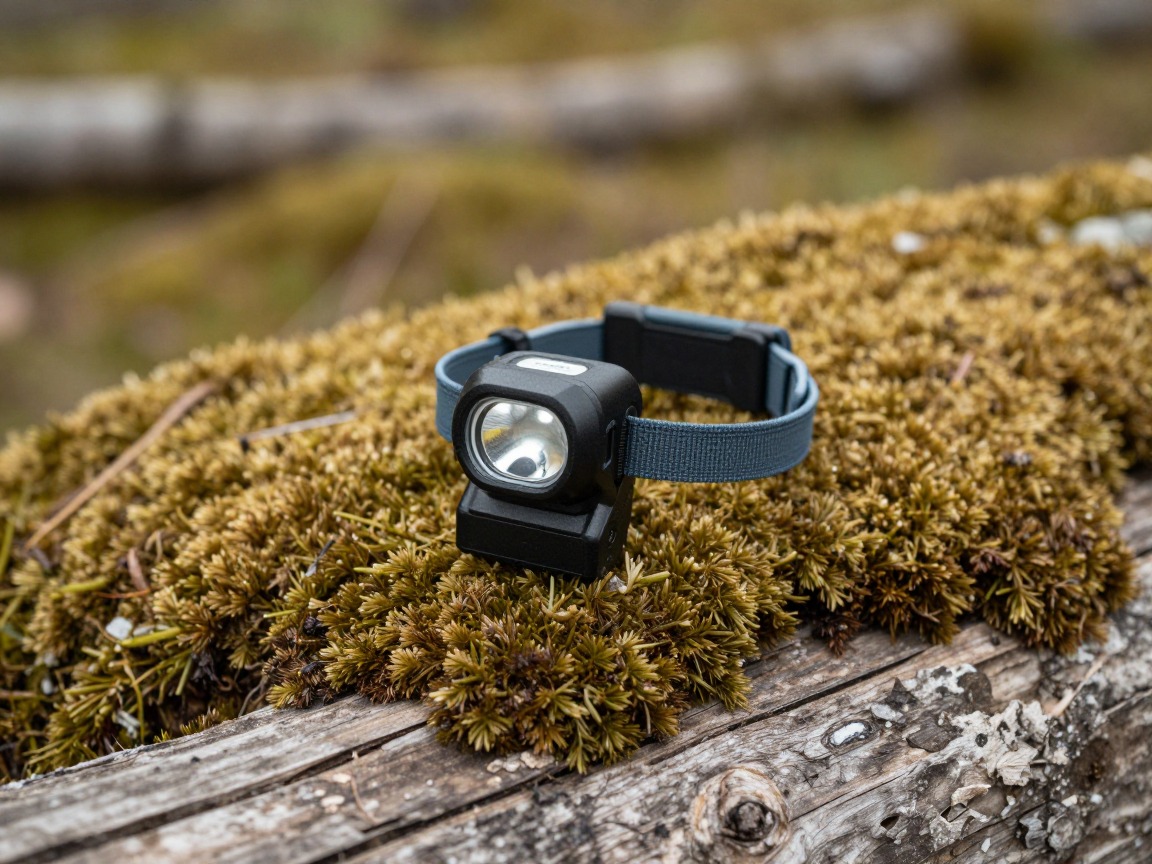
Your main light source, and the piece everything else here backs up — bright enough to actually hike by, not just find a tent zipper.
What to look for: Real hiking-grade output, a red-light mode to protect night vision and avoid blinding other hikers or wildlife, and a lock mode so it can't switch on and drain in your pack.
 LHKNL Headlamp Flashlight Check price
 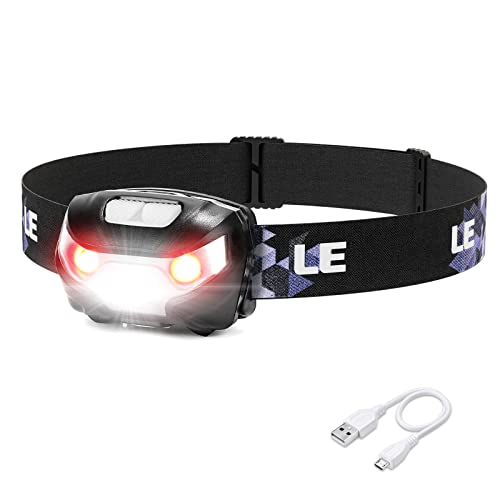 Lepro LED Headlamp Rechargeable IPX4 Waterproof Headlight 5 Modes - Check price
 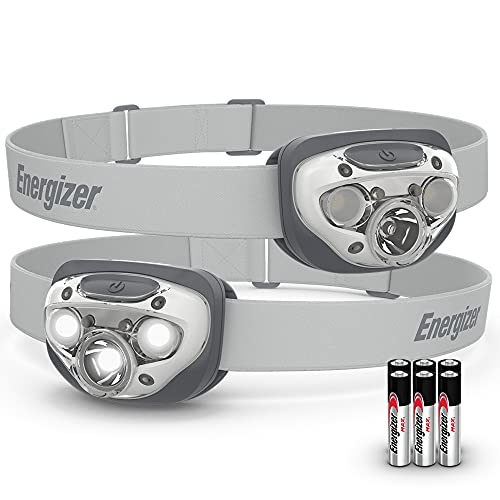 Energizer LED Headlamp PRO Check price
 - Backup light — a second headlamp or small flashlight, carried ready to grab, not buried at the bottom of the pack
- Spare batteries for both lights — cold air drains them faster than most hikers expect
Warmth for after dark
Temperatures fall fast once the sun goes down, often further than the forecast suggests — dress for the coldest part of the hike.
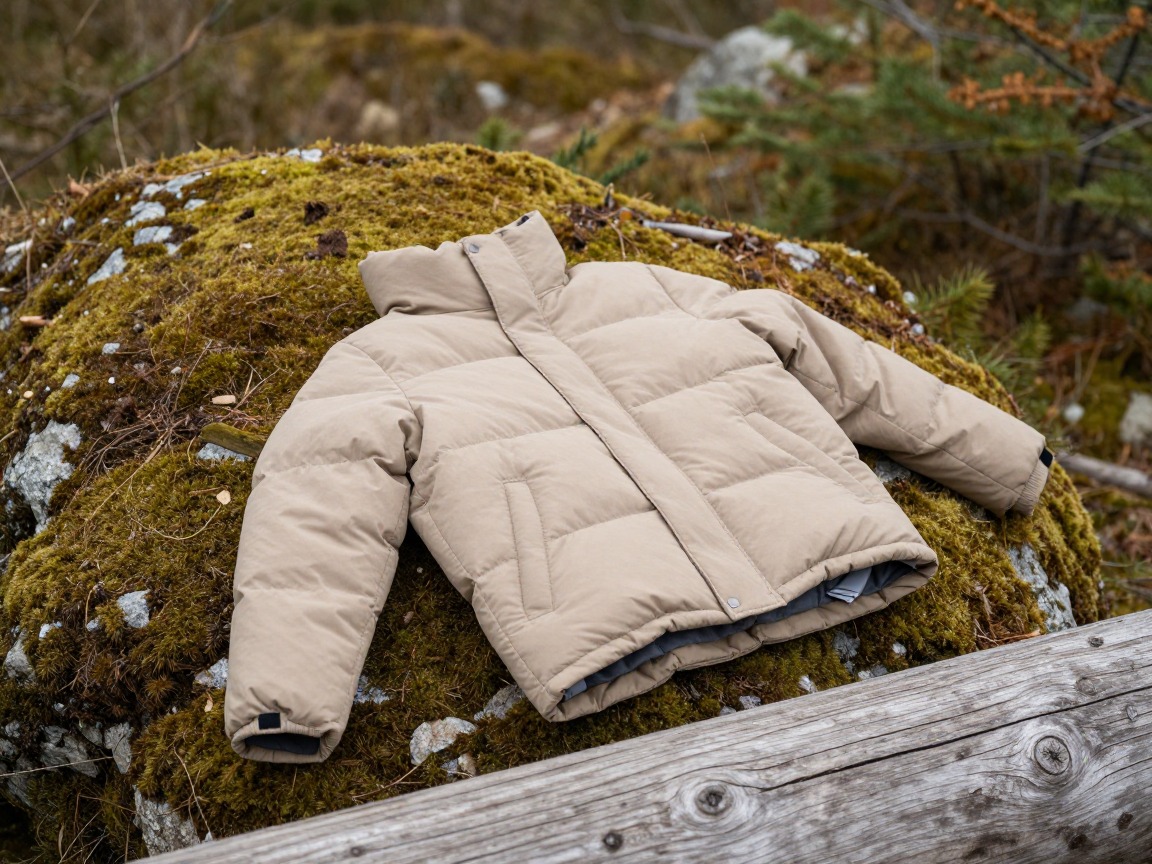
Warm layer
A packable puffy or fleece for the drop that comes with darkness, and for any stop to check a map or catch your breath.
What to look for: The most warmth for its packed size; synthetic fill holds up better than down in damp night air.
 Outdoor Ventures Women's Packable Lightweight Puffer Jacket with Hoo Check price
  Amazon Essentials Women's Lightweight Long-Sleeve Water-Resistant Pa Check price
  Outdoor Ventures Women's Packable Lightweight Puffer Jacket with Hoo Check price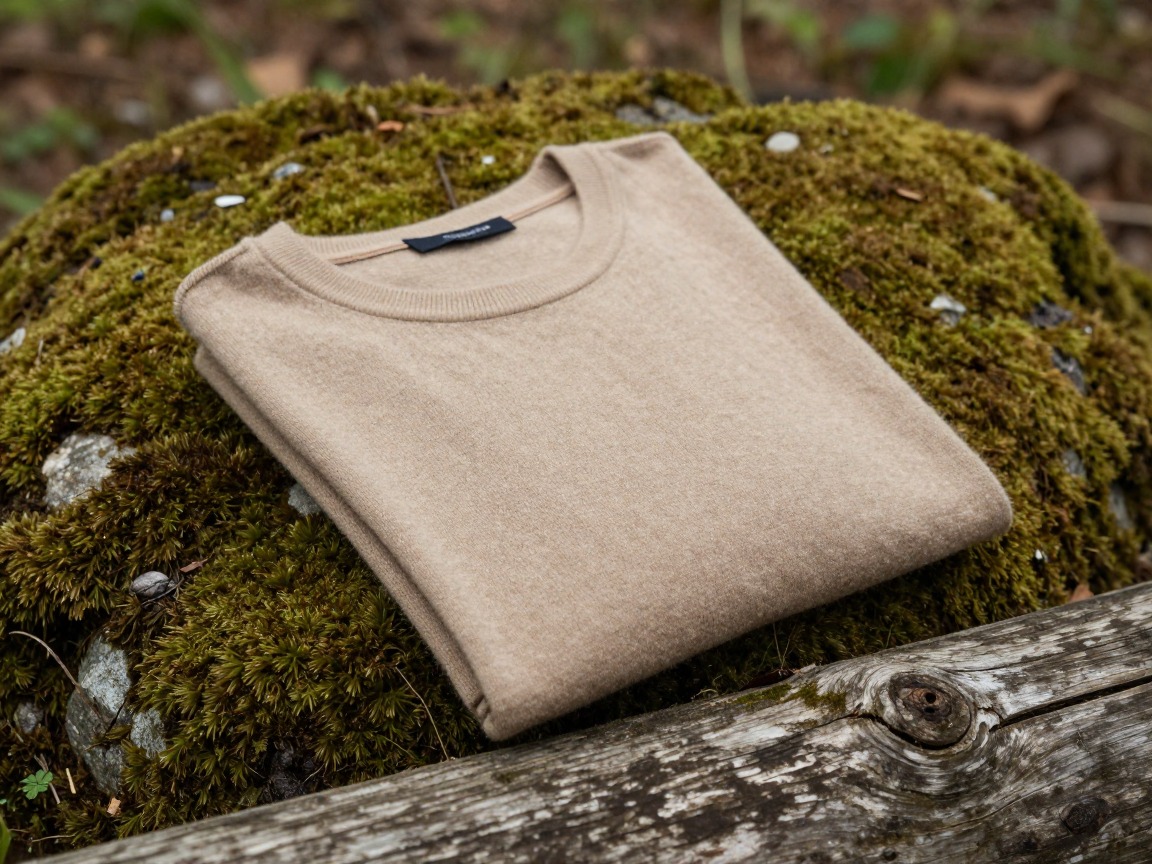
Base layer
A layer against your skin that keeps moving air off you as the temperature falls.
What to look for: A snug, moisture-wicking synthetic or wool base layer — never cotton, which chills you fast once you slow down.
 100% Merino Wool Base Layer Men Set - Thermal Underwear for Men Long Check price
  Merino.tech Merino Wool Base Layer Women Set - Heavyweight Check price
  100% Merino Wool Base Layer Men Set - Thermal Long Underwear with Ba Check price
 - Warm hat or beanie
- Light gloves
- Buff or neck gaiter
Navigation & staying visible
A trail you know by day can look unfamiliar inside a headlamp's beam, so navigation care and being visible to others matter more.
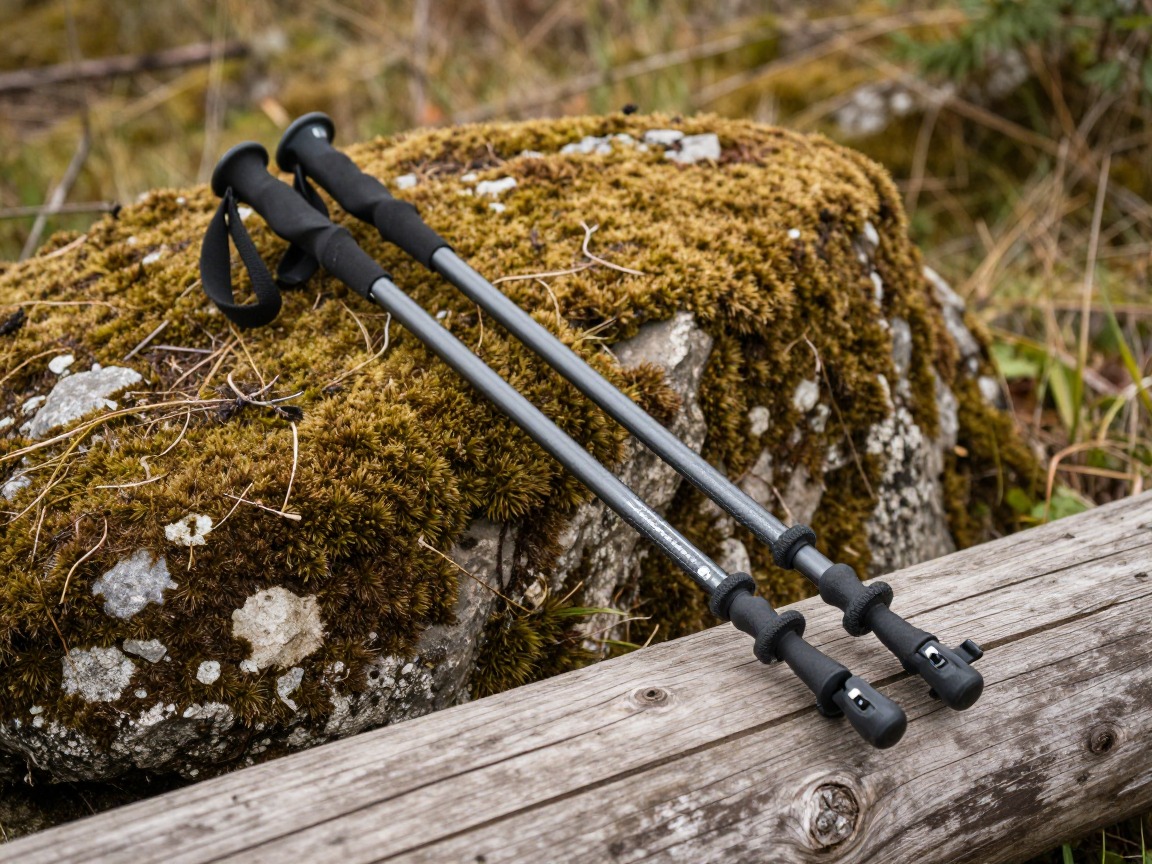
Trekking poles
Extra points of contact help you read terrain your eyes can't fully take in, and catch a stumble your headlamp didn't light up in time.
What to look for: Comfortable grips, locks that hold under load, and tips you can feel through gloves.
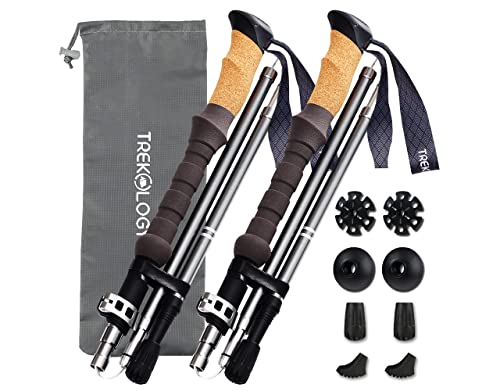 Trekology Trek-Z Cork Grip Collapsible Lightweight Hiking Trekking P Check price
 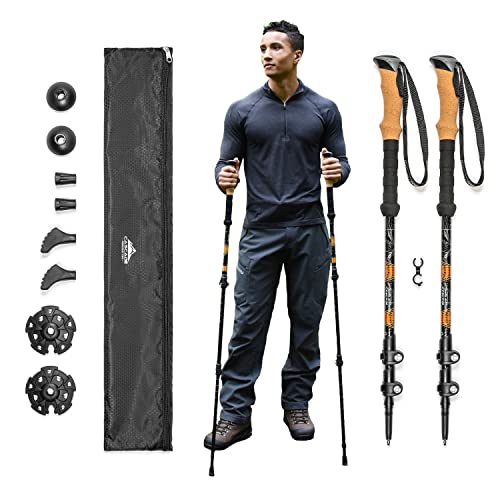 Cascade Mountain Tech Trekking Poles Check price
 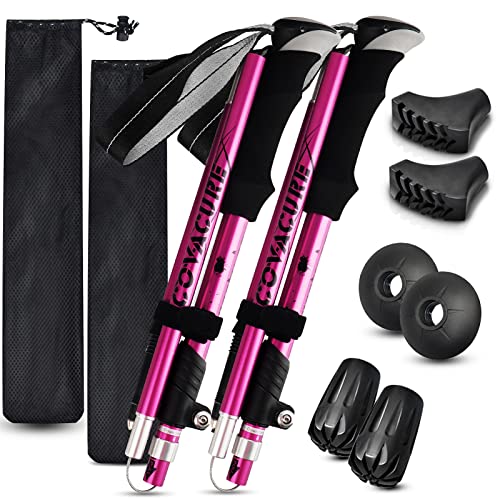 covacure Hiking Poles Check price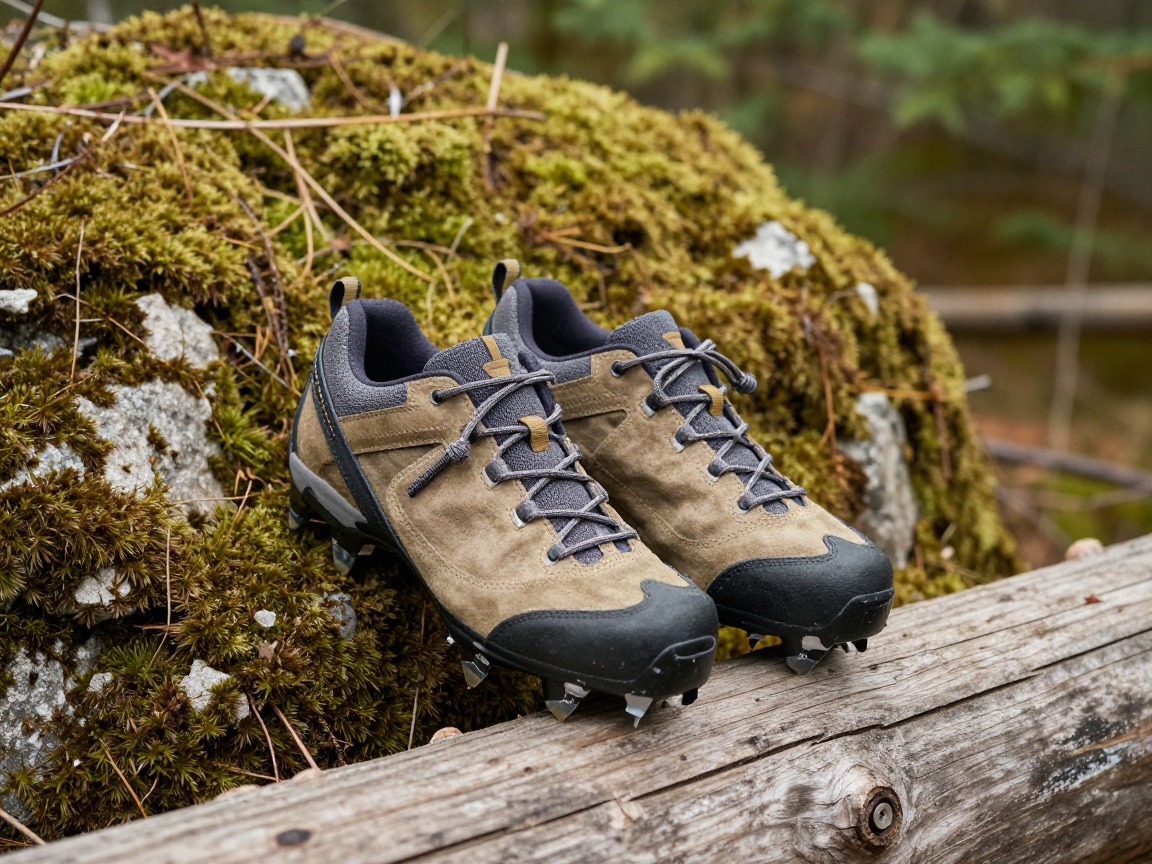
Traction device
On icy or slick ground in shoulder season, traction keeps a dark trail from turning into a fall you never saw coming.
What to look for: Something simple to fit by feel, matched to the ground you're expecting — light traction for hardpack, spikes for ice.
 Kahtoola MICROspikes Footwear Traction for Winter Check price
 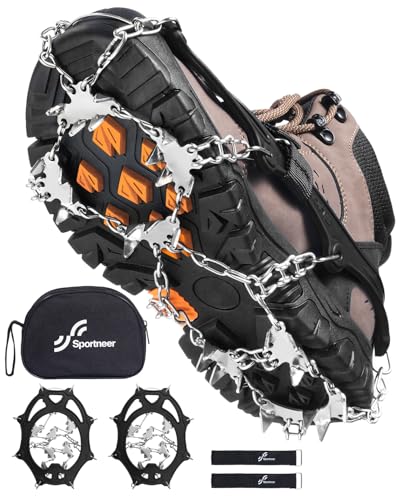 Sportneer Crampons: Ice Cleats for Shoes and Boots with 28 Spikes - Check price
  Kahtoola MICROspikes Footwear Traction for Winter Check price
 - Map + compass, or a GPS app with offline maps and your route downloaded before you leave
- Reflective vest, trim, or tape for visibility to cyclists, cars or other hikers on shared sections
- Whistle
Safety & telling someone
The habits that matter less on a familiar daylight trail — a real plan, a way to call for help, wildlife awareness — carry real weight after sunset.
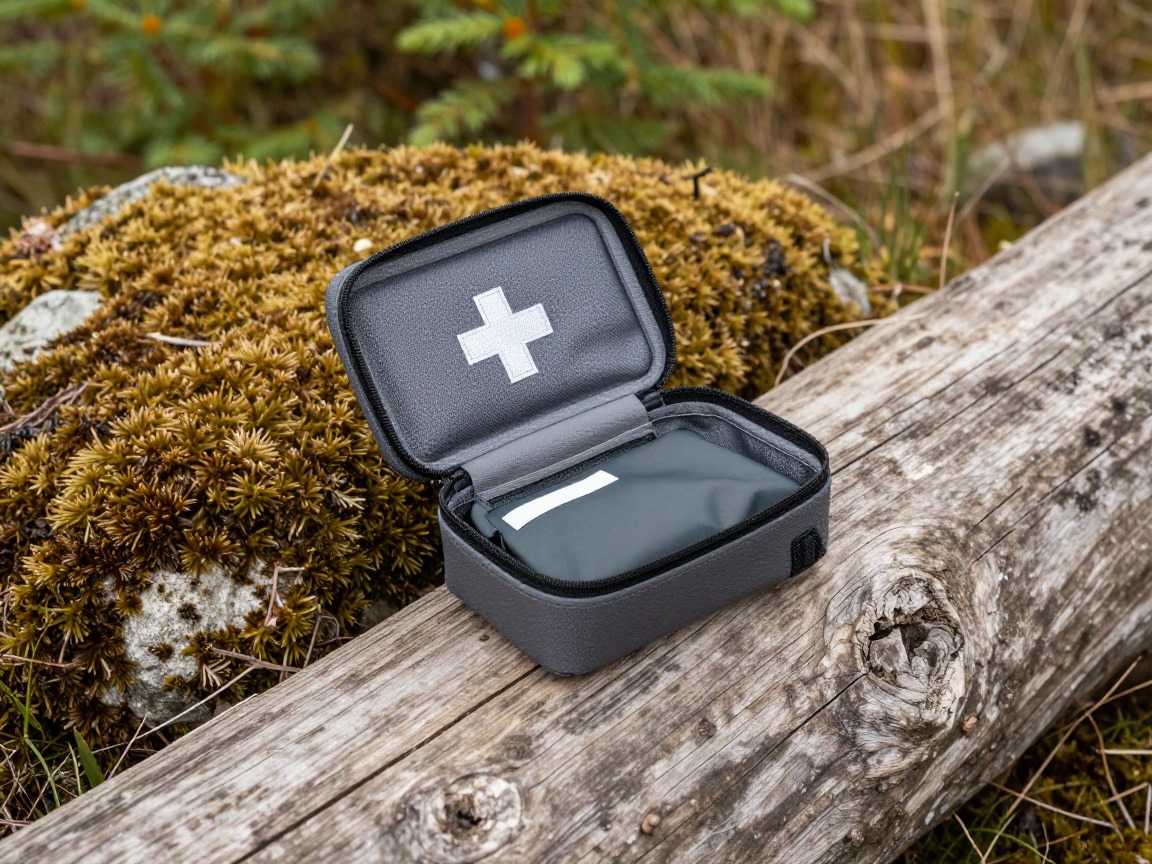
First-aid kit
The same small kit you'd carry by day, for the same blisters and cuts — treating them well is just harder in the dark.
What to look for: A compact kit weighted toward what you'd actually use, plus a small light dedicated to using it if your headlamp is elsewhere.
 Mini First Aid Kit - 150 Piece Small Waterproof EVA Hard Shell Case Check price
  Adventure Medical Kits Ultralight/Watertight Medical Kit .5 Check price
 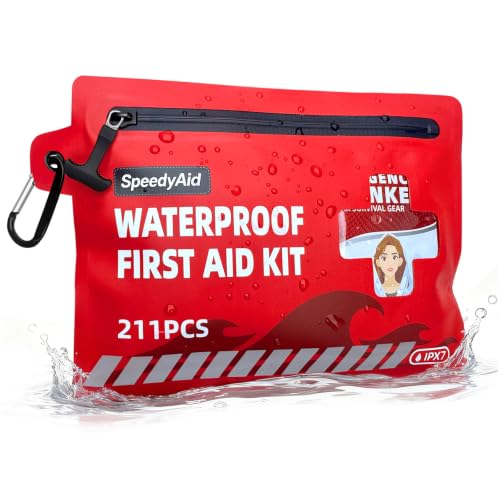 211 PCS Waterproof First Aid Kit Check price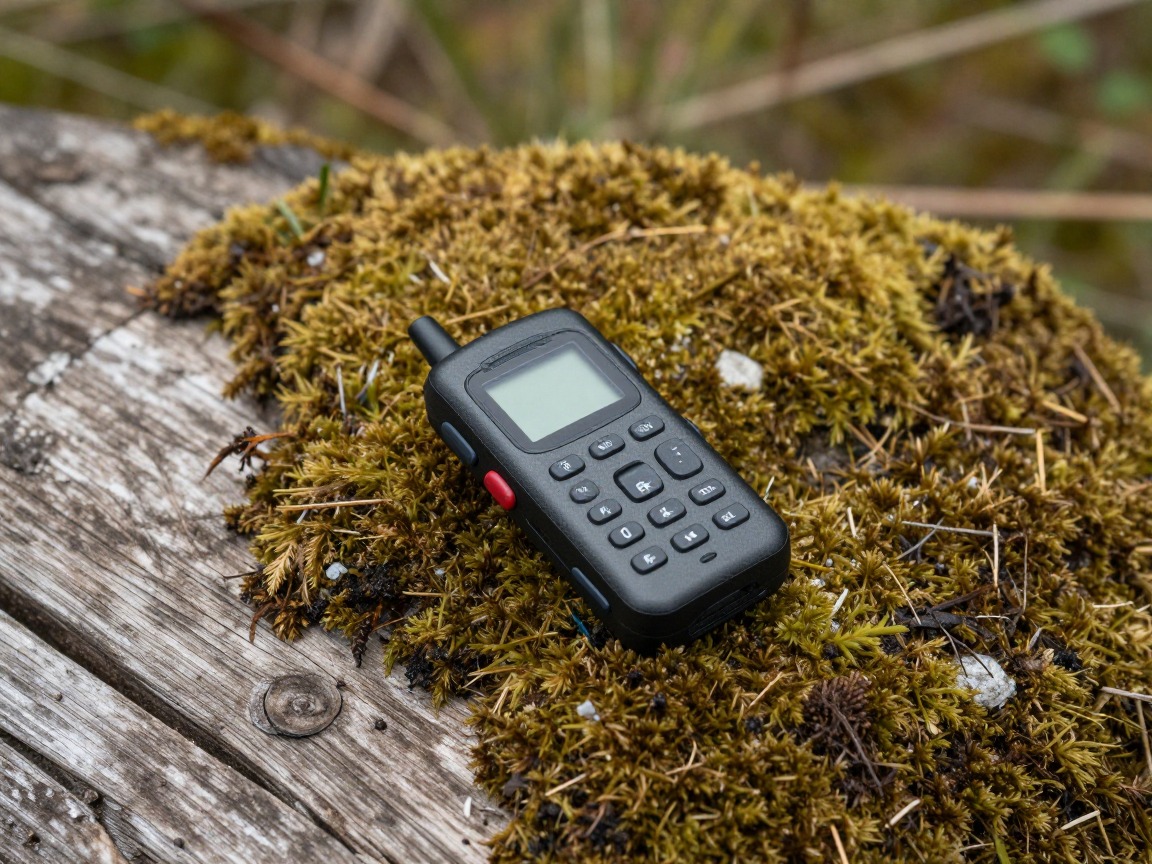
Satellite messenger
A way to call for help or check in when you're out of cell range after dark, when a problem takes longer for anyone else to notice.
What to look for: Two-way messaging rather than just an SOS button, and battery life that comfortably covers your hike.
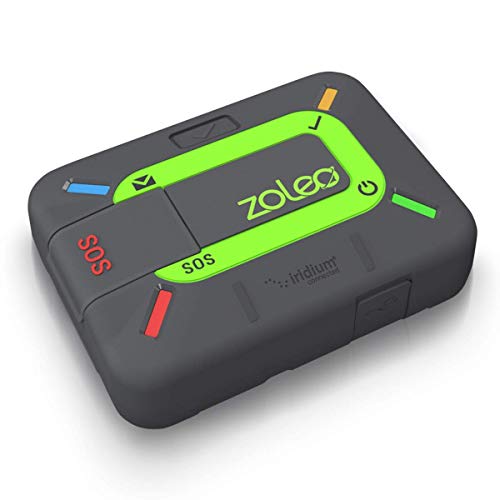 ZOLEO Satellite Communicator Check price
  Garmin inReach® Messenger Satellite Communicator Check price
  Garmin inReach® Mini 2 Check price
 - Phone, fully charged, plus a small power bank
- Tell a specific person your exact route and return time, and check in once you're back
- Extra awareness of nocturnal wildlife — make noise on blind corners, keep food sealed, and give any animal room to leave
How to adapt this setup
On a bright, clear night near the full moon, you'll lean on your headlamp less — but keep the backup light and batteries packed anyway; cloud cover can erase the moon's light in minutes.
If you don't know the route by day, walk it in daylight first or choose a well-marked, heavily traveled trail for your first night hike. Save technical terrain for when you can see it.
Add a warmer insulating layer, a heavier base layer, and consider a traction device for icy sections — night temperatures in shoulder season fall further than the forecast suggests.
Spread light sources across the group rather than relying on one or two headlamps, set a pace for the slowest hiker, and agree who's carrying navigation and safety gear.
Make regular noise on blind corners and near water, store food properly at any stop, and treat a close encounter as a reason to retreat slowly, not press on.
Common mistakes to avoid
- Carrying only one light source — a dropped, dimmed or dead headlamp turns a night hike into a real problem fast.
- Running white light at full brightness instead of using a red-light mode, which wrecks night vision and can blind other hikers.
- Underestimating how much colder it gets after dark and leaving the warm layer behind because the daytime forecast looked mild.
- Not downloading offline maps in advance and relying on a phone signal that terrain or tree cover can take away.
- Choosing unfamiliar terrain for a first night hike instead of a trail you already know well by day.
- Not telling anyone your route and return time, so a delay or minor injury goes unnoticed far longer than it should.
Make it yours
Frequently asked questions
What's the most important piece of gear for night hiking?
A reliable headlamp — but just as important is a backup light and spare batteries. A single light source with no backup is the biggest gap in most night-hiking kits, since a dead or dropped headlamp is a much bigger problem after dark than the same failure would be by day.
Do I need a red light for night hiking?
A red-light mode isn't mandatory, but it protects your night vision between checks of a map or your surroundings and avoids blinding other hikers or startling wildlife you pass. Most headlamps in the mid-range and up include one as a selectable mode.
How much colder does it get on a night hike?
It varies by season and location, but temperatures commonly drop noticeably once the sun sets, often more than a daytime forecast implies. Pack a warm insulating layer and a base layer even if the day itself was mild.
Is it safe to hike alone at night?
It carries more risk than hiking alone by day, mainly because navigation errors and minor injuries are harder to manage without daylight. If you do go alone, stick to a familiar, well-marked trail, carry a way to call for help, and make sure someone else knows your plan.
What should I do if I encounter wildlife on a night hike?
Stay calm, give the animal space and a clear way to leave, and back away slowly rather than approaching or running. Making noise on blind corners and near water sources in advance reduces the chance of a surprise encounter in the first place.
Illustrative images show the type of gear, not specific products. Recommendations link to similar items on Amazon; we only ever link real listings and never show fabricated prices or ratings. General planning guidance, not a substitute for your own judgment or professional backcountry-safety instruction.