
The multi-sport day setup (hike + swim + scramble)
Some of the best days on trail aren't just a hike — they're a hike that turns into a swim, then a bit of easy hands-on-rock scrambling before you're back at the car. This setup is built for that whole day, not just the walking part: one versatile kit that handles dry trail, a dunk in a river or lake, and a scramble over boulders or slabs without a full gear swap in between.
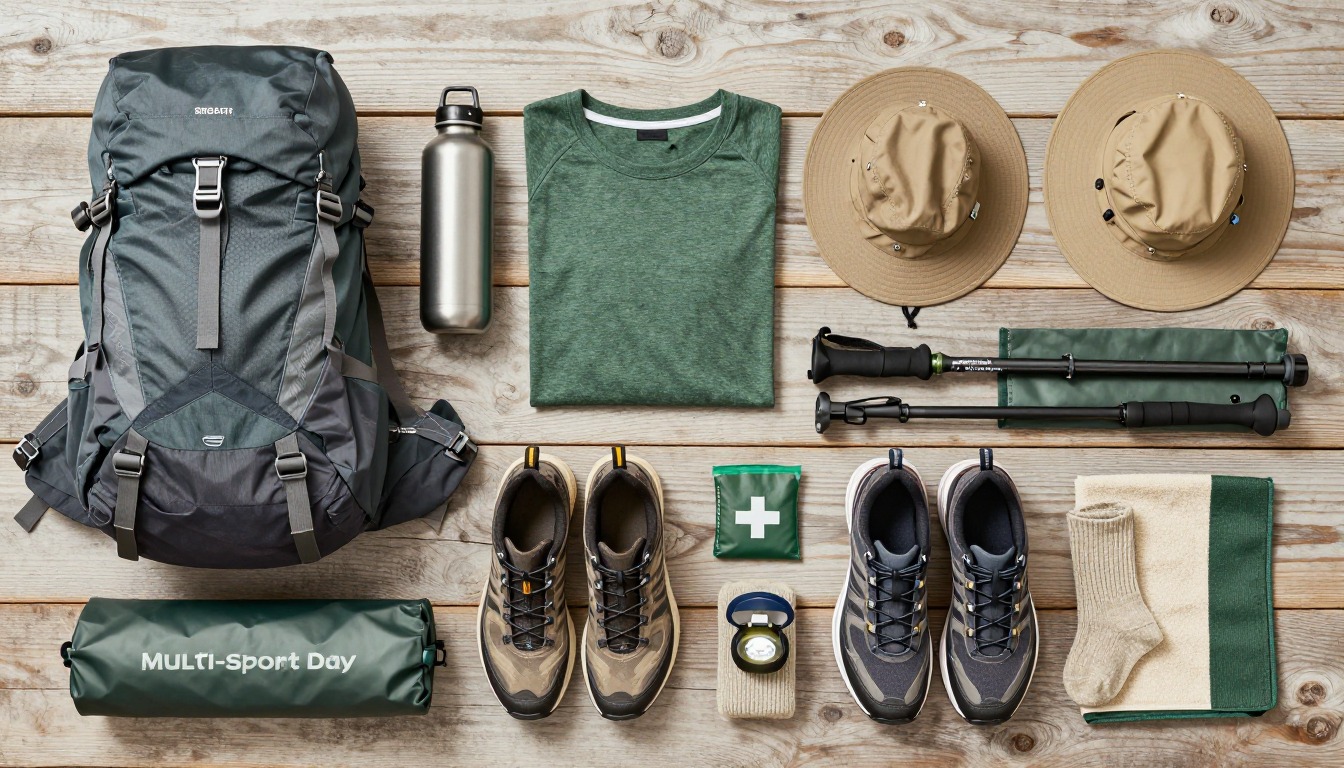
The logic here is versatility under one roof. A three-activity day punishes a kit built for only one of those activities — cotton that stays wet through the scramble, sandals that slide on wet granite, an unprotected phone at the bottom of a pack that just got dunked. So everything on this list is chosen to do double or triple duty: clothing that hikes dry and swims fine, footwear that grips wet rock as well as dirt, a dry bag that protects what can't get wet whether that's a swim or a sudden splash while scrambling, and a pack cinched down tight enough that it stays put with both hands on rock. Nothing here is specialized climbing or open-water gear — it's a day-hiking kit built with enough range to flex across three kinds of terrain in one outing.
This setup suits hikers whose route naturally strings together a trail approach, a swimming hole or lake, and some easy, hands-on scrambling over rock, without ropes or technical climbing involved. It's for a full but casual day out, not an alpine objective. If your route involves any real exposure — a fall that could seriously hurt you, sustained steep rock, or terrain that shows up in guidebooks as a climbing route — that's beyond this list and beyond casual scrambling; it calls for climbing-specific skills, a helmet, and ideally a partner experienced in that terrain. If your day is hiking only, with no swim or scramble, the standard day-hike setup covers you without the extra gear.
- Start with a versatile 25–35 L pack with compression straps you can cinch down tight before any scrambling, so a full load doesn't shift when you need both hands.
- Build a quick-dry clothing system you're happy to hike, swim, and scramble in — one set of layers instead of separate outfits for each activity.
- Add footwear with real wet-rock grip, a dry bag for anything that can't get wet, and sun protection for time spent on exposed rock or open water.
- Pack light — you're carrying this kit through three kinds of terrain in one day, so anything that doesn't earn its place across all three should stay home.
About this setup
Some of the most memorable day hikes aren't a single activity strung along a trail — they're a loop that touches a swimming hole, threads over a boulder field, or finishes with an easy scramble up to a summit view. That kind of day is genuinely fun precisely because it refuses to stay in one lane, but it also means your gear has to flex across dirt trail, wet rock, and open water without a full kit change at each stop.
The practical answer is a kit built around versatility rather than specialization. Clothing that hikes dry and swims fine means you're not standing around in a soaked cotton shirt, or changing awkwardly on a riverbank. Footwear with real grip on wet rock matters as much for a scramble section as it does for the walk down from a swimming hole, since both surfaces are far more slippery than dry trail. And a dry bag earns its keep the moment you realize your phone, car key, or wallet has to survive both a swim and a scramble where you might slip near the water's edge.
The judgment call that matters most is knowing where 'easy scrambling' ends and real climbing begins. Scrambling — moving over rock with your hands as well as your feet, on low-angle terrain with limited consequence if you slip — is a normal part of plenty of hiking routes and doesn't call for specialized gear beyond grippy shoes and a secure pack. But the moment a route has real exposure (a fall that could seriously injure you), sustained steep rock, or sections you'd want a rope for, that's climbing, not scrambling, and it needs climbing-specific training, a helmet, and often a partner and protection system well beyond anything on this list. If you're ever unsure which side of that line a route falls on, treat it as the more serious one and turn around.
The pack
One pack has to carry a normal hiking kit, survive a swim stop, and stay balanced and secure through easy scrambling — so fit and a way to cinch it down matter more than usual.
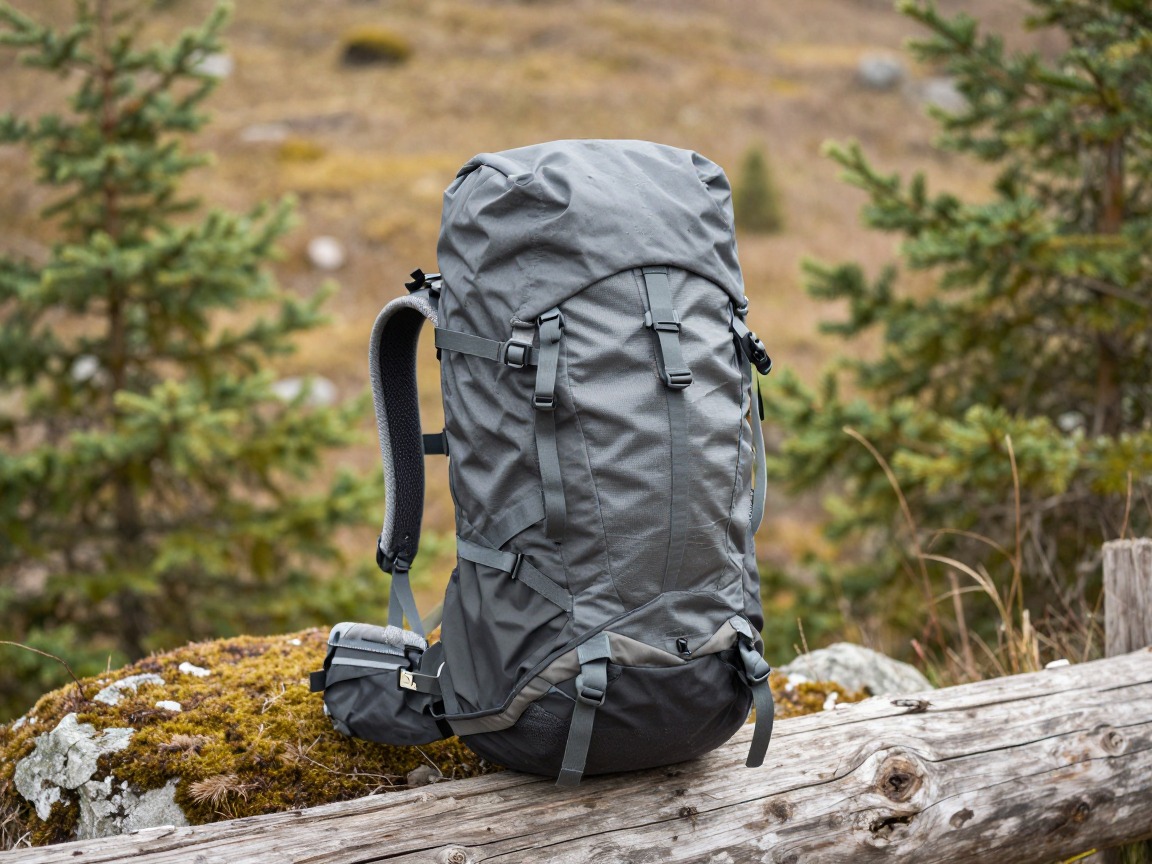
Versatile 25–35L daypack
A pack sized to carry hiking essentials plus swim and scramble extras — dry bag, towel, spare layer — without bulking out to a backpacking-sized load.
What to look for: Compression straps and a sternum strap you can cinch down snug before scrambling, a comfortable hip belt for the approach miles, and an external or mesh pocket to keep wet gear away from dry gear on the way out.
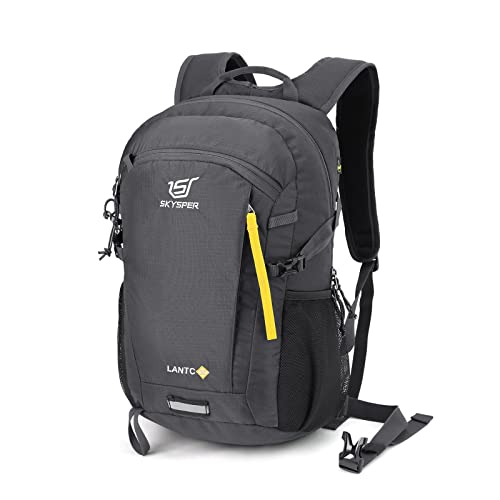 SKYSPER Small Hiking Backpack Check price
  Osprey Sportlite 20L Lightweight Hiking Backpack Check price
 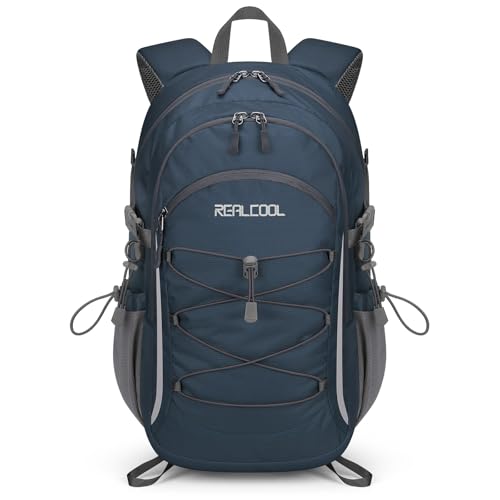 RealCool 20L Lightweight Hiking Backpack Check price
 Water & hydration
Carry water you trust to drink separate from whatever lake or river you end up swimming in.
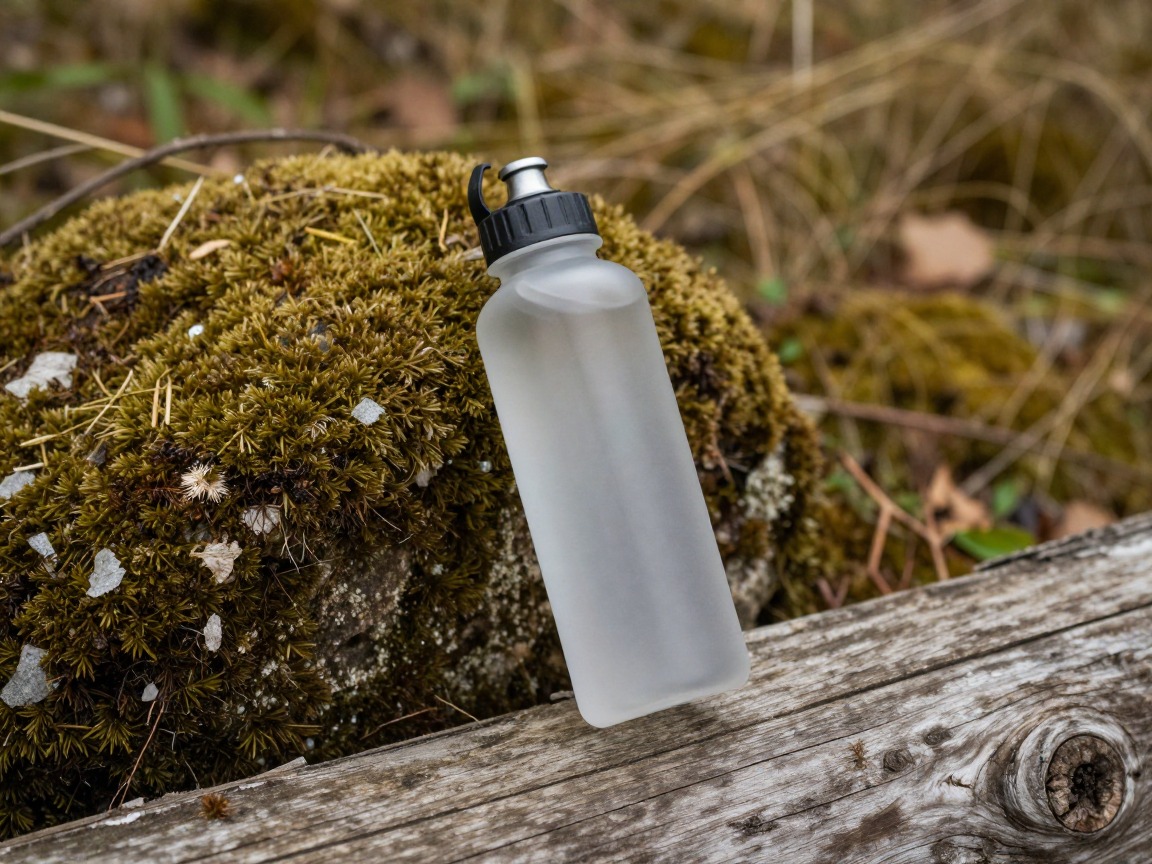
Water bottle
Your drinking water for the approach and the scramble — don't count on the swimming spot itself as a water source unless you've treated it.
What to look for: A tough, wide-mouth bottle that's easy to refill and clean, sized generously for a hot day that includes climbing as well as walking.
 Nalgene 32 oz Wide Mouth Water Bottle Check price
  Nalgene 32 oz Wide Mouth Water Bottle Check price
  Nalgene 32 oz Wide Mouth Water Bottle Check price
 - Lunch and high-energy snacks — a day covering three activities burns through fuel faster than a straight hike
- Electrolyte tabs or drink mix
- Treat any refill from the lake, river, or swimming hole itself before drinking it
Quick-dry clothing & sun protection
One set of clothing needs to work hiking dry, swimming wet, and scrambling in between, so quick-dry synthetics beat anything built for just one of those jobs.
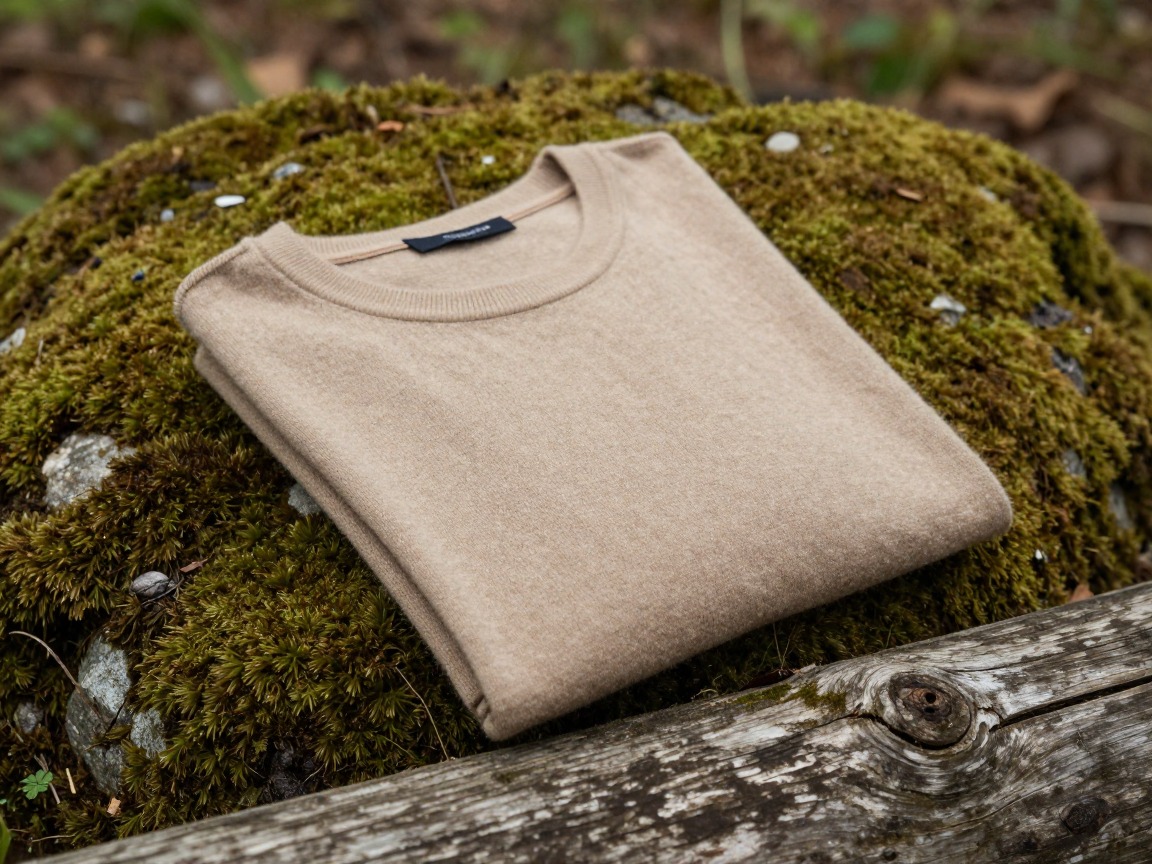
Quick-dry hiking shirt
A synthetic layer you're happy to hike, swim, and scramble in, so you're not changing outfits mid-route or hauling separate kits for each activity.
What to look for: A loose, breathable synthetic that dries in minutes rather than hours, ideally with built-in UPF sun protection for time spent on open rock or water.
 100% Merino Wool Base Layer Men Set - Thermal Underwear for Men Long Check price
  Merino.tech Merino Wool Base Layer Women Set - Heavyweight Check price
  100% Merino Wool Base Layer Men Set - Thermal Long Underwear with Ba Check price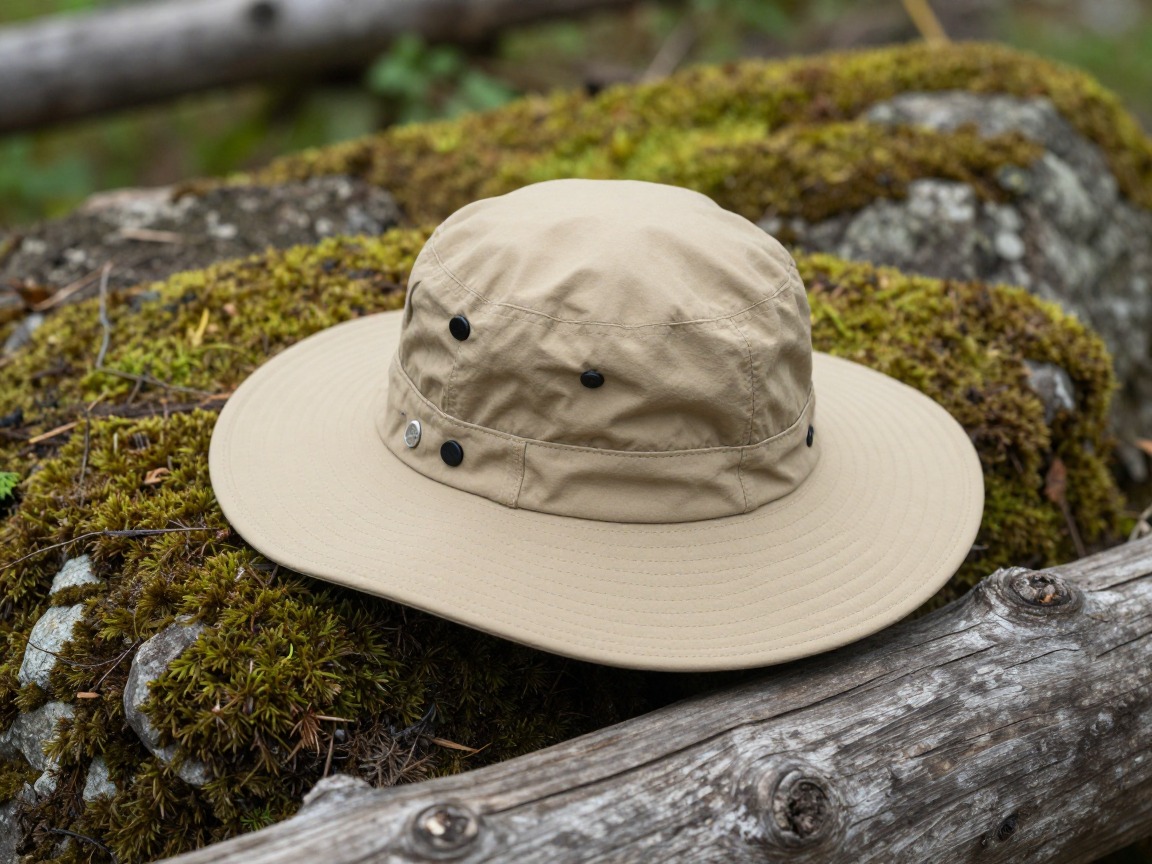
Sun hat & sunglasses
Swimming holes and scramble routes both tend to sit in full sun with little tree cover, so sun exposure adds up fast across a long multi-activity day.
What to look for: A hat that stays on wet or dry — a chin cord earns its keep here — and sunglasses with a retainer strap so a scramble move or a dunk doesn't cost you a pair.
 FURTALK Womens Sun Hat with Ponytail Hole Beach Hiking Summer Wide B Check price
 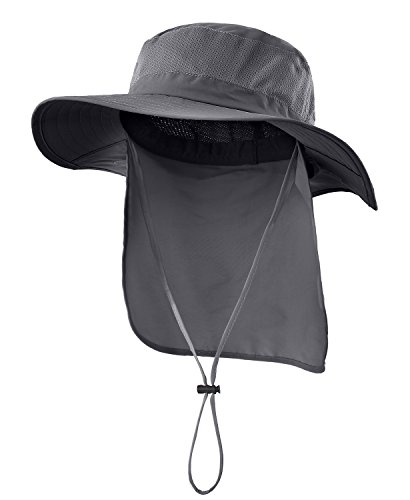 Home Prefer Outdoor UPF50+ Mesh Sun Hat Wide Brim Fishing Hat with N Check price
  FURTALK Sun Hats for Men Fishing Hat UPF Protection Wide Brim Bucket Check price
 - A swimsuit worn under your hiking clothes, or quick-dry layers you don't mind swimming in
- Quick-dry shorts and underwear rather than cotton
- Sunscreen, reapplied after swimming, not just before you leave the car
Footwear for trail, water & rock
Footwear is the one piece of gear that has to perform on three different surfaces in a single day: dirt trail, wet rock, and dry scrambling holds. Pick the one that matches which of those dominates your route.
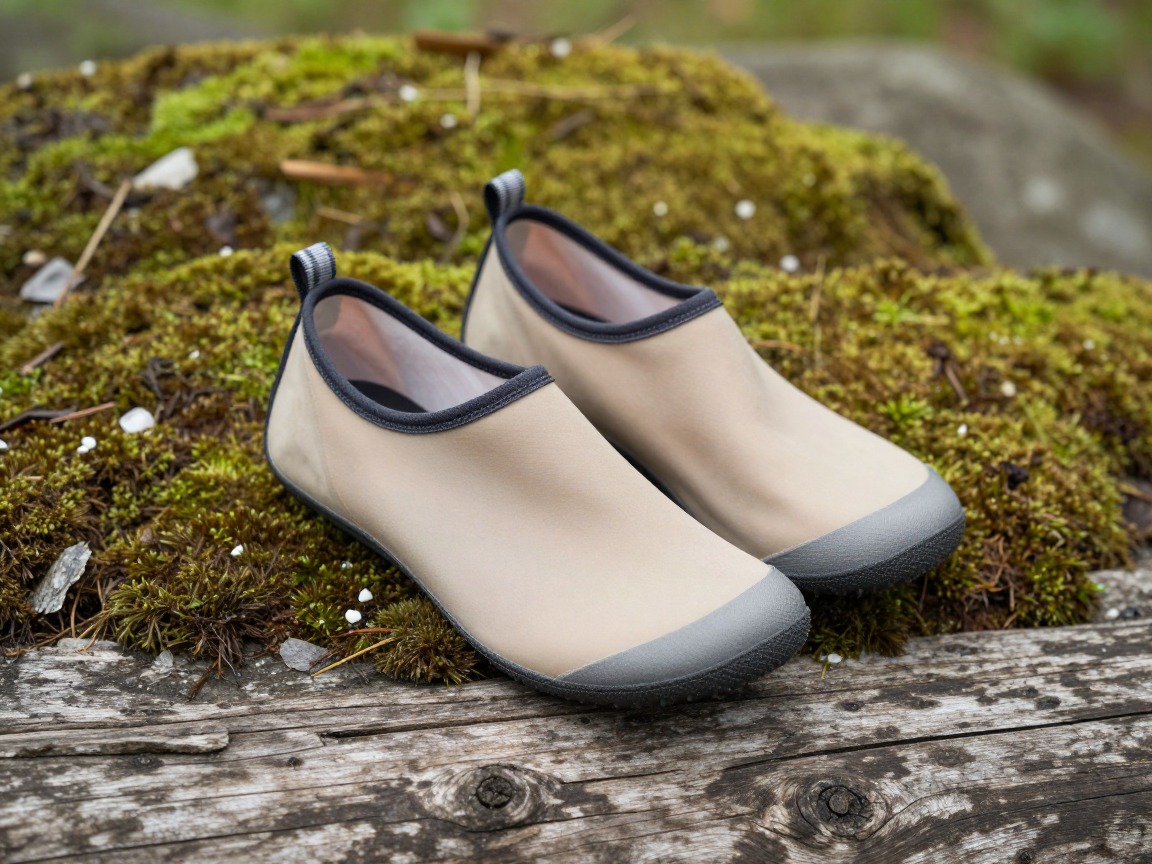
Water shoes
Grippy, quick-draining shoes built for wet rock and stream crossings — the better choice if your day is swim- and wading-heavy with only easy scrambling mixed in.
What to look for: A sticky rubber sole rated for wet rock, quick-drain construction so they don't stay waterlogged, and a snug fit that won't slip off in current or on a scramble move.
 SEEKWAY Water Shoes for Women Adult Quick-Dry Aqua Sock Barefoot Men Check price
  Water Shoes Mens Women Barefoot Shoes Quick-Dry Aqua Outdoor Sports Check price
 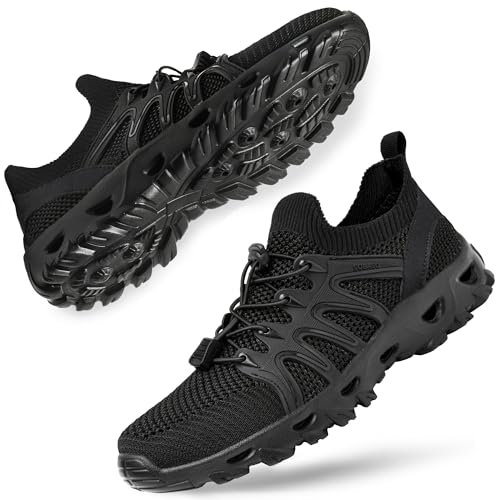 Alibress Water Shoes for Women Men Lightweight Men's Water Hiking Sh Check price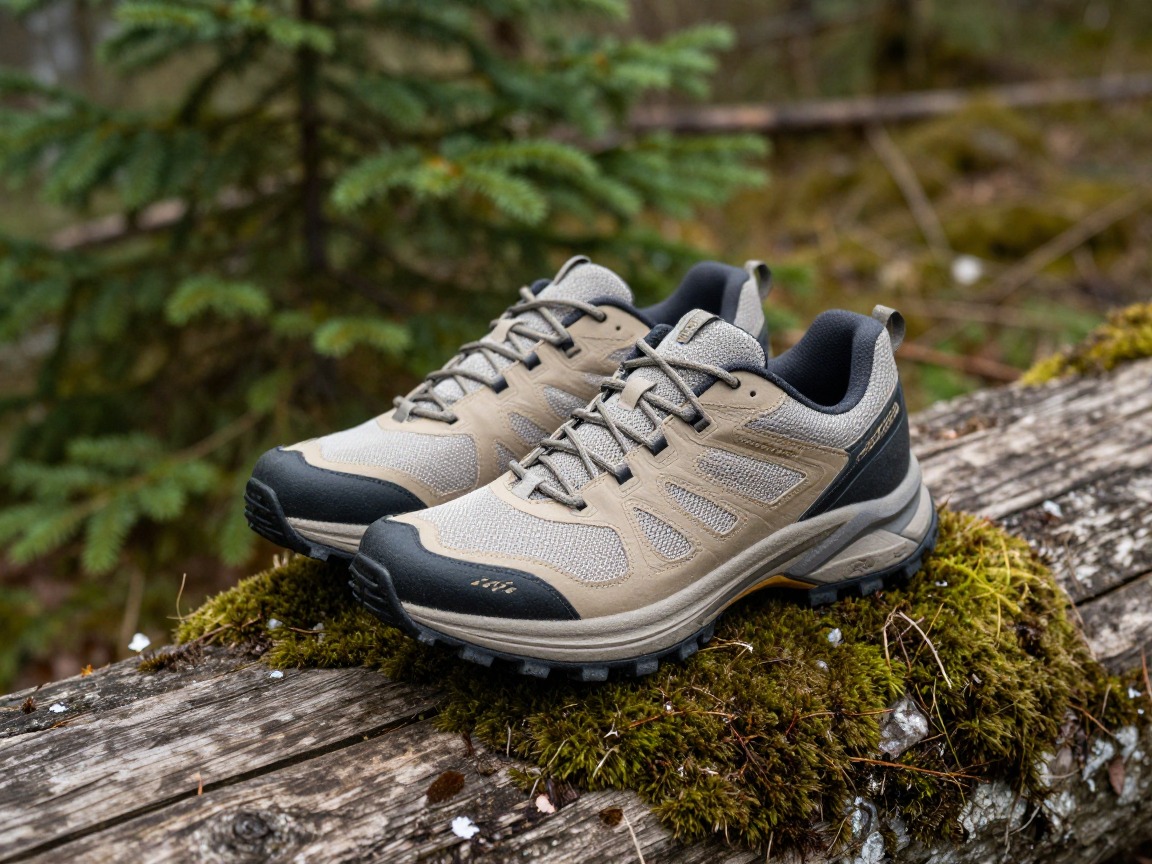
Trail runners
A grippier, more supportive option than water shoes if scrambling makes up more of your day than swimming — trail runners drain and dry fast enough to still handle a dunk.
What to look for: Sticky, high-traction rubber outsoles (the kind built for approach and scrambling use), a snug and precise fit, and quick-drying mesh uppers over a waterproof lining.
 Saucony Men's Excursion TR14 Trail Running Shoe Check price
  Adidas Mens Terrex Tracefinder 2 Trail Running Check price
  Brooks Men’s Cascadia 19 Mountain Trail Running Shoe - Black/Black/E Check price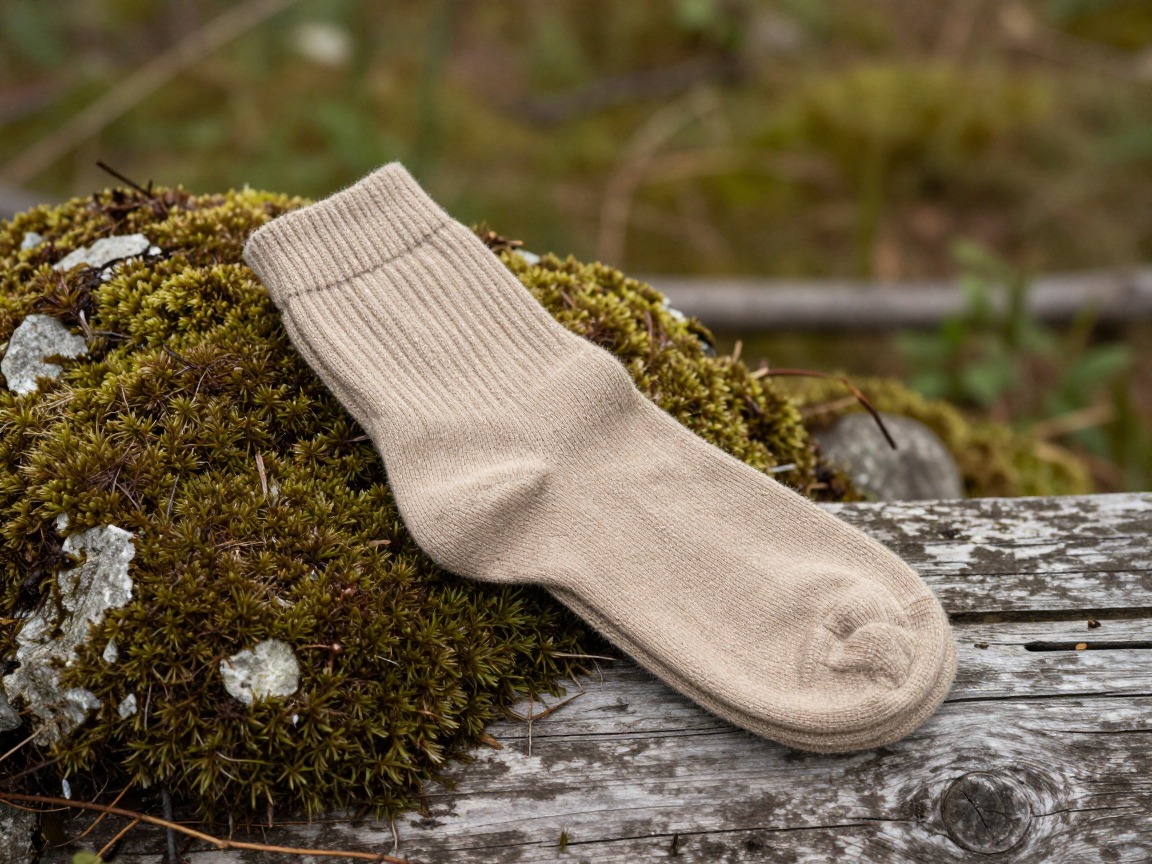
Hiking socks
A non-cotton sock that keeps performing wet, since staying fully dry all day isn't realistic once swimming's on the itinerary.
What to look for: A wool or synthetic blend that manages moisture rather than soaking it up, plus a dry spare pair to change into for the hike back out.
 Alvada Merino Wool Hiking Socks Thermal Warm Crew Winter Boot Sock F Check price
  DANISH ENDURANCE Merino Wool Socks for Men & Women Check price
  innotree 3 Pack Men's Merino Wool Hiking Socks Check price
 Protecting your gear & staying scramble-ready
Scrambling means both hands on rock at times, and swimming means anything electronic needs to be somewhere other than an open pocket. This is the gear — and the judgment — that covers both.
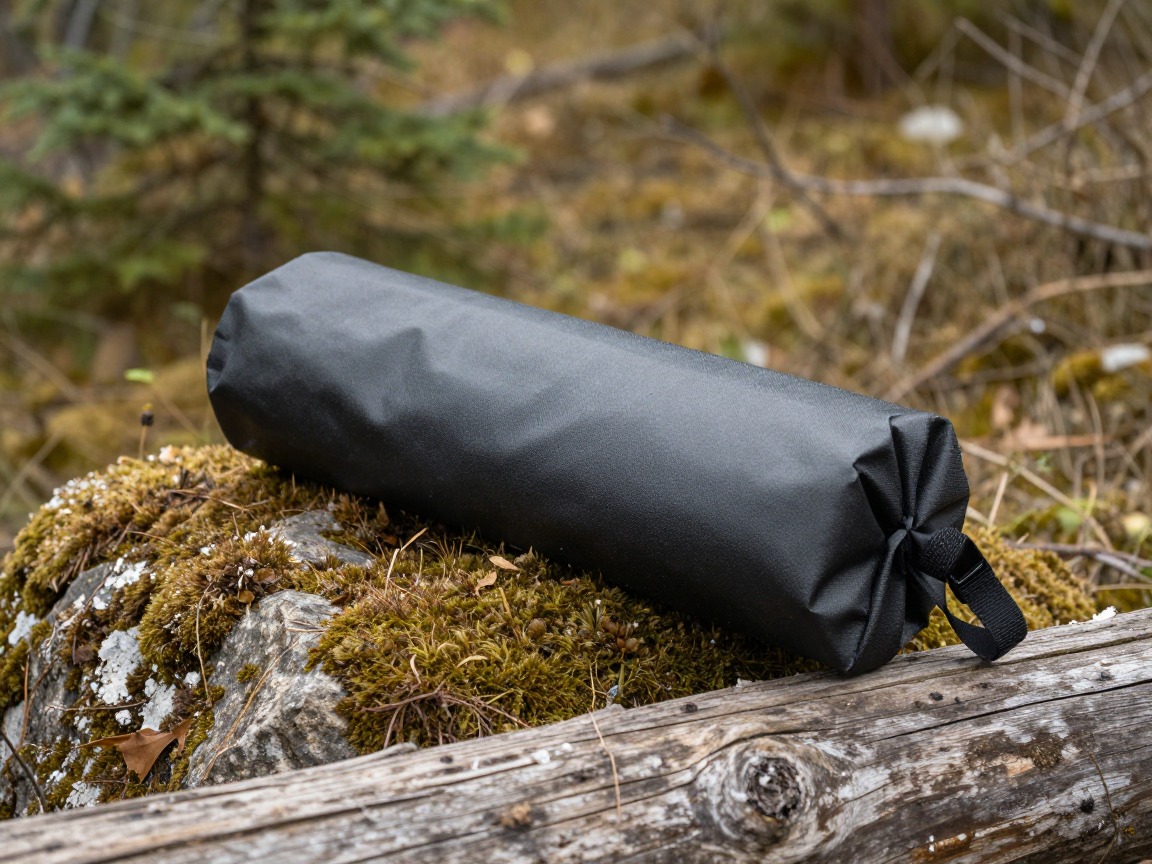
Dry bag
Protects your phone, keys, wallet, and any spare layer from both an intentional swim and an unplanned splash or slip while scrambling near water.
What to look for: A roll-top closure you trust, a size that fits your electronics and a light spare layer, and a strap or clip so it rides securely inside your pack rather than loose.
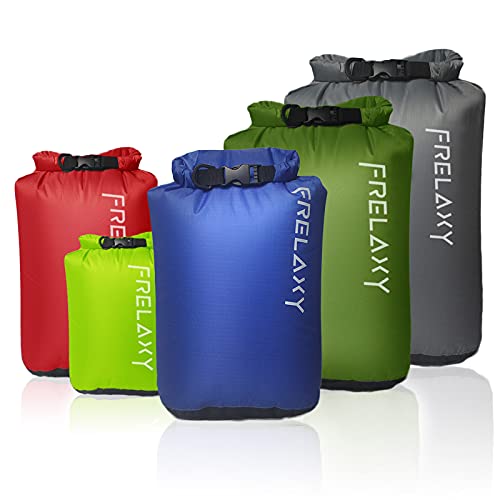 Frelaxy Dry Bag 5 Pack Check price
  ILZAR 6PCS Dry Bags Waterproof Check price
 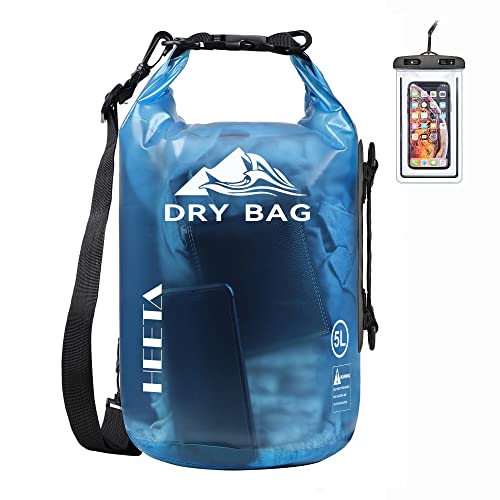 HEETA Dry Bag Waterproof Backpack with Phone Case Check price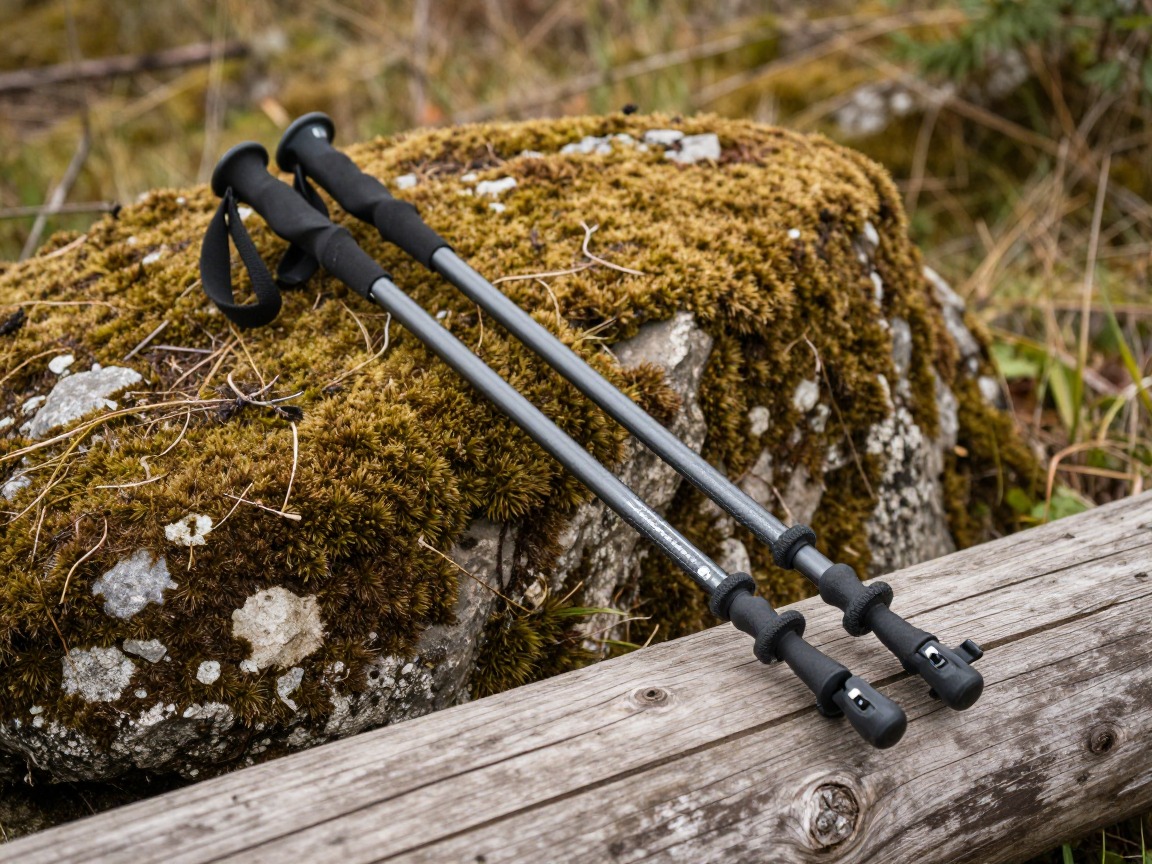
Trekking poles
Useful on the approach and for testing water depth or footing at a pool's edge, but they need to be stowed — not in your hands — the moment you start scrambling.
What to look for: A pole that collapses small and straps securely to your pack, since it needs to disappear the instant both hands go to rock.
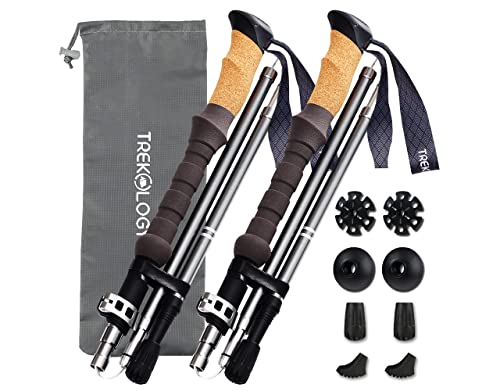 Trekology Trek-Z Cork Grip Collapsible Lightweight Hiking Trekking P Check price
 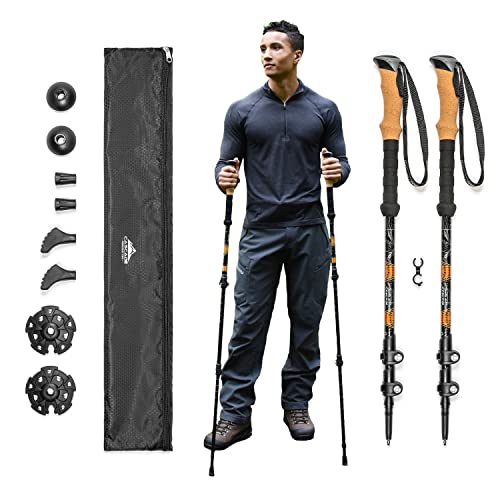 Cascade Mountain Tech Trekking Poles Check price
 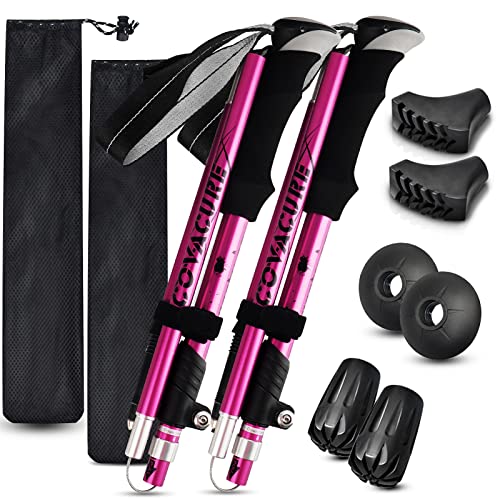 covacure Hiking Poles Check price
 - Cinch your pack's compression straps and sternum strap snug before any scrambling — a pack that shifts on your back is a real hazard with both hands on rock
- A climbing helmet if any section involves real exposure or loose rock overhead — easy, low-consequence scrambling is one thing, but a fall that could seriously hurt you or rockfall risk means this list isn't enough on its own
- Know the difference between scrambling and climbing before you commit: if you'd want a rope, a harness, or a partner belaying you, that terrain calls for climbing-specific skills and gear, not a day pack
- Turn around at any move you wouldn't be comfortable reversing — scrambling routes are often easier going up than coming back down
Safety, drying off & extras
The rest of the list is standard day-hike sense, with a couple of additions worth packing given how much of this day happens near water and on rock.
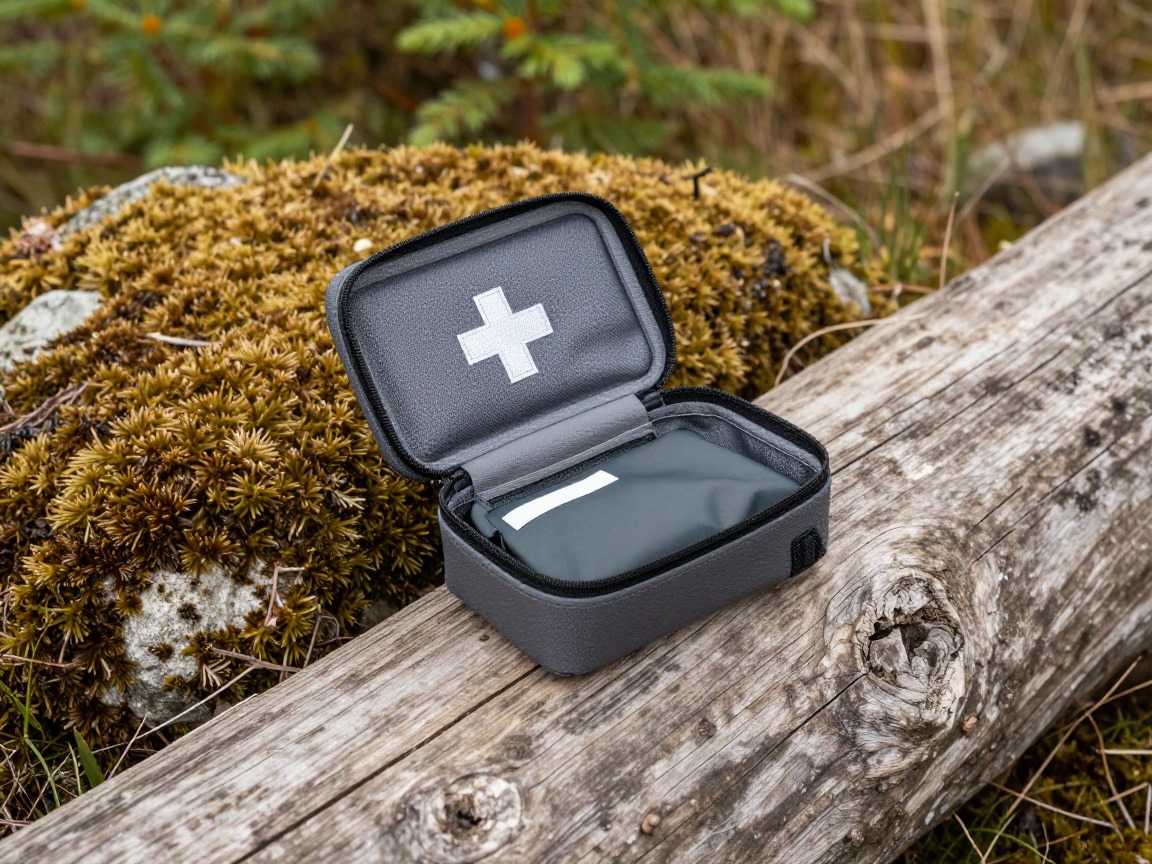
First-aid kit
Covers the scrapes from wet rock and blisters from wet socks that come up more often on this kind of day than on a straightforward dry hike.
What to look for: A kit weighted toward cuts, scrapes, and blister care, kept in the dry-bag side of your pack rather than wherever wet gear ends up.
 Mini First Aid Kit - 150 Piece Small Waterproof EVA Hard Shell Case Check price
  Adventure Medical Kits Ultralight/Watertight Medical Kit .5 Check price
 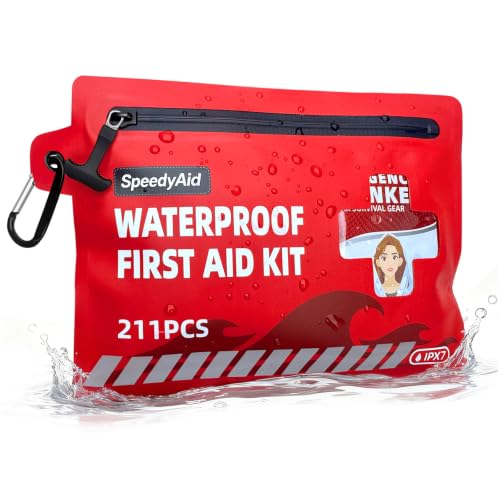 211 PCS Waterproof First Aid Kit Check price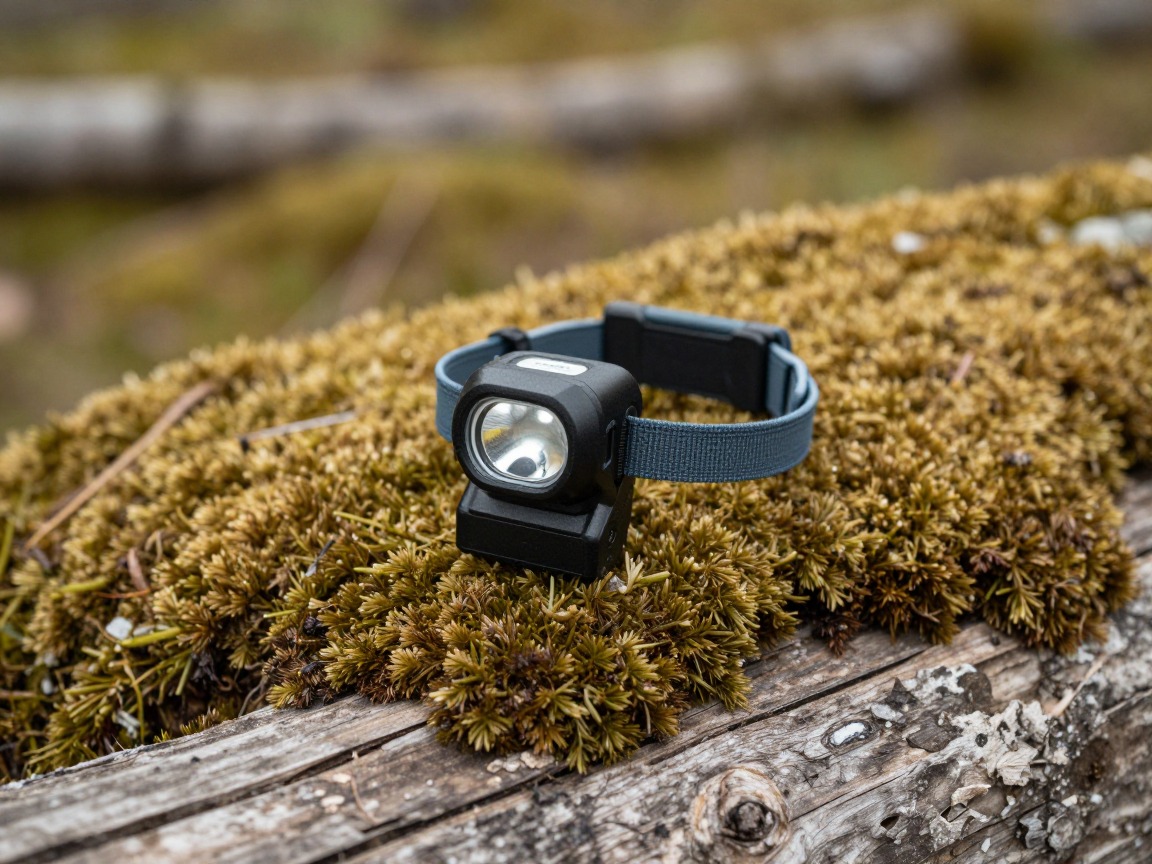
Headlamp
Worth carrying any time a swim stop or a slower scramble section runs the day later than planned.
What to look for: Reliable output and a strap that stays put even if you're hiking out with a still-damp head from one last dip.
 LHKNL Headlamp Flashlight Check price
 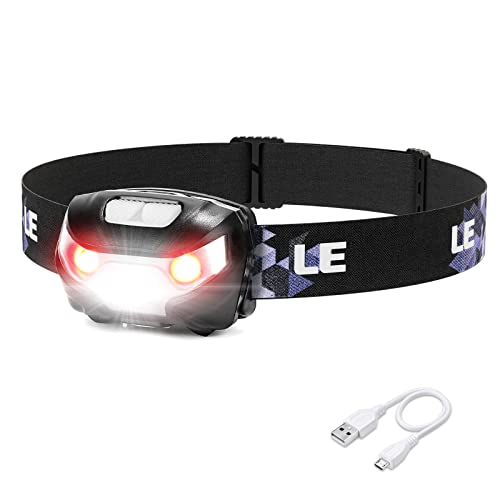 Lepro LED Headlamp Rechargeable IPX4 Waterproof Headlight 5 Modes - Check price
 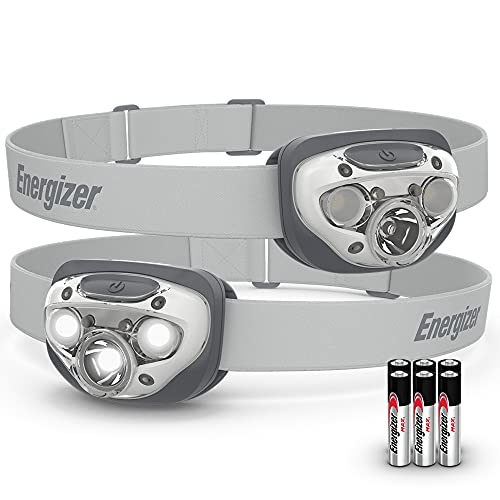 Energizer LED Headlamp PRO Check price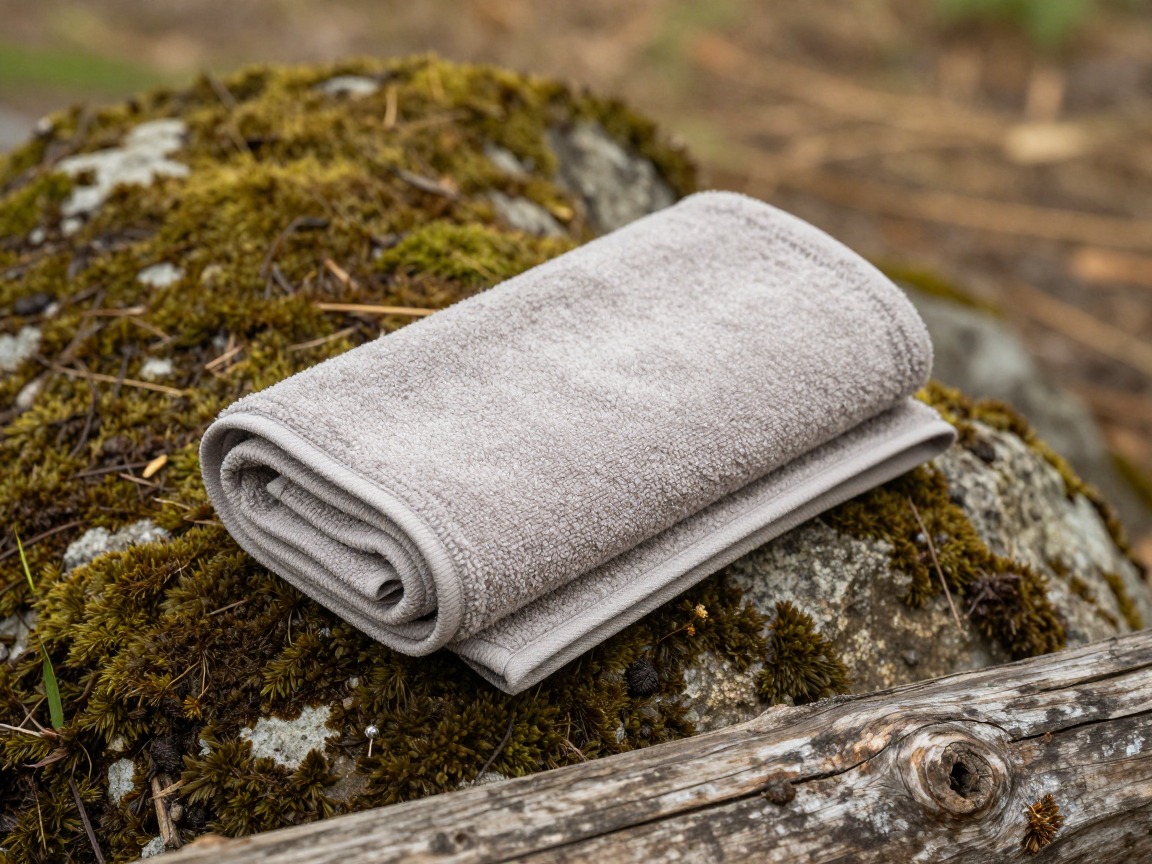
Quick-dry towel
Lets you dry off enough to get back into hiking clothes comfortably before the walk out, instead of hiking in a wet swimsuit under your layers.
What to look for: A compact, quick-dry towel that packs down small and doesn't add noticeable weight for how often you'll use it.
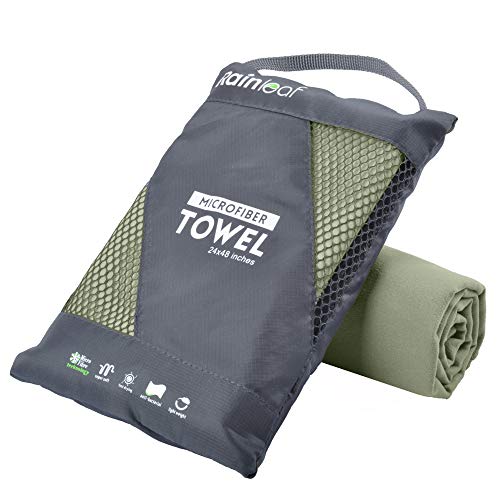 Rainleaf Microfiber Towel Quick Dry Camping & Travel & Gym Towel. Co Check price
  Rainleaf Microfiber Towel Quick Dry Camping & Travel & Gym Towel. Co Check price
  Rainleaf Microfiber Towel Quick Dry Camping & Travel & Gym Towel. Co Check price
 - Map plus GPS or offline maps for the full route — trail, swim spot, and scramble section
- Phone, kept in your dry bag, plus a portable charger
- A whistle
- A trash bag or small dry sack for wet clothes so they don't soak the rest of your pack on the walk out
How to adapt this setup
Lean toward trail runners with sticky rubber over water shoes, and prioritize a pack that cinches down tight — stability with both hands on rock matters more than swim comfort.
Lean toward water shoes and pack an extra dry bag or two — one for electronics, one for dry clothes for the walk back — since more time in the water means more to protect.
Match pace to the least experienced scrambler in the group, and don't let anyone feel pressured into a move — or a swim spot — they're not comfortable with.
Cut or shorten the swim, and add a warm layer for right after getting out of the water — cold water plus a cool day is a faster route to hypothermia than either alone.
Treat it as climbing, not scrambling: bring a helmet at minimum, and reconsider the route entirely if you don't have the skills, partner, or gear for exposed rock.
Common mistakes to avoid
- Treating 'easy scrambling' as a given rather than checking the specific route — what's easy for one hiker's comfort with exposure is a serious risk for another's.
- Wearing sandals or worn-out trail shoes with no real tread on wet rock, instead of shoes built to grip it.
- Leaving your phone or keys loose in a pocket instead of a dry bag, then losing or soaking them during the swim or a scramble move near water.
- Hiking a scramble-and-swim day with a loose, unbalanced pack instead of cinching it down before any hands-on-rock section.
- Packing only dry hiking clothes with nothing quick-dry, then hiking out cold and damp for miles.
- Pushing past a scramble move you're not comfortable reversing, instead of turning around and finding another way.
Make it yours
Frequently asked questions
What counts as 'scrambling' versus rock climbing?
Scrambling is moving over rock using your hands as well as your feet, usually on lower-angle terrain where a slip is unlikely to be serious. Once a route has real exposure, sustained steep rock, or sections you'd want a rope for, that's climbing — it calls for specific training, protection, and gear well beyond a day-hiking kit.
What should I wear for a hike that includes swimming and scrambling?
Quick-dry synthetic clothing you're comfortable in wet or dry — a suit worn under hiking layers works well — plus footwear with real grip for wet rock, and a hat and sunglasses for sun exposure on open rock or water.
Do I need special shoes for wet-rock scrambling?
Yes. Standard hiking boots and sandals both struggle on wet rock — boots for the lack of sticky rubber, sandals for exposed toes and poor security. Water shoes or trail runners with high-traction outsoles built for wet or approach use perform far better.
How do I keep my phone dry while swimming and scrambling?
Use a dedicated waterproof dry bag, packed before you're anywhere near the water, and keep it clipped or strapped inside your pack rather than loose. That protects it through a swim and through any slip or splash during a scramble section too.
Do I need a helmet for a multi-sport hiking day?
Not for easy, low-consequence scrambling with no real exposure. But if any part of the route has loose rock overhead, real exposure, or terrain you'd call climbing rather than scrambling, a helmet and climbing-specific skills become necessary — beyond what a standard hiking setup covers.
Illustrative images show the type of gear, not specific products. Recommendations link to similar items on Amazon; we only ever link real listings and never show fabricated prices or ratings. General planning guidance, not a substitute for your own judgment or professional backcountry-safety instruction.