
The mud-season hiking setup
Mud season sits in the gap between winter and spring, or fall and winter, depending on where you hike — the trail is thawed enough to walk but not yet firm enough to stay put underfoot. This setup is built for that in-between window: grippy, waterproof footing for the mud and the ice patches that linger in the shade, poles for the balance both demand, and the etiquette that keeps a soft trail from turning into a wide, eroded scar.
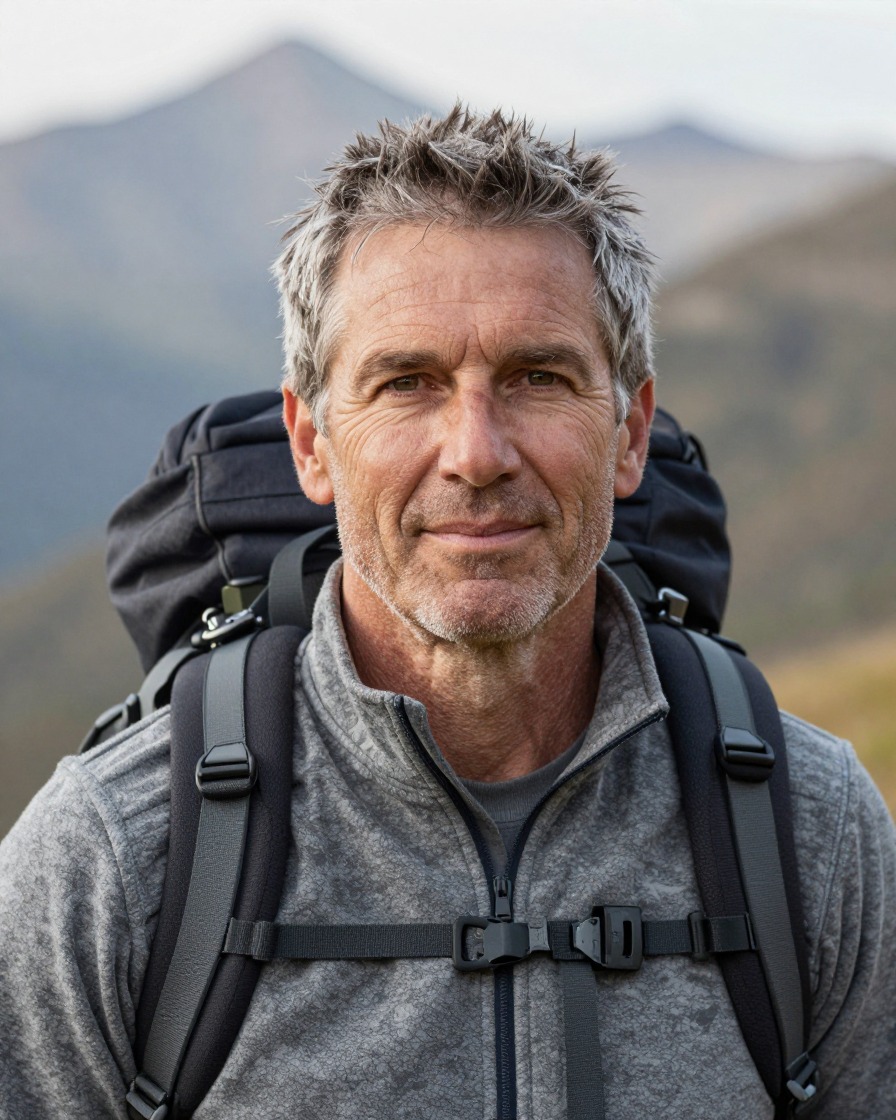
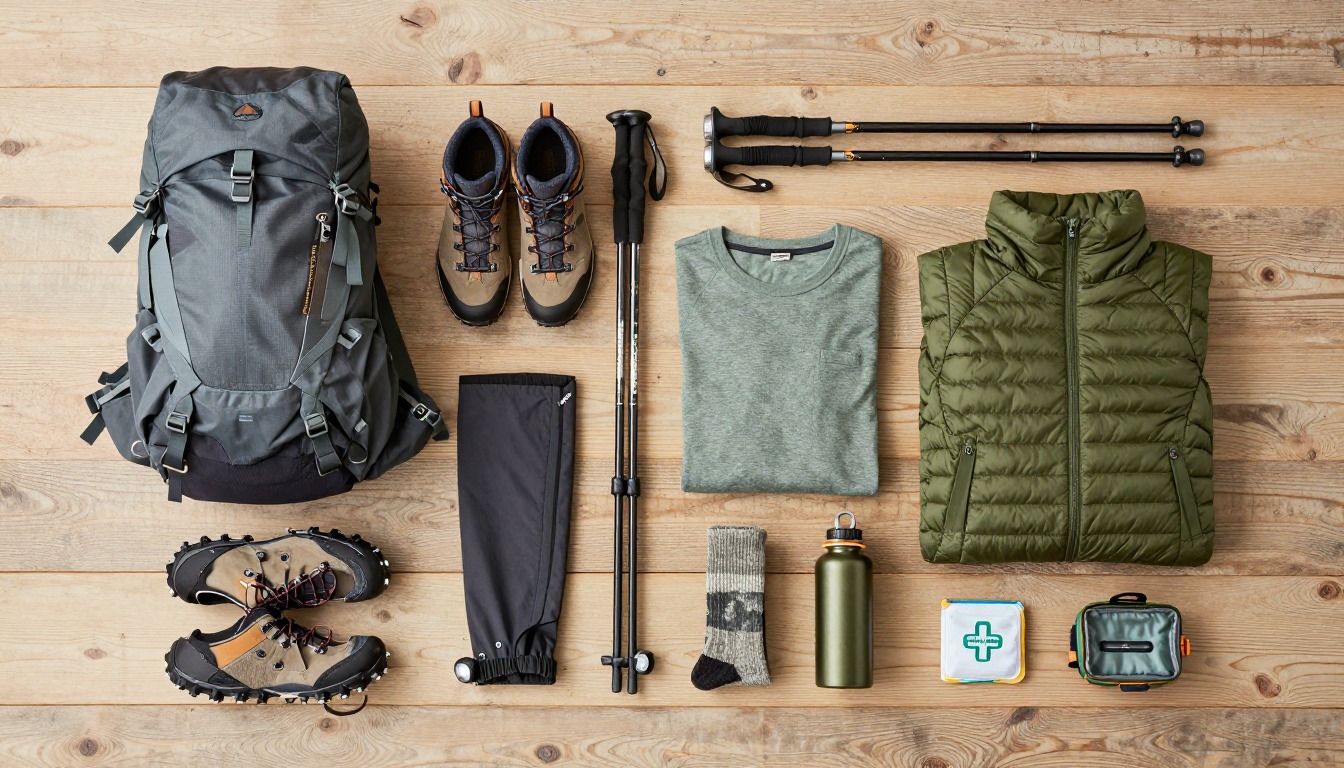
Mud season rewards good footing and good judgment over speed or mileage. The ground itself is doing double duty — saturated and slick at low elevation, still icy on shaded switchbacks higher up — so this kit leans on grippy waterproof boots, gaiters, and light traction rather than one single fix. Trekking poles add stability on ground that gives way underfoot in a way a dry-season trail rarely does. And because a soft trail is also a fragile one, this setup treats where and how you place your feet as part of the gear list, not an afterthought.
This suits hikers heading out as trails thaw — routes with soft, saturated mud at lower elevation and patchy snow or ice higher up, on trail that's still open and passable. If a trail is posted with a mud-season closure, or the ground is so saturated that every step sinks well past your boot top, the right call is a different, more resilient route rather than forcing this one. And if your route still holds continuous, unbroken snowpack instead of patches, that's winter-hiking territory — a fuller traction and insulation setup, not this one.
- Start with grippy, waterproof boots and gaiters, then add light traction for any stretch that might still hold shaded snow or ice.
- Bring trekking poles — mud season's slick, uneven footing rewards the extra stability more than almost any other trip type.
- Build a layering system from quick-dry, non-cotton fabrics, and pack a dry spare pair of socks for the walk back to the car.
- Plan to walk straight through mud instead of around it, check for seasonal closures before you go, and budget a few minutes at the end to clean your gear.
About this setup
Mud season doesn't get the attention winter or high summer do, but it's its own distinct hiking condition — the stretch when snow is retreating unevenly, the ground is thawed enough to walk but not yet firm, and a single trail can be bone-dry at the trailhead and boot-sucking mud a mile in. It rewards a specific kind of footwear and a specific kind of patience more than any single piece of technical gear.
Underfoot is really two problems layered on top of each other. Low-elevation trail turns soft and saturated as frost leaves the ground and meltwater has nowhere to drain, while shaded, north-facing stretches higher up can hold hard-packed snow and ice for weeks after the valley floor has thawed. Waterproof boots and gaiters handle the mud; light microspikes handle the ice; trekking poles handle the balance both take away underfoot.
How you move through mud matters as much as what you're wearing. Stepping around a soft, muddy section to keep your boots clean feels responsible in the moment, but it widens the trail and kills the vegetation at its edges — the exact mechanism by which a narrow footpath turns into a wide, braided scar over a few seasons. Walking straight through the mud, sticking to the center of the tread, and heeding posted mud-season closures are the trail-etiquette equivalent of packing the right boots: less visible than gear, but just as much a part of doing this well. A few minutes spent brushing mud and trail debris off your boots and poles before you drive to the next trailhead does the same job in reverse, keeping seeds and pathogens from one trail system from hitching a ride to another.
The pack
Mud season doesn't ask much of the pack itself — the real work happens at your feet — but a little water resistance and a dedicated wet-gear pocket go a long way.
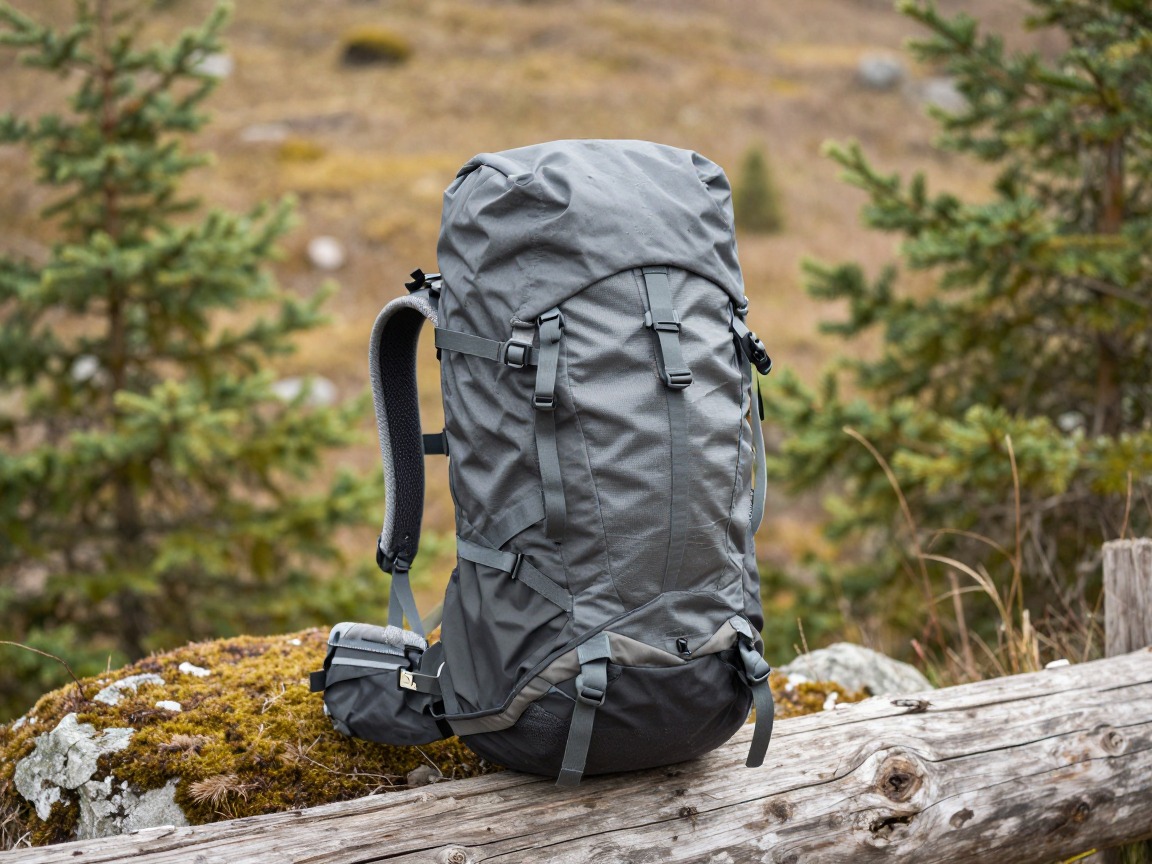
Mud-season daypack
Carries your layers and a spare pair of socks, with enough structure to hold up to being set down in the mud at a trailhead more than once.
What to look for: A 15–25 L pack with a wipeable base and at least one pocket you're willing to dedicate to wet or muddy gear on the way back.
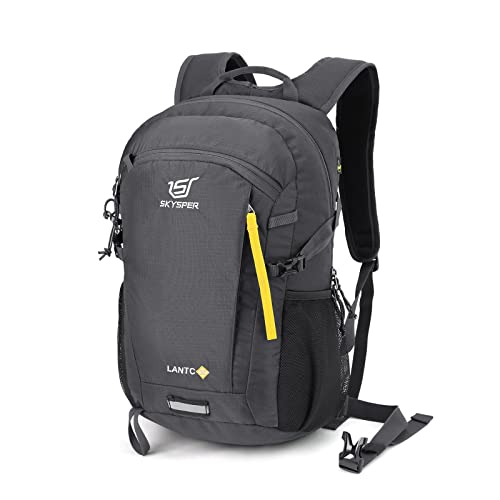 SKYSPER Small Hiking Backpack Check price
  Osprey Sportlite 20L Lightweight Hiking Backpack Check price
 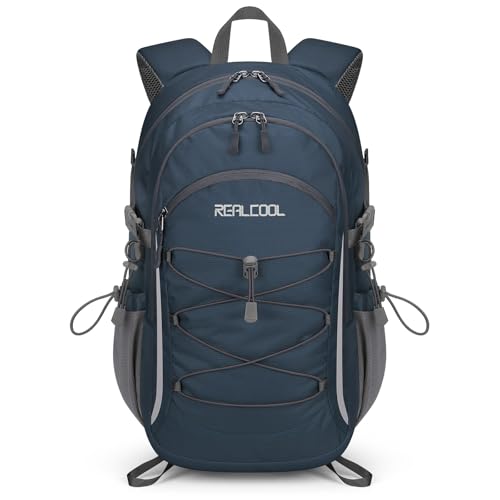 RealCool 20L Lightweight Hiking Backpack Check price
 - A pack liner or dry bag to keep a spare layer and electronics dry from splashback
Footing: grip for mud and lingering snow
Shoulder-season trails often mix two different hazards within the same mile — soft, saturated mud at low elevation and hard-packed ice or snow surviving in the shade higher up. Your footwear needs to answer both.
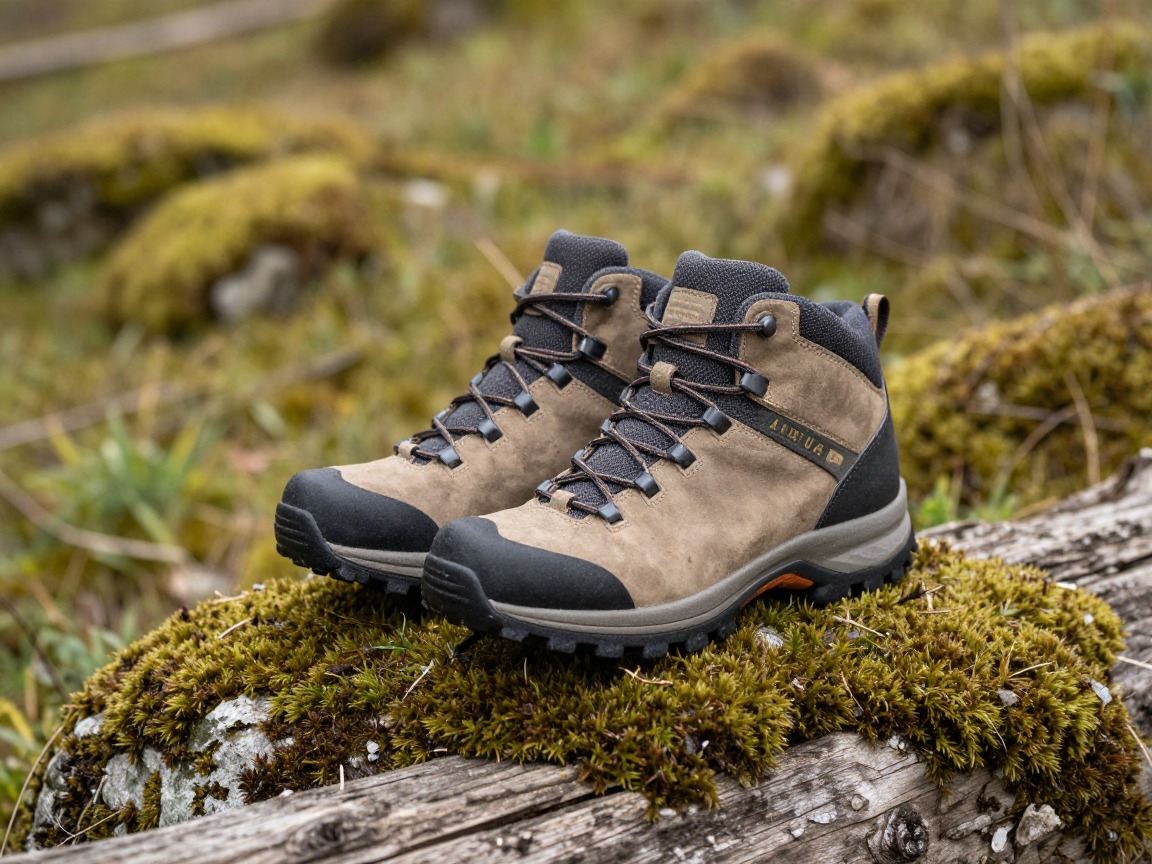
Waterproof hiking boots
Keeps feet dry through saturated, ankle-deep mud that would soak straight through a mesh trail runner within minutes.
What to look for: A genuinely waterproof membrane, deep and aggressive lugs for grip in slop, and enough ankle support for uneven, rutted ground.
 Columbia Men's Transverse Waterproof Hiking Boot Check price
  NORTIV 8 Men's Ankle High Waterproof Hiking Boots Check price
  Columbia Mens Transverse Waterproof Hiking Boot Check price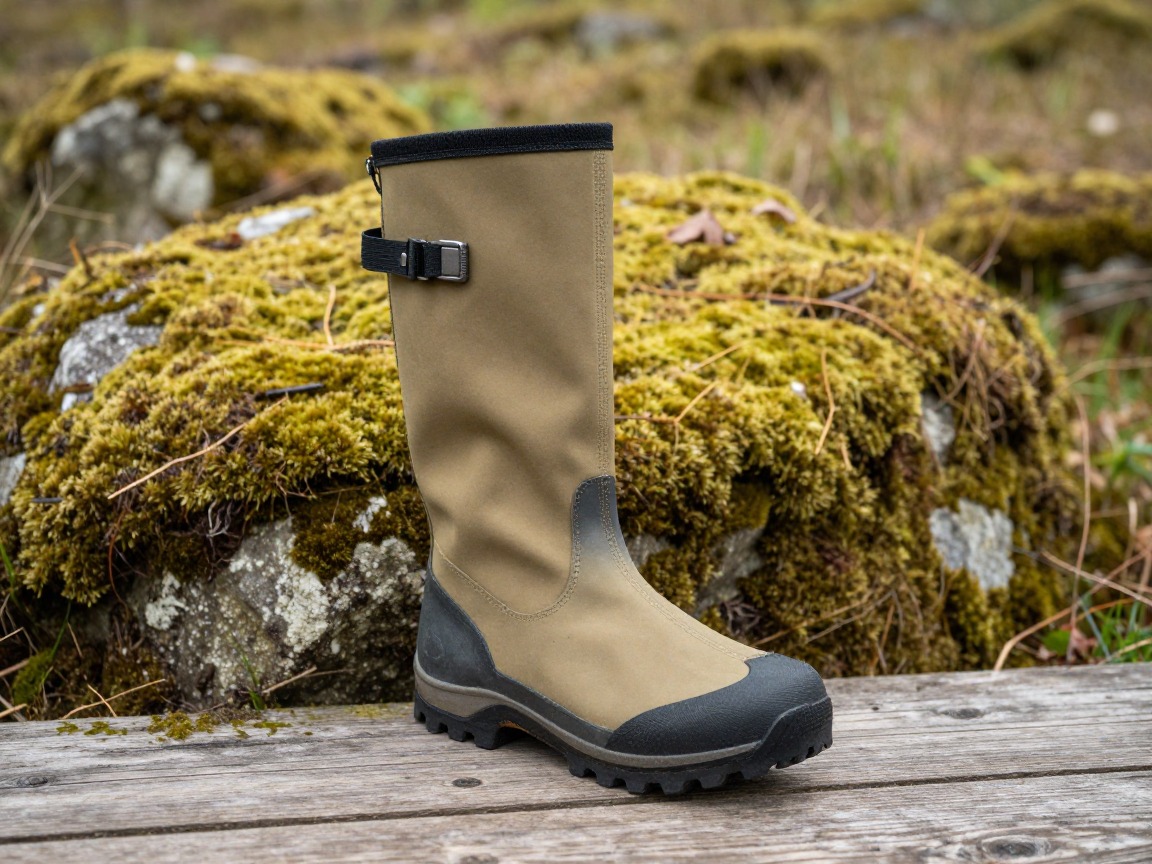
Gaiters
Seals the gap at your boot cuff so mud splash, slush, and trailside runoff don't pour into your boot with every step.
What to look for: A low or mid-height pair with a snug top closure and a durable under-boot strap — no need for a full winter gaiter, just one that keeps grit and water out.
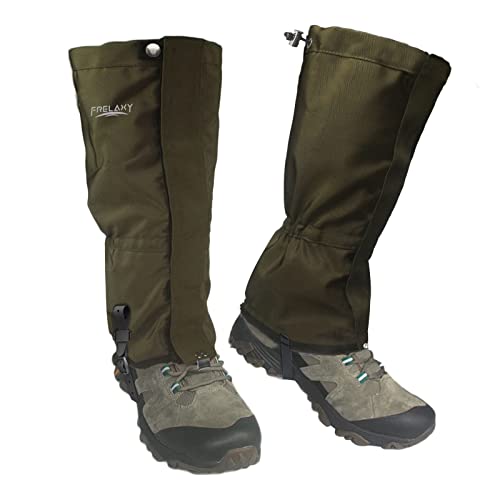 Frelaxy Leg Gaiters 100% Waterproof Hiking Gaiters Check price Frelaxy Ultra High-Performance Hunting Gaiters Check price
 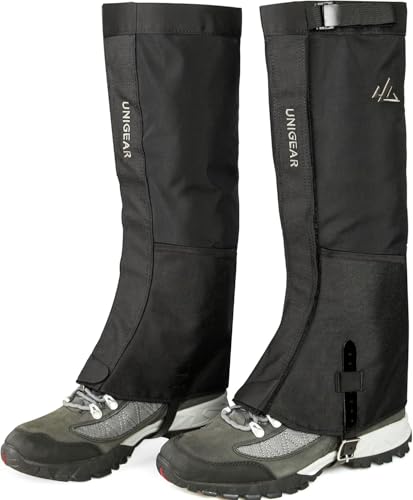 Unigear Leg Gaiters Check price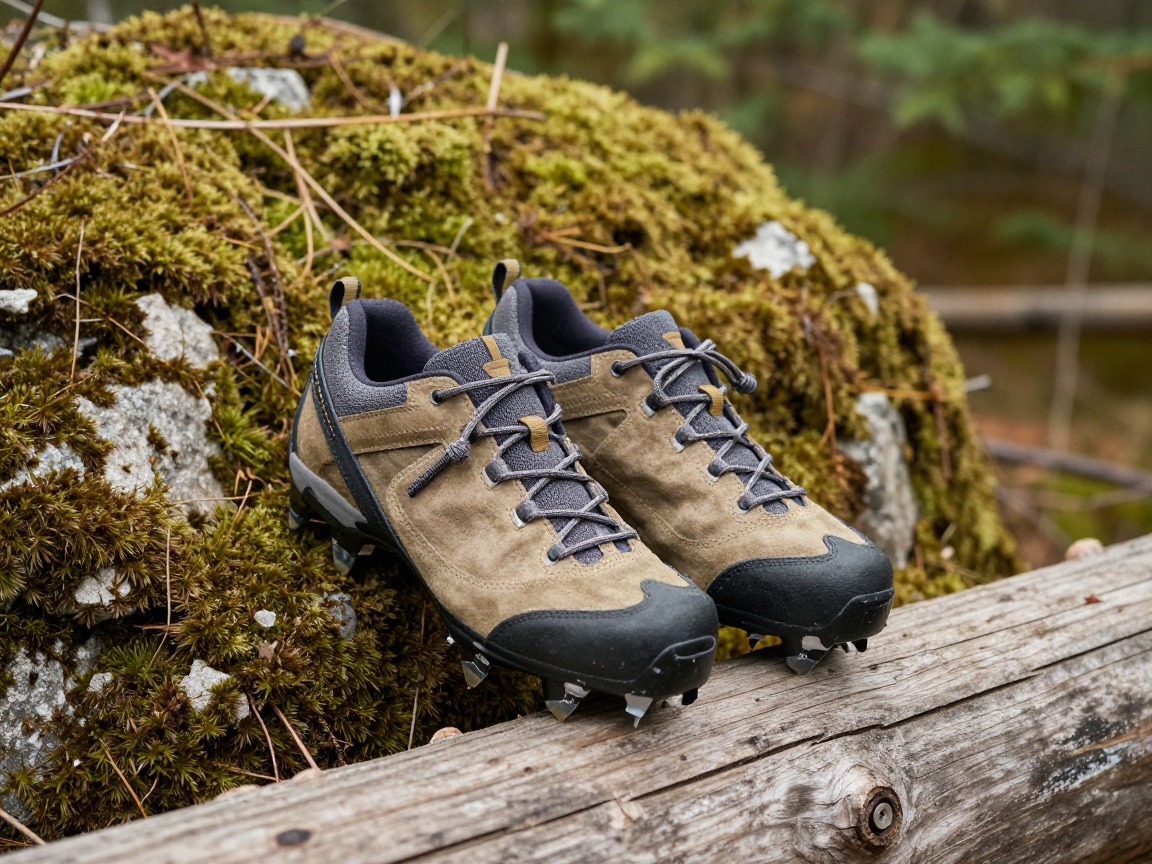
Light traction (microspikes)
Bites into the hard-packed snow and ice that linger on shaded, north-facing ground long after lower sections have thawed into mud.
What to look for: A packable, slip-on microspike rather than a full crampon — mud season's snow is usually a patch you cross in a few minutes, not a pack you travel on all day.
 Kahtoola MICROspikes Footwear Traction for Winter Check price
 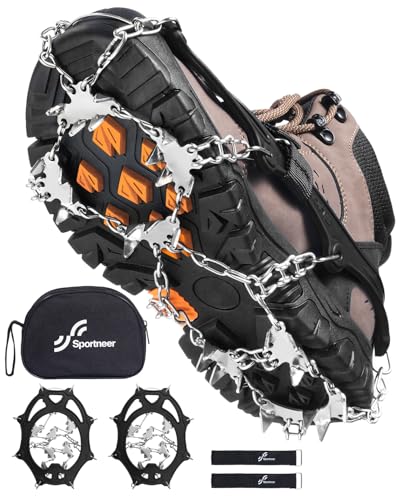 Sportneer Crampons: Ice Cleats for Shoes and Boots with 28 Spikes - Check price
  Kahtoola MICROspikes Footwear Traction for Winter Check price
 - Trail shoes or boots you don't mind getting genuinely muddy
Trekking poles & staying on the tread
Poles handle the balance mud season takes away with every slick step, and where you actually put your feet decides whether the trail survives the season in one piece.
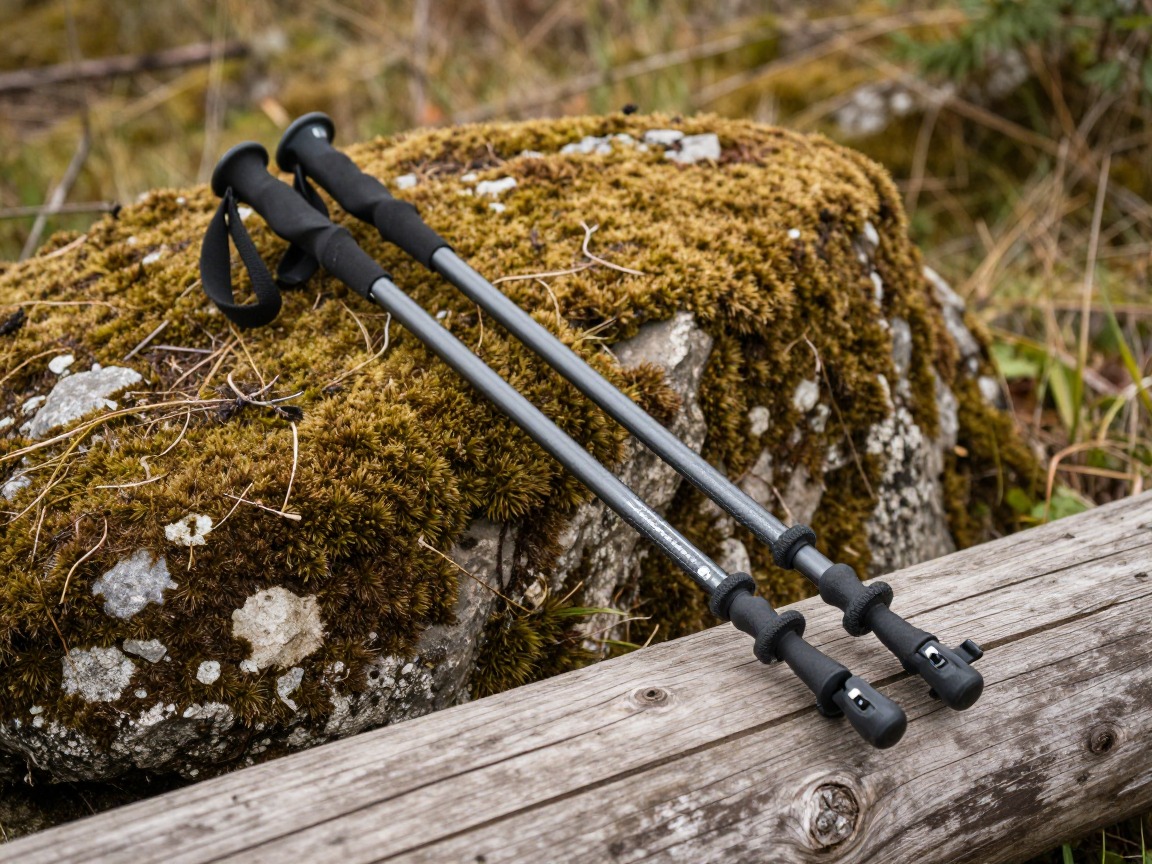
Trekking poles
Adds a second and third point of contact through slick mud, greasy roots, and the rutted, uneven edges a season of foot traffic leaves behind.
What to look for: Adjustable-length poles with wide baskets that resist punching straight through soft ground, and locks that hold firm when you actually lean on them.
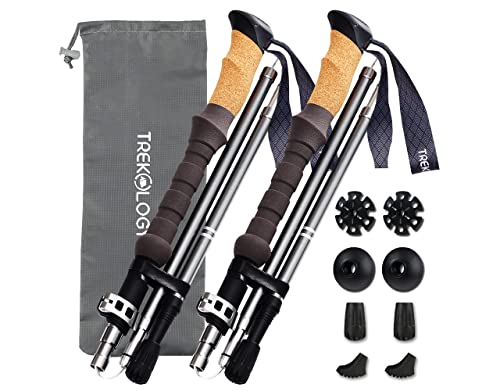 Trekology Trek-Z Cork Grip Collapsible Lightweight Hiking Trekking P Check price
 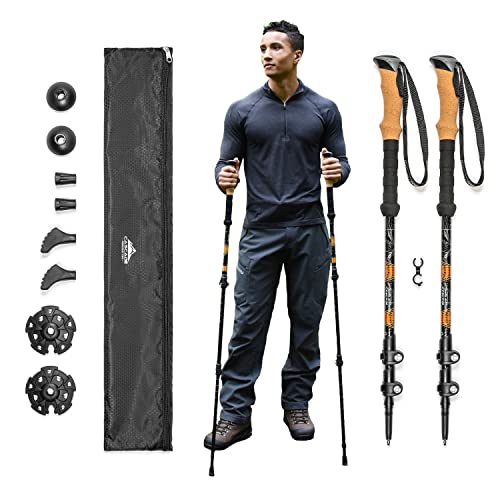 Cascade Mountain Tech Trekking Poles Check price
 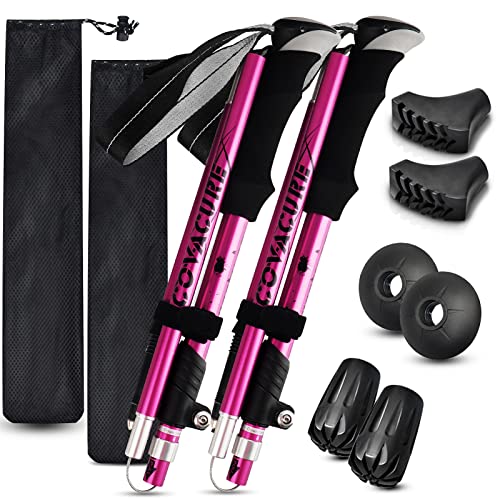 covacure Hiking Poles Check price
 - Walk straight through mud instead of stepping around it — skirting the edges widens the trail and kills the vegetation holding it together
- Check with the land manager, ranger station, or trailhead board for seasonal mud closures, and honor them even if the parking lot itself looks dry
- Turn back or pick a different route if the ground is so saturated that every step sinks well past your boot
Clothing: quick-dry layers, not cotton
Mud season means wet from below — splash, puddles, snowmelt — and often wet from above too, so every layer against your skin needs to dry fast rather than hold water.
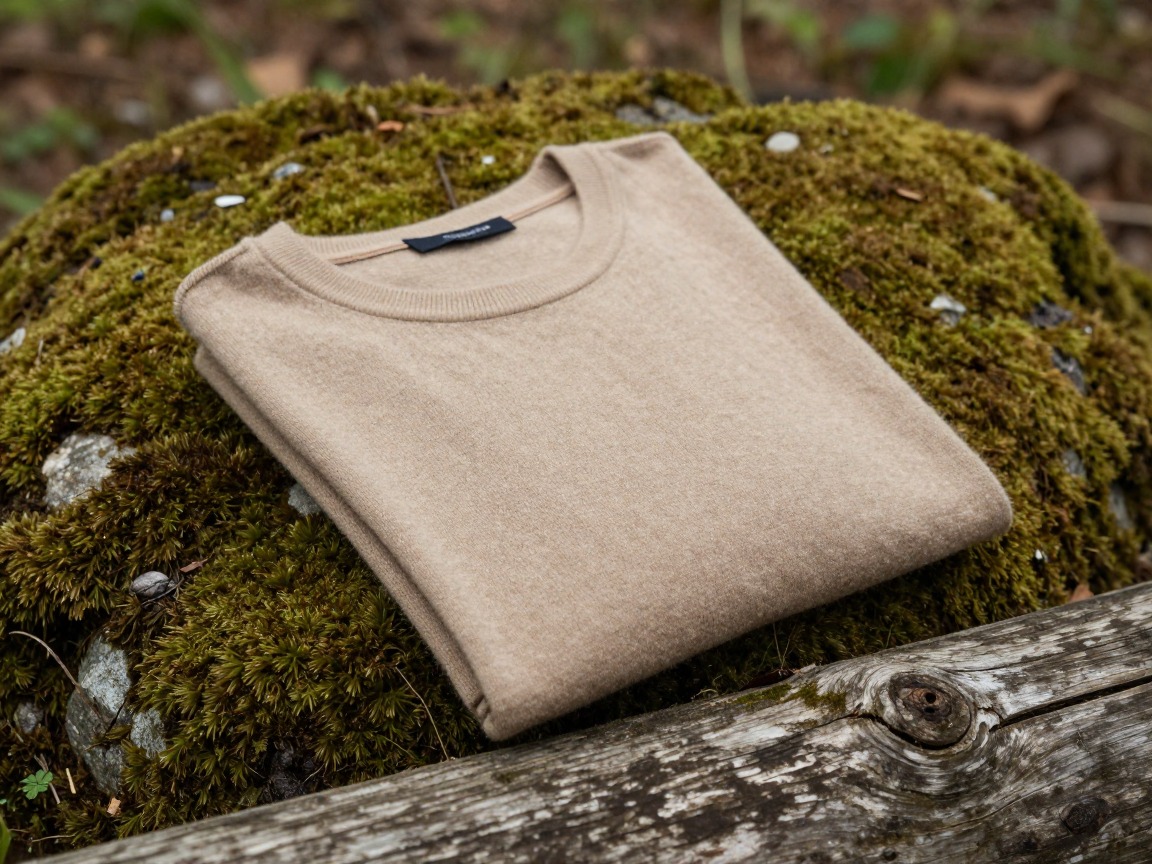
Base layer
Moves sweat and splash off your skin instead of holding onto it through a muddy, humid climb.
What to look for: Lightweight merino or synthetic — never cotton, which stays wet and cold the moment mud season's damp air gets into it.
 100% Merino Wool Base Layer Men Set - Thermal Underwear for Men Long Check price
  Merino.tech Merino Wool Base Layer Women Set - Heavyweight Check price
  100% Merino Wool Base Layer Men Set - Thermal Long Underwear with Ba Check price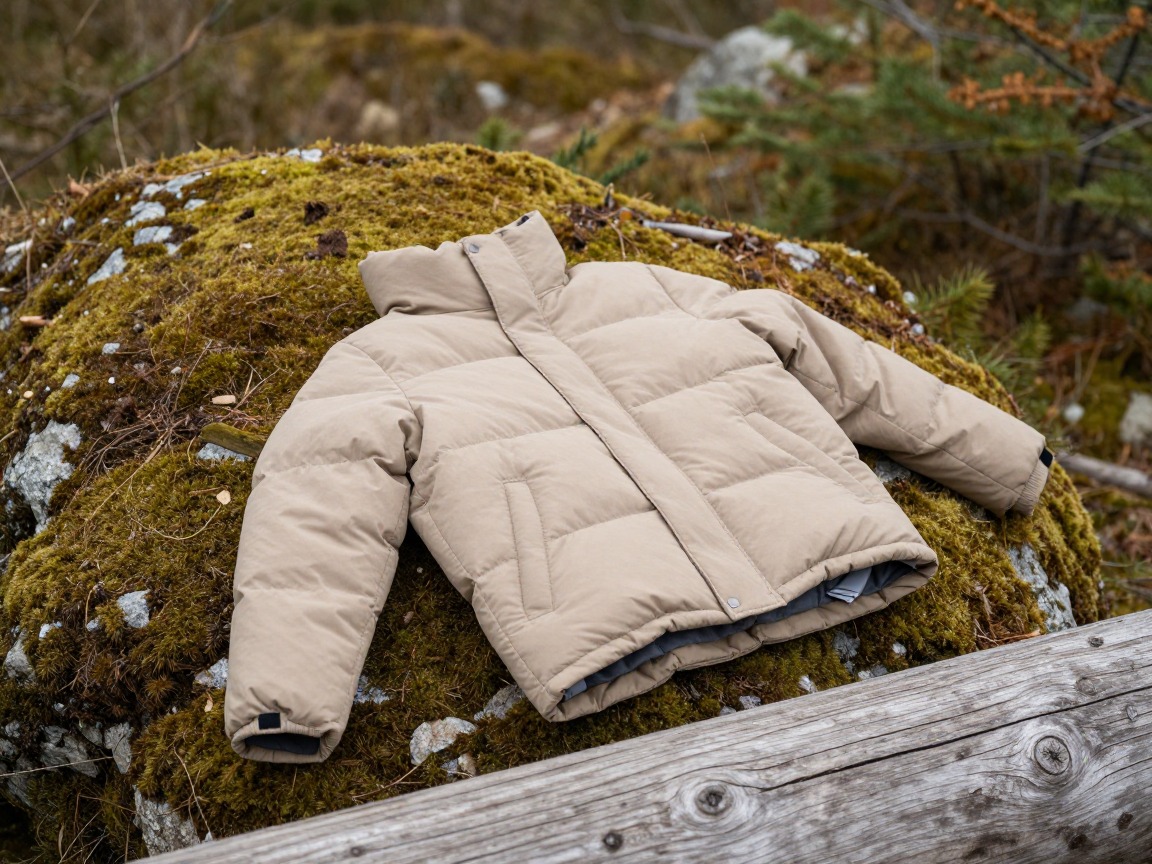
Warm layer
A packable layer for breaks and the cooler, damper air that settles into low-lying, muddy sections of trail.
What to look for: A fleece or light synthetic puffy you can stuff away fast — synthetic fill keeps some warmth even if it gets splashed.
 Outdoor Ventures Women's Packable Lightweight Puffer Jacket with Hoo Check price
  Amazon Essentials Women's Lightweight Long-Sleeve Water-Resistant Pa Check price
  Outdoor Ventures Women's Packable Lightweight Puffer Jacket with Hoo Check price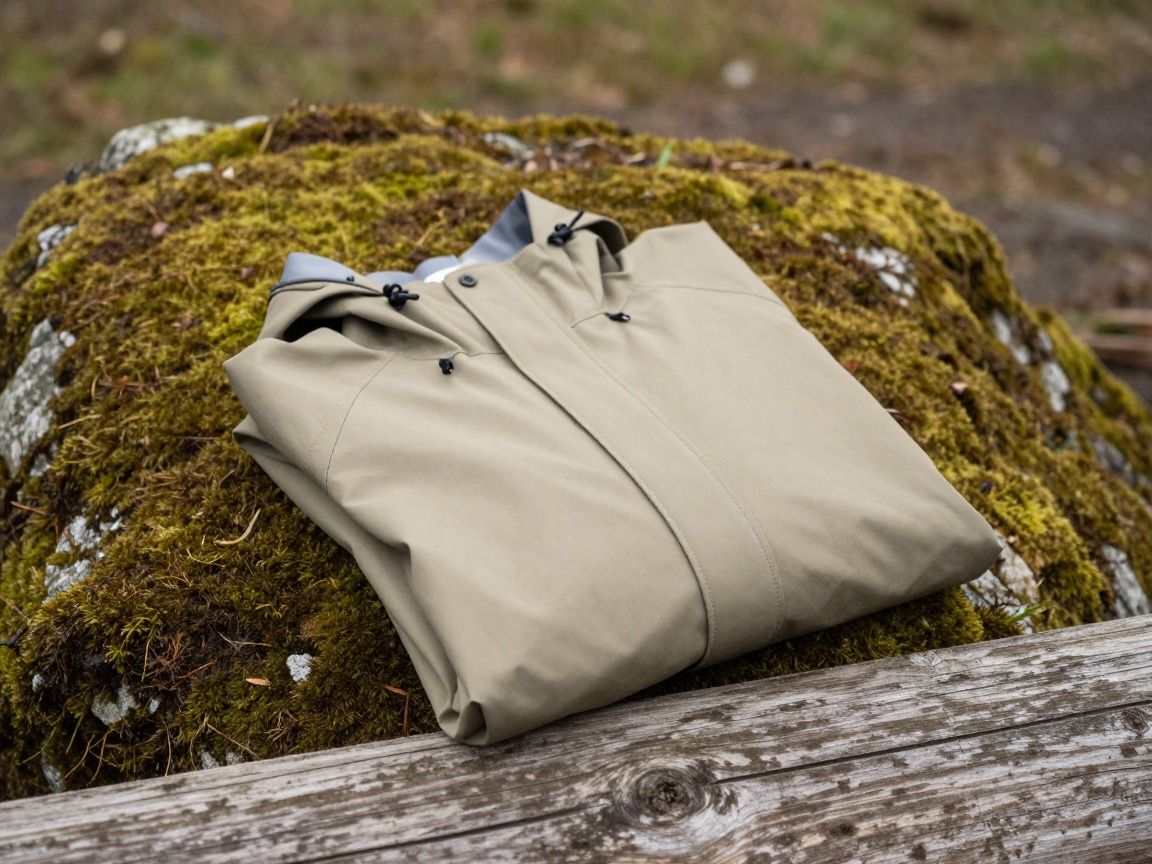
Rain shell
Waterproof protection for the drizzle and passing showers that keep shoulder-season trails soft in the first place.
What to look for: A genuinely waterproof shell with real venting, since you'll work up a sweat on the climbs between muddy sections.
 UIQUR Mens Rain Jacket Raincoat Waterproof Windbreaker Black L Check price
  COOFANDY Men's Waterproof Hiking Travel Shell Breathable Rain Jacket Check price
  Columbia Womens Arcadia II Waterproof Rain Jacket Check price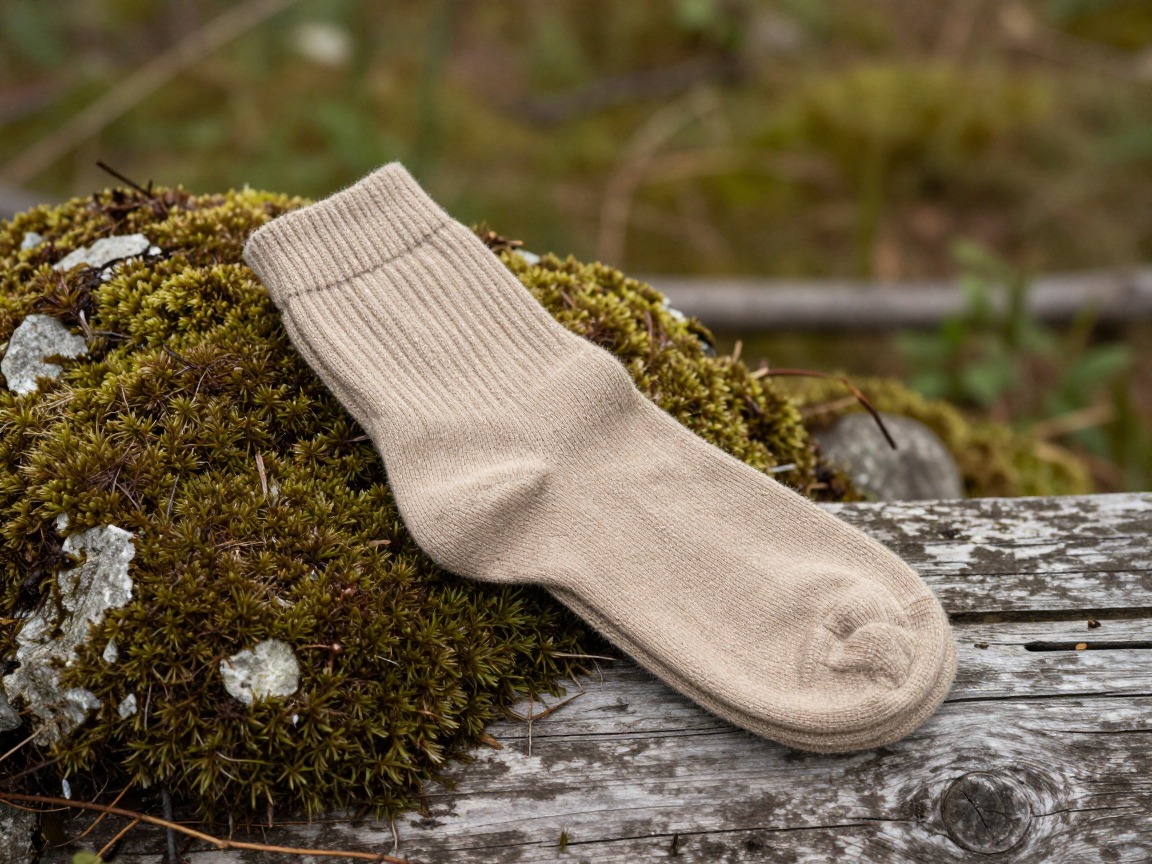
Hiking socks
Wool or synthetic socks that keep insulating even after a boot-top splash finally gets through.
What to look for: Wool or a wool blend, plus a completely dry spare pair for the last stretch or the drive home.
 Alvada Merino Wool Hiking Socks Thermal Warm Crew Winter Boot Sock F Check price
  DANISH ENDURANCE Merino Wool Socks for Men & Women Check price
  innotree 3 Pack Men's Merino Wool Hiking Socks Check price
 - Moisture-wicking shirt and hiking pants
- A dry spare pair of socks sealed in a bag for the walk back to the car
Water, navigation, safety & cleanup
Mud season's real risks are slower and quieter than a single hazard — a slip on slick ground, a longer day than planned, or gear that carries seeds and pathogens to the next trailhead you visit.
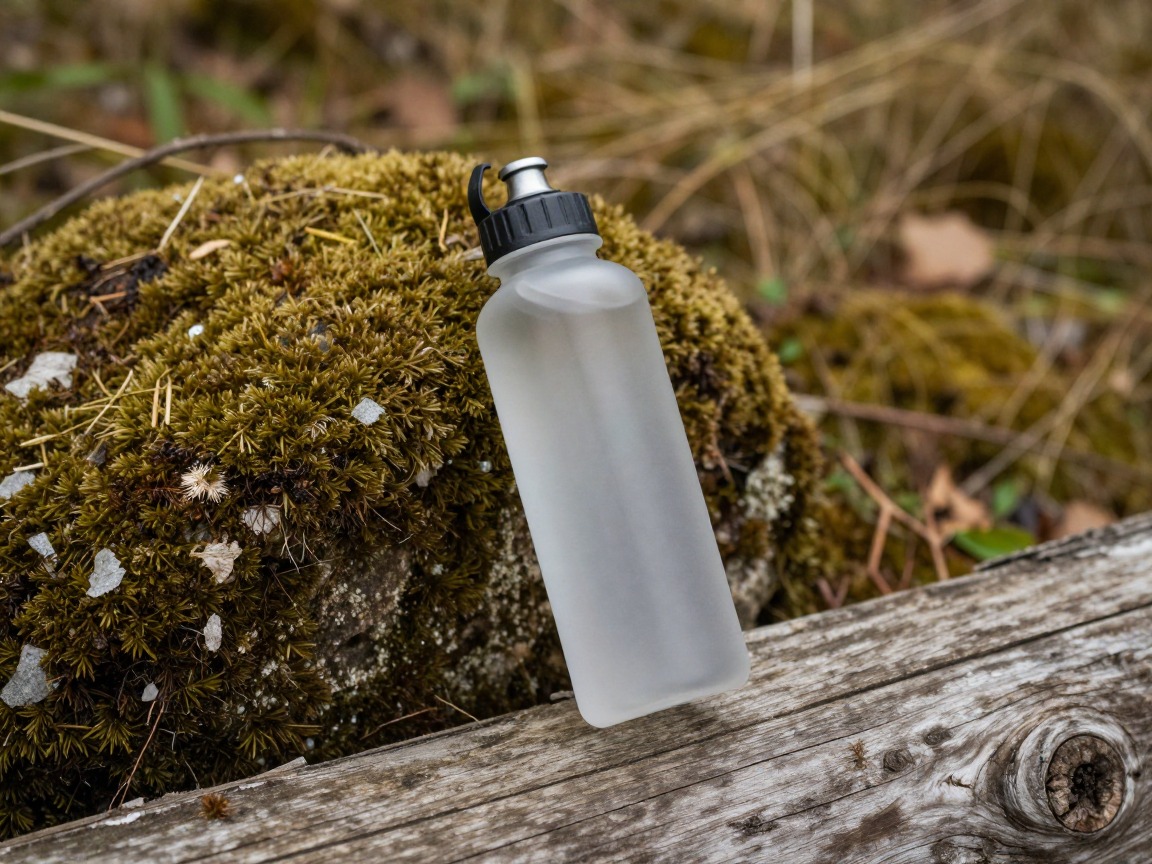
Water bottle
Simple, durable hydration for a day that runs cooler and damper than a summer hike but still demands regular water.
What to look for: A wide-mouth, durable bottle that's easy to refill and drink from with muddy or gloved hands.
 Nalgene 32 oz Wide Mouth Water Bottle Check price
  Nalgene 32 oz Wide Mouth Water Bottle Check price
  Nalgene 32 oz Wide Mouth Water Bottle Check price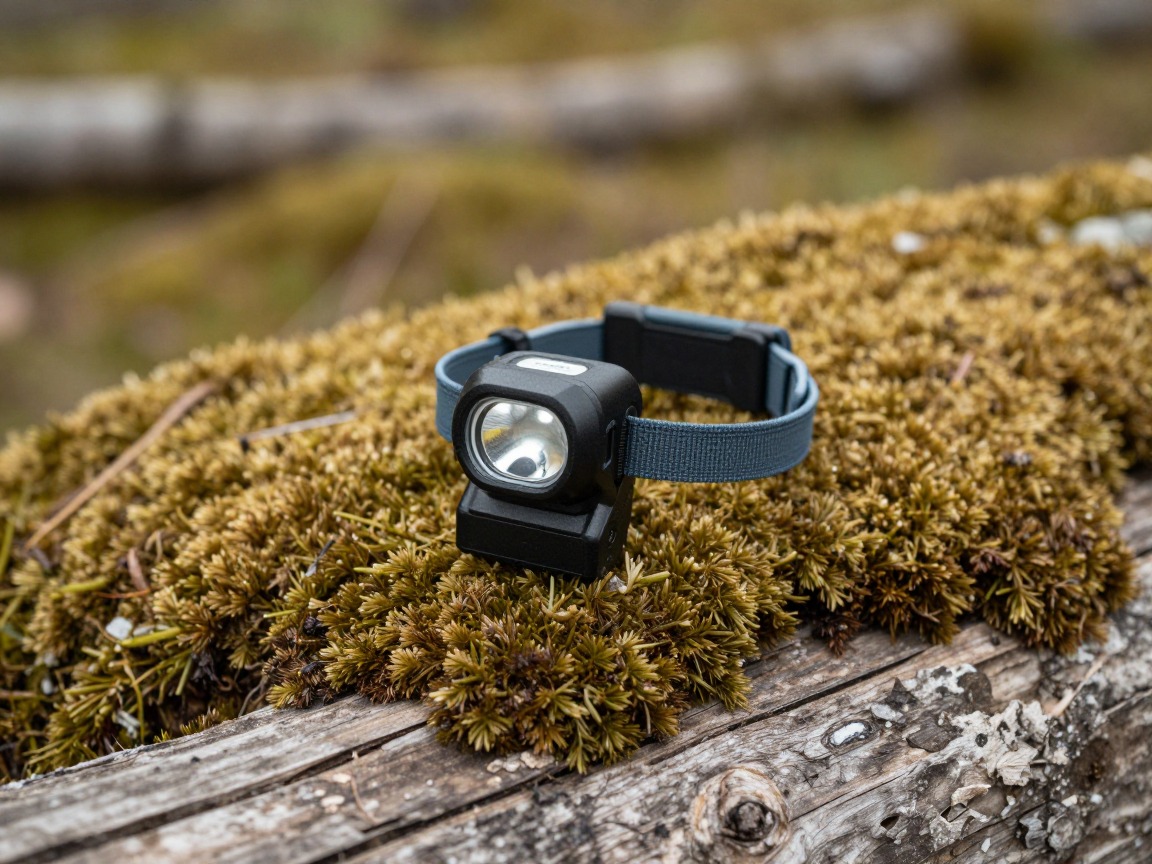
Headlamp
Backup light for the days that run longer than planned once slick, muddy ground slows your pace.
What to look for: Reliable output and fresh batteries — careful footing over soft or icy ground eats more daylight than a dry trail does.
 LHKNL Headlamp Flashlight Check price
 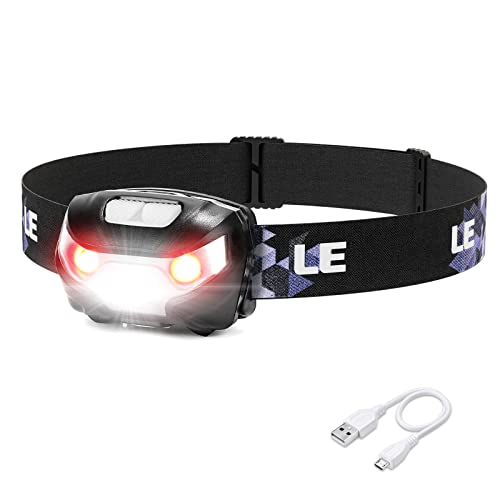 Lepro LED Headlamp Rechargeable IPX4 Waterproof Headlight 5 Modes - Check price
 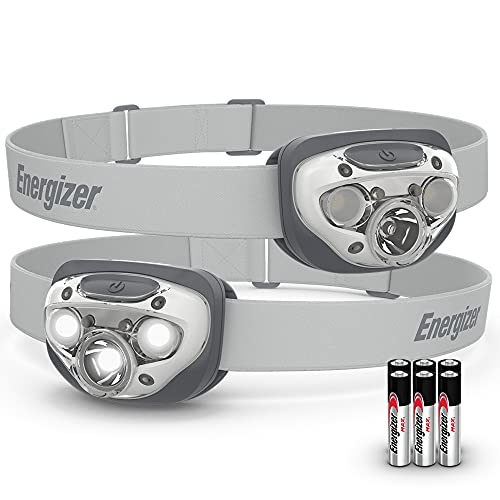 Energizer LED Headlamp PRO Check price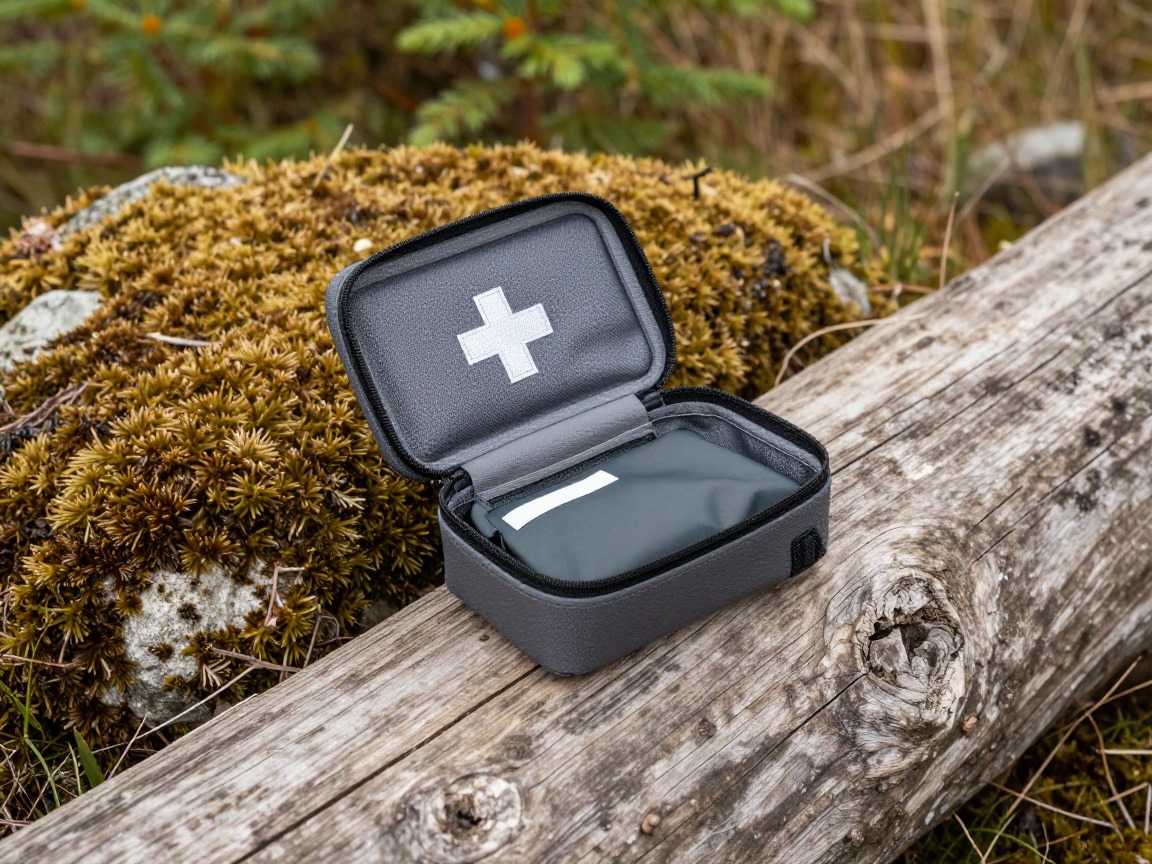
First-aid kit
A compact kit for the slips and twisted ankles that slick, uneven mud makes more likely than dry-season trail.
What to look for: A kit weighted toward sprains and blisters — and know what's in it before you're the one using it.
 Mini First Aid Kit - 150 Piece Small Waterproof EVA Hard Shell Case Check price
  Adventure Medical Kits Ultralight/Watertight Medical Kit .5 Check price
 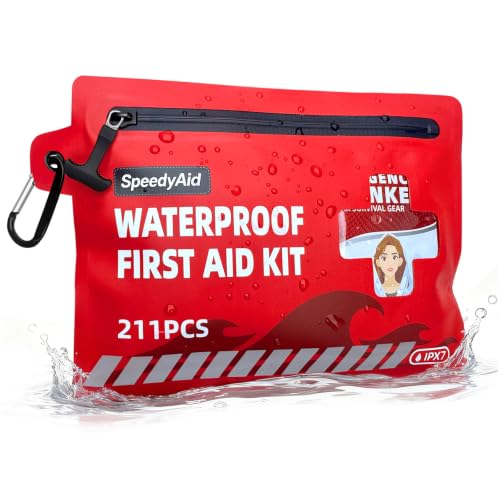 211 PCS Waterproof First Aid Kit Check price
 - Map and compass, or an offline map app with the route downloaded
- A whistle, phone, and power bank
- A stiff brush, and water if available, at the trailhead or car to clean mud, seeds, and debris off boots, gaiters, and pole tips before your next hike
- Check trail or land-manager mud-season advisories before you go
How to adapt this setup
If your route holds unbroken snow rather than patchy remnants, step up to a winter day-hike setup with fuller traction and warmer insulation — microspikes and a rain shell aren't enough there.
A run of dry, mild days lets you trim the microspikes and rain shell once the route's confirmed clear of snow — but keep the gaiters and a dry spare pair of socks regardless.
If the trail is genuinely soft — sinking well past your boot with every step — lean harder into gaiters, slow your pace, and treat a posted closure or an obviously overwhelmed trail as your cue to turn back.
More elevation gain usually means more lingering snow and colder, wetter air on top; add an extra insulating layer and budget more time for careful footing.
Mud season is hard on paws and coats alike — plan for a full cleanup of your dog's feet and belly along with your own boots and gaiters before you both get back in the car.
Common mistakes to avoid
- Skirting around mud to keep your boots clean, which widens the trail and damages the vegetation holding its edges together.
- Leaving the microspikes at home because the trailhead was muddy, then hitting a shaded, icy switchback in plain boots.
- Wearing cotton layers that stay damp and cold through a day of splash, drizzle, and sweat.
- Pushing on through a trail that's clearly too saturated to hike without churning it into a wider, muddier mess.
- Skipping the dry spare pair of socks and finishing the hike, or the drive home, in wet ones.
- Driving straight to the next trailhead with muddy boots and gear, carrying seeds and pathogens from one trail system to another.
Make it yours
Frequently asked questions
What is mud season, and when does it happen?
Mud season is the thaw window between winter and spring, or fall and winter in some regions, when snow melts unevenly and the ground stays soft, saturated, and slow to firm up. It varies by elevation and region, but the signs are the same: soft low trail, and shaded patches of snow or ice higher up.
Do I need microspikes if the trailhead is just muddy?
Often, yes. Mud at the trailhead doesn't rule out ice higher up — shaded, north-facing sections commonly hold packed snow or ice for weeks after lower trail has thawed. Light, packable microspikes cover that gap without the weight of full winter traction.
Why does walking through mud matter instead of walking around it?
Stepping around a muddy section to keep your boots clean widens the trail and kills the vegetation at its edges — the process by which a narrow footpath slowly becomes a wide, damaged scar. Walking straight through the mud, on the existing tread, keeps the trail narrow and protects the ground beside it.
Should I hike a trail that's posted with a mud-season closure?
No. Seasonal mud closures exist because hiking a trail before it's dried out causes real, lasting damage to the tread and surrounding vegetation. Treat a posted closure the same as a locked gate, and pick a different, more resilient route instead.
How should I clean my gear after a muddy hike?
Brush or hose the bulk of the mud off boots, gaiters, and pole tips before you leave the trailhead, then let everything dry fully before your next hike. It's a small habit, but it keeps seeds, spores, and pathogens from one trail system from hitching a ride to the next.
Illustrative images show the type of gear, not specific products. Recommendations link to similar items on Amazon; we only ever link real listings and never show fabricated prices or ratings. General planning guidance, not a substitute for your own judgment or professional backcountry-safety instruction.