
The Leave No Trace minimal-impact setup
Every trip into the backcountry leaves some trace — the goal is to make yours as small as possible. This is a standard weekend backpacking kit built around the habits and small pieces of gear that keep your impact low: waste handled properly, every scrap of trash packed out, camp pitched on ground that can take it, and wildlife left alone.
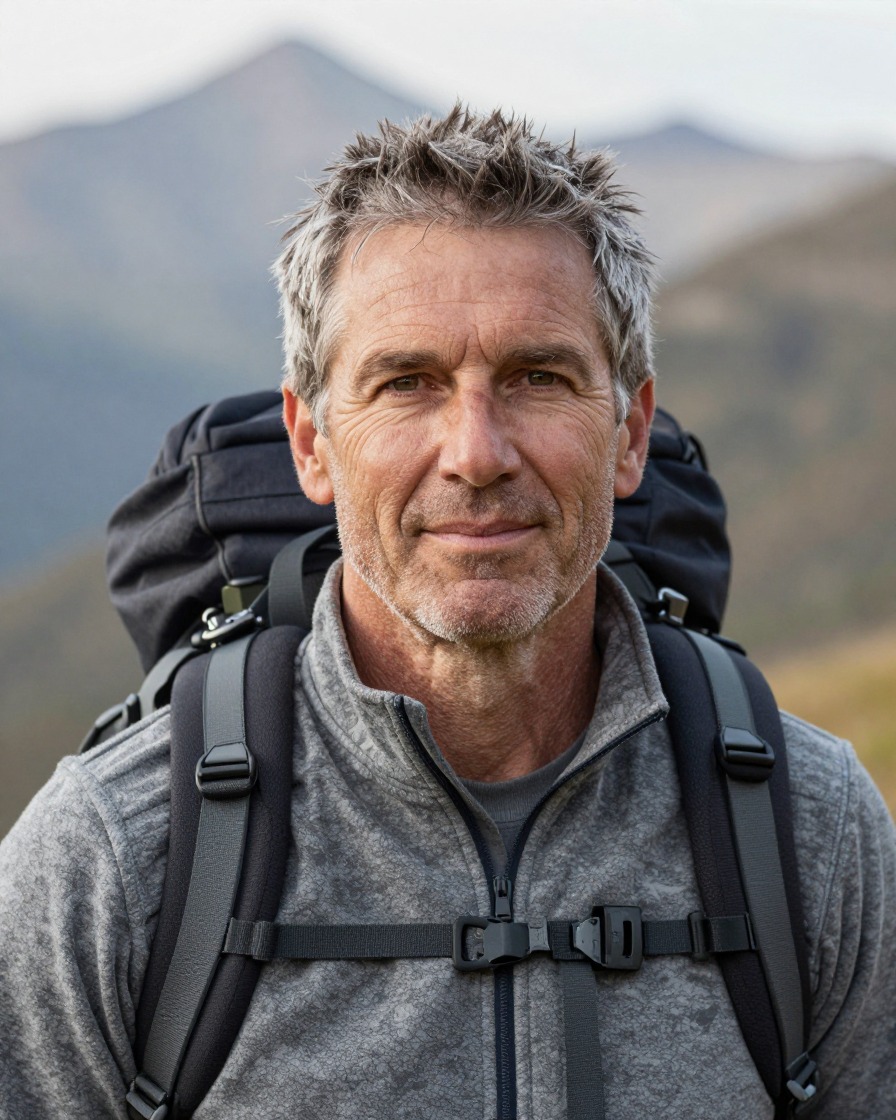
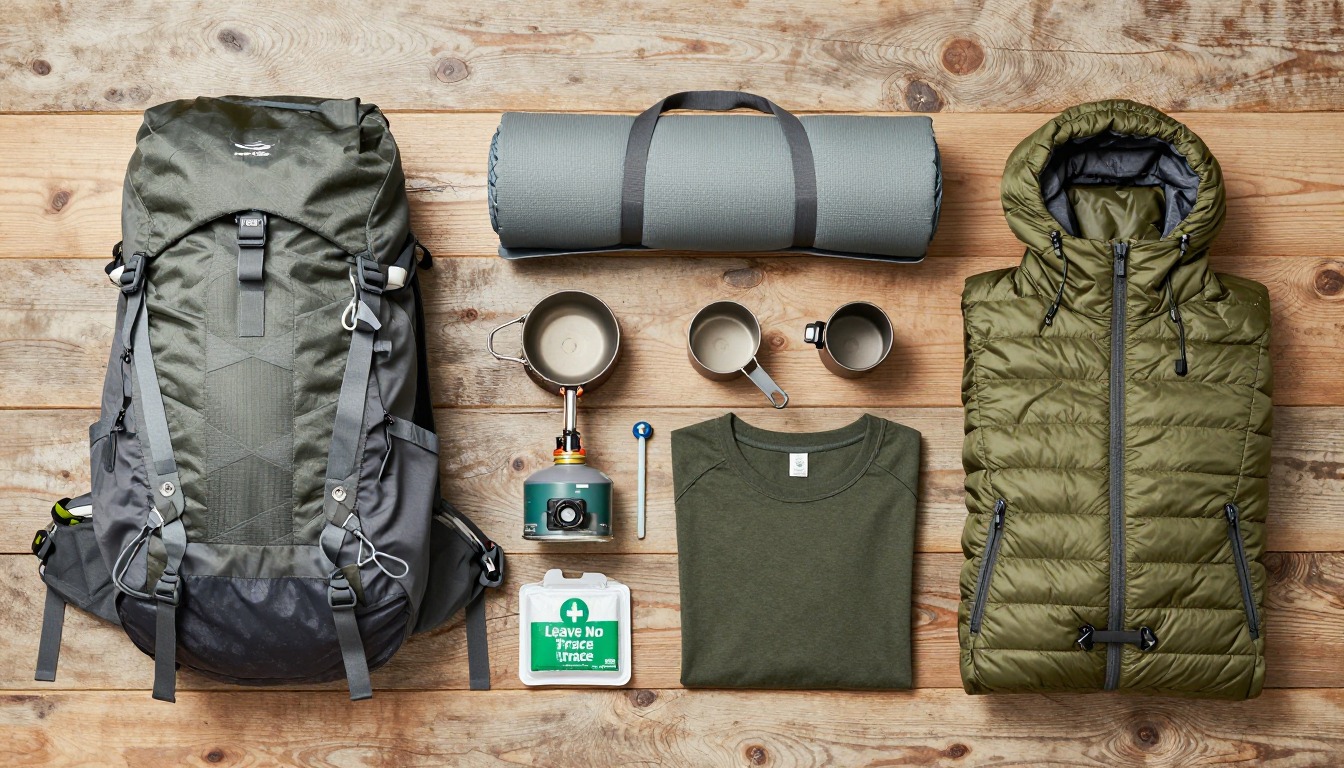
Leave No Trace isn't a different kit bolted onto a normal one — it's the same weekend backpacking system, chosen and used with seven principles in mind: plan ahead and prepare, travel and camp on durable surfaces, dispose of waste properly, leave what you find, minimize campfire impacts, respect wildlife, and be considerate of other visitors. Most of that costs nothing extra — it's where you step, how far you camp from water, and what you do with your trash. The gear side is small and specific: something to store food and scented items away from animals, something to pack out what you can't burn or bury, and reusable pieces that don't end up as trailside litter. None of it is heavier or pricier than a careless kit — it's just chosen and carried a little more deliberately.
This suits any backpacker heading into established backcountry for a weekend who wants the place to look untouched when they leave — beginners as much as veterans, since these are habits worth building from your very first overnight. If you're headed somewhere with its own specific rules — a permit area with a mandatory bear canister, a fire ban, a pack-out-only waste zone — treat this as the baseline and layer the local regulations on top. Always check with the land manager or ranger station before you go; local rules override general guidance every time.
- Start from a standard weekend kit — pack, shelter, sleep system, kitchen — and at each step favor durable, reusable gear over the cheaper or more convenient disposable option.
- Add the Leave No Trace-specific layer: a trowel and human-waste kit, an odor-proof trash bag, and a bear-resistant food canister where it's required or simply a good idea.
- Plan your camp and cooking around durable ground and a stove rather than a fire, and check the current local fire restrictions before you leave.
- Research the specific land you're visiting — permits, group-size limits, fire bans, and wildlife closures — since Leave No Trace practice always defers to the rules for that place.
About this setup
Leave No Trace grew out of backcountry ethics developed with land management agencies once enough hikers were visiting the backcountry that individual carelessness started adding up to real, visible damage — bare and eroded campsites, human waste turning up near water sources, fire scars on rock and soil, and wildlife habituated to raiding food bags left in tents. It's organized around seven principles: plan ahead and prepare, travel and camp on durable surfaces, dispose of waste properly, leave what you find, minimize campfire impacts, respect wildlife, and be considerate of other visitors. None of them require special gear on their own — they're mostly judgment and habit — but a handful of small, specific items make them far easier to actually follow on a real trip.
The biggest gap in most first-time overnight kits is what happens after you eat and after you use the bathroom. A cathole dug 6–8 inches deep and 200 feet from water, trails, and camp handles human waste in most environments, but a growing number of high-use areas — alpine zones, desert canyons, popular river corridors — now require you to pack it out entirely, which is exactly what a WAG bag or similar waste kit is for. Trash works the same way: everything comes out with you, including food scraps and micro-trash like foil corners and wrapper edges, carried in a bag that won't leak odor into your pack or draw animals to your camp overnight.
The rest is mostly restraint and reuse. Camp on ground that's already taken the impact — an established site, or bare rock and sand — instead of trampling a fresh patch of vegetation, and keep your whole camp at least 200 feet from lakes and streams so you're not the reason a shoreline erodes. A canister stove replaces a fire on most trips: it's faster, leaves no scar, and works no matter what the local fire restrictions say, though a small fire in an existing ring is perfectly fine where it's legal and conditions are safe. Favor reusable, refillable gear — a real bottle instead of a disposable one, cloth instead of paper — over anything single-use, and buy a pack, shelter, and sleep system built to last so it isn't back in a landfill in two seasons. Respecting wildlife simply means storing food out of reach and watching animals from far enough away to need binoculars, not close enough to change how they behave.
The pack
The pack itself doesn't change for Leave No Trace — what changes is everywhere you set it down and everything that comes back out of the backcountry with you.
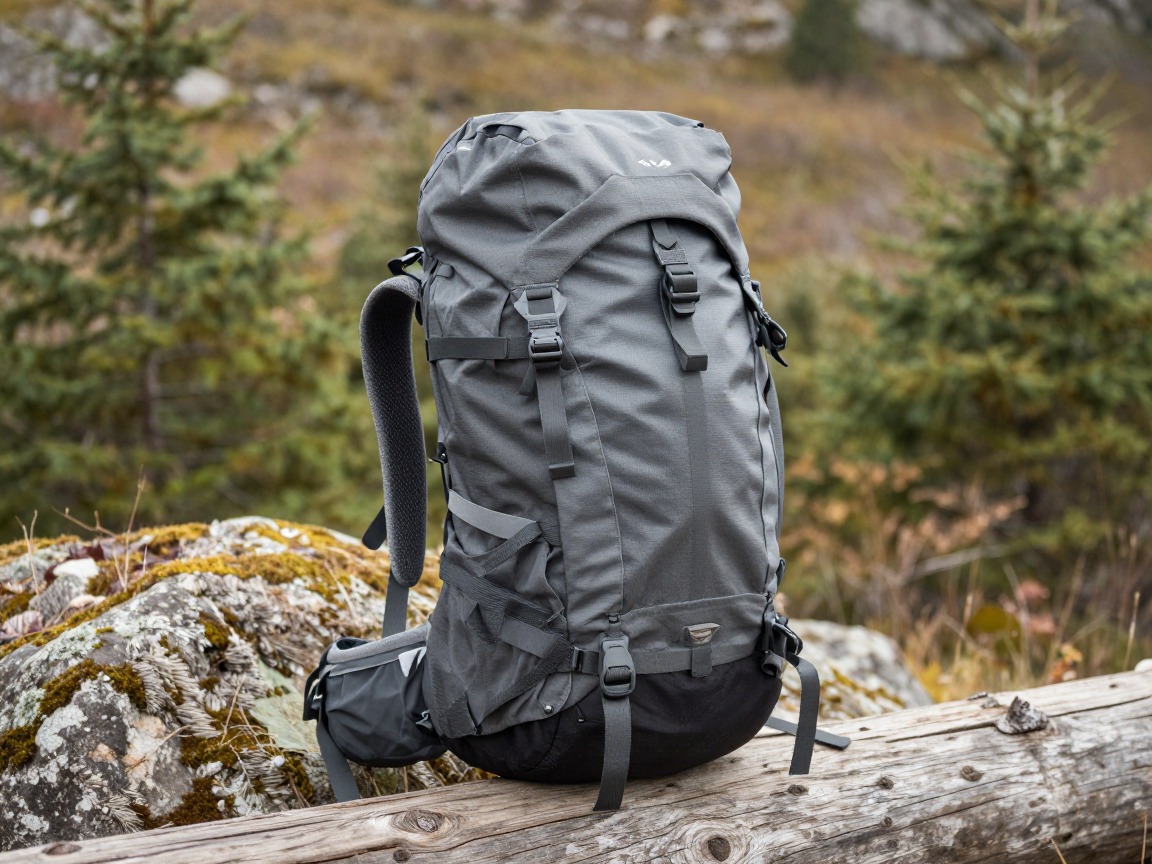
Overnight backpack
Carries the full weekend system plus the small waste and food-storage kit that make low-impact camping possible — no bigger than any other weekend pack.
What to look for: A hip belt that genuinely carries weight, a torso length matched to you, and 45–60 L for a weekend. Buying one durable pack you'll use for years is itself a low-impact choice — less gear cycling through landfill over your hiking life.
 WoneNice 50L Check price
  Teton 55L Scout Internal Frame Backpack for Hiking Check price
 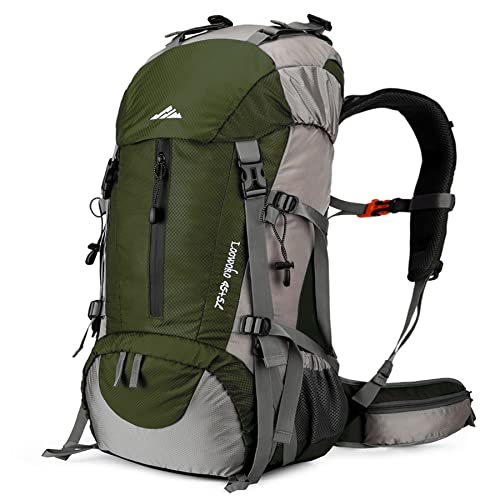 Loowoko 50L Hiking Backpack with Rain Cover for Both Men & Women Check price
 - A pack rain cover or liner
- A small repair kit (tape, cord) so a minor failure doesn't end a trip or a piece of gear early
Shelter & campsite selection
Where you pitch matters as much as what you pitch. Choose ground that's already worn in — rock, sand, an established site — and keep your whole camp well back from water.
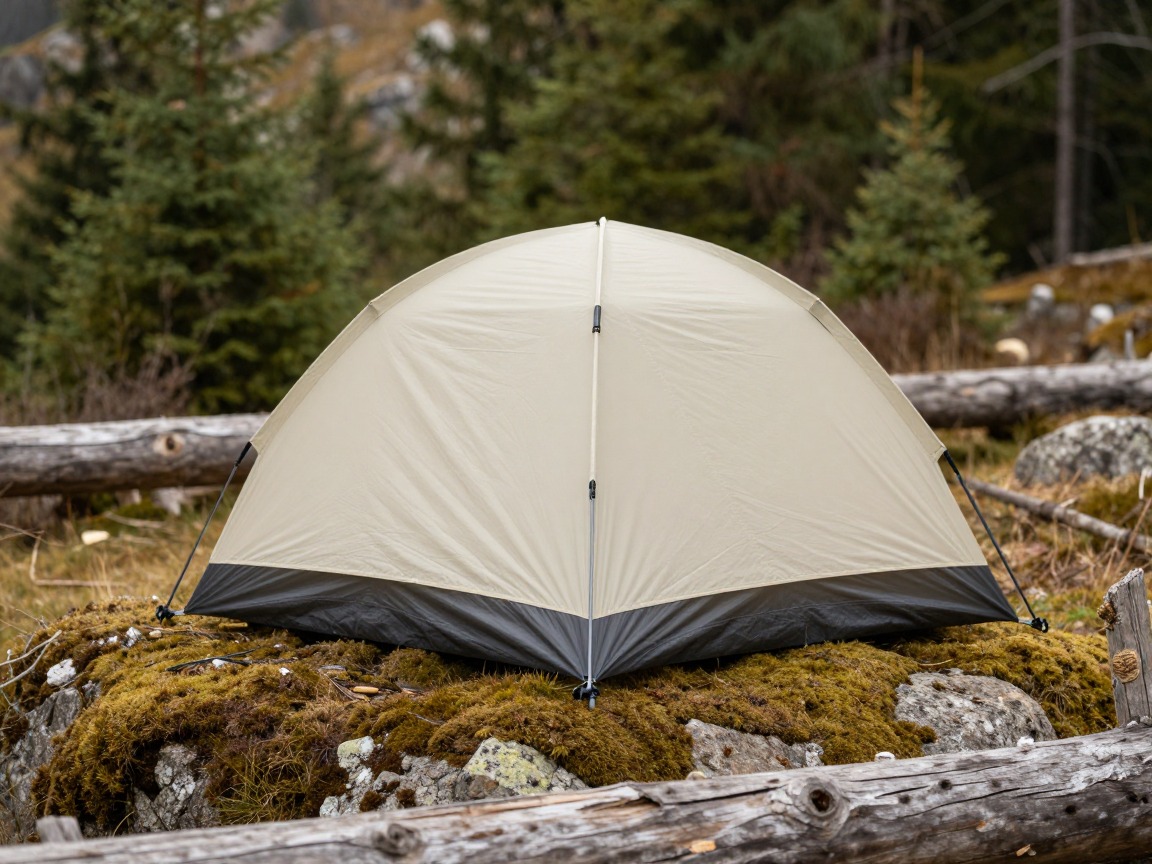
Backpacking tent
Your home for the night — a freestanding two-person tent pitches cleanly on hard, durable ground without needing stakes driven into soft soil or fragile turf.
What to look for: A freestanding or semi-freestanding design that stands on rock, packed dirt, or sand without depending on stakes, a full-coverage fly, and real vents to fight condensation.
 Night Cat 2-Persons Backpacking Tent: Waterproof Lightweight Camping Check price
  BISINNA 2/4 Person Camping Tent Lightweight Waterproof Backpacking T Check price
  Forceatt Tent for 2 Person is Waterproof and Windproof Check price
 - Stakes & guylines
- A groundsheet or footprint cut to the tent's size, not overhanging onto vegetation
- A campsite at least 200 feet from lakes, streams, and trails
Sleep system
A bag rated a little below the expected low, plus a pad with enough insulation for the ground, is what keeps you warm through the night.
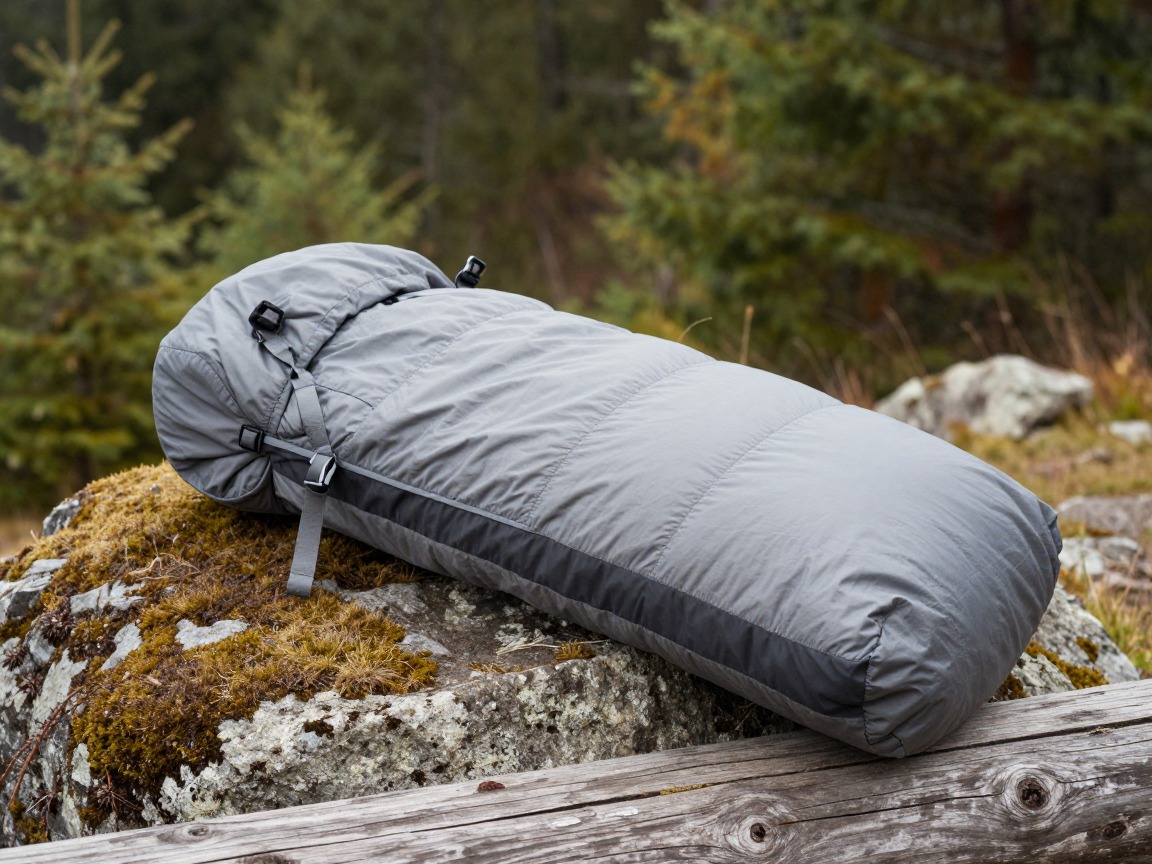
Sleeping bag
Rated a little colder than the night's forecast low; a warm sleeper isn't tempted to build an unnecessary fire just to feel comfortable.
What to look for: A comfort rating below your expected low, a fill suited to conditions — down for weight, synthetic for damp — and a hood and draft collar that actually seal warmth in.
 MalloMe Sleeping Bags for Adults Cold Weather & Warm - Backpacking C Check price
 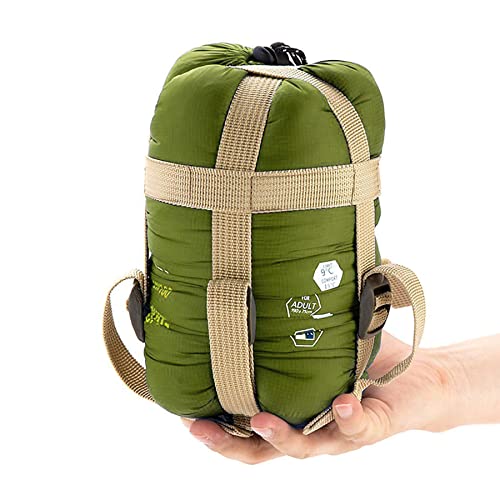 ECOOPRO Portable Check price
  Teton Trailhead Check price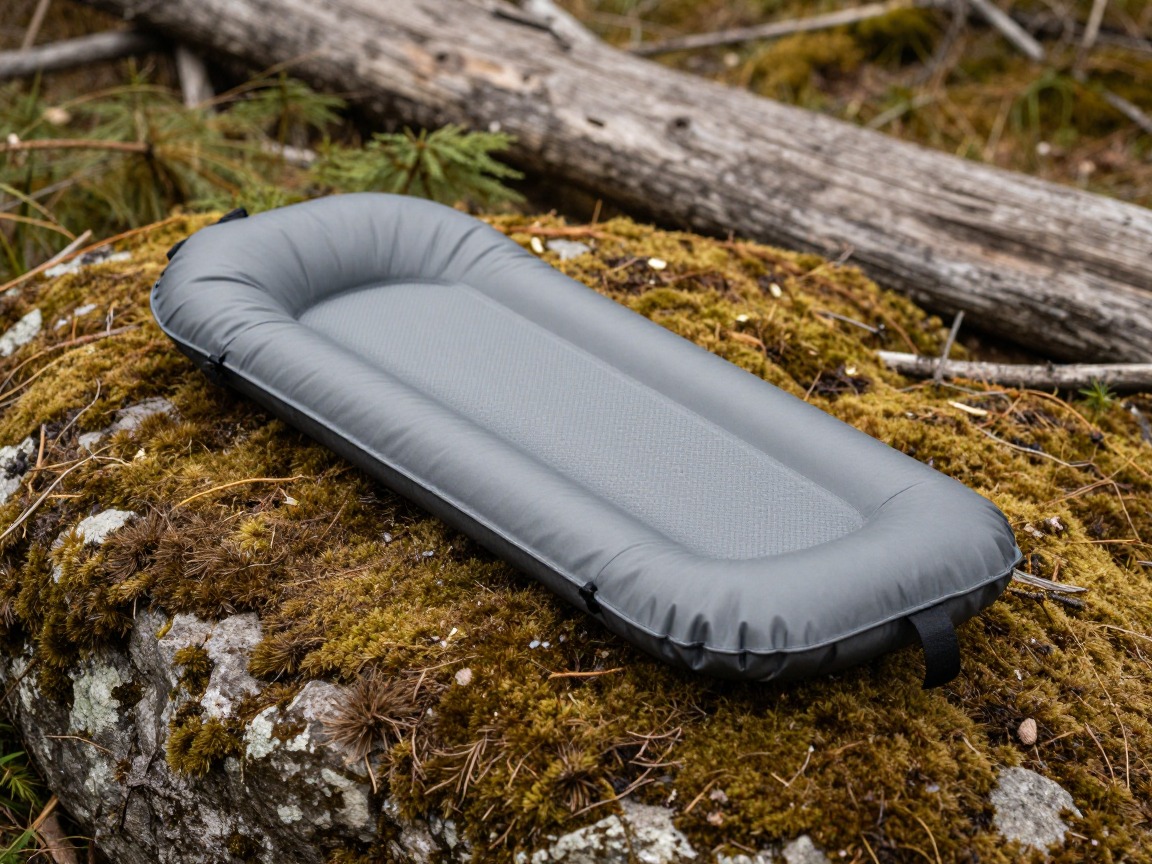
Sleeping pad
Insulates you from the cold coming up through the ground and cushions the bare rock or hardened surfaces a durable campsite often means sleeping on.
What to look for: Enough R-value for the season (roughly 3+ for three-season trips), a packed size you're happy carrying, and a quiet fabric that won't disturb the rest of your camp at 2 a.m.
 FUN PAC Camping Sleeping Pad Check price
  Gear Doctors® Ether 17.5oz Ultralight Camping Sleeping Pad Check price
  Oramoose 4in Ultralight Camping Sleeping Pad with Pillow and Foot Pu Check price
 - Inflatable or stuff-sack pillow
Kitchen & water
A stove instead of a fire, one pot instead of disposable dishware, and a filter instead of bottled water — the kitchen is where reusable choices add up fastest.
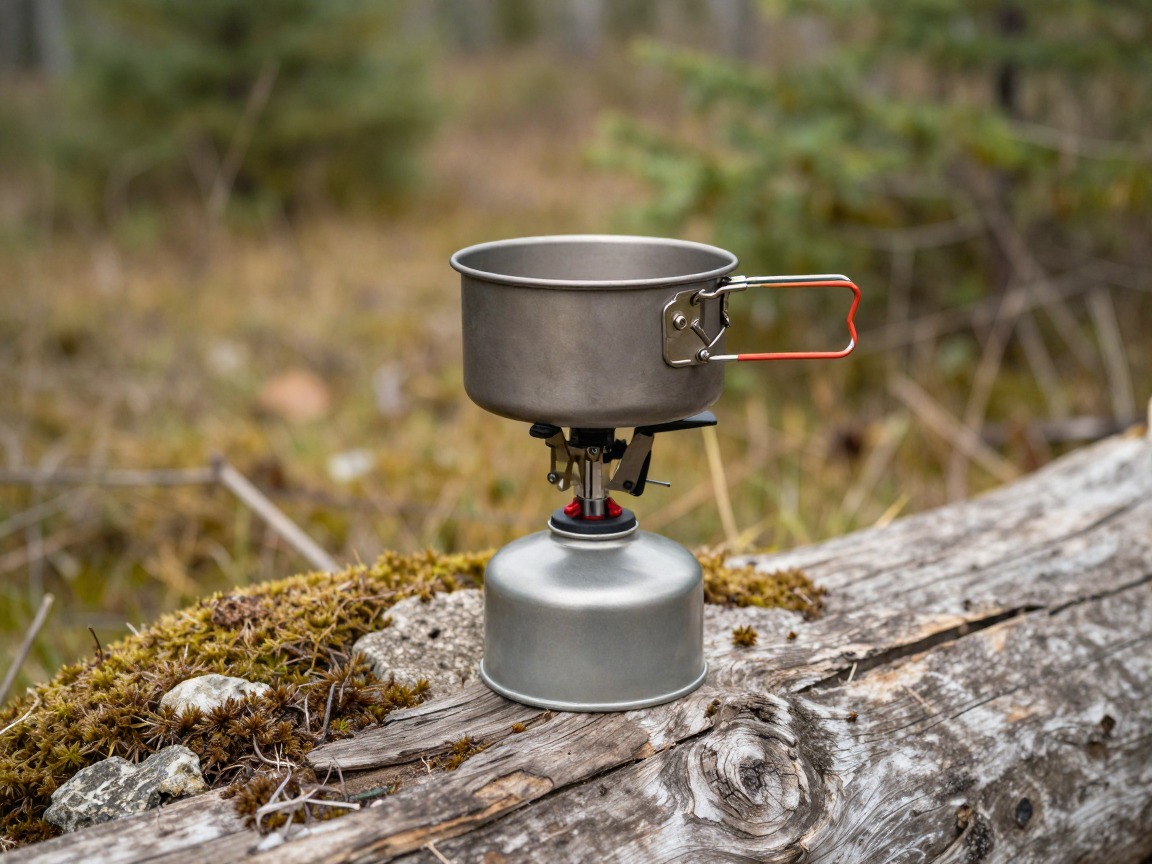
Backpacking stove
A compact canister stove boils water in a couple of minutes with no fire scar, no smoke, and no need to gather wood.
What to look for: A stable stove with usable simmer control and a fast boil, running on fuel you can actually buy near the trailhead. It works regardless of local fire restrictions — a real advantage over cooking on an open flame.
 AOTU Portable Camping Stoves Backpacking Stove with Piezo Ignition S Check price
  MSR PocketRocket 2 Ultralight Camping and Backpacking Stove Check price
  Fire-Maple Greenpeak 1 Camping Stove with Piezo Ignition Portable Ga Check price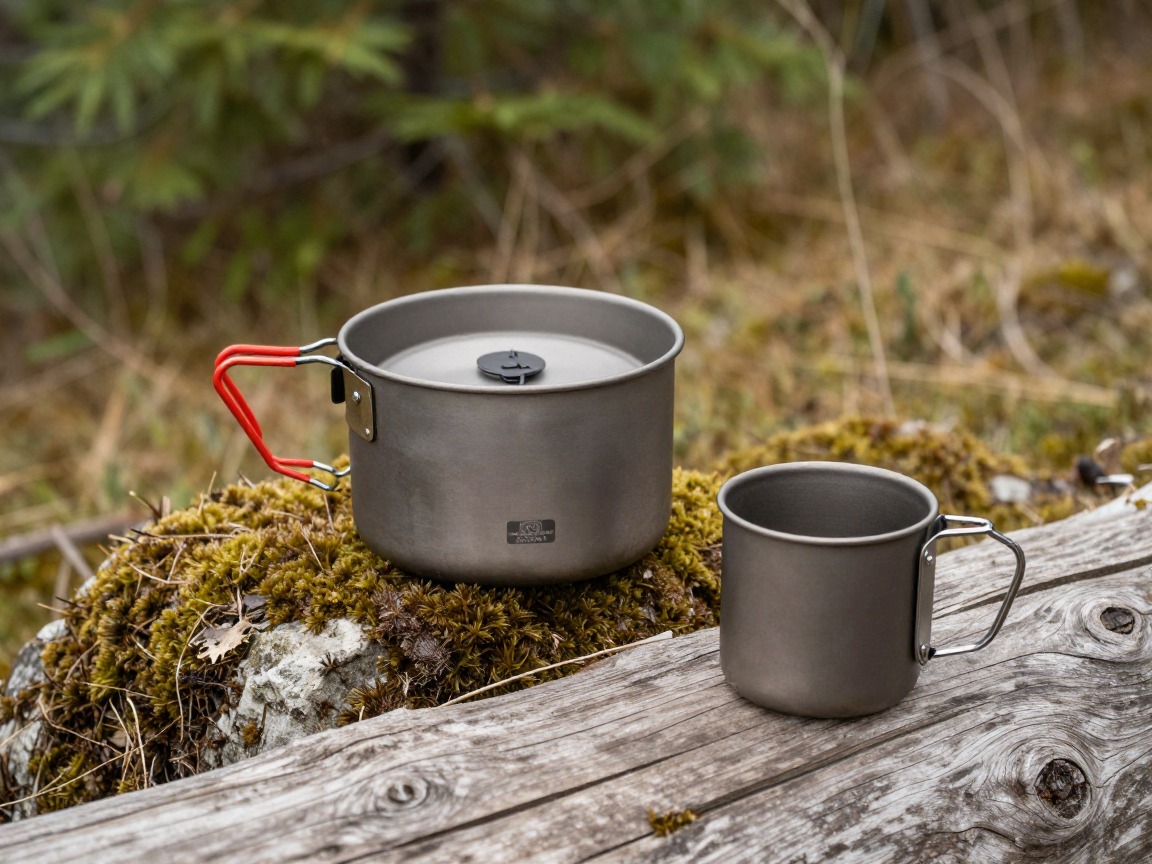
Pot & mug
One reusable pot and a metal mug stand in for disposable plates, cups, and cutlery for the whole trip.
What to look for: A single pot sized to your meals, light metal like titanium or hard-anodized aluminum, and a lid that doubles as a plate so single-use dishware never makes it into the pack.
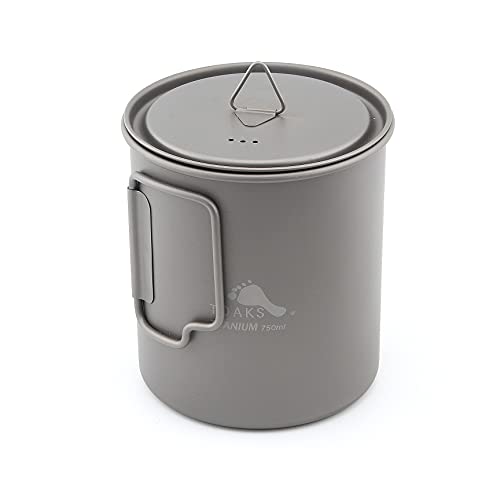 TOAKS Titanium 750ml Pot Check price
  TOAKS Titanium 750ml Pot with Bail Handle for Ultralight Camping Check price
  TOAKS Titanium 1100ml Pot with Pan Check price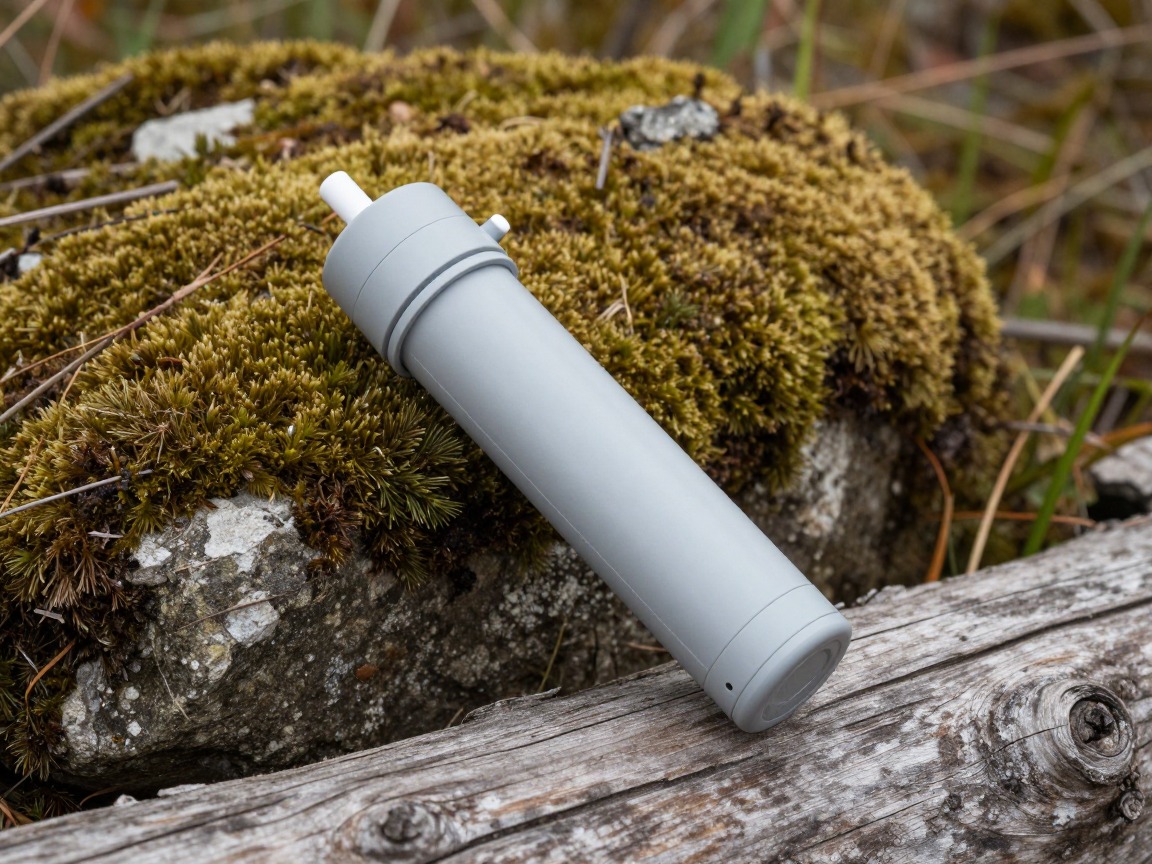
Water filter
Treats stream and lake water on the spot, so you're refilling one reusable bottle instead of carrying in — and eventually packing out — disposable bottled water.
What to look for: Fast flow, easy field cleaning, and a design that won't clog on the murky water you'll actually find. A squeeze or gravity filter covers most weekend trips.
 Sawyer Squeeze Water Filtration System Check price
  Sawyer Products SP128 Mini Water Filtration System Check price
  LifeStraw Personal Water Filter for Hiking Check price
 - Fuel canister (pack the empty one out with your trash — never bury it)
- A reusable water bottle or soft flask
- A reusable spork — skip single-use cutlery
- Meals repackaged into reusable bags or containers to cut wrapper waste
- Dish water strained of food scraps and scattered well away from camp and water sources
Waste, food storage & wildlife
This is the section that separates a careless camp from a genuinely low-impact one — what you do with human waste, trash, and food, and how much distance you keep from animals.
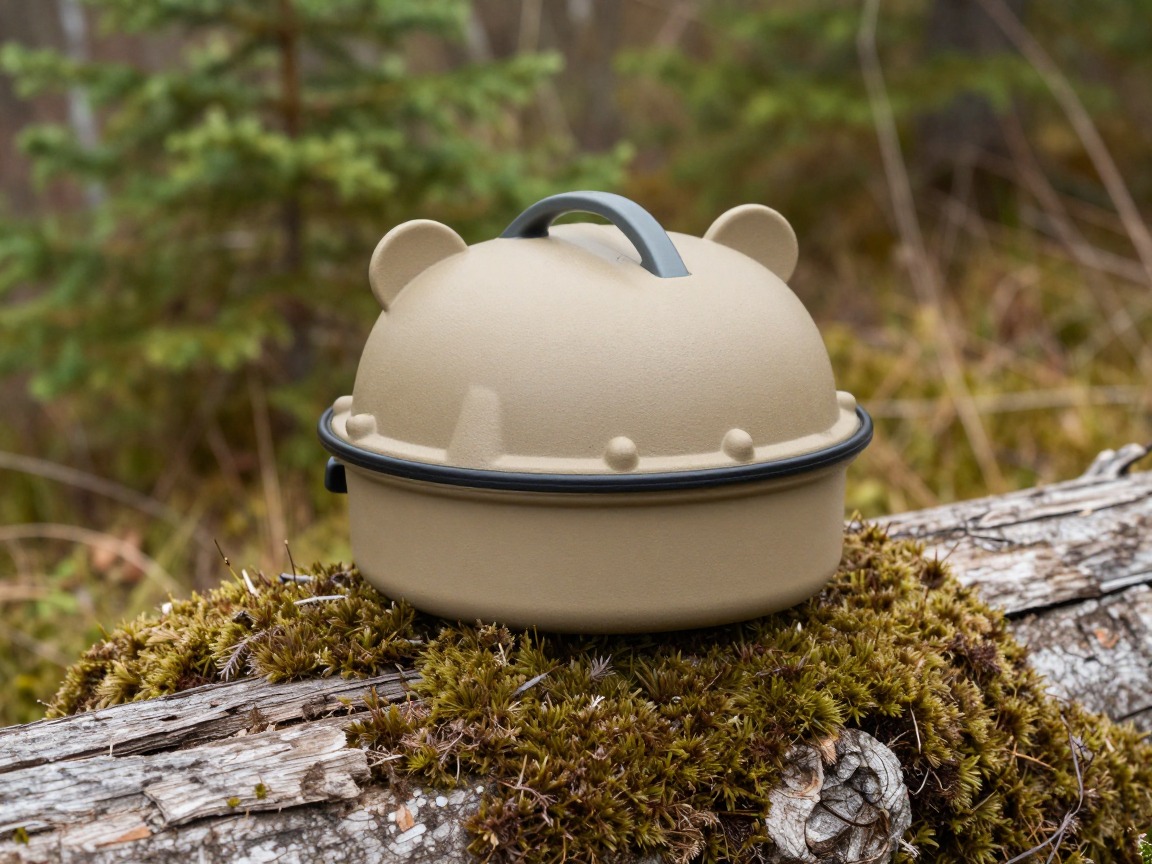
Bear-resistant food canister
A hard-sided canister keeps food and anything scented completely out of reach overnight, protecting both your food supply and the wildlife that would otherwise learn to raid packs and tents.
What to look for: Required in some permit areas and a smart choice almost anywhere with wildlife; a size matched to your trip's food, and a design you're actually willing to carry rather than leave behind.
 BearVault BV450 Jaunt Portable Bear Canister for Backpacking - Mediu Check price
  BearVault BV425 Sprint Portable Bear Can - Small Check price
  Bear Canister for Backpacking Check price
 - Trowel and a human-waste kit (WAG bag or similar) for catholes or pack-out-only areas
- Toilet paper, kept minimal, and hand sanitizer — always packed out, never buried
- An odor-proof bag for all trash, food scraps, and micro-trash like wrapper corners
- Binoculars for watching wildlife from a genuine distance instead of approaching for a photo
Clothing & layers
The same three-layer system as any weekend trip — base, insulation, shell — chosen for durability so it's still doing the job, not in a landfill, for years of trips to come.
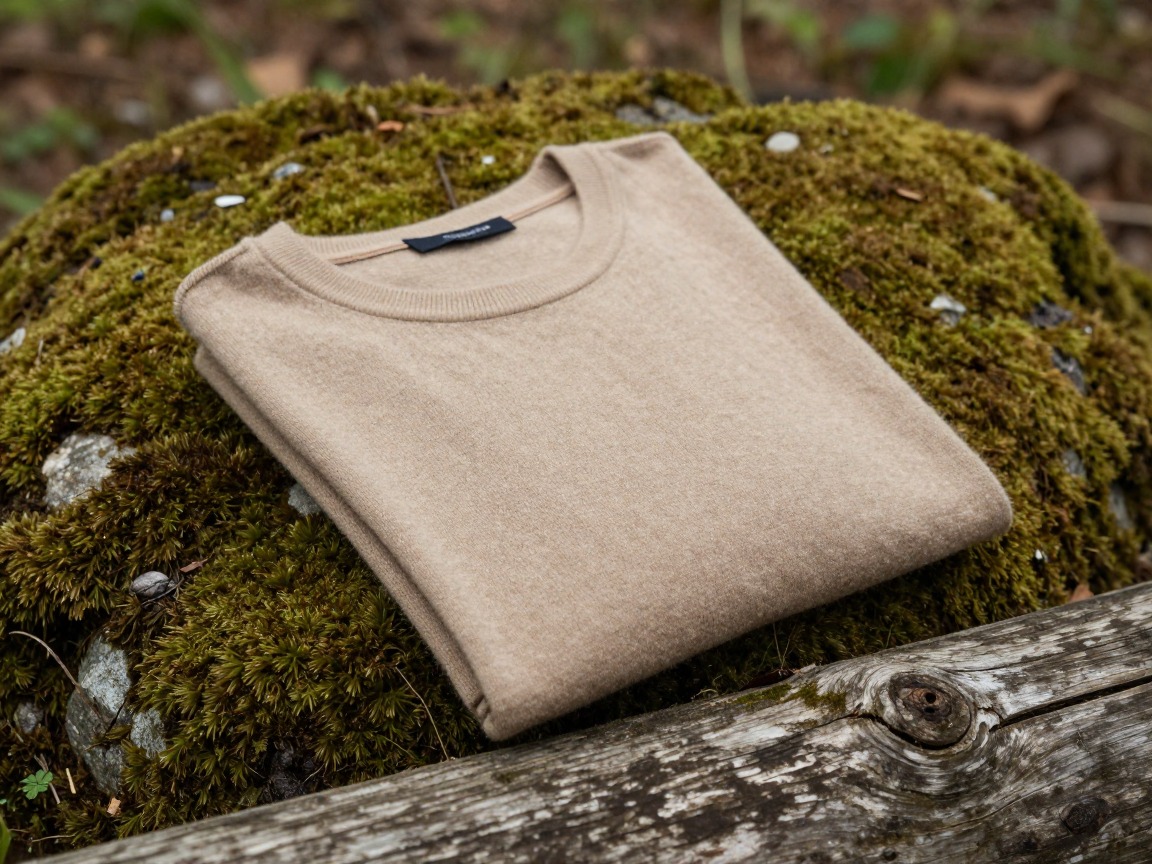
Base layer
Worn against the skin the whole trip; a durable, odor-resistant fabric means fewer replacements over your hiking life.
What to look for: Merino or a durable synthetic blend, a fit you're comfortable wearing multiple days straight, and construction solid enough to survive repeated washing and years of trips.
 100% Merino Wool Base Layer Men Set - Thermal Underwear for Men Long Check price
  Merino.tech Merino Wool Base Layer Women Set - Heavyweight Check price
  100% Merino Wool Base Layer Men Set - Thermal Long Underwear with Ba Check price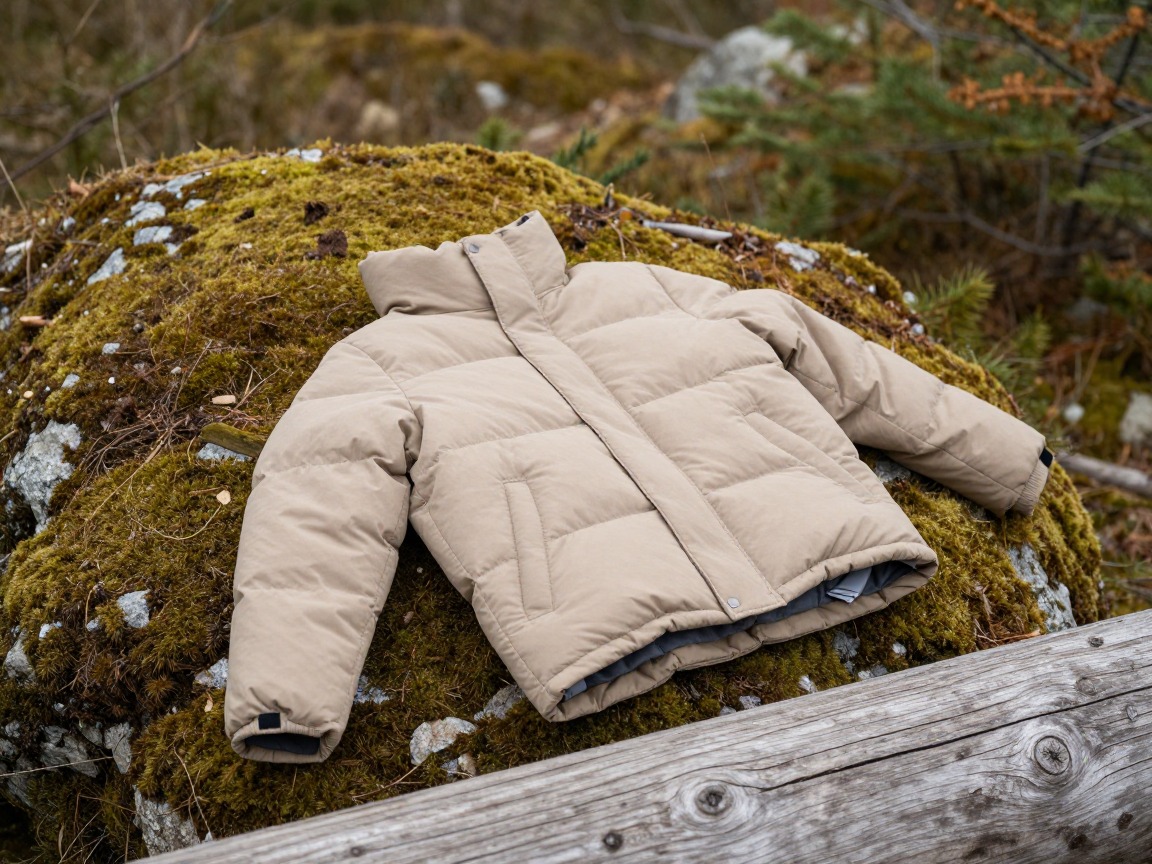
Insulating layer
A packable puffy or fleece for camp and cold mornings — worth buying warm enough the first time instead of upgrading again next season.
What to look for: The best warmth for its weight, a durable outer fabric that resists snags near rock and brush, and a size that layers cleanly over your base and under your shell.
 Outdoor Ventures Women's Packable Lightweight Puffer Jacket with Hoo Check price
  Amazon Essentials Women's Lightweight Long-Sleeve Water-Resistant Pa Check price
  Outdoor Ventures Women's Packable Lightweight Puffer Jacket with Hoo Check price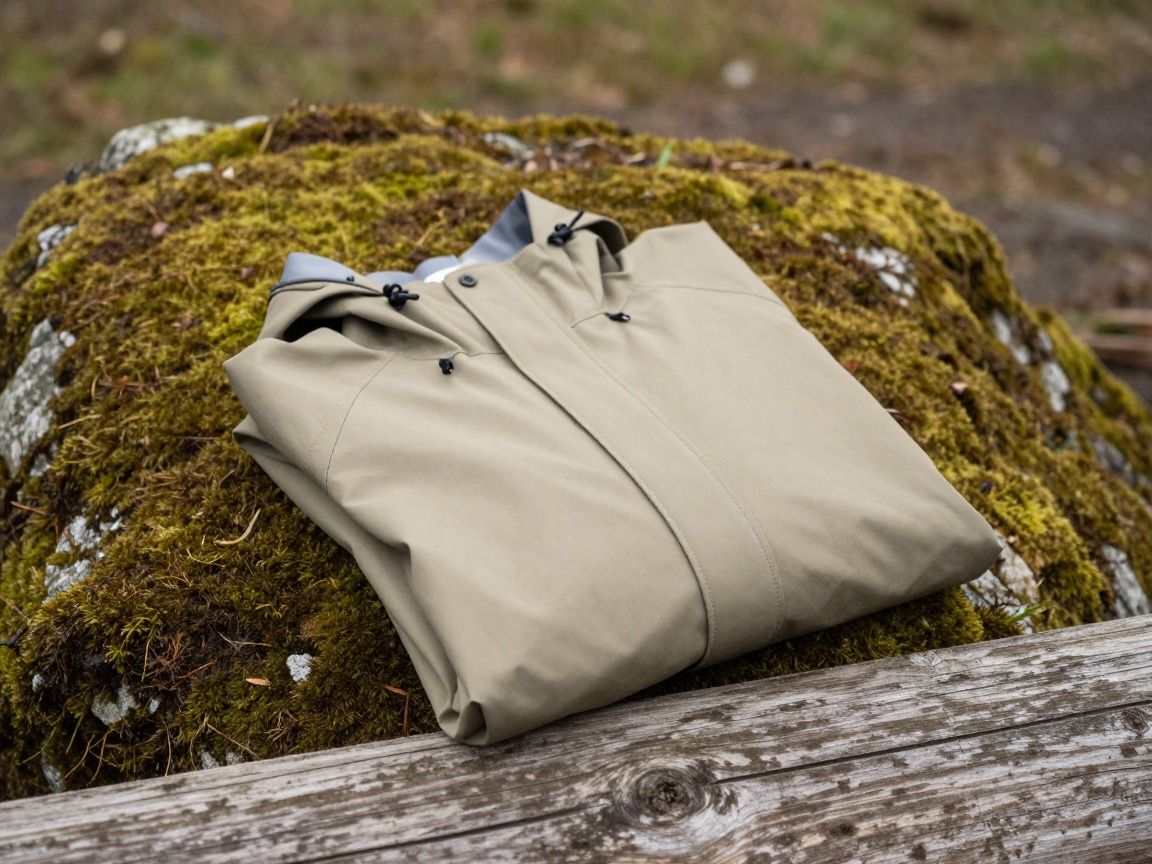
Rain shell
Keeps you dry and cuts wind at camp; a genuinely waterproof shell built to last outperforms a cheap one you'll replace after a single season.
What to look for: Real waterproofing rather than just water resistance, taped seams, and a durable face fabric — a jacket that survives years of trips is the lower-impact buy even before the price tag.
 UIQUR Mens Rain Jacket Raincoat Waterproof Windbreaker Black L Check price
  COOFANDY Men's Waterproof Hiking Travel Shell Breathable Rain Jacket Check price
  Columbia Womens Arcadia II Waterproof Rain Jacket Check price
 - Spare hiking socks
- Camp clothes kept separate from hiking clothes
- Sun hat & sunglasses
Navigation, light & safety
Plan ahead and prepare is the first Leave No Trace principle for good reason — knowing the route, the regulations, and the weather prevents most of the situations that push people toward higher-impact choices, like an unplanned fire or an off-trail shortcut.
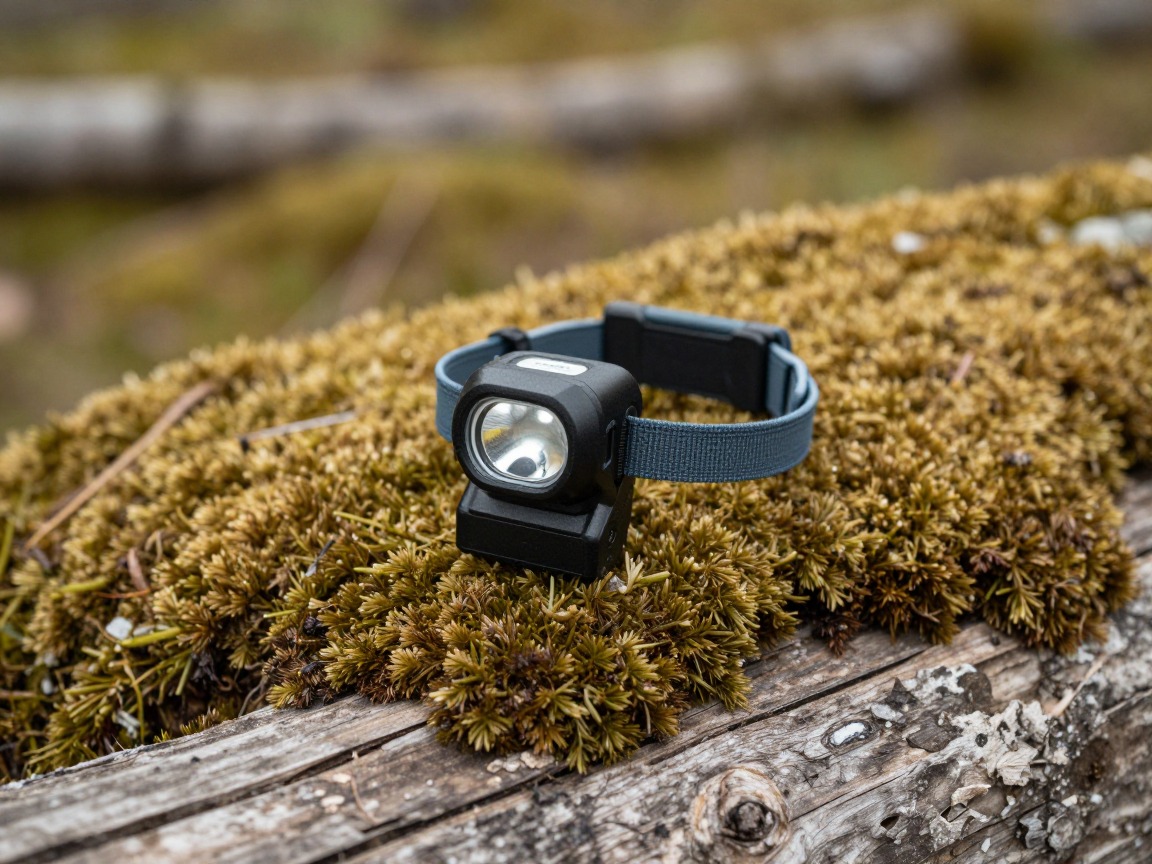
Headlamp
Essential after dark for cooking, digging a cathole, and camp chores without lighting up a neighboring campsite with a bright phone flashlight.
What to look for: Bright enough for camp tasks, a dim or red mode that's considerate of other visitors after dark, and enough battery or spare power for the whole trip.
 LHKNL Headlamp Flashlight Check price
 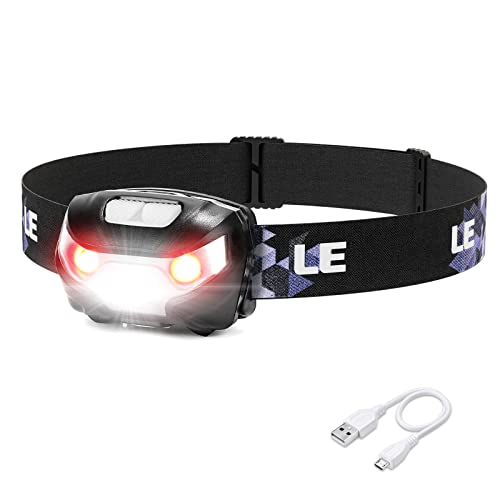 Lepro LED Headlamp Rechargeable IPX4 Waterproof Headlight 5 Modes - Check price
 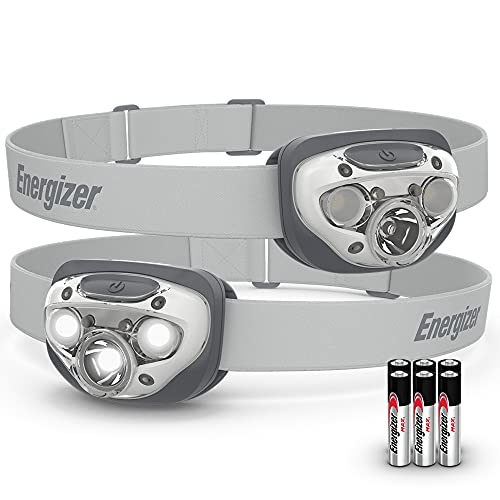 Energizer LED Headlamp PRO Check price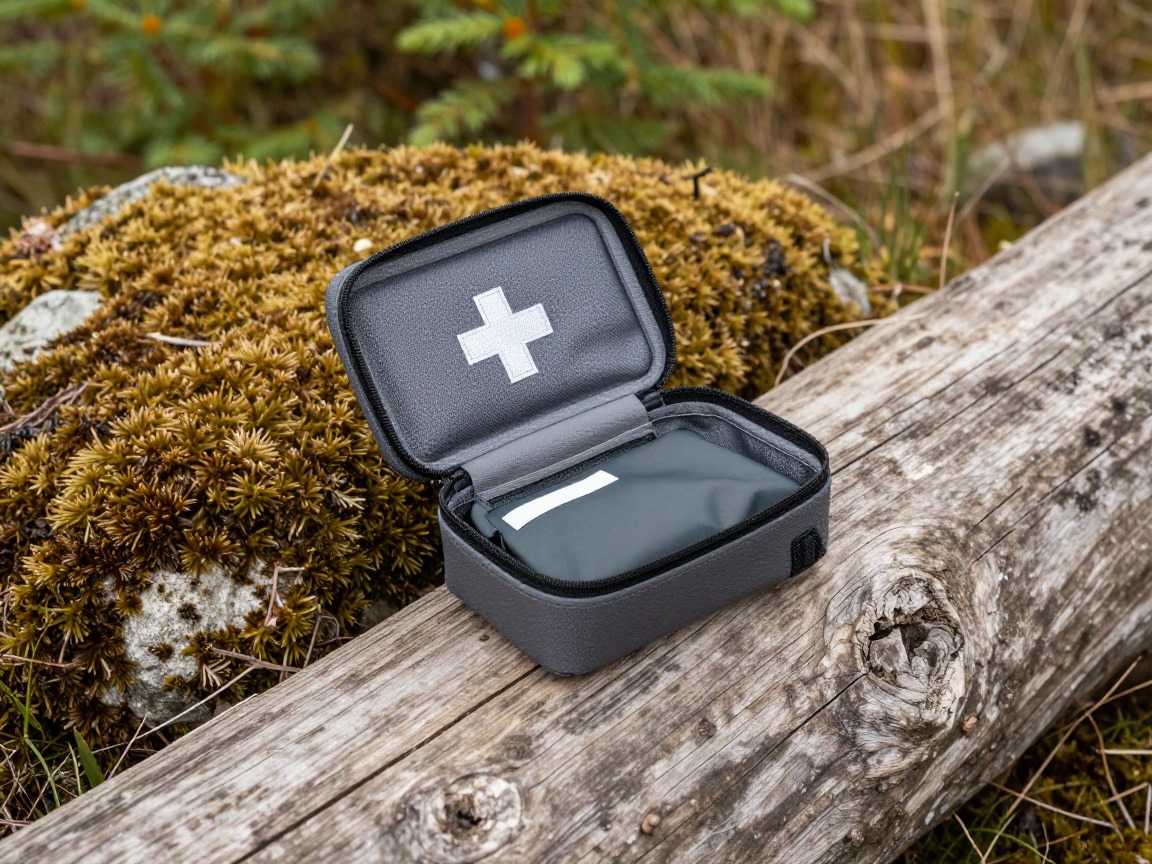
First-aid kit
A standard overnight kit — blister care, wound cleaning, your own medications — carried with the training to use it responsibly.
What to look for: A kit matched to how far you are from help. Treat any real injury conservatively, defer to trained wilderness first aid, and call 911 or use a satellite messenger rather than pushing on.
 Mini First Aid Kit - 150 Piece Small Waterproof EVA Hard Shell Case Check price
  Adventure Medical Kits Ultralight/Watertight Medical Kit .5 Check price
 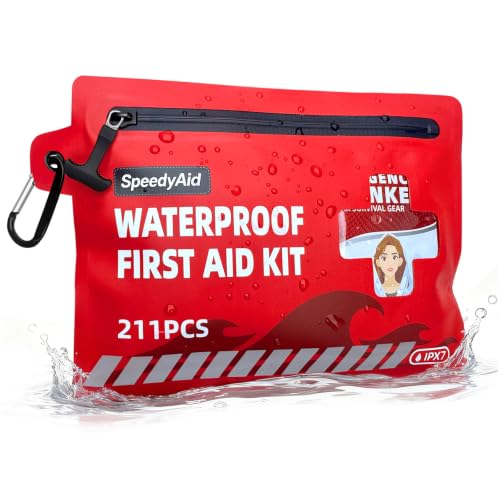 211 PCS Waterproof First Aid Kit Check price
 - Map + compass or offline GPS
- Trekking poles with rubber tips to protect trail surfaces
- Sunscreen & lip balm
- Whistle
- Phone + power bank
- Your permit, current fire restrictions, and any area-specific Leave No Trace rules for the destination
How to adapt this setup
Many popular wilderness areas now require a bear canister and pack-out-only waste disposal rather than catholes — check the permit and land manager's rules before you go, since local regulations always override the general guidance here.
Catholes don't work well in thin soil, slickrock, or above treeline — carry a WAG-style pack-out kit instead, and camp on durable rock or an established site rather than fragile alpine ground.
Where fires are allowed and conditions permit, keep them small, use an existing ring or a fire pan, burn only wood you gather from the ground, and make sure the fire is fully cold and dead-out before you leave.
Impact scales with group size — split into smaller groups where trails and campsites recommend it, and be extra deliberate about camping on durable surfaces when more people and gear are involved.
Pack out your dog's waste too, keep them from chasing or approaching wildlife, and stick to durable, established paths rather than letting them roam off-trail.
Common mistakes to avoid
- Burying trash or food scraps instead of packing them out — animals dig it up within days.
- Digging a cathole too close to water, camp, or trails, or skipping a required pack-out kit in an area that mandates one.
- Camping on fresh, unmarked vegetation instead of an established or durable site for a slightly better view.
- Building a fire out of habit in an area under restriction, or leaving one that isn't fully cold before walking away.
- Approaching or feeding wildlife for a photo, or leaving food accessible overnight because a canister felt like unnecessary weight.
- Skipping the destination's specific rules — permits, fire bans, group-size limits — because the general Leave No Trace habits felt like enough on their own.
Make it yours
Frequently asked questions
What are the seven Leave No Trace principles?
Plan ahead and prepare; travel and camp on durable surfaces; dispose of waste properly; leave what you find; minimize campfire impacts; respect wildlife; and be considerate of other visitors. They're mostly habits, not gear — a few specific items just make them easier to follow.
How do I go to the bathroom in the backcountry?
In most environments, dig a cathole 6–8 inches deep and at least 200 feet from water, trails, and camp, then fill it back in. Many high-use or fragile areas now require you to pack out solid human waste entirely with a WAG bag or similar kit — check local rules before you go.
Do I need a bear canister for a weekend trip?
It's required in some permit areas and a smart choice almost anywhere with wildlife, since it keeps food and scented items completely out of reach overnight. Check the land manager's requirements for your specific destination before deciding to leave it behind.
Are campfires allowed while backpacking?
It depends entirely on the location and current conditions — many areas restrict or ban fires seasonally or permanently. A canister stove works everywhere and leaves no trace; where a fire is legal, keep it small, use an existing ring, and confirm it's fully cold before you leave.
What's the easiest way to reduce backpacking waste?
Repackage food to cut down on bulky wrappers, carry a reusable bottle and utensils instead of disposables, pack out every piece of trash down to the micro-trash, and choose durable gear you'll use for years instead of replacing every season.
Illustrative images show the type of gear, not specific products. Recommendations link to similar items on Amazon; we only ever link real listings and never show fabricated prices or ratings. General planning guidance, not a substitute for your own judgment or professional backcountry-safety instruction.