
The Laugavegur trek setup
Iceland's Laugavegur trail covers roughly 55 kilometers between the geothermal highlands of Landmannalaugar and the birch valley of Þórsmörk, crossing volcanic desert, black sand, and a handful of unbridged glacial rivers along the way. It's short by thru-hiking standards but demanding all the same: the weather can swing from bright sun to sideways sleet within an hour, even at the height of summer. This setup is built around that instability, and around the rivers you'll wade across on foot.
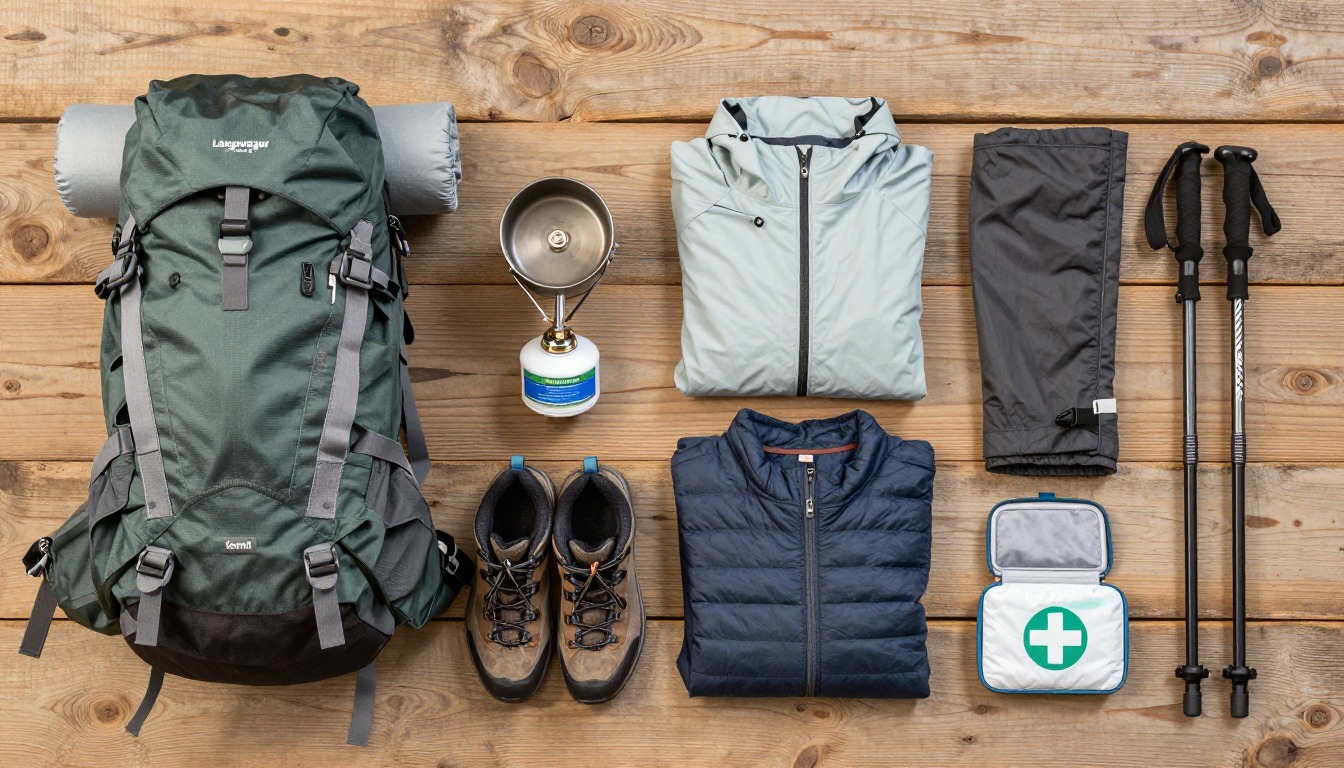
The Laugavegur is short on mileage and long on exposure. There's no tree cover anywhere on the route until the final stretch into Þórsmörk, so wind and weather reach you fully for two to four days straight, and a clear morning at Landmannalaugar can turn to blowing rain or wet snow by the time you reach camp. Add several unbridged glacial rivers to cross on foot, and the kit has one real job: keep you warm and dry through weather that can turn in under an hour, and get you across moving water without losing your footing or your gear. Nothing here is about going fast — it's about staying capable through conditions that don't care what the forecast said at breakfast.
This suits hikers doing the classic Landmannalaugar-to-Þórsmörk route over three to five days, whether you've booked huts, plan to camp at the designated sites along the way, or mix the two. It assumes reasonable fitness for consecutive days of highland walking and a willingness to wade cold, thigh-deep water more than once. It's not for anyone hoping to travel ultralight without backup layers — the exposed, treeless terrain punishes an underbuilt kit fast — and it doesn't cover the Fimmvörðuháls extension on to Skógar, which adds glacier-adjacent terrain and a different level of risk beyond this list.
- Start with a standard multi-day backpacking kit, then add Iceland's two extra layers: full wind-and-waterproof protection, and dedicated gear for wading rivers.
- Decide huts or camping before you pack — a booked bunk needs only a sleeping bag and liner, while camping means carrying a tent, pad, and stove for every night.
- Pack water shoes you can wade in and practice unbuckling your hip belt before you reach the first river, since fords come early on the route.
- Build in a genuine cold-weather margin — insulation and a real rain shell you'd bring on an alpine trip, not a typical summer day hike — because Laugavegur's weather doesn't read the calendar.
About this setup
Laugavegur runs roughly 55 kilometers through the Icelandic highlands, from the geothermal basin at Landmannalaugar to the sheltered birch valley of Þórsmörk. Most hikers cover it in three to five days, overnighting at a chain of huts run by Iceland's touring association — Hrafntinnusker, Álftavatn, and Emstrur (Botnar) are the usual stops — or at the camping areas beside each hut. The scenery changes constantly: rhyolite mountains streaked orange and green near the start, black volcanic sand and ash plains through the middle days, and a final descent into green, wind-sheltered birch scrub at Þórsmörk. There's essentially no resupply along the way beyond a small selection at the huts, so you're carrying your food for the whole trip.
Two things define the trek more than anything else. The first is weather: this is treeless highland terrain at elevation, with no windbreak anywhere on the route, and conditions can shift from sun to driving sleet in the time it takes to eat lunch — even in July. The second is the river crossings. Several glacial streams and rivers cross the trail with no bridge, and while most run shin-to-knee deep in normal conditions, they run colder and higher after rain or on a hot day when snowmelt picks up. Many hikers time the bigger fords for the morning, before the day's heat sends more meltwater downstream, and carry a dedicated pair of water shoes so they're not wading in the boots they need dry for the rest of the day.
Landmannalaugar itself is a geothermal area, with hot springs, steaming vents, and boiling mud not far from the trailhead — worth respecting rather than exploring off the marked paths, since the ground around active features can be thin, unstable, and genuinely hot underfoot. Along the rest of the route, the choice between huts and camping shapes your whole pack list. Hut space on Laugavegur books out months ahead for the summer season, and a confirmed reservation is what most hikers rely on; camping at the designated sites needs no booking but does mean carrying a full shelter and sleep system over the same rugged, wind-exposed ground. Either way, huts have no bedding and there's no shop nearby if you're camping, so the sleeping bag and food you pack are the ones you're using.
The pack for river fords and highland weather
Everything you carry needs to survive both a wet ford and a sudden change in weather — the pack itself matters as much as what's inside it.
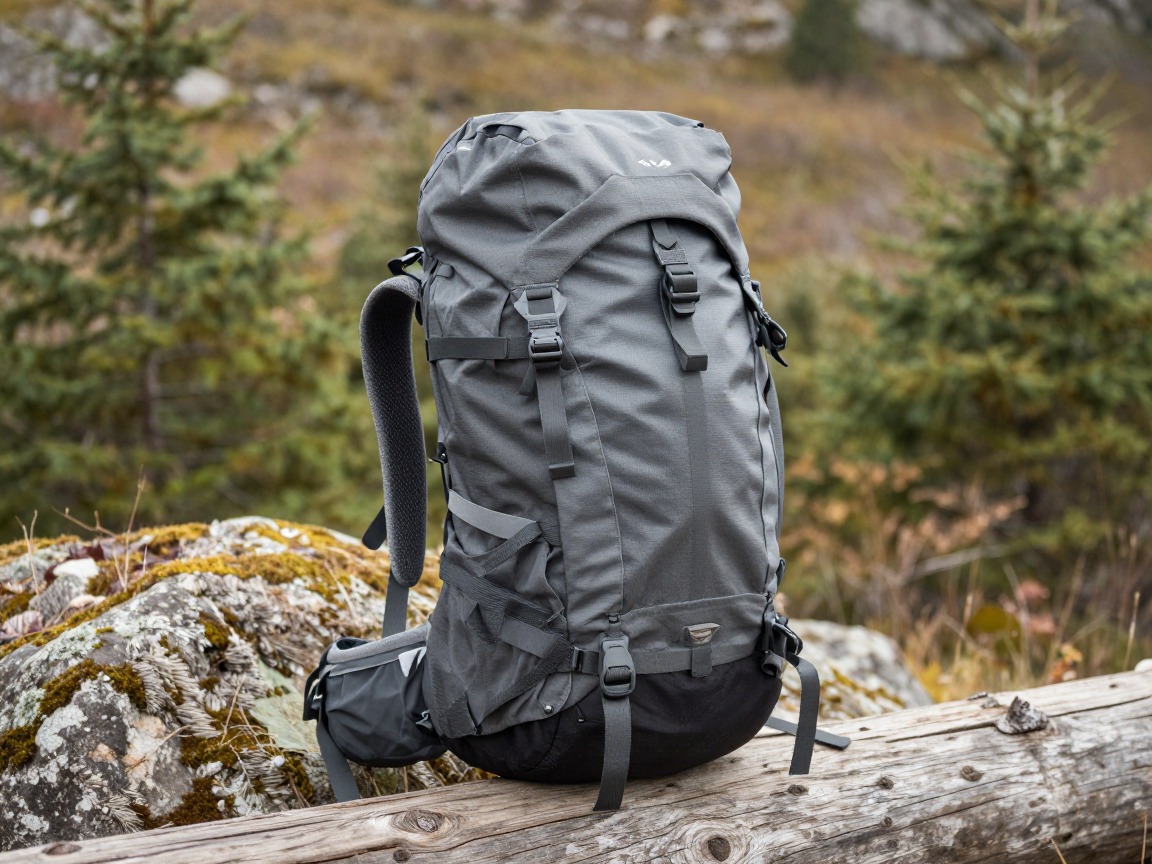
Multi-day backpack
Carries your full kit for the huts-or-camping trek, and on Laugavegur specifically, needs a hip belt you can release fast before wading a river.
What to look for: A genuine hip belt with a quick-release buckle, external attachment points for wet gear drying on the move, and a size that matches whether you're carrying a tent and stove or just a sleeping bag for the huts.
 WoneNice 50L Check price
  Teton 55L Scout Internal Frame Backpack for Hiking Check price
 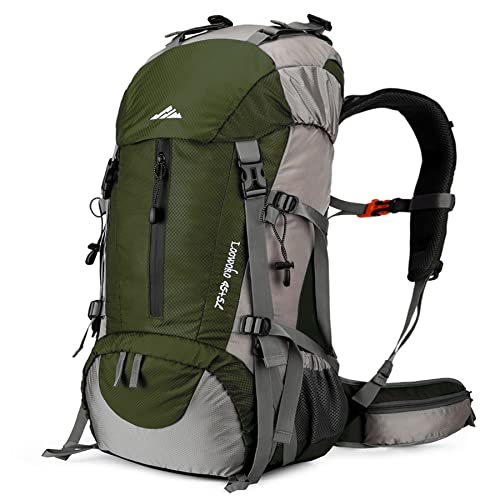 Loowoko 50L Hiking Backpack with Rain Cover for Both Men & Women Check price
 - A pack liner or heavy-duty dry bags lining the inside, since a deep ford or sudden rain can reach gear an exterior rain cover misses.
- A small dry bag just for your phone, passport, and hut booking confirmation.
Sleep system: hut bunk or your own tent
What you carry here depends entirely on which route you've booked — a hut reservation strips this section down, camping builds it back up.
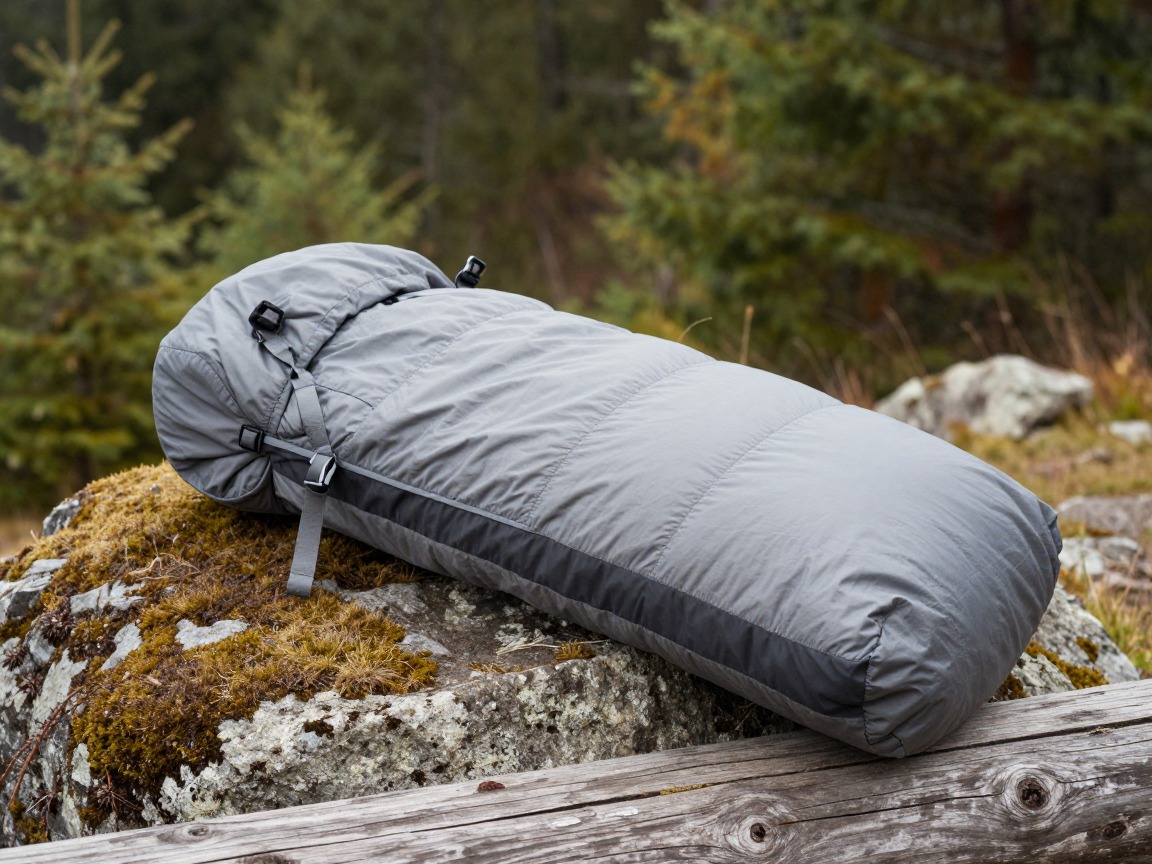
Sleeping bag
Needed either way — Laugavegur's huts provide bunks and a roof, not bedding, so your own bag is what actually keeps you warm overnight.
What to look for: A comfort rating suited to genuinely cold highland nights, even in midsummer, and a fill you trust in damp conditions given the trek's rivers and rain.
 MalloMe Sleeping Bags for Adults Cold Weather & Warm - Backpacking C Check price
 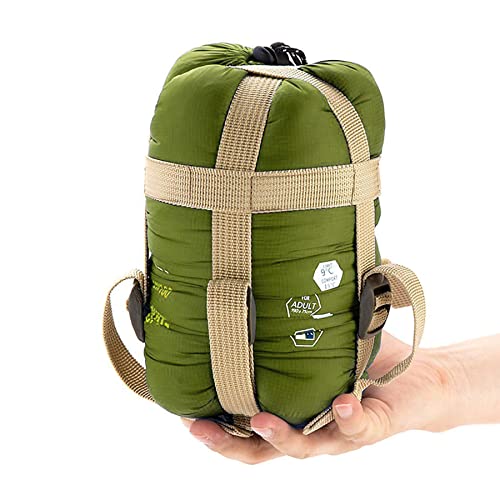 ECOOPRO Portable Check price
  Teton Trailhead Check price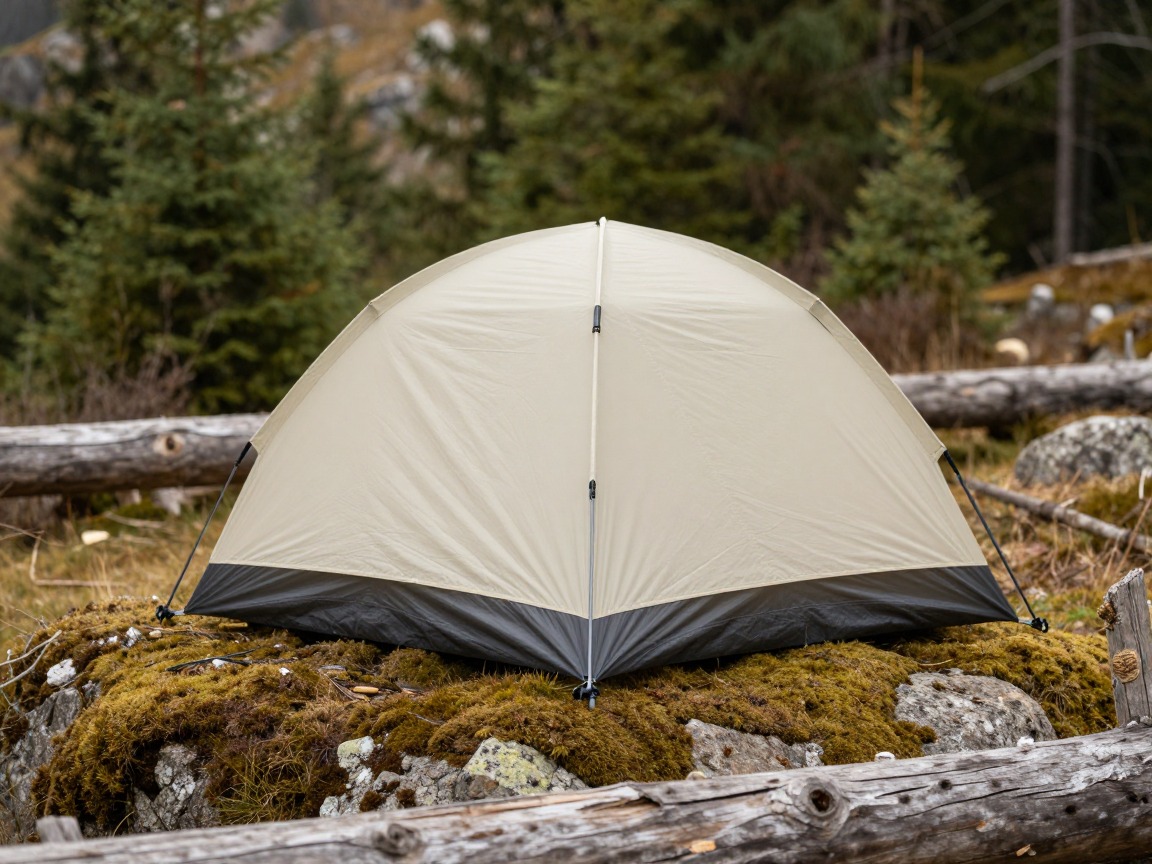
Backpacking tent
Only needed if you're camping at the sites beside each hut rather than booking bunks — it becomes your only shelter from wind that has nothing to slow it down.
What to look for: A freestanding, genuinely storm-worthy tent with a full-coverage fly. Highland camping areas are exposed and gravelly, and can gust hard overnight.
 Night Cat 2-Persons Backpacking Tent: Waterproof Lightweight Camping Check price
  BISINNA 2/4 Person Camping Tent Lightweight Waterproof Backpacking T Check price
  Forceatt Tent for 2 Person is Waterproof and Windproof Check price
 - Sleeping pad, if camping, with enough insulation for cold ground even in July.
- Hut booking confirmation (Laugavegur bunks sell out months ahead for summer), or cash/card for camping fees at unstaffed sites.
Food, fuel & water across the highlands
There's no resupply beyond a small hut shop or two, and the rivers you'll drink from are also the ones you'll wade — the kitchen here is simple by design.
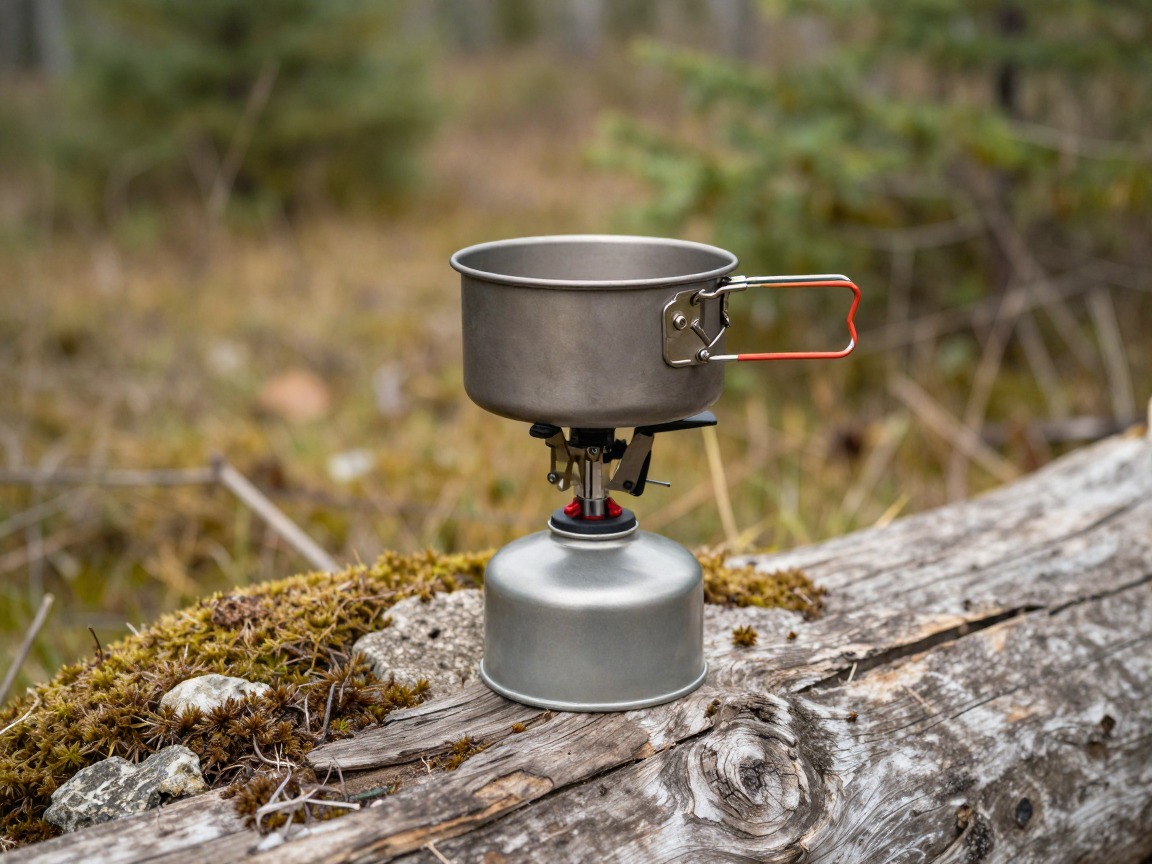
Backpacking stove
Boils water for dehydrated meals and hot drinks at the end of a long, cold day — useful at both huts, where cooking space is shared, and campsites.
What to look for: A stove that lights reliably in wind, since there's rarely a sheltered spot to cook in the open highlands.
 AOTU Portable Camping Stoves Backpacking Stove with Piezo Ignition S Check price
  MSR PocketRocket 2 Ultralight Camping and Backpacking Stove Check price
  Fire-Maple Greenpeak 1 Camping Stove with Piezo Ignition Portable Ga Check price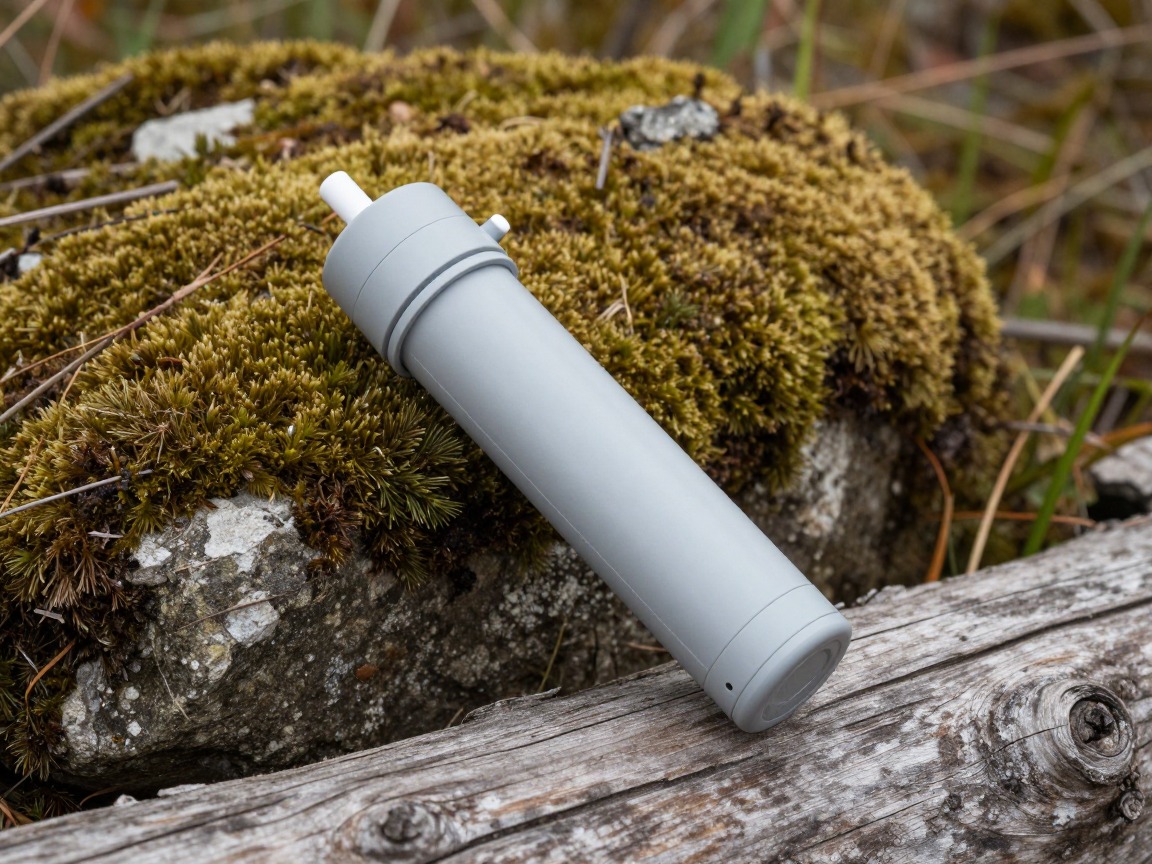
Water filter or treatment
Backs up the many glacial streams and rivers you'll cross and pass, for hikers who'd rather not drink straight from the source.
What to look for: Something light and simple to pack — this is occasional-use backup rather than a daily necessity on most sections of the route.
 Sawyer Squeeze Water Filtration System Check price
  Sawyer Products SP128 Mini Water Filtration System Check price
  LifeStraw Personal Water Filter for Hiking Check price
 - Pot, mug & spork
- Fuel canister — bring your own, since it's not reliably available along the route
- All your food for the trip, since there's no real resupply between trailheads
- A reusable bottle or two for refilling at streams
Footwear: the trail and the fords
Laugavegur's rivers are the reason most hikers carry two pairs of footwear instead of one.
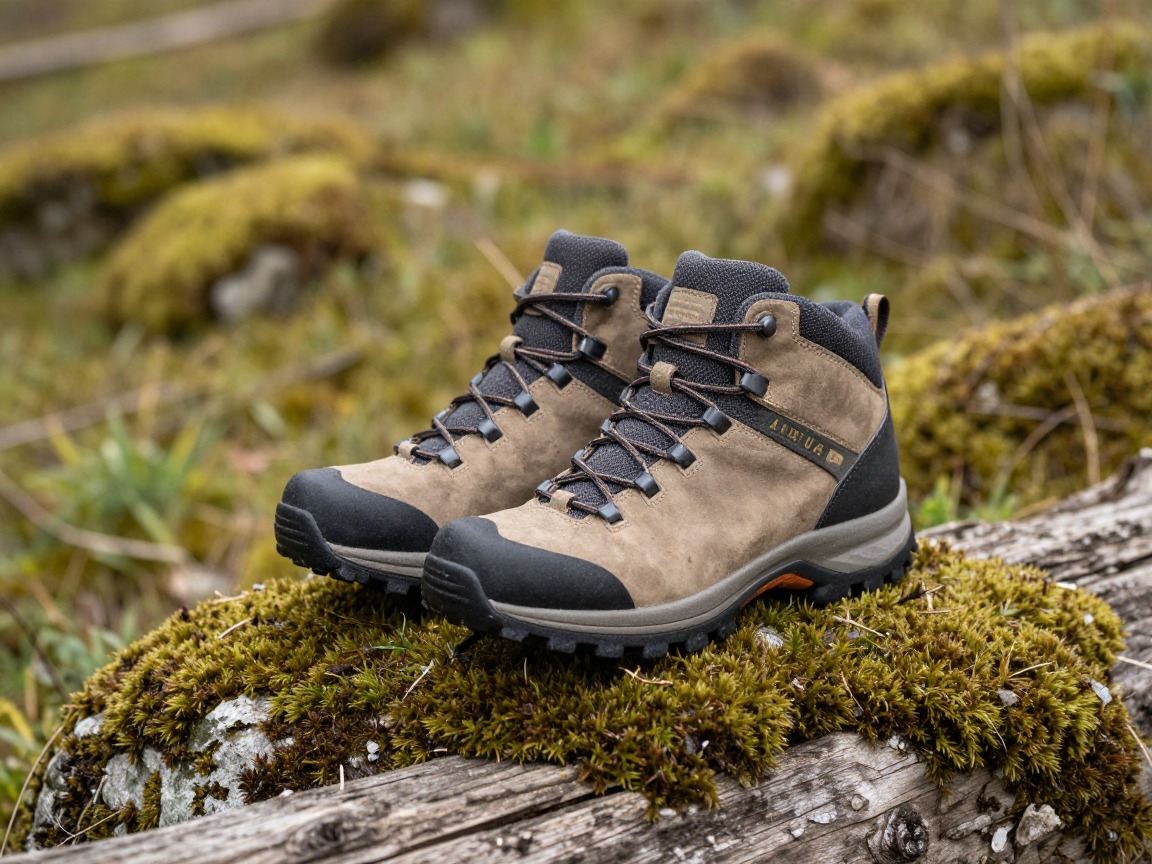
Hiking boots
Your main footwear for the volcanic sand, scree, and rocky ground that make up most of the route's mileage.
What to look for: Broken-in boots with real ankle support and grip on loose volcanic terrain — this isn't groomed trail underfoot.
 Columbia Men's Transverse Waterproof Hiking Boot Check price
  NORTIV 8 Men's Ankle High Waterproof Hiking Boots Check price
  Columbia Mens Transverse Waterproof Hiking Boot Check price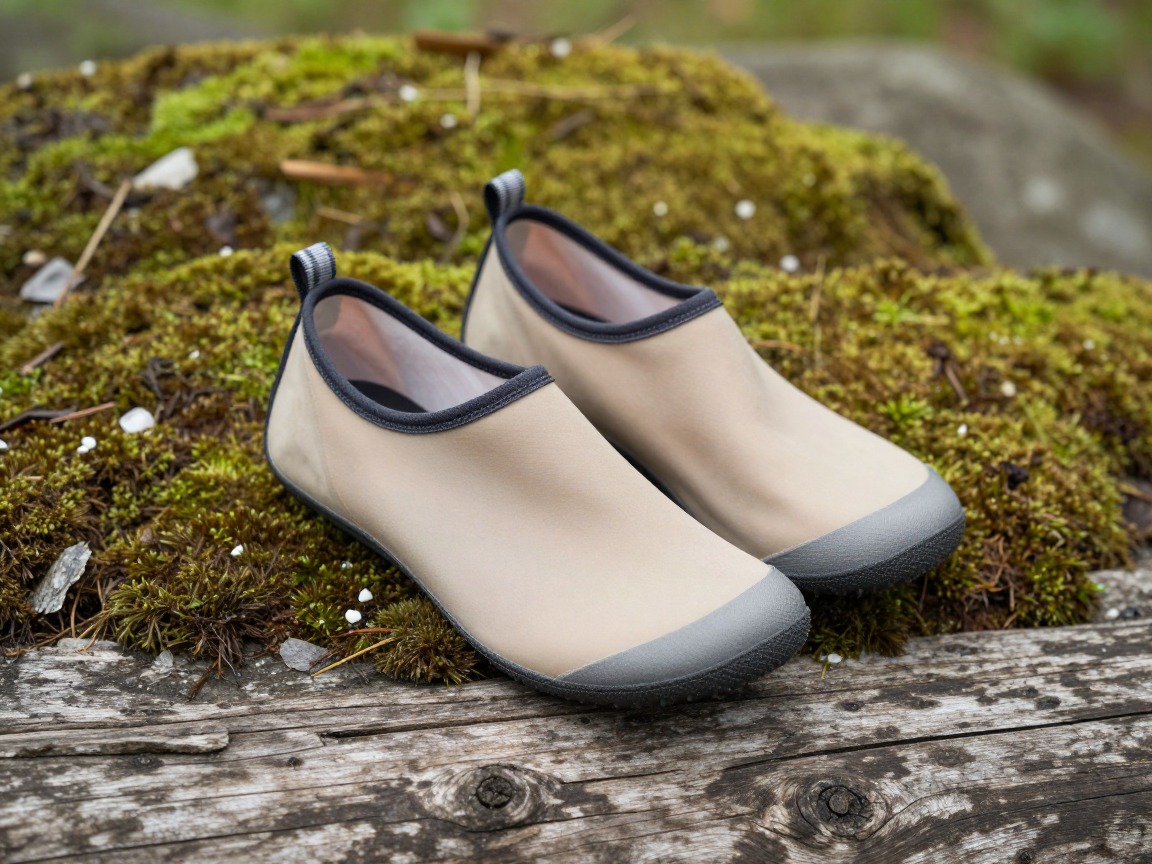
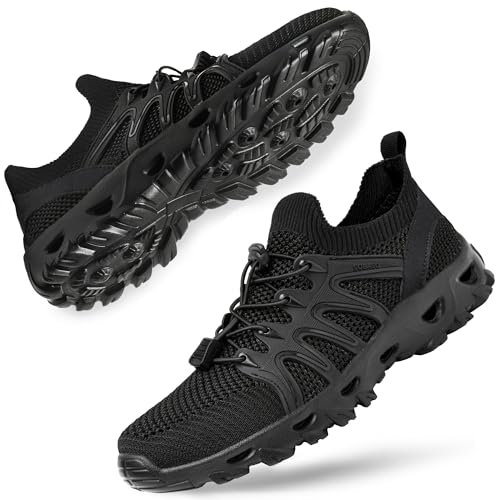
Water shoes
Carried specifically for the unbridged fords, so your boots and dry socks stay dry for the rest of each day's walking.
What to look for: A secure heel strap and a sole you can trust on a hidden, uneven riverbed — sandals that can slip off in current are worse than none at all.
 SEEKWAY Water Shoes for Women Adult Quick-Dry Aqua Sock Barefoot Men Check price
  Water Shoes Mens Women Barefoot Shoes Quick-Dry Aqua Outdoor Sports Check price
  Alibress Water Shoes for Women Men Lightweight Men's Water Hiking Sh Check price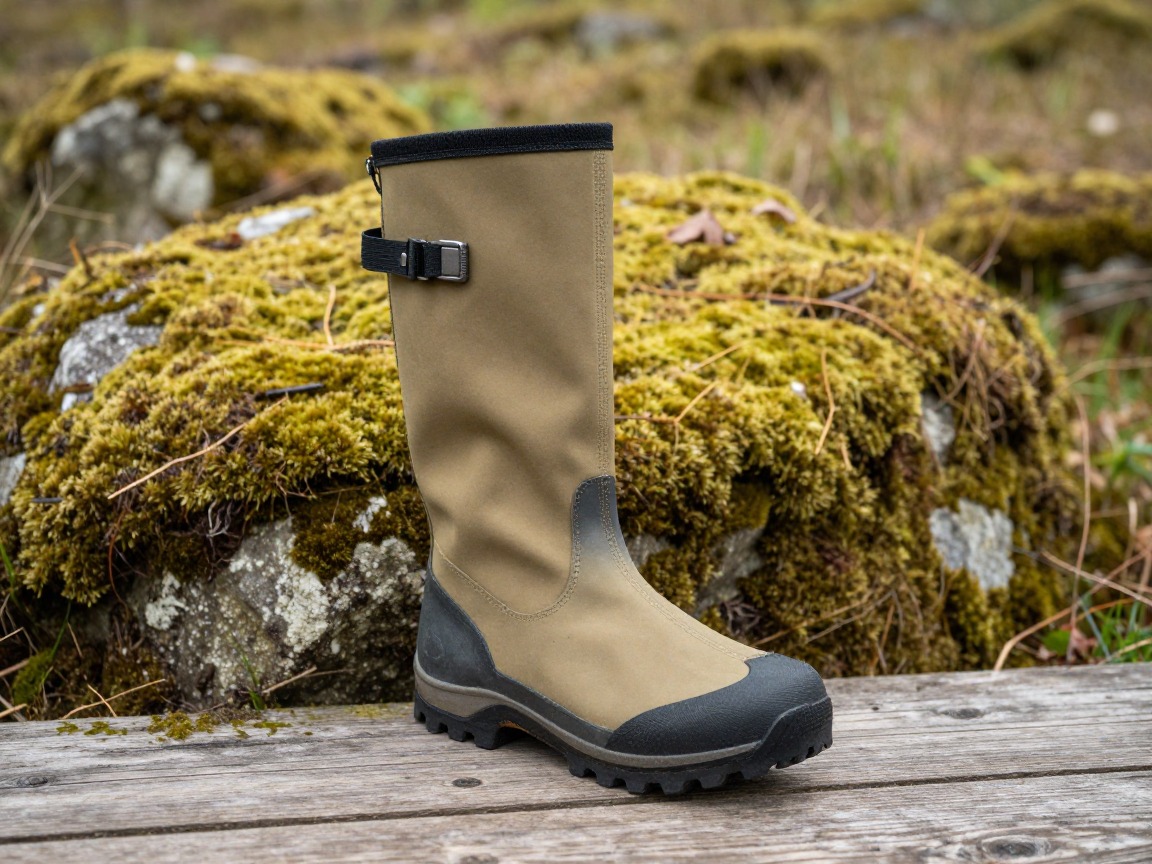
Gaiters
Keep volcanic sand, ash, and grit out of your boots on the drier stretches, and help on the loose, unstable ground near stream banks.
What to look for: A low or mid-height pair that seals well against blowing sand and short scree sections without adding much weight.
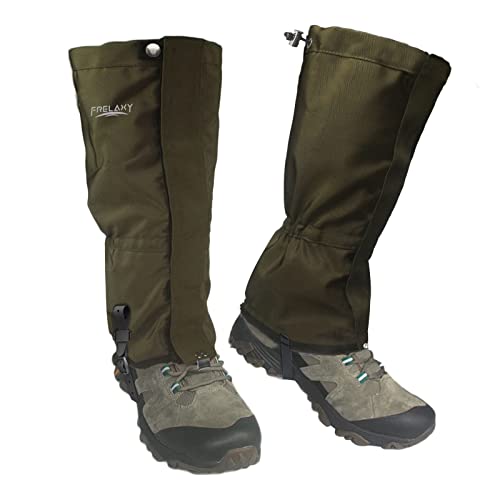 Frelaxy Leg Gaiters 100% Waterproof Hiking Gaiters Check price Frelaxy Ultra High-Performance Hunting Gaiters Check price
 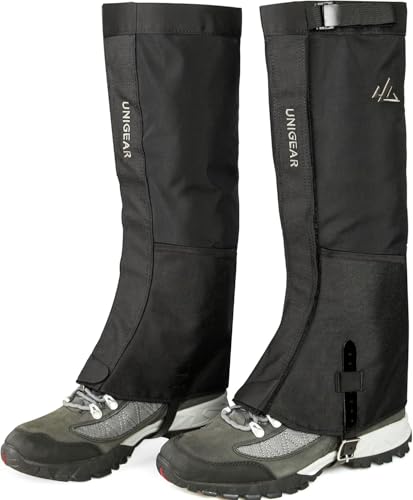 Unigear Leg Gaiters Check price
 - A dry pair of socks kept sealed for after the last crossing of the day.
Layers for cold, wind & weather that turns fast
Summer on Laugavegur doesn't mean warm — this is the section that matters most on a route with no tree cover anywhere.
Base layer
Your working layer for most of the day, and one you may end up hiking or fording in wet — wool or synthetic keeps some warmth even soaked.
What to look for: Merino or a synthetic wicking fabric, never cotton, in a weight suited to a cold, often windy highland summer.
 100% Merino Wool Base Layer Men Set - Thermal Underwear for Men Long Check price
  Merino.tech Merino Wool Base Layer Women Set - Heavyweight Check price
  100% Merino Wool Base Layer Men Set - Thermal Long Underwear with Ba Check price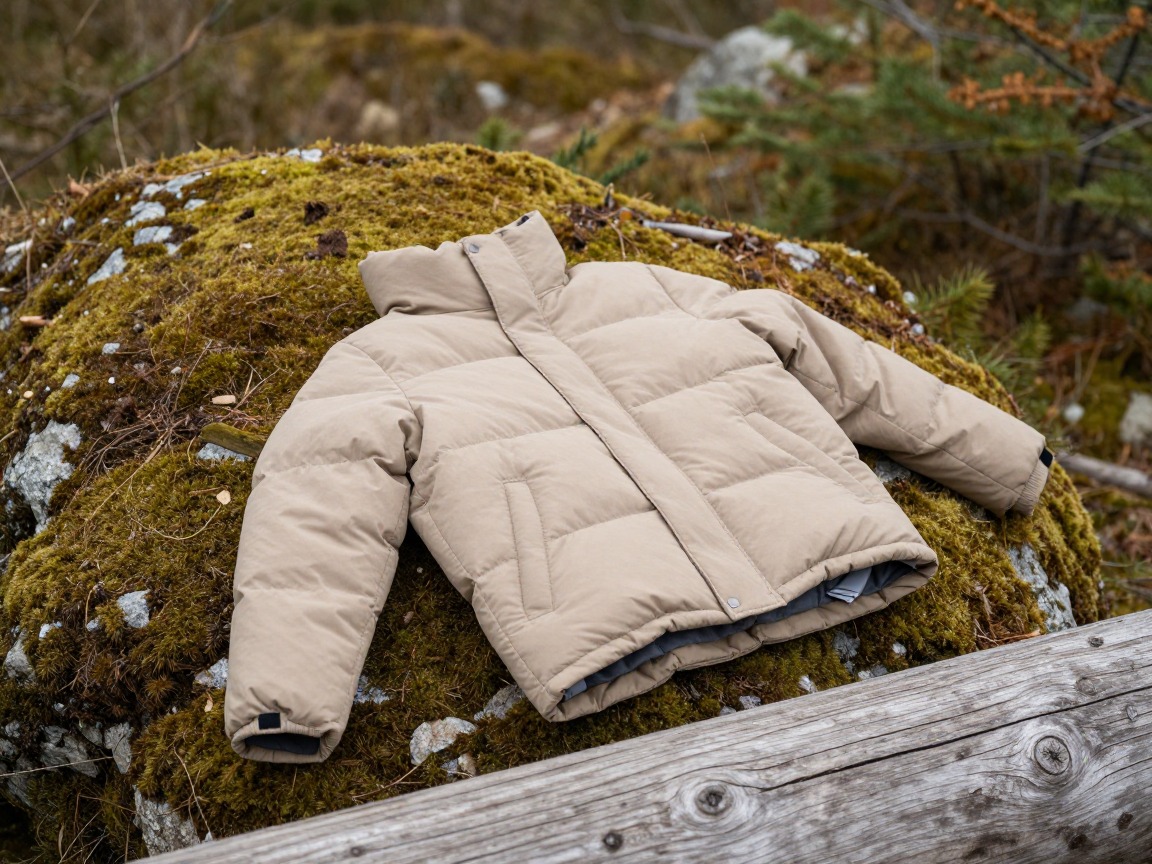
Insulated layer
Goes on the moment you stop for a break, reach a windy pass, or feel the temperature drop after a river crossing — which can happen with very little warning.
What to look for: Warm for its weight and quick to pull on over a wet base layer. Synthetic fill keeps some warmth even if it gets damp from rain or spray.
 Outdoor Ventures Women's Packable Lightweight Puffer Jacket with Hoo Check price
  Amazon Essentials Women's Lightweight Long-Sleeve Water-Resistant Pa Check price
  Outdoor Ventures Women's Packable Lightweight Puffer Jacket with Hoo Check price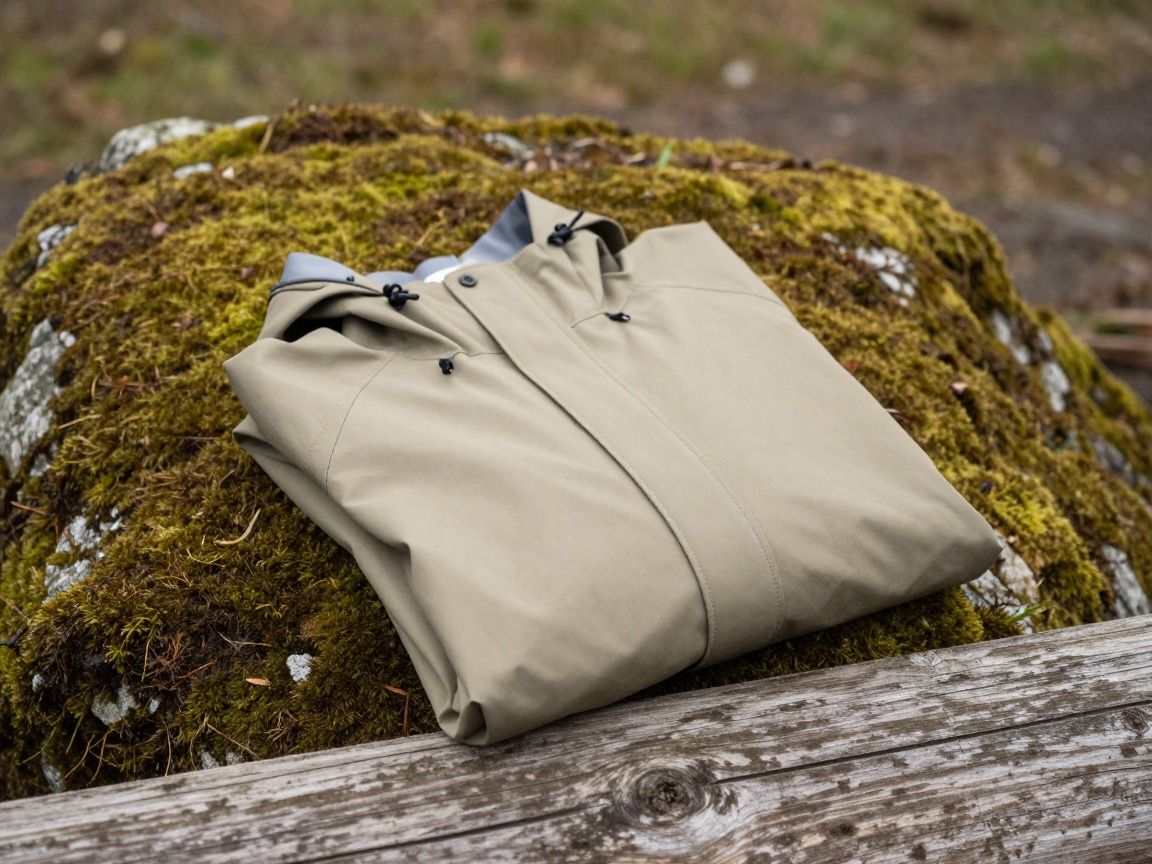
Waterproof rain shell
The single most-used piece of clothing on the route — genuinely waterproof and windproof, not just water-resistant, for weather that can turn to sideways rain or sleet with little warning.
What to look for: A hood that cinches down over a warm hat, full waterproofing rather than a water-resistant coating, and enough room to layer insulation underneath.
 UIQUR Mens Rain Jacket Raincoat Waterproof Windbreaker Black L Check price
  COOFANDY Men's Waterproof Hiking Travel Shell Breathable Rain Jacket Check price
  Columbia Womens Arcadia II Waterproof Rain Jacket Check price
 - Warm hat and gloves, even for a midsummer trip
- Wool hiking socks plus at least one dry spare pair
- Buff or neck gaiter for wind
Navigation & safety on an unbridged route
There's no cell coverage across most of the highlands and no one coming to check on you — the redundancy here matters more than on a typical marked trail.
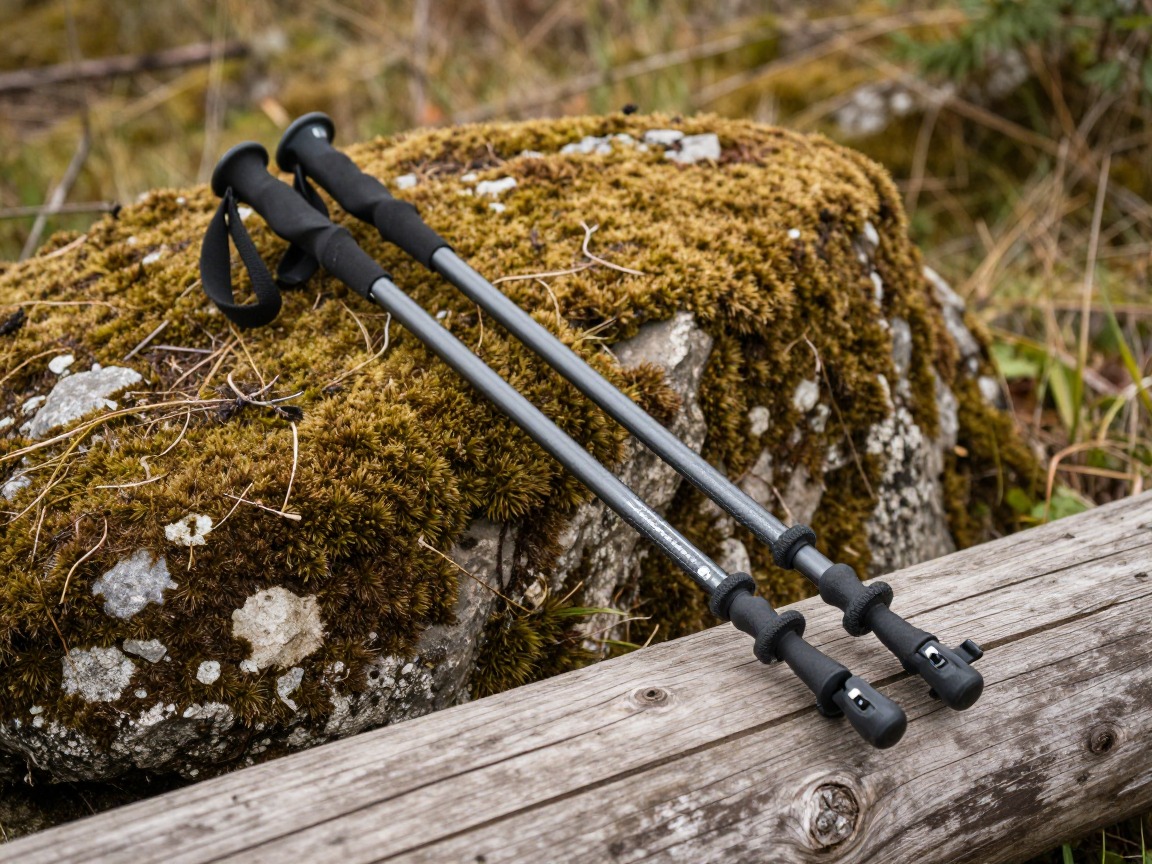
Trekking poles
Give you a stable three points of contact on both the loose volcanic ground and the river fords, where planting a pole upstream helps you move one foot at a time.
What to look for: Locking mechanisms that hold under real sideways load in current, not just on dry trail.
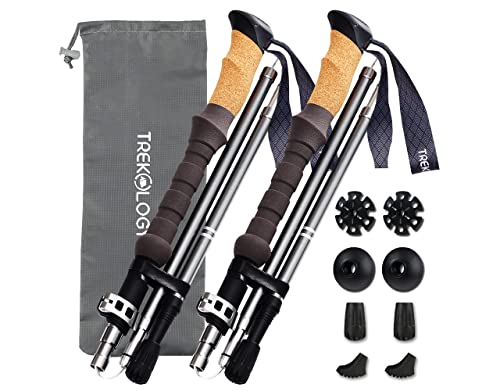 Trekology Trek-Z Cork Grip Collapsible Lightweight Hiking Trekking P Check price
 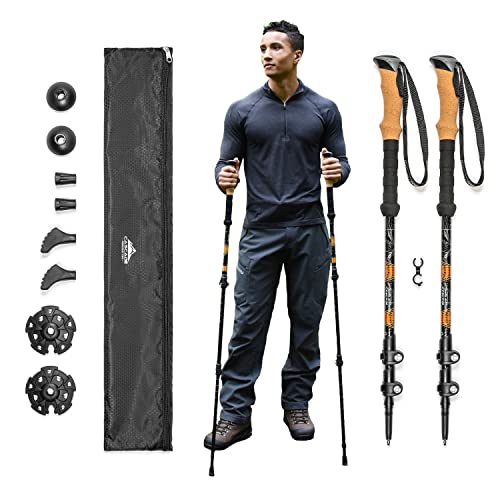 Cascade Mountain Tech Trekking Poles Check price
 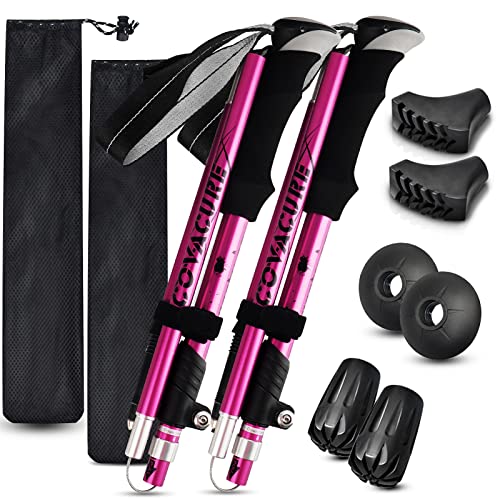 covacure Hiking Poles Check price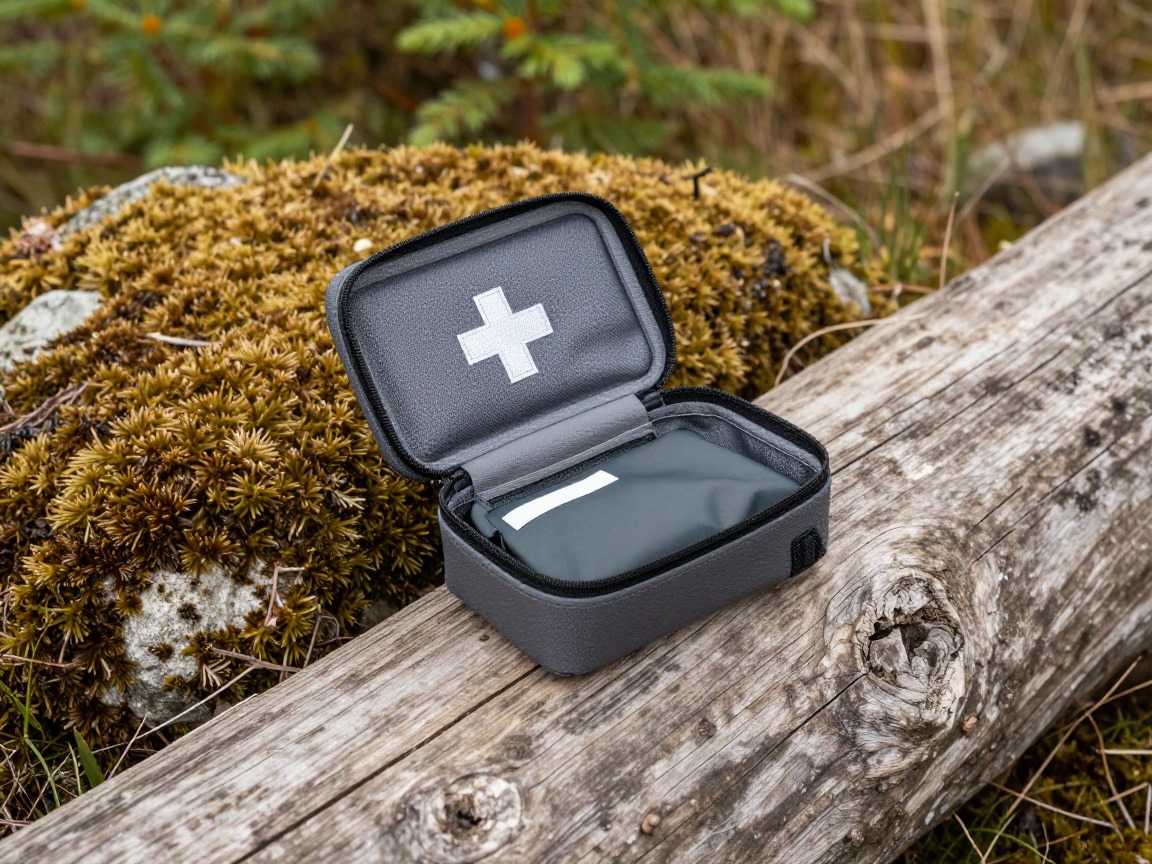
First-aid kit
Covers blisters, cuts, and cold-related concerns on a route that mixes rough underfoot conditions with genuinely cold, wet weather.
What to look for: A kit weighted toward blister care and packed in its own dry bag so it's still usable after a wet day.
 Mini First Aid Kit - 150 Piece Small Waterproof EVA Hard Shell Case Check price
  Adventure Medical Kits Ultralight/Watertight Medical Kit .5 Check price
 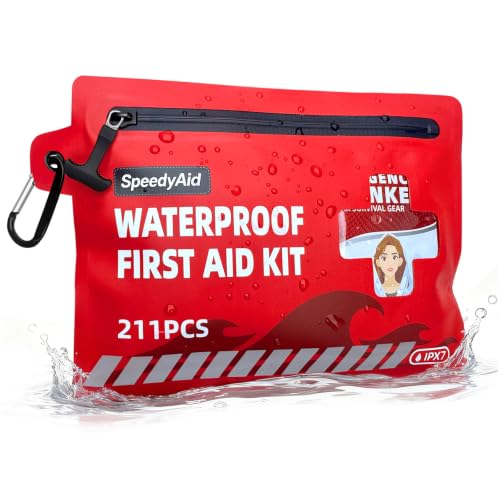 211 PCS Waterproof First Aid Kit Check price
 - A paper map plus a GPS track or app with the route and huts marked, since fog and low cloud can erase visibility fast
- A satellite messenger, given the lack of cell coverage across most of the highland sections
- Headlamp, useful in shoulder-season low light even though midsummer days are nearly 24 hours long
- Whistle
How to adapt this setup
Strip the pack list back to a sleeping bag, liner, and personal gear — no tent, pad, or stove is essential, though most hikers still bring a small stove for trailside lunches and hot drinks.
Add a genuinely storm-worthy tent, a warm sleeping pad, and a stove for every night, and expect the added weight to slow your daily mileage on exposed, sometimes gusty campsites.
Expect a real chance of snow on the higher ground around Hrafntinnusker, colder river water from lingering snowmelt, and shorter daylight in September — pack accordingly and check current trail conditions before you go.
The extension from Þórsmörk to Skógar adds glacier-adjacent terrain and a harder, more technical day. Treat it as a separate trip needing its own research and gear, not an add-on to this list.
A river you'd cross with someone spotting you is a different call alone. Lower your risk tolerance at each ford, and leave your itinerary with someone before you start.
Common mistakes to avoid
- Waiting too long to book huts, or assuming you can decide once you arrive — Laugavegur bunks sell out months ahead for the summer season.
- Wading a river in the boots you need dry for the rest of the day, instead of carrying dedicated water shoes.
- Crossing a ford with the hip belt still buckled, so a loaded pack can hold you under if you go down.
- Packing only a summer-weight rain jacket, then getting caught in genuinely cold, driving sleet with nothing warm enough underneath.
- Wandering off the marked paths near Landmannalaugar's geothermal features, where the ground can be unstable and hot underfoot.
- Assuming cell coverage or fast help in the highlands, instead of carrying a satellite messenger and telling someone your plan.
Make it yours
Frequently asked questions
How long is the Laugavegur trail and how many days does it take?
Laugavegur runs roughly 55 kilometers between Landmannalaugar and Þórsmörk. Most hikers cover it in three to five days, overnighting at huts or campsites along the way. Fit hikers occasionally do it faster, but rushing means less margin if weather or a river crossing slows you down.
Do I need a hut reservation, or can I just camp?
Either works, but huts book out months ahead for the summer season, so a confirmed reservation is essential if you're relying on bunks. Camping at the designated sites beside each hut needs no advance booking, but does mean carrying a full tent and sleep system over exposed terrain.
How do you cross the rivers on the Laugavegur trail safely?
Unbuckle your hip belt before stepping in, use trekking poles for extra points of contact, and cross with a partner spotting you where possible. Many hikers time the deeper fords for morning, before the day's melt raises the water, and look for another line or wait if a crossing looks too fast or deep.
Is it actually cold on Laugavegur in summer?
Yes — this is treeless highland terrain with no windbreak, and conditions can swing from sun to sleet within an hour even in July. Pack a genuinely waterproof shell and a warm insulated layer regardless of the forecast on the day you start.
Is it safe to walk near the hot springs and geothermal areas at Landmannalaugar?
Stick to the marked paths rather than wandering toward hot springs or steam vents on your own. Ground near active geothermal features can be thin, unstable, and genuinely hot underfoot, and areas that look solid from a distance aren't always safe to approach up close, no matter how sturdy it looks.
Illustrative images show the type of gear, not specific products. Recommendations link to similar items on Amazon; we only ever link real listings and never show fabricated prices or ratings. General planning guidance, not a substitute for your own judgment or professional backcountry-safety instruction.