
The hut-to-hut trekking setup
Across the Alps, the Dolomites, the Pyrenees, and Norway's mountain huts, a hut-to-hut trek swaps a tent and stove for a bed, a blanket, and a hot meal waiting at the end of the day. That trade reshapes the whole kit: no shelter or cooking gear to carry, but a real layering system for mountain weather that can turn fast, footwear built for repeated climbing and descending, and a plan for hut bookings, cash, and etiquette that matters as much as anything you pack.
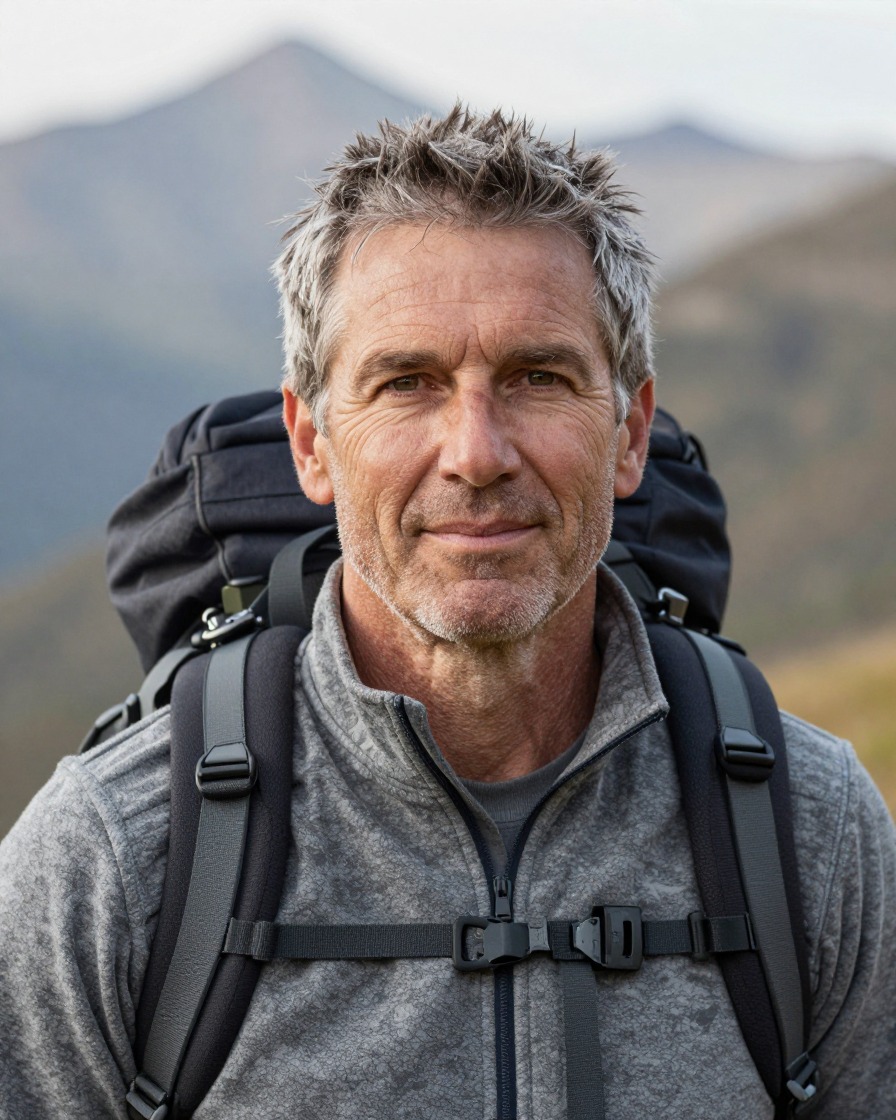
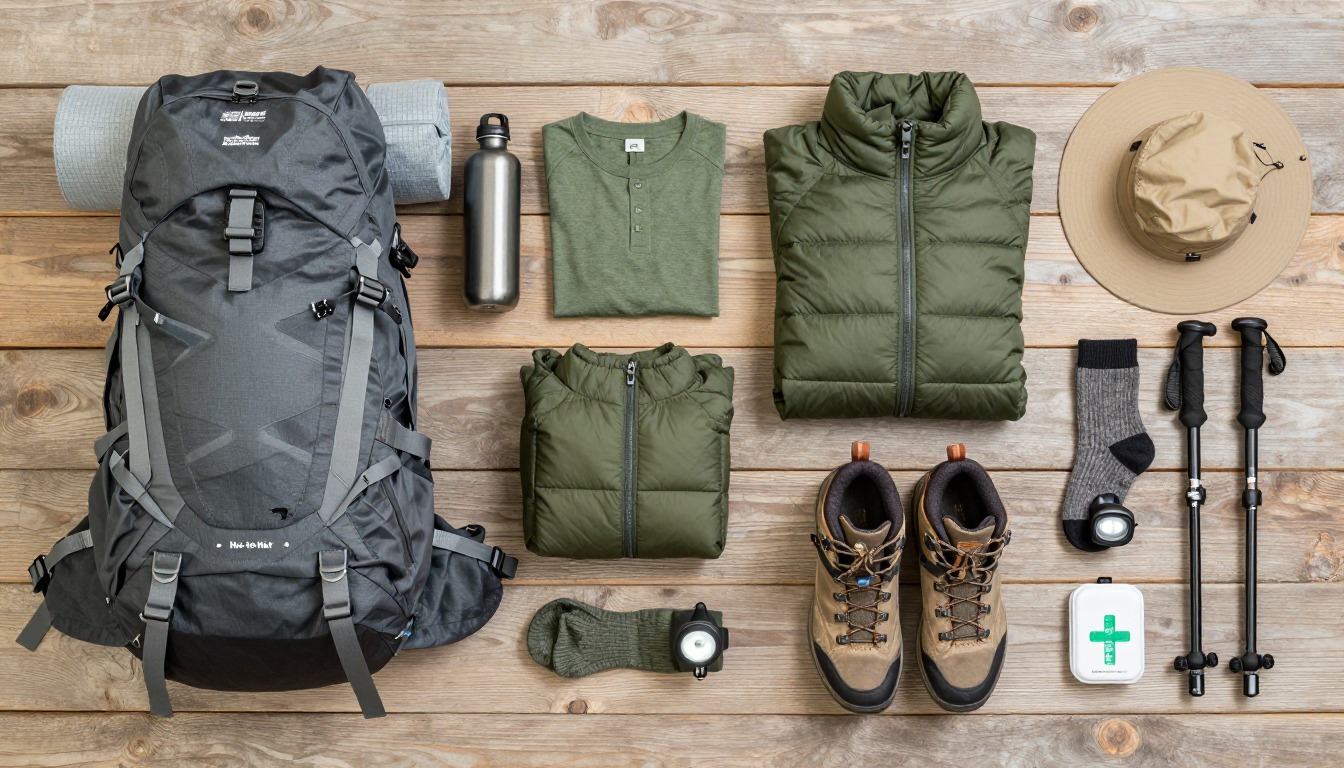
A hut-to-hut trek is built around one trade: a warden-run hut supplies the bed, the blanket, and usually dinner and breakfast, so your pack doesn't need to. That's true whether you're crossing the Alps, the Dolomites, the Pyrenees, or a Norwegian fjell — the hut network is what turns a genuine wilderness route into one of the more supported ways to spend several days in the mountains. Drop the tent, the sleeping bag, and the stove, and what's left is a lighter pack built around the two things a hut can't hand you: warm, dry layers for weather that can turn on any exposed col or ridge, and the legs and footwear to handle sustained climbing that repeats day after day. None of this is about surviving a night out — it's about covering ground safely between huts that are expecting you.
This setup suits hikers who are comfortable with sustained daily elevation gain and loss and who are happy to trade full self-sufficiency for a bed, a hot meal, and the company of a shared hut room — bunk-style sleeping, a set dinner sitting, and a line for the washroom. It's not the list for anyone planning to wild camp the same terrain or carry their own shelter and food; that's a heavier kit built around a standard multi-day backpacking setup instead. If you'd rather walk with only a daypack, many hut-to-hut regions also support baggage-transfer services that move a duffel ahead of you between stops — worth asking about locally, and a variation covered below rather than a change to what's actually in this list.
- Book your huts as early as your route allows — in peak season, popular huts in the Alps, Dolomites, and similar ranges fill up months out, and your reservations decide how much food you actually need to carry between stops.
- Build a full layering system before anything else: a wicking base layer, real insulation, and a genuinely waterproof shell, because mountain weather above the treeline can turn from clear to cold and wet within an hour.
- Choose footwear and poles for the climbing, not the distance — hut-to-hut days are often shorter in kilometers than they feel, because the elevation gain and loss is what actually wears hikers down.
- Pack light on shelter and heavy on the details: no tent or stove, but a hut sheet, cash in the local currency, and your reservation confirmations, since huts almost everywhere ask for at least one of the three.
About this setup
Hut-to-hut trekking is less a single trail than a model used across mountain ranges worldwide — the Alps' rifugios and refuges, the Dolomites' via ferrata huts, the Pyrenees' refugis, and Norway's staffed DNT cabins all run on the same basic idea: a warden-run hut supplies a bunk, a mattress, and often dinner and breakfast, spaced a day's walk apart along a marked route. That network is what makes multi-day mountain travel accessible to hikers who'd never carry a week of food and a tent, and it's why the kit below looks so different from a standard backpacking list — no shelter, no cooking system, and a pack built around layers and legs instead.
What huts don't remove is the terrain. A typical hut-to-hut day gains and loses real elevation — often more in a single stage than a flatter multi-day trail manages in two or three — and mountain weather is notoriously fast to turn, especially above the treeline or crossing an exposed pass. A clear morning is no guarantee for the col two hours later, in the Alps or the Pyrenees alike, which is exactly why this kit leans so hard into layering and genuinely waterproof gear rather than skimping on it to save weight.
Hut life has its own rules worth learning before you go, and they vary less by region than you'd expect. Most huts expect or require a sleep sheet at check-in, ask you to leave boots at the door in favor of hut slippers or your own indoor shoes, and run on a fixed dinner sitting rather than an à la carte menu. Many, especially smaller and more remote ones, are cash-only or strongly prefer it, and reservations matter more than gear in peak season — a full hut with no space left is a bigger problem than any item you could have packed differently.
The pack
A midsize overnight pack, not a full backpacking load — huts carry the weight of shelter, sleeping, and food that a wild-camped route can't.
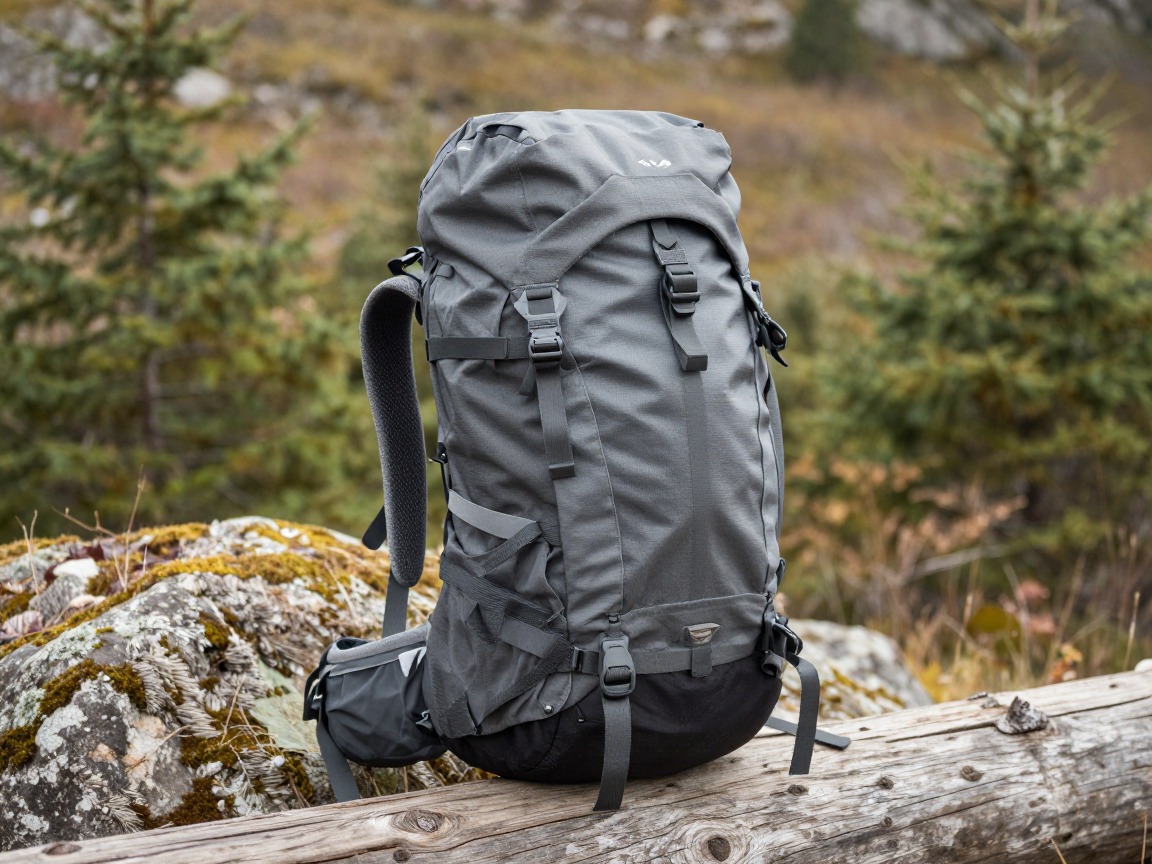
Hut-to-hut pack (30–40L)
Carries a change of clothes, full layering, and a hut sheet between stops — everything except the shelter, sleeping, and cooking gear a hut already supplies.
What to look for: A comfortable, ventilated hip belt and back panel for hours of daily climbing, rain-ready construction or an included cover, and enough room for a rest-day layer without overpacking for a trip huts are largely stocking for you.
 WoneNice 50L Check price
  Teton 55L Scout Internal Frame Backpack for Hiking Check price
 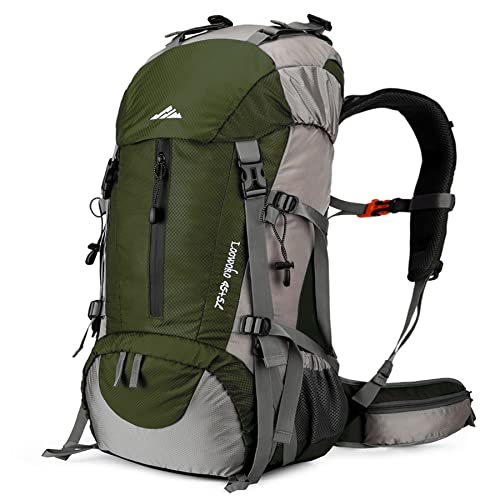 Loowoko 50L Hiking Backpack with Rain Cover for Both Men & Women Check price
 - A pack rain cover or liner — mountain weather turns fast enough to catch you between huts
- Packing cubes or stuff sacks to keep spare clothes dry and easy to find at the end of a long climbing day
Hut nights
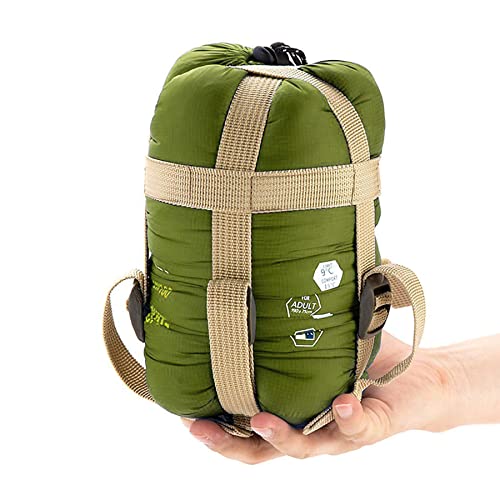
No tent, no full sleeping bag — huts provide a bunk, a mattress, and usually blankets, but most still expect, or require, you to bring your own sleep sheet.
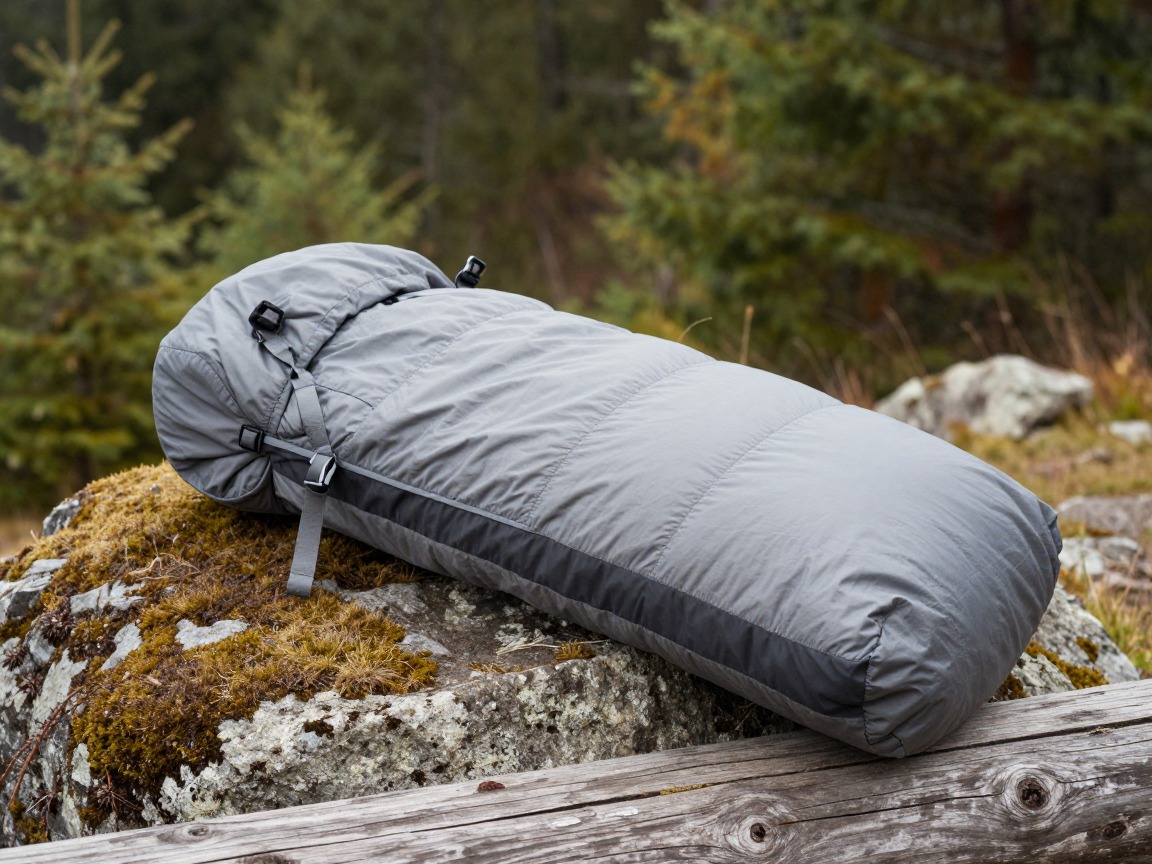
Hut sheet / sleeping bag liner
A thin liner, not a real sleeping bag, covers you on the hut bunk and satisfies the hygiene rules many huts require at check-in.
What to look for: Silk for the lightest pack weight, or cotton or synthetic if you run cold or want something more durable; either way it should stuff down small.
 MalloMe Sleeping Bags for Adults Cold Weather & Warm - Backpacking C Check price
  ECOOPRO Portable Check price
  Teton Trailhead Check price
 - Earplugs — shared hut rooms sleep anywhere from a handful to dozens of trekkers a night
- Hut slippers or lightweight indoor shoes — many huts ask you to leave boots at the door
- A stuff sack of spare clothes doubles as a pillow, or pack a small inflatable travel pillow
- A packable travel towel — some huts have showers, and few supply towels
Water & fueling the climbs
Long days with repeated climbs burn through water fast, and while huts and villages break up most routes, some stages run hours between reliable refill points.
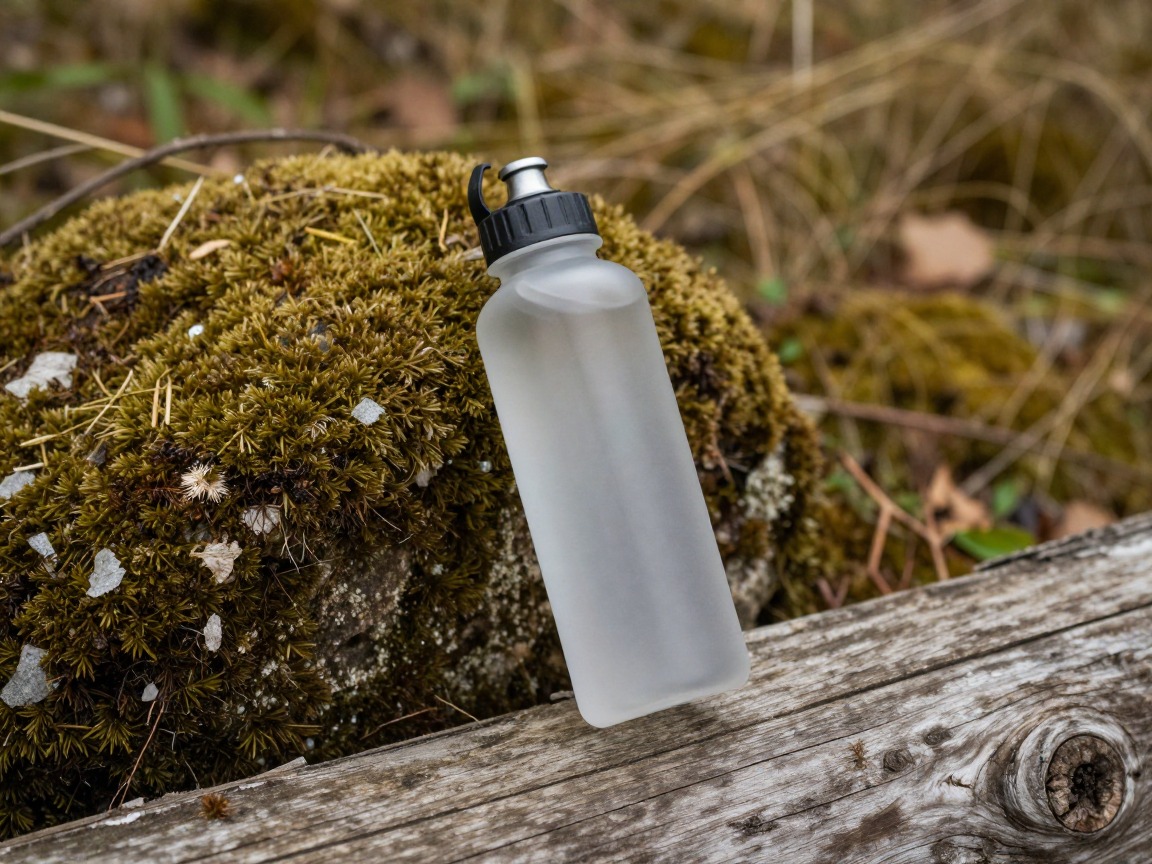
Water bottle(s)
Your day-to-day water supply, refilled at huts, fountains, and villages along the route rather than carried in bulk.
What to look for: A tough, wide-mouth bottle or two — 1.5 to 2 liters of total capacity covers most stages between refills without extra weight.
 Nalgene 32 oz Wide Mouth Water Bottle Check price
  Nalgene 32 oz Wide Mouth Water Bottle Check price
  Nalgene 32 oz Wide Mouth Water Bottle Check price
 - A small water filter or purification tabs as backup for streams between huts, or when a fountain looks questionable
- Snacks and calorie-dense trail food for the climbs — huts usually cover breakfast and dinner, but lunch is often on you
- Electrolyte tabs for long, hot climbing days
Layering for weather that turns fast
Mountain weather owes you nothing — a clear morning in the valley can turn to cold rain, wind, or hail by the time you're over the next pass.
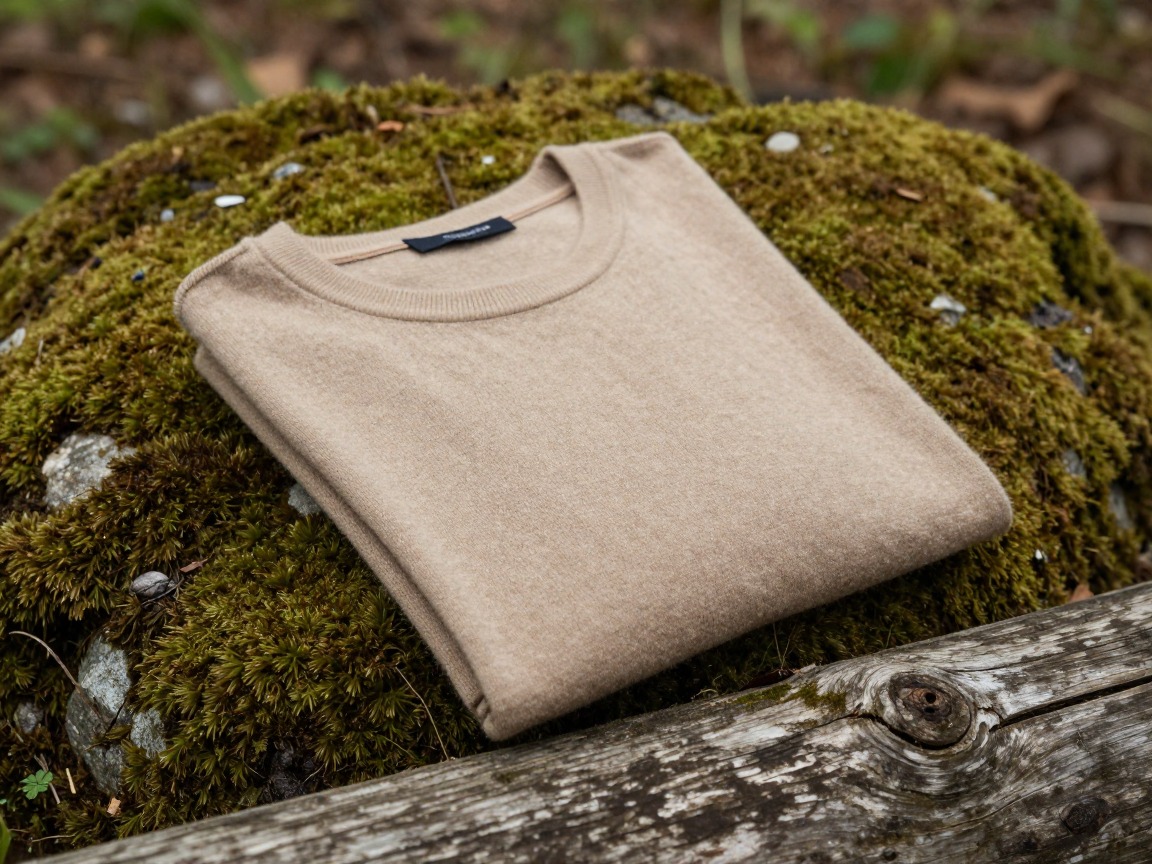
Wicking base layer
Worn most days on the climbs, moving sweat away from skin that can chill fast the moment you stop moving or the wind picks up on an exposed ridge.
What to look for: Merino or a synthetic blend that manages odor over many days between hut laundry stops. Skip cotton — it holds moisture and cools you exactly when you don't want it to.
 100% Merino Wool Base Layer Men Set - Thermal Underwear for Men Long Check price
  Merino.tech Merino Wool Base Layer Women Set - Heavyweight Check price
  100% Merino Wool Base Layer Men Set - Thermal Long Underwear with Ba Check price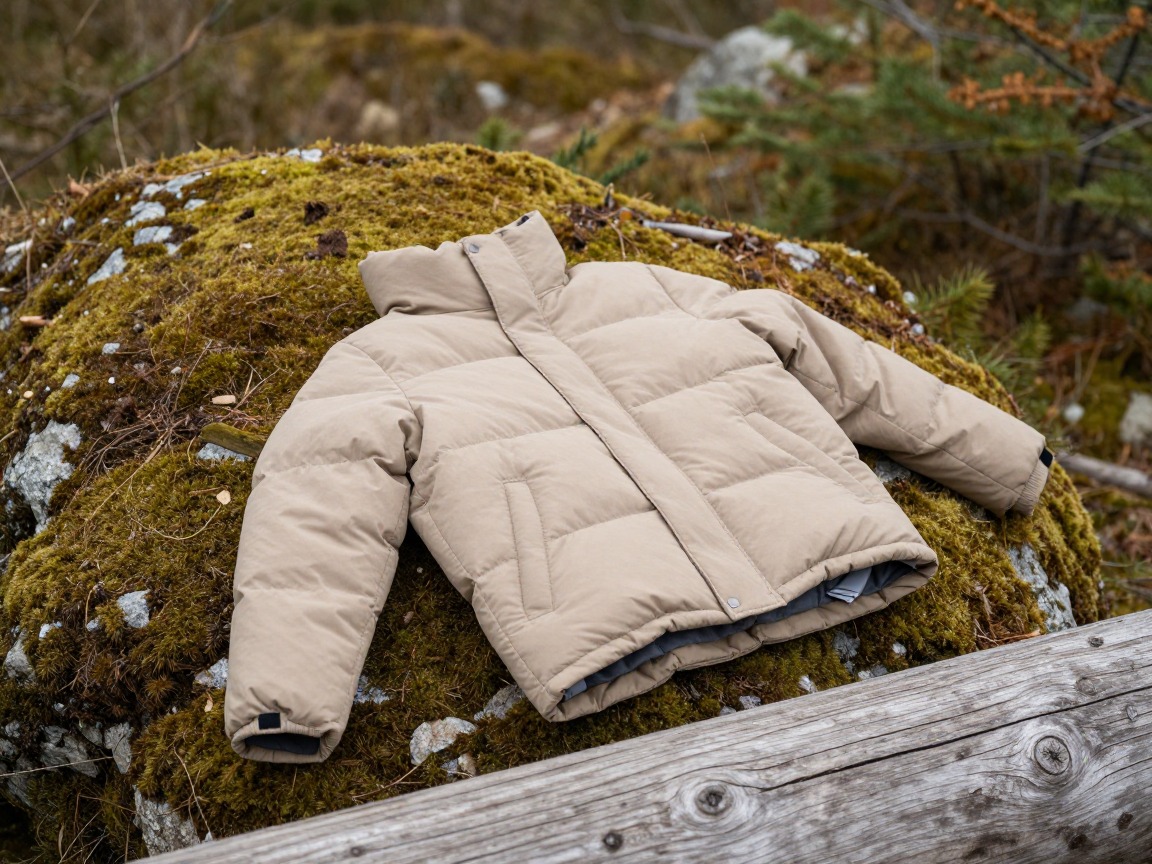
Insulated jacket
Your warmth at exposed passes, on cold mornings out of a hut, and for the evenings once the sun drops behind a ridge.
What to look for: A packable down or synthetic layer with real warmth for its weight. Synthetic fill keeps insulating if it gets damp from mist or a passing shower.
 Outdoor Ventures Women's Packable Lightweight Puffer Jacket with Hoo Check price
  Amazon Essentials Women's Lightweight Long-Sleeve Water-Resistant Pa Check price
  Outdoor Ventures Women's Packable Lightweight Puffer Jacket with Hoo Check price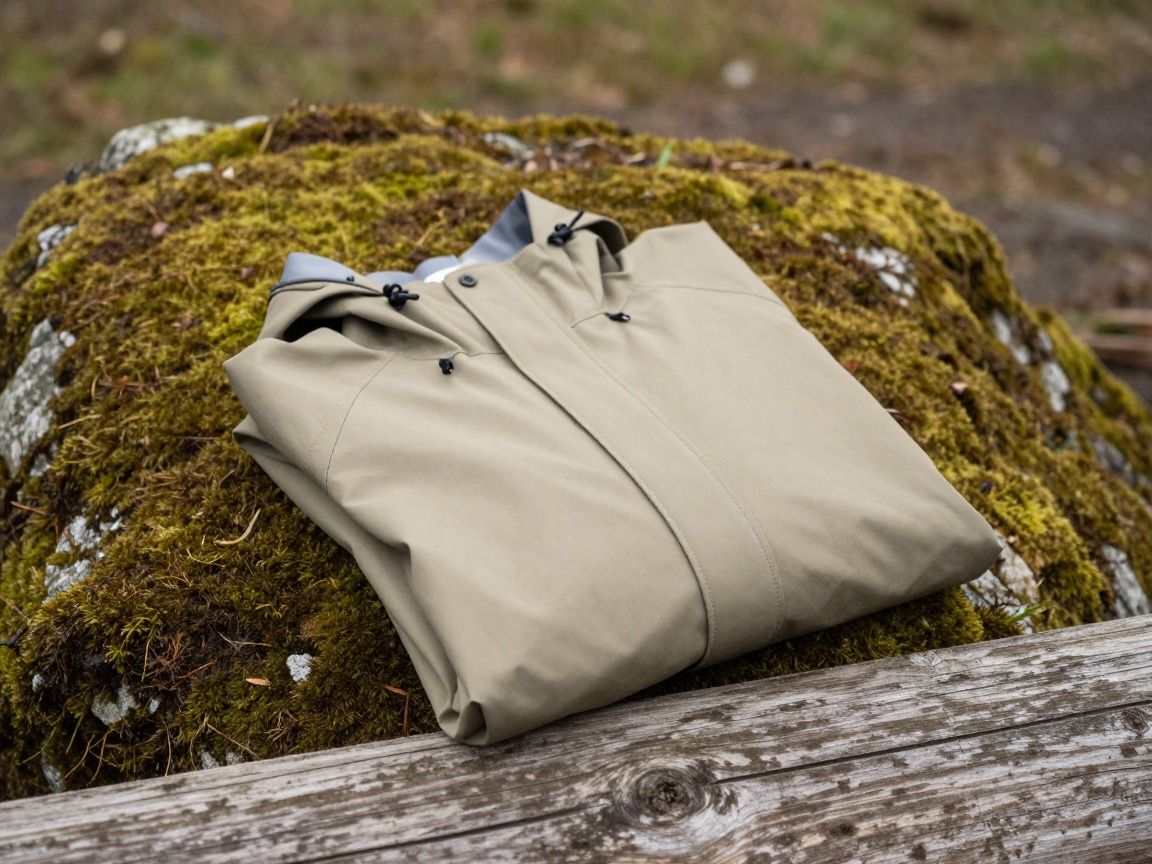
Waterproof/windproof shell
Blocks the wind and rain that can arrive with little warning on an open pass, turning an afternoon squall into a non-event instead of a soaked, cold descent.
What to look for: Genuinely waterproof, not just water-resistant, with a hood that fits over a warm hat. Worth testing before you travel, not on day one of the trek.
 UIQUR Mens Rain Jacket Raincoat Waterproof Windbreaker Black L Check price
  COOFANDY Men's Waterproof Hiking Travel Shell Breathable Rain Jacket Check price
  Columbia Womens Arcadia II Waterproof Rain Jacket Check price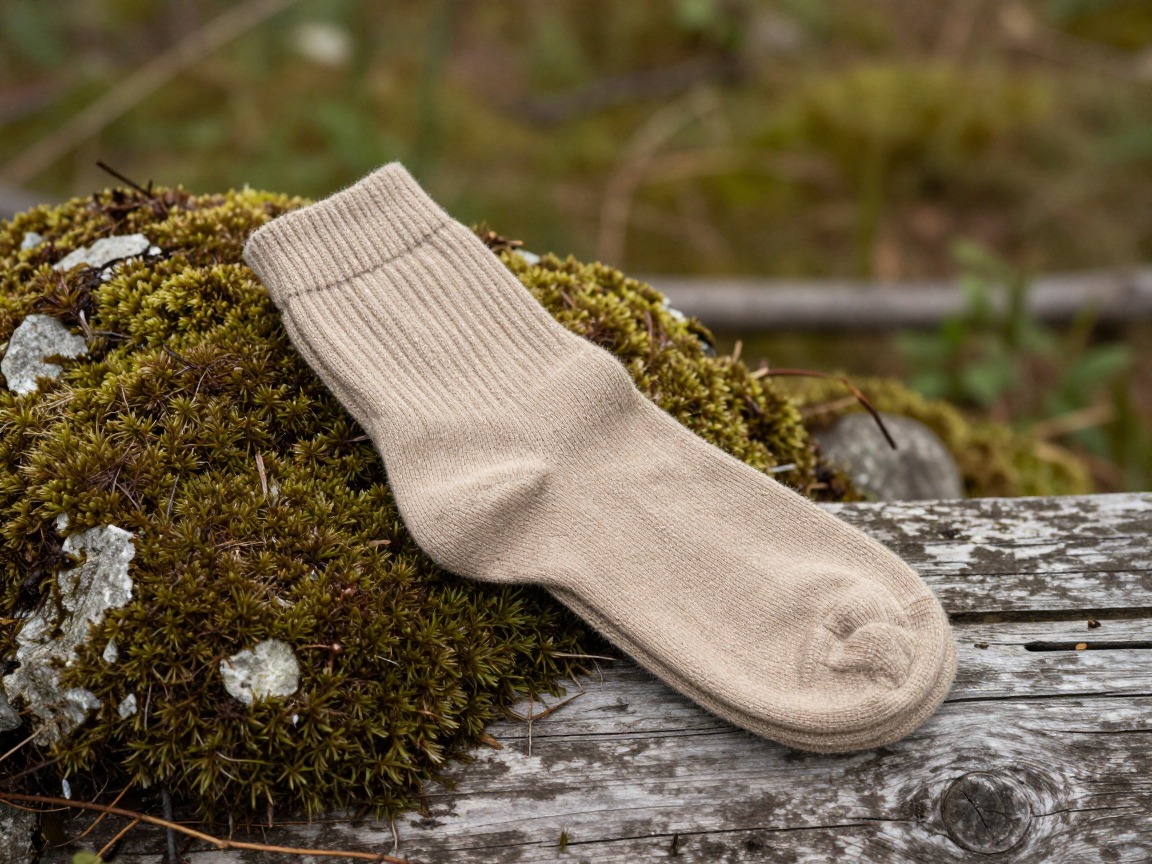
Hiking socks
Blisters are one of the most common reasons trekkers cut a hut-to-hut stage short — good socks, rotated and dried at each hut, prevent most of them.
What to look for: Wool or a wool blend, cushioned at the heel and ball of the foot, with at least one dry spare pair for every few days.
 Alvada Merino Wool Hiking Socks Thermal Warm Crew Winter Boot Sock F Check price
  DANISH ENDURANCE Merino Wool Socks for Men & Women Check price
  innotree 3 Pack Men's Merino Wool Hiking Socks Check price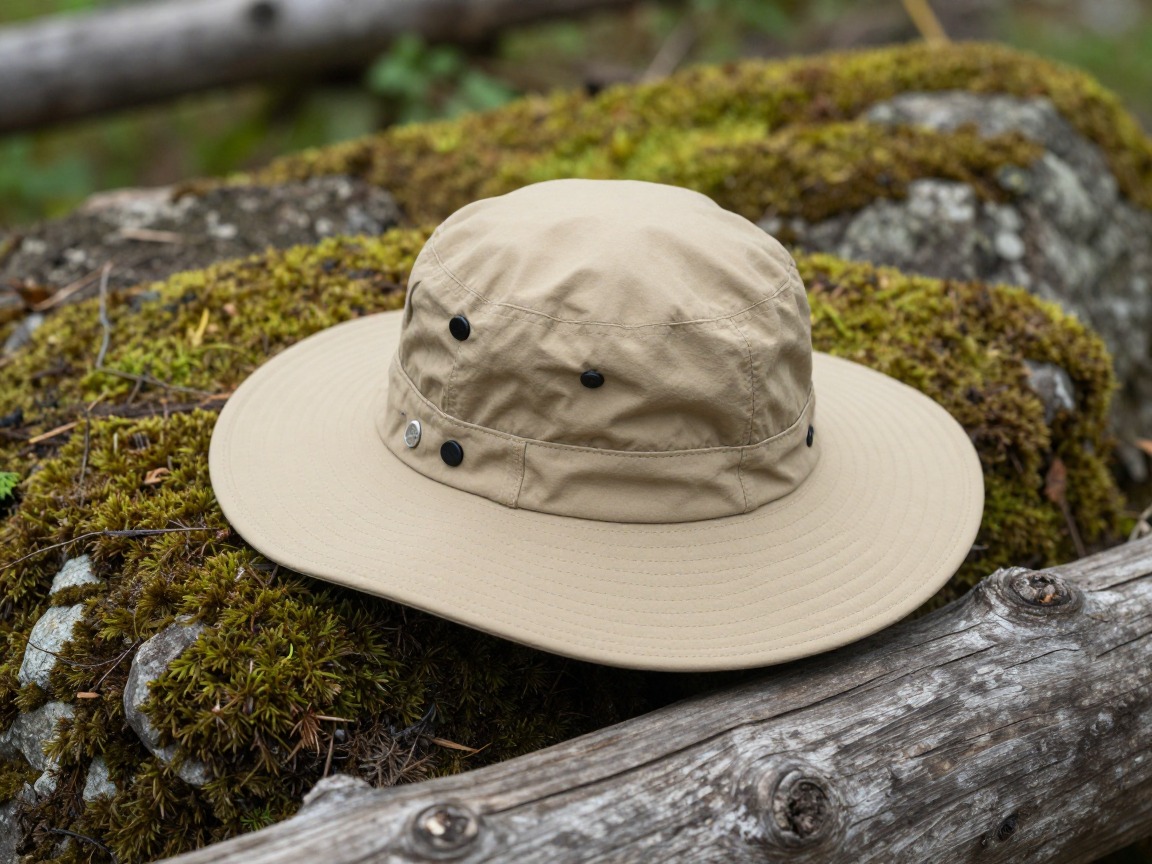
Sun hat & eye protection
Mountain sun is stronger than it feels at altitude, especially crossing open, exposed passes with little shade.
What to look for: A brimmed hat that shades face and neck, sunglasses rated for strong glare, and sunscreen you'll actually reapply through a long climbing day.
 FURTALK Womens Sun Hat with Ponytail Hole Beach Hiking Summer Wide B Check price
 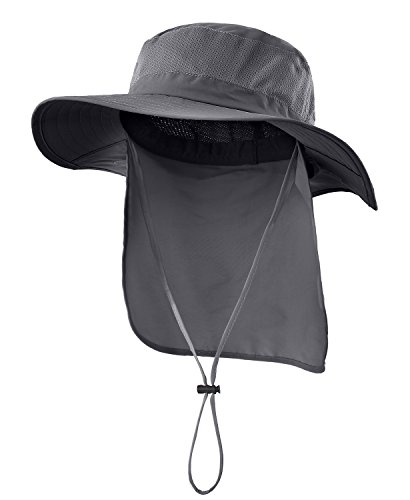 Home Prefer Outdoor UPF50+ Mesh Sun Hat Wide Brim Fishing Hat with N Check price
  FURTALK Sun Hats for Men Fishing Hat UPF Protection Wide Brim Bucket Check price
 - Warm hat and light gloves for cold mornings and exposed passes
- Buff or neck gaiter for wind and sun
- A change of clothes for hut evenings, kept dry and separate from trail clothes
Footwear & poles for the daily climbs
Hut-to-hut days are steeper and more sustained than a flatter multi-day trail — this is where good footwear and poles earn their keep.
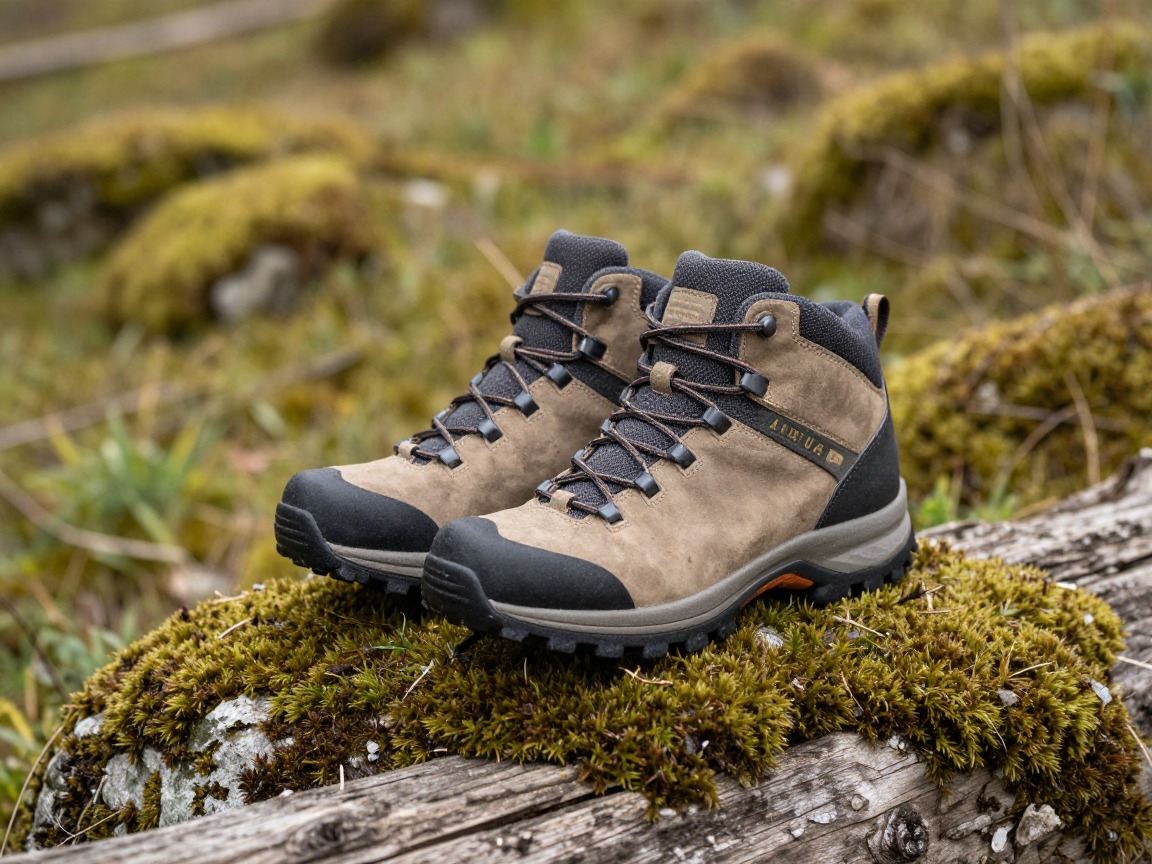
Hiking boots
Supports ankles and protects feet through steep, rocky, and often wet descents that repeat day after day, stage after stage.
What to look for: A broken-in pair with real ankle support and grippy soles for wet rock and loose trail. Sturdy trail runners work for hikers who trust their footing and have broken them in over real miles first.
 Columbia Men's Transverse Waterproof Hiking Boot Check price
  NORTIV 8 Men's Ankle High Waterproof Hiking Boots Check price
  Columbia Mens Transverse Waterproof Hiking Boot Check price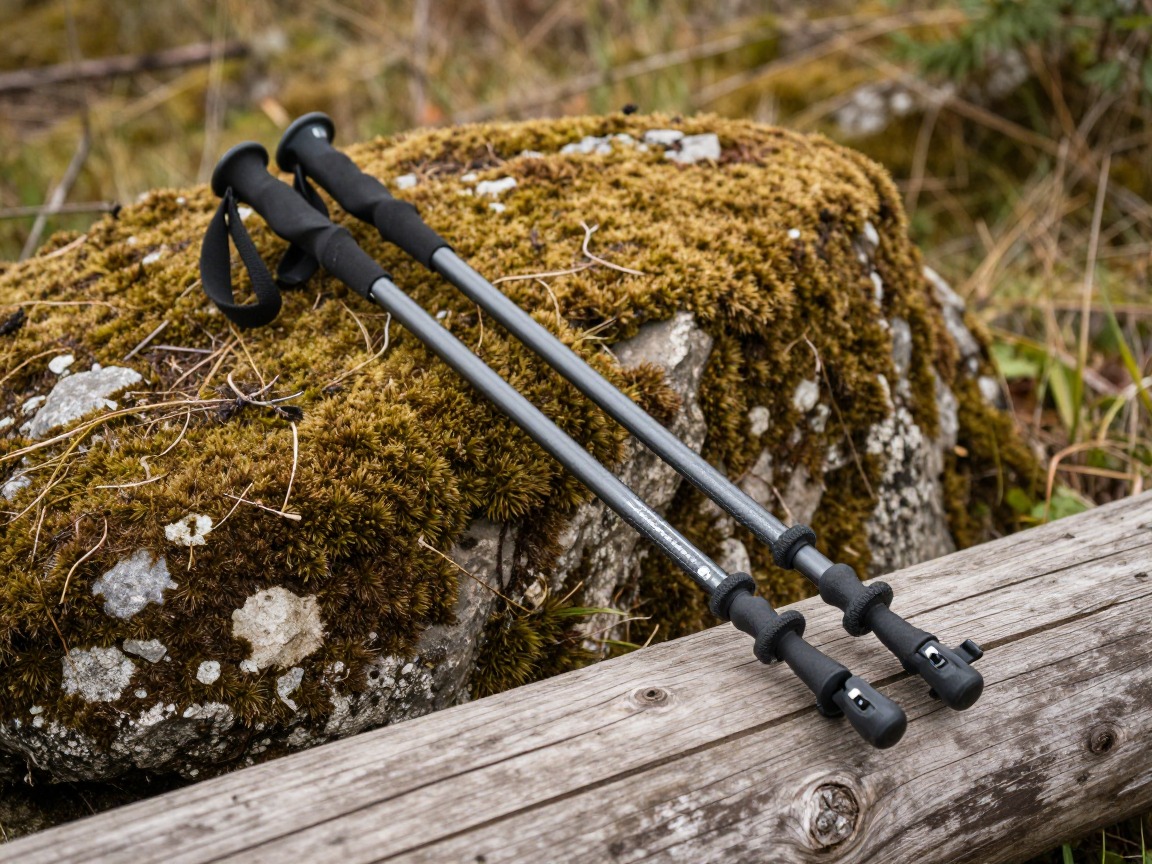
Trekking poles
Takes real strain off your knees on long, steep descents, and steadies you on loose or wet trail crossing a pass.
What to look for: Adjustable, packable poles with comfortable grips — useful on nearly every stage, not just the steepest ones, once fatigue builds over multiple days.
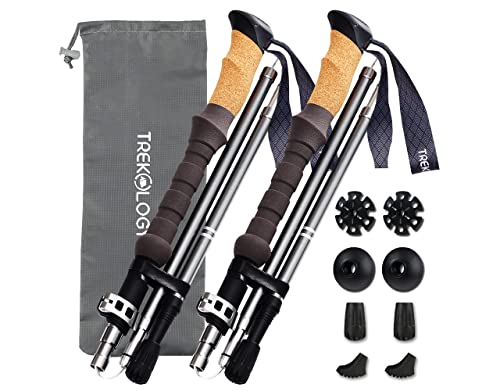 Trekology Trek-Z Cork Grip Collapsible Lightweight Hiking Trekking P Check price
 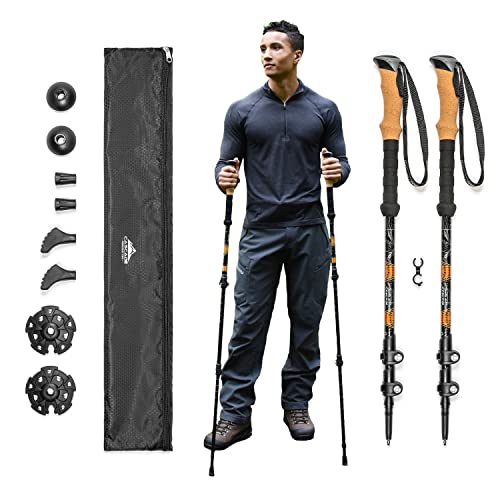 Cascade Mountain Tech Trekking Poles Check price
 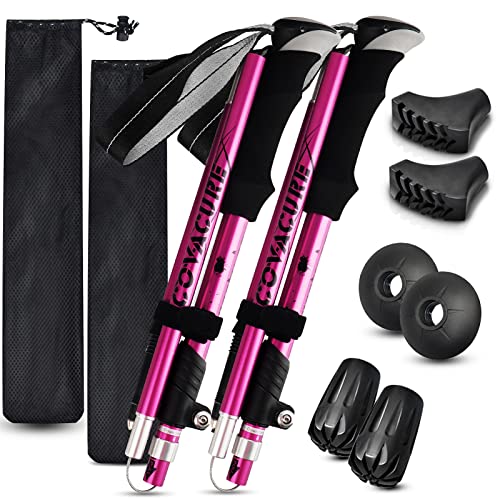 covacure Hiking Poles Check price
 - Gaiters for early- or late-season snow patches on the highest passes
Hut life, safety & carrying cash
Hut etiquette and money matter as much as gear on a hut-to-hut trek — get both wrong and it costs more than a rough night.
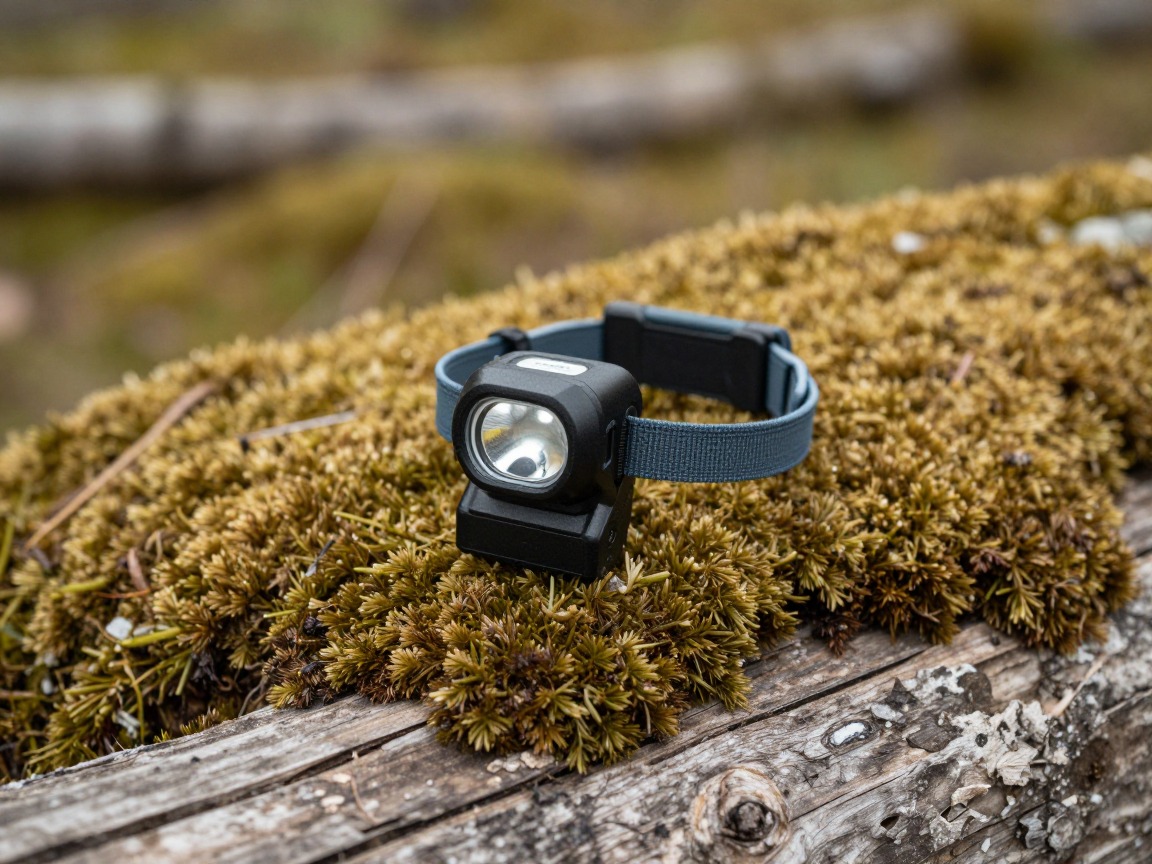
Headlamp
Lights a pre-dawn start on a long stage, and gets you around a shared hut room or hallway after dark without waking everyone else.
What to look for: A red or dimmable mode for shared rooms, and enough battery life for early starts on the longer stages.
 LHKNL Headlamp Flashlight Check price
 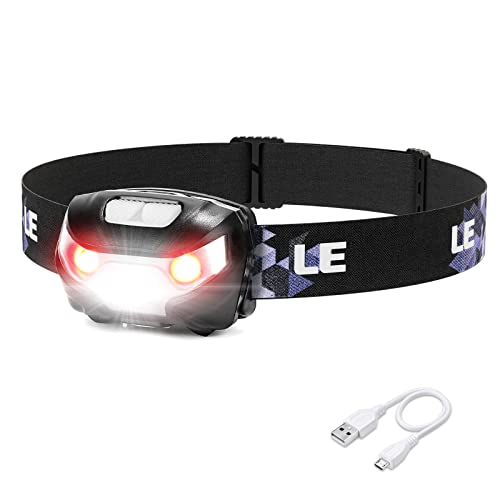 Lepro LED Headlamp Rechargeable IPX4 Waterproof Headlight 5 Modes - Check price
 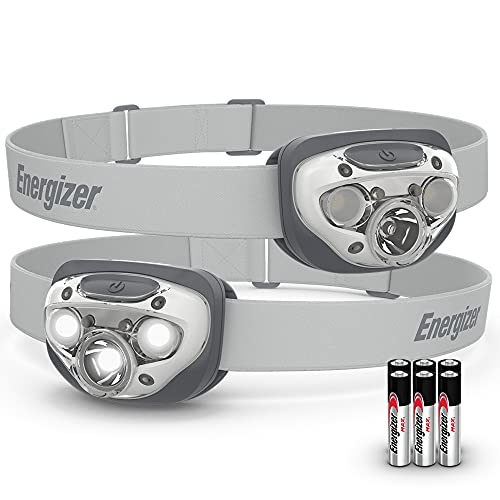 Energizer LED Headlamp PRO Check price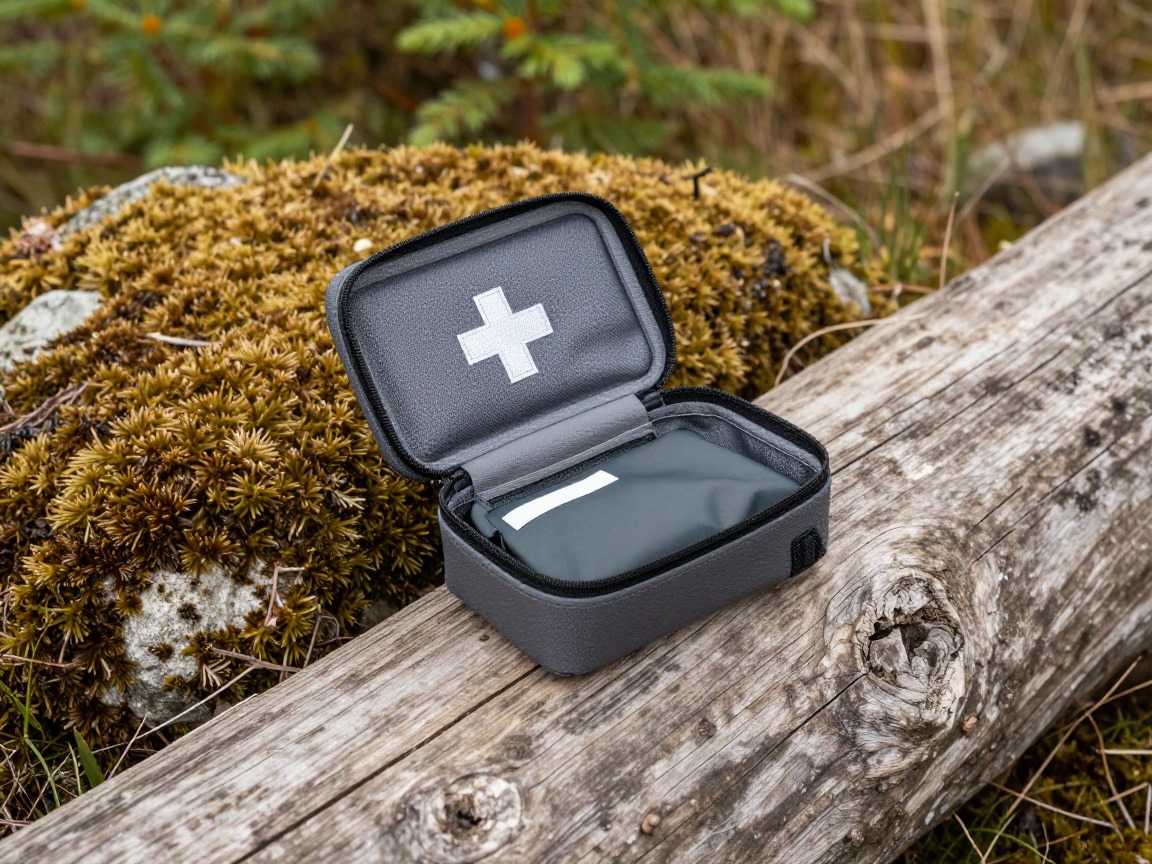
First-aid kit
Covers blisters, strains, and the small stuff that adds up over repeated steep days, well before you'd need to call for help.
What to look for: A compact kit weighted toward blister care and joint support, plus any personal medication you rely on.
 Mini First Aid Kit - 150 Piece Small Waterproof EVA Hard Shell Case Check price
  Adventure Medical Kits Ultralight/Watertight Medical Kit .5 Check price
 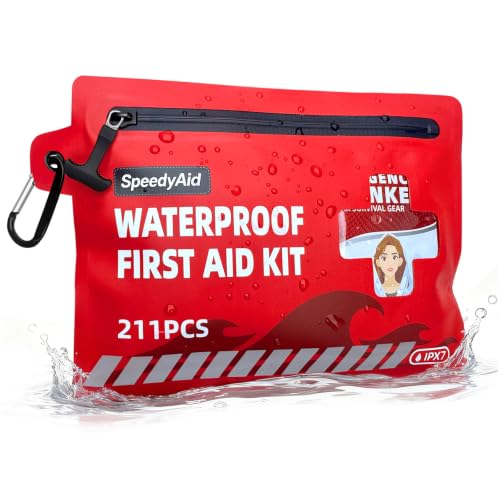 211 PCS Waterproof First Aid Kit Check price
 - Cash in small local-currency notes, since many huts are cash-only or strongly prefer it
- Hut booking confirmations, printed or saved offline, since signal at higher huts is unreliable
- Passport or ID if your route crosses a border, even where the border itself is unmarked
- Basic local phrases for hut check-in and ordering dinner — not essential, but it helps
How to adapt this setup
Planning to camp instead of using huts for part or all of the route? Add a tent, sleeping bag, sleeping pad, stove, and cookware from the multi-day backpacking setup — this list assumes hut beds and meals every night.
If you'd rather walk with just a daypack, many hut-to-hut regions support a baggage-transfer service that moves a duffel ahead of you between huts — swap the overnight pack here for a daypack and a duffel, and confirm the service's size and weight limits before you book.
Snow can linger on high passes into early summer and return by early fall — add gaiters and check conditions on any high-route variants before committing, and be ready to take a lower, marked alternative if a pass is still snowbound.
Norway's staffed DNT huts run on a similar model to the Alps, but the same networks include unstaffed cabins that expect more self-sufficiency — confirm which huts on your route are staffed before assuming dinner and breakfast are included.
Booking an extra night at a favorite hut or splitting a long stage in two costs little beyond an extra reservation, and it's a common, low-stress way to handle a stage with unusually steep climbing.
Common mistakes to avoid
- Not booking huts early enough in peak season — popular huts across the Alps, Dolomites, and similar ranges can fill up months ahead, forcing an unplanned, exhausting push to the next available bed.
- Packing for a wild-camping trip out of habit — carrying a tent, sleeping bag, or stove you'll never use adds weight for no reason once huts are handling shelter and food.
- Skipping the hut sheet because 'huts provide blankets' — many require one at check-in, and turning up without one is an easy, avoidable problem.
- Relying on cards or a phone for payment — plenty of huts, especially smaller or more remote ones, are cash-only, and running short of local currency mid-route is a real inconvenience.
- Underestimating how fast mountain weather turns — a clear morning in the valley is no guarantee for the exposed col or ridge a few hours later.
- Breaking in new boots on the trail instead of before it — repeated, steep descents expose fit problems fast, and a blister on day two can shape the rest of the trip.
Make it yours
Frequently asked questions
Do I need a tent or sleeping bag for a hut-to-hut trek?
No — the hut network provides a bed and usually blankets, so a tent, sleeping bag, and stove aren't part of a standard hut-to-hut kit. Most huts do expect a sleep sheet or liner, and some require one at check-in, so that's worth packing even though the rest of your sleep system stays home.
How much cash should I carry on a hut-to-hut trek?
Enough to cover several nights of hut stays and meals in small local-currency notes, since many huts — especially smaller, more remote ones — are cash-only or strongly prefer it, and reliable card or ATM access thins out well before the highest huts.
Do I need to book huts in advance?
In peak season, yes — popular huts across the Alps, Dolomites, Pyrenees, and similar ranges can book out months ahead, and most trekkers plan their whole itinerary before they arrive rather than booking night to night. Shoulder-season trips sometimes allow more flexibility, but it's worth confirming locally.
What size pack do I need for a hut-to-hut trek?
Most hikers are well served by a 30–40-liter pack — enough for a change of clothes, full layering, and a hut sheet without the bulk of a full backpacking load, since the hut network is carrying your shelter and food. A smaller daypack can work if a baggage-transfer service is moving your main bag.
Is hut-to-hut trekking hard?
It's less about distance and more about sustained daily climbing and descending — many stages gain and lose serious elevation, several days in a row, which asks more of your legs and lungs than the daily mileage alone suggests.
Illustrative images show the type of gear, not specific products. Recommendations link to similar items on Amazon; we only ever link real listings and never show fabricated prices or ratings. General planning guidance, not a substitute for your own judgment or professional backcountry-safety instruction.