
The hot & humid jungle trek setup
Hot, humid jungle trekking runs on a different set of rules than dry-climate backpacking. Nothing you wear or carry actually dries out between showers, so this setup is built around managing wet instead of fighting it — quick-dry fabrics, sealed dry bags, and a foot-care routine you follow every single night.
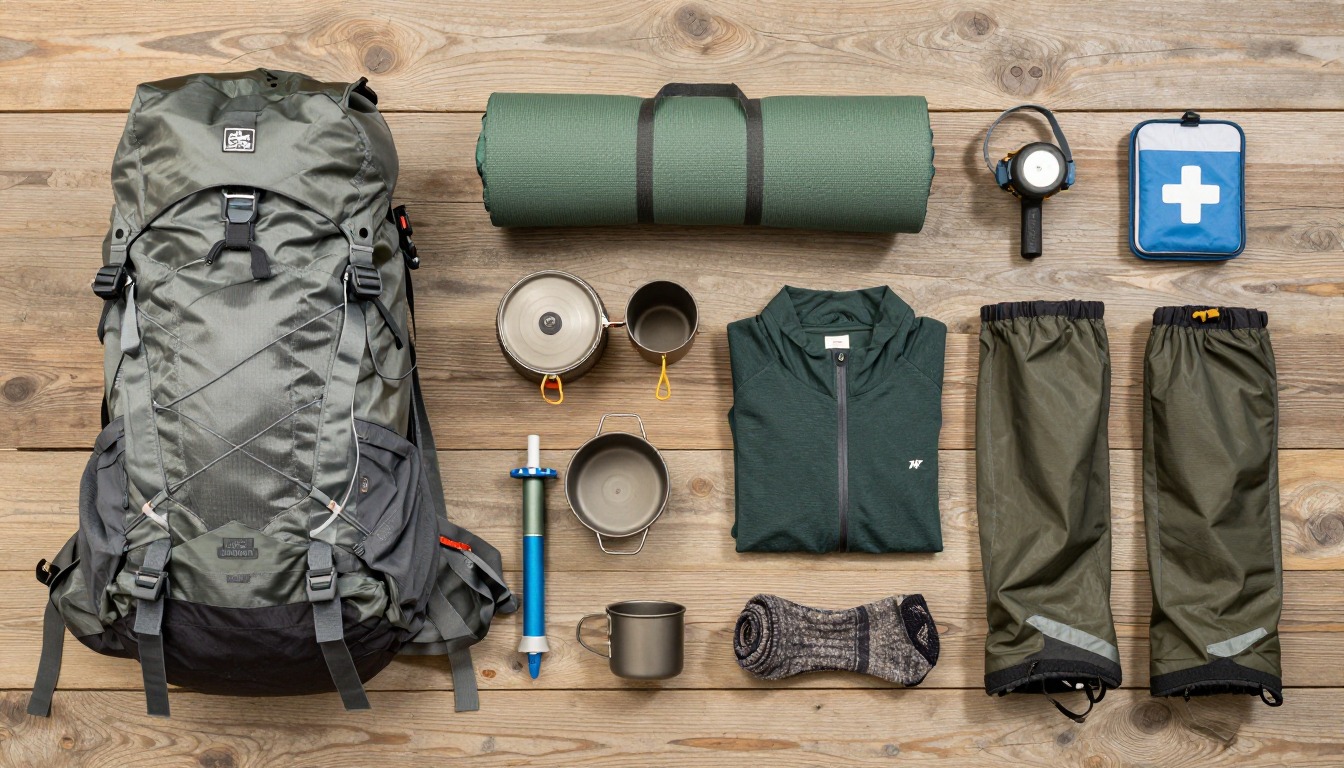
A jungle kit is built around one fact: everything gets wet, and nothing dries, because humidity rarely drops low enough for fabric to shed moisture on its own. So it favors quick-dry synthetics over absorbent fibers, seals away one dedicated dry set of camp clothes, and treats foot care as a daily task — trench foot and jungle rot come from wet feet left wet, not from distance covered. Insect and leech defense run through the whole kit, and rain protection favors breathability over a bombproof rating.
This setup suits trekkers heading into tropical rainforest for multiple days — Southeast Asian jungle routes, Central American cloud forest, or similarly hot, wet trail systems — usually on established trails with guides or camps. Genuinely remote, trail-less jungle travel is expedition-level trekking with its own logistics beyond this list. For a single hot, wet day, start from the day-hike setup instead.
- Start from a standard multi-day system, then swap every absorbent fabric — base layer, sleep liner, socks — for quick-dry synthetic.
- Pack one sealed, dry-bagged set of camp clothes you never wear hiking — it's the only genuinely dry thing you'll have.
- Build a daily foot-care routine before you leave: dry socks at camp, foot powder, and time out of wet boots.
- Treat insect and leech defense as a system — treated clothing, a head net, and gaiters together — not a single item.
About this setup
Jungle trekking flips the usual backpacking equation. Cold isn't the threat — heat and saturation are. Air sitting at 85–95% humidity for days means sweat stops evaporating, rain rarely lets up, and anything absorbent — cotton, wool, an untreated pack — never dries between showers. The kit below is built around that reality: manage wet instead of fighting to stay dry, because staying dry on a multi-day jungle trek genuinely isn't on the table.
That changes what you pack. Quick-dry synthetics replace merino wool, because a fabric that takes half a day to dry is wet the whole time you're wearing it. Everything goes into dry bags — not just electronics, but one complete set of camp clothes sealed away and never worn hiking. Gear itself needs managing too: mildew sets into wet fabric and zippers fast in tropical humidity, so airing things out at every stop matters as much as the packing list.
Feet and insects are where carelessness gets punished fastest. Trench foot and jungle rot come from skin staying wet for hours, not from mileage — a foot-care routine is as core to this kit as the tent. Leeches and biting insects are a constant presence, which is why insect defense runs through clothing, gaiters, and a head net, not one repellent bottle. Heat-and-humidity fatigue is real too: plan a slower pace, drink more than feels necessary, and treat any fever or infected wound that doesn't resolve quickly as a reason for a clinic, not self-management on trail.
The pack
The pack itself won't keep a jungle downpour out — that job belongs to what's inside it. Ventilation and drainage matter more here than in any other climate.
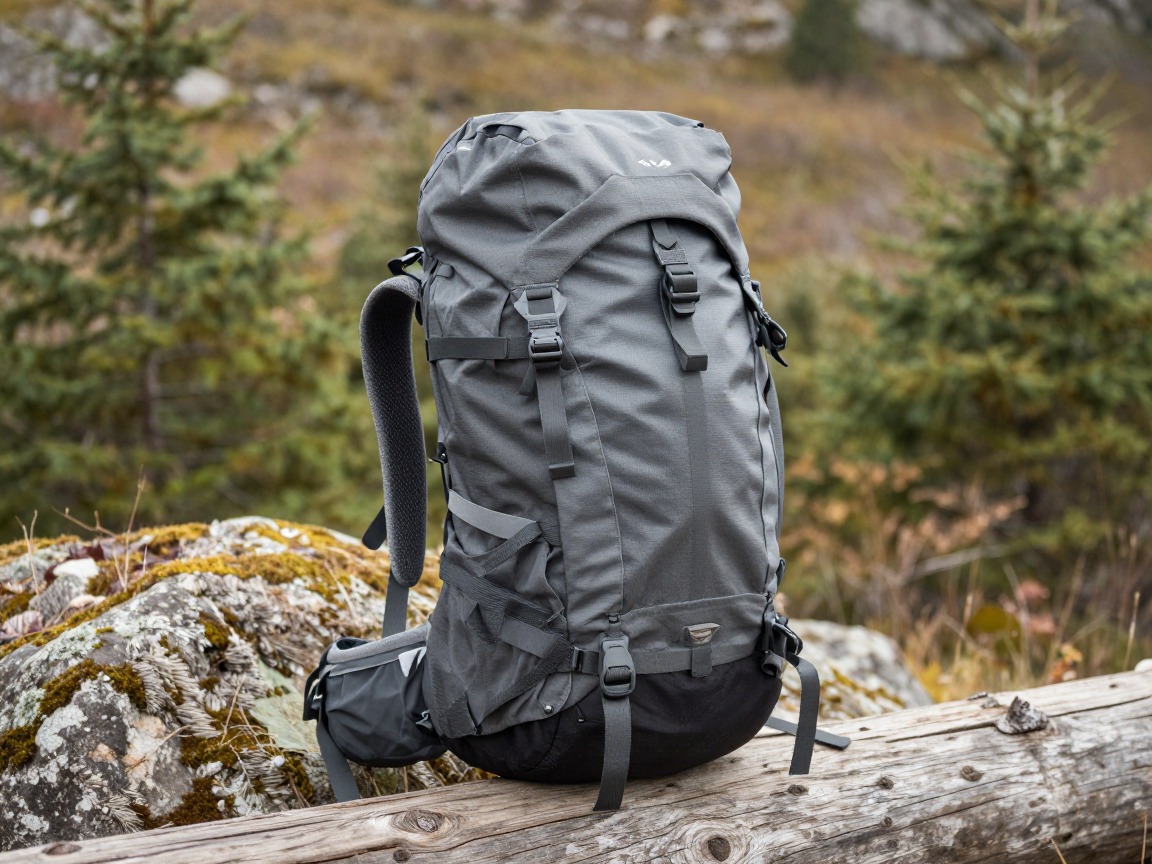
Jungle trekking pack (45–55L)
Carries a multi-day system built around wet heat — everything inside stays sealed in its own dry bags, because the pack itself doesn't keep rain or river crossings out.
What to look for: A ventilated back panel, quick-draining external pockets, and fabric that doesn't wick water into the load — a rain cover or liner does the real waterproofing.
 WoneNice 50L Check price
  Teton 55L Scout Internal Frame Backpack for Hiking Check price
 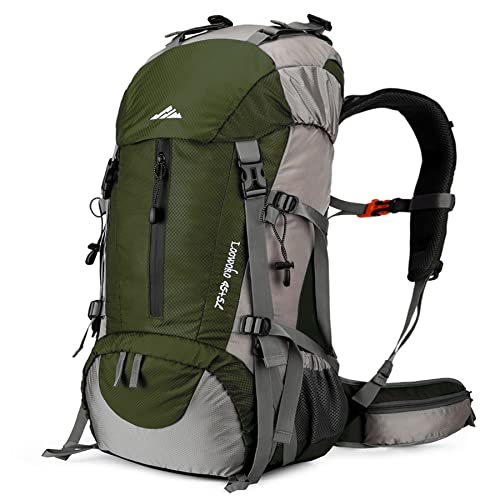 Loowoko 50L Hiking Backpack with Rain Cover for Both Men & Women Check price
 - A full-coverage pack liner or heavy-duty dry bag
- Compression straps to cinch down a wet, bulky load
Shelter
Insects, not cold, are the overnight threat in the jungle. Full mesh coverage matters more than any warmth rating.
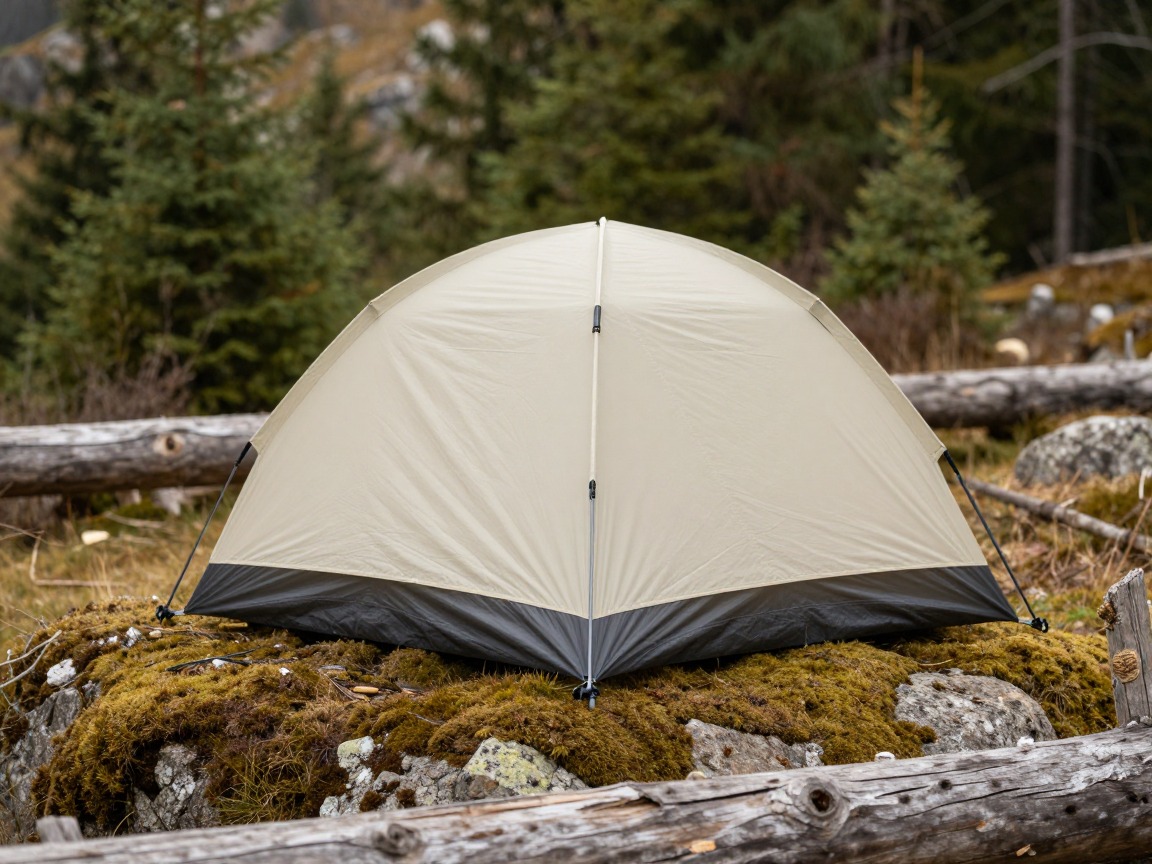
Jungle-screened tent
A fully enclosed, no-see-um mesh tent keeps mosquitoes, ants, and worse off you overnight, with the fly doing the actual rain job rather than the tent body.
What to look for: Full fine mesh on every panel, a fly that pitches clear of wet ground, and enough ventilation that condensation doesn't soak you from inside on a still, humid night.
 Night Cat 2-Persons Backpacking Tent: Waterproof Lightweight Camping Check price
  BISINNA 2/4 Person Camping Tent Lightweight Waterproof Backpacking T Check price
  Forceatt Tent for 2 Person is Waterproof and Windproof Check price
 - Stakes & guylines (soft mud swallows stakes easily)
- A hammock, tarp & bug-net system, if you prefer sleeping off the ground
- Repair tape for mesh tears
Sleep system
Warmth is rarely the problem on a jungle night — staying off wet ground and away from bites is.
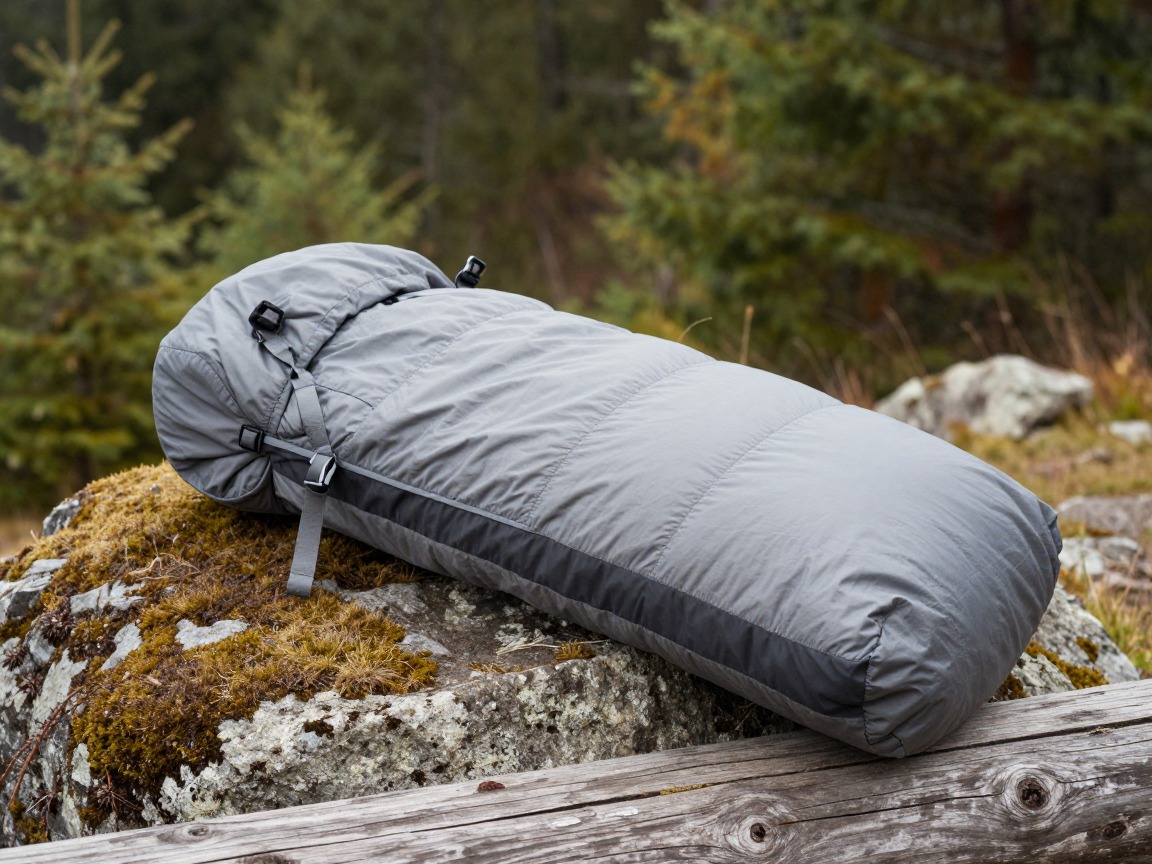
Lightweight sleep sack or liner
A thin synthetic liner, not a true cold-weather bag, is usually all the warmth a jungle night needs — the job here is covering skin from bites, not fighting cold.
What to look for: A liner in quick-dry synthetic or treated fabric, rated for warm nights only, kept in its own small dry bag so it's guaranteed dry at camp.
 MalloMe Sleeping Bags for Adults Cold Weather & Warm - Backpacking C Check price
 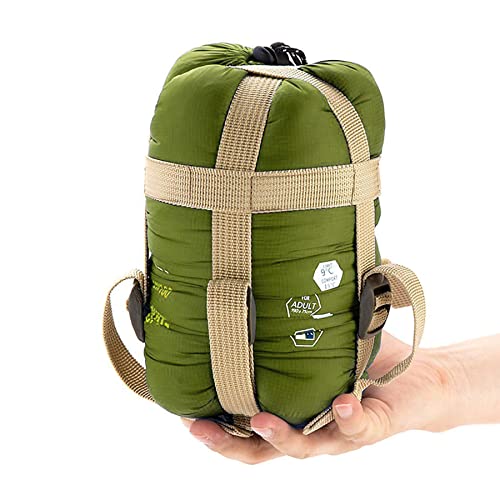 ECOOPRO Portable Check price
  Teton Trailhead Check price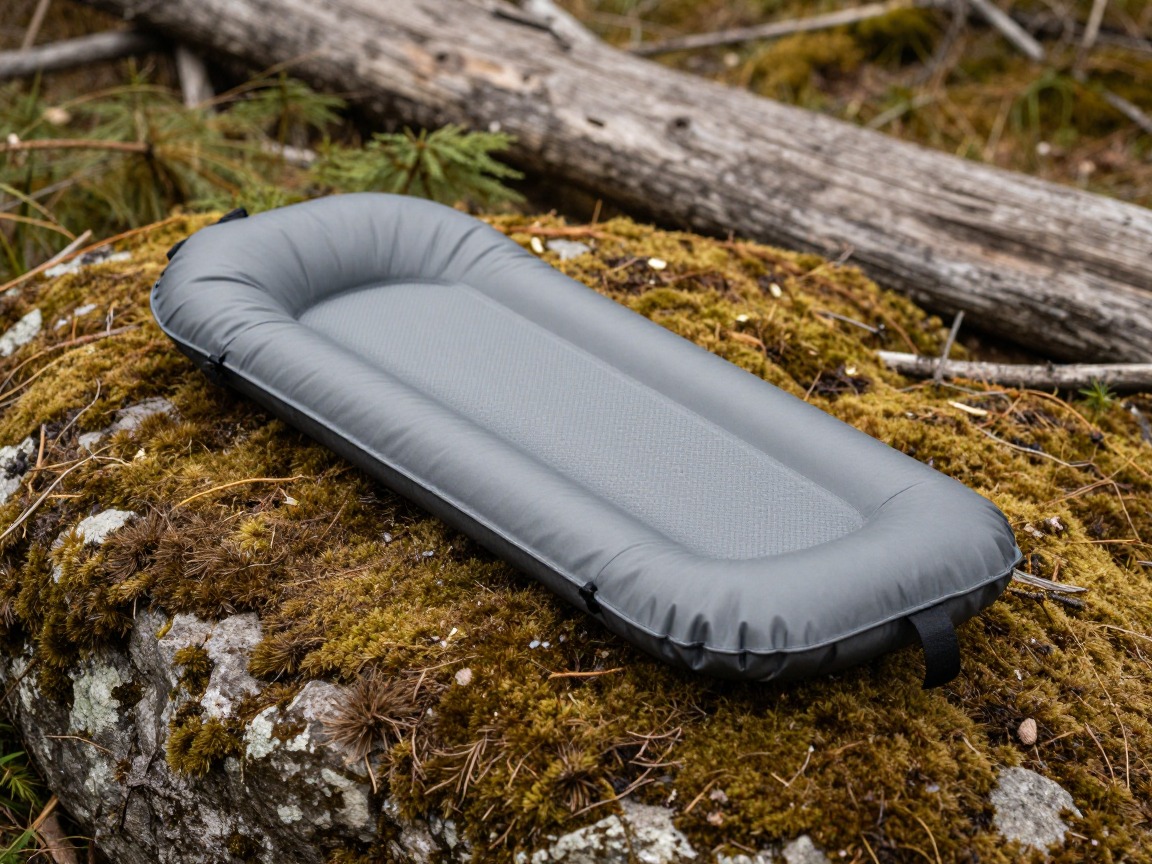
Sleeping pad
Keeps you off ground that's often damp, uneven, and home to whatever's moving through the leaf litter under your tent floor.
What to look for: A puncture-resistant bottom for rough jungle ground, a design that wipes clean and dries fast if it gets splashed, and a packed size that fits inside a screened tent or under a hammock system.
 FUN PAC Camping Sleeping Pad Check price
  Gear Doctors® Ether 17.5oz Ultralight Camping Sleeping Pad Check price
  Oramoose 4in Ultralight Camping Sleeping Pad with Pillow and Foot Pu Check price
 - A dedicated dry bag for the sleep system
Kitchen & water
Hydration is the real daily task in constant heat and humidity, and treating water is non-negotiable near jungle villages, livestock, and dense upstream wildlife.
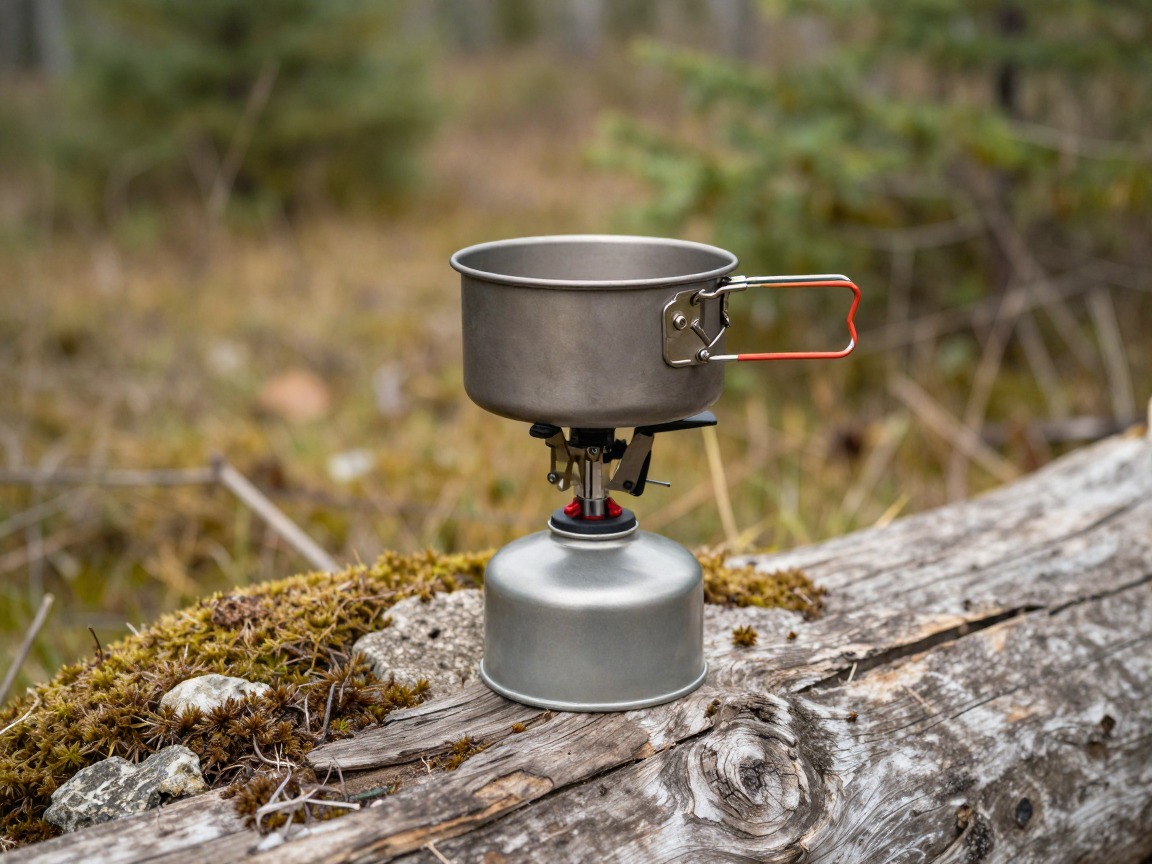
Backpacking stove
Boils water for meals and, just as important, for sterilizing water when a filter alone isn't enough for a silty river or puddle source.
What to look for: Reliable ignition in humid air, decent simmer control for rehydrating meals, and a fuel type you can actually buy or carry enough of for the full length of the trek.
 AOTU Portable Camping Stoves Backpacking Stove with Piezo Ignition S Check price
  MSR PocketRocket 2 Ultralight Camping and Backpacking Stove Check price
  Fire-Maple Greenpeak 1 Camping Stove with Piezo Ignition Portable Ga Check price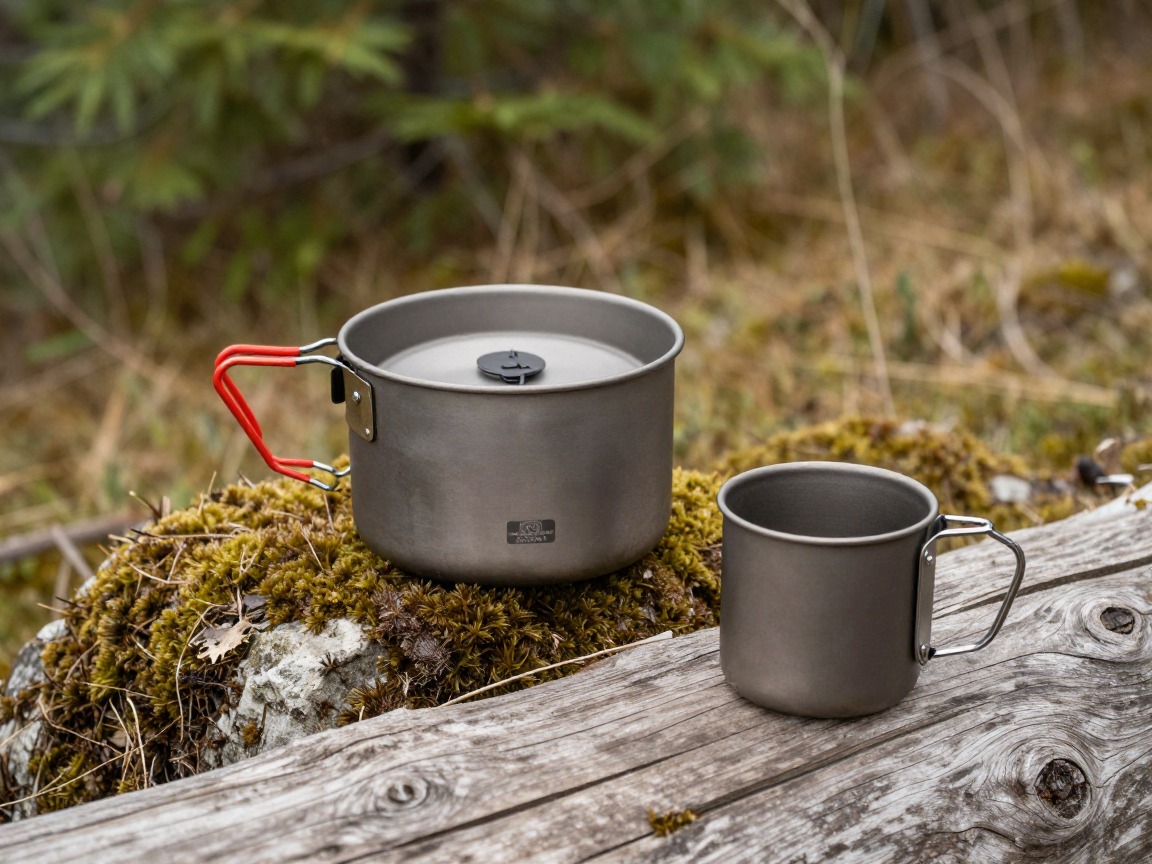
Pot & mug
One simple pot, kept minimal because in constant humidity everything you carry stays damp — more gear just means more to dry.
What to look for: Light metal that doesn't hold onto moisture or rust, a lid that seals reasonably tight against insects, and a size matched to your group.
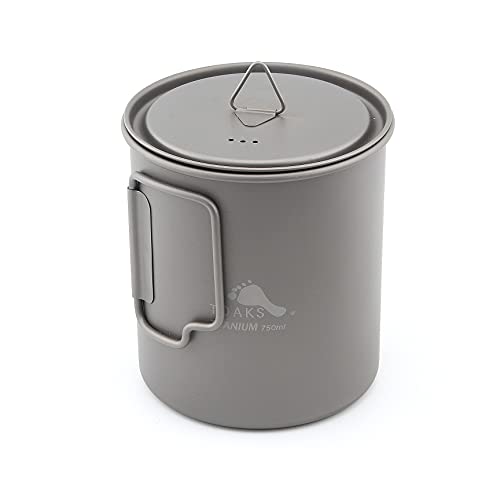 TOAKS Titanium 750ml Pot Check price
  TOAKS Titanium 750ml Pot with Bail Handle for Ultralight Camping Check price
  TOAKS Titanium 1100ml Pot with Pan Check price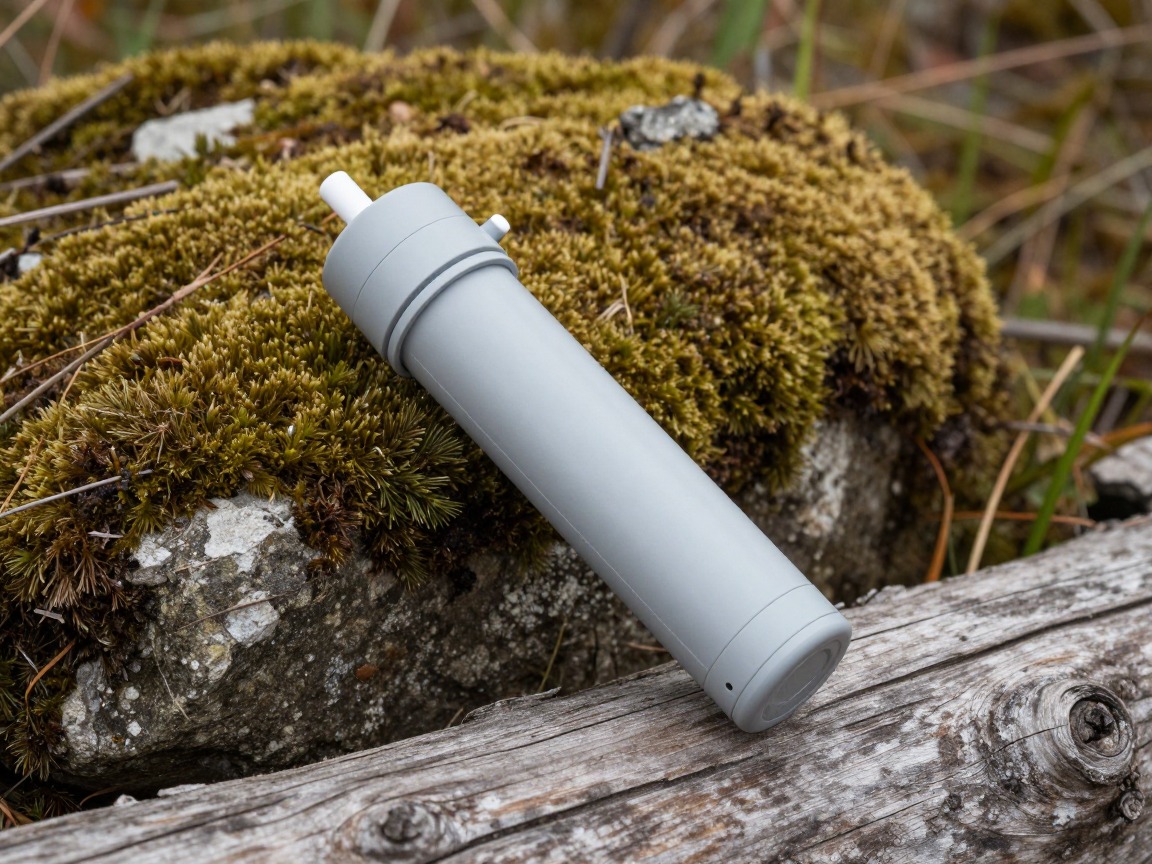
Water filter
Treats every jungle water source, which can carry more contamination risk than backcountry water in cooler climates thanks to livestock, villages, and wildlife upstream.
What to look for: A filter that handles turbid, silty water without clogging in a single afternoon, an easy field-cleaning method, and a backup purification method (tablets or drops) for when the filter needs a rest.
 Sawyer Squeeze Water Filtration System Check price
  Sawyer Products SP128 Mini Water Filtration System Check price
  LifeStraw Personal Water Filter for Hiking Check price
 - A hydration reservoir or bottles — refill constantly, thirst sneaks up fast in humidity
- Electrolyte or rehydration salts for heavy-sweat days
- Backup water treatment tablets or drops
Clothing, feet & insect defense
This is where a jungle trek diverges hardest from any other trip: fabric choice, foot care, and insect defense matter more than warmth or even rain protection.
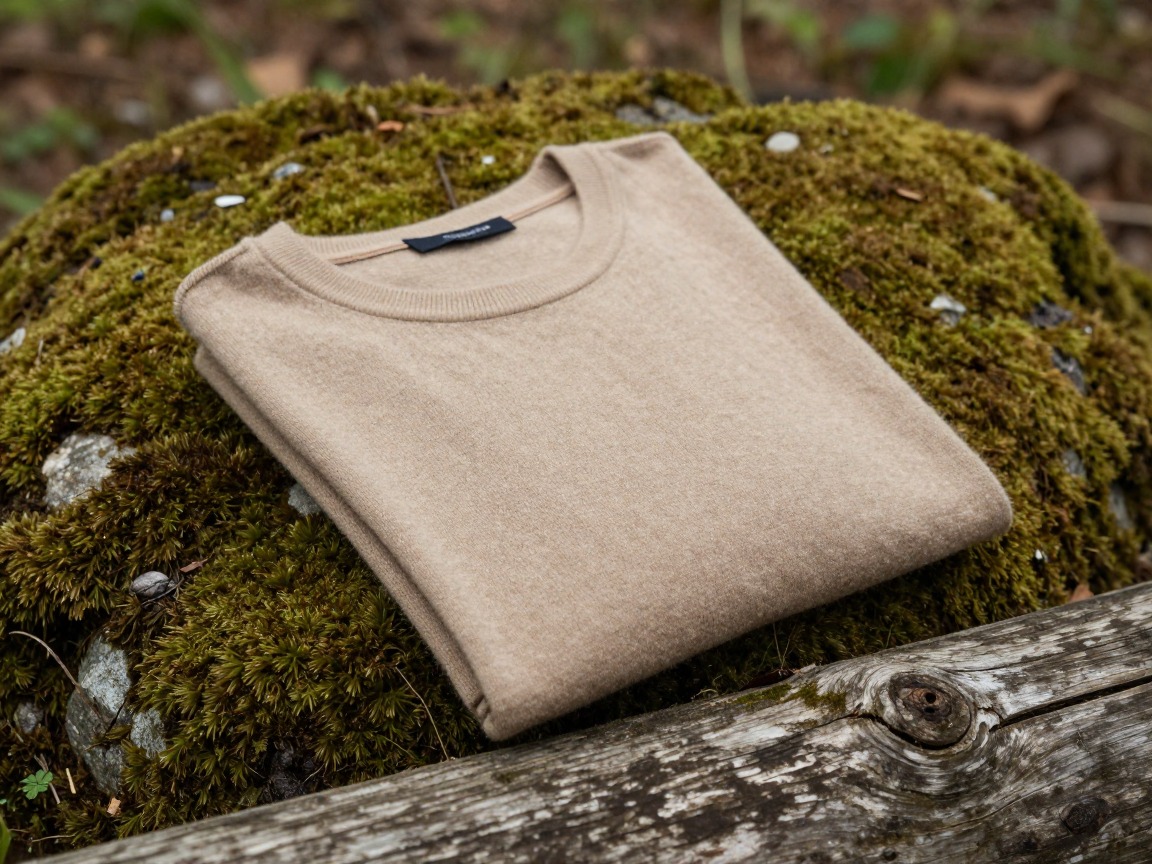
Quick-dry synthetic base layer
Soaked in sweat within the first hour of walking, so the job is shedding water fast, not staying dry — that's simply not on the table here.
What to look for: Synthetic or treated fabric that dries in minutes rather than merino wool, which stays wet far longer in constant humidity, plus a dedicated dry set kept sealed away for camp only.
 100% Merino Wool Base Layer Men Set - Thermal Underwear for Men Long Check price
  Merino.tech Merino Wool Base Layer Women Set - Heavyweight Check price
  100% Merino Wool Base Layer Men Set - Thermal Long Underwear with Ba Check price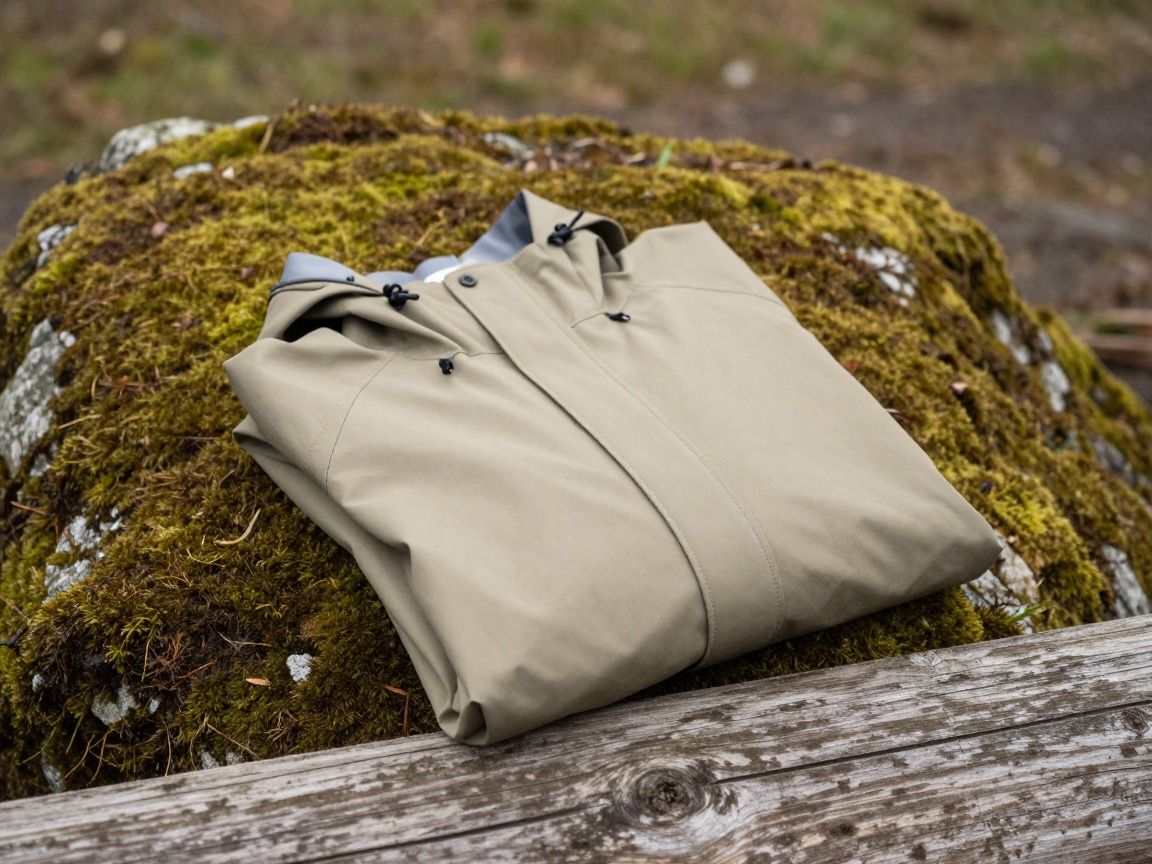
Breathable rain shell
Jungle rain is warm and near-constant, so the jacket's job is knocking down the worst of a downpour without turning you into a sauna underneath.
What to look for: High breathability over a bombproof waterproof rating — pit zips or vented panels matter more here than the storm-worthiness you'd want in a cold, alpine shell.
 UIQUR Mens Rain Jacket Raincoat Waterproof Windbreaker Black L Check price
  COOFANDY Men's Waterproof Hiking Travel Shell Breathable Rain Jacket Check price
  Columbia Womens Arcadia II Waterproof Rain Jacket Check price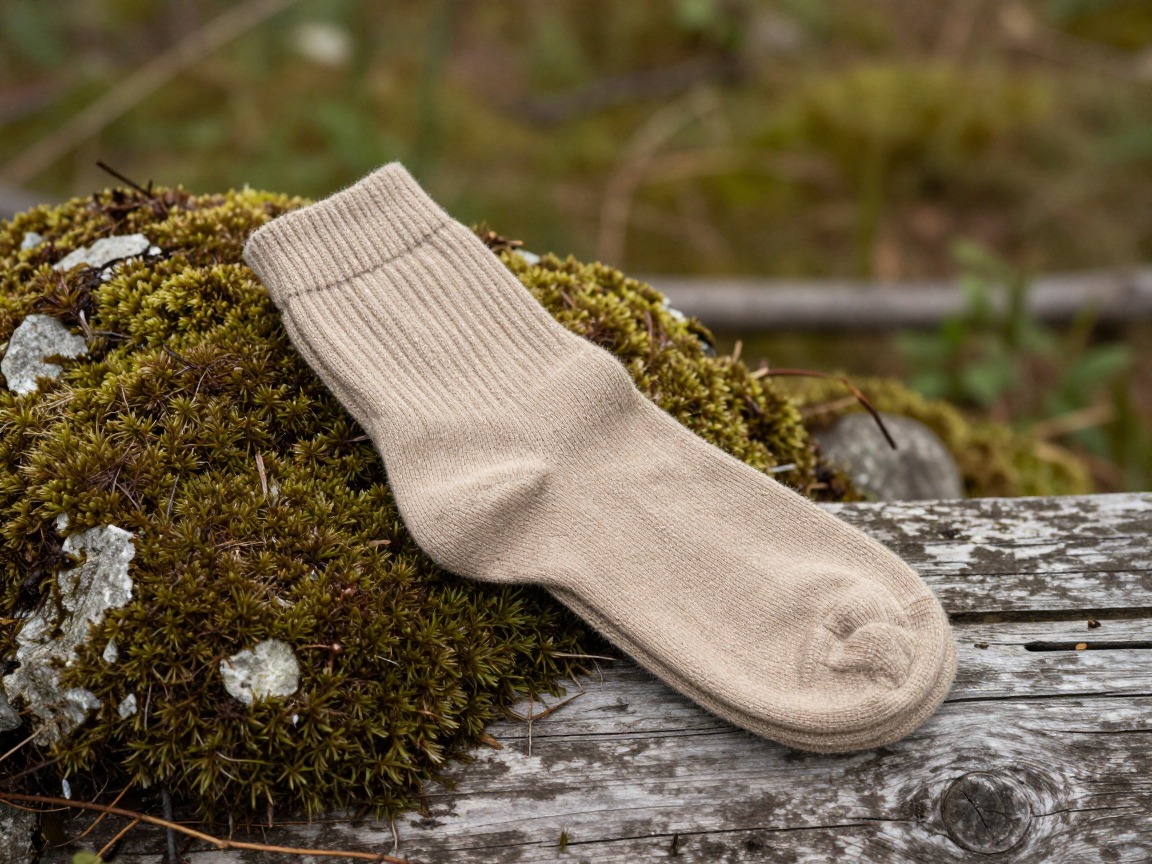
Moisture-wicking trekking socks
Your feet stay wet from sweat, rain, or stream crossings most of the day, and that constant dampness — not the mileage — is what causes trench foot and jungle rot.
What to look for: Synthetic or wool-blend socks that wick rather than hold water, and enough pairs to rotate a genuinely dry pair onto dry feet at camp every single night.
 Alvada Merino Wool Hiking Socks Thermal Warm Crew Winter Boot Sock F Check price
  DANISH ENDURANCE Merino Wool Socks for Men & Women Check price
  innotree 3 Pack Men's Merino Wool Hiking Socks Check price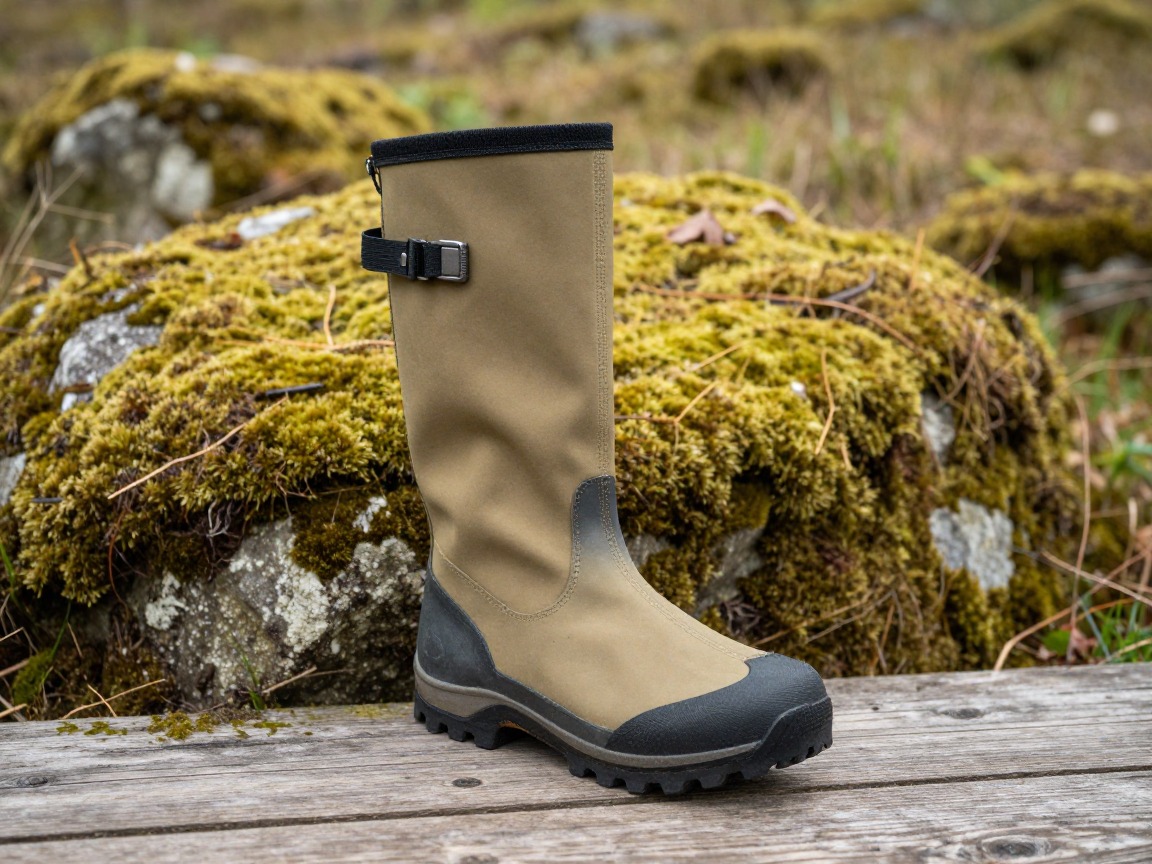
Leech-resistant gaiters
A tight, snug gaiter over boot and lower leg is the single best defense against leeches getting in through boot tops and pant cuffs.
What to look for: A tight weave leeches can't work through, a secure closure at top and bottom, and quick-dry fabric, since they'll be soaked within minutes of starting to walk regardless.
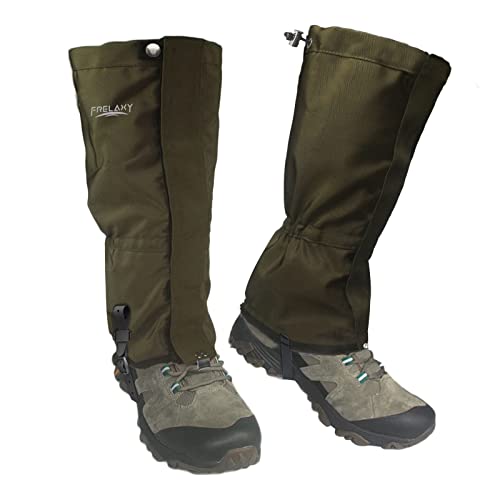 Frelaxy Leg Gaiters 100% Waterproof Hiking Gaiters Check price Frelaxy Ultra High-Performance Hunting Gaiters Check price
 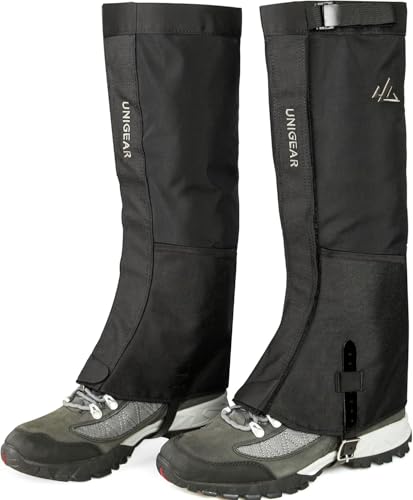 Unigear Leg Gaiters Check price
 - Insect head net worn over a hat
- Permethrin-treated clothing (pre-treated or a DIY treatment kit)
- A dedicated dry set of camp clothes, sealed away and never worn hiking
- Antifungal foot powder
- Quick-dry trekking pants or shorts, not cotton
- Extra spare socks, rotated daily
Navigation, light & safety
Dense canopy blocks both signal and daylight earlier than open terrain, and this is where jungle-specific health risks call for a clinic, not a packing list.
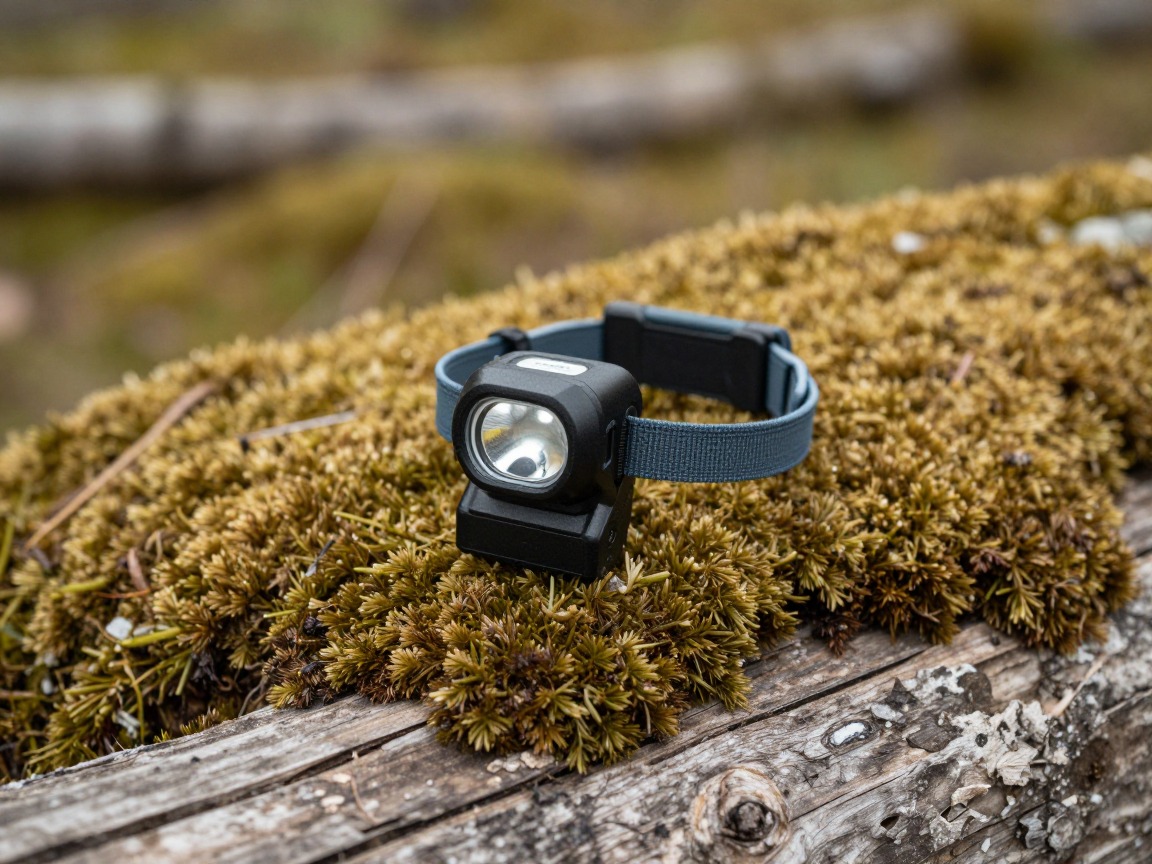
Headlamp
Canopy cover brings on real darkness well before actual sunset, and camp chores — checking feet, cooking, drying gear — all happen by headlamp light.
What to look for: A genuinely bright beam for spotting roots and stream crossings after dusk, a secure fit that won't slip in humidity-soaked hair, and a sealed way to keep spare batteries dry.
 LHKNL Headlamp Flashlight Check price
 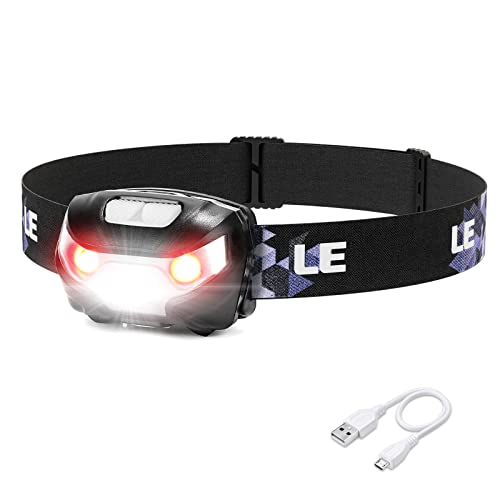 Lepro LED Headlamp Rechargeable IPX4 Waterproof Headlight 5 Modes - Check price
 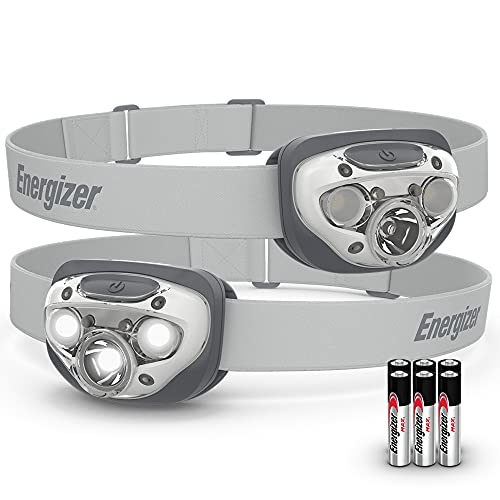 Energizer LED Headlamp PRO Check price
First-aid kit
Weighted toward what jungle trekking actually causes: blisters and hot spots from wet feet, cuts that infect fast in humid heat, and leech bites.
What to look for: Wound cleaning and dressing that holds up in humidity, blister care, tweezers for leech removal, and antiseptic. Treat any fever or infection that doesn't quickly resolve as a reason to reach a clinic, not to self-manage on trail.
 Mini First Aid Kit - 150 Piece Small Waterproof EVA Hard Shell Case Check price
  Adventure Medical Kits Ultralight/Watertight Medical Kit .5 Check price
 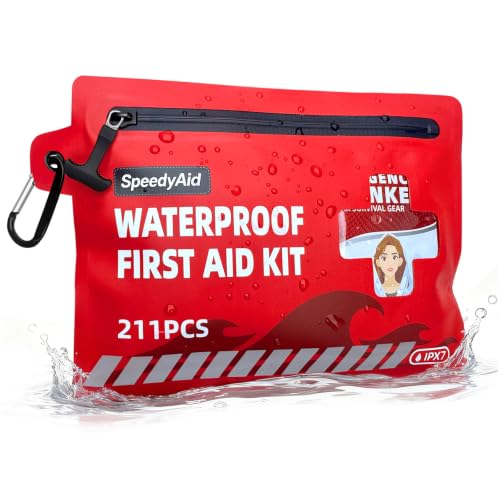 211 PCS Waterproof First Aid Kit Check price
 - Map + GPS (offline) — canopy blocks signal more than open terrain
- Satellite messenger or PLB (many jungle routes have no cell signal at all)
- Trekking poles — steadier footing on slick mud and roots
- A whistle
- A dry bag or waterproof case for phone & electronics
- Sunscreen & lip balm
- Travel-clinic guidance for your destination, sorted before you leave
How to adapt this setup
Elevation changes the math fast — well above sea level, jungle nights can turn genuinely cool. Add a light insulating layer and a warmer liner, but keep the same quick-dry, wet-focused system.
Rain becomes near-constant rather than intermittent — lean harder into dry bags for everything, pack an extra sealed camp-clothes set if you can, and expect trail conditions like mud and stream crossings to slow your pace.
Porters or guides often carry shared gear like tents or food — confirm what's provided before duplicating it, but keep your own foot-care, insect-defense, and rain layer regardless of what's shared.
Routes with frequent river or stream crossings favor quick-drying trail shoes over boots, and gaiters matter even more — they keep grit and leeches out during and after every crossing.
For a single hot, humid day rather than a multi-night trek, drop the shelter and sleep system but keep the insect defense, rain shell, and foot-care basics — the heat and bugs don't care how many nights you're out.
Common mistakes to avoid
- Packing merino wool or cotton base layers instead of quick-dry synthetics.
- Wearing the same wet socks and boots all day with no dry-foot break.
- Treating insect defense as just repellent, not a system of clothing, head net, and gaiters.
- Bringing a cold-climate hardshell instead of a breathable shell suited to warm, constant rain.
- Skipping a sealed, dedicated dry set of camp clothes.
- Pushing a daily mileage that ignores how much heat and humidity slow your pace.
Make it yours
Frequently asked questions
How do I prevent trench foot or jungle rot on a multi-day trek?
Rotate to dry socks at camp every night, air feet out at breaks, and use a foot powder. Because feet stay damp from sweat and rain regardless of gear, the routine matters more than any single sock or boot choice — treat any wound or rash that doesn't improve quickly as a reason to see a clinic.
What should I wear hiking in hot, humid jungle conditions?
Quick-dry synthetic layers, not cotton or merino — a wicking base layer, a breathable rain shell, and gaiters, plus permethrin-treated clothing as one layer of insect defense. Expect to be damp from sweat most of the day regardless of what you wear; the goal is fabric that manages that, not one that stays dry.
Do I need permethrin-treated clothing for jungle trekking?
Many jungle trekkers treat clothing, or buy pre-treated gear, as one layer of insect defense alongside repellent, a head net, and gaiters, since biting insects are a constant presence in tropical rainforest. It's worth researching for your specific route and destination, ideally with travel-health guidance, before you go.
Tent, hammock, or something else for sleeping in the jungle?
Both work well. A fully screened, well-ventilated tent is simpler to pitch on established routes, while a hammock-tarp-bug-net system keeps you off wet, buggy ground and suits routes with reliable trees. Either way, full no-see-um mesh coverage matters more than any warmth rating.
How do I keep leeches off during a jungle trek?
Tight-weave, snug-fitting gaiters over your boots and lower legs are the biggest single defense, since leeches mostly get in through boot tops and pant cuffs. Some trekkers also treat socks and gaiters with permethrin, and a quick check of ankles and boot lines after each stretch of trail catches anything that got through.
Illustrative images show the type of gear, not specific products. Recommendations link to similar items on Amazon; we only ever link real listings and never show fabricated prices or ratings. General planning guidance, not a substitute for your own judgment or professional backcountry-safety instruction.