
The hiking-with-a-baby-or-toddler setup
Hiking with a baby or toddler is less about miles and more about managing a passenger who can't say they're cold, hot, or hungry until it's a meltdown. This carrier-based setup centers on a well-fitted child carrier, extra warmth and shade for a rider who isn't generating heat by moving, and the supplies to feed and change them on the trail. It scales from a short loop with a napping infant to a toddler who wants to walk part of it themselves.
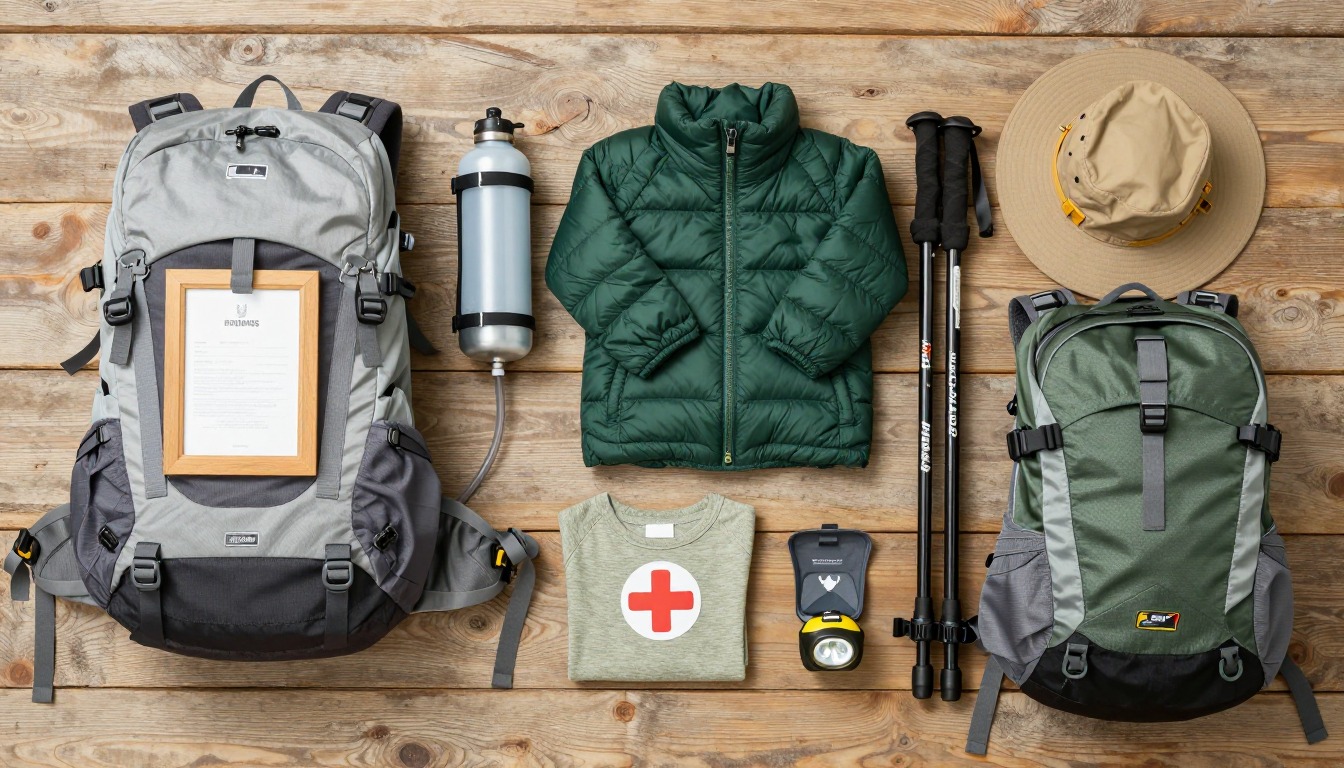
A child riding in a carrier isn't working like you are, so they cool down faster, overheat differently, and can't self-regulate the way a hiking adult can. Everything here keeps them warm, shaded, fed, and dry, or keeps you steady while you carry the extra weight. Nothing is aimed at speed or distance — the goal is a comfortable child and a trip that isn't gambling on everything going perfectly.
Parents carrying an infant or toddler in a framed carrier on short, easy, shaded trails close to the trailhead, with an easy way to turn back — not big mileage or technical terrain. Carrier age, weight, and neck-control requirements vary by manufacturer and by child, so check your specific carrier's own guidance and talk with your pediatrician about what's appropriate before your first hike.
- Fit the carrier to both you and the child against the manufacturer's guidance, then practice loading and unloading at home before the trail.
- Layer in warmth and sun protection for the child first — they can't move to stay warm or tell you when sun or wind is getting to them.
- Pack the diapering and feeding kit generously — trail changes take longer and there's no running back to the car.
- Add your own hydration and stability gear, then pick a short, shaded loop with an easy bail-out rather than a fixed destination.
About this setup
Hiking with a baby or toddler is two trips at once: yours, working harder than usual under extra weight, and theirs, as a passive passenger without a hiker's usual ways to regulate temperature or flag discomfort early. A child riding in a carrier doesn't warm up by moving the way you do, so weather that feels fine to you can leave them cold, and sun you'd shrug off can affect them faster. That gap between how you're experiencing the trail and how they're experiencing it is what this setup closes.
The framed carrier deserves real attention: manufacturers set their own minimum age, weight, and neck-control requirements because carriers genuinely differ in how they support a young child, and those specifics matter more than a general rule of thumb. Fit it and practice with it at home before the trail — the first time with a new buckle shouldn't be a mile out with a fussy toddler. The same goes for anything trip-specific to your child; your pediatrician knows your family's situation better than a packing list can.
Everything past the carrier is about buying margin: enough diapers and wipes that a slow trail change isn't a crisis, enough warm layers that a shaded nap doesn't turn cold, and a route familiar enough that turning back early costs nothing. Trips like this go well when they're unhurried and slightly over-prepared, not ambitious. Treat distance as flexible and the child's comfort as the actual plan.
The child carrier
A framed child carrier is the core of this setup — it does for a baby or toddler what a backpack does for you, and getting the fit right matters as much as pack fit does for an adult.
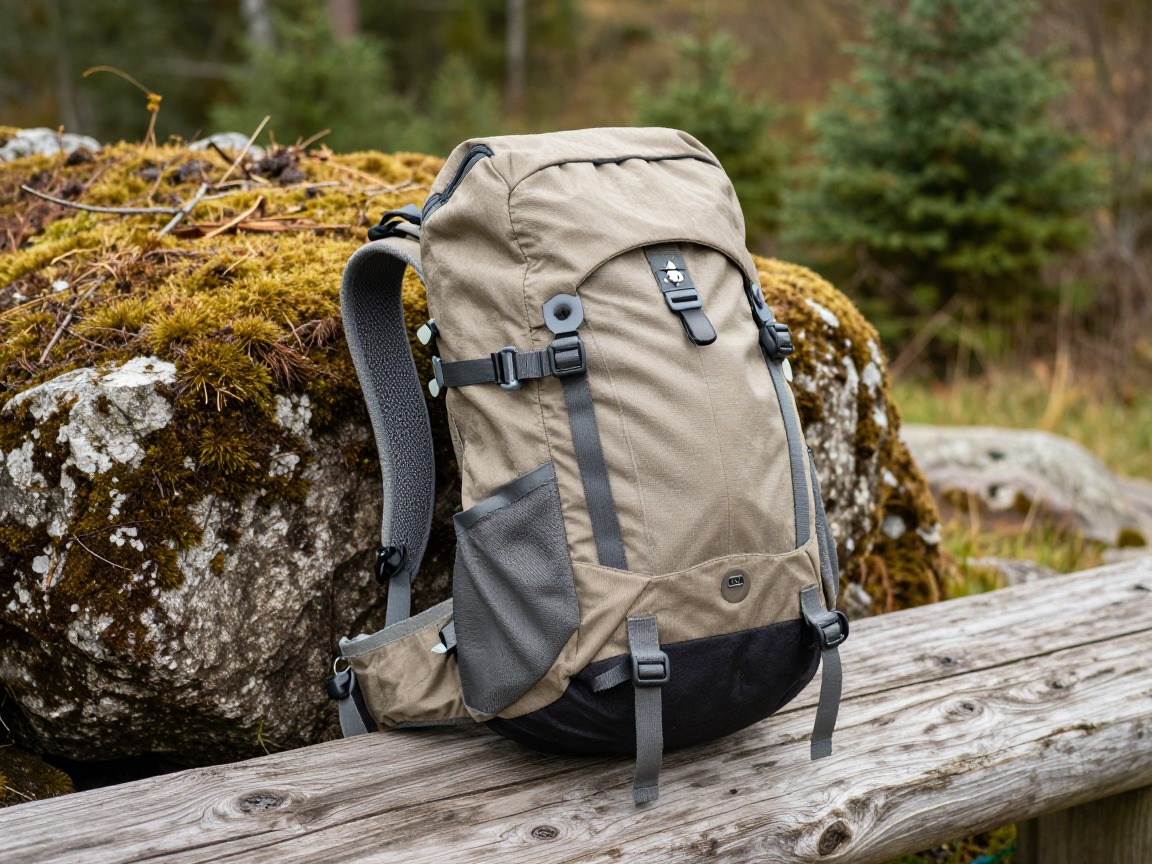
Framed child carrier
A framed pack built to carry a child on your back, typically with a sunshade, stirrups, and some storage — the piece the whole day is organized around.
What to look for: A carrier matched to your child's age, weight, and neck control per the manufacturer's own guidance, with a back panel and hip belt that fit you properly too. Try it fully loaded, at home, before the trail.
 besrey Toddler Hiking Backpack Carrier-Adjustable Padded Shoulder St Check price
  besrey Toddler Hiking Backpack Carrier-Adjustable Padded Shoulder St Check price
  Luvdbaby Hiking Baby Carrier Backpack - Toddler & Child Carrier Check price
 - Manufacturer's fit and weight-guide instructions (read before the first hike)
- A drool bib or head cushion for carrier naps
Water & food
You're carrying for two appetites now — pack for the child's snack schedule as well as your own hydration, since carrying that extra weight means you'll drink more than you would solo.
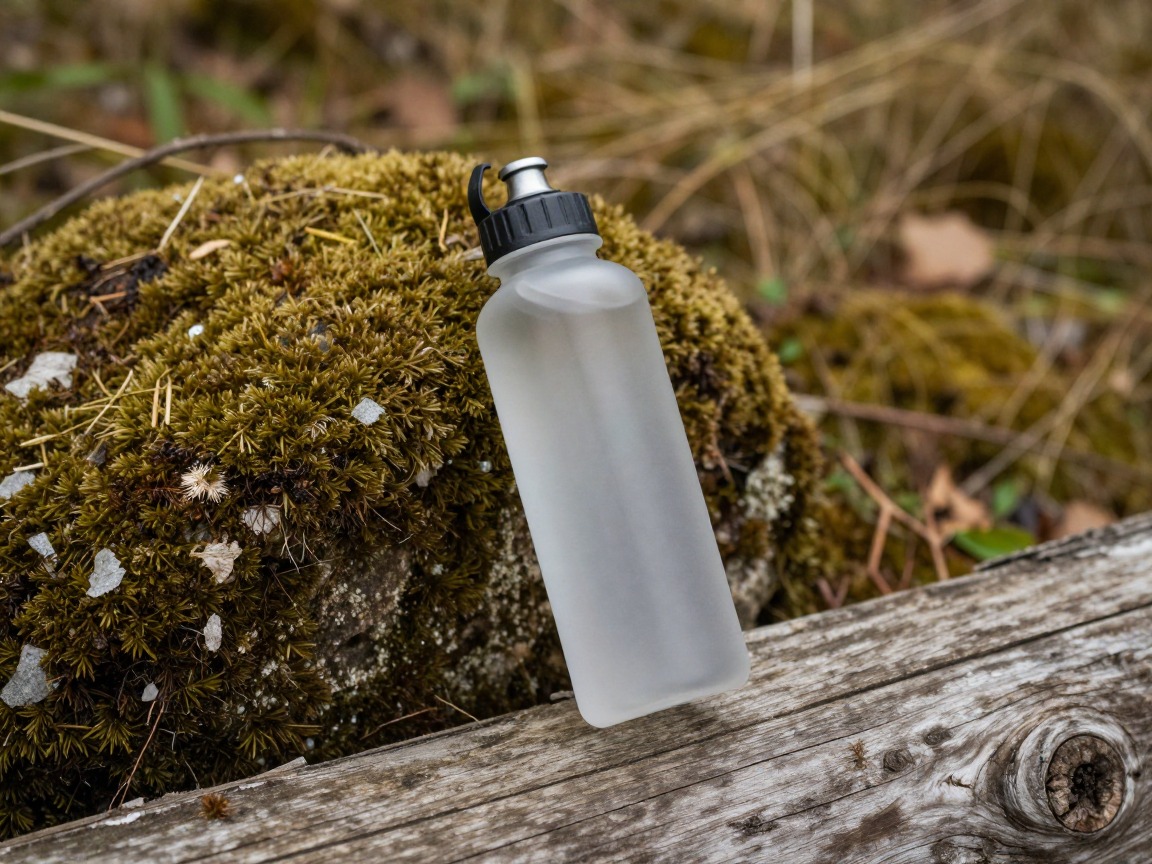
Water bottle
Simple, tough hydration for you — carrying a child adds real physical work, and that means more water than a normal solo hike.
What to look for: A tough, wide-mouth bottle you can refill or reach one-handed while the carrier's on your back; 1 L is a workable size for most short outings.
 Nalgene 32 oz Wide Mouth Water Bottle Check price
  Nalgene 32 oz Wide Mouth Water Bottle Check price
  Nalgene 32 oz Wide Mouth Water Bottle Check price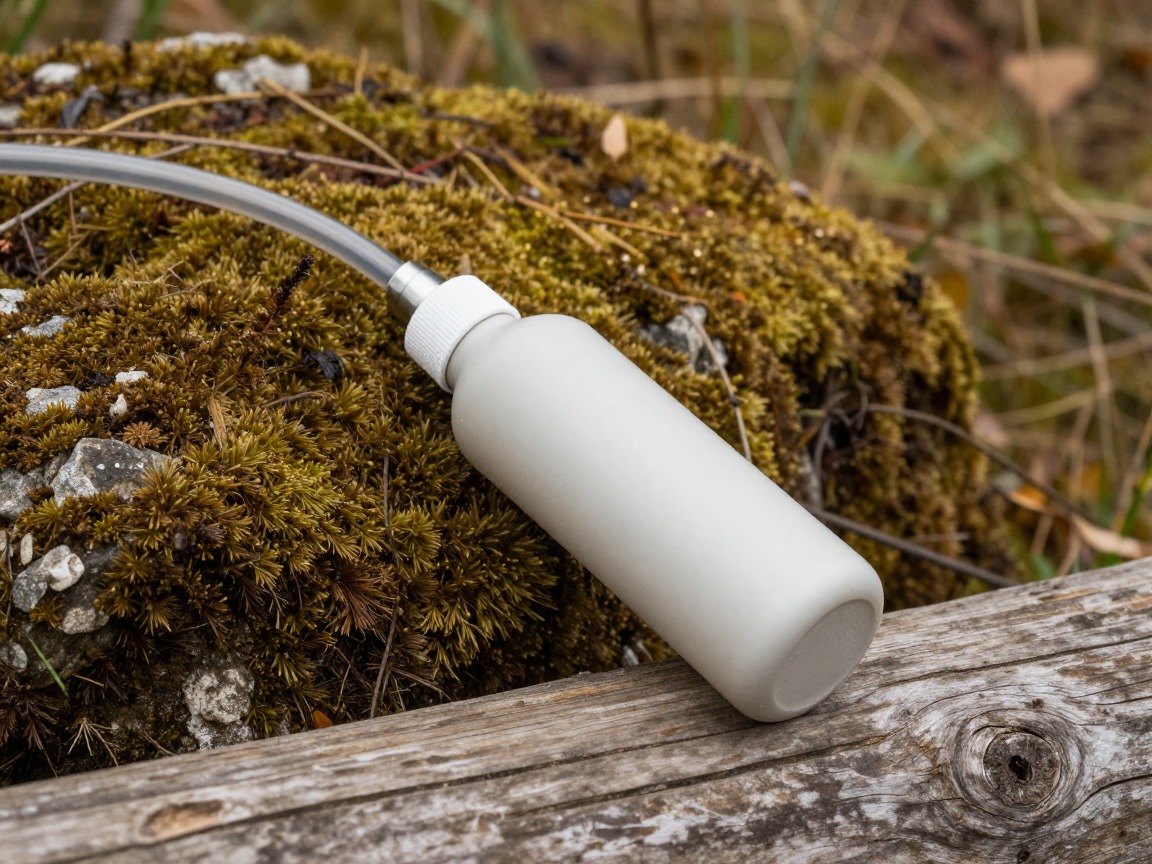
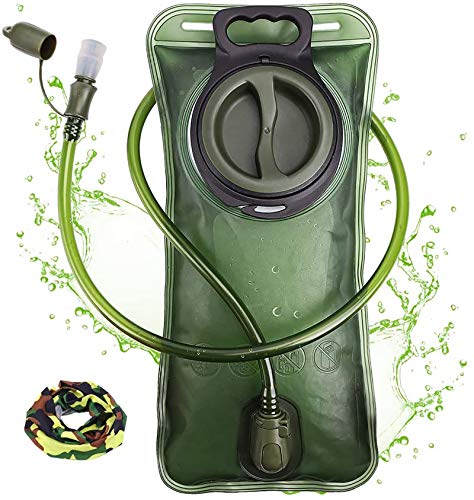
Hydration reservoir
A bladder and hose let you sip without stopping to dig out a bottle, useful when your hands are busy with a child or a carrier buckle.
What to look for: A 1.5–2 L bladder with a lockable bite valve and a hose that clips within reach; check it fits your pack's sleeve or the carrier's own, if it has one.
 Hydration Bladder Check price
  Hydration Bladder Check price
  Mdvora 1.5L/2L/2.5L/3L Hydration Bladder Check price
 - Snacks or pouches your child already eats regularly
- Bottle or sippy cup, and formula or milk if needed
- A spoon and a bib
- Wet wipes for sticky hands before they touch your gear or face
Keeping baby warm, shaded & comfortable
A child riding in a carrier isn't generating warmth by moving, and can't say 'I'm cold' until they're already upset about it — this section is about dressing and shading a passenger, not a hiker.
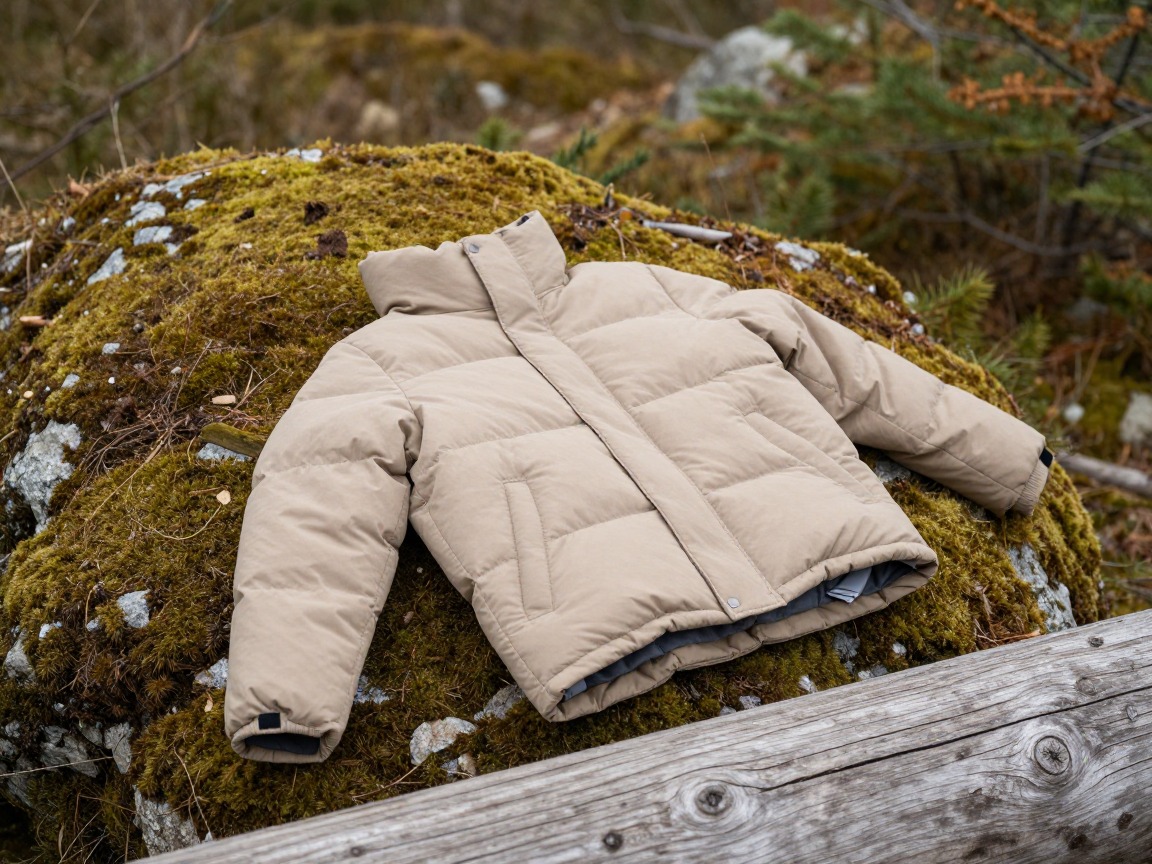
Child's extra warm layer
A warmer layer than the temperature alone would suggest, since a stationary rider chills faster than the adult carrying them.
What to look for: Something warm that goes on and off easily over a child already buckled into a carrier; a fleece or a packable puffy both work well, and easy on/off matters more than any single fabric.
 Outdoor Ventures Women's Packable Lightweight Puffer Jacket with Hoo Check price
  Amazon Essentials Women's Lightweight Long-Sleeve Water-Resistant Pa Check price
  Outdoor Ventures Women's Packable Lightweight Puffer Jacket with Hoo Check price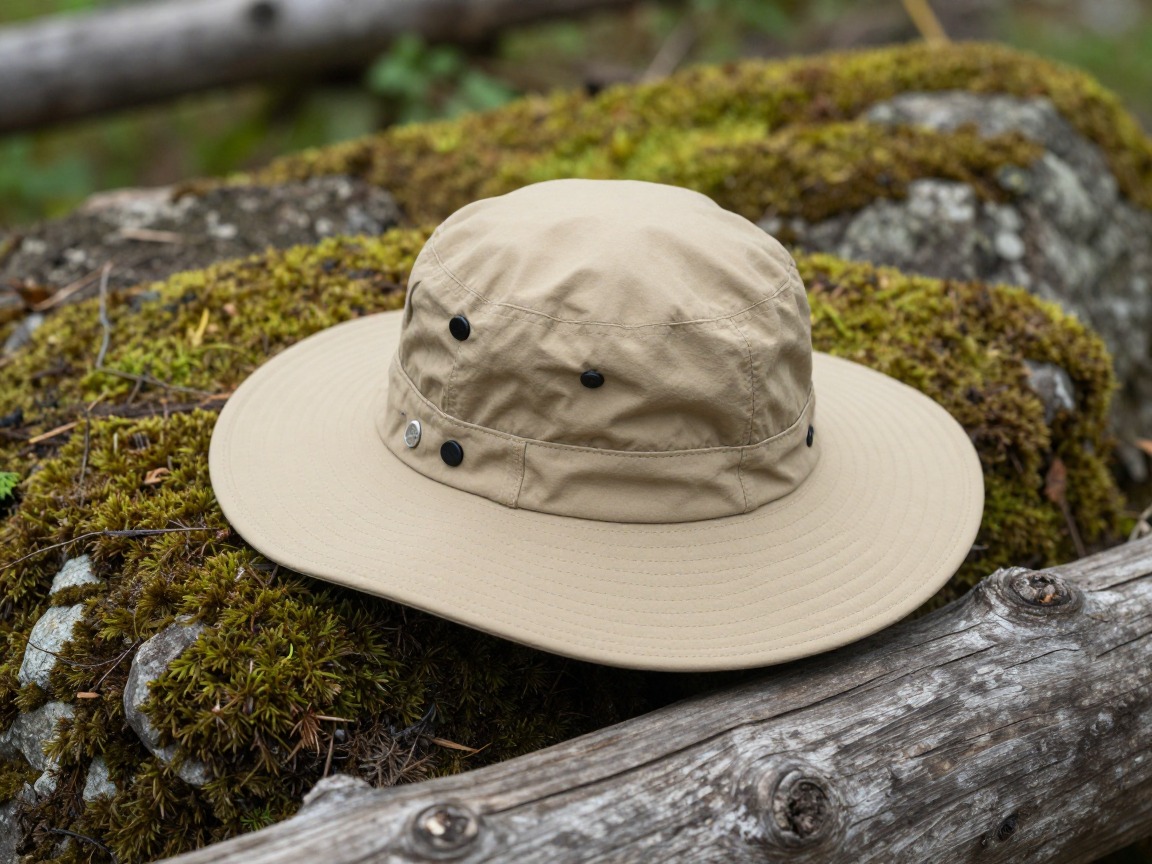
Child sun hat
Shades the face and neck on exposed stretches where a carrier canopy alone won't cover every angle of sun.
What to look for: A brim wide enough to shade the face and neck, with a chin strap or tie so wind doesn't take it, in a breathable fabric for warm days.
 FURTALK Womens Sun Hat with Ponytail Hole Beach Hiking Summer Wide B Check price
 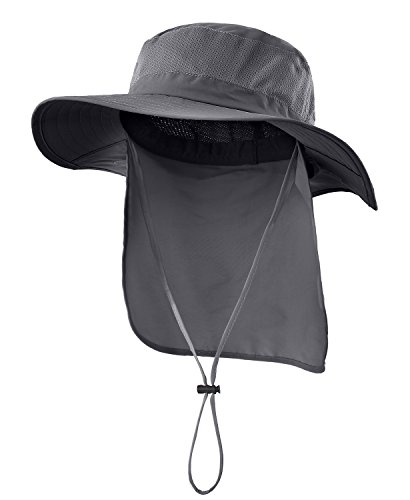 Home Prefer Outdoor UPF50+ Mesh Sun Hat Wide Brim Fishing Hat with N Check price
  FURTALK Sun Hats for Men Fishing Hat UPF Protection Wide Brim Bucket Check price
Your own moisture-wicking layer
Carrying a child works you harder than hiking alone, so you'll run warmer and sweat more than a normal day out.
What to look for: A breathable layer that manages sweat well against your skin. Skip cotton — it stays damp against you long after you've stopped moving.
 100% Merino Wool Base Layer Men Set - Thermal Underwear for Men Long Check price
  Merino.tech Merino Wool Base Layer Women Set - Heavyweight Check price
  100% Merino Wool Base Layer Men Set - Thermal Long Underwear with Ba Check price
 - Clip-on sun canopy or rain cover for the carrier
- Extra socks, mittens, or a warm hat for the child
- A light blanket or extra layer for carrier naps
- A way to check on the child's hands, feet, and neck periodically for cold or overheating
Diapering, feeding & trail logistics
Most of what makes a baby or toddler hike run smoothly isn't gear you research — it's the unglamorous supplies you double-check before you leave the car, sized generously because you can't run back for more.
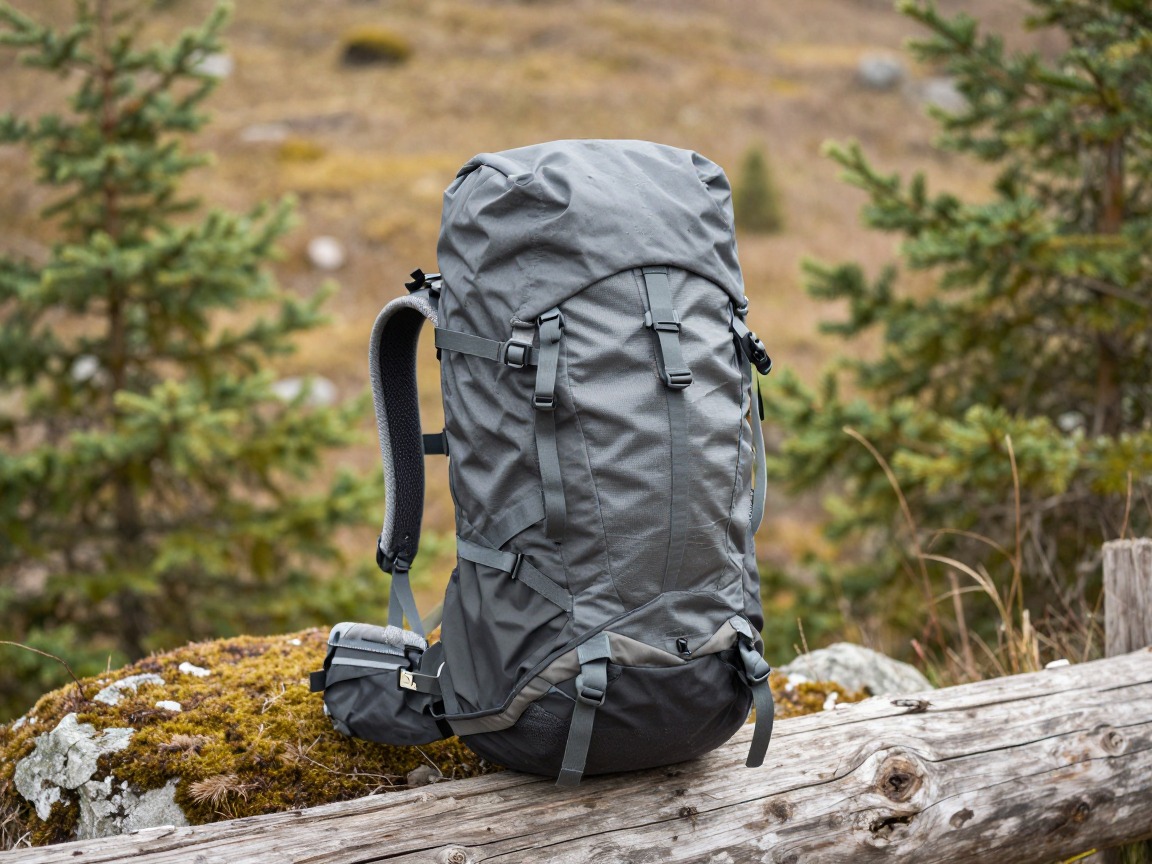
Small supply pack
A compact pack for the parent — diapers, wipes, spare layers, and food — since most carriers hold less storage than you'd expect.
What to look for: Enough capacity for a diapering kit and snacks without adding bulk on top of the child carrier; a front or hip-style pack keeps it clear of the carrier's frame and straps.
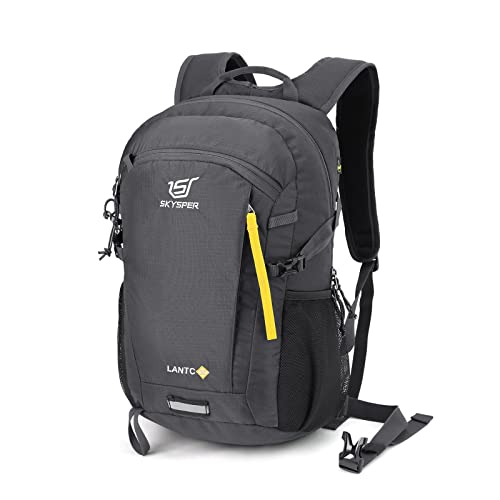 SKYSPER Small Hiking Backpack Check price
  Osprey Sportlite 20L Lightweight Hiking Backpack Check price
 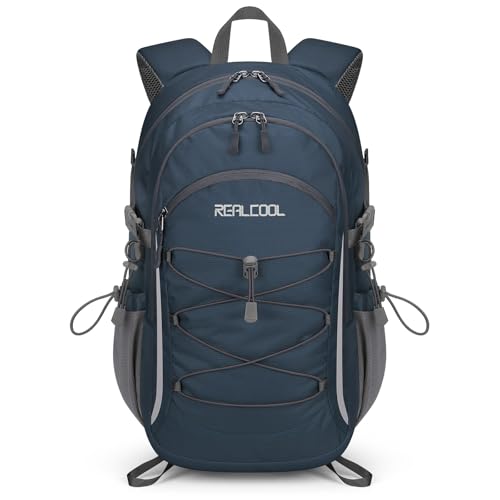 RealCool 20L Lightweight Hiking Backpack Check price
 - Diapers (pack more than you think you'll need) and wipes
- A small, packable changing pad
- A wet bag or ziplock bags for dirty diapers and clothes
- Hand sanitizer
- A full spare outfit for the child
- Pacifier, teether, or a favorite small toy for carrier time
Safety & the parent's own kit
The parent is doing the physical work here, so the safety kit covers both of you, plus a few basics specific to a child along for the ride.
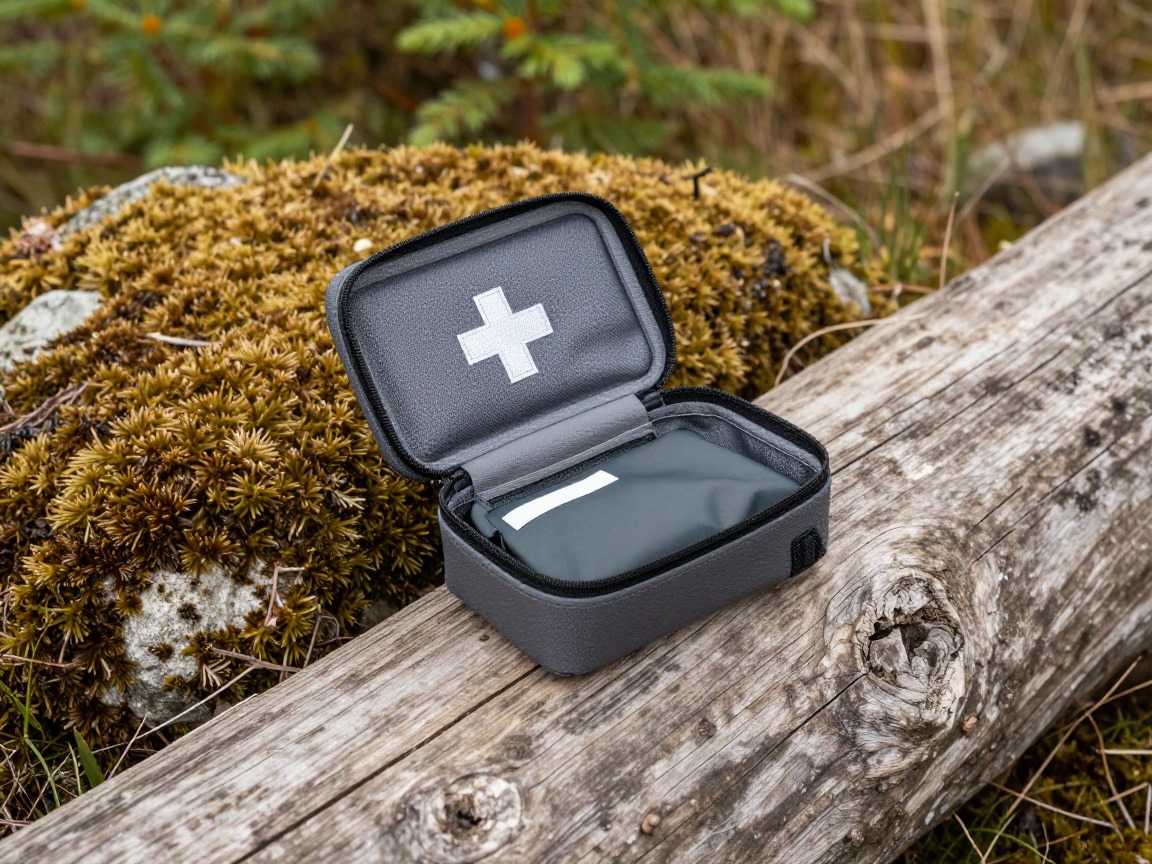
First-aid kit
A standard trail kit plus a few child-specific basics, for the inevitable small scrapes and fussy moments.
What to look for: Normal blister and cut coverage, plus infant-appropriate sunscreen and anything your child regularly needs. Ask your pediatrician what else is worth adding for your family before you go.
 Mini First Aid Kit - 150 Piece Small Waterproof EVA Hard Shell Case Check price
  Adventure Medical Kits Ultralight/Watertight Medical Kit .5 Check price
 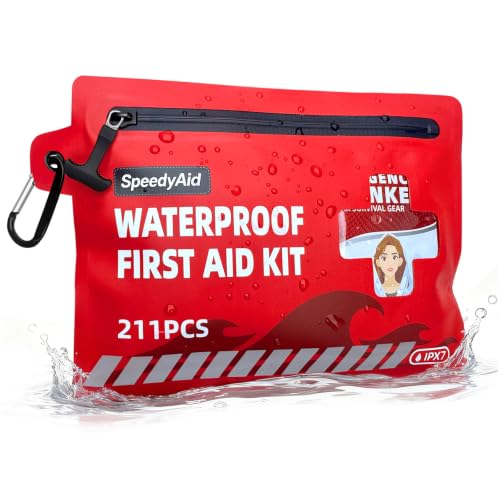 211 PCS Waterproof First Aid Kit Check price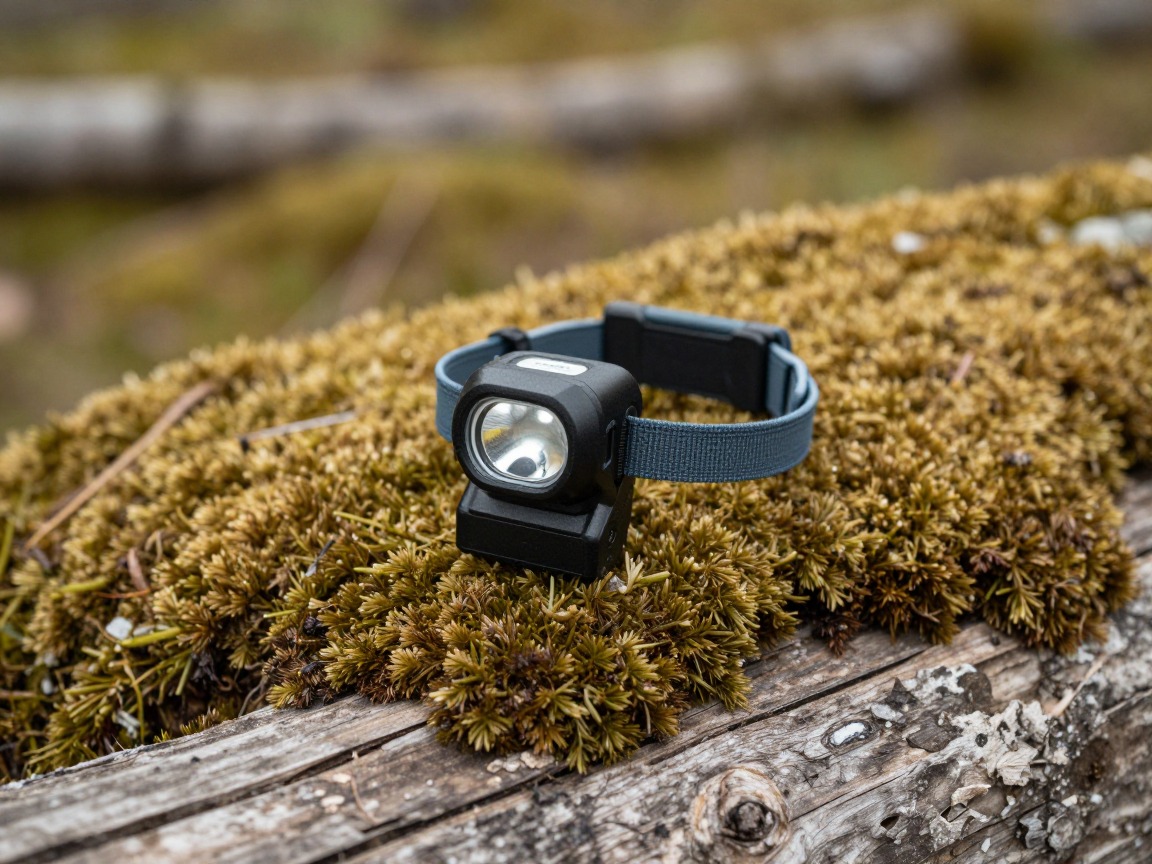
Headlamp
Hands-free light if the outing runs longer than planned — worth carrying even on a short, easy loop close to the car.
What to look for: Simple and reliable, with a lock mode so it doesn't drain in your pack; a short trail doesn't demand much output, just a backup.
 LHKNL Headlamp Flashlight Check price
 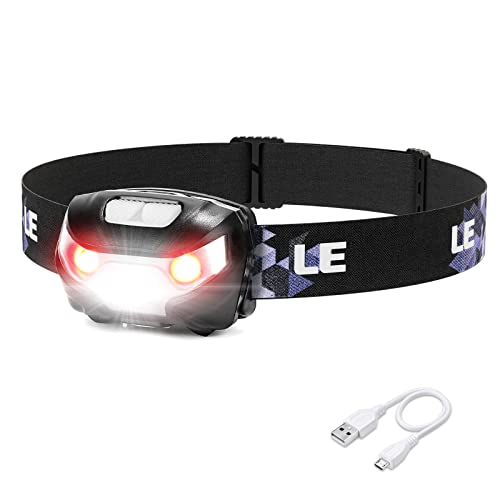 Lepro LED Headlamp Rechargeable IPX4 Waterproof Headlight 5 Modes - Check price
 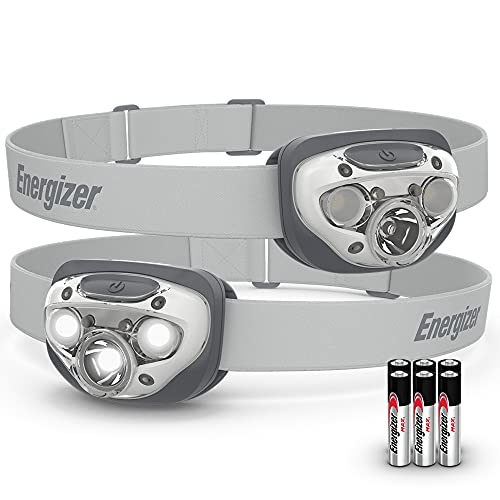 Energizer LED Headlamp PRO Check price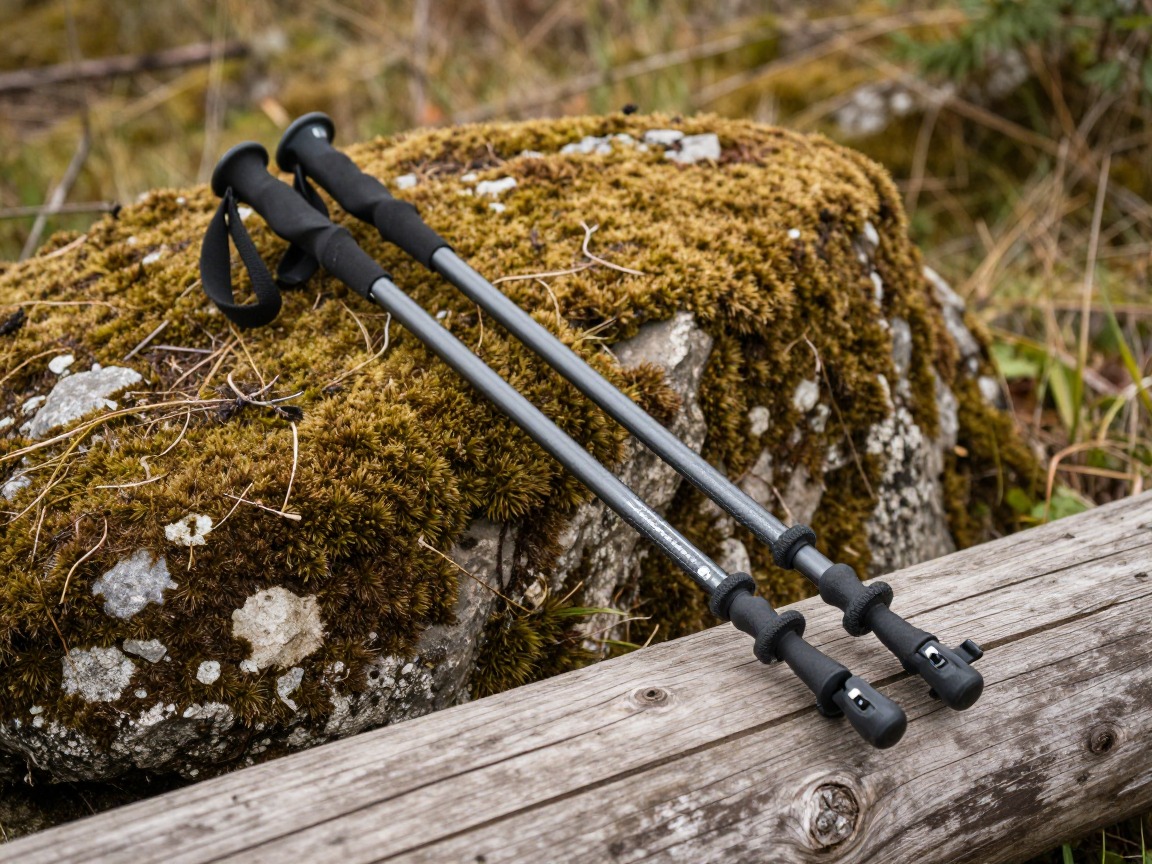
Trekking poles
Extra stability for the parent, since a loaded child carrier shifts your balance and adds real weight to every step, especially downhill.
What to look for: Adjustable poles with comfortable grips and locks that hold under load — worth having on uneven ground even if you don't normally hike with poles.
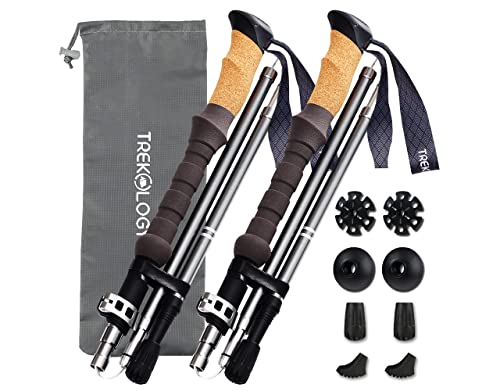 Trekology Trek-Z Cork Grip Collapsible Lightweight Hiking Trekking P Check price
 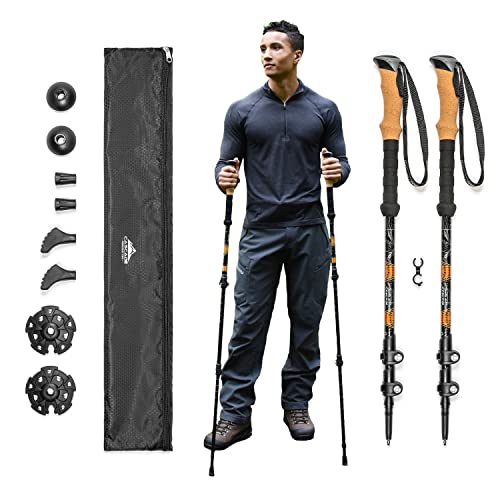 Cascade Mountain Tech Trekking Poles Check price
 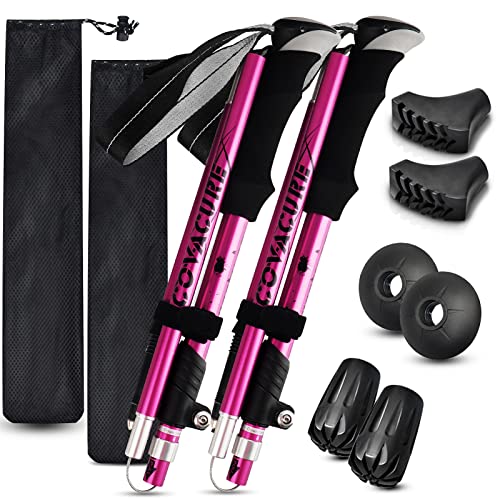 covacure Hiking Poles Check price
 - Phone with your route saved offline
- Sunscreen for yourself
- A whistle
- Extra water beyond your usual estimate
How to adapt this setup
Stick to short loops close to the car with frequent temperature and feeding checks, and confirm your carrier's minimum age, weight, and neck-support requirements before you go — these vary by model.
Let them walk short, flat, safe stretches themselves, with the carrier as backup for when legs or patience run out. Load them back in before they're overtired, not after.
The sun canopy stops being optional: start early, stay shaded where you can, carry extra fluids for both of you, and watch for flushed skin or fussiness that could signal overheating.
Layer the child warmer than yourself, add a windproof carrier cover, and check hands, feet, and neck regularly. Chilled despite the extra layers is your cue to turn back.
Common mistakes to avoid
- Overdressing yourself and underdressing the child — a stationary rider chills faster than the adult carrying them.
- Skipping a test-fit and practice session with the carrier before the first trail outing.
- Packing only as many diapers and wipes as you think you'll need, with no buffer for a messier day.
- Choosing a longer, more exposed route because a stroller version was fine, without accounting for carrier weight and shade.
- No sun hat or canopy for the child, or a carrier nap that tips their head at an awkward angle.
- Pushing past a feeding or diapering need instead of stopping right away — a small ask becomes a meltdown fast.
Make it yours
Frequently asked questions
What age can a baby go in a hiking child carrier?
There's no single number that applies to every child or every carrier — manufacturers set their own minimum age, weight, and neck-control requirements, and these vary by model. Check your specific carrier's manual and talk with your pediatrician about what's appropriate for your child before your first hike.
How do I keep a baby warm while hiking?
Dress them warmer than you're dressing yourself, since they're not generating heat by moving the way you are. Add a wind or rain cover to the carrier in rough weather, and check their hands, feet, and neck periodically for cold, adjusting layers as needed rather than waiting for them to complain.
How long should a hike be with a baby or toddler?
Shorter than you'd hike solo, with shade and an easy way to turn back built in. Many parents keep it to a modest loop close to the trailhead and build up gradually rather than aiming for a fixed distance. Let your child's comfort and mood guide the day more than any plan.
Do I need a different first-aid kit for hiking with a baby?
A standard trail kit covers most needs, with a few additions worth considering: infant-appropriate sunscreen and any items your child regularly uses. Ask your pediatrician if there's anything specific to your child's situation you should add before heading out.
Can a toddler walk part of the trail themselves?
Many toddlers enjoy walking short, flat, safe stretches, with the carrier along as backup once legs or patience run out. Let them set the pace on easy ground and load them back in before they're overtired or the terrain gets more technical, rather than after.
Illustrative images show the type of gear, not specific products. Recommendations link to similar items on Amazon; we only ever link real listings and never show fabricated prices or ratings. General planning guidance, not a substitute for your own judgment or professional backcountry-safety instruction.