
The heatwave safety hiking setup
A genuine heatwave turns the question from what to pack into whether to go at all. This is a safety-first kit for hiking in dangerous heat — built around a bigger water and electrolyte plan, active cooling, and a dawn-only schedule with a hard early turnaround, plus the honest judgment to postpone or reroute when the day calls for it.
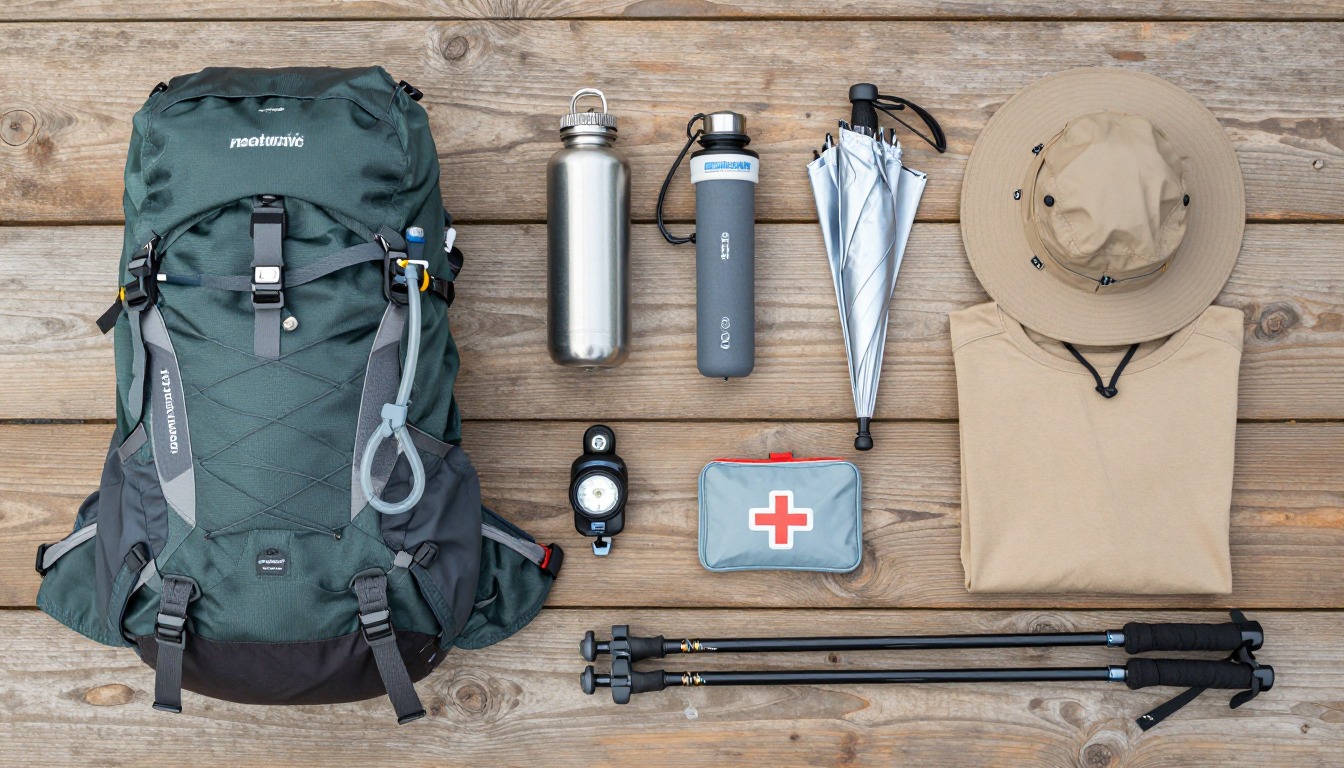
A heatwave hike is built backward from the two ways heat actually hurts you: it cooks you from the outside through sun and air temperature, and it drains you from the inside through sweat and lost electrolytes. So the kit leads with more water and salt than a normal day out, real ways to actively cool your body rather than just tolerate the heat, a start time and turnaround built around the coolest hours instead of convenience, and — just as much a piece of gear as anything on the list — the willingness to shorten, reroute, or skip the hike entirely once the forecast crosses from hot into dangerous.
This setup is for hikers who still want to move on a day when the forecast is genuinely dangerous — an excessive heat warning, not just a warm afternoon — and who are willing to start at first light, turn back early, and change plans on short notice. It suits routes with real shade or water access nearby. If there's no shade, no water, and no flexibility in your schedule, the honest answer on a heatwave day is to stay off that trail and hike it another day instead.
- Check the actual forecast for an excessive heat warning or advisory, not just the temperature number, and decide whether to go, shorten the route, or wait for a cooler day.
- Build the water and electrolyte plan before anything else: more fluid than the mileage suggests, a way to treat more if you find a source, and salty food or electrolyte mix to go with it.
- Add active cooling and full sun protection — a way to wet down your neck or head, a wide-brim hat or umbrella, and light, breathable clothing that blocks sun without trapping heat.
- Set a dawn start and a hard, early turnaround time before you leave the house, and pick a route with real shade or water access as backup, not just the shortest trail on the map.
About this setup
A heatwave is different from an ordinary hot trail day, and the difference matters more than the thermometer suggests. Weather services issue excessive heat warnings for a reason — at those temperatures, especially with little overnight cooling and little shade on the trail, your body can struggle to shed heat as fast as the day is adding it, no matter how fit or experienced you are. Treat a heatwave day as a different category of decision, not just a hotter version of a normal hike: check the forecast for warnings, not just a temperature number, and be honest about whether the trail you had in mind still makes sense.
Water alone doesn't cover a heatwave day the way it might on an ordinary summer hike. Heavy, sustained sweating drains sodium and other electrolytes along with fluid, so pair a bigger water carry with electrolyte tabs, a sports drink mix, or salty snacks — pretzels, crackers, salted nuts — rather than relying on plain water to do all the work. Active cooling helps just as much: soaking a buff or bandana and draping it on your neck, wetting your shirt at a stream crossing, or carrying a lightweight sun umbrella for portable shade all pull heat off your body directly, instead of just waiting for it to pass. None of it replaces starting early and being done before the day's hottest hours arrive.
The other piece of a heatwave kit is knowing where the line is, and being willing to act on it early. Heavy sweating, dizziness, nausea, a pounding headache, or clammy skin are signs to stop, get into shade, and start cooling down and hydrating right away rather than pushing on toward a summit. If sweating suddenly stops, confusion sets in, or someone can't cool down, that's heat stroke — a medical emergency that needs a call to 911, not a wilderness fix. And on the worst days, the safest move is deciding before you leave the trailhead: postpone the hike, or choose a shorter, shadier route with water along the way instead of the one you'd planned for a cooler week.
The pack
Keep this pack small and light — the goal on a heatwave day is speed and ventilation, with more of its room given to water than to anything else you're carrying.
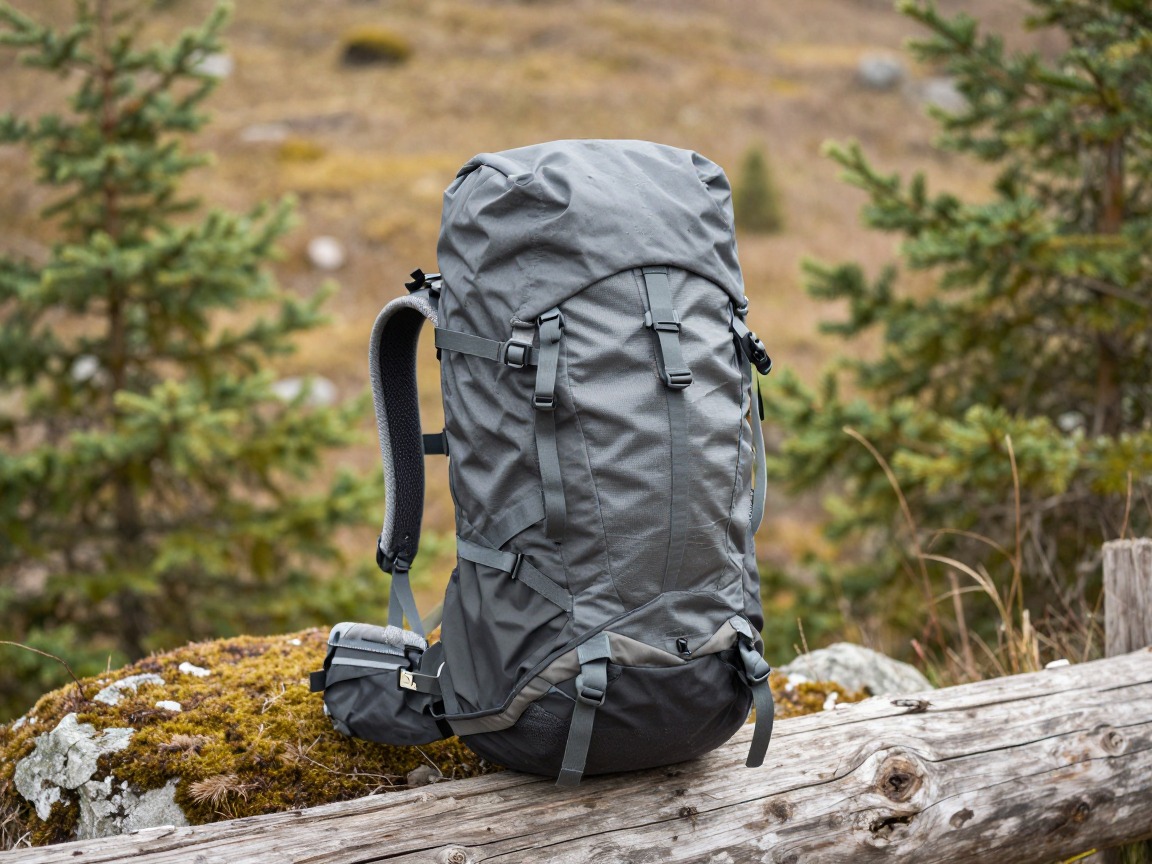
Heatwave daypack
A light, well-ventilated daypack sized for a short, cooler-hours outing, with most of its capacity going to water rather than gear.
What to look for: A mesh or channeled back panel that lets air move against your back, easy-reach side pockets for bottles, and a size under 25 L so the pack itself doesn't add to how hot you feel.
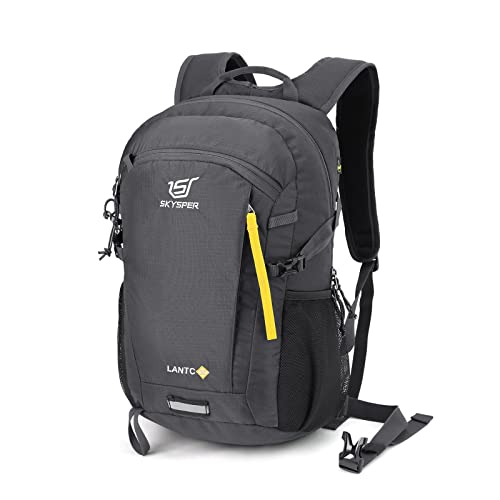 SKYSPER Small Hiking Backpack Check price
  Osprey Sportlite 20L Lightweight Hiking Backpack Check price
 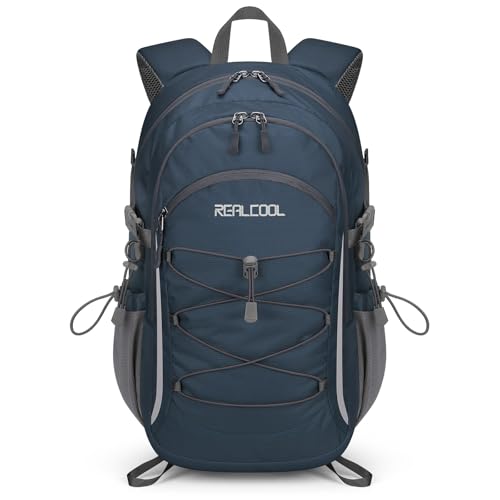 RealCool 20L Lightweight Hiking Backpack Check price
 Water, electrolytes & salt
Plain water isn't the whole plan on a heatwave day — carry more of it than usual, bring a way to get more, and replace the salt and electrolytes that heavy sweating drains along with it.
Hydration reservoir
A bladder and hose make sipping constant and easy, which matters in extreme heat because thirst always lags behind how much water you're actually losing.
What to look for: A 2–3 L reservoir for a heatwave-scale carry, a wide fill opening you can clean properly, and an insulated hose sleeve so your first sip after a climb isn't hot.
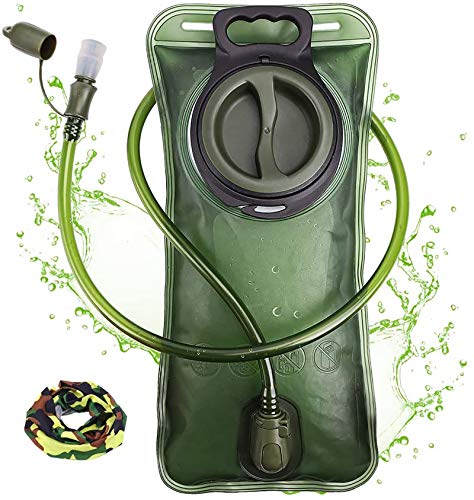 Hydration Bladder Check price
  Hydration Bladder Check price
  Mdvora 1.5L/2L/2.5L/3L Hydration Bladder Check price
Wide-mouth water bottle
A tough, easy-to-refill bottle for mixing electrolyte powder or grabbing a fast top-up at a water source.
What to look for: A wide mouth for adding tabs or powder without a funnel, a size you can track through the day, and an insulated build that keeps water drinkable instead of hot by midday.
 Nalgene 32 oz Wide Mouth Water Bottle Check price
  Nalgene 32 oz Wide Mouth Water Bottle Check price
  Nalgene 32 oz Wide Mouth Water Bottle Check price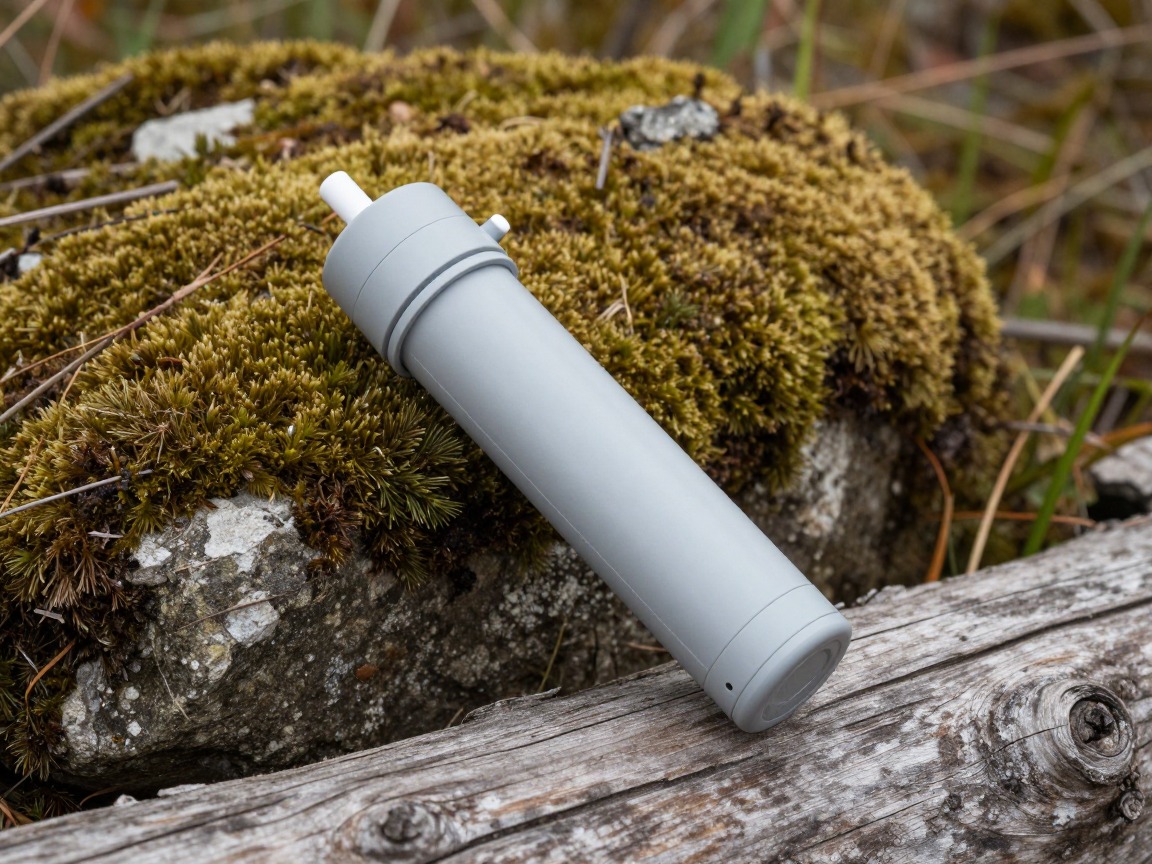
Water filter
In heatwave heat you can burn through a normal day's water reserve well before the halfway point, so a filter that lets you refill from any stream removes the hard ceiling on what you're carrying.
What to look for: Fast flow and simple field cleaning, since you'll be refilling more often and don't want a slow filter working against your turnaround time.
 Sawyer Squeeze Water Filtration System Check price
  Sawyer Products SP128 Mini Water Filtration System Check price
  LifeStraw Personal Water Filter for Hiking Check price
 - Electrolyte tabs or drink mix
- Salty snacks — pretzels, crackers, salted nuts, or trail mix with added salt
- A backup liter left in the car for the walk out and the drive home
Active cooling & sun protection
Treat cooling as something you do to your body, not just something you wait for — wetting down, shading, and dressing right all pull heat off you directly.
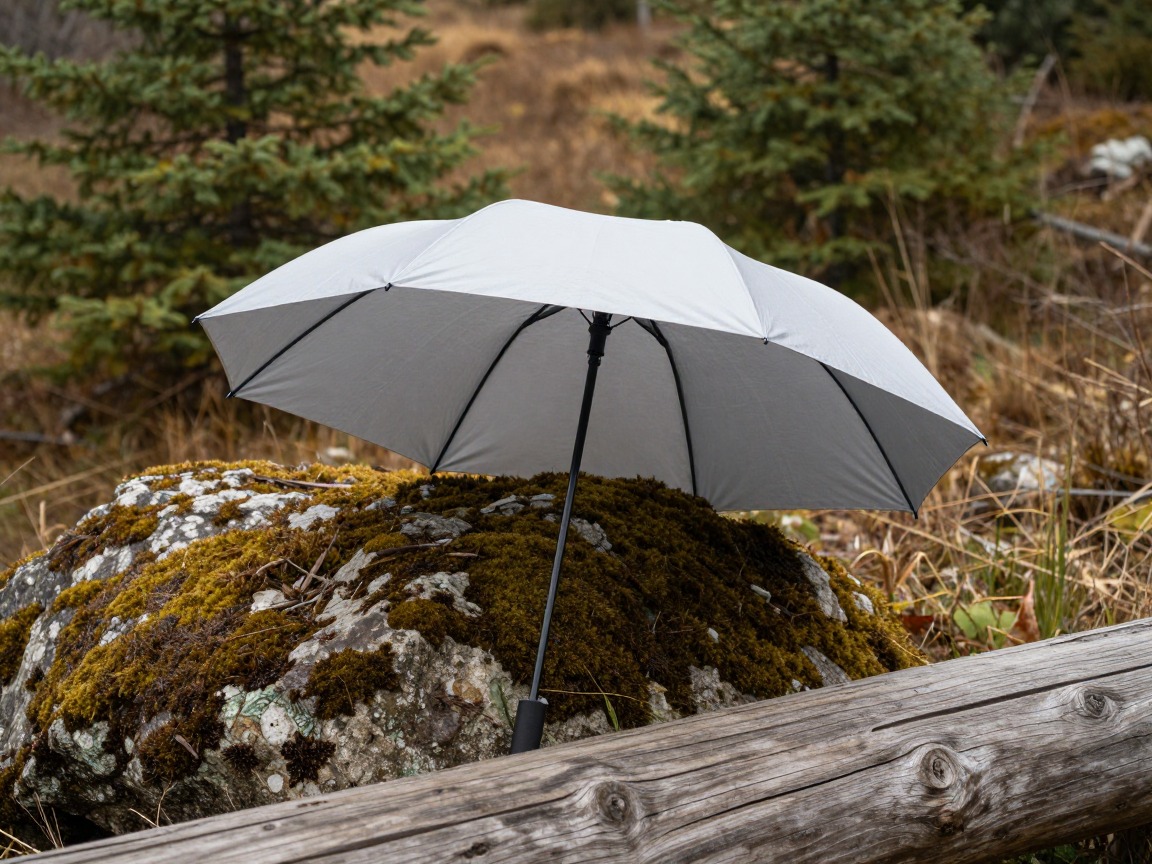
Hiking sun umbrella
A lightweight, reflective umbrella creates instant, portable shade on exposed trail, which matters most on a heatwave day when there's no natural shade to duck into.
What to look for: A silver-backed or reflective canopy, a clip-on mount so it doesn't tie up a hand, and a compact fold that clears your pack's side pocket.
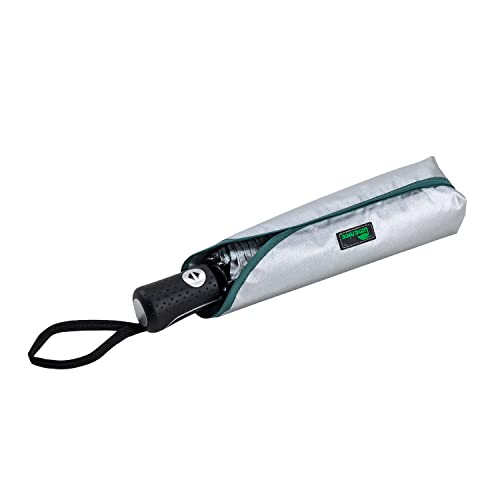 umenice UPF 50+ UV Protection Travel Umbrella Ultra Light Weight Gre Check price
  G4Free UPF 50+ UV Protection Travel Umbrella 42 Inch Sun Umbrella Check price
  G4Free 46 Inch Large Hiking Umbrella Ultralight UV Silver Reflective Check price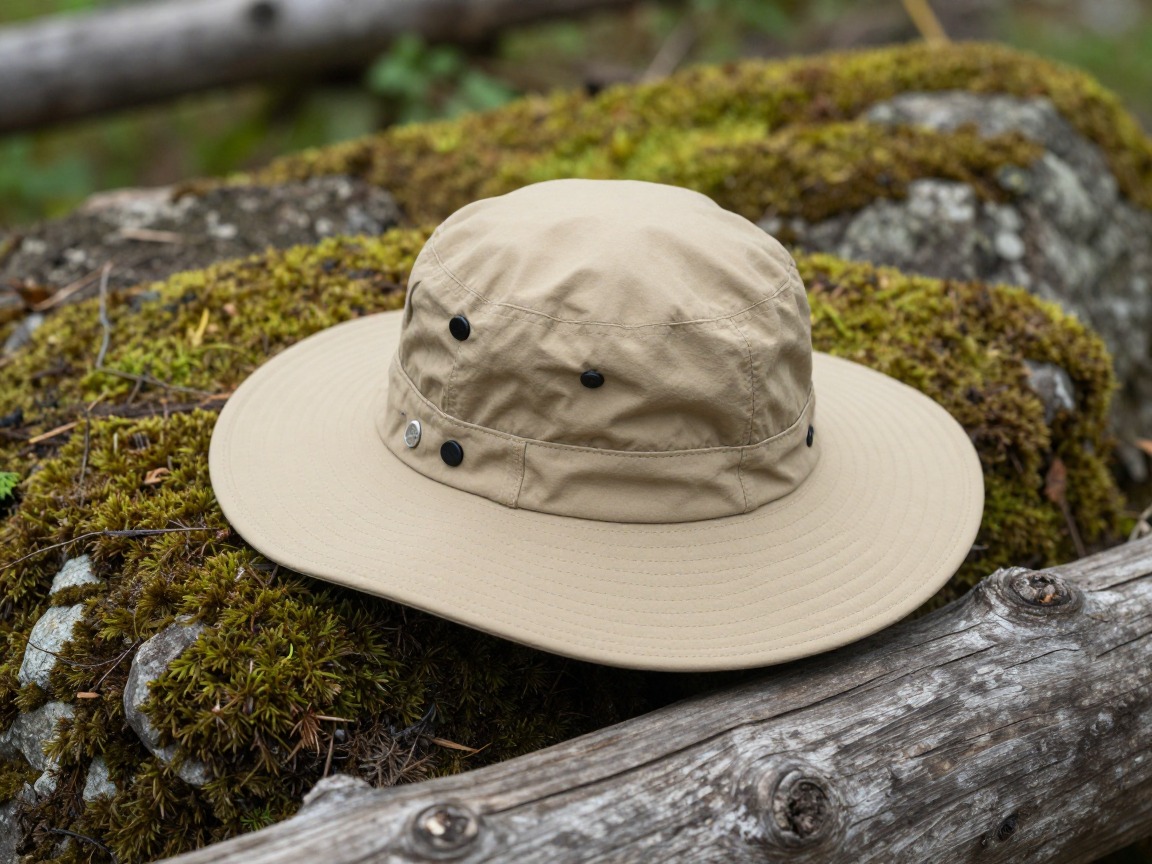
Wide-brim sun hat
Shades your face, ears, and neck in a way a cap can't, and pairs with sunglasses and sunscreen as the baseline layer under the umbrella.
What to look for: A brim wide enough to shade your neck, a chin cord that holds in wind, and a light color that reflects heat instead of absorbing it.
 FURTALK Womens Sun Hat with Ponytail Hole Beach Hiking Summer Wide B Check price
 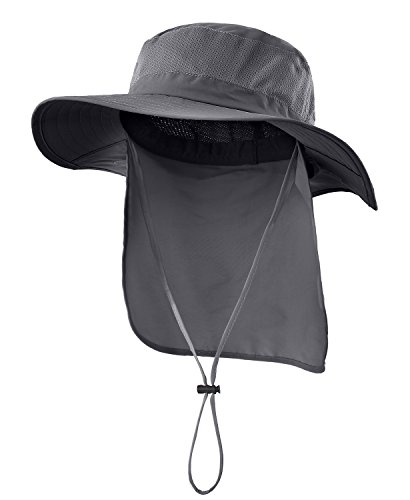 Home Prefer Outdoor UPF50+ Mesh Sun Hat Wide Brim Fishing Hat with N Check price
  FURTALK Sun Hats for Men Fishing Hat UPF Protection Wide Brim Bucket Check price
Sun hoodie
A lightweight, long-sleeve layer you can wet down at a stream or with your bottle — damp fabric against skin is one of the fastest ways to cool off on trail.
What to look for: A light-colored, loose-fit synthetic or merino blend with UPF protection, quick-drying enough to soak and keep moving, and thumbholes to cover the backs of your hands.
 100% Merino Wool Base Layer Men Set - Thermal Underwear for Men Long Check price
  Merino.tech Merino Wool Base Layer Women Set - Heavyweight Check price
  100% Merino Wool Base Layer Men Set - Thermal Long Underwear with Ba Check price
 - Buff or bandana you can soak and wrap around your neck or head
- A spare light shirt you're willing to soak completely at a water source
- Broad-spectrum sunscreen you actually reapply, plus SPF lip balm
- UV-blocking sunglasses
Timing & heat safety
On a heatwave day, the clock and the decision to turn back matter more than anything in the pack — plan the hours around the heat, and know the signs that mean it's time to stop.
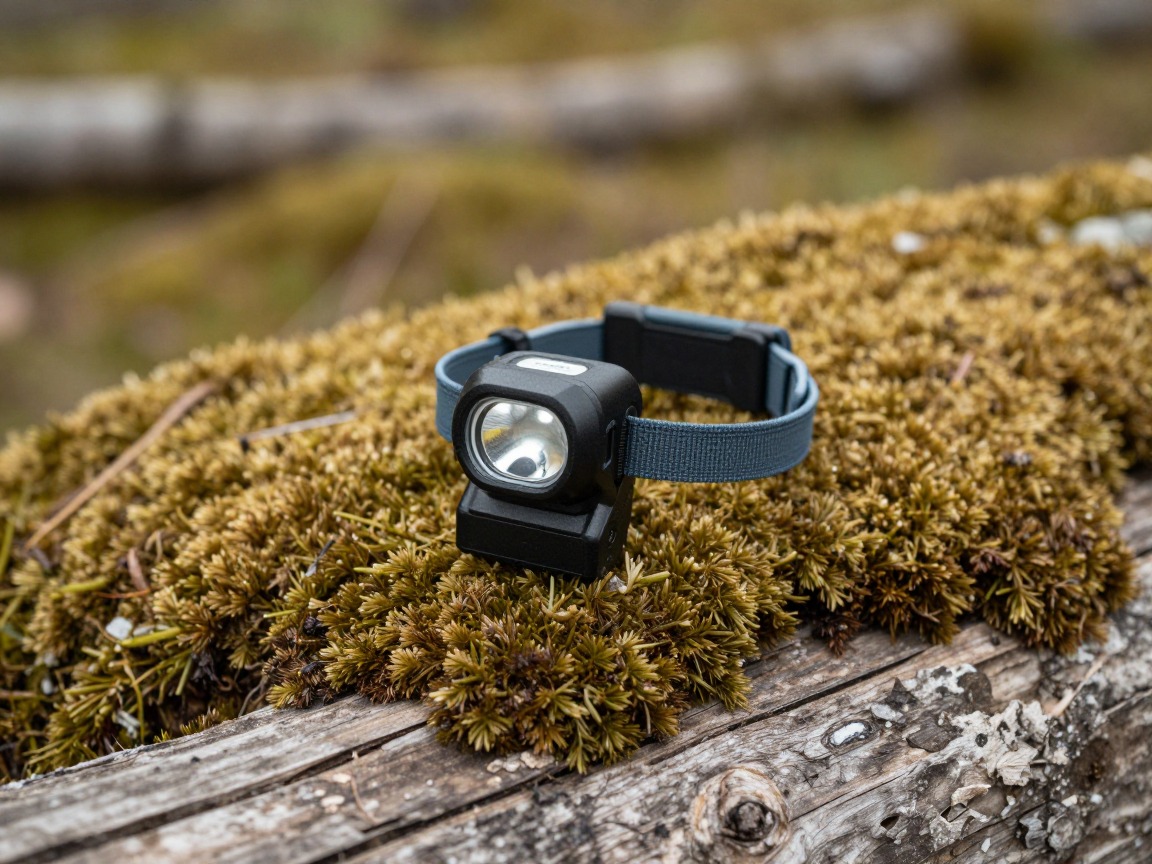
Headlamp
For a genuine dawn start — beating a heatwave usually means being on trail before first light and finished well before the hottest hours.
What to look for: Enough output to hike a trailhead approach in the dark, a comfortable strap, and batteries you trust — you're using this at 4 or 5 a.m., not just at dusk.
 LHKNL Headlamp Flashlight Check price
 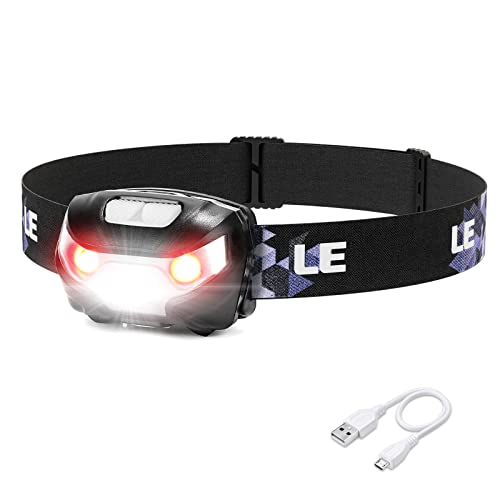 Lepro LED Headlamp Rechargeable IPX4 Waterproof Headlight 5 Modes - Check price
 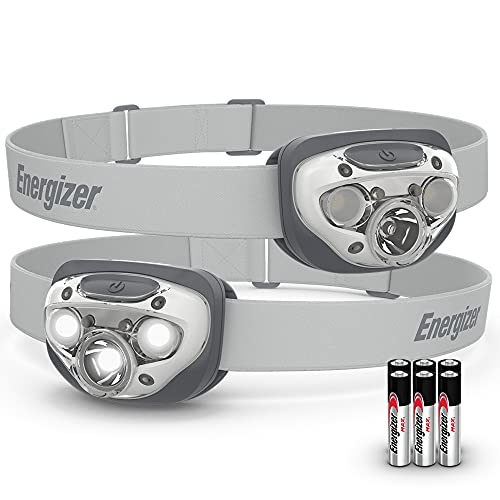 Energizer LED Headlamp PRO Check price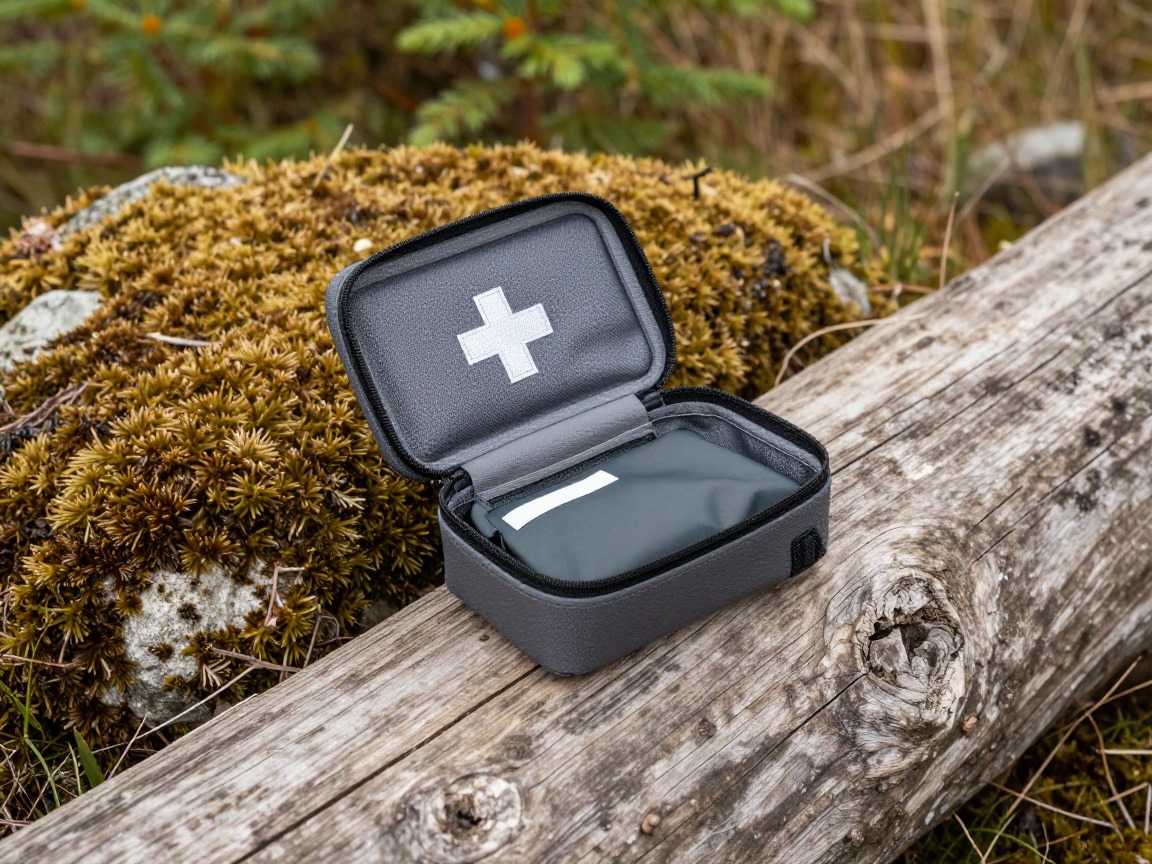
First-aid kit
A basic kit for blisters and minor injuries, paired with knowing the early signs of heat illness so you can act on them the moment they show up.
What to look for: A compact kit weighted toward blister care; the more important preparation is learning the early warning signs before you go, not what's in the box.
 Mini First Aid Kit - 150 Piece Small Waterproof EVA Hard Shell Case Check price
  Adventure Medical Kits Ultralight/Watertight Medical Kit .5 Check price
 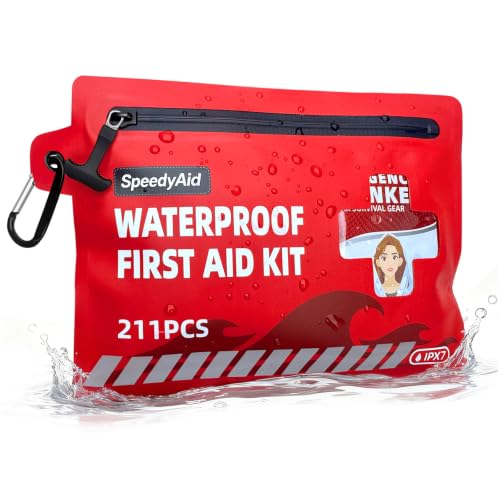 211 PCS Waterproof First Aid Kit Check price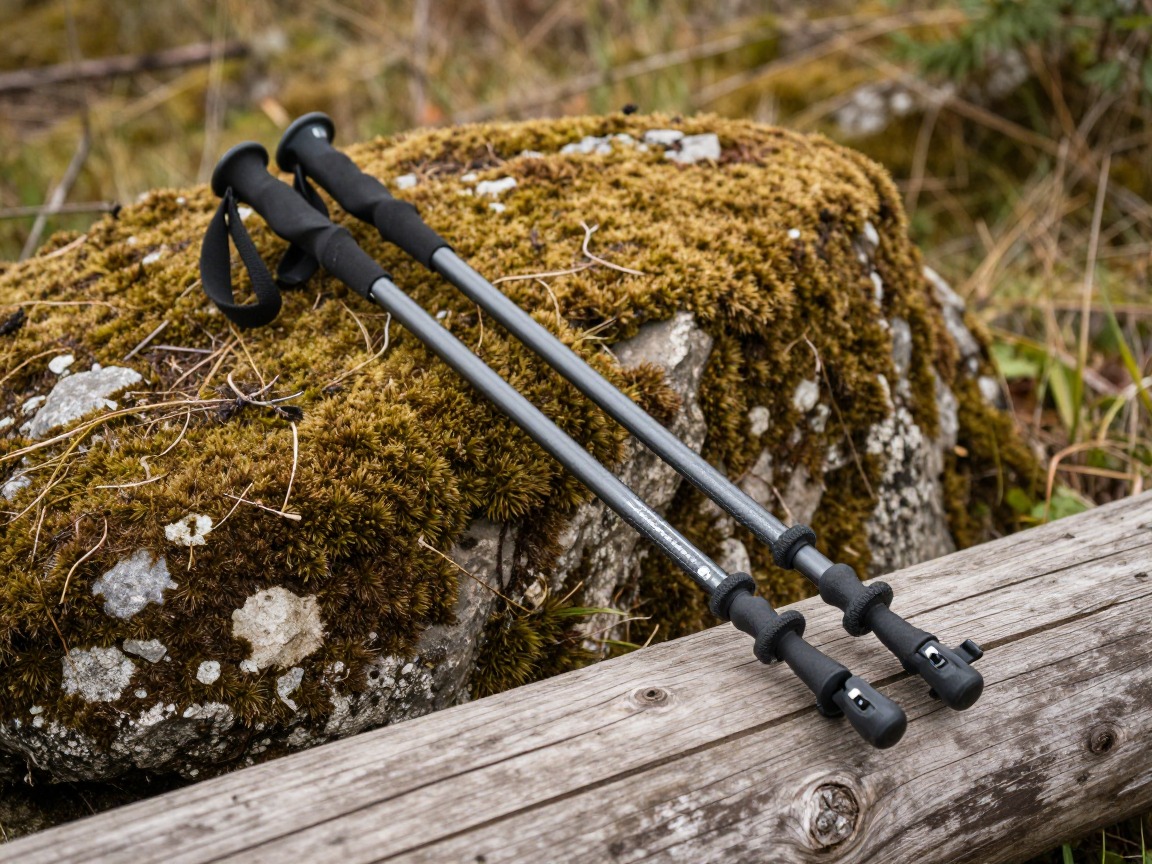
Trekking poles
Optional, but useful for saving leg effort on a shortened, faster-paced heatwave hike, where every bit of saved exertion is heat you're not generating.
What to look for: Lightweight, comfortable grips that won't get slick with sweaty hands, and quick, reliable locks.
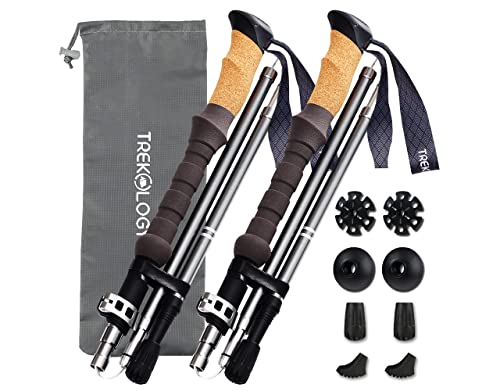 Trekology Trek-Z Cork Grip Collapsible Lightweight Hiking Trekking P Check price
 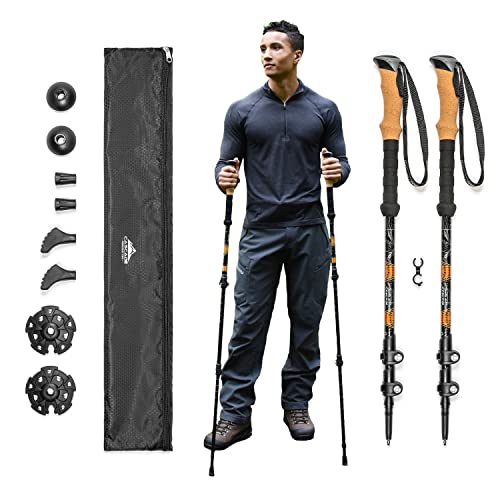 Cascade Mountain Tech Trekking Poles Check price
 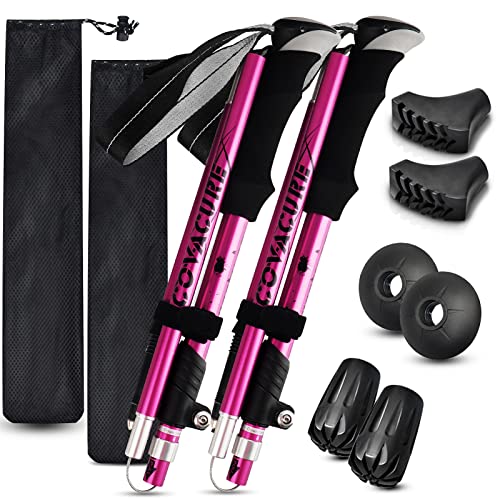 covacure Hiking Poles Check price
 - Map + compass or GPS with offline maps
- Phone + power bank
- Whistle
- A dawn start time and a hard, early turnaround written down before you leave
- Know the signs of heat exhaustion — heavy sweating, dizziness, nausea, headache, clammy skin — as the signal to stop, find shade, cool down, and hydrate right away
- Know that heat stroke — confusion, or sweating that suddenly stops — is a 911 emergency, not something to manage on trail
- A backup plan: postpone the hike, or switch to a shaded, water-access route if the morning already feels too hot
How to adapt this setup
If the trail has no shade and no water access at all, treat that as your answer for the day — postpone, or drive to a route that has both rather than pushing a shadeless hike into a heatwave afternoon.
In humid heat, sweat can't evaporate to cool you the way it does in dry heat, so lean even harder on active cooling — wetting down often matters more than how much you're drinking.
Plan the turnaround around the most heat-sensitive person in the group, carry a bigger water and electrolyte margin than you'd need solo, and be the one willing to call it early.
If the heatwave runs several days, shift to very short, dawn-only outings or rest days entirely rather than trying to hold the same mileage you'd do in normal weather.
Once the excessive heat warning lifts, scale back toward a standard summer day-hike setup — you can ease off the water margin and umbrella, but keep the sun protection.
Common mistakes to avoid
- Treating a heatwave day like a normal hot day and packing the same water you'd carry any other summer.
- Starting mid-morning instead of at first light, so the hardest miles land in the hottest hours.
- Skipping active cooling — no wet buff, no umbrella, no plan beyond drinking water and hoping.
- Replacing fluids but not salt, then feeling drained, foggy, or crampy despite drinking plenty.
- Ignoring early warning signs like dizziness or nausea instead of stopping in shade immediately.
- Refusing to postpone or reroute once the forecast crosses into an excessive heat warning.
Make it yours
Frequently asked questions
How do I know if it's too hot to hike?
Check for an excessive heat warning or advisory, not just the temperature — those alerts mean conditions are dangerous, not simply uncomfortable. If one is in effect and your route has little shade or water, the safest choice is to postpone, shorten the hike, or pick a shaded, water-access route instead.
What's the difference between heat exhaustion and heat stroke?
Heat exhaustion is the earlier stage — heavy sweating, dizziness, nausea, headache, clammy skin — and the response is to stop, get into shade, cool down, and hydrate. Heat stroke is more severe, sometimes with confusion or sweating that suddenly stops, and it's a medical emergency: call 911 immediately rather than trying to manage it on trail.
What actually cools you down fastest on trail?
Wetting your skin or clothing directly — a soaked buff around your neck, a shirt dunked at a stream, or shade from a hiking umbrella — cools you faster than water alone, because evaporation pulls heat off your body right away. Pair it with shade and rest rather than pushing through.
Should I bring electrolytes on a heatwave hike?
Yes — heavy, sustained sweating drains sodium and other electrolytes along with fluid, and plain water alone won't replace them. Electrolyte tabs, a drink mix, or salty snacks alongside your water plan help you avoid feeling drained or foggy despite drinking enough.
When should I just cancel a hike because of heat?
When an excessive heat warning is in effect, your route has little shade or reliable water, or you can't realistically finish before the hottest hours arrive. Postponing is a legitimate, often the safest choice — a heatwave trail will still be there on a cooler day.
Illustrative images show the type of gear, not specific products. Recommendations link to similar items on Amazon; we only ever link real listings and never show fabricated prices or ratings. General planning guidance, not a substitute for your own judgment or professional backcountry-safety instruction.